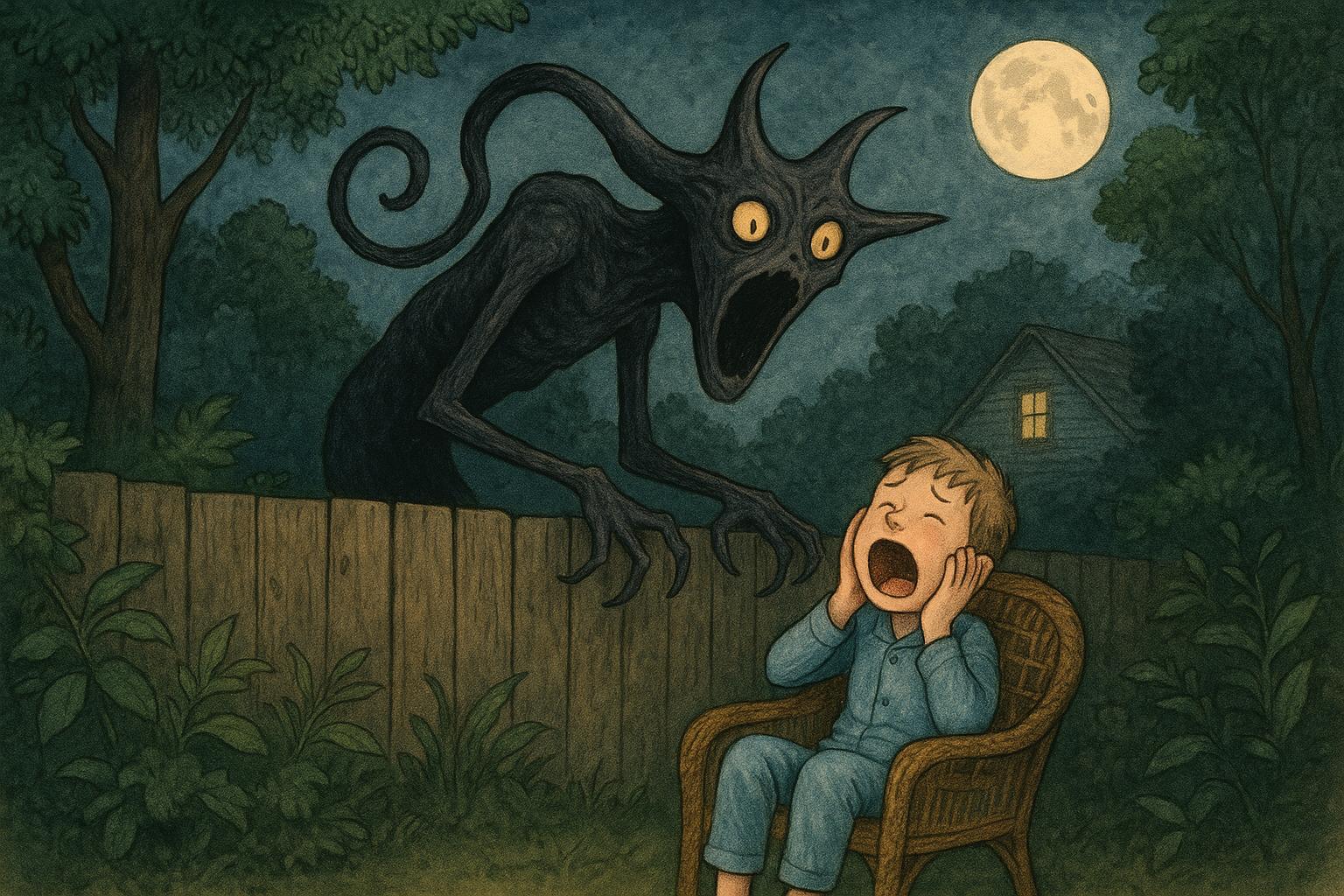
I was out on my back porch the other night, coffee in hand, wondering whether my neighborhood had suddenly become a gothic opera house. The culprit? A single, piercing night scream that made the cat drop her nap and sit bolt upright. If your backyard sounded like it was auditioning for a horror film, you’re not alone — and you might be closer to the wildlife director’s chair than you think.
## What Is Causing The Night Scream In Your Backyard Today
Nighttime noises can be dramatic, but they usually have ordinary explanations. The phrase night scream has become shorthand for that sudden, high-pitched call that makes you pause and look around. Understanding what’s making the sound helps you decide whether to be amused, concerned, or ready to take action.
## Night Scream: Common Backyard Culprits
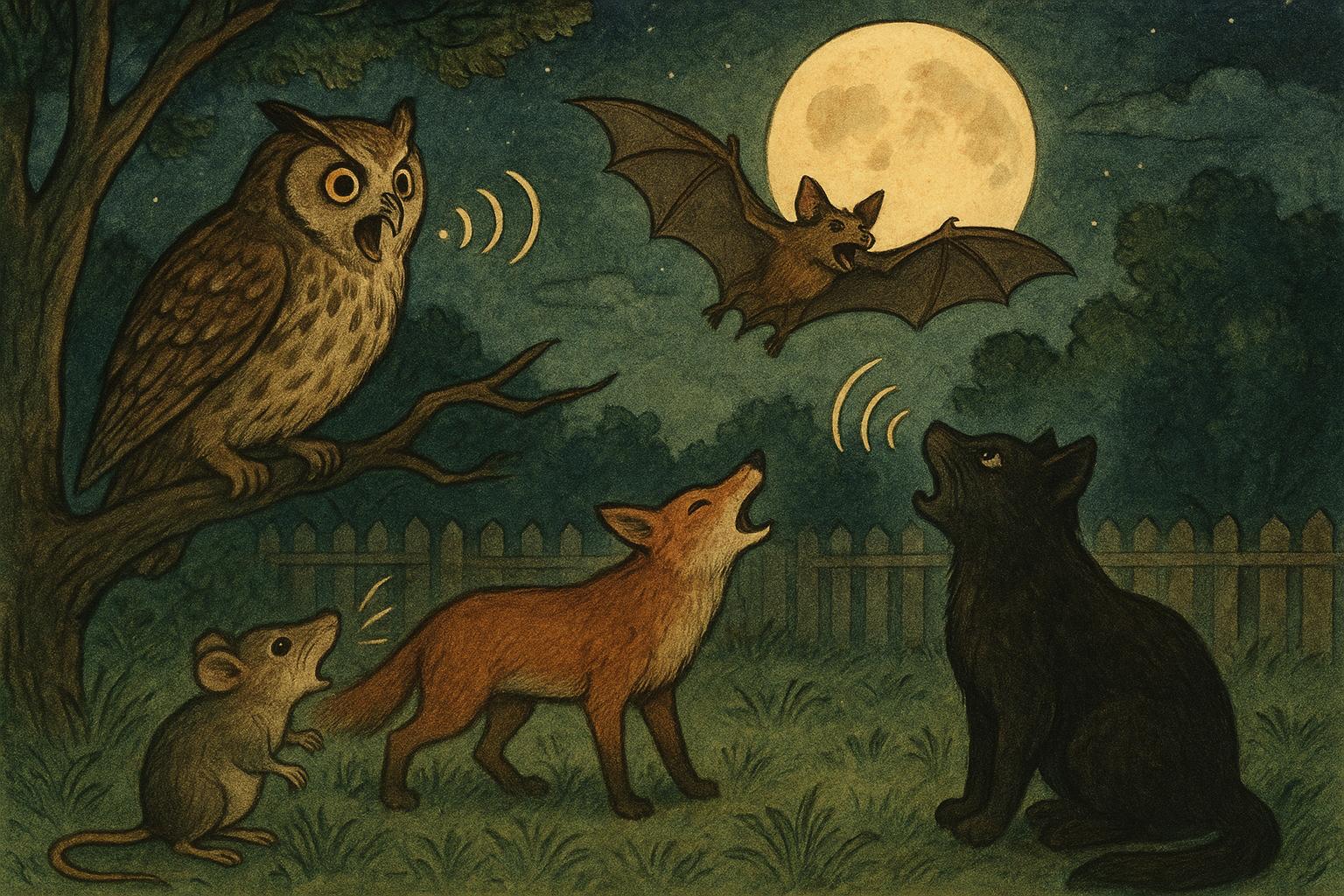
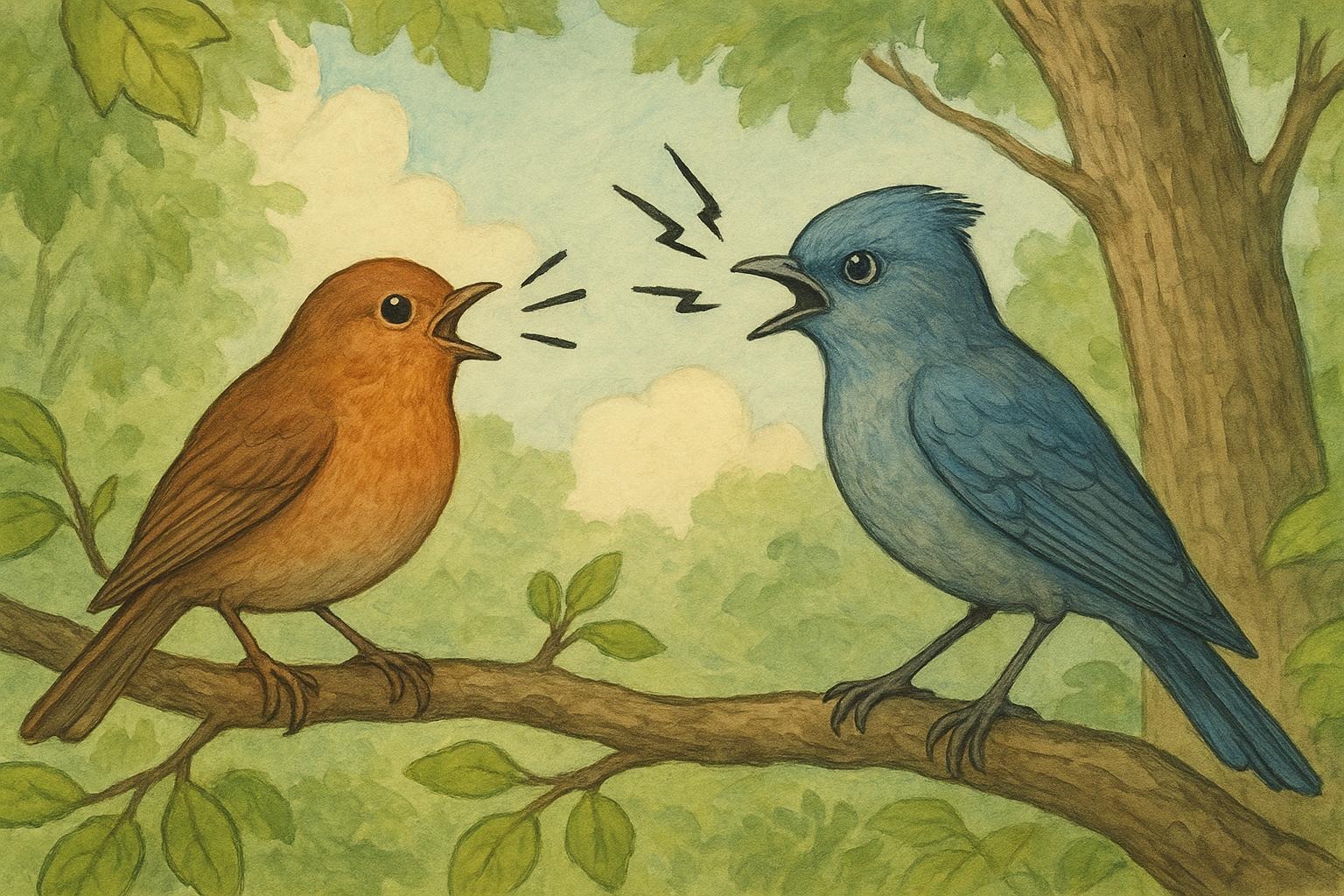
Wild creatures use loud calls to defend territory, attract mates, or warn of danger. Here are the usual suspects when your yard erupts with a night scream.
### Owls And Their Eerie Calls
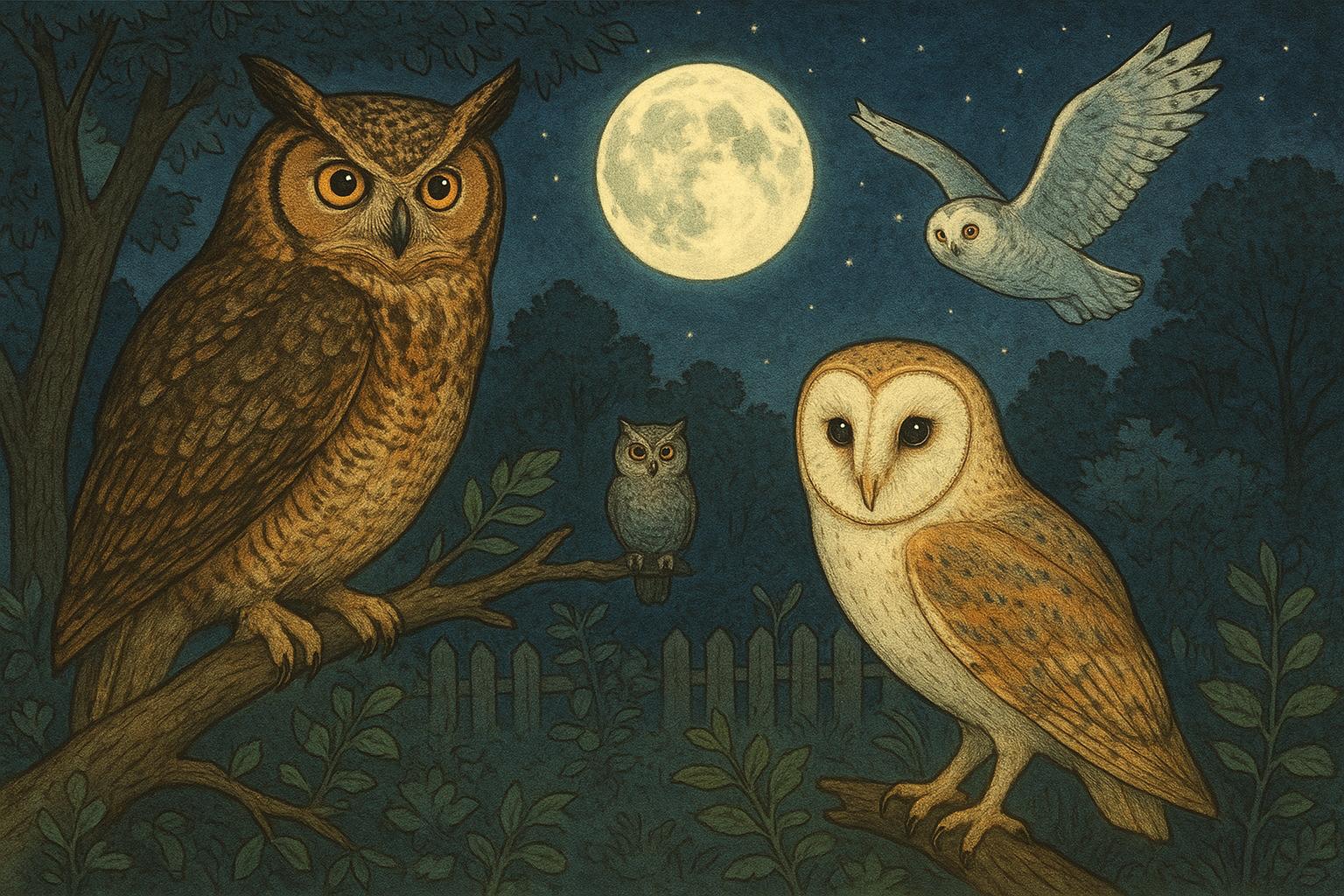
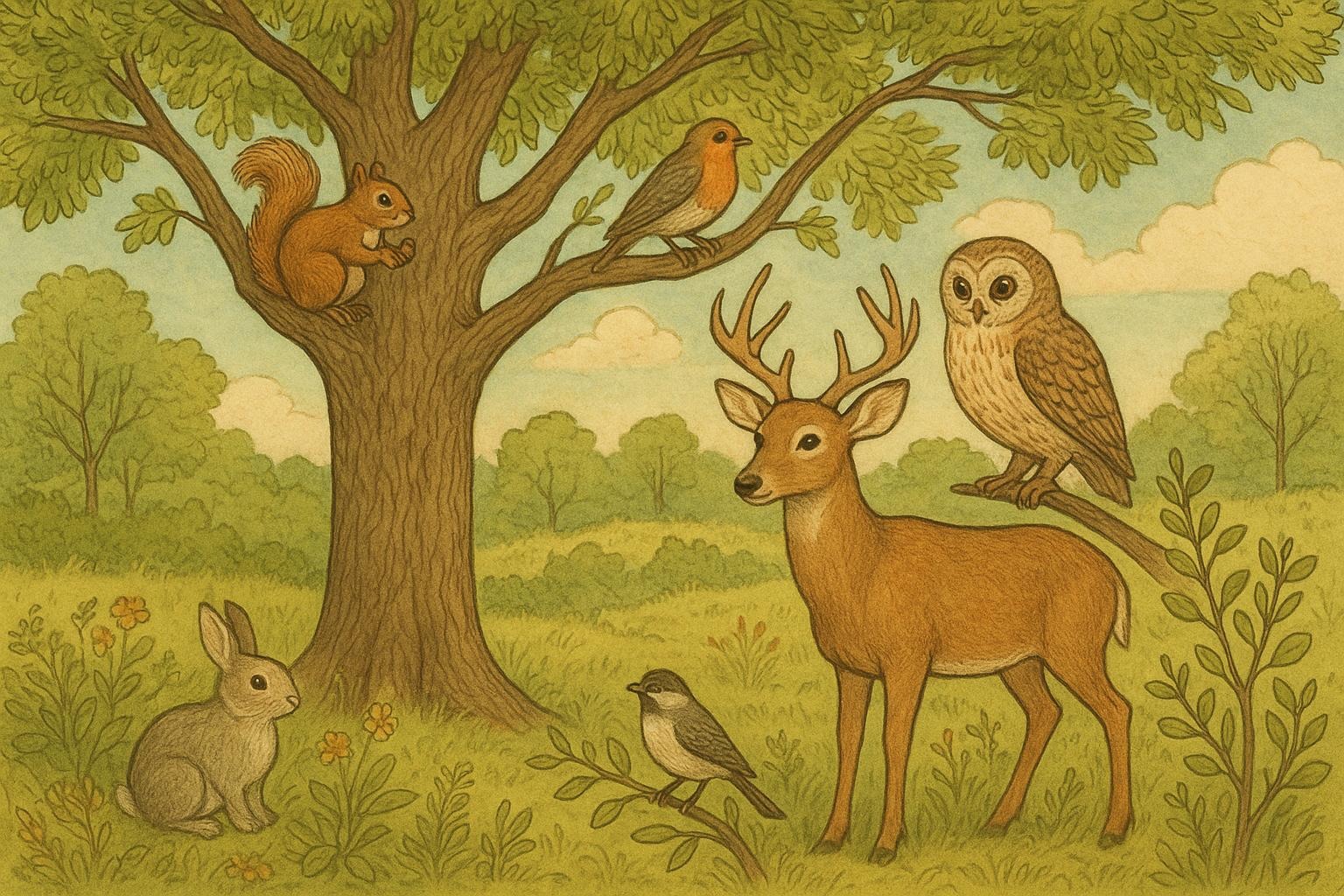
Owls are a top contender. Species like the barred owl or great horned owl produce long, resonant hoots, but some owls have screams or screeches that sound startlingly human. These vocalizations usually indicate territory marking or communication between mates. They’re most active at dusk and through the night.
### Coyotes And Canine Yips
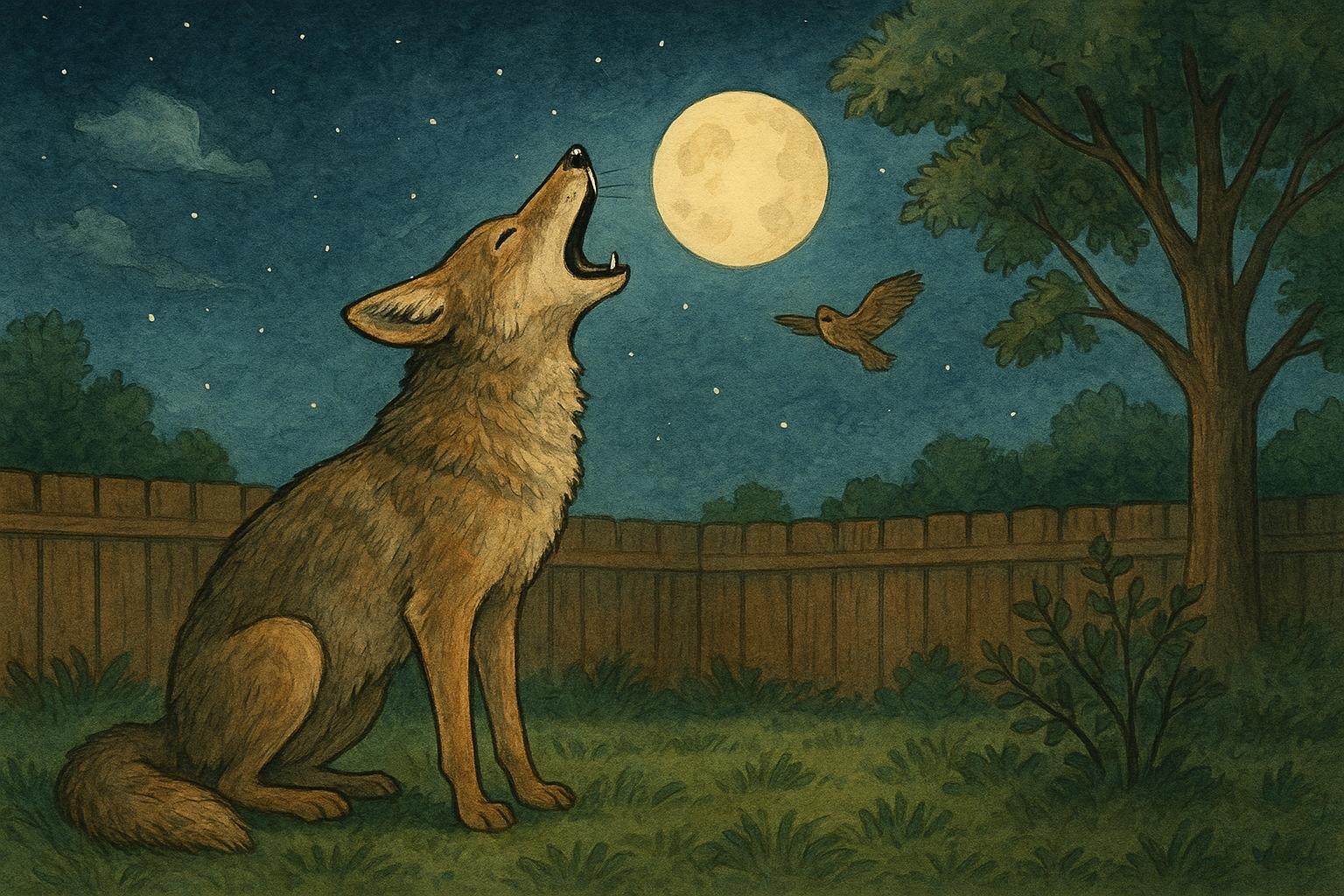
Coyotes have a wide vocal repertoire: yips, howls, and single-note screams that can carry across neighborhoods. A lone high-pitched yelp or scream is often a coyote in social interaction — sometimes calling to a group, sometimes signaling frustration. Urban coyotes have adapted to human presence and may be active at night to avoid daytime activity.
### Foxes And High-Pitched Screeches
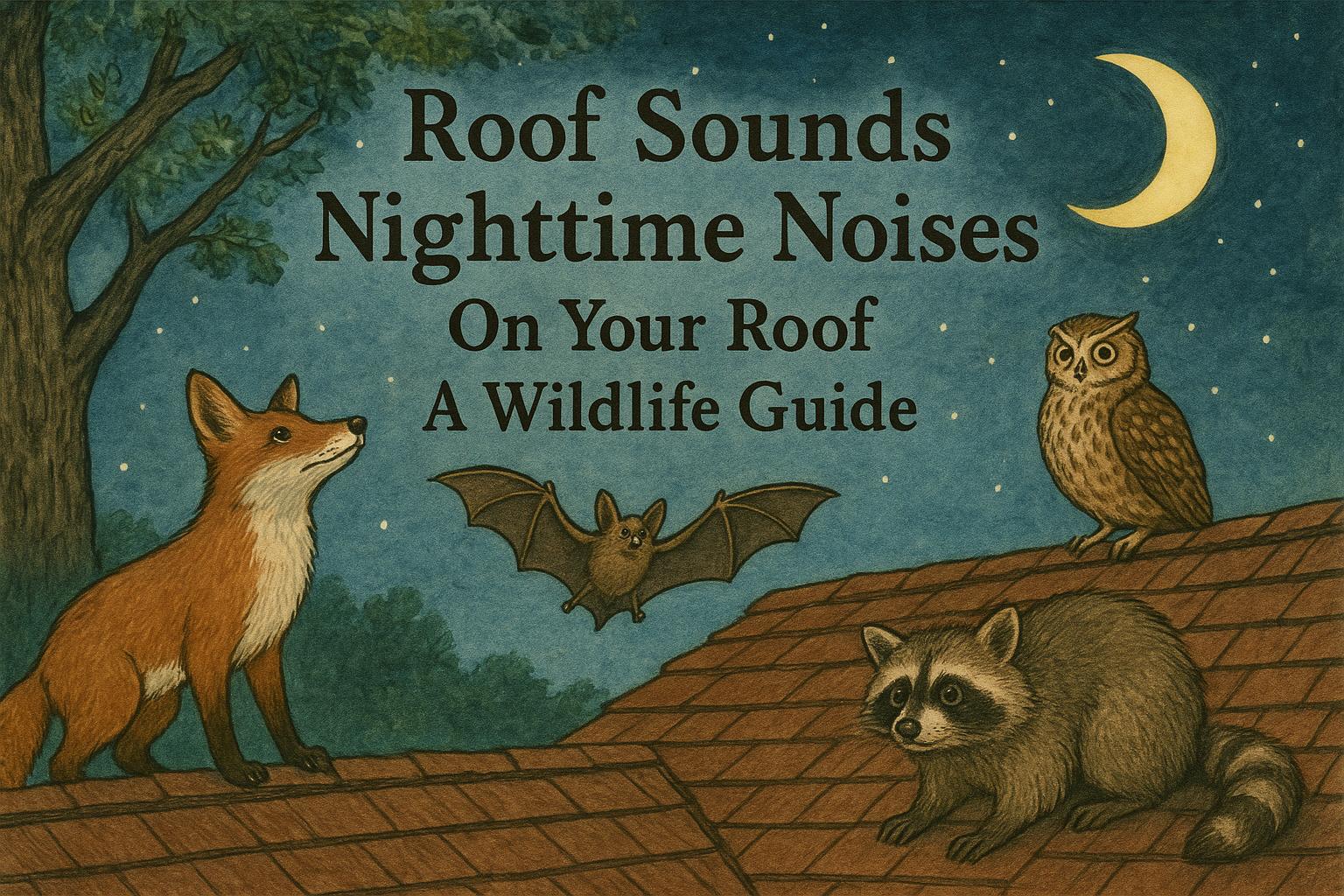
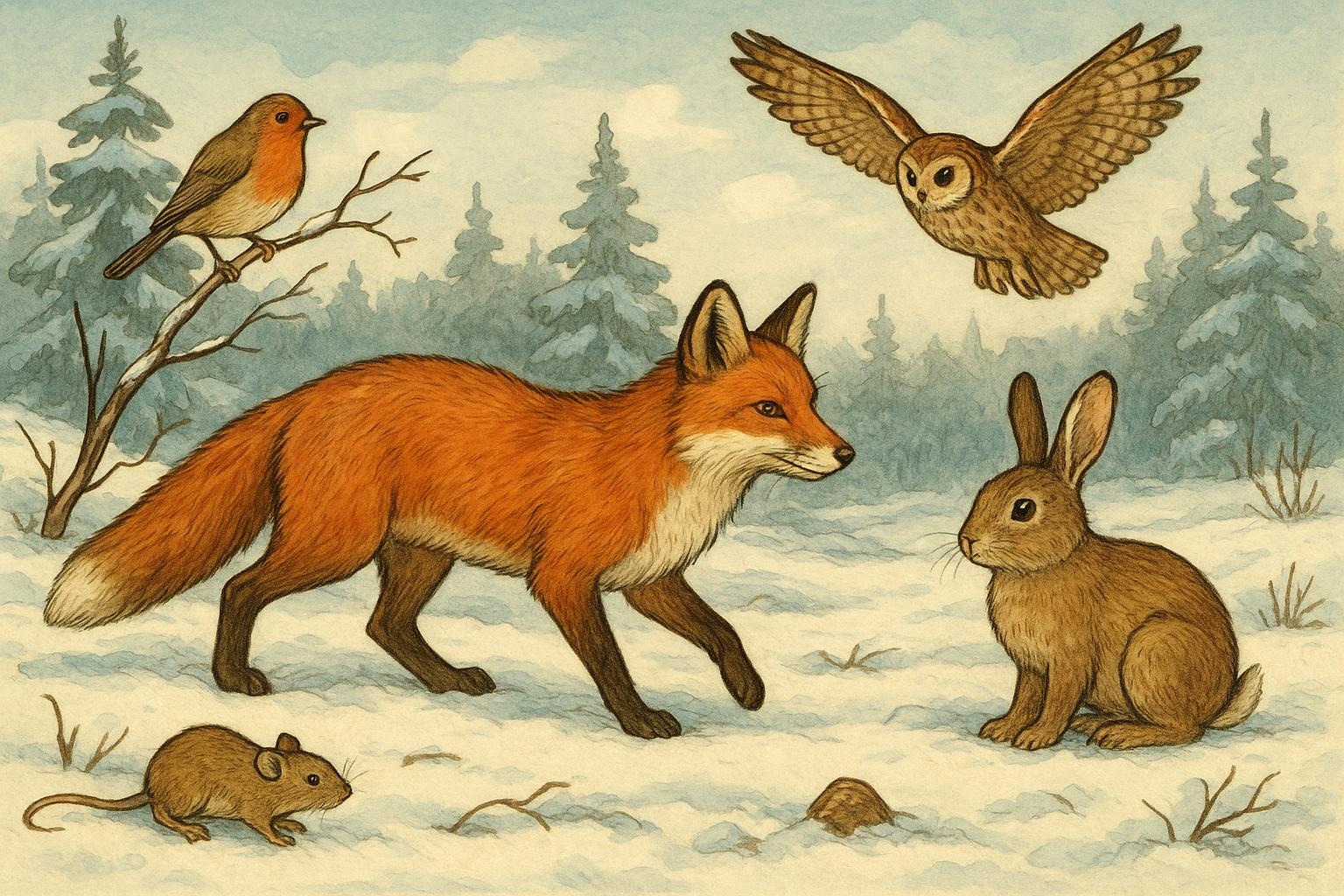
Red and gray foxes are famous for a shrill, almost blood-curdling scream, typically produced by females during mating season or by kits trying to get attention. That scream can sound alarmingly like human distress, but it’s normal fox behavior — especially in late winter and spring.
### Raccoons, Opossums, And Other Noisy Neighbors
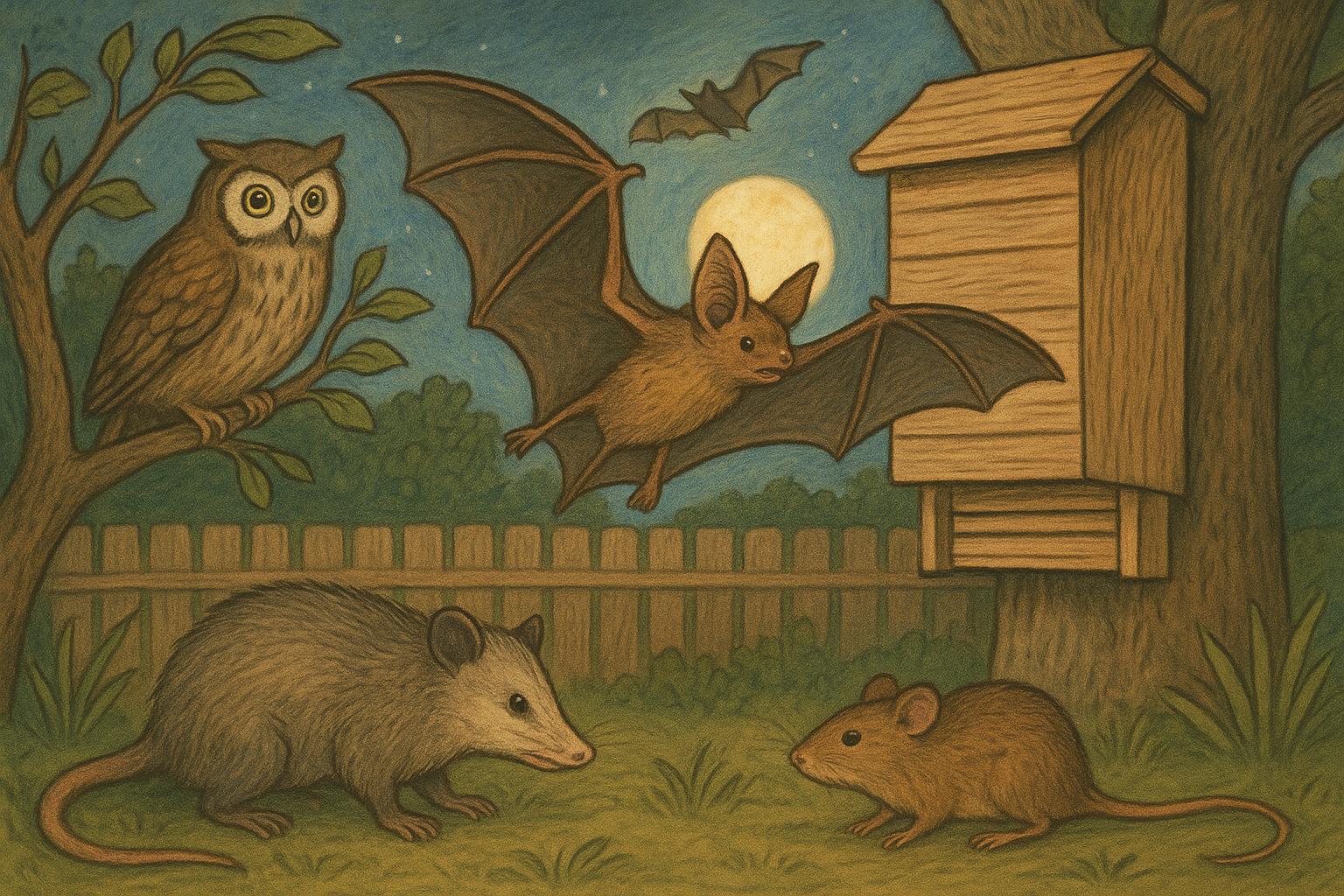
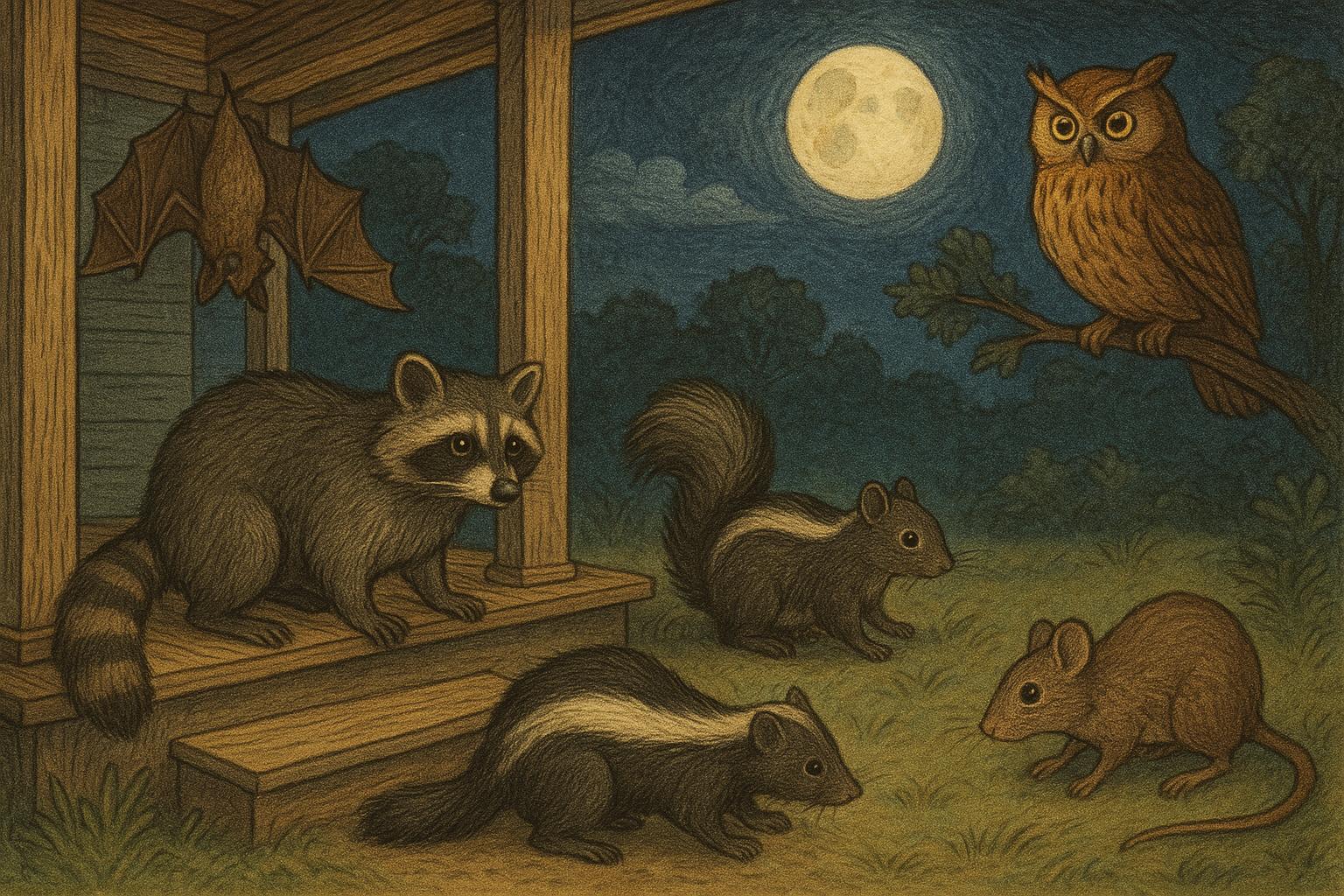
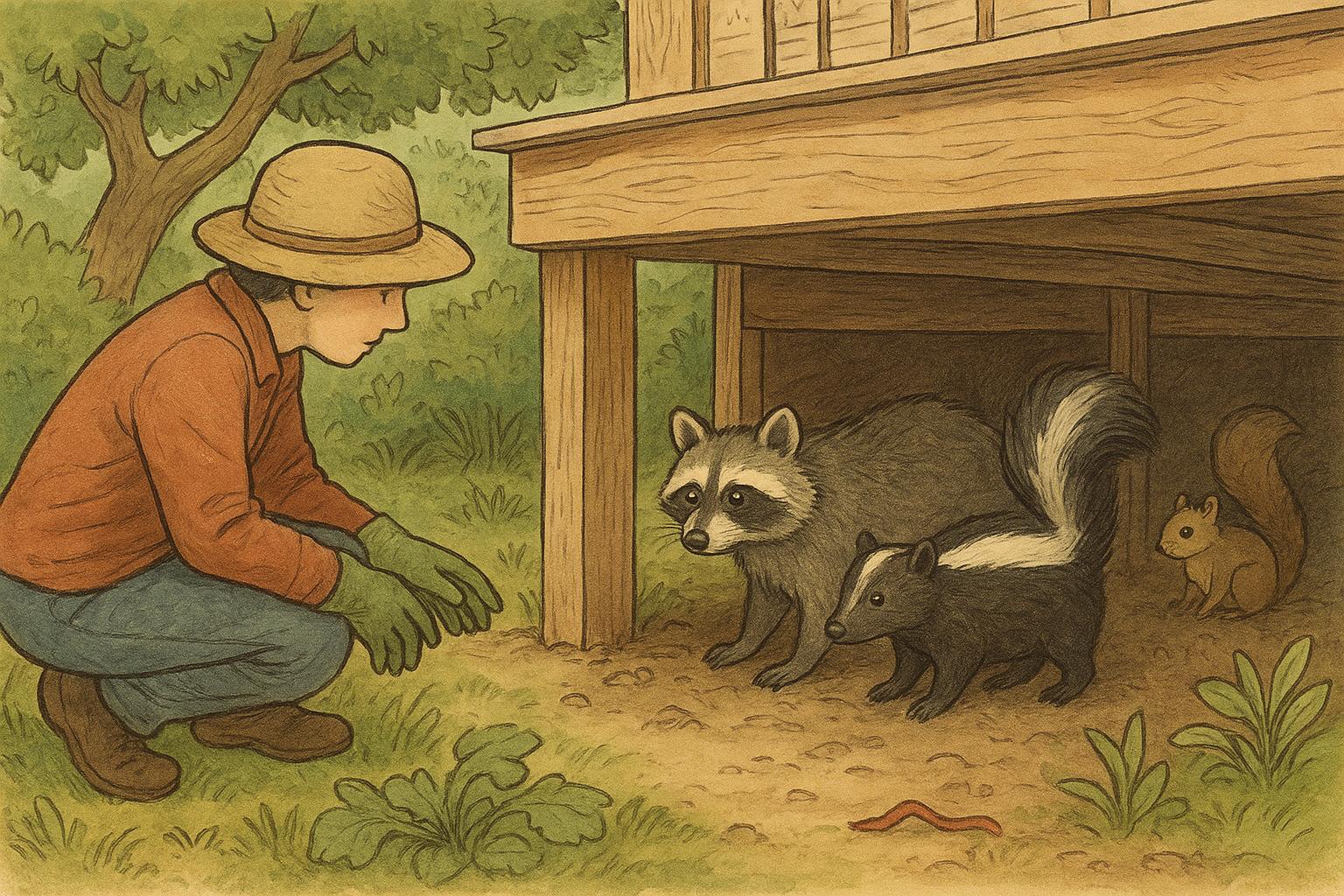
Raccoons and opossums can produce surprisingly vocal displays, including hisses, snarls, and loud screams when threatened or during mating. These sounds are shorter and more irregular than owls’ calls but can still make you jump.
### Frogs, Insects, And Unexpected Sources
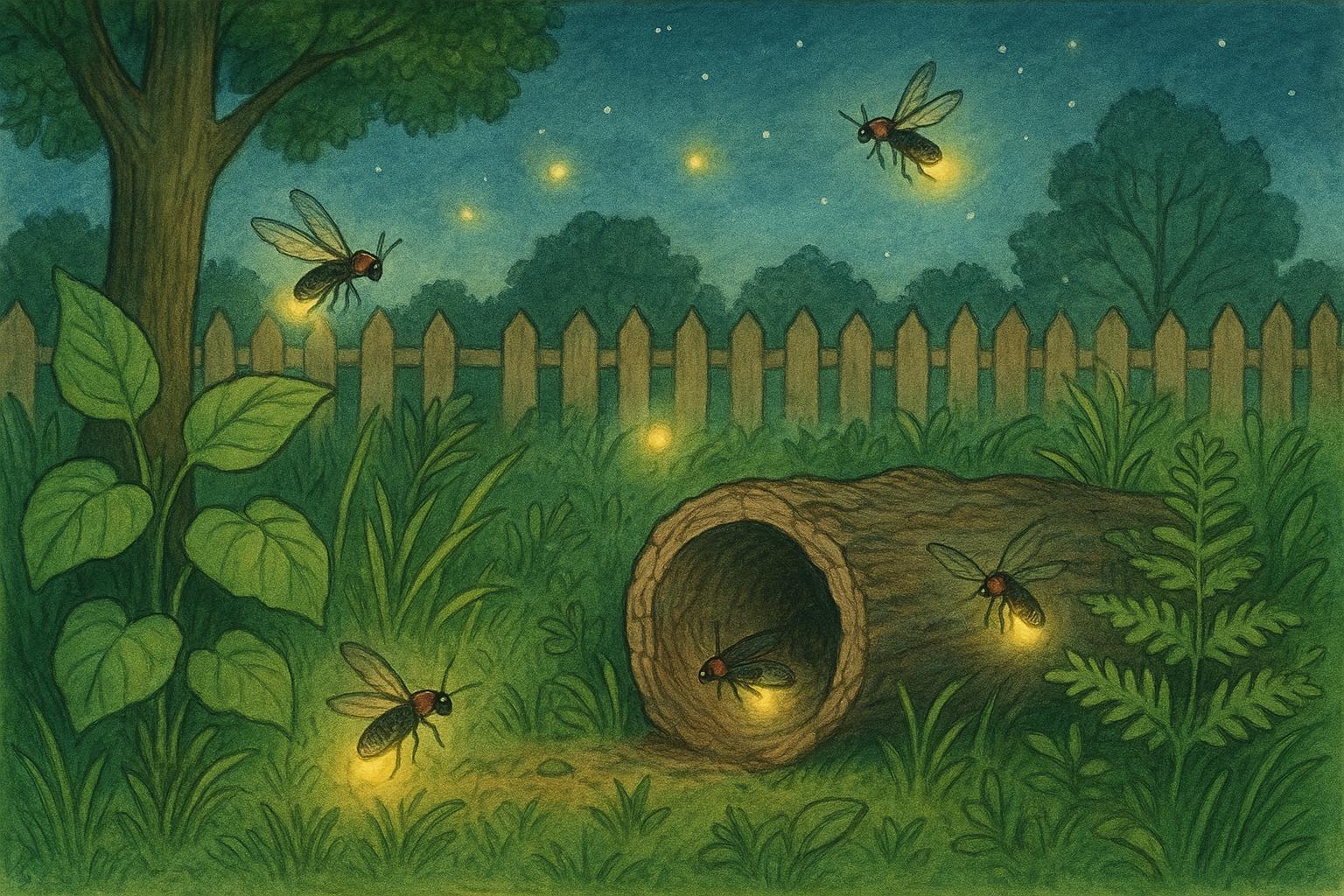
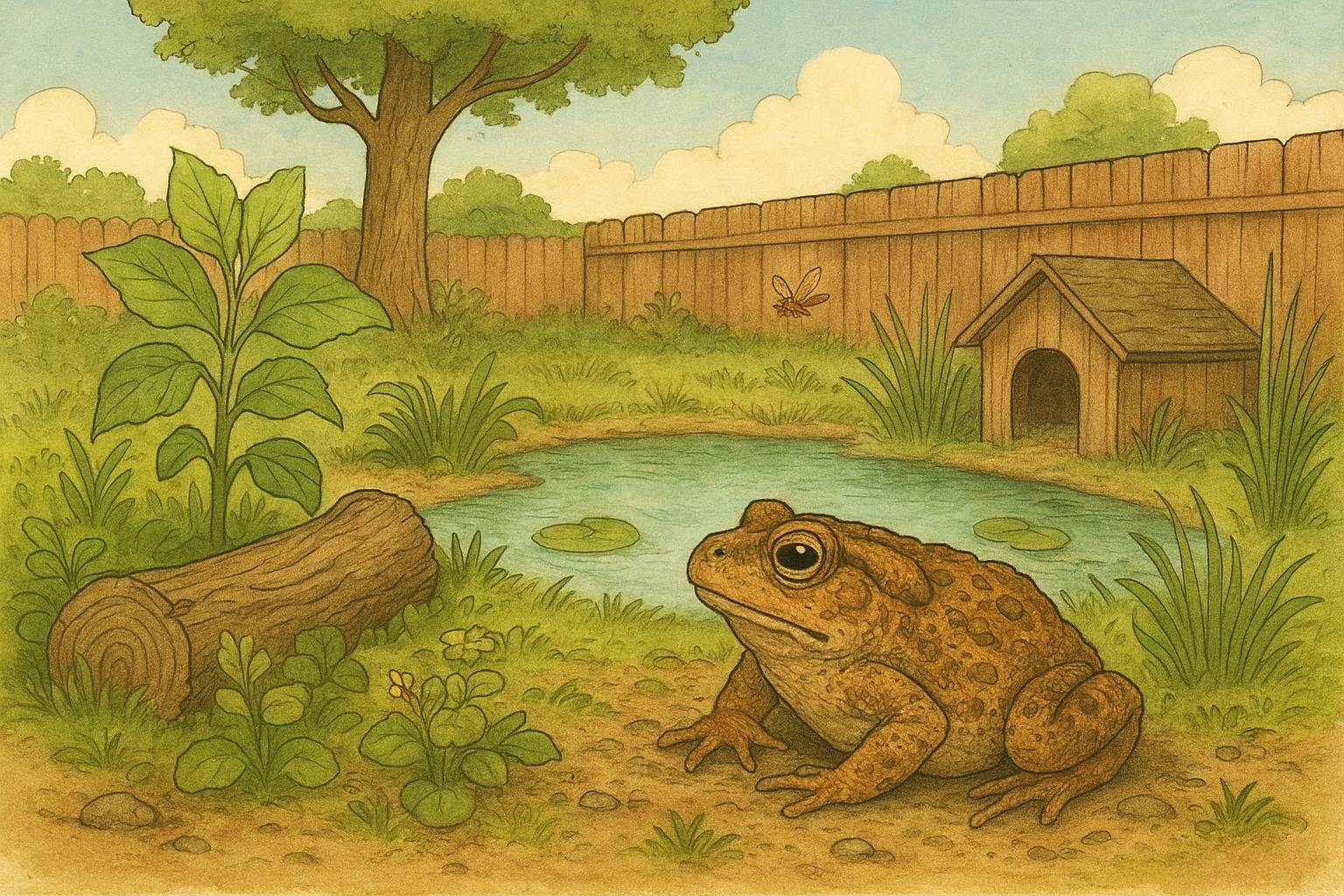
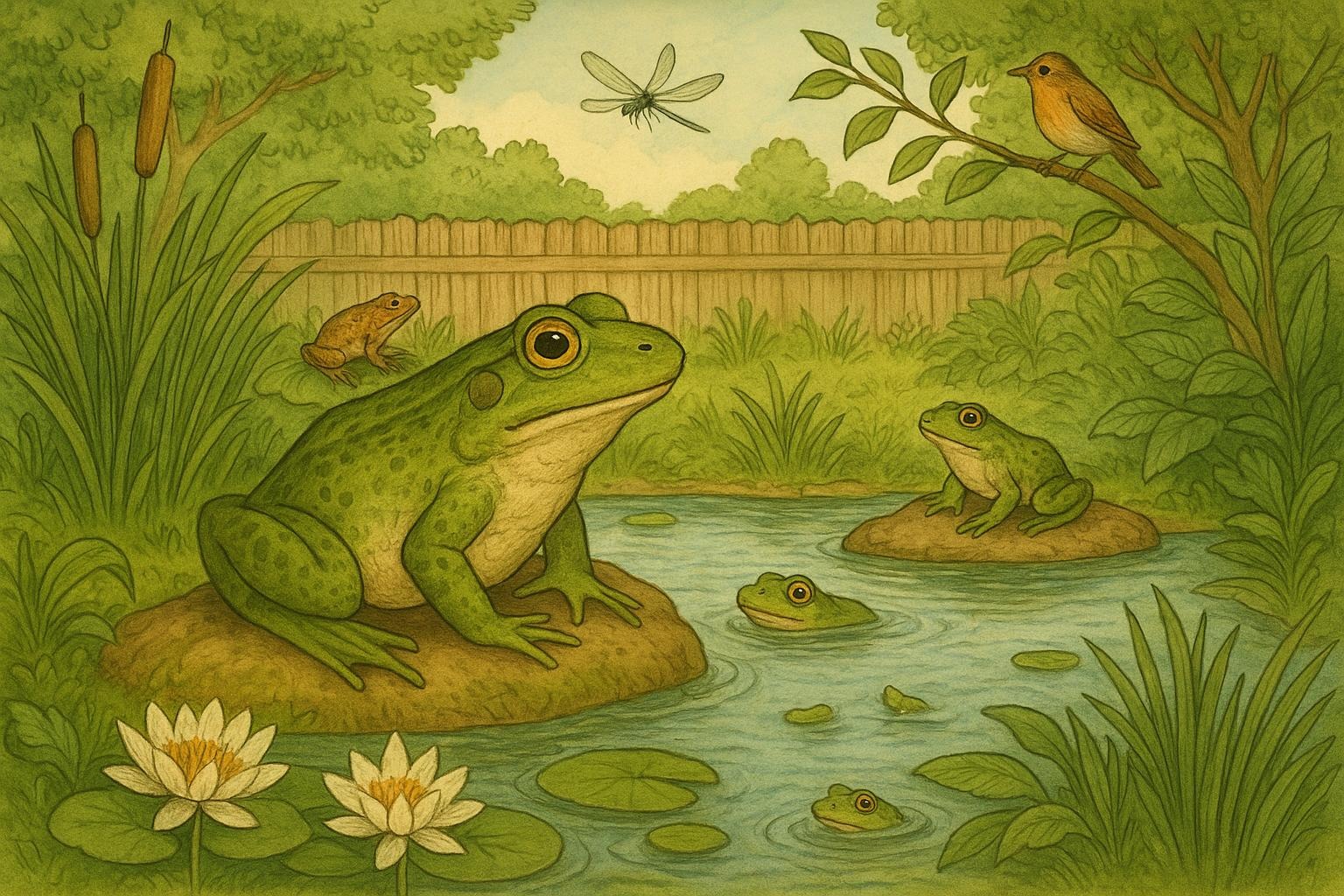
Don’t forget amphibians and large insects. Certain frogs and katydids produce calls at night that are loud and startling. While they’re rarely the “scream” you hear in a spooky movie, they can add to an already noisy soundscape and make the main scream seem more dramatic.
## How To Tell Who’s Responsible
Distinguishing the source helps you choose an appropriate response. Listen for pattern, tone, and timing.
### Listen For Pattern And Pitch
Owls tend to have repeated hoots or slow calls. Coyotes and foxes produce more abrupt, variable cries — sometimes a series of yips ending in a long scream. Frogs and insects repeat rapid, rhythmic calls. If the sound is a single, long, human-like scream, think fox or coyote first.
### Check Habitat Clues
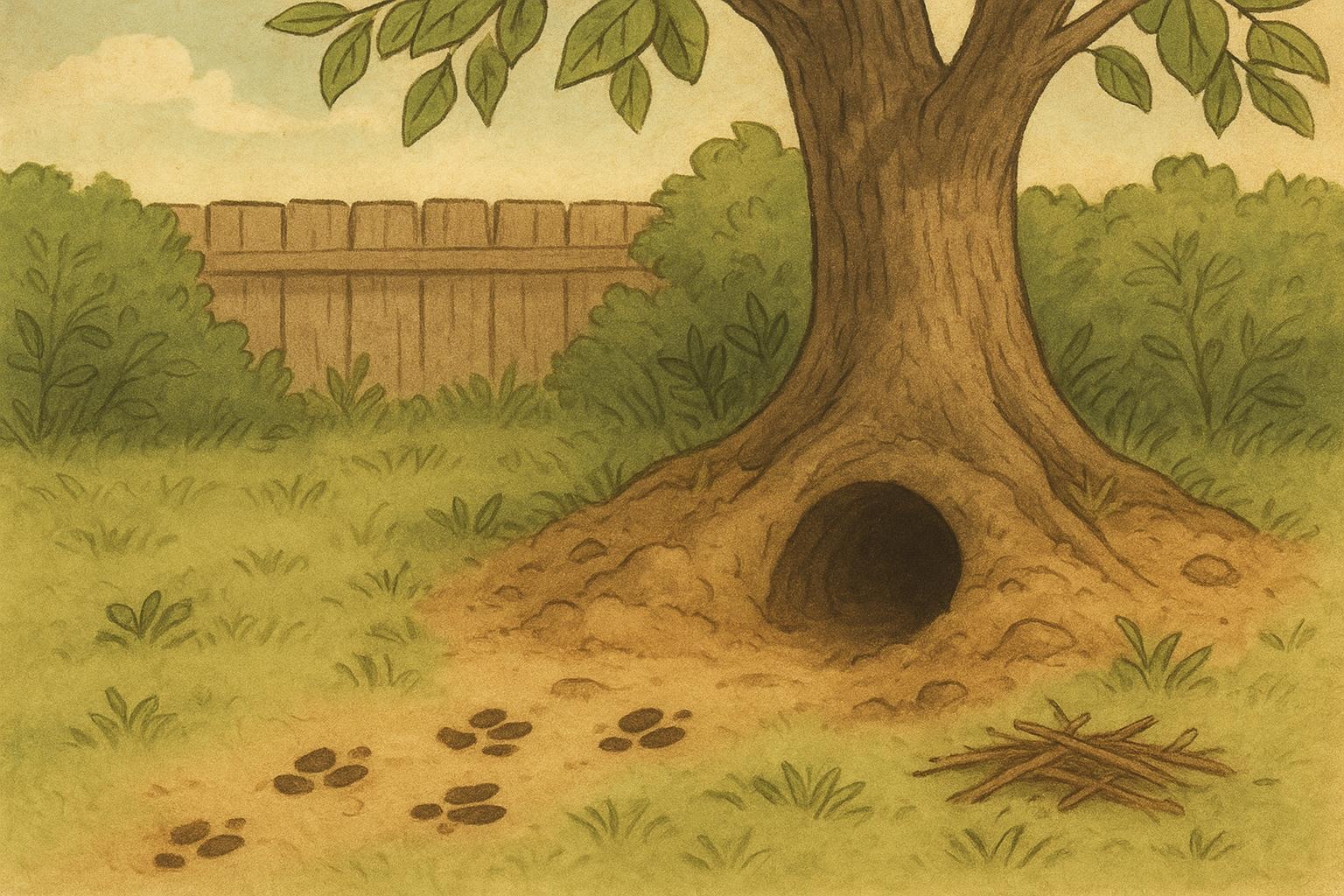
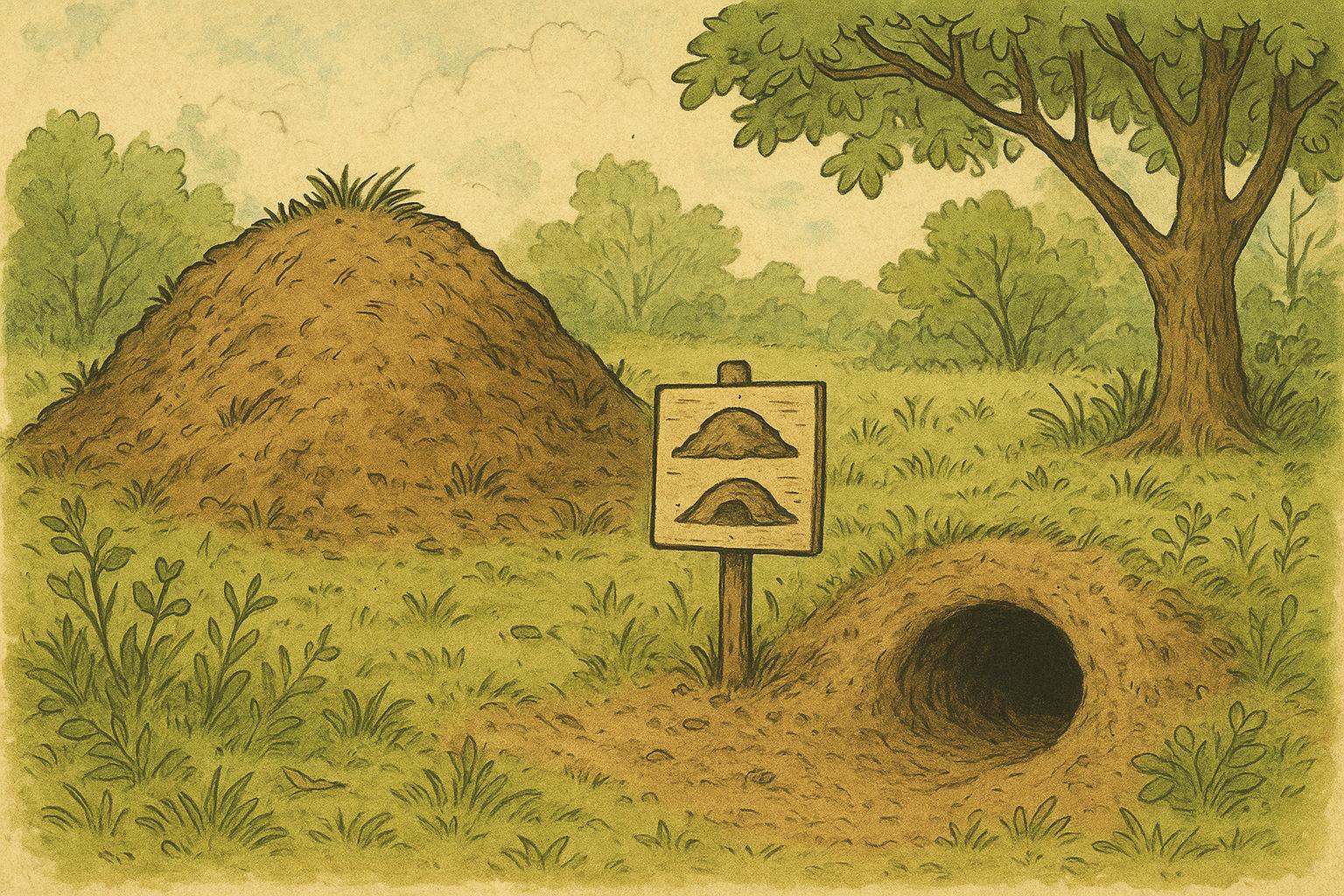
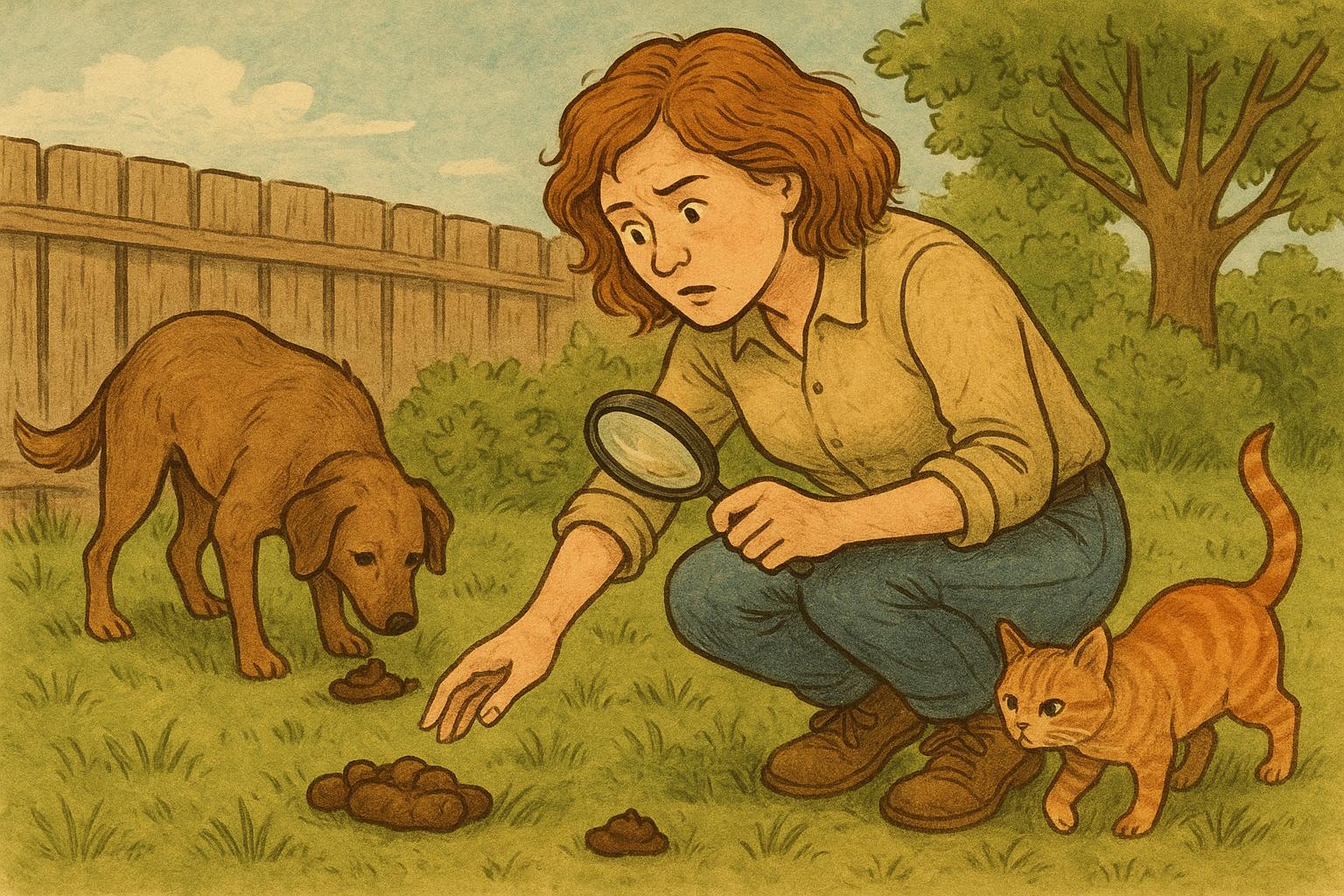
Where did you hear it from? Trees and tall perches suggest owls. Open fields or brushy edges point to coyotes or foxes. Ponds or wet areas indicate frogs. Look for accompanying signs: scat, tracks, or disturbed trash can lids can point to raccoons or coyotes.
### Use Recording Or Phone Video
If it’s safe, record the sound. A short clip with a timestamp can be matched later to species calls using apps or local wildlife resources. This is especially helpful if the sound recurs.
## Remedy 1: Exclusion And Habitat Modification
When the night scream is bothersome because the animal is nesting too close, or you’re dealing with repeated visits, habitat modification is the primary, humane remedy. This section is formal and practical.
#### Required Materials
– Heavy-duty gloves
– Pruning shears or loppers
– Motion-activated lights (LED)
– Secure lids for trash bins (metal or locking plastic)
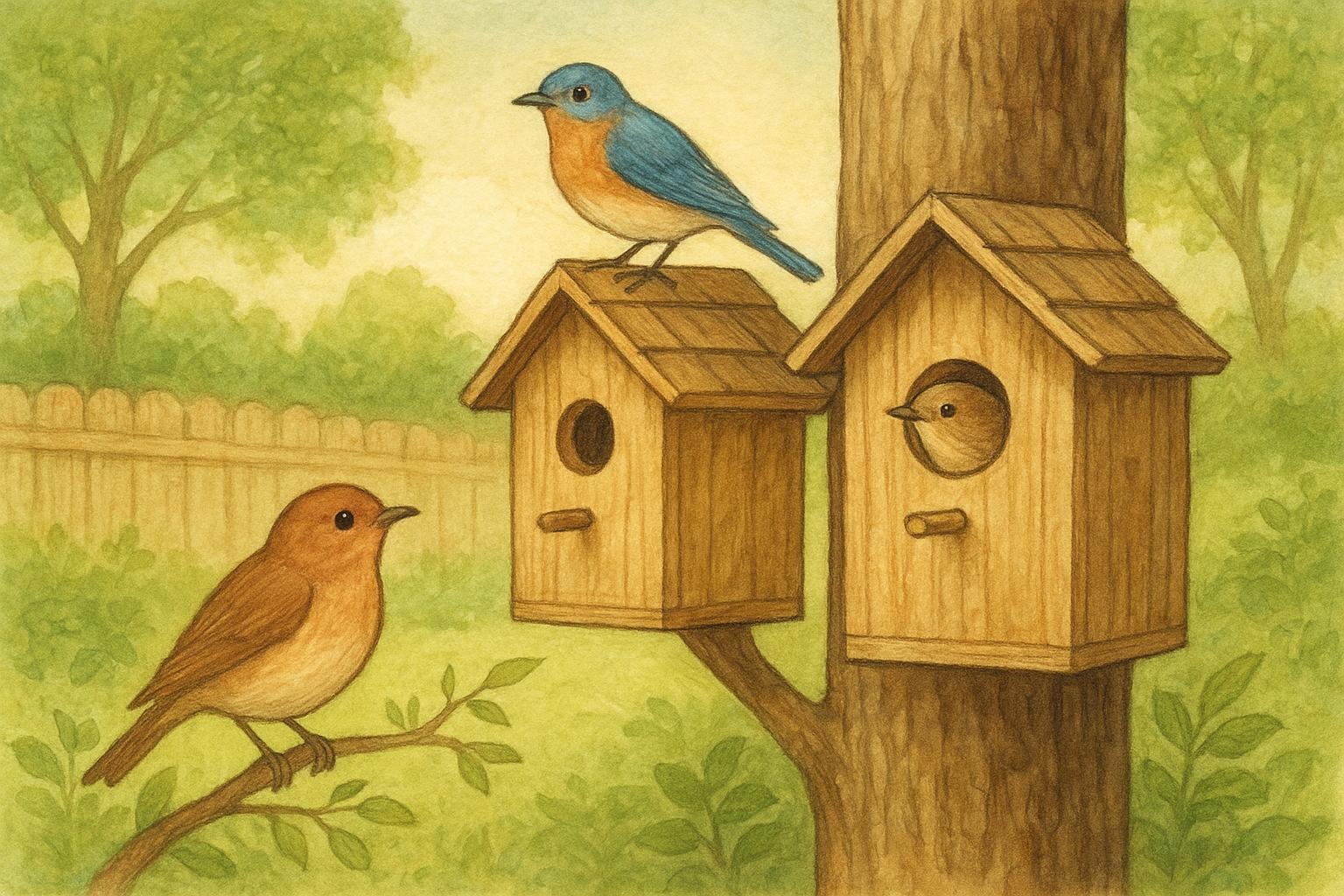
– Birdhouse or nesting box removal tools (if applicable)
– Hardware cloth or mesh (1/2 inch)
#### Step-By-Step Creation And Application
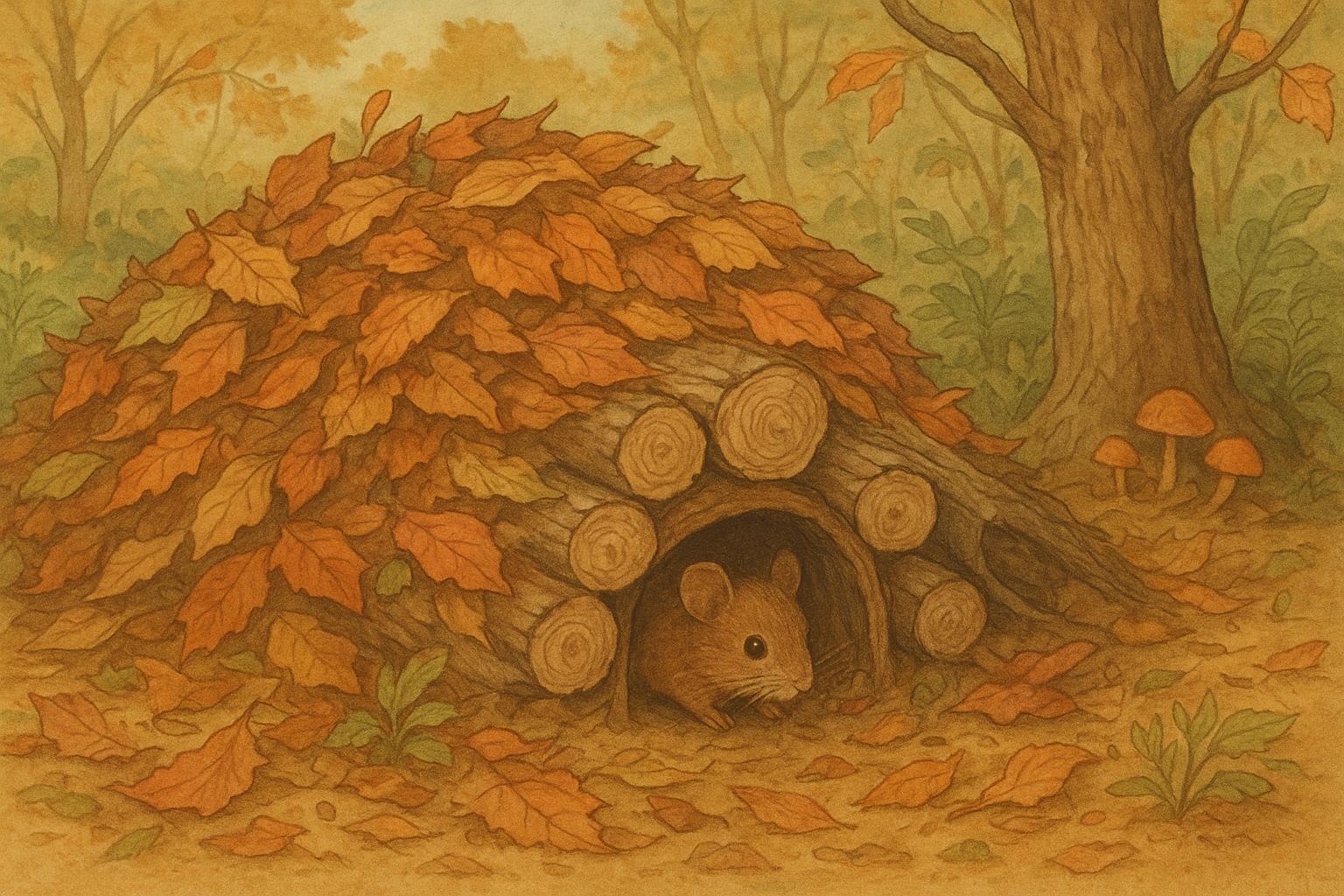
1. Inspect Perimeter: Conduct a dusk and dawn survey of your yard to identify dense brush, fallen logs, or tree cavities that could harbor wildlife.
2. Remove Attractants: Secure trash lids and remove accessible pet food or compost that might be luring raccoons or coyotes.
3. Trim Vegetation: Prune back tree limbs and underbrush to reduce cover. Keep shrubs at least 3–5 feet away from house foundations.
4. Seal Entry Points: Use hardware cloth to close off crawlspaces, under-deck areas, and potential den sites. Fasten with screws and washers to prevent easy removal.
5. Install Motion Lights: Place motion-activated lights near likely approach routes. Light deters nocturnal animals that prefer darkness and reduces the chance of surprise encounters.
6. Monitor Results: Reassess after two weeks. Habitat changes can reduce nightly visits and thus reduce the frequency of the night scream at your property.
## Remedy 2: Humane Deterrents And Noise Management
If you simply want to discourage loud nighttime visits or reduce your sensitivity to them, controlled, non-lethal deterrents and sound buffering are effective.
#### Required Materials
– Motion-activated sprinkler or ultrasonic deterrent device
– White noise machine or outdoor-rated sound masking speaker
– Outdoor-friendly wildlife repellents (commercial, species-appropriate)
– Installation tools: drill, zip ties, stakes
#### Step-By-Step Creation And Application
1. Select Appropriate Deterrent: For mammals, motion-activated sprinklers or lights are often effective. For birds of prey, visual deterrents like reflective tape can help. Choose products labeled for the target species to ensure safety.
2. Install Devices Strategically: Place motion-activated devices along expected approach paths and near garbage or pet feeding areas. Mount sound masking speakers near windows or patios to reduce perceived loudness from outside.
3. Program Sensitivity: Adjust motion sensors to avoid triggering from small non-target animals (like squirrels) and to reduce false activations.
4. Apply Repellents Carefully: Follow label instructions. Use repellents that are non-toxic and approved for outdoor use. Reapply after heavy rain as needed.
5. Test Nighttime Effectiveness: Over the following week, monitor changes. Keep a log of when the night scream occurs to assess reduction in frequency.
6. Maintain Devices: Replace batteries, clear sprinkler heads, and reapply repellents seasonally to maintain effectiveness.
## Remedy 3: Professional Help, Legal Considerations, And Reporting
Some situations require professional wildlife control, especially when safety, persistent noise disturbances, or protected species are involved. This section is procedural and formal.
#### Required Materials
– Contact information for local wildlife rehabilitators and licensed wildlife control operators
– Local wildlife regulations or municipal code references
– Audio/video documentation of occurrences
#### Step-By-Step Creation And Application
1. Document Incidents: Keep dated records, including recordings of the night scream and notes on behavior, frequency, and proximity to structures.
2. Identify Legal Status: Check local laws regarding protected species. Many owls, for example, are protected and cannot be trapped or relocated without permits.
3. Contact Experts: Reach out to licensed wildlife control professionals or rehabilitators. Provide your documentation and ask about non-lethal options first.
4. Follow Professional Guidance: Implement recommended measures, which may include exclusion work, relocation (if legal and necessary), or mediation with neighbors if the animals frequent multiple properties.
5. Report Dangerous Situations: If animals are injured, aggressive, or pose a public safety risk, contact local animal control or wildlife authorities immediately.
6. Review Follow-Up: Ensure any professional work included a written plan and follow-up visits if needed. Retain records in case of future issues.
### When To Let Nature Take Its Course
Sometimes the best choice is to observe and learn. Many night screams are seasonal — mating calls or juvenile antics that fade with time. If the animal is not damaging property or posing harm, consider enjoying the soundtrack. It’s wildlife being wildlife.
If you want, keep that phone handy to capture the performance — just respect the performers and avoid direct interaction. After all, a night scream is often a fleeting guest appearance, not a headline-grabbing residency.




















Leave a Reply