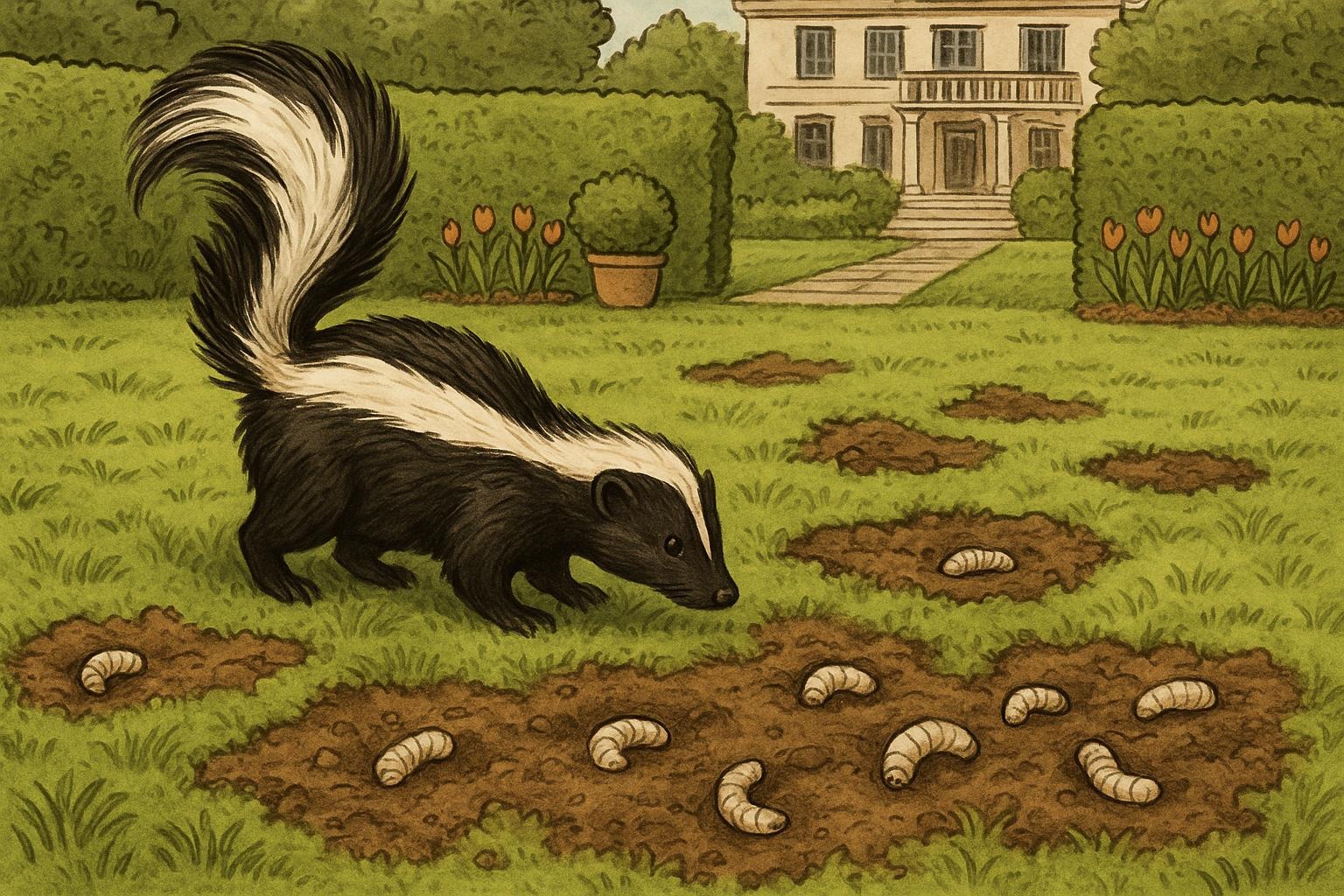
If you’ve come outside to find half your lawn dug up like it was auditioning for a crime scene, you’re probably dealing with a nocturnal excavator and its reason for being there: a steady supply of grubs. Skunks are efficient little lawn archaeologists, following grub populations like kids follow ice cream trucks. Understanding skunk grub damage means knowing both the animal behavior and the underlying insect problem — and that’s exactly what this guide will walk you through, in plain language with a touch of backyard empathy.
## Skunk Grub Damage In Lawns A Formal Backyard Guide
## Skunk Grub Damage: What It Looks Like
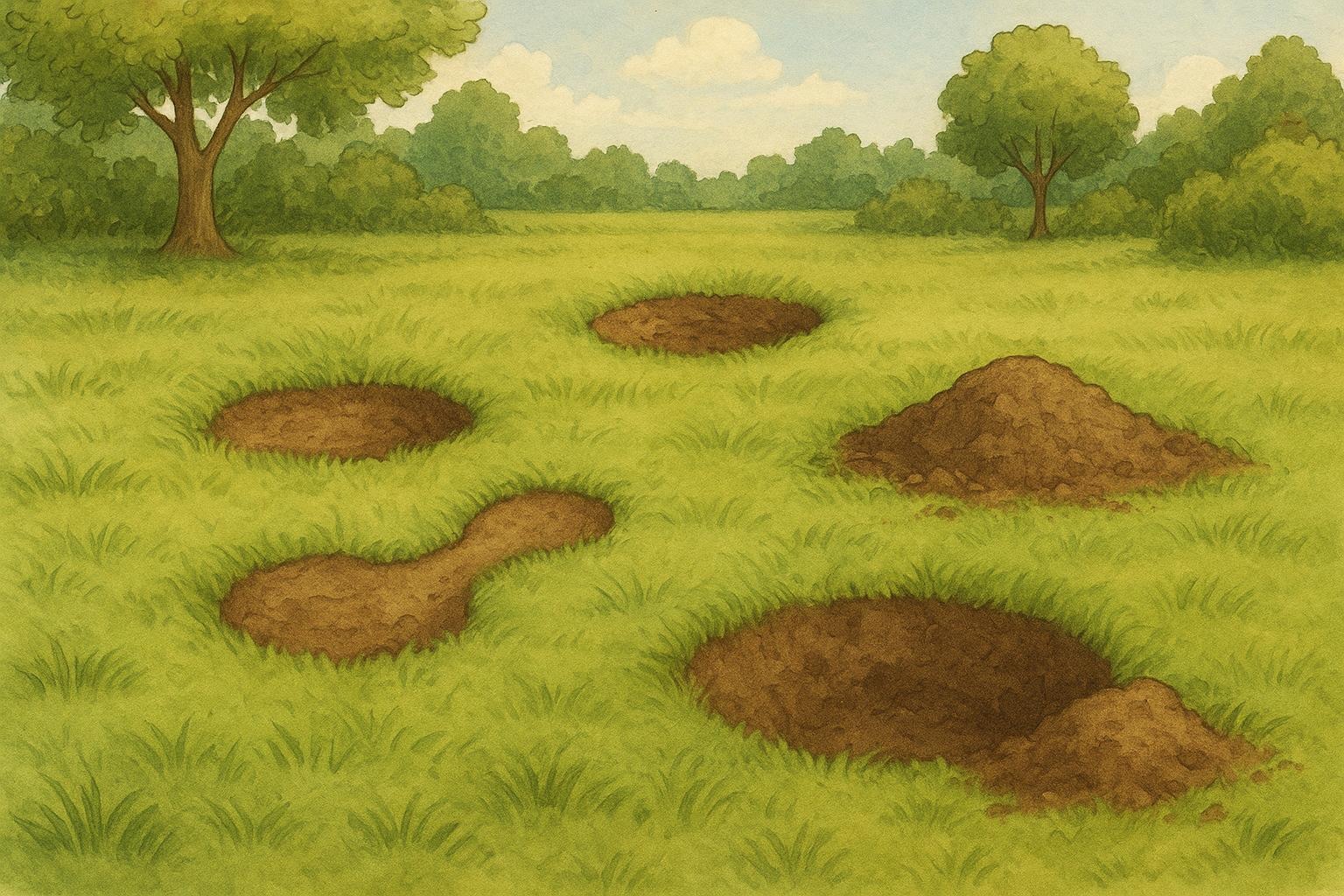
Skunk grub damage has two visible components: the insect-driven decline of turf health and the physical digging by skunks looking for food. Early on, grubs (white, C-shaped beetle larvae) feed on grassroots, causing patches of turf that lift easily when pulled. Later, skunks come through at night, ripping up turf to extract grubs. The result: ragged, irregular holes, often with clumps of sod pulled back or strewn aside, and sometimes trails of diggings where skunks probed for multiple grubs.
You’ll notice:
– Irregularly spaced holes or shallow pits, often 3–6 inches wide.
– Areas of lawn that can be peeled up like a carpet because roots are chewed.
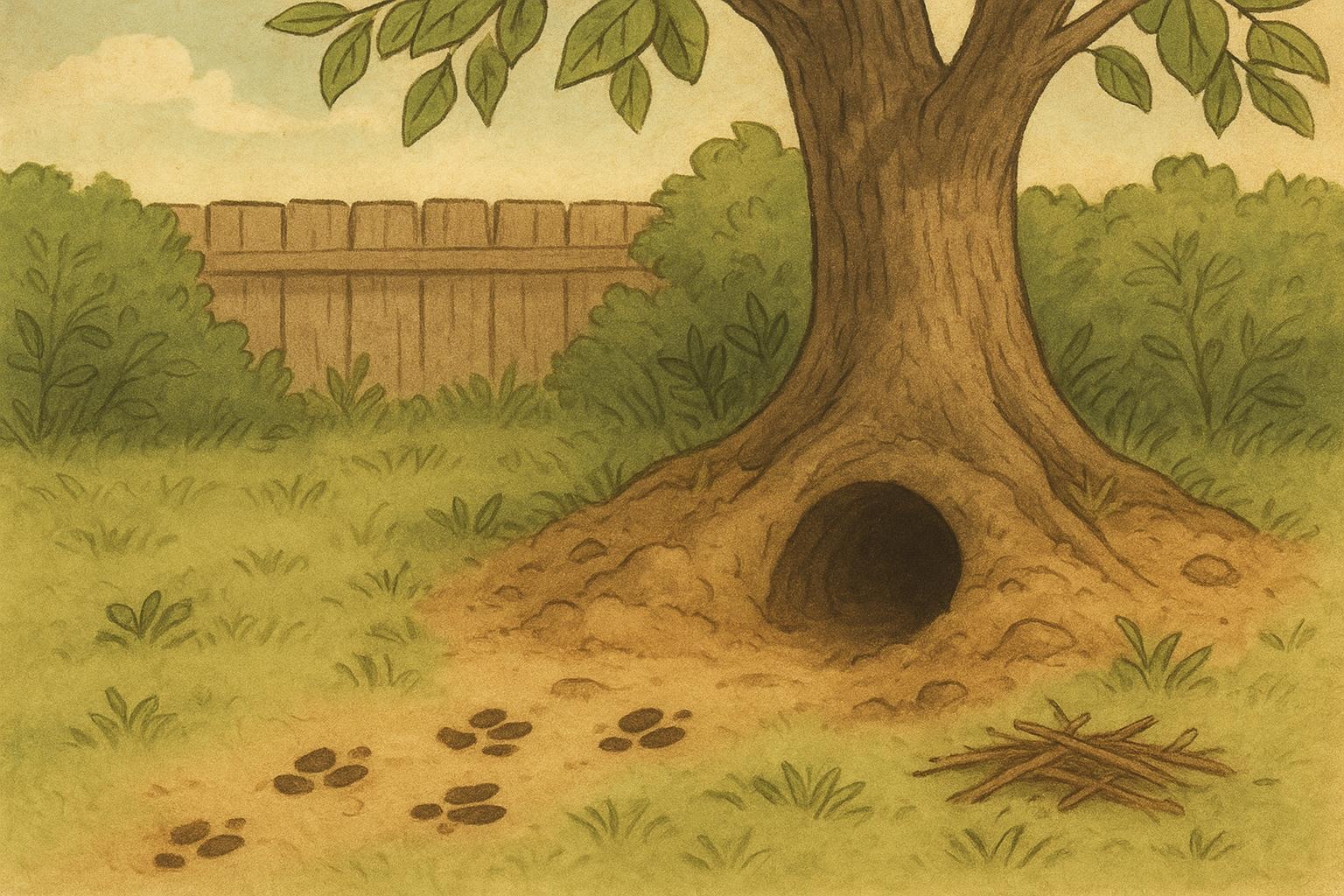
– Fresh claw marks or tracks near dig sites, sometimes with small piles of soil.
– The underlying grub problem: dead or dying turf, sometimes in circular patches.
### How Skunks And Grubs Interact
Skunks are omnivores that rely on underground invertebrates for calories. When grub populations rise, lawns become a buffet, and skunks will return repeatedly. Skunk grub damage is therefore both a symptom (grubs) and a secondary consequence (digging). Managing the grub population reduces skunk visits; managing habitats to make your lawn less attractive to skunks reduces digging behavior.
### Signs Versus Other Causes
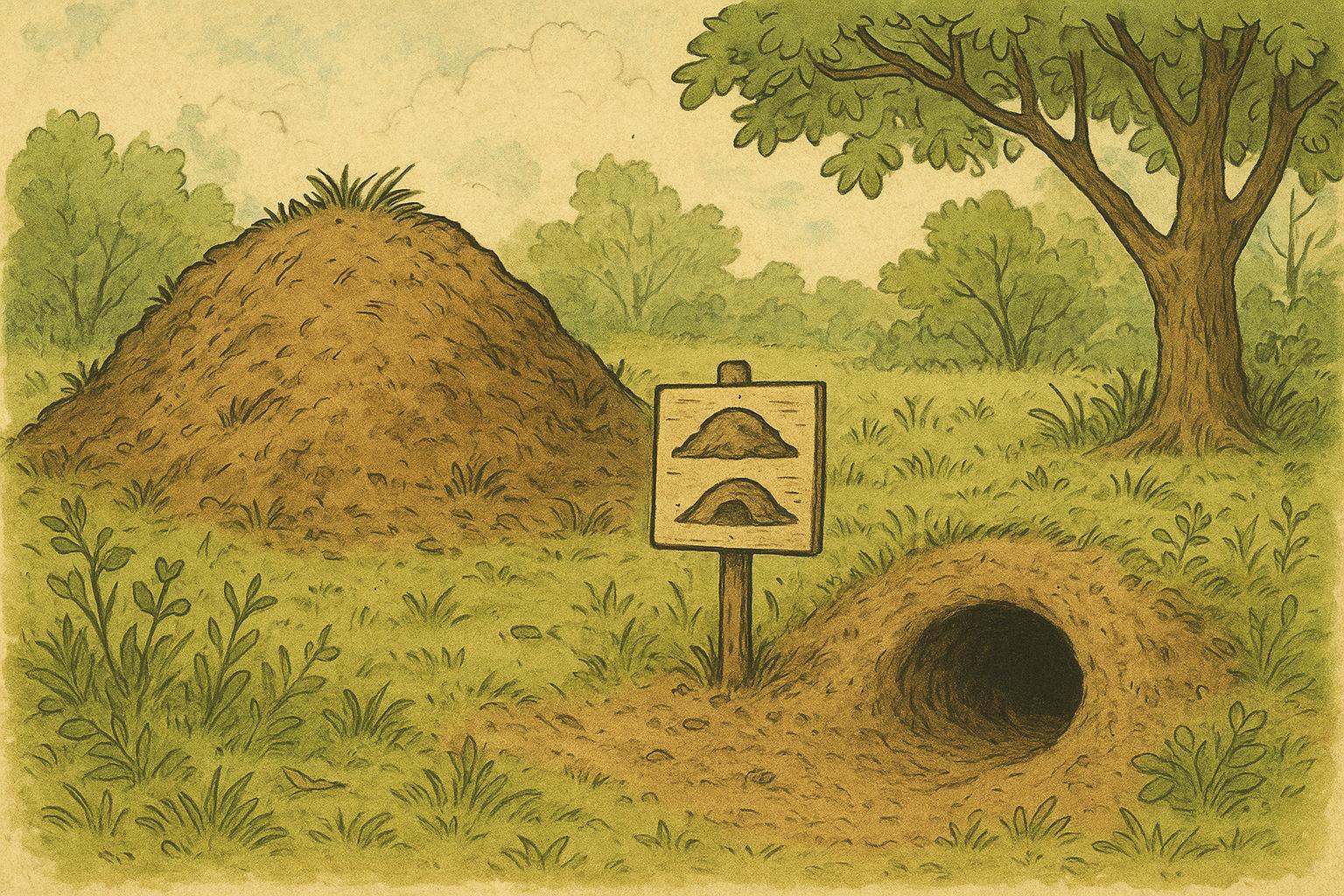
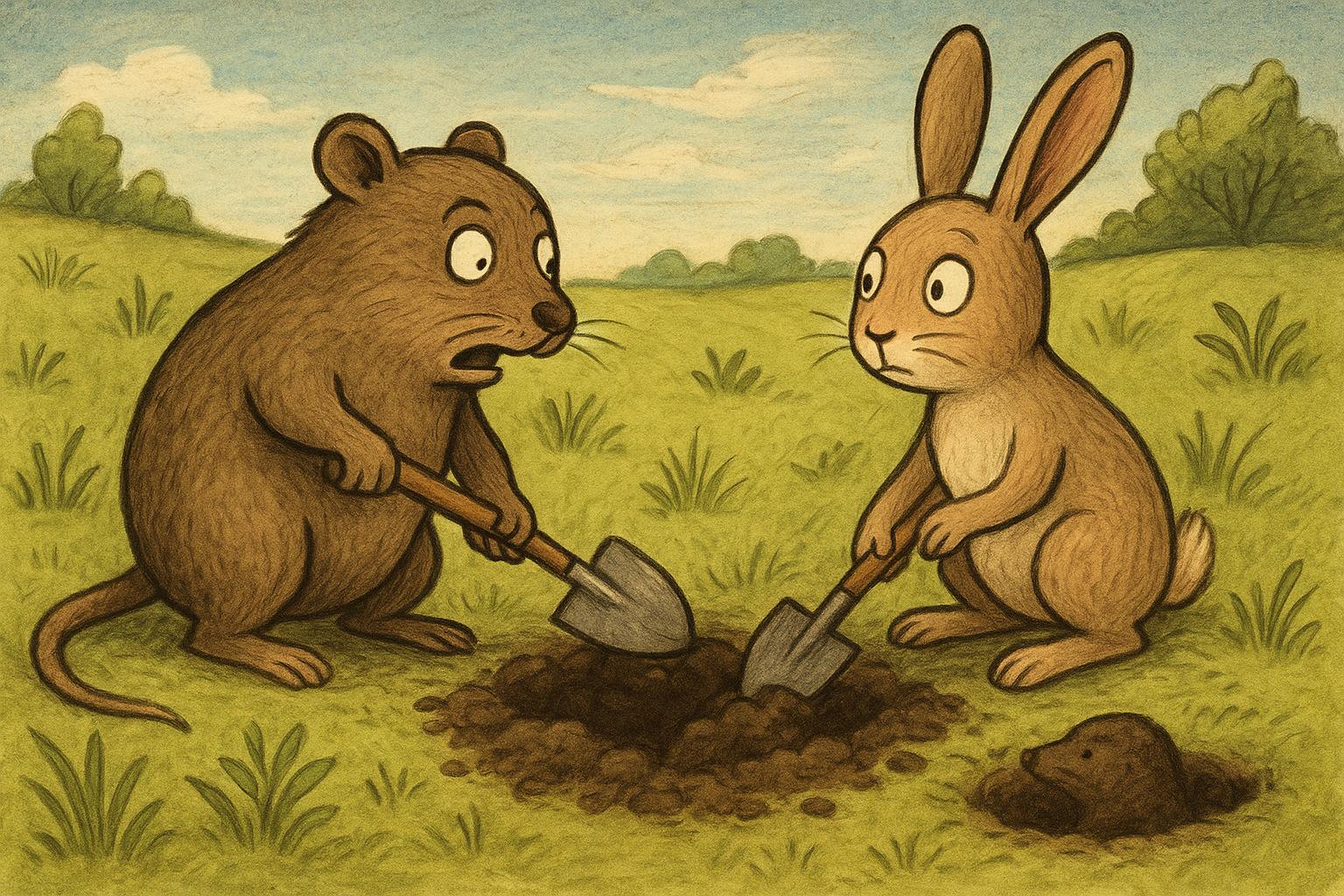
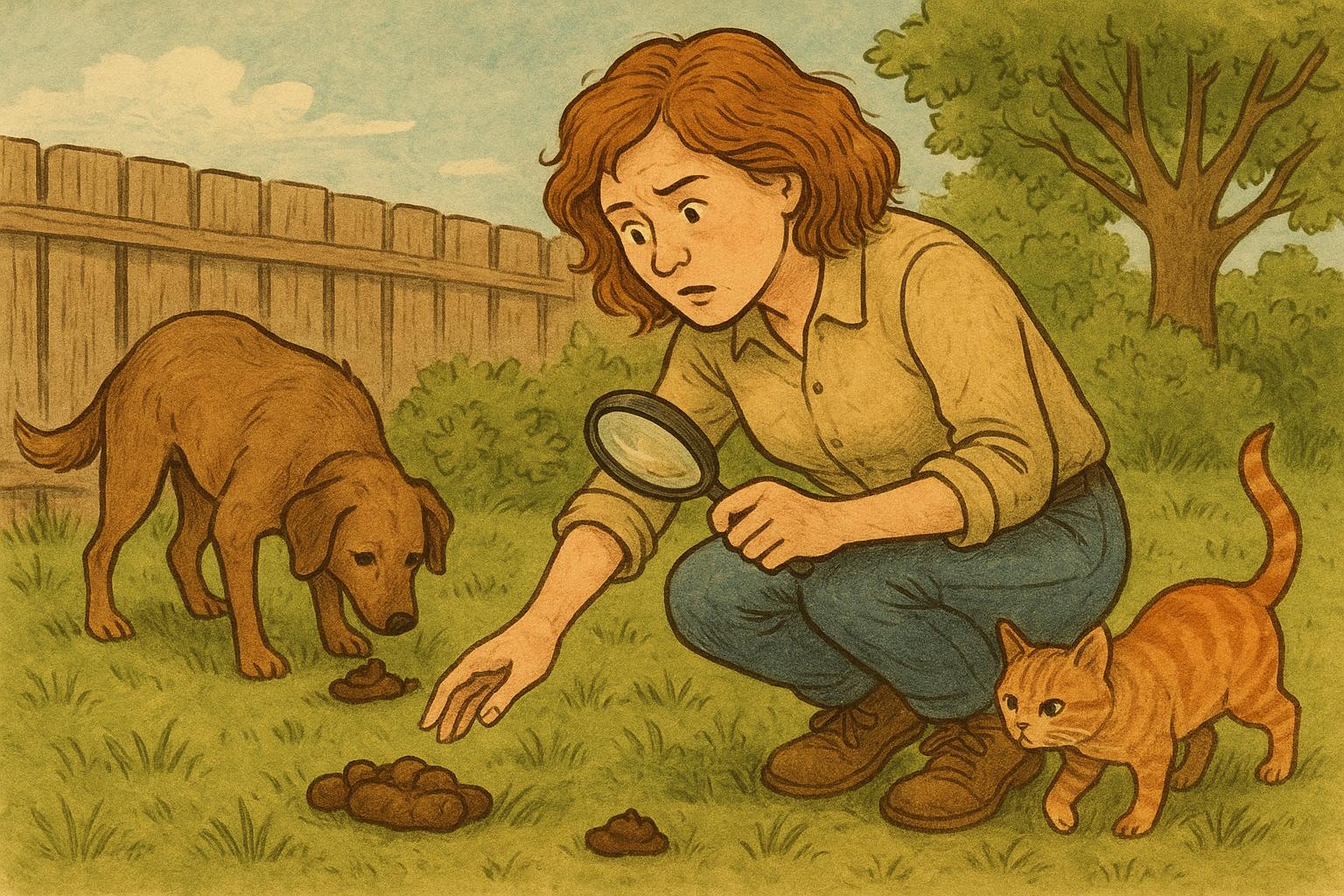
Not every torn-up lawn is skunk grub damage. Raccoons, armadillos (in some regions), or even dogs can create similar patterns. Distinguish skunk activity by the depth and style of the digging (skunks use their forepaws to rake soil away rather than single deep stomping holes) and by nocturnal evidence like droppings or tracks. A grub inspection (digging a small square of sod and checking for C-shaped larvae) is the quickest confirmation.
## Why Grub Control Matters For Preventing Skunk Damage
Left unchecked, grub infestations weaken root systems, making the lawn more susceptible to drought and disease, and serving as a recurring attractant for skunks and other wildlife. Addressing grubs tackles the problem at its source: reduce grub numbers, and you remove skunks’ incentive to dig. This is an ecological approach that prevents continual repair bills and the stress of nightly rutting in your yard.
## Remedy 1: Biological Control With Beneficial Nematodes
When addressing skunk grub damage, biological control with beneficial nematodes provides an effective, environmentally responsible method to reduce grub populations. These microscopic roundworms parasitize soil-dwelling insect larvae, including many grub species, without harming people, pets, or plants when applied correctly.
Materials Required:
– Commercially available beneficial nematodes (Heterorhabditis bacteriophora or Steinernema glaseri are common choices)
– A bucket or tank sprayer with a fine screen to prevent clogs
– Garden hose with a nozzle or pump sprayer compatible with live organisms
– Water (chlorine-free or allowed to stand 24 hours)
– Protective gloves and eyewear (for safety and cleanliness)
– Soil thermometer or local weather data (optional for timing)
Step-By-Step Creation And Application:
1. Purchase nematodes from a reputable supplier; ensure they are labeled for grub control and are alive (check expiry and storage instructions).
2. Store nematodes refrigerated until use. Do not freeze or expose to direct sunlight or high temperatures.
3. Prepare application water: use dechlorinated water (let tap water sit 24 hours) and keep water temperature moderate (ideally 50–80°F / 10–27°C).
4. Mix nematodes into the bucket or sprayer per label rates (usually provided as a certain number of nematodes per square foot or per 1,000 sq ft). Agitate gently; do not use high-pressure spray that will shear organisms.
5. Apply evenly over affected lawn sections in the evening or on cloudy days to avoid UV degradation and desiccation. Nematodes require moist conditions to move and seek hosts.
6. Water the lawn deeply after application to move nematodes into the soil profile (about 0.25–0.5 inches of water) and maintain soil moisture for at least two weeks after treatment.
7. Repeat treatment if recommended by product instructions; timing often aligns with grub life cycles (late summer to early fall for many species, or as determined by local extension service).
Notes on Efficacy:
– Nematodes are temperature and moisture sensitive. Successful control requires correct timing (when grubs are small and close to the surface) and favorable soil conditions.
– Document grub levels before and after treatment (sample a few sites) to assess effectiveness.
## Remedy 2: Repair And Preventive Lawn Care
Addressing skunk grub damage includes both repairing torn turf and altering lawn conditions to prevent future infestations. This remedy uses best-practice lawn care to strengthen turf resilience and minimize the factors that favor grubs and skunks.
Materials Required:
– Rake and shovel
– Topsoil or compost-amended soil
– Grass seed (select a variety appropriate for your region and shade/sun conditions) or sod
– Fertilizer formulated for your grass type (follow local recommendations)
– Lawn aerator (manual or machine) or plug aeration service
– Dethatcher (if thatch exceeds 1/2 inch)
– Mulch or coarse sand (optional for improving drainage)
– Gloves and kneepads
Step-By-Step Creation And Application:
1. Remove and Set Aside: Carefully pick up sections of damaged turf, setting aside sod pieces if they are undamaged and can be relaid.
2. Inspect and Treat Grub Residuals: Sample the exposed soil for remaining grubs. If significant numbers are present, consider repeating biological controls or targeted insecticides applied per label (follow local integrated pest management (IPM) guidance).
3. Prepare the Seedbed: Loosen compacted soil in the damaged area to encourage root establishment. Incorporate a thin layer of compost or topsoil to restore nutrient levels and improve structure.
4. Replanting: For small spots, apply grass seed evenly per label rates, gently rake seed into contact with soil, and cover lightly with straw or erosion control matting to retain moisture. For larger areas, lay sod for immediate cover.
5. Watering Regimen: Maintain consistent moisture until seedlings or sod establish — typically light, frequent watering for seeds and deeper, less frequent watering for established sod.
6. Fertilization: Apply a starter fertilizer appropriate for new lawn establishment, avoiding overapplication. Follow recommended schedules for your grass type to build root strength.
7. Ongoing Maintenance: Aerate compacted lawns annually, dethatch if necessary, mow at recommended heights to encourage deep roots, and avoid excess watering that favors grub-prone conditions.
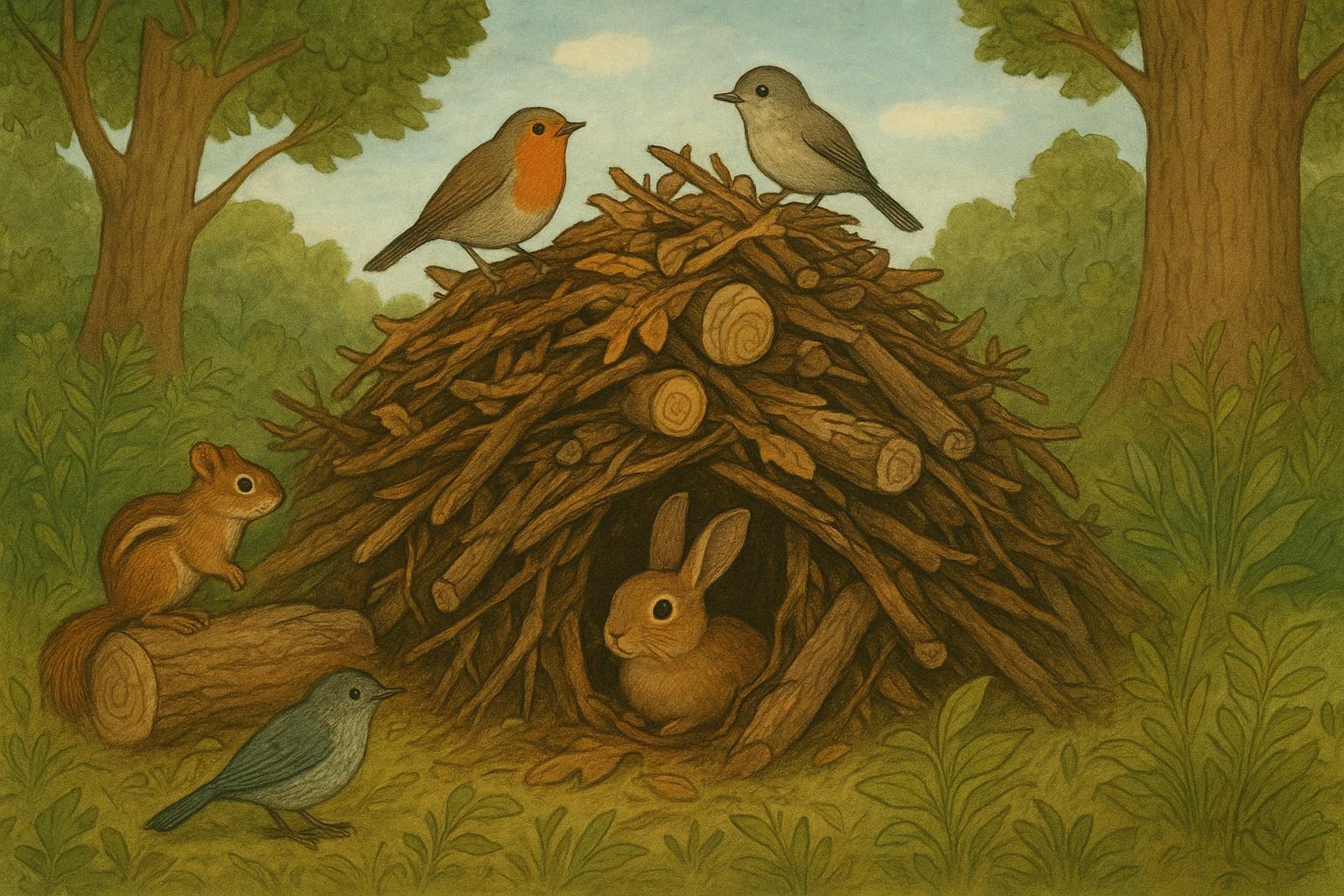
8. Habitat Modification: Remove brush piles, fix broken fencing that provides cover for skunks, and minimize outdoor pet food left outside. These steps reduce skunk harboring and make lawns less attractive as foraging grounds.
### Timing And Weather Conditions
Effective remediation aligns with grub life cycles and local climate. For many regions, late summer to early fall is prime time to treat grubs before they develop into adults. Soil temperatures, moisture levels, and recent weather all influence success; consult local extension resources for precise timing in your area.
### Recommended Nematode Strains
Choose strains proven for grub control in your region. Heterorhabditis bacteriophora is often recommended for scarab larvae; Steinernema glaseri can also be effective. Product labels will indicate target pests and application details. When in doubt, contact your cooperative extension or a reputable supplier for strain recommendations.
## When To Call A Professional
If skunk grub damage is extensive, recurring, or if you prefer not to handle biological agents, a licensed lawn care professional or pest management specialist can assess grub densities, recommend appropriate treatments (including cultural, biological, or chemical controls), and perform safe applications. Professionals also have equipment for large-scale aeration, sod replacement, and ongoing monitoring. Be sure any contractor follows integrated pest management principles and provides documentation of product labels used.
### Safety And Legal Considerations
When using biologicals or pesticides, adhere strictly to label instructions. Use protective gear as specified. Check local regulations: some chemical controls are restricted, and wildlife removal may be regulated. Never attempt to trap or relocate skunks unless you are licensed and trained; removal without addressing the underlying grub problem typically results in other skunks or wildlife moving in.
## Monitoring And Long-Term Prevention
Regular monitoring is the backbone of preventing skunk grub damage. Inspect turf annually for grub signs, maintain healthy cultural practices, and act early when grub populations rise. By combining habitat modification, biological control where appropriate, and sound lawn management, you reduce the chance of future nightly excavations — and save yourself from becoming an unwitting curator of a skunk-run archaeological site.












Leave a Reply