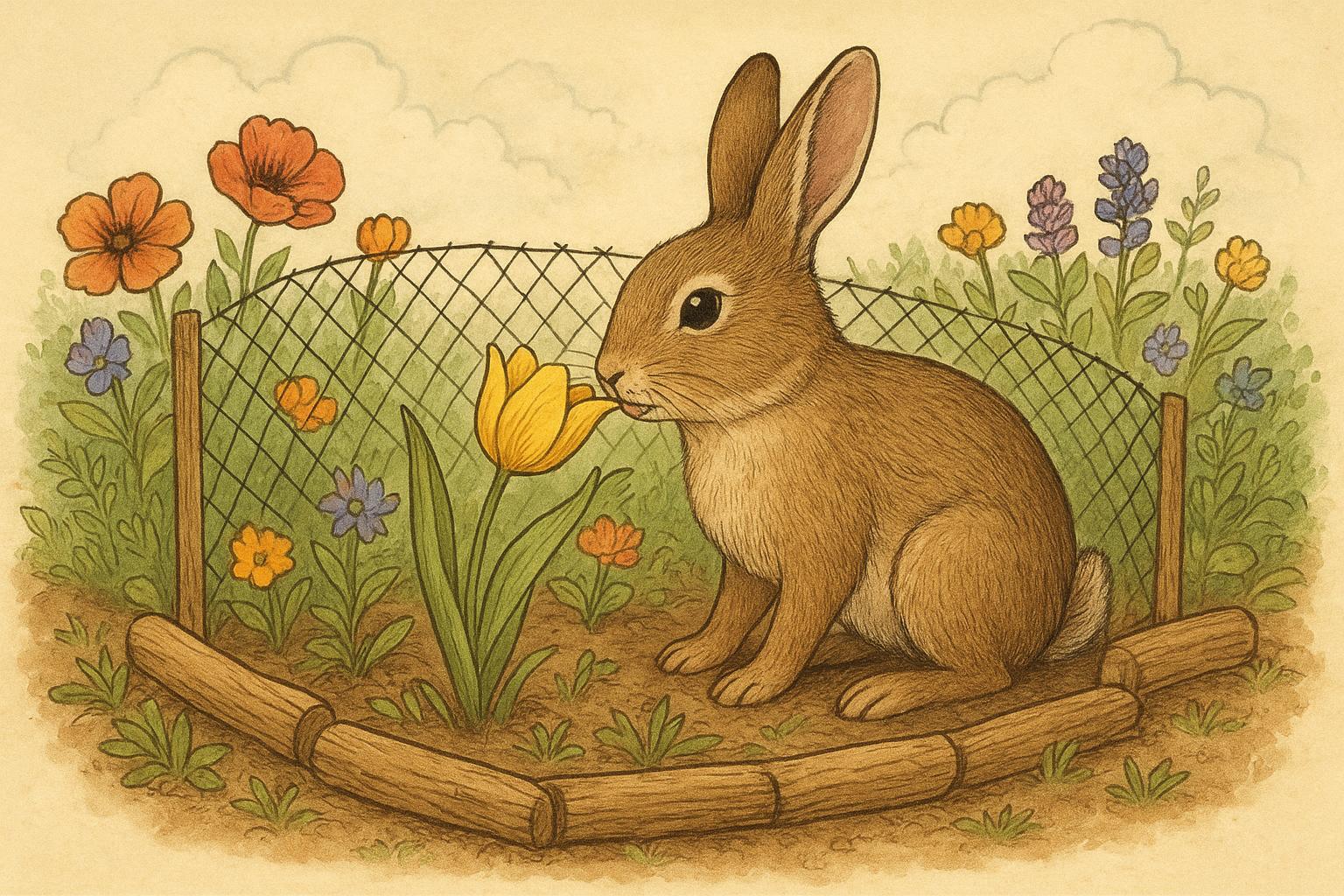
Hello there — welcome to a friendly chat about those silent little visitors that can turn your petunias into sad, stubbly memories. If you’ve ever paused mid-water with a trowel in hand and thought, “Who’s been having a rabbit nibble on everything?”, you’re in the right place. We’ll walk through practical, garden-friendly ways to protect your flower beds while keeping the neighborhood wildlife (mostly) happy.
## 3 Rabbit Nibble Solutions That Work
Before we dig into specifics, a quick reality check: rabbits are persistent, adaptable foragers. They’ll sample a wide variety of plants, and “rabbit nibble” is often more about opportunity than preference. Below are three proven approaches that balance effectiveness, aesthetics, and humane treatment. Each remedy includes materials and step-by-step creation and application instructions so you can implement them confidently.
### 1. Physical Barrier: Garden Fencing
Rabbits won’t push through a fence they can’t get under or through. A simple, well-installed barrier is one of the most reliable ways to prevent a rabbit nibble.
#### Materials Needed
– 1/4-inch galvanized hardware cloth or welded wire (18–24 inches high)
– Wooden stakes or metal fence posts (spaced every 3–4 feet)
– Heavy-duty garden staples or U-shaped wire fasteners
– Wire cutters and pliers
– Optional: top rail or decorative edging
#### Step-By-Step Installation
1. Measure the perimeter of the bed you want to protect.
2. Cut the hardware cloth to length, and ensure the height is at least 18 inches. For larger rabbits or persistent individuals, go up to 24 inches.
3. Dig a shallow trench about 4–6 inches deep along the perimeter. Rabbits are good diggers; the buried edge prevents them from tunneling under.
4. Place the cut hardware cloth into the trench and up along the bed edge. Stake it in place every 3–4 feet using posts or stakes.
5. Fold the bottom edge outward into an “L” shape (about 3–4 inches) before backfilling the trench. This base discourages digging.
6. Fasten the cloth to the stakes with heavy-duty staples or wire fasteners. If aesthetics matter, attach a wooden or decorative top rail.
7. Inspect monthly and after storms; tighten loose sections and re-secure any exposed base.
This method is formal, durable, and largely maintenance-free once properly installed. It works well around both small beds and larger garden plots.
### 2. Repellents: Homemade Spray (Humane And Natural)
For gardeners preferring to avoid fences, repellents can reduce the chance of a rabbit nibble by making plants taste or smell less appealing. Below is a non-toxic spray you can make at home. Use formally and consistently for best results.
#### Ingredients / Materials
– 1 large onion, chopped
– 6 cloves garlic, crushed
– 2 eggs
– 1 tablespoon hot pepper sauce or 1 teaspoon ground cayenne
– 1 quart water
– 1 tablespoon liquid dish soap (as an emulsifier)
– Fine-mesh strainer or cheesecloth
– Spray bottle
#### Step-By-Step Creation And Application
1. Blend the onion, garlic, eggs, and hot pepper with the water until fairly smooth.
2. Let the mixture steep for at least 12 hours (overnight is fine) to extract strong odors and compounds.
3. Strain through a fine-mesh strainer or cheesecloth into a container. Discard solids responsibly.
4. Stir in the liquid dish soap. This helps the solution adhere to leaves.
5. Pour the final mixture into a spray bottle and apply to foliage, stems, and surrounding soil. Focus on the most vulnerable plants.
6. Reapply after heavy rain, heavy watering, or every 7–14 days during peak rabbit activity.
7. Test on a small plant area first to ensure no phytotoxic reaction occurs, especially on delicate flowers.
Notes: This repellent is effective because it leverages strong scents and flavors rabbits dislike. While humane, it must be reapplied regularly and used carefully around children and pets due to the hot pepper and egg content.
### 3. Habitat Modification: Make Your Garden Less Attractive
A combined cultural approach reduces the incentive for a rabbit nibble by altering the surrounding habitat so your beds look less inviting.
#### Materials / Actions
– Thorny or dense groundcover plantings (e.g., barberry, cotoneaster) for edges
– Mulch alternatives ( coarse gravel or larger bark chips )
– Motion-activated sprinklers or lights
– Routine brush and brush pile removal tools (pruners, rake)
– Netting or temporary covers for vulnerable seedlings
#### Step-By-Step Implementation
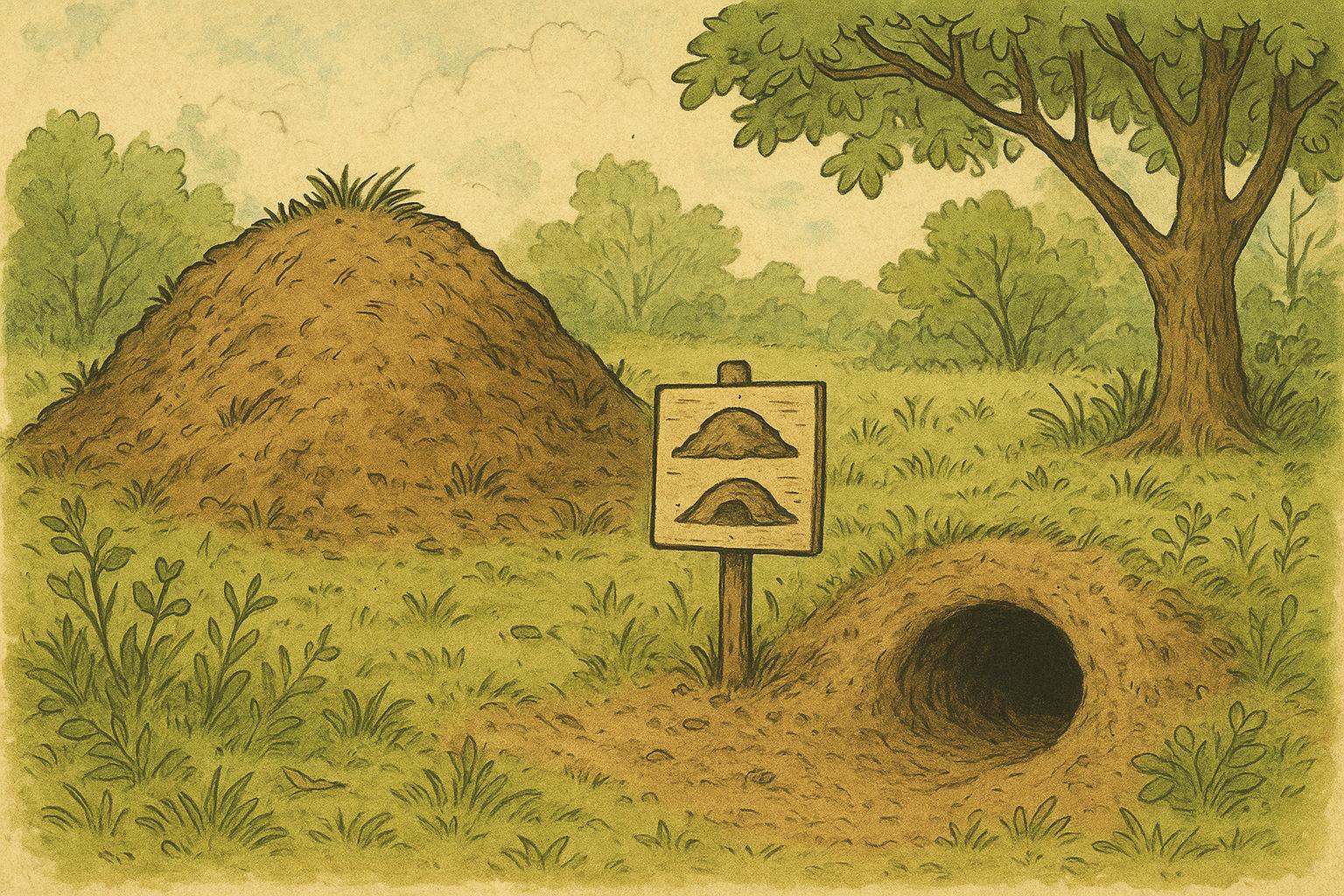
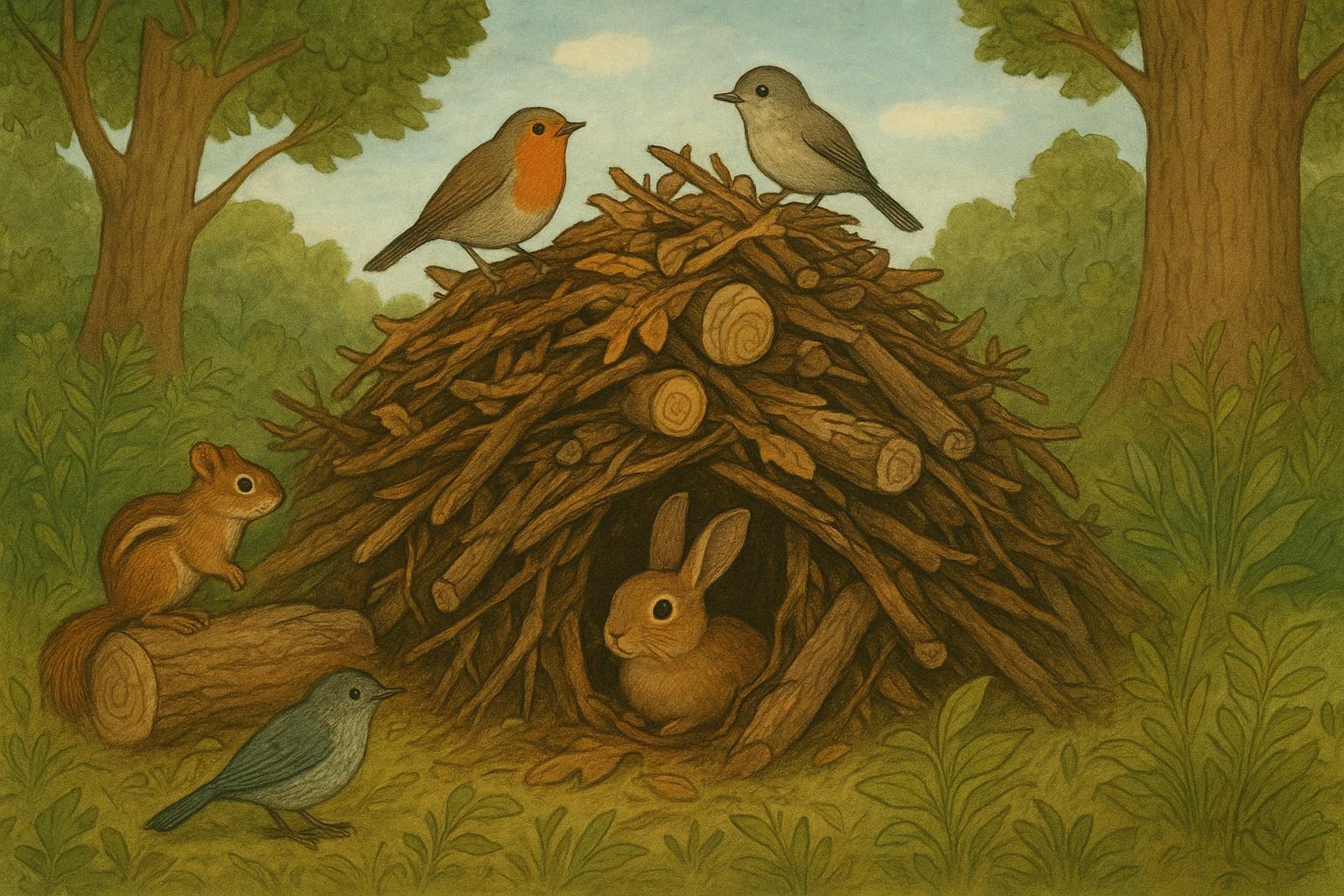
1. Remove dense brush piles and tall grass near garden beds. These are preferred rabbit shelters.
2. Replace fine mulch with coarser materials that are harder to burrow through, or create a gravel edge band around beds.
3. Plant deterrent border species: choose thorny or stiff-leaved shrubs that create an uncomfortable approach. Position them between known rabbit paths and your beds.
4. Install motion-activated deterrents (sprinklers or lights) in areas with regular foot traffic from rabbits. Test sensitivity so you don’t trigger them with harmless movement.
5. Protect seedlings proactively with temporary cloches, row covers, or small cages until they’re large enough to tolerate minor nibbling.
6. Maintain a tidy perimeter: rabbits are less likely to settle where food sources and cover are absent.
This strategy is preventative and longer-term. It reduces reliance on fencing or repeated chemical treatments and can improve overall garden aesthetics.
## Understanding Why A Rabbit Nibble Happens
Rabbits are browsers, not grazers. They prefer tender shoots, leaves, and flowers, which makes ornamental beds especially vulnerable. They’re most active at dawn and dusk, and their feeding behavior tends to be opportunistic: easy access + tasty plants = repeated visits. Address both access and attractiveness to disrupt this simple equation.
### Identifying Problem Times And Places
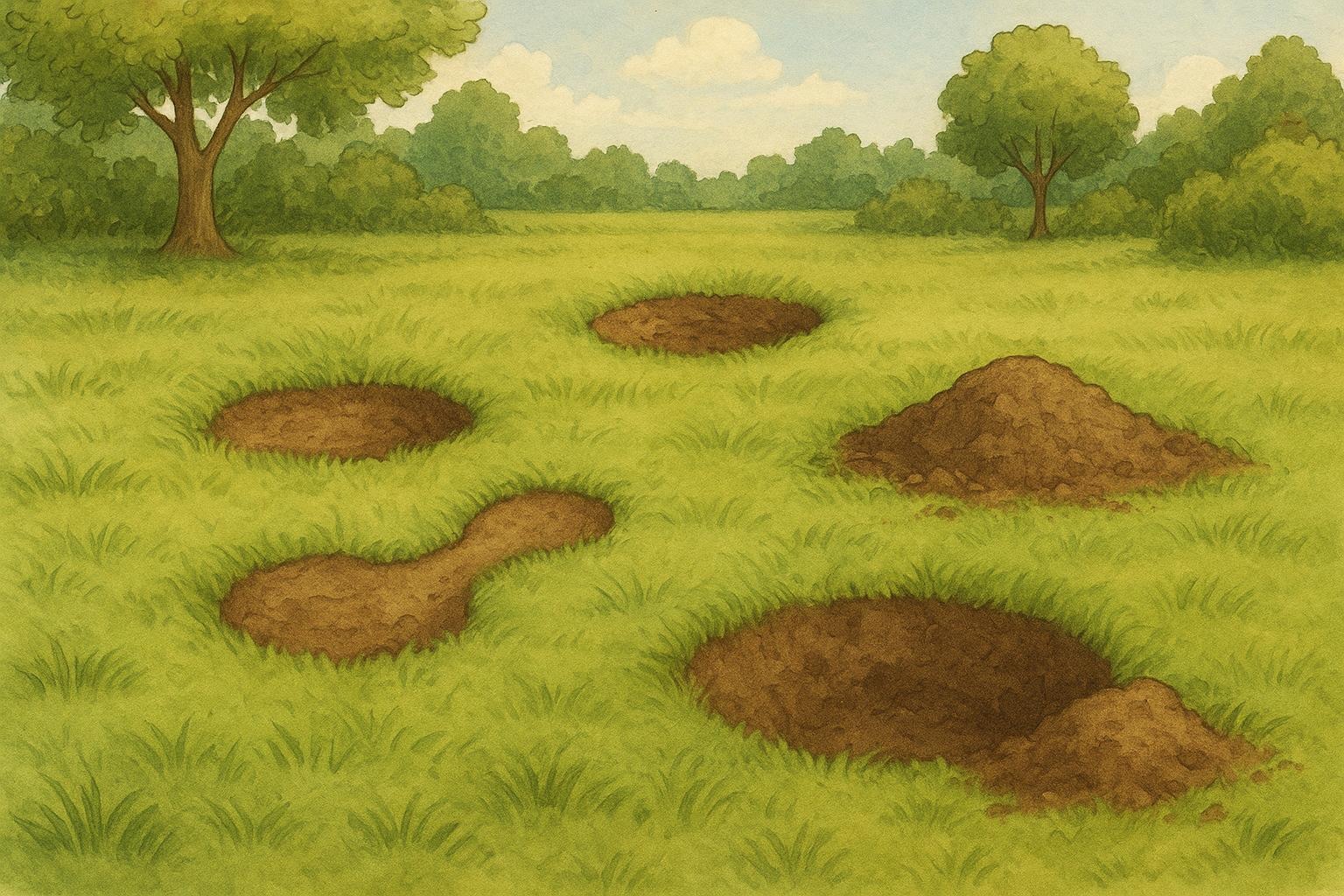
Note where and when nibbling occurs. Is it near hedges or under a garden shed? Is it mostly at the edges of beds? Time observations for early morning or evening when rabbits forage. Mapping patterns can guide where to place barriers or deterrents.
#### Seasonal Considerations
In spring, tender new growth is a magnet for a rabbit nibble; in winter, when other food is scarce, they’ll expand their choices. Adjust your defenses seasonally—temporary fencing in spring and persistent habitat management year-round.
## Plant Selection To Discourage Rabbit Nibble
Some plants are less palatable. Integrate these into vulnerable beds as a passive defense.
– Lavender, salvia, and rosemary (aromatic herbs)
– Daffodils and alliums (bulbs with toxins)
– Boxwood and barberry (stiff foliage, sometimes thorny)
Mix these strategically rather than relying on a monoculture. While no plant is completely rabbit-proof, these choices reduce the appeal and can interrupt a feeding pattern.
### Companion Planting Layouts
Design beds with sacrificial plants (less-loved by you but tolerated by rabbits) farther from prized flowers, and place strongly scented or spiky plants near edges. This formal planting plan helps divert and protect.
#### Maintenance Tips To Keep Rabbits At Bay
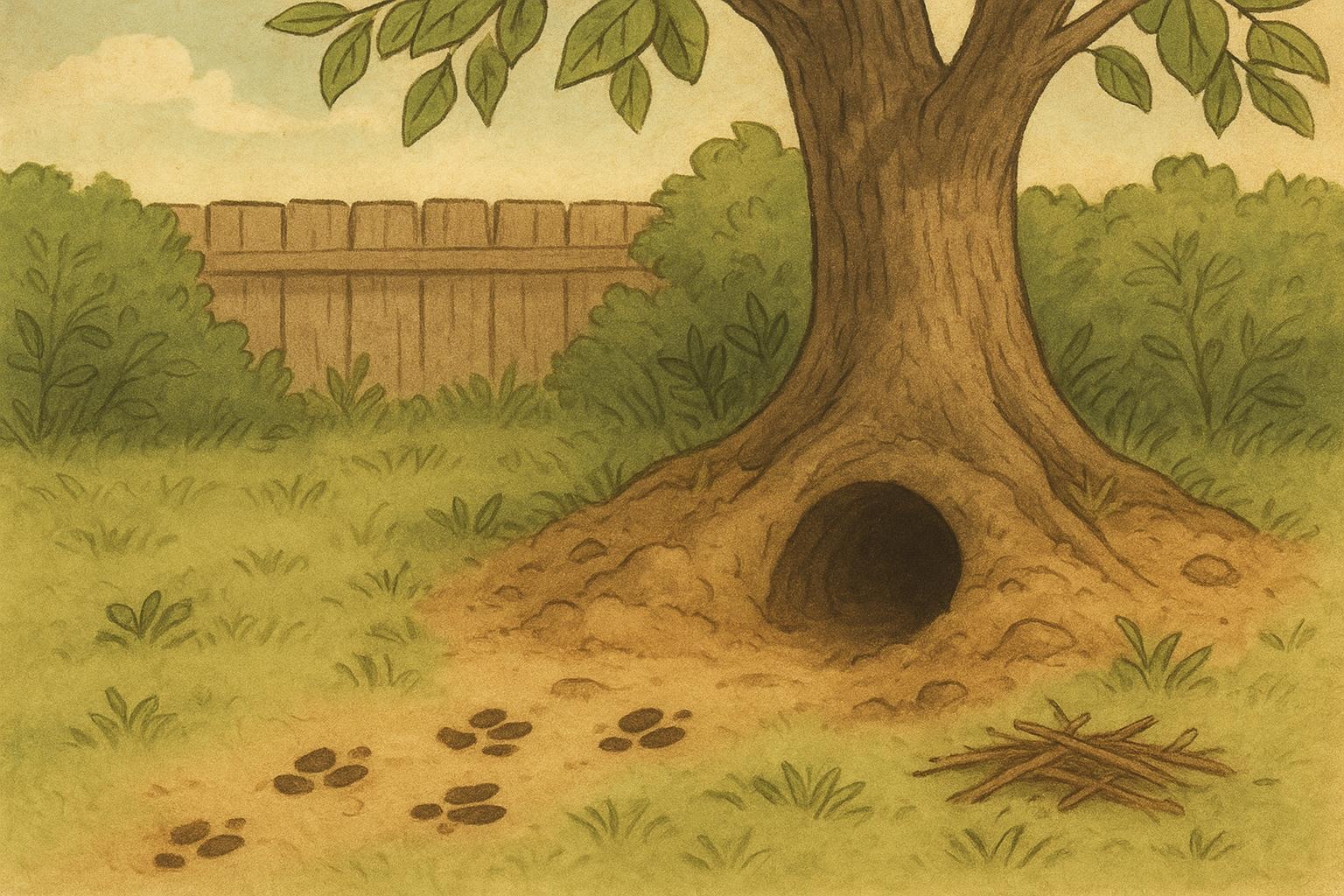
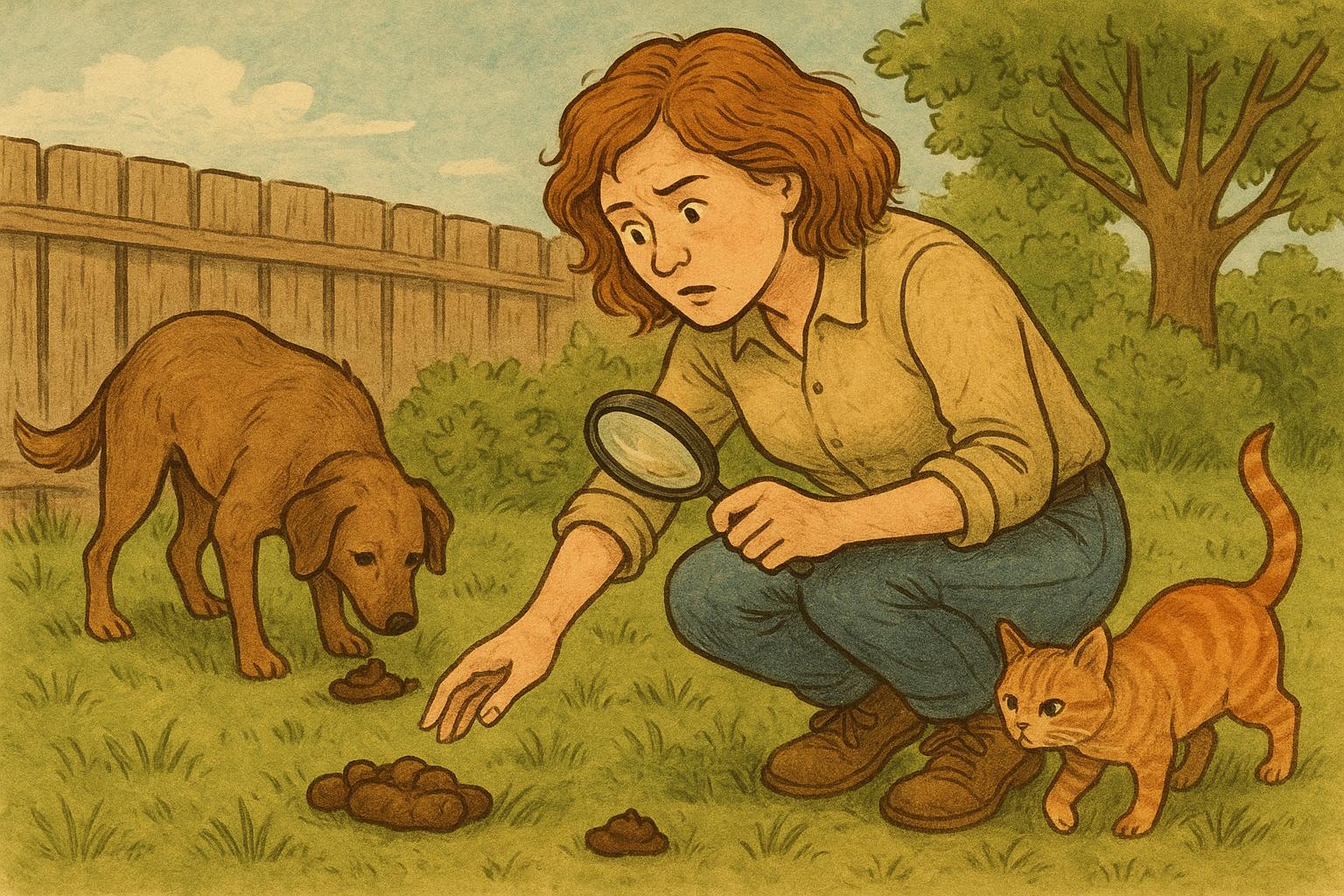
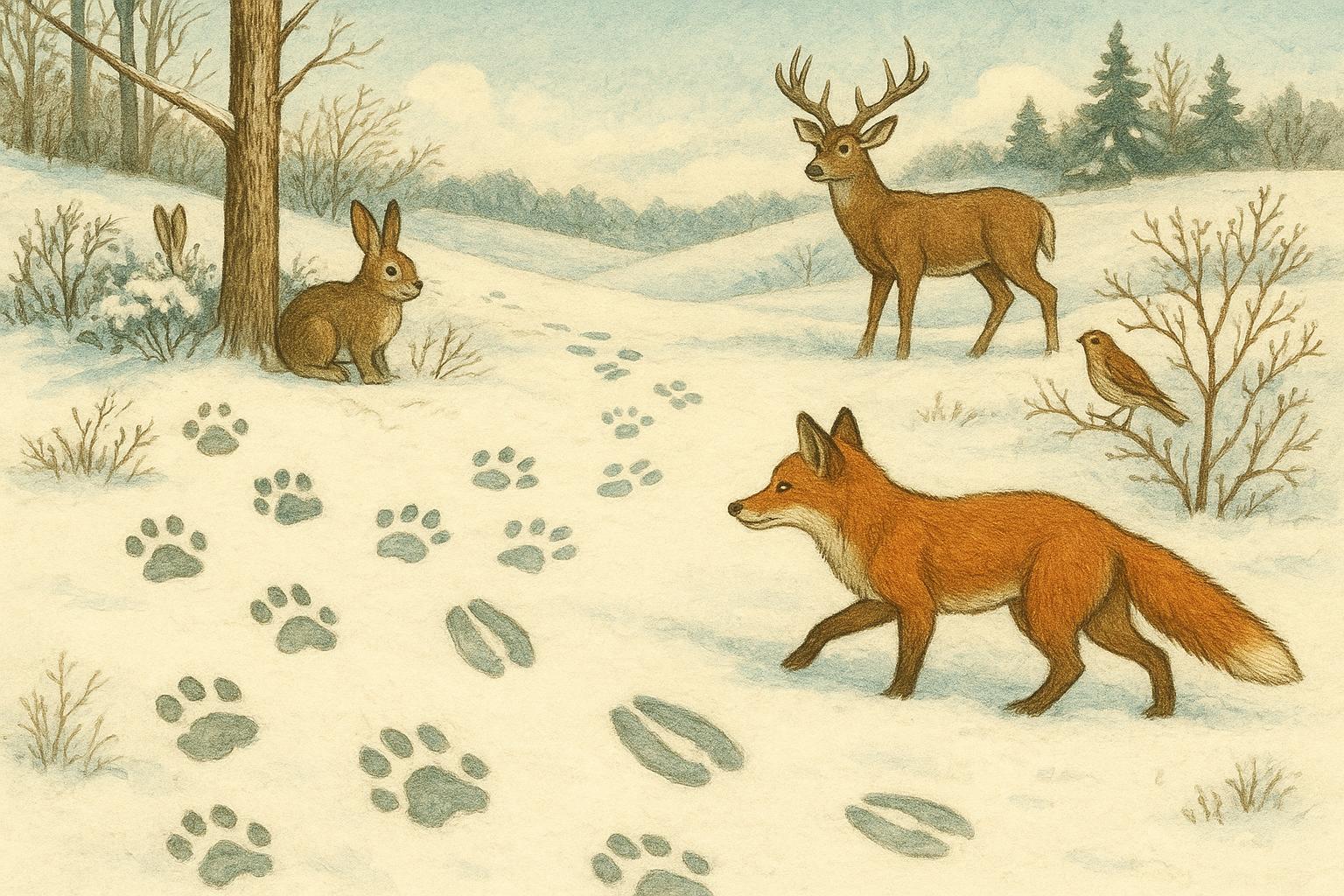
Regularly trim low branches and mow surrounding lawns. Keep compost and vegetable scraps in closed bins. If you spot familiar tracks or droppings, increase monitoring and consider reinforcing your chosen remedy.
## When To Use Which Method
Decide based on severity and aesthetics:
– Single-year seedlings or high-value specimens: use fencing or cloches.
– Widespread minor nibbling: repellents and habitat modification.
– Long-term protection with mixed plantings: combine barriers with permanent landscape changes.
A layered approach is often most effective: start with exclusion (fence), add repellents for immediate relief, and implement habitat changes for lasting results.
A quick, friendly reminder: humane, consistent methods work best. Rabbits are part of the local ecology, and the goal is to protect your beds without unnecessary harm. If you try a method and it doesn’t fully stop the rabbit nibble, tweak the placement, timing, or combination of techniques rather than switching to something harsher.
If you want, I can help design a specific plan for your garden layout — tell me bed sizes, common plants you grow, and whether you prefer permanent or temporary solutions.


Leave a Reply