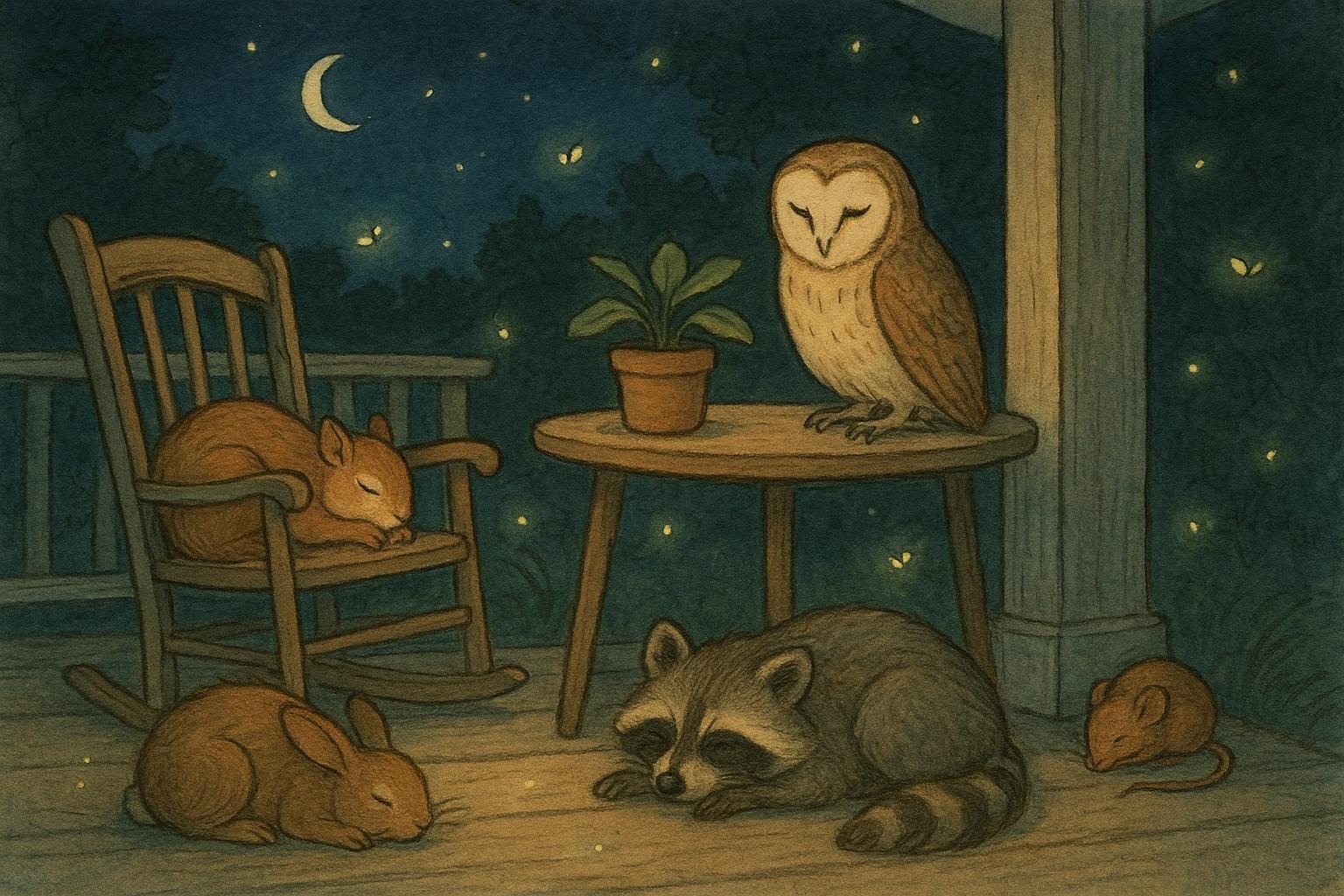
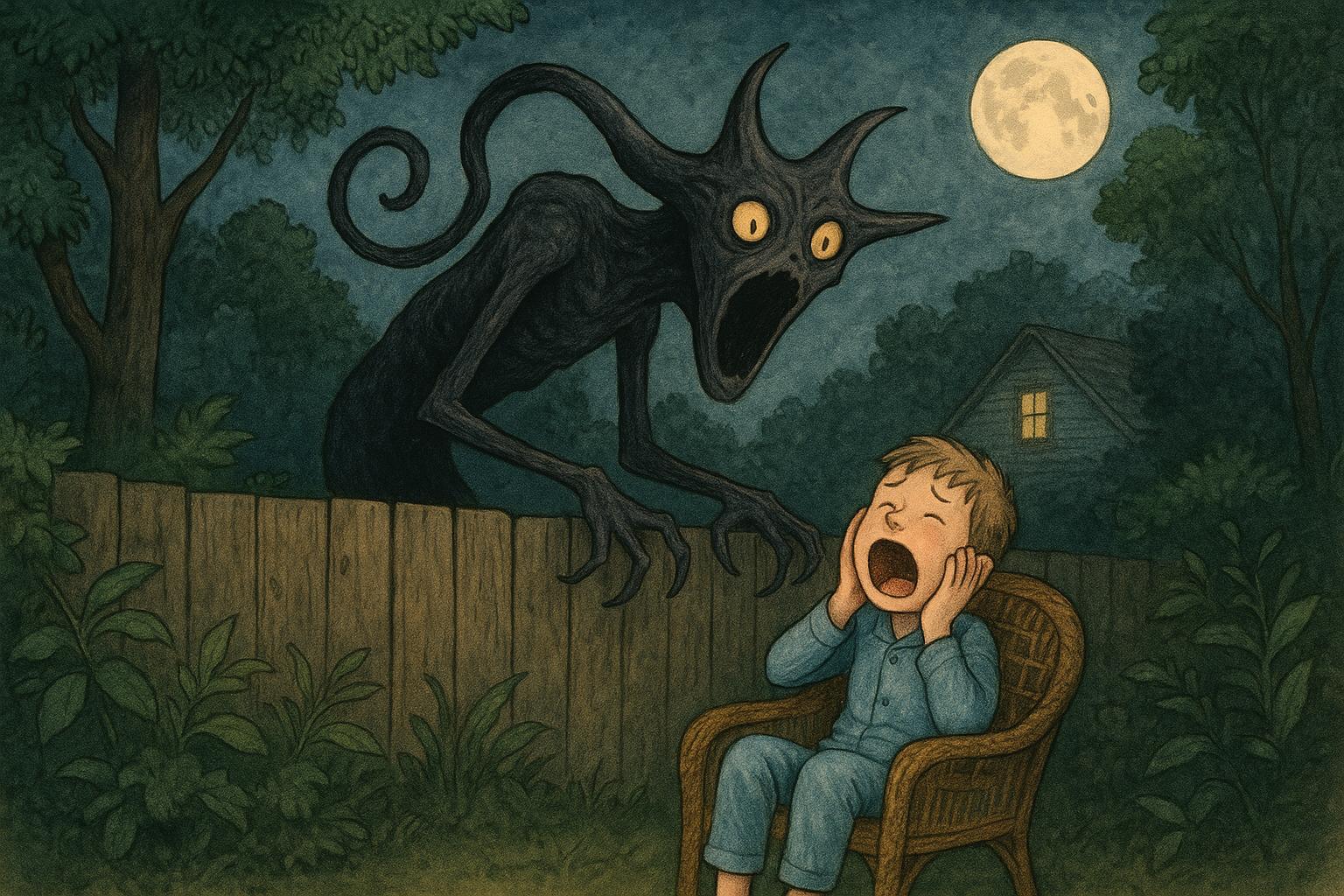
Soft summer nights and crisp autumn evenings bring a special kind of neighbor: the critters that frequent porches, gutters, and your strategically placed potted plants. If you’ve ever sipped tea under a porch light while a masked bandit (a raccoon) investigated your trash with the poise of a tiny thief, you know what I mean. Porch wildlife can be charming, messy, noisy, and occasionally unsettling. The good news is that most encounters are manageable, often harmless, and sometimes downright restorative to the natural balance around your home.
## Porch Wildlife Encounters After Dark
Porches are transitional spaces—part of your home, part of the yard—so they naturally attract creatures that find shelter, food, or a convenient perch there. Some animals are merely passing through; others make themselves comfortable. Knowing who’s visiting, why they choose your porch, and how to gently encourage them elsewhere will restore your patio peace without turning your nights into a wildlife eviction drama.
### Why They Choose Your Porch
There are three simple reasons porch wildlife keep showing up: food, shelter, and safety. Porch lights attract insects, which attract bats and night birds. Birdseed, pet food, fruit, or unsecured trash is an open invitation for raccoons, opossums, skunks, and stray cats. Porches under awnings or near shrubs offer sheltered resting spots. Finally, because porches are close to the structure of your home, they feel safe from predators.
### Common Nocturnal Visitors
Understanding the habits of common guests helps you decide how to respond.
#### Raccoons, Opossums, Bats, And Night Birds
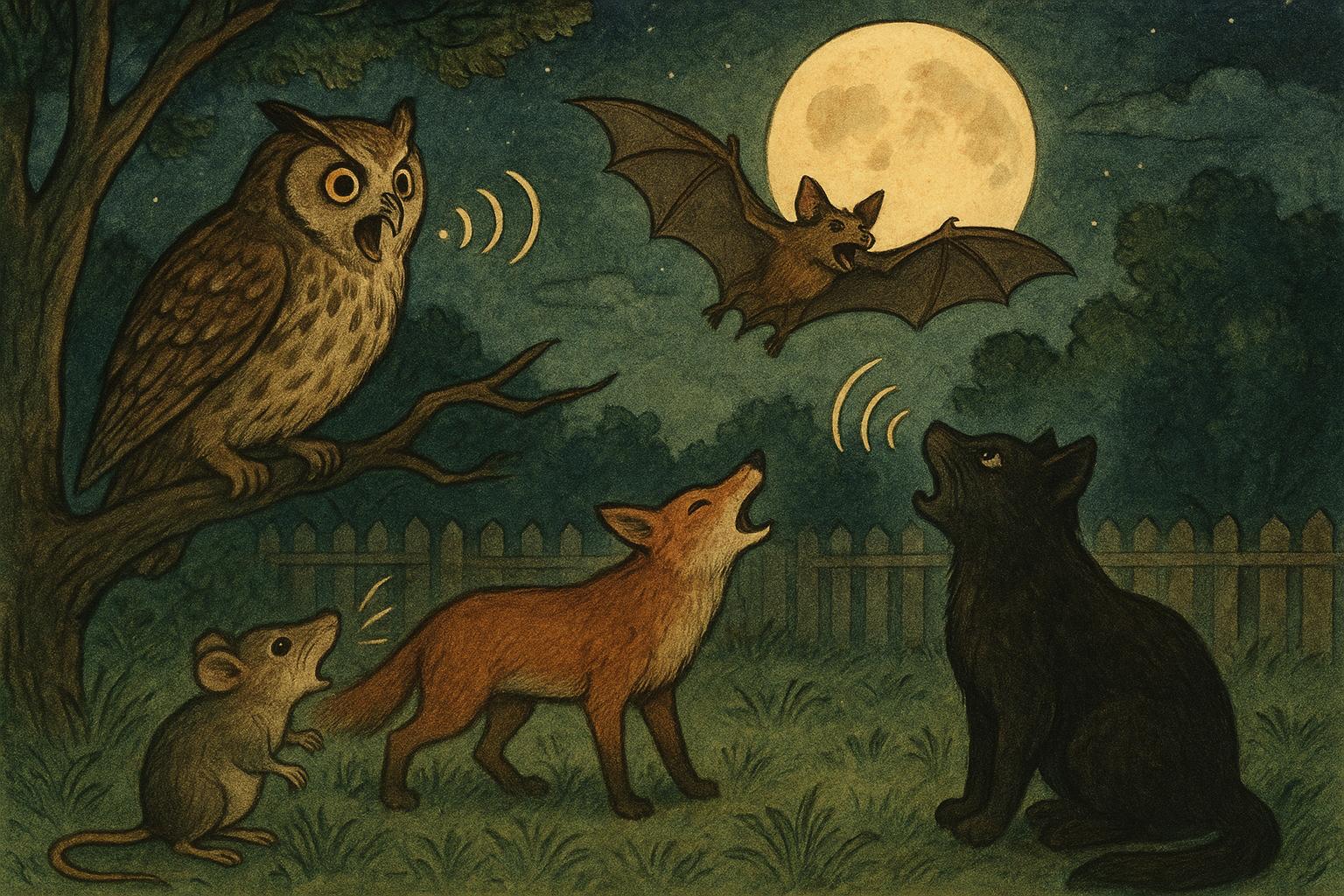
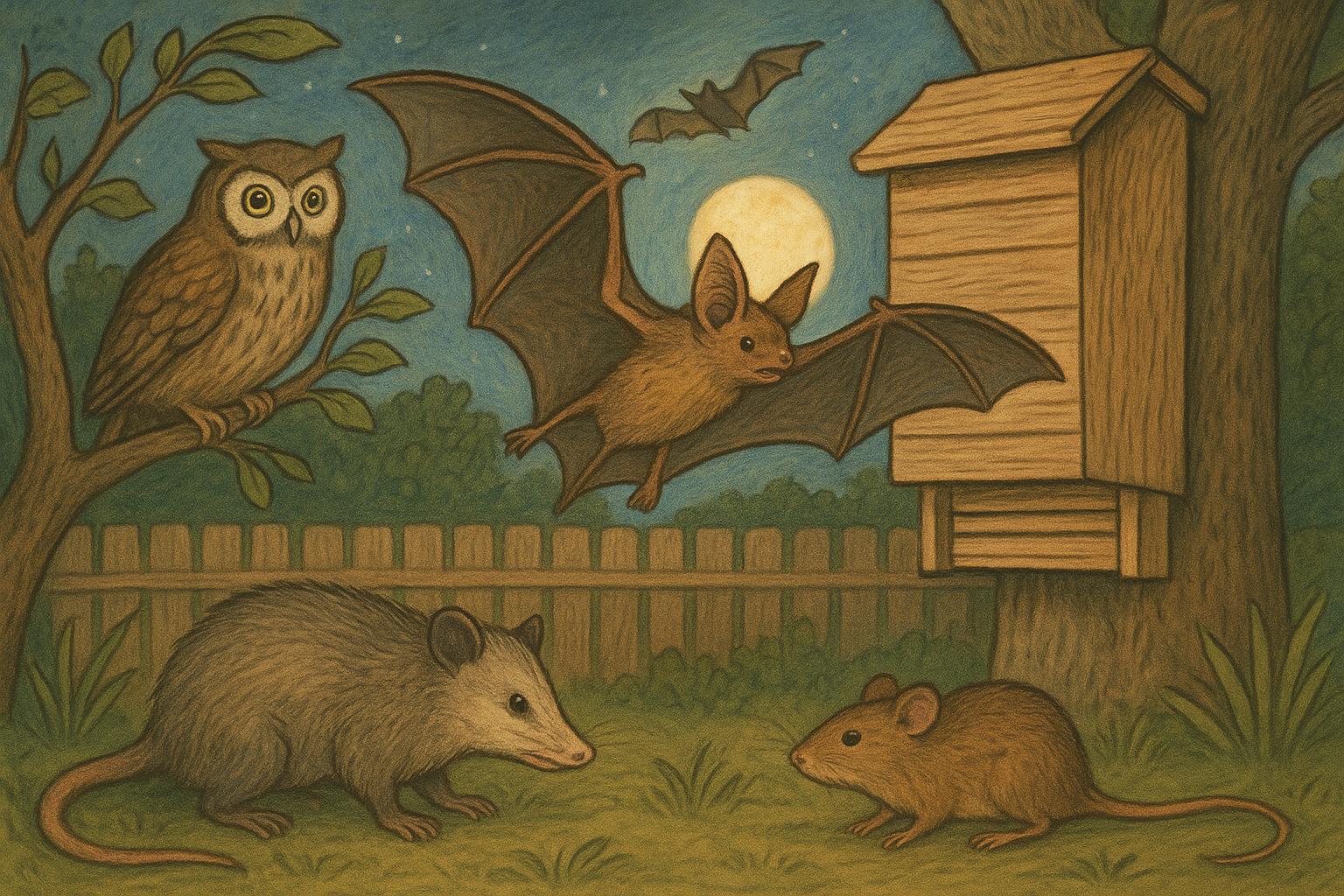
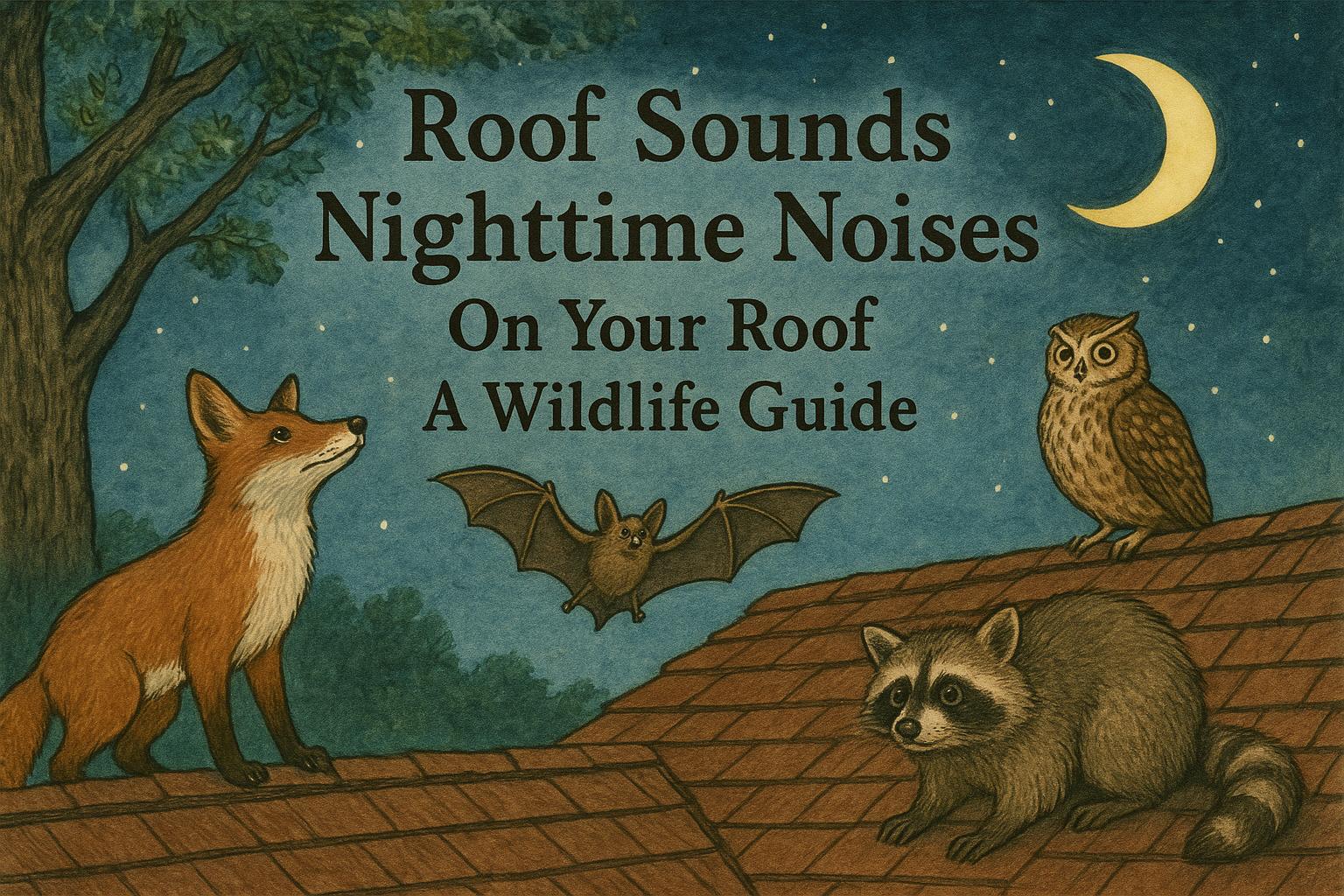
Raccoons are clever and dexterous; they’ll flip lids and unzip trash bags. Opossums are slow-moving and more interested in easy snacks than confrontation. Bats are insect hawks—if your porch has a steady supply of moths and mosquitos, bats are likely to patrol overhead. Night birds like nighthawks or nightjars may roost nearby. None of these animals want to be your enemy; they’re just trying to live.
### Signs They’ve Been There
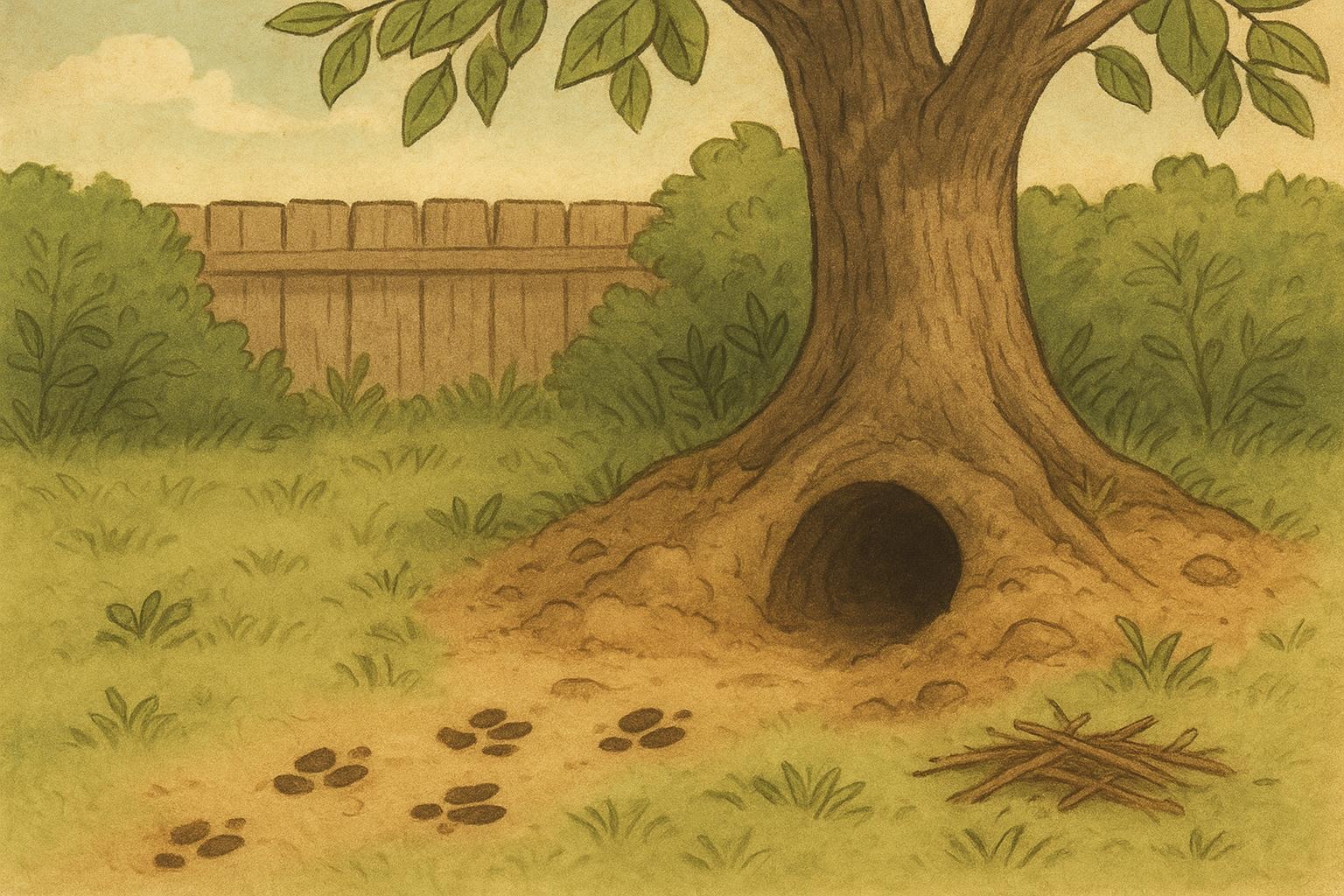
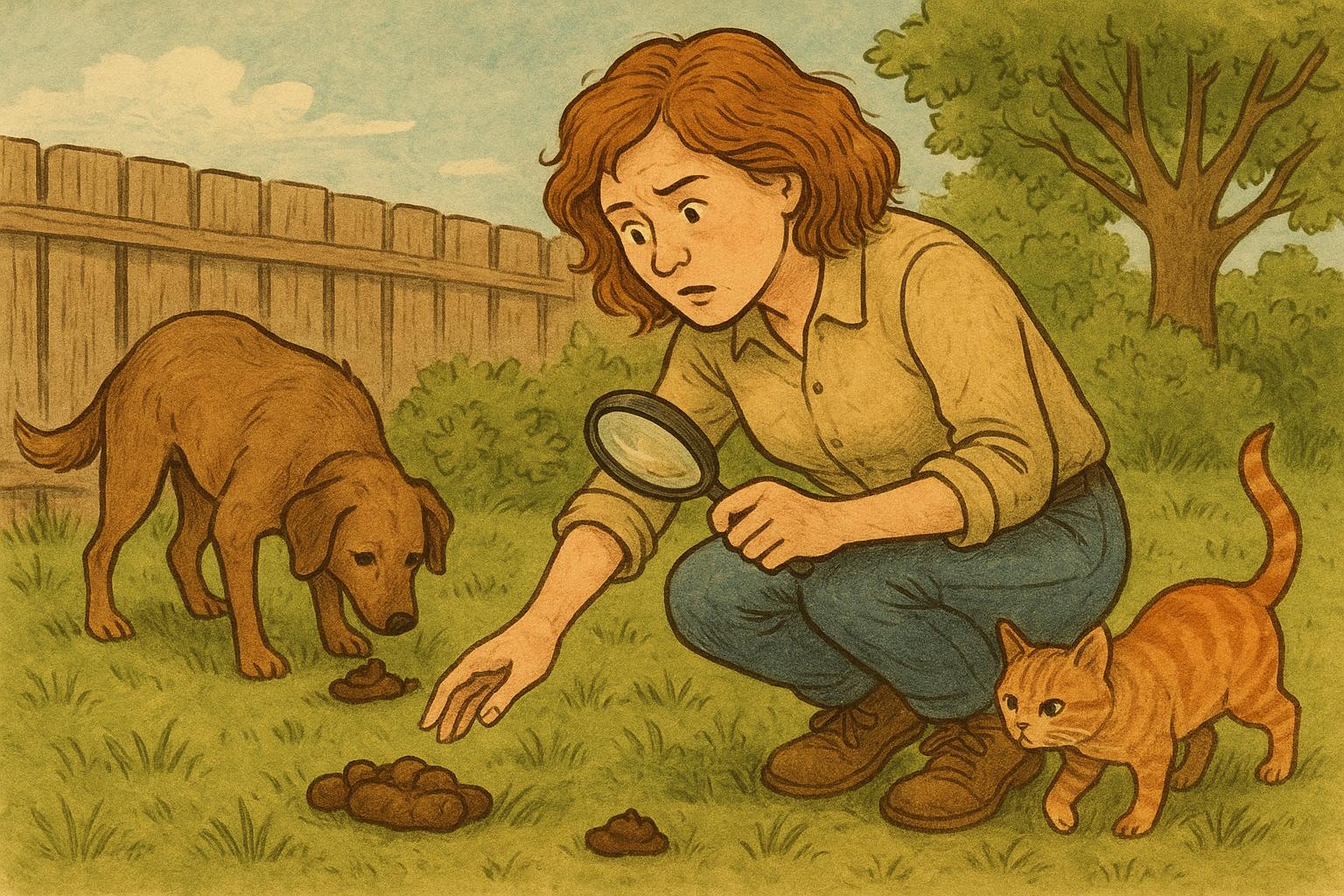
Tracks, overturned pots, chewed fruit, scattered seeds, and droppings are all signs. You might also hear rustling in the eaves or notice the faint smell of wet fur after a rainy night. Identifying the sign correctly helps you tailor a response that’s humane and effective.
## Remedy 1: Humane Deterrent Kit For Porch Wildlife
When repeated visits are causing damage, replaceable deterrents can shift behavior without harm. This remedy focuses on a passive, low-impact kit to make your porch less attractive to wildlife.
Materials:
– Heavy-duty trash can with locking lid (1)
– Motion-activated LED light(s) (1–2)
– Motion-activated ultrasonic deterrent (outdoor-rated) (optional)
– Wire mesh or hardware cloth (for vents and under-porch gaps)
– Scent repellents (commercial, predator urine-based or citrus oil spray)
– Zip ties, outdoor screws, and a drill
Creation And Application (Formal Instructions):
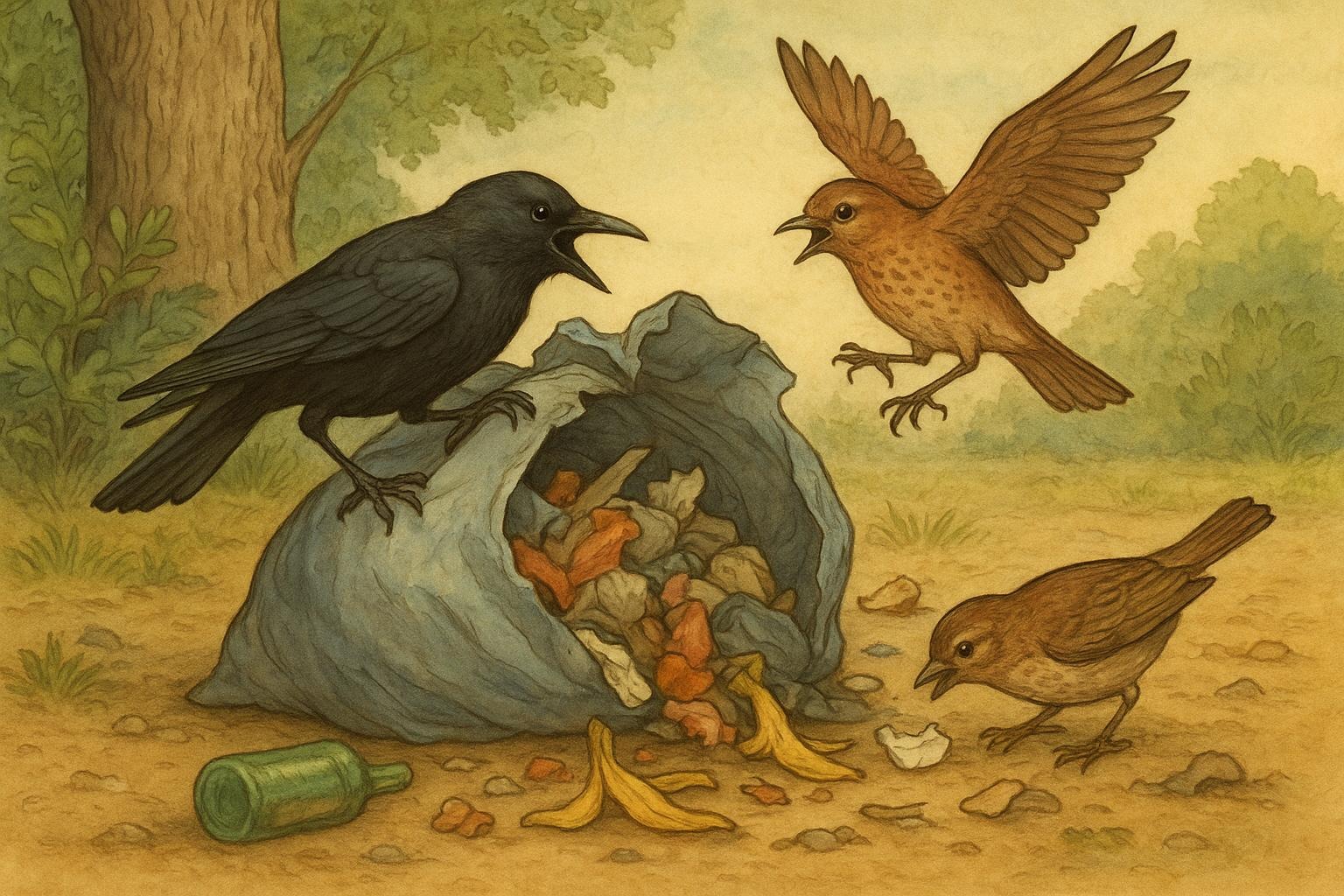
1. Secure Food Sources: Place all pet food indoors and transfer organic waste to a heavy-duty bin with a locking lid. Ensure the lid seats tightly; if necessary, use bungee cords or a simple latch system. This removes the primary attractant.
2. Install Motion-Activated Lighting: Mount motion-activated LEDs aimed to cover dark nooks where animals approach. Program them to short bursts (10–30 seconds). Wildlife typically avoids sudden bright light, reducing visits without constant illumination.
3. Use Motion-Activated Ultrasonic Devices (Optional): If local regulations and effectiveness studies permit, install ultrasonic deterrents on covered areas. Position units 6–8 feet apart for coverage. Do not rely on these devices alone; combine with other measures.
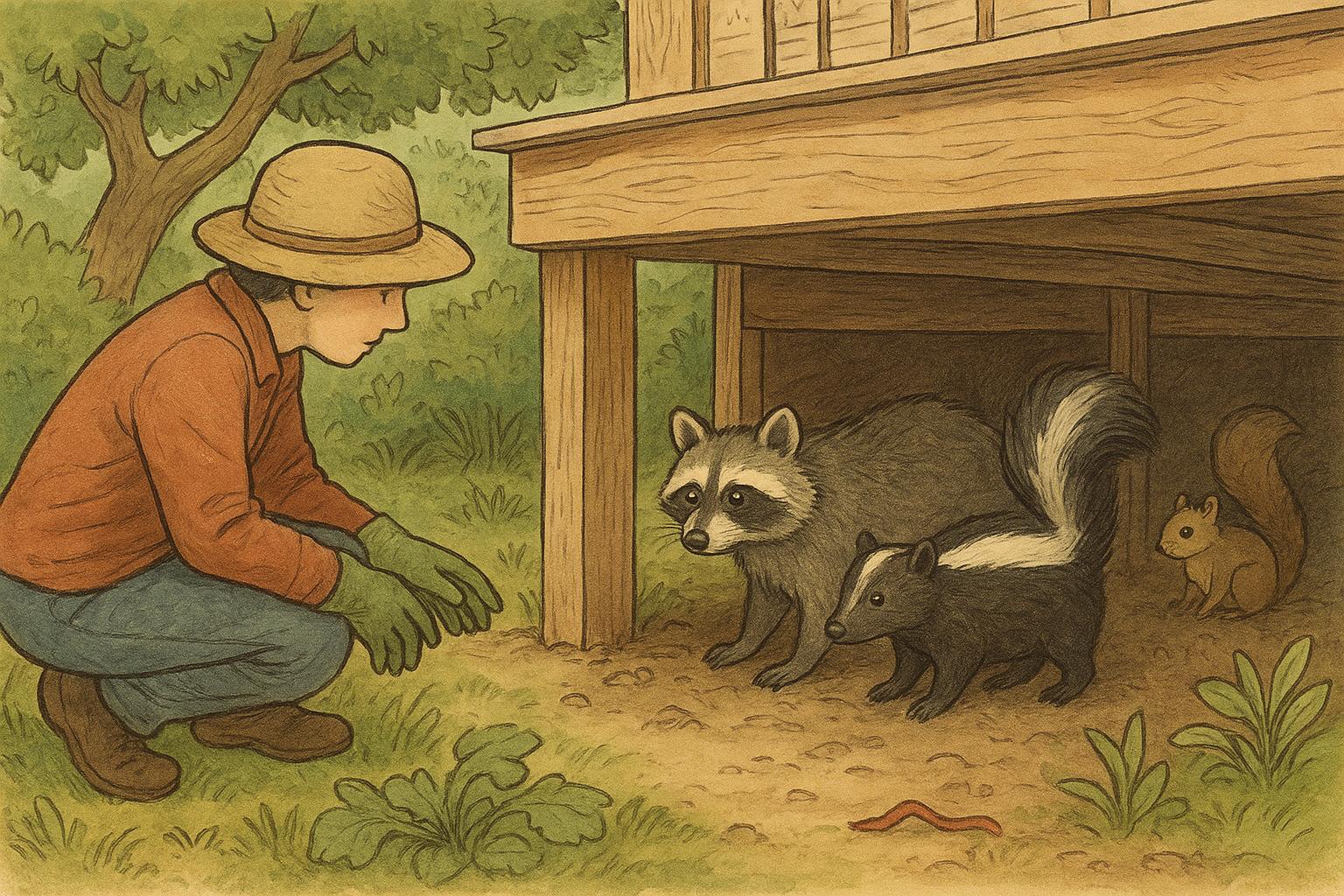
4. Reinforce Entry Points: Inspect the porch perimeter and identify gaps under deck boards, underneath stairs, or vents. Fasten wire mesh with screws and washers to close openings larger than 2 inches. Ensure proper airflow is maintained when covering vents (cut mesh accordingly).
5. Apply Scent Barriers: Use commercially available scent repellents according to label instructions. If using citrus oil as a natural deterrent, dilute to a safe concentration (3–5% citrus oil in water) and mist around entry points weekly. Reapply after rain.
6. Monitor And Adjust: Check the area weekly for disturbances. Replace consumables (repellents) and repair any damaged barriers promptly. If a particular deterrent is ineffective after two weeks, reassess placement or combine methods.
## Remedy 2: Shelter-Friendly Attractant Management For Porch Wildlife
If your porch doubles as an inadvertent nest or resting spot, structural tweaks and habitat-aware practices help guide animals to safer, more appropriate sites without disturbance.
Materials:
– Native shrubs and plants for alternative cover (consult local nursery)
– Raised planting bed or potted plant stands
– Outdoor-grade lattice or slatted privacy screen
– Birdhouse or bat box (species-specific, as needed)
– Mulch and pruning shears
Creation And Application (Formal Instructions):
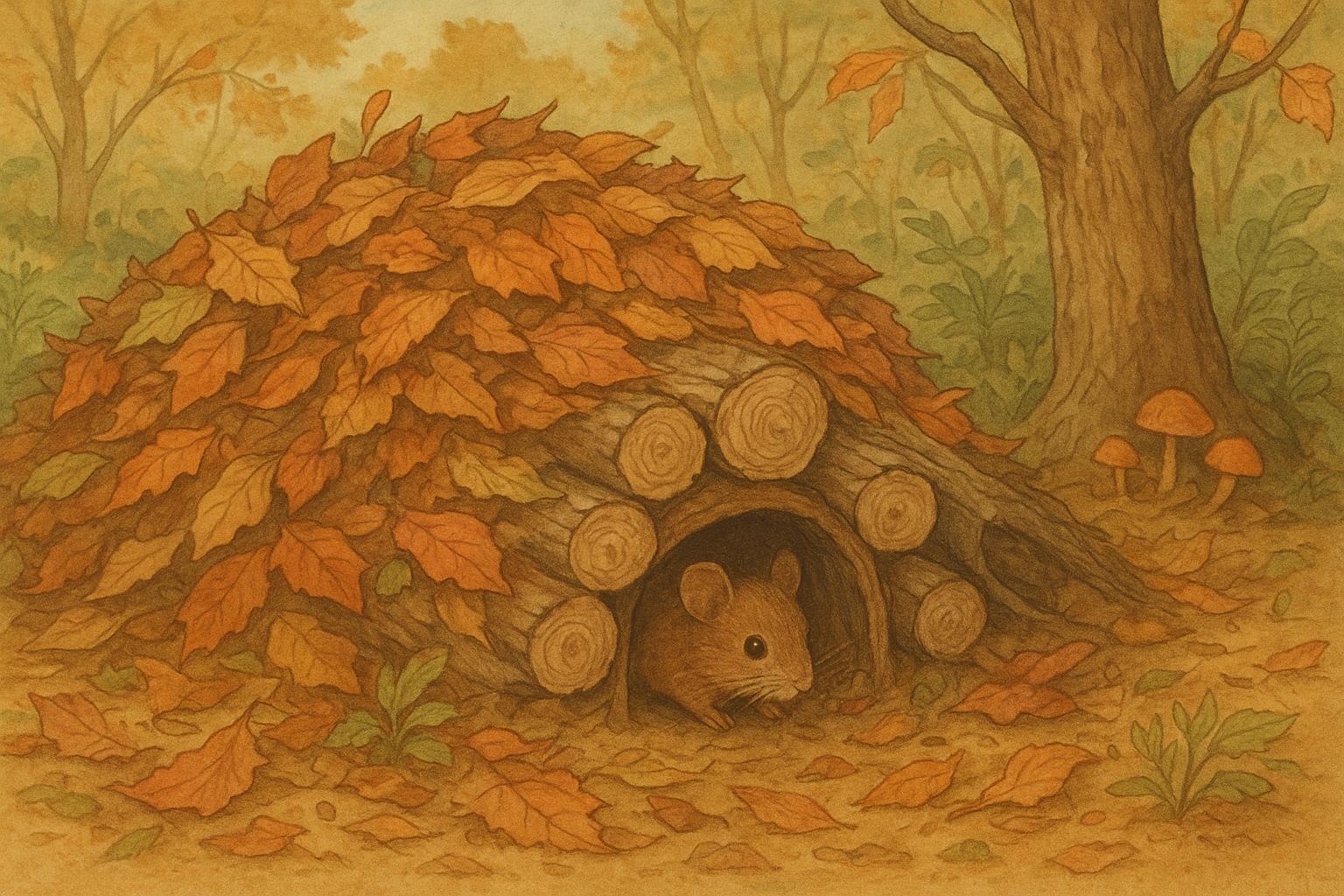
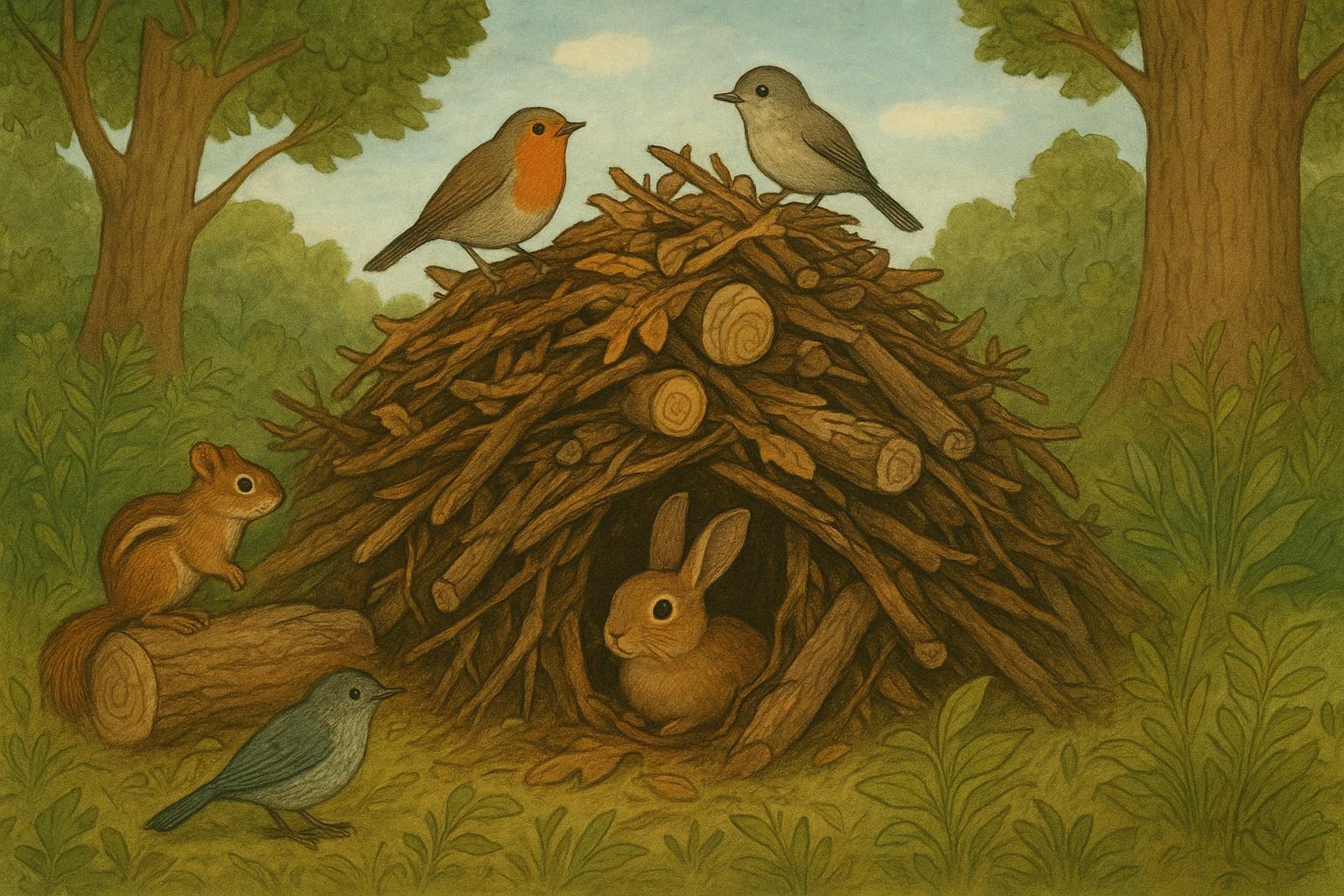
1. Provide Alternative Shelters Off-Porch: Plant native shrubs or install a small brush pile (at least 10 feet from the house) to offer wildlife alternative cover. Brush piles should be made from certified disease-free branches. This reduces the appeal of the porch as a refuge.
2. Modify Porch Microhabitats: Replace dense groundcover immediately adjacent to the porch with gravel or low-growing, less sheltered plants. Install slatted or lattice screening to remove continuous sheltered cavities; ensure screens do not enclose space where animals could become trapped.
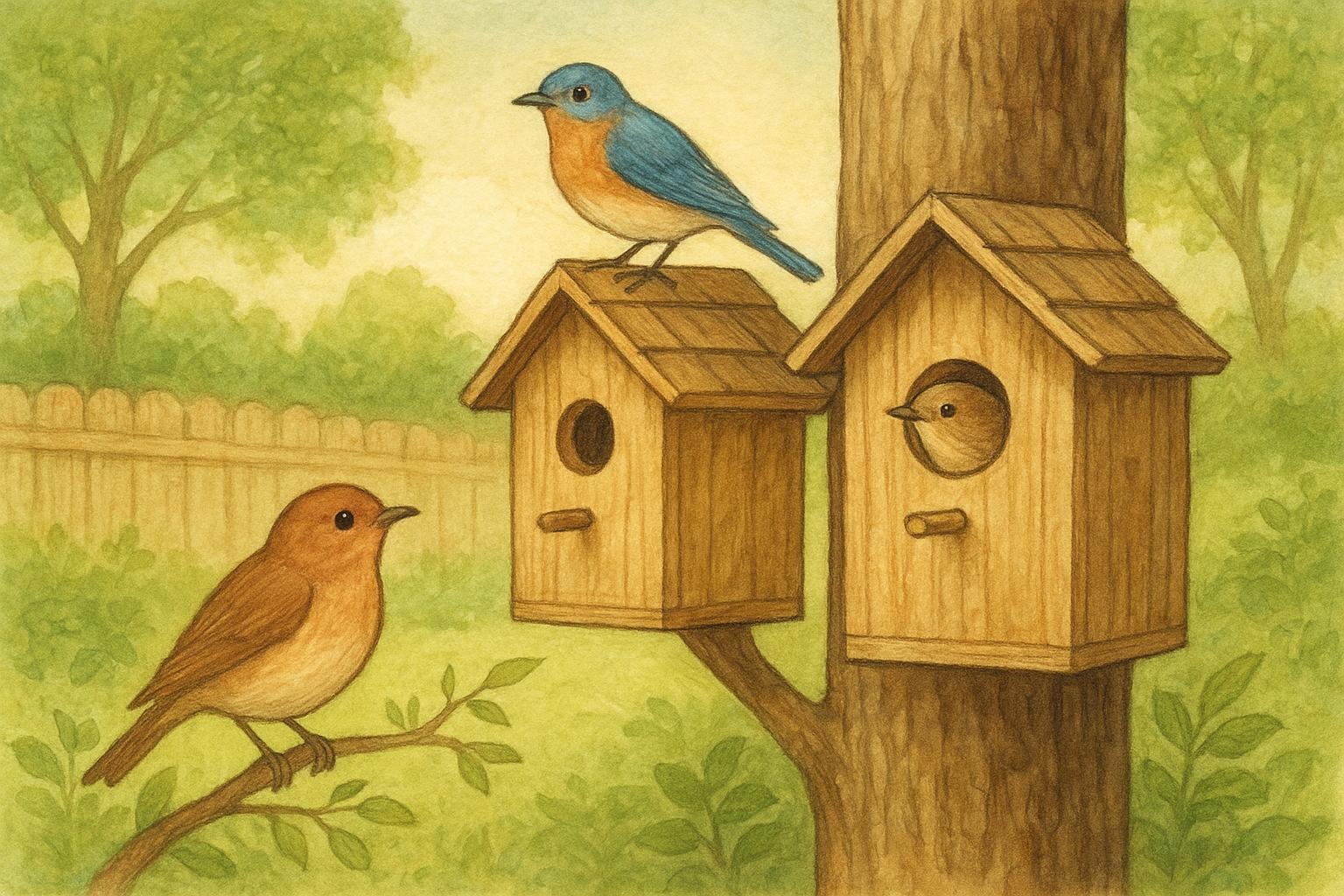
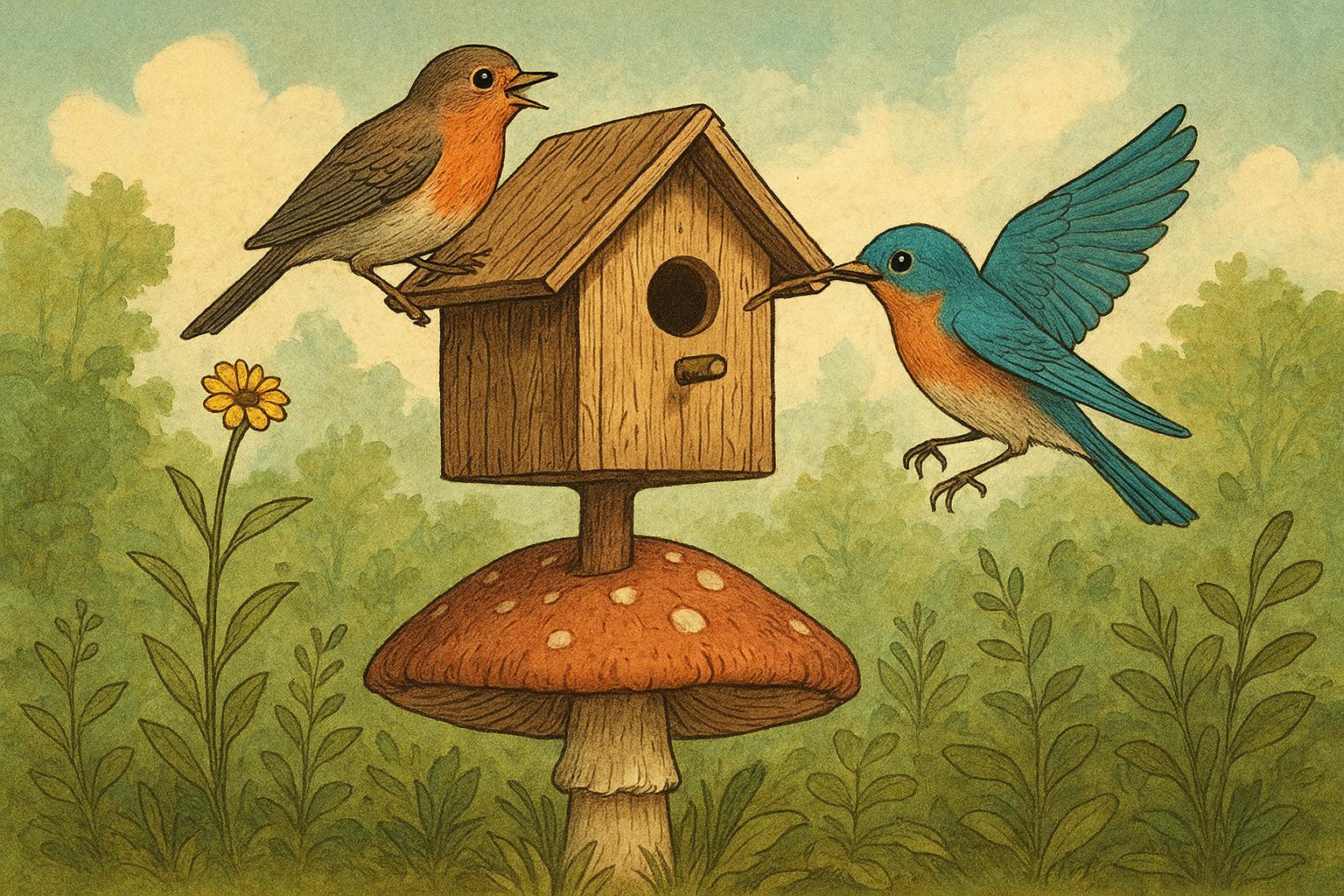
3. Install Purpose-Built Nesting Boxes Away From Human Activity: If bats or birds are part of your night visitors and you want to accommodate them, mount bat boxes on poles or south-facing walls at least 12–16 feet high. Follow species-specific box dimensions and installation guidelines to prevent roosting in undesired locations like eaves.
4. Maintain Cleanliness and Regular Pruning: Trim overhanging branches and prune shrubs to increase visibility and reduce easy access to the porch roof. Weekly sweeping and periodic pressure washing of surfaces remove scents and residues that attract repeat visitors.
5. Seasonal Considerations: Before cold seasons or breeding times, check for dwellings. If animals are nesting, do not attempt removal. Contact wildlife professionals to handle situations involving young or injured animals.
### Tips For Coexisting With Porch Wildlife
A light touch goes a long way. Avoid feeding wildlife intentionally. If you enjoy watching them, set up a viewing spot a safe distance away and avoid direct interaction. Seal entry points into the house and garage. If you have bird feeders, keep them up high and clean under them frequently to avoid ground foragers.
### When To Contact Wildlife Professionals
Call a licensed wildlife rehabilitator or pest control specialist if you encounter:
– Injured or orphaned animals
– Animals that have entered living spaces (attics, walls)
– Aggressive behavior or repeated attempts to enter home interiors
– Evidence of rabies or other disease (unprovoked daytime aggression, foaming, disorientation)
Humane professionals can assess and, if necessary, safely remove animals, or advise on exclusion techniques. Local wildlife agencies also offer guidance tailored to regional species and regulations.
### Nighttime Porch Etiquette For Humans And Animals
Consider swapping intense motion lights for lower-level, downward-shielded fixtures that reduce insect attraction while still keeping pathways safe. Compost food scraps in tightly sealed bins or away from the house. If you enjoy a nightly cup of coffee outdoors, close the door behind you—animals are curious and will follow scent trails. A little human mindfulness helps maintain the delicate balance.
A porch that once felt like a small urban jungle can become a peaceful transitional space—one where porch wildlife pass through without making a mess of your evenings. With steady, respectful measures, you can keep the charm of nocturnal visitors without the tipping point of nuisance. Enjoy the quieter nights, the odd raccoon duet, and the occasional fluttering bat silhouette—knowledge and a few well-placed deterrents will quietly restore your patio peace.





















Leave a Reply