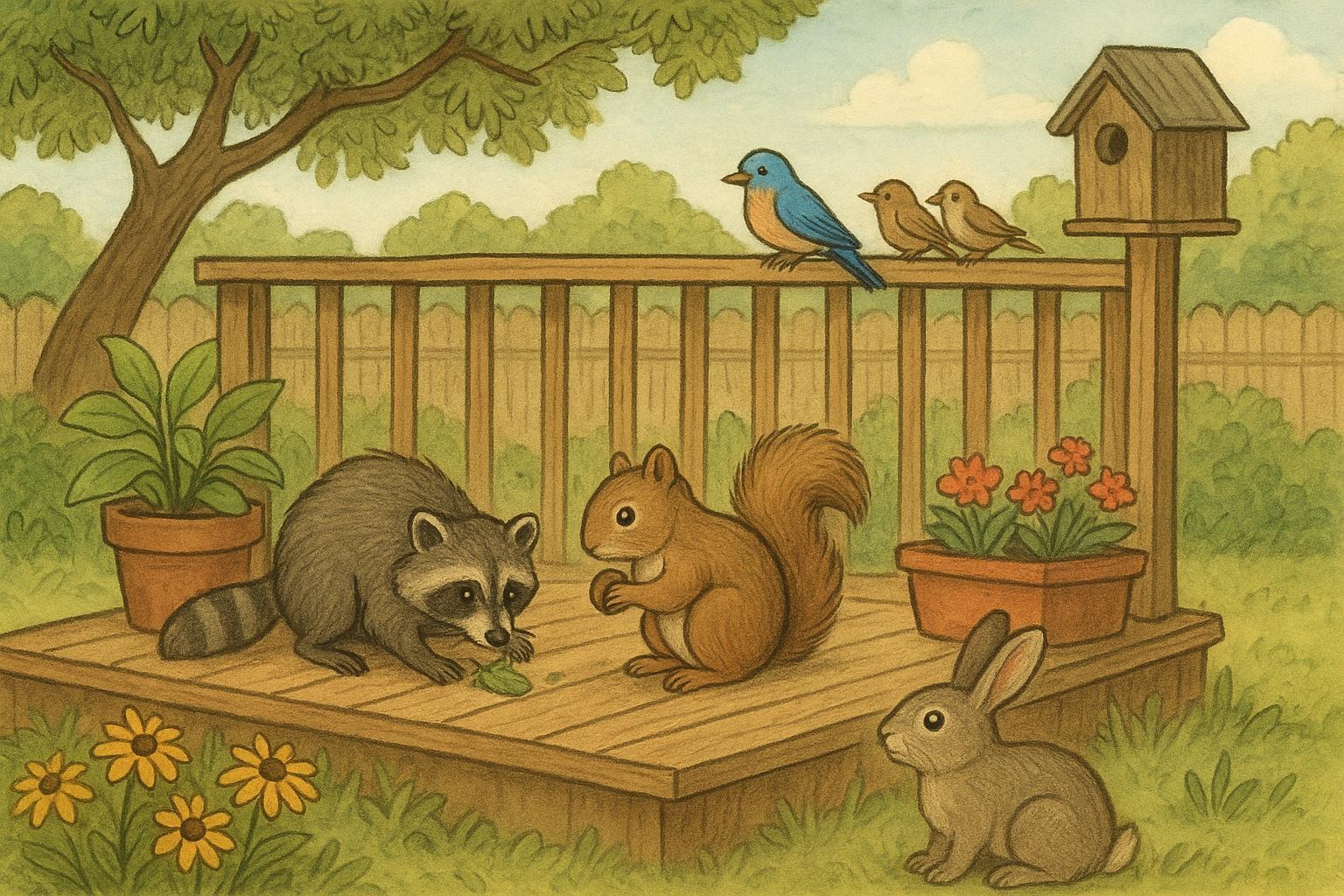
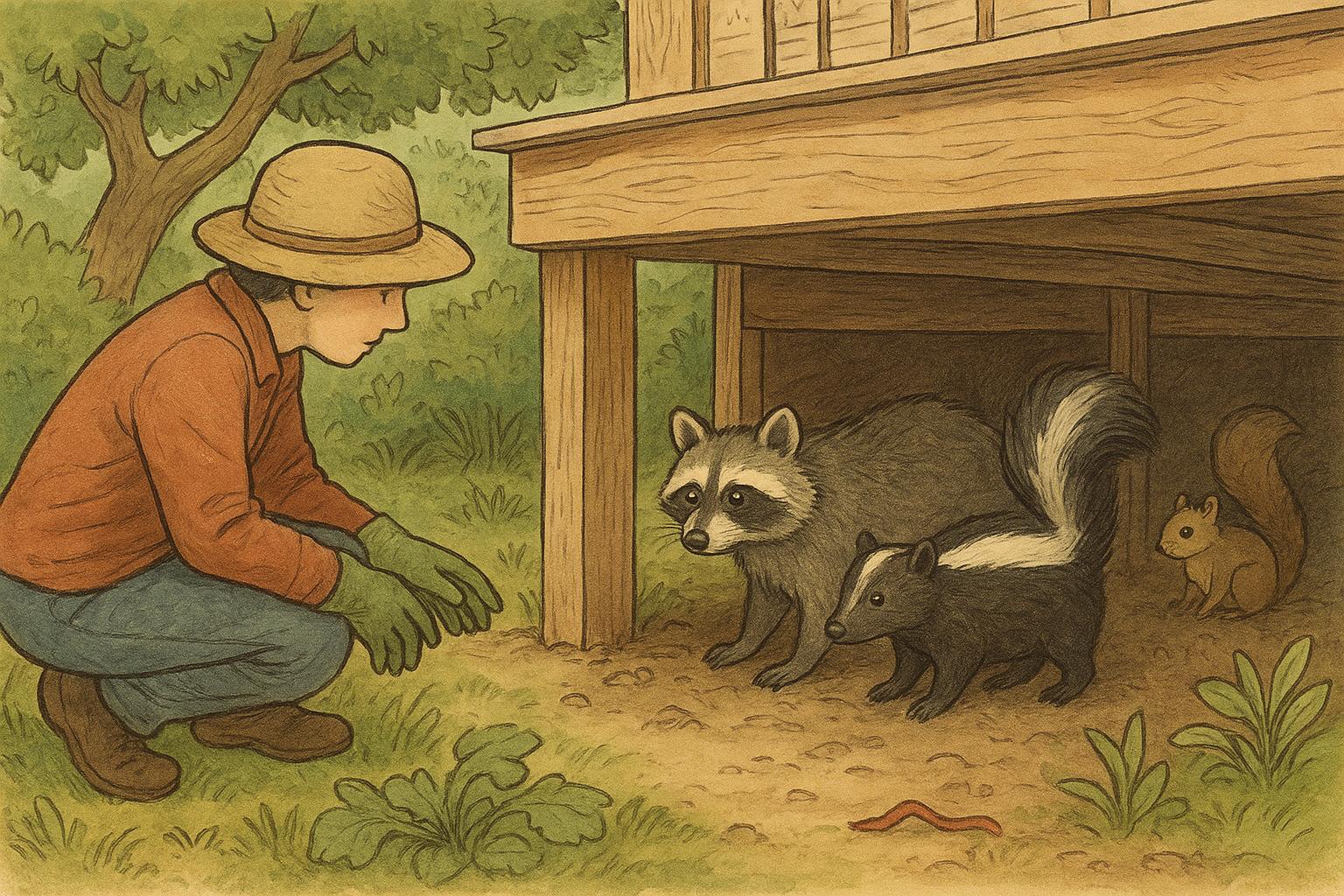
You step out to your deck for a quiet cup of coffee and a moment of zen — and are greeted by a raccoon staring back like he’s paying rent. If your backyard has turned into a tiny nature reserve without your consent, you’re not alone. This article offers friendly, practical ways to tame those deck dramas without turning into the neighborhood critter-hating vigilante. Expect helpful tips, a bit of chuckle-worthy observation, and clear, formal remedies when it’s time to act.
## Deck Wildlife Quandaries Tamed With Clever Backyard Tips
### Why Animals Find Decks Irresistible
Decks are prime real estate to many critters because they often offer food, shelter, and easy access to cover. Birds, squirrels, raccoons, opossums, mice, and even snakes can be attracted to:
– Accessible pet food or spilled birdseed.
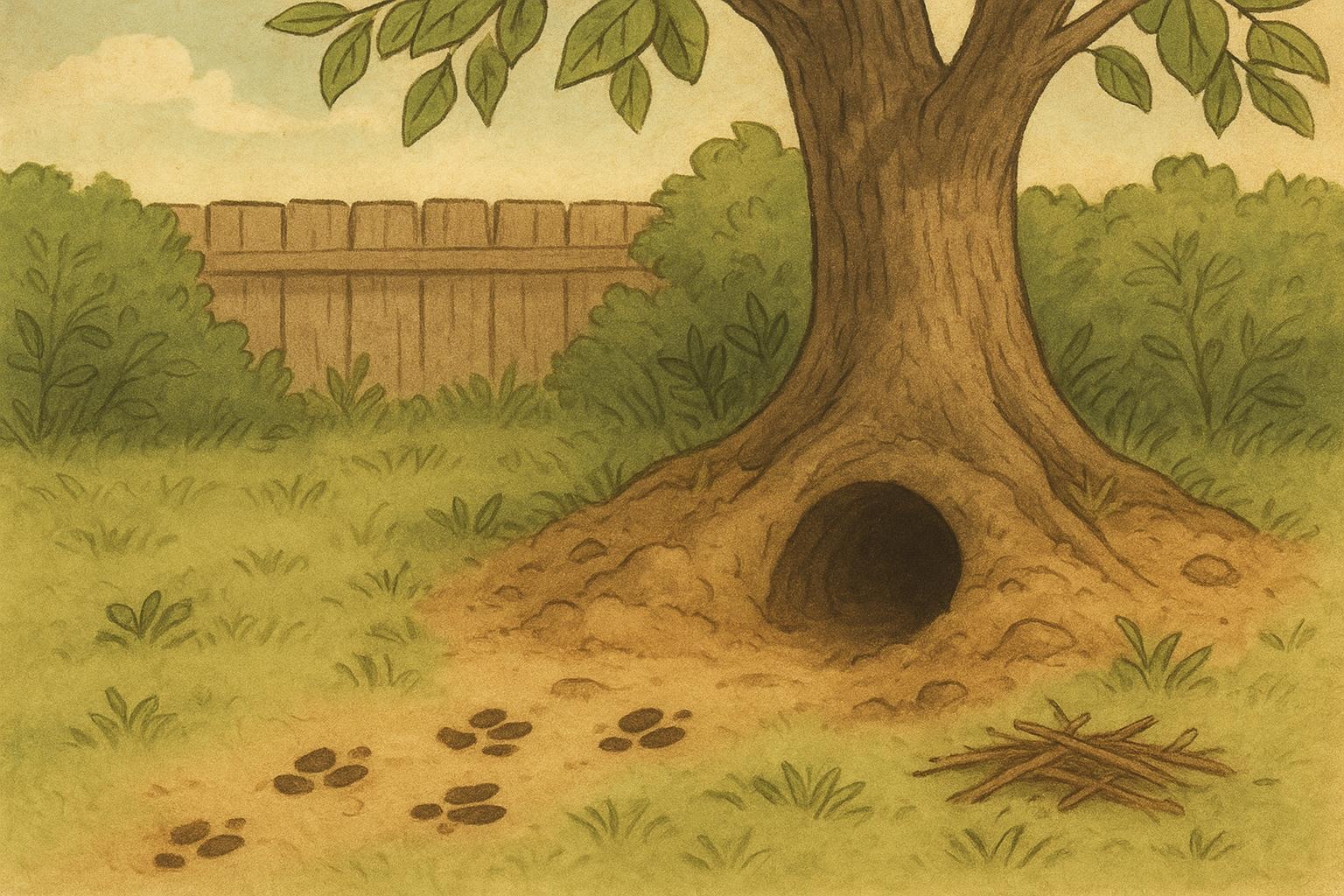
– Warm crevices under decking or stairways.
– Elevated vantage points for birds and squirrels.
– Human scent and scent trails from food preparation.
If you’re seeing a parade of small animals, you’re witnessing classic deck wildlife behavior. They’re not plotting world domination — mostly they’re plotting where the next free snack will come from.
### Health And Property Concerns
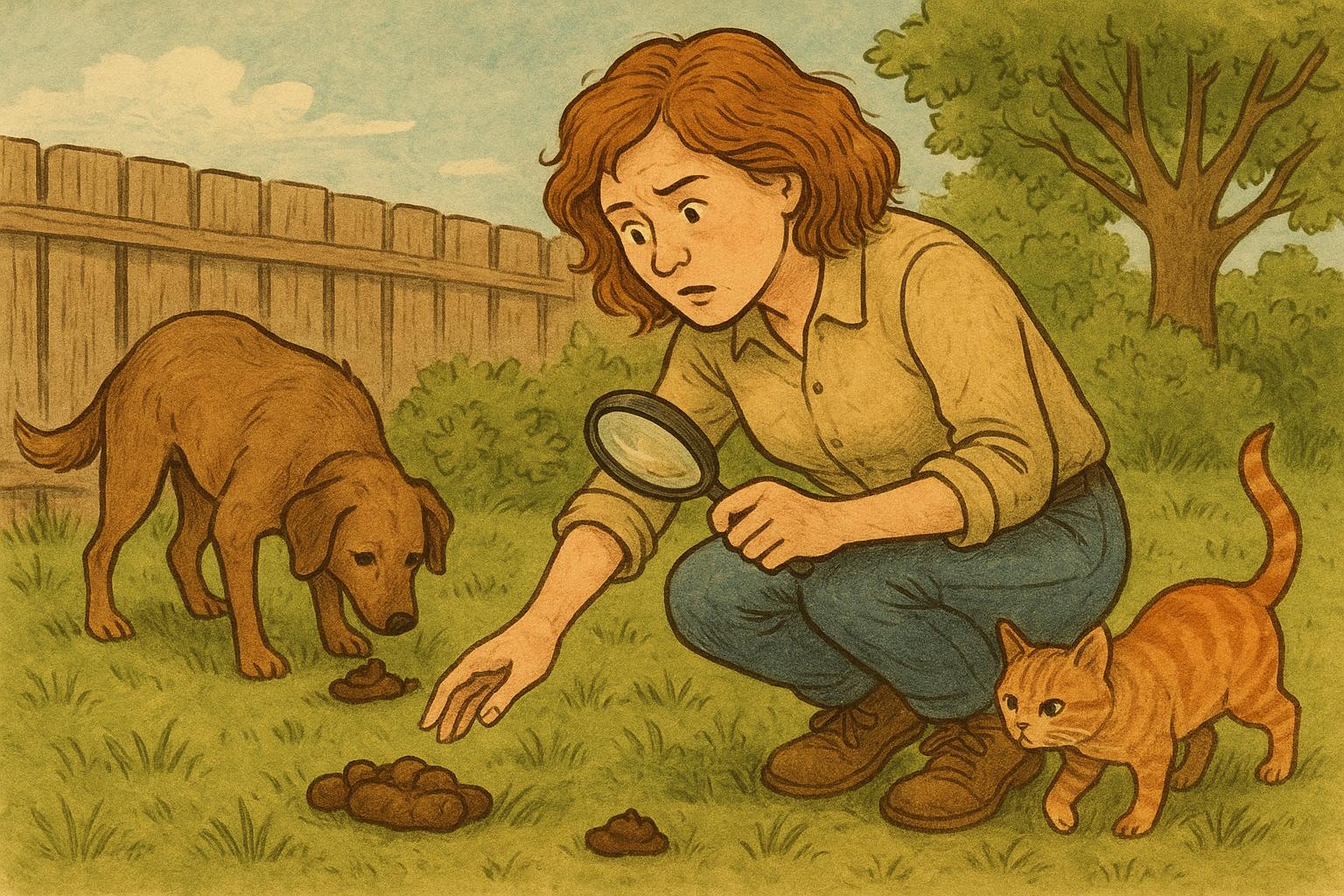
Deck wildlife can cause property damage and health risks. Pests chewing on wiring, burrowing under deck supports, or staining and soiling wood with droppings are common issues. Zoonotic diseases (those that can jump from animals to people) and parasites are also concerns. Addressing these problems promptly reduces structural risk and health exposure.
## Common Deck Wildlife Visitors
### Birds And Squirrels
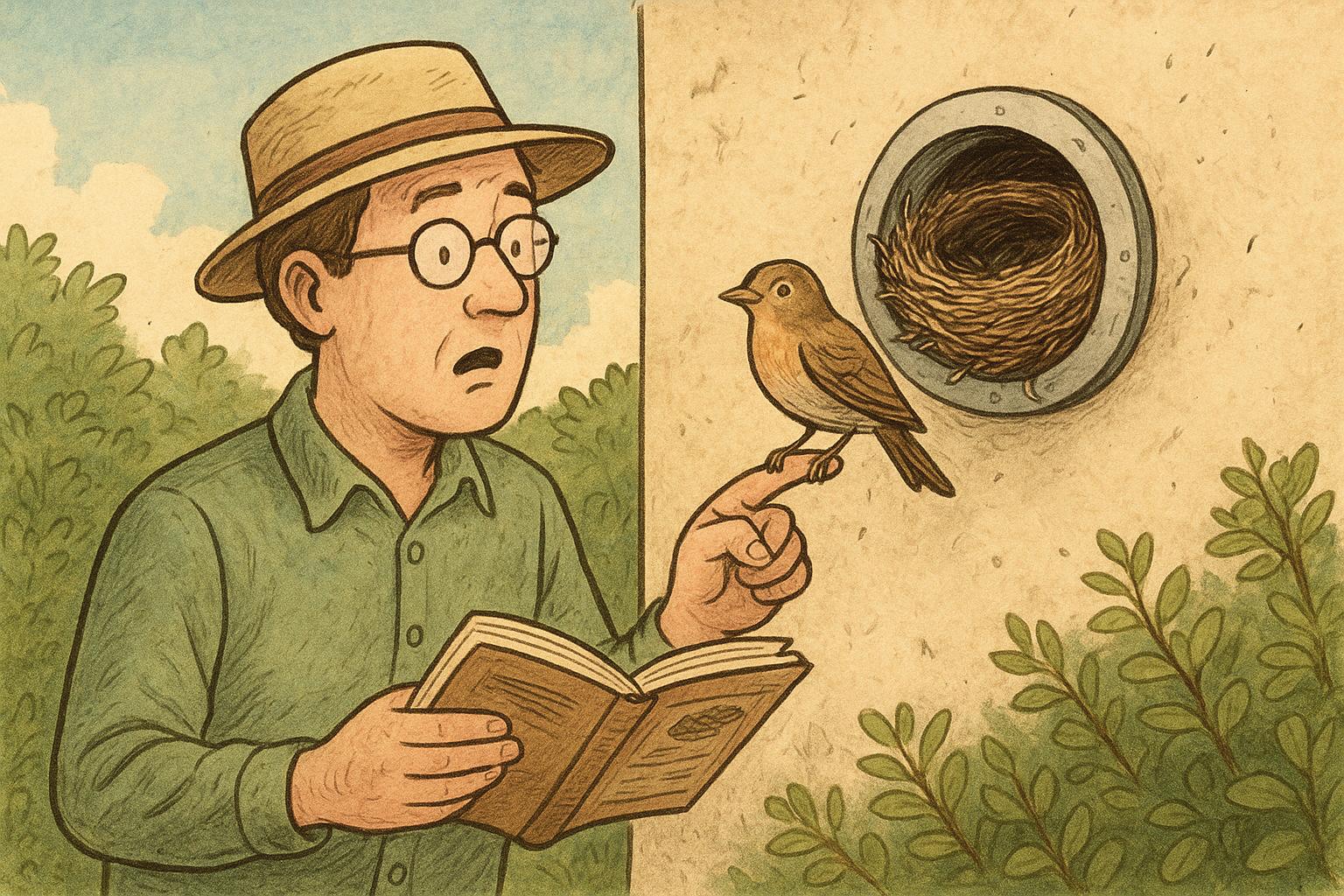
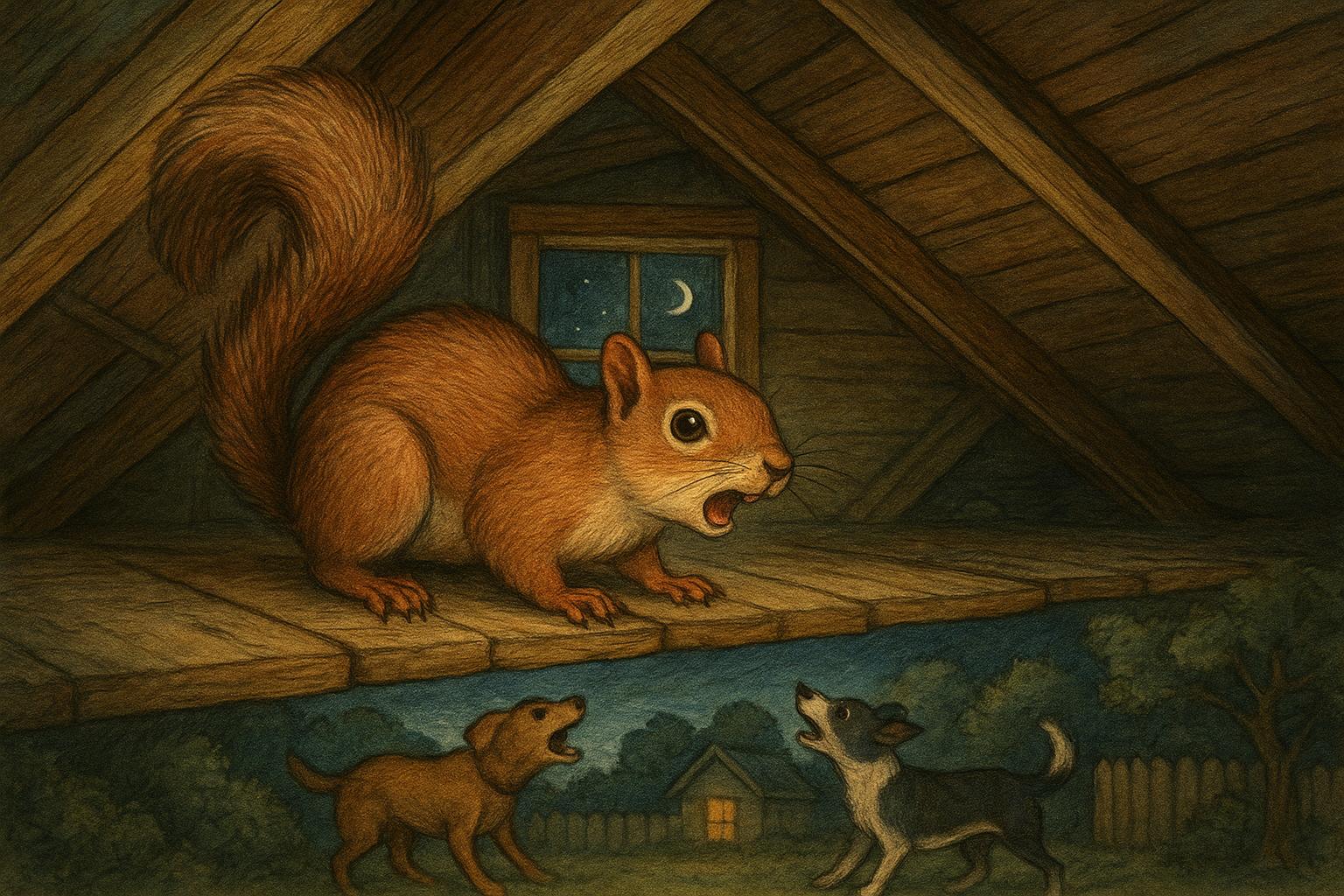
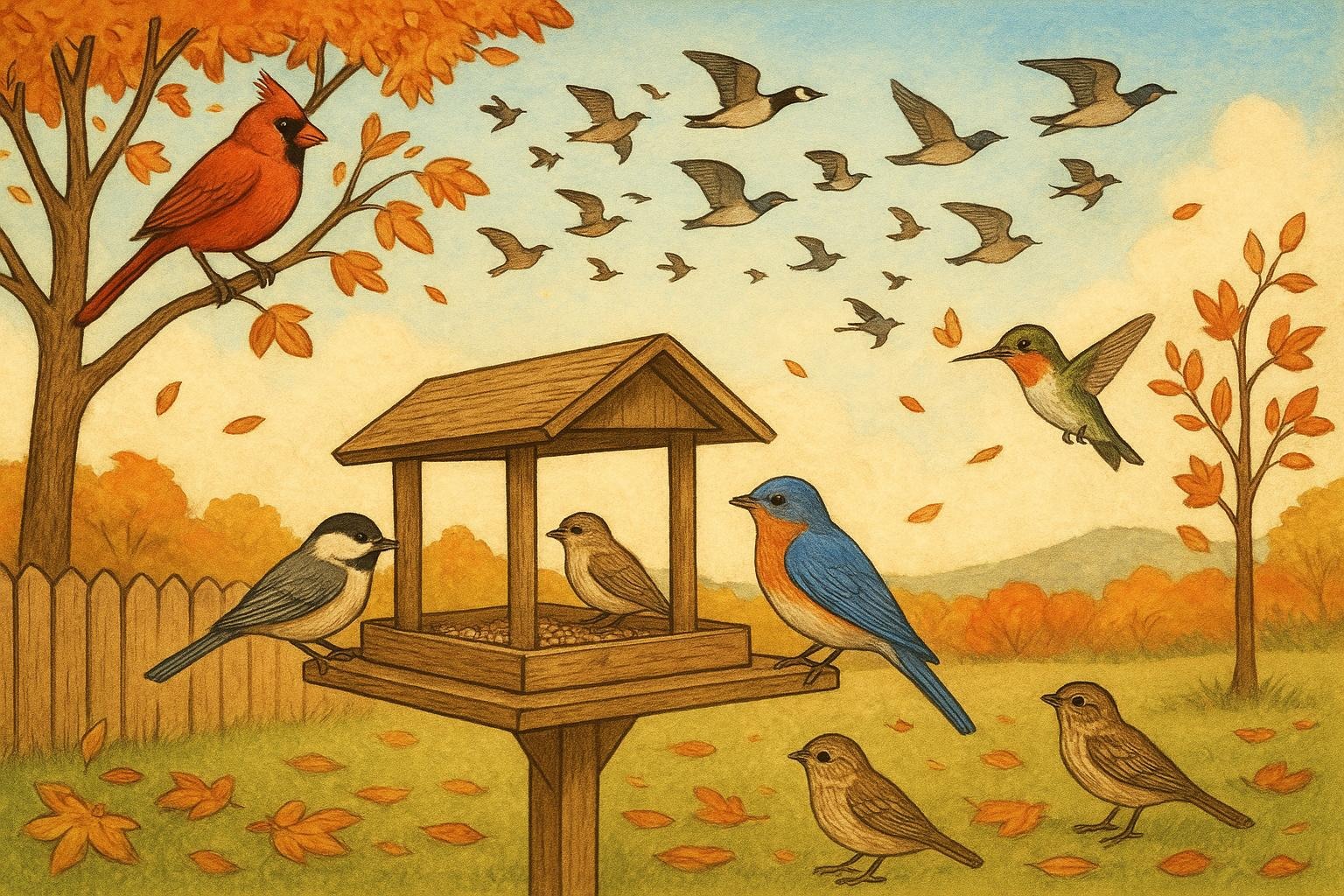
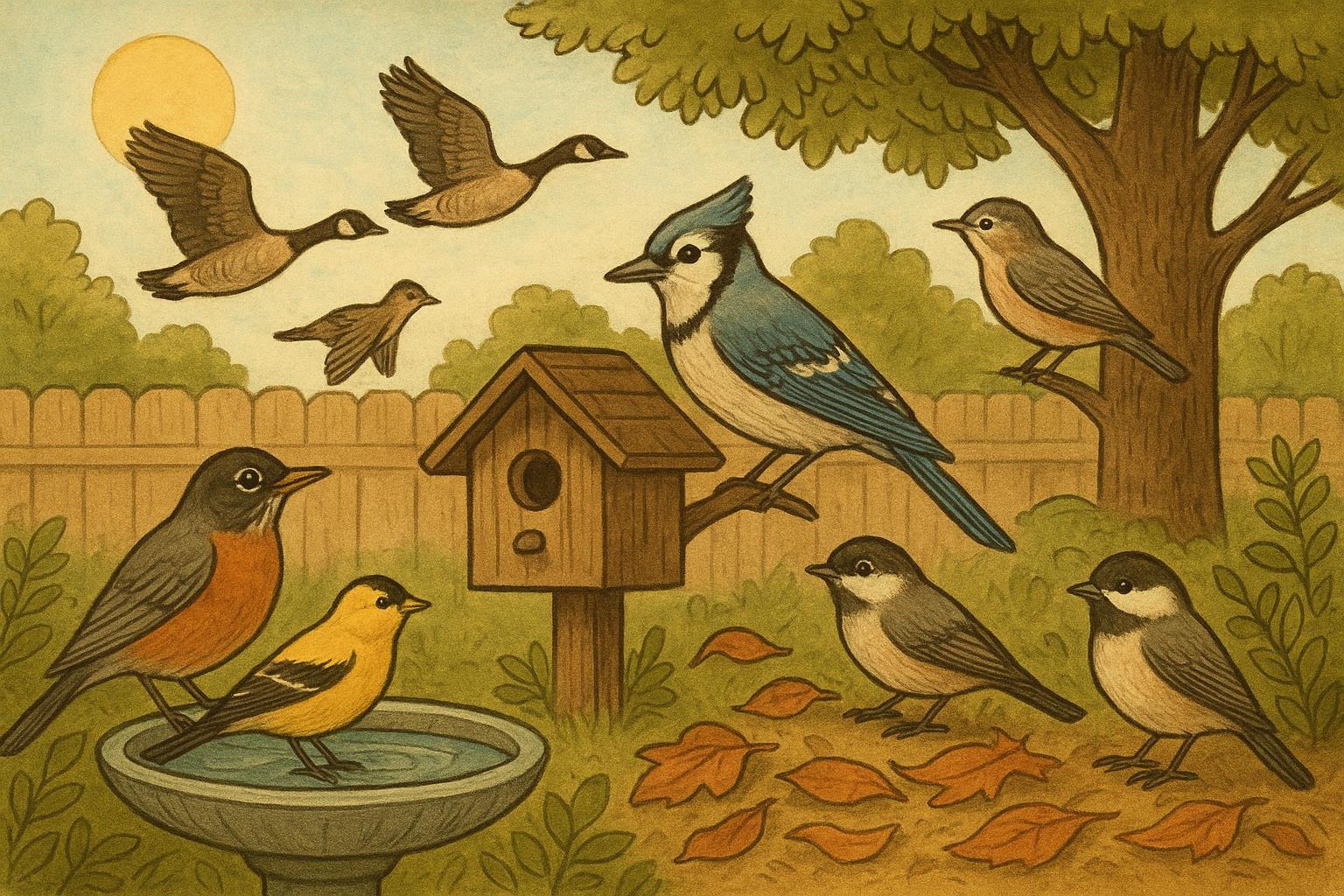
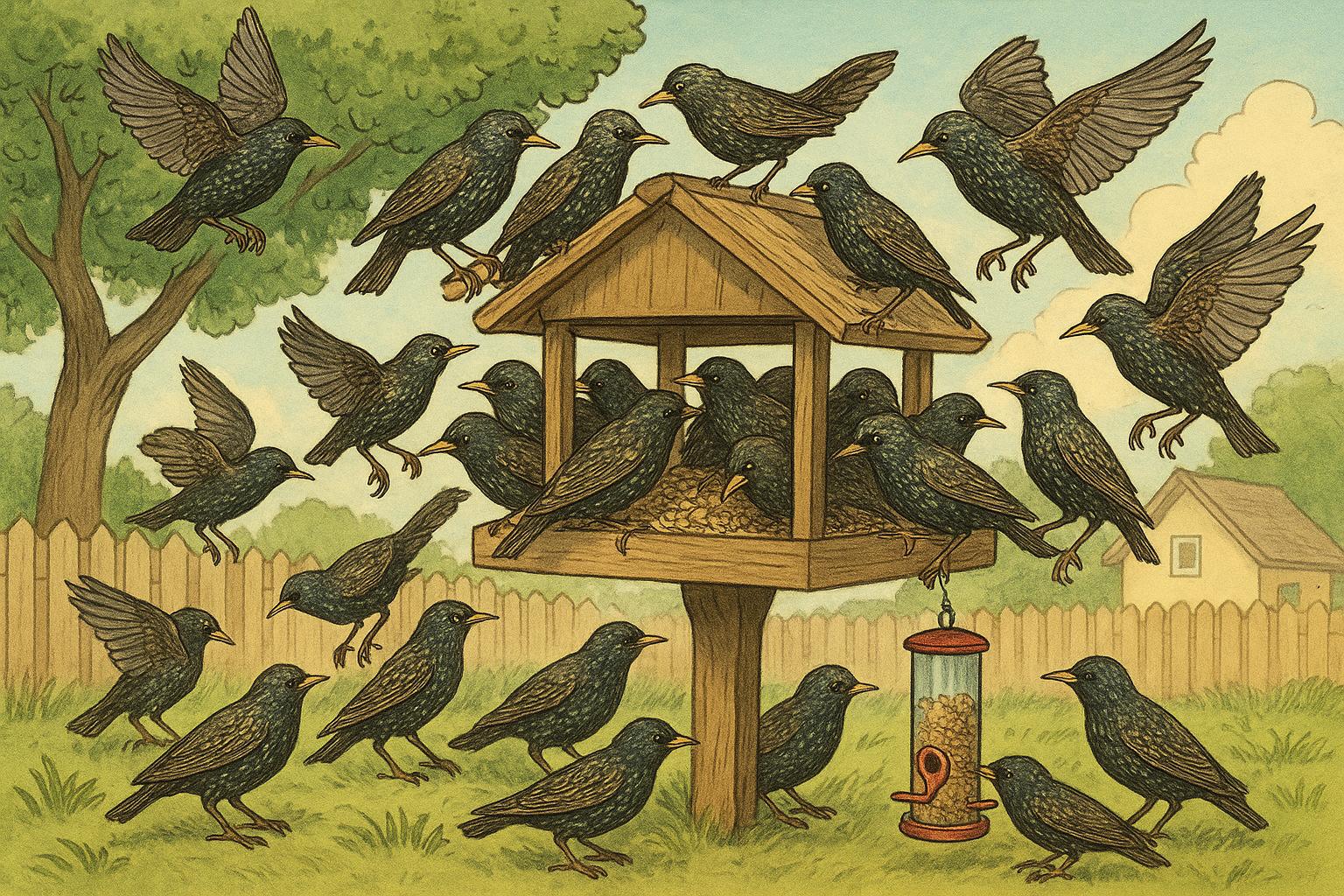
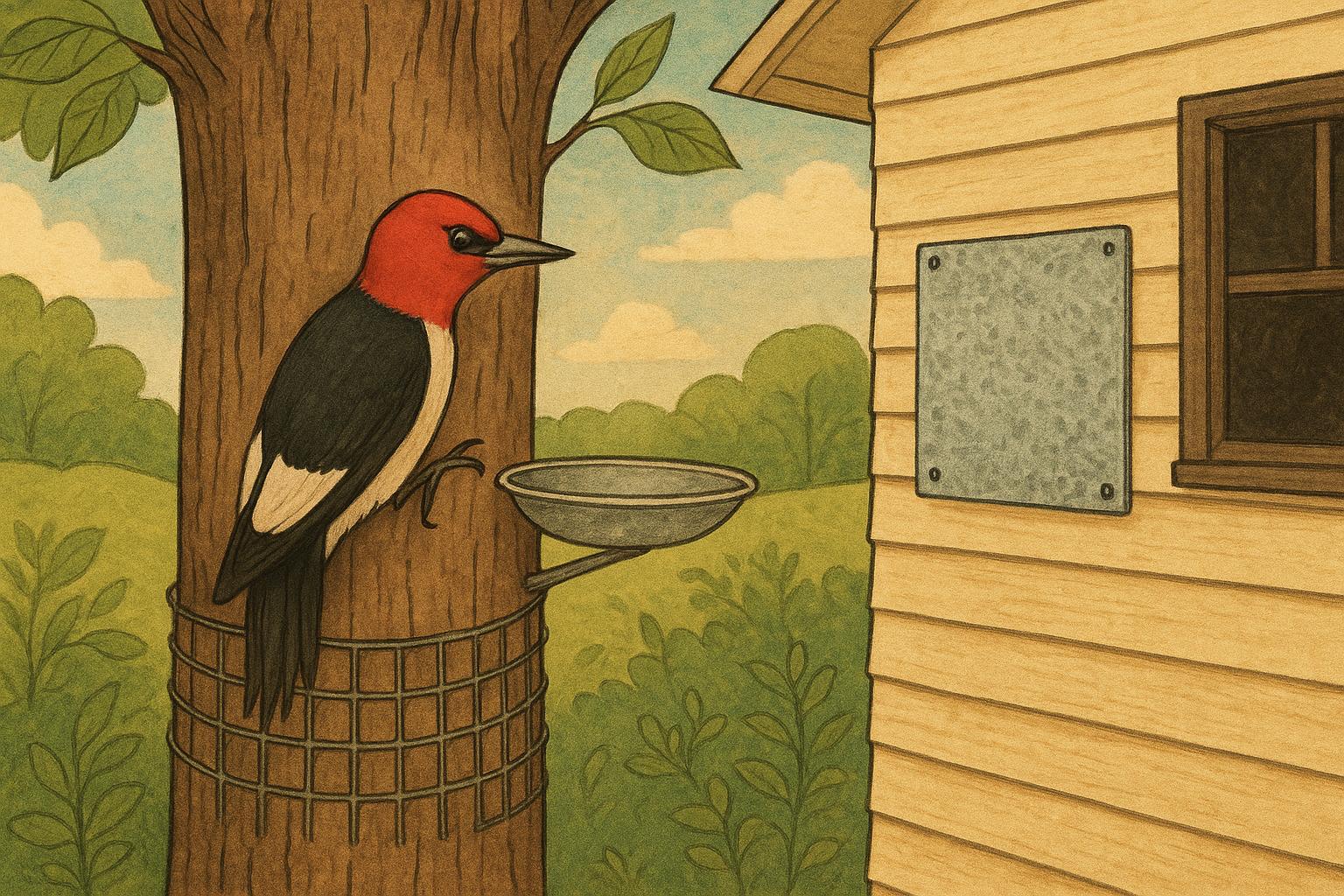
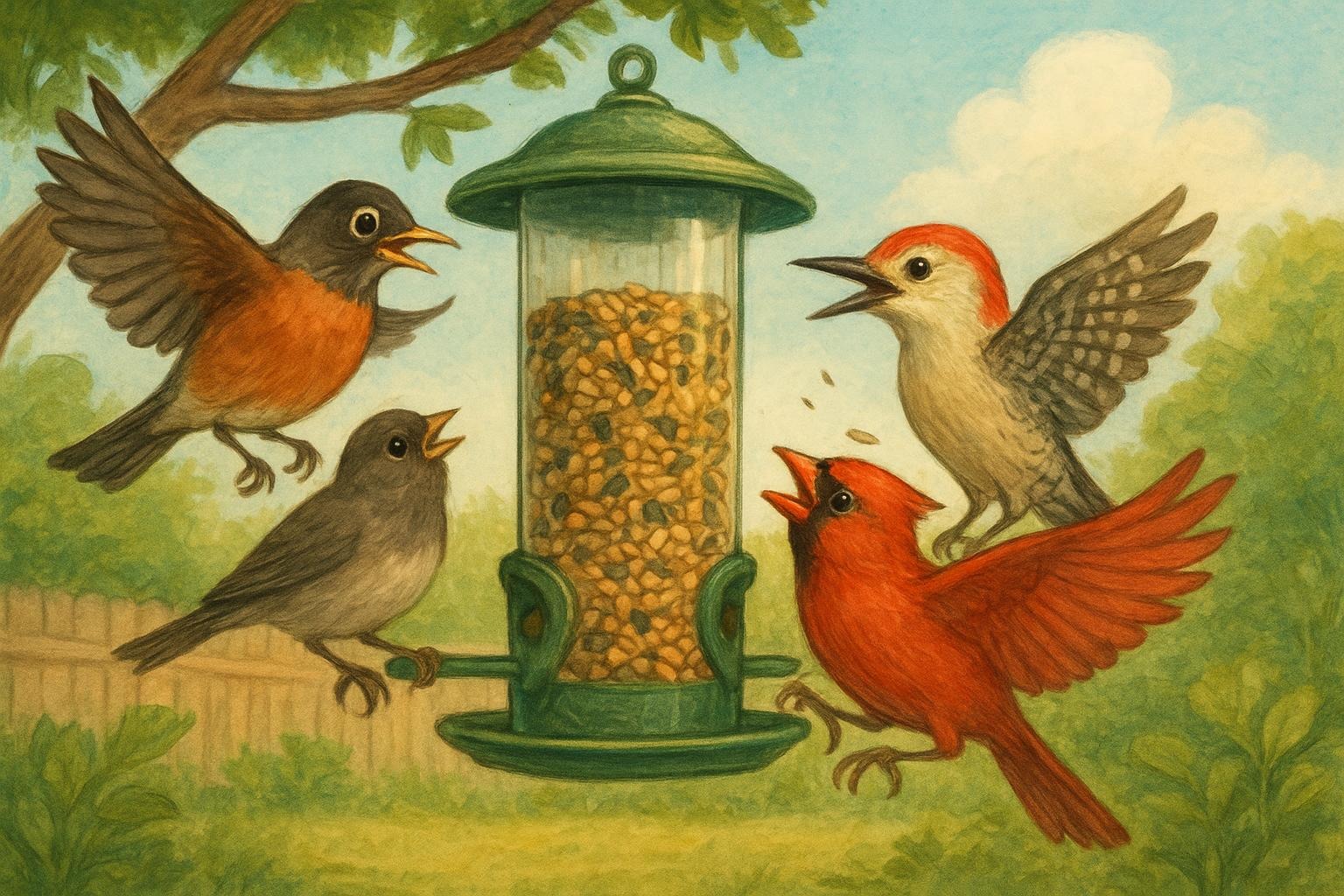
Birds and squirrels are often the friendliest offenders. They raid feeders, nest under eaves, and scatter seed across decking planks. They’re usually more nuisance than threat, but persistent nesting can cause damage and attract predators.
### Raccoons, Opossums, And Rodents
These are more likely to rummage through trash, set up temporary camps under decks, or gnaw on softer materials. Raccoons are dexterous and clever, so they’ll test latches and look for any access to food or shelter. Rodents may chew into insulation and create nest sites in wall cavities or under flooring.
## Remedy 1: Humane Deck Skirting Barrier
When animals take shelter under a deck, a physical barrier is often the most effective long-term solution. This remedy focuses on humane exclusion to prevent animals from entering or nesting beneath your deck.
### Materials
– Pressure-treated lumber or metal framing (for skirting frames).
– Hardware cloth (1/4-inch to 1/2-inch mesh; galvanized).
– Exterior-grade screws and washers.
– Concrete anchors (if attaching to concrete footings).
– Gravel or crushed stone (for ground grading).
– Optional: Lattice panels (for aesthetics, if combined with hardware cloth).
### Step-By-Step Installation
1. Assess and Measure: Determine the full perimeter of the deck and measure the height from the ground to the deck ledger. Identify any utility access points that require removable panels.
2. Prepare Ground: Grade the soil away from the foundation to promote drainage. Lay a 2–3 inch bed of gravel along the perimeter to deter digging and provide a stable base.
3. Frame Skirting: Build frames using pressure-treated lumber sized to the height measured. Space vertical supports every 24–36 inches to secure the hardware cloth.
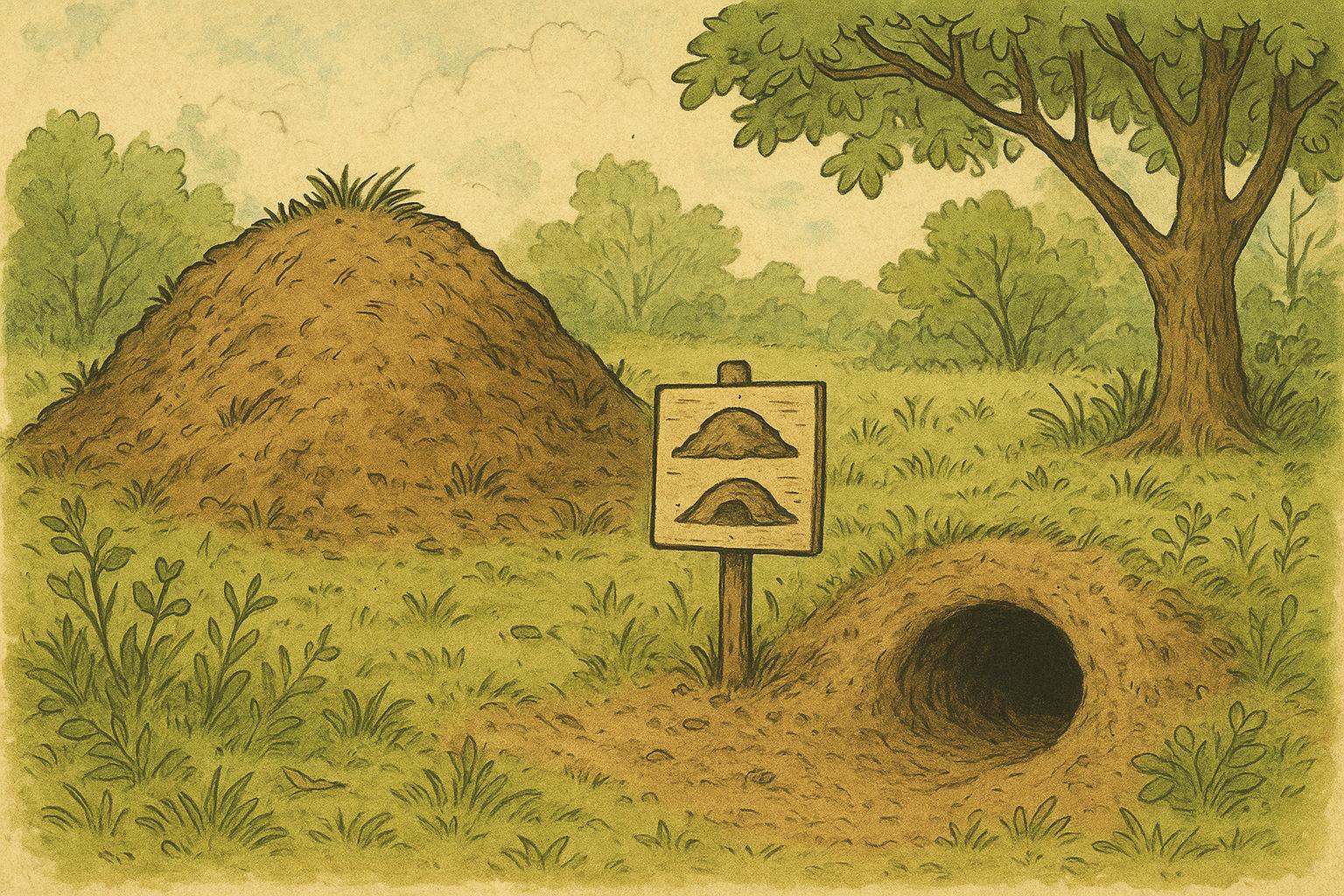
4. Attach Hardware Cloth: Fasten hardware cloth to the inside of the frame using exterior screws and washers, ensuring the mesh overlaps seams by at least 2–3 inches. Bury the bottom 4–6 inches of mesh into the ground horizontally (in a short trench) and backfill with gravel to discourage digging.
5. Install Frames: Secure the frames to the deck posts or rim joist using appropriate fasteners. If attaching to concrete, use concrete anchors.
6. Provide Access Points: If you need access for utilities or storage, create hinged or removable panels secured with wildlife-proof latches.
7. Inspect And Maintain: Check monthly for damage or attempted breaches, and repair promptly.
This formal approach creates a durable, humane exclusion system that addresses both burrowing and entry, minimizing long-term maintenance.
## Remedy 2: Scent-Based Deterrent Spray (DIY)
A properly formulated scent-based deterrent can reduce visits from skittish animals like raccoons and opossums. This remedy outlines a homemade spray using common ingredients that repel mammals without harming them.
### Ingredients
– 1 quart water (filtered or tap).
– 1/4 cup white vinegar.
– 2 tablespoons castile soap (unscented or mild).
– 10–15 drops peppermint essential oil.
– 10–15 drops eucalyptus essential oil.
– 1 tablespoon cayenne pepper or crushed red pepper flakes (optional for extra deterrence).
– Spray bottle (32 oz, plastic or glass).
### Creation And Application
1. Mix Base: In a clean container, combine the water and vinegar. Stir gently.
2. Add Soap: Mix in the castile soap to help oils emulsify and adhere to surfaces.
3. Incorporate Oils: Add peppermint and eucalyptus oils and stir. If using cayenne pepper, add it now; be aware it can stain and irritate skin or eyes, so use cautiously.
4. Bottle And Shake: Pour the blend into the spray bottle and shake vigorously to mix before each use.
5. Test Spot: Spray a small, inconspicuous area of the deck to check for staining or surface reaction. Wait 24 hours.
6. Apply Strategically: Spray around the perimeter of the deck, under railings, and near access points. Avoid direct application on edible plants, food surfaces, or areas where children and pets play. Reapply after heavy rain or every 5–7 days during peak activity.
7. Safety Precautions: Wear gloves when handling cayenne or essential oils. Store out of reach of children and pets.
This formulation offers a humane scent barrier. The essential oils and vinegar create an environment that many mammals find unappealing, encouraging them to relocate without harm.
## Tips For Coexistence And Prevention
### Smart Feeding Practices
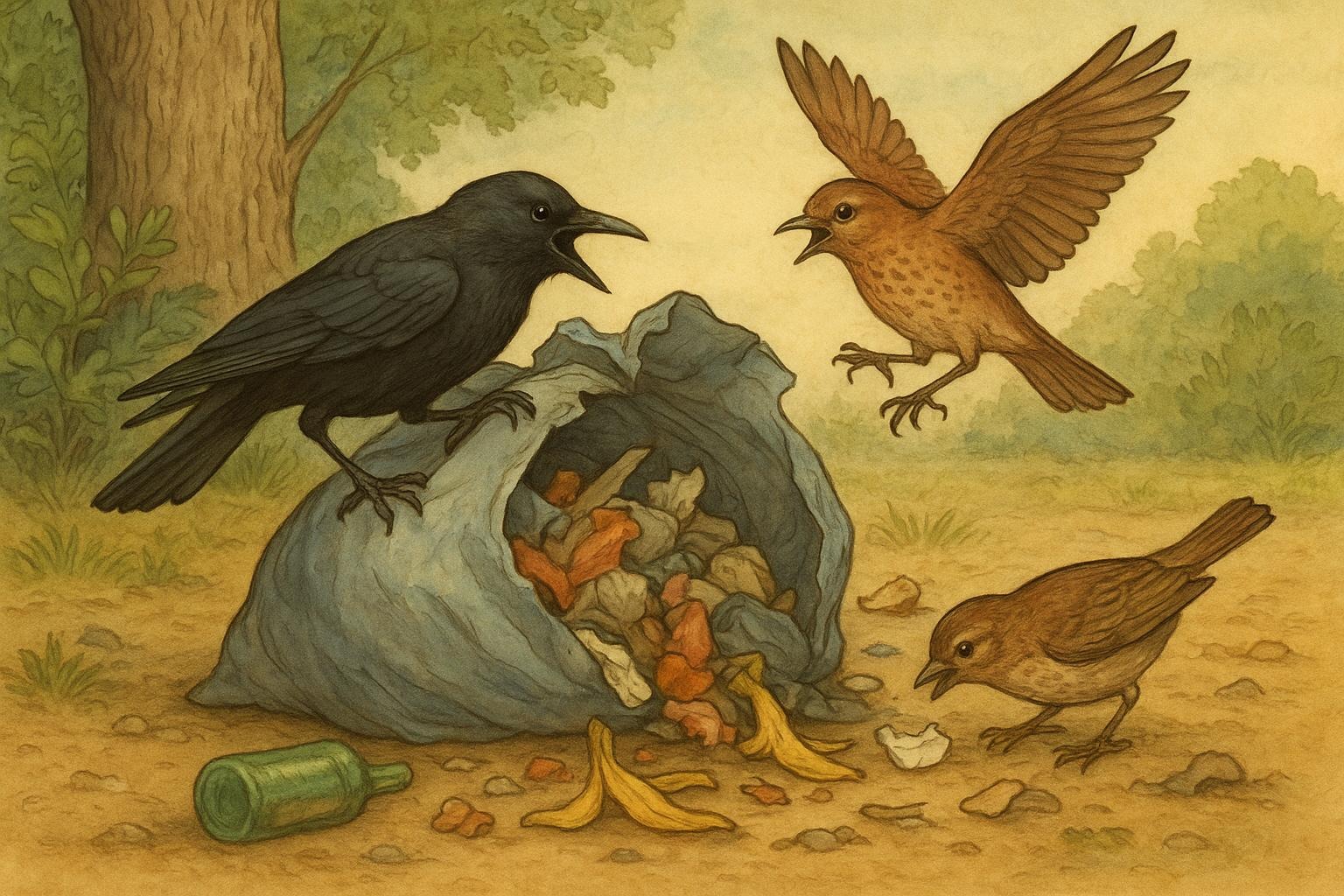
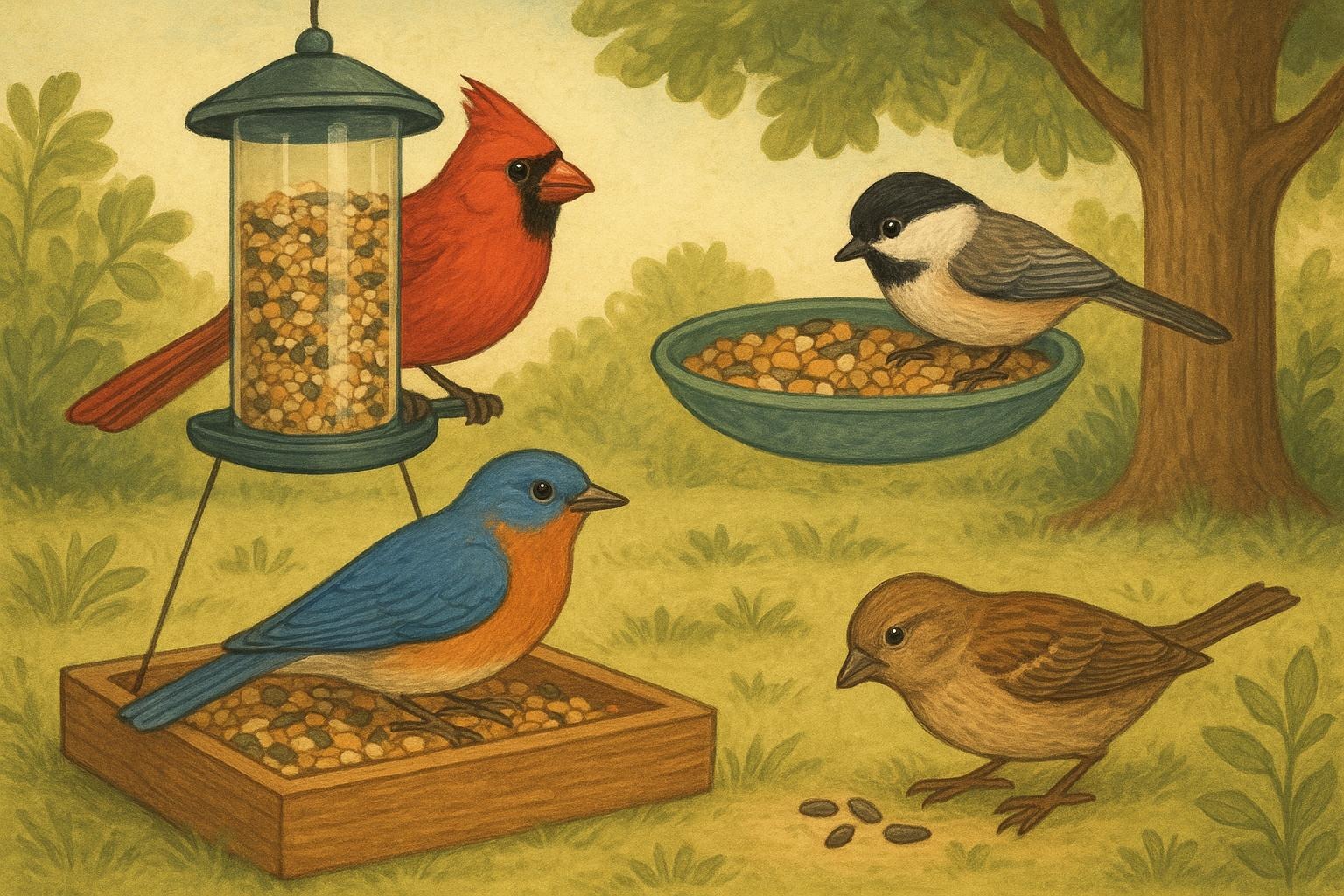
If you enjoy feeding birds, use seed trays and clean up spilled seed daily. Avoid putting pet food out overnight. Secure trash bins with bungee straps or wildlife-proof containers. These small changes significantly reduce attractants for deck wildlife.
### Structural Maintenance
Seal gaps and holes in stairs, underbuilt storage boxes, and around utility entries. Replace any rotted wood or damaged lattice promptly to reduce entry points. Consider elevating compost bins on a platform or using enclosed composters that wildlife cannot access.
### Lighting And Motion Sensing
Install motion-activated lights or sprinklers where feasible. Sudden light or movement often deters nocturnal visitors without constant disturbance. Use timers to minimize energy use and disturbance to night-time pollinators.
### Seasonal Considerations
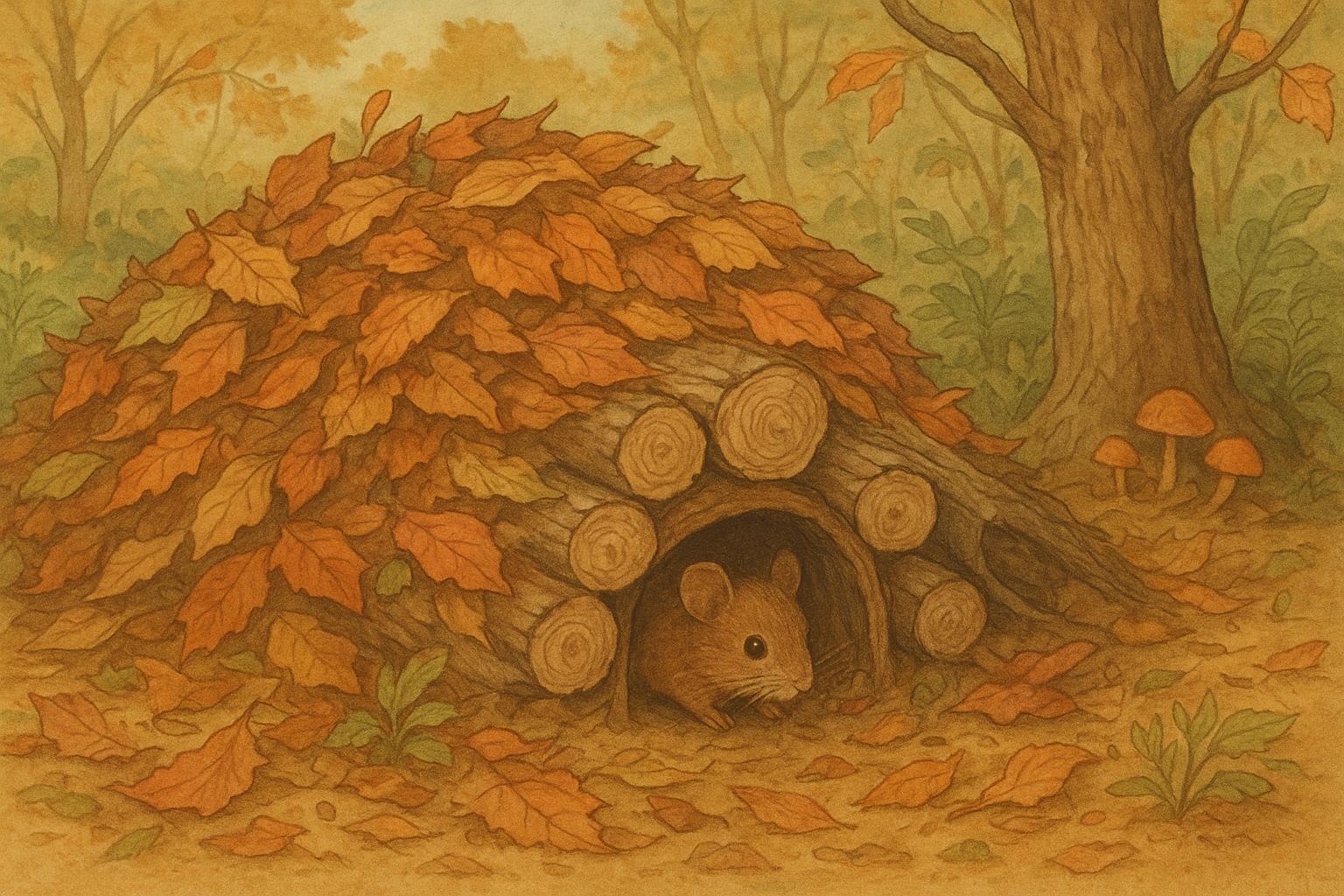
Many animals use decks seasonally — birds nest in spring, rodents seek warm shelter in fall, and raccoons forage more in late summer and autumn. Tailor interventions seasonally: seal and secure before fall, reduce attractants in summer, and avoid disturbing nesting birds in spring (federal protections may apply to some species).
### When To Call A Professional
If you encounter aggressive animals, signs of rabies, or persistent infestations despite exclusion measures, contact a licensed wildlife removal professional. Licensed trappers and wildlife rehabilitators can humanely remove and relocate animals when necessary and advise on exclusion best practices. Additionally, for structural repairs or complicated wiring issues caused by wildlife, consult a qualified contractor or electrician.
Treat deck wildlife challenges with patience and strategy. With thoughtful exclusion, reduced attractants, and a couple of hands-on remedies, your outdoor space can remain both welcoming to you and unsatisfying to unwanted guests — preferably before the raccoon starts charging rent.


























Leave a Reply