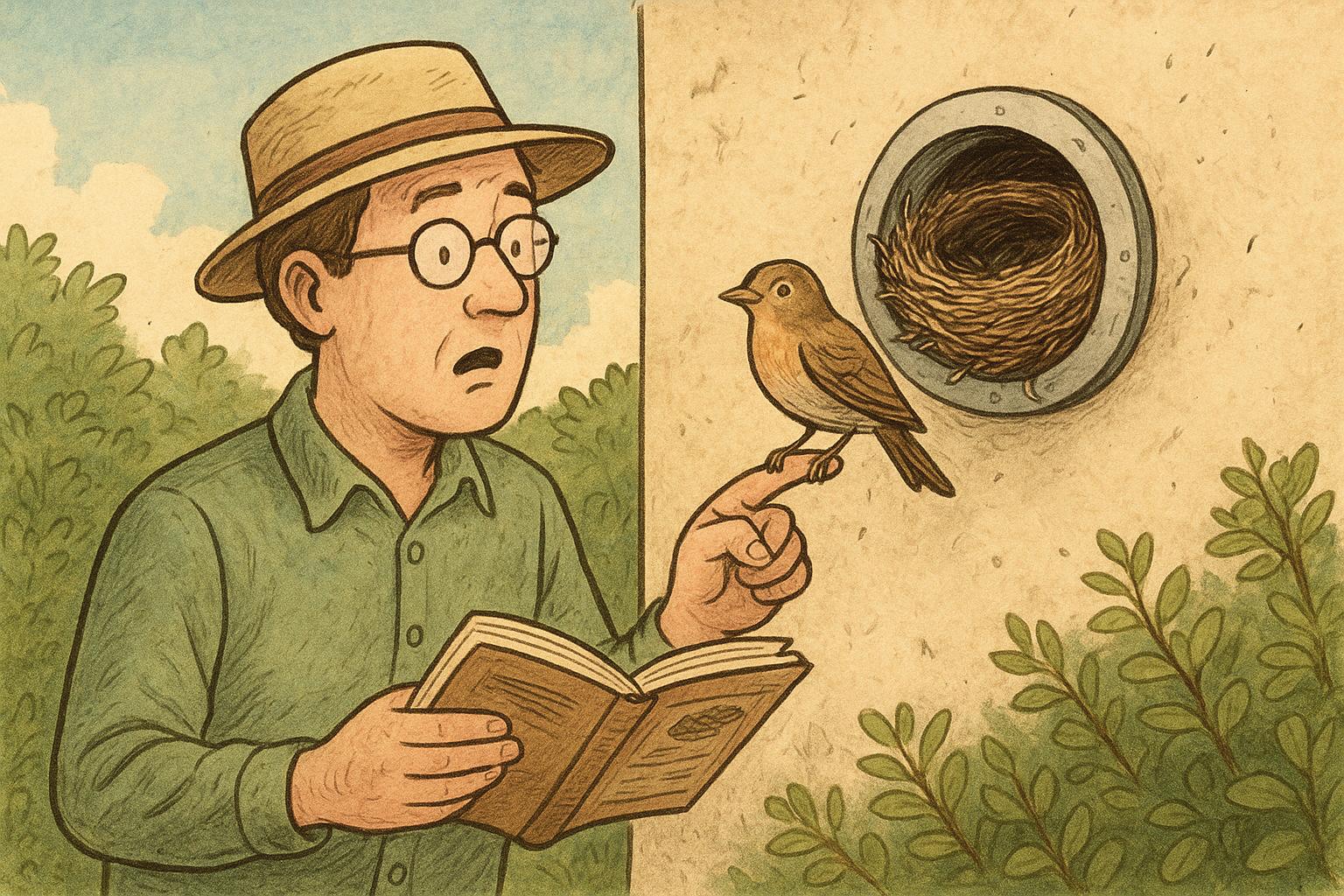
Welcome! If you’ve ever noticed a suspicious amount of chirping near your dryer, stove hood, or attic vent, you’re not alone. Birds are ingenious at finding sheltered spots and a perfectly placed vent can seem like luxury real estate to them. This guide will walk you through how to recognize, safely address, and prevent bird vent nesting without starting a neighborhood squabble with our feathered friends.
## Bird Vent Nesting: Common Signs
Birds don’t always announce their real estate choices with fanfare. Common signs that a bird vent is being used for nesting include:
– Persistent bird sounds localized around an exterior vent.
– Bits of nesting material (twigs, grass, feathers) visible near the vent opening.
– A drop in appliance performance (dryer or bathroom fans) if the nest blocks airflow.
– Birds flying repeatedly to and from a particular vent, especially during breeding season.
If you see nesting material physically inside a vent, treat that as a serious signal. A blocked vent can reduce ventilation, increase moisture, and in the case of dryer vents, create a fire hazard.
### Why Birds Choose Vents
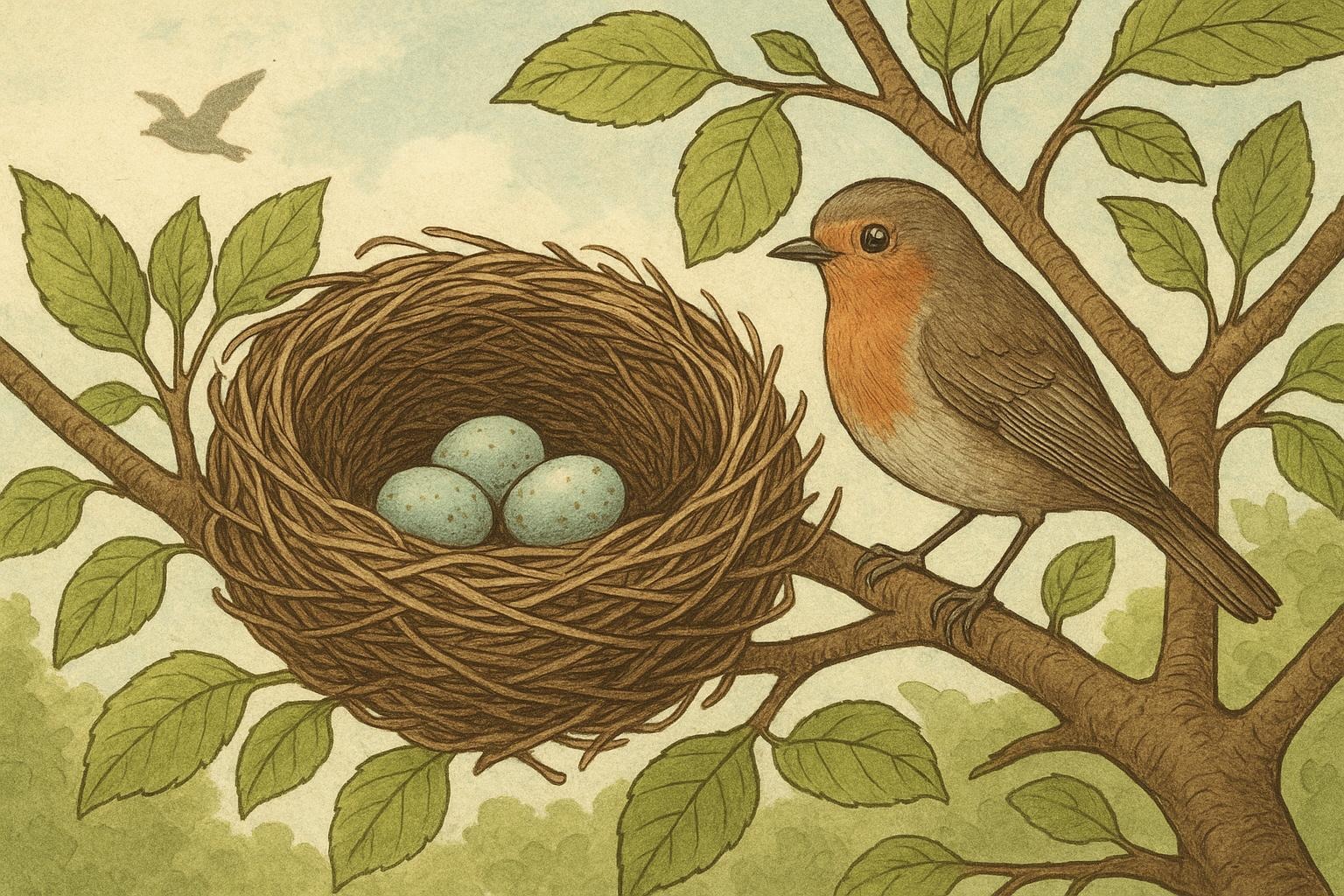
Vents often offer sheltered cavities, protection from predators, and a stable microclimate — all attractive features for nesting birds. Many species are opportunistic and will move into any protected cavity that resembles a nest site.
### When To Be Gentle And When To Act
Timing matters. In most regions, it’s illegal or at least strongly discouraged to remove an active nest with eggs or chicks until the young have left the nest. If birds are currently raising young inside a bird vent, delaying action is often required by law and by good ethics. However, if the vent is unoccupied or empty nesting materials remain, you can proceed with exclusion and prevention steps.
## How To Assess The Situation Safely
– Observe from a distance for several days to confirm whether adult birds are entering and leaving with nesting material or food.
– Avoid loud noises and sudden disturbances near the vent so you don’t cause parents to abandon eggs.
– If you suspect the nest contains eggs or chicks and you’re unsure of local wildlife laws, contact a licensed wildlife rehabilitator or your local fish and wildlife agency for guidance.
### Signs Of An Active Nest Versus An Old Nest
Active nests show recurring traffic by adult birds carrying food, fresh droppings nearby, and warm, fluffy nest materials. Old nests look weathered, dusty, and unused for several days.
## Remedy 1: Humane Exclusion And Vent Repair
When the vent is unoccupied, the most effective long-term solution is to install a properly fitted vent cover or repair the vent opening and add a mesh guard to prevent re-entry.
Materials Required:
– Screwdriver or drill with bits
– Exterior-rated vent cap or louvered vent cover sized to your vent
– Galvanized or stainless-steel hardware cloth (1/4″ or 1/2″ mesh)
– Exterior silicone sealant or construction adhesive
– Sheet metal or flashing (if vent requires repair)
– Safety goggles and work gloves
– Ladder (if needed) and someone to assist for safety
Step-by-Step Exclusion And Repair (Formal Instructions):
1. Confirm the vent is unoccupied: Observe the area for at least 48 hours during daylight to ensure no adult birds are actively caring for young.
2. Remove Old Nest Material: Wearing gloves and goggles, remove any old nesting debris from the vent throat and surrounding area. Place debris in a sealed bag and dispose of it away from the house.
3. Inspect Vent Components: Examine the vent hood, duct, and flashing for holes, gaps, or damaged louvers. Identify whether the existing cap allows easy bird entry.
4. Measure And Fit New Vent Cap: Select an exterior-rated vent cap appropriate for your appliance (dryer, bathroom fan, dryer). Ensure it includes a back-draft damper to prevent drafts and pests.
5. Cut And Fit Mesh Guard: Cut the hardware cloth to cover any open gaps around the vent opening. Ensure the mesh is installed on the exterior side, secured under the flange of the vent cap or exterior siding for a flush fit.
6. Secure Components: Fasten the vent cap and mesh with corrosion-resistant screws. Apply exterior silicone sealant around the edges to weatherproof the seal and prevent small mammals from prying it loose.
7. Test Airflow And Closure: Run the appliance or fan to confirm airflow is unobstructed and the damper closes properly. Re-check after several days for any signs of attempted re-entry.
8. Monitor: Check the repaired vent periodically, especially during nesting season, to ensure the exclusion remains intact.
Installations should follow manufacturer instructions for your specific vent type. If ductwork modifications are necessary, consider hiring a licensed HVAC technician.
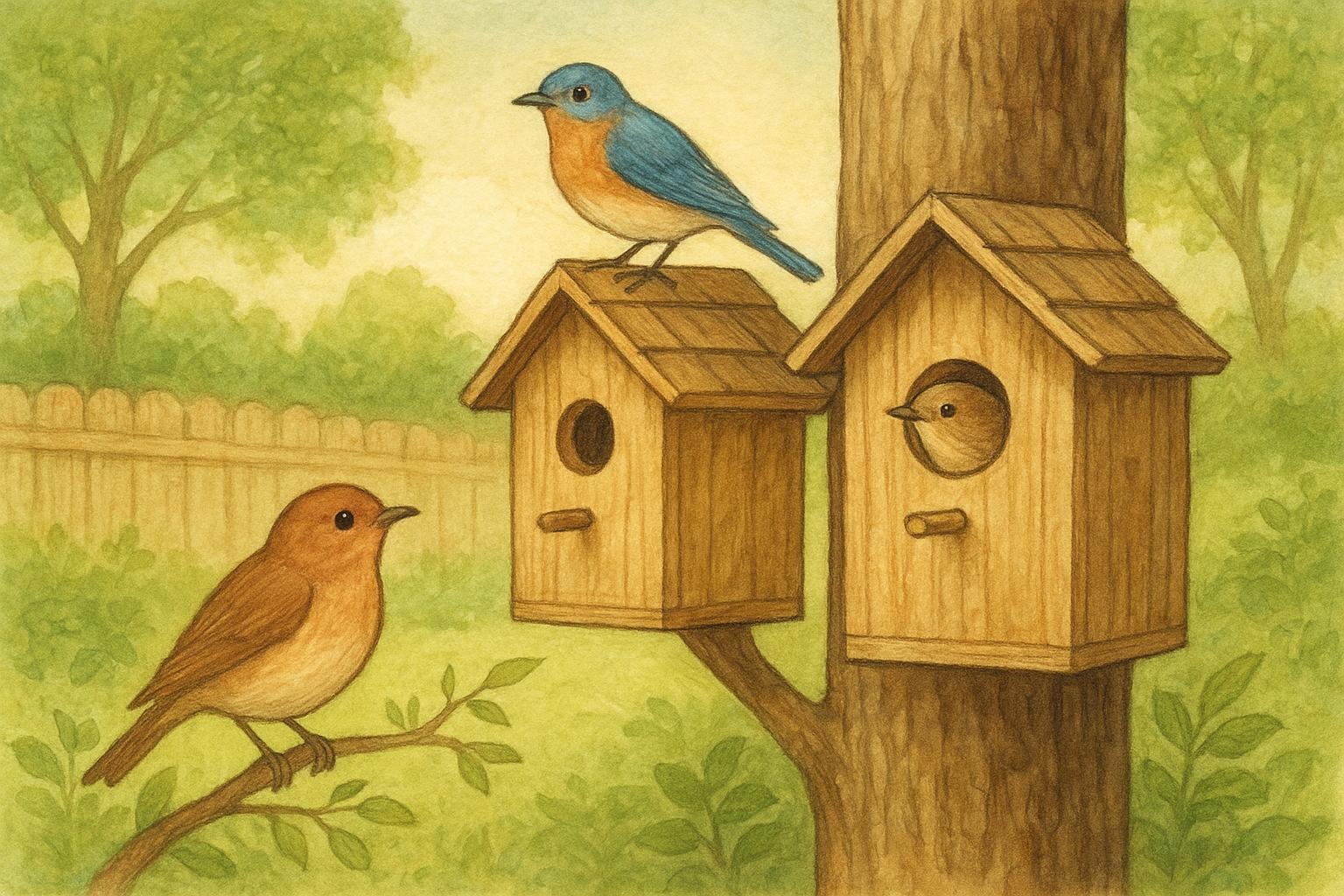
## Remedy 2: Provide Alternative Nesting Sites (Bird-Friendly Solution)
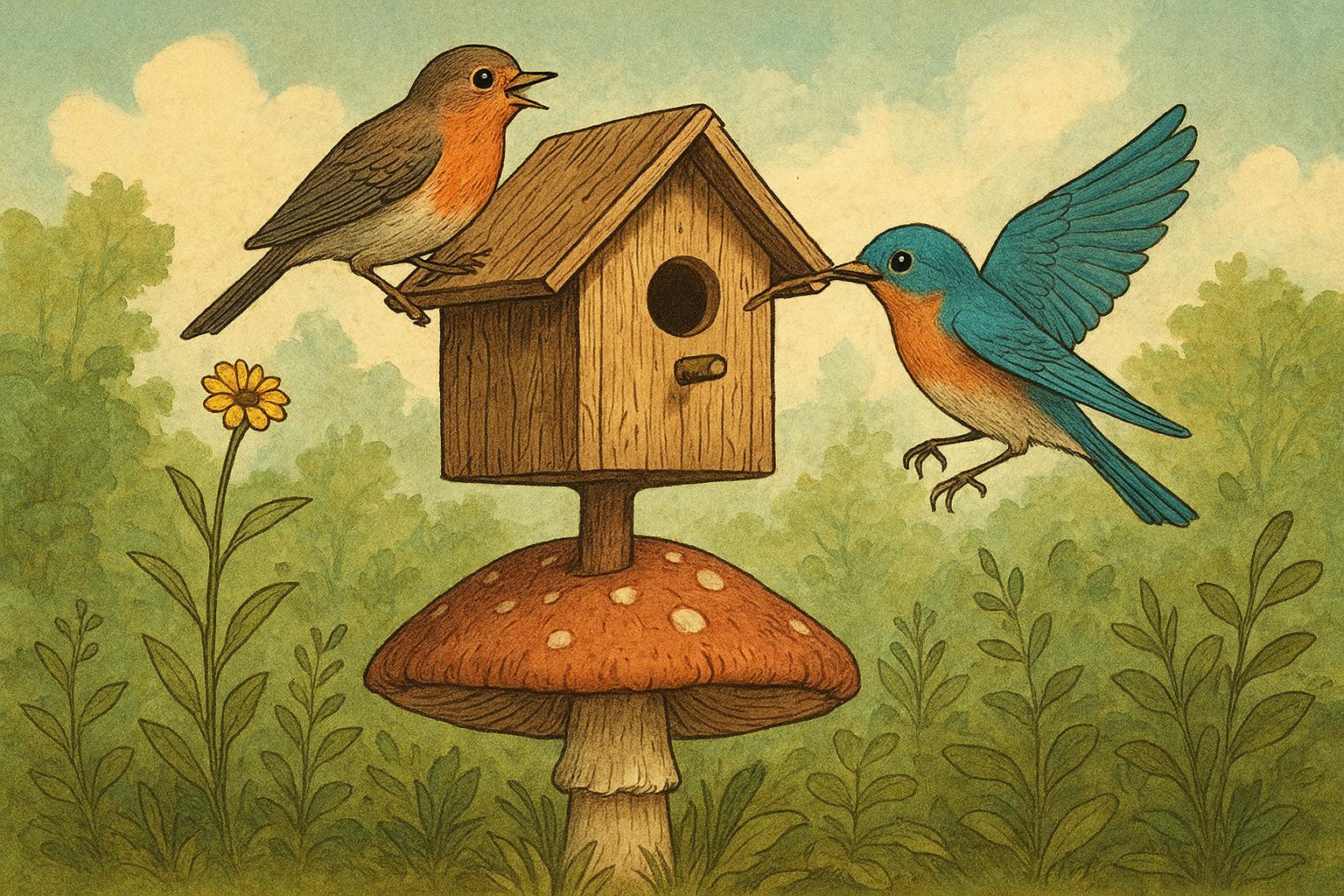
If you want to keep birds happy while protecting your vents, providing attractive alternative nest sites can be effective.
Materials Required:
– Species-appropriate nest boxes (wood, properly sized)
– Mounting hardware or poles
– Predator baffles (optional)
– Placement guide (height and orientation info for target species)
– Sawdust or nesting material (optional for some species)
Step-by-Step Nest Box Deployment (Formal Instructions):
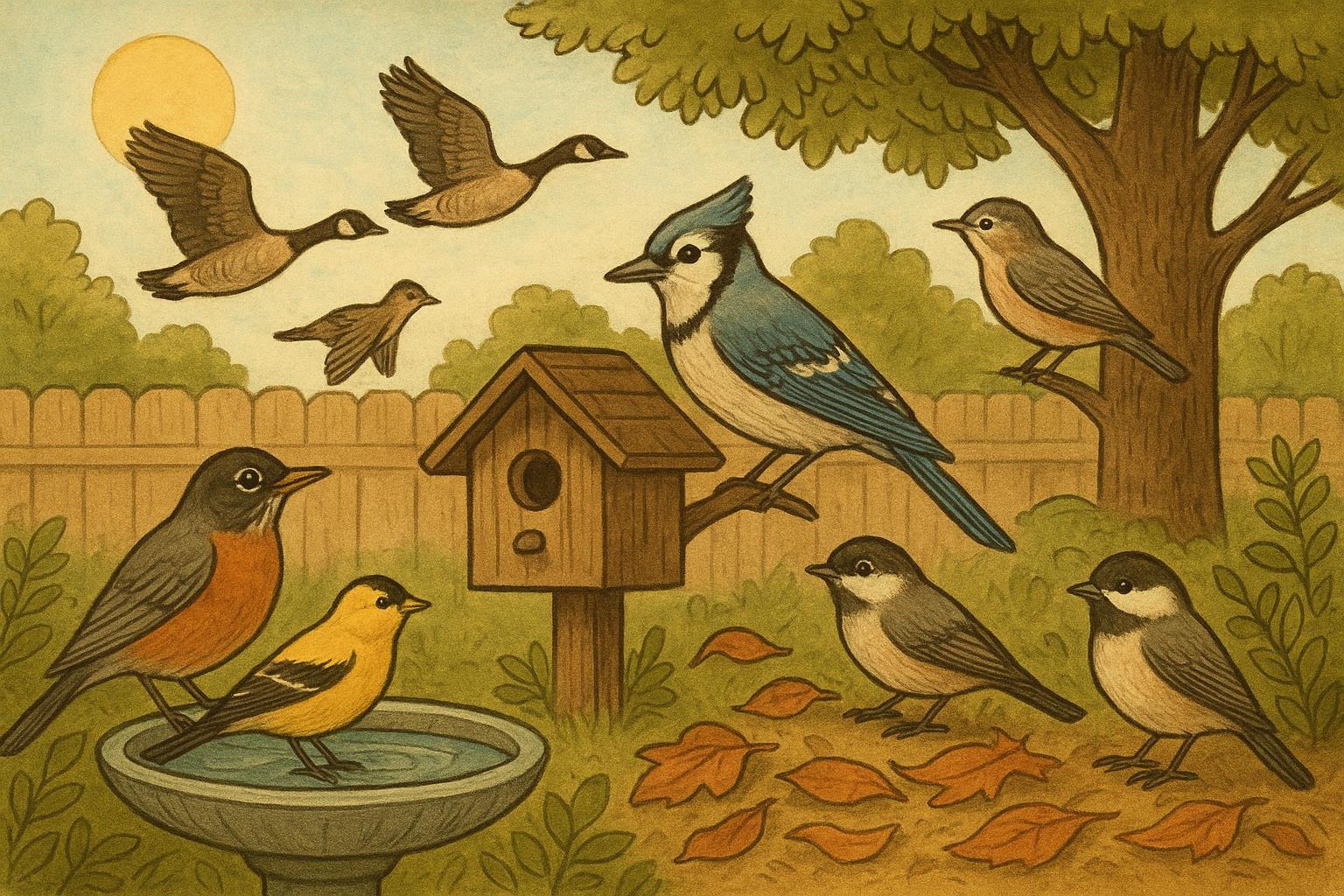
1. Identify Target Species: Determine what species is nesting at your bird vent. Different species prefer different box dimensions and entrance hole sizes.
2. Select A Proper Box: Purchase or build a nest box with the correct entrance diameter, floor area, and depth. Use untreated wood and ensure drainage and ventilation holes.
3. Choose Placement: Mount the box at the recommended height and orientation for the species. For many small songbirds, this is 6–15 feet high, facing away from prevailing winds and strong afternoon sun.
4. Install Securely: Use sturdy brackets or poles to attach the box. Avoid locations easily accessed by cats or raccoons. If pole-mounted, install a predator baffle.
5. Leave It Alone: Install the nest box well before nesting season (late winter or early spring). Avoid disturbing active boxes; monitor from a distance.
6. Maintain Annually: Clean out and repair boxes during the non-breeding season to encourage reuse.
Providing a well-placed, species-appropriate nest box reduces the attractiveness of vents and keeps bird populations healthy.
### Legal And Ethical Considerations
Be aware of local and federal protections for birds. Many species are protected under laws such as the Migratory Bird Treaty Act in the United States, which prohibits the removal of active nests. When in doubt, consult wildlife authorities.
## Preventive Maintenance And Small Fixes That Matter
Small routine checks can prevent future bird vent problems. Inspect vents annually, especially before nesting season. Trim back overhanging branches that provide a perch near vents. Seal small gaps in soffits and eaves where birds might enlarge an opening. Replace worn vent screens promptly.
### When To Call A Professional
Call a licensed wildlife removal professional or HVAC technician if:
– You discover an active nest inside a duct leading to a gas appliance (safety hazard).
– The vent requires duct replacement or complex repairs.
– Injured or grounded birds are present near the vent.
– You need legal guidance regarding active nests.
Being proactive prevents the drama of a sudden chick eviction and protects both your home and local bird populations.
## Quick Do’s And Don’ts Around A Bird Vent
Do observe quietly and document activity. Do install appropriate vent covers when safe. Do provide alternative nest boxes as a humane option. Don’t remove active nests with eggs or chicks. Don’t block vents without ensuring airflow remains adequate for appliances.
If you follow these steps, you’ll keep your vents operating safely and your neighborhood birds building where you want them to build — not in your dryer. Keep an eye on those little architects, but remember: a little patience and the right hardware go a long way.
















Leave a Reply