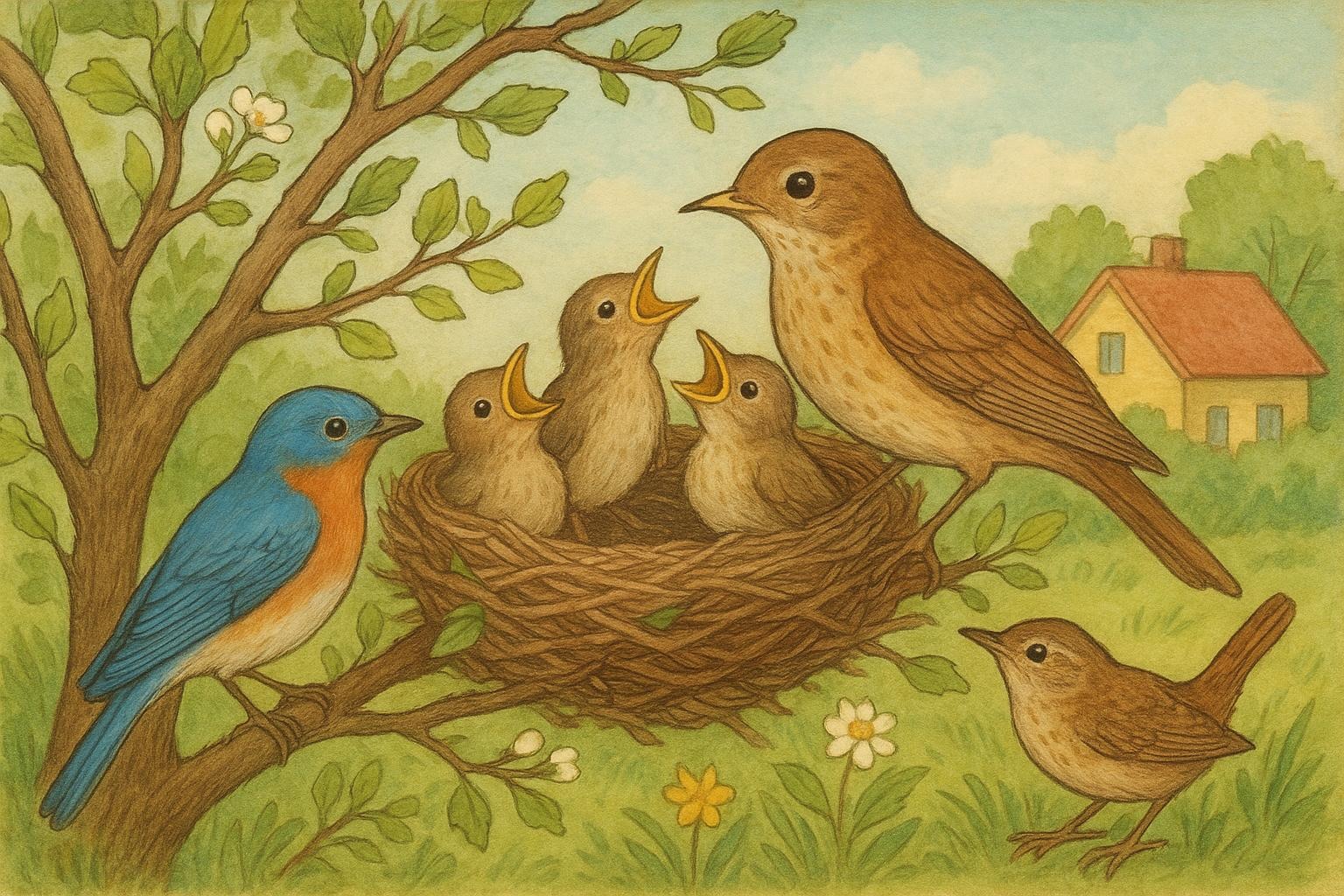
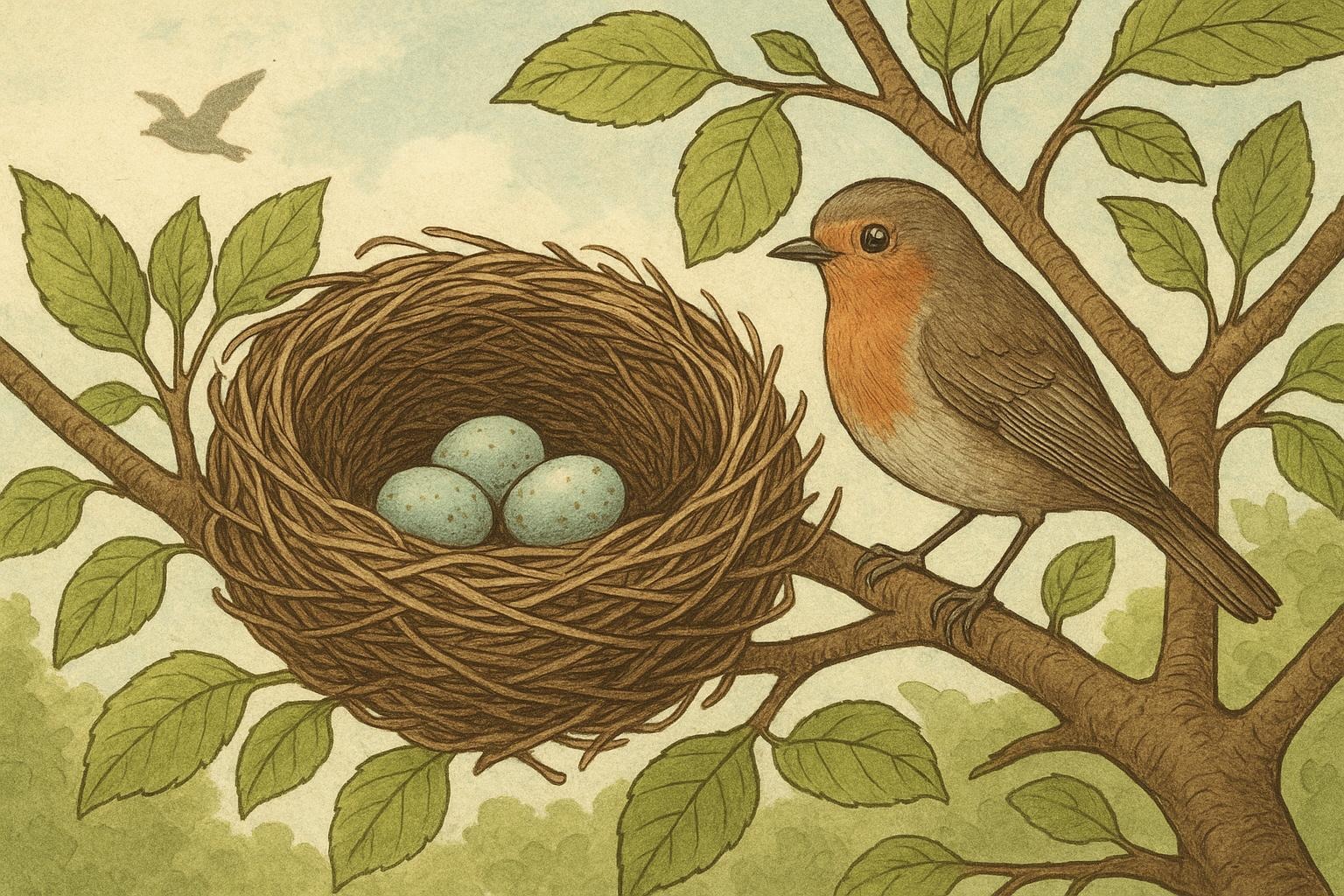
Spring in the yard feels like a neighborhood reunion where old friends—robins, wrens, and sparrows—arrive with tiny suitcases and a clear agenda: find a cozy spot, set up shop, and raise the next generation. Watching nesting birds get industrious is one of the most charming parts of backyard life. You’ll see twigs, tufts of hair, or bits of string disappear into a lair and suddenly your shrubbery is official bird real estate.
## Nesting Birds: What To Expect In Spring
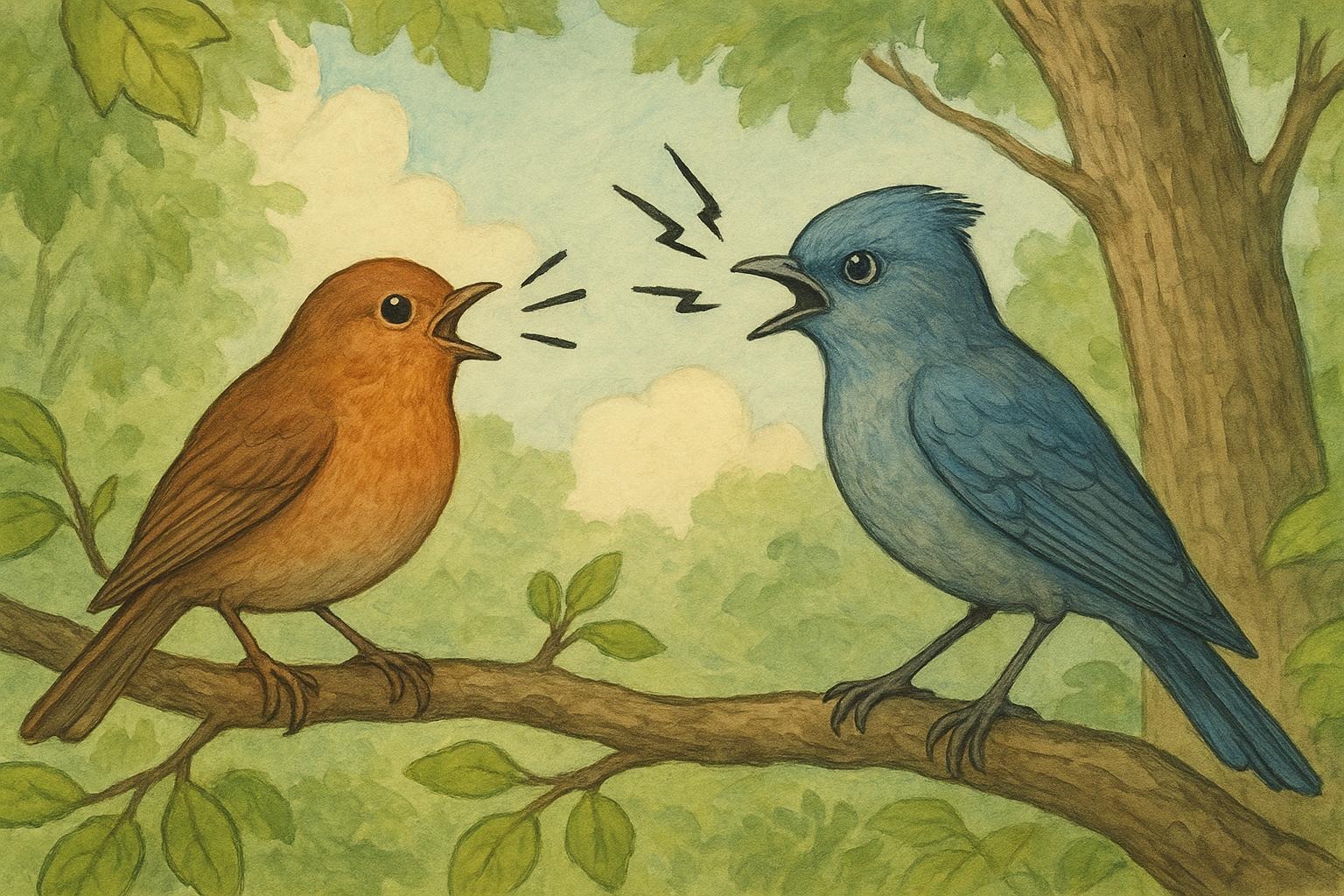
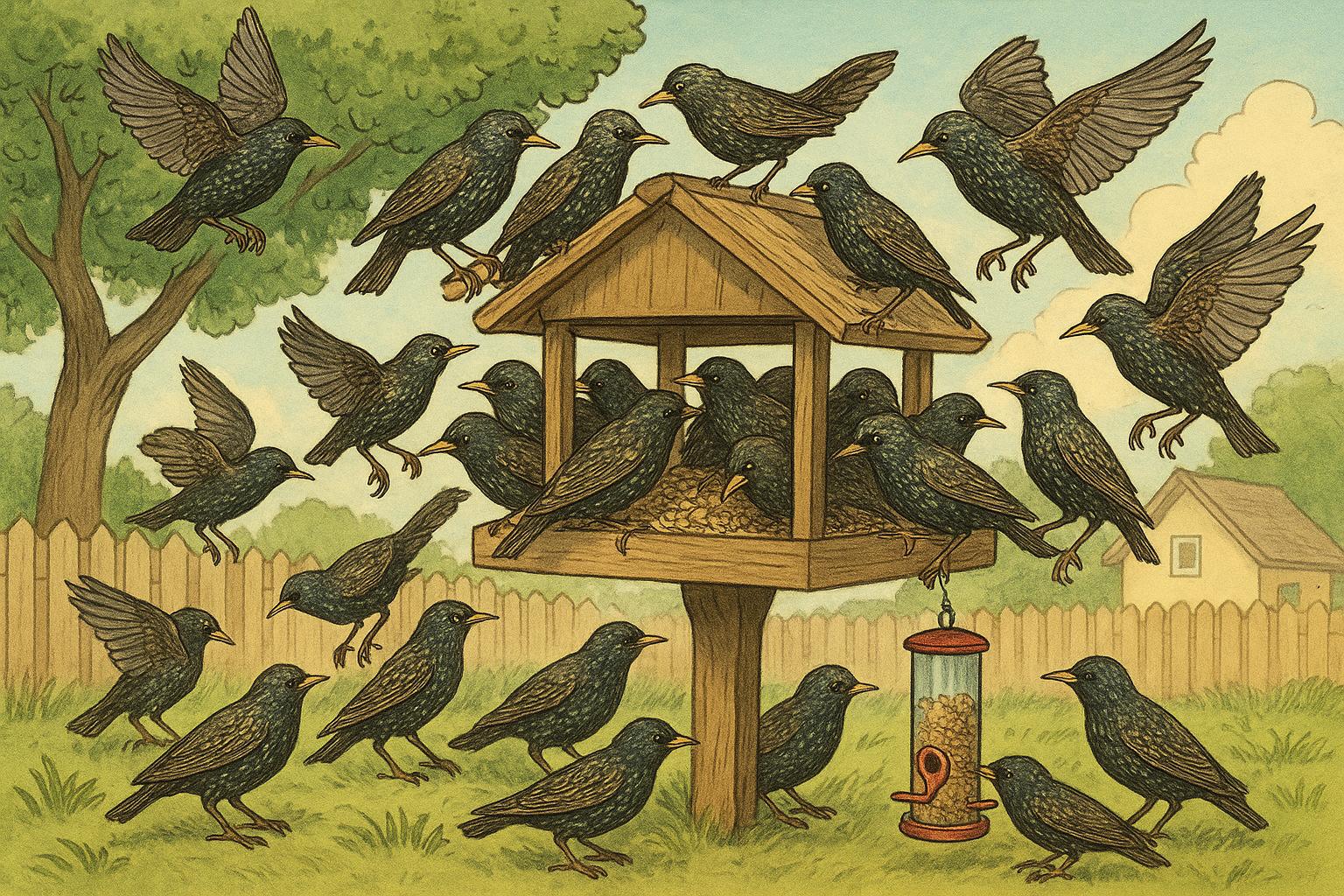
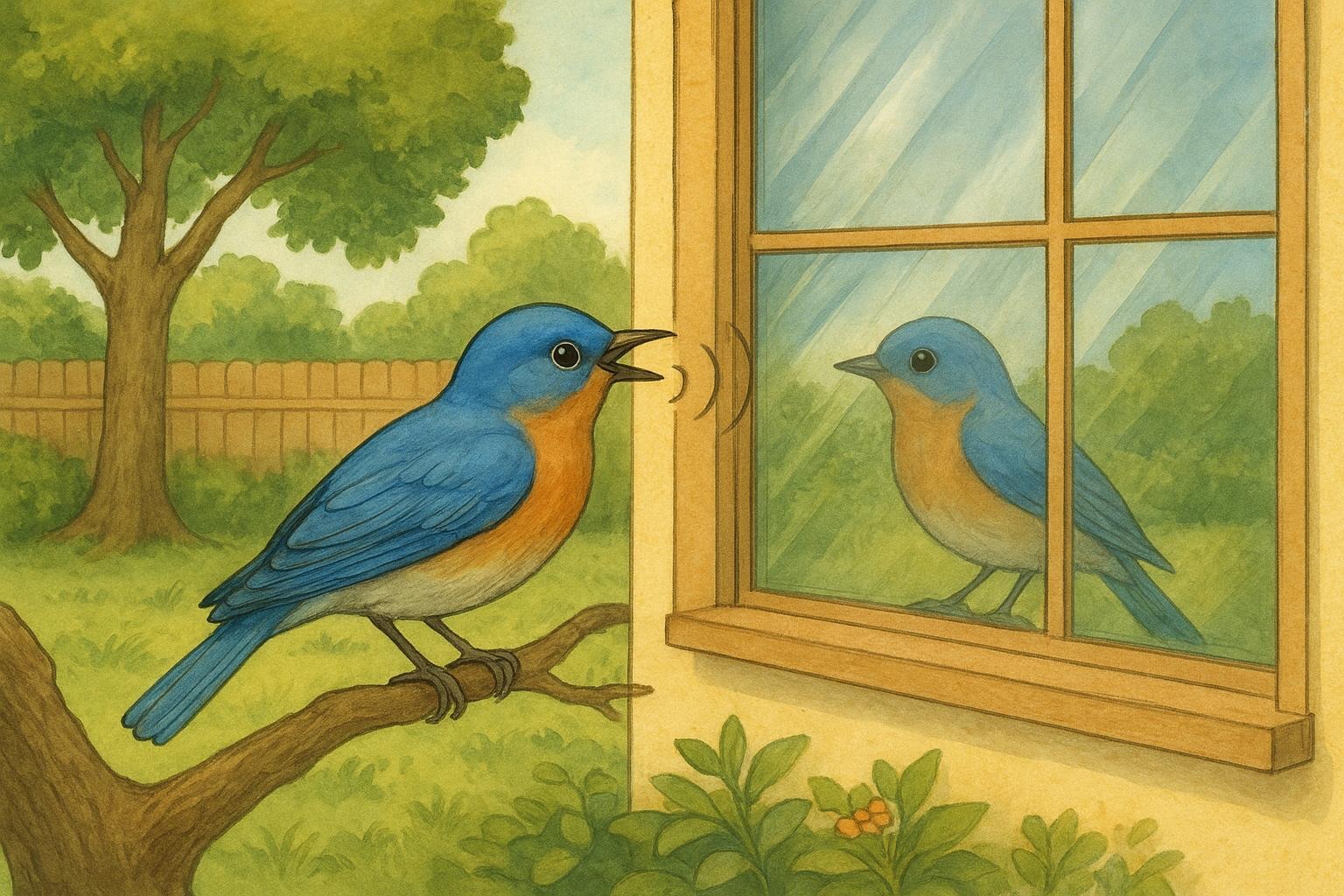
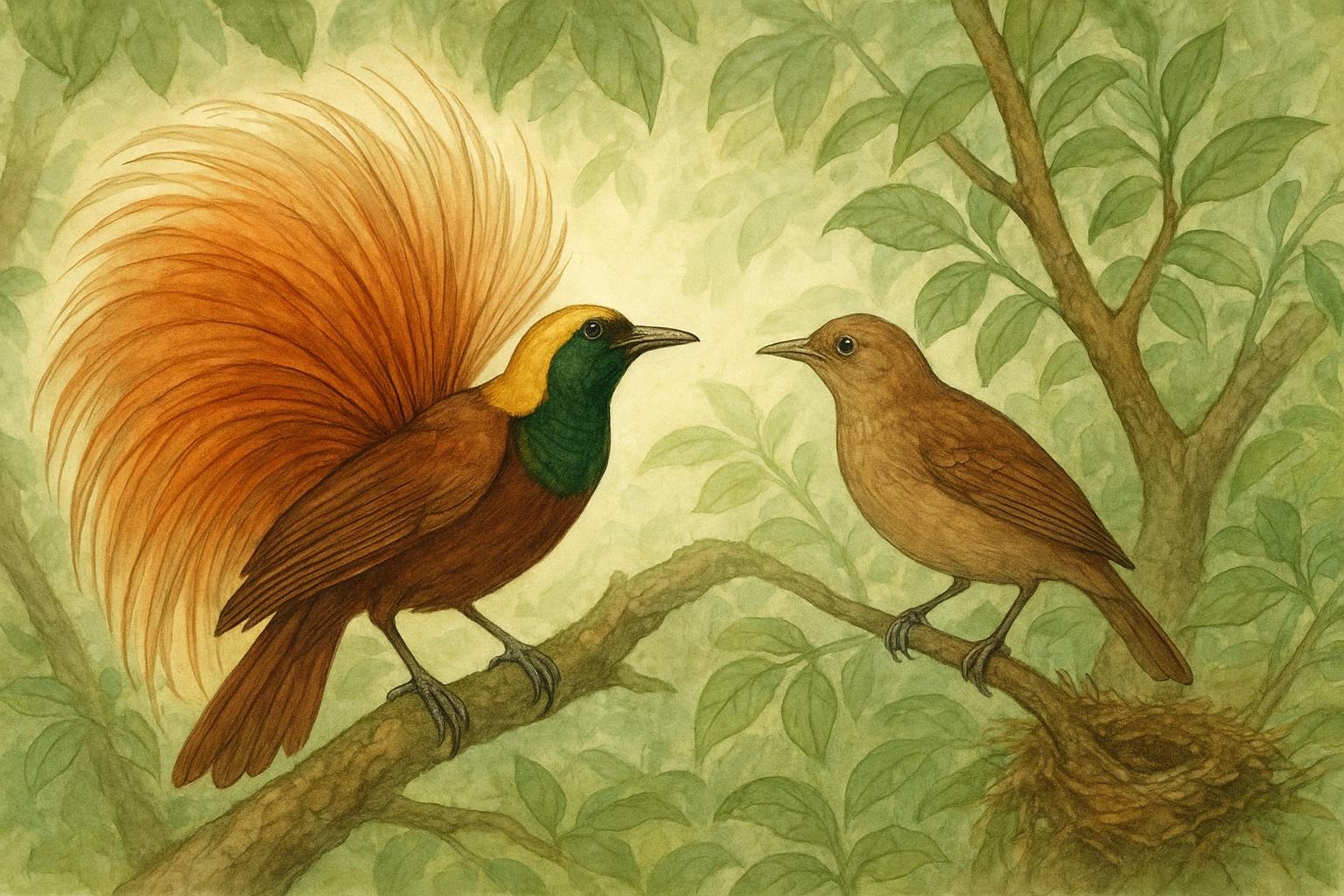
Most of the action happens fast. Once daylight stretches and temperatures rise, hormone-driven activity kicks birds into breeding mode. Some species nest early—house sparrows and starlings may start in March—while others, like bluebirds or some warblers, prefer late spring. Expect territorial singing, courtship feeding, and that frantic construction phase where both parents seem to agree that every millimeter of your yard is a potential nesting supply store.
### Common Backyard Species To Spot
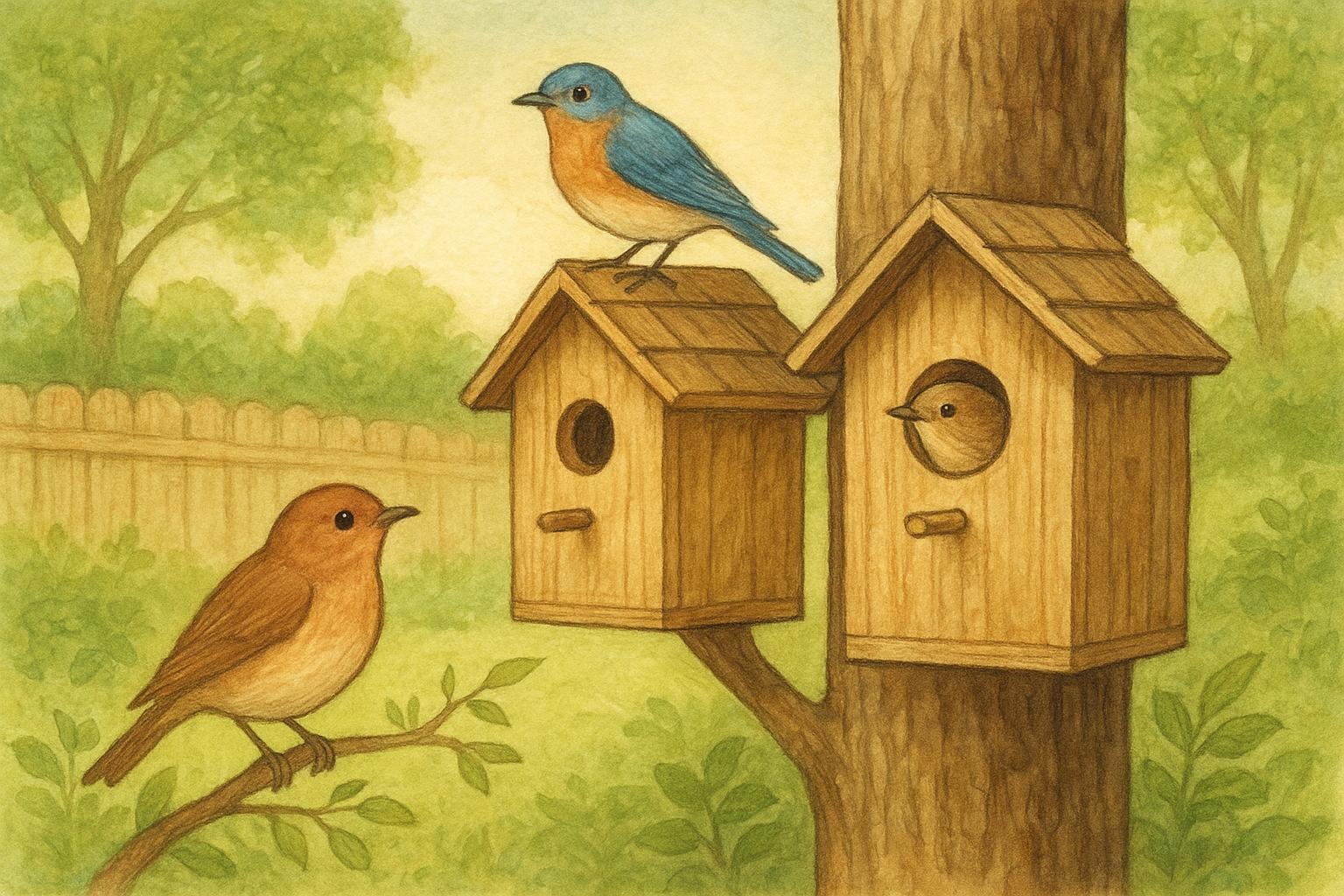
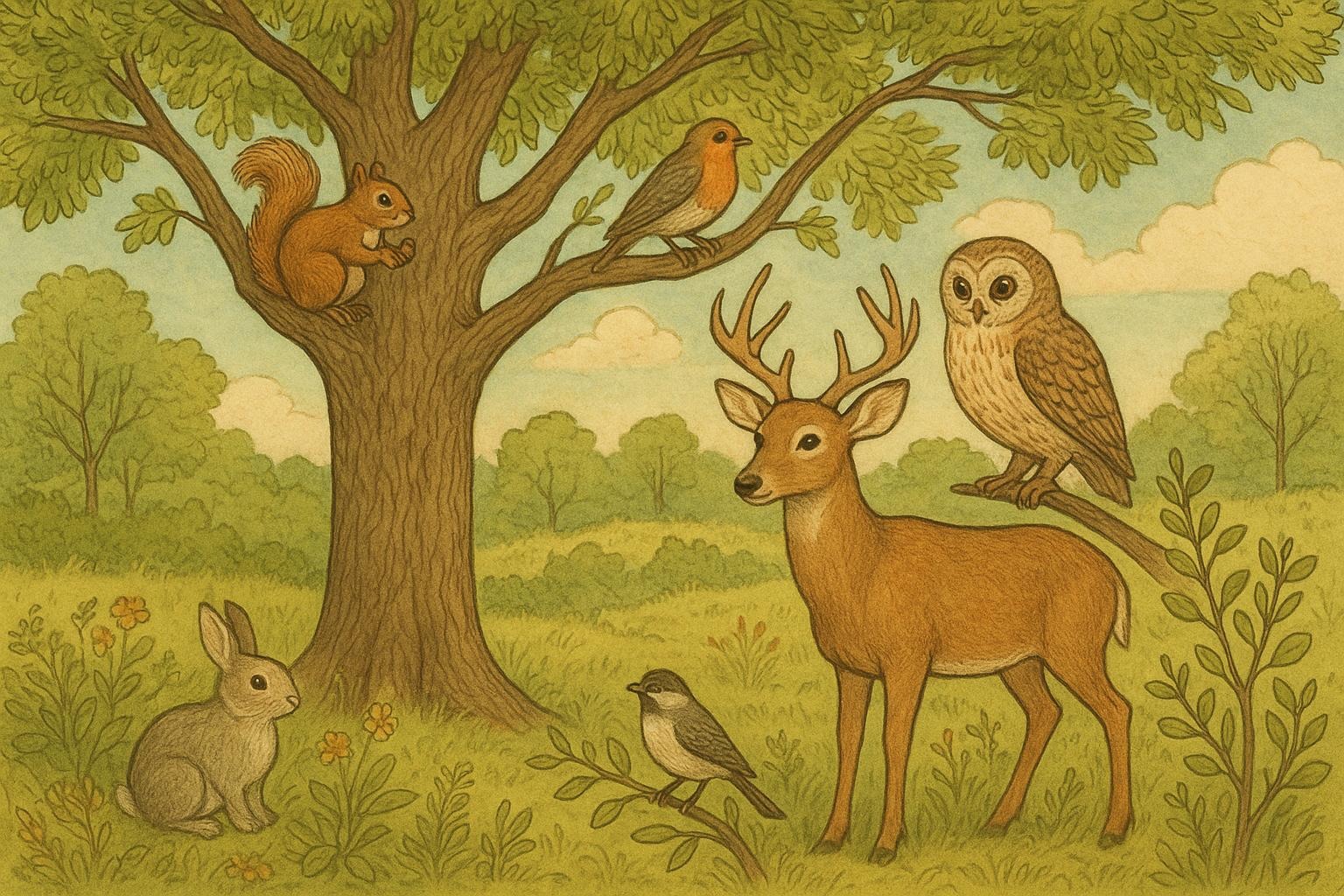
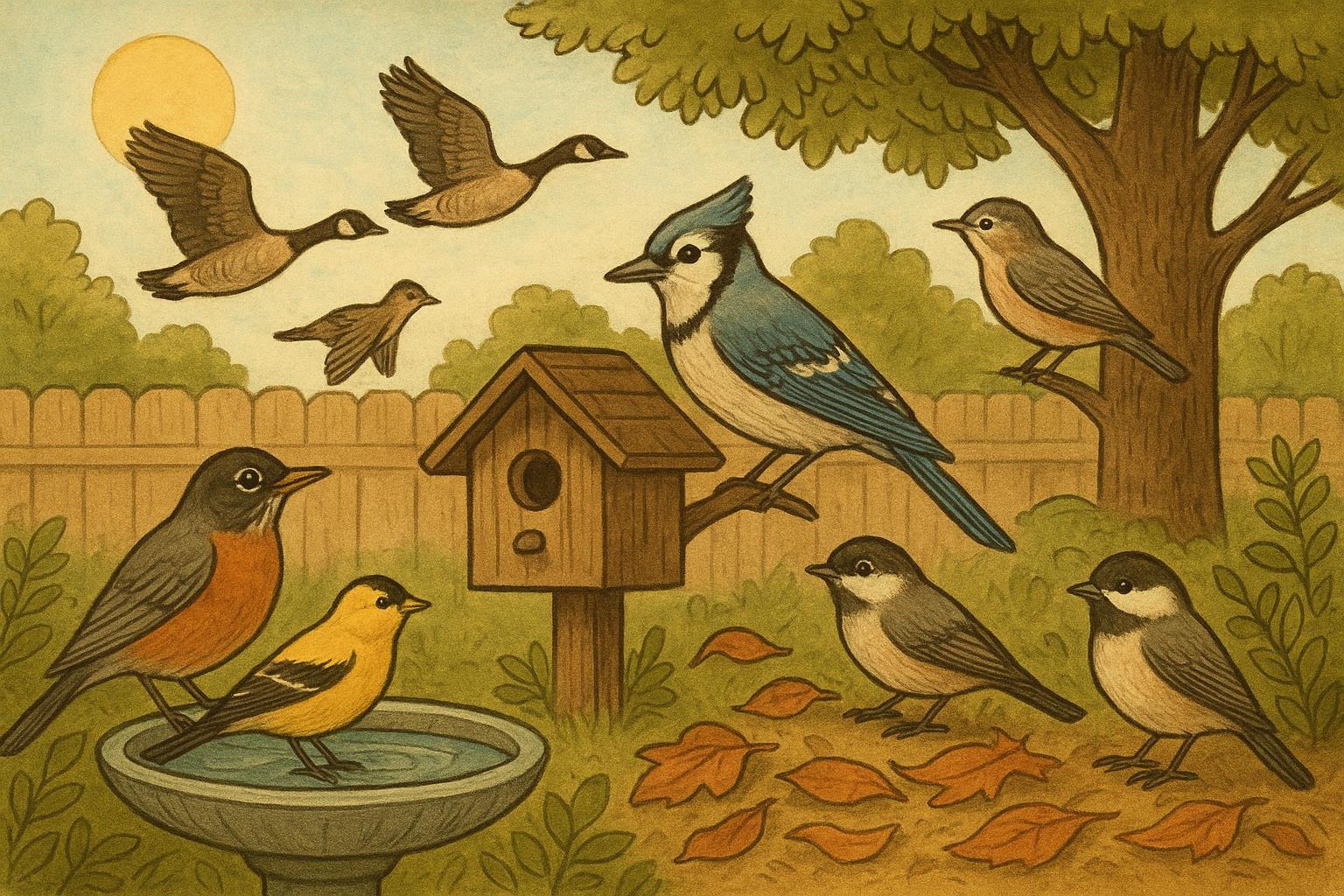
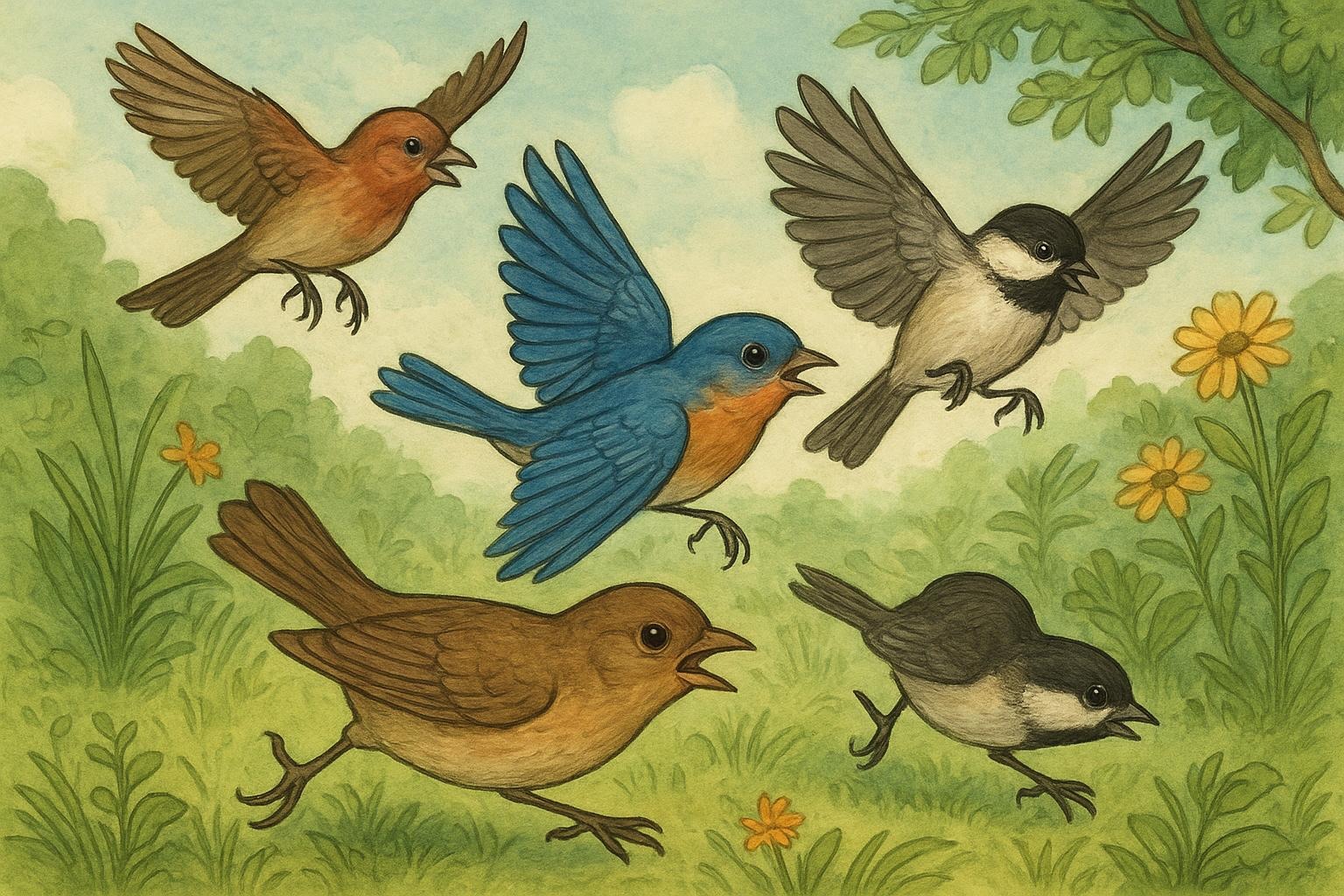
Robins are often the first conspicuous sign: they build bulky cup nests in trees or on porch ledges. House wrens tinker with nearly any cavity—from hollow fence posts to decorative lanterns. Chickadees and titmice favor sheltered, higher cavities like nest boxes. You’ll also spot house finches and sparrows using shrubs and vines. Watching these species offers a practical lesson in how different birds approach shelter, materials, and site choice.
### Signs A Nest Is Nearby
– Persistent male singing from the same perch.
– Birds repeatedly carrying material (grass, hair, string) into a single shrub, eave, or cavity.
– Parental behavior near an obvious cavity or dense bush, including short forays timed perfectly to avoid attention.
## How To Support Nesting Birds Without Disturbing Them
Being helpful doesn’t mean being intrusive. There’s a fine line between providing resources and accidentally stressing nesting birds. Keep a respectful distance, observe quietly, and avoid touching nests, eggs, or young. It’s both better for the birds and safer for you.
### Landscaping Tips That Help
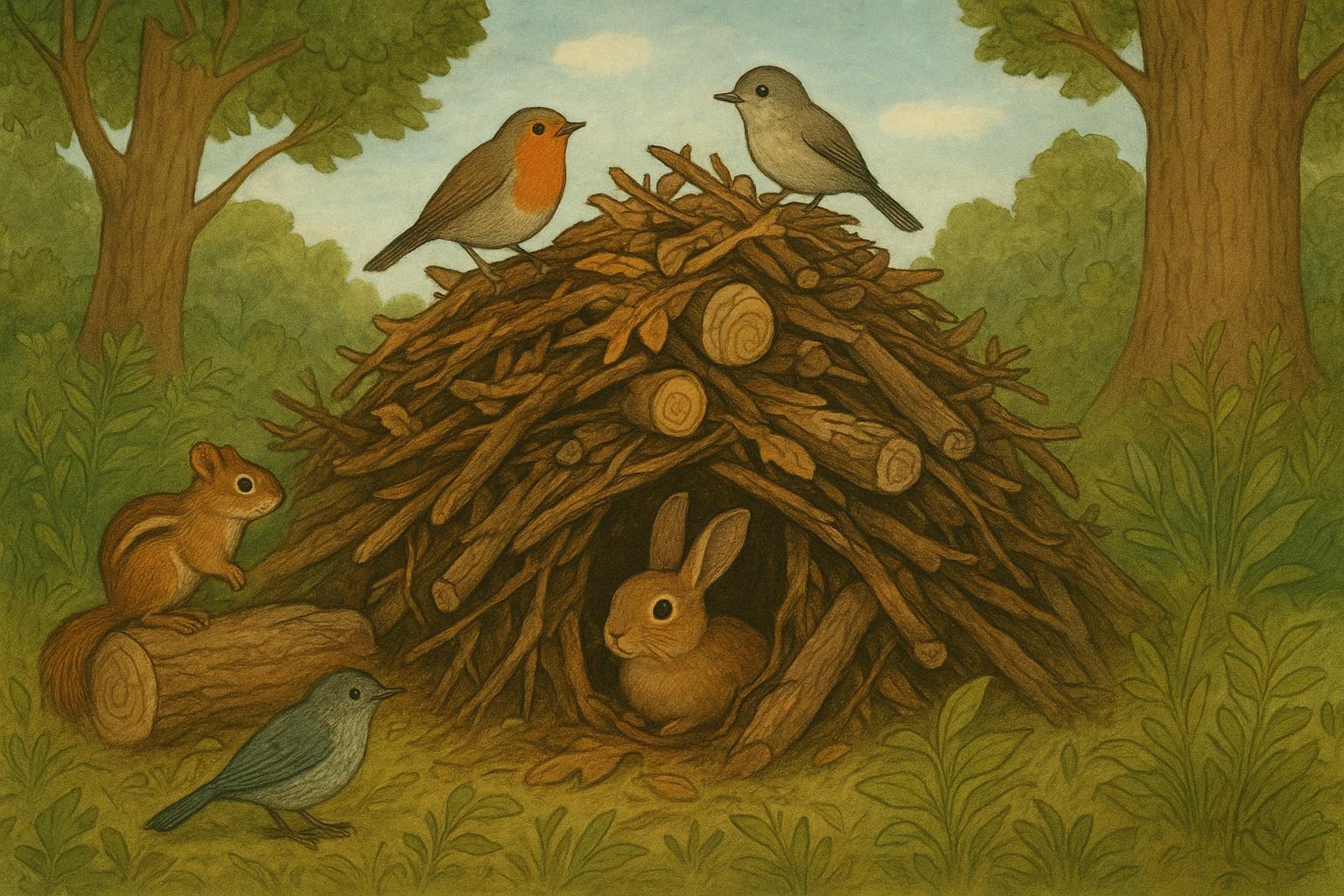
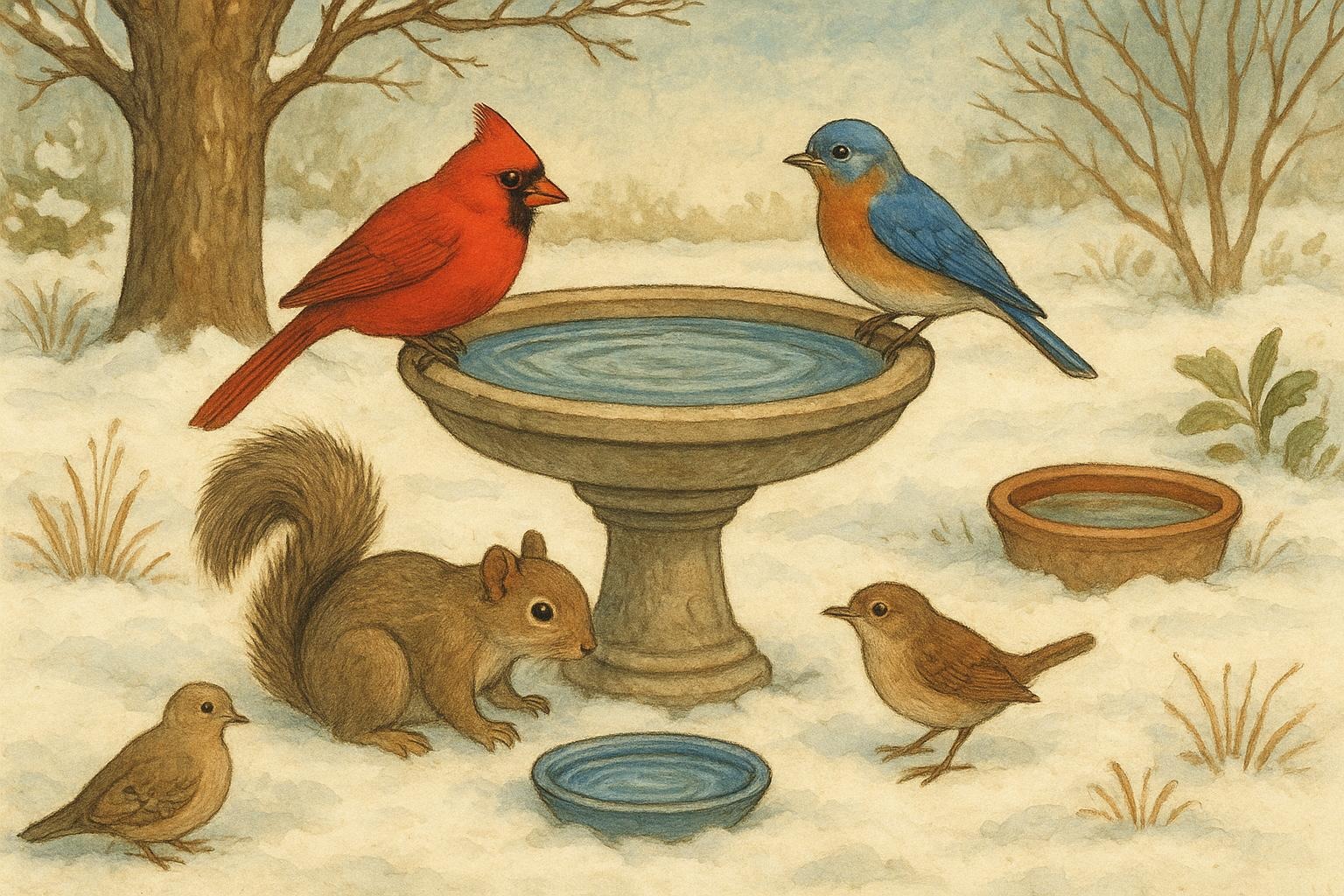
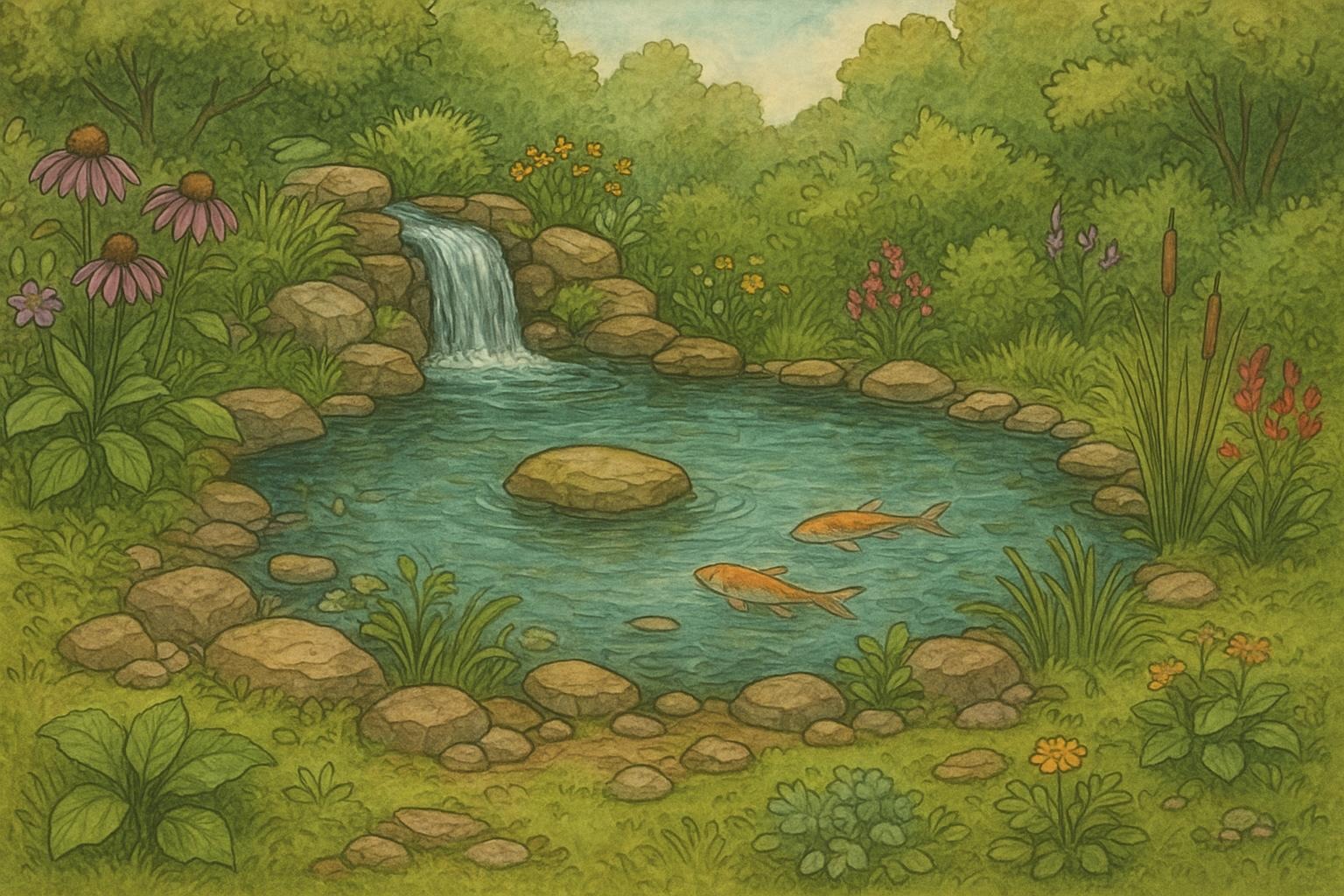
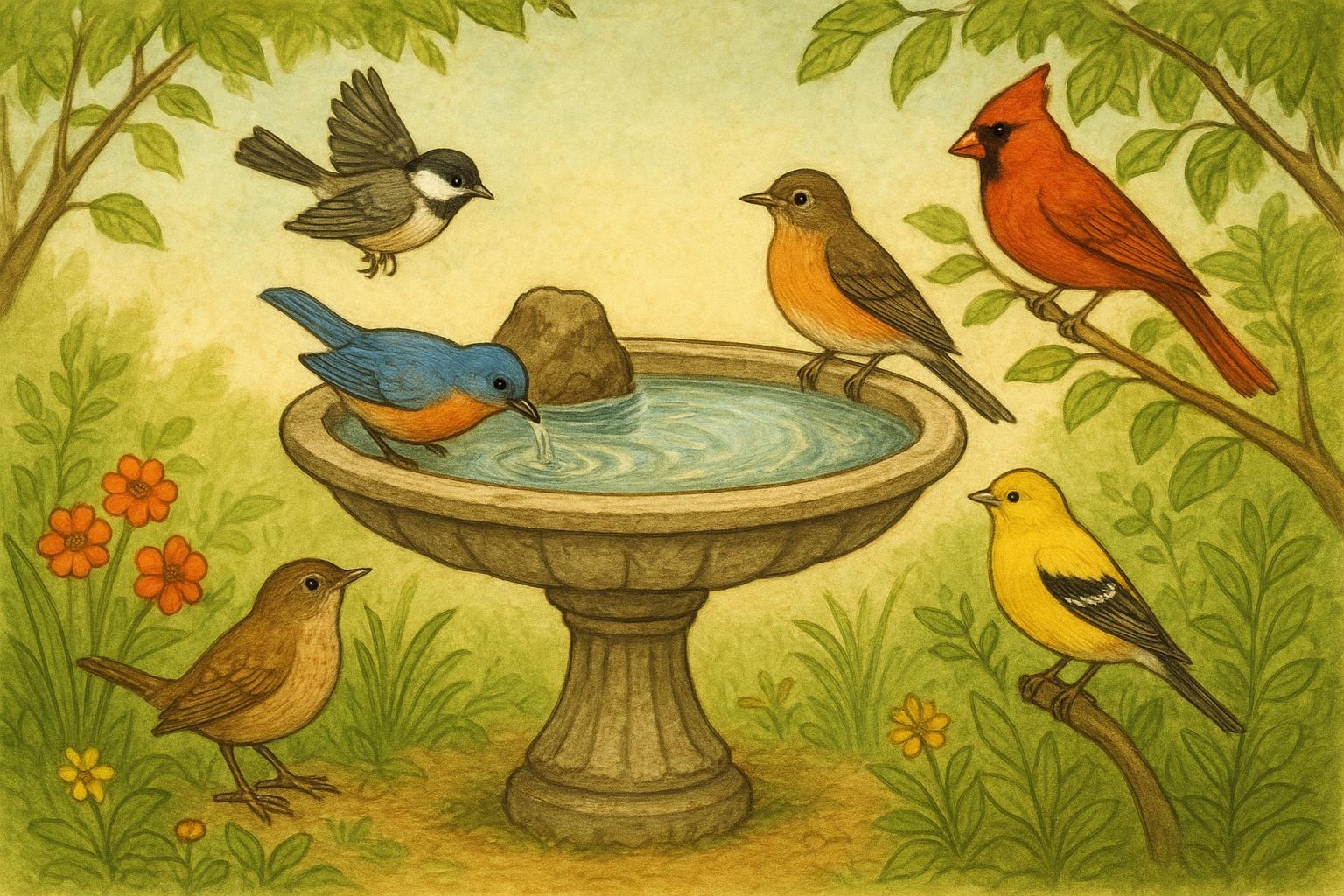
Plant a mix of native shrubs, trees, and flowering perennials to supply natural nesting sites and year-round food. Provide dense cover like hawthorn, elderberry, or native honeysuckle to offer shelter from predators and weather. A small, shallow water feature—clean and changed regularly—will draw birds in and help parents hydrate while they’re raising young.
### What Not To Do
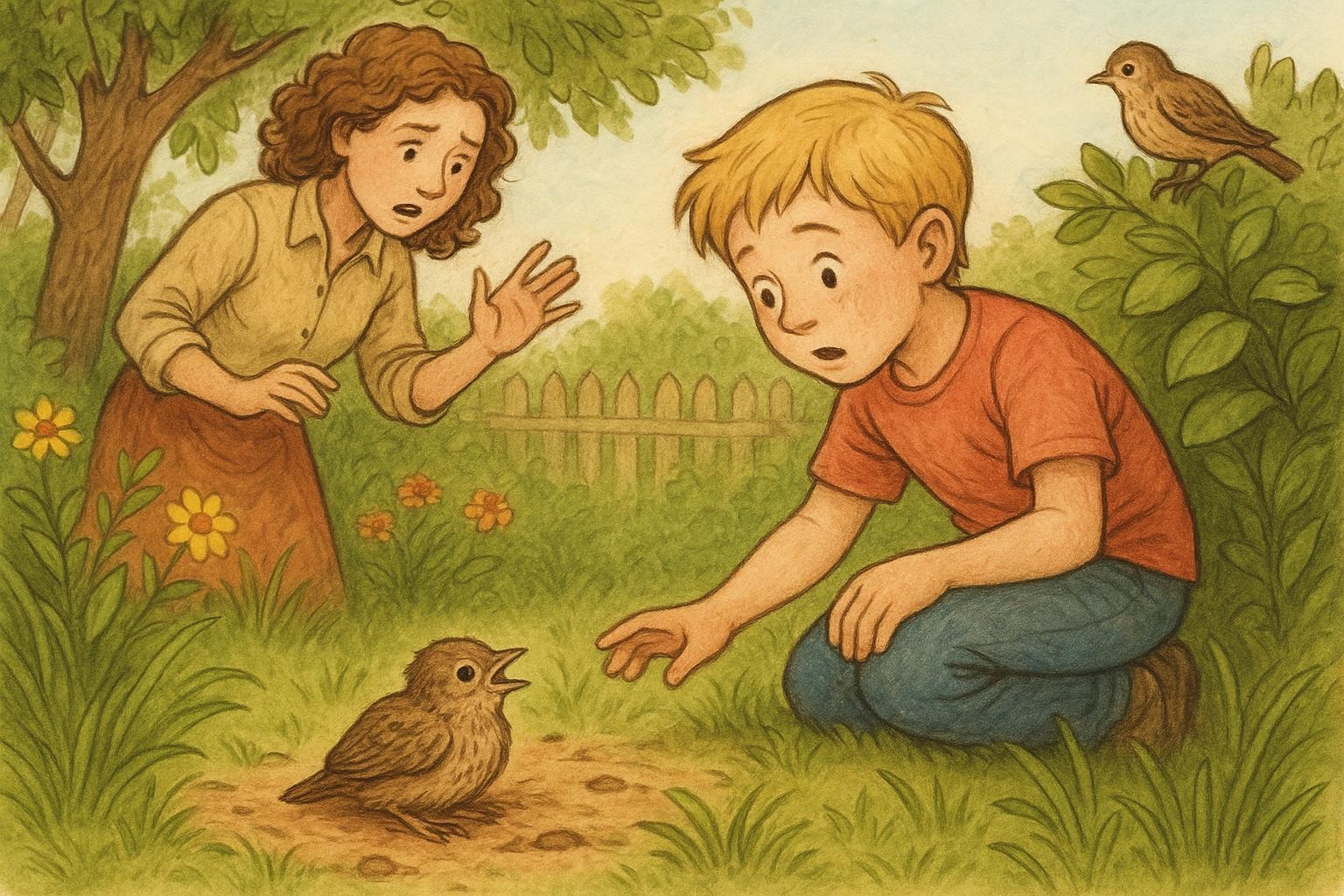
Avoid pruning or major yard work close to potential nesting spots during breeding season. Don’t move nest boxes or artificial nests once they’re occupied. Resist the urge to rescue fledglings that look “abandoned”—many young leave the nest before they can fly well and are still being fed nearby.
## Remedy 1: Build A Simple Nesting Box
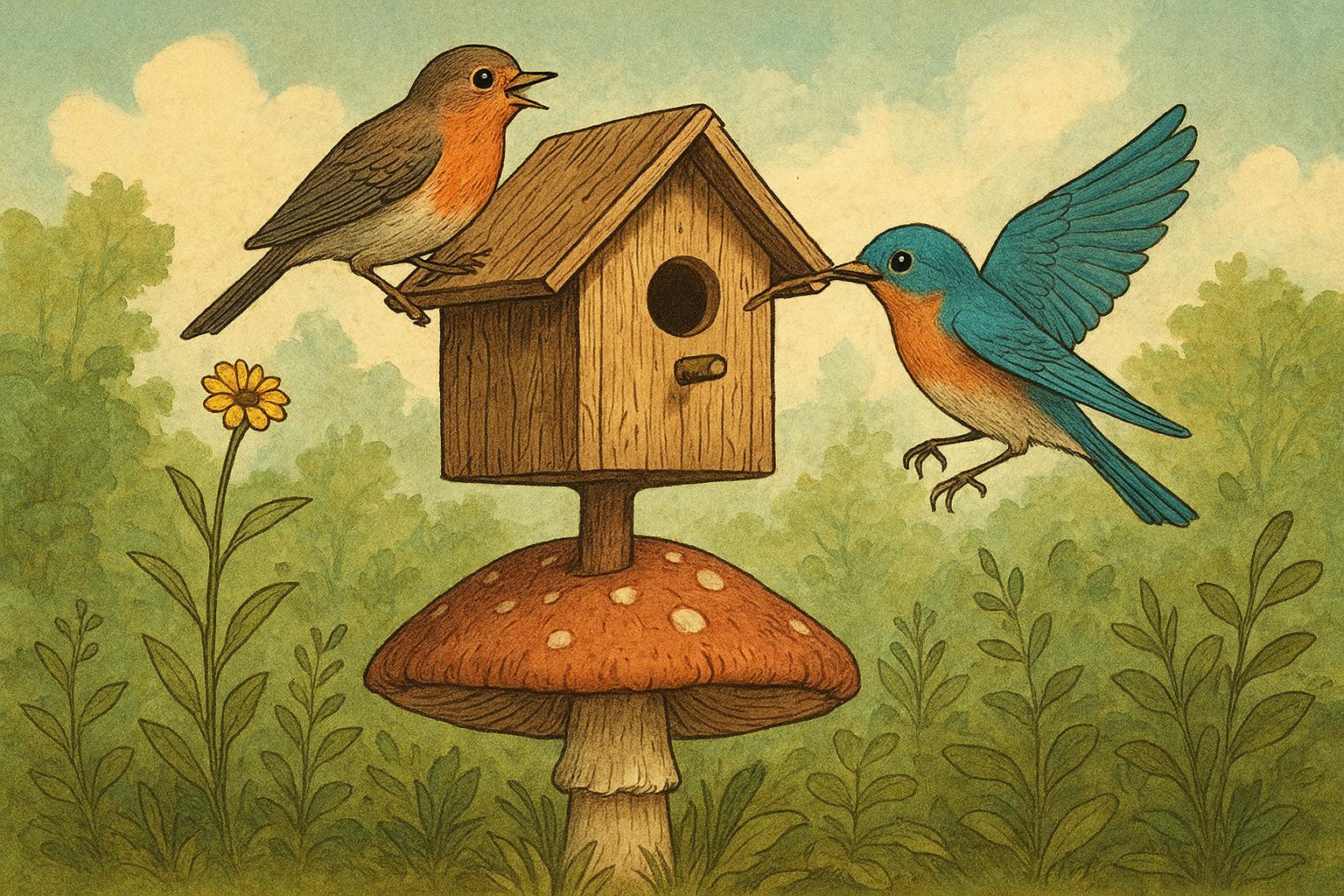
When you want to actively encourage cavity-nesting species, installing nest boxes is a practical, widely used remedy. Follow the materials list and steps exactly to create a safe, effective box that supports nesting birds responsibly.
#### Materials Required
– Untreated cedar or pine board, 1″ thick (one 6″ x 6″ x 12″ box per pair of boards)
– Galvanized or stainless steel screws (short)
– Exterior-grade wood glue (optional)
– Small hinge and latch (for cleaning access)
– 1/4″ hole saw for drainage holes
– Metal predator guard (optional)
– Sandpaper
– Paint (exterior, water-based) or natural stain (optional; avoid painting interior)
#### Construction And Installation Steps
1. Cut Boards Precisely: Cut panels to size—front panel with entrance hole, back panel, two side panels, floor, and a roof panel that overhangs slightly. Typical dimensions for an Eastern Bluebird box: 5″ wide, 8″ tall, depth 5.5″, entrance hole 1.5″ diameter placed 6″ above floor.
2. Drill Drainage And Ventilation: Drill several 1/4″ holes in the floor for drainage and small ventilation holes near the top of the side panels to maintain airflow.
3. Assemble Securely: Use exterior screws to fasten sides to back, then attach front. Apply wood glue sparingly if desired. Smooth rough edges to prevent nest material entanglement.
4. Add Access Panel: Install a hinged side or roof for annual cleaning. A latch will keep predators and curious animals out during non-maintenance times.
5. Mount Properly: Place the box on a post or pole 5–10 feet above ground, depending on species, and face the entrance away from prevailing winds and intense afternoon sun. Use a predator guard on the mounting pole if raccoons or snakes are common in your area.
6. Avoid Baiting: Do not place food or nesting material inside the box to attract birds—this can increase predation and disease risk.
7. Maintain Annually: Open and clean the box in late fall or early spring before occupancy. Remove old nesting material and disinfect with dilute bleach (one part bleach to nine parts water)—wear gloves and allow the box to dry thoroughly before re-sealing.
Follow these steps with precision to maximize occupancy rates and minimize harm. Proper siting and maintenance are crucial to the box’s long-term usefulness.
## Remedy 2: Protect Nests From Predators And Hazards
Protecting active nests requires careful, minimally invasive measures. When implemented thoughtfully, these steps reduce predation risk and accidental nest disturbance while complying with wildlife protection norms.
#### Materials Required
– Predator guards (metal cone for poles or corrugated baffles)
– Bird-safe netting for temporary area exclusion (if necessary)
– Motion-activated lights placed at a distance (use sparingly)
– Soft wire or cable ties (for securing guards)
– Binoculars for monitoring
– Local wildlife office contact information (for legal guidance)
#### Protection And Application Steps
1. Assess Threats: Observe from a distance to identify primary predators (cats, raccoons, snakes, corvids). Use binoculars; never approach active nests.
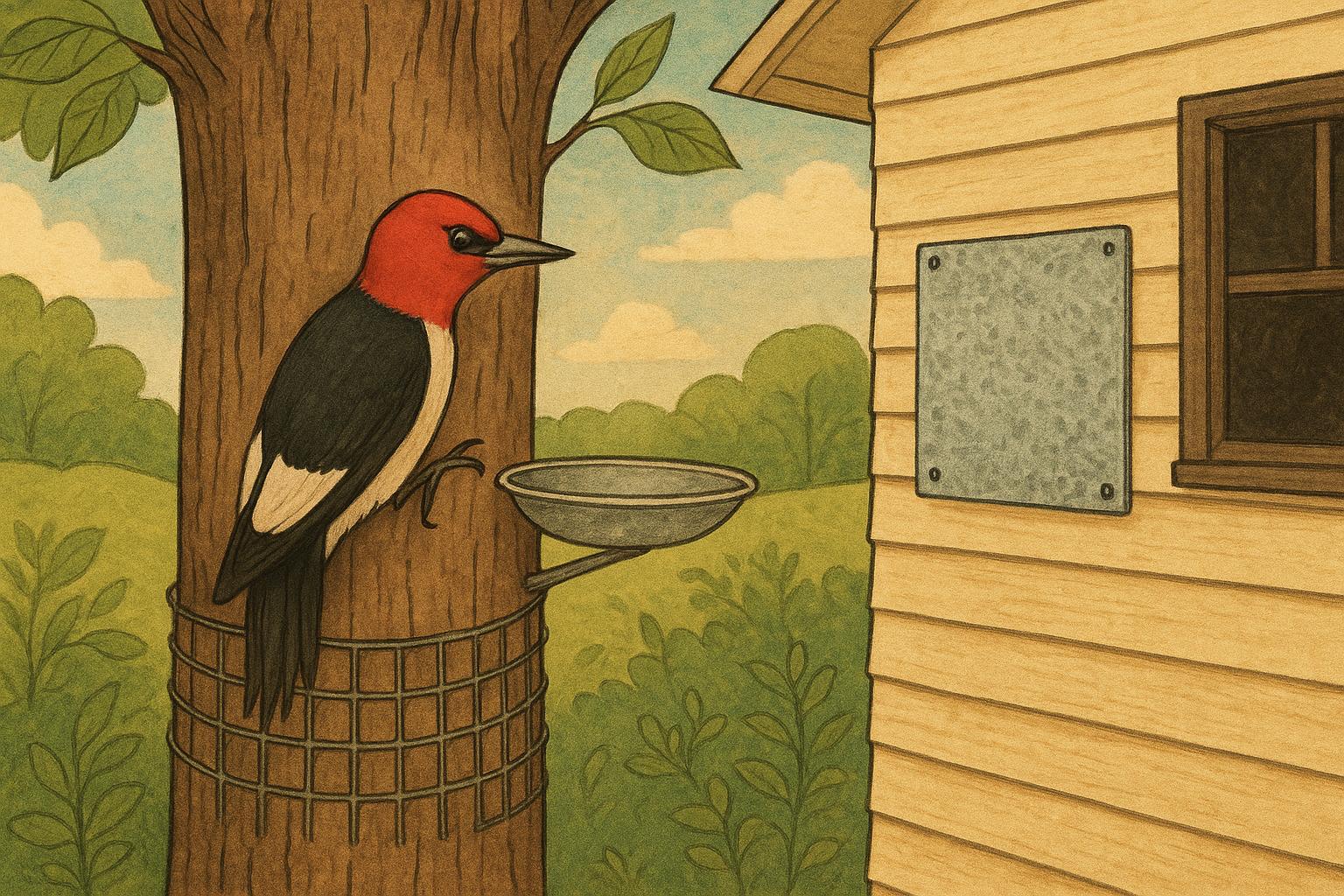
2. Install Physical Guards: Fit a metal predator cone or baffle around poles supporting nest boxes. Secure with corrosion-resistant hardware and ensure there are no edges that could trap birds or other wildlife.
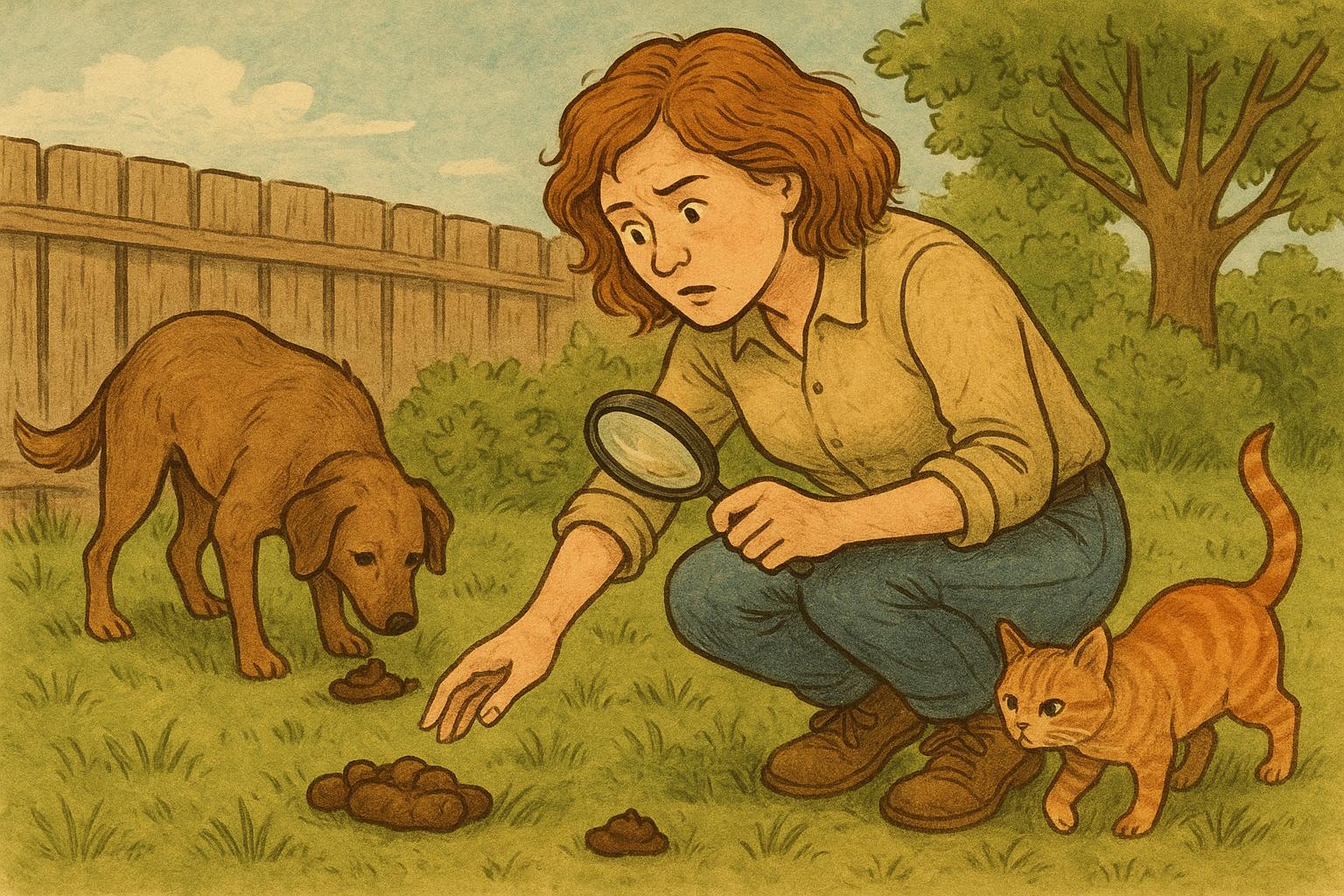
3. Exclusion Of Domestic Animals: Keep cats and dogs indoors or supervised during nesting season. If free-roaming cats are frequent visitors, erect temporary fencing or create a supervised outdoor enclosure for pets.
4. Limit Human Activity: If a nest is near a busy yard area, cordon off the space with temporary marker flags or soft netting placed far enough to prevent disturbance but not to entrap birds.
5. Handle Lighting And Noise: Avoid spotlights or flashing lights aimed at nests. Motion-activated lights can be used to deter nocturnal mammalian predators but should be installed at a distance to avoid startling birds.
6. Monitor And Document: Keep a log of nest observations—dates, behaviors, and any predation events. If repeated predation occurs despite reasonable measures, contact local wildlife authorities for further action.
7. Legal And Ethical Compliance: Do not remove or relocate active nests, eggs, or fledglings. Many species are protected by law; interfering with nests may carry penalties. Seek permits or professional help for any exclusion work that might affect nesting birds.
These protective measures should be executed with restraint and respect for the birds’ natural behaviors; unnecessary interference can do more harm than good.
## Managing Problem Nesting Scenarios
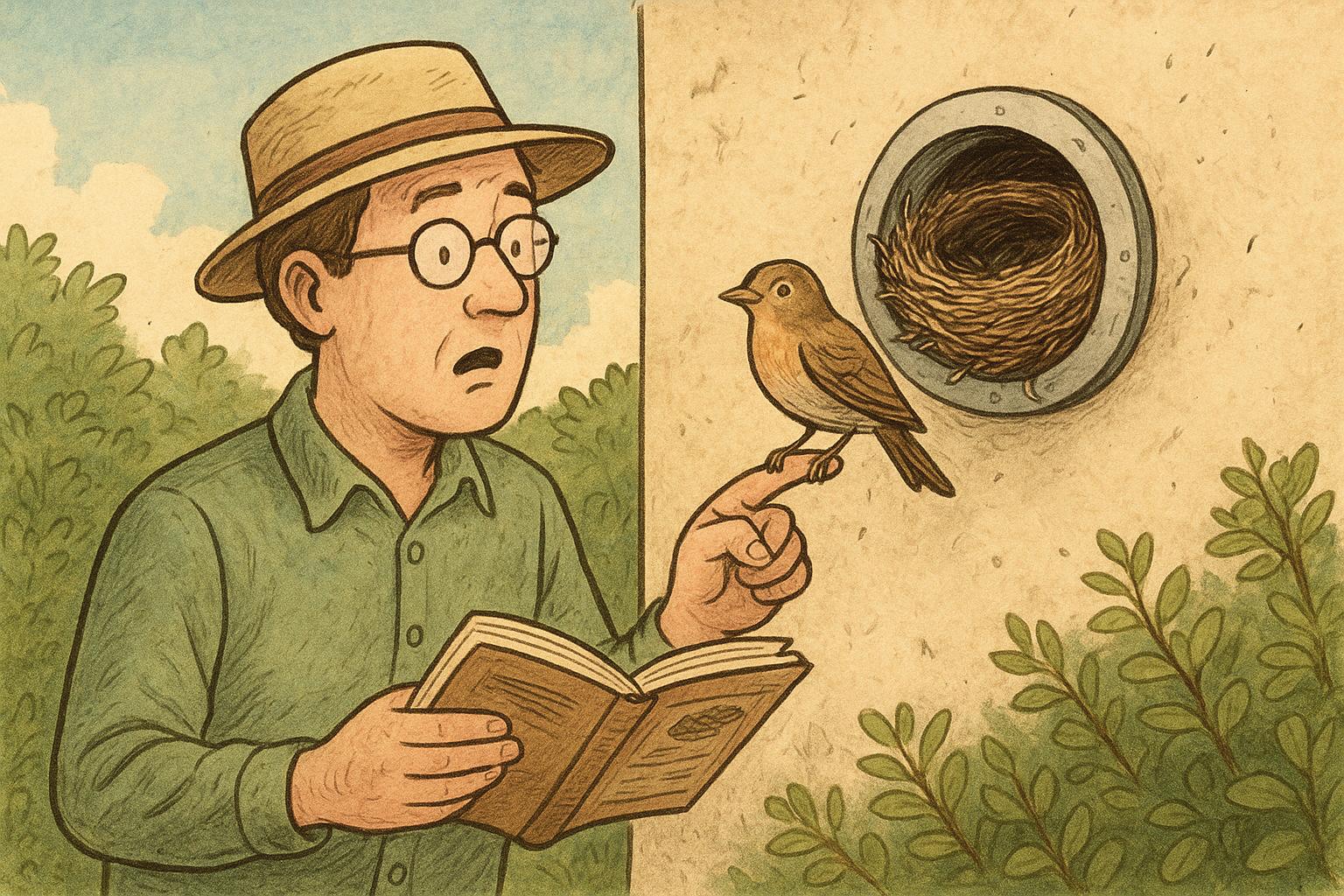
Sometimes birds pick inconvenient spots—chimneys, vents, or air-conditioner units. If a nest is in an unsafe location, prioritize the birds’ welfare while addressing human safety concerns. If the nest is active, delay remedial work until fledging is complete. After nesting season, remove nests from vents and seal entry points to prevent future occupancy. For chimneys, install a professionally fitted cap.
### When To Seek Professional Help
Contact wildlife rehabilitators or licensed pest wildlife professionals if a nest is in a dangerous spot and there are immediate safety risks (e.g., active combustion appliances). For species of conservation concern or legally protected birds, consult local fish and wildlife authorities before taking action. Professionals can provide humane relocation options post-breeding season and advise on legal requirements.
A little forethought and a few well-placed boxes or shrubs go a long way toward supporting backyard nesting birds. By observing respectfully, providing safe options, and applying remedies carefully, you can enjoy spring’s feathered residents without turning your yard into a reality show for predators.



Leave a Reply