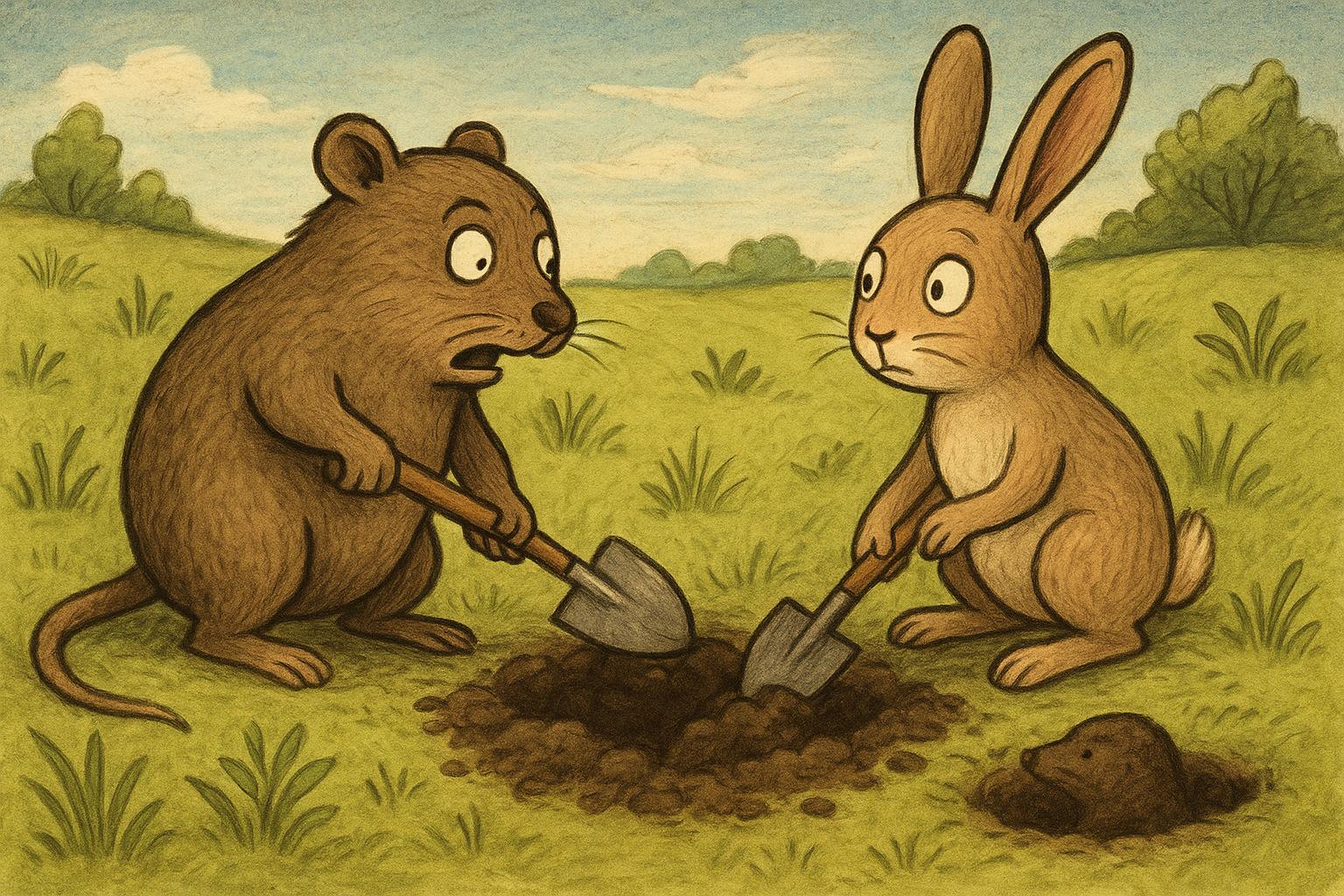
A few nights of moonlit excavation and suddenly your yard looks like a meteor shower landed in the lawn. Before you start accusing the neighbor’s terrier, let’s walk through who’s actually responsible and how to stop the miniature construction crew. Relax — I’ve seen worse (and weirder), and there’s usually a logical explanation.
## Shocking Digging Holes Exposed Who Is Digging Holes
### Who’s Most Likely To Be Digging Holes In Your Yard
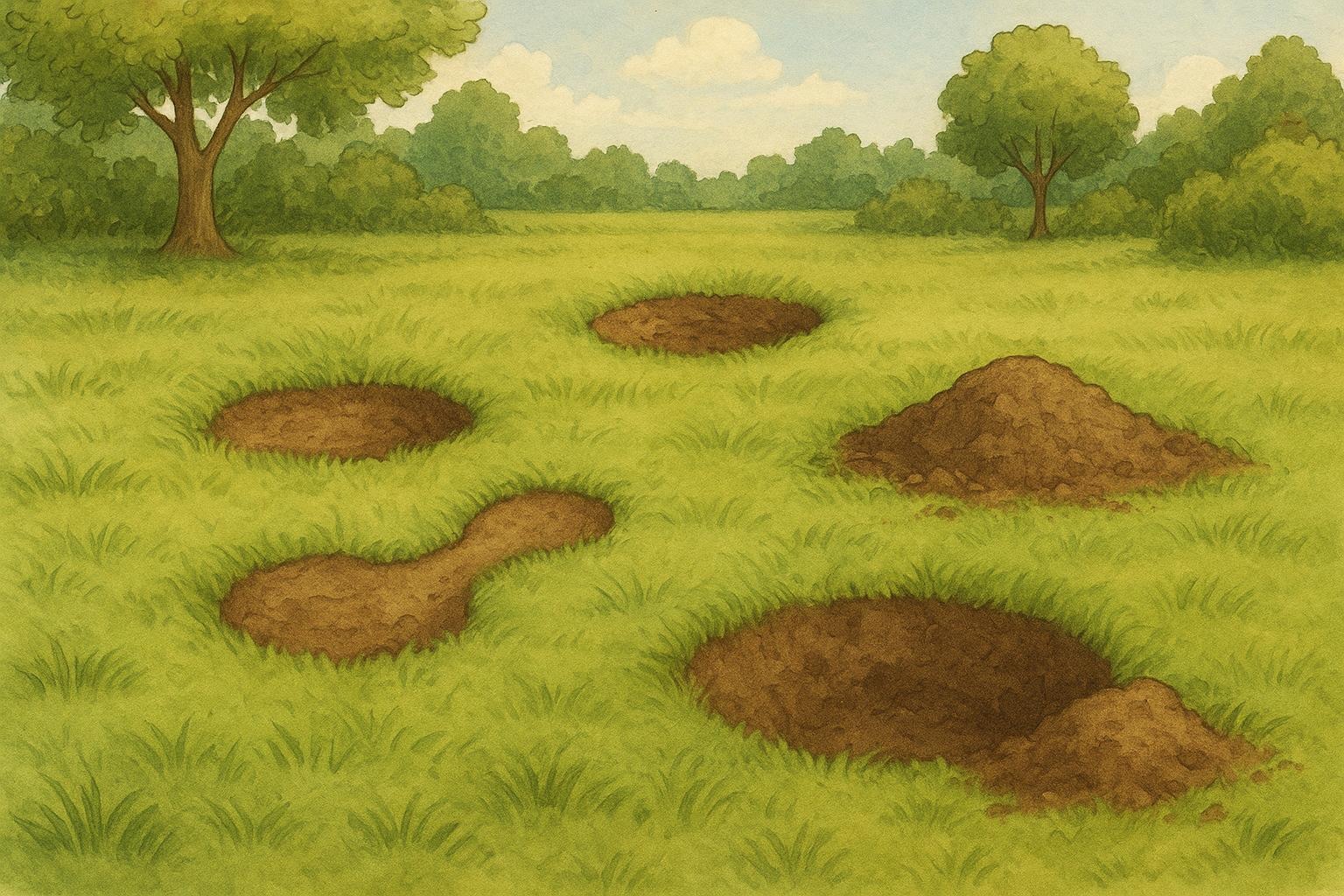
Small, neat holes, big overturned patches, or neat tunnels — each crime scene tells a story. Here’s a friendly guide to common culprits and the signs they leave behind.
#### Small, Shallow Holes With A Cone Of Dirt
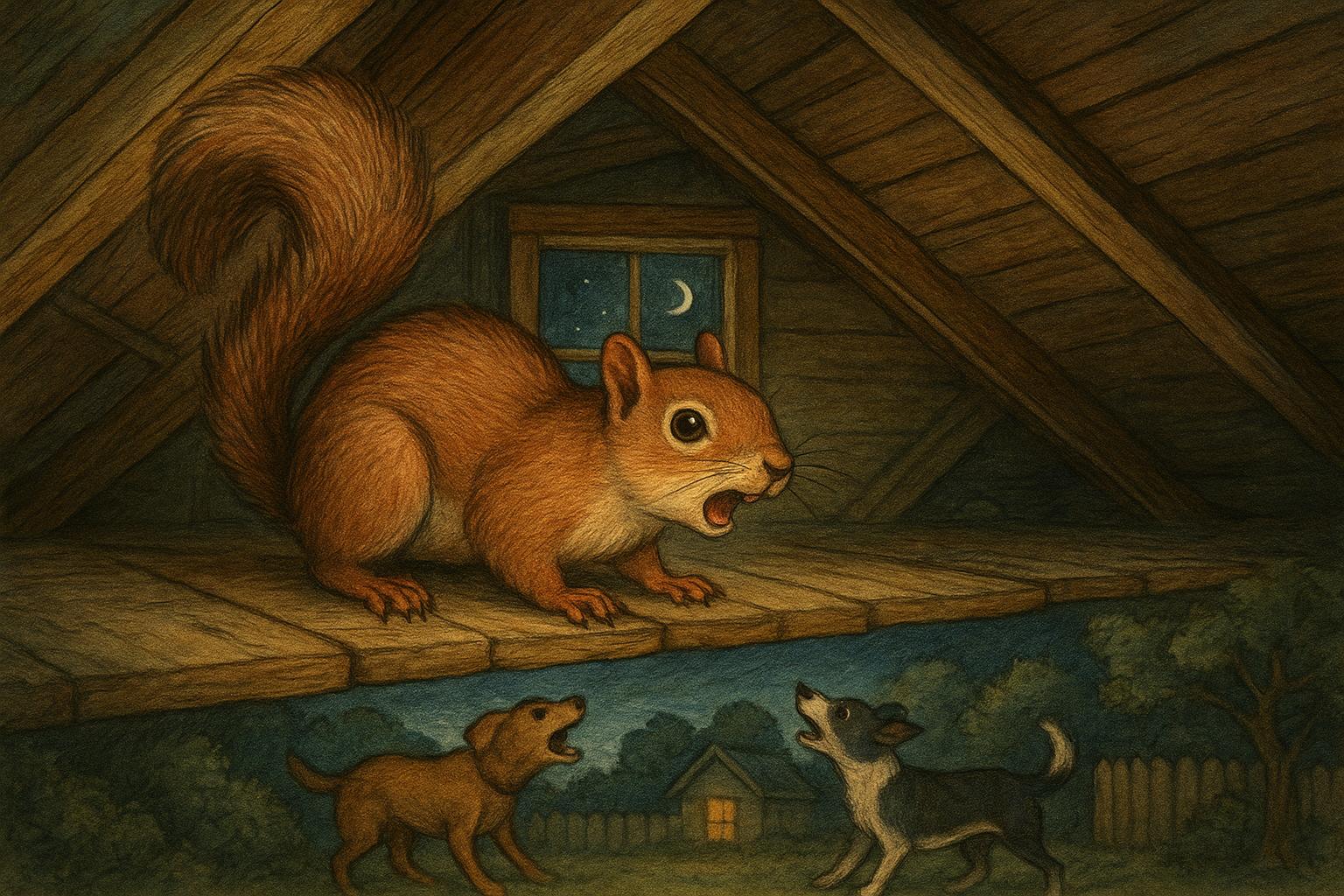
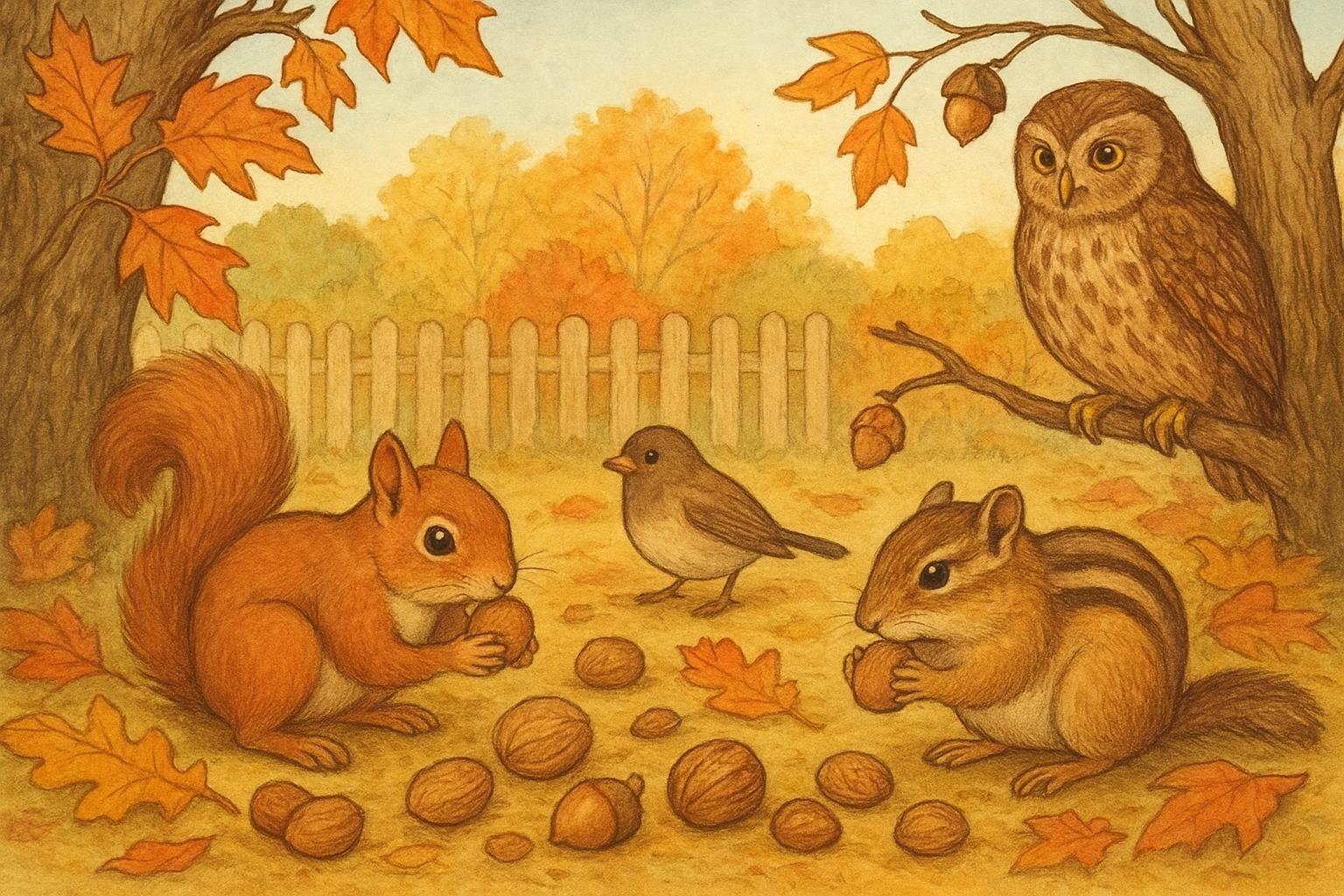
These are often from squirrels or chipmunks digging for nuts and seeds. They bury food in dozens of tiny caches and sometimes forget where they put them.
#### Irregular, Dug-Up Patches And Torn-Up Lawns
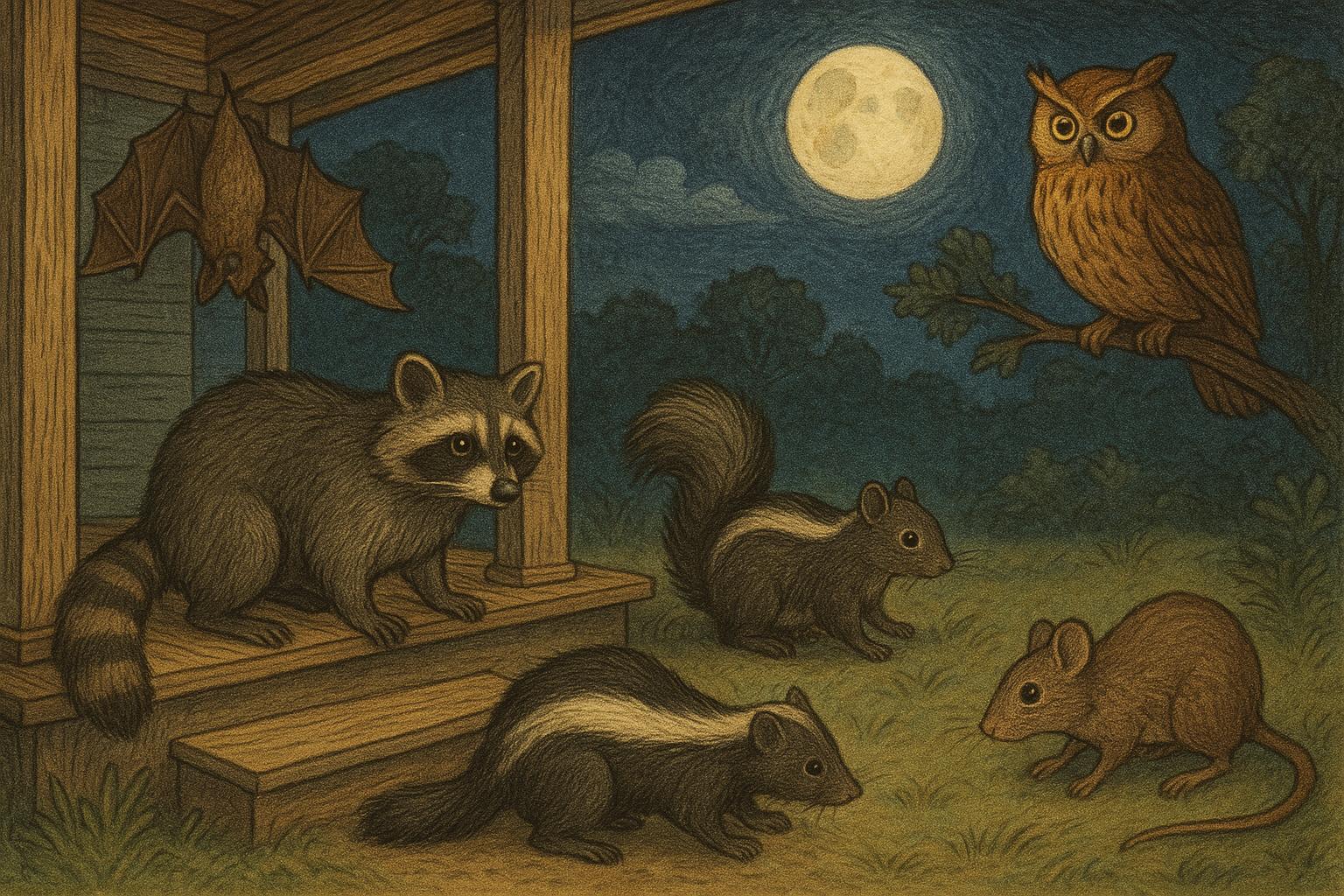
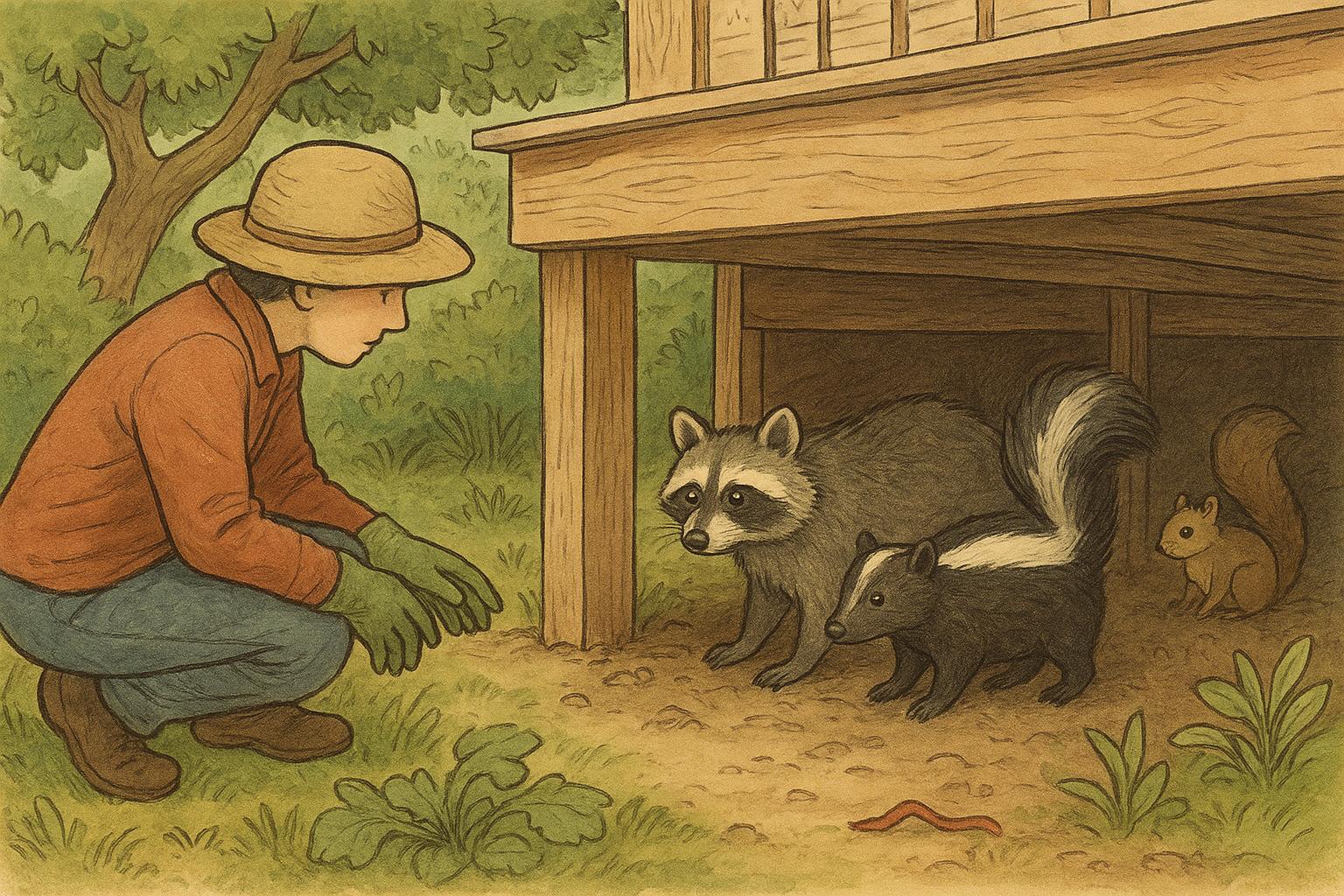
Raccoons and skunks will flip through lawns and garden beds looking for grubs. Raccoons rake with their paws; skunks leave V-shaped scratch marks and small pits.
#### Neat Tunnels And Raised Ridges
Moles and voles tunnel under the surface, pushing up ridges of soil. Moles create raised, smooth tunnels; voles leave more surface runways and smaller holes.
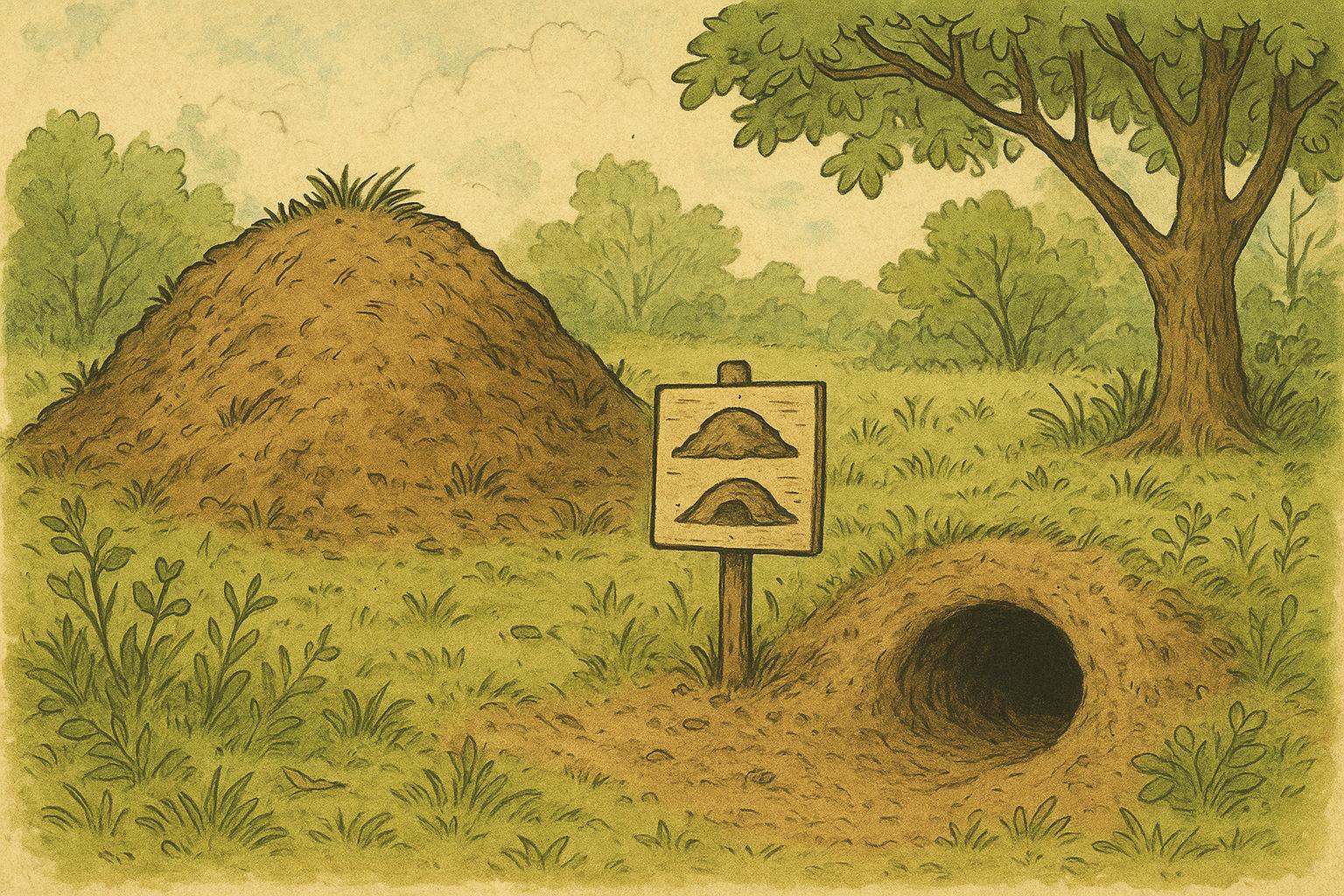
#### Large, Burrowed Entrances
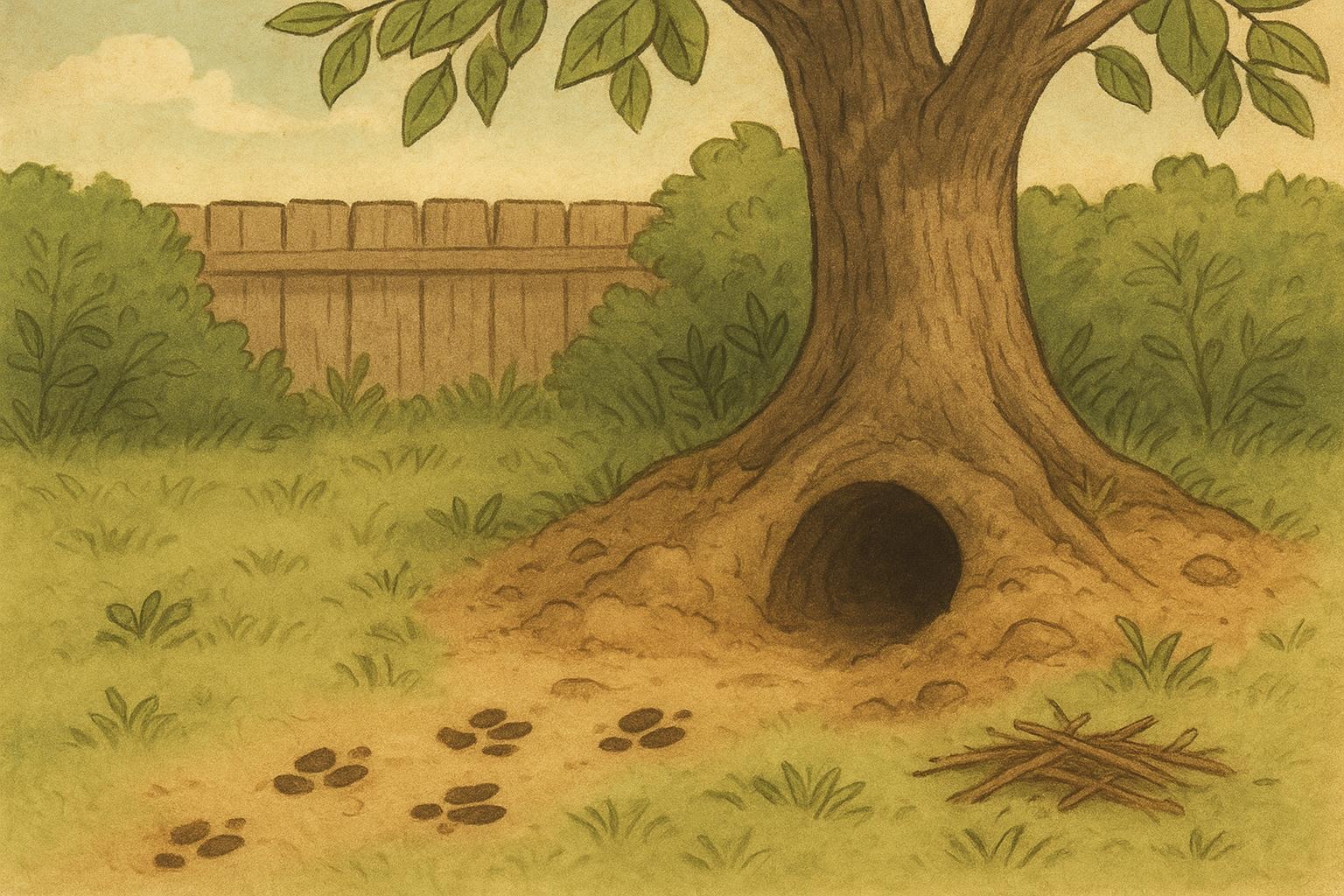
Groundhogs, rabbits, and foxes dig larger burrows with clear entrances. These look like small cave openings and often have hair or scat nearby.
#### Repeated, Single-Spot Digging
Dogs often dig at the same spot (for comfort, scent, or because they found something attractive). Cats might dig in planters or soft patches for litter-like behavior.
### How To Tell Who Is Digging Holes: A Quick Field Checklist
– Size of hole (tiny kernels vs. fist-sized vs. tunnel entrance).
– Soil deposition pattern (pushed up, scattered, or in a cone).
– Time of day (moles are active during cooler parts; skunks and raccoons at night).
– Nearby signs (tracks, droppings, fur, chewed plants).
If you’re dealing with persistent digging holes, identifying the culprit is step one. Once you know who’s responsible, you can pick the right remedy.
## 1. Humane Exclusion And Deterrence (Remedy)
Materials Required:
– Heavy-gauge hardware cloth (1/4–1/2 inch mesh) or buried garden fencing
– Landscape fabric
– Garden staples or U-pins
– Motion-activated lights or sprinklers
– Castor oil-based repellent (commercial) or castor oil concentrate
– Rubber gloves and garden tools
Step-By-Step Creation And Application:
1. Inspect the Site: Map where the digging holes occur most frequently. Note burrow entrances and paths.
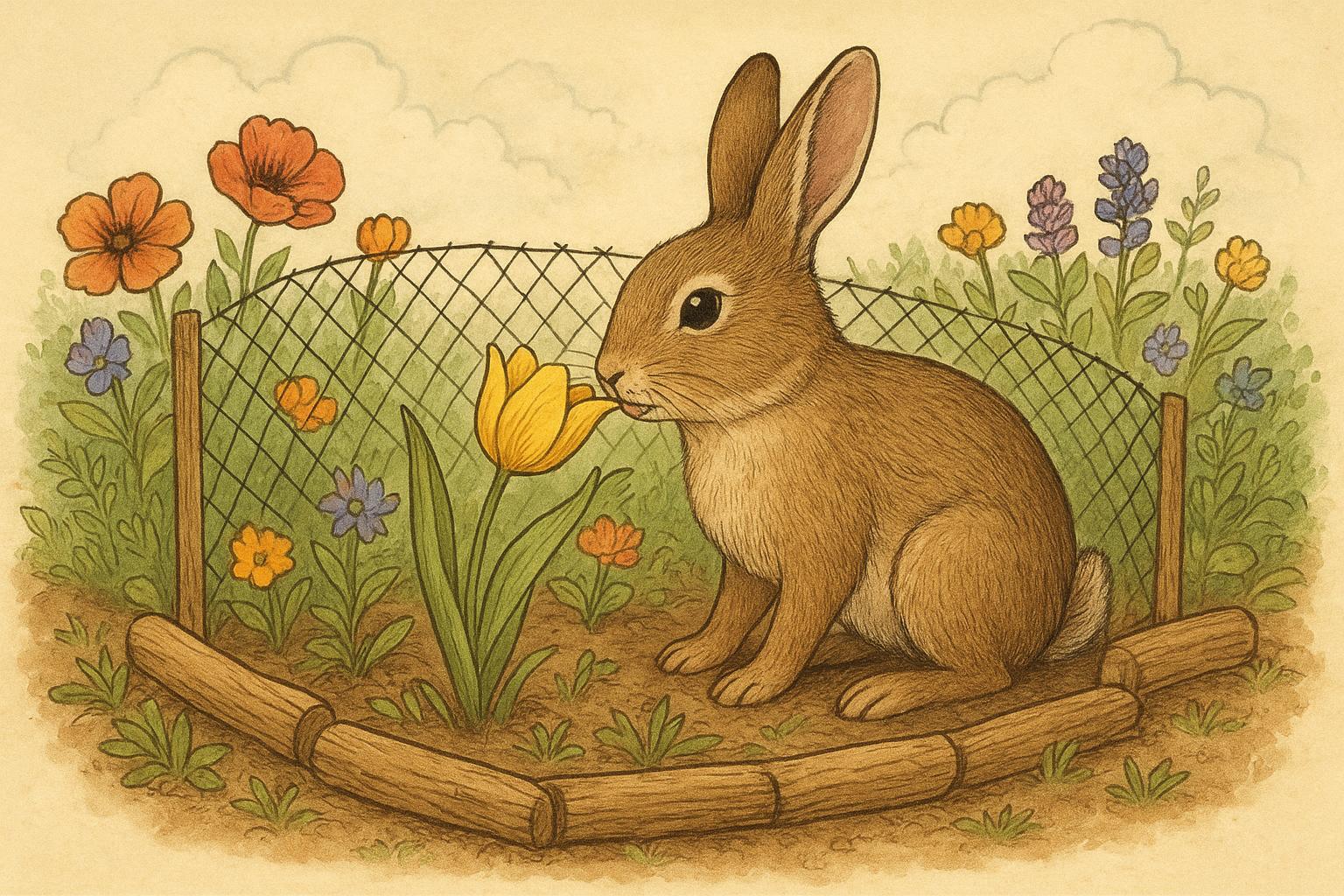
2. Prepare The Barrier: Cut hardware cloth or garden fencing to extend at least 24 inches beyond the damaged area on all sides. For shallow diggers, bury the bottom edge 6–12 inches deep and bend outward at a 90-degree angle to create an underground lip.
3. Install Landscape Fabric: Lay landscape fabric under the barrier to discourage digging directly beneath the fence line. Secure with staples.
4. Anchor The Barrier: Use garden staples/U-pins to hold the fencing and fabric tight to the soil. Make sure there are no gaps larger than 1–2 inches where small critters can squeeze through.
5. Add Light Or Sprinkler Deterrents: For nocturnal diggers like raccoons and skunks, install motion-activated lights or sprinklers to make the area less attractive at night.
6. Apply Repellent: Apply castor oil-based repellents according to product instructions around the perimeter of the protected area. Wear gloves when handling concentrated products.
7. Monitor And Maintain: Check weekly for new attempts and re-secure any disturbed sections. Replace repellents after heavy rain according to label directions.
This method is effective for many backyard situations and focuses on humane exclusion rather than lethal action.
## 2. Repair And Preventive Landscaping (Remedy)
Materials Required:
– Topsoil and compost
– Sod or grass seed
– Landscape staples
– Mulch and gravel (where appropriate)
– Native predator-attracting plants (e.g., shrubs that attract hawks)
– Professional consultation contact (if needed)
Step-By-Step Creation And Application:
1. Fill And Level: Use topsoil and compost to fill the holes and level the surface. Compact gently to reduce settling.
2. Replace Vegetation: Re-sod patches or apply grass seed with starter fertilizer and keep moist until established. For garden beds, replant with hardy groundcovers or mulch.
3. Create Barriers In Vulnerable Areas: In flowerbeds, consider a 2–3 inch layer of coarse mulch or gravel that discourages digging while retaining aesthetics.
4. Add Predatory Oversight: Plant or encourage habitat for natural predators (birds of prey, beneficial snakes in some regions). This reduces smaller rodent populations that attract larger diggers.
5. Schedule Maintenance: Aerate and overseed lawn yearly to reduce grub populations (which attract skunks and raccoons). If grub infestation is high, treat according to local extension service recommendations.
6. Call Professionals When Needed: For large burrows or protected species, contact local wildlife control or a licensed trapper for removal and relocation guidance.
These steps focus on repair and long-term prevention, maintaining your yard’s health while minimizing future digging holes.
### When To Consider Trapping Or Professional Removal
If the digging holes are caused by animals that pose a risk to people, pets, or property (e.g., groundhogs under foundations, raccoons in chimneys, or suspected rabid animals), do not attempt DIY removal. Contact a licensed wildlife control professional. They can legally and humanely handle trapping, relocation, or exclusion methods that you can’t or shouldn’t undertake yourself.
#### Safety Notes For DIYers
– Do not handle wild animals. Use gloves and avoid direct contact.
– Check local laws: Some species are protected, and trapping or relocating them may be illegal.
– Use live traps only if you are trained and permitted to transport animals.
### Prevention Tips To Keep Your Yard Free Of Future Digging Holes
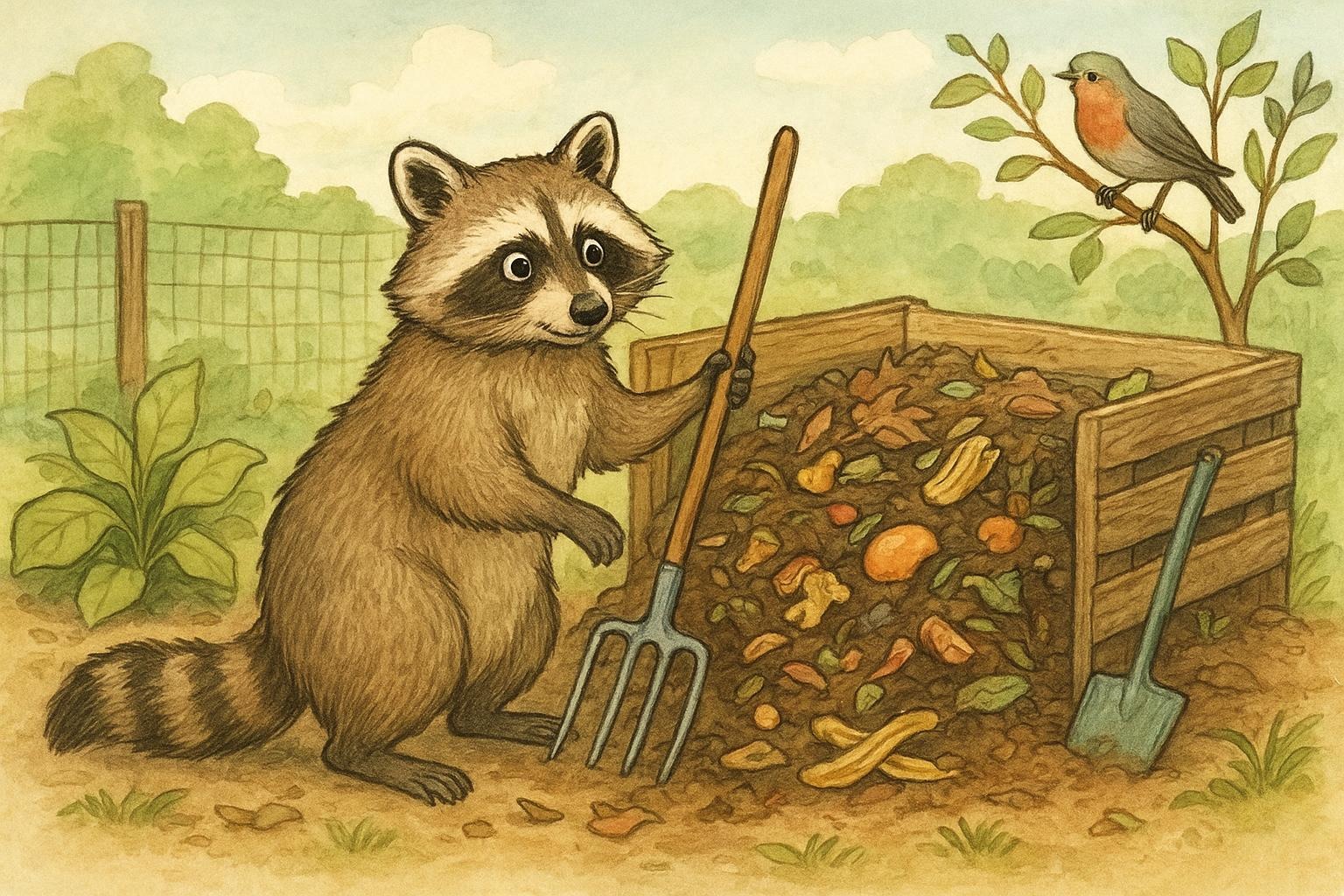
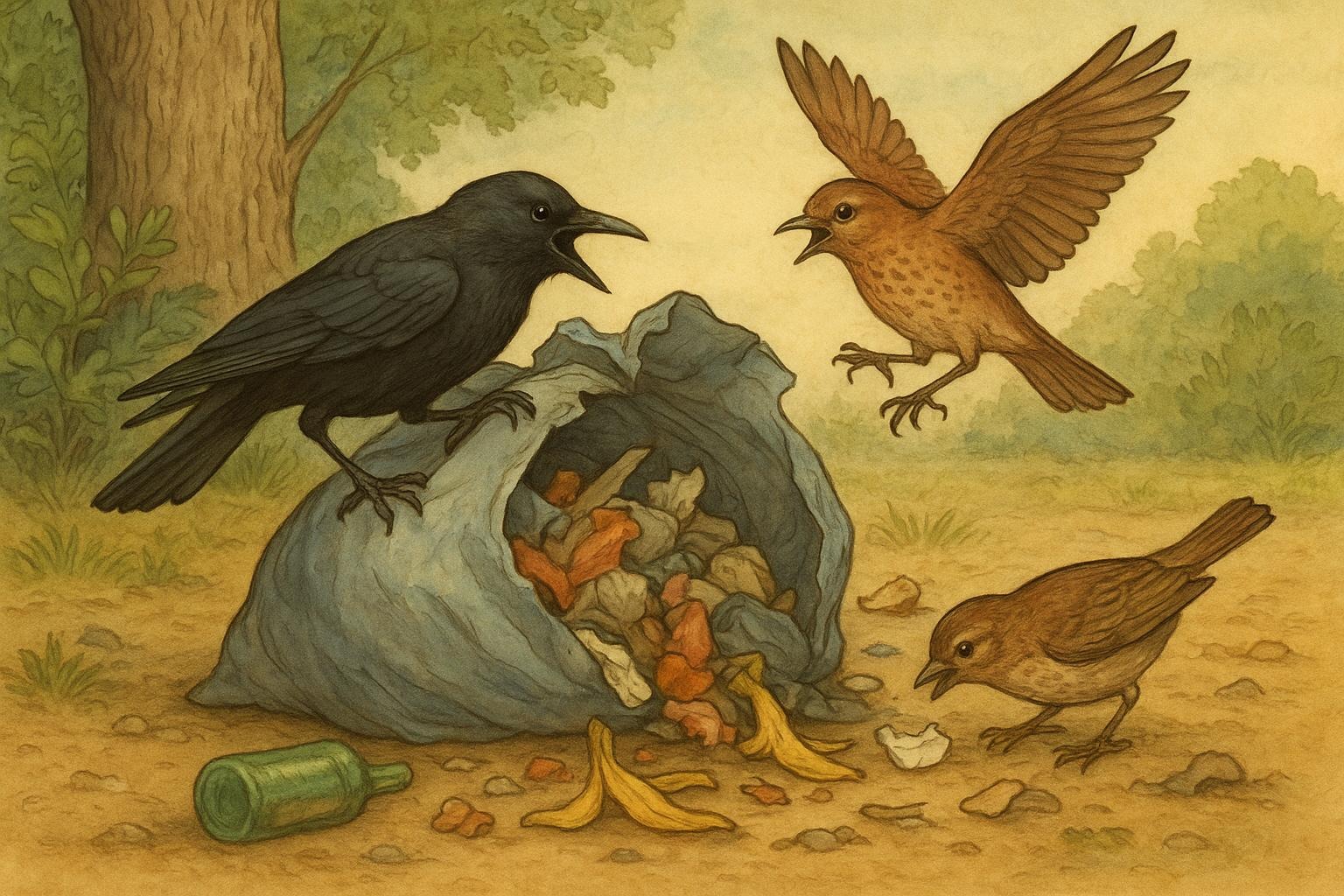
– Remove Attractants: Secure trash, compost, and pet food. Store birdseed in sealed containers and avoid overfeeding bird feeders.
– Reduce Grub Populations: Healthy lawns are less attractive to skunks and raccoons. Use natural grub controls or follow extension recommendations.
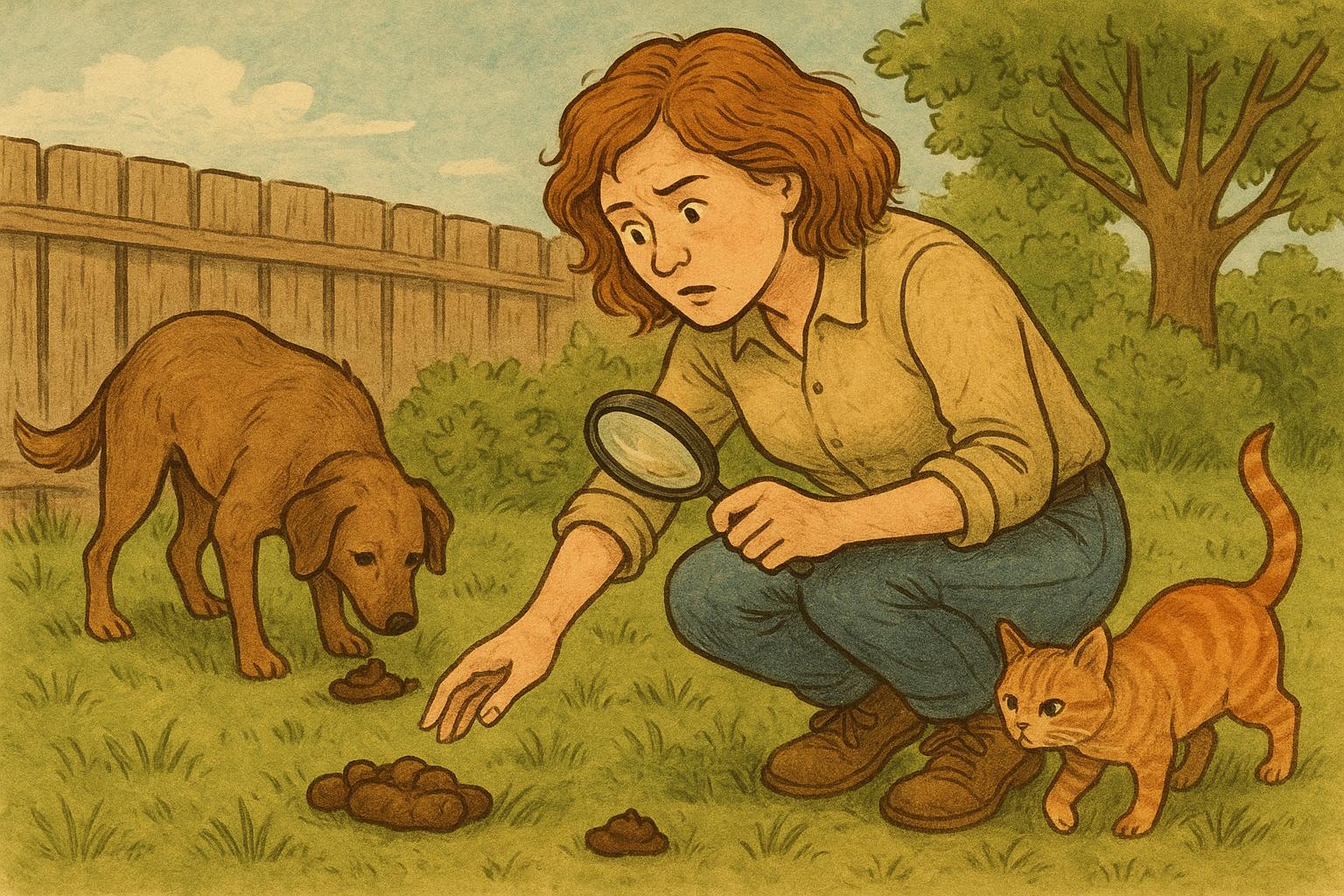
– Keep Pet Areas Clean: Dog and cat feces attract interest from wildlife. Clean up promptly.
– Regular Inspection: Early detection of digging holes lets you act before creatures establish long-term burrows.
– Consider Plant Selection: Groundcovers and densely planted beds are less appealing to diggers than bare soil.
Returning to the lighter side: yes, that groundhog might actually be auditioning for a role in a nature documentary, and your lawn is the set. But with a little observation, some elbow grease, and the remedies above, you’ll be able to determine who’s digging holes and solve the problem without creating a bigger wildlife drama.
### Common Mistakes People Make When Responding To Digging Holes
– Overreliance On Poison: Avoid using poisons; they can harm non-target animals and pets, and they’re often ineffective for digging deterrence.
– Sealing Entrances Without Assessment: Blocking an active burrow without ensuring the animal can exit can trap and stress wildlife; use one-way exclusion doors when necessary and legally permitted.
– Ignoring Attractants: Fix the root cause; fencing or barriers alone won’t help if food sources remain abundant.
– Going It Alone With Aggressive Methods: If you’re unsure, consult professionals to prevent injury and legal issues.
Keep in mind: many of the creatures doing the digging holes are part of the local ecology — inconvenient, yes, but usually manageable. With identification, humane exclusion, and thoughtful landscape repair, your patchy lawn will become a less attractive digging site and more of a peaceful backyard again.

















Leave a Reply