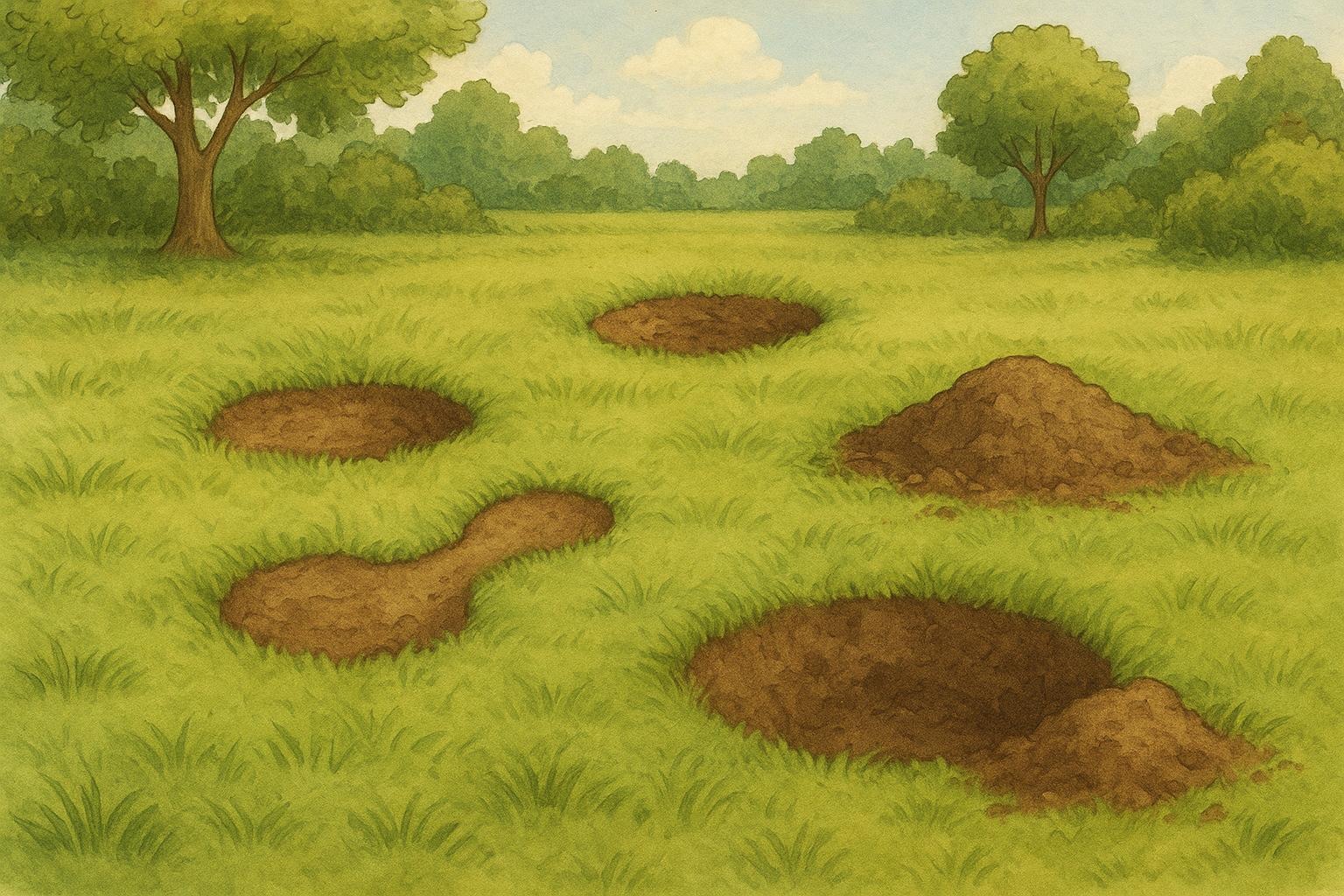
If you’ve ever stepped on your lawn and felt a sudden roll of the ankle thanks to a sneaky dip, you’re not alone. Those depressions — often called lawn holes — can be puzzling, irritating, and occasionally the source of backyard comedy (preferably the watching-from-the-porch kind). Below you’ll find a relaxed walkthrough of common surface damage patterns, how to tell what made them, and practical repairs you can do yourself.
## A Practical Guide To Lawn Holes Surface Damage Patterns
### How To Read The Marks On Your Turf
Think of your lawn as a crime scene with grass as the witness. Different culprits leave different signatures. Pay attention to:
– Size and shape: Is it a neat circular plug, a shallow bowl, or a long scrape?
– Soil condition: Is the soil crumbled and pushed aside, compacted, or missing?
– Distribution: Single hole, scattered cluster, or a line across the yard?
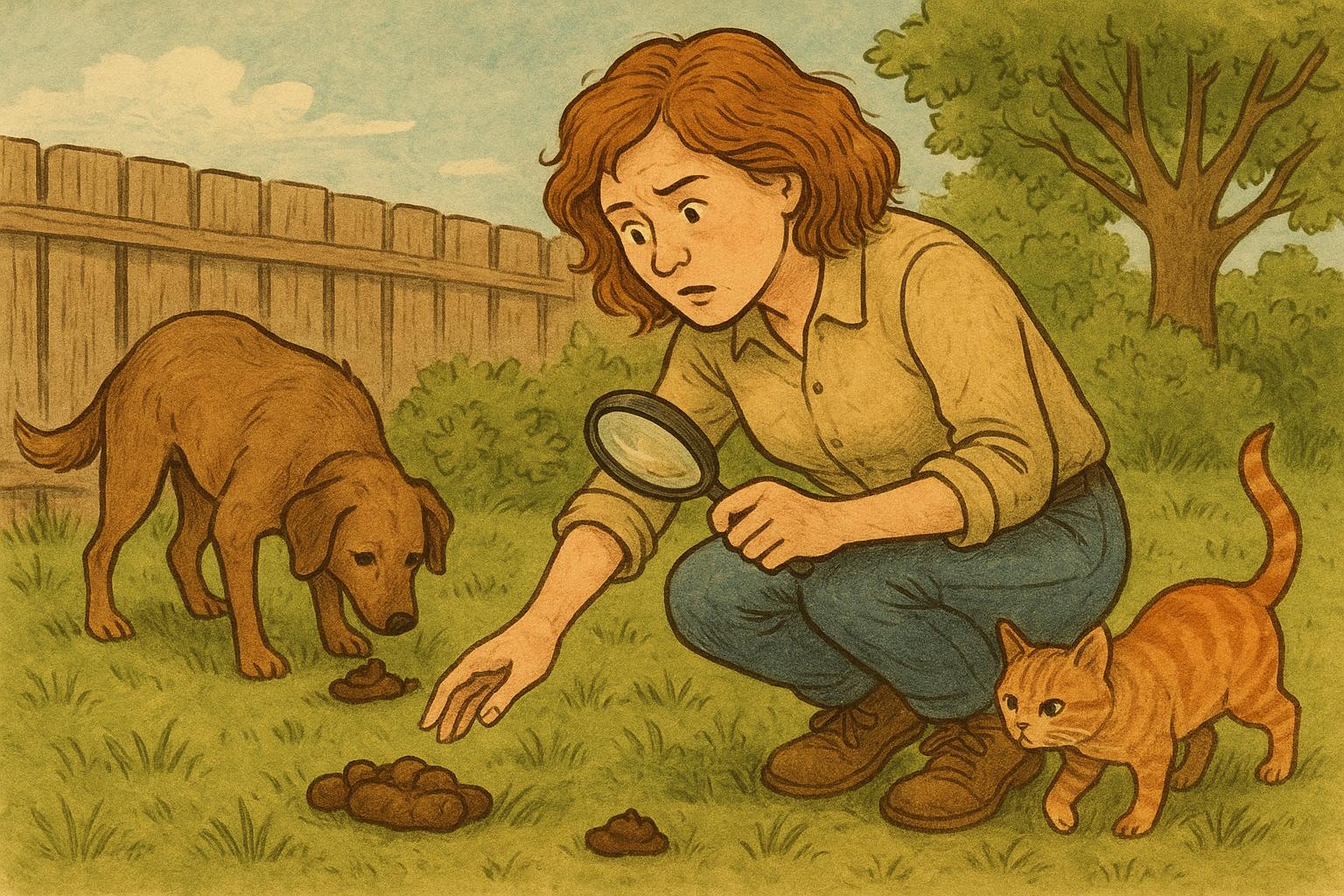
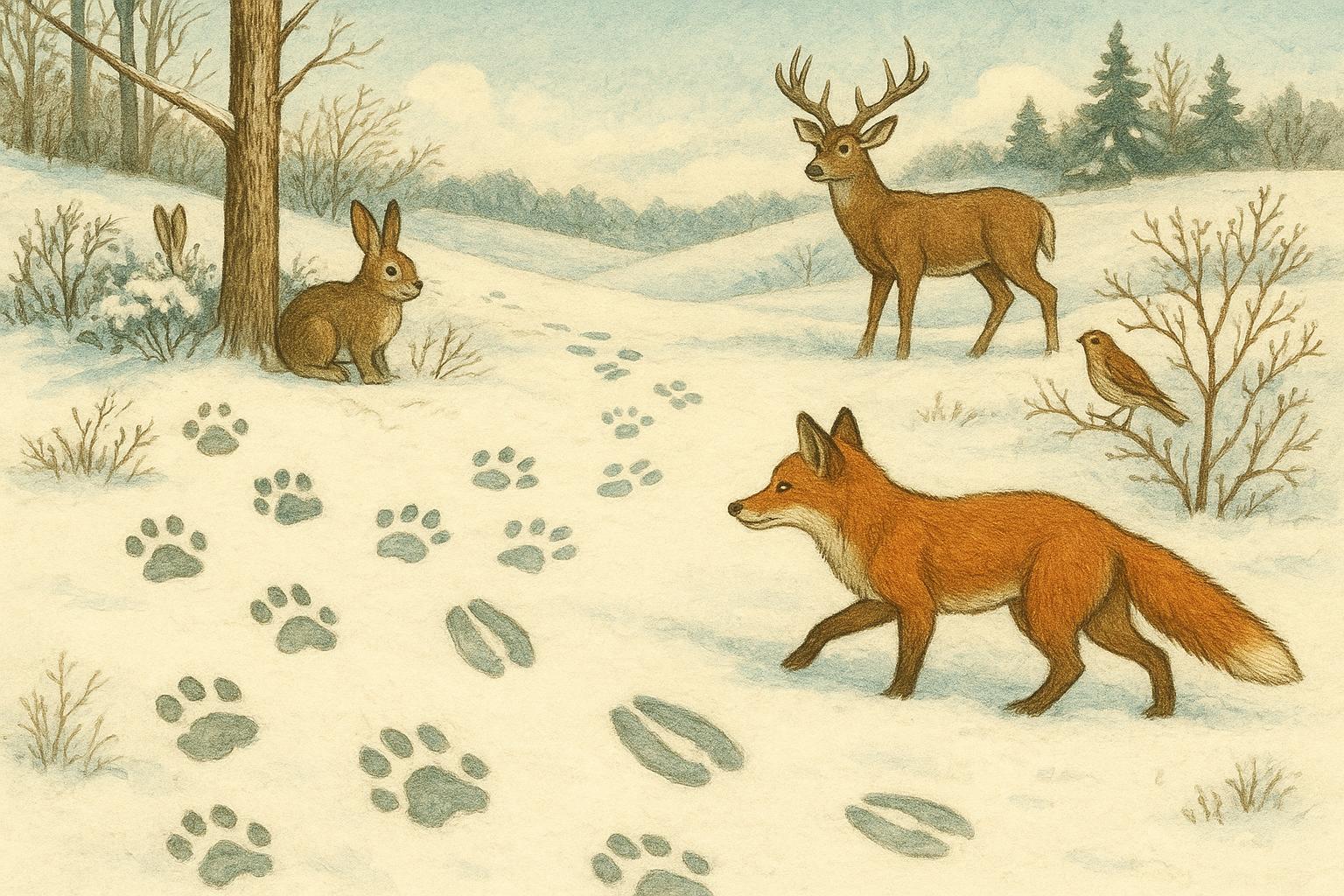
– Ancillary signs: Tracks, fur, droppings, or nearby ground disturbance.
These clues will narrow down suspects quickly. A row of small, evenly spaced holes suggests grub-fed animal feeding or mole tunneling; a single deep void might be a collapsed burrow or an old root cavity.
### Common Lawn Holes Patterns
– Circular plugs (1–3 in): Often caused by sod-cutting tools, kids fencing with post holes, or raccoons digging for grubs.
– Shallow bowl depressions (6–18 in across): Could come from settled organic matter, animal bed sites, or compacted foot traffic.
– Long linear scrapes: Lawn mowers, edgers, or tractors that snag turf can leave these.
– Random small pits (0.5–2 in): Often insect-related (beetles, grubs), small rodents, or surface-feeding birds.
### Seasonal And Contextual Clues
Time of year matters. In spring you might see patchy depressions from winter freeze-thaw cycles and snowplow damage. Summer brings out grubs and the critters that eat them — and lawn holes from those predators. Fall can expose voids left by decayed roots after heavy rains. Combine seasonal timing with the pattern and you’ll often spot the likely cause quickly.
#### Signs Pointing To Wildlife
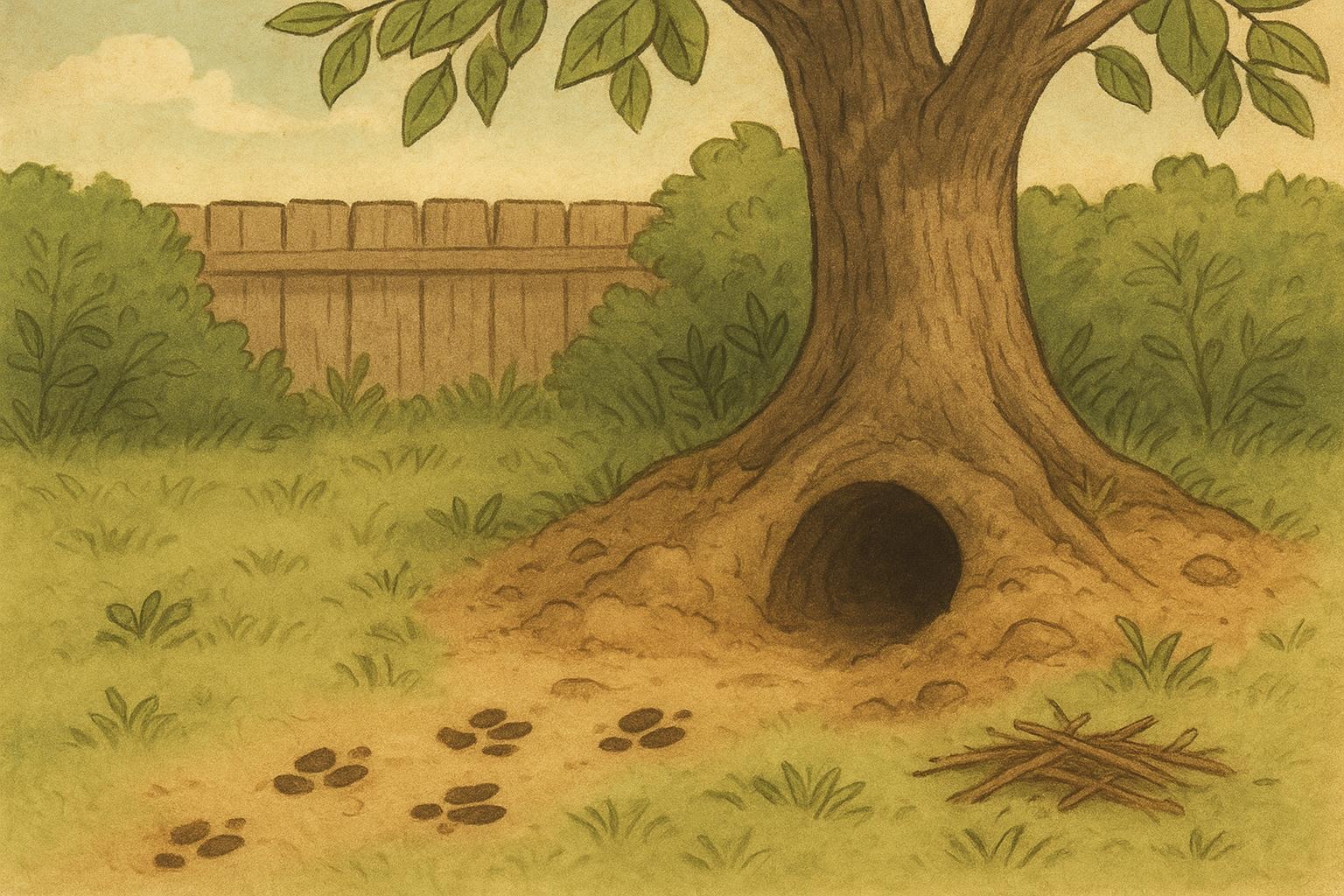
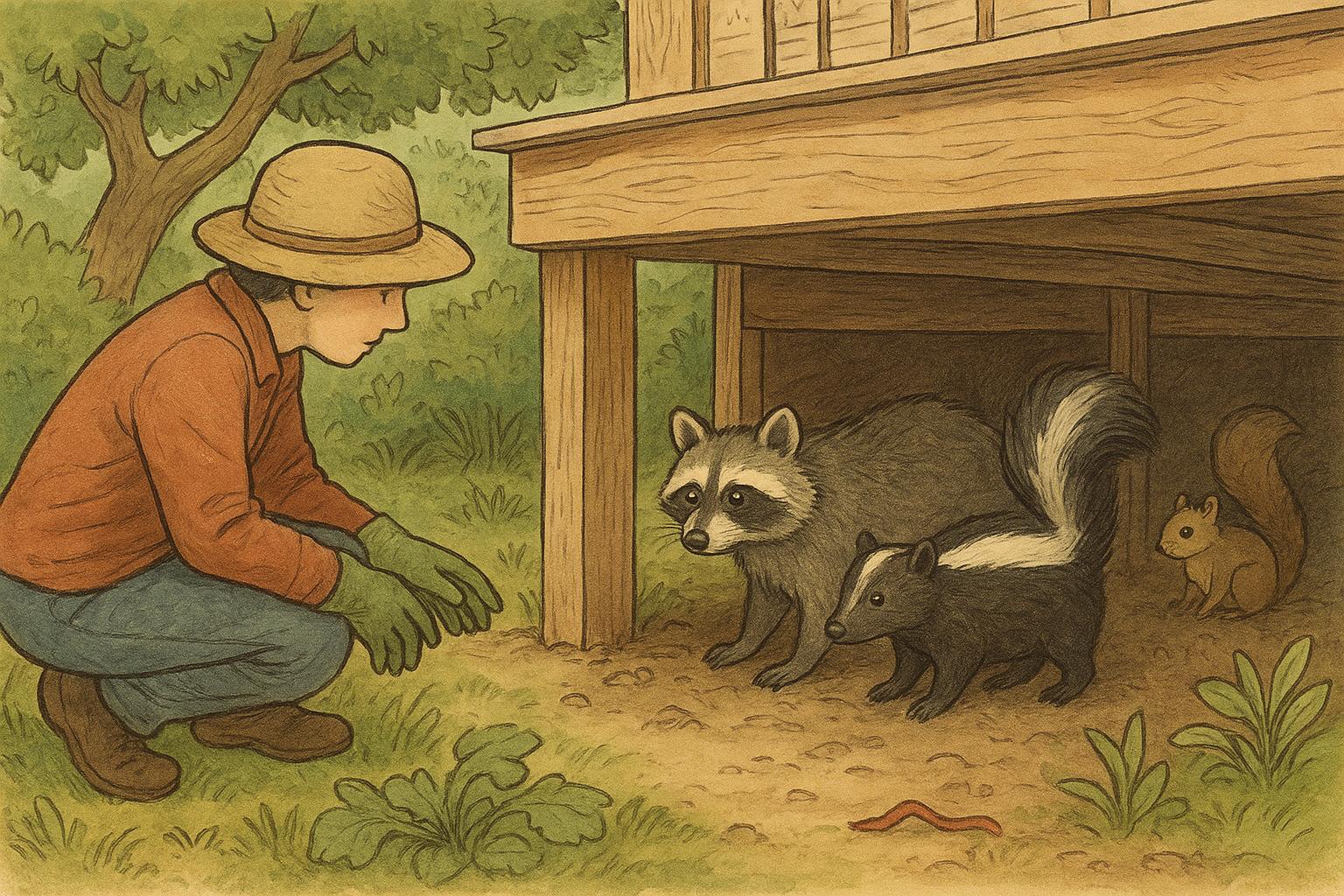
If you find disturbed soil with claw marks, loose turf, or scattered grub remains, wildlife is a strong candidate. Raccoons, skunks, armadillos (in some regions), foxes, and coyotes are all guilty of digging for insects and grubs. Raccoons tend to make neat, scooped holes; skunks make shallow, repeated “finger” digs.
#### Signs Pointing To Pests And Pathogens
Brown patching, spongy turf, or small localized depressions might indicate subterranean issues like fungal decay, root rot, or insect damage. Grubs kill roots, causing the turf to lift and then collapse into a hole when the grass dries and dies.
#### Signs Pointing To Mechanical Damage
Straight, repeated patterns often mean a machine: an edger, mower, or even repeated foot traffic from a path. Heavy equipment can compact soil and create a shallow, elongated void.
### Diagnosing By Size And Shape
– Tiny perfectly round holes: Likely insects or soil-dwelling beetles. Look for fresh soil pellets.
– Larger scooped holes: Predators or rodents. Check for fur, tracks, or droppings nearby.
– Broad, shallow depressions: Could be soil compaction, buried debris, or organic matter decomposition.
– Sinking areas that enlarge over time: Potentially a void in the soil structure (old burrow collapse, buried root cavities) requiring more serious remediation.
## Remedy 1: Repairing Small Lawn Holes
When dealing with small holes caused by digging animals, grubs, or surface collapse, a quick repair will restore the turf and discourage repeat digging.
Materials Required
1. Topsoil or screened loam (enough to fill the hole and slightly mound).
2. Turf grass seed (matching your lawn type) or sod plugs.
3. A rake and hand tamper (or the back of a shovel).
4. Compost (optional, in a 1:4 mix with topsoil).
5. Watering can or hose with a gentle spray.
Formal Step-By-Step Procedure
1. Clean the Hole: Remove loose debris, large roots, and any exposed grubs or insects. If wildlife has been digging, wear gloves and clean the area to prevent disease transmission.
2. Backfill: Mix one part compost with four parts screened topsoil. Fill the hole so that the soil is slightly proud (about 1/4 inch) of the surrounding turf to allow for settlement.
3. Firm the Soil: Lightly tamp the filled area to remove large air pockets, but avoid over-compaction which will inhibit root growth.
4. Seed Or Sod: If using seed, broadcast at the recommended rate for your species, then press seed into contact with the soil using a rake or light tamping. For sod plugs, cut and press plugs into the filled area until flush.
5. Water: Moisten thoroughly but avoid pooling. Keep the area consistently damp until the grass establishes—typically two to three weeks depending on conditions.
6. Monitor And Reapply As Necessary: After two weeks, if the area has settled further, add a thin layer of topsoil and reseed a light covering.
Follow local best practices for fertilizers and avoid overwatering; excess moisture can attract the critters that caused the original damage.
## Remedy 2: Repairing Larger Lawn Holes And Sinkage
Larger or spreading depressions should be handled with a more structured approach. These can indicate subsurface issues and may require stabilization.
Materials Required
1. Screened topsoil or structural fill for deeper voids.
2. Geotextile fabric (for severe erosion or settling).
3. Shovel, wheelbarrow, and plate tamper (or compaction tool).
4. Sod (for larger, immediate coverage) or seed.
5. Soil test kit (optional, to check pH and nutrient levels).
6. Stakes and string (for leveling).
Formal Step-By-Step Procedure
1. Assess Depth: Probe the affected area to estimate the volume of material needed. Deep voids (>4 in) may require layering and compaction.
2. Excavate If Necessary: Remove any compromised turf and unstable soil until you reach firm ground. For very deep voids, consult a professional to rule out buried utilities or sinkhole risk.
3. Install Fabric For Unstable Areas: Lay geotextile fabric across the excavated base if erosion or recurring washouts are suspected. This separates fill from unstable subsoils.
4. Layered Backfill: Add fill material in 3–4 inch lifts. Compact each layer with a plate tamper or hand tamper to reduce future settlement. Avoid adding large clods or root balls.
5. Final Topsoil Cap: Once the bulk of the void is filled and compacted, add a 2–3 inch layer of screened topsoil mixed with compost for establishment of turf.
6. Establish Cover: Install sod for immediate stabilization or seed with appropriate lawn mix. Sod is recommended on slopes or where erosion is a concern.
7. Maintain Moisture And Monitor: Irrigate carefully to encourage rooting without causing washouts. Check periodically for signs of settling and re-compact if necessary.
If the sinkage continues after filling and compaction, it may indicate an underlying void or drainage issue; in such cases, engage a qualified landscaper or soil engineer for further evaluation.
### Preventive Tips To Reduce Recurrence
– Manage grub populations through timely soil treatments and by encouraging natural predators.
– Avoid leaving pet food or compost piles that attract wildlife.
– Improve lawn health to reduce pest susceptibility: proper mowing height, aeration, and balanced fertilization.
– Install motion-activated lights, sprinkler deterrents, or humane exclusion fencing if wildlife consistently returns.
### When To Call A Pro
If holes are rapidly enlarging, if you suspect buried infrastructure, or if you notice significant slumping across a broad area, professional assessment is warranted. Structural issues or subterranean erosion require tools and expertise beyond standard DIY repairs.
Keep in mind that the better you read the pattern and context of the damage, the more accurate your fix will be — and the less likely those lawn holes will come back to haunt your weekend plans.































Leave a Reply