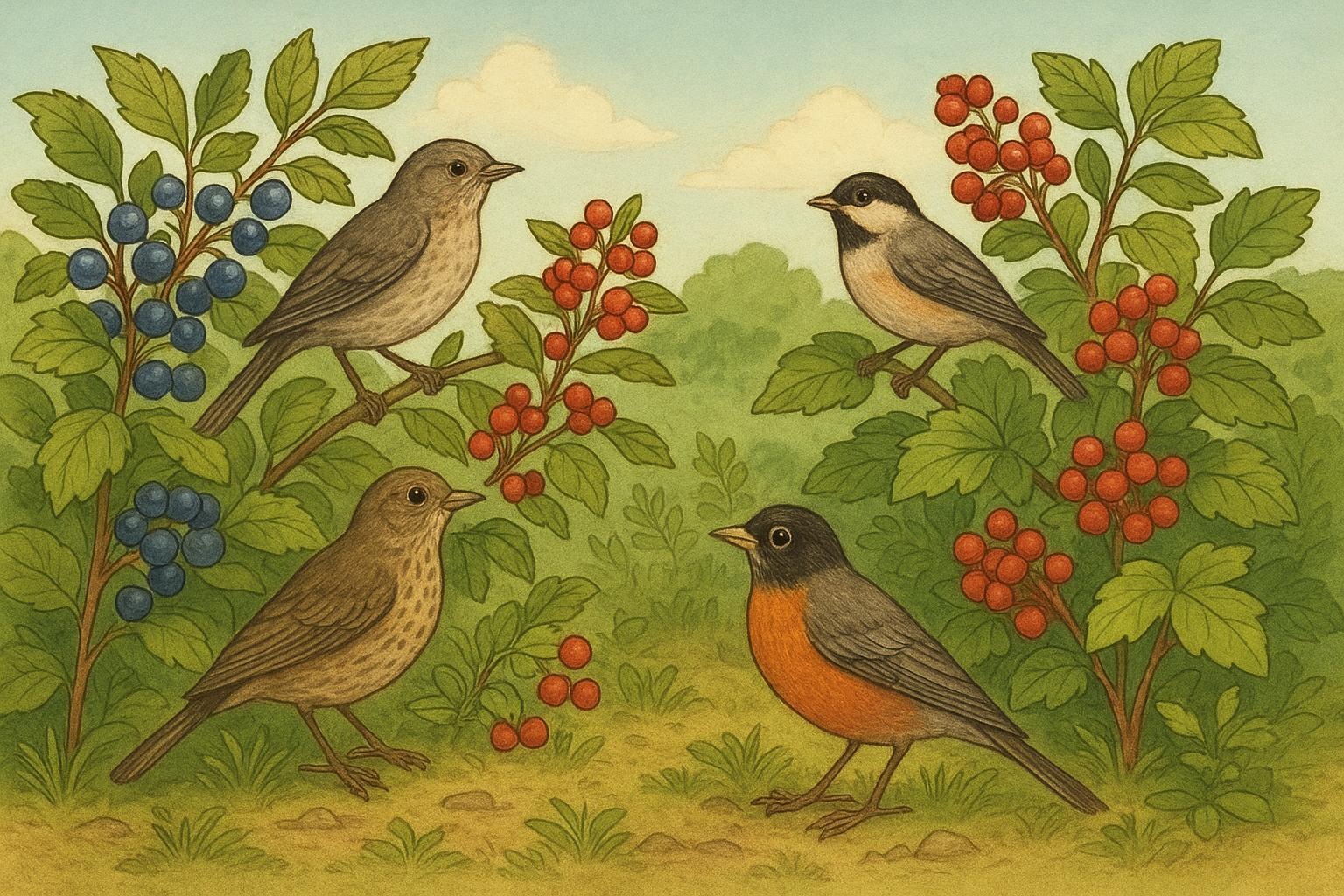
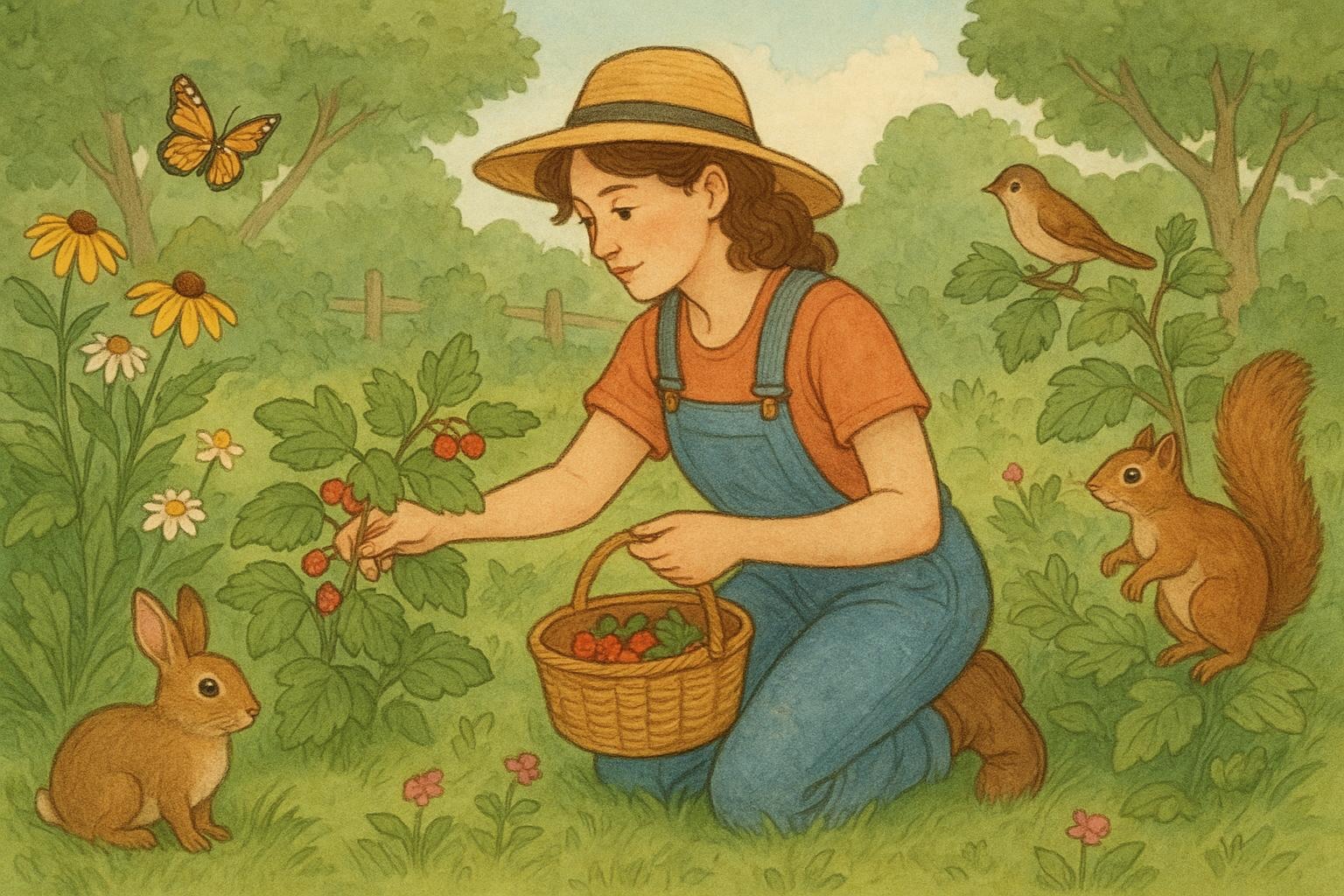
Welcome — Pull up a chair, grab a mug (warm or iced, I don’t judge), and let’s talk about making your yard a small, happy bird neighborhood. With thoughtful plants, the right structure, and a few tasty treats, you’ll have robins, thrushes, waxwings and more dropping by. One of the simplest, most wildlife-friendly pieces of the puzzle is to plant and protect native berries around your landscape — they’re low-fuss, bird-approved, and offer seasonal interest without needing a lot of pampering.
## Native Berries And Berry Bushes For Birds In Landscaping
Why do birds love native berries? For starters, these fruits evolved with local wildlife. That means timing, size, and nutrient content often match the needs of regional species. A patch of native berries also supports insects, provides nesting shelter, and helps build a resilient landscape — a triple win for biodiversity and curb appeal. When choosing plants, aim for a mix of early-, mid- and late-season fruiting so food is available across migration and winter.
### Best Native Berry Species For Different Regions
Different regions have different champions, but here are several broadly useful choices that benefit birds and adapt well to neighborhood gardens:
– Serviceberry (Amelanchier): Early spring flowers, summer berries beloved by thrushes and waxwings. Great for small lawns or as an understory tree.
– Elderberry (Sambucus): Big, showy clusters of fruit and nectar-producing flowers. Birds like robins and waxwings eat the ripe berries.
– Highbush Blueberry (Vaccinium corymbosum): Pollinator-friendly flowers and berries that attract songbirds while also giving you a harvestable crop if you want it.
– Chokeberry/Aronia (Aronia arbutifolia/melanocarpa): Outstanding fall color and persistent berries that birds rely on in colder months.
– Winterberry Holly (Ilex verticillata): A festive red berry that persists into winter if you pair male and female plants.
– Native Viburnums and Dogwoods: Many species produce clusters of nutritious drupes for birds and add structural diversity.
Each species has its preferred soil, moisture, and sun conditions, so match plants to site conditions for best results.
### How Native Berries Support Bird Life Cycle And Migration
Native berries serve multiple ecological roles: they feed adults preparing for migration, provide high-energy reserves in winter, and offer food for fledglings learning to forage. Because native berries are part of a larger native-plant insect web, planting them also supports caterpillars and seed-eating insects that feed growing nestlings. That’s crucial — most young birds need protein-rich insects as well as fruit.
## Designing Your Landscape Around Native Berries
Think in layers. Combine canopy trees, mid-story shrubs, and groundcovers to create a mosaic of food and shelter. Plant berry-bearing shrubs in clusters rather than single specimens; clusters are easier for birds to find and provide safety in numbers. Consider sightlines: folks like to watch birds from porches and windows, so place a shrub within viewing distance but with some screening nearby so birds feel safe.
### Placement, Timing, And Year-Round Interest
Aim for staggered fruiting: serviceberries in early summer, blueberries in mid-summer, viburnums and chokeberries in late summer and fall, and hollies any time they hold berries into winter. A single garden can produce a timeline of fruit that supports birds across seasons. Also include evergreen structure or dense shrubs for winter roosting and nesting.
#### Avoiding Common Mistakes
– Don’t over-prune berry shrubs in late summer or fall — you’ll remove fruiting wood.
– Avoid non-native ornamental berries that provide little nutrition or can be invasive.
– Don’t treat birds like garbage disposals: avoid planting fruiting trees right over patios where droppings are unwelcome; give birds a taste, not a messy lease.
### 1. Remedy: Planting And Establishing Native Berry Bushes (Materials And Steps)
When you want to establish a berry patch that reliably feeds birds, follow this formal, practical protocol. This section is intentionally concise and prescriptive.
Materials/Required Items:
– Selected native berry shrubs (choose species suited to your USDA hardiness zone)
– Shovel or planting spade
– Compost or well-rotted leaf mold
– Mulch (wood chips or shredded bark)
– Soil pH test kit (especially for blueberries and other acid-loving species)
– Organic slow-release fertilizer (optional, based on soil test)
– Watering source (hose or drip irrigation)
– Tree stakes and ties (only if necessary for large transplants)
Step-by-Step Planting And Establishment:
1. Site Assessment: Test soil pH and drainage. For acid-loving natives like blueberry, confirm pH in the 4.5–5.5 range. For most others, pH 5.5–7.0 is acceptable. Choose a site with the appropriate sun exposure for each species.
2. Digging The Hole: Dig a hole twice as wide as the root ball and only as deep as the root ball’s height. Looser soil promotes lateral root growth.
3. Soil Preparation: Amend the backfill with up to 25% compost or leaf mold. For acid-loving species, incorporate sphagnum peat or composted pine fines if pH adjustment is necessary (adjust pH only if testing indicates).
4. Planting: Place the shrub so the root flare is at or slightly above grade. Backfill gently, eliminating large air pockets, and water thoroughly to settle soil.
5. Mulching: Apply a 2–3 inch layer of organic mulch, keeping it a few inches away from the stem to prevent crown rot. Mulch conserves moisture and suppresses weeds.
6. Watering Regimen: Water deeply at planting and keep soil evenly moist (but not waterlogged) during the first 1–2 growing seasons. For best establishment, provide approximately 1 inch of water per week, adjusting for rainfall.
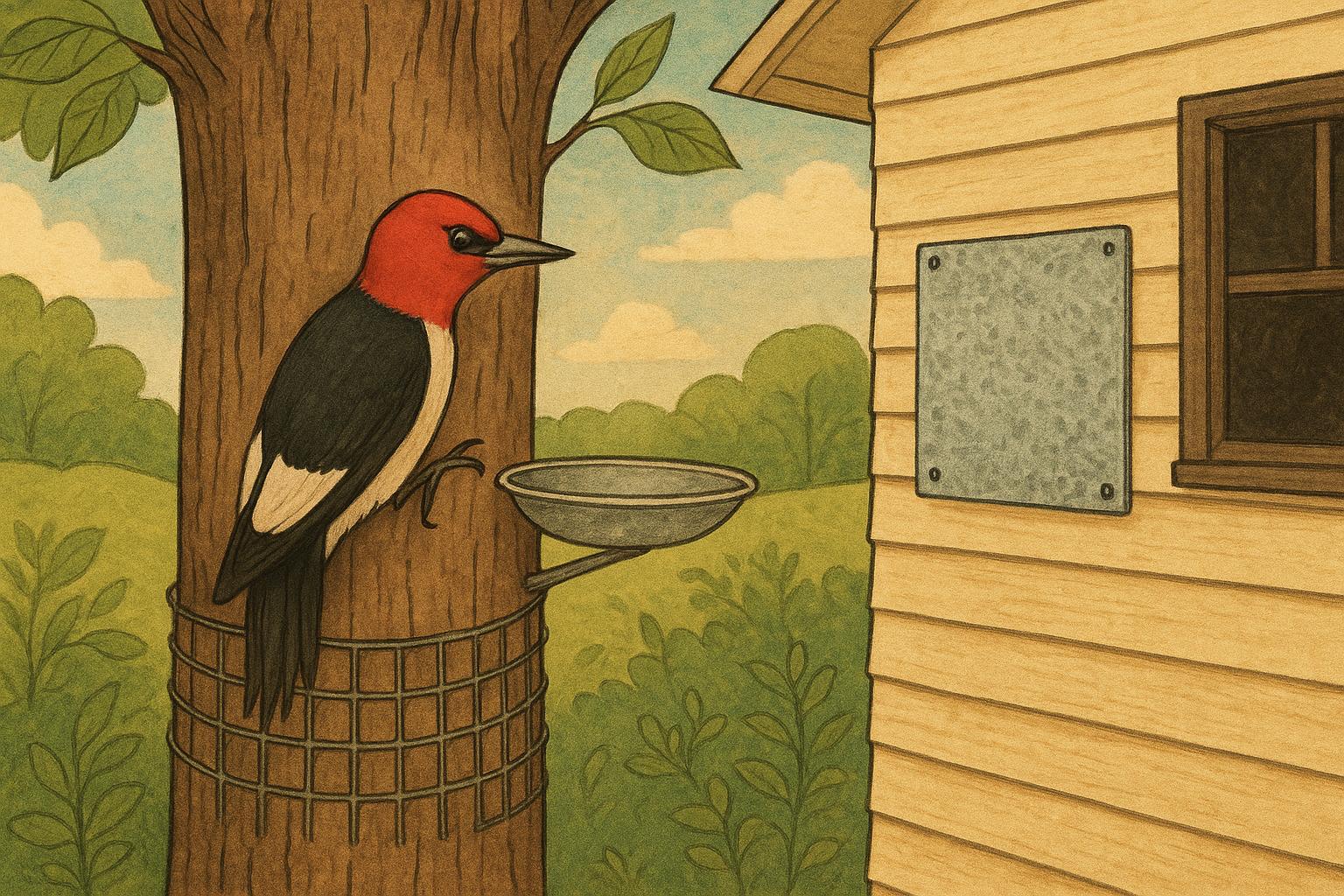
7. Staking/Protection: Stake only if necessary. Use temporary guards or cage mesh to protect young plants from rodents or deer browse if local pressure is high.
8. Ongoing Care: After the first year, prune minimally to shape and remove dead wood. Fertilize according to soil test recommendations; do not over-fertilize, which can reduce fruiting and attract pests.
Follow this method and your berry shrubs will be structurally sound, more disease resilient, and productive enough to sustain birds (and perhaps the occasional human berry snacker).
#### Pest Management And Disease Notes (Formal Guidance)
Monitor plants regularly for signs of pests or fungal disease. Removal of diseased canes, maintaining good air circulation, and avoiding overhead watering reduce fungal risk. If chemical control becomes necessary, choose targeted products labeled for use on the species and apply in accordance with integrated pest management principles so you preserve beneficial insects and birds.
## Encouraging Birds To Find And Use Your Native Berries
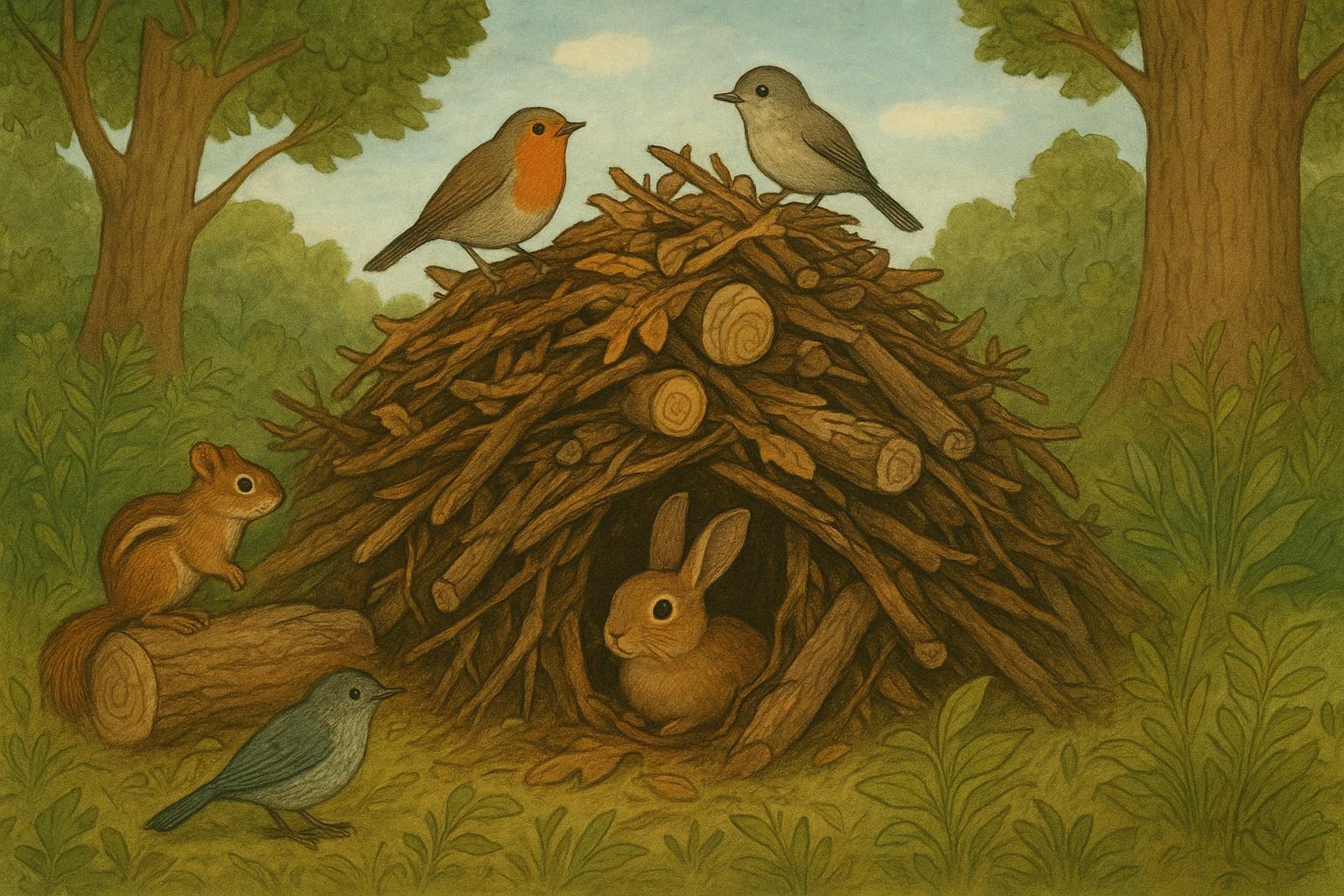
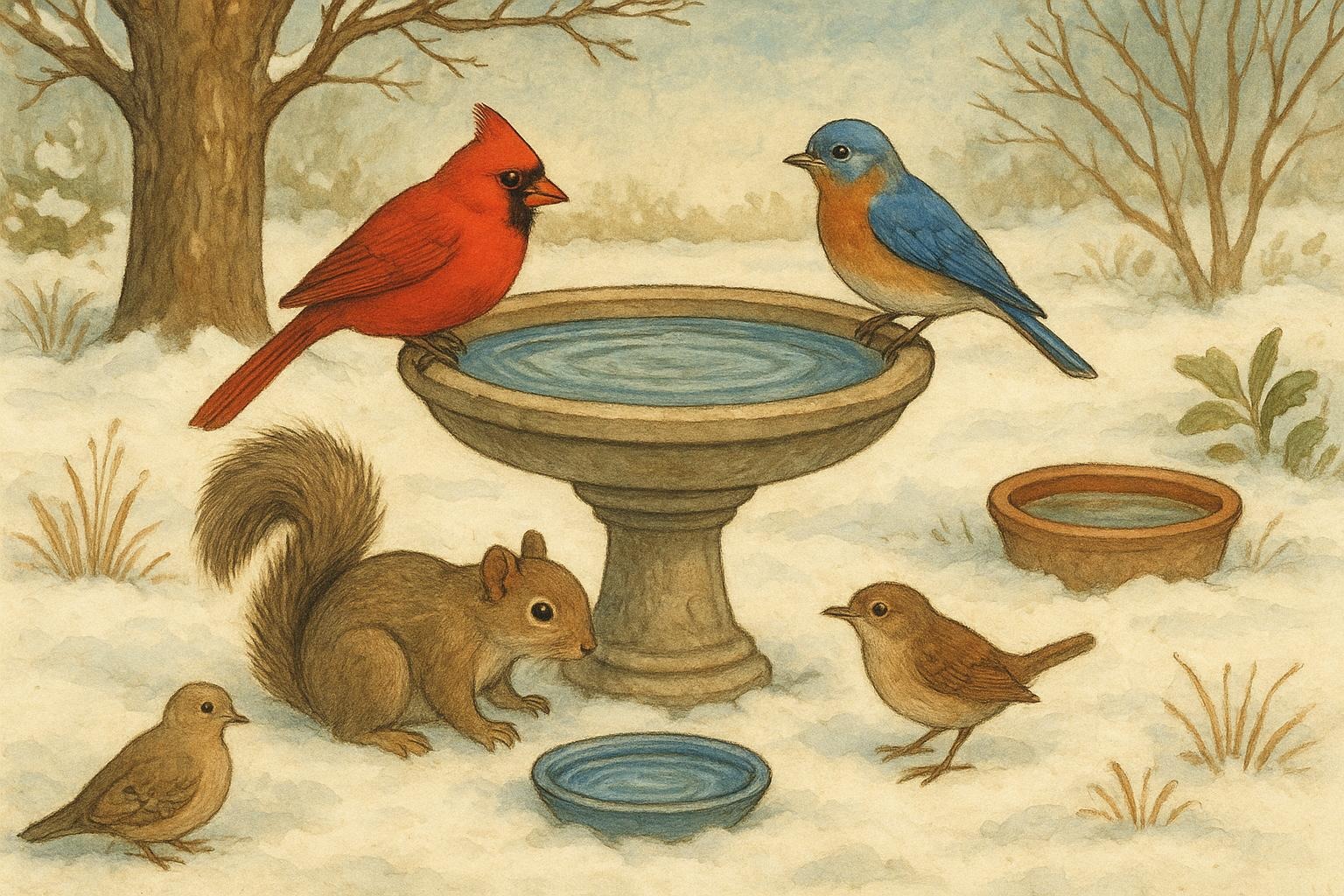
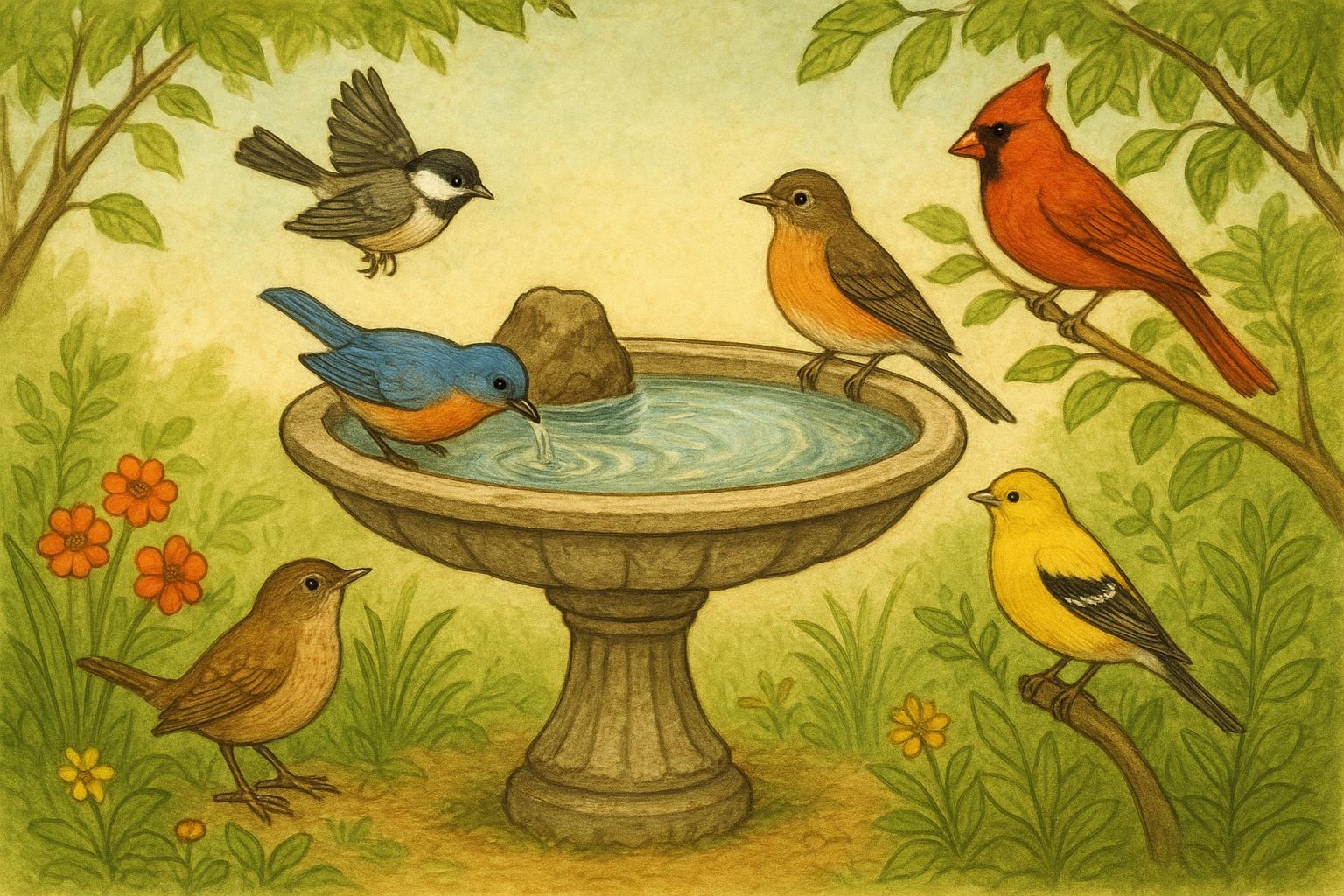
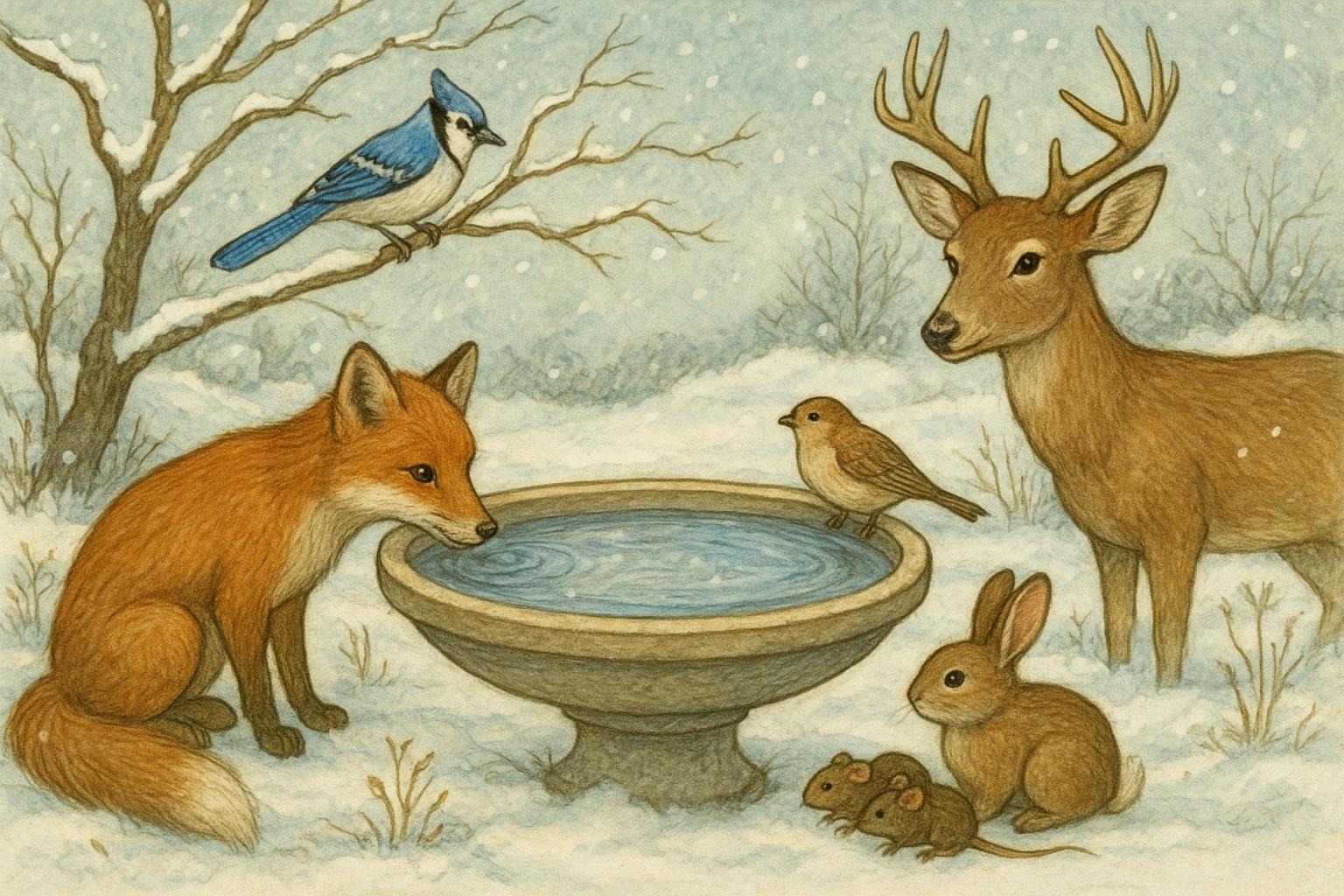
Once your shrubs are established, add a few extras to entice birds: a shallow water source, a nearby brush pile or dense evergreen for cover, and perches such as slender dead branches where birds can scan. Reduce pesticide use to keep insect food available for nestlings. If you want to offer supplemental food during cold snaps, provide suet and unsalted peanuts; however, focus on habitat and native berries first — those long-term benefits are far superior to short-term feeders.
### Seasonal Maintenance And Wildlife Considerations
Prune in late winter or very early spring before bud break, except for plants that fruit on new wood (read species-specific guidance). Leave some stems and seed heads through winter; they provide shelter and alternate food sources. If you observe heavy predation of fruit by invasive birds or pests, consider increasing plant diversity rather than culling wildlife; diversity often spreads pressure across species and reduces catastrophic loss.
#### Native Plant Sourcing And Ethics
Buy plants from reputable nurseries that propagate locally sourced stock when possible. Avoid collected wild specimens; removing plants from wild populations undermines ecosystems. If you purchase seeds, verify provenance and choose ecotypes adapted to your region.
### Observing And Enhancing Bird Use Without Disturbance
Set up a comfortable viewing spot a short distance from berry plantings, use binoculars, and be patient. Birds will acclimate to predictable human activity if it’s quiet and non-threatening. If you do wildlife monitoring, record species and fruiting times; those notes help you fine-tune plant selections in future seasons.
## Putting It All Together: Long-Term Benefits Of Native Berries
Think of native berries not as single-purpose ornamentals but as keystone pieces in a small ecosystem: they feed birds, support pollinators, and help stabilize soil while delivering structure and seasonal beauty. With deliberate placement, minimal yet sensible care, and a few smart plant choices, you can create a landscape that both you and the birds will enjoy for decades.


Leave a Reply