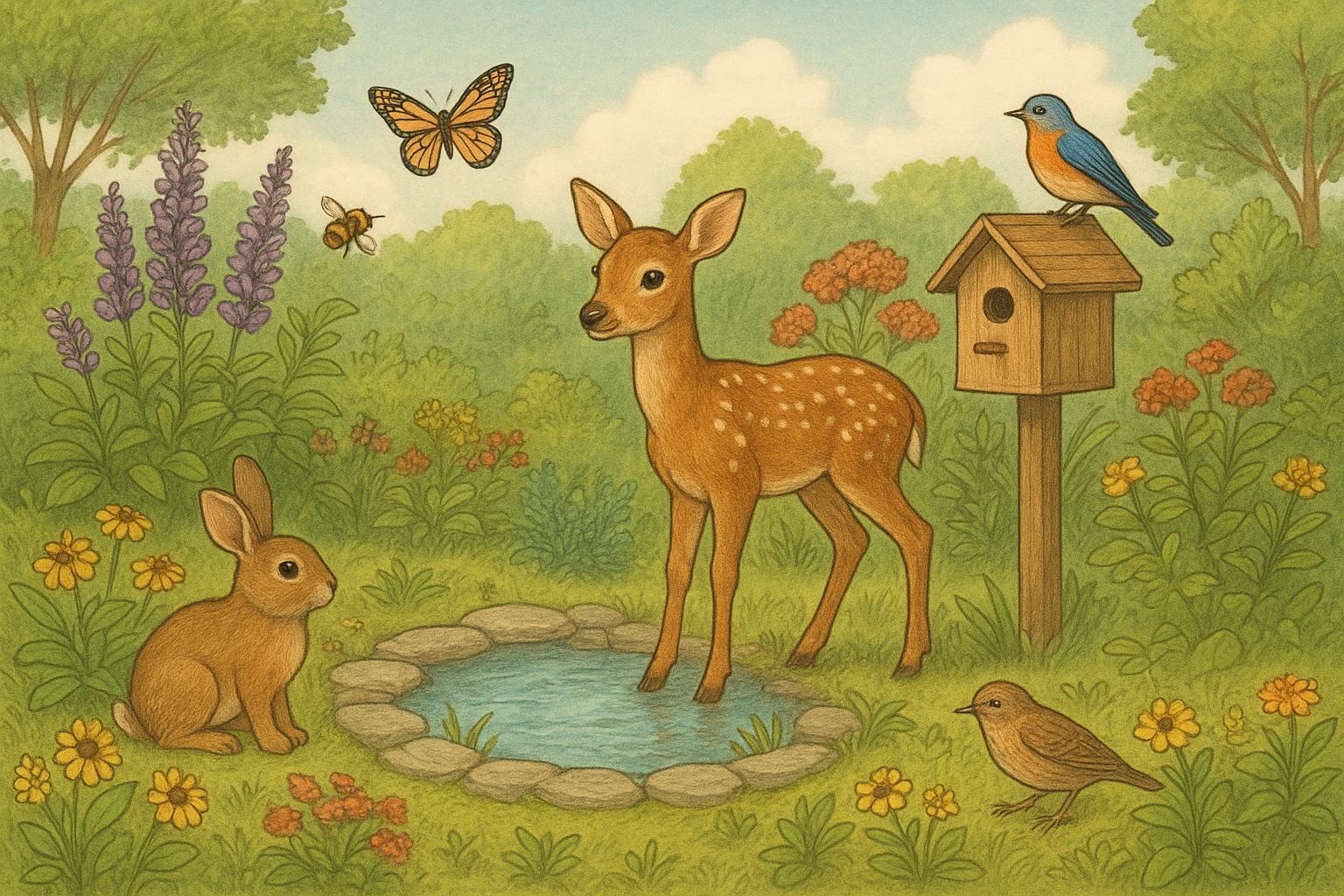
Creating space in your yard for birds, pollinators, mammals and the occasional curious frog doesn’t mean turning your lawn into a nature reserve overnight — unless you want to, in which case I want photos. A thoughtful wildlife friendly yard balances ecological needs with human comfort, reduces conflicts, and adds life and color to your property year-round.
## Why A Wildlife Friendly Yard Matters
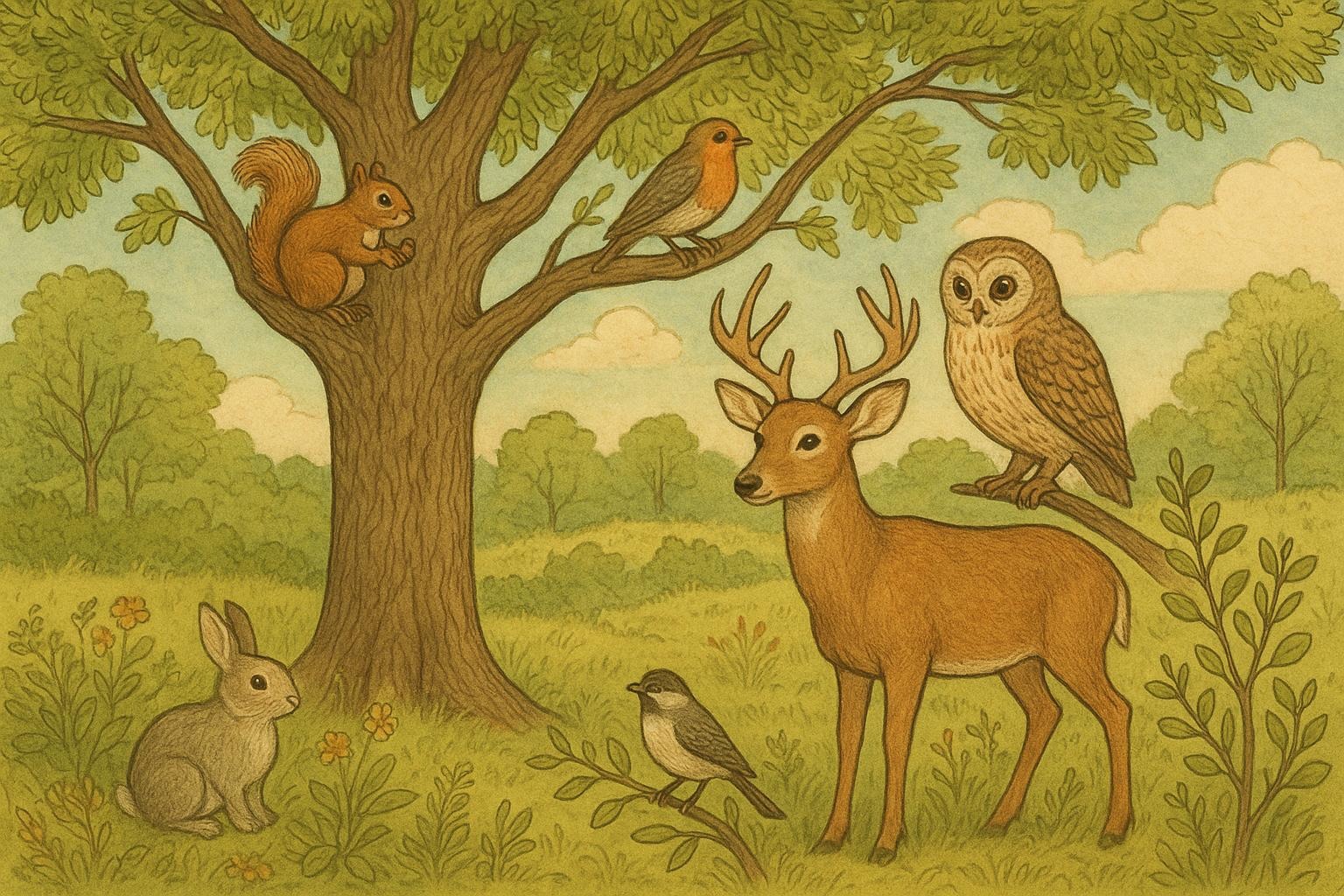
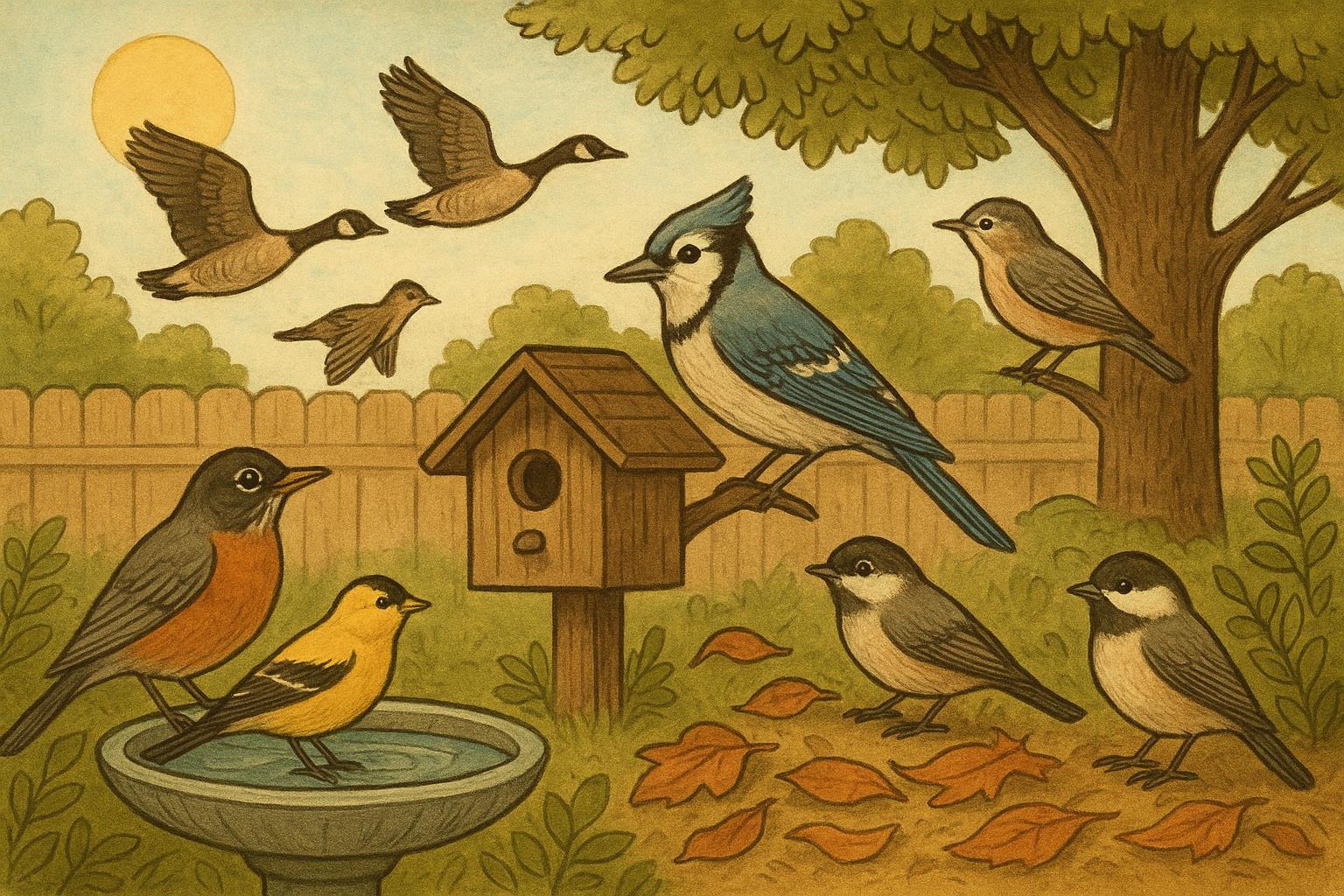
A wildlife friendly yard is more than a pretty patch of native flowers; it’s a small ecosystem that supports pollination, pest control, soil health and neighborhood biodiversity. Even modest yards can act as stepping stones for migrating species and help local populations persist in increasingly urban landscapes. People benefit too: increased bird song, seasonal color, and a healthier outdoor space for families and pets.
### Core Principles For Balanced Care
A relaxed approach works best: observe, plan, and tweak. The core principles are simple — provide food, water, shelter, and safe travel routes — while minimizing hazards like chemical exposure and dangerous landscaping features.
#### Food, Water, Shelter, And Safety
– Food: Native plants, berry-producing shrubs, and pollinator-rich perennials.
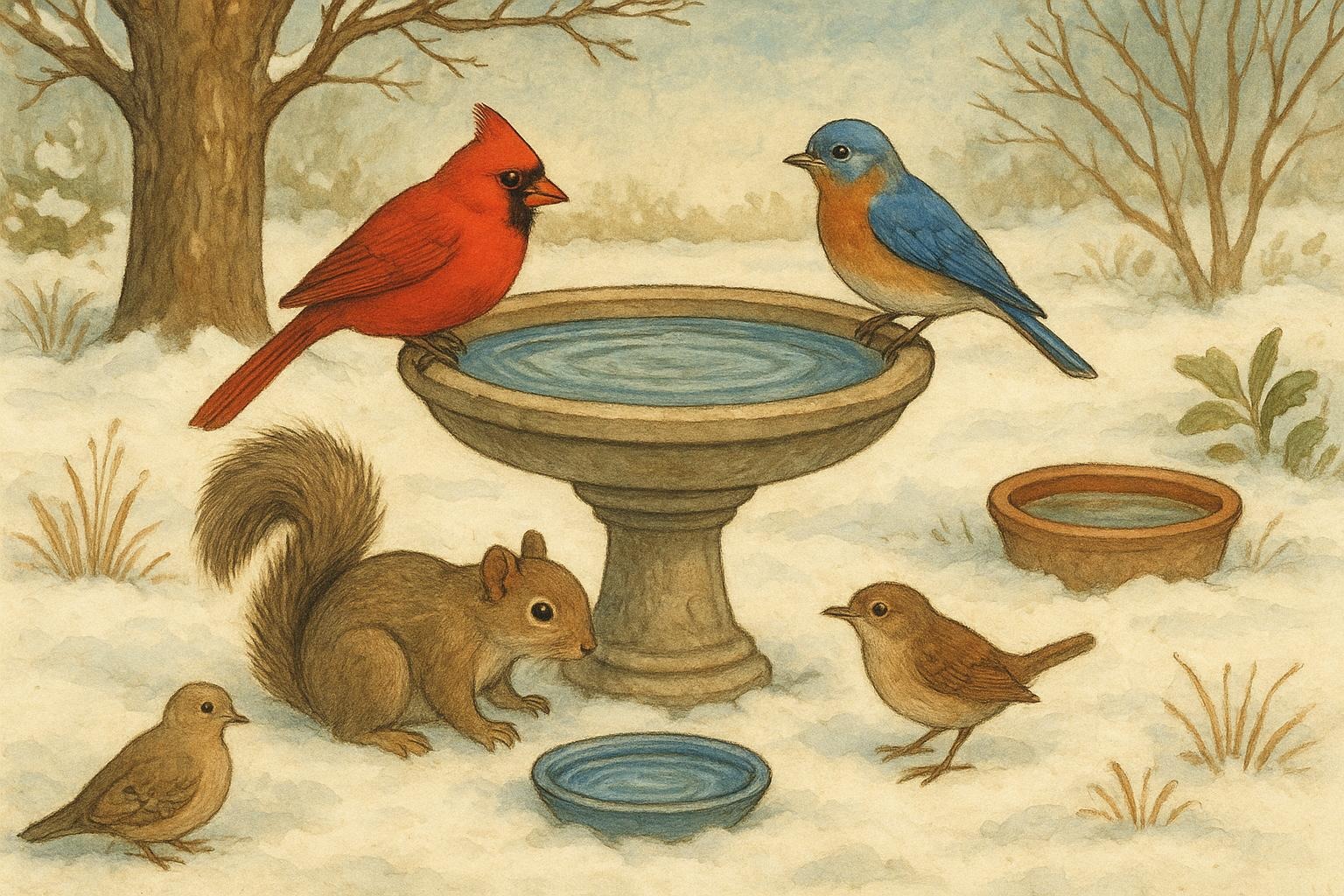
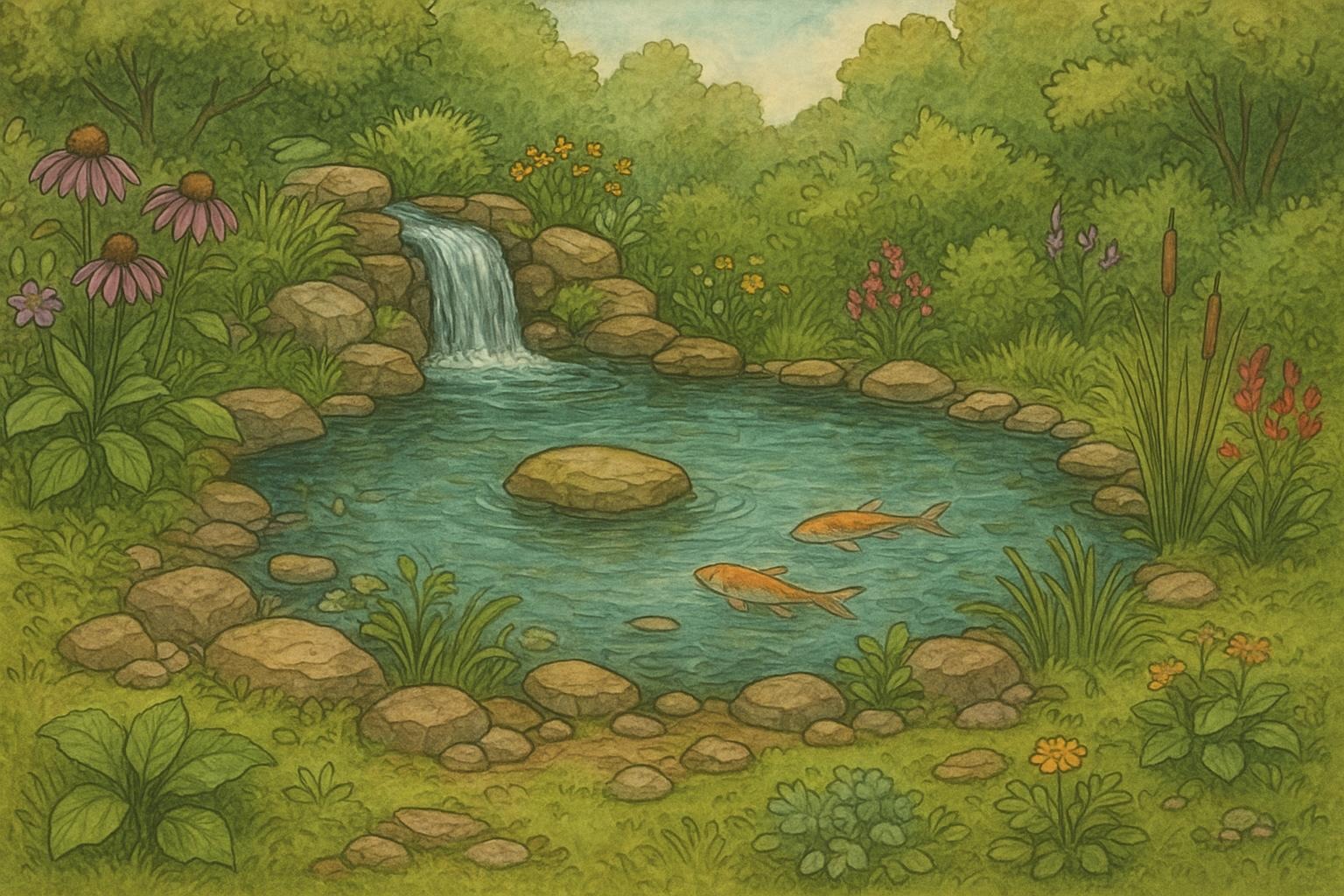
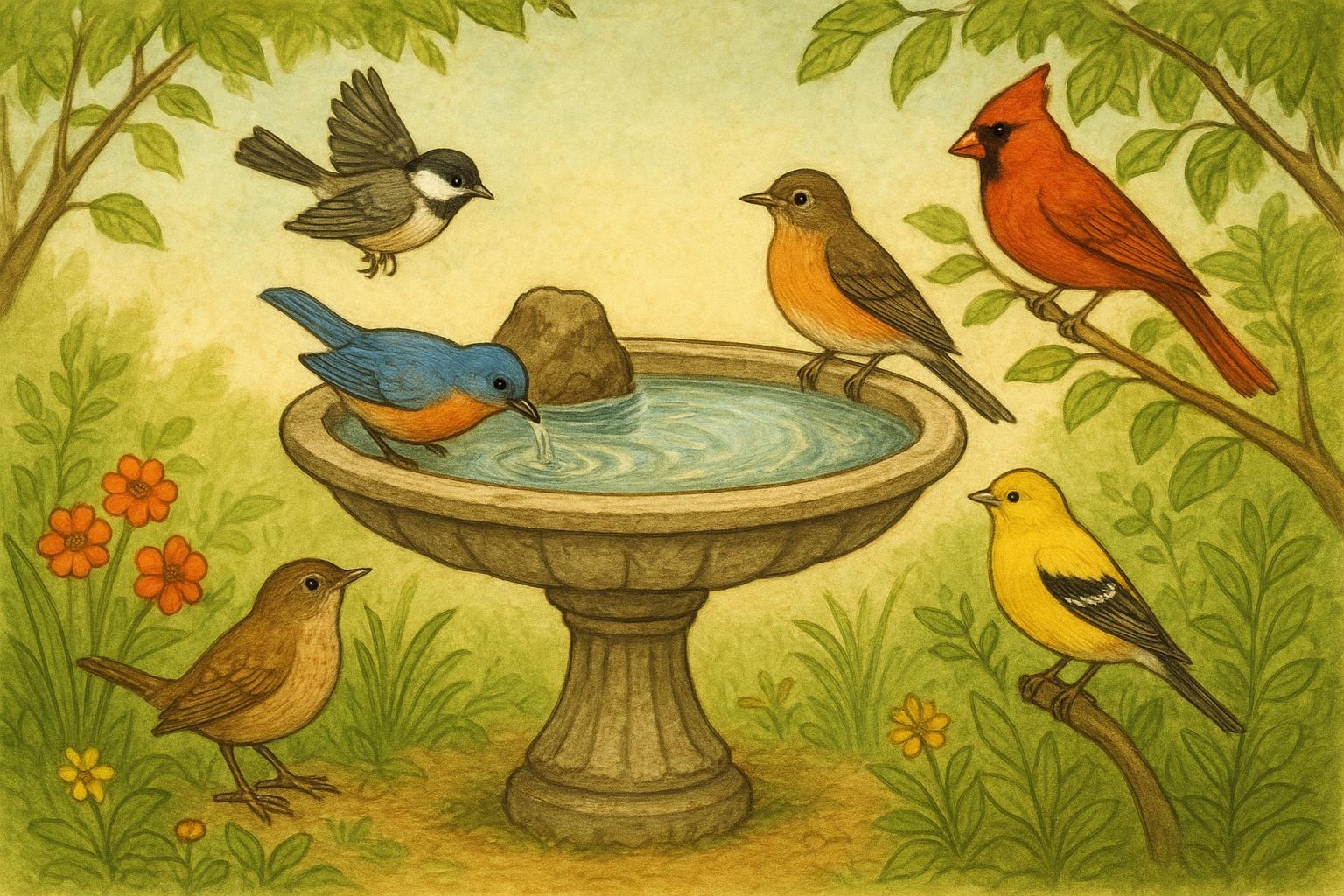
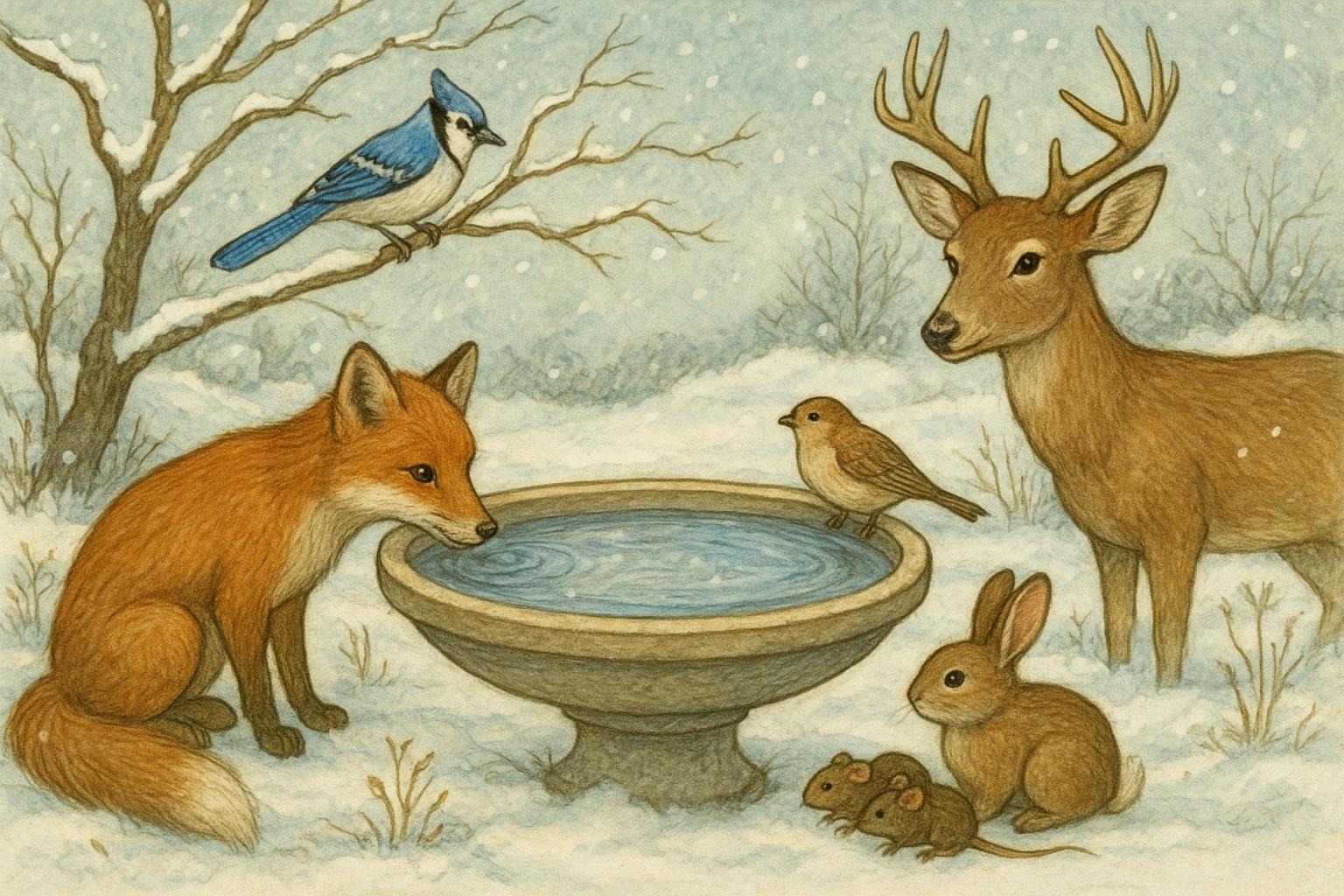
– Water: Shallow basins, moving water features, or small ponds.
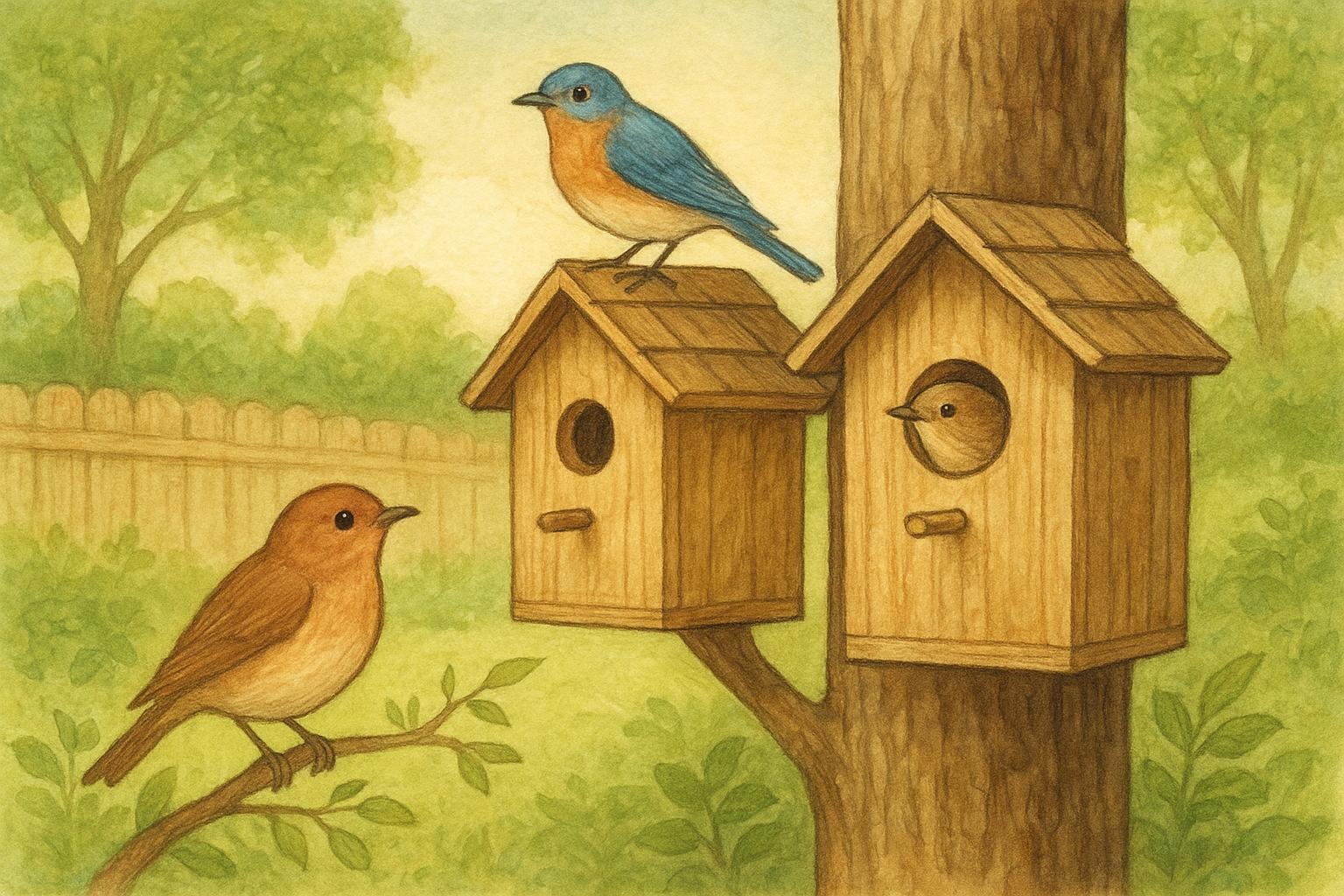
– Shelter: Brush piles, rock piles, dense shrubbery, and cavity-bearing trees.
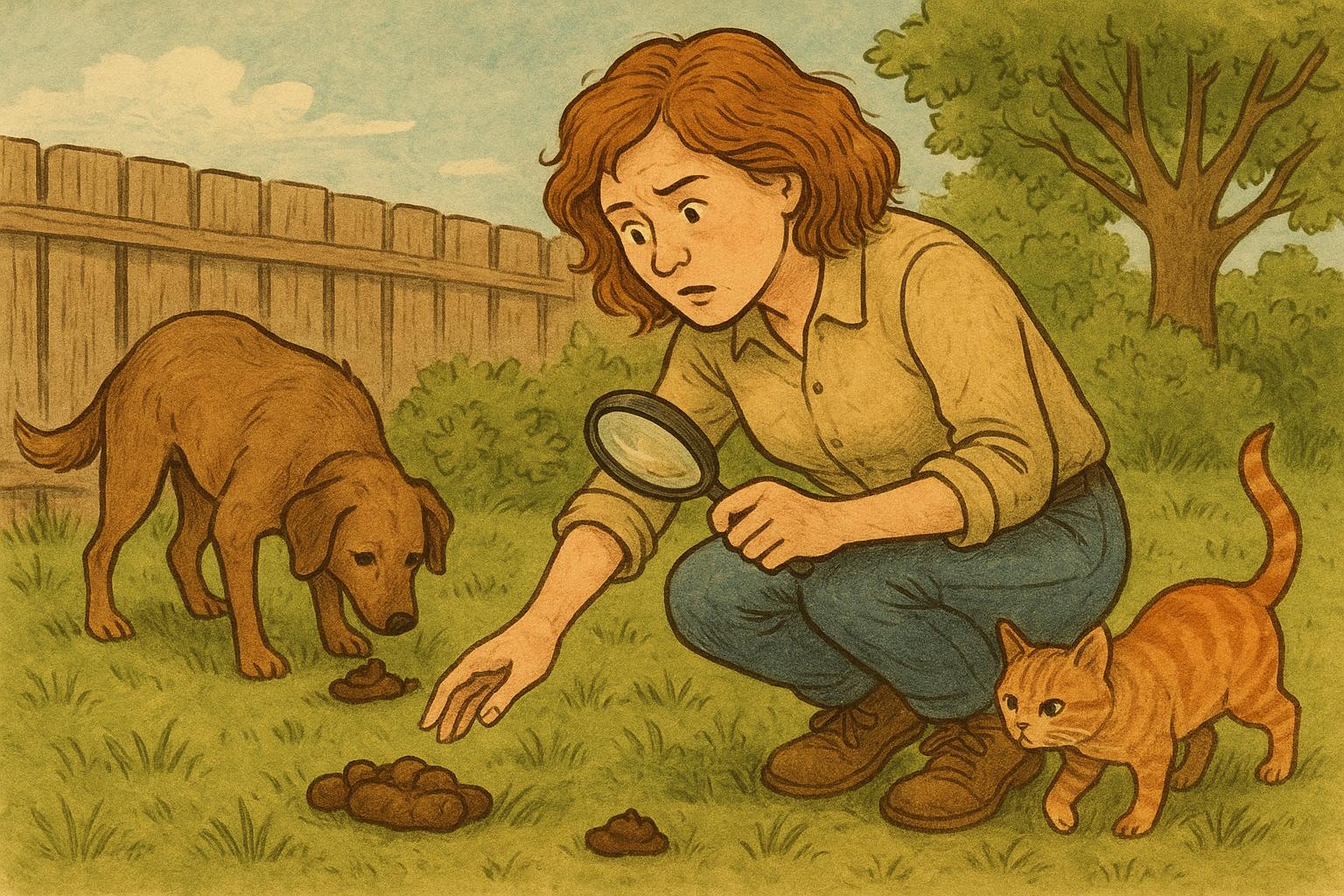
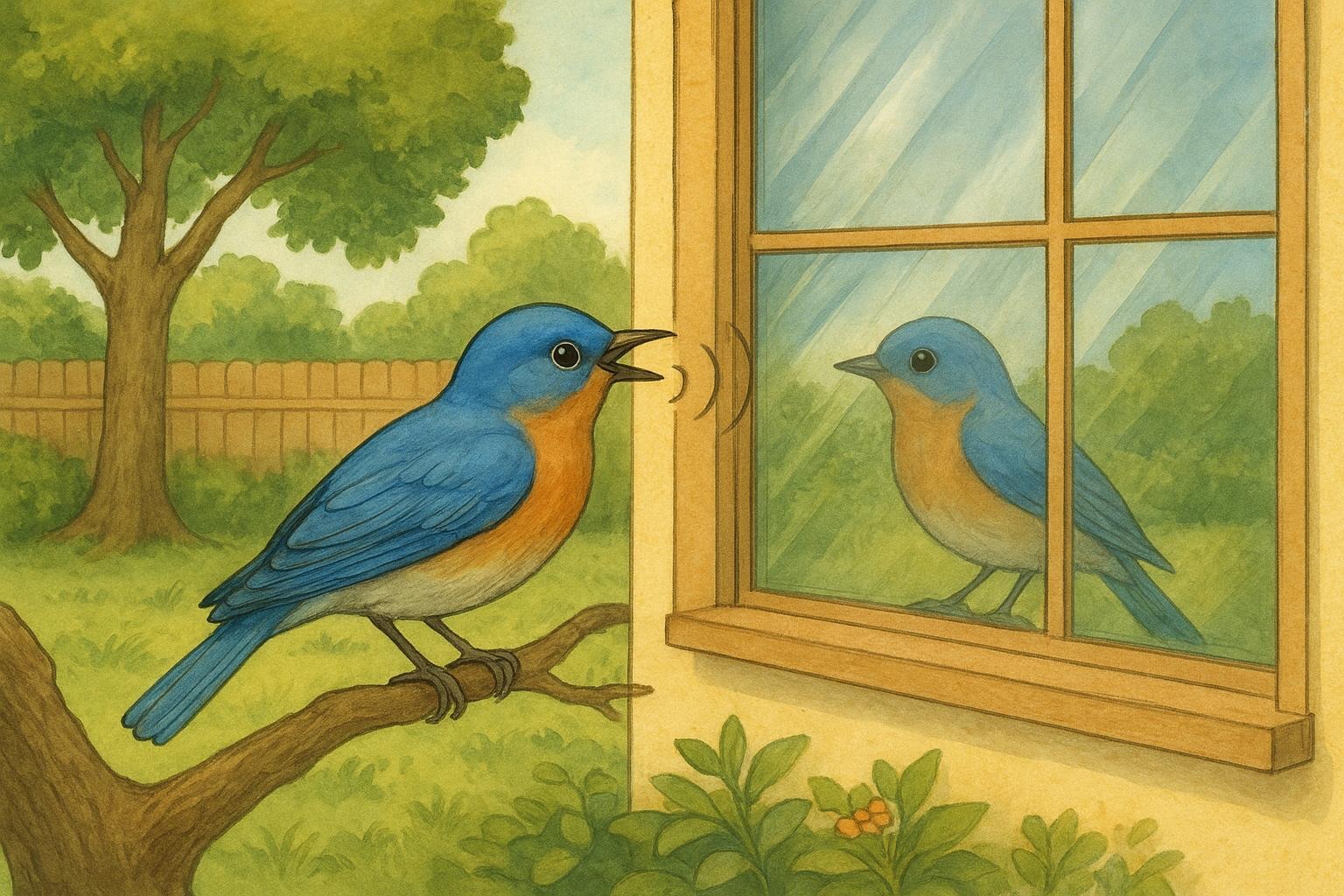
– Safety: Pet-safe plant choices, proper compost management, and minimizing window strike hazards.
## Designing Your Plant Palette For A Wildlife Friendly Yard
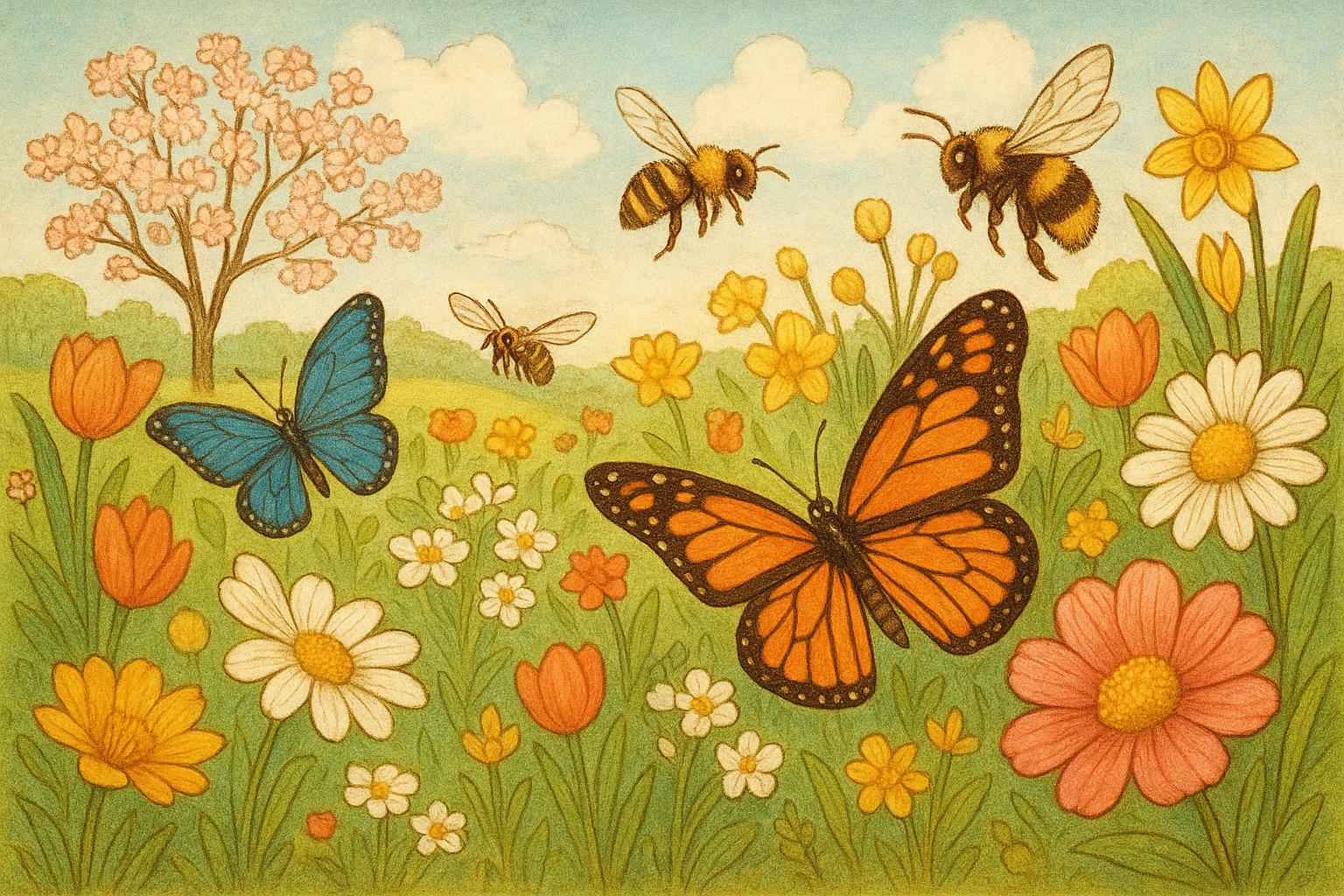
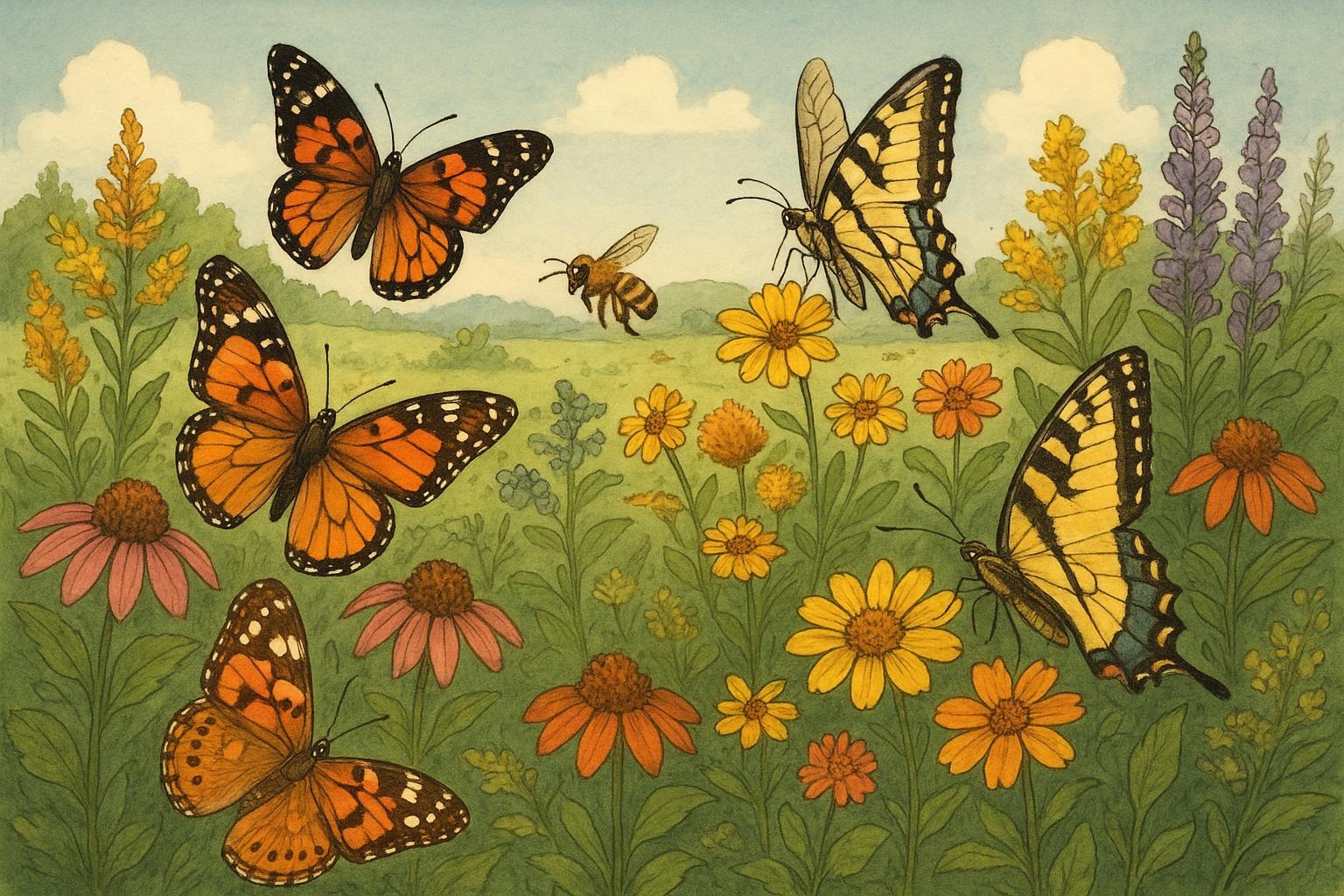
One of the easiest ways to make a yard wildlife friendly is to choose plants that provide nectar, pollen, seeds, or fruits at different times of the year. Think of your yard as a season-spanning menu.
### Choosing Native Plants
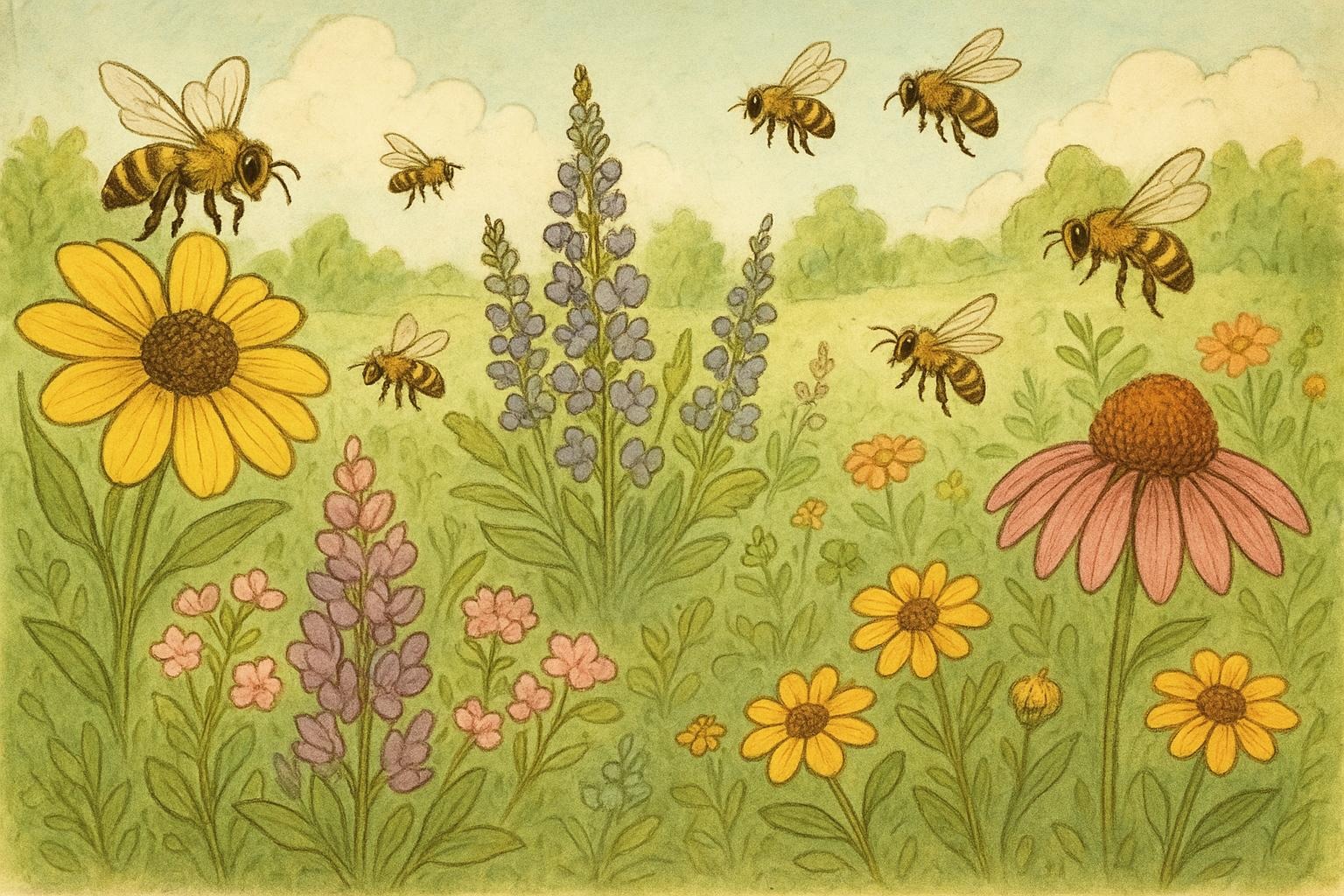
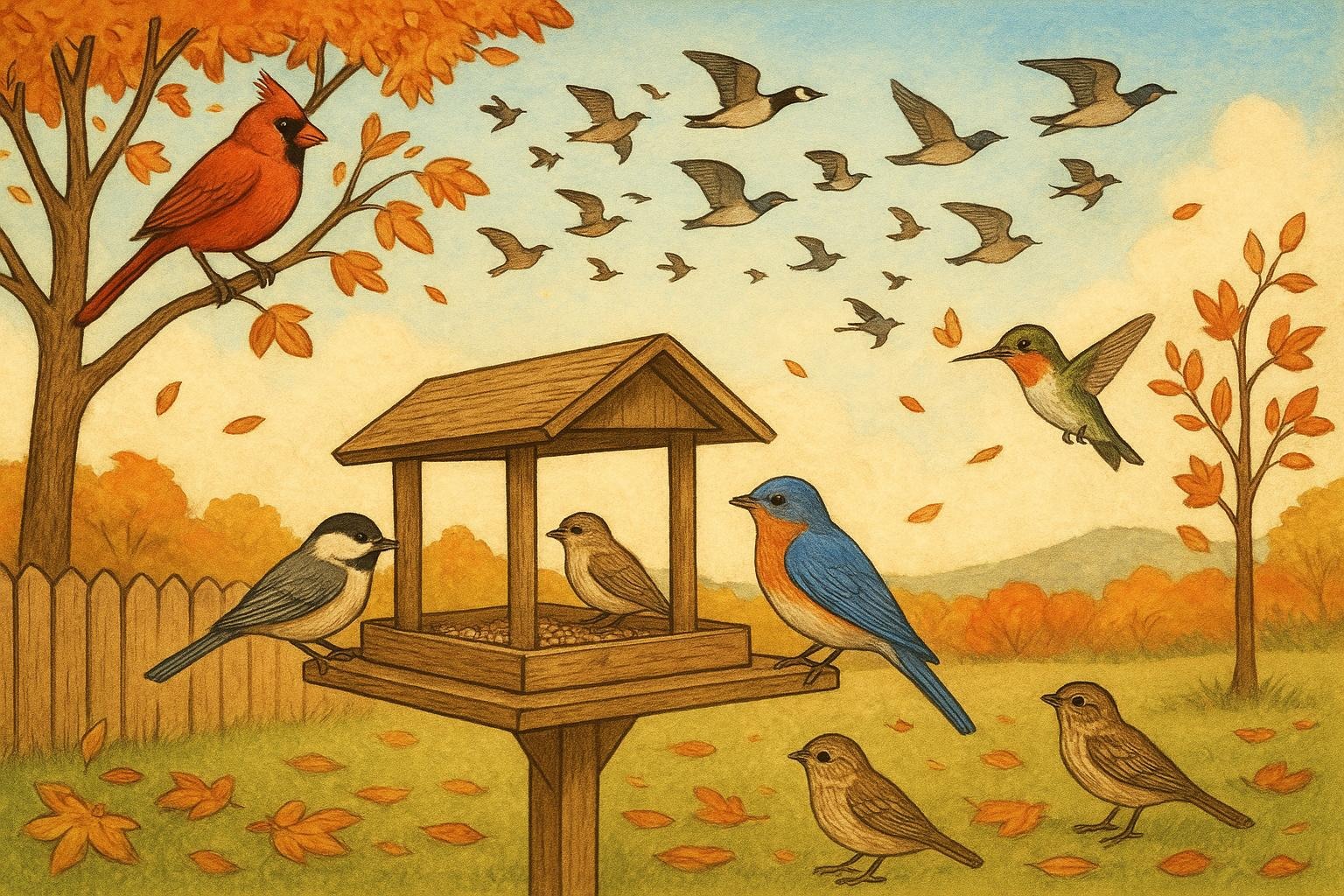
Native plants evolved with local wildlife and often provide superior resources compared to ornamentals. Aim for species that flower across spring, summer and fall, and shrubs that fruit late in the season to feed migrating birds.
#### Layering For Structural Diversity
Create vertical diversity: groundcovers, herbaceous borders, small shrubs, and taller trees. This layering supports insects, small mammals, nesting birds, and provides escape cover from predators. Avoid monocultures; diversity equals resilience.
## Remedy 1: Build A Small Wildlife Water Station
This is a numbered remedy with a formal, practical approach. A reliable water source attracts a wide range of species and supports life during dry spells.
Materials Required
1. Shallow basin or birdbath (6–12 inches deep), or a small preformed pond liner
2. Flat stones or pebbles for perches
3. Submersible pump and tubing (optional, for moving water)
4. Waterproof sealant (if constructing from natural materials)
5. Leveling sand or gravel base
6. Shade or partial shade location near cover (shrubs or trees)
Step-By-Step Construction and Application
1. Site Selection: Choose a location near natural cover but visible from the house so you can enjoy visitors. Avoid placing the water feature directly under dense trees that drop lots of debris.
2. Prepare Base: Level the ground and add a 1–2 inch layer of sand or gravel to provide a stable base for the basin or liner.
3. Place Basin: Set the basin or liner on the prepared base. Ensure it sits level to prevent uneven water depth.
4. Add Perches: Arrange flat stones or pebbles in and around the basin to give small birds and insects safe stepping spots. For deeper installations, slope some stones into the water so the depth gradually increases.
5. Install Pump (Optional): For moving water, hide the pump behind stones. Running water attracts more species and reduces mosquito breeding by disturbing surface tension.
6. Fill and Maintain: Fill with fresh water. Change water weekly in warm weather, clean algae and detergent-free debris as needed. Use a soft brush to scrub surfaces occasionally. During winter, install a floating de-icer in cold climates to keep a small ice-free area if appropriate for local species.
7. Monitor: Watch for usage and adjust depth and perches based on which animals visit. If small mammals are frequent visitors, create exit ramps (sloped stones) to prevent drowning.
Best Practices and Safety
– Do not use chemical algaecides; mechanical cleaning is preferable.
– Avoid metal basins that retain heat; stone or ceramic is safer.
– Keep water shallow (0–2 inches for most small birds and pollinators; deeper areas for larger birds) to accommodate a range of species.
## Remedy 2: Create A Brush Pile Habitat
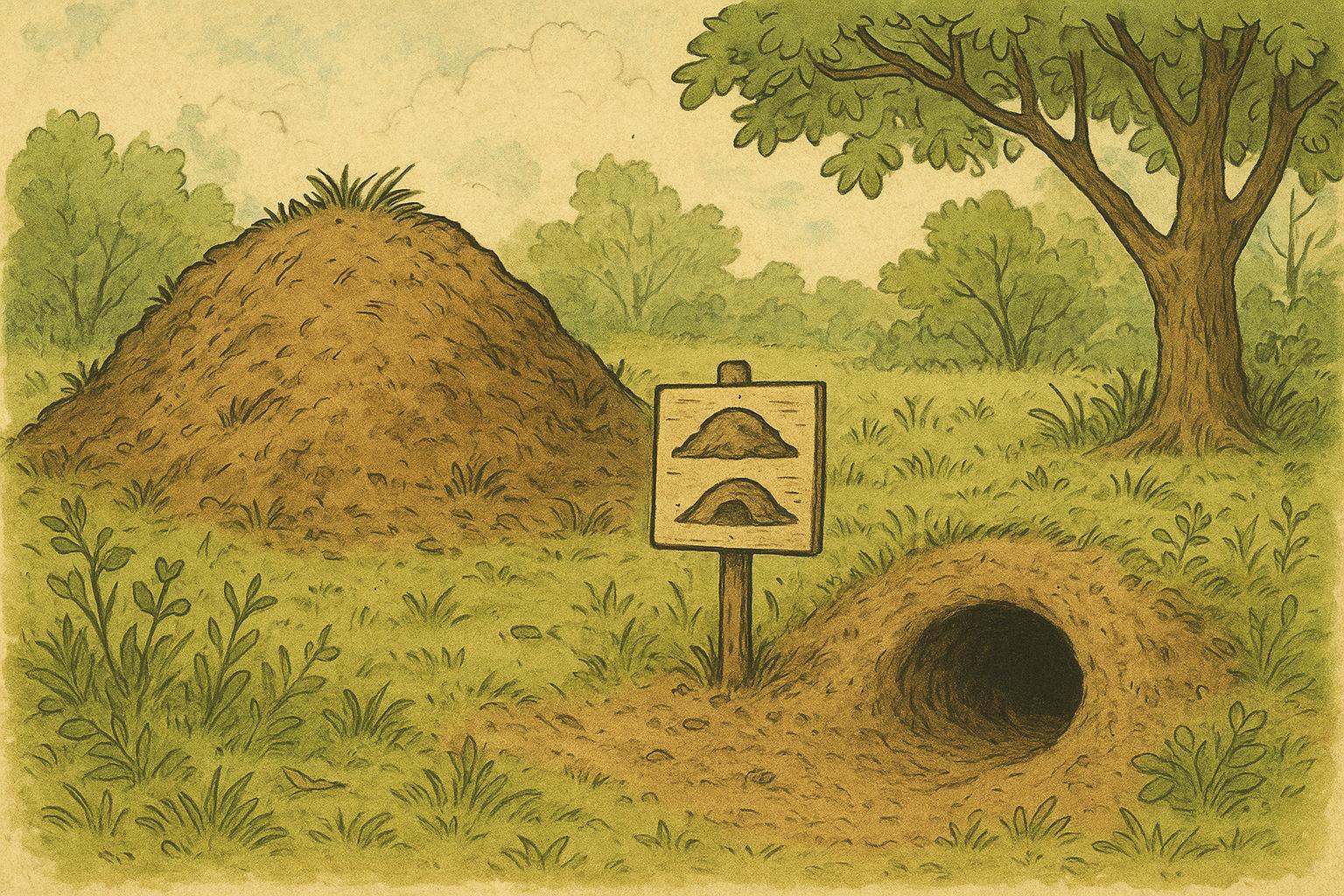
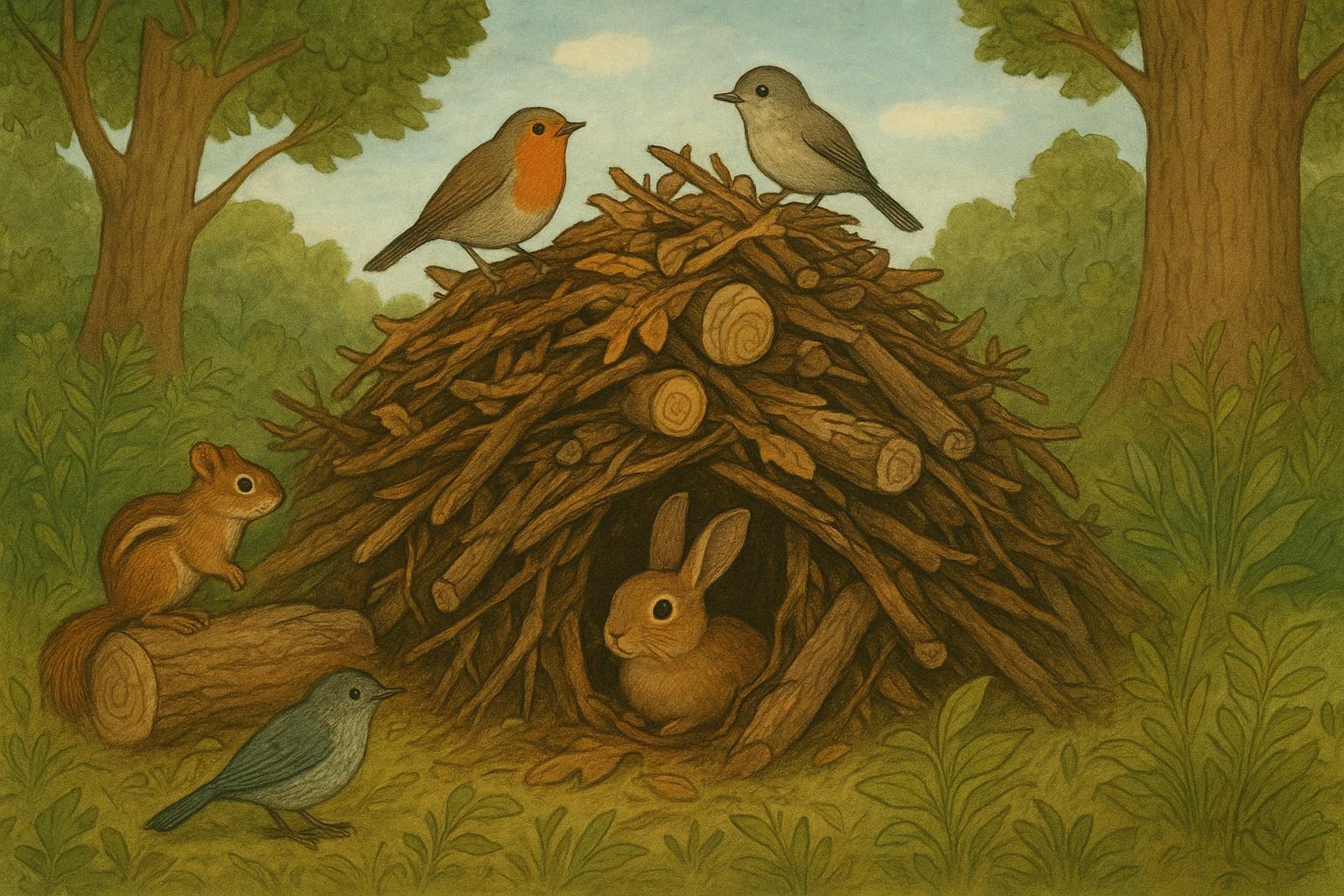
A brush pile is an inexpensive, high-value habitat that provides shelter, nesting sites, and foraging substrate for insects, amphibians, and small mammals.
Materials Required
1. Branches and brush materials (pruned limbs, hedge trimmings)
2. Logs or large sticks for base structure
3. Leaf litter or straw for insulation
4. Optional: Small logs or rocks to create tunnels and cavities
5. Mulch or soil to anchor the base
Step-By-Step Construction and Application
1. Location: Choose a low-traffic area, ideally near shrubs or trees to provide cover and allow animals quick access to escape routes.
2. Base Layer: Lay larger logs and thick branches as a sturdy base. This creates internal cavities and raises the pile off wet ground.
3. Build Volume: Pile medium-sized branches at alternating angles to prevent a compact, oxygen-poor core. Leave voids and tunnels intentionally; compacted piles are less inviting.
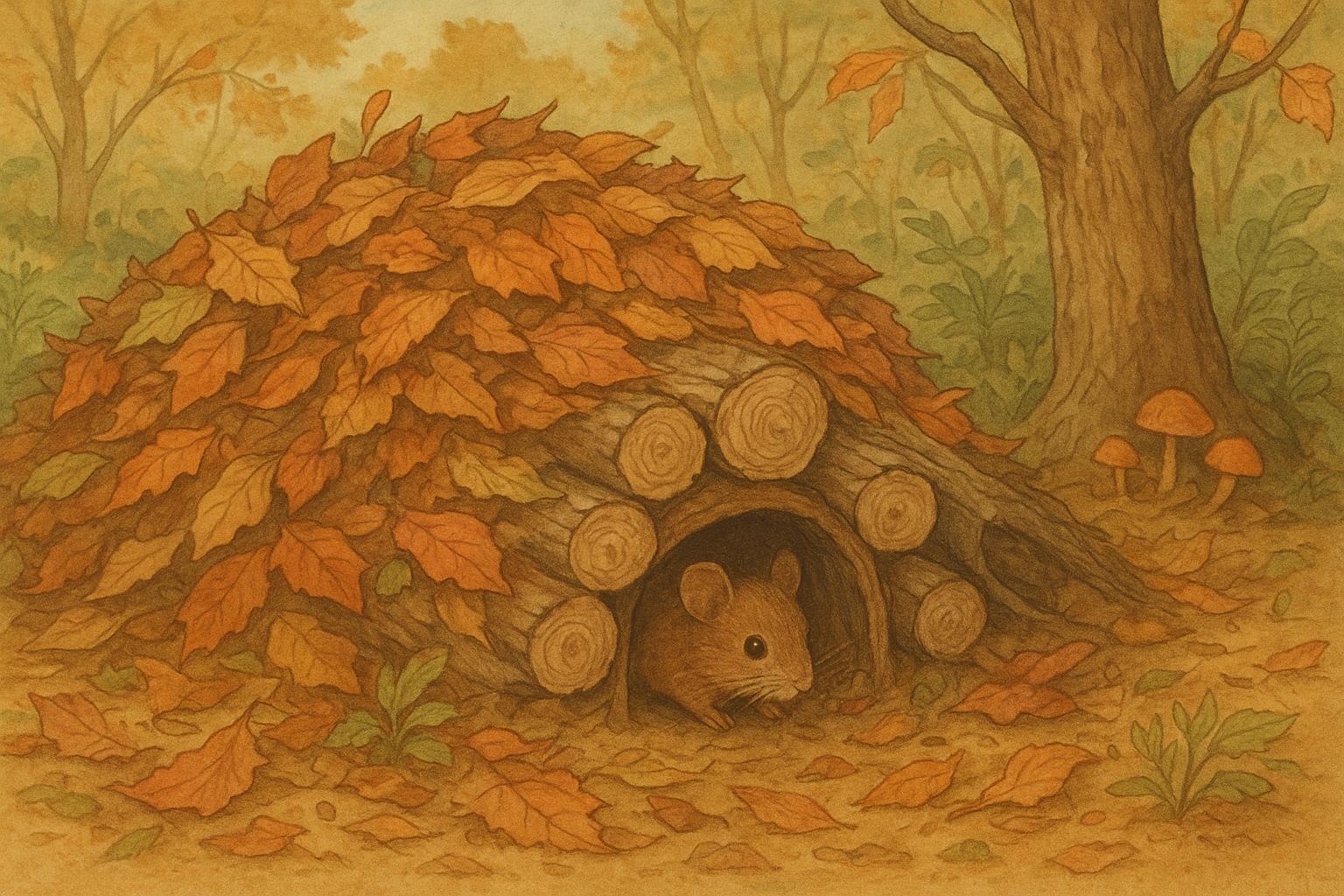
4. Insulate: Add leaf litter, pine needles or straw into cavities and on top to retain moisture and provide nesting material.
5. Anchor: Scatter soil or mulch around the perimeter to discourage shifting and to create gradual slopes that small animals can climb.
6. Maintain: Do not burn or remove the pile in late winter or spring until you’re sure it’s not being used for nesting. Replace decomposed material every few years to keep the structure functional.
Legal And Safety Considerations
– Keep a brush pile at least several meters from houses and sheds to reduce fire risk. Follow local ordinances regarding brush pile size and placement.
– Avoid using treated wood or chemically contaminated debris.
– Consider neighborhood aesthetics: position out of direct view if residents prefer tidier visuals.
### Integrating Habitat Features Into Everyday Landscaping
Combine structural features like water stations and brush piles with hedgerows, native meadow patches, and log borders. A network of smaller features often outperforms one large installation, especially in suburban settings where corridors and connectivity matter.
#### Minimal Maintenance Strategies That Still Help
Use seasonal pruning to create deadwood reserves in place, leave seedheads through winter, and reduce chemical inputs. Let a corner of the lawn naturalize into a meadow area — mow selectively rather than clear-cutting.
## Managing Conflict And Responsible Care
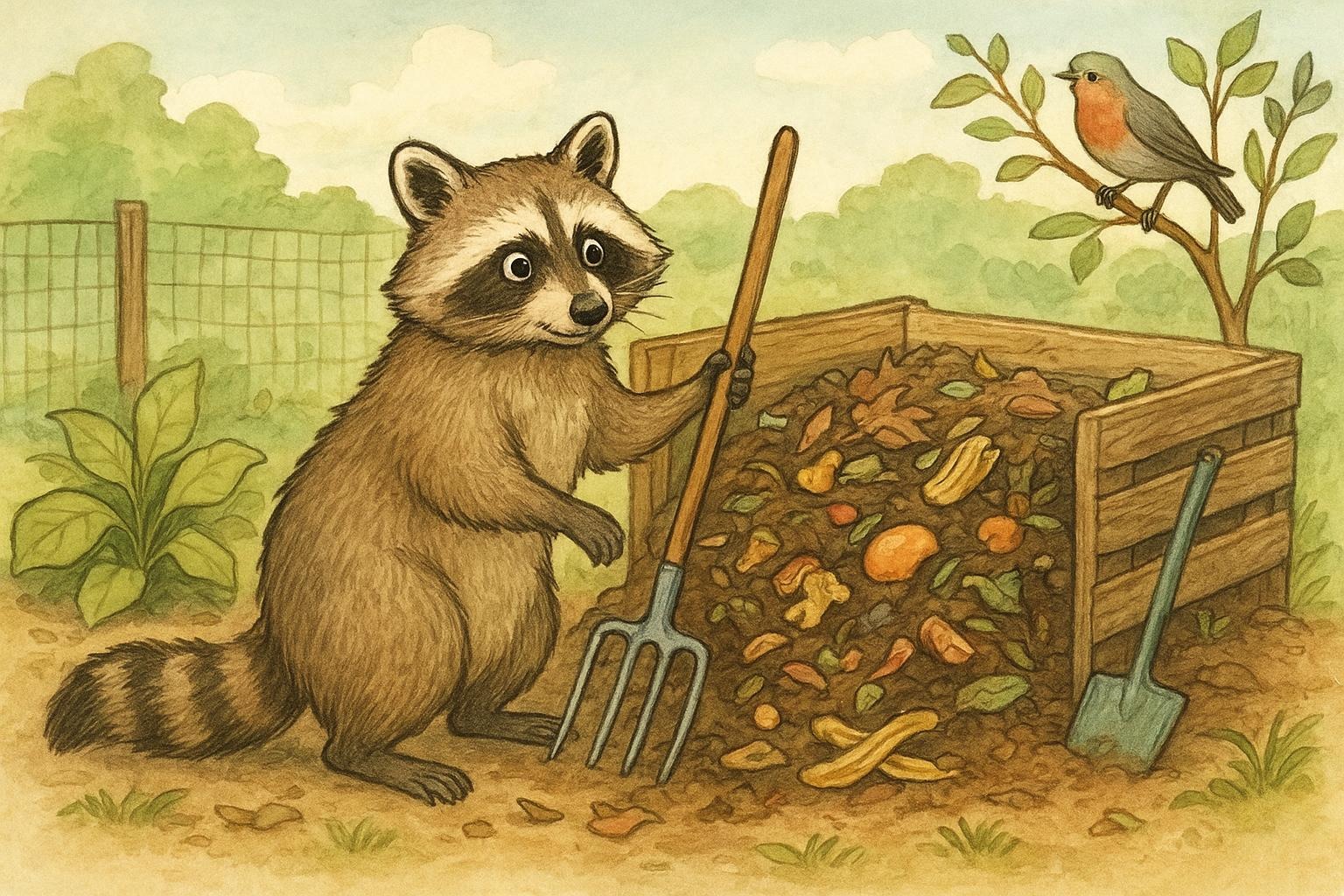
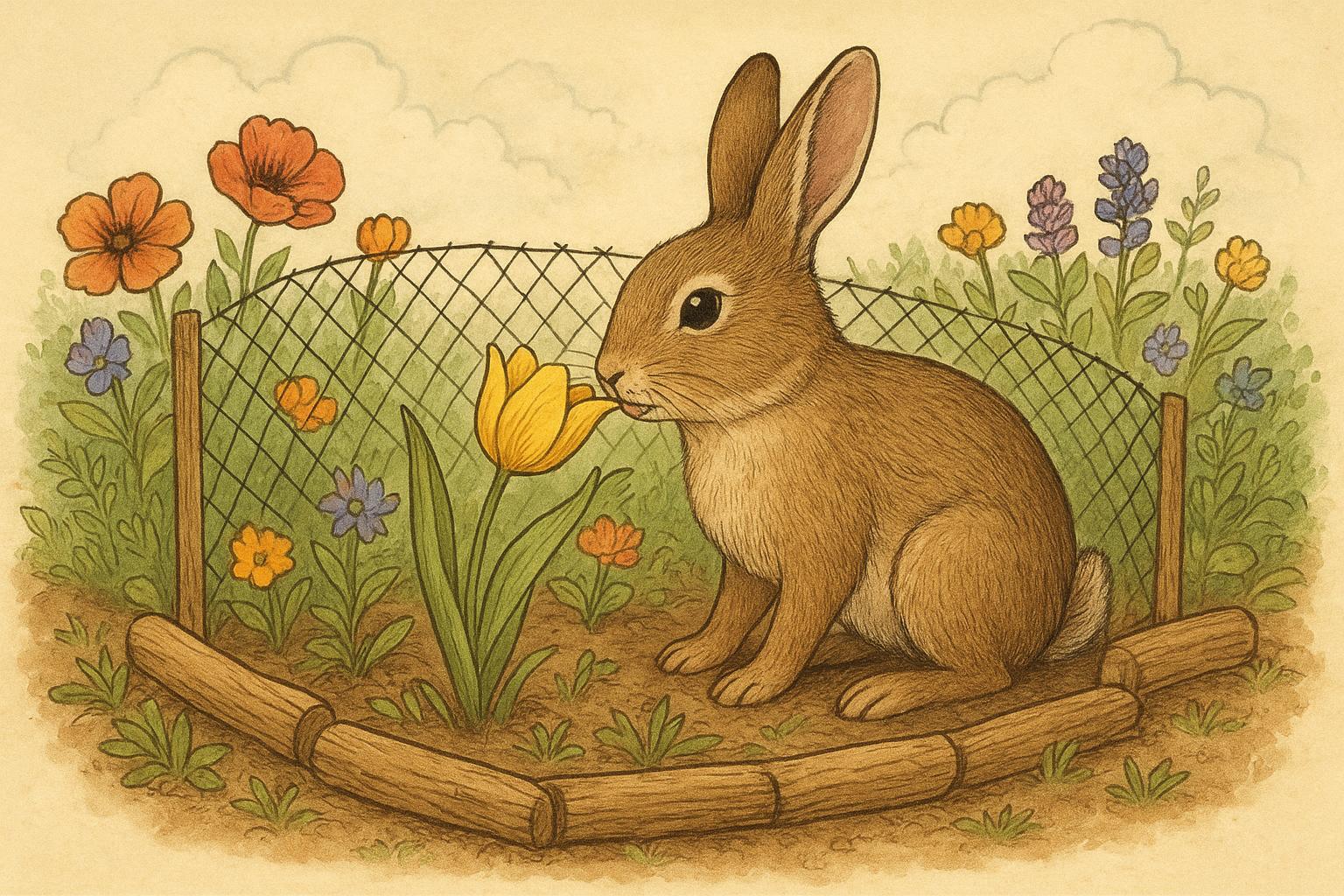
When wildlife and human needs intersect, thoughtful management prevents escalation. Use exclusion methods and deterrents before lethal measures. For example, protect vegetable beds with netting, secure compost bins with hardware cloth, and plant sacrificial crops (fast-maturing plants that attract wildlife away from main plantings).
Formal Methods For Reducing Problem Interactions
– Employ non-lethal deterrents: motion-activated lights or sprinklers, scent barriers (e.g., predator urine in some contexts), and physical barriers (fencing with appropriate mesh size and buried skirt).
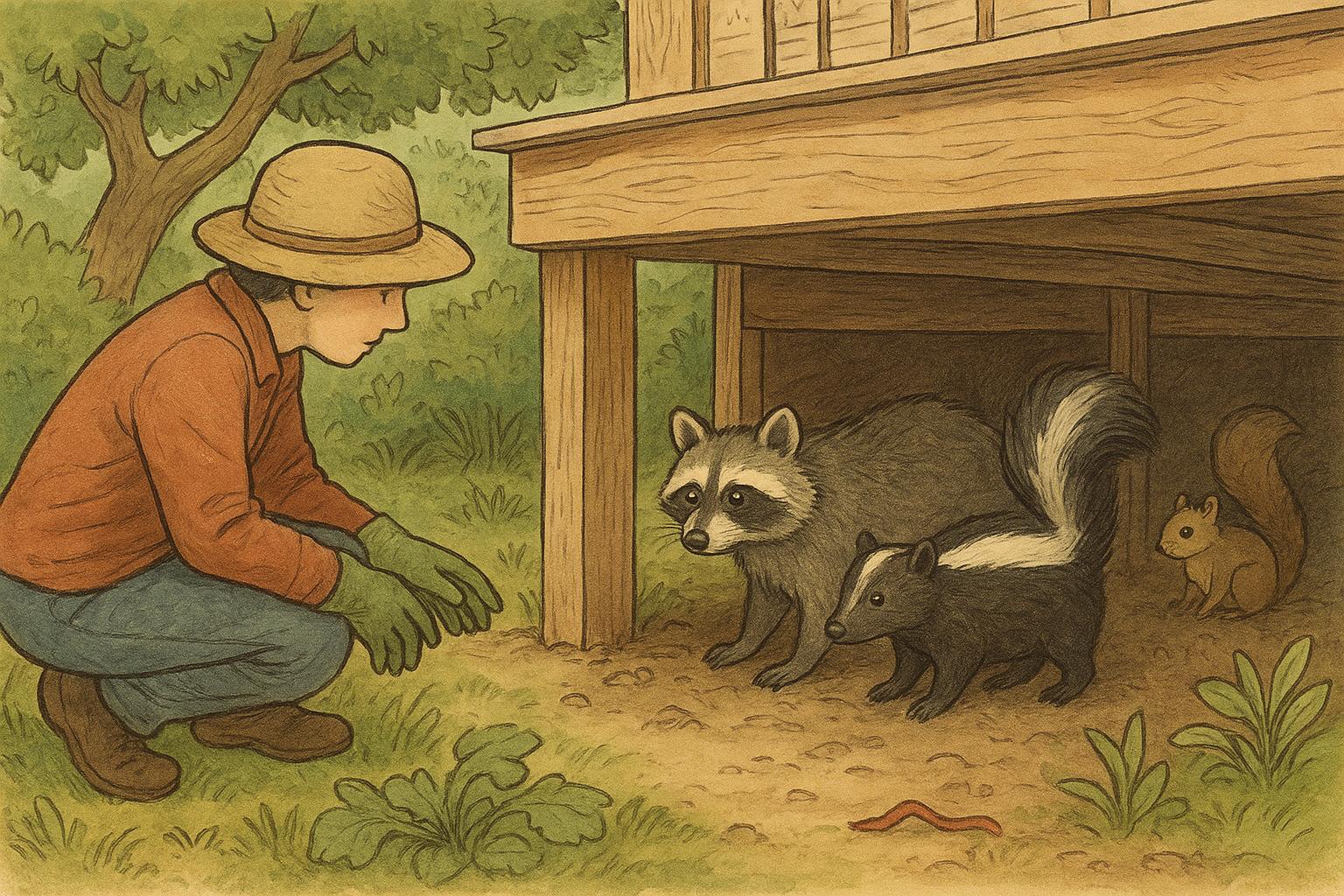
– Modify habitat selectively: remove attractive denning sites near structures, but replace them with safe habitat farther away.
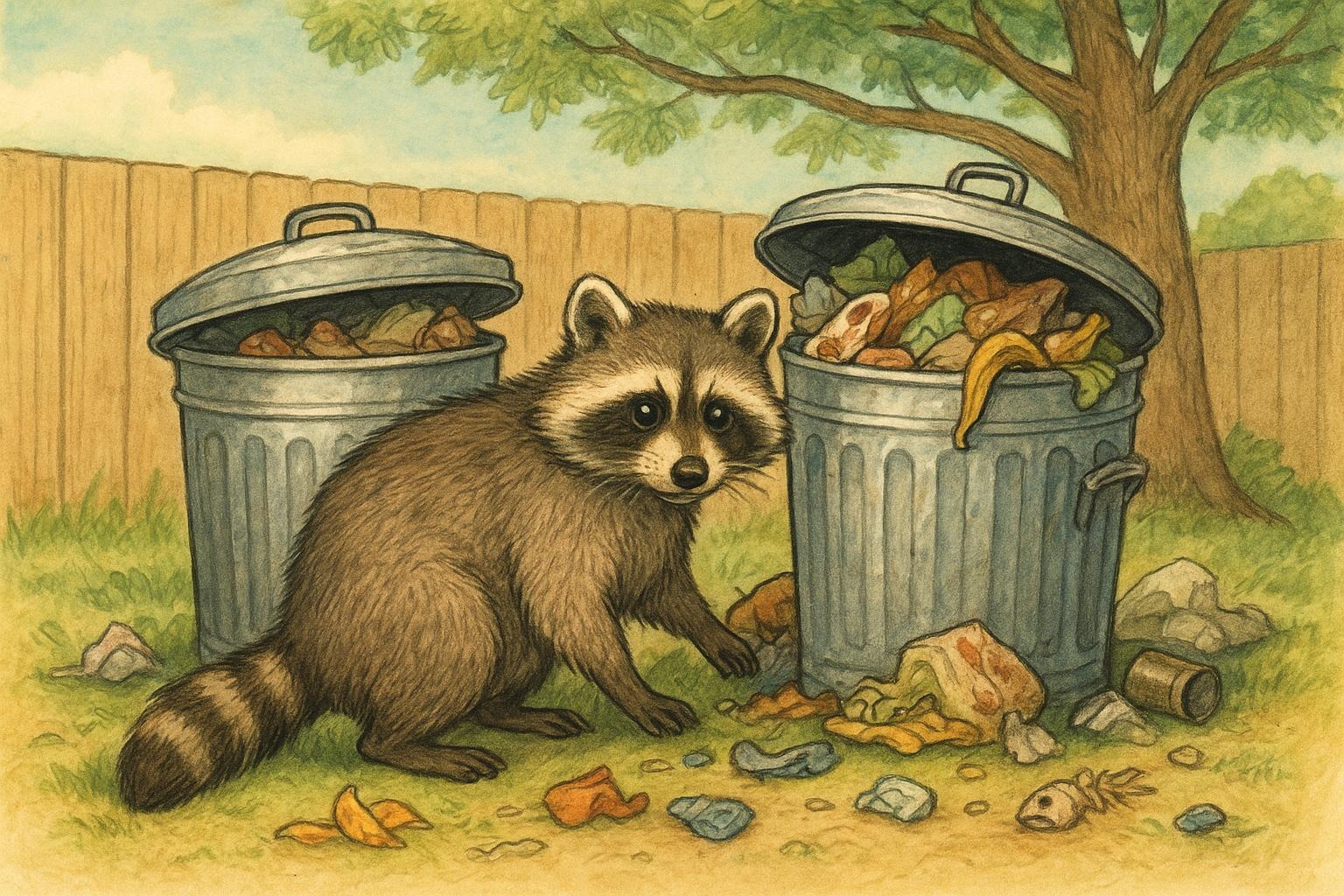
– Use timing strategies: harvest fruits promptly and clean up fallen produce to reduce attractants for larger mammals.
### Education, Monitoring, And Community Coordination
A wildlife friendly yard is more successful when neighbors adopt similar practices. Share sightings, coordinate native plantings along property lines, and post simple guides for pet safety. Keep records of what works and what doesn’t; adaptive management is both practical and scientifically sound.
## Practical Tips For Seasonal Care
Think temporal: what wildlife needs in spring differs from winter. Provide nesting materials early spring, keep water unfrozen as long as safe, and leave seedheads through winter for birds. Regular, gentle observation will tell you when to prune, when to replace shrubs, and when to expand habitat features.
A little planning and a few smart installations go a long way toward creating a wildlife friendly yard that supports biodiversity while staying tidy enough for everyday life. If you want help picking species for your exact region or a layout plan that considers pets and property lines, tell me your zone and site constraints and I’ll sketch a tailored approach with suggested plant lists.





Leave a Reply