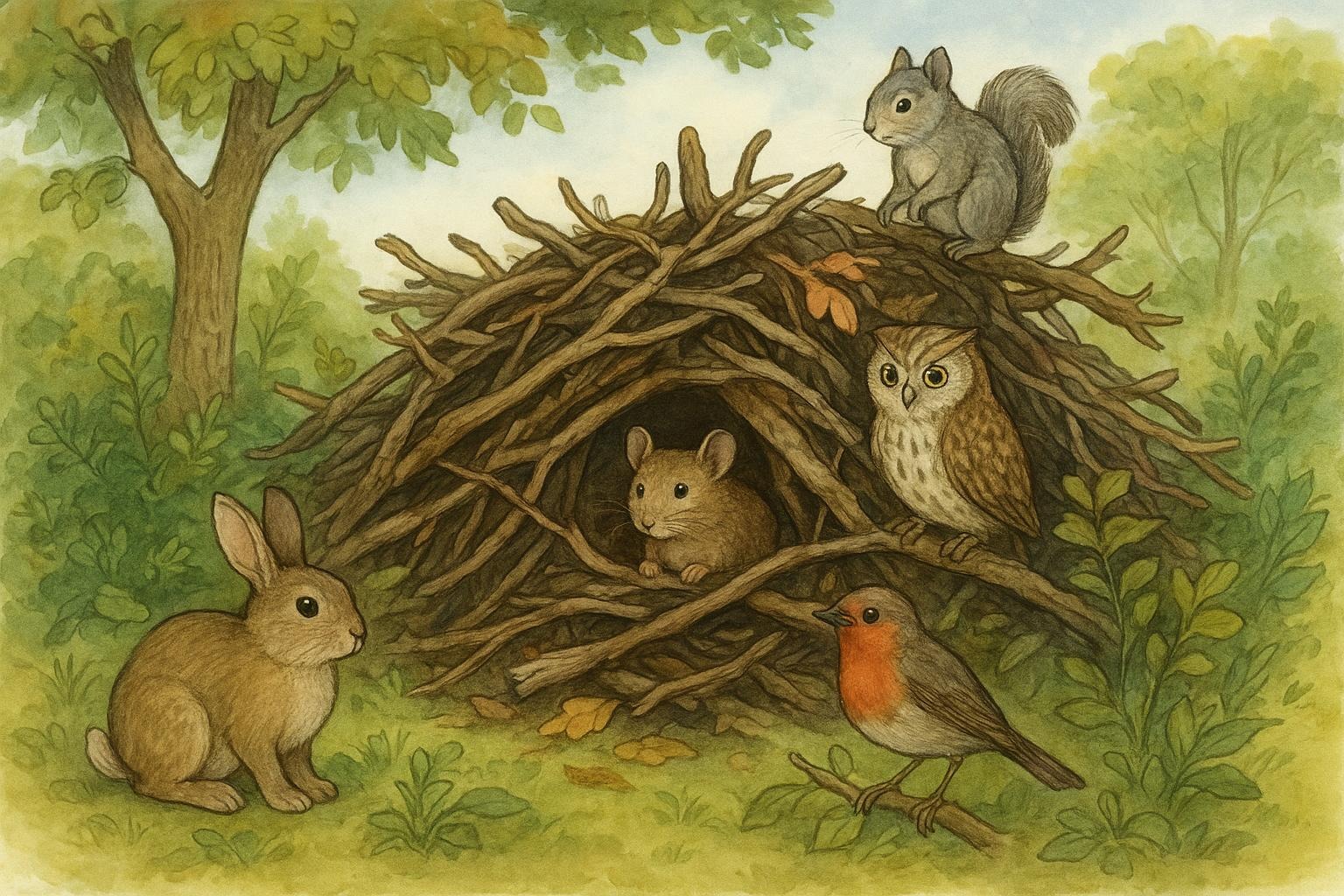
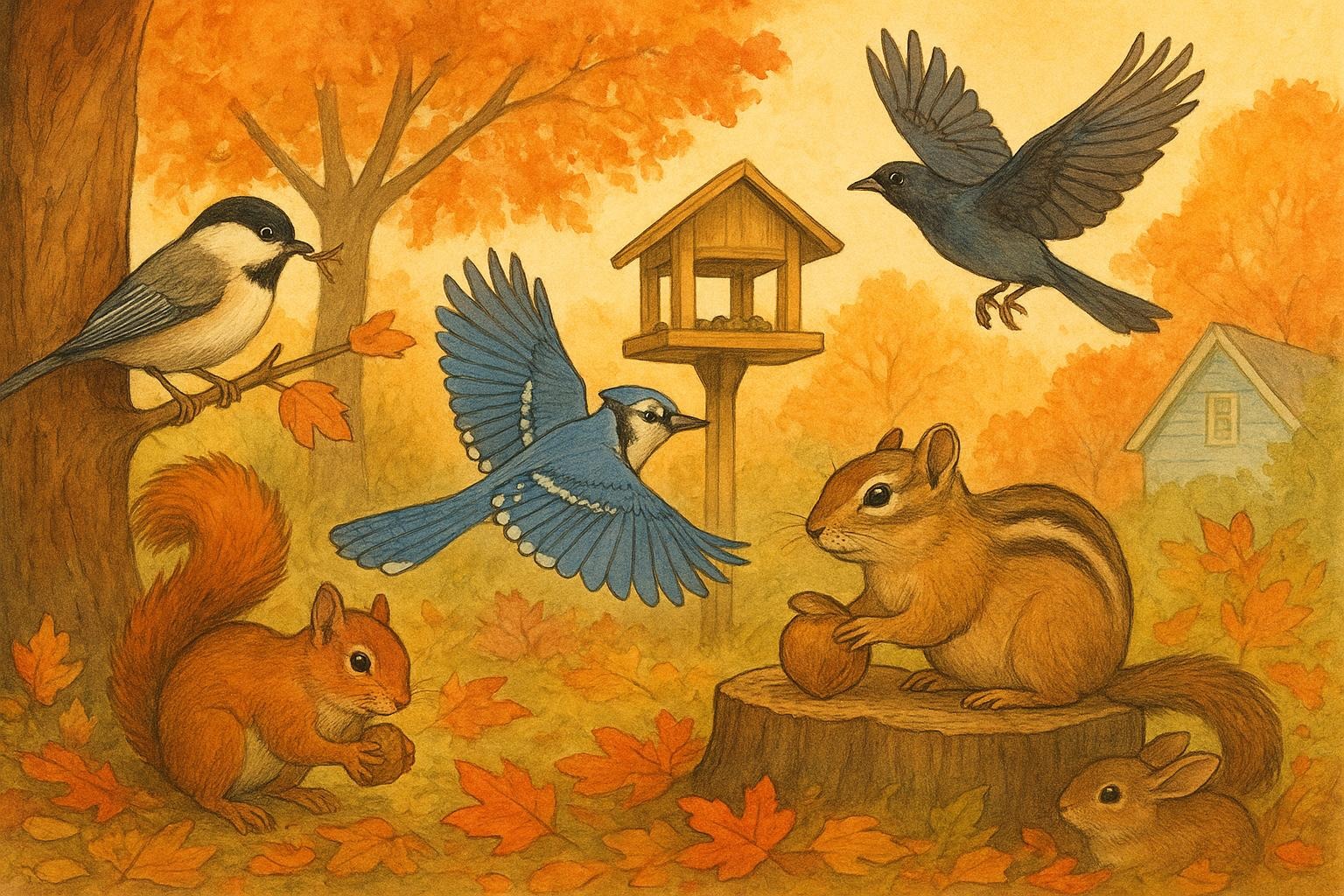
There’s something quietly charming about a small mound of sticks and leaves tucked into a corner of a yard. To us it might look like last month’s yard work waiting to be hauled away, but to a long list of backyard residents it’s prime real estate. Brush piles make surprisingly cozy homes for wildlife, offering shelter, nesting sites, and a handy buffet of insects. If you start seeing more wild visitors around the pile, don’t be surprised—they’re just moving into the neighborhood.
## Brush Piles As Cozy Wildlife Real Estate
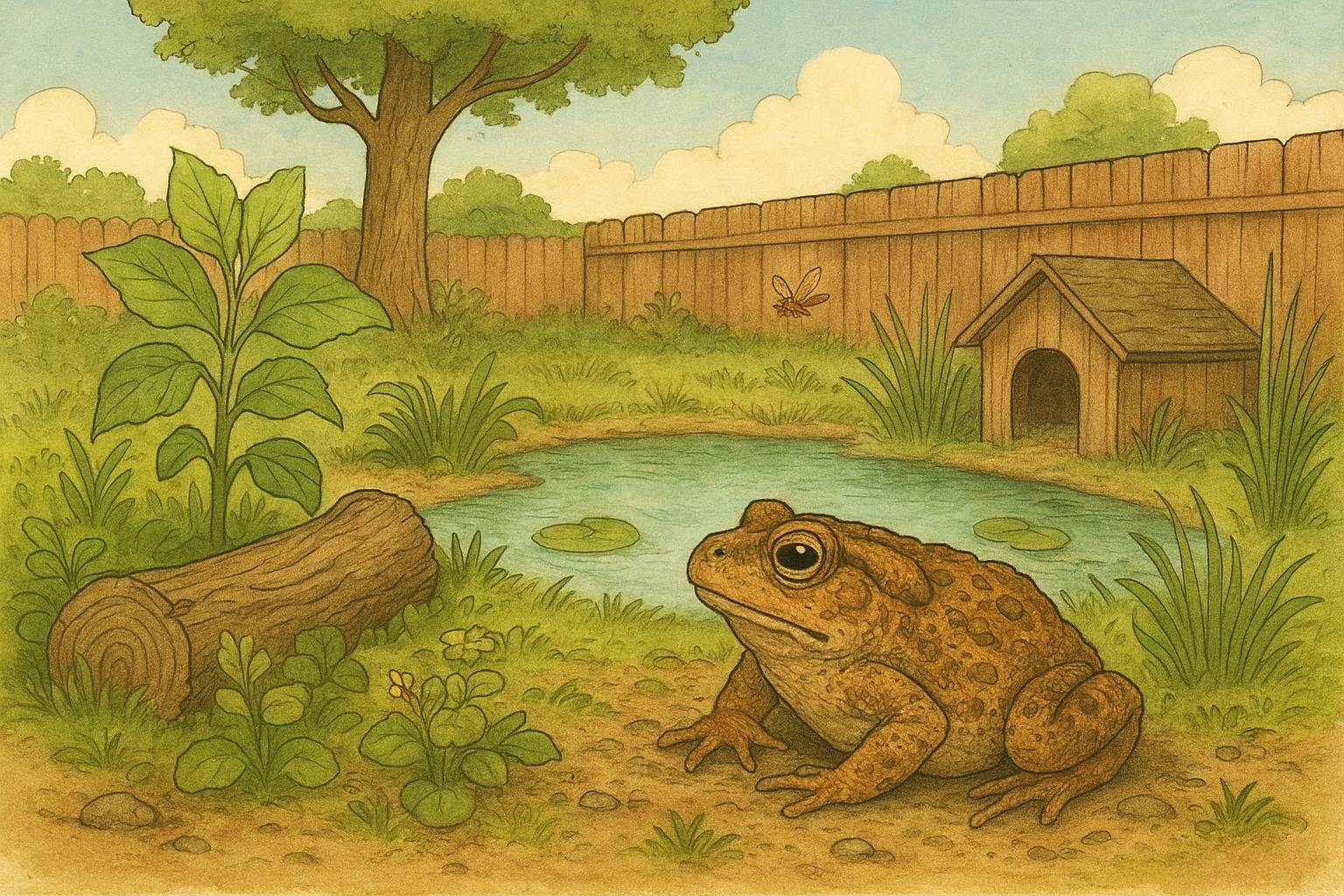
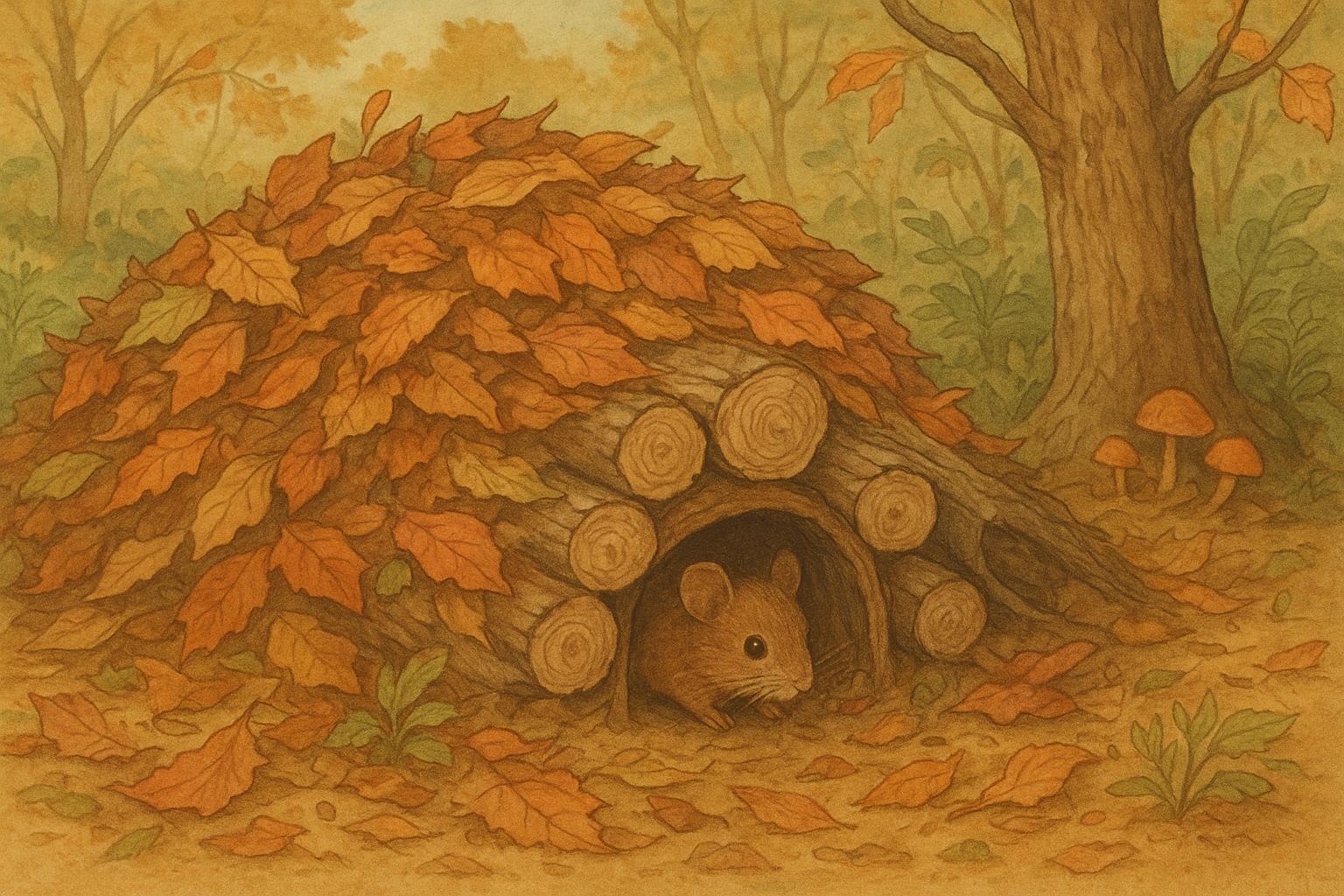
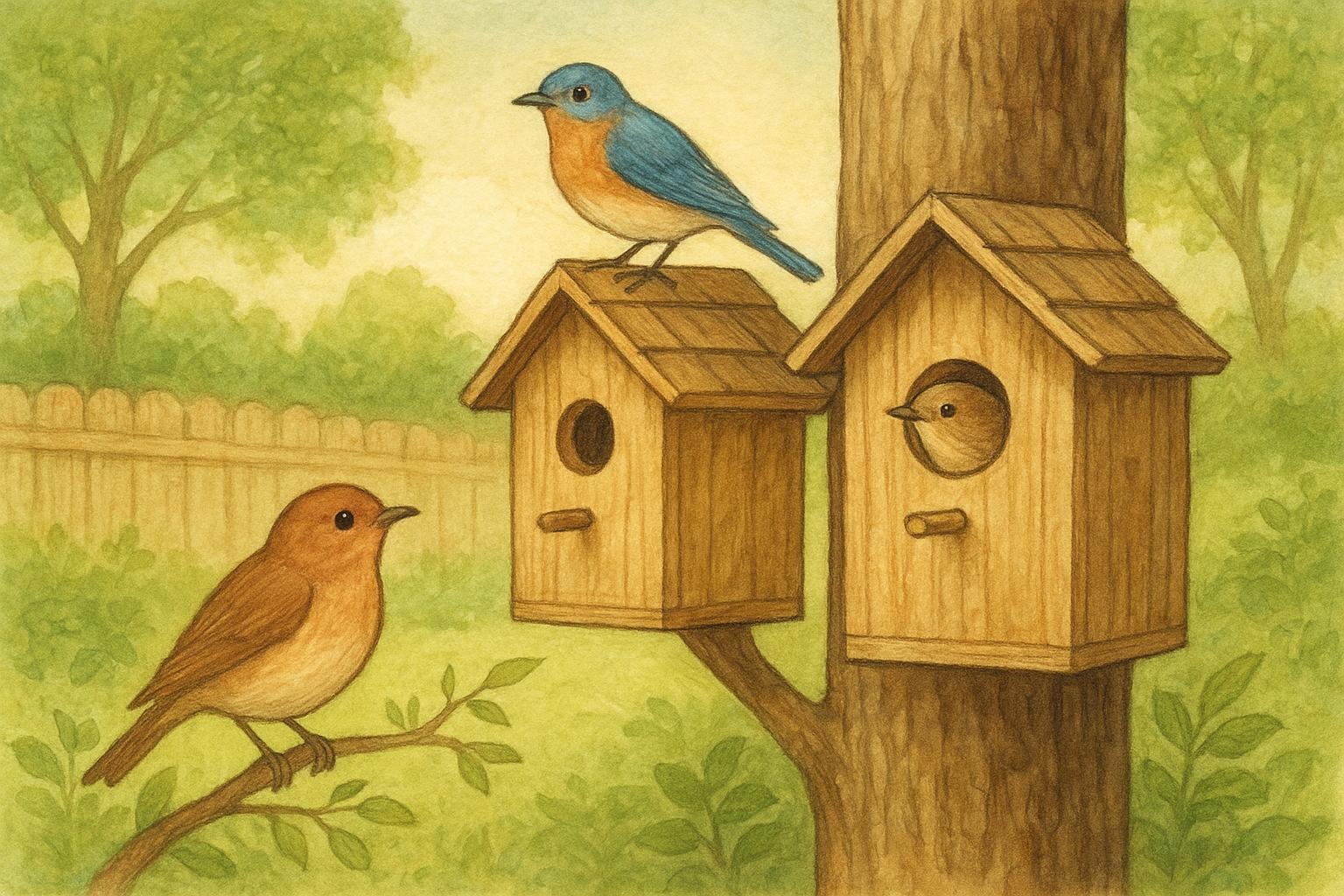
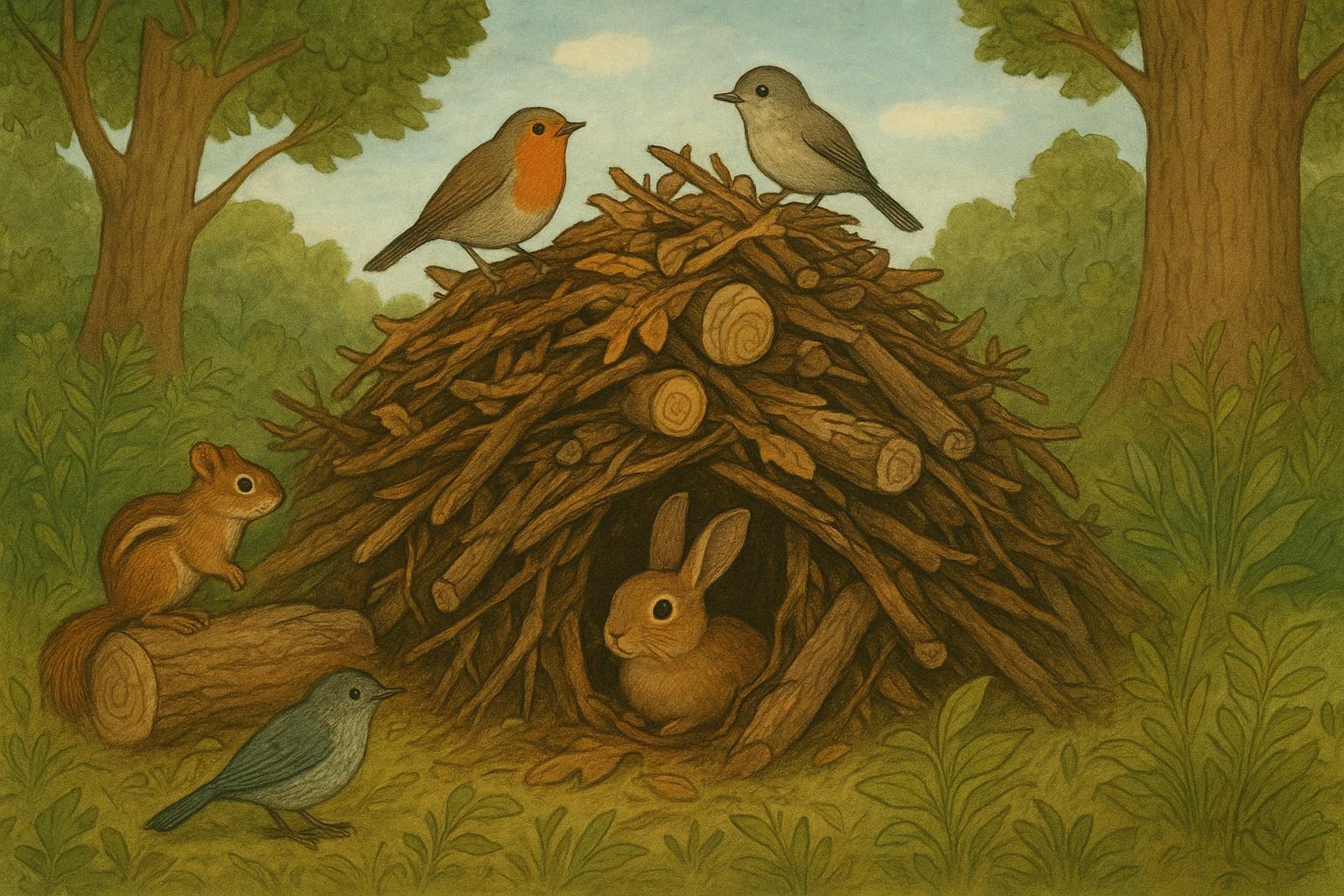
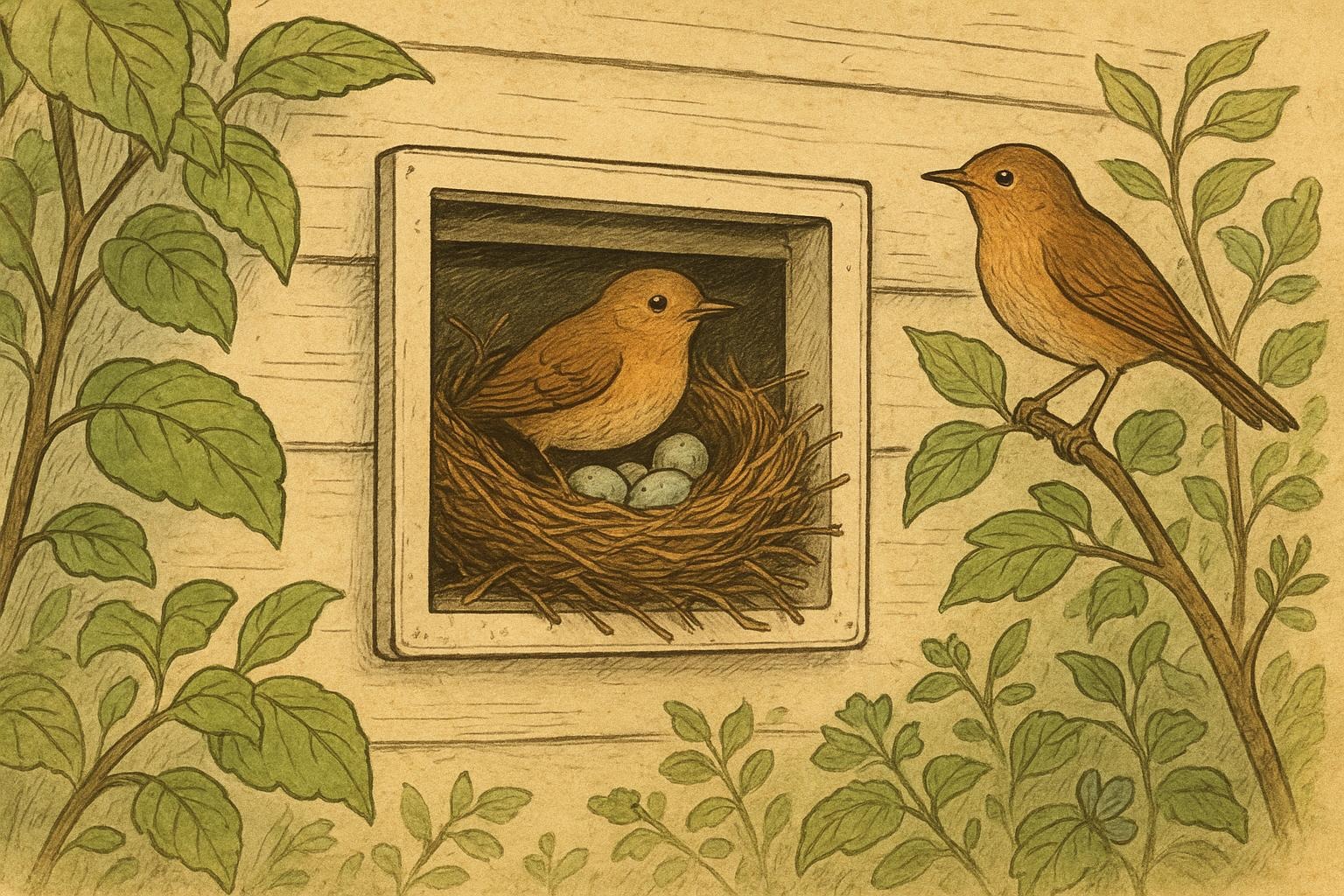
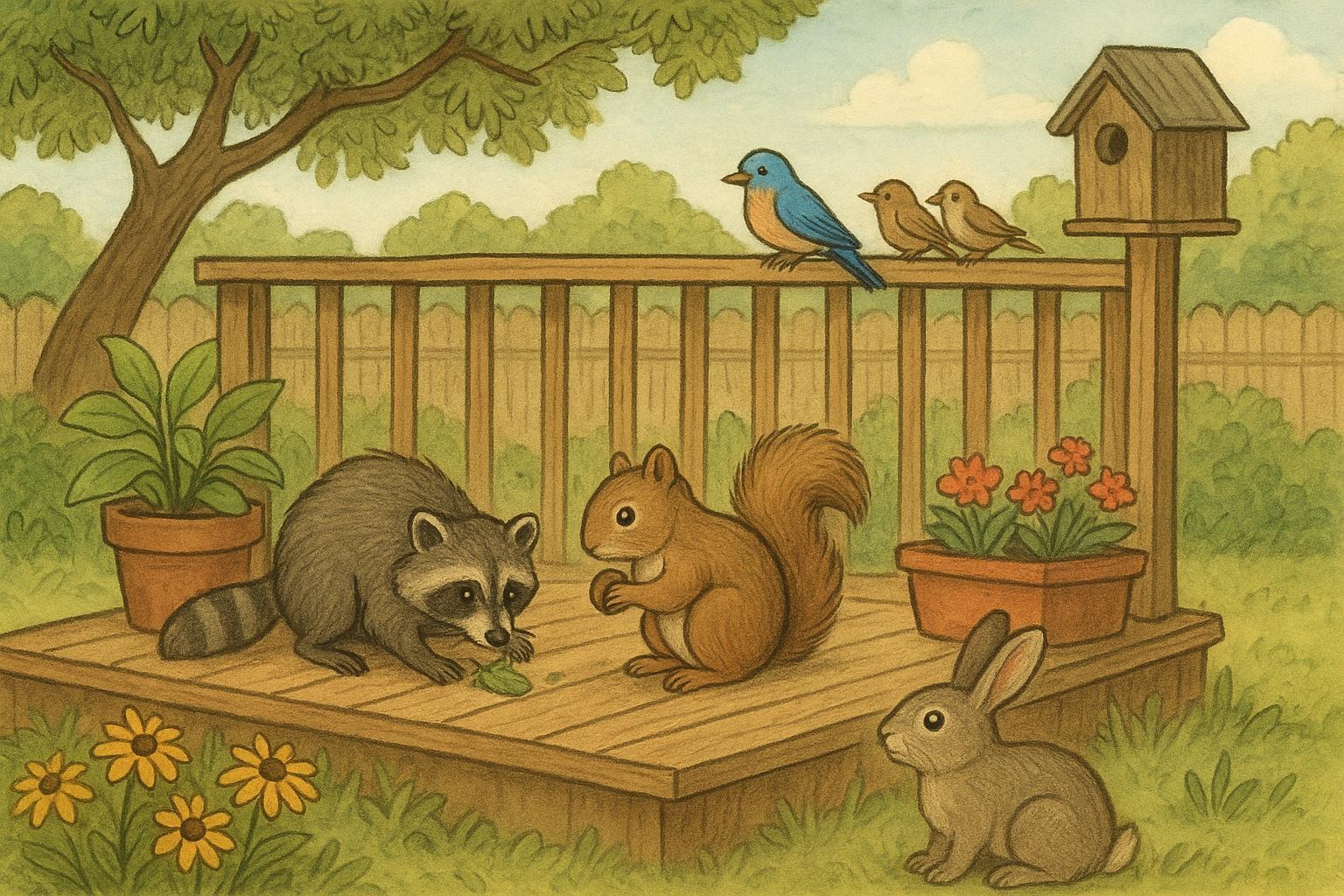
Small mammals, birds, amphibians, and even beneficial insects treat brush piles like condos with all the amenities: cover from predators, insulation from the elements, and a place to raise young. Rabbits tuck their nests into loose layers of grass and twigs. Songbirds and wrens peer out from cavities and tangled branches. Toads and salamanders use the moist microclimates under the debris, and overwintering insects find a safe nook to wait out the cold.
The structure of a good pile matters. A loosely stacked pile of branches with a thick leaf and grass layer creates voids and cavities where animals can move around and hide. And because brush piles are built from natural materials, they’re biodegradable habitat components—temporary, productive, and a gentle way to promote backyard biodiversity without introducing foreign debris.
### Ecological Benefits And The Web Of Life
Brush piles support a food chain: decomposers break down the material, detritivores (like millipedes) and invertebrates proliferate, which in turn feed birds and small mammals. These microhabitats also increase edge habitat in a yard—the transition zones between open lawn and denser vegetation—where many species forage.
Creating a mosaic of habitat elements like brush piles, native shrubs, and groundcover enhances ecological resilience. During droughts, heat waves, or hard winters, small refuges can be critical for survival. For homeowners wanting to boost local wildlife without committing to dramatic landscaping, a modest brush pile is one of the easiest, cheapest, and most effective options.
### Safety Concerns And Neighborhood Etiquette
There are realistic concerns to address: rodents can be attracted to dense shelter, and a pile placed against a house can provide a highway for animals to get close to foundations. Those big decorative piles near property lines can also be an eyesore if they’re unmanaged. Placing a pile thoughtfully—away from structures, with good airflow and a tidy footprint—reduces risks. Good communication with neighbors also prevents misunderstandings about “mysterious” piles popping up in shared sightlines.
## Remedy 1: Build A Wildlife-Friendly Brush Pile
Materials:
– A selection of small- to medium-diameter branches (3–6 inches in diameter)
– Leaf mulch, grass clippings, or plant trimmings
– A layer of coarse woody debris or logs for base support
– Optional: small deadfall or pine boughs for winter insulation
– Gloves, loppers, and a handsaw
Construction And Placement Steps:
1. Site Selection: Choose a location at least 10–15 feet from your house, shed, or fence line. A spot near a hedge or native planting is ideal because it offers a natural transition and cover. Avoid areas prone to flooding.
2. Base Layer: Lay a foundation of thicker logs or coarse woody debris on the ground. This elevates the pile slightly for airflow and prevents excessive moisture buildup that can rot the pile too quickly.
3. Branch Layering: Stack branches in a loose, crisscross pattern over the base. Create internal cavities and overhangs—avoid compact, broom-like bundles. The goal is structural integrity with plenty of voids.
4. Insulation Layer: Add leaf litter, grass clippings, and smaller twigs into the center and top to create insulating pockets. Do not compact this material; leave it fluffy so animals can move through it.
5. Final Cover: Add a light layer of pine boughs or brush over the top to repel light rain and provide additional cover, especially useful in late fall and winter.
6. Size And Maintenance: Aim for a pile roughly 3–6 feet high and 4–8 feet wide for diverse occupancy. Inspect annually and rejuvenate by adding fresh material at the top rather than rebuilding completely—this maintains habitat continuity.
Application Notes:
– Maintain a modest footprint so the pile remains unobtrusive. A single, well-placed pile is better than multiple sprawling piles.
– If you want to attract specific species, vary the size of branches and the amount of leaf litter. Dense, low piles attract reptiles and amphibians; taller, airy piles appeal to birds and small mammals.
– Do not use treated lumber, painted wood, or invasive plant material in your pile. Avoid building brush piles directly against the trunks of living trees.
(From here on, I’ll get a bit more technical — the building part is the time for precision, not jokes.)
## Remedy 2: Manage And Relocate Brush Piles Safely
Materials:
– Work gloves and eye protection
– Hand tools: rake, loppers, folding saw
– Tarps for transporting material
– Optional: stainless steel bucket or live-trap for relocating an occupied pile (use only if licensed/authorized)
– Tape measure and garden stakes for marking areas
Relocation And Management Steps:
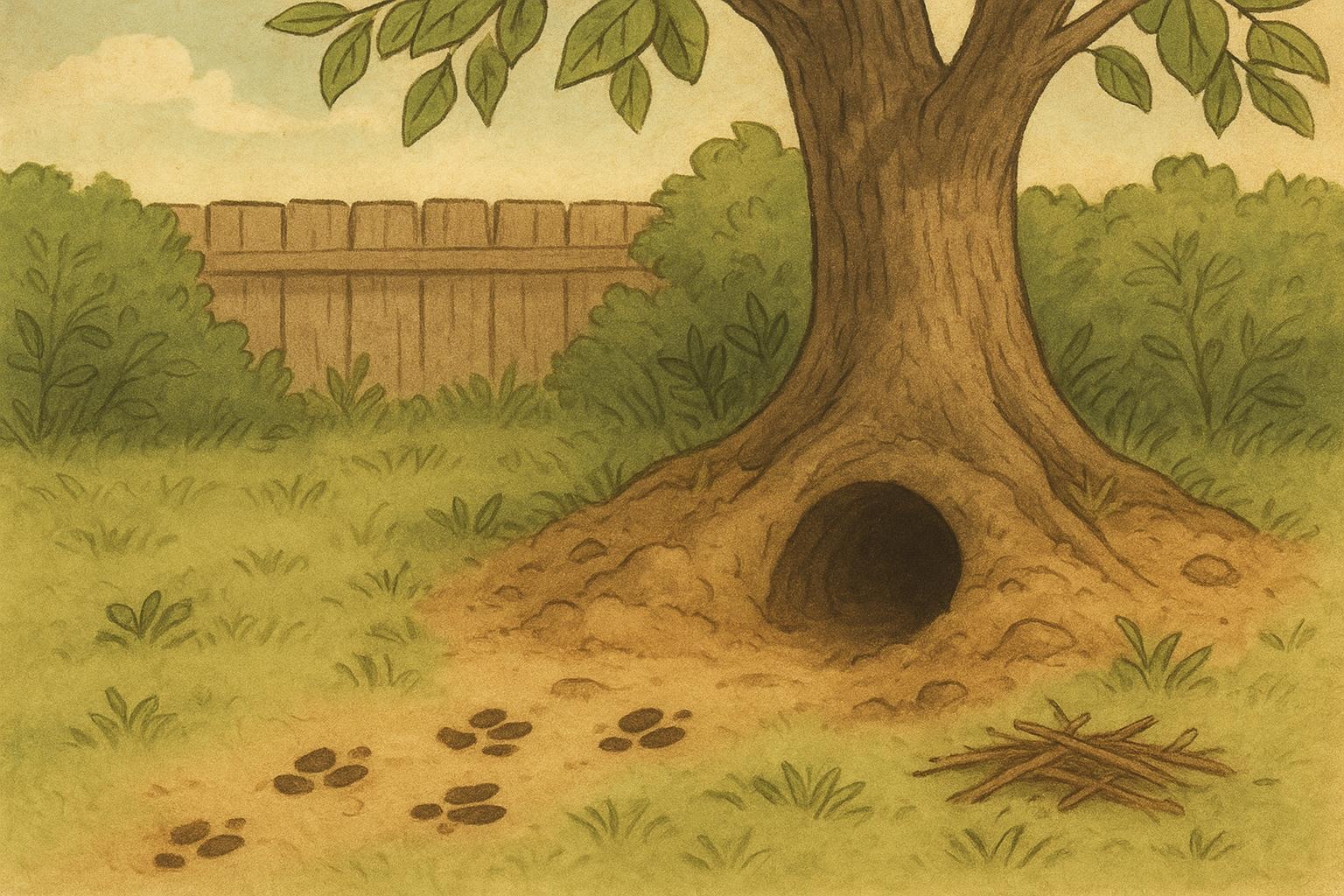
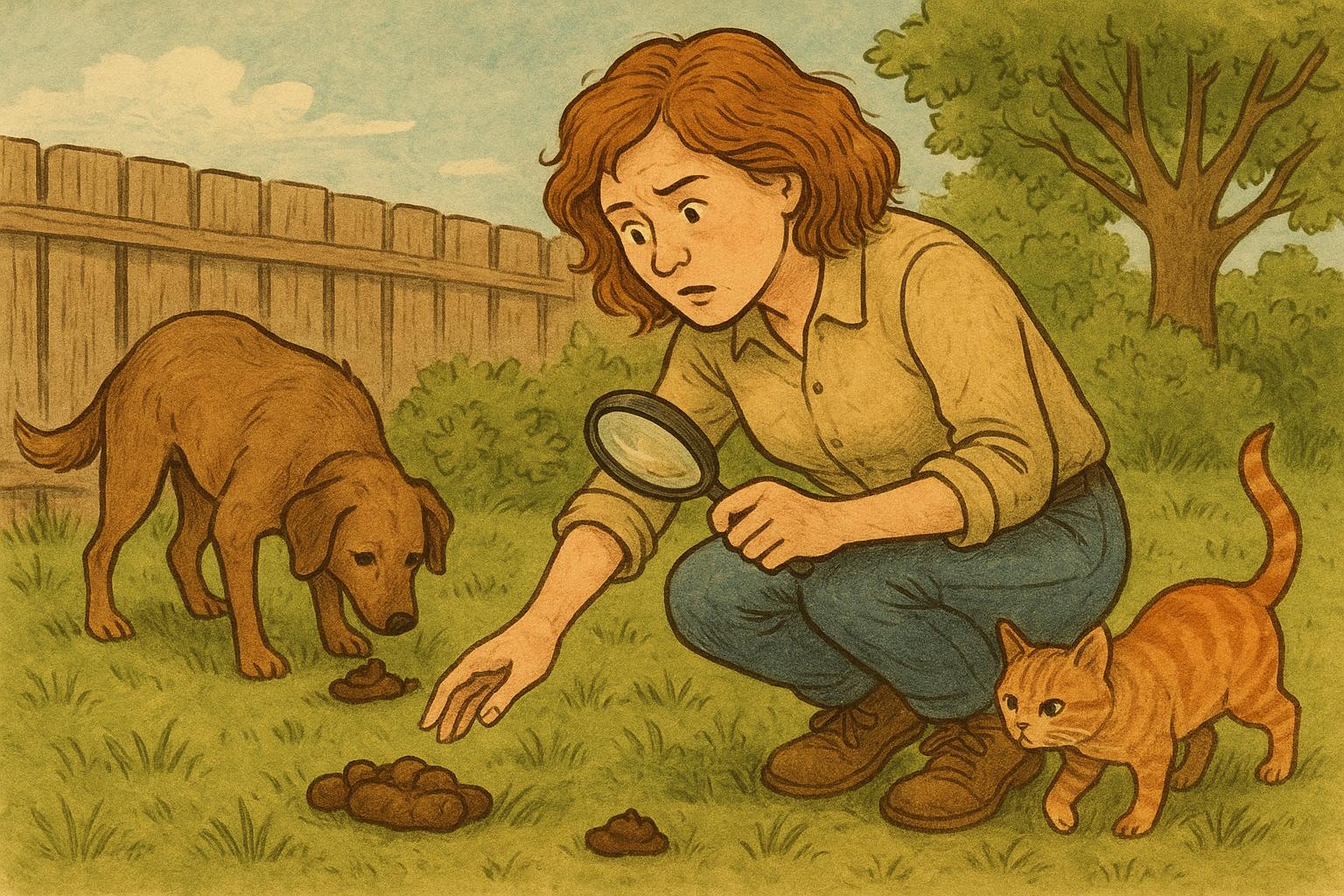
1. Survey The Pile: Before handling, inspect for active use—look for droppings, fresh tracks, nesting material, or visible animals. Do this quietly during daylight. If you find active occupancy, delay disturbance until young have left or contact a wildlife rehabilitator for guidance.
2. Time Relocation Carefully: If removal is necessary, do it in late fall or early winter after most breeding activity has ceased, or in mid-summer when juveniles are more mobile. Avoid spring nesting season unless the pile is a hazard.
3. Dismantle Gently: Remove the top layers first, letting any animals flee. Pull materials to a tarp to monitor movement. Hand-sort debris rather than mechanically shredding to avoid injuring hidden animals.
4. Transport And Reestablish: Move materials to the new site and recreate the pile using the same layering approach described in Remedy 1. If the original pile had active occupants and you must relocate it, rebuild quickly and leave a portion of the original substrate in place to preserve scent cues.
5. Monitor And Maintain: After relocation, monitor the new pile lightly for signs of reuse. Top up annually with fresh material, and trim aggressive volunteer growth around the base to maintain airflow.
Legal And Safety Considerations (H3)
– Local Regulations: Check municipal ordinances; some neighborhoods and HOAs have rules about yard debris. Getting a simple permit or notice out of respect can prevent fines.
– Disease Risk: While rare, ticks and fleas can be abundant in unmanaged piles. Wear protective clothing when working and consider timing dismantling for dry days when tick activity is lower.
– Fire Safety: In fire-prone regions, keep piles away from combustible structures and remove all piles during high-risk seasons as required by local fire codes.
#### When Removal Is Mandatory
If a brush pile is creating a safety hazard—blocking sightlines, attracting the wrong species often (like rats), or lying in a high-fire-risk zone—removal should be done systematically. Follow the dismantle-gently steps above, and consider replacing the function of the pile with safer habitat alternatives: a stacked log habitat in a controlled area, a rock pile, or native shrub plantings that provide similar cover but are easier to manage.
### Coexisting With Critters: A Few Practical Tips
– Accept A Bit Of Mess: Nature is messy. A tidy yard often supports fewer species. Allow a small area to remain a little wild for the greatest biodiversity payoff.
– Use Multiple Small Piles: Several modest piles spaced around the property create microhabitat diversity and reduce the risk that any one pile becomes a pest magnet.
– Educate Neighbors: Explain the benefits and how you’re managing piles to minimize concerns. Shared understanding builds tolerance for a few furry or feathered tenants.
### Seasonal Touches And Extras
In very cold regions, cover a portion of the pile with a secure layer of brush to increase insulation. In hot climates, orient piles near shaded areas and maintain some leaf litter to retain moisture. Avoid piling up materials that could introduce invasive plants—clean prunings from invasive species should be disposed of by municipal guidelines.
Brush piles can be your backyard’s little conservation project—low effort, high reward. They are literal piles of potential: housing spring nests, providing shade in the heat, and offering a safe staging area for nocturnal critters. With thoughtful siting and gentle maintenance, these modest structures knit the built yard back into the local ecosystem, giving wildlife a place to thrive and homeowners a chance to experience nature at their doorstep.




































Leave a Reply