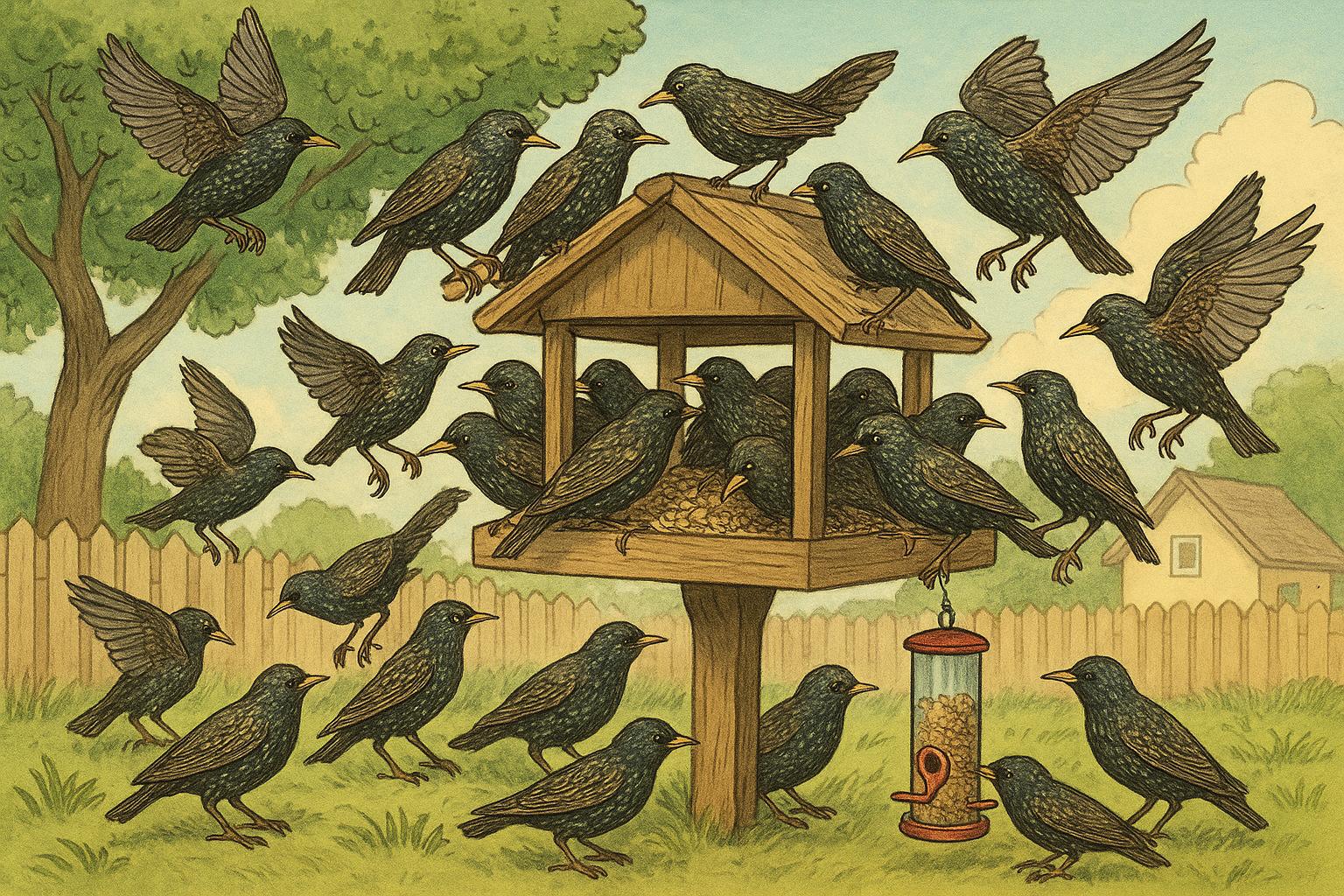
If your backyard bird feeding station suddenly looks like a European drama with a single, noisy cast member, you’re probably in the middle of a starling takeover. They’re flashy, loud, and surprisingly efficient at pushing out other birds. The good news: with a little planning and a few tweaks, you can protect your feeders and keep a diverse neighborhood of avian visitors.
## Why A Starling Takeover Happens
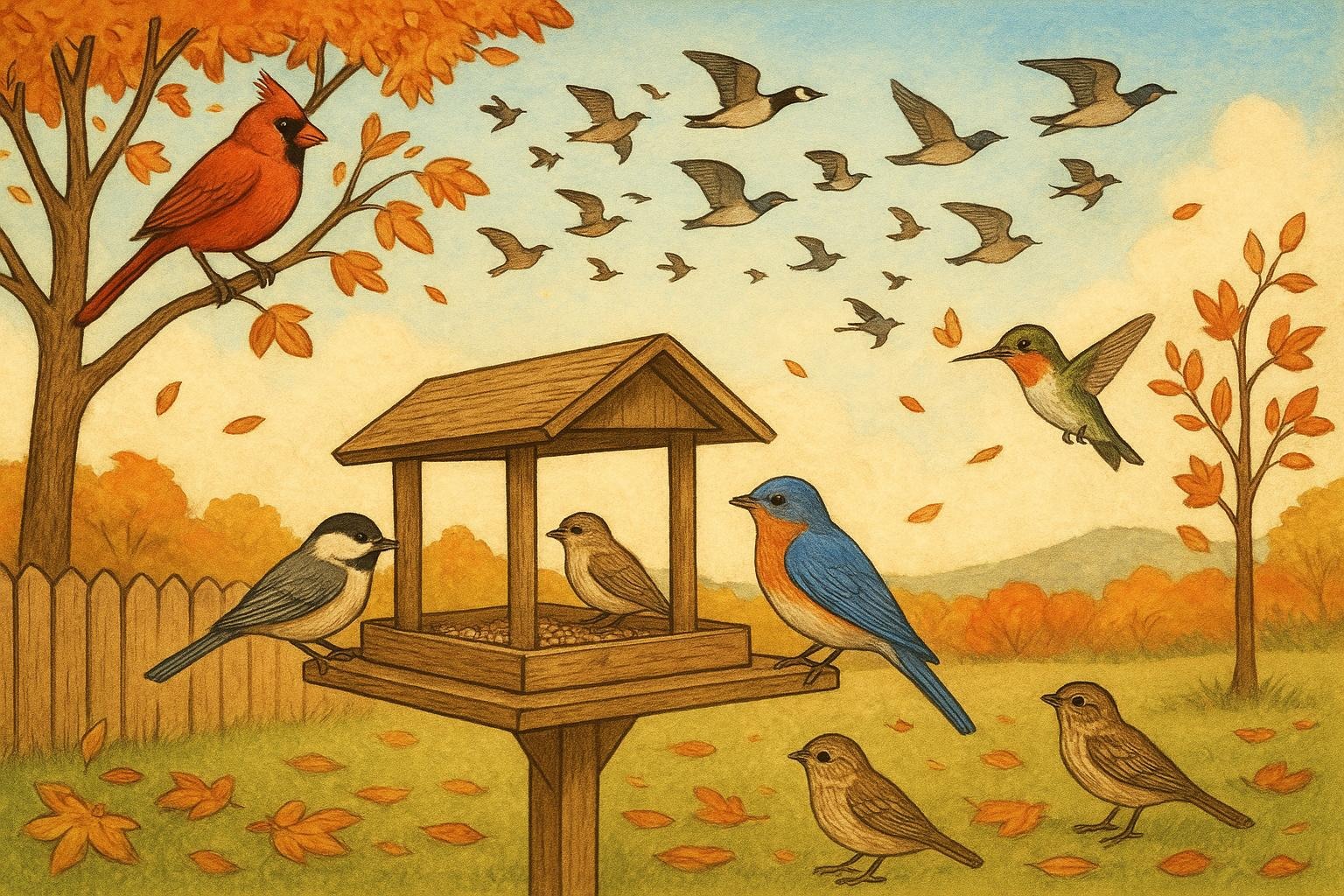
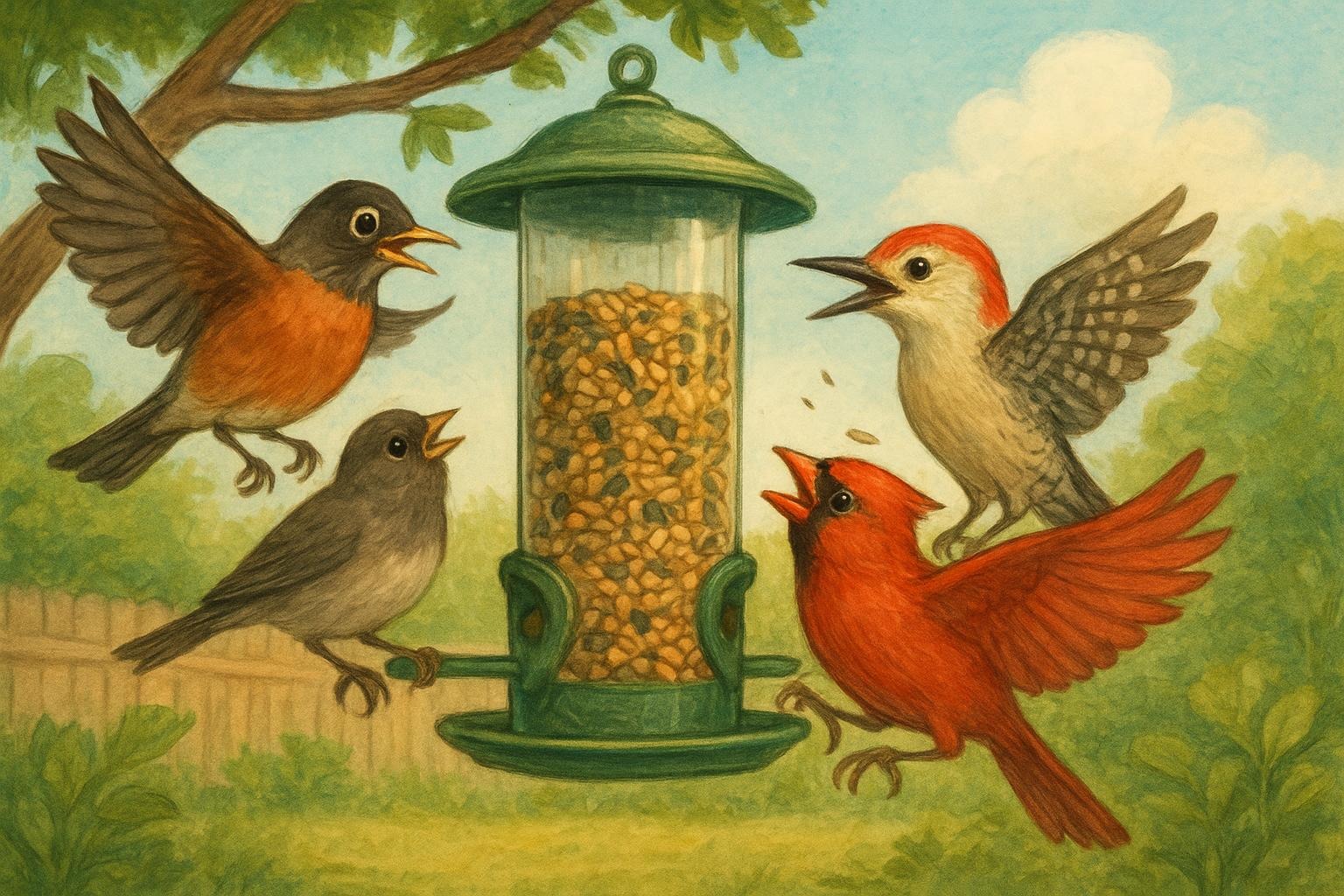
Starlings are opportunists. In the fall and winter especially, they form flocks and seek out reliable food sources. When they find an easy buffet, a starling takeover can escalate quickly: one or two starlings discover a feeder, call their buddies, and before you know it your feeder is a noisy communal cafeteria.
### Behavior And Biology That Fuel Takeovers
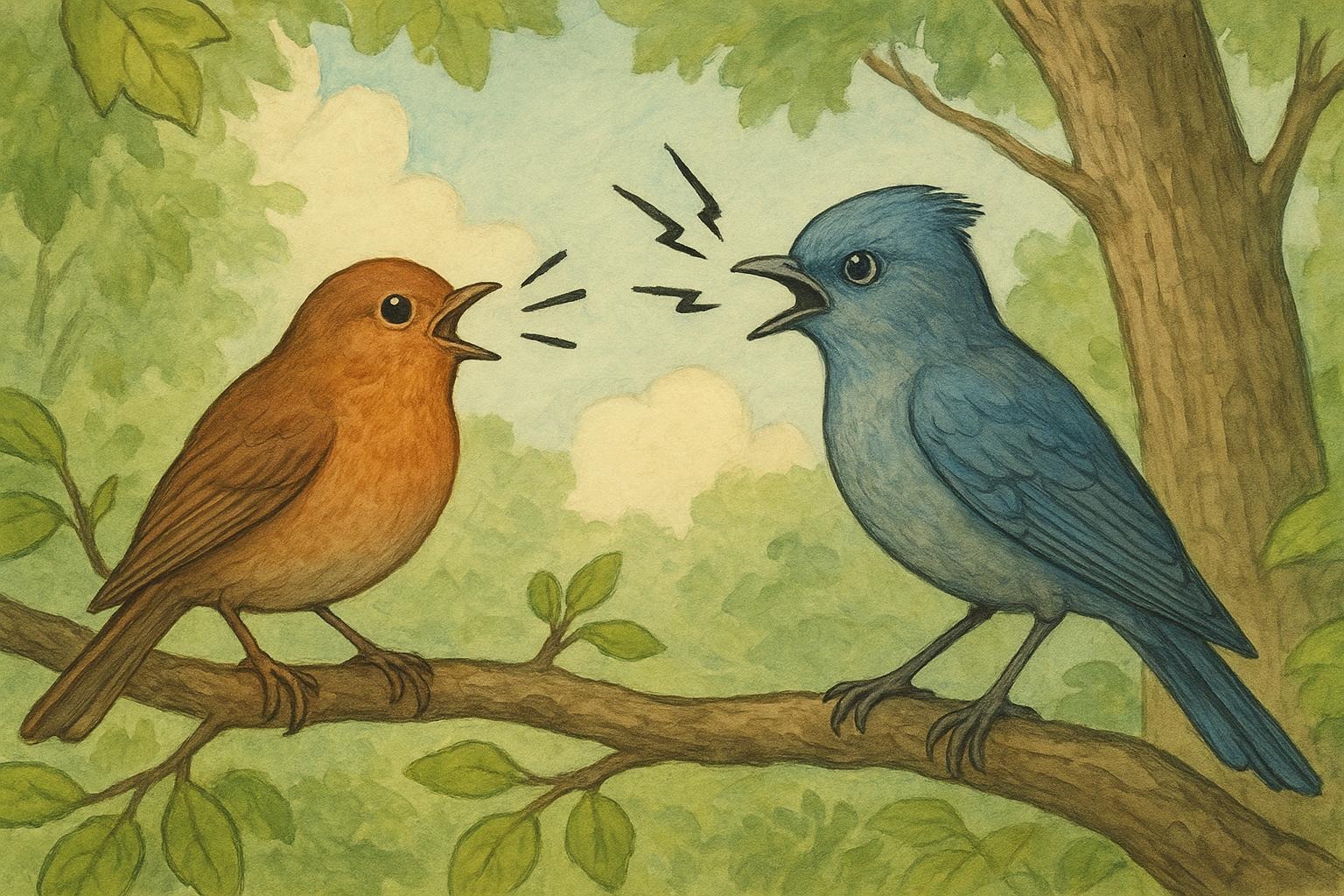
Starlings are strong, social, and adaptable. They can perch in tight clusters, shove aside smaller species, and monopolize feeding platforms. They also have a broad diet — sunflower seeds, suet, fruit, and even scraps — so many feeder types are attractive. Their gregarious nature means a single pair can lead to a flock within days.
### Signs Of A Starling Takeover
Look for these clues:
– Large, noisy groups arriving in waves.
– Smaller songbirds avoiding feeders or being physically chased away.
– Empty feeders in short order despite regular refills.
– Seed thrown to the ground as starlings sprawl and feed.
## How To Protect Feeders: 3 Remedies
Below are three practical, tested remedies you can implement. The instructions are presented formally to ensure clear application and predictable results. Each remedy includes a materials list and step-by-step creation and application.
### 1. Use Starling-Proof Feeders
Materials:
– Tube or hopper feeder with small perches or no perches
– Adjustable feed ports (if available)
– Placement tools (pole bracket, cable ties)
Step-by-Step:
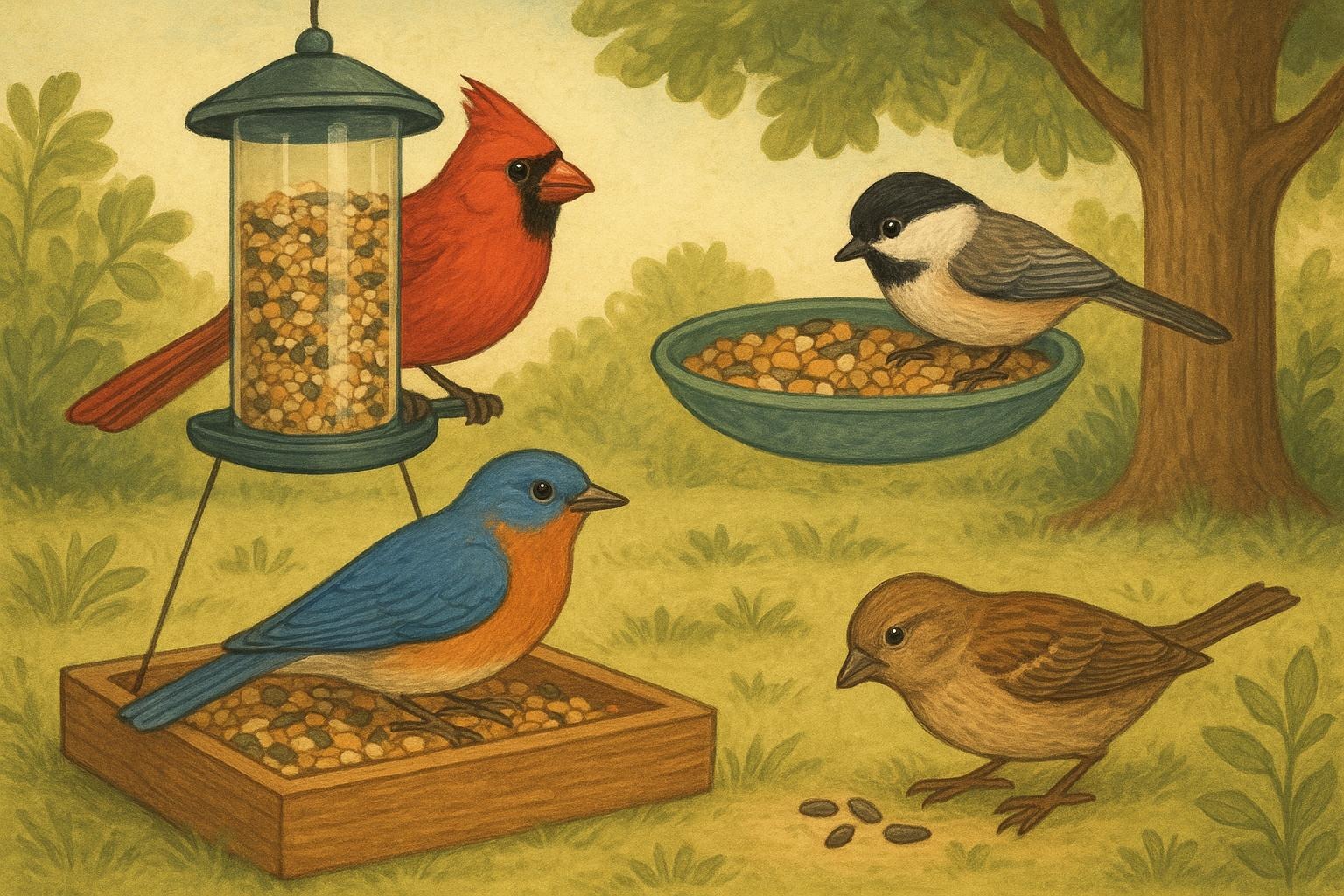
1. Select a feeder with small perches or built-in ports that require a bird to balance rather than clamber. Feeders designed to exclude starlings have perches too small for their feet or use weight-sensitive mechanisms that close under a starling’s heavier weight.
2. Remove or replace any large platform feeders. If you want platform-style feeding, consider using elevated feeding trays with side guards that deter sprawl feeding.
3. Mount the feeder on a slender pole or hanging wire. Starlings prefer robust perches; thinner poles make it harder for them to gather comfortably.
4. Position feeders away from roosting spots (trees or dense shrubs) so starlings can’t stage easy ambushes. Aim for an open approach where smaller birds can access without being overshadowed.
5. Adjust feeding schedules if necessary: limit seed out overnight in cold months if starlings are particularly persistent, and refill during active daylight hours to reduce waste and ground feeding that attracts more starlings.
### 2. Offer Foods That Discourage Starlings
Materials:
– Black-oil sunflower seed (preferred by many songbirds)
– Niger (thistle) seed
– Safflower seed
– Suet cakes in mesh suet feeders (optional, if target species accept)
Step-by-Step:
1. Replace or mix your current seed with safflower and niger. Safflower tastes bitter to many starlings while remaining acceptable to cardinals, chickadees, and titmice. Niger seed is primarily taken by finches and is ignored by most starlings.
2. Use tube feeders with small ports for safflower and niger; this limits access to larger-beaked birds like starlings.
3. Remove mixed seeds that have a large proportion of millet or cracked corn; these attract ground-feeding starlings when dropped.
4. If you provide suet, use positive-attachment mesh suet cages designed for smaller birds. Monitor suet use and switch formulations if starlings dominate.
5. Monitor feeder use weekly and adjust seed ratios. Over time, increased use by target species and reduced waste signals success.
### 3. Install Selective Perches And Exclusion Devices
Materials:
– Caged or baffled feeder covers
– Dome baffles (pole or hanging)
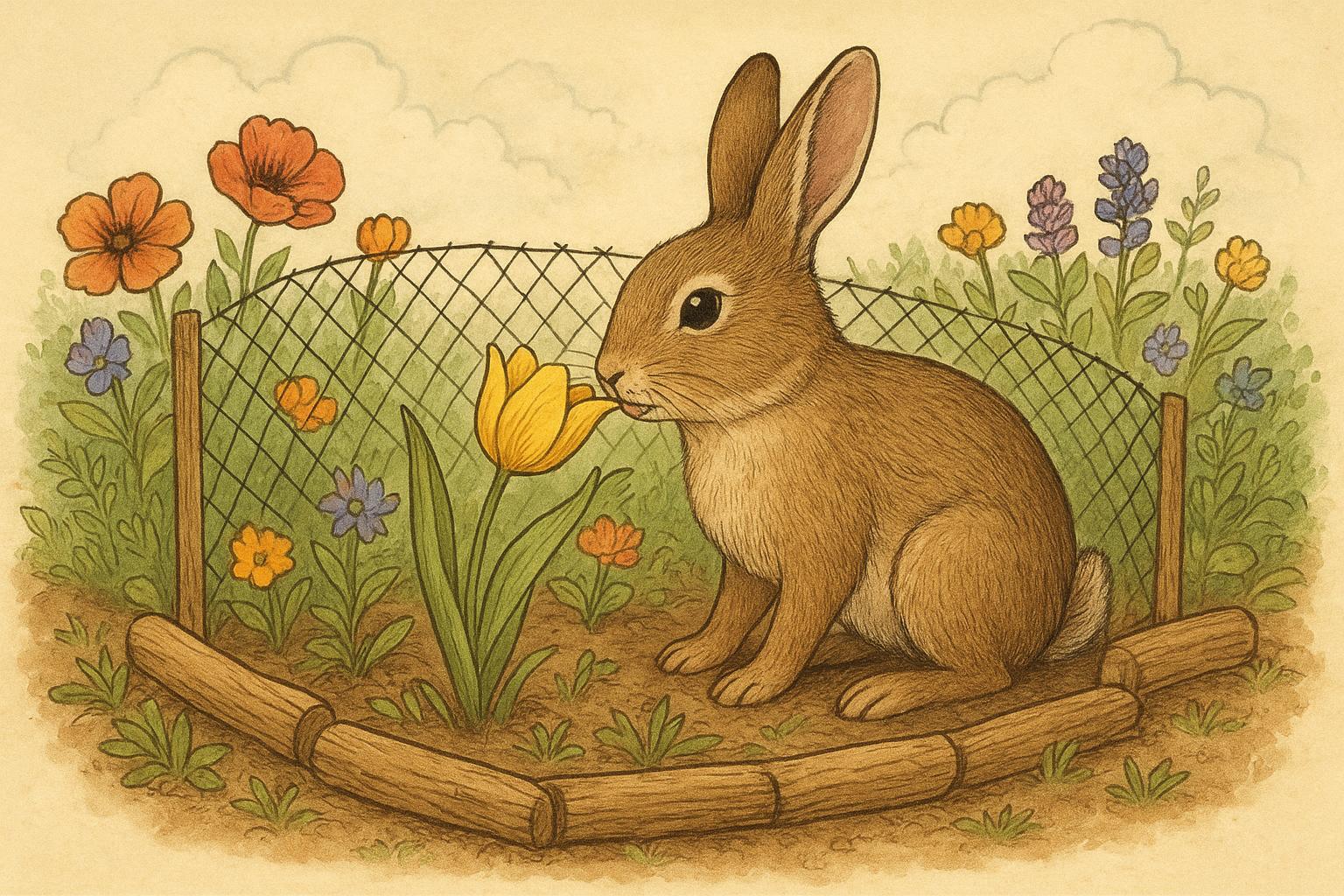
– Wire mesh exclusion cages (protective cage around the feeder)
– Zip ties, clips, mounting hardware
Step-by-Step:
1. Choose an exclusion cage sized to allow small birds inside (e.g., house finches and chickadees) but exclude larger starlings. Measure typical birds you want to allow and select mesh spacing accordingly.
2. Attach the cage around the feeder using secure clips or zip ties. Ensure that larger species cannot reach seeds from outside the cage.
3. For pole-mounted feeders, install a dome baffle above or below the feeder to prevent starlings from clinging or hovering in a favorable position.
4. If using hanging feeders, ensure the suspension chain or cable is long enough to allow swing but positioned so starlings can’t use nearby branches to access the feeder. Trim overhanging perches within a few feet of feeding spots.
5. Regularly inspect hardware for damage or gaps. Replace fasteners and tighten attachments as needed — gaps are invitations for a starling takeover.
## Practical Yard Management To Reduce Attraction
Habitat management complements feeder changes. A starling takeover often signals that the yard is especially hospitable. Make it less so without making it inhospitable for target birds.
### Vegetation And Shelter Adjustments
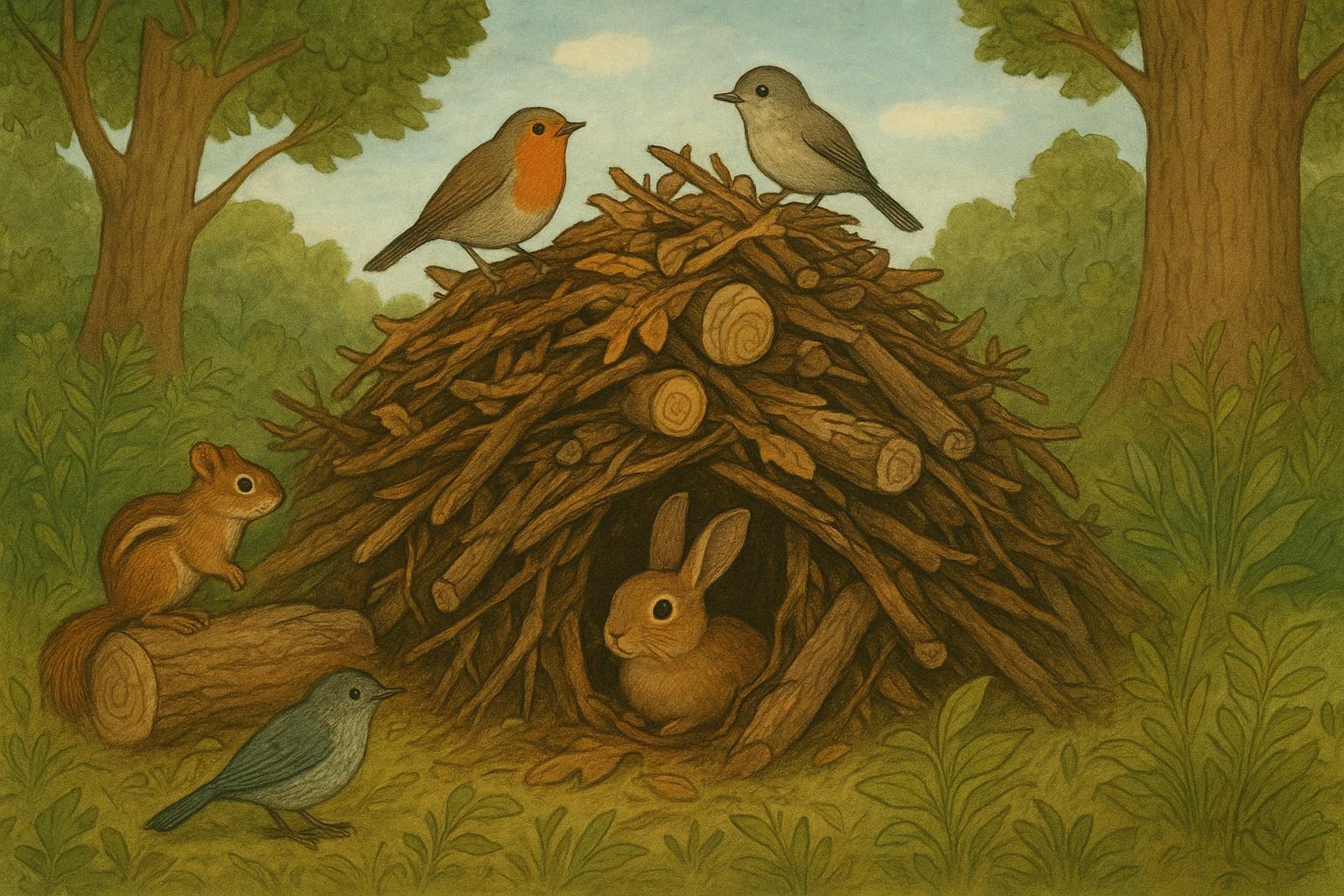
Trim dense, low shrub cover where starlings roost during the day. Provide alternative vertical perches for songbirds — thin branches and brush piles — while reducing large, contiguous evergreen hedges that offer staging areas for flocks.
### Waste And Compost Practices
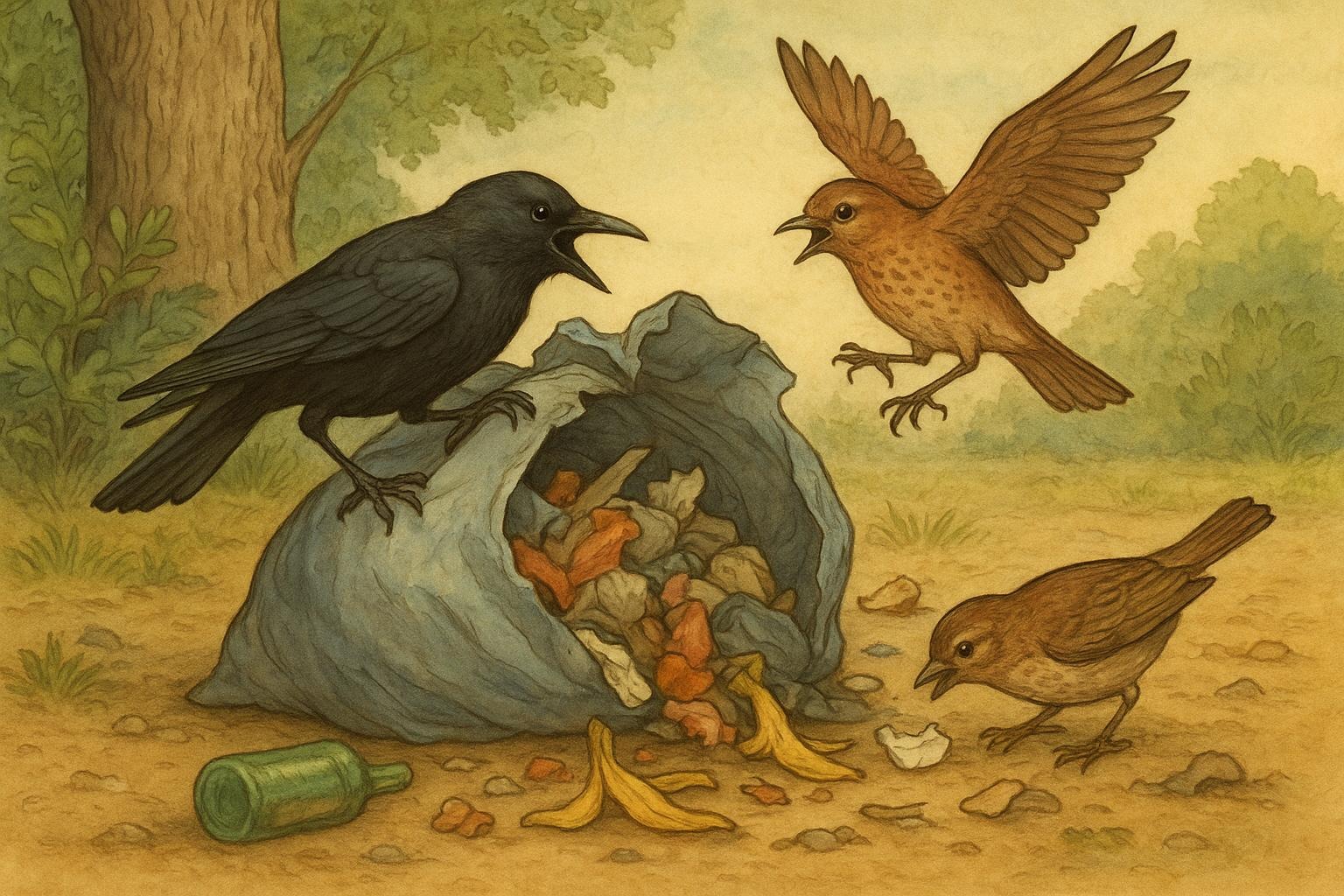
Starlings are scavengers. Keep composts covered and avoid leaving bread or table scraps accessible. A clean feeding area minimizes food on the ground, which otherwise draws large flocks and facilitates a starling takeover.
## Ongoing Monitoring To Prevent A Starling Takeover
Track feeder use and make incremental changes rather than one-off overhauls. Record which feeders attract starlings and which attract your target species. Rotate seed types and feeder styles seasonally. If starlings persist, temporarily remove feeders for a short period (3–7 days) to break the habit of regular visits; then reintroduce feeders using the starling-resistant strategies above.
### When To Call Wildlife Professionals
If a starling takeover is part of a larger nuisance issue (nesting in structures, aggressive roosting), contact local wildlife control or a bird conservation organization. Professional advice ensures humane and legal actions, particularly in areas with protected species regulations.
## Friendly Tips For Yard Birders (A Little Humor Allowed)
You don’t have to wage war on the starlings; aim for balance. Think of it like making a guest list: a few starlings at a time are fine, but when they bring friends and leave confetti (seed hulls) everywhere, it’s time to be polite but firm. Rotate strategies every few weeks to keep things unpredictable enough that starlings can’t settle into a routine.
If you’re trying one change at a time, give each strategy at least two weeks to show results. Many of the remedies above are cumulative: starling-proof feeders reduce access, seed changes make the site less attractive, and exclusion devices physically keep them out. Together, they significantly reduce the odds of a starling takeover without harming the birds or your enjoyment of backyard birding.
Keep notes, enjoy the quieter visitors, and if a starling takeover happens again, you’ll have a playbook ready.
















Leave a Reply