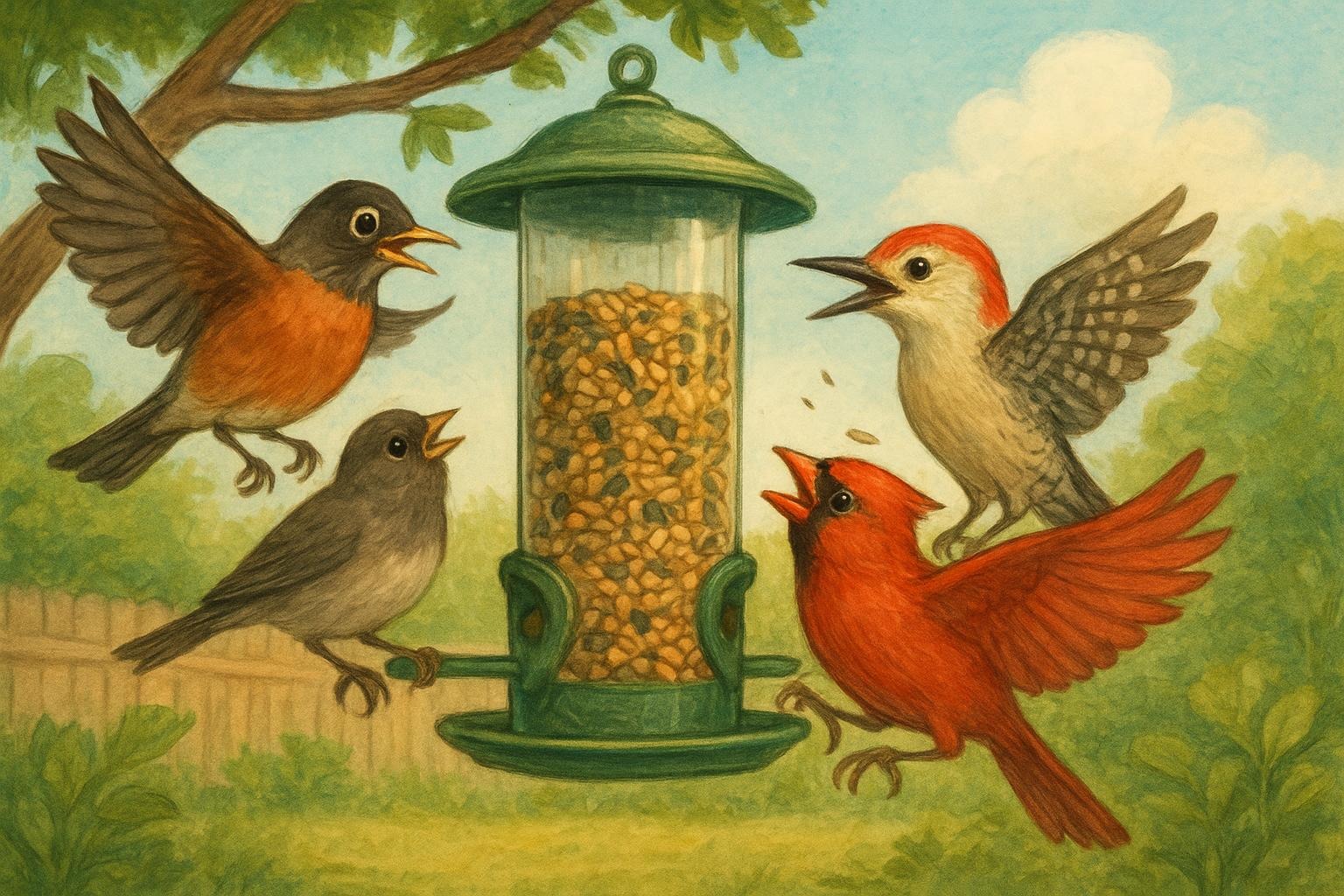
## Understanding The Pecking Order At Feeders
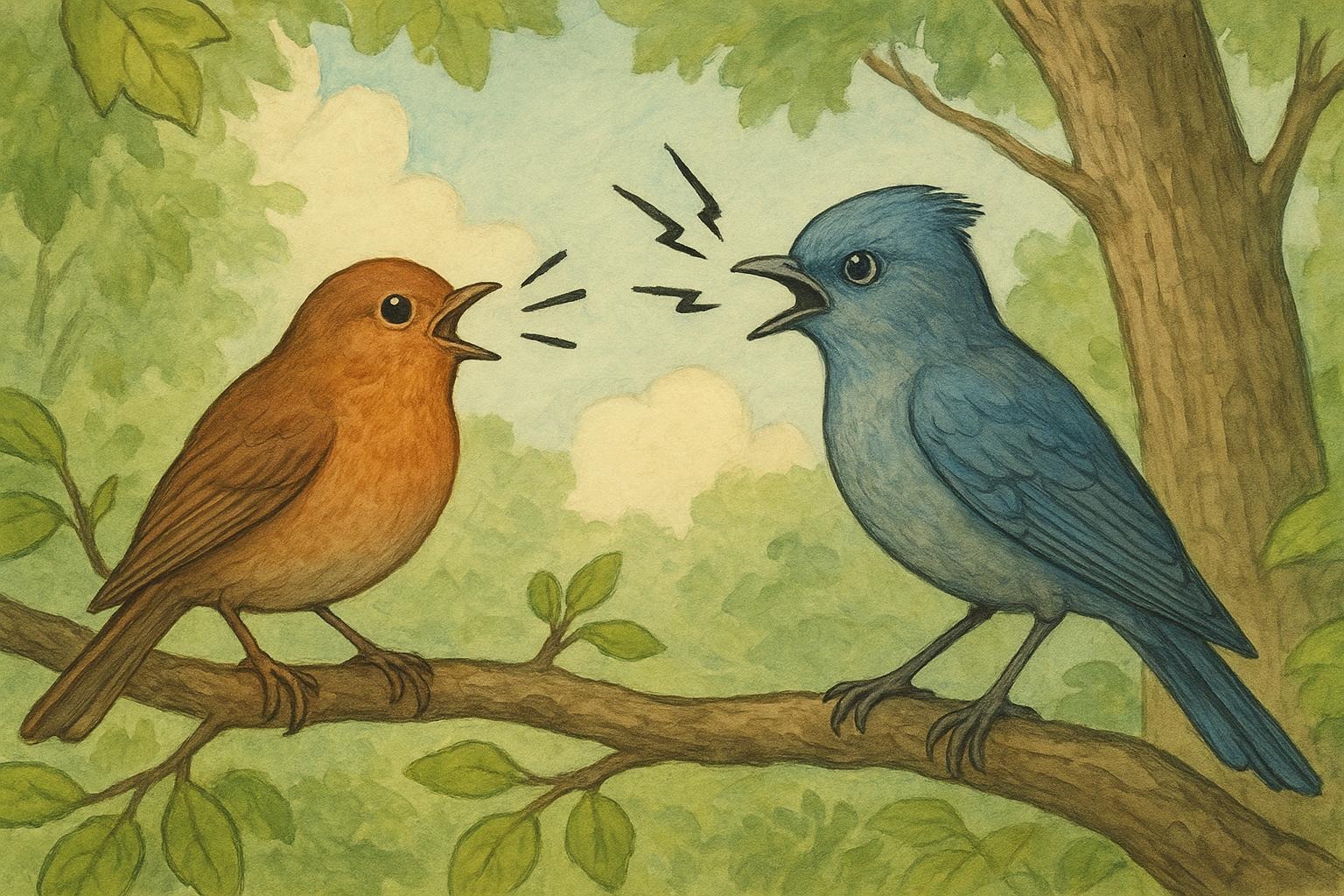
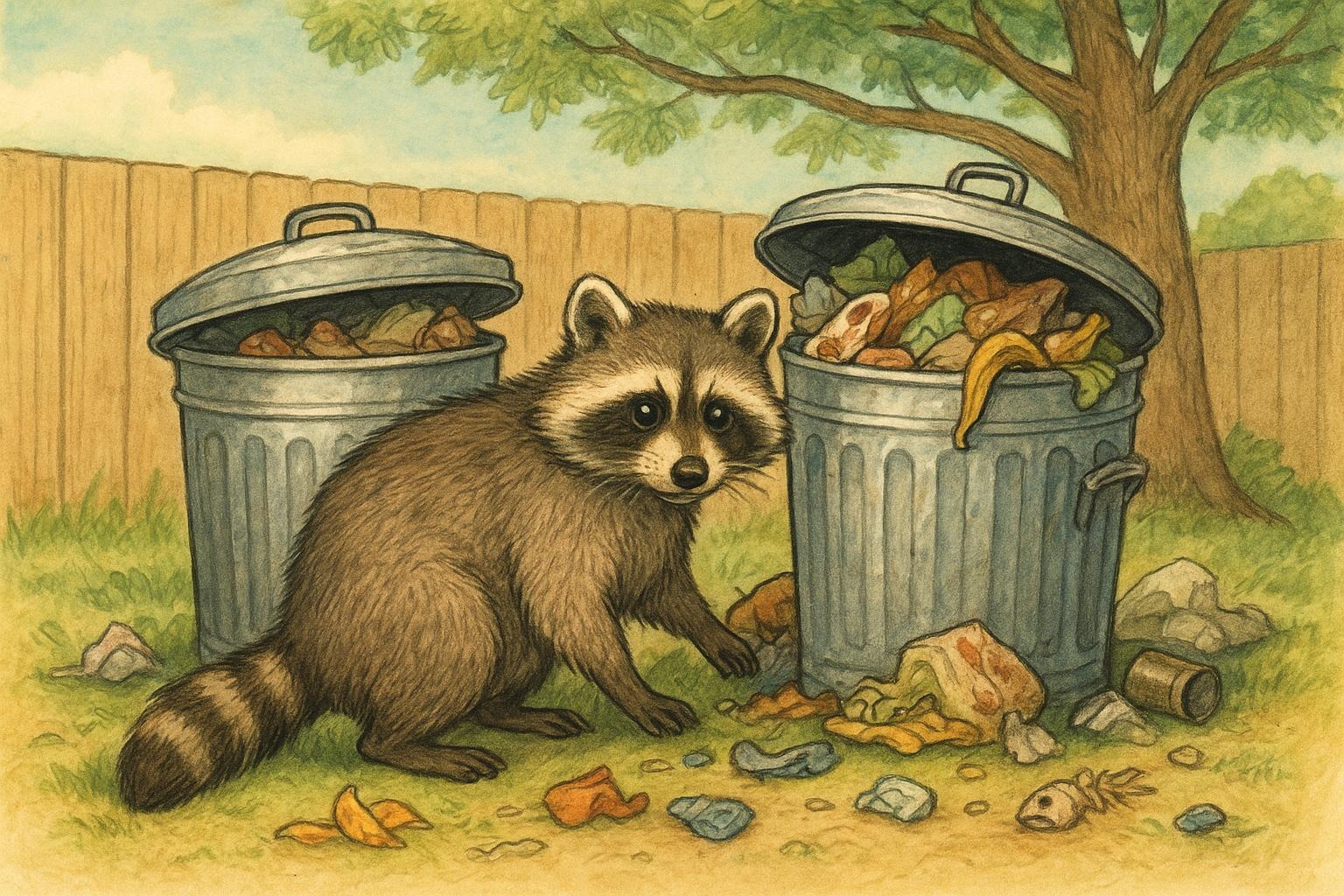
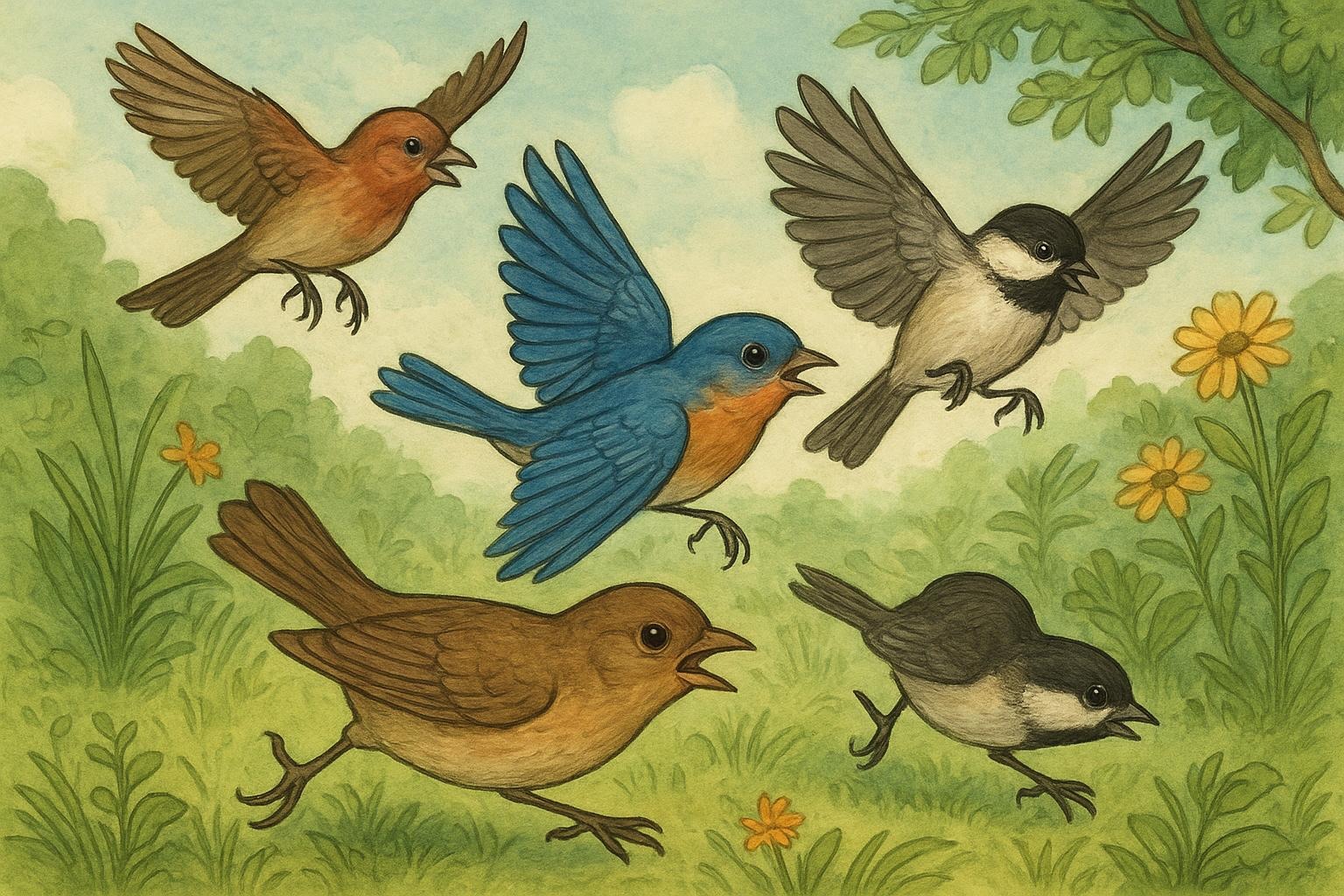
If your backyard feeder sometimes looks like a tiny soap opera, you’re not alone. The term pecking order is a tidy way to describe who gets first dibs at food, prime perches, and the best sunbathing spots. It’s a social ranking system most commonly observed in birds, but it can include squirrels, chipmunks, and the occasional determined raccoon. That pecking order starts early in life for many species and is reinforced every time a bolder individual chases away a timid one.
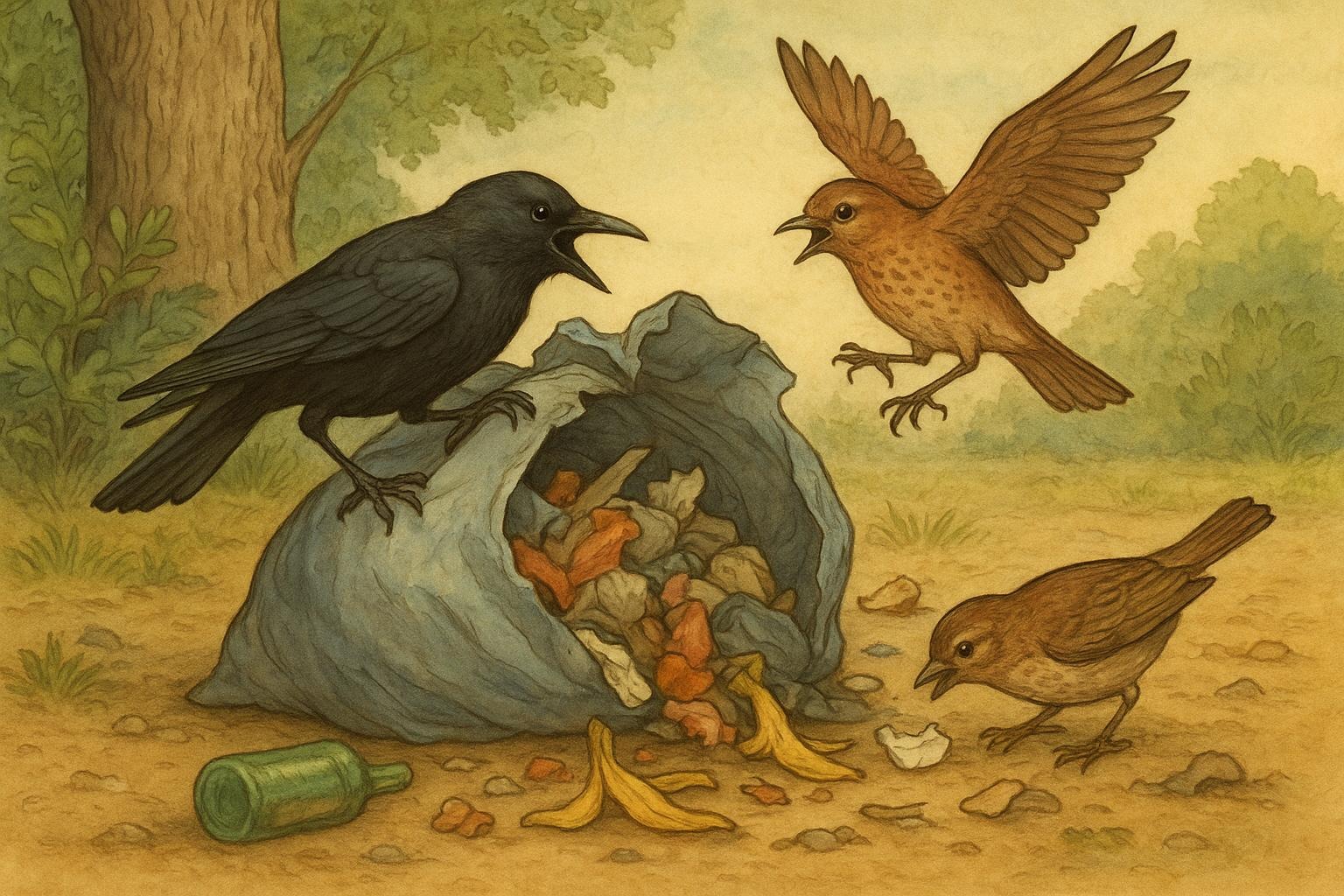
The pecking order isn’t just about one bully stealing all the seed; it’s part of how bird communities manage risk, energy and access to resources. Dominant birds tend to be larger, older, or more aggressive, while smaller or new arrivals hover around the edges. Different species have different tolerance levels: a flock of house finches will shuffle politely, whereas grackles or crows may use brute force. Understanding this can make the difference between a feeder that runs like a well-managed café and one that’s a scene from a reality show.
### Who Shows Up And Who Bulldozes
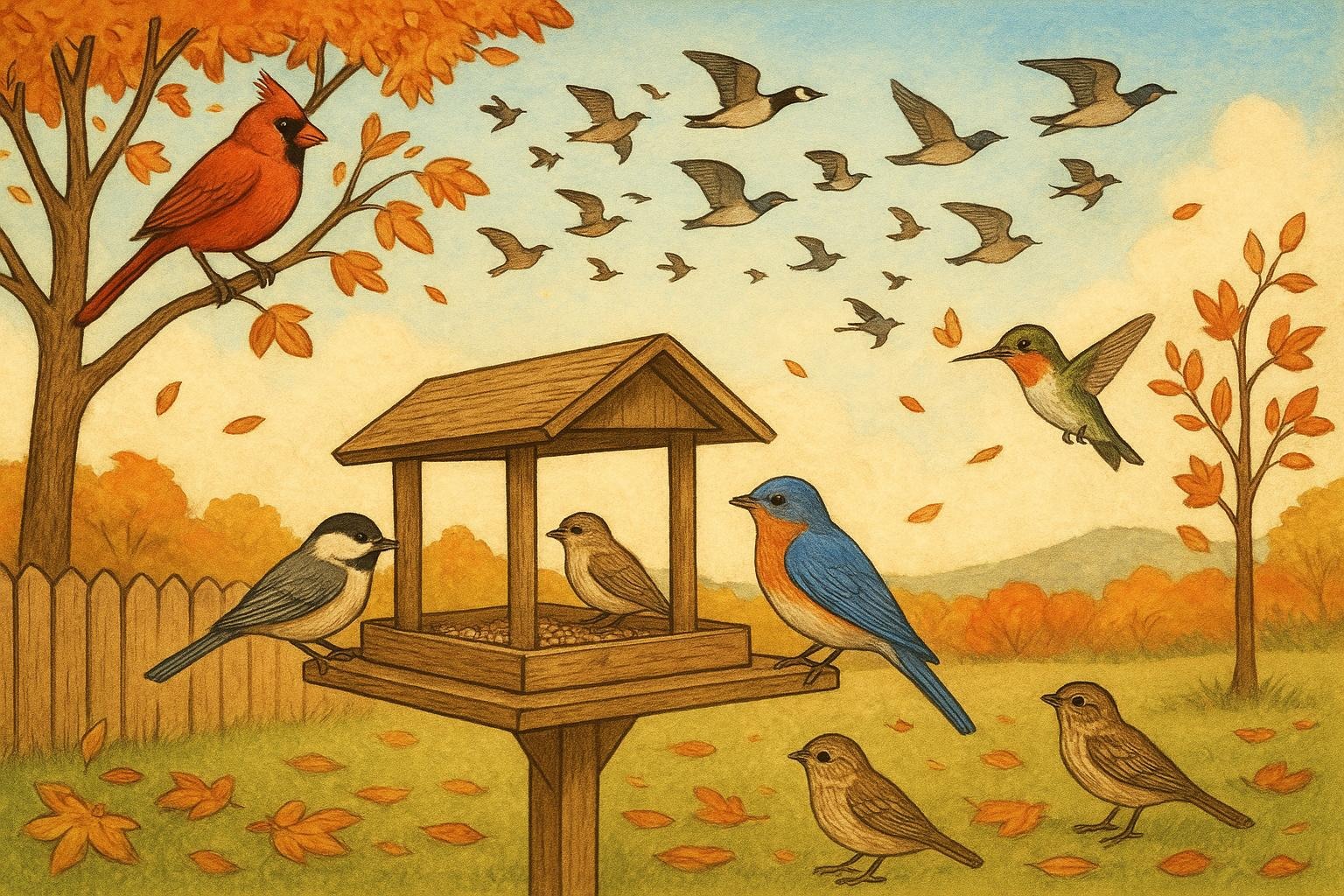
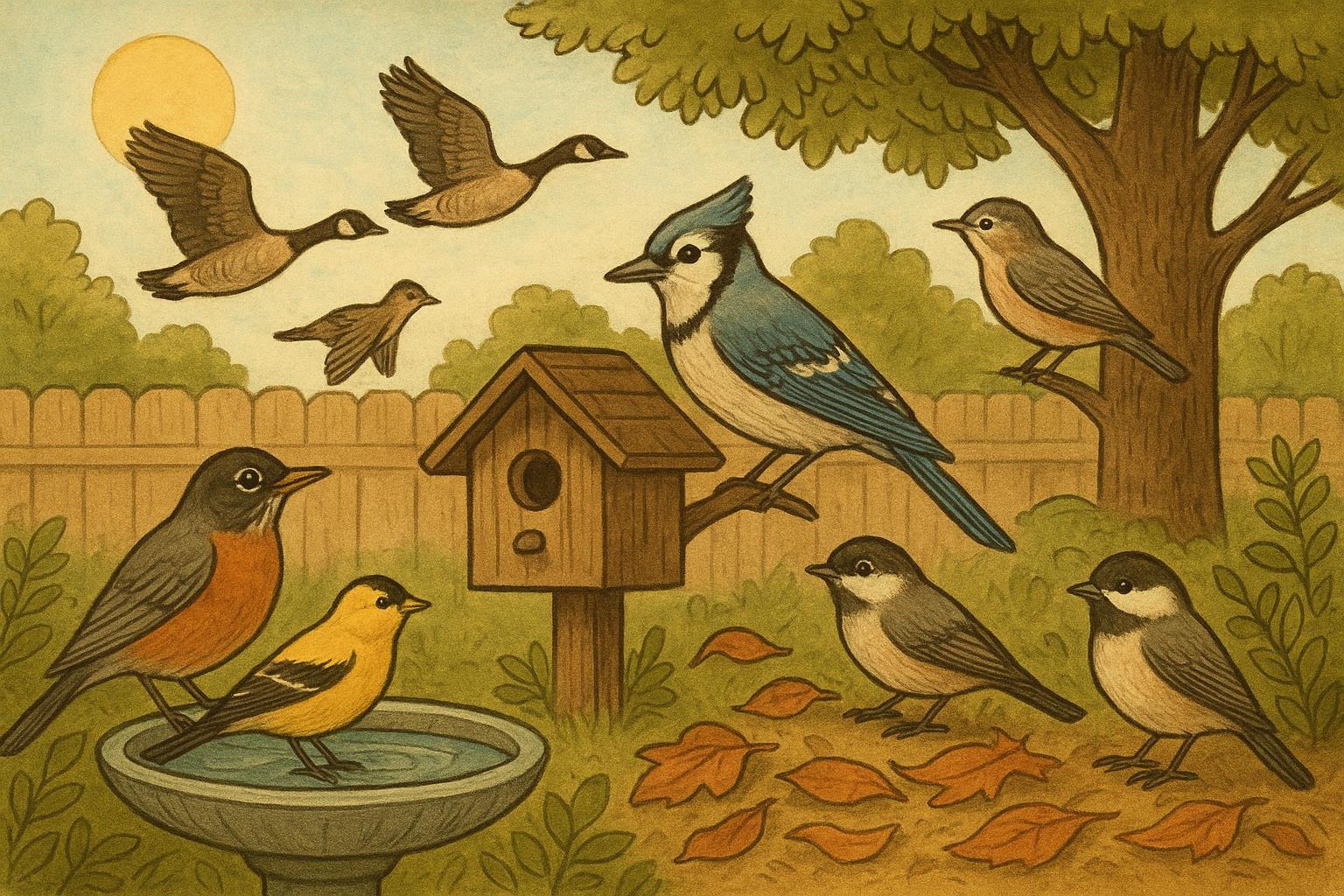
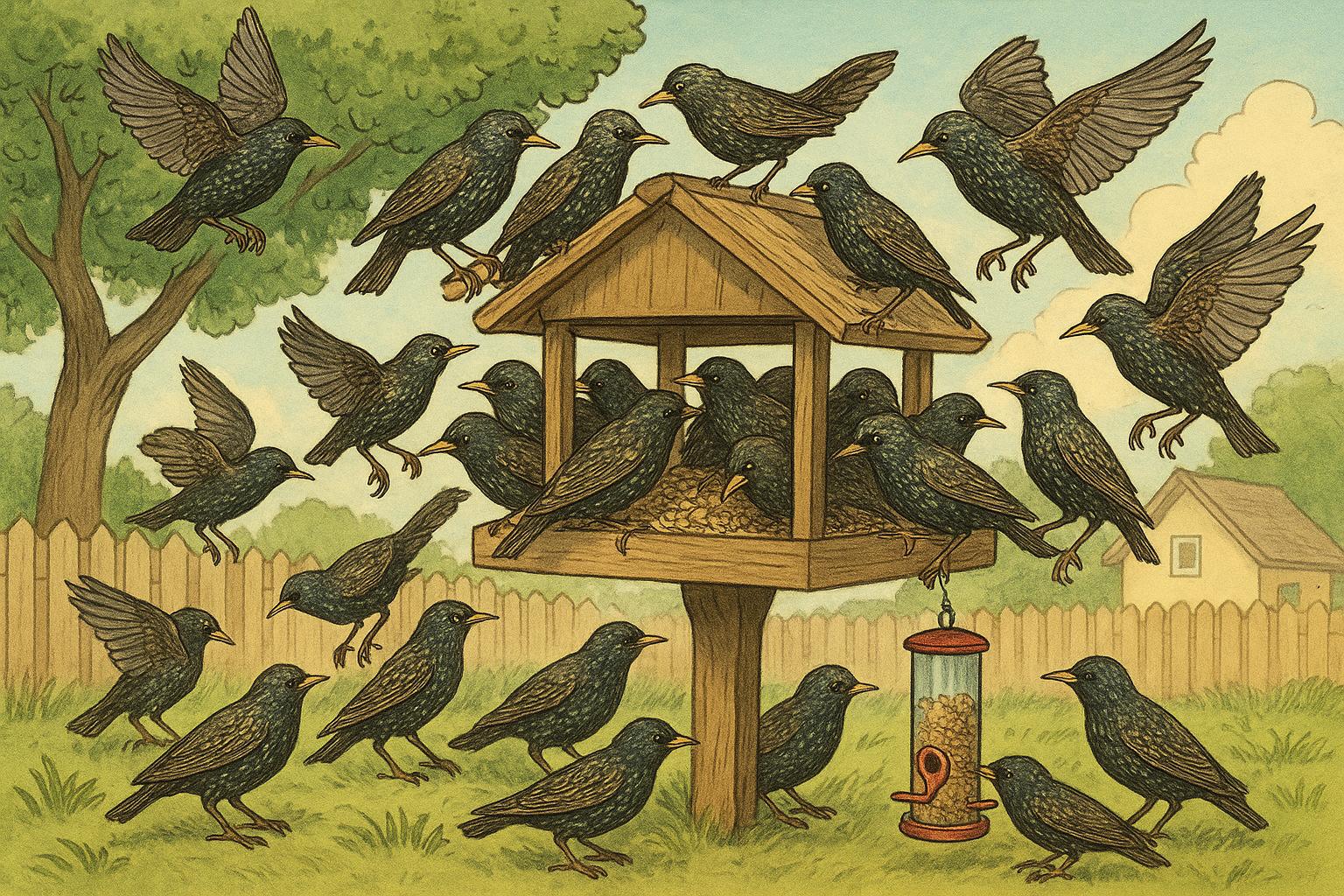
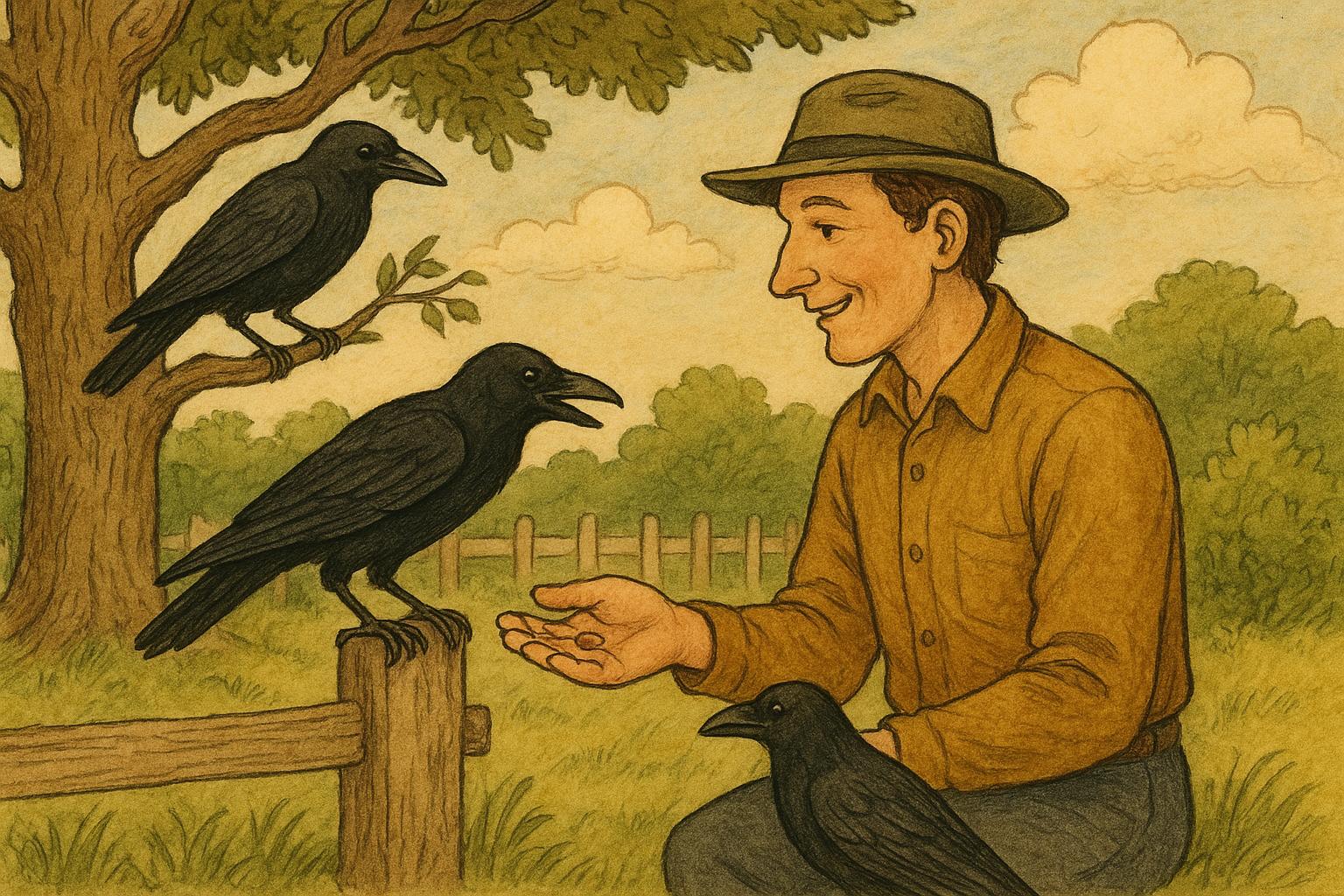
Species composition matters. Blue jays, crows, and starlings are notorious for monopolizing feeders. Sparrows, finches, and chickadees often adapt by feeding at the edges or waiting for the dominant birds to leave. Your local “cast” depends on habitat, season, and the type of food you provide. Even within a species, personality plays a role—some individual birds are natural leaders, others prefer a low-profile life.
### Environmental Factors That Tip The Balance
Feed type, feeder design, placement, and the surrounding habitat influence how pronounced the pecking order becomes. Large open spaces make dominants more confident; thick cover gives smaller birds escape routes. Seed type matters: sunflower seeds and peanuts attract large, bold birds, while nyjer seed draws small, less confrontational finches. Feeders that only accommodate one bird at a time invite queue-jumping and fights; platforms and wide trays encourage shared meals.
## 3 Practical Remedies To Reduce Feeder Fights
When the backyard drama interferes with your enjoyment of birds or harms timid species, it’s time to intervene. Below are three practical, field-tested remedies. The following sections are presented in a direct, procedural manner so you can implement changes reliably.
### Remedy 1: Separate Feeding Stations To Respect The Pecking Order
#### Materials And Required Items
– Two to four feeders (mix of tube feeders and platform feeders)
– Additional mounting poles or hooks
– Distances of at least 10–15 feet between stations (tape measure)
– Optional: baffles or predator guards
#### Step-By-Step Creation And Application
1. Choose Locations: Select feeding locations that are spread out across your yard, ideally 10–15 feet apart and with some visual separation (shrubs, trees, or fences). This reduces the likelihood of one dominant bird surveying and controlling multiple stations.
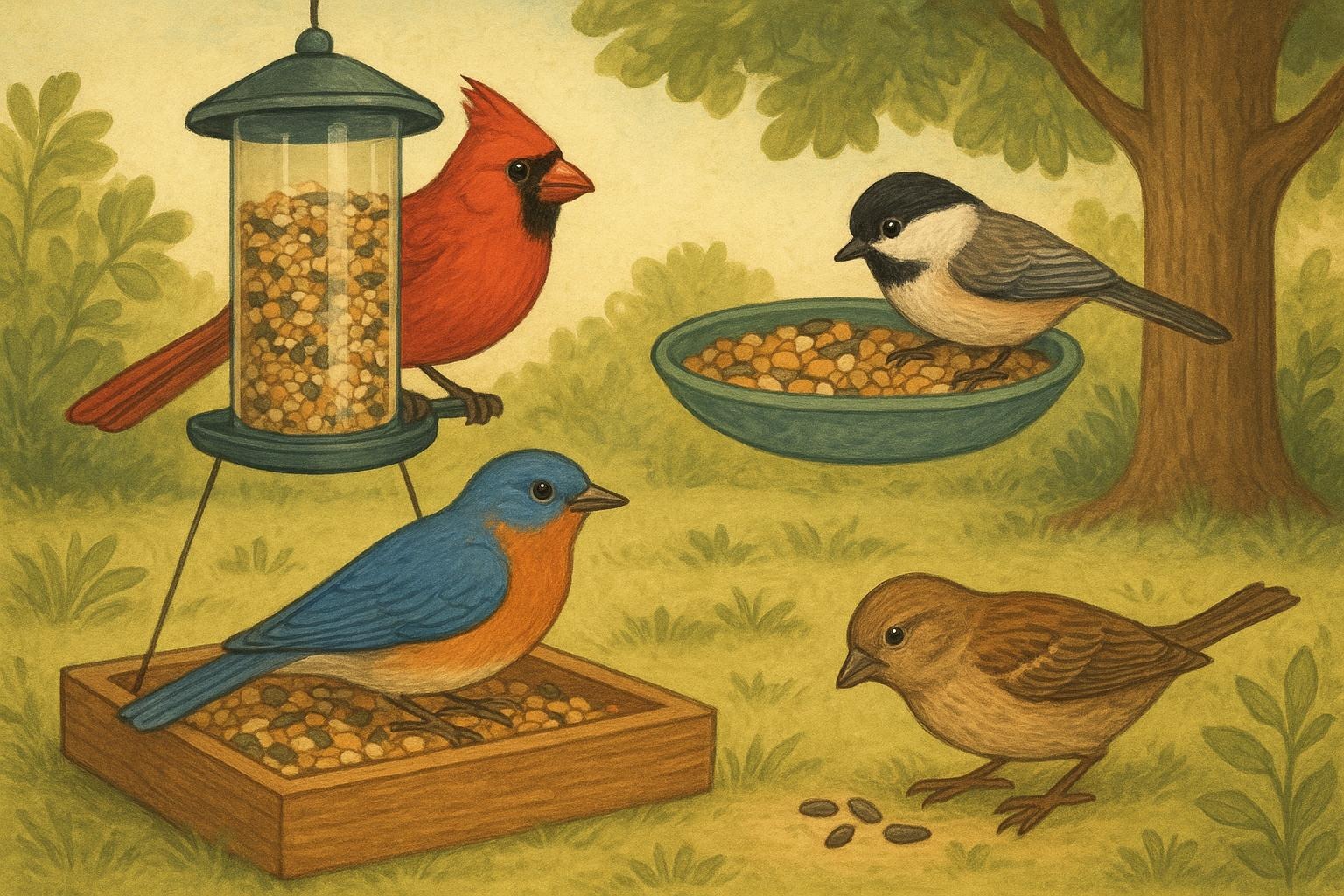
2. Install Feeders: Mount a mix of feeder types—tube feeders for small birds and platform feeders for larger species—at different heights (3–6 feet is common). This creates micro-habitats where different species feel comfortable.
3. Assign Foods Strategically: Put small-seed feeders near dense cover for finches and sparrows. Place larger-seed or peanut feeders in more open spots for jays and cardinals. Spatial segregation lets subordinate birds feed without confronting dominants.
4. Monitor And Adjust: Observe patterns for a week. If one station still attracts monopolizers, move it farther away or change feeder type. Replace or add perches to encourage simultaneous feeding.
5. Maintain Hygiene: Clean feeders every 2–4 weeks and rotate food supplies so dominant birds don’t always find the highest-value station.
### Remedy 2: Use Species-Specific Feeders And Food To Bypass The Pecking Order
#### Materials And Required Items
– Caged tube feeders (sized openings small enough to exclude large birds)
– Nyjer (thistle) seed for finches
– Safflower seed (less favored by starlings)
– Suet baskets with small mesh or protected suet feeders
– Feeder poles and predator baffles
#### Step-By-Step Creation And Application
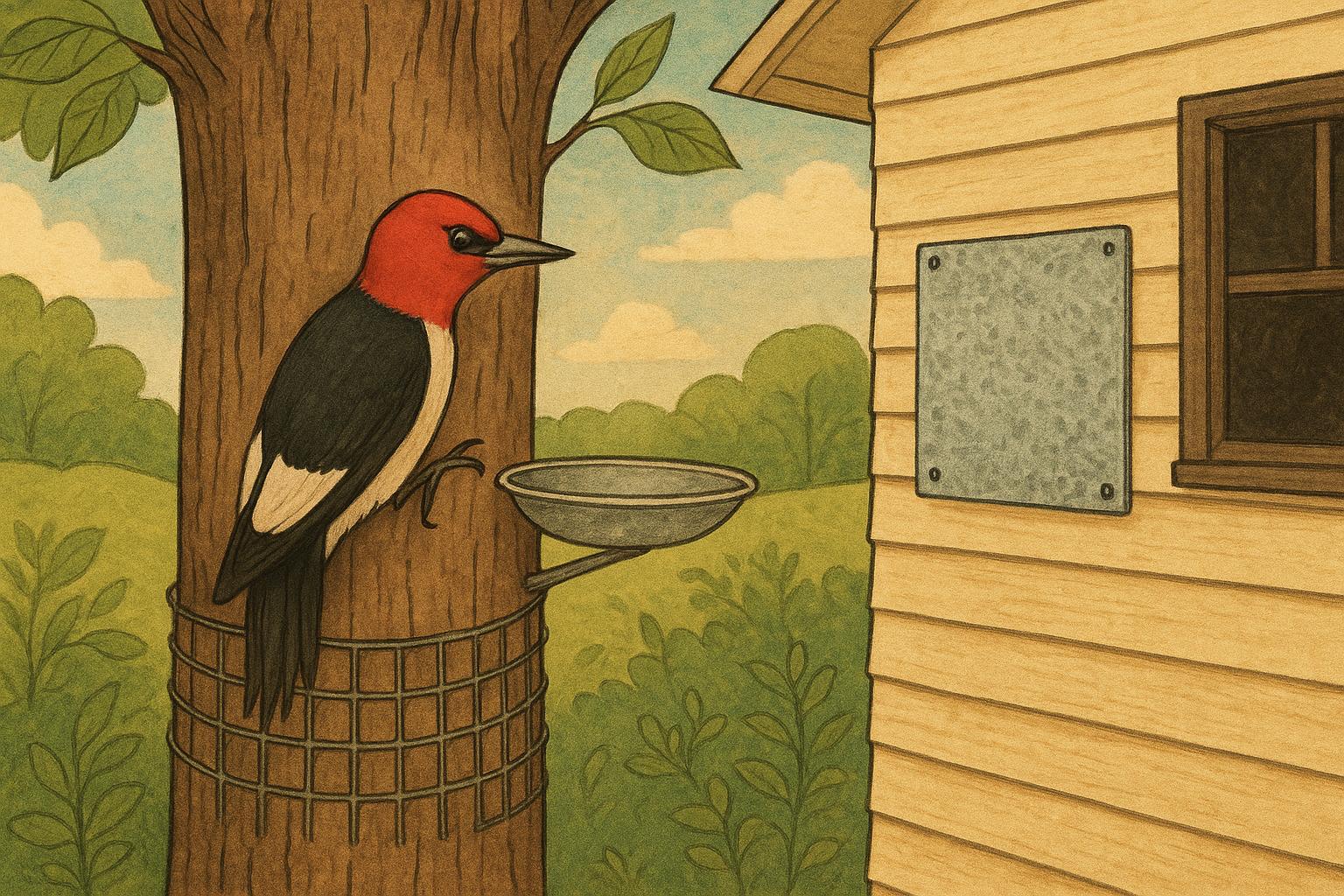
1. Select Feeder Types: Purchase tube feeders with narrow ports and caged feeders that physically exclude large birds. These are designed so only smaller passerines can land and access seed.
2. Choose Targeted Food: Fill the small-port feeders with nyjer or safflower seed. Nyjer attracts finches and is ignored by many larger competitors; safflower is less palatable to starlings and many grackles.
3. Install Strategically: Place these feeders near low cover where small birds feel safe. Ensure feeders are hung at heights that smaller species prefer (around 5–7 feet).
4. Monitor Access: Over several days, note which species are using the feeders. If large birds attempt to access them, verify the ports are properly sized or consider adding a mesh cage.
5. Adjust Quantity And Refill Schedule: Small birds have fast metabolisms. Keep these feeders well stocked but don’t overfill excessively—that attracts opportunists. Refill consistently to establish your yard as a reliable source for target species.
### Remedy 3: Diversify Feed And Timing To Diffuse Conflicts
#### Materials And Required Items
– Platform or tray feeders
– Multiple food types (sunflower hearts, millet, cracked corn, suet cakes)
– Ground feeding tray or scatter area
– Timer (optional) or consistent feeding schedule
#### Step-By-Step Creation And Application
1. Prepare Multiple Food Stations: Set up a platform feeder and a ground tray spaced apart from your main tube feeders. Use sunflower hearts on platforms and a mix of cracked corn or millet on trays.
2. Scatter Feeding: Occasionally scatter small amounts of seed away from the main feeders to draw in ground-feeding species and divert attention from crowded perches.
3. Implement A Feeding Schedule: Offer fresh food at consistent times—morning and late afternoon. A predictable schedule allows subordinate birds to time feeding when dominants are less active.
4. Rotate Foods: Switch food types between stations every few days to prevent any single species from learning to dominate a particular station.
5. Observe And Refine: Note how different species respond. If one food station becomes dominated, rebalance by changing location, food type, or adding another station.
### Watching The Pecking Order Shift Through Seasons
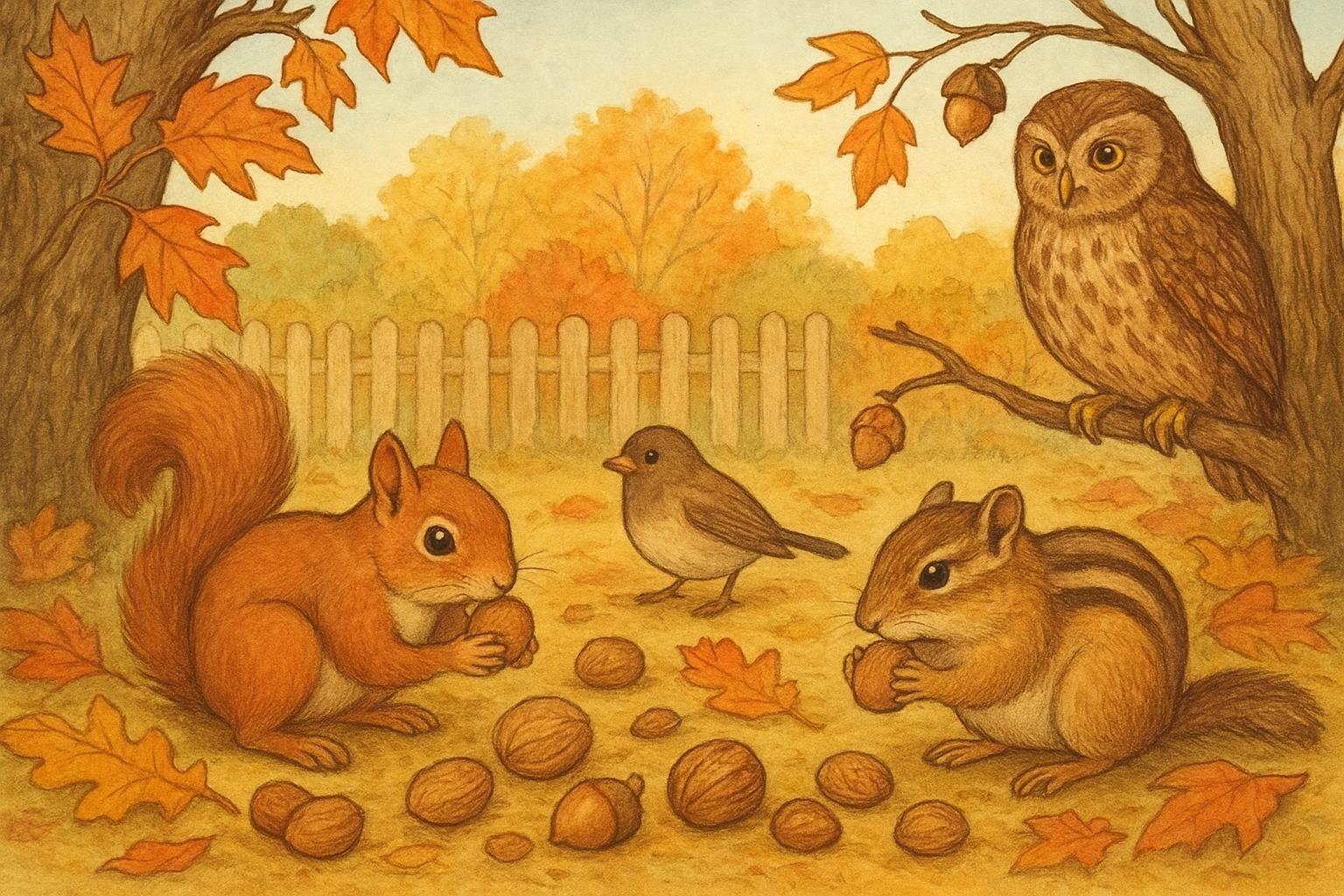
Feeder dynamics change with seasons. Winter scarcity can amplify aggression; spring territoriality and nesting needs can elevate competition. Migration brings new species and temporary imbalances. Keep an eye on changes and be ready to adapt feeder type, location and schedule accordingly. Simple, small tweaks often restore balance quickly.
### Legal And Ethical Considerations
When intervening, use non-lethal methods and avoid harming wildlife. Removing or modifying feeders is preferable to any attempt at deterrence that could injure animals. Check local wildlife regulations if you plan habitat modifications, especially for nesting seasons. If aggressive behavior includes protected species or seems abnormal (sick birds, extreme lethargy) contact a licensed wildlife rehabilitator or local extension service.
### Monitoring For Success And Long-Term Care
Set a monitoring period of at least two weeks after each change. Keep a short notebook or phone log noting which species use which station and any shifts in behavior. Maintain cleanliness to prevent disease spread: wash feeders with a mild bleach solution (10% bleach, 90% water), rinse thoroughly, and allow to dry before refilling. Replace moldy or stale seed.
### Enjoy The Wild Drama
Keep an eye on the feeders, keep a camera handy if you like a little backyard theater, and accept that a dynamic pecking order is part of healthy wildlife behavior. With placement, food selection, and a few strategic feeders, you’ll reduce fights and increase the diversity of visitors—often with less intervention than you might expect.




Leave a Reply