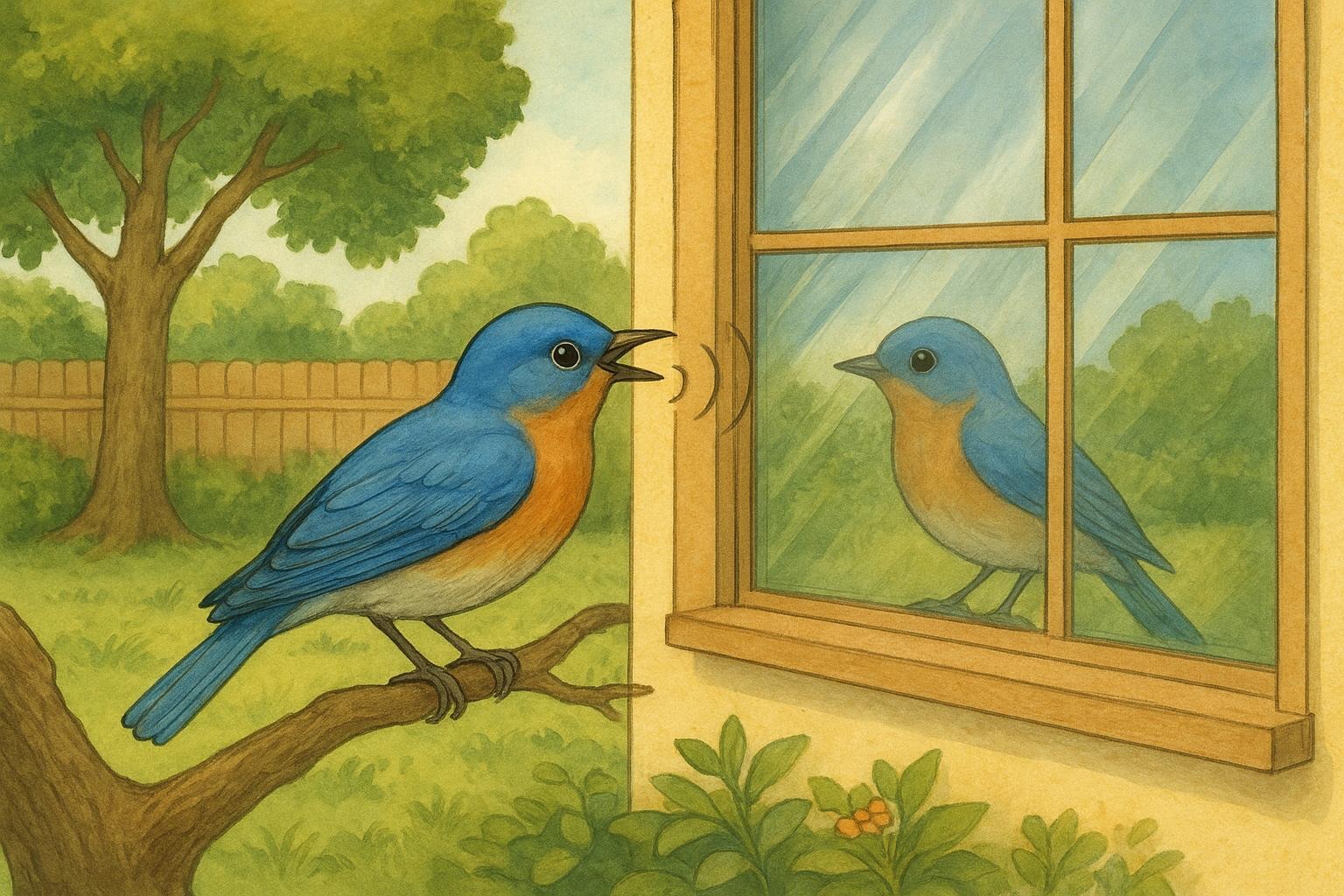
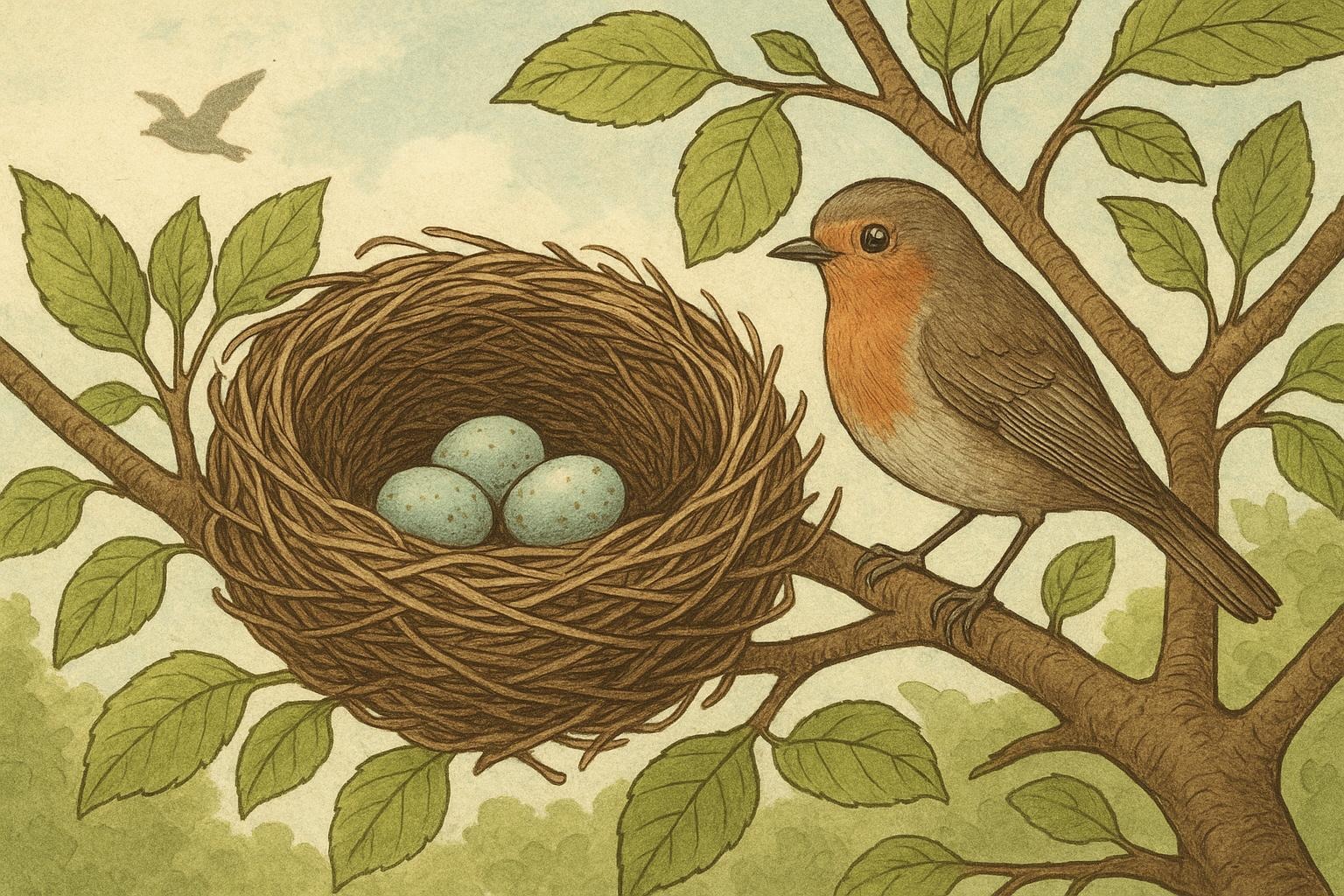
If you’ve ever heard a thud or a sharp tapping on a quiet afternoon and found a confused robin peering in at your living room, you’re not alone. Birds often interact with windows in ways that baffle us—and themselves. Below I’ll walk you through why birds tap and collide with windows, how “glass reflection” plays the starring role, and several practical, properly detailed remedies you can implement in your backyard.
## Glass Reflection And Why Birds Tap Windows In Backyards
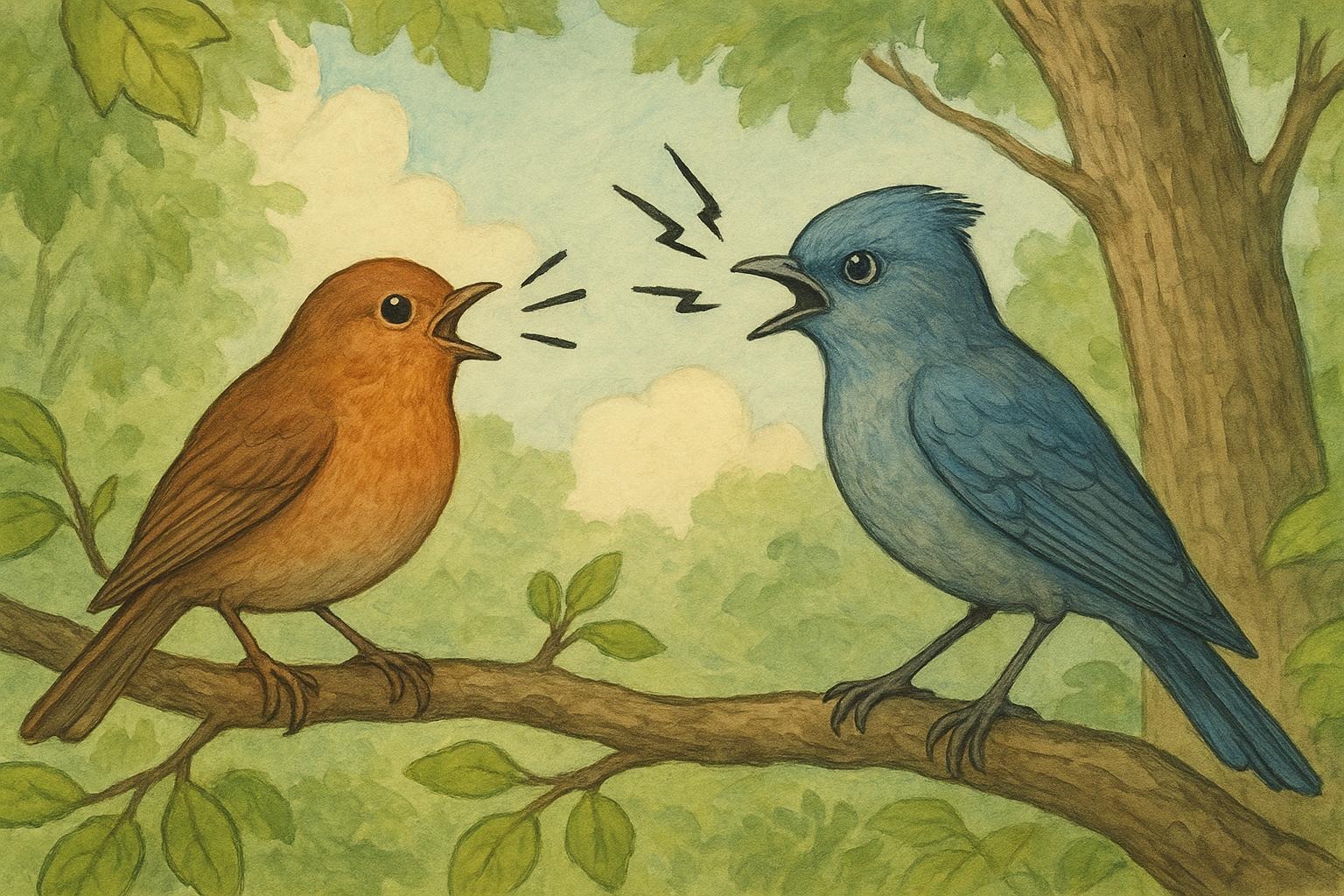
Birds don’t recognize a pane of glass the way we do. To them, a shiny window can look like more sky, more trees, or another rival. That mirror-like quality—known to many of us as glass reflection—is the fundamental reason birds peck, tap, or even crash into windows. When a territorial male sees its mirror image, it can interpret that reflection as an intruding bird and respond aggressively. When a migratory species sees reflected sky or trees, it may try to fly through what it perceives as open habitat.
### Why Reflections Fool Birds
Bird vision evolved for depth perception, quick movement detection, and color discrimination. It didn’t evolve to interpret glass. A few contributing factors:
– Territorial Behavior: During breeding season, males defend territories. A reflected rival triggers repetitive attack behavior.
– Mating Displays: Bright plumage and movement catch attention—reflections amplify that attraction.
– Navigation Errors: Reflections of sky, trees, or gardens can look like a viable flight corridor.
– Indoor Attractions: Houseplants, feeders near windows, and even indoor lights at night can lure birds closer.
### Which Species Tap Or Crash Most Often
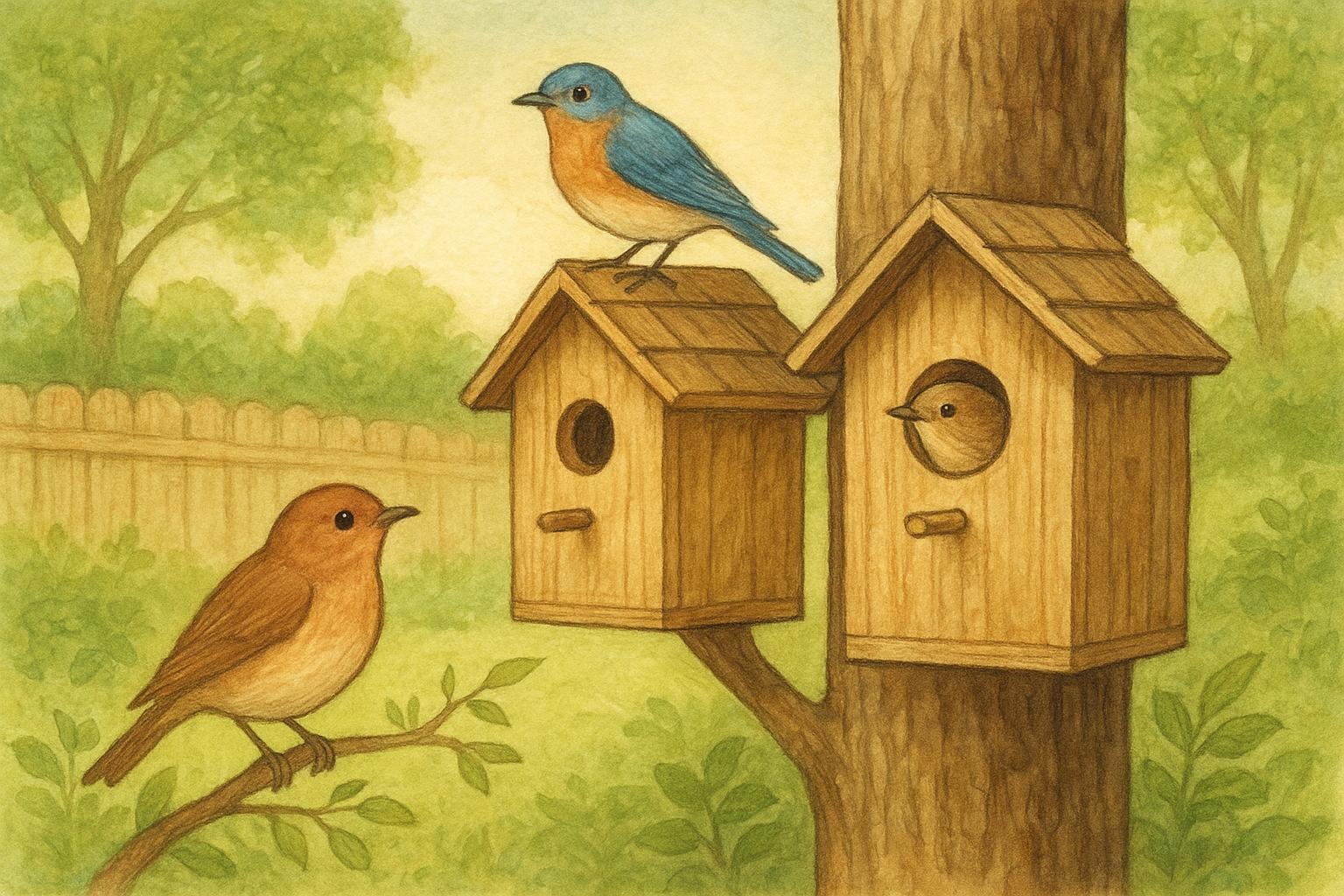
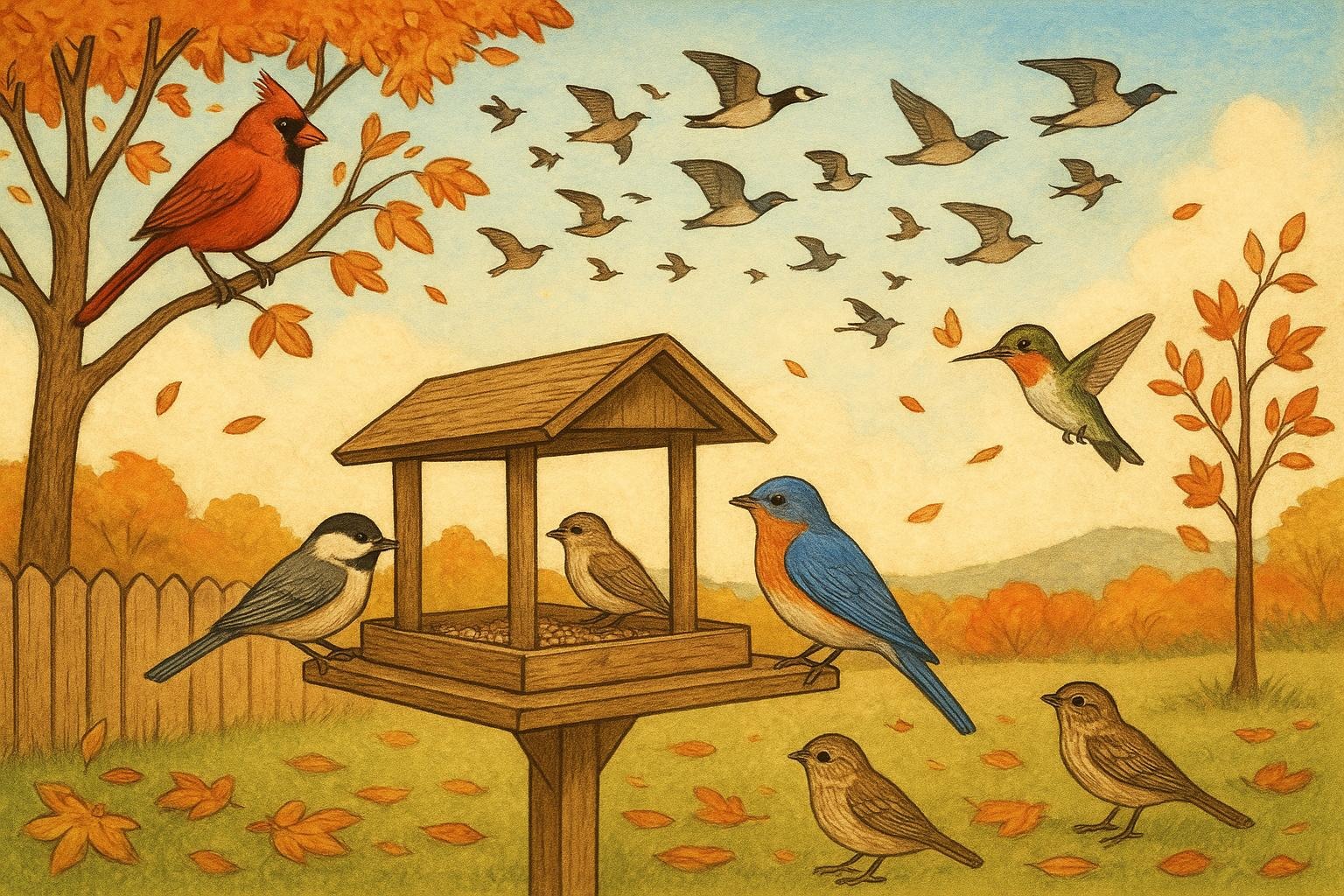
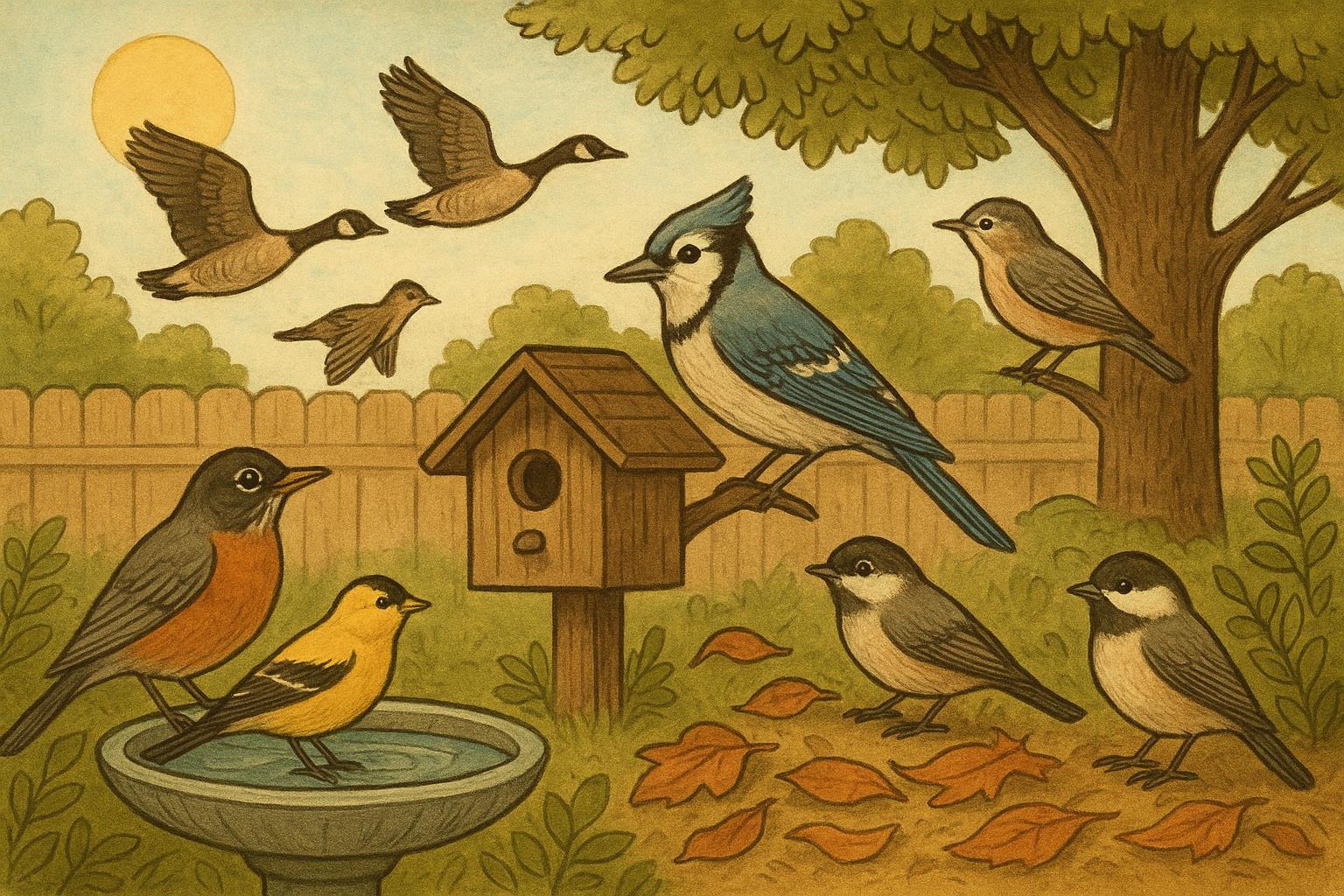
Certain species are more likely to interact with reflective glass. Robins, sparrows, flickers, blue jays, cardinals, pigeons, and hummingbirds are frequent offenders. Hummingbirds, in particular, are territorial and will repeatedly dive at a reflection until the light changes or the object is removed.
#### Times Of Day And Year To Watch
Spring and early summer see more territorial attacks. Dawn and dusk can bring more collisions because low sun increases glare and reflection, and nocturnal migrants can be drawn to lit windows during migration season.
## How Different Window Types Affect Bird Behavior
Not all glass behaves the same. Low-emissivity (Low-E) glass, mirrored windows, and double-pane reflective coatings increase the intensity of glass reflection. Conversely, screens, textured glass, or surfaces treated with break-up patterns reduce the clarity of the reflection and decrease collisions.
### Signs A Window Is A Problem
Look for these indicators:
– Repeated tapping at the same spot.
– Feathers or small blood stains near the sill.
– Stunned birds that fly away after a few moments.
– Dead birds under feeders or window-adjacent shrubs.
If you spot these and want to prevent injury, the next sections give structured, practical remedies.
## 1. Apply Decals Or Stickers To Break Up The Reflection
Materials Required:
– UV-reflective bird decals or small adhesive shapes (non-toxic)
– Measuring tape
– Rubbing alcohol and lint-free cloth
– Ladder or step stool (if needed)
– Mild adhesive remover (for repositioning)
Steps:
1. Clean the window surface with rubbing alcohol and a lint-free cloth to remove dust and oils; let it dry completely.
2. Measure the glass area to determine spacing and layout for decals. Decals should be spaced no more than 4 inches apart horizontally and vertically for small birds; 2–3 inches is better for hummingbirds.
3. Apply decals starting from the center and working outward to maintain an even pattern. Press firmly to ensure full adhesion.
4. For large panes, create a grid or horizontal lines at bird-eye level to interrupt the perceived flight path.
5. Monitor performance for several days. If birds still target the glass, reduce spacing or add another layer of decals.
6. Use mild adhesive remover if decals need repositioning. Check manufacturer guidance for UV-stability to avoid rapid fading.
Notes (Formal): Choose decals rated for outdoor use and labeled non-toxic. Do not rely on a single large decal; birds will simply fly around it. Proper spacing is critical to breaking up the mirror image.
## 2. Install External Screens Or Netting
Materials Required:
– Exterior mesh bird netting or insect screens rated for birds
– Mounting brackets or hooks
– Cord or bungee fasteners
– Scissors or snips
– Measuring tape and ladder
– Optional: weather-resistant hem tape or zip ties
Steps:
1. Measure the height and width of the window plus about 6–12 inches extra on all sides for adequate coverage.
2. Cut the mesh to size. Hem the edges or reinforce with hem tape to prevent fraying.
3. Attach mounting brackets or hooks to the frame or nearby structure following the manufacturer’s specifications.
4. Hang the mesh so it sits at least 2 inches away from the glass surface. This buffer ensures that a bird striking the net will not hit the glass directly.
5. Secure the mesh with cord or bungees and tension it so there is a slight give; a taut but slightly cushioned surface reduces injury.
6. Inspect periodically for wear or sagging; replace or repair damaged sections promptly.
Notes (Formal): External solutions are preferable to internal decorations because they break up reflections before birds reach the barrier. Ensure netting is properly tensioned to avoid entanglement and inspect monthly.
## 3. Apply Window Film Or Temporary Strips
Materials Required:
– One-way vision or frosted window film (exterior-rated), or cling strips
– Utility knife and squeegee
– Measuring tape and level
– Spray bottle with diluted dish soap (a few drops in water)
– Lint-free cloth
Steps:
1. Measure the glass and cut the film to size. Work in a clean, dust-free environment.
2. Spray the glass lightly with the soapy water solution to allow repositioning.
3. Peel the backing from the film gradually, aligning the top edge first.
4. Apply film from top to bottom, using the squeegee to remove air bubbles and excess water.
5. Trim edges with a utility knife for a neat finish.
6. For temporary solutions, use self-adhesive cling strips vertically spaced no more than 4 inches apart.
7. Check adhesion after 24 hours and re-squeegee if necessary. Replace film per manufacturer lifetime guidance.
Notes (Formal): Exterior-rated films last longer and perform better than interior films when installed outdoors. Films with a patterned or frosted finish are effective at disrupting glass reflection. One-way films should be used with awareness of privacy and light transmission implications.
### Helping Birds At The Moment Of Collision
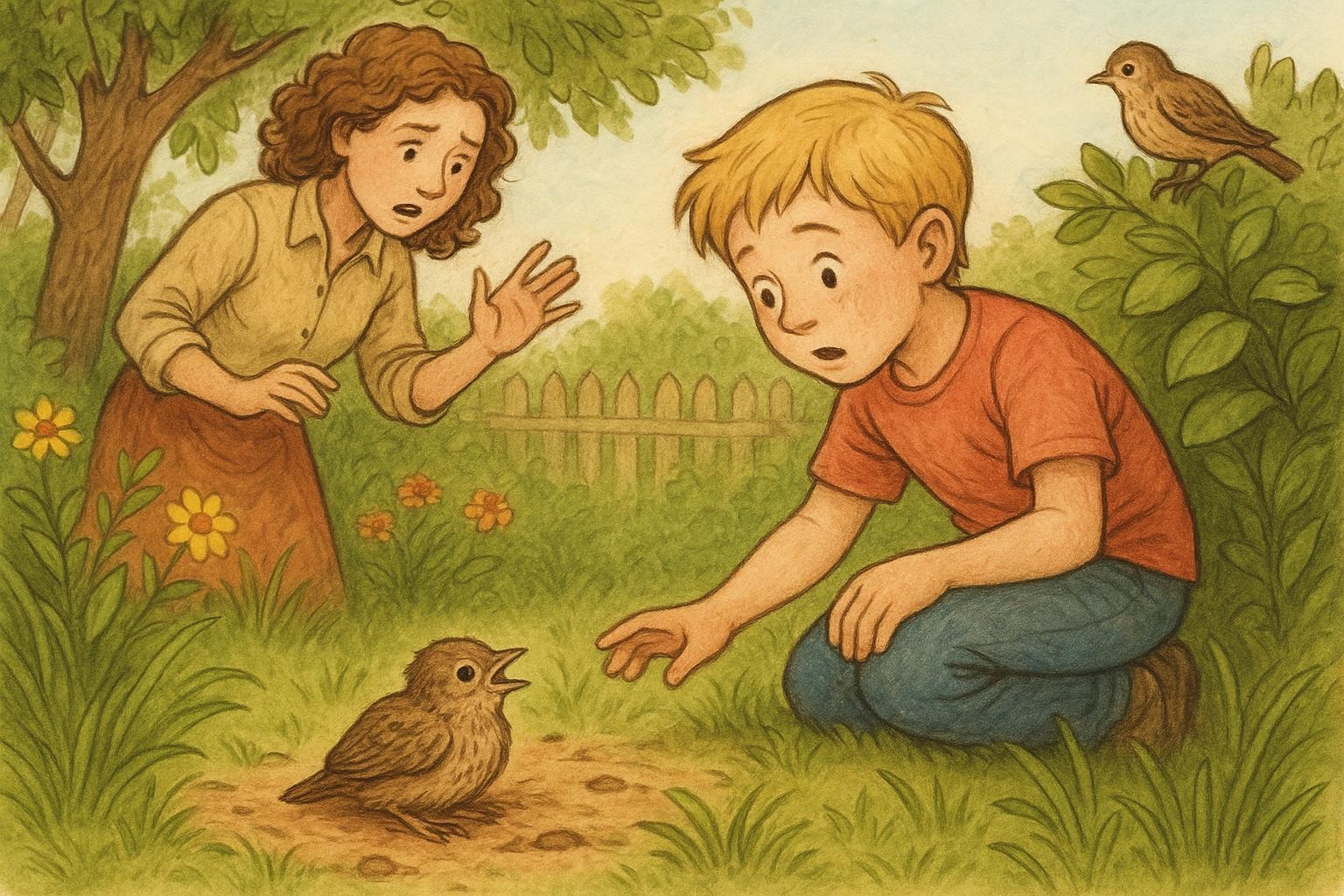
If you find a stunned bird:
– Approach slowly and keep predators (pets) away.
– Place a small box with ventilation in a quiet, shaded area and gently put the bird inside on a soft cloth.
– Keep the bird in a dark, quiet place for 30–60 minutes. If it recovers and perches normally, release it outside.
– Contact a licensed wildlife rehabilitator if the bird is bleeding, has a drooping wing, is unresponsive, or doesn’t recover.
## When Prevention Needs Maintenance
Glass reflection issues are not always fixed forever. Seasonal foliage growth, changes in landscaping, or replacements of windows can reintroduce problems. Periodically reassess:
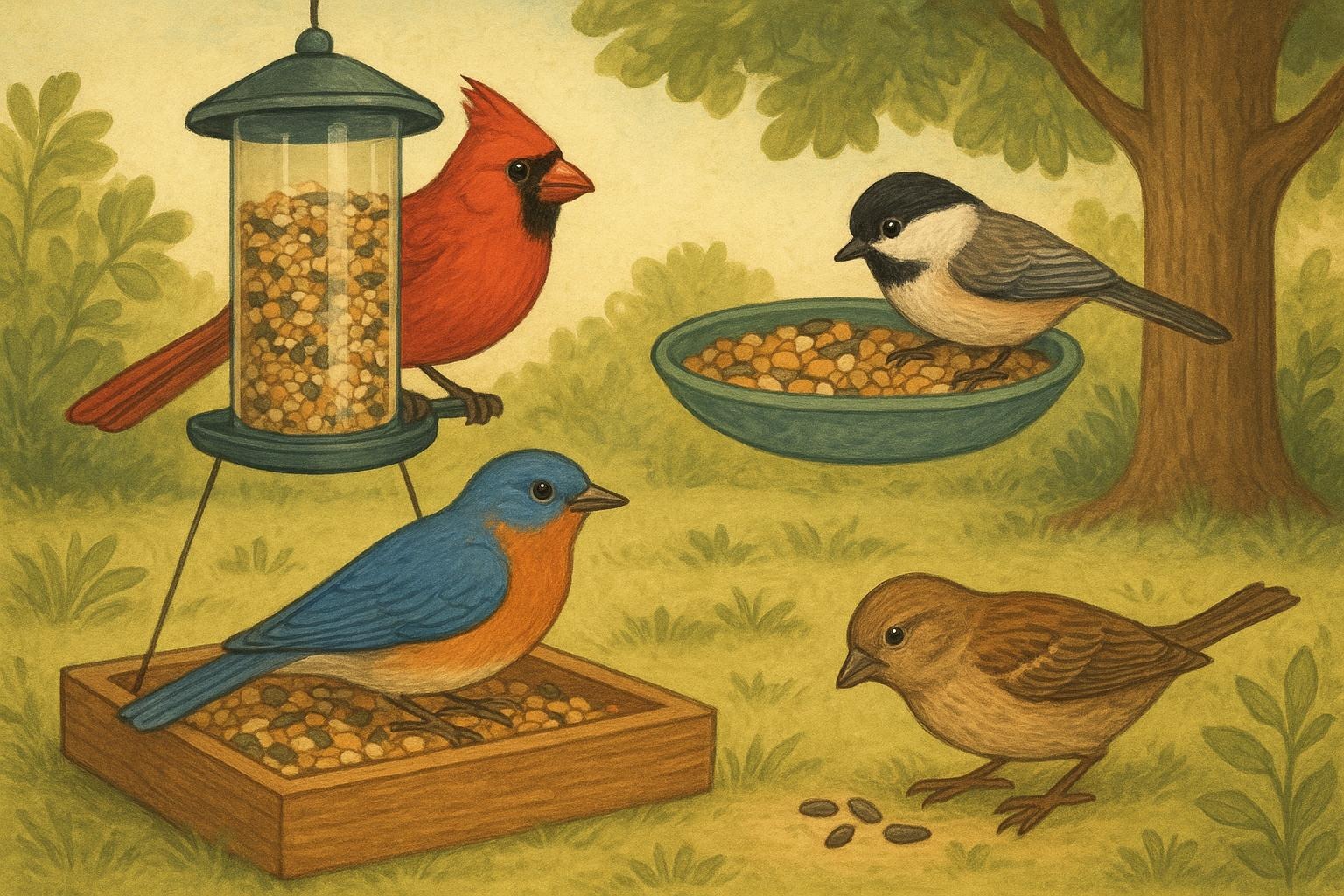
– Do feeders sit too close to reflective panes? Move them within 3 feet of the glass (where birds bounce off slowly) or farther than 30 feet (to reduce perceived flight paths).
– Have surrounding trees grown to create new reflections?
– Has window treatment degraded and become less effective?
### Small Design Tweaks That Help
Planting a narrow shrub line a few feet in front of windows, relocating feeders, adding exterior awnings, or installing one-way mesh can all reduce the impact of glass reflection without dramatically changing your home’s appearance.
If you’d like, I can recommend specific decal brands, film types, or a sketch of a setup for your particular window arrangement—just tell me the window size, nearby vegetation, and species you see most often.




Leave a Reply