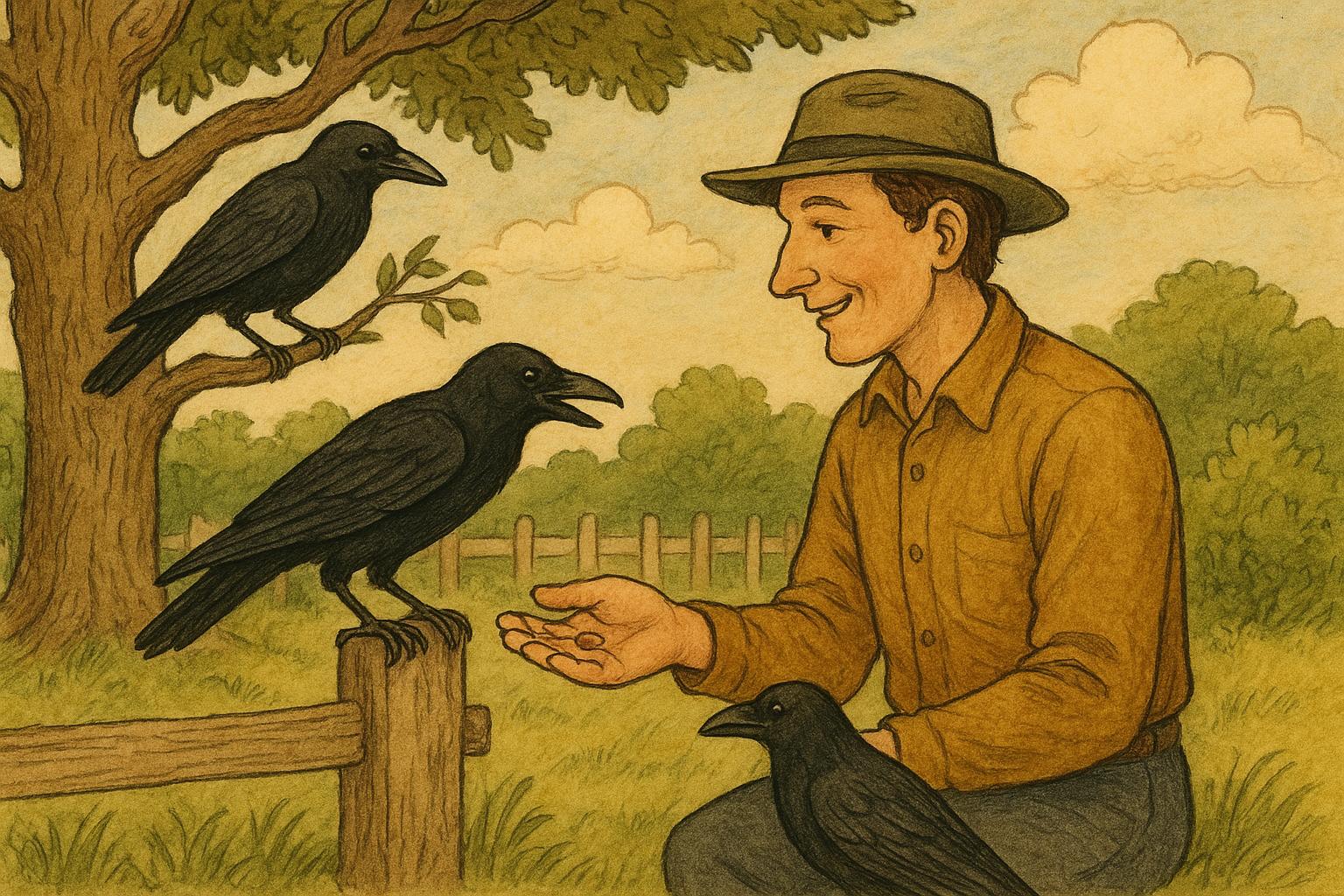
## Why Crows Hang Around: Understanding The Crow Problem
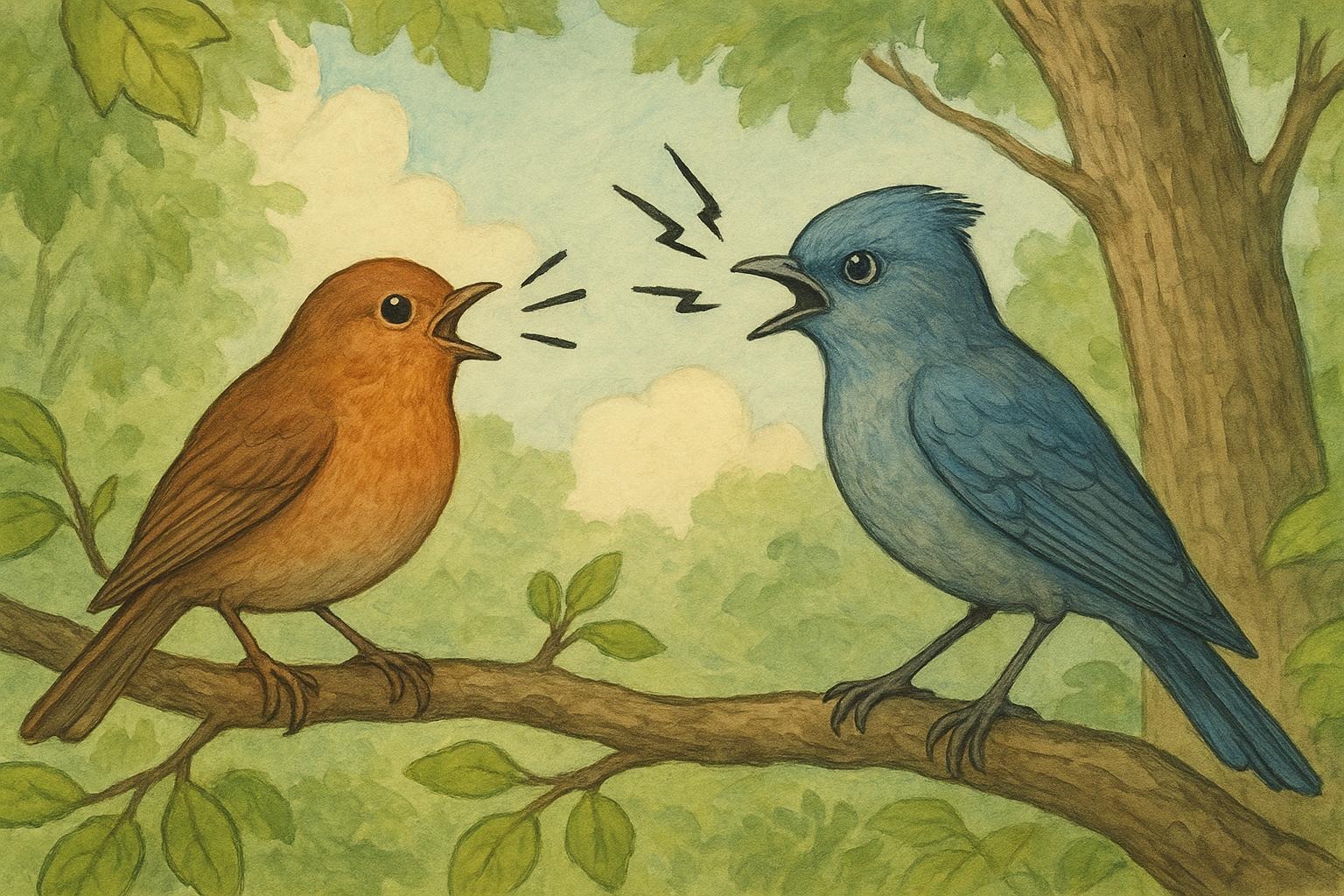
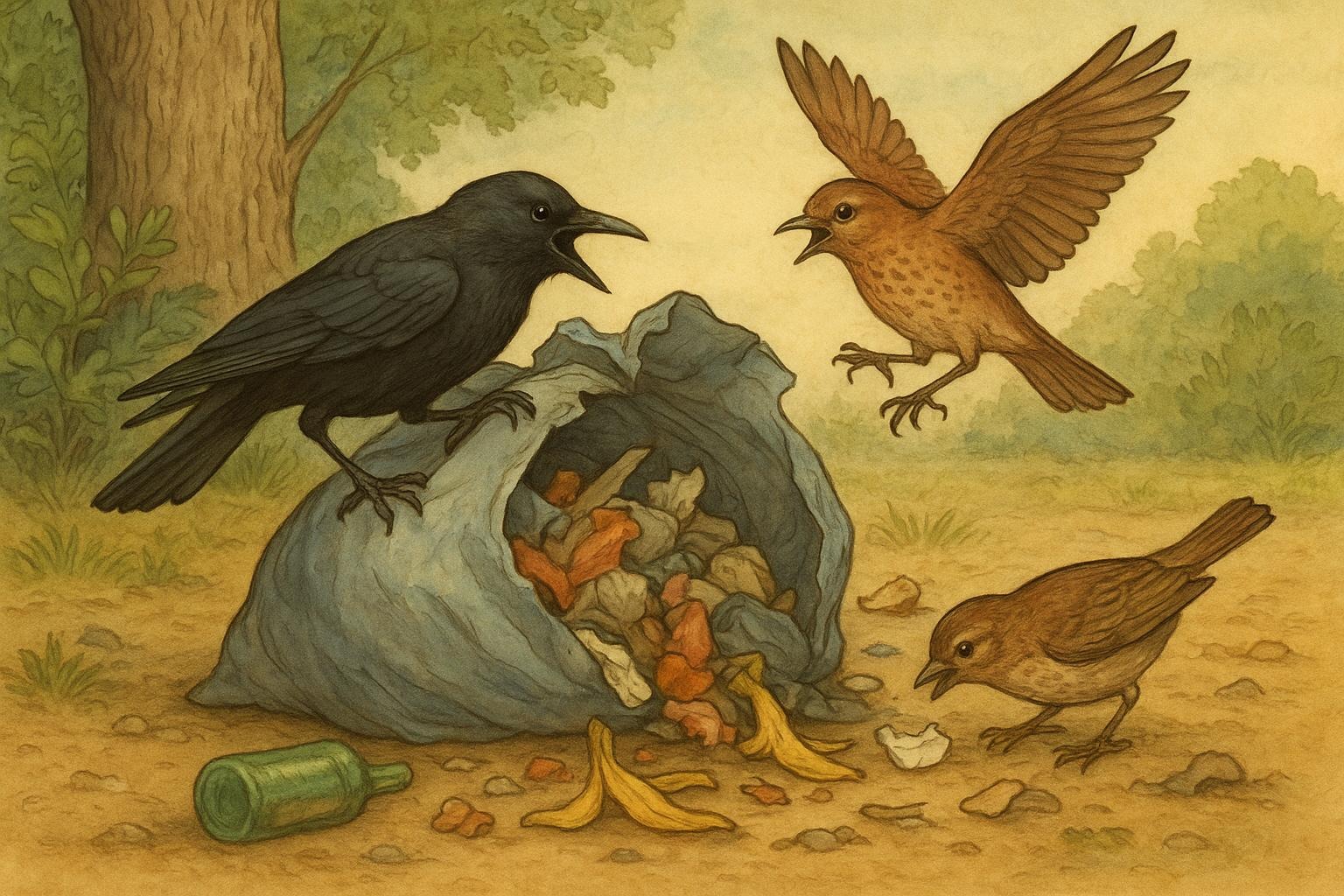
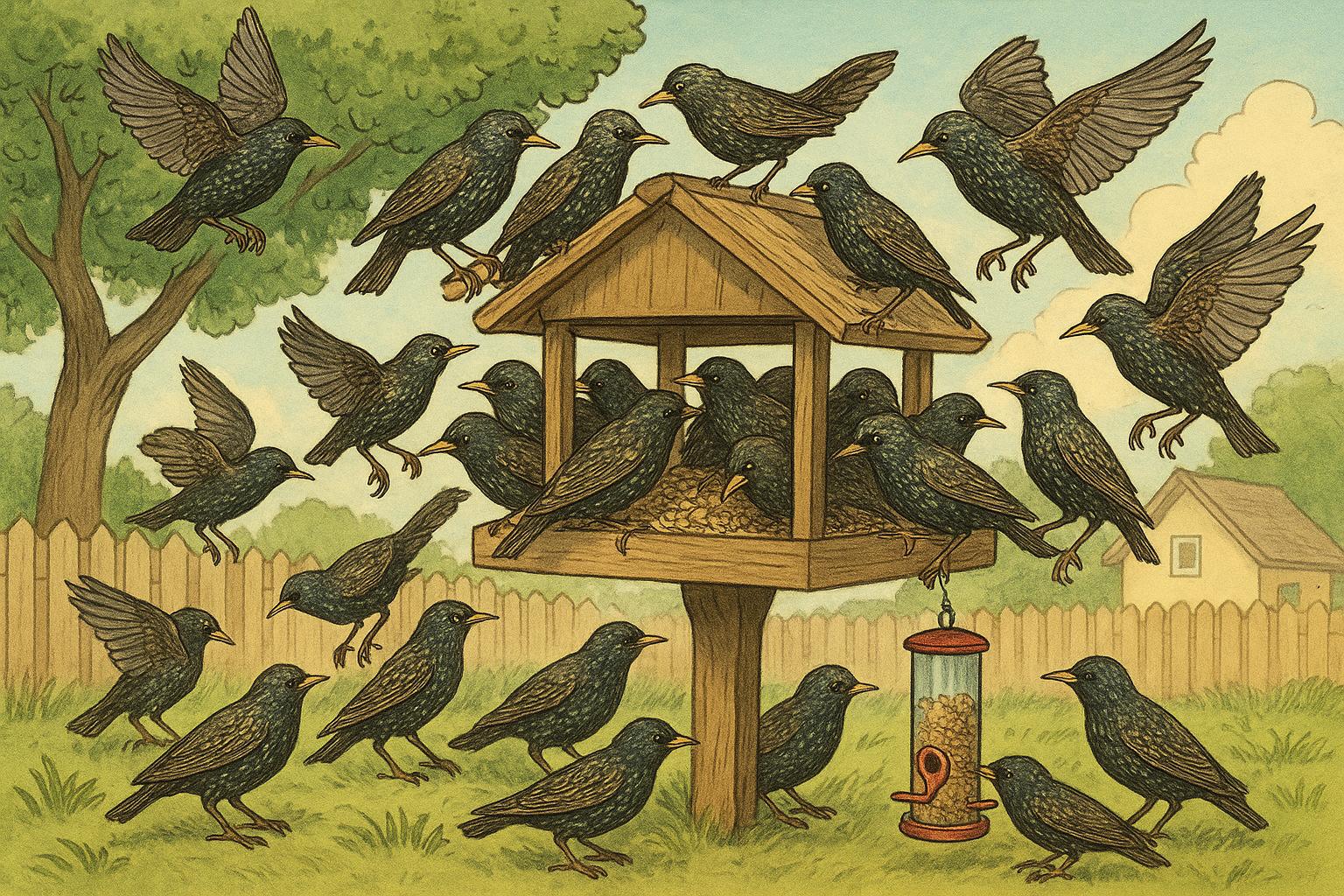
Welcome to the slightly messy, slightly magical world of backyard bird dynamics. If a crow problem is turning your yard into a noisy performance venue—complete with dramatic landings, gossiping squawks, and the occasional dropped treat—you’re not alone. Crows are smart, social, and opportunistic. They learn quickly where food and safe perches are, and they’ll show up in force if your landscape is unintentionally hospitable.
Crows are not out to ruin your day; they’re simply following good ecological sense. Understanding why they’re attracted to your yard helps you design gentle, humane strategies that redirect them rather than wage war. Below you’ll find three numbered, practical remedies that focus on feeder design, scheduled feeding, and diversion tactics. The tone from here on is a touch more formal—because these steps work best when followed carefully.
## 1) Feeder Modifications To Tame The Crow Problem
Changing your feeders is one of the most effective, long-term ways to reduce crow visits without harming other wildlife or disrupting backyard enjoyment.
### Materials
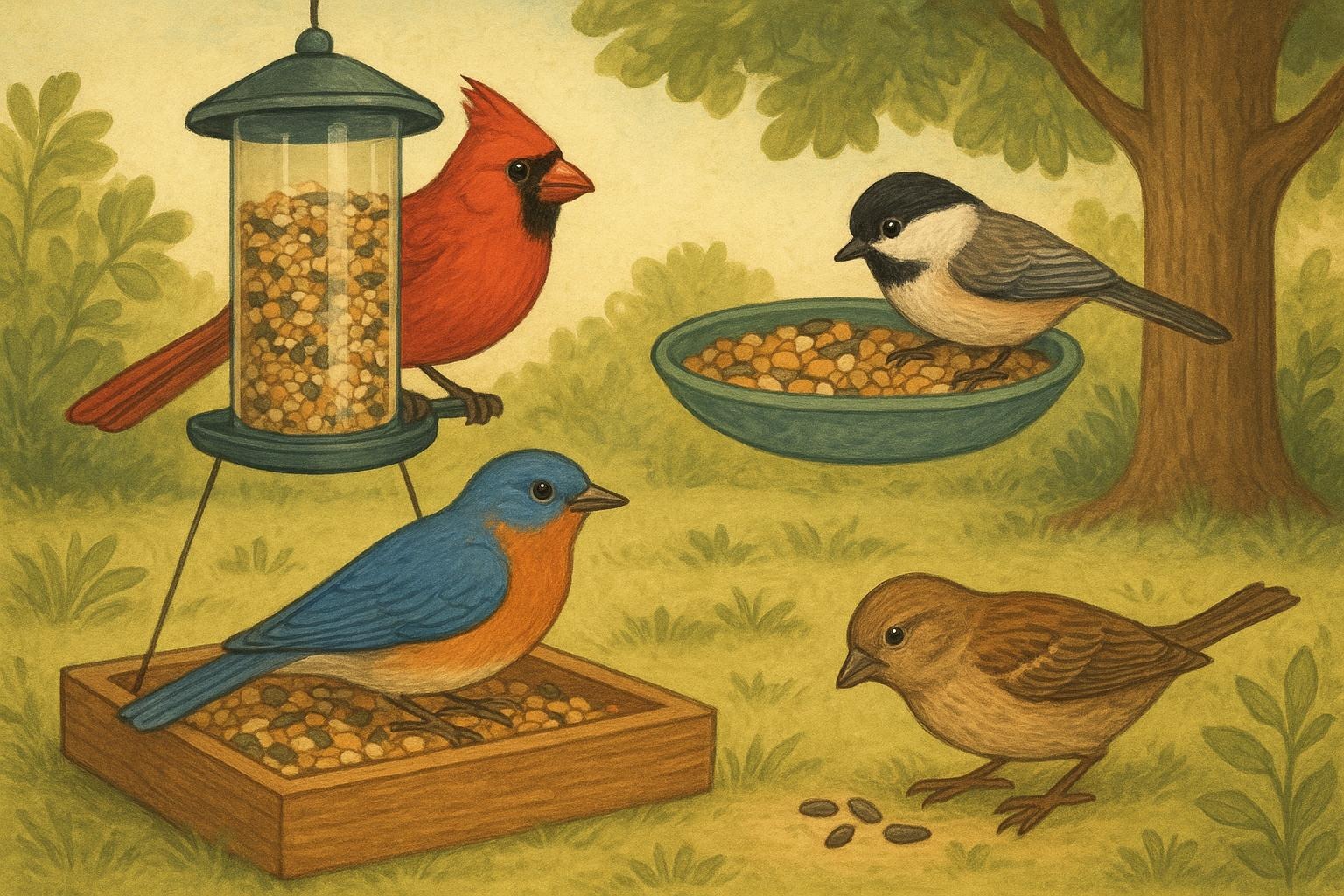
– Tube feeders with smaller perches and port holes (metal or durable plastic)
– Caged feeders with mesh spacing that blocks large birds (1/2″ or less)
– Platform feeders with removable trays or baffles
– Predator-style baffles for hanging poles
– Cable ties, small carabiners, or hardware for secure mounting
– Birdseed appropriate for small songbirds (no cracked corn or large seeds)
#### Step-By-Step Creation And Application
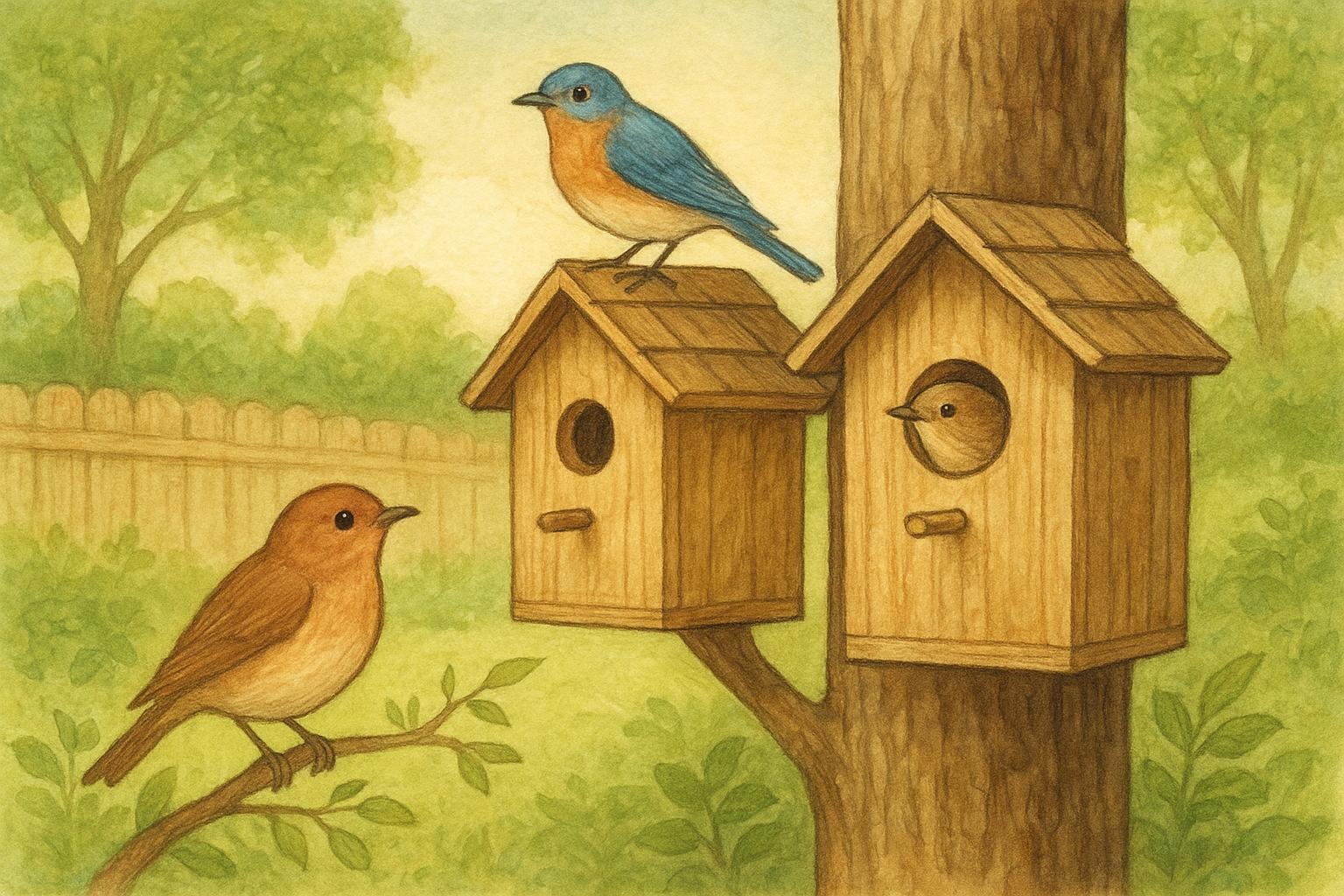
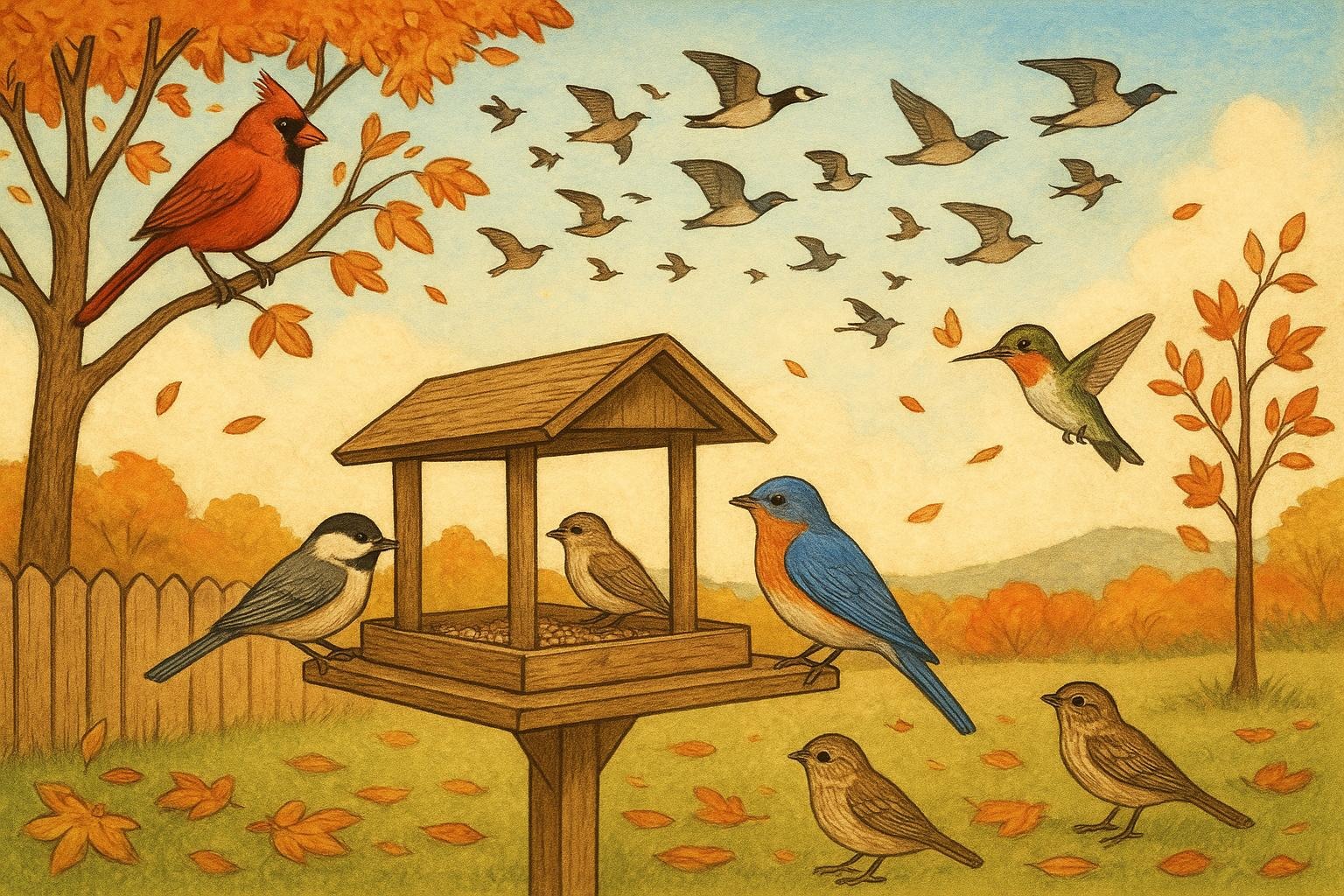
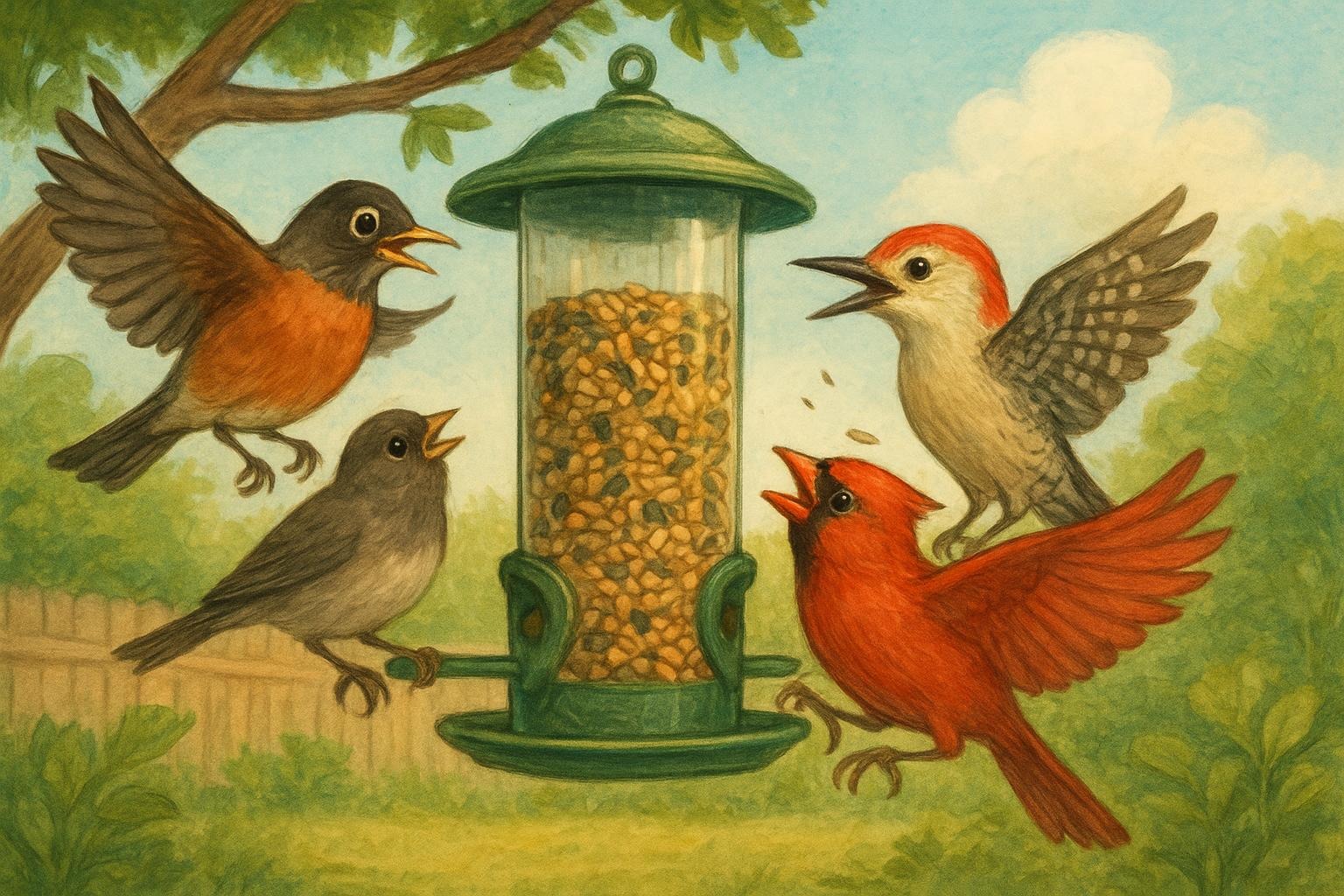
1. Select Feeders That Favor Small Birds: Choose tube feeders with small perches and narrow feeding ports; caged feeders with mesh openings sized for finches and sparrows are ideal. These physical barriers reduce access for larger, heavy-bodied crows.
2. Remove Crow-Attracting Foods: Stop offering cracked corn, unshelled peanuts, large seeds, or open jars of kitchen scraps. These items are highly attractive to crows. Replace them with small seeds like nyjer, sunflower chips (hulled), and mixed finch blends that are less appealing to crows.
3. Add Baffles And Perch Modifications: Install cone or dome-shaped baffles above and below feeders on poles. For hanging feeders, use a slick PVC sleeve on the support cable to prevent crows from perching above feeders. Ensure baffles are at least 18–24 inches from the feeding ports.
4. Create Selective Stations: Put up one or two feeders designed for small birds in sheltered locations, closer to shrubs or branches that provide cover for songbirds but are awkward for crows to use. Keep platform feeders either removed or accessible only by using removable trays when you’re present.
5. Monitor And Adjust: Observe for a week. If crows continue to access food, tighten mesh sizes or relocate feeder stations to more enclosed spots. Persistence is key—crows will probe for weaknesses in design.
These steps directly address the crow problem by limiting easy access to food, encouraging smaller bird use, and making feeders physically unsuitable for crows.
## 2) Scheduled Feeding And Human Presence
Crows dislike unpredictability less than you might think; they learn routines quickly. A consistent feeding schedule and presence during feeding times can dramatically reduce long-term crow pressure.
### Materials
– A single, dedicated feeder or feeding tray for scheduled use
– A comfortable lawn chair or routine position near the feeding area
– Small, consistent portions of birdseed for each feeding session
– A garden timer (optional) for automated feeders (but see instructions)
#### Step-By-Step Creation And Application
1. Designate One Feeding Window: Set two or three short feeding windows per day, each lasting 15–30 minutes. Common windows are early morning and late afternoon. Stick to the times precisely.
2. Use A Single, Contained Feeder: During the window, offer food only from one feeder that favors smaller birds. Remove or cover all other food sources outside of the scheduled times—this includes fruit, fallen nuts, and open compost areas.
3. Maintain Human Presence: Sit in a visible, relaxed spot outdoors during the feeding window. You do not need to wave a flag or make a fuss—just being there signals to crows that this is not a safe, unattended buffet.
4. Gradually Reduce Availability: After several weeks, reduce the portion size and shorten the window. Songbirds typically take the food quickly; crows, who watch and learn, will shift behavior when a window is brief and predictable.
5. Optional: Automated Feeders With Caution: If you must use an automatic feeder, couple it with a motion-activated cover that only exposes food during the scheduled window. Test for reliability to prevent accidental all-day feeding.
Scheduled feeding reduces the crow problem by removing the unpredictability that crows exploit, and by reintroducing a mild human deterrent—presence and consistency.
## 3) Distraction Stations And Crow-Friendly Alternatives
If you don’t mind crows in the neighborhood but want them off the feeders and away from certain zones, set up alternate attractions that satisfy their curiosity without encouraging conflict.
### Materials
– A designated crow buffet: sturdy platform or large tray
– Offerings for crows: unsalted peanuts in the shell, small pieces of fruit, or dog food (use sparingly)
– A remote location in the yard (at least 30–50 feet from window and feeder areas)
– A weatherproof cover or canopy for the station
– Updated signage (optional, for shared yards)
#### Step-By-Step Creation And Application
1. Choose A Remote Site: Place the crow station well away from human activity areas and from your smaller-bird feeders. Make sure it’s visible to crows from above but not right next to buildings where noise or droppings are a problem.
2. Offer Appropriate Food, In Moderation: Put out small amounts of foods crows favor—unsalted peanuts in the shell, small fruit pieces, or a bit of high-protein dry pet food. Use limited quantities to prevent habituation to the rest of the yard.
3. Make It Crow-Friendly But Not Overly Comfortable: Provide a low platform without protective cover for long perching. The goal is to attract them to a specific location, not to create a permanent roost.
4. Maintain The Station: Replenish only during the same brief windows as your scheduled feeding strategy, or on alternate days. Clean the platform routinely to avoid attracting rodents or diseases.
5. Reinforce With Non-Harmful Deterrents Nearby: Place shiny streamers, wind chimes, or motion-activated sprinklers near areas you want kept crow-free. These are secondary measures and should be non-lethal and wildlife-safe.
These distraction stations can ease a crow problem without harm, redirecting their attention to a controlled part of your property.
### Why These Gentle Tricks Work
Crows are problem-solvers. When you change the problem they’re solving—so food becomes less available, predictable, or conveniently located—their behavior shifts. Physical exclusion (feeder mods) removes the easy reward. Schedule and presence add a predictable human variable that crows avoid. Distraction stations channel their foraging instincts to a dedicated spot where impacts are manageable.
### What To Expect And Troubleshooting
If the crow problem persists in the short term, don’t panic. Expect a scouting phase where crows test new setups. They may perch at a distance and watch for a few days. If one strategy isn’t fully effective, combine two: use both feeder modifications and scheduled feeding, and add a distraction station as a buffer.
Common issues:
– Crows still access food: Increase mesh density, shorten windows, or relocate feeders to more enclosed sites.
– Crows shift to other food sources: Scan your yard for fallen fruit, open compost, or pet food and secure these items.
– Neighborhood flocks: Work with neighbors to reduce other attractants; crows quickly exploit nearby resources.
### Notes On Legal And Ethical Considerations
When implementing any bird management plan, remember that crows and other corvids are protected in many regions. Non-lethal, low-impact methods are both legal and more effective long-term. Avoid traps, poisons, or inhumane repellents. If you’re unsure about local regulations or have a particularly persistent problem, consult wildlife authorities or a licensed wildlife rehabilitator for guidance.
By combining thoughtful feeder design, predictable human routines, and smart distraction methods, you can enjoy songbirds again while treating crows with the respect their intelligence deserves—after all, it only takes one clever crow to figure out a buffet, so let’s make that buffet a little less tempting.

Leave a Reply