
## Snake Safety In The Backyard Snakes Guide For Homeowners
Welcome to a friendly, no-nonsense walk through backyard wildlife living — specifically the long, legless neighbors we often notice only when we almost step on them or spot them sunning themselves like scaly yoga instructors. This article focuses on practical snake safety for homeowners who want to coexist peacefully, reduce encounters, and know what to do if things go sideways. We’ll keep the jokes light and the advice solid.
### Why Snakes Show Up In Yards
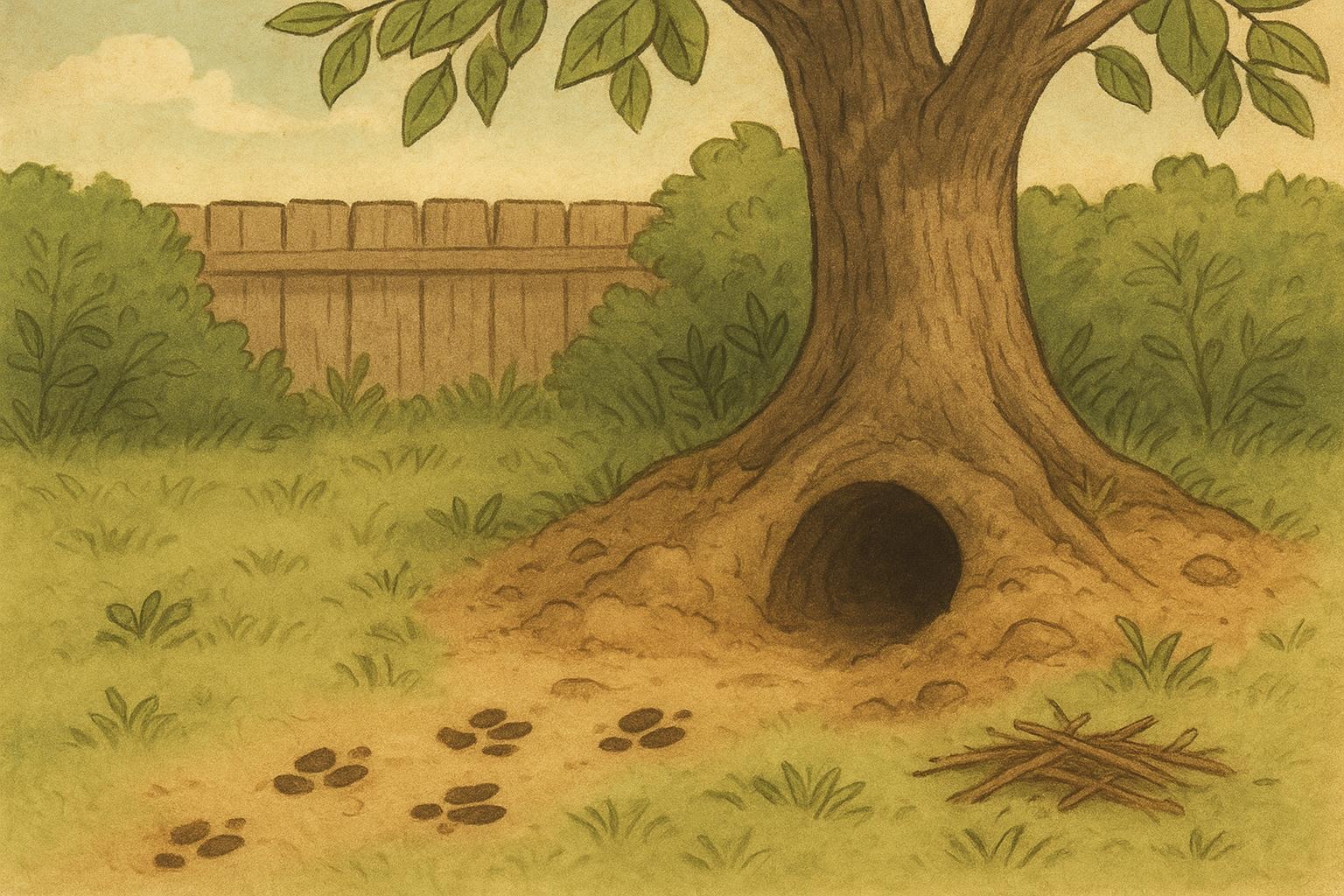
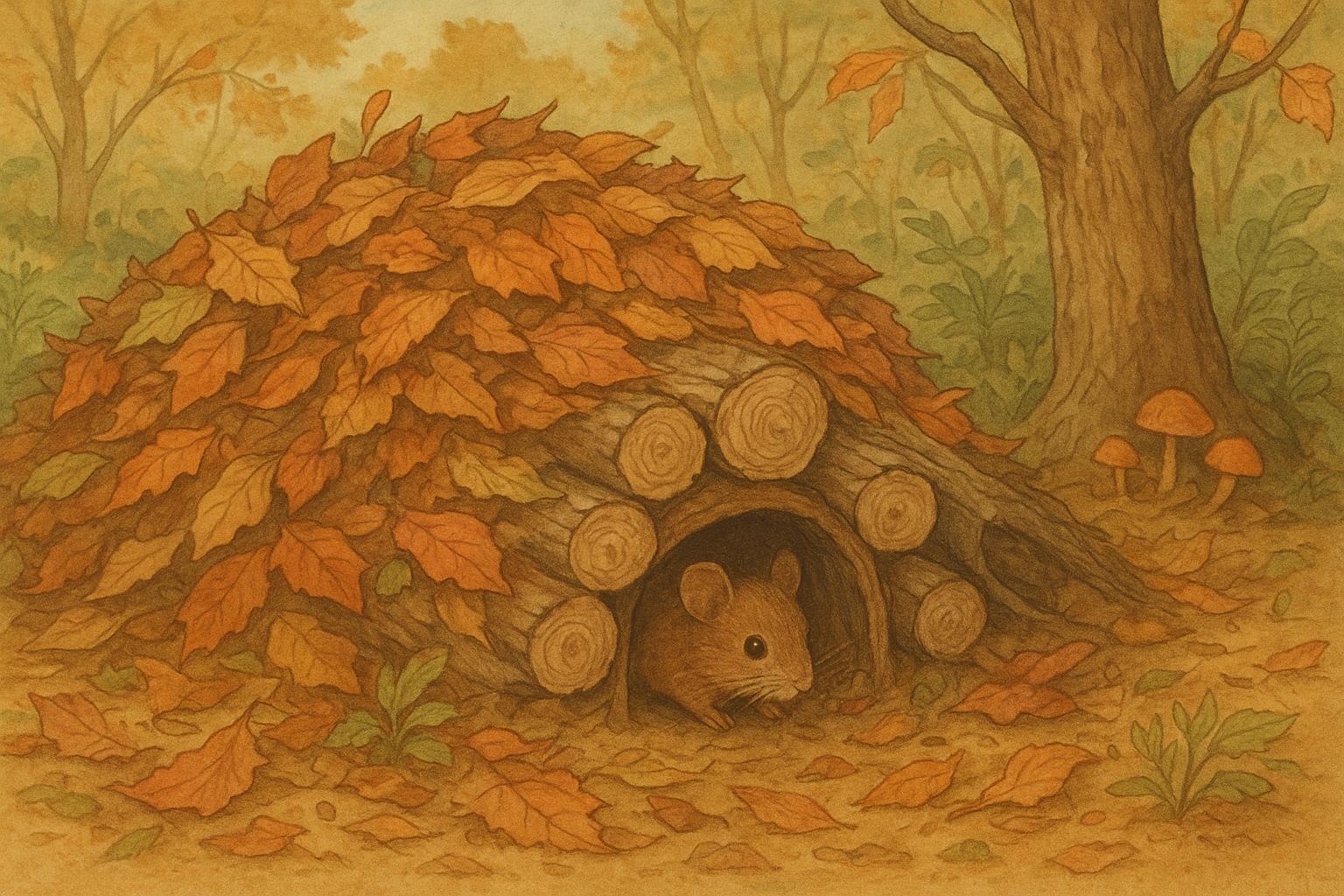
Snakes are not plotting a hostile takeover of your lawn. They’re looking for food, shelter, and a warm spot to thermoregulate. Rodents, frogs, insects, and even bird eggs are attractants. A cluttered yard with woodpiles, dense ground cover, tall grass, and water features becomes a buffet and motel rolled into one.
Good snake safety starts with recognizing what draws snakes in so you can make your yard a less attractive destination.
### Recognizing Venomous Versus Nonvenomous Species
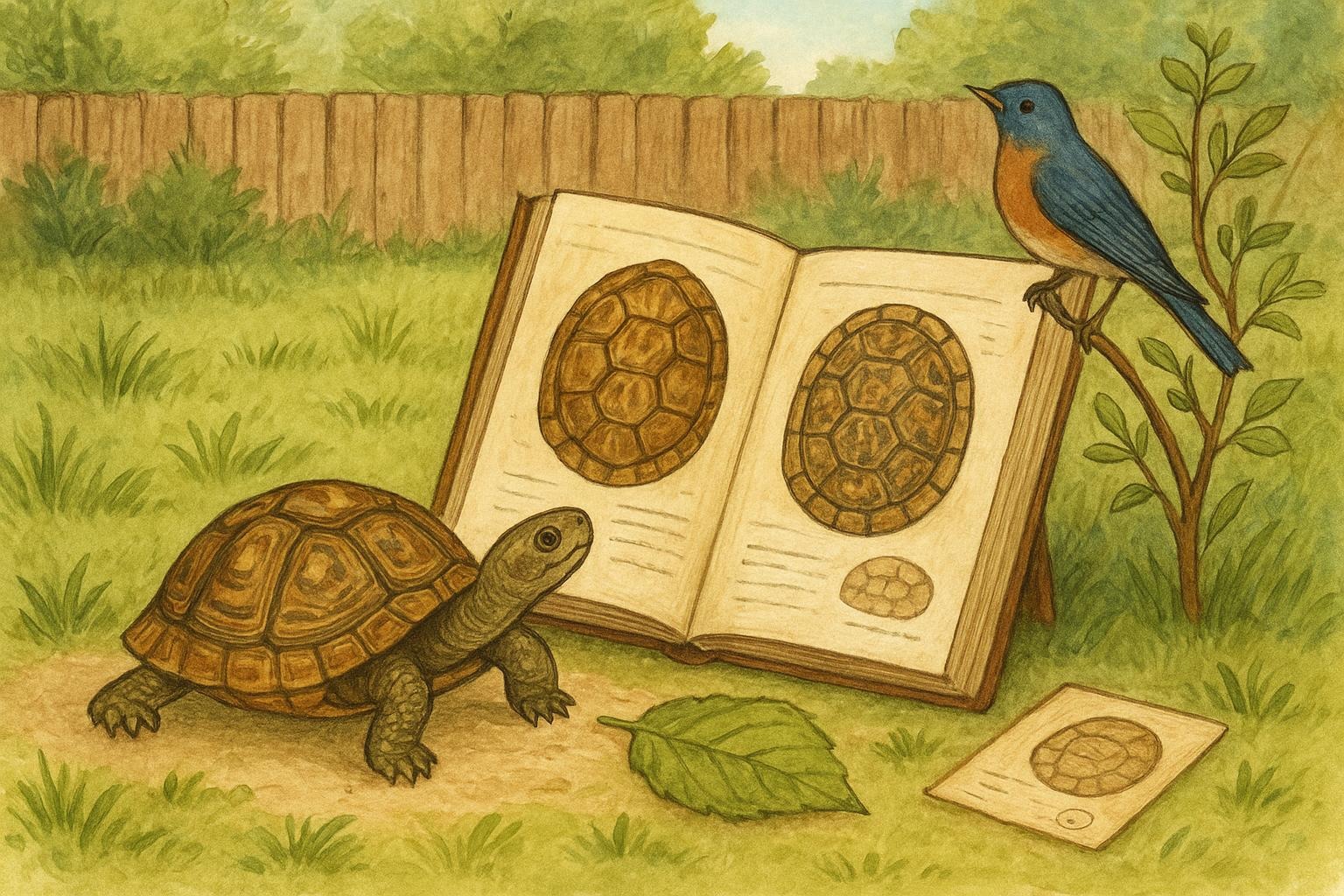
Learning to distinguish venomous from nonvenomous snakes in your region is part of sound snake safety. Patterns, head shape, and behavior can be clues, but identification can be tricky and varies by locale. Focus instead on safe behavior: keep your distance, don’t try to pick it up, and use identification resources later (photos from a safe distance are helpful).
If you need to identify a snake, capture a clear photo from a safe distance and consult a local wildlife agency or a herpetologist rather than relying on internet guesses alone.
### How To Reduce Encounters With Snakes
Making your yard less appealing to snakes is the most effective element of snake safety. Basic landscaping and maintenance go a long way:
– Keep grass trimmed and edges tidy.
– Remove rock and wood piles or keep them elevated and away from foundations.
– Store firewood away from the house and off the ground.
– Seal gaps under porches, sheds, and foundations where snakes can enter.
– Control rodents with traps and proper food storage — fewer prey animals means fewer snakes.
A few small investments in maintenance can reduce visits from snakes and other critters that you’d rather see only in nature documentaries.
### Remedy 1: Perimeter Maintenance And Barriers (Numbered Remedy)
This is a formal, systematic approach to reduce snake access to your property. Execute these steps precisely for best effectiveness.
#### Materials Required
– Hardware cloth or galvanized welded wire (1/4–1/2 inch mesh)
– Wooden stakes or metal posts
– Concrete or exterior-grade caulk
– Gravel or crushed stone (optional)
– Measuring tape, wire cutters, heavy-duty staples or screws, drill
#### Steps For Creation And Installation
1. Measure the areas you intend to protect (garden beds, the base of the house, around sheds). Record dimensions to purchase adequate material.
2. Cut hardware cloth to appropriate lengths using wire cutters. Ensure pieces extend at least 6–12 inches above ground and 3–6 inches below ground for burying.
3. Dig a shallow trench (3–6 inches deep) where the barrier will be installed. This prevents snakes from slithering under.
4. Place the hardware cloth into the trench, with the lower edge bent outward at a 90-degree angle, creating a flare that discourages digging attempts.
5. Secure the top edge of the hardware cloth to stakes or posts using heavy-duty staples or screws at 12–18 inch intervals.
6. Backfill the trench with soil or gravel, compacting it to hold the cloth in place.
7. Seal gaps where the barrier meets structures with concrete or exterior-grade caulk to prevent narrow access points.
8. Inspect and maintain the barrier seasonally, repairing any damage promptly.
This method reduces entry without harming wildlife. It’s durable and passive, aligning with best practices in snake safety by minimizing risk through physical exclusion.
### Remedy 2: Habitat Modification And Deterrents (Numbered Remedy)
This remedy targets the conditions that attract snakes. Follow these procedures in a formal, stepwise manner.
#### Materials Required
– Heavy-duty trash bags or compost bins
– Shrub trimmers, lawnmower, rake
– Mulch or gravel for pathways
– Exterior lighting (optional)
– Professional pest control contact information
#### Steps For Creation And Application
1. Remove debris: clear brush piles, leaf litter, and excessive groundcover. Bag garden waste and store it away from structures.
2. Adjust landscaping: trim dense shrubs at the base to allow airflow and reduce shaded refuge. Replace dense groundcover near foundations with low-profile plantings or gravel.
3. Modify water features: maintain clean pond edges, install steep-sided borders, and reduce shallow areas that attract amphibians and rodents.
4. Change storage habits: keep birdseed, pet food, and compost in sealed containers. Elevate stored materials to reduce rodent shelter.
5. Install motion-activated lights in strategic locations if nocturnal rodent activity is a problem; this can reduce prey activity and in turn reduce snake presence.
6. Schedule periodic inspections: check under porches, within crawlspaces, and around foundation vents. Address any rodent activity immediately, since it’s a primary attractant.
These modifications are preventive—not punitive—and they align with community-minded snake safety by removing the incentives for snakes to visit.
### What To Do If You Find A Snake On Your Property
Encountering a snake can be alarming. Follow these steps calmly and deliberately; the way you respond makes snake safety practical and effective.
– Observe from a safe distance (at least several meters). Most snakes will not pursue humans.
– Keep children and pets indoors until the snake is gone.
– If the snake is in a non-threatening location and not blocking a necessary path, give it time to move away.
– If the snake is inside the house, in a play area, or appears to be a venomous species, call a licensed wildlife removal service or animal control. Do not attempt to capture or kill it.
Do not attempt DIY capture methods with makeshift tools; improper techniques risk bites and stress to the animal. Professional removal minimizes risk and is the backbone of responsible snake safety.
### Emergency Response For Suspected Snake Bite
If a bite occurs, apply these formal, medically informed steps immediately. Time and calm action are crucial.
#### Materials Required
– Mobile phone (to call emergency services)
– Clean cloth or bandage
– Splint materials (board, rolled magazine, or similar)
– Identification of the snake if available (photo from a safe distance)
#### Steps For First Aid And Emergency Care
1. Call emergency services or get to the nearest medical facility immediately. Time is essential for potential antivenom treatment.
2. Keep the victim calm and still. Limit movement to slow venom spread.
3. Position the bitten limb at or slightly below heart level. Do not elevate.
4. Remove tight clothing, jewelry, or accessories near the bite site in case of swelling.
5. Apply a loose, broad bandage between the bite and the heart only if trained in pressure immobilization techniques; otherwise, do not apply tourniquets or tight bands.
6. Immobilize the limb with a splint to reduce movement.
7. Do not cut the wound, do not attempt to suck out venom, and do not apply ice.
8. If possible and safe, take a clear photograph of the snake from a distance to help medical staff identify it, but prioritize immediate transport.
These steps provide the best immediate care while ensuring proper medical treatment upon arrival.
#### When To Call A Professional (H4)
If you see a snake that’s clearly venomous, is inside your home, or is repeatedly showing up despite preventive measures, engage licensed wildlife removal or pest control professionals. For persistent rodent problems that attract snakes, hire an integrated pest management service to address the root cause.
Repeat or ongoing visits from snakes are a sign that something in the environment is supporting them—professional assessment can identify and correct that factor efficiently and humanely.
### Common Myths About Snakes And Practical Reality
Myth-busting supports good snake safety. Snakes chase humans (false), all snakes are aggressive (false), and over-the-counter repellents are reliably effective (highly questionable). Many “snake repellents” have inconsistent results and can be costly with no proven benefit. Focus on exclusion, habitat modification, and safe behavior, which are proven strategies.
If you prefer a low-frills mantra: tidy yards, reduced prey, sealed entry points, and calm, informed responses equal fewer problems and a safer yard for everyone—pets and humans included.
Keep these practices in place seasonally, maintain awareness during snake-active months, and treat snakes with respect from a distance. A little preparation and sensible behavior are the core of good snake safety and make backyard life more enjoyable for all.









































Leave a Reply