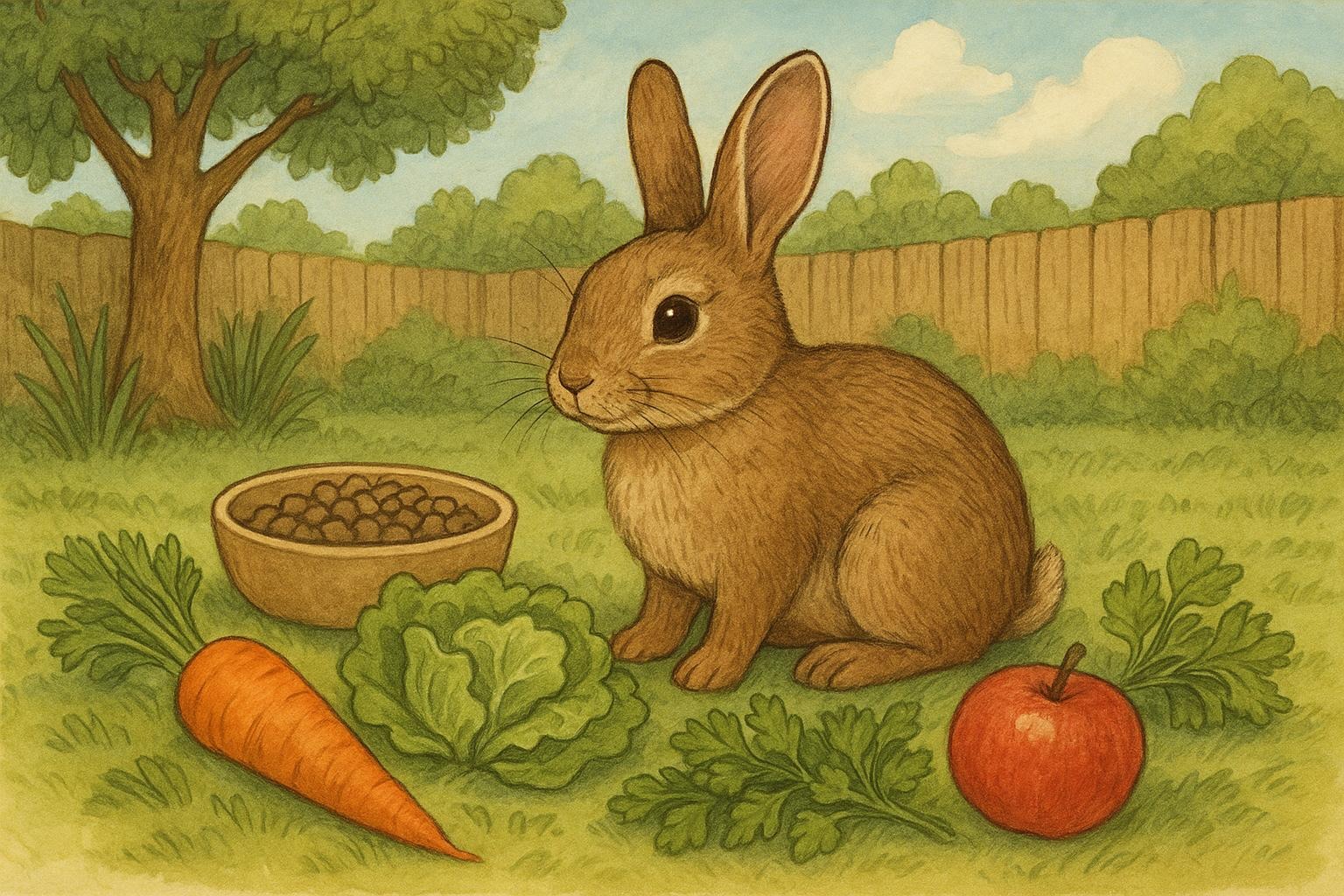
## Rabbit Diet Essentials For Healthy Backyard Rabbits
Keeping backyard bunnies thriving is part science, part common sense, and part being willing to accept that they will judge your garden choices with silent disdain. A proper rabbit diet keeps teeth healthy, guts humming, and energy levels steady — and it helps you enjoy a pet that’s lively instead of lethargic. Below I’ll walk you through what to feed, what to avoid, how to handle seasonal changes, and a practical home-support remedy if you suspect a mild digestive slowdown.
### Why A Balanced Rabbit Diet Matters
Rabbits are hindgut fermenters: their digestive system relies on a steady flow of fiber to maintain the beneficial bacteria that break down food. When fiber is lacking or sudden dietary changes occur, rabbits can develop digestive upset, dental problems, and even life-threatening gastrointestinal stasis. Feeding the right balance of forage, greens, and limited concentrated food prevents most issues and supports long-term health.
### Core Components Of A Healthy Rabbit Diet
A typical, well-rounded rabbit diet has three main pillars: unlimited quality hay, measured fresh greens, and a modest amount of high-fiber pellets. Fresh water must always be available. Treats and fruits are occasional extras, not daily staples.
#### Hay: The Foundation
Hay should be the largest part of a rabbit’s daily intake. Good grass hays (timothy, meadow, orchard) provide the long fibers rabbits need for tooth wear and gut motility. Alfalfa has a place for kits and underweight adults due to its higher protein and calcium, but adult rabbits usually do better on grass hays. Offer hay freely, replacing damp or soiled portions promptly.
#### Pellets: Quality Over Quantity
Choose a pellet formulated for adult rabbits with at least 18% fiber and no added seeds or colored bits. Pellets are calorie-dense; overfeeding them can cause obesity and upset the fiber balance. For most adult rabbits, a level handful (based on size and body condition) per day is sufficient. Growers and nursing mothers need more.
#### Fresh Greens And Veggies
Introduce leafy greens slowly. Favorites include romaine, cilantro, parsley, bok choy, and dandelion greens (pesticide-free). Start with a tablespoon or two per day and increase gradually over a week. Root vegetables and starchy items like potatoes should be avoided. Offer variety, but never more than 1–2 cups of mixed greens per 2 kg of body weight per day for most adults.
#### Water: Fresh And Readily Available
Rabbits need constant access to clean water. Use a heavy bowl that won’t tip or a sipper bottle, refreshing water daily. In hot weather, monitor intake closely — dehydration can worsen digestive slowdowns.
#### Treats And Fruits: Sparingly, Please
Sweet fruits and commercial treat mixes should be used sparingly. Treats are fun but not essential. Aim for treats no more than 1–2 tablespoons daily, and choose options that are low in sugar and high in fiber when possible.
### Feeding Schedules And Life Stages
Young rabbits growing rapidly need more calories and higher protein; a mix of alfalfa hay and suitable pellets is common until about 6–8 months. Spayed/neutered adults and seniors do best on grass hay and fewer pellets. Monitor body condition rather than sticking too rigidly to amounts — adjust based on weight, activity, and stool quality.
### Signs Of Diet-Related Problems
If a rabbit’s appetite decreases, fecal output becomes small or absent, or droppings look irregular or sticky, the issue may be dietary. Dental pain from inadequate fiber can lead to picky eating. Weight loss, lethargy, and teeth grinding are red flags. Quick action is essential; when in doubt, contact a rabbit-savvy veterinarian.
## Common Feeding Mistakes To Avoid
Many owners, with the best intentions, inadvertently cause problems by doing one of the following: switching foods abruptly, overfeeding pellets, offering too many sugary treats, or assuming all “rabbit-safe” plants are fine in large amounts. Also, be careful with backyard foraging — some ornamental plants and pesticides are toxic.
### Rotating Foods And Introducing New Items
Introduce new foods slowly over 7–10 days. A sudden change in the rabbit diet disrupts the gut flora and can trigger digestive upset. Think slow and steady: small amounts, watchful monitoring, then gradual increases.
### Garden Grazing: What To Watch For
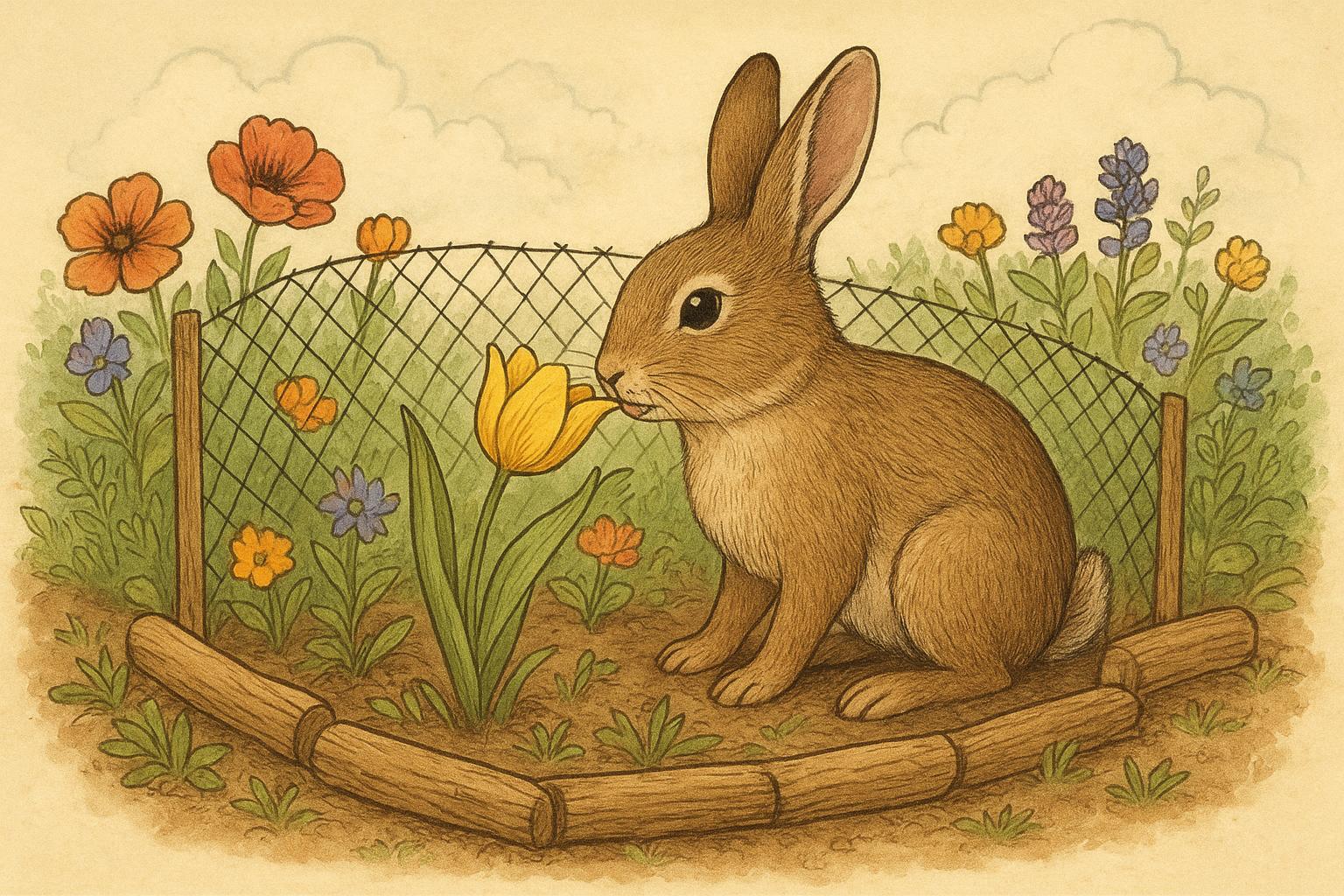
Backyards can be both a blessing and a hazard. Only allow supervised grazing on known, pesticide-free plants. Keep a list of toxic plants for your area and remove or fence them off. Even safe plants should be checked for mold or contamination.
### Weight Management Through Diet
Obesity in rabbits is common when pellets are overused and exercise is limited. If you’re trimming calories, increase hay and greens while reducing pellet portions — not the other way around. Encourage safe play and foraging activities to burn calories.
### 1. Home Support Remedy For Mild GI Slowing
When a rabbit shows early signs of slowed digestion — reduced appetite, fewer droppings, or mild lethargy — prompt home support can help while you arrange veterinary care. This remedy is intended for short-term stabilization in mild cases; it is not a substitute for professional diagnosis and treatment when severe signs are present.
(When implementing any home-support remedy, consult a rabbit-savvy veterinarian as soon as possible. If the rabbit stops producing feces, is in pain, or shows severe lethargy, seek emergency veterinary care.)
#### Ingredients And Materials
– High-fiber grass hay (timothy or similar), unlimited supply
– Fresh water and a clean bowl or sipper bottle
– Critical Care-style syringe-feeding formula (or a high-fiber, veterinary-recommended recovery feed) — optional but recommended for anorexic rabbits
– A clean syringe (without needle) for syringe feeding
– Chamomile or fennel tea (cooled, unsweetened) — optional for gentle hydration flavoring
– Towels and a comfortable, quiet recovery area
#### Step-By-Step Support Protocol
1. Assess the rabbit calmly. Note appetite, droppings, and behavior. If droppings are absent or the rabbit is abdominally painful, call your vet immediately.
2. Provide unlimited fresh hay within easy reach. Encourage grazing by placing hay near the rabbit’s mouth and in multiple locations.
3. Ensure constant access to clean, fresh water. If the rabbit is reluctant to drink, offer a small amount of cooled chamomile or fennel tea in addition to water to encourage sipping.
4. Monitor fecal output for several hours. If droppings remain reduced or the rabbit refuses to eat for more than 6–8 hours, prepare for syringe feeding.
5. If syringe feeding is needed and you have a veterinary-recommended recovery formula: warm the formula to just below body temperature and use the syringe to gently offer small amounts into the side of the rabbit’s mouth. Administer slowly, allowing swallowing between small syringes-full to prevent aspiration.
6. Maintain a quiet, warm environment and minimize handling. Stress worsens digestion.
7. Record observations: appetite, fecal count and appearance, water intake, and any changes. Share these details with your veterinarian when you call.
8. Arrange for professional care. Home support is a bridge, not a fix; a vet can assess for underlying causes, provide pain relief, and perform further treatment as necessary.
(Important: Never force large volumes into a rabbit’s mouth. Syringe feeding requires care to avoid aspiration. If you are unfamiliar or uncomfortable, seek immediate veterinary guidance.)
### Seasonal And Garden Considerations For The Rabbit Diet
Seasons change forage availability. In spring and summer, a wide variety of fresh greens may be available; introduce them cautiously. In winter, hay becomes even more critical. If your rabbit forages outdoors, check plants for signs of pesticide use, mold, or toxic varieties — even a single leaf from a poisonous plant can be dangerous.
### Travel, Boarding, And The Rabbit Diet
When traveling or boarding rabbits, stick as closely as possible to their usual routine. Pack their regular hay, measured pellets, and a list of preferred greens. Provide instructions to caretakers about introducing new foods slowly and ensuring constant water access. Sudden changes in environment plus diet can be a double whammy.
### Frequently Asked Questions About Rabbit Diets
– How often should I weigh my rabbit? Monthly weight checks are useful; weekly is better if you’re monitoring health changes or adjusting diet.
– Can I feed my rabbit leftover salad greens? Only if they’re free of dressing, oils, garlic, onions, or other harmful add-ins. Wash everything thoroughly.
– Are store-bought treat mixes OK? Many mixes contain high-fat or high-sugar items. Use single-ingredient treats sparingly and stick mostly to hay and greens.
### Dental Health And The Relationship To Diet
Teeth grow continuously. Insufficient fiber leads to overgrown teeth and painful malocclusion. A hay-heavy rabbit diet and safe chew items (untreated willow, apple tree branches free of pesticides) help maintain proper wear. Regular dental checks by a vet familiar with rabbits are essential for long-term wellbeing.
### Final Practical Tips For Daily Feeding
Keep a feeding log when changing diets. Rotate safe greens weekly to provide variety and micronutrients. Always prioritize hay. And on those days your bunny gives you the classic long, judgmental blink — consider it feedback; they’re probably telling you they want more hay.


Leave a Reply