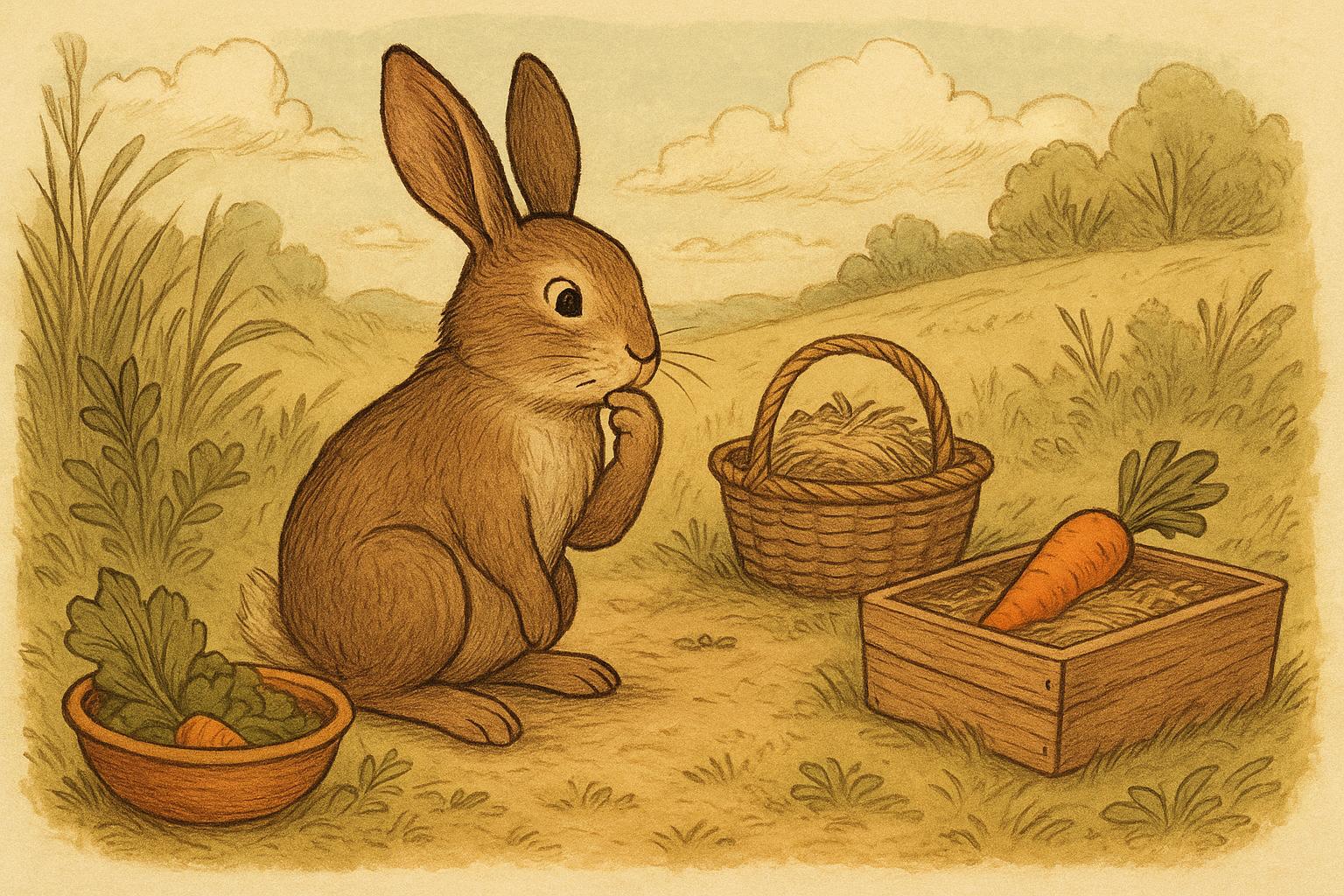
You’ve read the same five tips a dozen times: give hay, keep water fresh, provide a hiding box, don’t pick them up if they’re nervous, and offer chew toys. They’re not wrong. They’re just… familiar. If you’re staring at a stack of blog posts and feeling like every idea is a rerun, you’re not alone. The rabbit care conversation can feel recycled, and that’s especially frustrating when your bun needs something tailored, not templated.
## Practical Rabbit Care When Everything Feels Recycled
It’s tempting to toss out all those standard recommendations when they feel stale, but most “recycled” advice exists because it genuinely matters. That said, the way it’s presented often misses nuance. You can love hay and still struggle with a picky eater. You can provide a huge cage and still have a bored rabbit. The trick is to treat general guidance as a starting point — then adapt it to your rabbit’s personality, health, and home environment.
### Core Needs Versus Buzzwords
The core pillars of rabbit care (diet, shelter, enrichment, veterinary attention) remain constant. However, buzzwords like “free-roam” or “natural diet” get thrown around so much they lose meaning. Free-roam is excellent, but it demands rabbit-proofing and patience. “Natural diet” should mean mostly hay and leafy greens, not unverified mixes or trendy “superfoods.” Think in terms of principles: safety, stimulation, predictability, and health monitoring. These guide choices better than viral tips.
#### Diet: Hay Is Really King
Hay should make up the majority of a rabbit’s diet. It supports dental health, gut motility, and foraging behavior. If the standard “give unlimited hay” tip feels tired, try changing hay types, presenting it differently (in piles, in nests, in tubes), or pairing new hay with a few trusted treats to encourage sampling. Avoid sudden dietary shifts; instead, introduce variations slowly.
#### Housing: Size And Security Over Show
A large hutch looks nice in pictures, but rabbits need space to hop, stand, and stretch. Indoor housing that allows supervised exploration can be preferable to a pristine but tiny outdoor hutch. Recycled advice often forgets the behavioral needs — like vertical space to stand on a low shelf or a quiet corner where they can escape household commotion.
### Social Needs And Behavioral Signals
Common rabbit care checklists suggest “socialize your rabbit,” which is good but vague. Rabbits are social on their terms. They communicate with body language: ears, posture, teeth grinding (content vs. pain), and litter box habits. Learning these signals helps you customize interaction rather than follow a one-size-fits-all socialization script.
## When Common Advice Falls Short
Sometimes standard tips don’t address real-world obstacles: a rabbit that refuses new foods, one that chews power cords, or a bun that seems anxious despite everything being “correct.” That’s when you need practical, actionable solutions that aren’t simply repeat-advice. Below are targeted strategies you can try alongside basic rabbit care principles.
### Observational Approach: Become A Detective
Before changing anything, observe. Keep a short log: eating times, types of food consumed, activity peaks, and any unusual behavior. This small habit transforms vague worries into data you can act on. Don’t make multiple changes at once; that makes it hard to tell what helped.
#### Signs You’re Missing Something
– Decreased appetite for more than 12-24 hours
– Unusual stool consistency
– Repeated chewing of dangerous items (cords, plastics)
– Hiding or aggression that’s out of character
If these crop up, consult a vet experienced with rabbits. Early intervention often prevents bigger problems.
## A Practical Remedy: DIY Foraging Enrichment Box
When rabbit care feels repetitive, enrichment that targets instincts—like foraging—can make a real difference. Below is a formal, step-by-step remedy for a DIY foraging enrichment box. This is intended to address boredom, promote natural feeding behavior, and reduce destructive chewing. Follow materials and steps carefully for safety and effectiveness.
#### Materials Needed
– A sturdy shallow wooden or thick cardboard box (avoid treated wood and toxic glues)
– Unwaxed cardboard tubes (toilet paper or paper towel rolls)
– Untreated straw or hay (same type your rabbit eats)
– Small hay nets or fabric squares (cotton)
– Rabbit-safe treats (small pieces of dried herbs or plain pellets)
– Scissors or a utility knife (for assembly; keep away from rabbits)
– Non-toxic glue or staples (optional; use sparingly to secure components)
– Optional: a ceramic or heavy non-tip bowl for wet greens
Instructions below assume basic tools and that you will supervise assembly. Keep small parts away from rabbits until the box is fully assembled and inspected.
Step-by-Step Creation and Application
1. Prepare the Box: Clean and inspect the box for splinters or staples. If using cardboard, reinforce corners with extra layers to ensure durability. Place the box in the rabbit’s regular activity area so it becomes part of the routine.
2. Create Foraging Compartments: Cut holes or flaps in the box lid (or sides) large enough for your rabbit to access contents but not so large that they pull everything out at once. Insert cardboard tubes horizontally to create tunnels and hideaways for treats. Secure tubes with non-toxic glue or by wedging them into cross-cuts.
3. Add Hay Layers: Fill the bottom with a generous layer of hay. Partially bury small amounts of pellets or a few rabbit-safe dried herb pieces within this layer. The idea is to mimic the searching behavior rabbits use in the wild.
4. Integrate Hay Nets and Fabric: Tie small bundles of hay in cotton fabric squares or place hay nets with a few pellets peeking out. Attach these to the box interior at different heights to encourage standing and stretching behaviors.
5. Place Wet Greens (Optional): If introducing wet greens, use a ceramic bowl inside a corner of the box to prevent soaking the hay. Offer fresh greens separately at first to ensure cleanliness and reduce spoilage inside the box.
6. Present the Box: Place the completed box in the rabbit’s living area. Allow the rabbit to approach on their terms; do not force interaction. Supervise the initial sessions to ensure they do not ingest glue, staples, or non-food materials.
7. Rotate Contents Regularly: Replace soiled hay and rotate treat types every 2–4 days to maintain novelty. Deep-clean the box weekly; replace cardboard if it becomes damp or heavily soiled.
8. Monitor Intake And Behavior: Track how much food is consumed from the box and note behavioral changes—more exploration, reduced destructive chewing, or increased calmness are positive signs. If you observe decreased pellet or fresh food intake overall, reduce treats in the box and consult a vet if appetite loss persists.
Safety Considerations (Formal Notice)
– Use only rabbit-safe materials; avoid treated wood, colored cardboard with unknown inks, and plastic bits that can be ingested.
– Avoid sugary or high-carb treats. Limit quantities to prevent digestive upset.
– This enrichment is supplementary to primary rabbit care dietary needs (hay, clean water, appropriate pellets, and fresh greens).
– If your rabbit has dental issues or digestive disorders, check with your veterinarian before introducing new textures or high-fiber components.
## Balancing Innovation And Tried-And-True Rabbit Care
Inventive solutions like the foraging box are most effective when built on the foundations of good rabbit care. The novelty stimulates natural behaviors, while the staples—hay, water, veterinary checks, safe housing—ensure wellbeing. Think of enrichment as spice: it enhances, not replaces, the main ingredients.
### Practical Tips For Ongoing Variety
– Rotate enrichment items on a predictable schedule so your rabbit learns to look forward to them.
– Combine sensory elements: scent (safe herbs), texture (paper versus hay), and shape (tubes, boxes, shallow bowls).
– Record what works. Some rabbits adore digging through a hay pile; others prefer gentle puzzles that reward them with a single pellet. Tailor activities to individual preferences.
– Collaborate with a rabbit-savvy vet or behaviorist for complex issues. Professional insight helps when standard rabbit care tips don’t resolve a behavior.
#### When To Seek Professional Help
If behavioral interventions and enrichment do not reduce stress or problematic behavior, or if you observe signs of illness, contact a veterinarian experienced with lagomorphs. Persistent appetite loss, teeth grinding associated with pain, or drastic changes in stool require prompt attention.
You don’t have to reinvent rabbit care to feel like you’re doing right by your bun. You can reuse the wise basics and still get creative where it counts: tailoring routines, enriching environments, and paying attention to the subtle language your rabbit speaks. If you try the foraging box or another novel approach, document the results and tweak as needed — that’s how fresh solutions are born from well-worn advice.



Leave a Reply