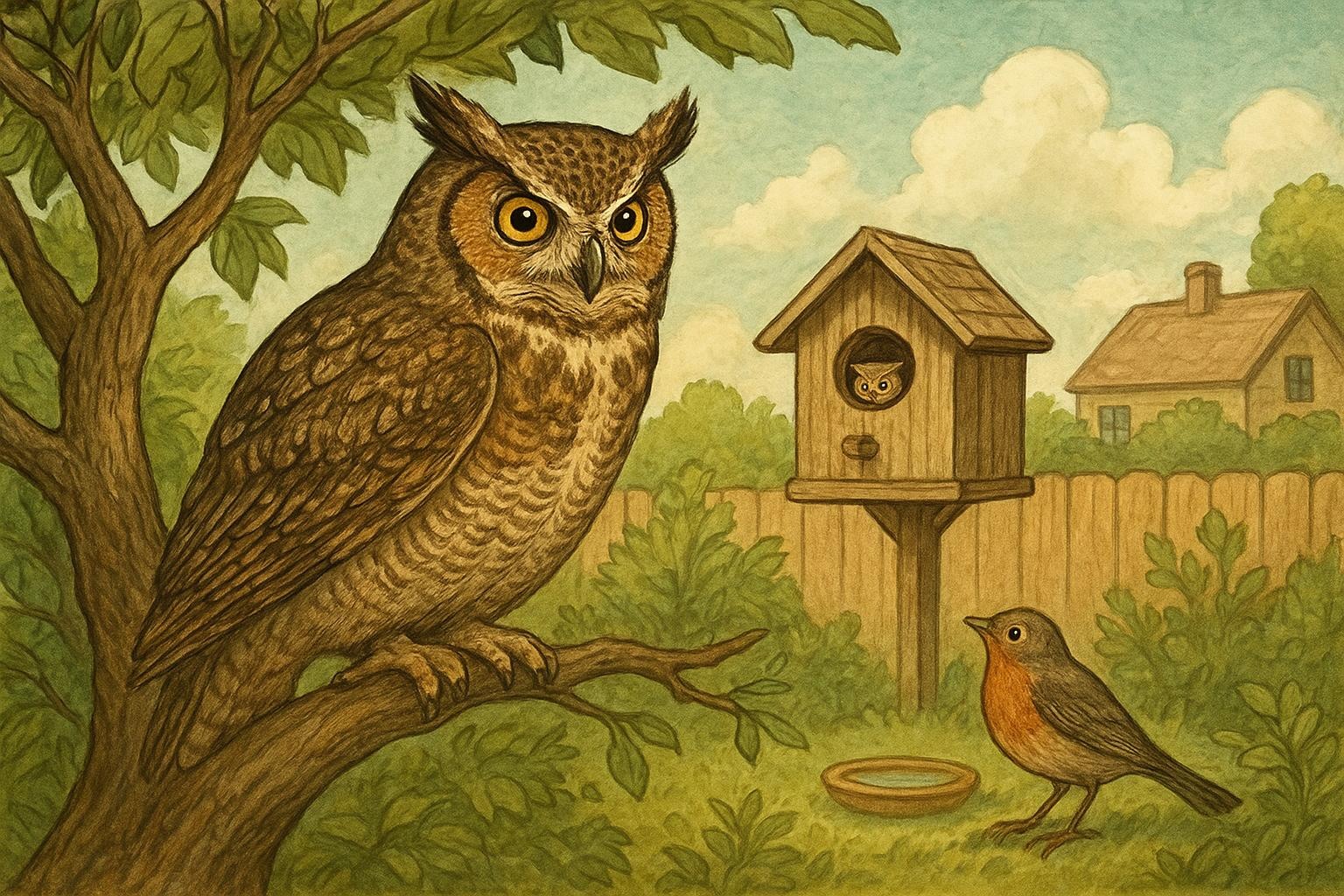
If your yard ever feels like an outdoor theater after dusk, chances are you’ve got a regular star: the great horned owl. These big-eared (not actually ears) night predators are bold, adaptable, and often quietly part of the neighborhood wildlife scene. Let’s take a relaxed stroll through their habits, why they show up in backyards, and what you can do to help them thrive — with one practical remedy for providing nesting support.
## Recognizing Backyard Visitors
You’ll probably notice a great horned owl before you see it. They’re stocky, with tufted “horns” (feathers), mottled brown-gray plumage, and large yellow eyes that glow in the right light. Their hooting — a deep, resonant “hoo-h’HOO-hoo” — is classic and can carry a long way on still nights. Unlike smaller owls, these are confident perchers on telephone poles, tall trees, or even large yard sculptures. If you spot one, keep your distance and enjoy the show from inside; these birds are protected and do best with minimal disturbance.
### Time Of Activity And Hunting Style
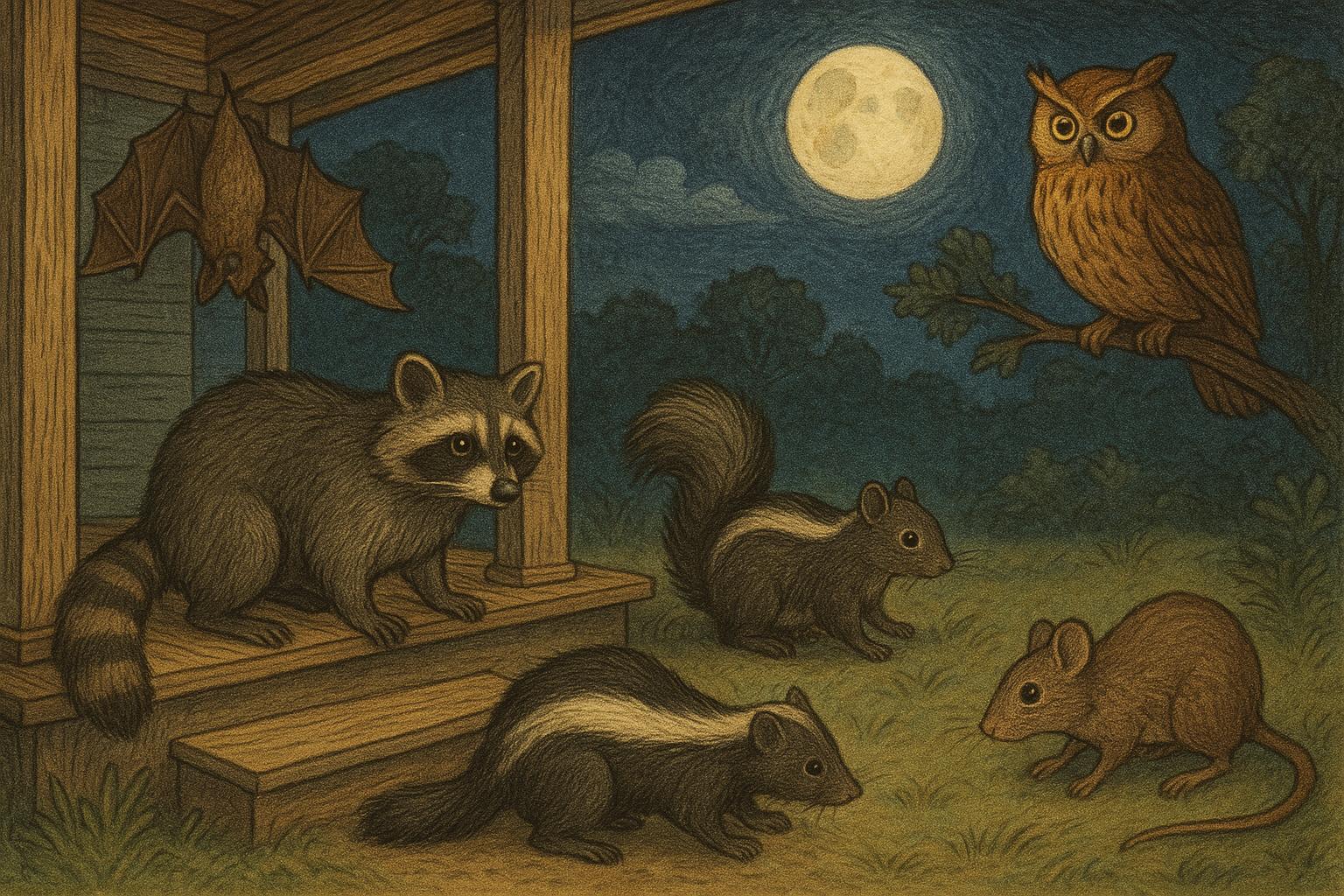
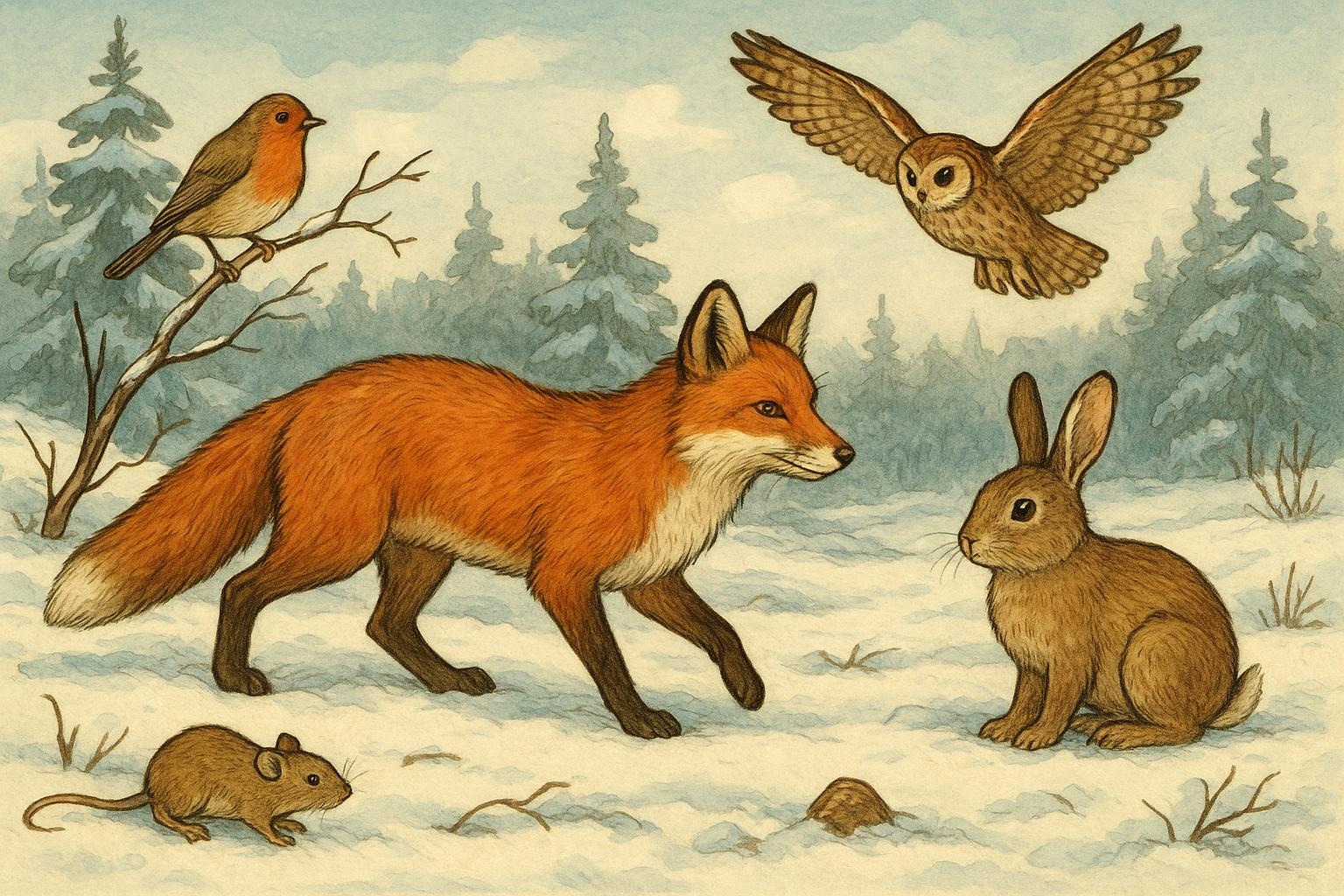
Most activity happens from dusk through the night and into dawn. The great horned owl is an ambush hunter: silent flight, a pounce from a concealed perch, and a swift end for its prey. They feed on a broad menu, including rodents, rabbits, skunks, other birds, and occasionally reptiles and insects. One day you might find rabbit remains under a favorite perch; the next, the evidence may point to smaller rodents. Their adaptability is the reason they’ve become so successful in suburban and semi-rural landscapes.
### Habitat Preferences In Urban And Suburban Areas
These owls aren’t picky. They nest in tree cavities, old nests of other raptors or large birds, and sometimes on cliff ledges. In backyards, mature trees, open lawn areas, and a steady food supply make a spot attractive. They tolerate proximity to people more readily than many raptors, provided they can find cover and quiet during the day.
## Breeding Behavior And Nesting Timing
Breeding season for many populations is surprisingly early — often in late winter. Pairs may defend territories year-round. They don’t build elaborate nests; instead, they appropriate existing nests or platforms. If a pair begins to use a tree in your yard, give them space. Nesting birds are sensitive to disturbance; repeated human activity near the nest can lead to abandonment.
### Parental Care And Development
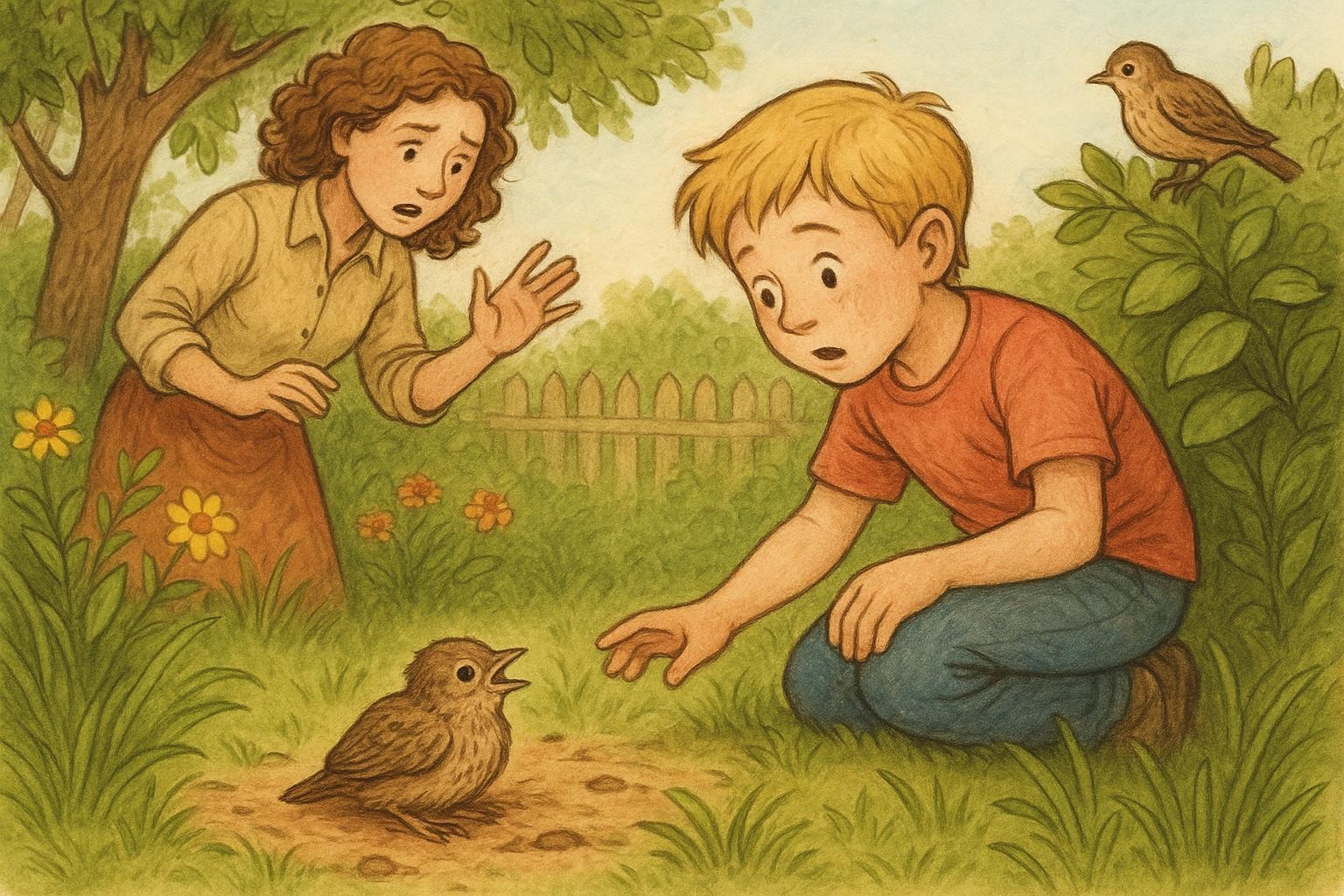
Once eggs are laid, incubation lasts approximately 28 to 35 days. Both parents may be involved in guarding and feeding, but the female typically spends most of the time on the eggs. Owlets fledge (leave the nest) after about 6 to 7 weeks, though parents continue to feed them for some time. If you see downy youngsters on the ground, they may still be being cared for; contact a wildlife rehabilitator rather than intervening yourself.
## Why Great Horned Owl Appear In Backyards
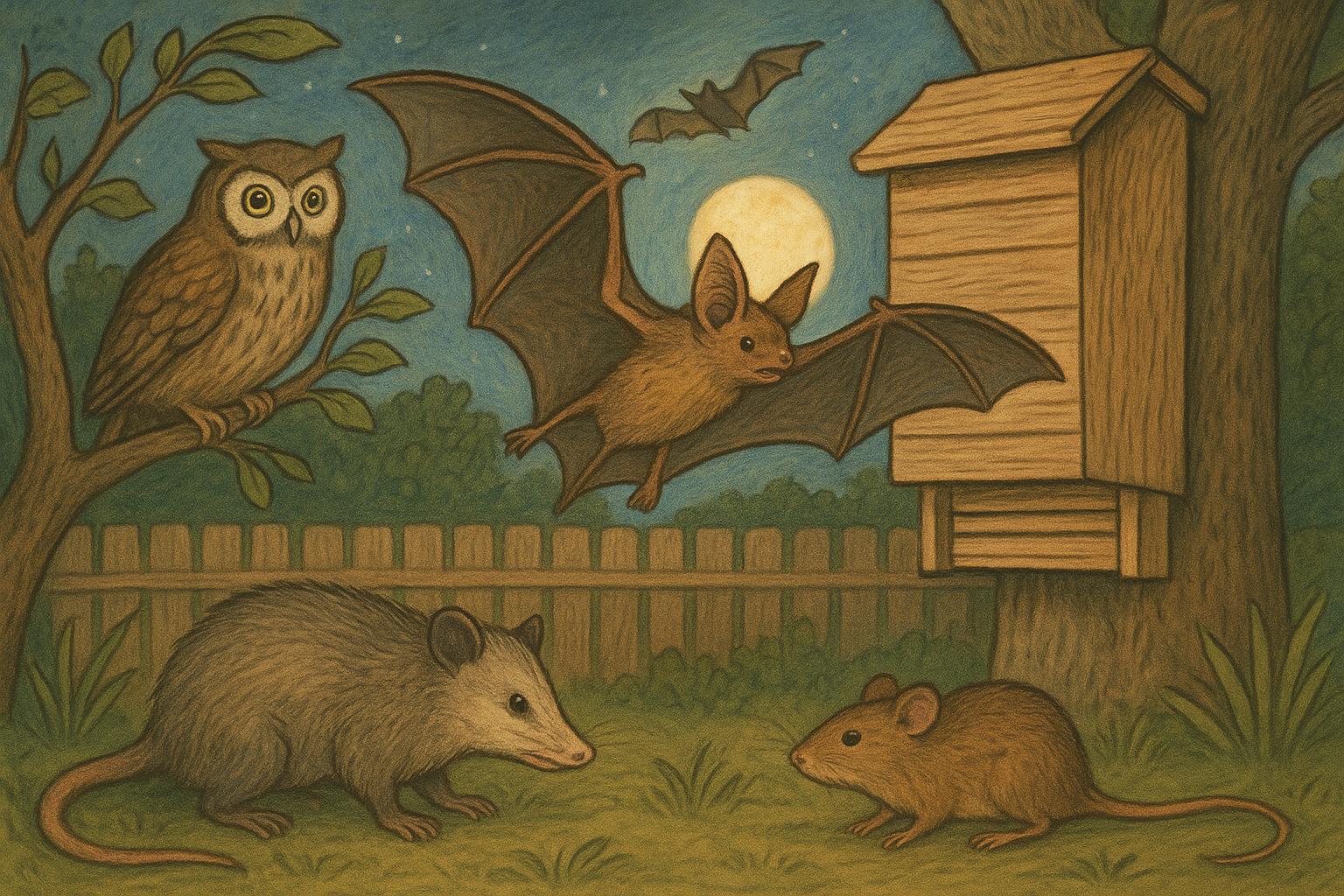
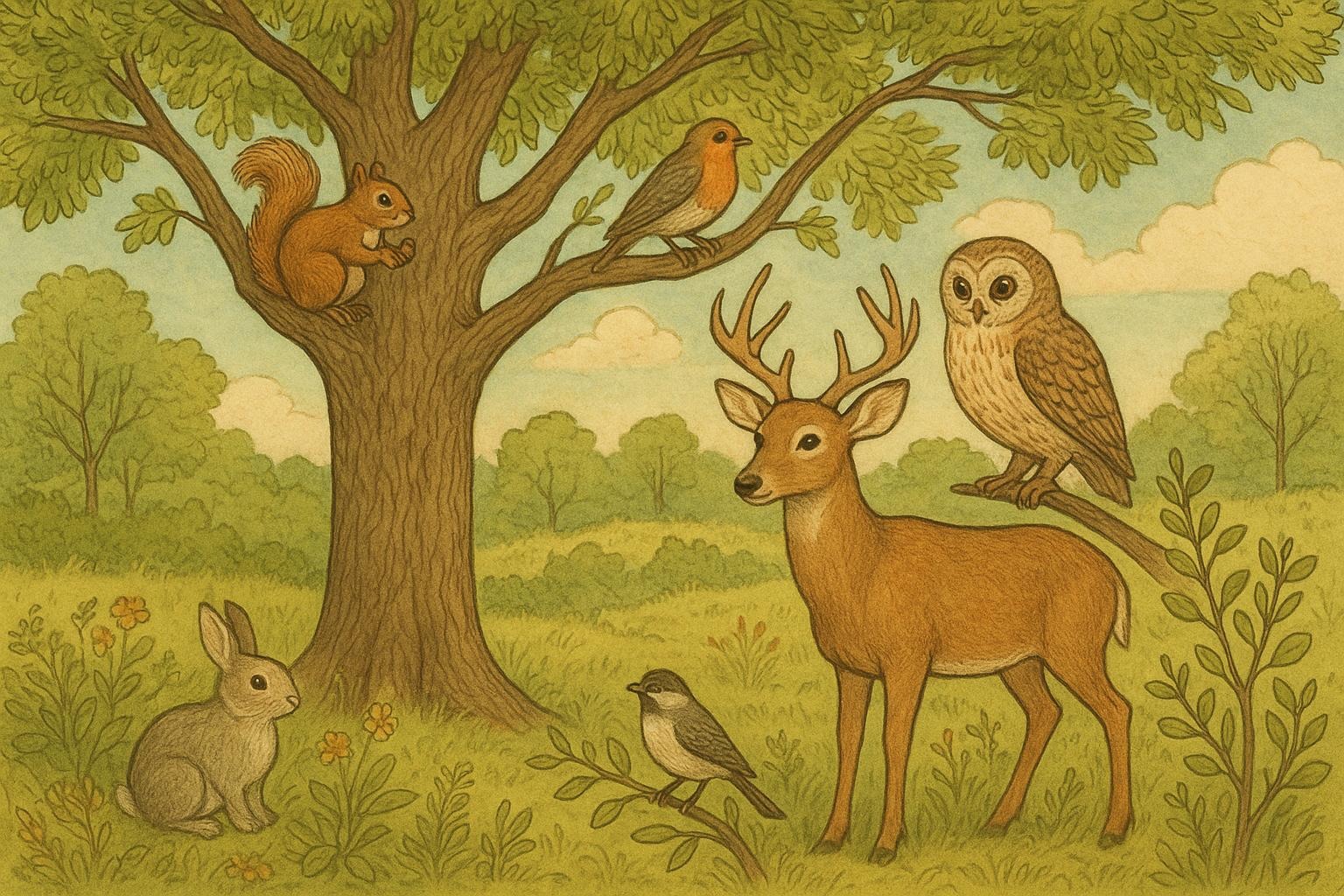
Backyard ecosystems provide a surprising buffet: rodents attracted to bird feeders or compost, rabbits in garden beds, and hedgerows offering cover. Large trees, utility poles, and even large decorative elements make good perches. If your yard is a mosaic of lawn, trees, and minimal night-time disturbance, you’re basically offering premium owl real estate. They also benefit humans by reducing rodent populations — think of them as nocturnal pest control with wings.
### Legal And Safety Notes For Homeowners
Great horned owls are protected under federal and many state laws. Disturbing nesting birds, taking eggs, or otherwise interfering can be illegal and harmful. If a bird appears injured or truly abandoned, contact local wildlife authorities or a licensed rehabilitator. Don’t attempt to raise or house wild owls; it requires specialized permits and training.
## What To Avoid If You Want To Help
– Don’t use rodenticides. These poisons move up the food chain and can cause secondary poisoning in raptors that eat affected prey.
– Avoid heavy tree pruning or limb removal during late winter and spring.
– Don’t attempt to feed owls. Human-provided food often causes more harm than good.
– Keep outdoor pets supervised at night; cats and small dogs can be vulnerable to predation and also stress wildlife.
## How To Create A Nest Platform For Great Horned Owl
If you’d like to encourage nesting (ethically and legally), providing a stable, elevated platform in a quiet part of your property can be beneficial. Below is a formal, step-by-step remedy for building a simple, durable nest platform. Before you proceed, check local regulations and ensure you’re not encouraging owls in locations that could put them at risk (e.g., near busy roads).
Materials Required:
– One 3/4″ exterior-grade plywood sheet (24″ x 24″ recommended)
– Four 2×4 pressure-treated lumber pieces for the frame
– Galvanized screws (2-1/2″ and 1-1/4″)
– Metal flashing strips or roofing felt for moisture protection
– Weatherproof post or pole (8–12 feet, pressure-treated or metal)
– Brackets or galvanized straps for secure mounting
– Padding material: coarse branches, cedar bark, or wood chips (avoid sawdust)
– Protective gloves, safety goggles, drill, saw, and level
Step-By-Step Construction And Installation:
1. Assemble The Frame: Cut two 2x4s to 24″ and two to 20″ to create a rectangular frame under the plywood. Lay out and screw them together with 2-1/2″ galvanized screws to provide edge support for the platform.
2. Attach The Decking: Fasten the plywood sheet to the frame using 1-1/4″ screws at 6-8″ intervals around the perimeter and into the frame members.
3. Weatherproof The Platform: Affix metal flashing or roofing felt over the plywood, leaving the center open or slightly depressed to mimic a natural scrape. This reduces water infiltration and extends the platform’s life.
4. Add A Fringe: Place several coarse branches or cedar bark on the platform to create texture and drainage. Do not add materials that retain moisture or mold.
5. Prepare The Post: Choose a location at least 8–12 feet from the ground with a clear flight approach on one side and some vertical cover nearby. The post should be installed in firm ground and anchored or set in concrete if a wood post is used.
6. Mount Securely: Lift the platform into place (use assistance for safety) and secure it to the post with galvanized straps or brackets. Ensure the platform is level; the slight angle can be OK for drainage, but avoid steep tilts.
7. Final Inspection: Confirm all fasteners are tight, no sharp edges are exposed, and the platform is stable under load. Remove potential climbing aids for predators (e.g., nearby wires or structures that give easy access).
8. Monitor From Afar: After installation, observe quietly from a distance. Do not approach the platform frequently; disturbance can deter use. If a pair inspects or uses the platform, limit activity in the area for the duration of nesting.
## Encouraging A Healthy Backyard Ecosystem
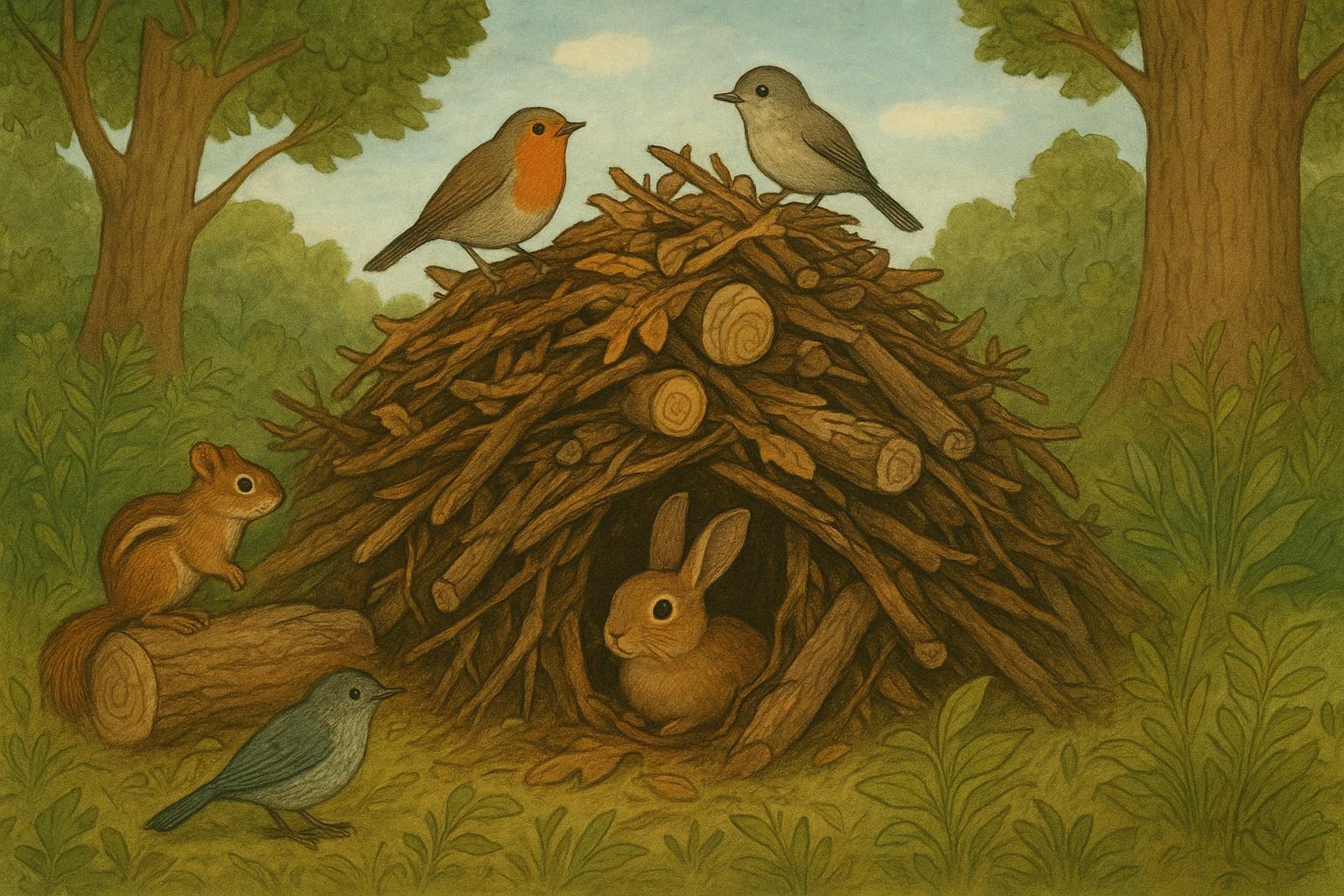
Beyond platforms, creating a wildlife-friendly yard helps support owls naturally. Plant native shrubs and maintain brush piles for small mammals, preserve dead snags when safe, and provide a mosaic of open hunting areas and sheltered perches. Reducing light pollution and limiting late-night noise also makes your yard more attractive to nocturnal species.
### Dealing With Common Concerns
If you’re worried about a young owl on the ground, check from a distance for signs of injury. Healthy juveniles often wait while parents bring food. If there are clear signs of trouble (visible wounds, threats from predators, or prolonged exposure without parental care), contact professionals. For nuisance complaints (e.g., regurgitated pellets or prey remains), humane cleanup and management of attractants (secure compost, cover chicken coops) typically resolves issues without harming the birds.
#### Working With Wildlife Professionals
When in doubt, reach out to local wildlife agencies, bird conservation groups, or licensed rehabilitators. They can help identify whether intervention is necessary, advise on legal requirements, and, when needed, respond to injured birds. Documentation (photos, date, location, behavior notes) helps professionals assess situations remotely and efficiently.
## Citizen Conservation Tips That Make A Difference
Simple practices add up. Avoid using rodenticides, advocate for mature tree preservation in your neighborhood, and support local conservation organizations. Educating neighbors about coexistence reduces fear and leads to better outcomes for owls and people alike. If you enjoy nighttime wildlife, consider hosting occasional neighbor-friendly events to share what you’ve learned — education is a powerful conservation tool.
If you’ve ever caught a glimpse of a great horned owl in your yard, you know it can feel like a secret handshake with nature. With mindful actions and a little habitat support, backyards can remain safe refuges for these remarkable night hunters — and in return, you get fewer rodents, a bit of wild drama, and some memorable hoots to fall asleep to.

Leave a Reply