
## Backyard Mayhem: Why Trash Night Feels Like A Warzone
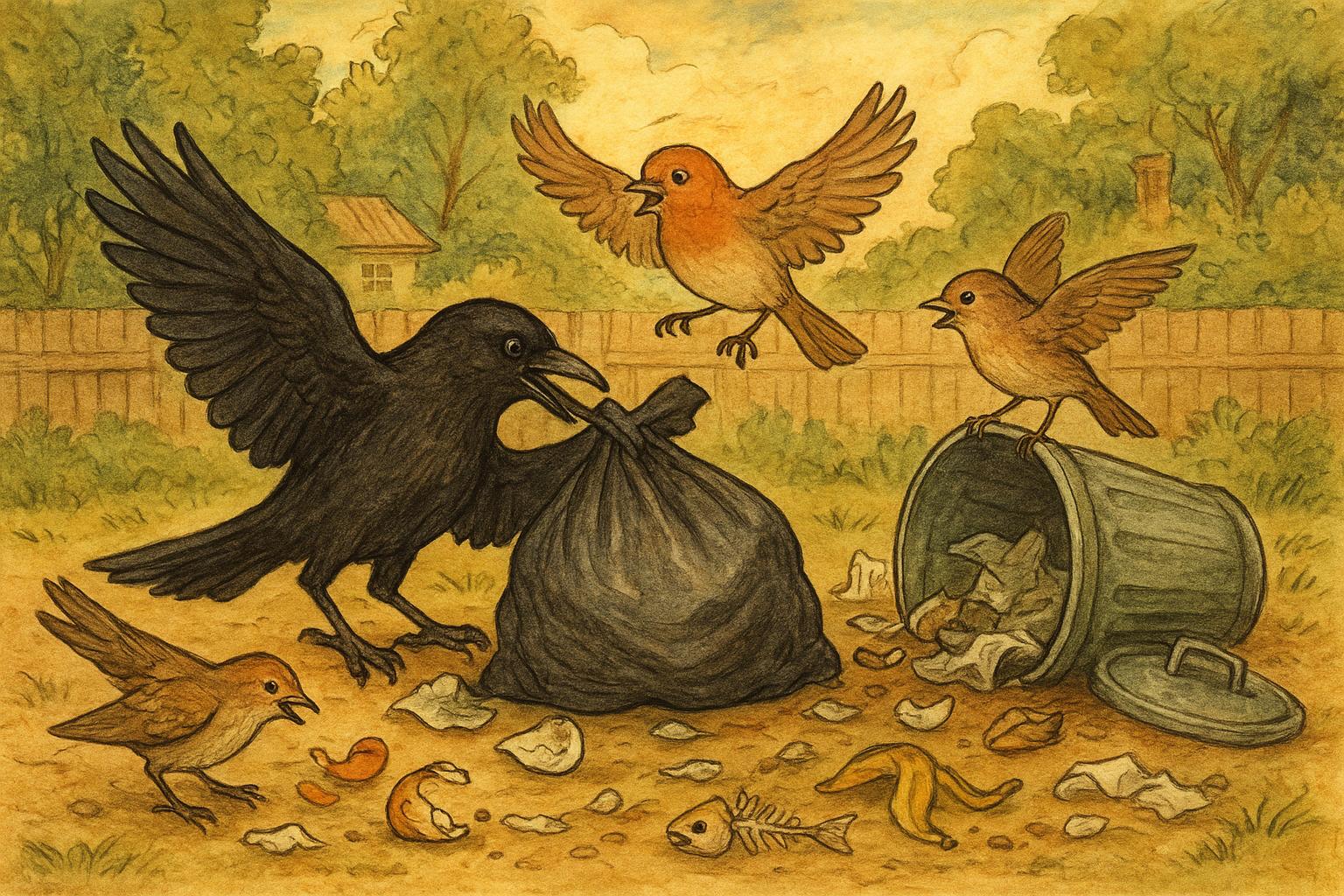
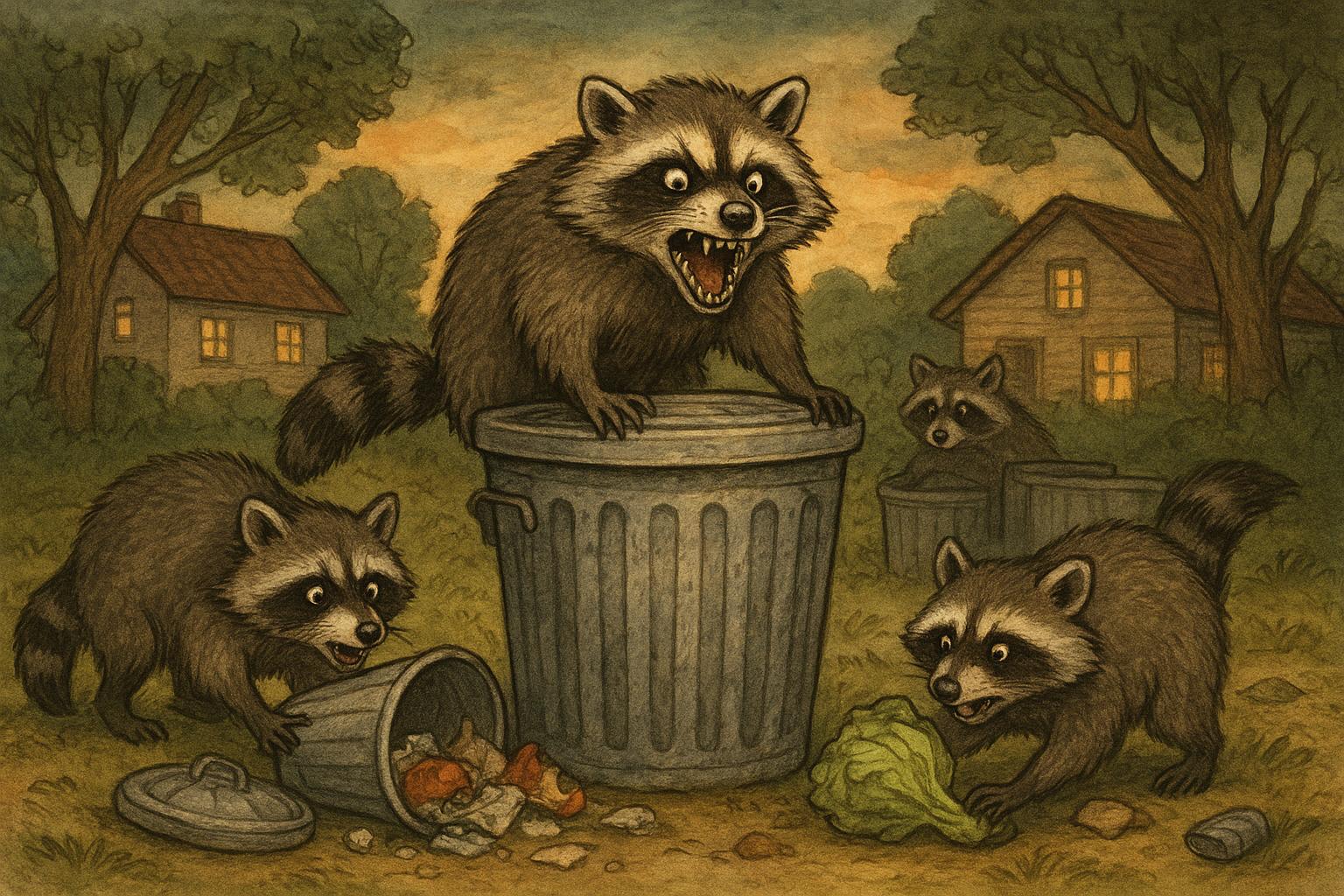
The sound starts small. A faint crinkling, then a sharp flurry of wings. By the time you step outside there’s trash strewn across the lawn like confetti and a dozen birds arguing over a half-eaten sandwich. That scene—bags torn, food exposed, neighbors yelling—has been happening with more frequency in yards across towns. The culprit? Not raccoons this time. It’s birds, and their knack for opening unsecured garbage has turned ordinary trash night into a chaotic ritual.
This isn’t a random nuisance. Birds learn fast. Once one figures out how to peer into a tied bag and make it yield, others copy the behavior. Before long you’ve got a nightly congregation picking apart your refuse. The result is more than an annoying cleanup. It’s trash bag damage to property, extra municipal pickup costs, and a steady stream of edible hazards for wildlife.
## Birds Opening Trash Bags: How They Get Inside
Most people picture birds pecking through a lid or tipping a can. That does happen. But a lot of the time modern birds don’t bother with full containers. They go after the weak point: the bag. Thin plastic tears easily. A piece of greasy cardboard gives them a handle. A half-tied knot is an invitation.
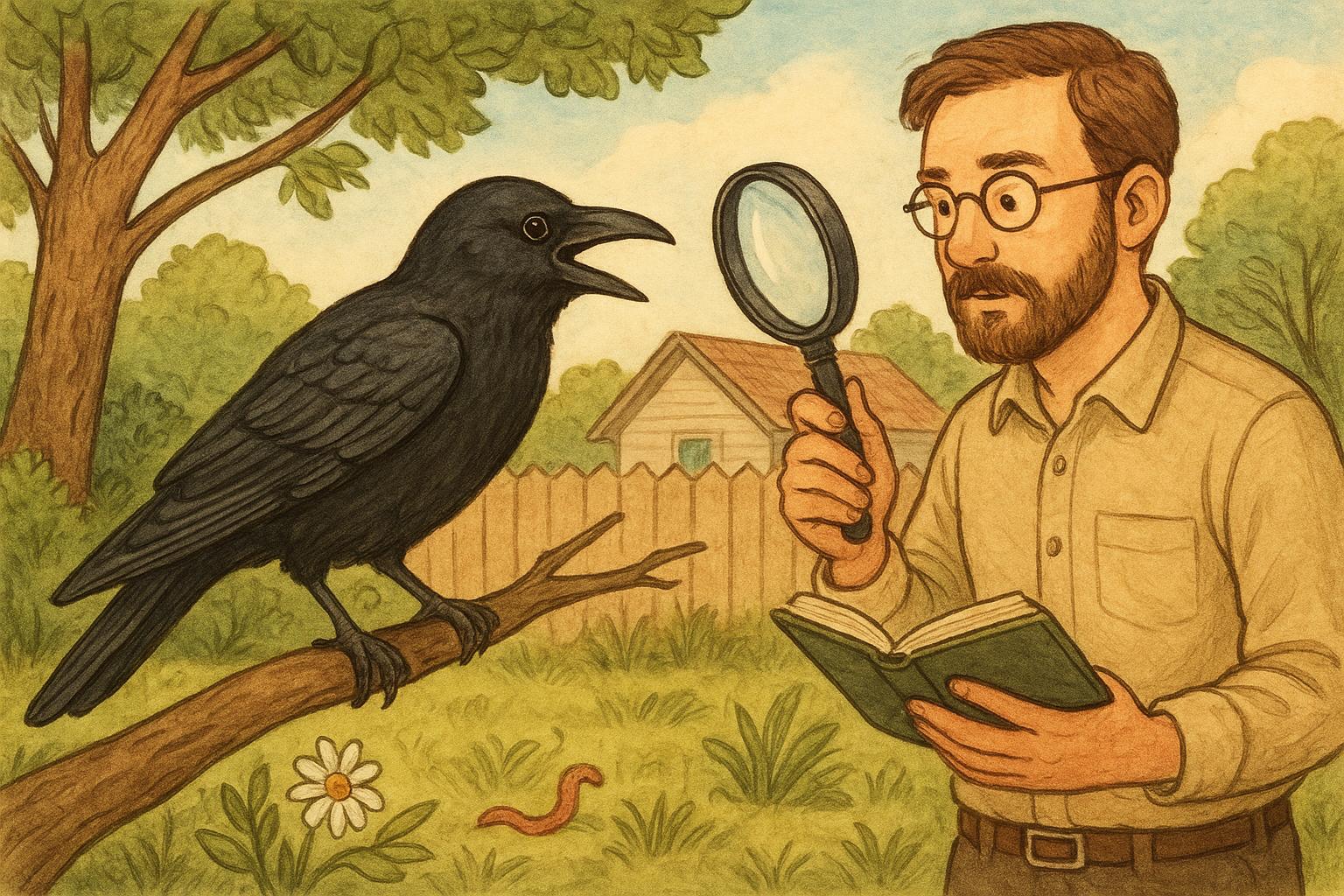
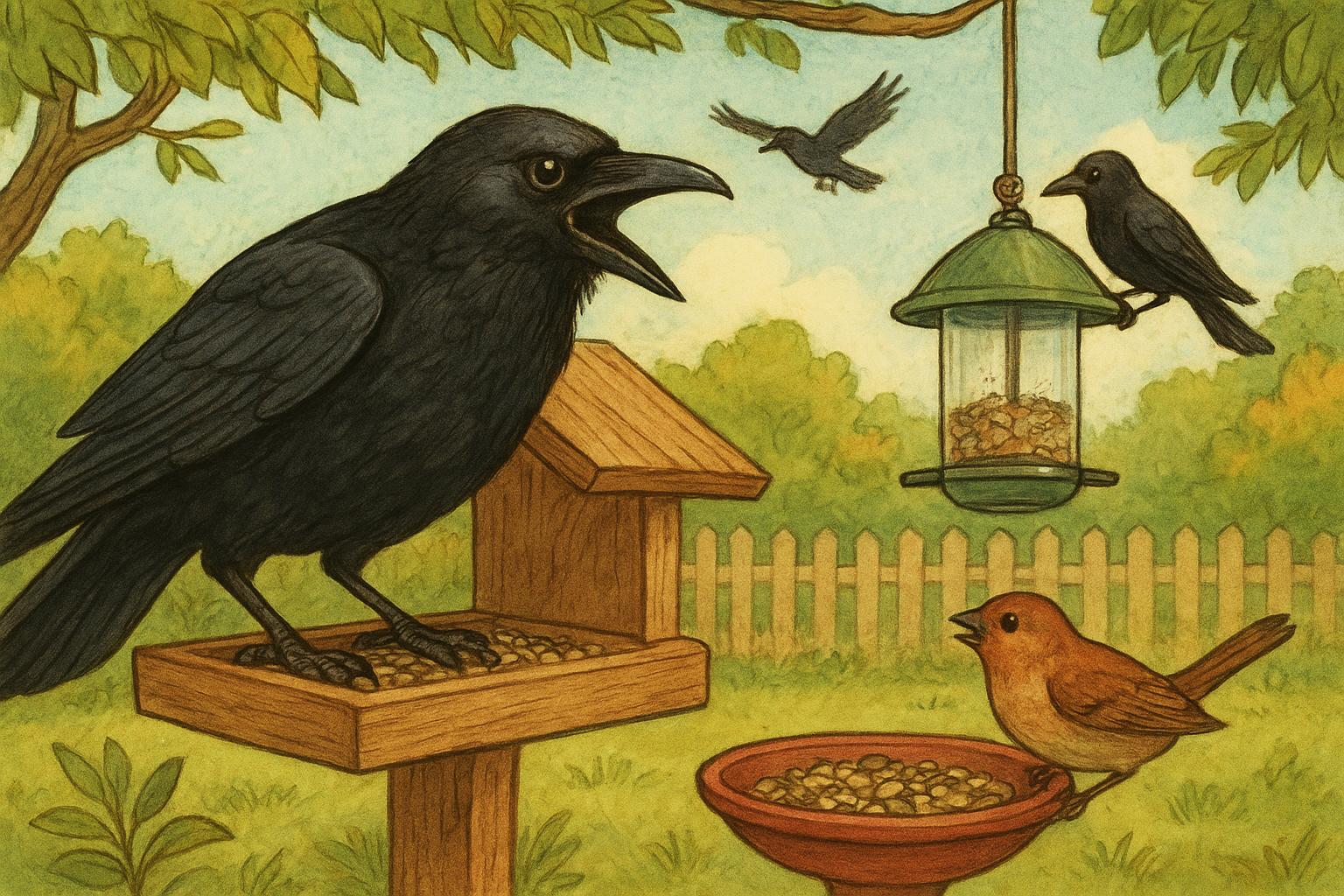
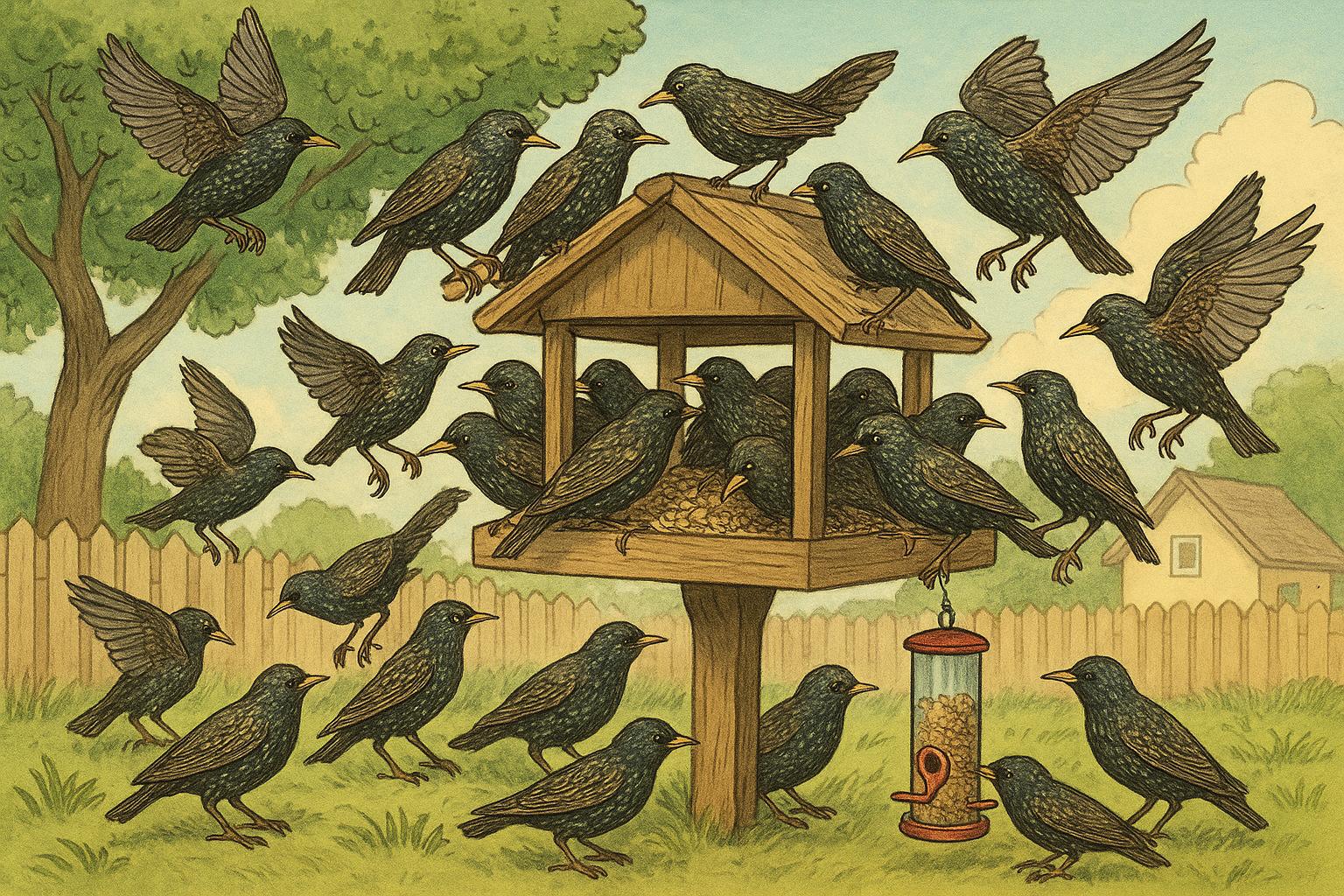
Crows and gulls are especially good at this. Crows use their beaks like hands. Gulls grab and tug until the plastic rips. Grackles and starlings will pull at a seam that’s already weakened. If you have a neigbor who leaves a pizza box resting on the bag, you’ve provided both a handle and an attractant. Once food is visible, the rest of the flock arrives in minutes.
### The Usual Suspects: Which Birds Tear Into Bags
Crows: Smart, persistent, social. They will pull a bag taut and grab a corner, tearing with precision.
Gulls: Strong beaks, fearless. They target beaches, driveways, and suburban trash lines with equal enthusiasm.
Grackles and Starlings: Small but numerous. They work together to find weak points and rip small openings.
Pigeons: More opportunistic. Pigeons usually scavenge the scraps left after the larger birds open the bag.
Each species has its technique. Watching them work gives you a quick lesson in problem solving. They’re not malicious. They’re efficient.
### Why They Prefer Certain Bags
Not all garbage bags are equal. Thin, light bags are theaters of trash bag damage. They tear under minimal stress. Scent is another factor. Smells that are strong and varied—leftover takeout, meat juices, dairy—act like beacons. Clear or white bags also show off the contents, making them more tempting.
Two practical things follow. First, if you must leave trash outside, choose heavy-duty bags designed for contractor waste. Second, don’t mix food scraps in a way that makes the bag smellier than it needs to be. Wrap kitchen waste before tossing it. Both steps reduce the chance of an invited party.
#### Thin Plastic Vs Contractor Bags
Thin bags: Lightweight, cheap, and easy for birds to shred.
Contractor bags: Thick, puncture-resistant, harder to tear, better at containing odors.
Using better bags won’t fix everything, but it raises the effort threshold. Birds move on to easier targets. That simple shift cuts down incidents fast.
## Practical Fixes You Can Use Tonight
If your yard is on tonight’s list, there are a few quick moves to make the problem manageable this evening. These are hands-on and cheap.
Bring Bags Inside: It’s the blunt solution. Carry trash to the garage or inside the house until pickup. It’s messy work, but it prevents immediate trash bag damage.
Weigh Bags Down: Toss a heavy rock, brick, or an old cookbook on top. The extra weight makes tearing and drag-away harder.
Secure With Clips Or Bungee Cords: Secure the bag at the top with a strong clip and then wrap a bungee cord around the trash can. Birds yank at openings; they can’t undo tight hardware quickly.
Double-Bag Key Items: Put loose food waste into a second, sturdier bag. That slows down a determined bird long enough for human intervention.
Cover With Netting Or A Sheet: A durable picnic cloth or netting draped and anchored with bricks keeps birds from landing on the bags. It’s low-tech and surprisingly effective.
Move Items Away From The Street: Birds use cars and curbs as perches. Place bags closer to the house or behind a bin to reduce visibility. Visibility drives many of these attacks.
Tie Knots Differently: A bow knot is easy for a bird to untie. Learn a simple “noose knot” or use a twist tie and then staple or clip over it. It takes longer for a bird to undo that, and you don’t need to buy new containers.
These options are not mutually exclusive. Combine two or three and you reduce the chance of mess tonight by a lot.
### Quick Fixes That Often Fail
Plastic bags stuffed into open-top cans without lids are an all-but-guaranteed disaster. Tape over the can? Birds peck the tape and then find a seam. Cheap fixes give a false sense of security. If you want reliable results, go for sturdier methods.
## Affordable Bird Deterrents That Actually Work
“Bird deterrents” gets used a lot as a catch-all. Some products are gimmicks. Some work. The difference is durability and how they’re used.
Reflective tape: Cheap, easy to hang on a bin or over bags. Birds dislike sudden flashes of light and will avoid the area for a while.
Decoy Predators: A plastic owl or hawk can deter some species for weeks. Move the decoy occasionally so birds don’t habituate.
Motion-Activated Lights Or Sprinklers: Sudden light or water startles birds and interrupts the learned behavior. These are more expensive but effective for frequent problems.
Noise Makers: Devices that emit predator calls or intermittent noise can work, but birds can grow used to them. Use them in rotation.
Scent-Based Repellents: Some products claim to keep birds away using smell. They have mixed results and must be used carefully to avoid harm to pets or local wildlife.
Netting And Covers: Heavy-duty bird netting over a pile of bags or open dumpster is one of the most reliable bird deterrents. Proper installation is key. If the net sags, birds find a gap.
Remember: no single deterrent is perfect. The best approach combines physical barriers with sensory deterrents. That means keeping contents out of sight, making access physically difficult, and adding a stimulus birds find unpleasant.
### What To Avoid
Never intentionally harm birds or use poisons. Not only is that dangerous and illegal in many places, it draws more problems than it solves. Also avoid adhesives or sticky substances that can trap feathers or injure animals.
## How To Make Trash Storage Less Tempting
The goal is to change your yard from “food source” to “no reward.” Start by minimizing scent. Wrap meat scraps in newspaper then into a bag. Use sealed kitchen containers for food waste if you compost. Rinse out cans and containers that still have residues.
Buy a lidded bin that seals tightly. Not every lid is the same. Look for bins with clamping locks and screw-on lids designed for animal resistance. Place bins behind a fence or in a shed if possible. If you have curbside pickup, bring the bin out only on collection morning.
If you host parties often, make a designated indoor trash station until you can dispose of waste in sealed bins. Frequent, small changes in habit reduce how often birds find easy targets.
## Long-Term Neighborhood Strategies
This issue often escalates beyond one yard. Once a few households attract birds, the flock builds. Neighbors banding together is effective.
Schedule Changes: If pickup happens late at night, work with your municipality to adjust timing. Early morning pickup means bags don’t sit through prime bird activity hours.
Shared Containers: Install secured community containers with locking lids. It’s an upfront cost but reduces nightly trash bag damage across a block.
Education: A few simple notices from a homeowners association or apartment manager—wrap food, use heavy bags, don’t overflow cans—reduces the number of easy targets.
Enforcement: Gentle rules asking people not to leave bags out overnight or to use approved bins goes a long way. People often don’t realize the impact of a single open bag.
## When To Call The City Or Animal Control
If birds are regularly tearing into municipal bins or overflowing public dumpsters, contact your local sanitation department. They can provide stronger containers or adjust pickup times. If flocks become aggressive or a style of deterrent is causing injury, animal control or wildlife services can advise on humane options.
Document the problem. Take photos, note times, and collect neighbors’ accounts. A pattern makes it easier for municipal services to justify adding resources or changing policy.
Tonight, the simplest municipal help is a temporary secured container borrowed from a neighbor or group storage in a garage. Municipalities sometimes loan or sell lockable lids. Ask.
A final note: some birds are protected species. That matters when you choose deterrents. Read local guidelines before installing anything that might harm wildlife. Safety matters for pets and people too.
Act now if you want less trash bag damage tonight. Move the bags, tighten seals, and add a physical cover. Use a couple of the bird deterrents above and check back after one pick-up cycle to see what stuck and what didn’t. Then tweak. Try different combinations until birds lose the habit.
Leave a Reply