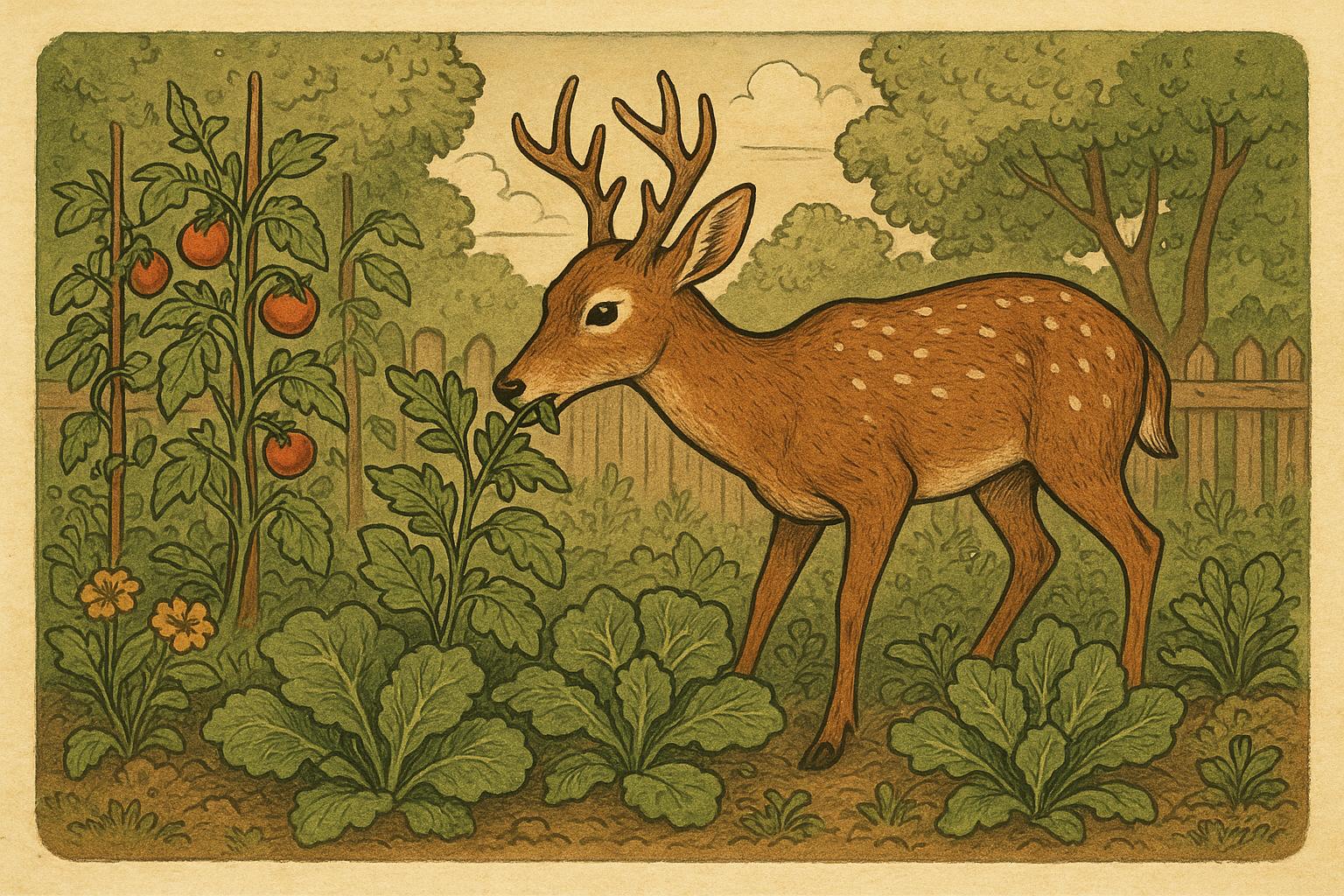
Deer present a persistent and often underestimated challenge to cultivated landscapes. When cervids enter suburban or rural gardens they can cause considerable aesthetic and functional damage by feeding on tender shoots, bark and ornamentals. The issue is not merely cosmetic; in many cases repeated browsing weakens shrubs and perennials to the point of decline. This formal guide addresses why deer nibble plants, how to assess vulnerability, and a set of evidence-based strategies to reduce damage while maintaining humane stewardship of wildlife.
## Why Deer Nibble Plants: Behavioral And Seasonal Drivers
Deer nibble plants for reasons that extend beyond simple hunger. Seasonal shifts in forage availability, reproductive cycles, and local population density all influence browsing pressure. In late winter and early spring, when alternative forage is scarce, deer will expand their diet to include a broader range of horticultural species, often targeting the most palatable growth—tender buds and young shoots.
### Feeding Habits And Preference
Deer are selective feeders. They prefer plants with higher nutrient density and lower concentrations of chemical defenses. Native shrubs and certain perennials are frequently avoided because they produce bitter or toxic compounds. Conversely, many ornamental species, cultivated for flavor or texture, are conspicuous targets.
#### Seasonal Intensification
Browsing intensity typically increases during fawning and mating seasons. As energy demands change, so too does the willingness of deer to take greater risks, including frequenting gardens close to human habitation.
## 1. Physical Barriers And Exclusion Techniques
Physical exclusion remains the most reliable means of preventing deer from nibbling plants. The objective is to establish an obstacle that is inconvenient or impossible for deer to bypass without altering their normal movement patterns.
### Materials Required
– Welded wire fencing or high-tensile mesh (minimum 8–9 feet height recommended)
– T-posts or wooden posts (spacing 6–10 feet)
– Gate hardware and latches
– Zip ties or fencing staples
– Temporary deer netting (for individual shrubs)
### Step-By-Step Installation And Application
1. Site Assessment: Walk the perimeter to identify likely entry points, such as breaks in existing fences, deer trails, and low points in hedgerows.
2. Setting Posts: Install posts at regular intervals (6–10 feet) to maintain tension. Ensure corner posts are anchored securely.
3. Attaching Fencing: Unroll the fence and attach to posts using staples or ties. Maintain a taut line and ensure the bottom is anchored to prevent deer from pushing underneath.
4. Height Consideration: For permanent fences, a height of 8 feet is customary; for seasonal deterrence, a double rail approach (a 4-foot outer fence and a 3-foot inner fence set 2–3 feet apart) can be effective by exploiting deer jumping behavior.
5. Protecting Individual Plants: For young trees and shrubs, use breathable netting or cylindrical cages. Secure bases to deter rodents and to prevent deer from reaching low growth.
#### Maintenance And Monitoring
Inspect fences monthly and after storms. Deer will test weaknesses repeatedly; prompt repair is essential to maintain effectiveness.
## 2. Olfactory And Taste Deterrents
Chemical cues are central to many humane deterrent strategies. By altering the perceived palatability of plants, gardeners can reduce the attractiveness of certain specimens and thereby reduce instances of deer nibble plants.
### Materials Required
– Commercial deer repellent (protein-based or odor-based formulas)
– Household supplies (eggs, garlic, soap) for DIY solutions
– Spray bottles or garden pump sprayer
– Protective gloves and eyewear
### Step-By-Step Creation And Application (DIY Spray)
1. Ingredients: 1 raw egg, 2 tablespoons of garlic powder, 1 tablespoon of dish soap, 1 quart of water, and 1 cup of compost tea or diluted fish emulsion.
2. Emulsify: In a container mix the egg and garlic powder until integrated. Add the dish soap to act as a sticker to help adherence.
3. Dilution: Combine the mixture with water and compost tea; stir thoroughly.
4. Application: Transfer to a sprayer and apply to plant foliage, paying attention to new growth and buds. Apply the solution in the evening to reduce photodegradation.
5. Reapplication: Reapply after heavy rain or every two to three weeks during peak browsing periods.
#### Safety And Efficacy Notes
Commercial repellents often include proteins or capsaicin and are subject to regulatory standards. Rotate active ingredients periodically to deter habituation. Always follow label instructions when using commercial products.
## 3. Plant-Based Strategies And Resistant Species
Strategic selection and placement of plant material can reduce the incidence that deer nibble plants in ornamental beds. While no plant is universally deer-proof, many species are less preferred.
### Species And Placement Guidance
Conifers, ornamental grasses, and many aromatic herbs (such as lavender and rosemary) are commonly less attractive. Dense plantings of resistant species can act as a buffer around more vulnerable specimens. When designing a garden, place highly palatable plants closer to the house or near structures where deer are less likely to forage.
#### Considerations For Cultivar Selection
Choose cultivars known for thicker foliage, greater secondary metabolite production, or tougher textures. Plants under stress (poor soil, drought) may become more palatable; therefore, appropriate horticultural care reduces vulnerability.
## 4. Repellents: Commercial And DIY (Recipe Included)
Repellents may be classified as taste-based or scent-based. Their success is contingent on proper application and periodic rotation. This section provides a formal DIY recipe and instructions for application to deter deer that nibble plants.
### Ingredients And Equipment
– 3 eggs
– 1 cup of milk
– 3 tablespoons of hot sauce or crushed red pepper
– 2 tablespoons of liquid soap
– 1 gallon of water
– Large bucket and stirring utensil
– Fine mesh strainer
– Garden pump sprayer
### Preparation And Application Procedure
1. Combine Eggs And Milk: In the bucket, beat the eggs and add milk to create a base that will adhere to foliage.
2. Add Pepper And Soap: Stir in hot sauce and liquid soap; the pepper provides an unpleasant taste while the soap acts as a surfactant.
3. Dilute: Add water to the mixture and stir thoroughly. Strain the solution to remove particulate matter that could clog the sprayer.
4. Loading The Sprayer: Pour the strained mixture into the pump sprayer. Ensure the unit is clean and free of chemical residues.
5. Application: Spray thinly and evenly over the foliage of vulnerable plants, concentrating on tender growth. Apply at dusk to improve adhesion and reduce volatilization.
6. Reapplication Schedule: Repeat every 10–14 days or after significant precipitation. Observe for signs of deer browsing and adjust frequency accordingly.
#### Precautions
Avoid spraying edible produce close to harvest without verifying the safety of ingredients on food crops. Use gloves during preparation and application. Dispose of unused mixtures responsibly.
### Technical Considerations
Repellents often rely on learned behaviors; deer that have previously fed on a plant may persist despite deterrents. Complementary tactics, such as temporary fencing and removal of attractants (fruit drops, unsecured compost), increase overall success.
## Environmental And Landscape Management
Landscape configuration and property-level practices profoundly influence the likelihood that deer nibble plants. By modifying habitat features and human behaviors, gardeners reduce incidental attraction.
### Habitat Modification
Reduce dense cover near the garden that provides bedding or escape cover. Maintain clear sight lines and avoid tall ornamental grasses adjacent to vegetable plots. Store compost in enclosed bins and promptly harvest ripe fruit to avoid creating a food subsidy.
#### Community-Level Approaches
Neighborhood cooperation amplifies individual measures. Coordinated planting of resistant species and joint investment in perimeter fencing can reduce localized deer concentration and the resultant propensity to deer nibble plants.
With careful application of these strategies, garden stewards can materially reduce deer-related damage while maintaining ethical coexistence with local wildlife.






















Leave a Reply