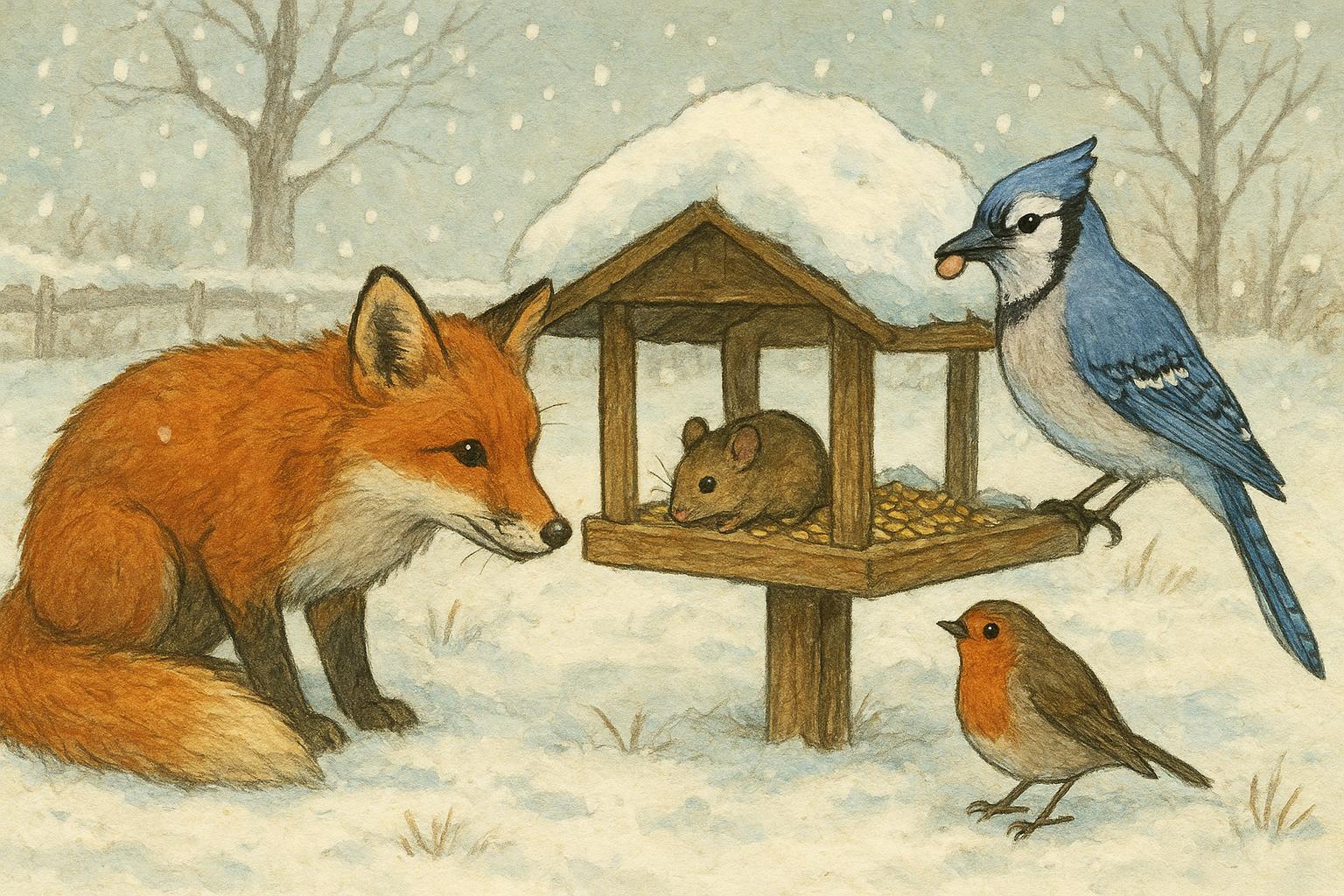
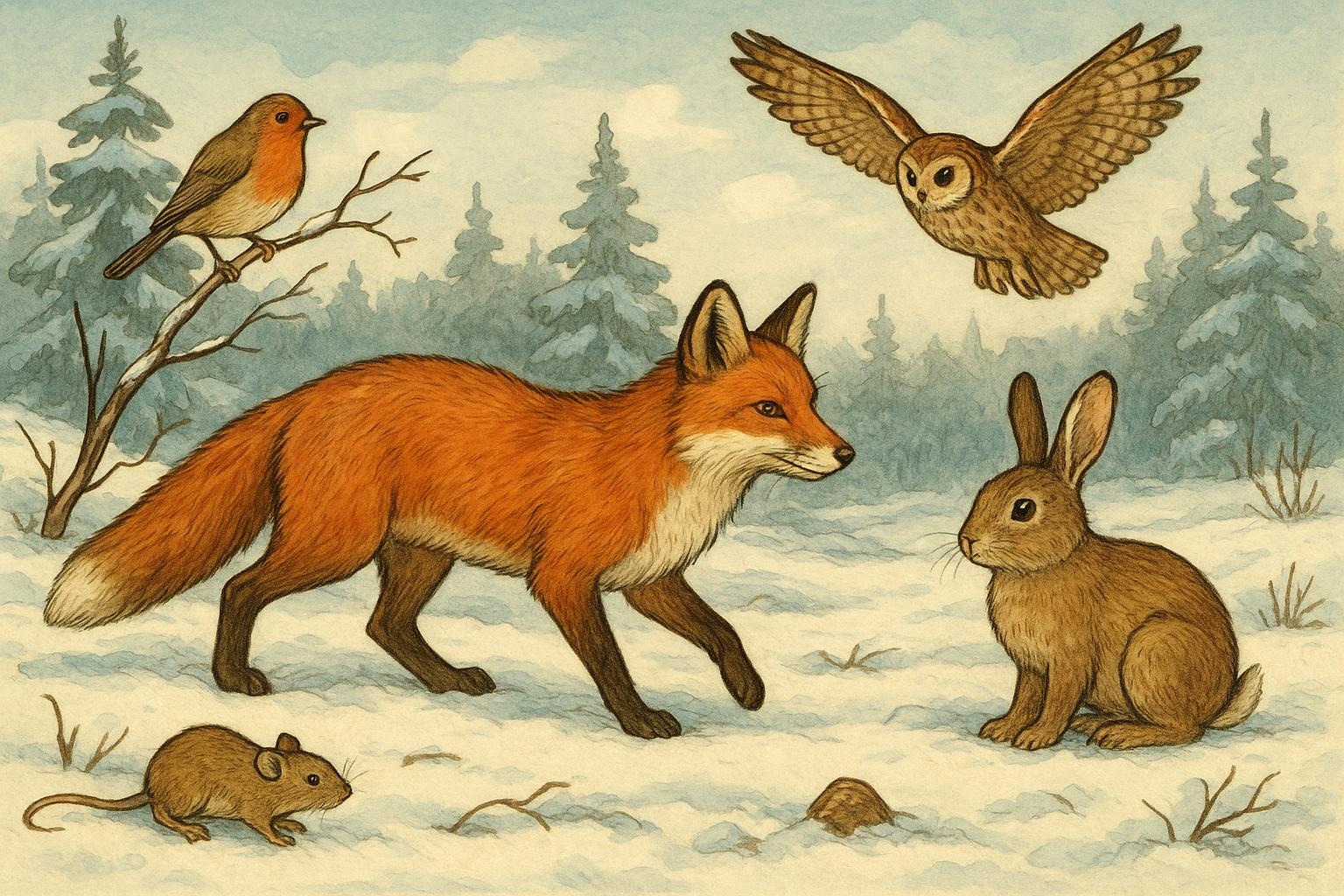
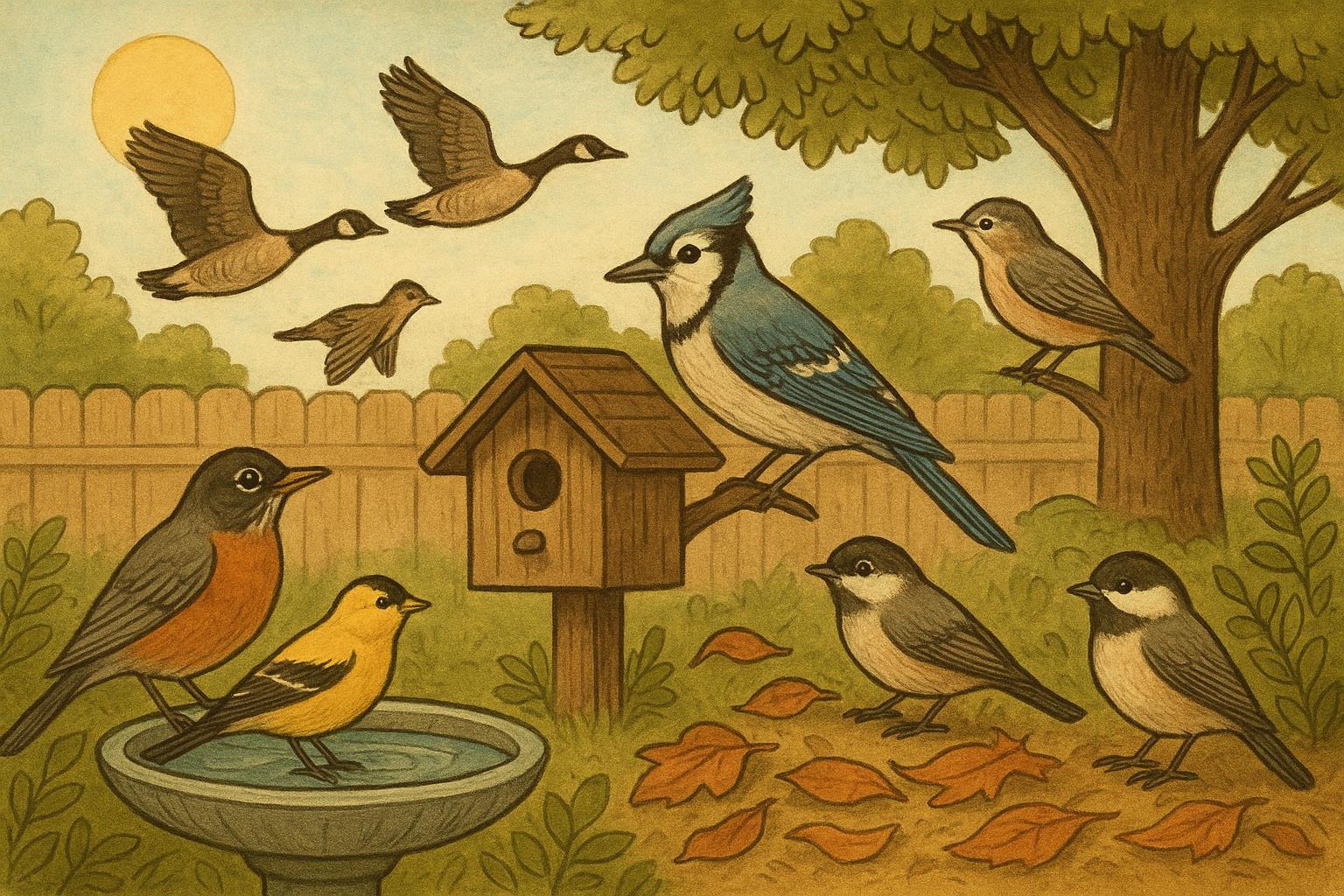
Cold nights, frosty mornings, and brave little backyard critters busily foraging — if you enjoy watching wildlife from your kitchen window, chances are you’re thinking about how to help them through the cold. This guide is warm, practical, and friendly — a quick set of do’s and don’ts for people who care about their feathered and furry neighbors. Winter wildlife care is about keeping things simple, safe, and effective without turning your yard into a wildlife rehab center (leave that to the pros).
## Winter Wildlife Care Essentials
Before you start improvising heated bird spas or badger-sized blankets, set some simple priorities: shelter, water, food, and safety. These pillars will guide your choices and keep your efforts beneficial rather than harmful. Winter wildlife care focuses on supporting animals’ natural behaviors while reducing the risks created by human activity—like cleared brush piles that would otherwise serve as shelter.
### Shelter Strategies That Work
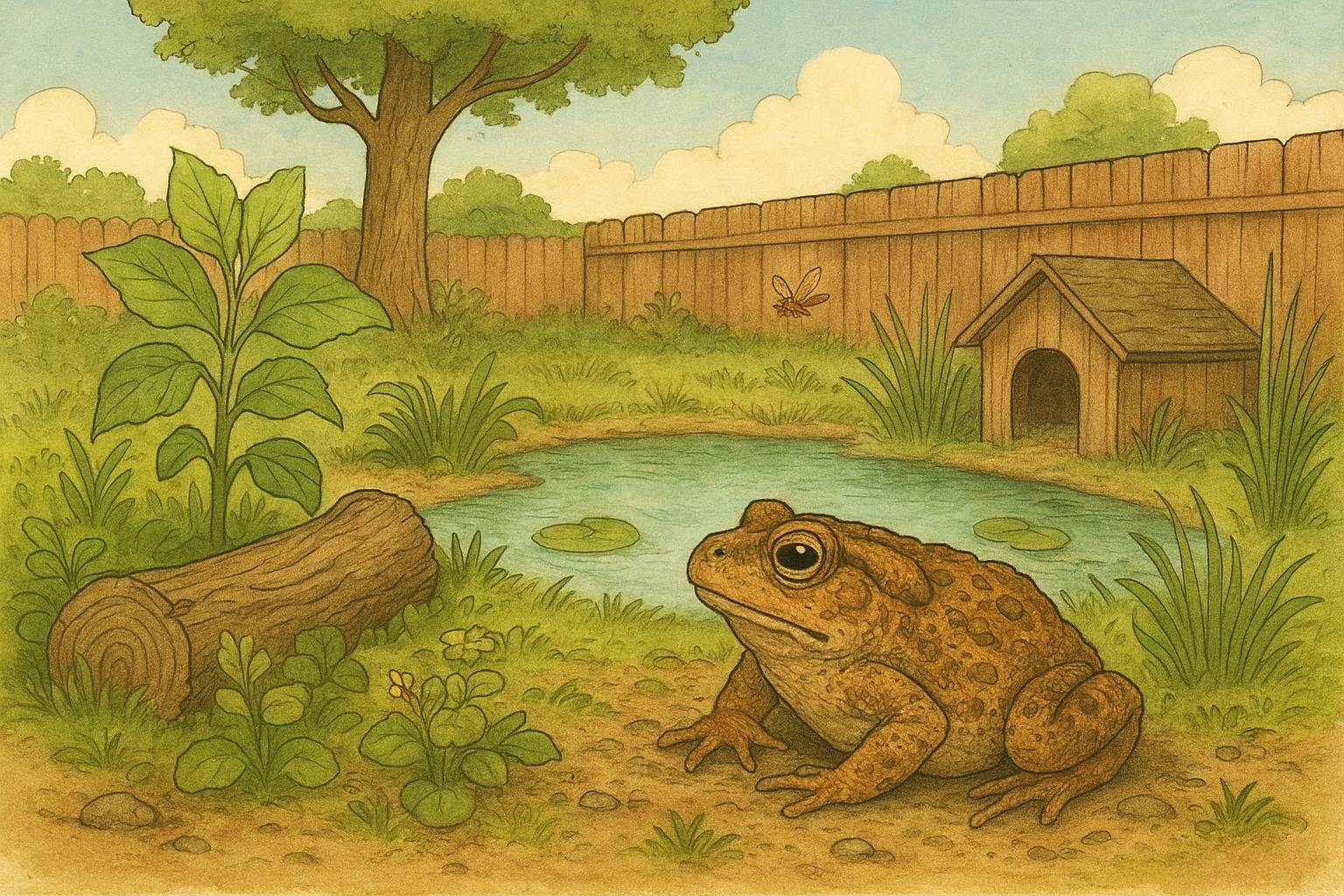
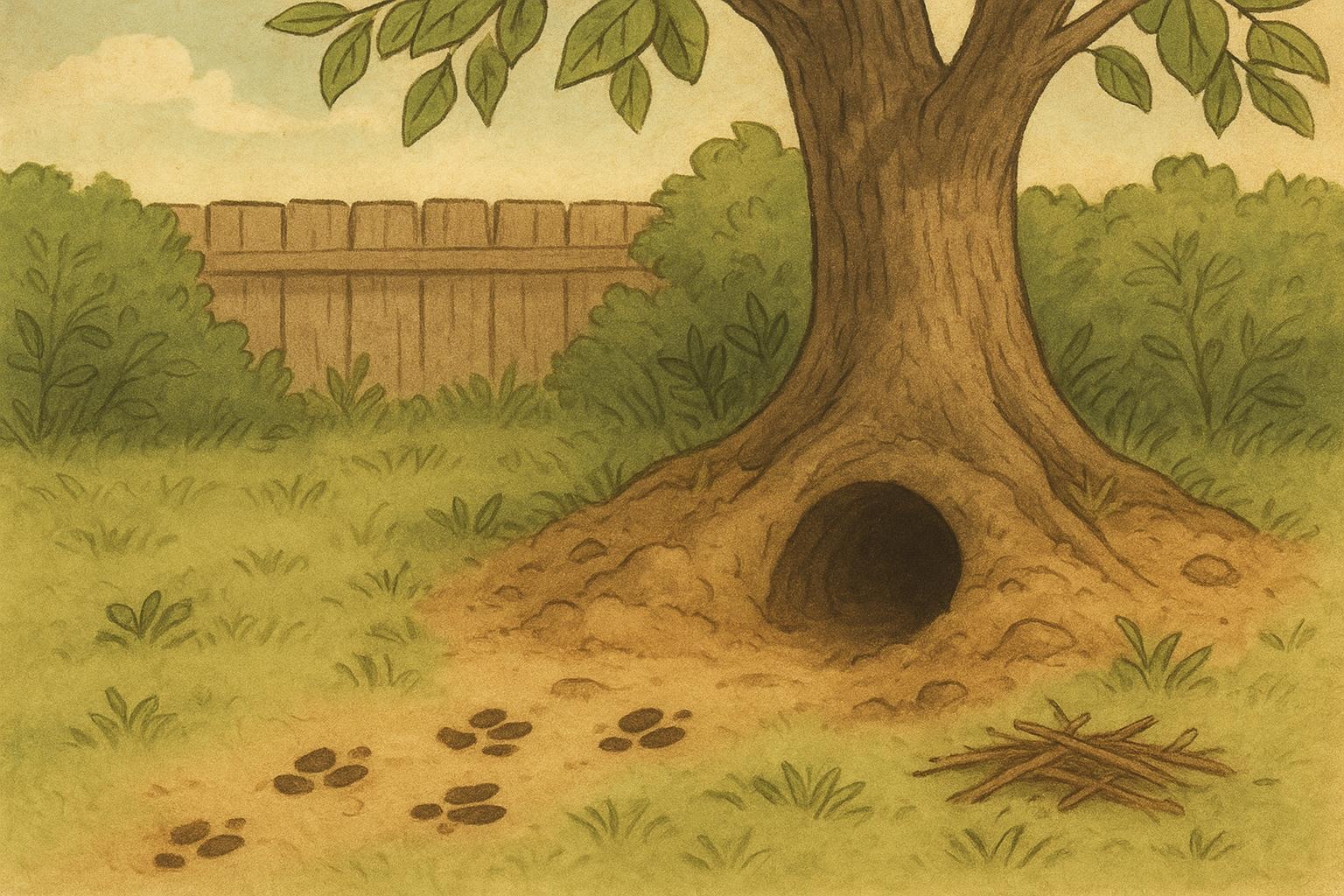
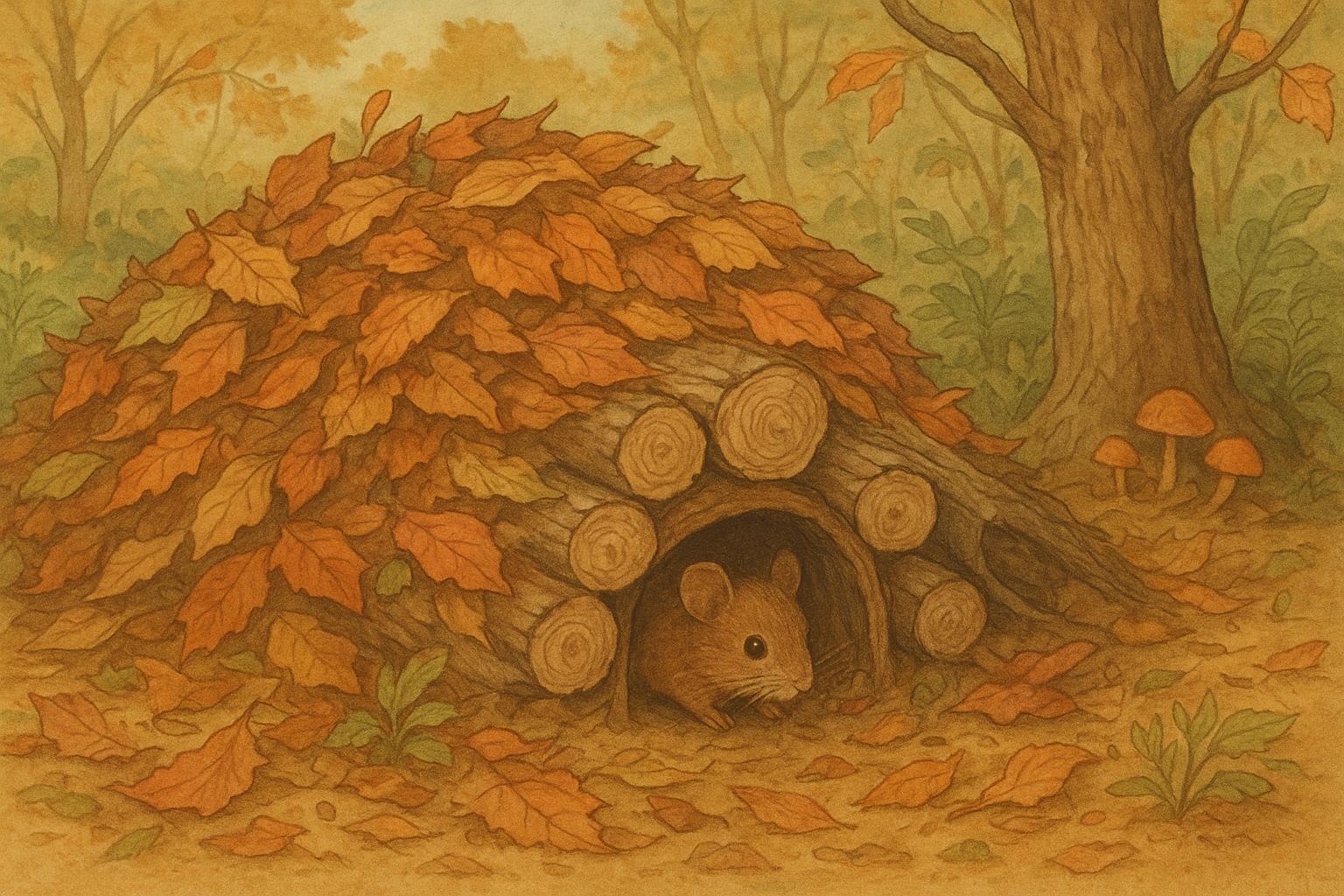
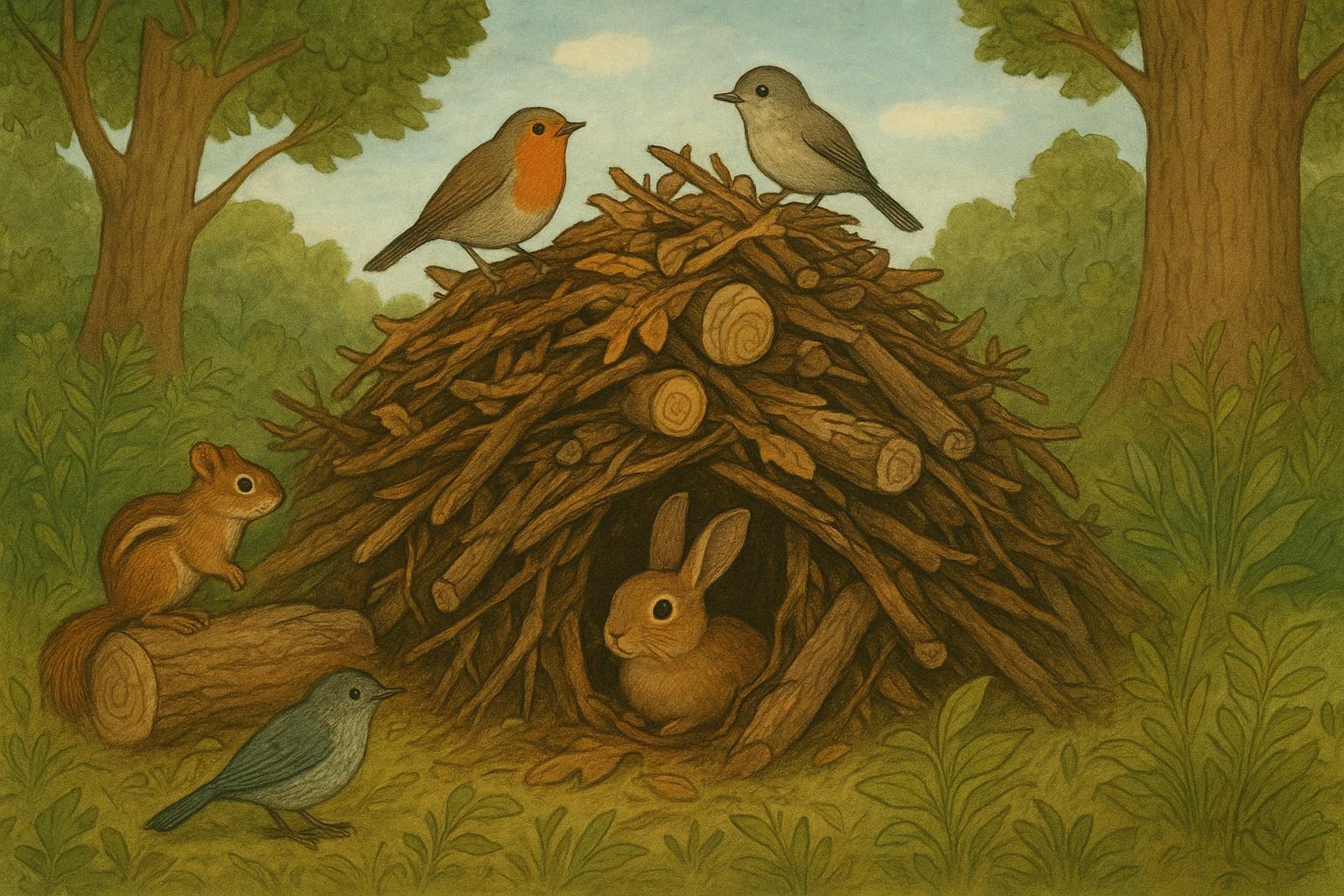
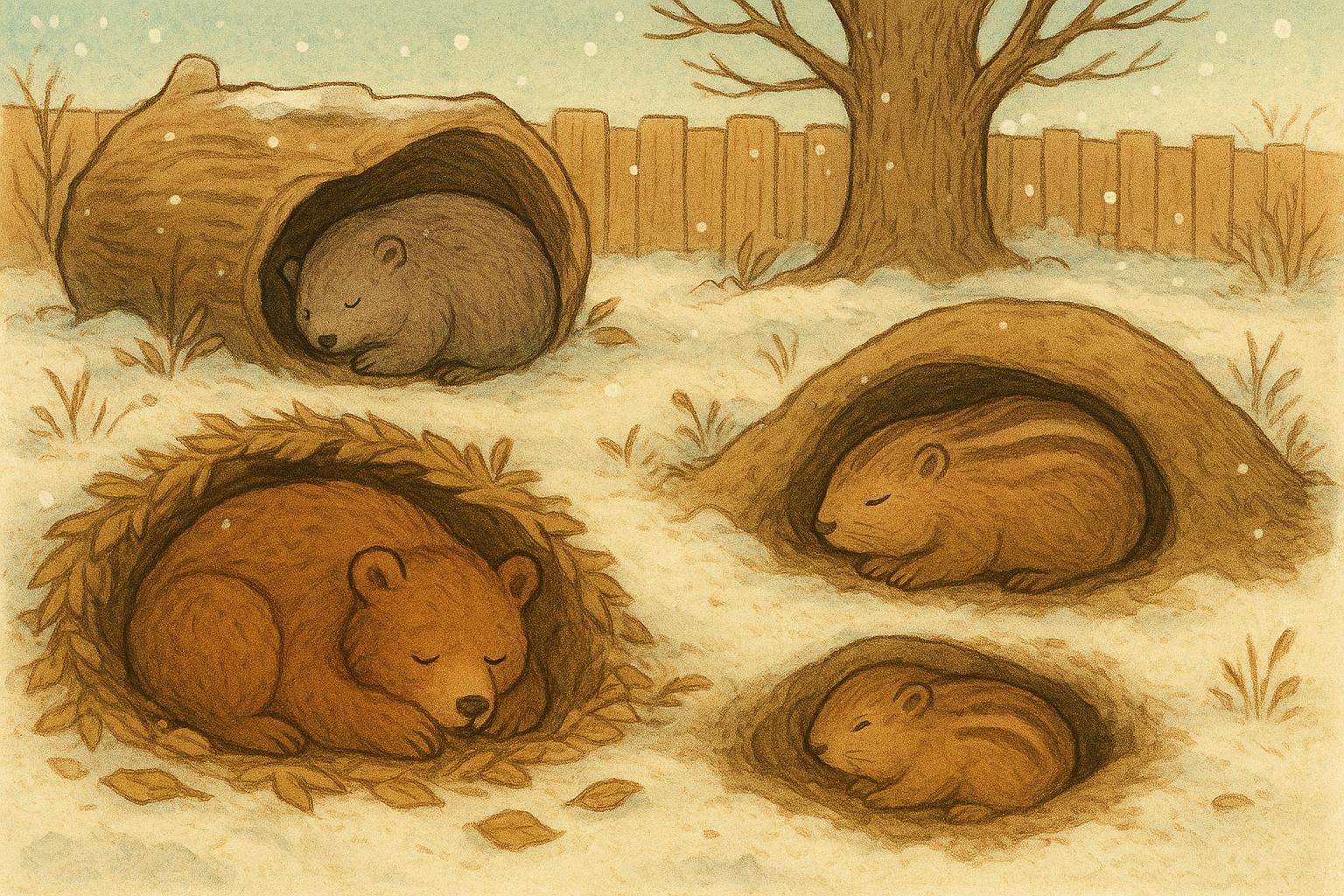
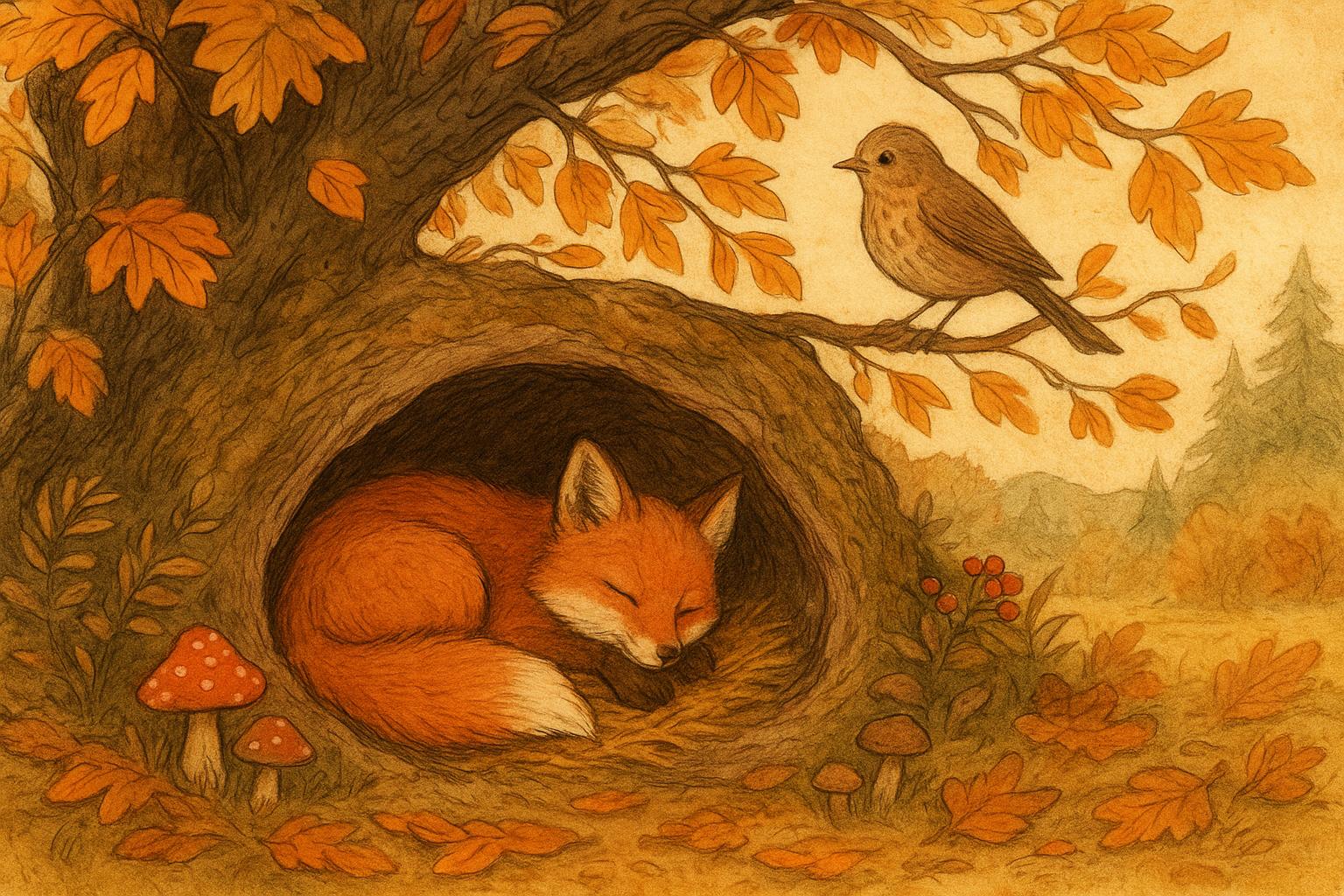
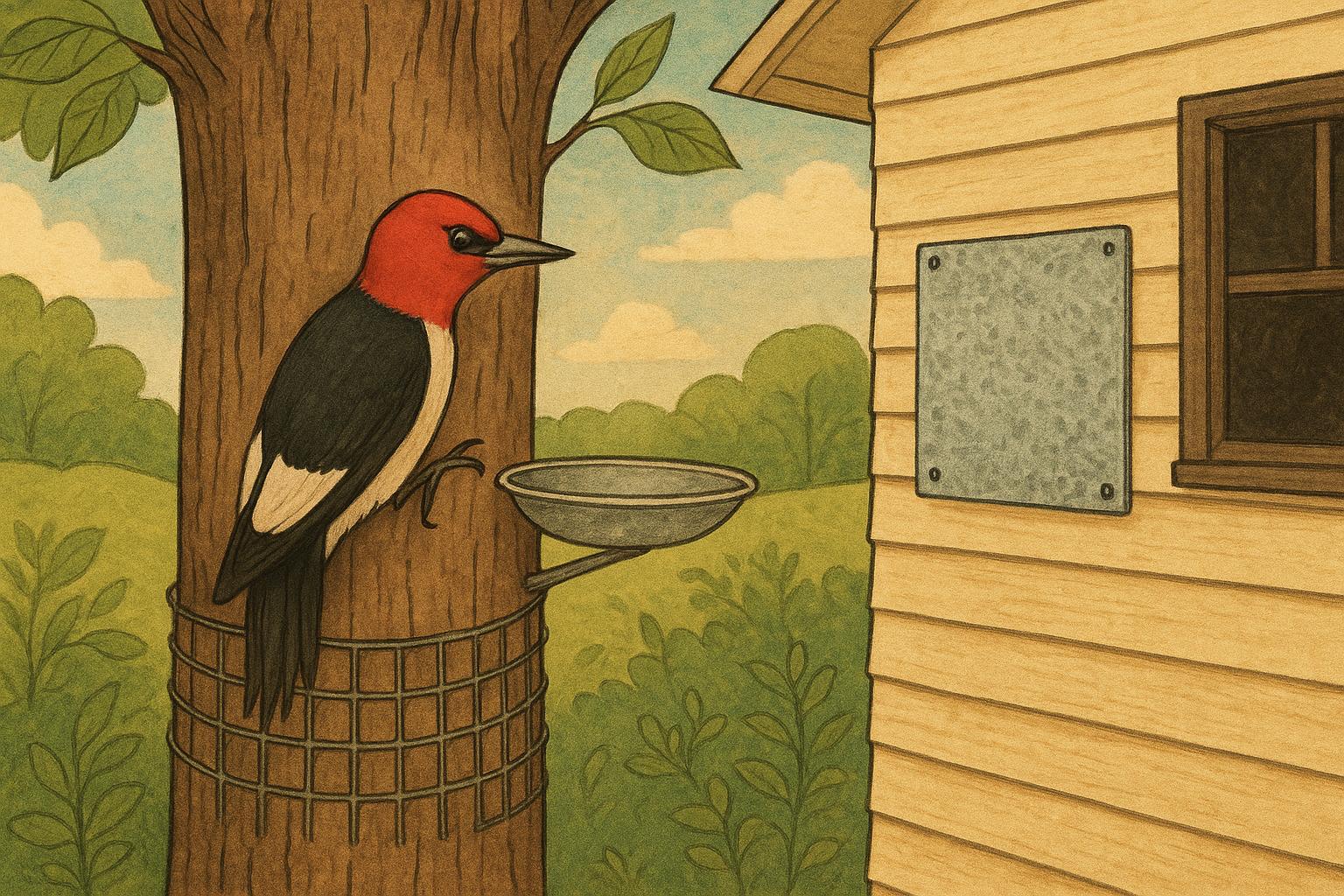
Many animals rely on natural cover—evergreen trees, brush piles, and leaf litter—to survive. If you tidy the yard in fall, consider keeping a few brush piles in quiet corners. Piled logs, rock piles, or bundling branches can create crevices for small mammals and overwintering insects. For birds, roosting boxes placed high and sheltered from prevailing winds give a safer night-time refuge.
#### What To Avoid
– Don’t seal off or burn all leaf litter and brush in late fall; many amphibians, insects, and small mammals use it.
– Avoid placing shelters too close to heavy foot traffic or pet play areas.
– Don’t attempt to “rescue” healthy wildlife that is simply conserving energy—intervention is sometimes more harmful than helpful.
### Water Is Crucial
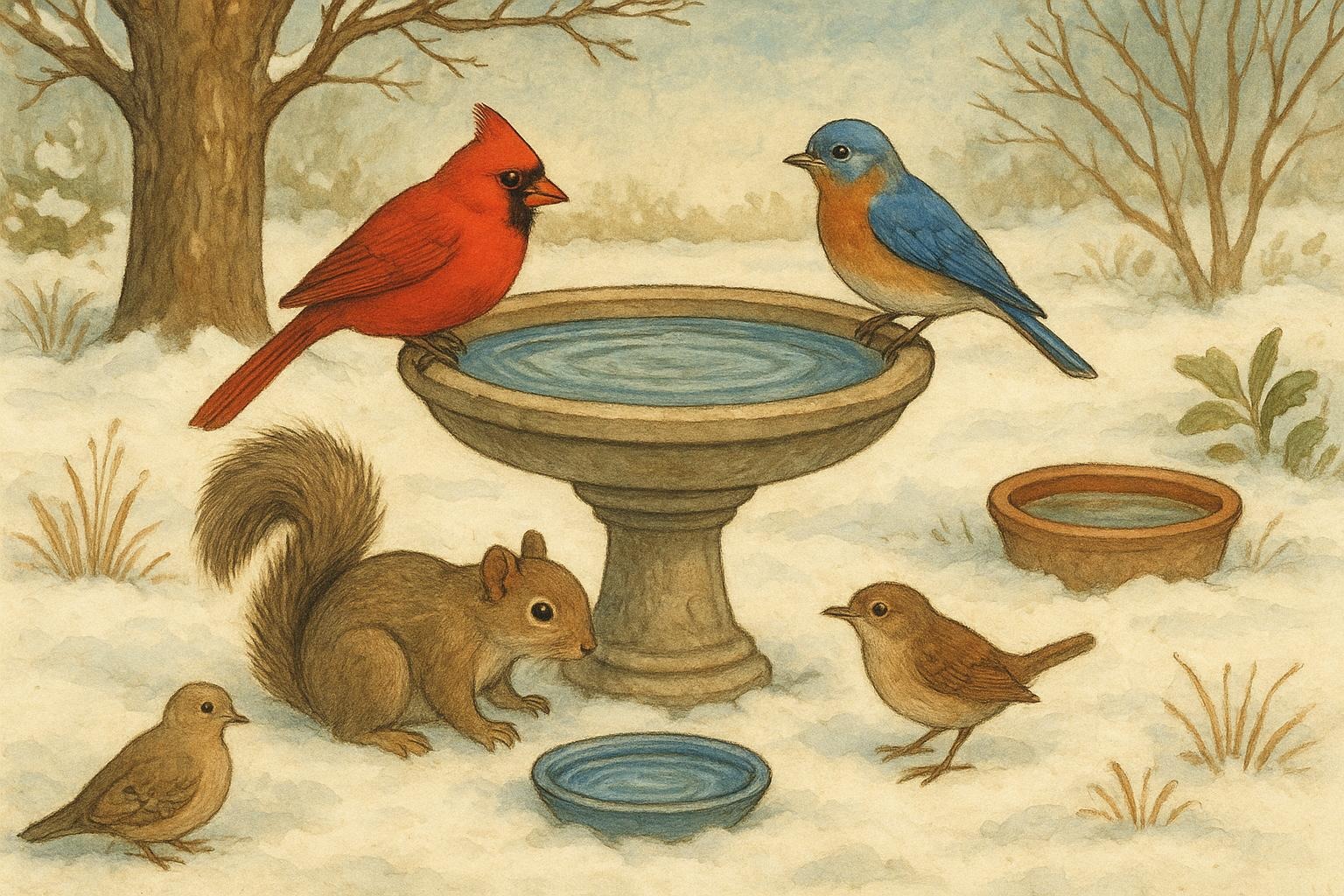
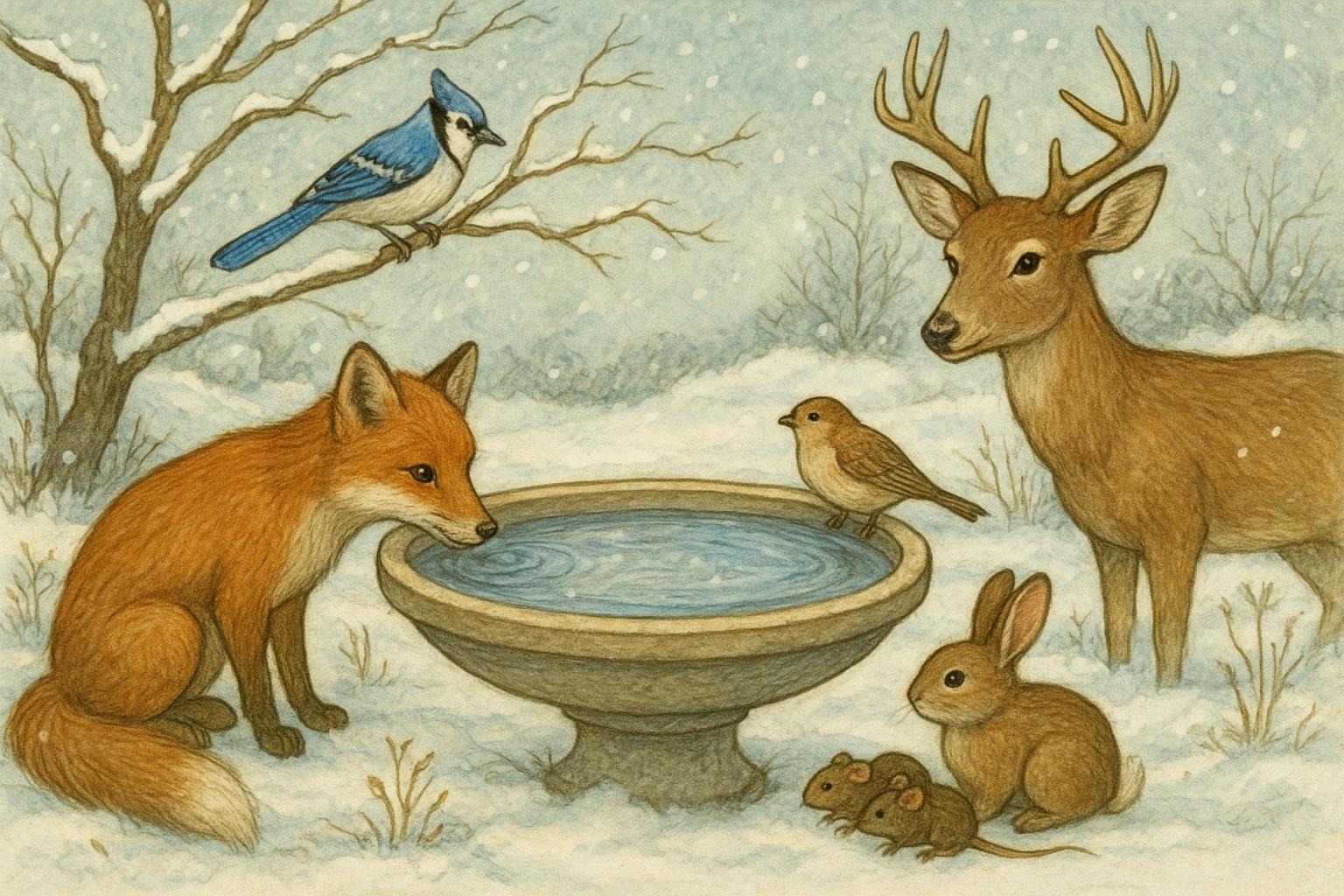
Frozen water is a limiting resource in winter. Birds and mammals need fresh water for drinking and preening; icy coats from dehydration can be deadly. Offering non-freezing water sources is one of the highest-impact winter wildlife care actions you can take.
## 1. DIY Heated Water Bowl (Remedy)
When temperatures drop below freezing, a reliably unfrozen water source can make a big difference to backyard visitors. This remedy outlines a low-cost, animal-safe heated water bowl.
Ingredients / Materials:
– Shallow metal or heavy plastic water bowl (dishwasher-safe)
– Submersible aquarium heater rated for outdoor use (or freeze-proof birdbath heater)
– GFCI outlet or outdoor-rated extension cord with GFCI
– Weatherproof mounting hardware or stand
– Optional: metal or ceramic pedestal to raise bowl from ground
Creation And Application (Step-By-Step):
1. Select a location sheltered from wind and out of direct runoff paths; place bowl on a stable pedestal or flat surface.
2. Install the aquarium heater per manufacturer instructions, ensuring it is designed to handle outdoor cold and is submerged to the correct level.
3. Plug the heater into a GFCI-protected outlet to minimize electrical risk. If outdoor wiring is unavailable, use a ground-fault protected extension run from an indoor GFCI outlet with proper weather protection for the plug.
4. Fill the bowl with fresh water and check temperature periodically; the goal is to prevent icing, not to boil.
5. Clean and refill every other day during heavy use to prevent bacterial buildup and slippage.
This setup is formal in design and should be maintained carefully—inspect cords and heaters for damage regularly.
### Food: Feed Smart, Not Just More
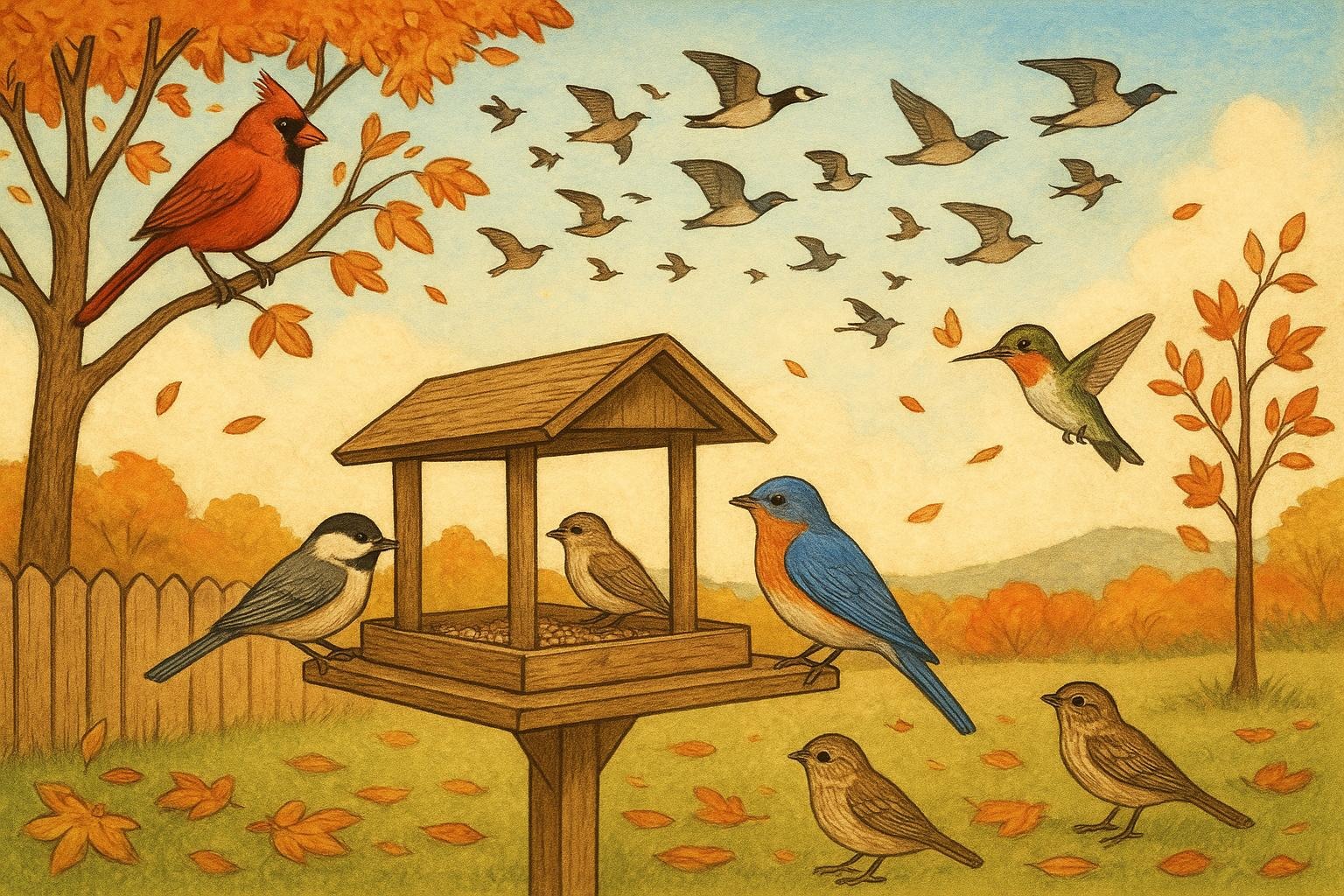
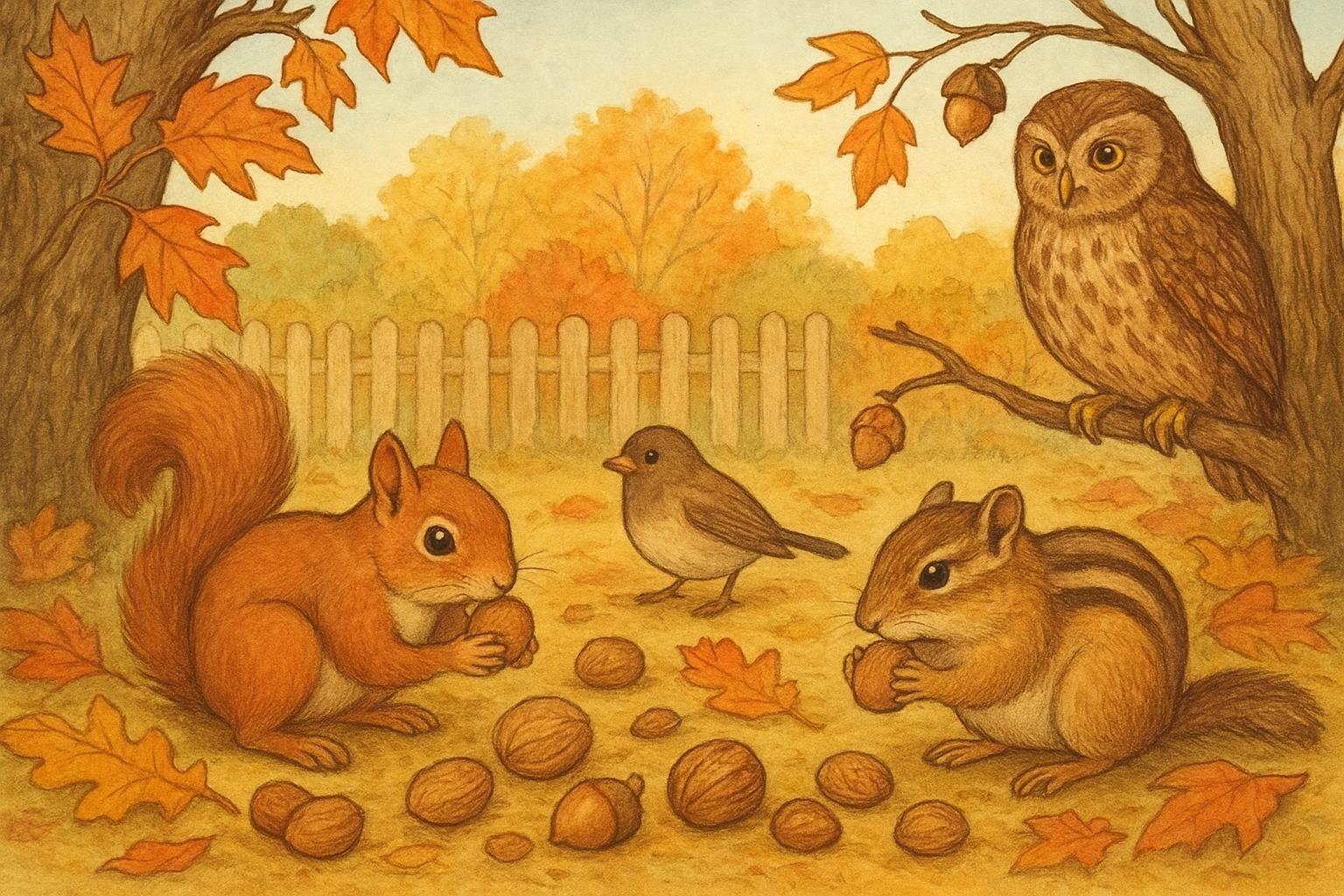
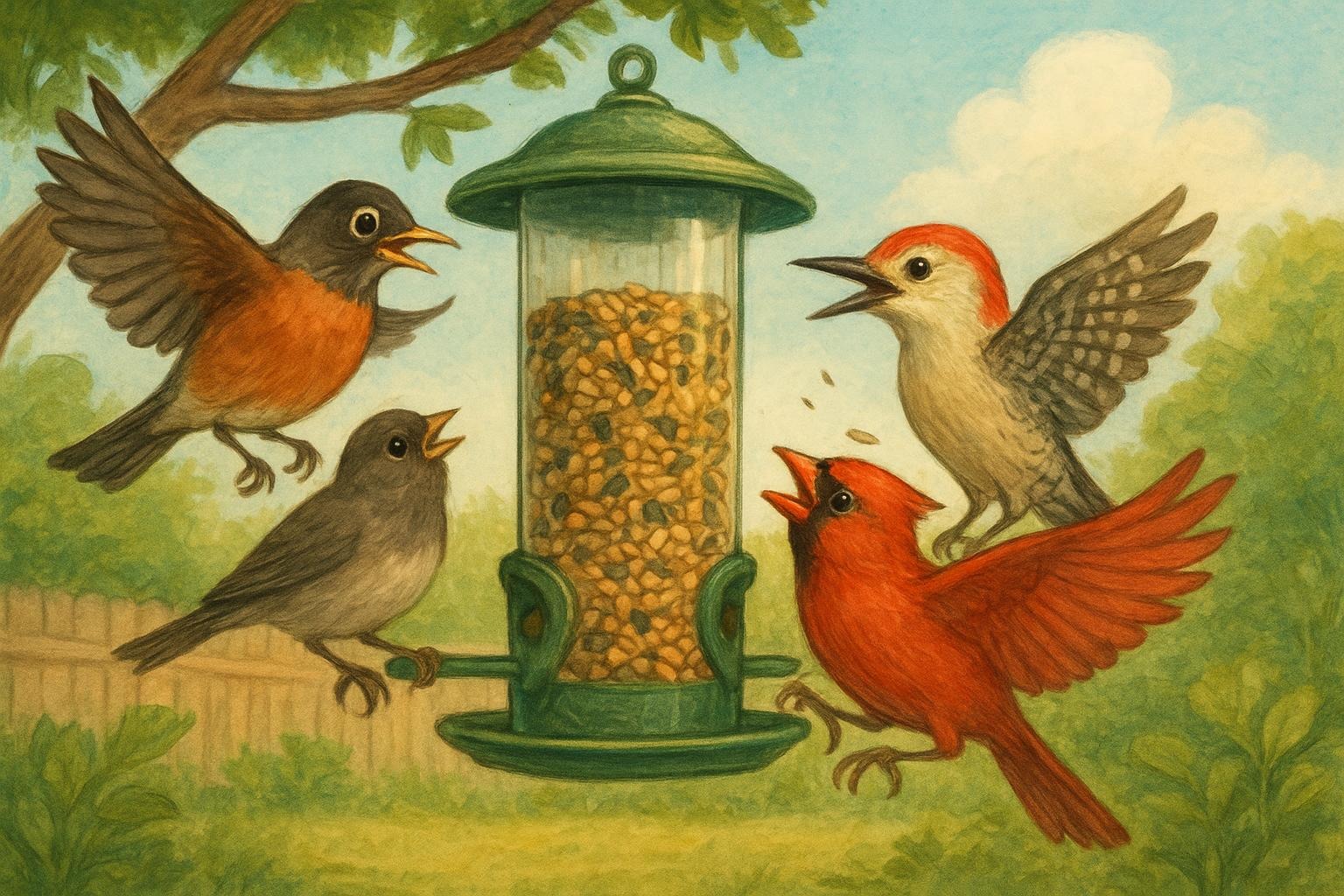
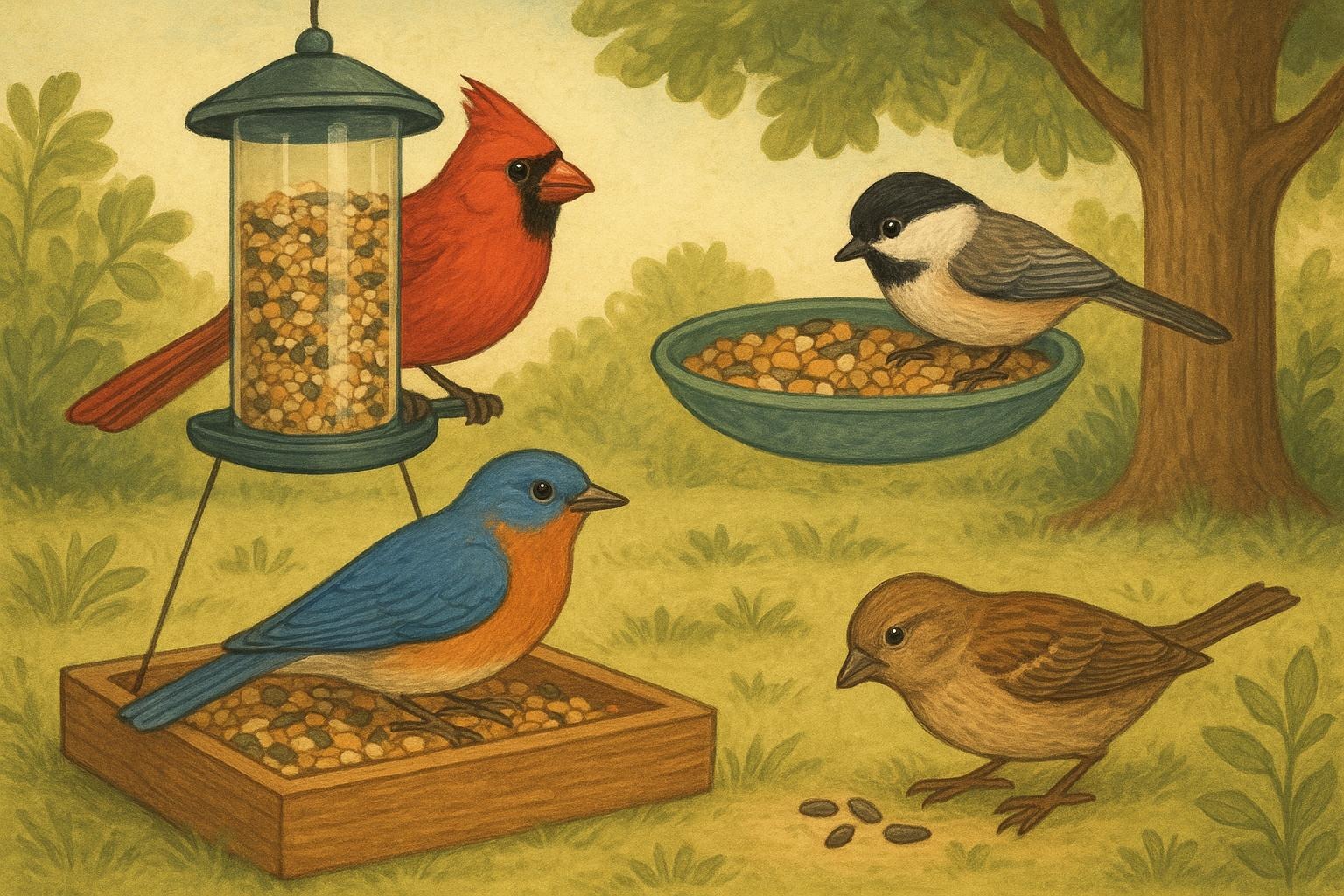
Feeding wildlife in winter can be beneficial, but it requires restraint and knowledge. For birds, high-energy foods like suet, peanut hearts (not whole salted peanuts), and black oil sunflower seeds are excellent. For small mammals like squirrels, provide nuts in the shell and avoid bread or salty leftovers.
#### Ethical Feeding Practices
– Keep feeders clean to prevent disease transmission; rotate and scrub feeders weekly.
– Place feeders where cats cannot easily ambush birds—higher and away from dense shrubbery is safer.
– Avoid feeding species-specific diets to animals that don’t normally rely on human-provided food. This includes not intentionally attracting predators.
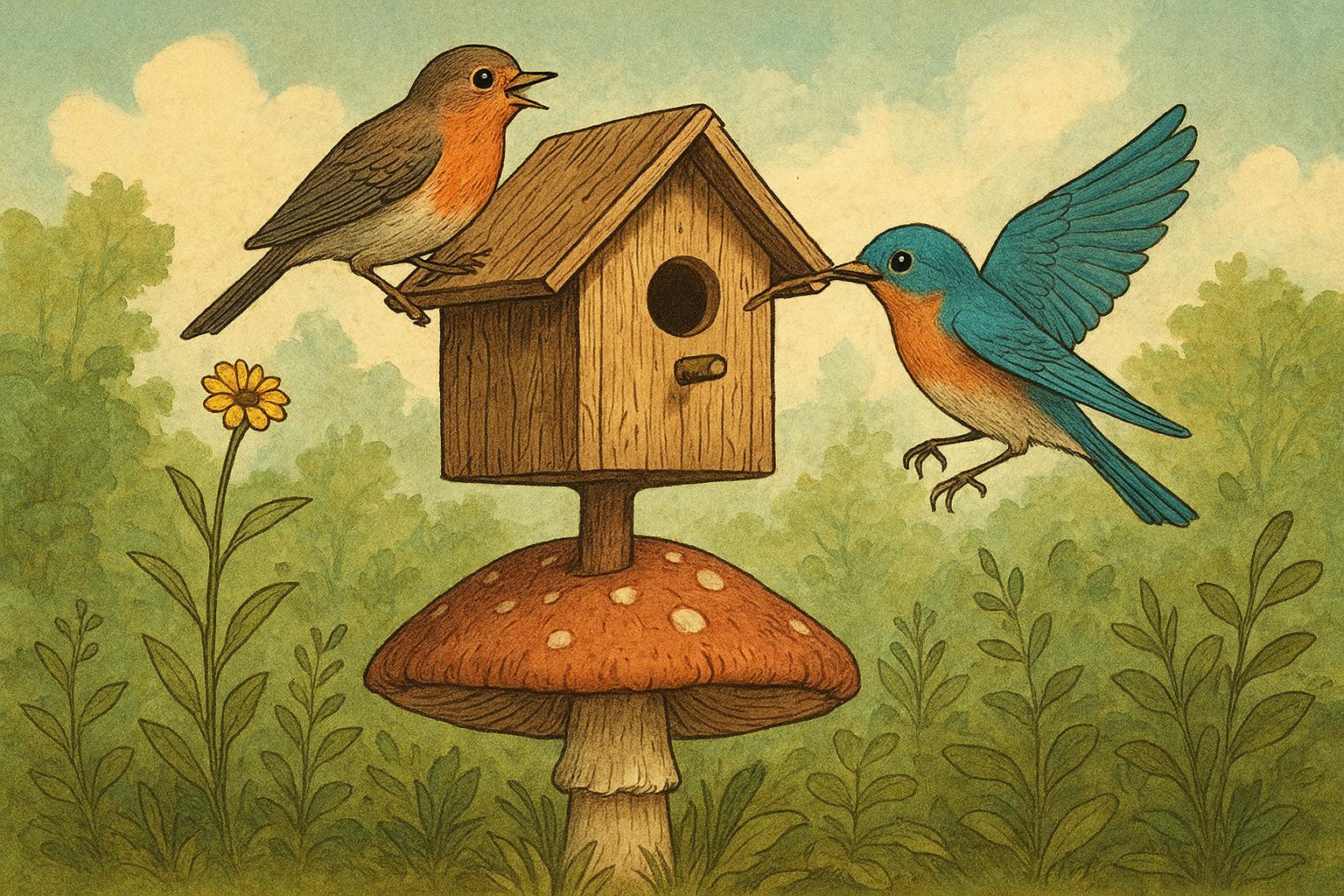
## 2. Insulated Nest Box For Small Birds (Remedy)
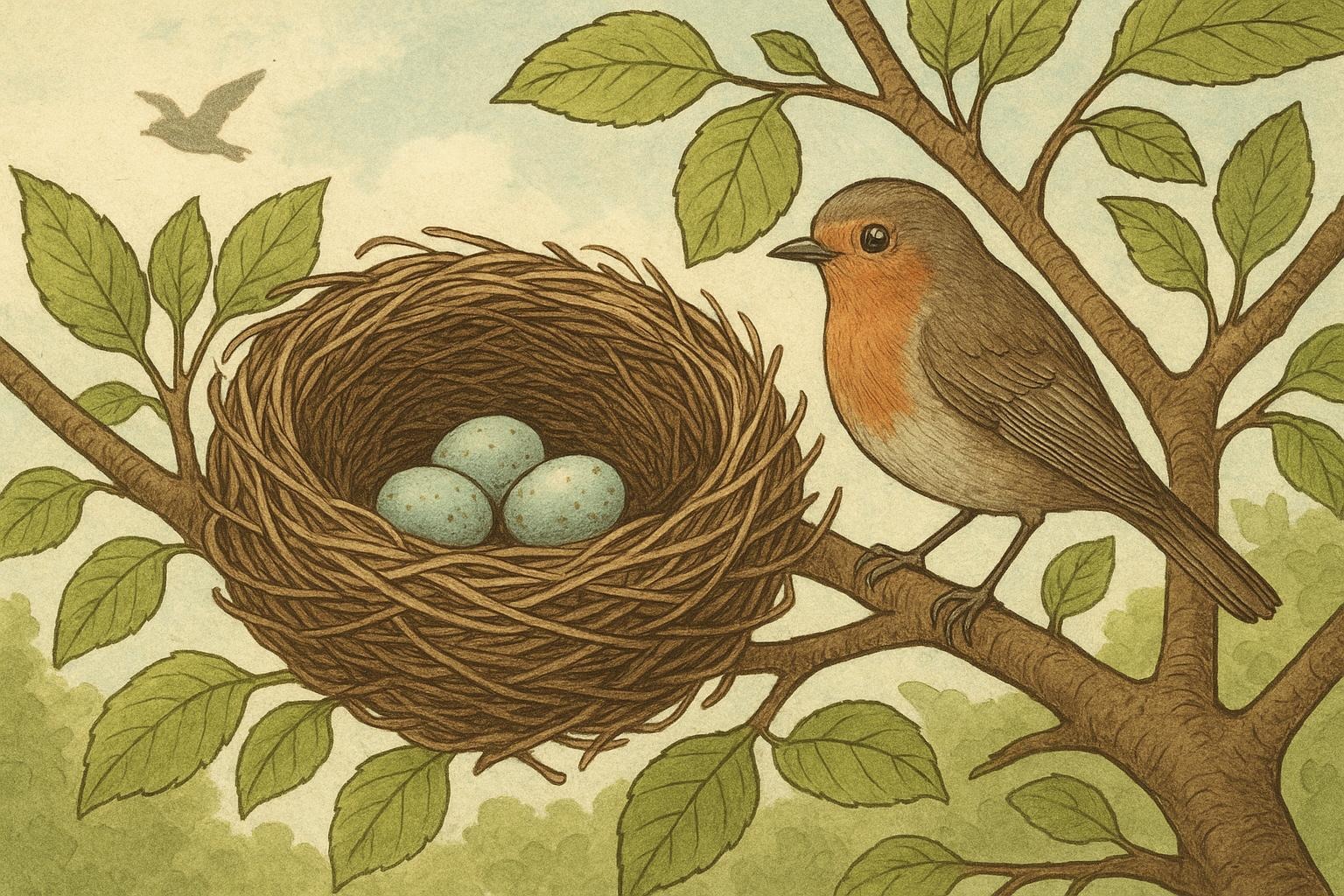
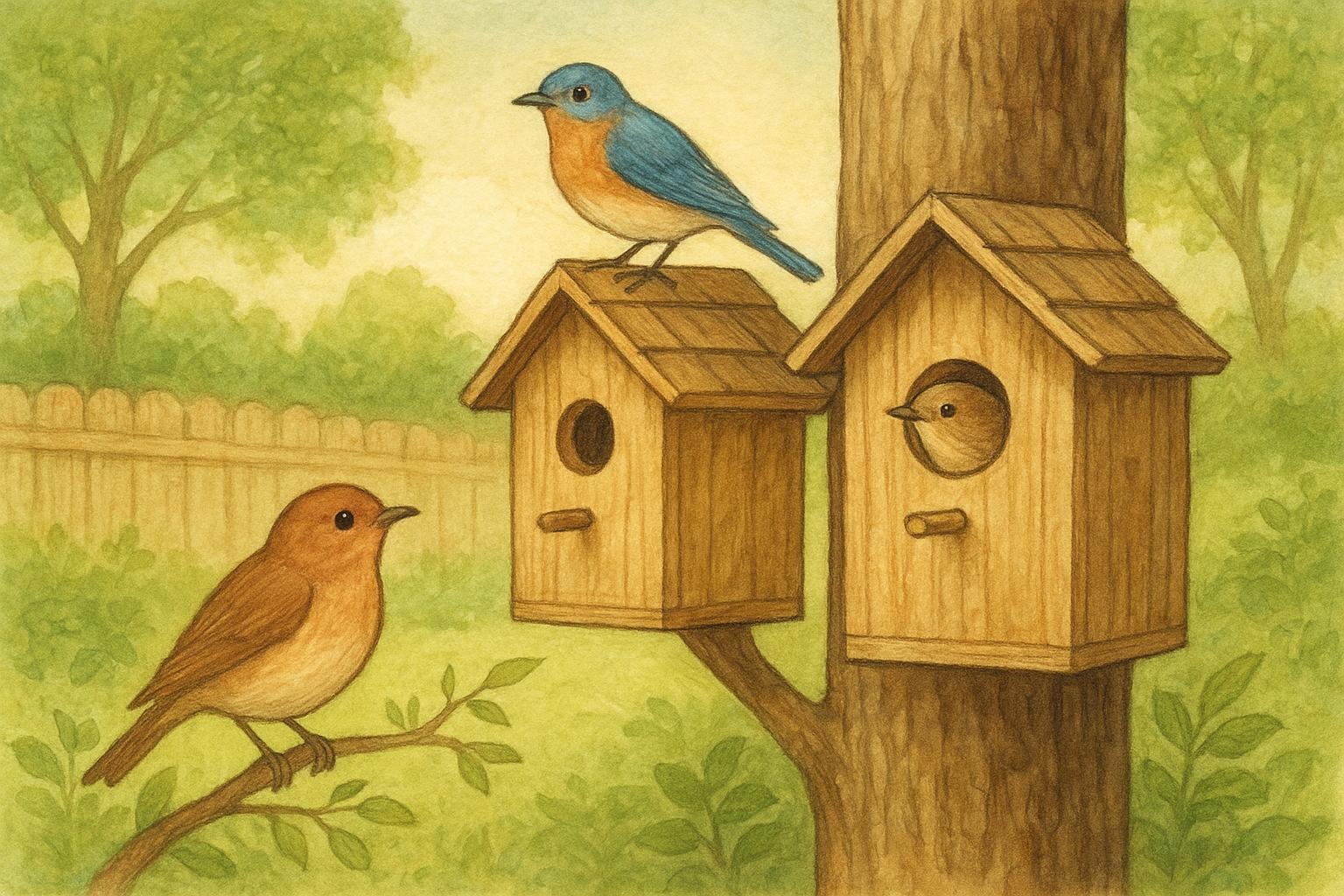
A properly insulated nest box can provide a warm, safe roosting spot for small birds overnight. This remedy is best for songbirds and requires durable construction and proper placement.
Ingredients / Materials:
– Untreated exterior-grade plywood (¾ inch)
– Non-toxic wood glue and galvanized screws
– Simple insulation (corkboard or rigid foam) cut to fit inside walls
– Hinged roof for cleaning access
– Paint (exterior, light color) for outer surface
– Mounting pole or bracket, predator guard
Creation And Application (Step-By-Step):
1. Cut plywood pieces to create a box approximately 8″x8″x12″ (adjust for species).
2. Assemble sides with glue and galvanized screws, leaving a hinged roof for access.
3. Line interior walls with thin corkboard or foam, ensuring it does not block the entrance or interior floor. Do not insulate the entrance hole.
4. Paint exterior with light, weather-resistant paint; avoid painting the interior.
5. Mount box 6–15 feet high (species dependent) on a pole with a predator guard and orient entrance away from prevailing winds, ideally toward morning sun.
6. Inspect annually in fall; remove old nesting material and repair damage.
Ensure the box is secure and properly cleaned; never force a nest out during winter—only service empty boxes.
### Winter-Proofing Your Landscaping
Planting evergreen hedges, leaving seed heads, and allowing some native perennials to stand through winter provides habitat and food. If you mow or clear vegetation, do so with wildlife in mind: stagger cleanups and check for nests or dens before removing piles.
## 3. No-Cook Suet Cakes For High-Energy Feed (Remedy)
Suet cakes are a great source of fat and calories for insectivorous and seed-eating birds. This simple, no-cook recipe is safe and easy to make.
Ingredients / Materials:
– 2 cups rendered beef suet or lard (or vegetable shortening if avoiding animal products)
– 2 cups mixed birdseed (black oil sunflower, millet, cracked corn)
– 1 cup rolled oats
– 1/2 cup peanut hearts (no salt)
– Optional: dried unsweetened fruit (chopped)
Creation And Application (Step-By-Step):
1. In a clean bowl, mix birdseed, oats, peanut hearts, and fruit.
2. Add suet or shortening and stir thoroughly until the mixture binds together.
3. Press the mixture into molds (milk cartons cut in half work) or trays lined with wax paper.
4. Refrigerate until firm, then unmold and hang in suet cages or place on tray feeders.
5. Store extras in the freezer and replace used cakes regularly to prevent rancidity.
Place suet where raccoons or bears (if present in your area) cannot easily access it; in bear country, don’t feed wildlife at all.
### Health, Safety, And When To Call A Pro
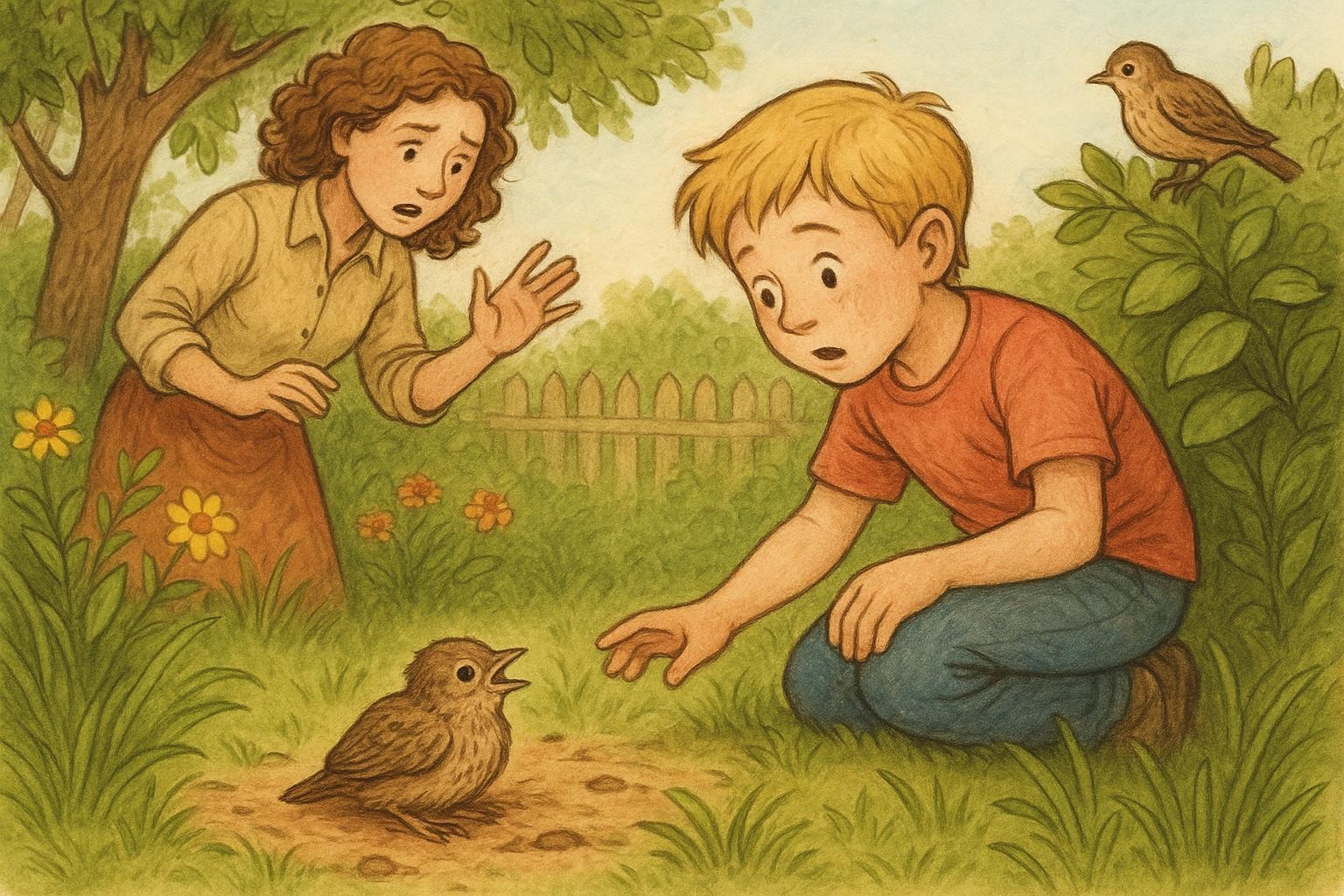
If you encounter injured or orphaned wildlife, follow regional guidelines—many places have hotlines or rehab centers. For animals that are cold but active, warm shelters and food may suffice. For hypothermic or visibly injured animals, contact a licensed wildlife rehabilitator.
#### Safe Practices Around Wildlife
– Keep pets under control—cats are especially dangerous to birds and small mammals.
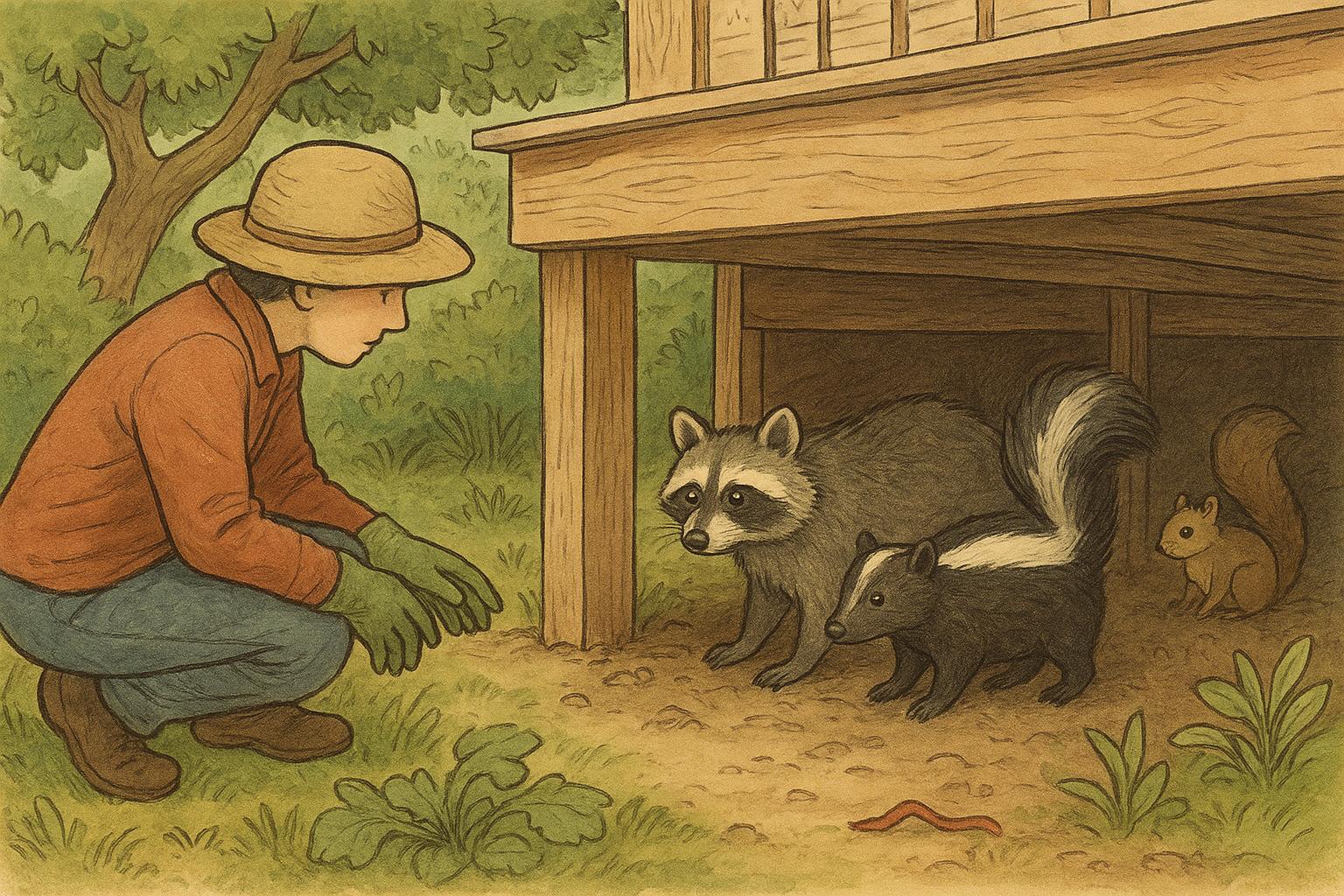
– Don’t try to handle wild animals unless trained; use gloves and contact professionals.
– Avoid habituating wildlife to close human contact; the goal is to support survival, not dependence.
## Winter Wildlife Care Tips For Backyard Hosts
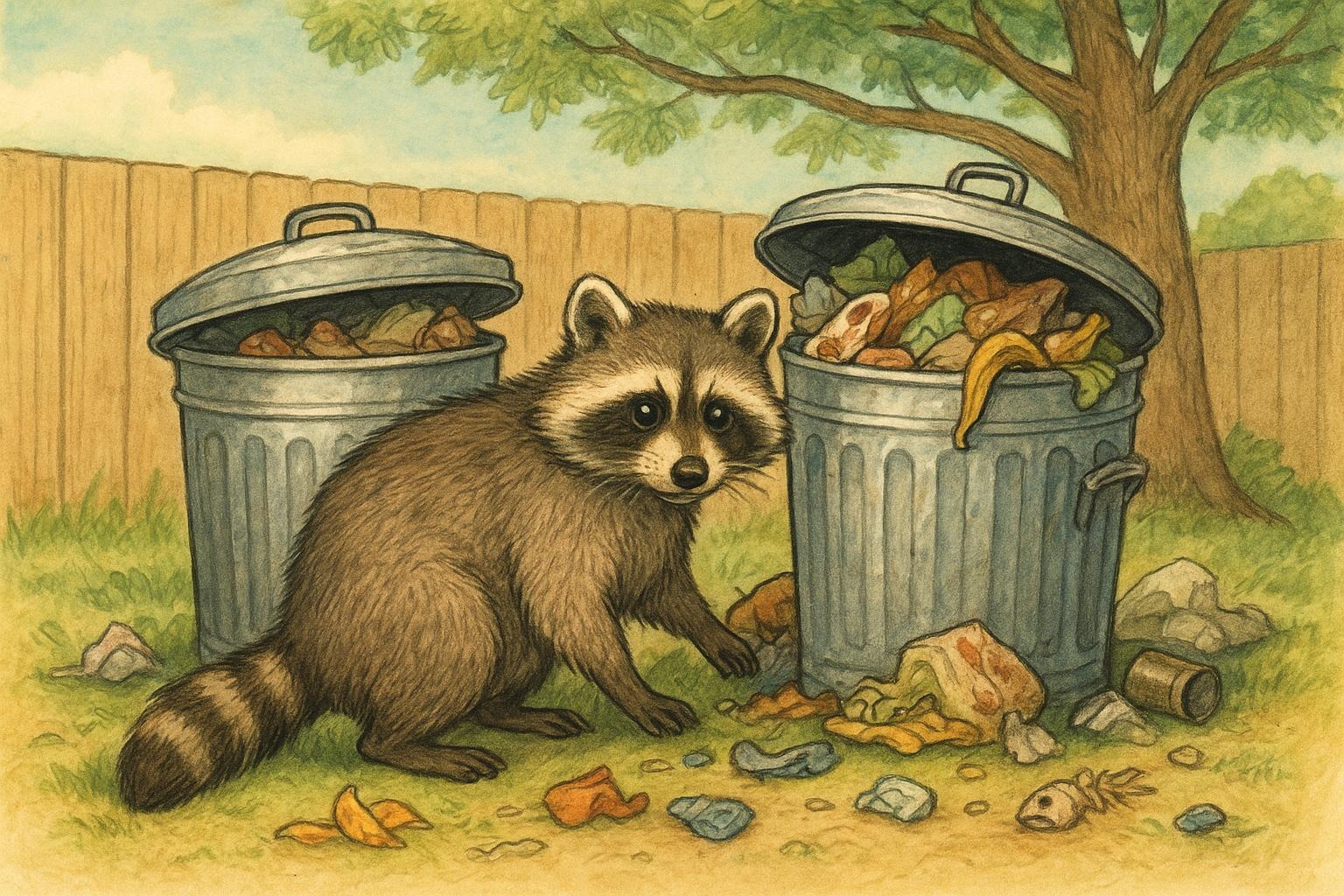
A few simple habits go a long way: keep water unfrozen, provide dense cover, offer calorie-rich but appropriate foods, and minimize hazards like exposed antifreeze, open drains, and unsecured trash. Winter wildlife care is not about heroics; it’s about consistent, modest support that helps animals survive until spring.
### Record-Keeping And Observation
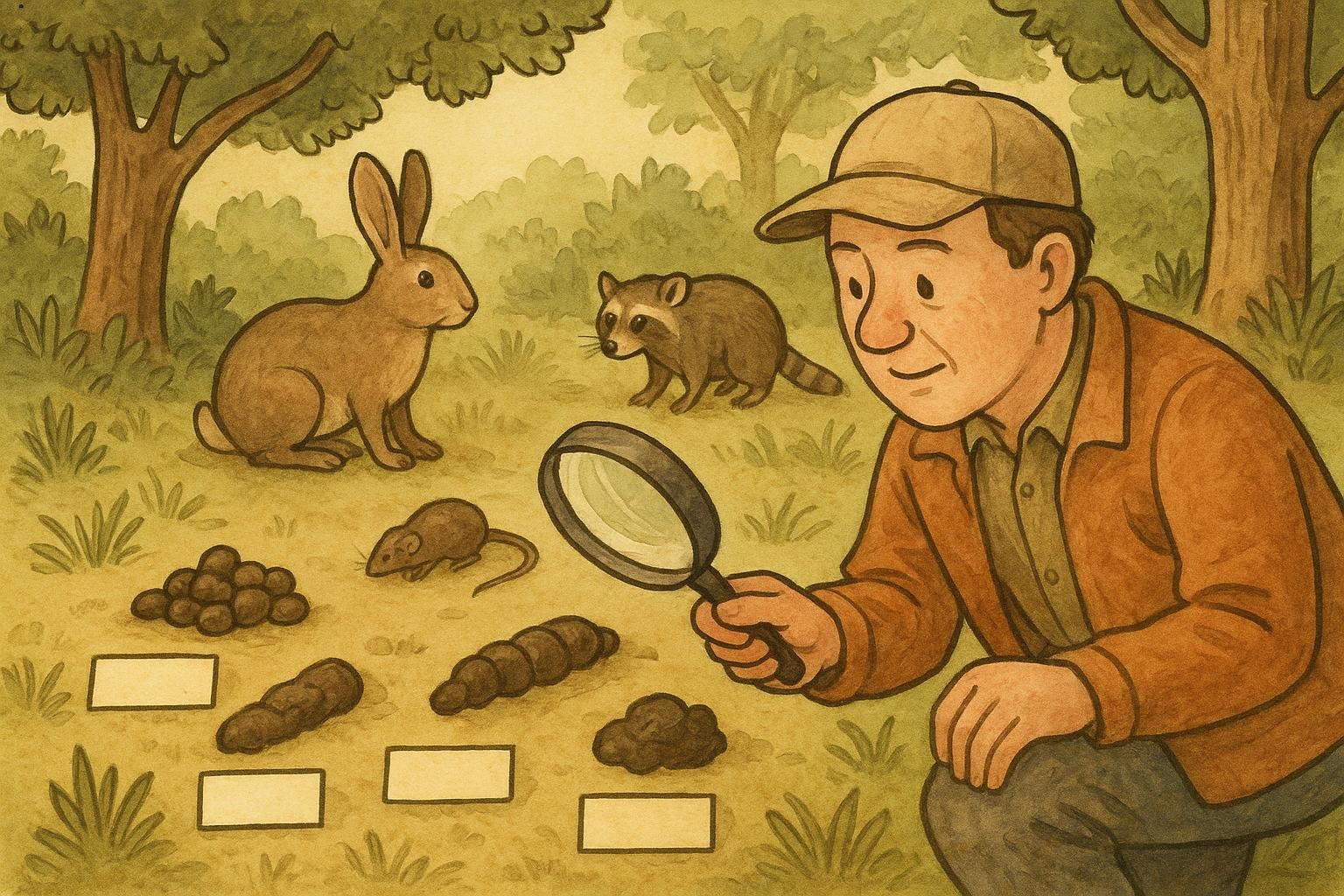
Keep a small log of what wildlife visits, what they eat, and any unusual behaviors. This helps you adjust offerings seasonally and provides useful info if you need to contact local experts. Plus, it’s a fun way to feel like a backyard biologist.
With some planning and thoughtful work, you can be a quiet winter helper to the animals that share your yard—without needing a degree in animal science or a team of elves. Just patience, common sense, and a warm bowl of water will get you a long way in winter wildlife care.





Leave a Reply