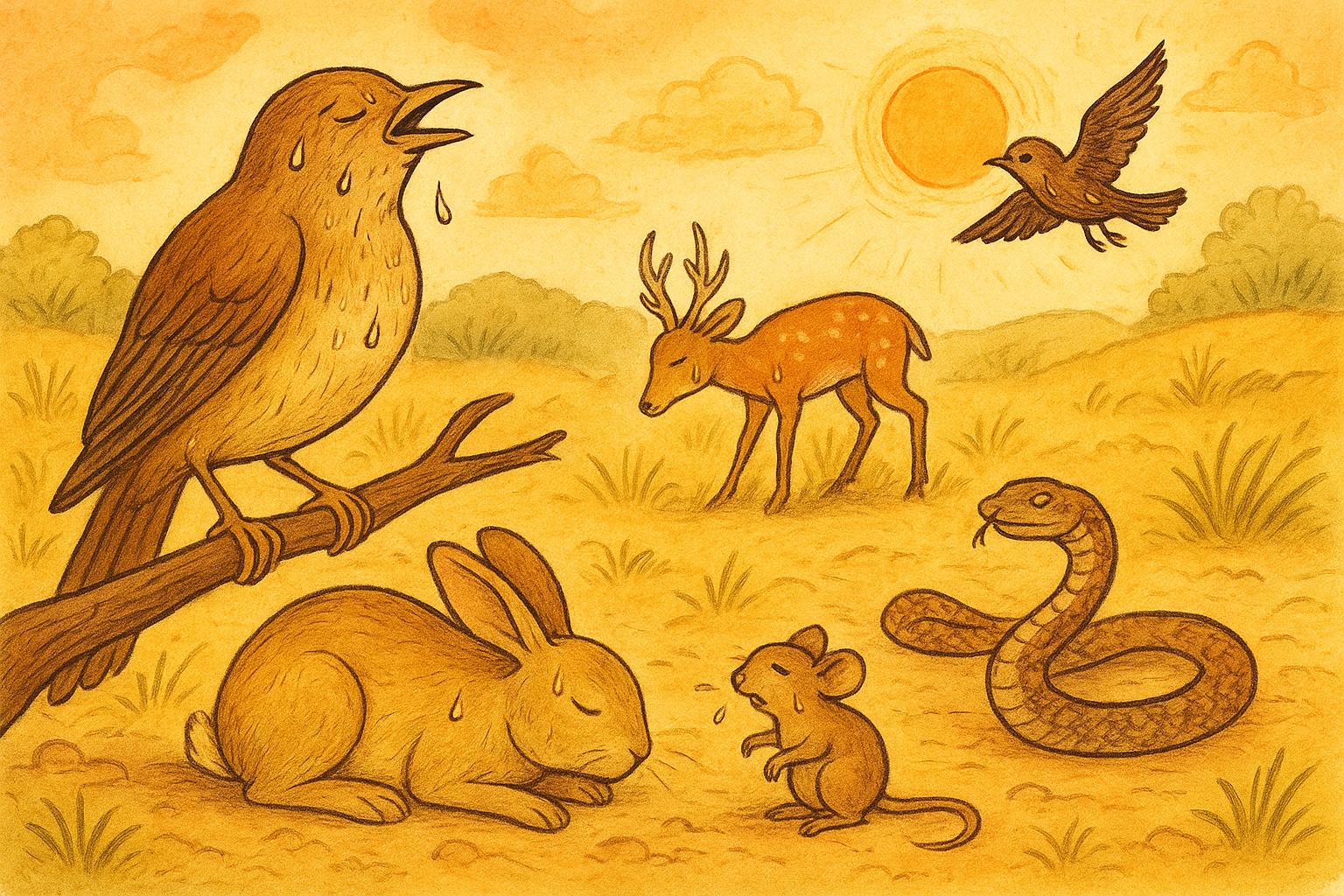
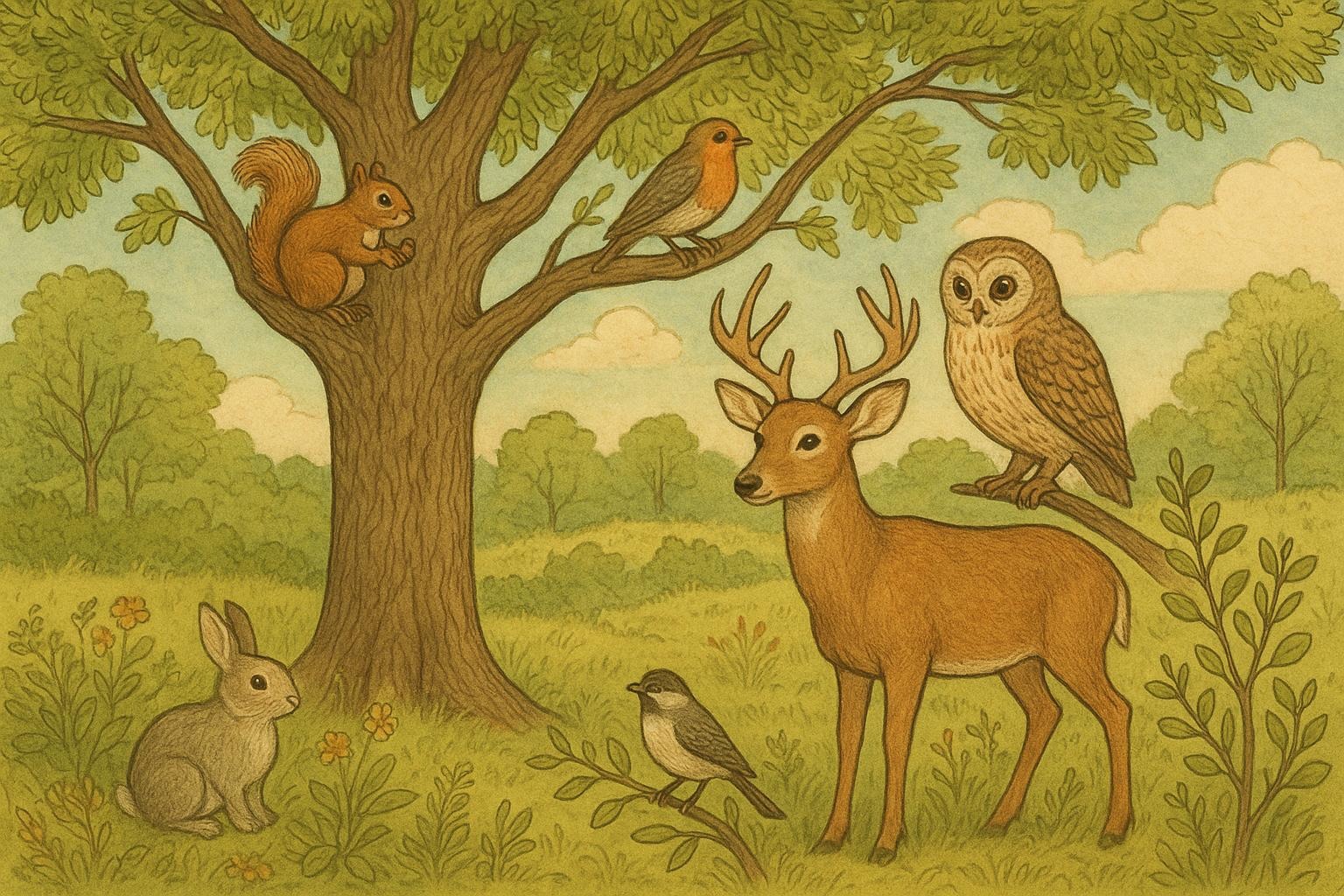
Heat stress in avian and wild species represents a significant seasonal hazard with measurable impacts on physiology, behavior, reproduction and survival. This condition occurs when ambient temperatures, solar radiation and humidity exceed an animal’s capacity to dissipate metabolic and environmental heat. In birds and other wildlife, inability to thermoregulate effectively produces a spectrum of effects ranging from reduced foraging and altered vocalizations to heat prostration, organ dysfunction and mortality. Proper recognition, prevention and timely field interventions can markedly reduce morbidity and death during protracted heat events.
## Heat Stress: Signs, Risks And Immediate Actions
Heat stress manifests through observable behavioral and physical changes that differ by taxon and size. Small passerines and fledglings often become lethargic, pant repeatedly, hold wings away from the body or appear disoriented. Larger birds, mammals and reptiles may seek shade persistently, show ataxia, collapse or present with rapid breathing and open-mouth gular fluttering (in birds). Dehydration compounds the problem and may produce tacky mucous membranes, sunken eyes and reduced skin elasticity in species where these signs are assessable.
Risk factors that elevate the incidence and severity of heat stress include prolonged heat waves, lack of access to shade or moving water, urban heat island effects, confinement in enclosures lacking adequate ventilation, and concurrent disease or malnutrition. Nestlings and juveniles are particularly vulnerable because their thermoregulatory mechanisms are immature and their dependence on parents limits adaptive behavior. Additionally, wildlife already under stress from habitat loss, chemical exposure or predation pressure will tolerate thermal extremes less effectively.
When an individual animal displays signs consistent with heat stress, immediate actions aim to reduce core temperature safely, restore hydration and minimize further thermal load. Rapid cooling must be controlled to avoid shock; similarly, aggressive handling should be minimized because handling itself can accelerate heat production and stress hormone release.
### Recognizing Species-Specific Presentations
Different taxa express heat burden in characteristic ways. For example, waterfowl and shorebirds may concentrate around dwindling water sources and show increased agitation; raptors may carry prey without consuming it; small mammals may burrow or limit activity to crepuscular hours. Reptiles may demonstrate prolonged basking even when ambient temperatures are dangerously high, a maladaptive response during heat waves. Accurate field recognition supports appropriate triage and targeted remedies.
## Prevention Strategies To Reduce Heat Stress In Birds And Wildlife
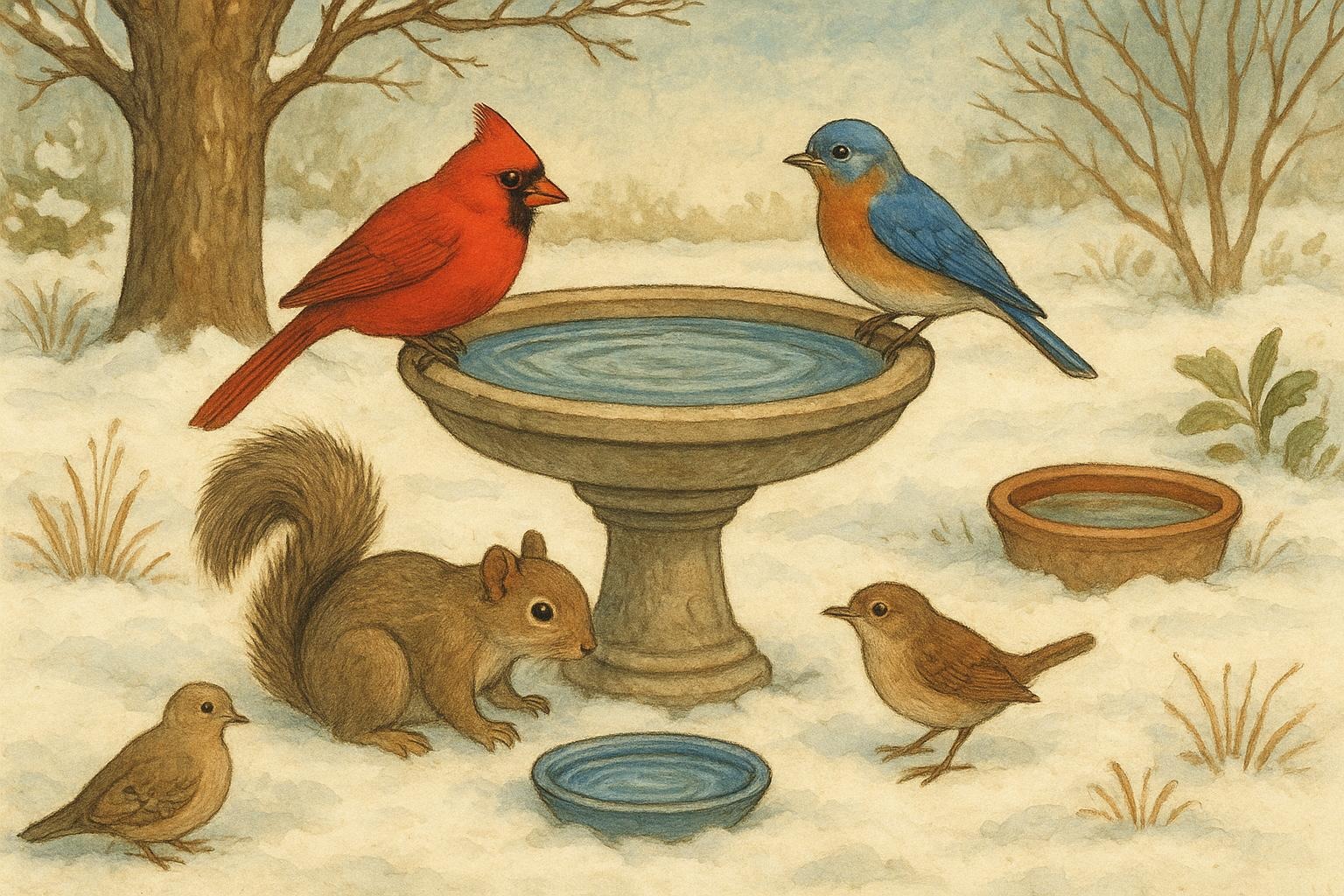
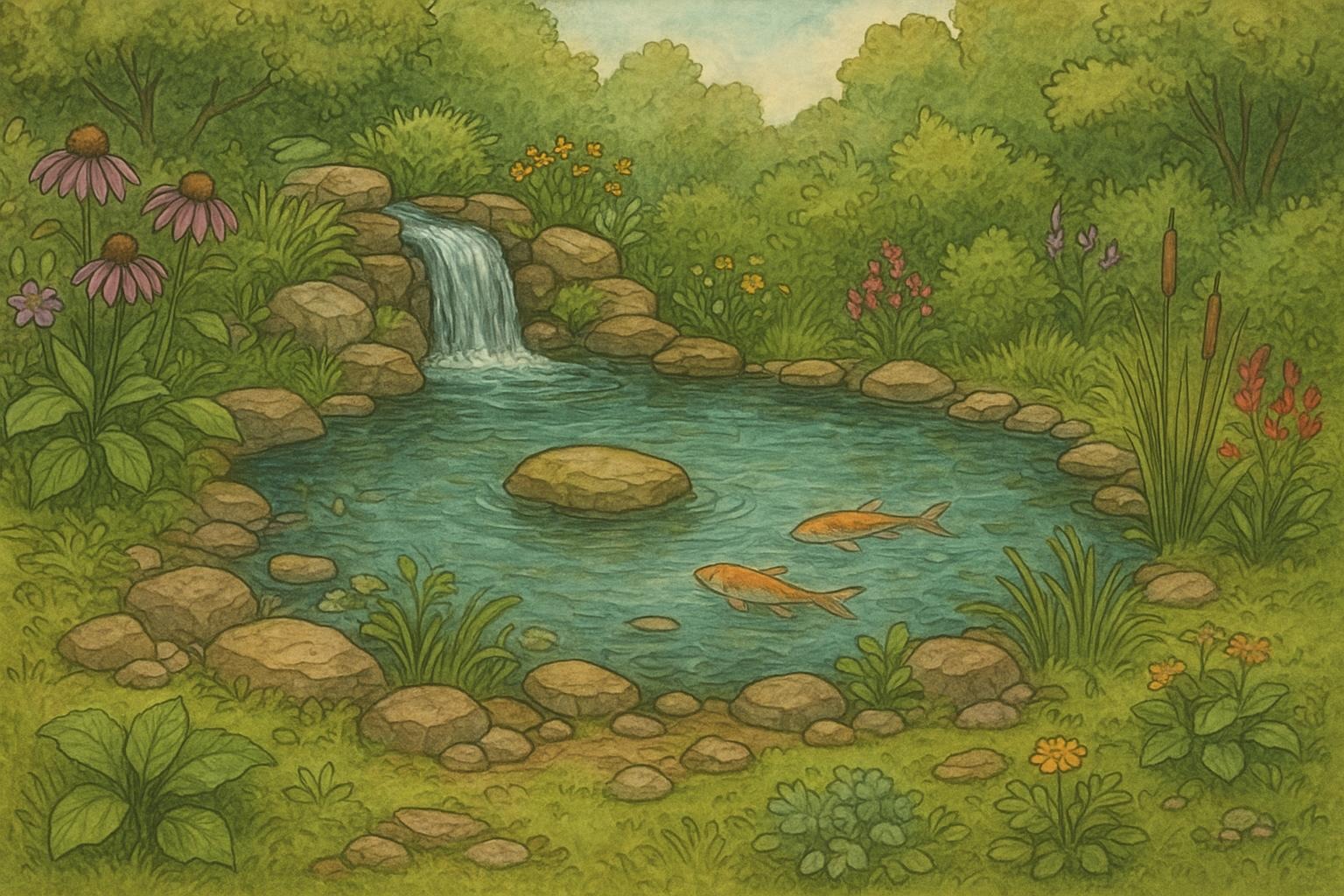
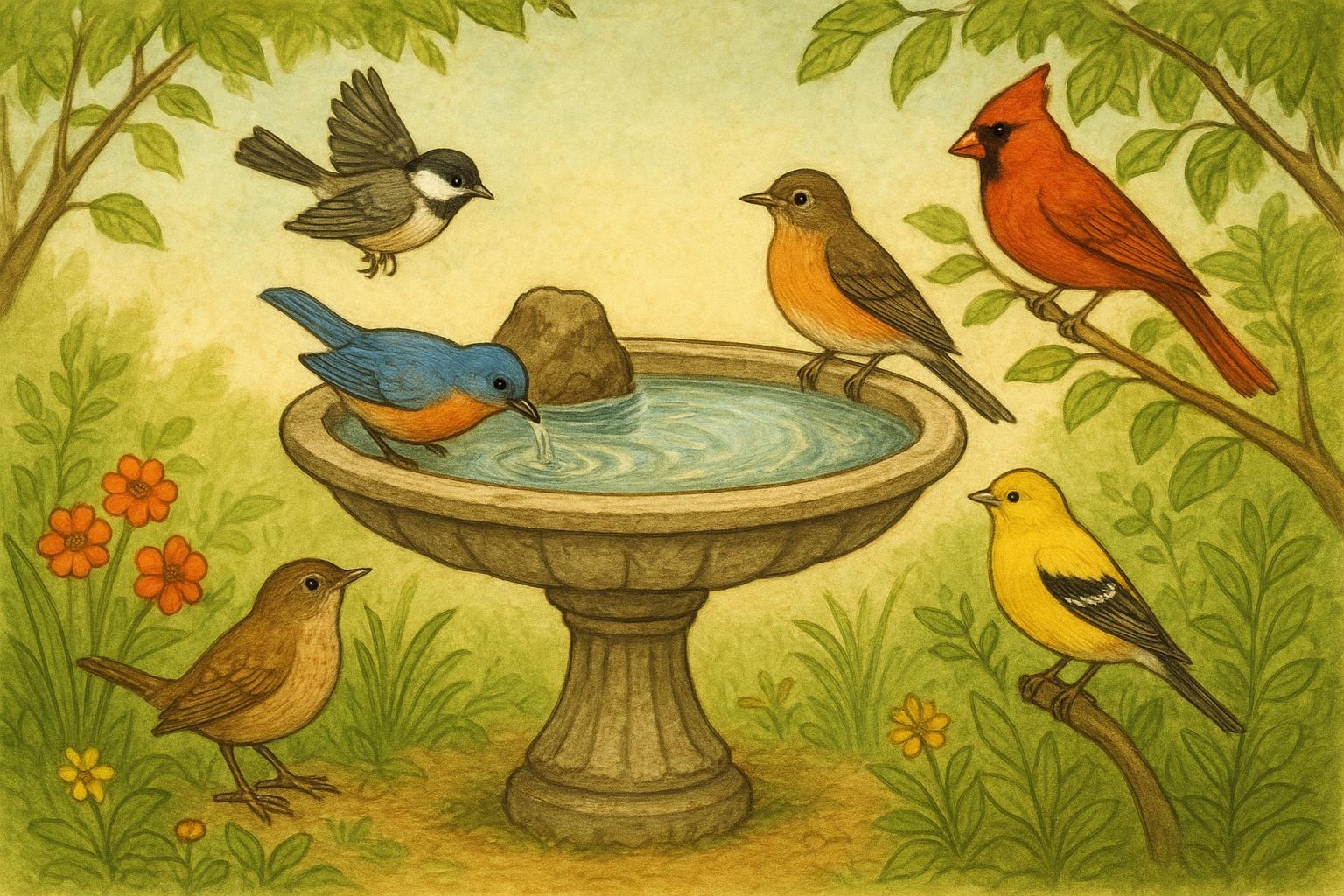
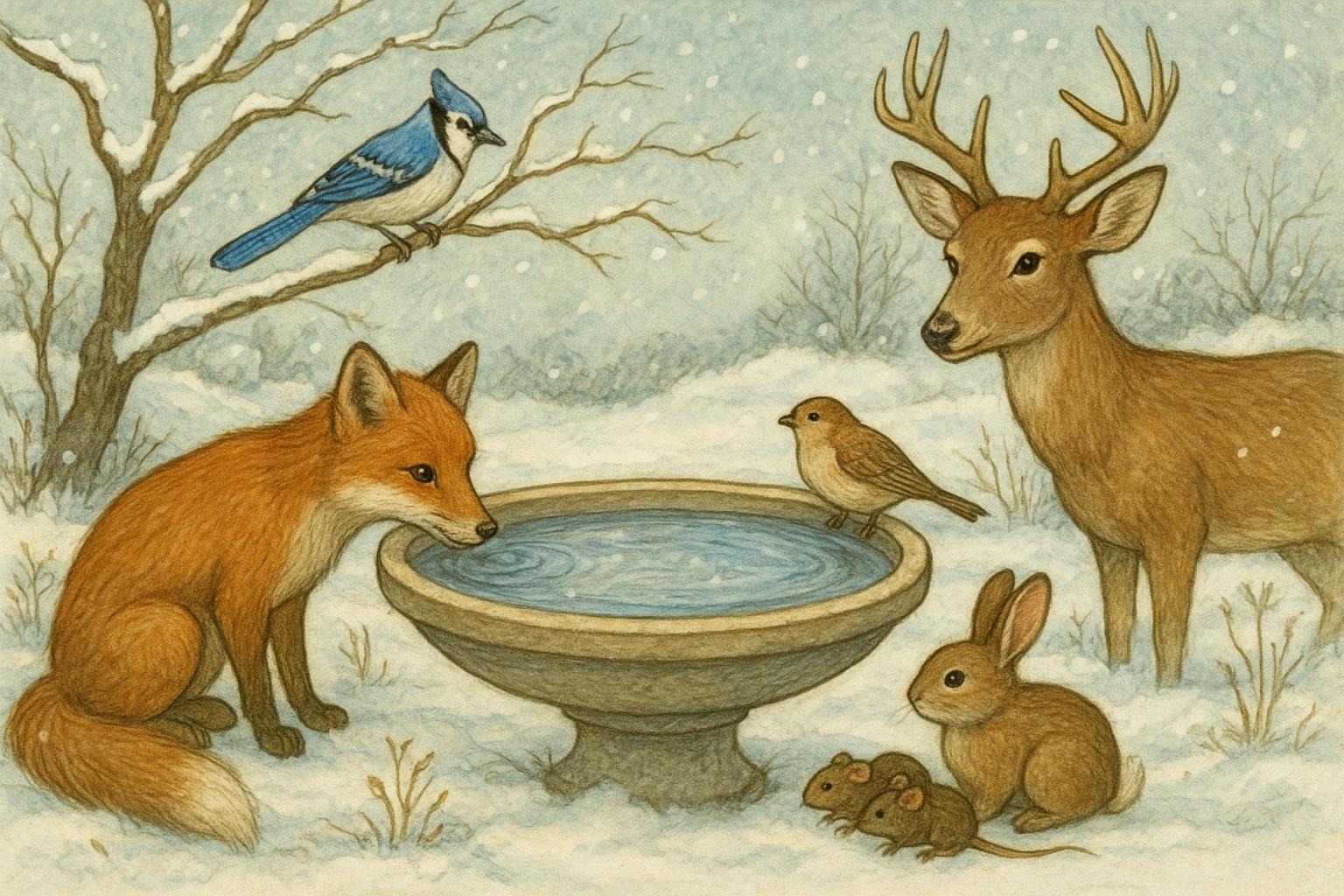
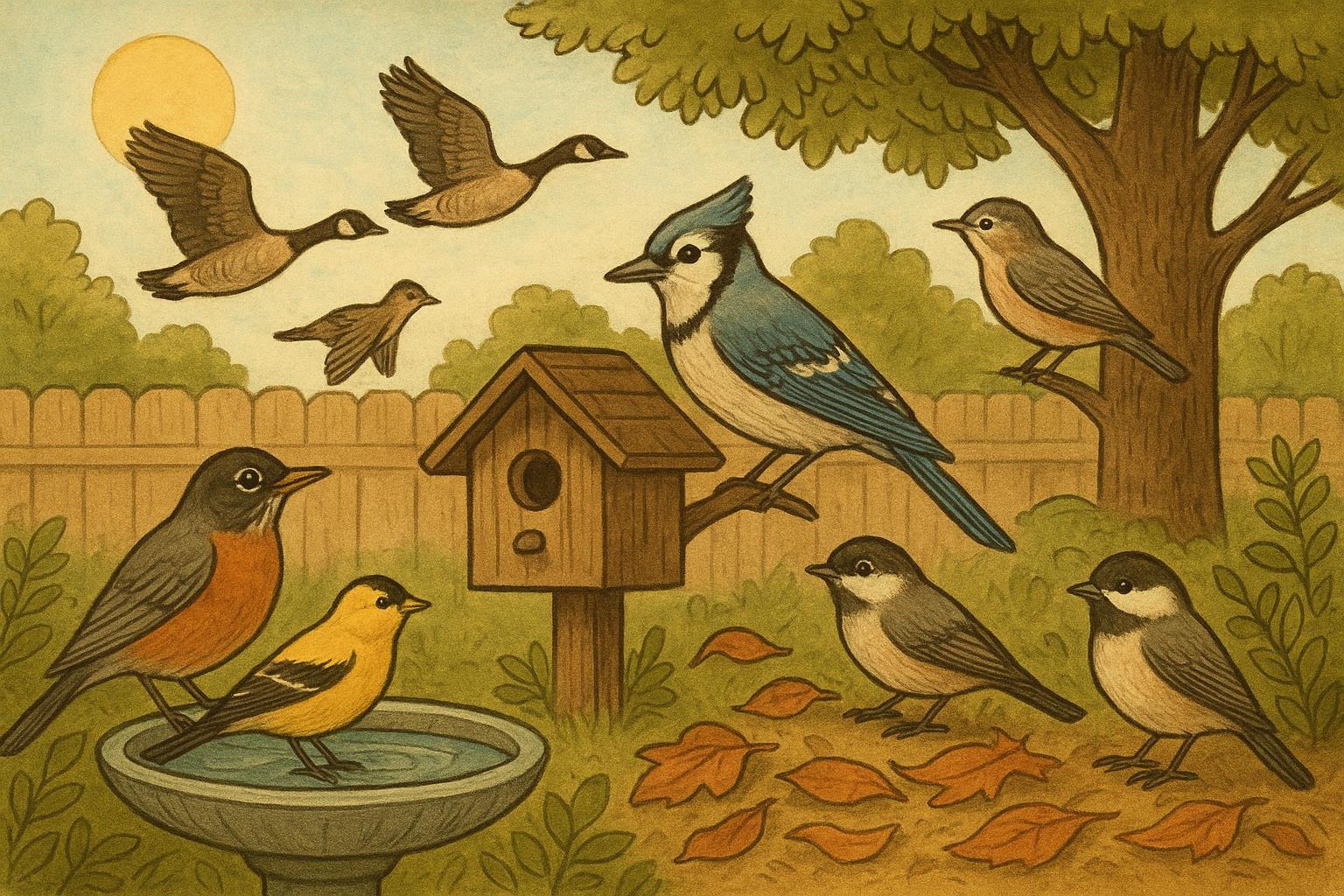
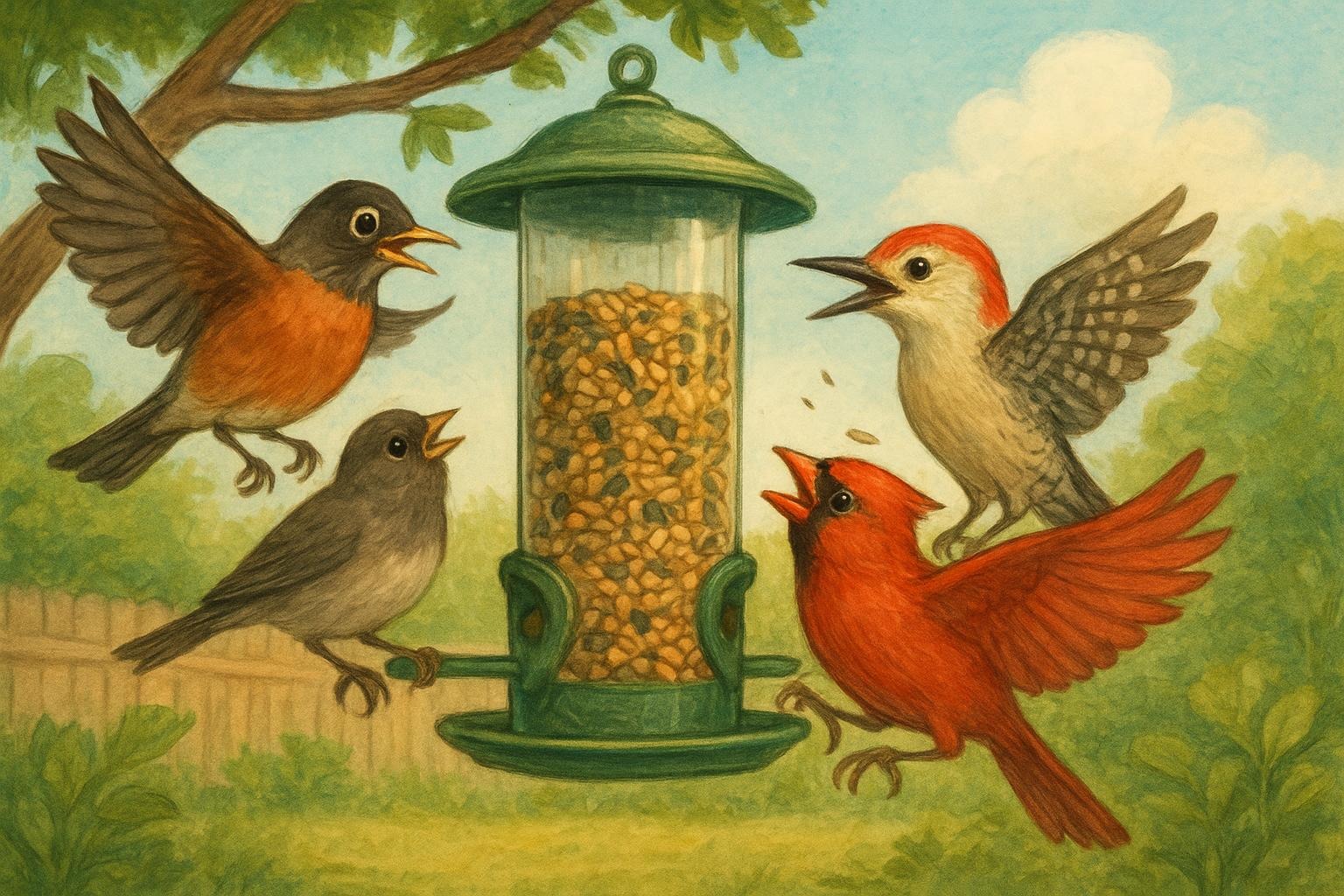
Proactive measures constitute the most effective long-term mitigation against heat stress. Habitat-level strategies include preserving and restoring riparian corridors, maintaining canopy cover and conserving wetlands. In urban and peri-urban settings, installation of bird baths, shaded feeding stations and water trays can reduce local mortality. In captive or rehabilitative contexts, managers should evaluate enclosure orientation, provide forced ventilation or misting systems where appropriate, and adjust feeding times to cooler periods of the day.
### Water Provision And Shade Design
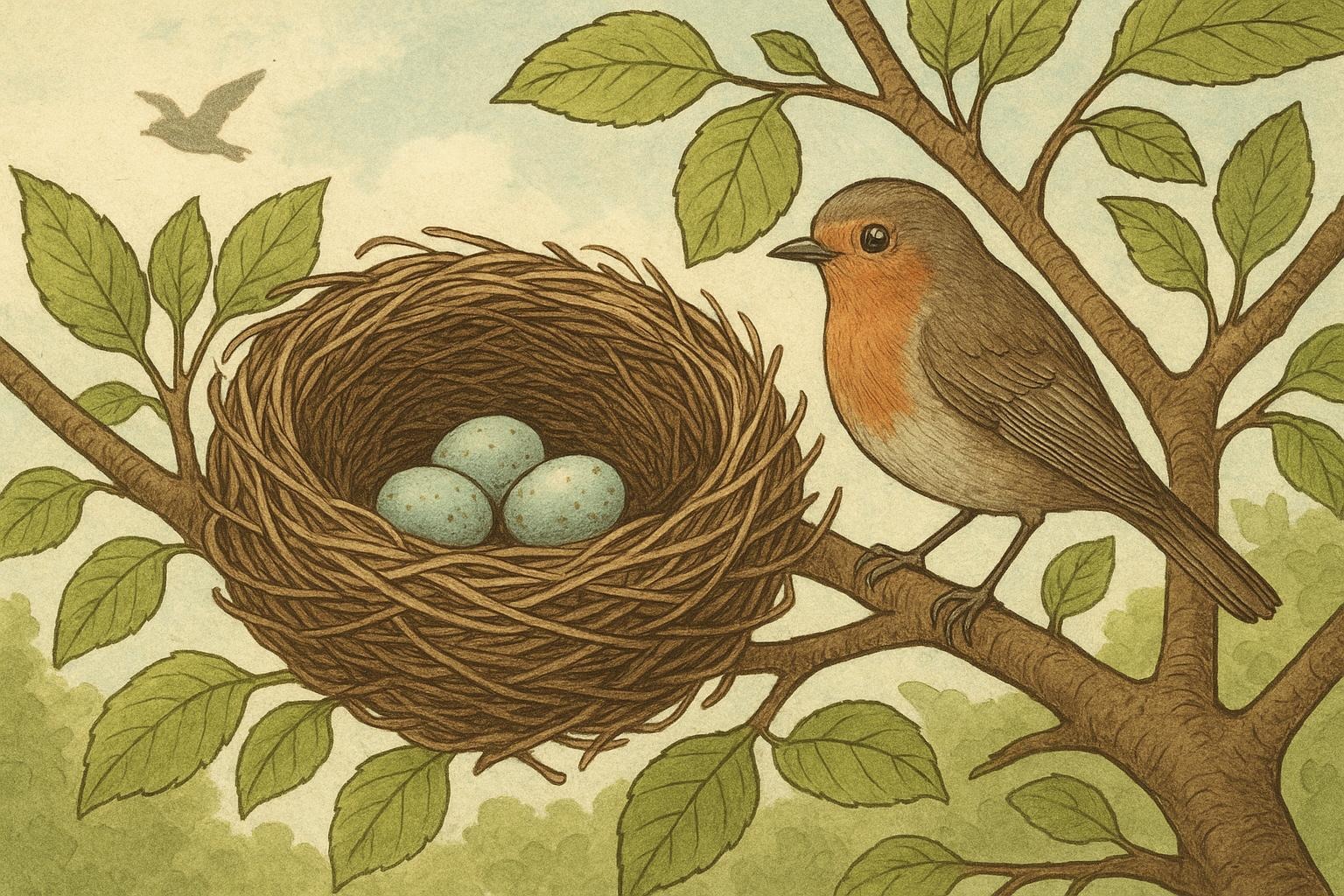
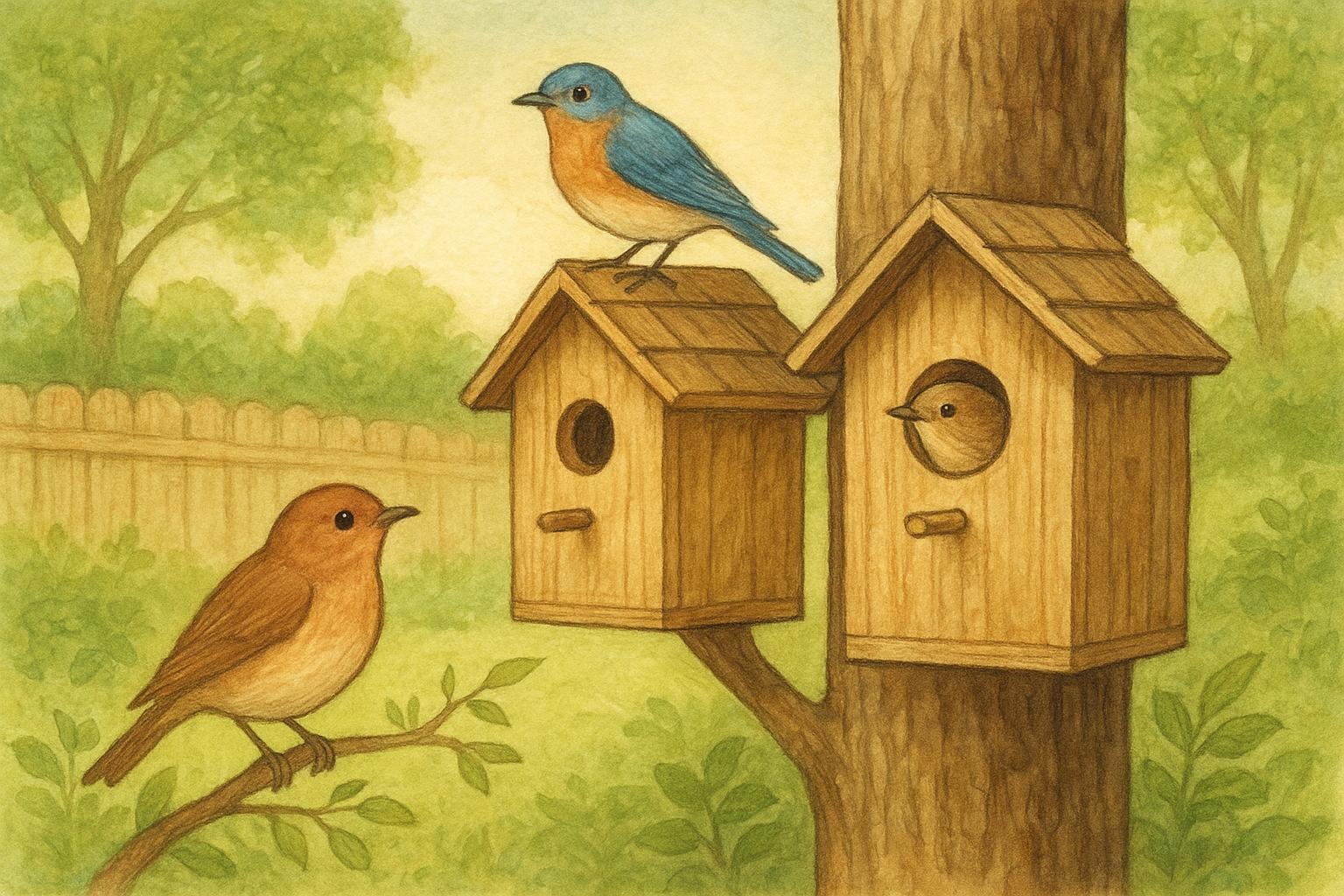
Providing multiple, shallow water sources reduces competition and drowning risk for small species. Design considerations should favor easy ingress and egress, materials that retain coolness, and placement in shaded microhabitats. For nesting birds, artificial shade structures that do not obstruct parental access to nests can lower nest temperatures and improve chick survival rates.
## Remedies: Field And Rehabilitation Interventions For Heat Stress
Interventions vary by immediacy, species and available resources. The following numbered remedies provide formal, evidence-informed protocols suitable for on-site first aid and short-term rehabilitation. Each remedy includes required materials and explicit stepwise instructions for creation and application.
### 1. Immediate On-Site Cooling And Stabilization For Heat Stress
#### Ingredients / Required Materials
– Clean, lukewarm water (not ice-cold)
– Large shallow tray or pan
– Soft towel or cloth
– Portable shade cloth or umbrella
– Battery-powered fan or hand fan (optional)
– Clean container for rehydration fluids (for small species, a shallow dish)
#### Step-by-Step Creation And Application
1. Move the animal into shade promptly and limit handling to essentials. Avoid exposing the animal to direct sunlight while preparing materials.
2. Place a large shallow tray of lukewarm water near the animal so it can stand or sit with feet submerged; for very small birds, dampen a towel rather than immersing the entire bird.
3. Apply cool, damp compresses to the breast and under the wings for birds, or to the ventral abdomen in mammals, using a soft cloth soaked in lukewarm water. Replace compresses as they warm.
4. Use a gentle fan to promote evaporative cooling if humidity is low; do not use high-velocity airflow that can cause distress.
5. Offer small amounts of water by allowing the animal to drink voluntarily from a shallow dish. Do not force-feed or force-water a bird that is unable to hold its head upright.
6. Monitor respiratory rate, responsiveness and behavior continuously. If the animal shows improvement within 20–30 minutes, transfer to a cooler, shaded location; if not, expedite transport to a licensed wildlife rehabilitator or veterinarian.
### 2. Rehydration Solution And Oral Fluid Administration For Small Birds And Juvenile Wildlife
#### Ingredients / Required Materials
– Clean potable water
– Plain oral rehydration solution (ORS) packets or 50:1 mixture of water to oral electrolyte solution formulated for pets (use species-appropriate products when possible)
– Shallow dishes or droppers (1 mL–5 mL capacity for small birds)
– Syringe without needle (optional, for trained personnel)
#### Step-by-Step Creation And Application
1. Prepare a diluted ORS according to manufacturer instructions or combine one teaspoon of plain pediatric electrolyte solution with 1 cup (250 mL) of clean water for small species; for larger wildlife, use veterinarian-recommended concentrations.
2. Present the shallow dish to the animal and observe whether it drinks voluntarily. For birds, place the dish at beak level; for mammals, ensure the animal can access without climbing.
3. If the animal will not drink but has a swallower reflex, administer 0.2–0.5 mL per gram bodyweight per administration using a dropper or syringe, given slowly along the side of the beak or mouth to permit swallowing. Only trained individuals should perform oral administration to avoid aspiration.
4. Repeat provision of small amounts of fluids every 10–15 minutes for the first hour, reassessing alertness and hydration status. Escalate to professional care if the animal cannot maintain hydration or shows neurological signs.
### 3. Temporary Cooling Stations For Gardens And Small Reserves To Prevent Heat Stress
#### Ingredients / Required Materials
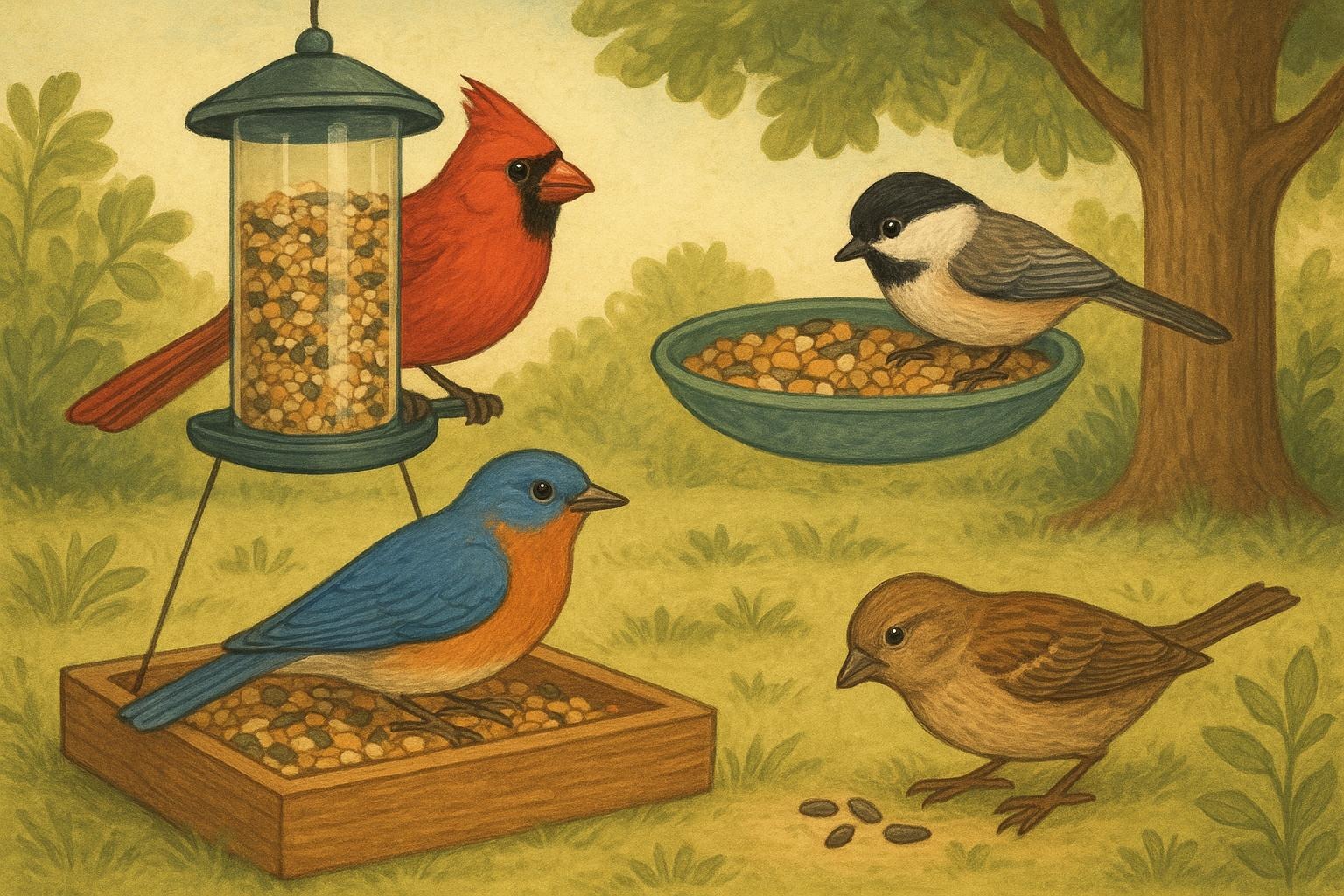
– Several shallow water basins or bird baths
– Stones, branches or perches for safe access
– Shade cloth or portable canopy
– Timer for periodic water replenishment
– Optional: aquarium air pump and airstone to provide gentle aeration
#### Step-by-Step Creation And Application
1. Place shallow basins in multiple shaded locations throughout the area to reduce congregation and competitive stress.
2. Add stones or branches to basins so small birds and mammals can easily step in and out without risk of drowning.
3. Install shade cloth above basins to keep water cooler and minimize direct solar heating.
4. Refill basins twice daily during extreme heat (morning and late afternoon) and more frequently if evaporation is rapid. If available, gentle aeration can increase water movement and reduce temperature stratification.
5. Monitor for signs of contamination (algae, feces) and replace water regularly to prevent disease transmission.
### 4. Enclosure Modifications For Captive Or Rehabilitative Settings To Reduce Heat Stress
#### Ingredients / Required Materials
– Shade panels or UV-stable shade cloth
– Misting or drip cooling system (capacity matched to enclosure size)
– Thermometer and hygrometer for microclimate monitoring
– Insulating materials to block reflective heat (e.g., light-colored tarpaulins)
#### Step-by-Step Creation And Application
1. Install shade panels to reduce direct solar load, ensuring they are secured and do not trap heat without ventilation.
2. Set up a misting or drip cooling system on a timer for intermittent activation during peak heat hours; avoid continuous misting in high-humidity conditions as this reduces evaporative efficiency.
3. Place thermometers and hygrometers at bird level to monitor microclimate; aim to maintain temperatures and humidity within species-specific tolerances.
4. Modify enclosure substrates and provide additional sheltered perches at varying heights to allow animals to thermoregulate behaviorally.
5. Maintain a detailed log of environmental conditions and animal responses to evaluate the effectiveness of interventions and make iterative improvements.
#### When To Escalate Care
If any animal exhibits persistent unresponsiveness, seizures, bloody droppings, protracted hyperthermia (core temperatures clearly elevated where measurable), or does not improve after initial cooling and rehydration, immediate transfer to a licensed wildlife rehabilitator or veterinarian is imperative. Many heat-related injuries precipitate secondary complications—renal impairment, systemic inflammation, and opportunistic infections—that require professional diagnostic and therapeutic resources.
## Monitoring And Reporting To Support Population-Level Management
Field personnel, rehabilitators and concerned members of the public should document incidents of heat-associated morbidity and mortality. Georeferenced reports, photographs of symptomatic individuals and temporal patterns of events assist conservation agencies in defining high-risk zones and prioritizing mitigation. Regularly scheduled monitoring during heat waves enables adaptive management responses, such as temporary watering stations or modified human activity near critical habitats.
By applying the described recognition criteria, preventive strategies and structured remedies, caretakers and responders can reduce the immediate impacts of heat stress on birds and wildlife while contributing data to inform longer-term conservation planning.






Leave a Reply