
Understanding and correctly interpreting mammal droppings is a practical skill for homeowners who wish to manage wildlife encounters, protect property, and reduce health risks. This guide emphasizes morphological features, contextual clues, and a formal sanitation protocol to address findings safely. The objective is to provide clear criteria for poop identification and a structured remedy for safe removal and disinfection.
## Poop Identification For Common Mammals
Accurate poop identification depends on a combination of size, shape, content, placement, and odor. For homeowners, distinguishing between small rodents, lagomorphs, canids, felids, and larger herbivores enables appropriate response measures. Consider seasonal behavior, nearby food sources, and structural access points (eaves, attics, crawlspaces) when evaluating droppings.
### Small Rodents: Mouse And Rat Droppings
Droppings from mice are typically small (3–6 mm by 6–12 mm), capsule-shaped with blunt ends and uniform dark coloration. Rat droppings are larger (10–20 mm by 20–40 mm), more tapered, and may be scattered in runways. Freshness is suggested by a glossy surface; desiccated droppings become brittle and grey. In the context of poop identification, note proximity to nesting materials and gnaw marks on packaging or wiring—these cues support a rodent determination.
### Lagomorphs And Squirrels: Rabbit And Squirrel Droppings
Rabbits produce spherical, uniform pellets roughly 10–15 mm in diameter, often found in groups. Squirrel droppings resemble small rods but are less uniformly shaped than mouse feces and may contain undigested fiber or seed fragments visible on the surface. For homeowners, locating such droppings near gardens, raised beds, or feeder stations is a strong contextual signal for garden herbivores.
### Insectivores And Shrews
Shrew droppings are often smaller than mouse droppings, very dark, and may appear segmented. They are less likely to be found indoors but can indicate ground-level activity outdoors under leaf litter or mulch. Distinguishing these requires attention to size and habitat rather than odor or content, which may be indistinct.
## Recognizing Canid And Feline Droppings
Canid and feline droppings are distinguished by size, shape, and content as well as territorial placement.
### Dog And Fox Differentiation
Domestic dog feces vary widely based on diet; they are generally tubular and may have tapered ends. Fox droppings (scats) often contain undigested fur, bone fragments, and small bones, and may be deposited in conspicuous places as scent markers. When performing poop identification, record the presence of contents that suggest a carnivorous diet and the location relative to trails or property edges.
#### Odor, Shape, And Contents
Odor tends to be stronger in canid droppings due to their diet; however, perception of smell is subjective. Shape is a reliable indicator: dogs typically create broader, more consistent logs, while wild canids produce narrower scats with pronounced tapered ends. Presence of eggshells, hair shafts, or feathers helps indicate predation of birds or small mammals.
### Cat And Bobcat Distinctions
Domestic cat feces are smaller and often buried or deposited in litter-like areas. Bobcat droppings can be larger, contain fur and bone fragments, and are frequently placed on elevated substrates or conspicuous rocks. For homeowners, the proximity to livestock or poultry and signs of kill should inform management decisions following poop identification.
## Identifying Herbivore Versus Carnivore Droppings
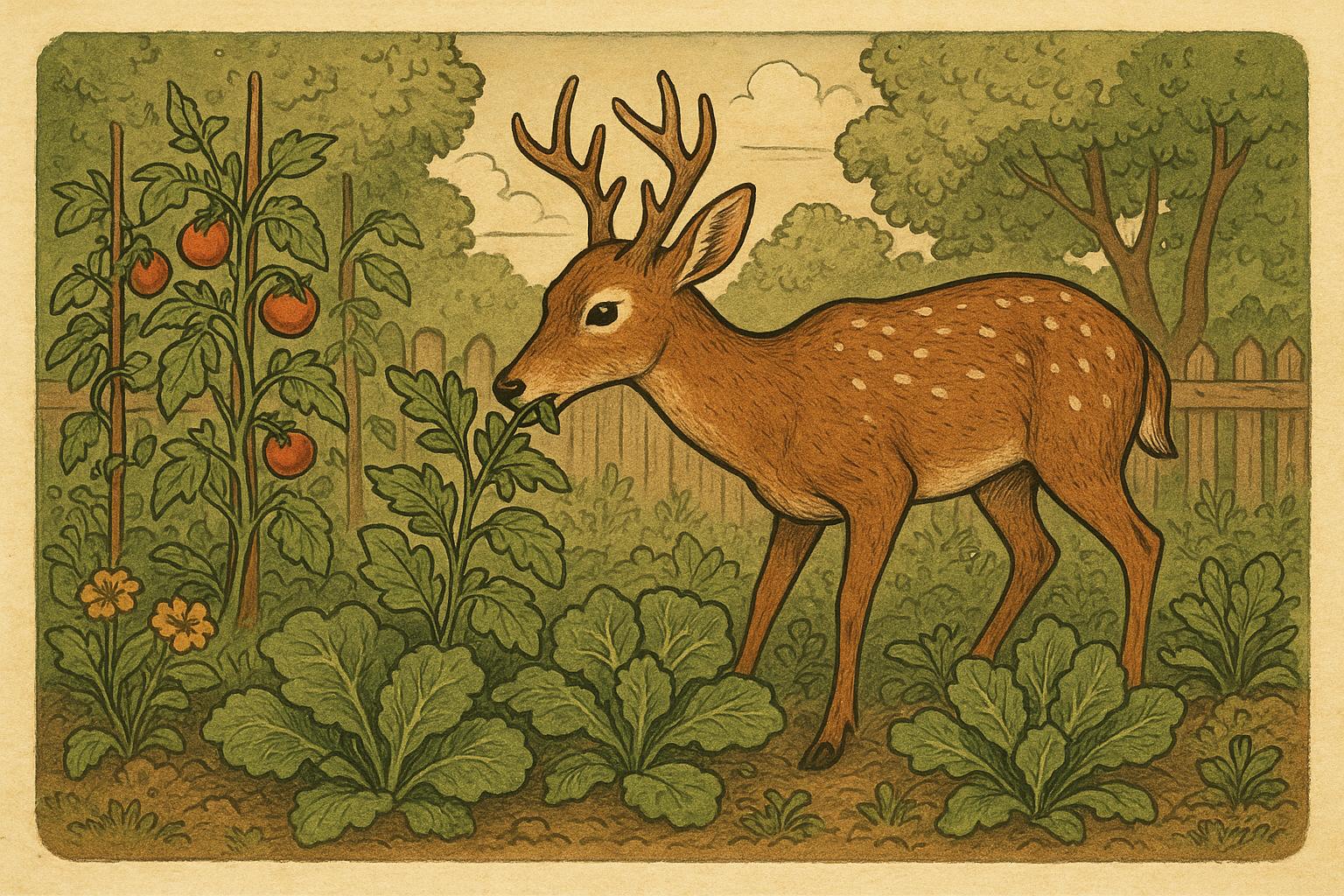
Fundamental to poop identification is the trophic classification: herbivore feces is typically fibrous, pelletized, or packed with plant material, whereas carnivore scats contain fur, bone, feathers, and a higher content of protein residues that alter odor and texture. Herbivore droppings (e.g., deer, rabbit) are often found in bedding areas and grazing zones; carnivore droppings are frequently located along territorial boundaries and travel corridors.
### Size And Frequency Metrics
Use size metrics in combination with frequency to estimate species prevalence. Numerous small droppings suggest small mammals (mice, voles), while larger, infrequent droppings indicate larger mammals. Time-of-day patterns—nocturnal species versus diurnal—can also refine identifications.
## Practical Poop Identification Tools For Homeowners
A modest set of tools will assist in safe identification and documentation: a camera for photographs, disposable gloves, a stick or disposable probe for non-contact inspection, and a notebook or phone to log size, location, and associated signs. When uncertainty persists, conserve a photograph rather than transporting a sample, and consult local wildlife control or extension services.
When applying any diagnostics for poop identification, avoid direct handling, and use photographs to compare with regional guides or online resources maintained by universities or wildlife organizations. Accurate documentation improves response measures and reduces unnecessary interventions.
## Safe Handling And Sanitation For Poop Identification Finds
Upon identification, homeowners should implement a formal sanitation protocol to mitigate zoonotic risk. The following procedure is a single, structured remedy aimed at safe removal and disinfection of mammal droppings encountered inside or immediately adjacent to occupied structures.
Required Materials
– Nitrile or latex disposable gloves (several pairs)
– N95 or higher particulate respirator
– Eye protection (safety glasses)
– Disposable paper towels or absorbent pads
– Sealable plastic bags (zip-top or biohazard-rated)
– Household disinfectant containing at least 1:10 dilution of bleach to water (sodium hypochlorite) or an EPA-registered disinfectant with label instructions for fecal contamination
– Spray bottle or bucket for disinfectant solution
– Rigid scoop or disposable scraper
– Detergent or mild soap and water
– Paper and pen or smartphone to document incident
Step-by-Step Removal And Disinfection Procedure
1. Preparation: Don appropriate personal protective equipment—gloves, respirator, and eye protection—before approaching the site. Ensure adequate ventilation where possible by opening windows and doors.
2. Initial Wetting: Lightly spray the droppings with the prepared disinfectant solution to reduce aerosolization. Allow the solution to remain for the contact time specified on the disinfectant label, typically 5–10 minutes for bleach solutions.
3. Mechanical Removal: Using a rigid scoop or disposable scraper, lift droppings onto paper towels. Avoid scraping that generates dust. Place used paper towels and the removed material into a sealable plastic bag.
4. Secondary Disinfection: After removal, spray the area again with disinfectant and allow full contact time. For porous surfaces that cannot be fully disinfected, consider removal of the contaminated material (e.g., insulation) by a professional.
5. Waste Containment: Seal the bag and, if available, double-bag for added security. Dispose of according to local regulations for household waste; if contamination is extensive, consult local waste management or public health authorities for disposal guidance.
6. Personal Decontamination: Remove gloves by turning them inside out, dispose of them in a sealed bag, and wash hands thoroughly with soap and water. Clean and disinfect any reusable tools that came into contact with the droppings.
7. Documentation And Follow-Up: Record the date, location, and species determination (if known) for future reference. If droppings were found in living spaces or multiple areas, consider scheduling a professional inspection for infestation control or structural entry mitigation.
Safety Considerations
– Never sweep or vacuum dry droppings; this generates infectious aerosols.
– For attics, enclosed crawlspaces, or extensive accumulations, engage licensed remediation professionals, particularly when hantavirus or other high-risk pathogens are a concern.
– If exposure occurs (e.g., skin contact, inhalation of dust), seek medical advice and inform local public health authorities.
## Signs To Correlate With Poop Identification
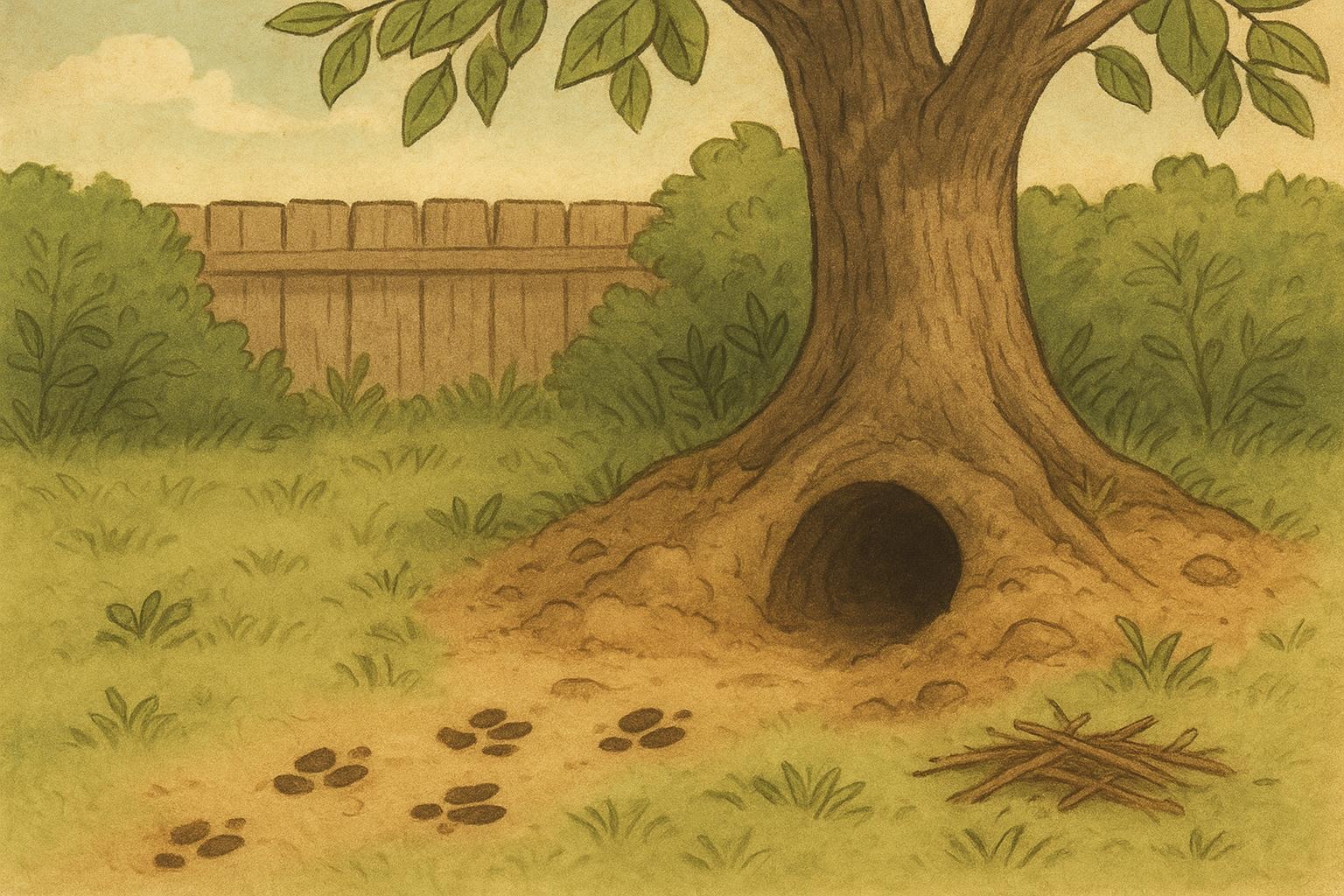
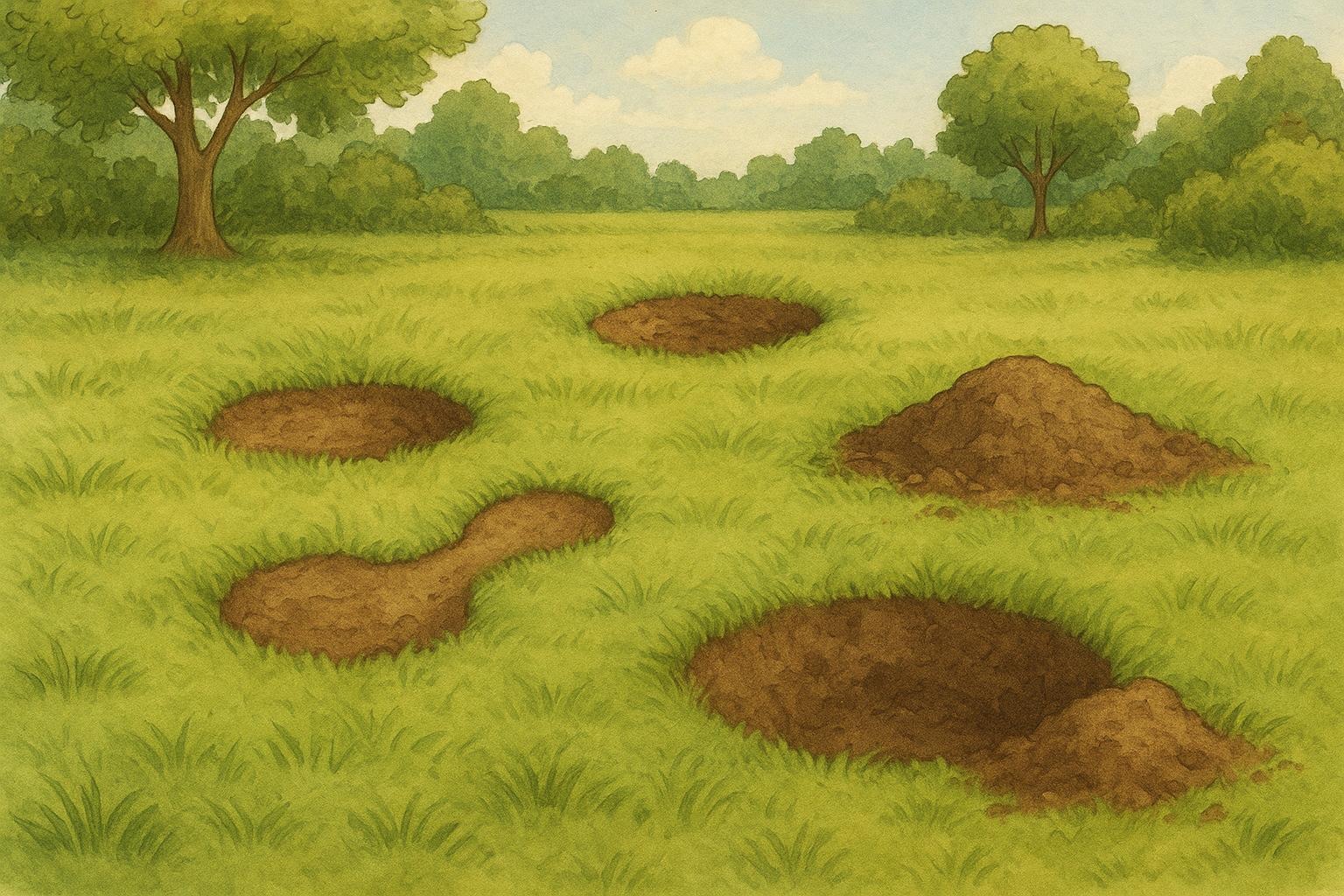
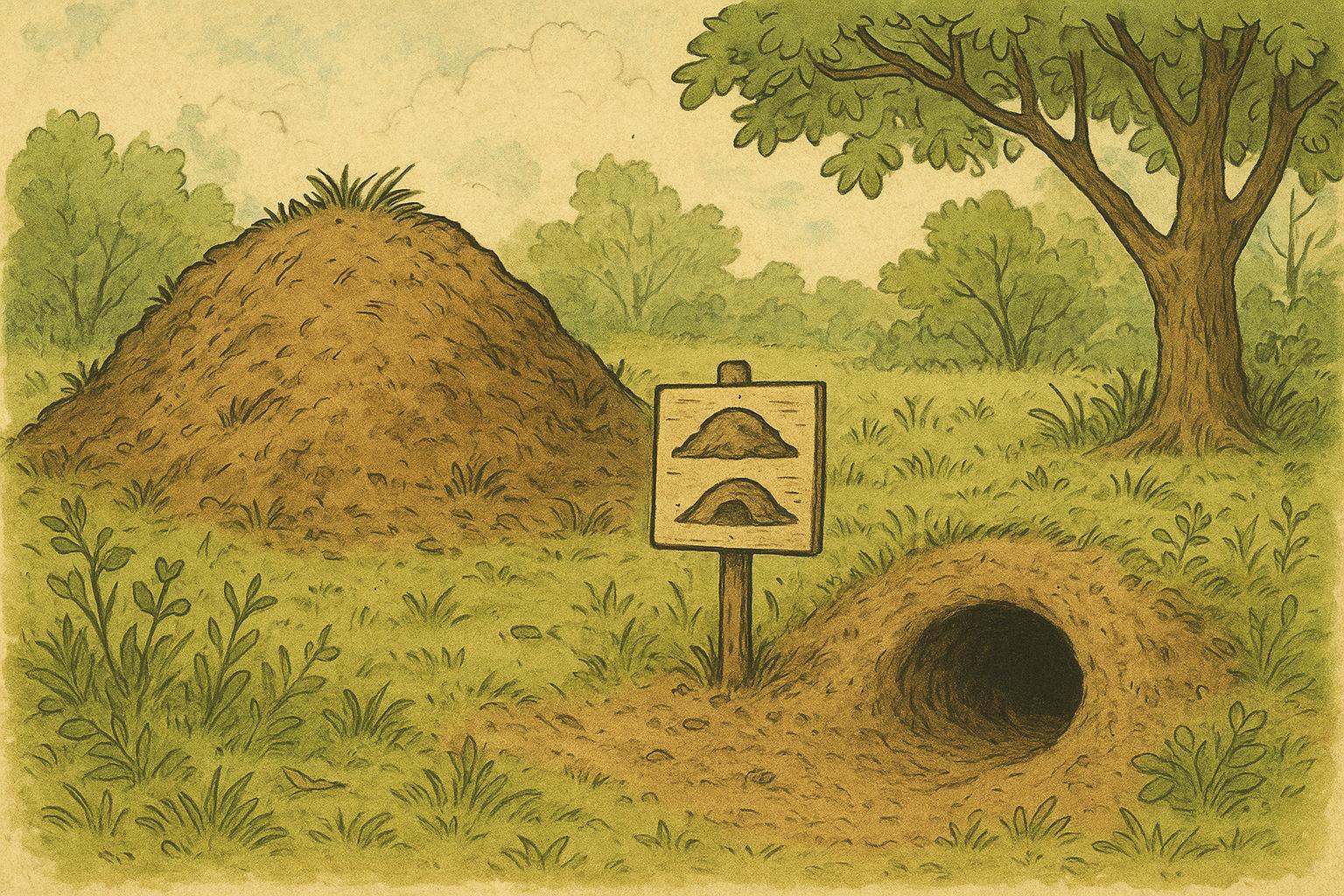
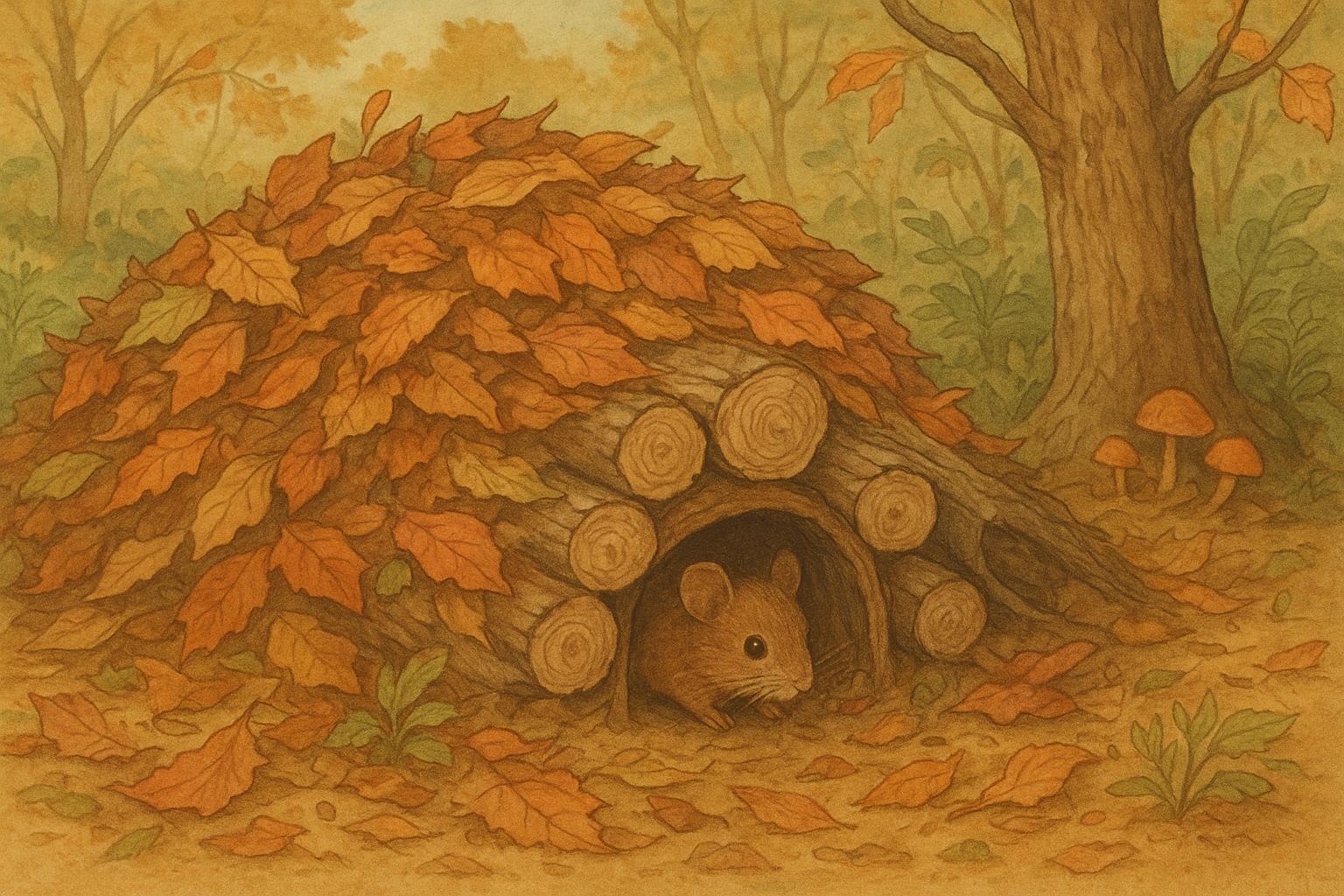
Effective poop identification is supported by corroborative signs: tracks, rub marks, burrows, nests, chew marks on wood or wiring, disturbed soil, and evidence of predation. Photographs of the environment, rather than transporting fecal matter, aid professionals in remote assessment. Maintain records of recurring locations and times to establish patterns.
### When To Contact Professionals
Contact pest control, wildlife rehabilitation, or public health entities when droppings are found in quantity, in sensitive areas (nurseries, kitchens), or when the homeowner cannot safely implement the sanitation protocol. For homeowners, an evidence-based approach to poop identification minimizes unnecessary disturbance of wildlife and prioritizes human and animal health.
### Documentation Best Practices
Record the following for each finding: date, exact location (photo with landmarks), estimated size of droppings, visible contents (hair, plant matter), and any associated signs. Consistent documentation assists in longitudinal assessment of wildlife activity on the property and informs remediation planning.















































Leave a Reply