You step outside, admire the grass, and then spot them: a scatter of holes that look like someone invited a pocket-sized excavation crew to your yard. Before you call in reinforcements (or your neighbor with the backyard stories), take a breath—those little depressions and pokes are actually informative. Read on; the soil’s trying to speak, and it’s mostly complaining about pests, pets, or the neighbor’s late-night raccoon.
## Hole Patterns Reveal Surface Damage Clues
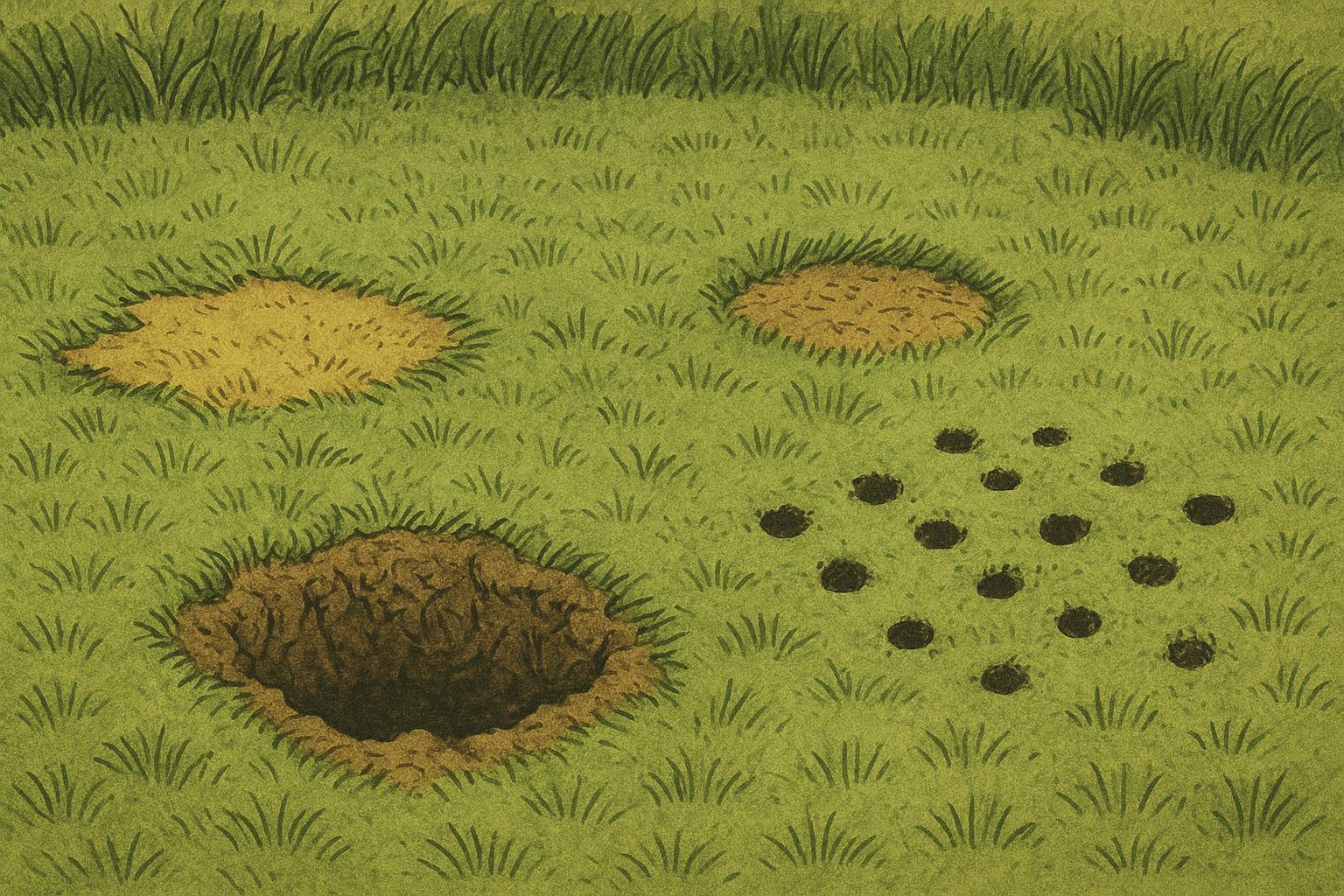
Hole patterns are like fingerprints for what’s been digging, pecking, or tunneling through your lawn. The size, spacing, depth, and arrangement of those holes give clear clues about the culprit. Spotting the pattern early can save you weeks of guessing and prevent larger infestations or ugly bare patches. Think of it as backyard detective work—muddy shoes optional.
### Paired Tiny Holes: The Vole Or Mouse Signature
If you see lots of paired tiny holes (often 1/4 inch across) spaced a few inches apart, that’s classic vole or mouse activity. These rodents make runways through the turf, leaving multiple small holes where they creep to the surface. Voles especially create shallow tunnels and excess grassy trails that look like a lawn’s worst hair day.
– What to watch for: shallow tunnels, visible runways, clipped roots on bulbs or small plants.
– Likely timeline: spring into fall, when they reproduce and forage most actively.
### Piles And Castings: Worms Or Ant Colonies
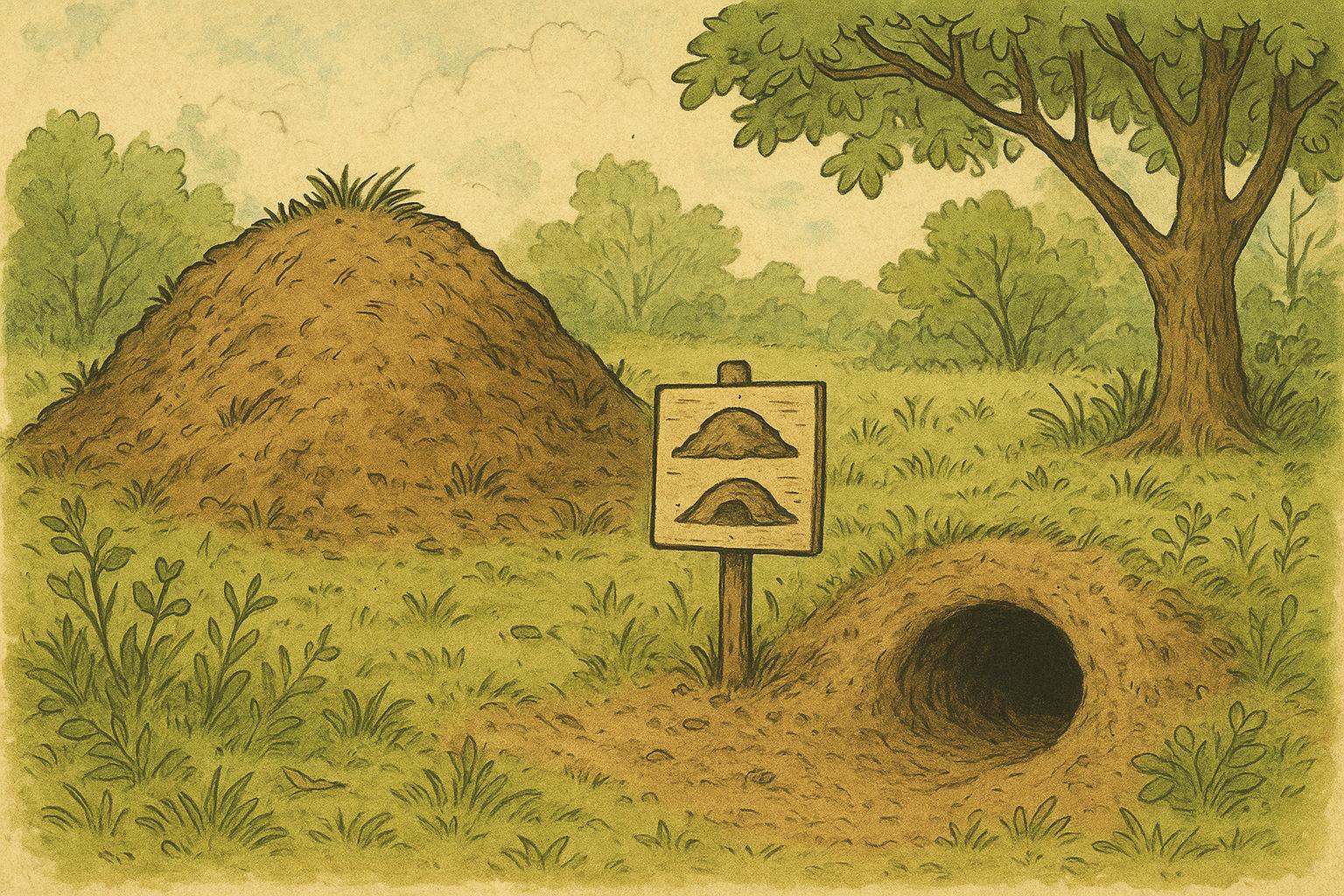
Small, bead-like soil pellets or neat little mounds are typically earthworm castings or ant colony deposits. Worm castings are usually soft patches of rich soil that can be brushed into the grass; ant mounds are more persistent and clustered around a central opening.
– What to watch for: castings are loose and crumbly; ant mounds often have visible insect traffic.
– Impact: castings are mostly beneficial; ant mounds can disturb seed beds and young turf.
### Cratered, Shoveled Holes: Skunks, Raccoons, And Pigs
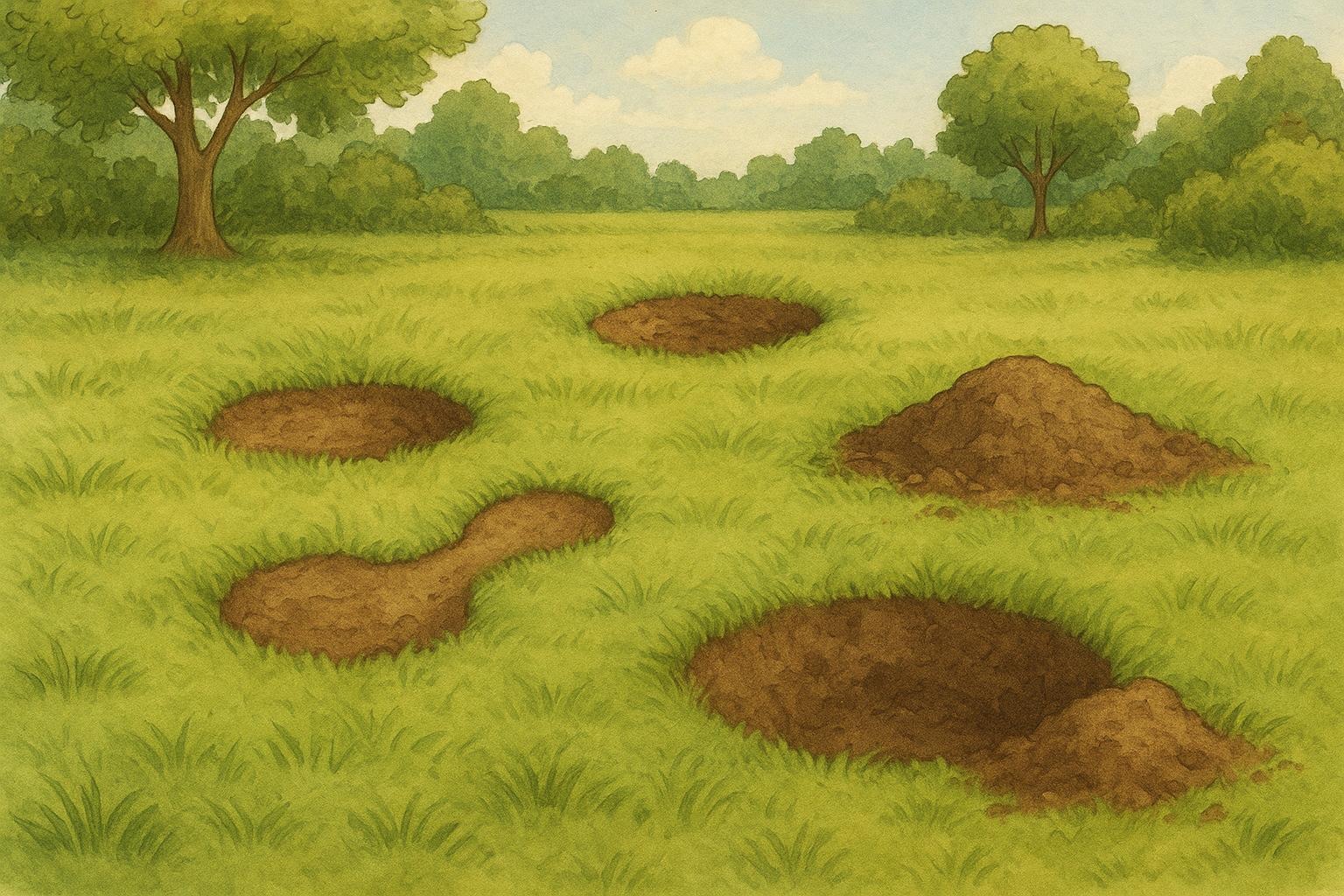
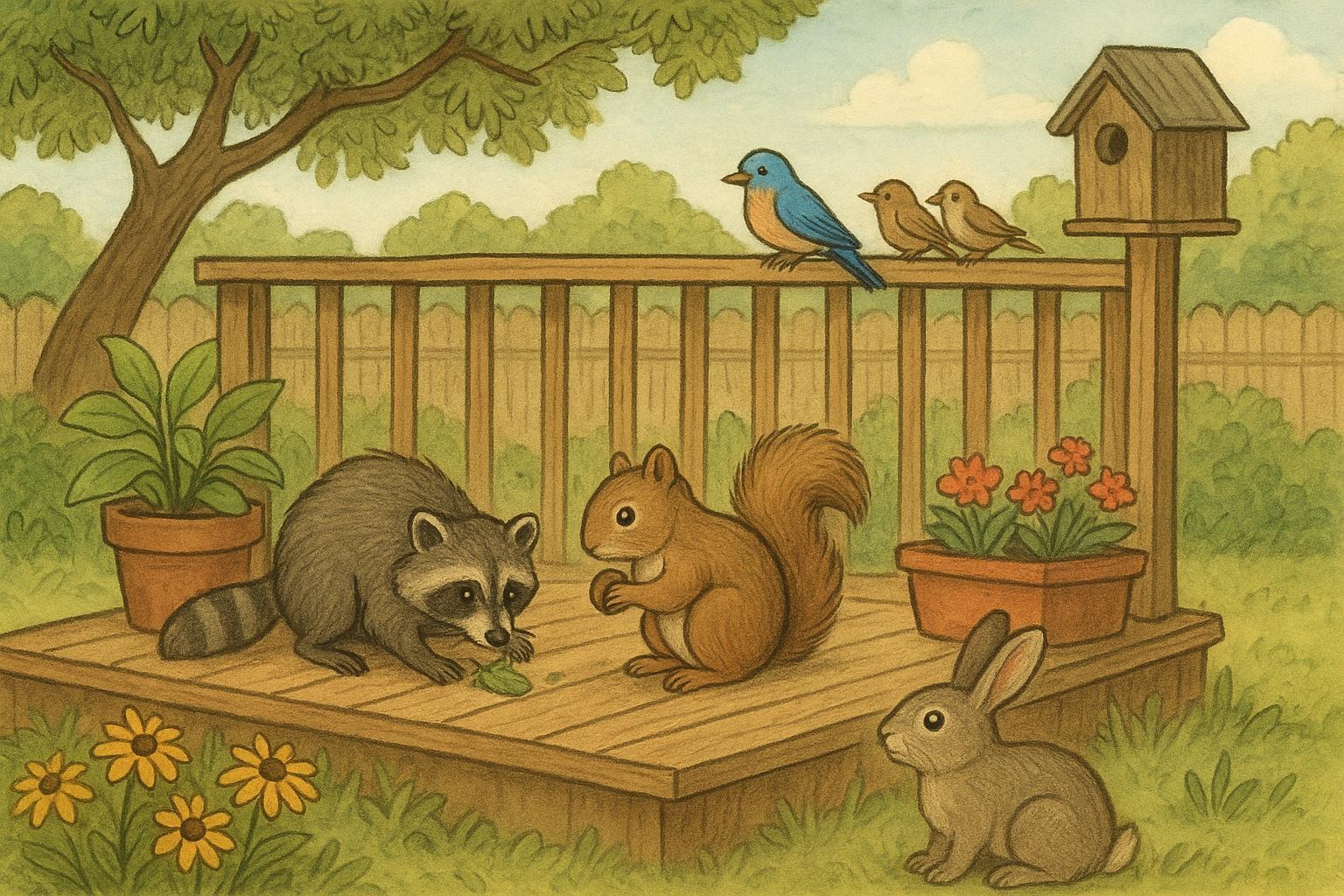
If holes look like someone used a spoon to dig out dollops of soil—scattered, shallow craters—it’s probably a skunk, raccoon, or even stray pigs rooting for grubs or earthworms. These animals use their paws or snouts to dig where the grub buffet is richest.
– What to watch for: night-time activity (raccoons and skunks), larger radius of disturbance, scent of disturbed soil.
– Likely timeline: after rains or during warm months when grubs are active.
### Narrow, Linear Tunnels: Moles At Work
Moles build linear tunneling systems that often create raised ridges or long, skinny mounds rather than perfect holes. If you see consistent lines of dome-like ridges across the lawn, moles are likely tunneling just beneath the surface to chase insects.
– What to watch for: raised ridges that can be pushed down to expose a tunnel; minimal surface holes, more bumps.
– Impact: cosmetic disruption and potential damage to roots from burrowing.
### Circular Ring Of Holes: Ground Beetles Or Predators
A ring of evenly spaced small holes around a particular plant can indicate insect collectors, beetles, or even a single predatory animal examining a specific location. Birds and hedgehogs (where present) sometimes peck in ring-like patterns when a food source is concentrated.
– What to watch for: presence of larvae or adult insects nearby; fresh peck marks.
– Likely timeline: after dusk or at first light when birds forage.
### Scattered Large Holes: Dogs, Coyotes, And Curiosity
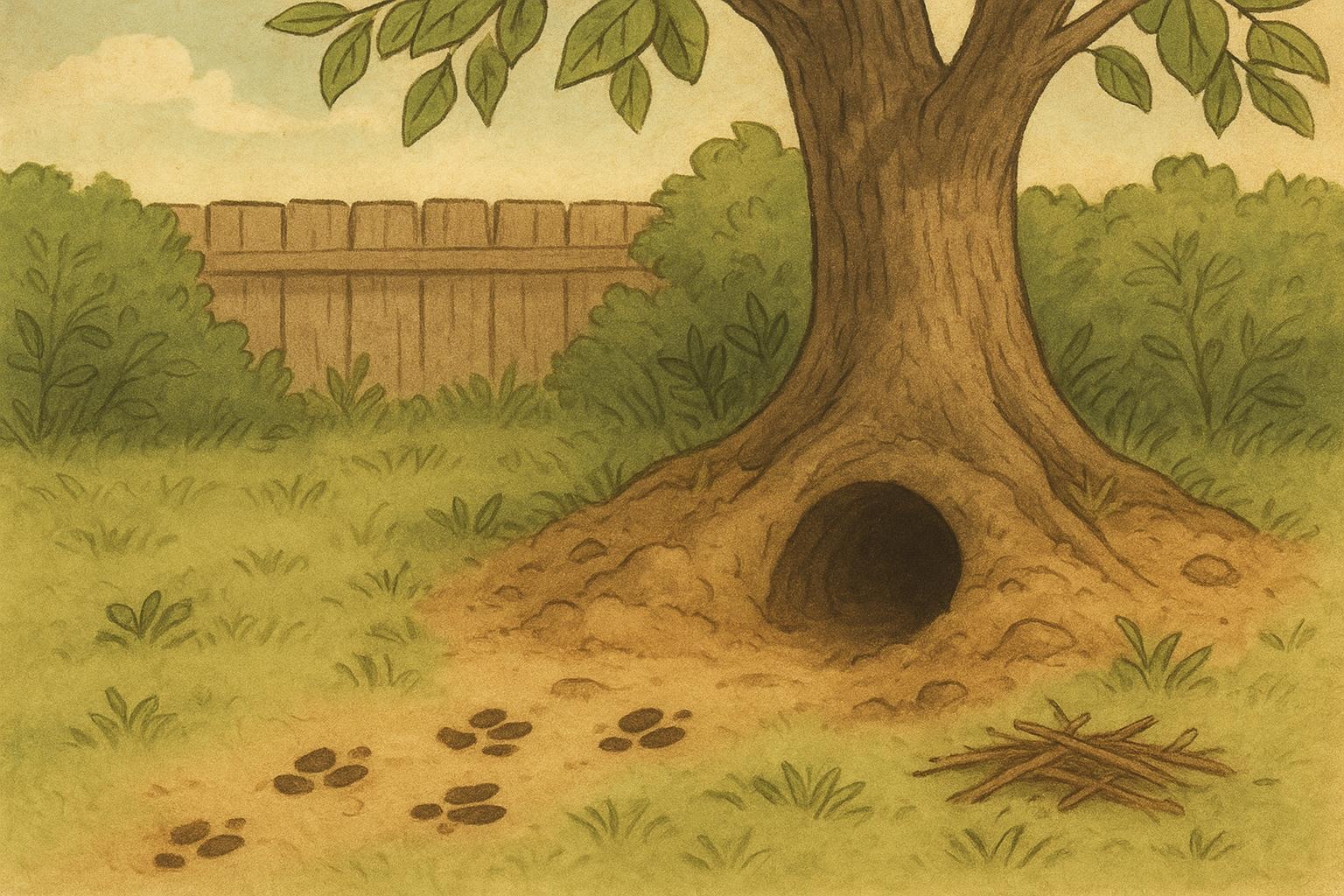
Large, irregular holes—especially with torn sod and deeper digging—often point to dogs (yours or neighboring), coyotes, or other large mammals acting on scent or boredom. Domestic dogs may dig in regular spots, while wild animals are more random but can return to successful sites.
– What to watch for: claw marks, fur, or footprints; time-of-day activity patterns.
– Impact: potential hazard for uneven lawn surfaces and plant root damage.
### Distinguishing Features To Note
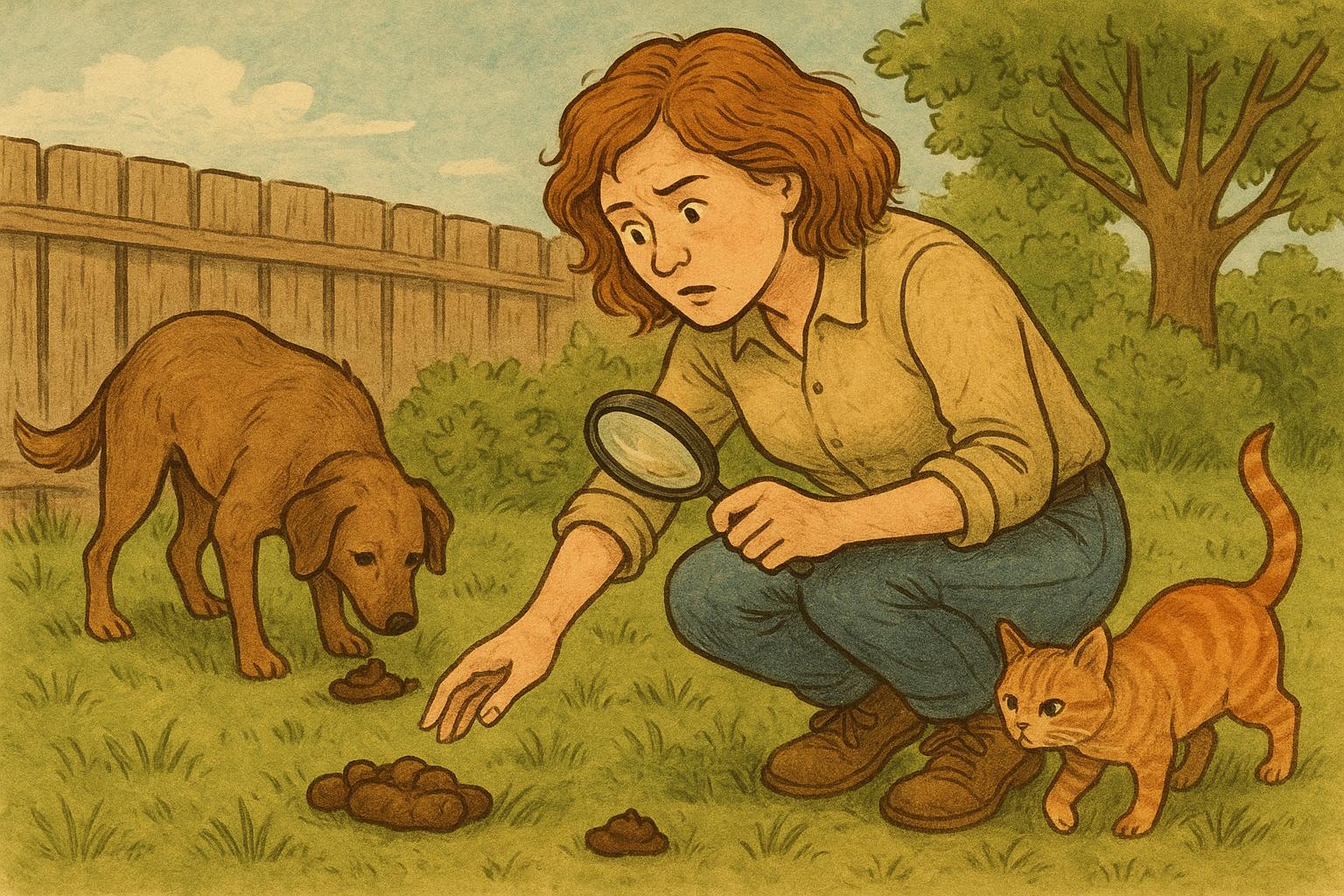
When you’re inspecting hole patterns, jot down or photograph a few details: hole size, spacing, whether soil is piled to the side, and any nearby droppings, tracks, or runways. These details narrow down suspects quickly. Also observe timing—many critters are nocturnal, so holes that appear overnight often implicate nighttime foragers.
## 2 Remedies To Fix Damage From Hole Patterns
Below are two practical, formal remedies tailored to common hole patterns. Select the remedy that best matches your observations. Each remedy lists required materials and provides step-by-step instructions for safe and effective application.
### Remedy 1: Targeting Subsurface Pests (Moles, Voles, And Gophers)
Materials Required:
– Hand trowel and garden gloves
– Moisture meter or simple stick to test soil
– Professional-release mole/vole traps (glove your hands around installation)
– Bait station materials if using bait (rodent-specific, pet-safe options)
– Optional: castor oil granules or liquid solution (biodegradable)
– Marker flags to mark active tunnels
Step-by-Step Creation And Application:
1. Identify Active Tunnels: Press down a section of raised tunnel or flatten a portion and mark it with a flag. Check the same spot within 24–48 hours to confirm activity if the tunnel reappears.
2. Choose Control Method: For immediate reduction, set professional traps in active tunnels. For longer-term deterrence, prepare a castor oil solution or granules as described by the manufacturer.
3. Trap Placement (If Using Traps): Wearing gloves, carefully open an active tunnel with the trowel and place the trap in the tunnel per manufacturer instructions. Cover the hole to direct the animal through the trap.
4. Bait/Bait Stations (If Applicable): Use only rodent-specific bait products that are labeled for outdoor use and placed in tamper-resistant bait stations away from pets and children. Follow local regulations regarding rodent control.
5. Apply Repellent (If Using Castor Oil): Mix castor oil per product directions (usually diluted with water and a surfactant) and spray along runways and around the perimeter of your lawn. Reapply after heavy rain.
6. Monitor And Reassess: Check traps daily and remove any captures promptly. Reapply repellents per label instructions and re-level tunnels to discourage reuse.
7. Repair Surface: After controlling subsurface activity, fill tunnels and depressions with a mix of topsoil and compost, tamp gently, and seed or sod as needed.
Notes: Trapping is often the most direct method for mole control, while castor oil repellents reduce activity over time. Avoid indiscriminate use of poisons; they can harm non-target wildlife and pets and may be illegal in some areas.
### Remedy 2: Repairing Surface Digging And Discouraging Larger Mammals
Materials Required:
– Garden fork, rake, and sod cutter (optional)
– Topsoil, compost, and lawn seed or sod patches
– Wire mesh (hardware cloth) or chicken wire (1/2-inch or smaller)
– Motion-activated lights or sprinklers
– Pet-safe repellent sprays or granular deterrents labeled for use against raccoons/skunks
– Stakes and landscape fabric (for temporary exclusion)
Step-by-Step Creation And Application:
1. Assess Damage: Determine whether the digging is from pets or wildlife. Collect any footprint evidence and note times of activity.
2. Repair Holes: Remove loose soil from craters and fill with a topsoil-compost blend to restore grade. Lightly tamp the soil and reseed or lay sod patches. Water gently to establish new turf.
3. Protect Root Zones: For prized beds, lay wire mesh under new sod or soil to prevent future digging. Dig down 3–4 inches, place mesh with edges overlapping, and cover with soil and seed. This physical barrier prevents snout penetration.
4. Deploy Deterrents: Install motion-activated lights or sprinklers to startle nocturnal diggers. Apply pet-safe repellents around the perimeter and reapply according to label instructions.
5. Address Food Sources: Many diggers follow food—remove grub infestations using appropriate grub control methods (see your local extension recommendations), secure trash, and avoid leaving pet food outside.
6. Install Temporary Exclusion: For repeated problems, drive stakes around affected areas and attach landscape fabric or temporary fencing until the turf recovers and deterrents take effect.
7. Monitor And Maintain: Reinspect weekly for renewed digging. Maintain lawn health (proper mowing height, watering, and fertilization) to discourage critters that choose weak turf.
Notes: Physical exclusion (wire mesh) and removing attractants are the most reliable long-term solutions for raccoons and skunks. Lighting and sprinklers provide non-lethal, humane deterrence. Always choose repellents and techniques approved for your region.
### When To Call A Professional
If hole patterns reveal a large or persistent infestation—heavy mole runs across the entire lawn, continuous night-time excavations, or evidence of protected species—contact a licensed wildlife control or pest management professional. Professionals can:
– Conduct humane live-capture and relocation when permitted
– Apply integrated pest management tailored to your lawn and local regulations
– Provide long-term monitoring plans and preventative landscaping changes
A pro also helps when the evidence is ambiguous; they bring tools and experience to identify the culprit without second-guessing your neighbor’s cat.
### Preventive Landscape Practices To Reduce Recurrence
Healthy lawns are less attractive to many diggers. Basic preventive measures include:
– Maintain proper watering and fertilization to promote dense turf
– Aerate and overseed thin spots to reduce grub-friendly open soil
– Remove piles of brush or compost that can harbor rodents
– Secure vegetable gardens with raised beds or tough mesh
Keep a simple log of hole patterns and the tactics you use; patterns can change with seasons and pests, and documentation helps refine responses.
Stop blaming the squirrels—hole patterns tell a story if you read them. With the right observations and targeted remedies, you can close the case on what’s wrecking the lawn and restore a smooth, usable yard.



































Leave a Reply