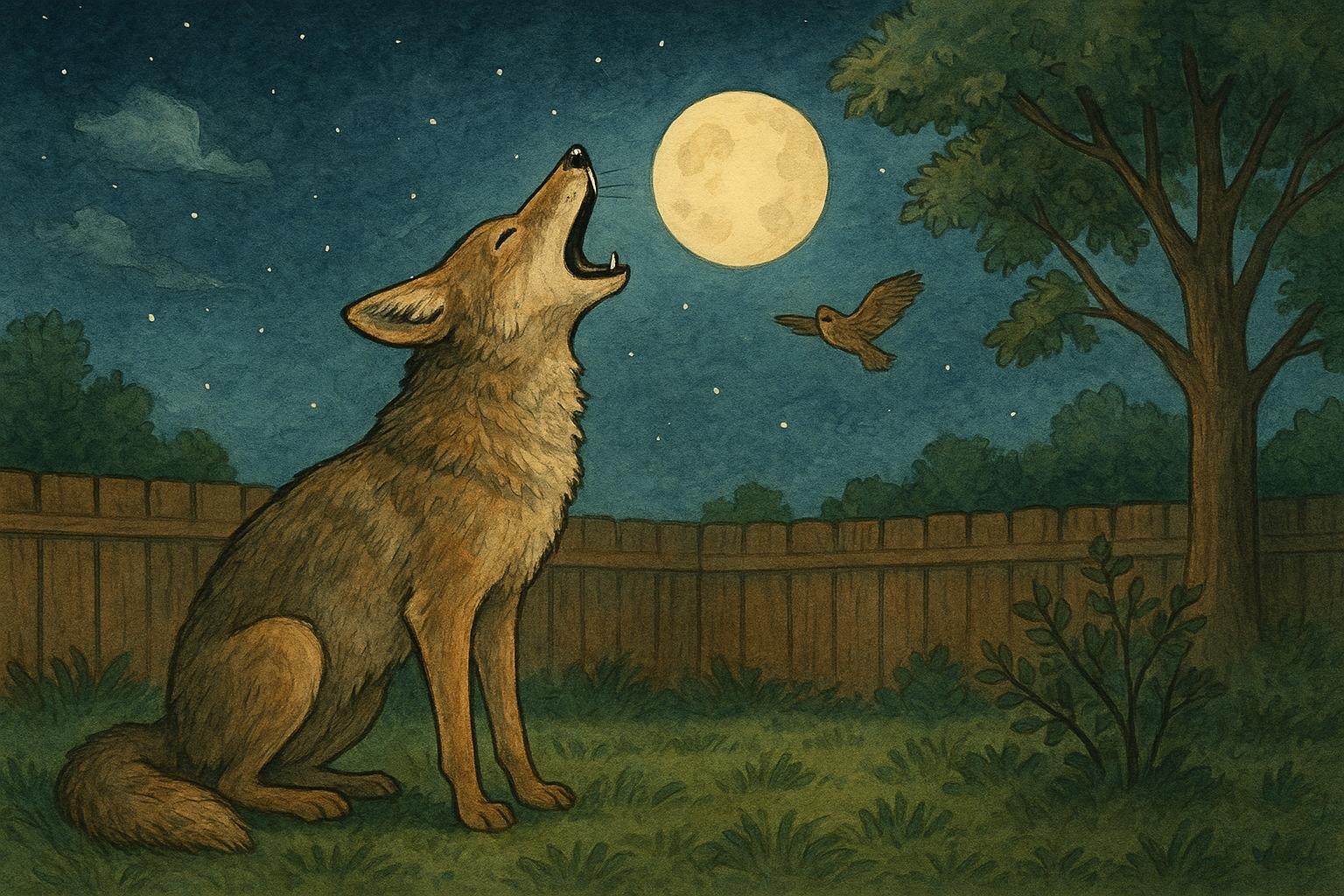
Coyote Howls Night Calls Identification Guide For Backyards
## Coyote Howls: How To Identify Night Calls In Your Backyard
There’s something serenely wild about the night when a coyote sings from the trees — until you’re standing at the back door wondering whether it’s a lone romantic or a whole neighborhood chorus. Coyote howls are among the most recognizable pieces of suburban wildlife soundscape, but they’re also surprisingly varied. With a little practice you can tell a playful yip from an alarm bark and know when to keep the cat indoors.
Coyote vocalizations range from long, mournful howls to high-pitched yips and sharp barks. Learning the difference helps you read coyote behavior: whether they’re gathering a pack, signaling territory, or just answering a siren down the street. If you enjoy wildlife listening or want to keep your family and pets safe, this guide will walk you through recognition, recording, and practical remedies.
### Common Types Of Coyote Vocalizations
#### Howls
Howls are the long, sustained calls that carry the farthest. They’re often used to announce location to pack members and can be heard alone or answered by others. A single long howl may sound mournful, but it’s usually just a “hey, where are you?” cross-country call.
#### Yips And Barks
Shorter, higher-pitched yips and barks are common during social interactions, like when young coyotes play or when adults communicate excitement. A rapid series of yips usually signals close-range communication: fun, tension, or a quick update.
#### Howler Chains And Chorus Howls
Sometimes you’ll hear a sequence: one individual starts with a howl, others answer, and the result is a layered chorus. These chorus events can sound eerie at first but are normal social behavior. Note the difference between a chorus and a single extended howl — choruses tend to break into multiple pitches and overlapping notes.
### How To Tell A Coyote From Other Nocturnal Calls
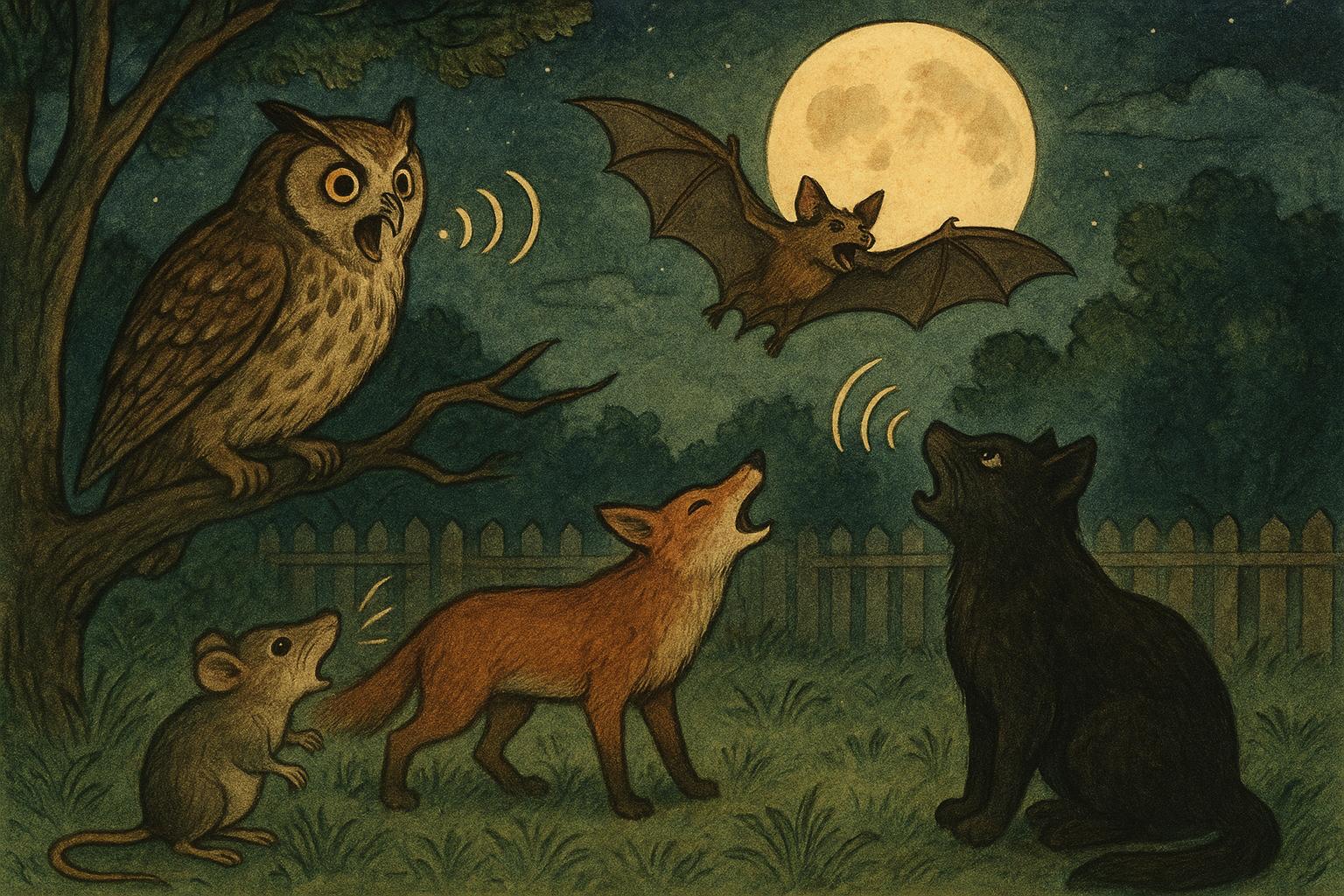
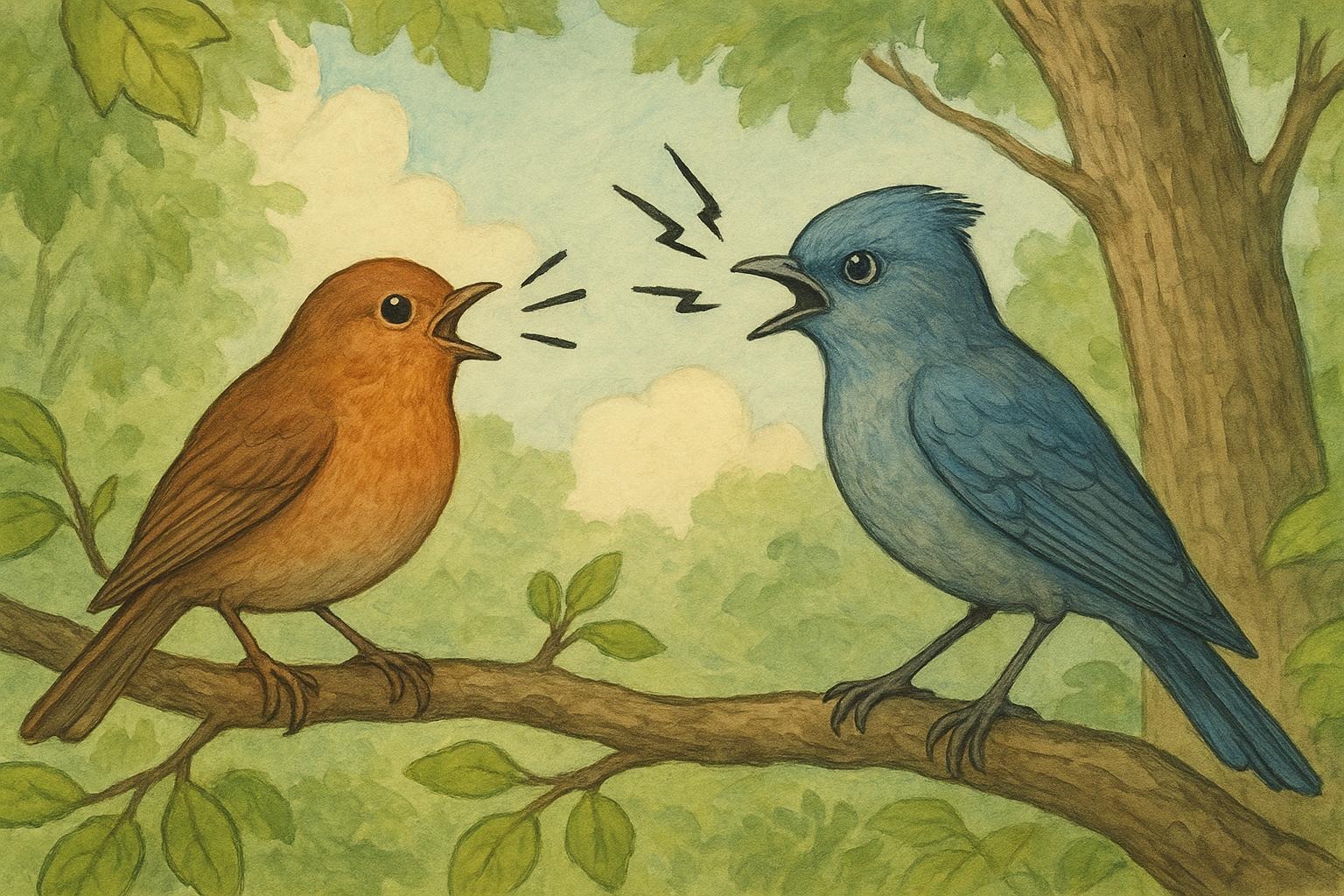
Dogs, foxes, and owls sometimes get credit for coyote howls. The easiest distinguishing factors are pitch, repetition, and context. Dog howls are often deeper and start-and-stop in patterns of distress or attention; foxes have sharper, more nasal screams; owls are tonal and hooting, not howling. Coyotes’ calls vary in pitch but tend to be more communicative — they respond to each other, often in sequences.
### When You’re Hearing Howls: What It Usually Means
Coyote vocal behavior is context-driven. Night calling can mean:
– Pack coordination: Family members signal location and movement.
– Territorial announcement: Coyotes tell others to keep away.
– Response to triggers: Sirens, dogs barking, and even human voices can provoke answering calls.
– Social play or tension: Young coyotes often yip and bark during play or minor disputes.
If you hear persistent, close-range howls accompanied by aggressive behavior (circling, lunging toward pets or people), treat it seriously and follow local wildlife guidance.
## Listening Tips And Recording For Identification
If you want to become an amateur coyote sound sleuth, recording and comparing is the fastest way to learn.
### What To Listen For
– Duration: Long sustained notes suggest a howl; very short notes are yips or barks.
– Pitch Changes: A howl that slides up or down is typical of coyotes.
– Replies: If calls are answered from different directions, it’s likely coyotes communicating.
### How To Record Safely
Use your smartphone or a field recorder. Record at a distance — do not approach the animals — and make notes about time, weather, and any nearby triggers (dogs, sirens, predators). Label recordings by date and location for pattern tracking.
### Basic Sound Analysis
Play back recordings through headphones. You’ll notice frequency ranges: howls often occupy mid-to-high frequency bands and can be filtered from city noise if recorded close to the source. If you want a deeper dive, free audio software can visualize calls as spectrograms to compare patterns.
## Remedy 1: Nonlethal Deterrents To Reduce Nighttime Coyote Activity
When coyotes begin to frequent your yard and you want to discourage repeated visits without harming wildlife, use humane deterrents. The approach below is practical, documented, and compliant with general wildlife safety recommendations. Follow local regulations and consult animal control when needed.
#### Materials Required
– Motion-activated lights (outdoor-rated)
– Motion-activated sprinkler (outdoor-rated)
– Ultrasonic deterrent device rated for outdoor use (optional)
– Bright reflective tape or predator-mimic decoys (owl/fox decoy)
– Adhesive and zip ties for secure mounting
– Personal protective equipment (gloves, ladder safety)
#### Step-By-Step Creation And Application
1. Site Assessment: Survey your yard at dusk and dawn to identify likely entry points, water sources, and attractants (pet doors, open compost).
2. Install Motion Lights: Mount motion-activated lights at strategic corners and near gates, set to cover dark corridors. Angle lights to illuminate likely approach paths.
3. Deploy Motion Sprinklers: Place sprinklers where coyotes are observed most frequently. Test trigger sensitivity to avoid nuisance activations by small wildlife.
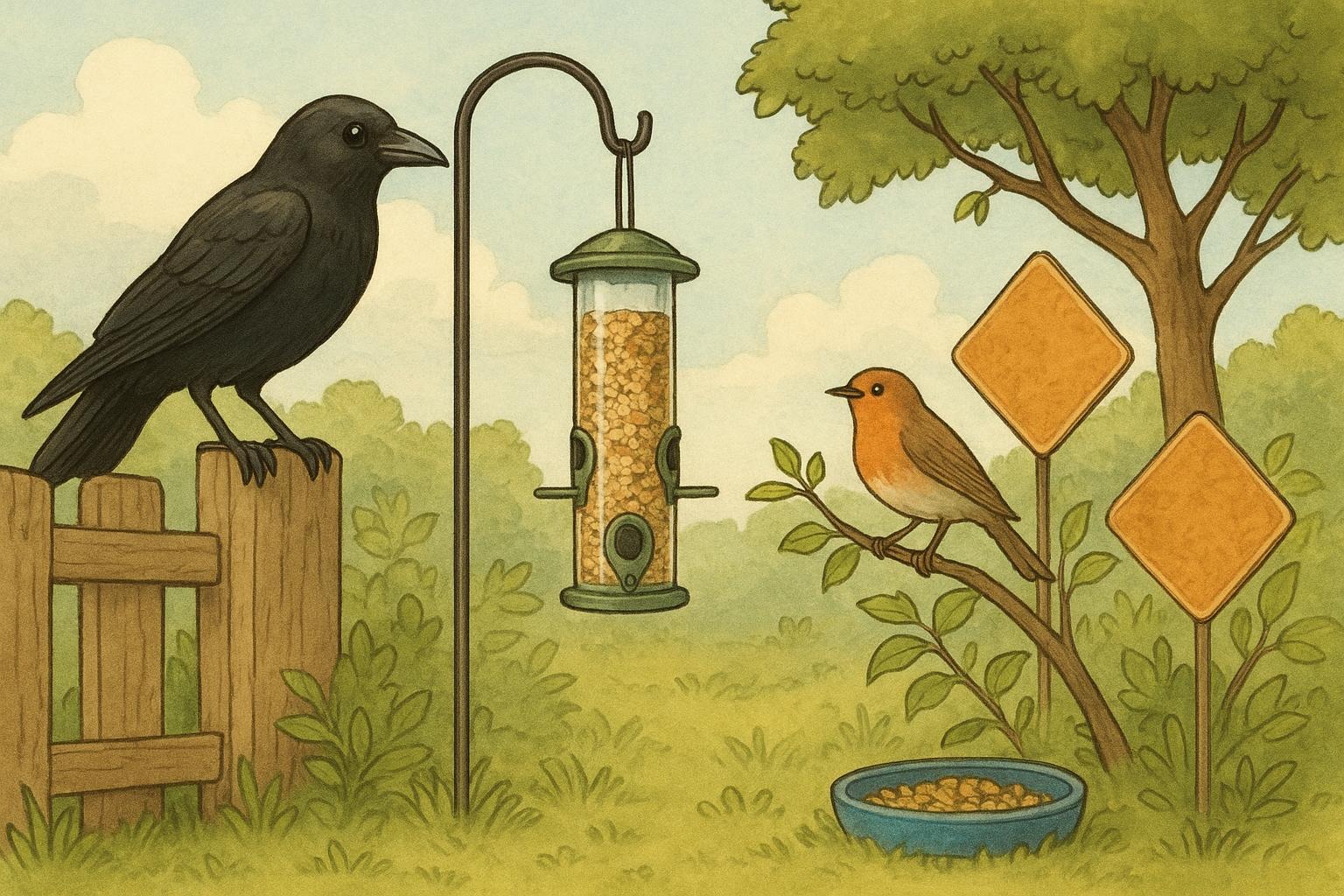
4. Add Visual Deterrents: Attach reflective tape along fences, and place predator decoys in rotation. Move decoys every few days to prevent habituation.
5. Optional Ultrasonic Devices: If local conditions warrant, position ultrasonic units according to manufacturer instructions. Note these vary in effectiveness and should not replace other measures.
6. Monitor And Adjust: Keep a nighttime log for two weeks. If activity persists, change placement and timing of devices to break habituation.
Be consistent. Coyotes are adaptable; rotating deterrents and removing attractants reduces the chance they’ll return.
## Remedy 2: Habitat Modification And Pet Safety Procedures
Managing the landscape and human behaviors around your property often yields the most durable results. This remedy focuses on altering the environment and practices that attract coyotes and make backyards inviting.
#### Materials Required
– Secure pet carriers or outdoor kennels
– Commercially designed wildlife-proof trash cans (or locking lids)
– Compost bin with secure lid
– Tools for fence reinforcement (post driver, hardware cloth, screws)
– Outdoor lighting for paths and entries
– Educational materials or local wildlife agency contact info
#### Step-By-Step Creation And Application
1. Remove Food Attractants: Store pet food indoors. Use wildlife-proof trash cans and secure compost bins. Clean up dropped fruit and birdseed regularly.
2. Fence Reinforcement: Install an apron of hardware cloth buried 6-12 inches along the base of existing fencing to prevent digging. Ensure gates have small gaps sealed.
3. Pet Safety Practices: Bring cats indoors at night. Walk dogs on a short leash after dusk. Use a well-lit path to and from the yard to reduce surprises for both you and wildlife.
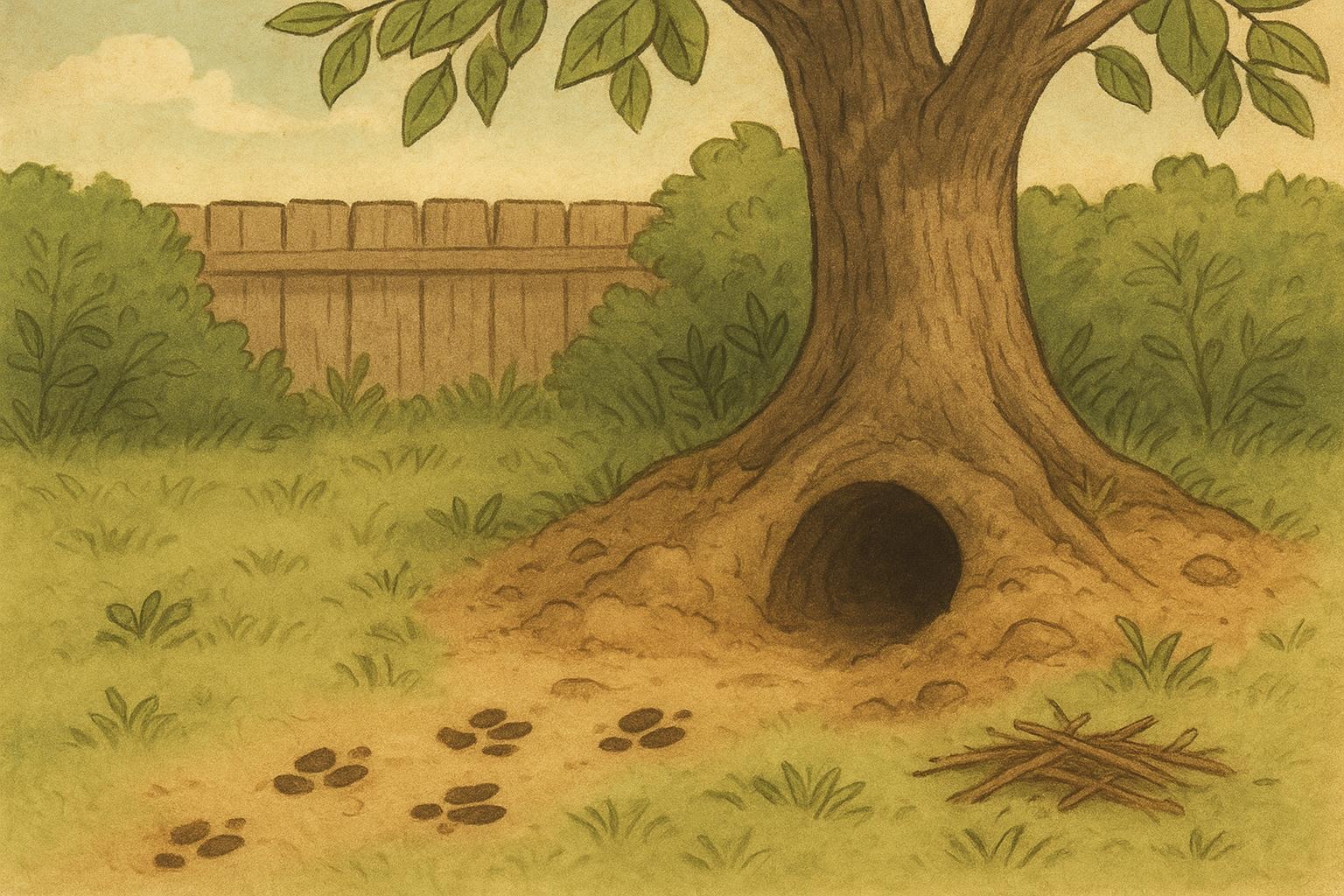
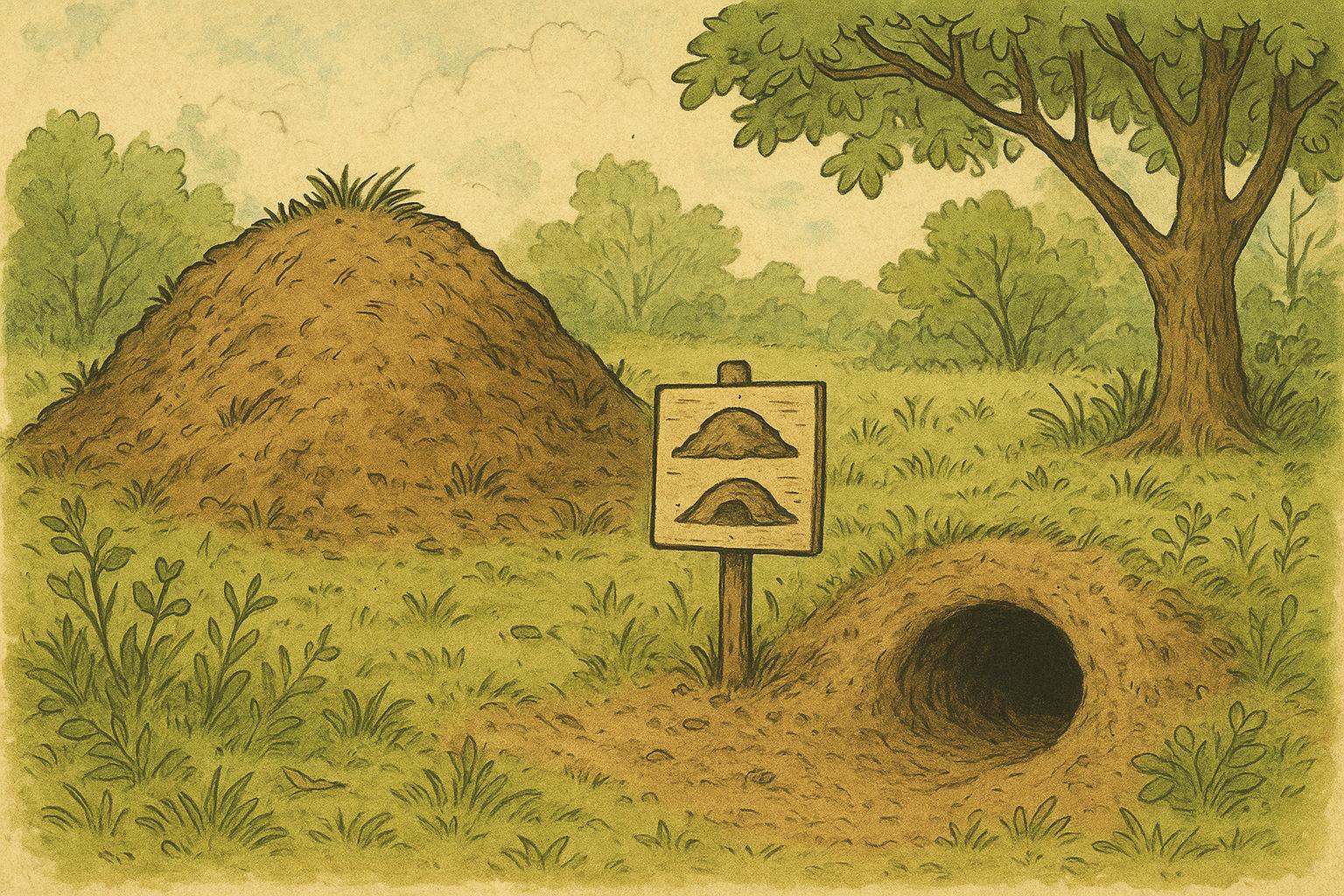
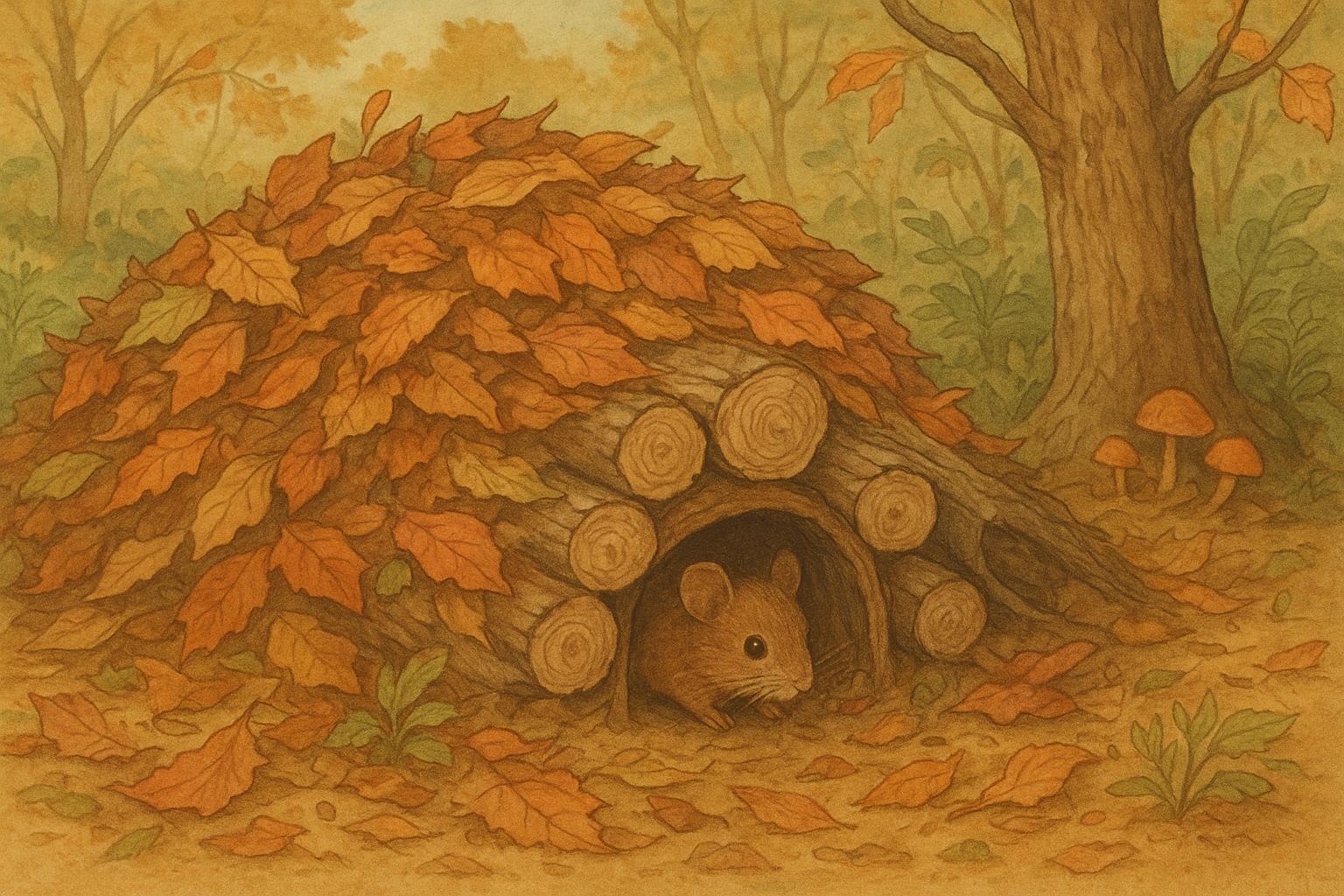
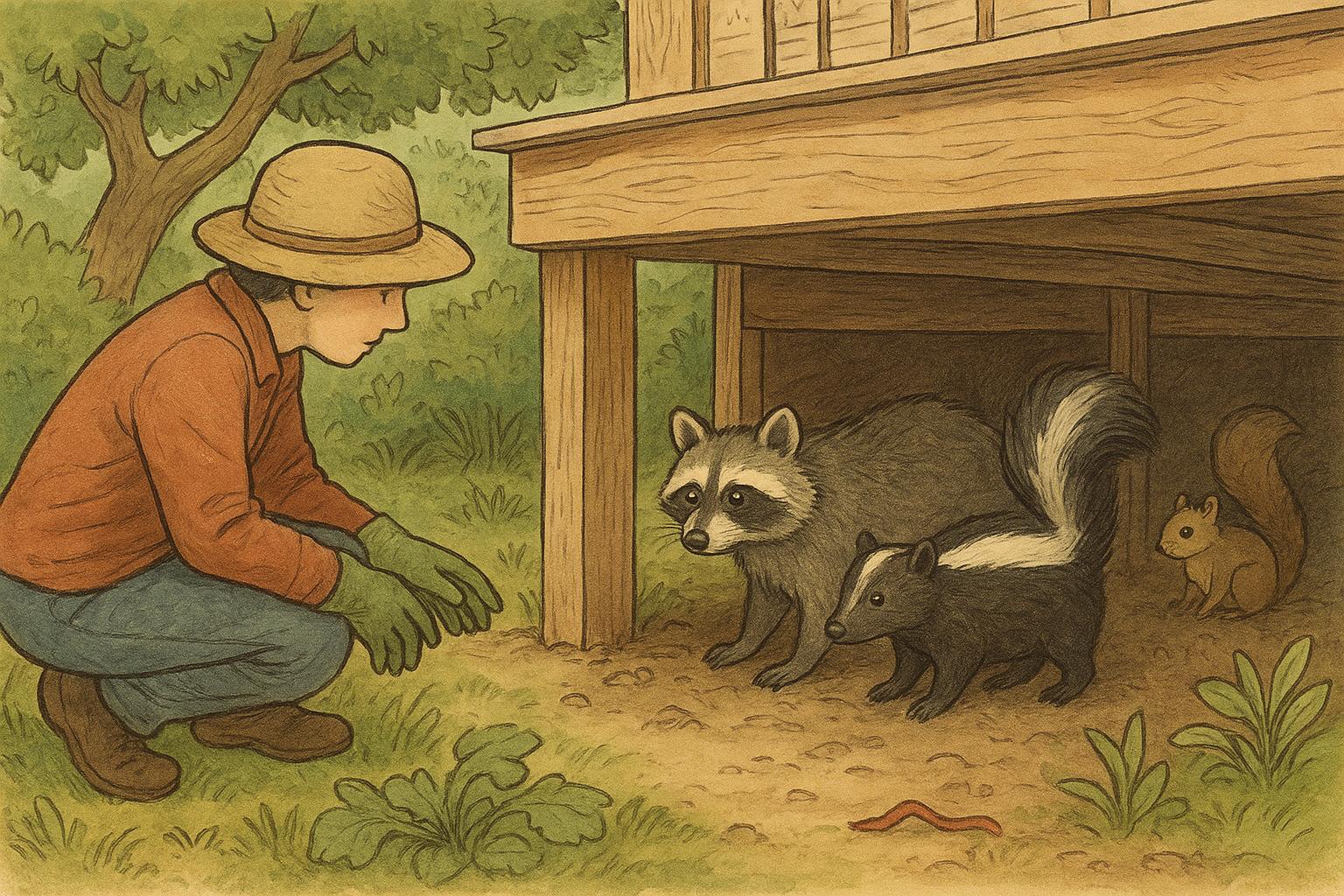
4. Den Site Elimination: Seal under-deck, under-shed, or dense brush where coyotes might den or hide. Maintain trimmed hedges and mow infrequently used corners.
5. Neighborhood Coordination: Share best practices with neighbors. Coyotes roam across properties; a coordinated effort is more effective than a single yard’s measures.
6. Follow-Up: Inspect garbage bins, pet habits, and fencing monthly during coyote breeding seasons (often late winter to early spring) to ensure continued effectiveness.
These formal mitigation steps reduce attractants and vulnerable access points, decreasing both the frequency of visits associated with coyote howls and the risk of negative encounters.
### Safety And Legal Considerations
Coyote control is regulated in many jurisdictions. Lethal measures are often restricted and can be ineffective long-term. First contact for aggressive or sick animals should be your local animal control or wildlife agency. If a coyote display escalates to biting or serious injury, document the event, keep pets’ medical records, and report it promptly. For non-aggressive but persistent activity, use the humane, nonlethal methods outlined above and consult local experts if patterns persist.
### When To Call For Professional Help
If coyotes show habituated behavior (approaching people, taking pets while owners are present, or repeatedly entering homes), escalate to professionals: animal control, wildlife rehabilitators, or municipal services. These agencies can provide legally compliant interventions, public education, and, when necessary, targeted removal.
Keep your ears tuned and your sense of humor ready — those nightly choruses can be entertaining. But remember, informed action and good backyard practices will keep both your household and the coyotes safer in the long run.


































Leave a Reply