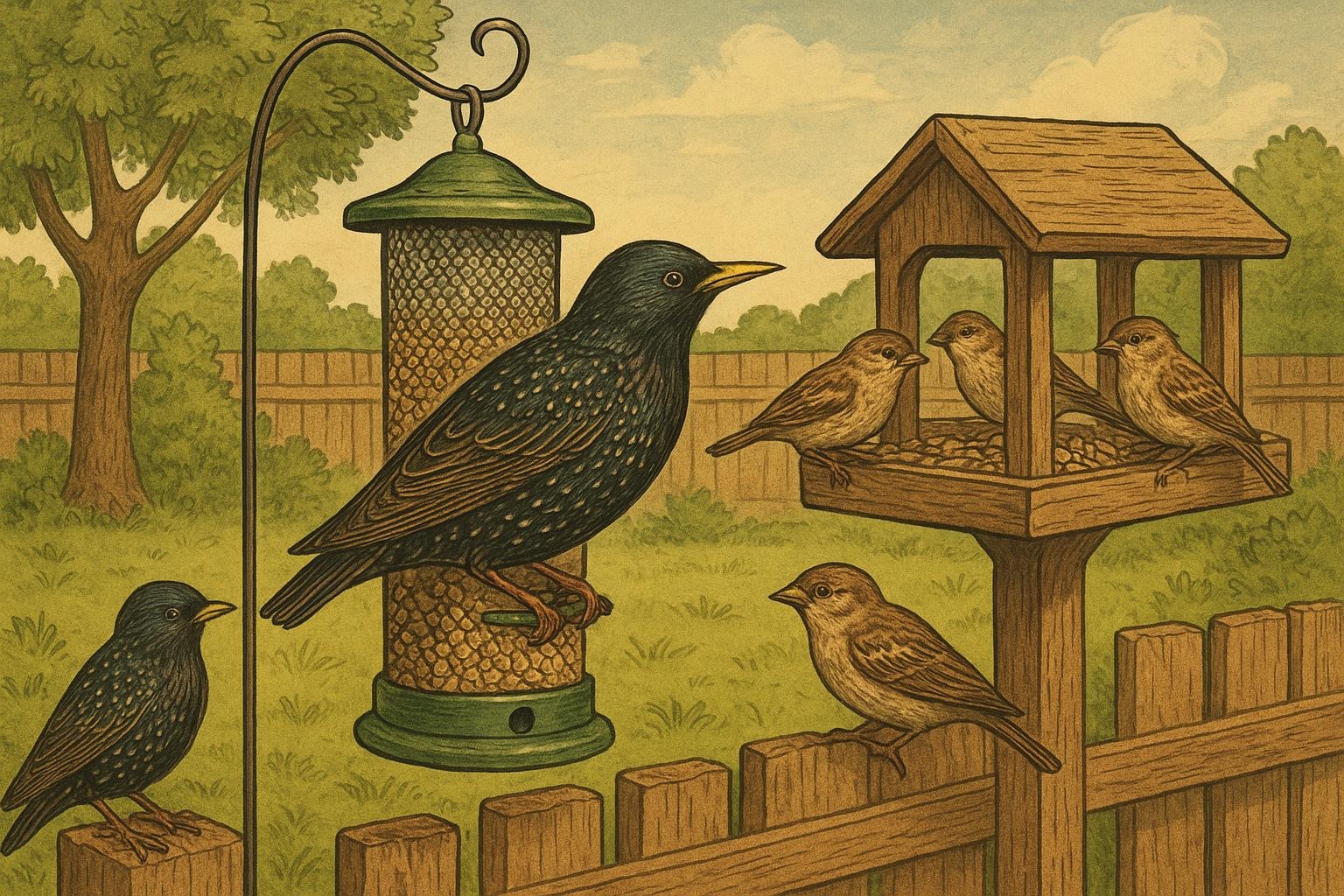
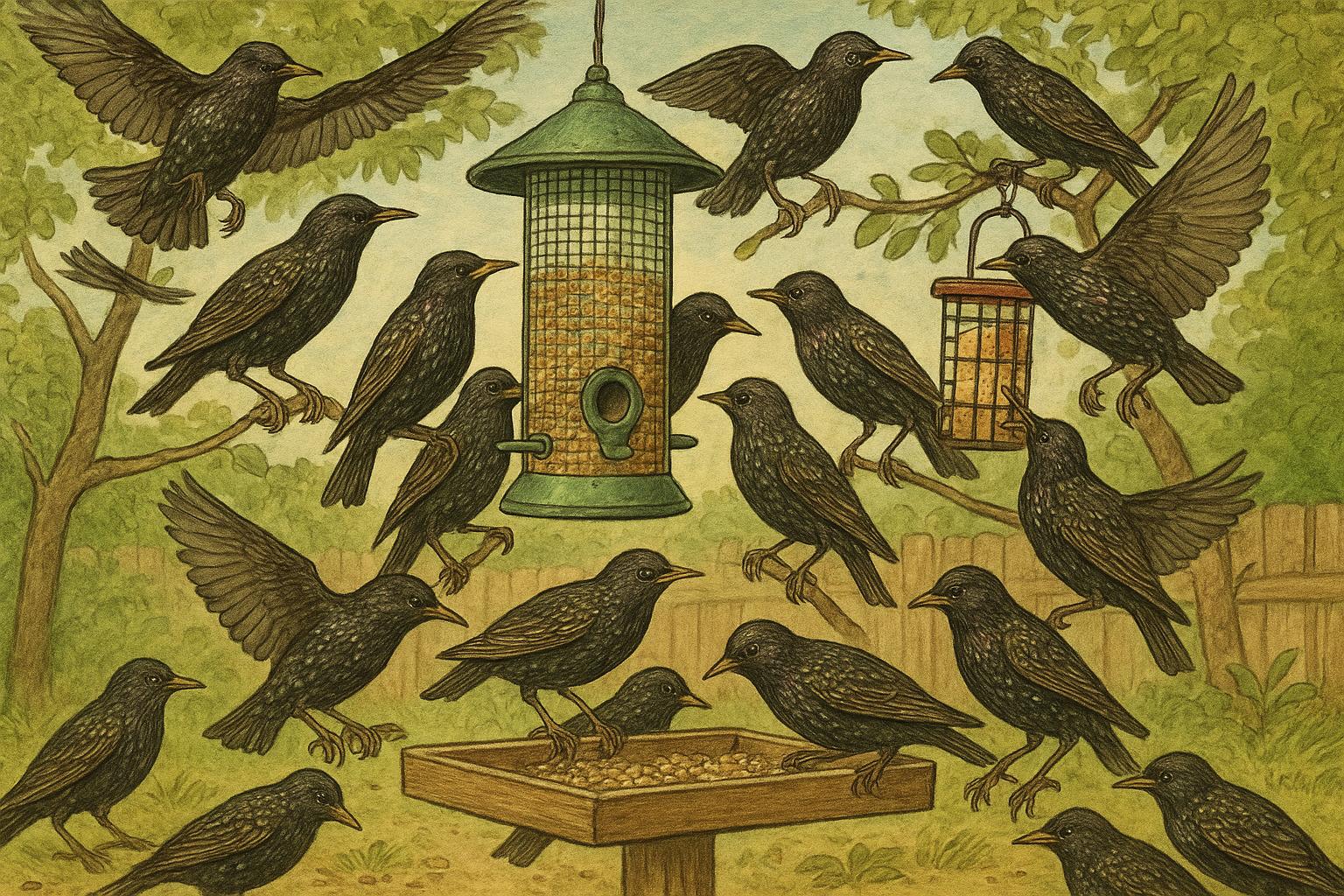
I love backyard birds — most of the time. But when a noisy, hungry flock of starlings turns your feeder into a bully buffet, it’s time to get strategic. This guide keeps things friendly but functional: a few clear, formal remedies for starling control, and some practical tips that won’t make you sound like you’ve declared war on wildlife.
## Starling Control For Backyards A Formal Feeder Guide
### Why Starlings Dominate Feeders
Starlings are gregarious, opportunistic birds. They flock in large numbers, learn quickly, and exploit predictable food sources. That combination makes them excellent at outcompeting native songbirds at feeders. If you want effective starling control, you must reduce the reward they get and make the feeder less hospitable to their size and behavior — not just shoo them away every morning.
### How Starlings Behave Around Feeders
Starlings prefer flat perches or trays and large openings where multiple birds can feed at once. They are also bold: once a feeding routine is established, they’ll return daily and recruit friends. Timing matters — starlings are most aggressive at dawn and dusk — and so does consistency in your response. Effective starling control addresses feeder design, food choice, and surrounding habitat.
## 1. Physical Feeder Modifications For Starling Control
### Materials Required
1. A weight-sensitive or caged feeder designed for small songbirds.
2. Mesh or wire (1/4 to 1/2 inch) for custom cages, if needed.
3. Small-port tube feeders or thistle/safflower feeders.
4. Zip ties and rust-resistant hardware.
5. Measuring tape and basic hand tools (wire cutters, pliers, screwdriver).
### Step-By-Step Creation And Application
1. Select Compatible Feeder Types:
– Choose tube feeders with small perches and feeding ports spaced narrowly, or hopper feeders with adjustable tray guards.
– Weight-sensitive feeders that close under heavier weights are commercially available and effective for excluding starlings.
2. Construct Or Retrofit A Cage:
– Measure the feeder’s dimensions and cut a wire mesh cage that surrounds the feeder with 3–4 inches clearance.
– Ensure the mesh openings are smaller than the starling’s body width to prevent them from squeezing through, but large enough to allow target species.
– Secure the mesh with zip ties and hardware so it cannot sag or shift.
3. Adjust Port Size And Perch Length:
– Replace long perches with short ones (or remove perches) so starlings cannot balance easily; smaller songbirds can cling to short perches.
– Tighten access holes to reduce the number of birds that can feed simultaneously.
4. Position The Feeder Strategically:
– Hang modified feeders in open areas with a clear flight path for the smaller birds, not near dense shrubs where starlings perch in groups.
– Elevate feeders to discourage ground-feeding starlings from targeting spilled seed.
5. Monitor And Tweak:
– Observe at different times of day and adjust the cage spacing or port size as needed.
– Maintenance: check fastenings weekly and clean feeders monthly to prevent disease and reduce leftover attractants.
Formal note: modifications must be secure and weather-resistant. Avoid sharp edges and ensure modifications do not trap or injure non-target species. Consistent application is key to long-term starling control success.
## 2. Food Choice And Habitat Adjustments For Starling Control
### Materials Required
1. Safflower seed, nyjer (thistle), or hulled sunflower (according to target species).
2. Seed-catching trays and baffles to reduce spills.
3. Motion-activated sprinkler or deterrent lights (optional).
4. Trash can with lid and bird-proof composting measures.
### Step-By-Step Creation And Application
1. Change The Currency:
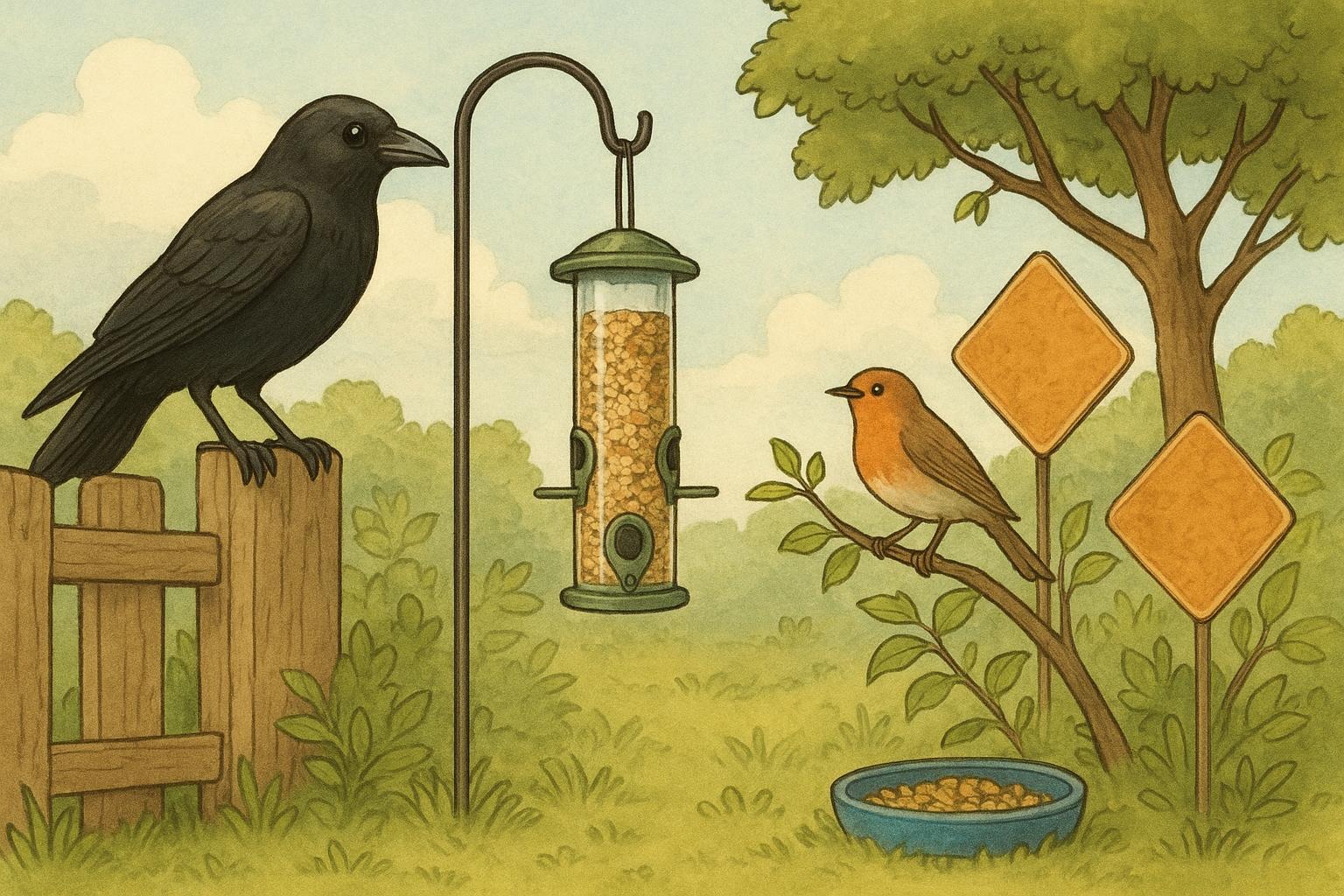
– Replace mixed seed with safflower seed or nyjer; many native songbirds accept these, while starlings often avoid them.
– Experiment gradually: transition one feeder at a time and monitor which birds continue to visit.
2. Reduce Spillage:
– Install seed-catching trays beneath feeders and baffles above feeding areas to minimize spilled seed on the ground, a major draw for starlings.
– Sweep or rake spilled seed daily; use a lid on compost and secure trash.
3. Remove Alternate Food Sources:
– Keep pet food indoors, secure garbage, and cover compost bins. Starlings are opportunistic foragers; eliminating easy alternatives reduces overall pressure.
4. Employ Sensible Deterrents:
– Consider motion-activated sprinklers in problem areas; sudden water bursts are humane and effective.
– Visual deterrents (shiny tape, predator decoys) have mixed results; rotate them to prevent habituation.
5. Timing And Persistence:
– Implement changes before winter influxes when starlings form larger flocks.
– Maintain consistent food types and cleanliness — intermittent offerings encourage repeated invasions.
Formally speaking, food avoidance strategies are effective because they address the incentive structure driving starling behavior. They are low-cost and safe for non-target birds when introduced carefully.
### Placement And Maintenance Strategies
#### Feeder Height And Location
Place feeders where canopy trees don’t provide immediate cover for roosting starlings. Starlings prefer nearby perches; increasing distance to cover forces them to be more exposed and less likely to dominate.
#### Cleaning And Sanitation
Regular cleaning reduces disease spread and removes the olfactory/visual cues that attract repeat visits. Wash feeders with a mild bleach solution (1:9 bleach to water), rinse thoroughly, and dry before refilling.
#### Seasonal Considerations
In late fall and winter, large flocks are common. Implement combined measures — physical modifications plus food changes — ahead of seasonality shifts for better starling control.
### When To Seek Professional Help
#### Signs A Professional May Be Needed
– Persistent, large flocks (>30 birds) that exploit multiple food sources despite modifications.
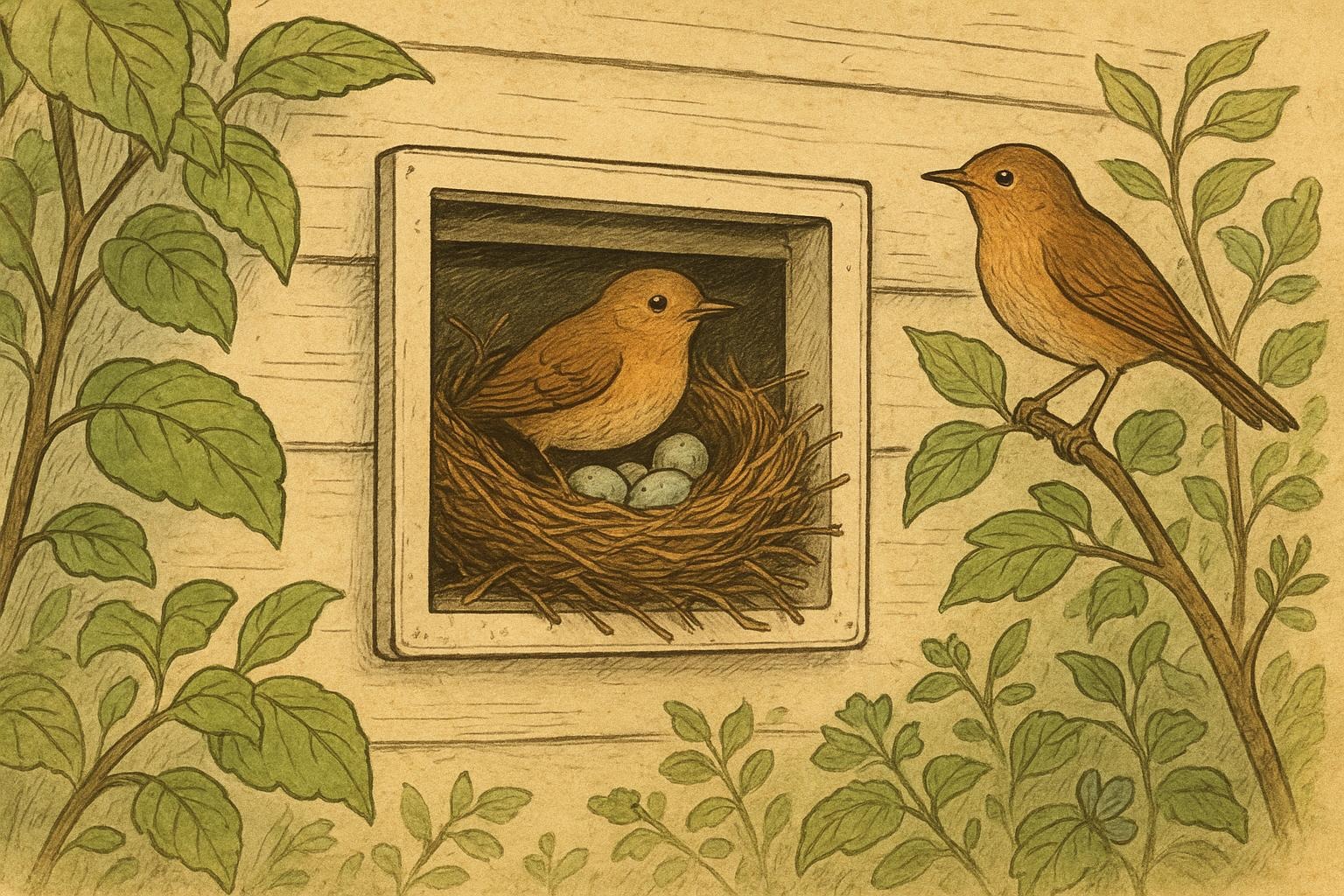
– Structural issues: starlings nesting in eaves, vents, or insulation.
– Safety concerns: aggressive birds causing hazard to pets, or structural damage.
Professionals can offer humane trapping/relocation advice where legal and provide long-term exclusion solutions for nesting in buildings. Always consult local wildlife regulations before pursuing removal; in some regions, European starlings are considered invasive and have different rules.
### Legal And Ethical Considerations
European starlings are non-native in many parts of North America and are not federally protected like some native species. However, humane and ethical practices should be followed. Avoid lethal measures unless permitted and as a last resort. Non-lethal, exclusionary methods prioritized in this guide align with common wildlife management standards and minimize unintended impacts on native birds.
### Monitoring Progress
Keep a simple log: date, feeder type, seed type, and observed species and numbers. Within two to four weeks of implementing consistent measures, you should see a decline in starling presence and an increase in target songbird visits. If progress stalls, reassess feeder design and spilled food sources.
A touch of reality: you may still see an occasional starling — these birds are persistent and clever. Effective starling control is about shifting the advantage back to the smaller, less aggressive species in your yard through thoughtful design and maintenance.































Leave a Reply