
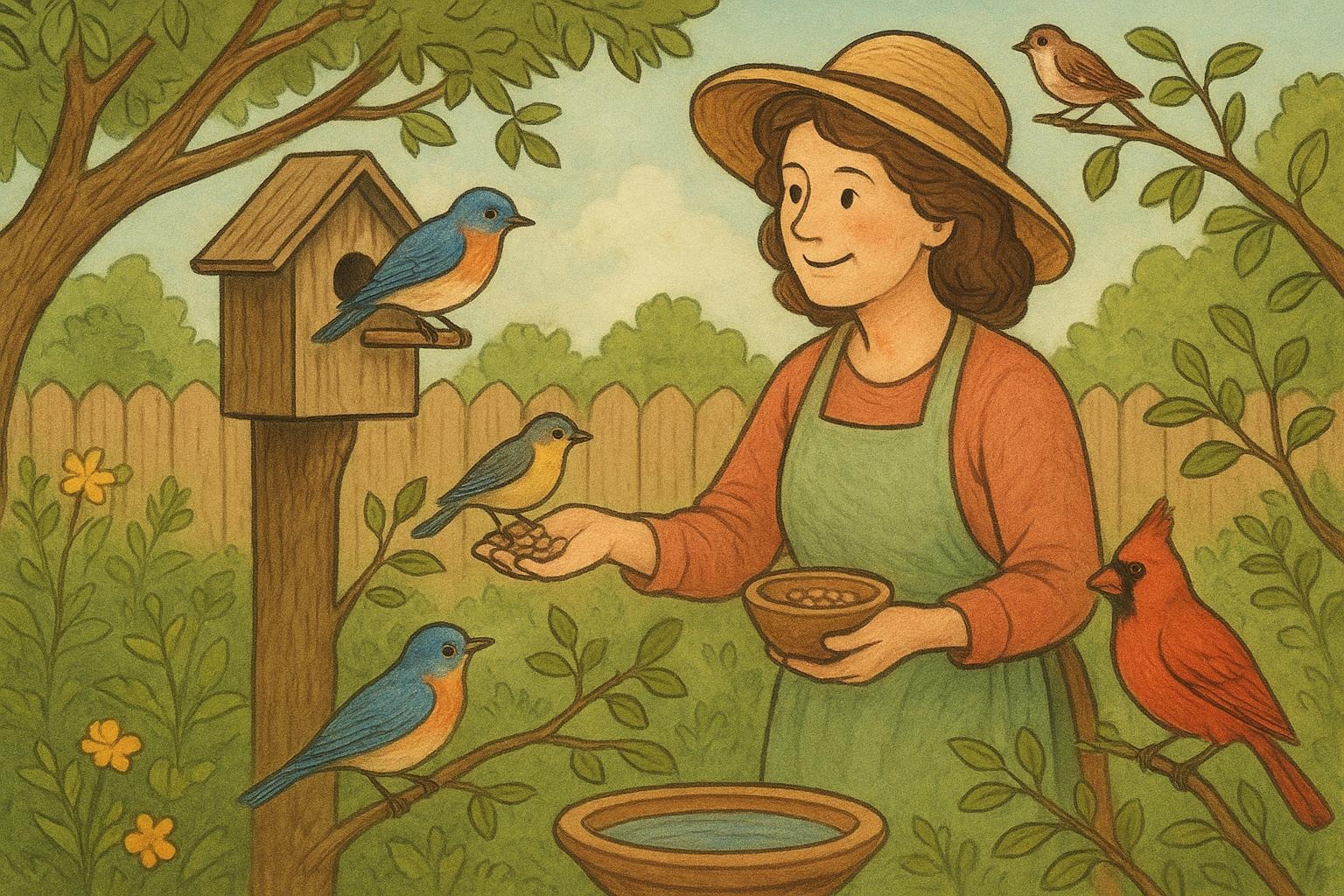
If your yard feels a little quiet, a few thoughtful changes can turn it into a neighborhood concert hall. With a little knowledge and a dash of patience, you’ll have more feathered visitors than you can count — and most of them will sing for free. Good songbird care starts with habitat, food, water, and safety; the rest is watching and enjoying.
## Songbird Care Basics You Can Start Today
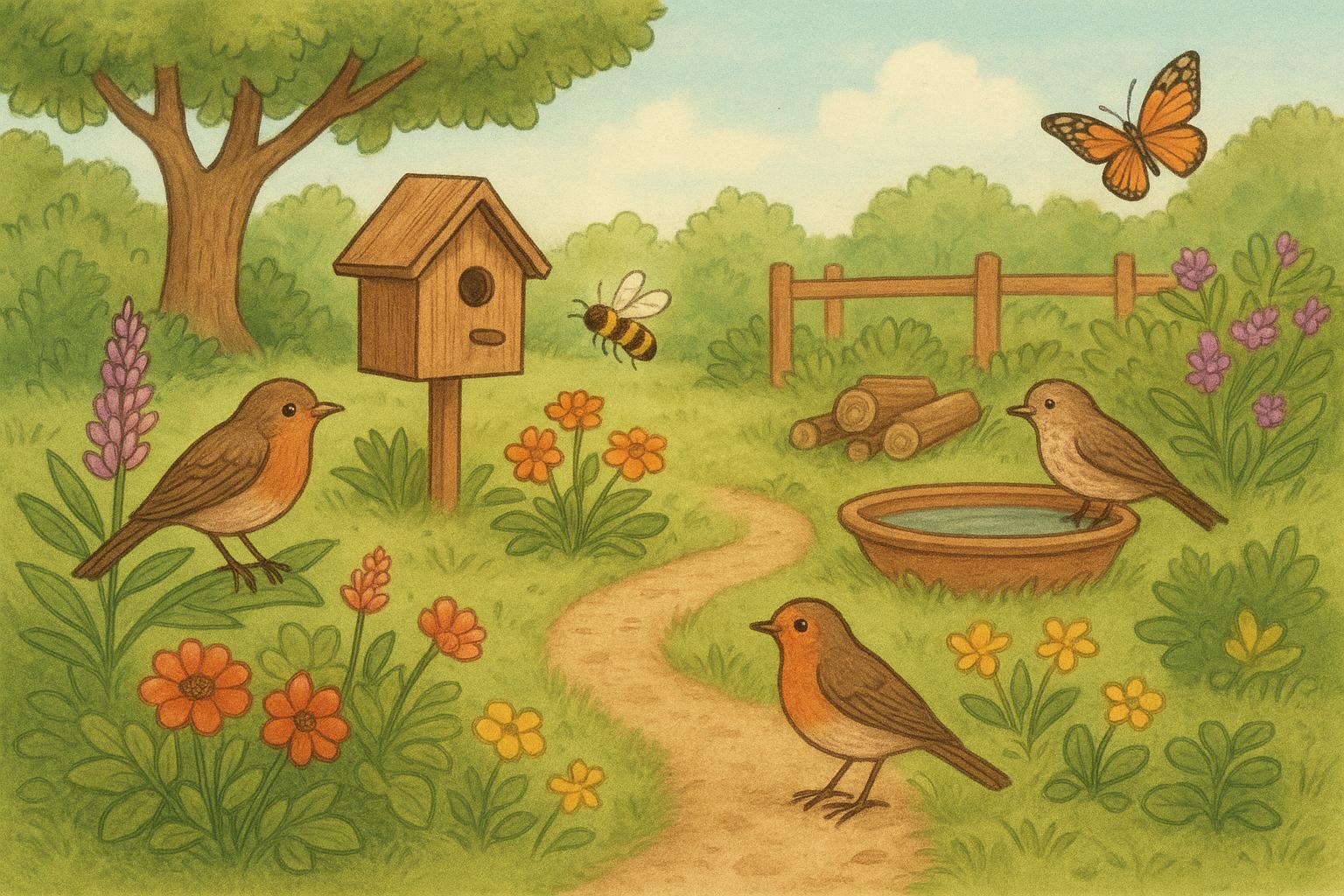
Creating a backyard that feels like a luxury condo for small birds isn’t complicated. Focus on four essentials: food, water, shelter, and safety. Think of yourself as a simple real-estate agent: offer food that lasts through the seasons, easy access to clean water, places to nest and hide, and a neighborhood that’s safe from threats.
### Feeders And Food: What Songbirds Prefer
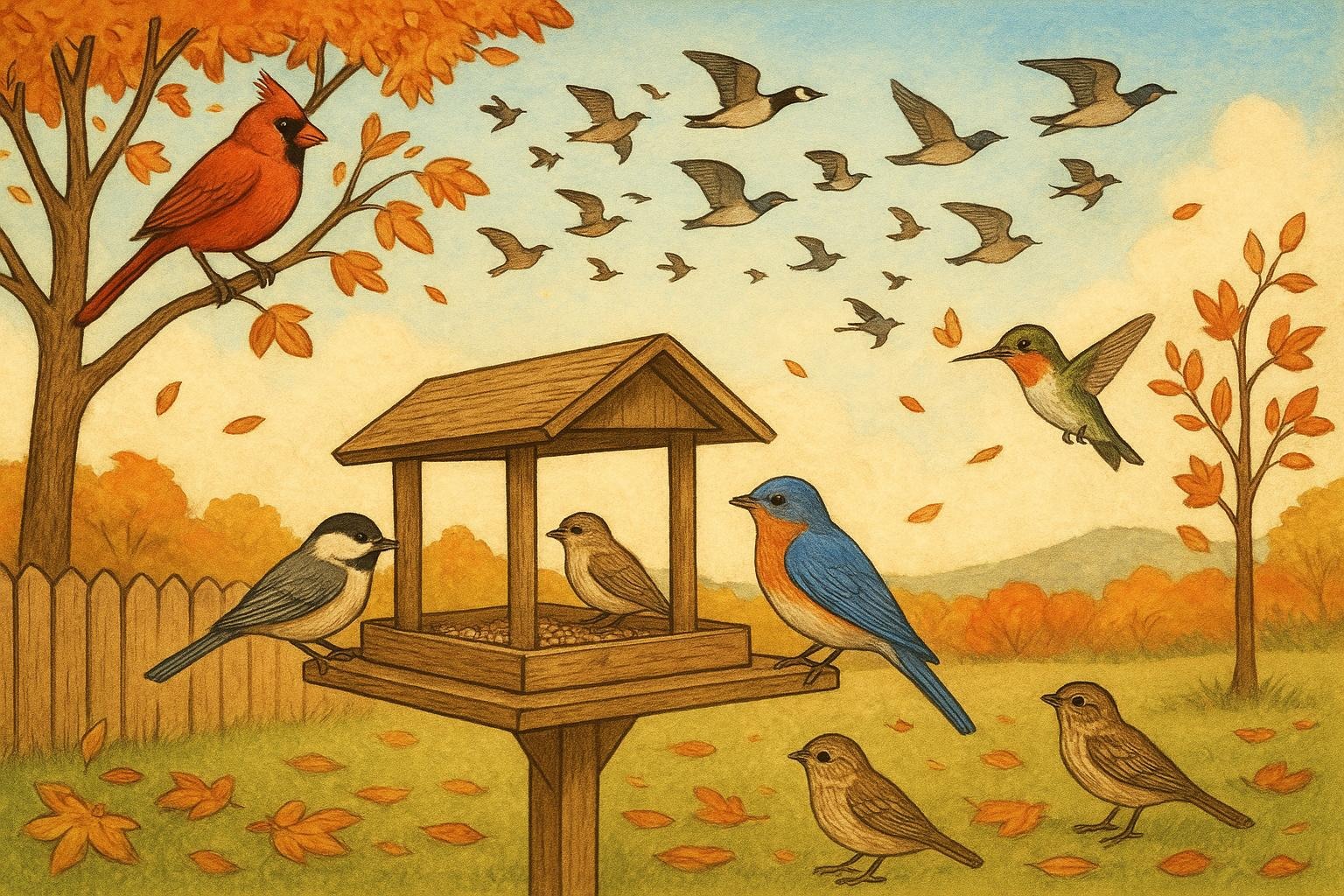
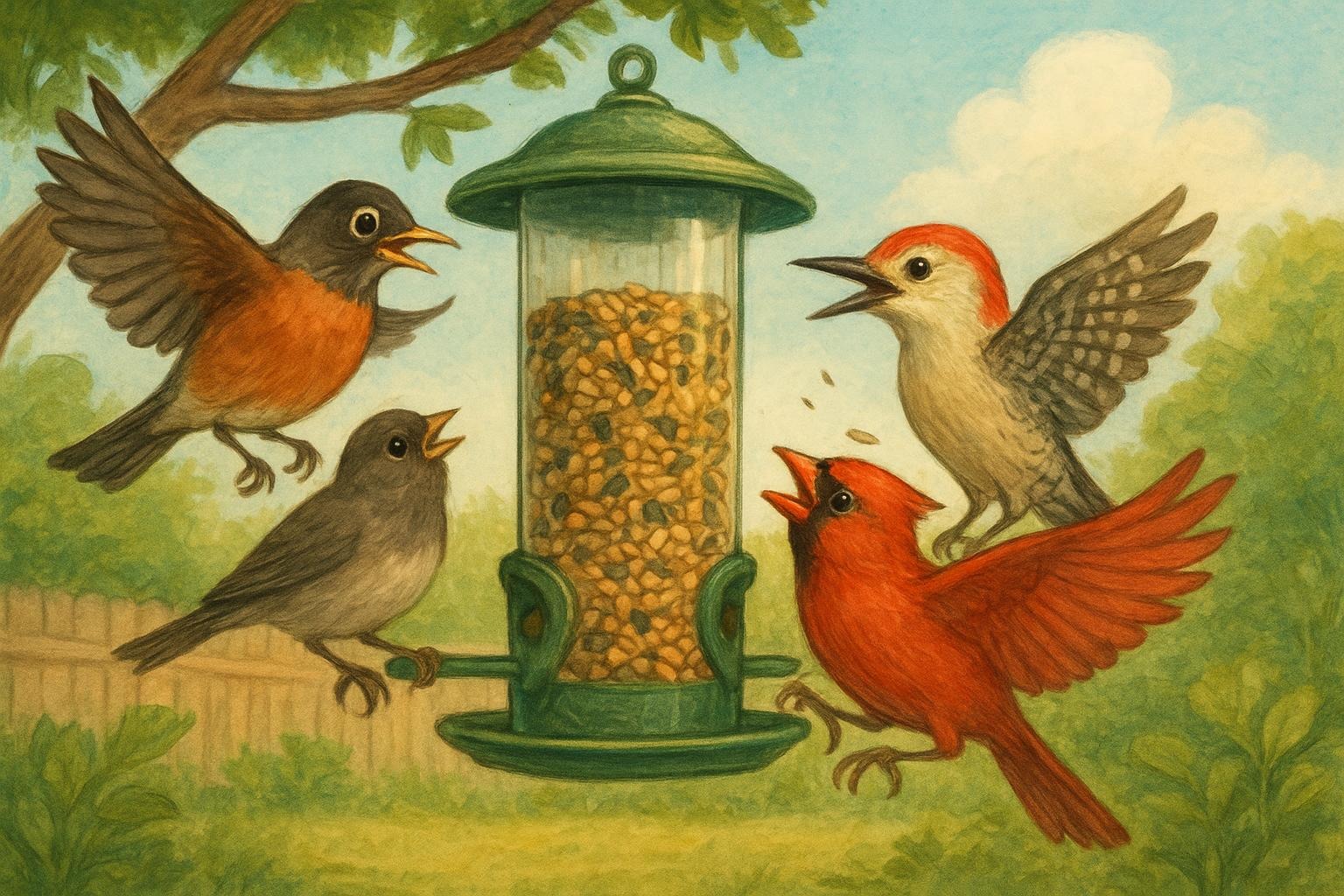
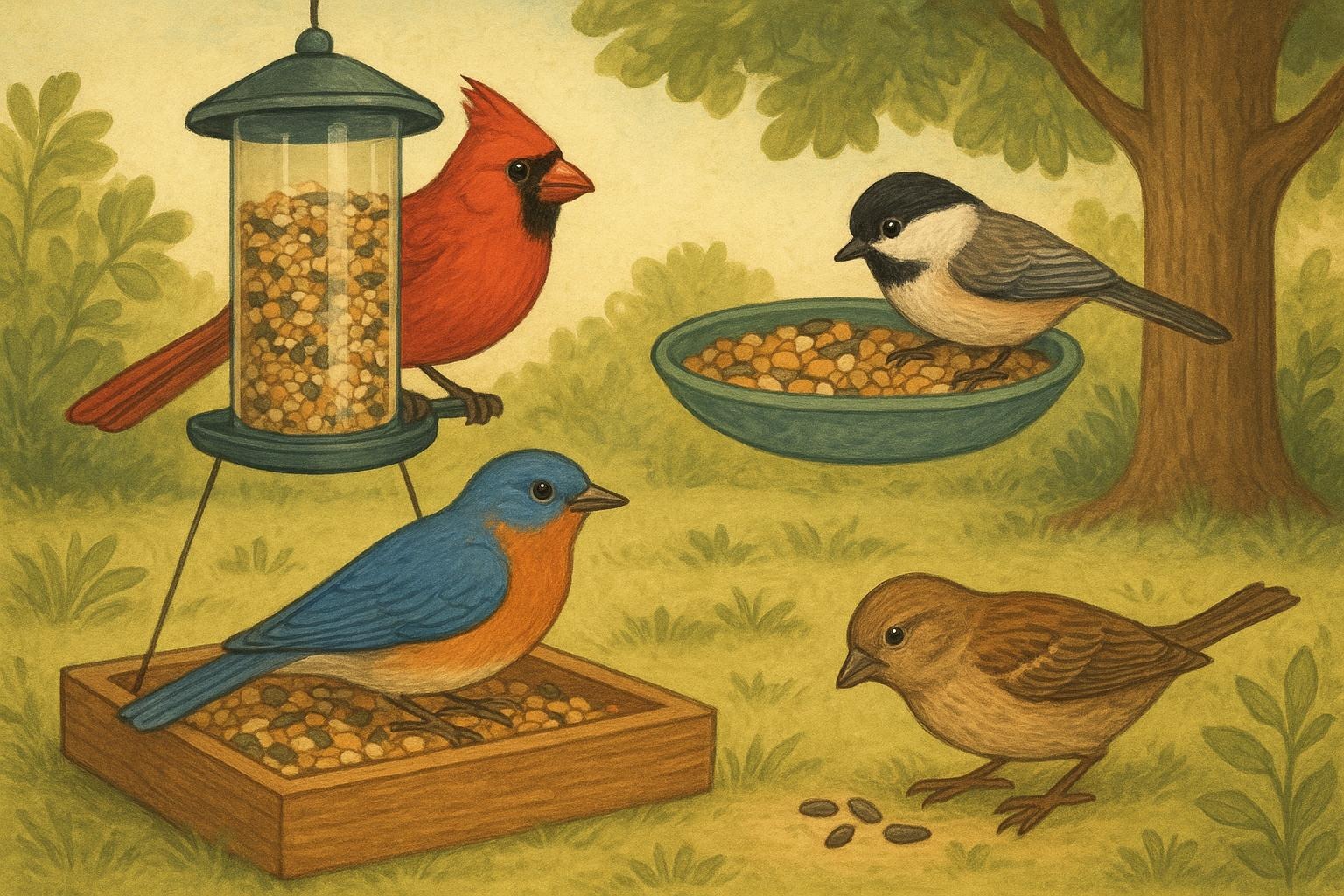
Different species have different tastes. Finches love nyjer and small seeds, cardinals prefer sunflower, chickadees go for peanuts and mixed seeds, and woodpeckers and nuthatches love suet. For general attraction, a platform feeder plus a tubular seed feeder covers a lot of ground.
Good songbird care also means rotating offerings with the seasons. In spring and summer provide high-protein options like suet, mealworms, and peanuts for breeding birds. In fall and winter, higher-fat options help birds maintain body heat. Keep feeders full in cold months; inconsistent supply can be stressful for local populations.
#### Best Seed Mix Components
– Black oil sunflower (great all-rounder)
– Nyjer (for finches)
– Peanuts (shelled or in mesh)
– White millet (ground-feeding birds)
Avoid mixes heavy on fillers like milo if you want variety and fewer seed-eating rodents.
### Water Features That Draw A Crowd
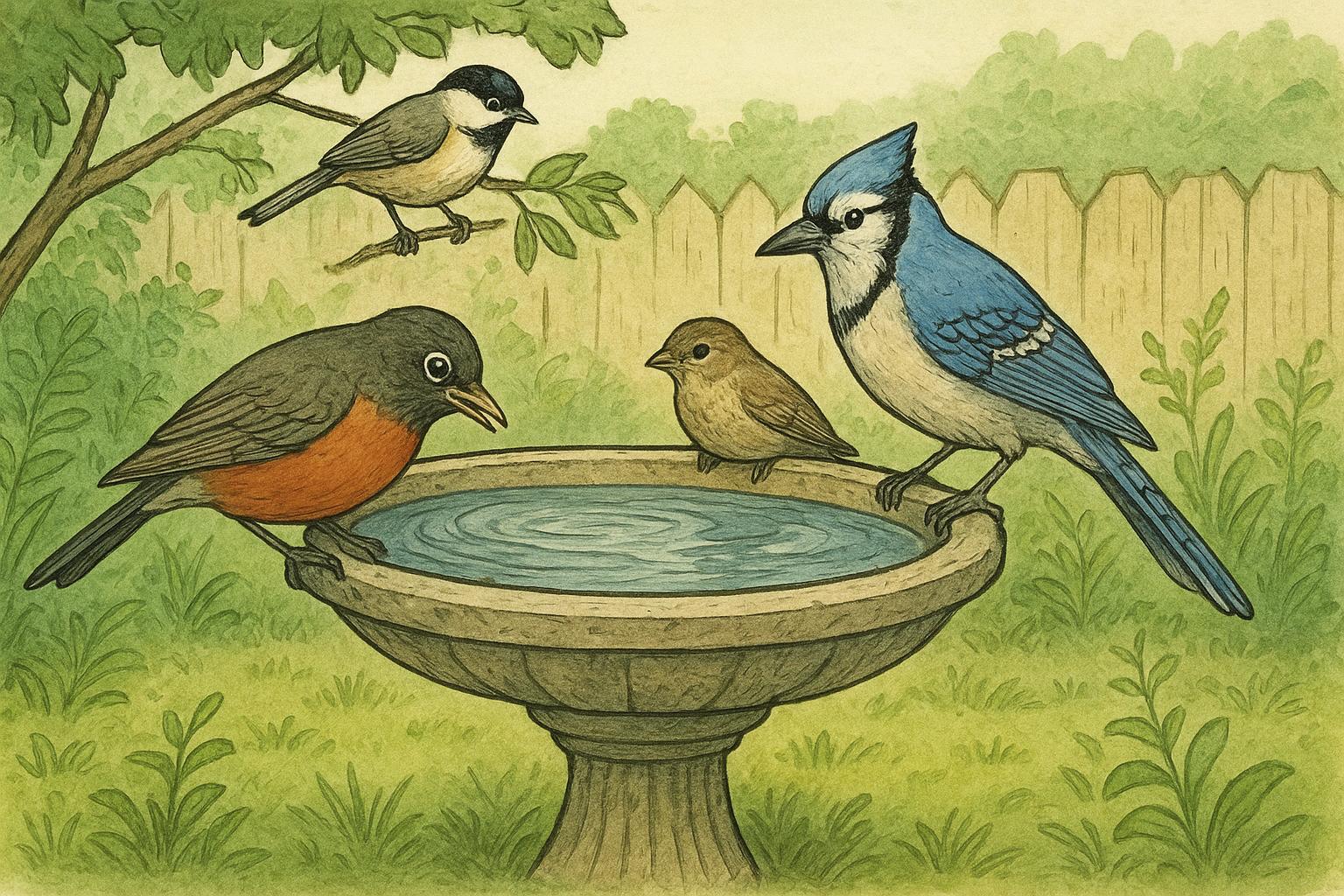
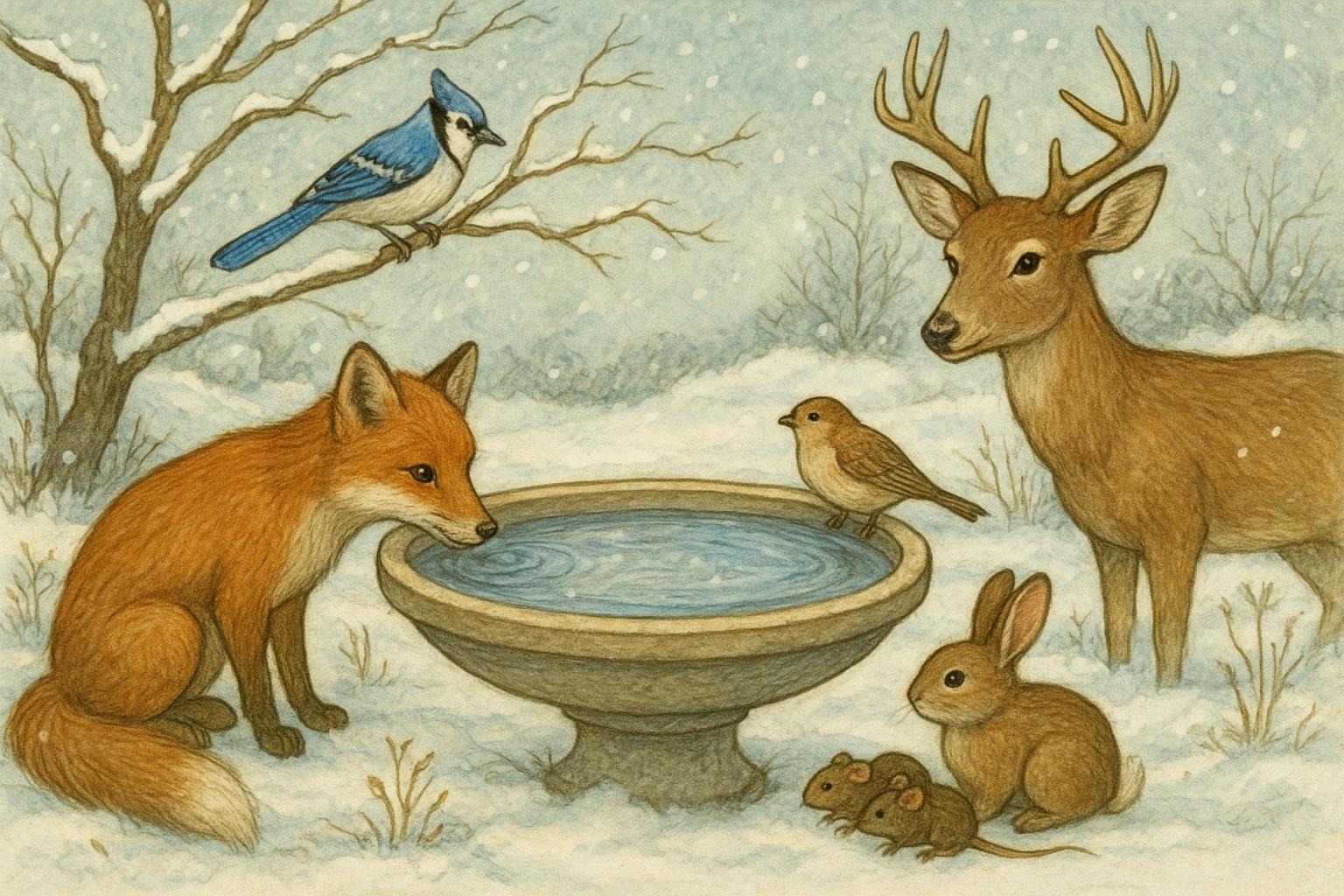
A water source is a magnet. Even shallow saucers or a small recirculating fountain will bring birds for drinking and bathing. Moving water is especially attractive because the sound carries. Place water near shrubs where birds can quickly escape if startled, and change it regularly to avoid mosquito larvae and algae buildup.
### Shelter, Nesting, And Native Plants
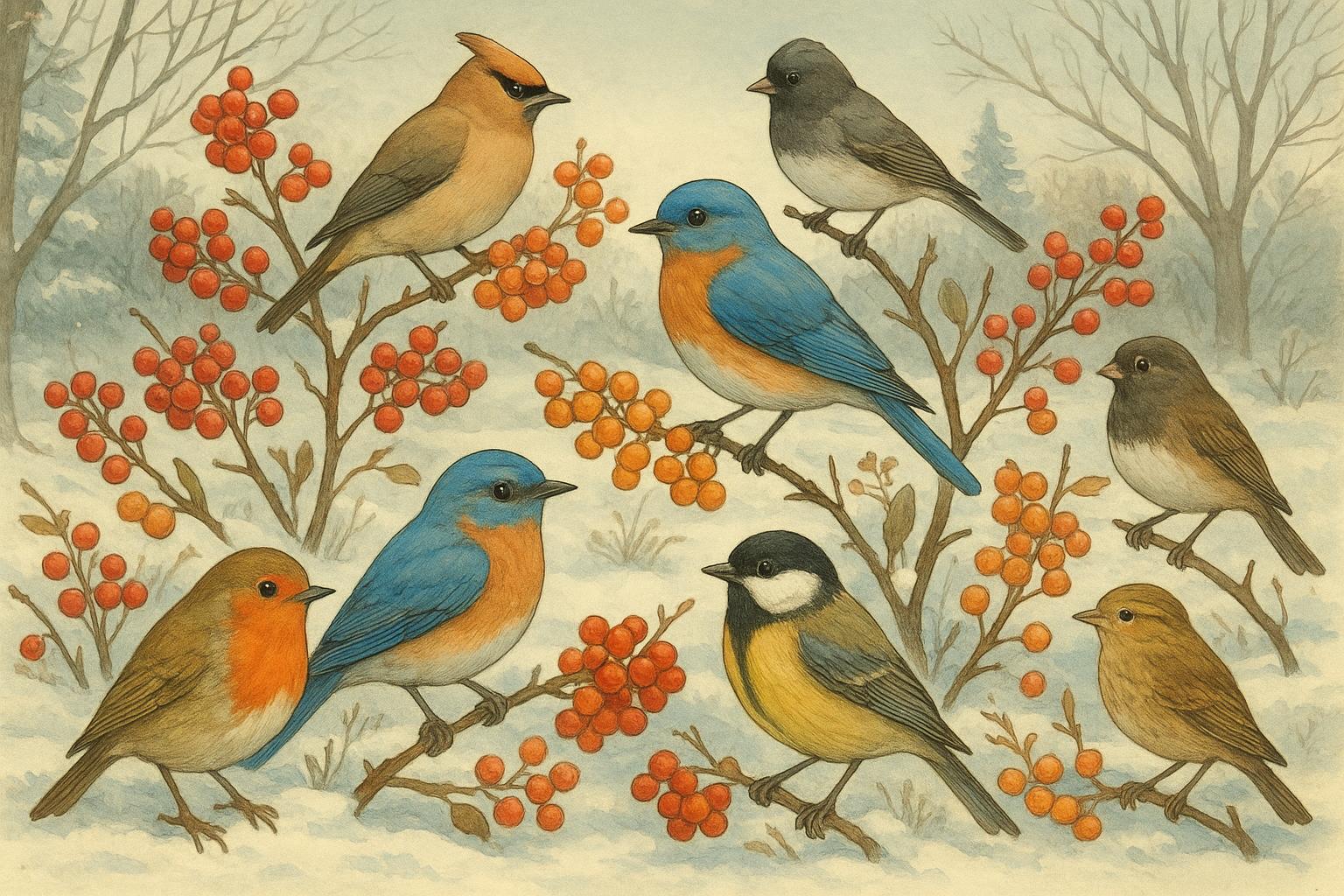
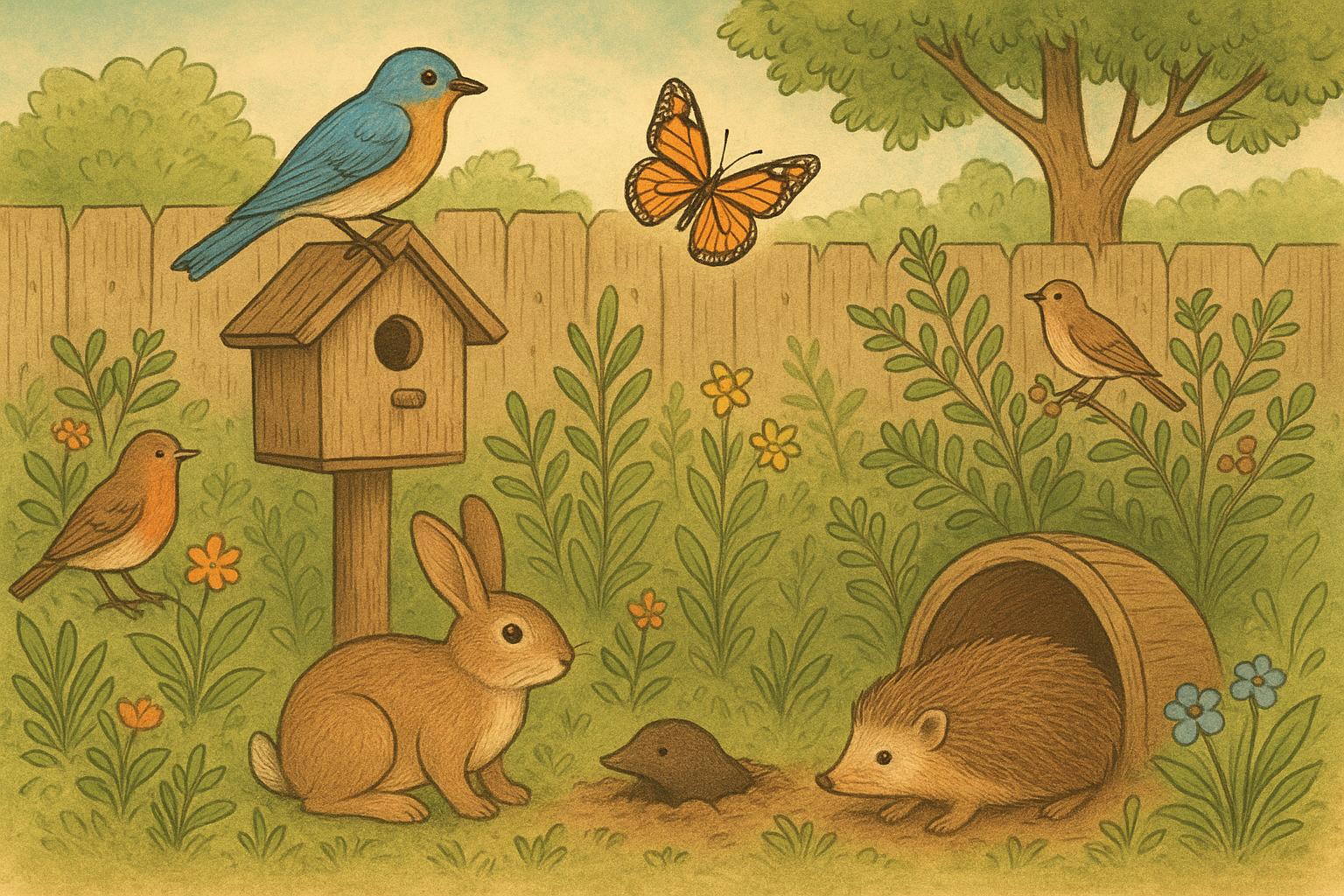
Native trees and shrubs provide natural cover, insect food, and nesting sites. Plant berry-bearing shrubs and a variety of native trees to support insects and fruit-bearing cycles. A mix of evergreen and deciduous shrubs offers winter shelter and summer nesting spots.
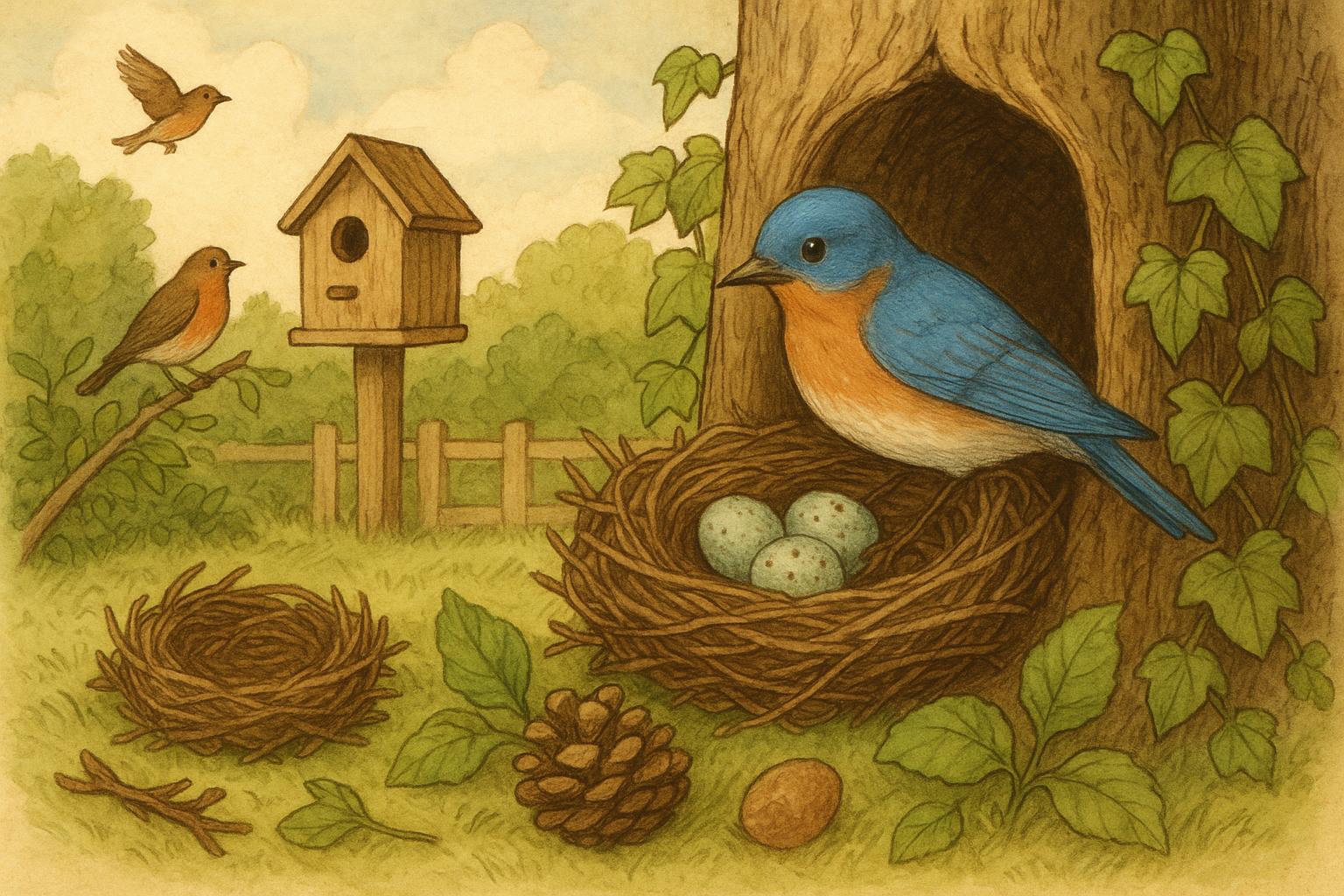
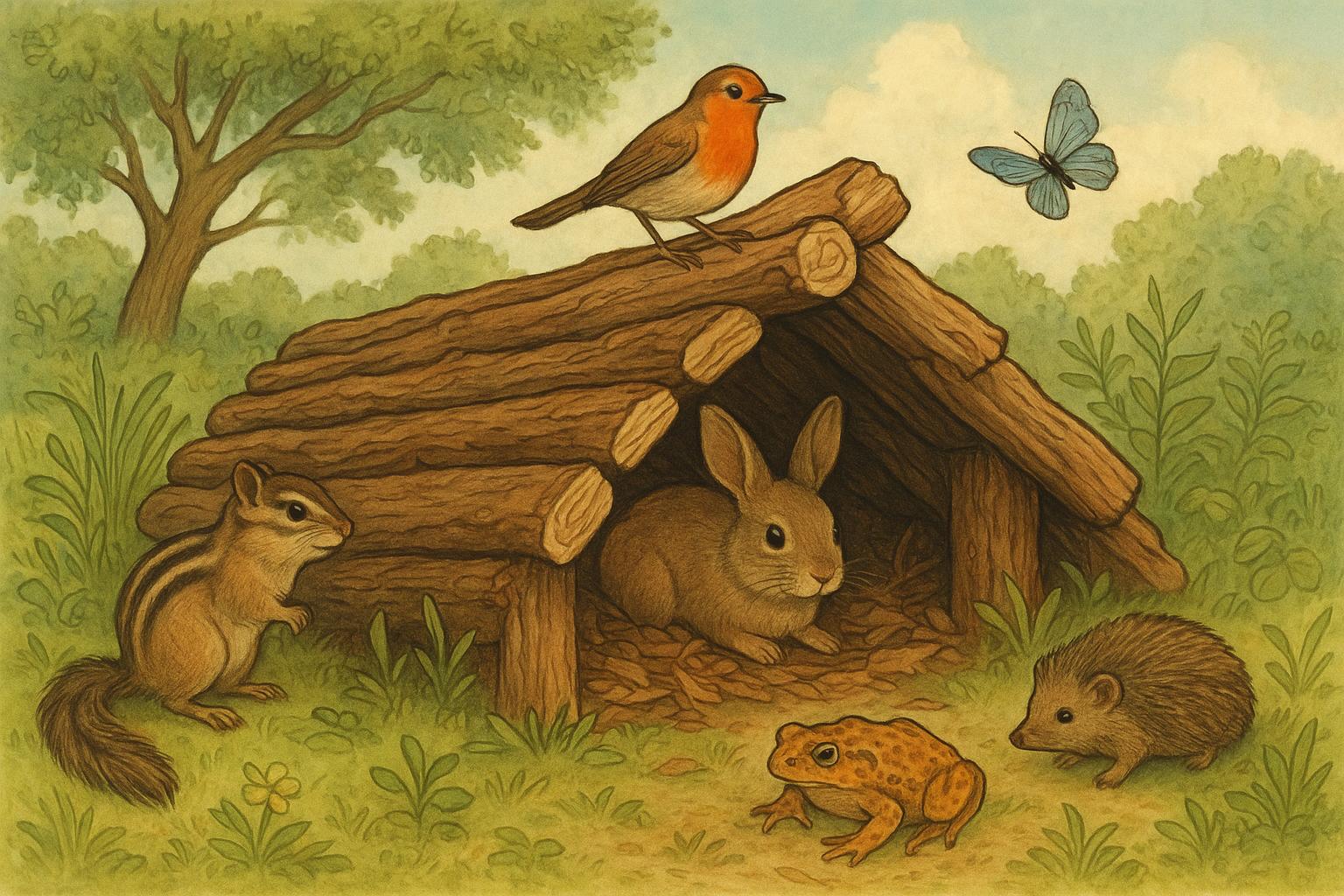
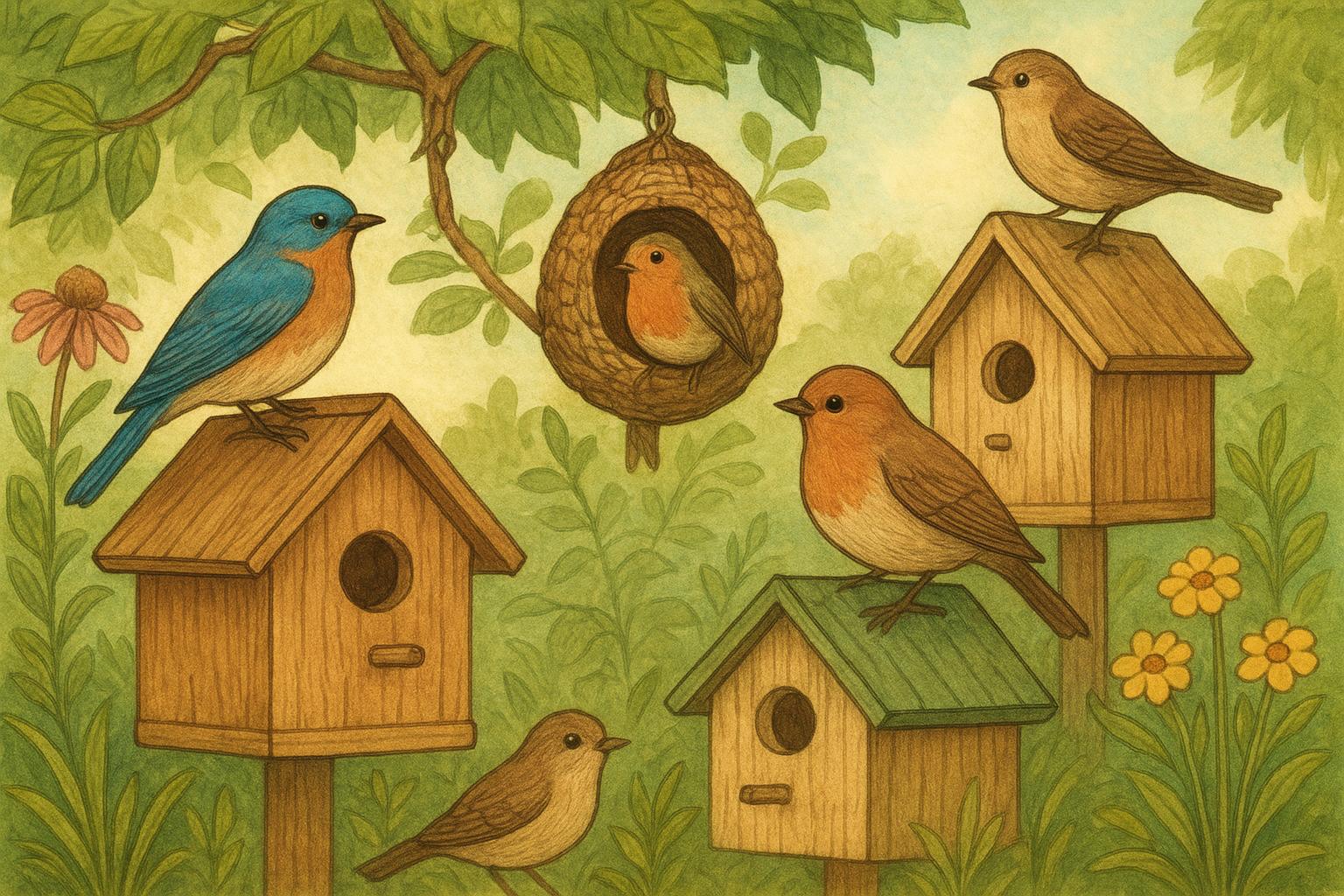
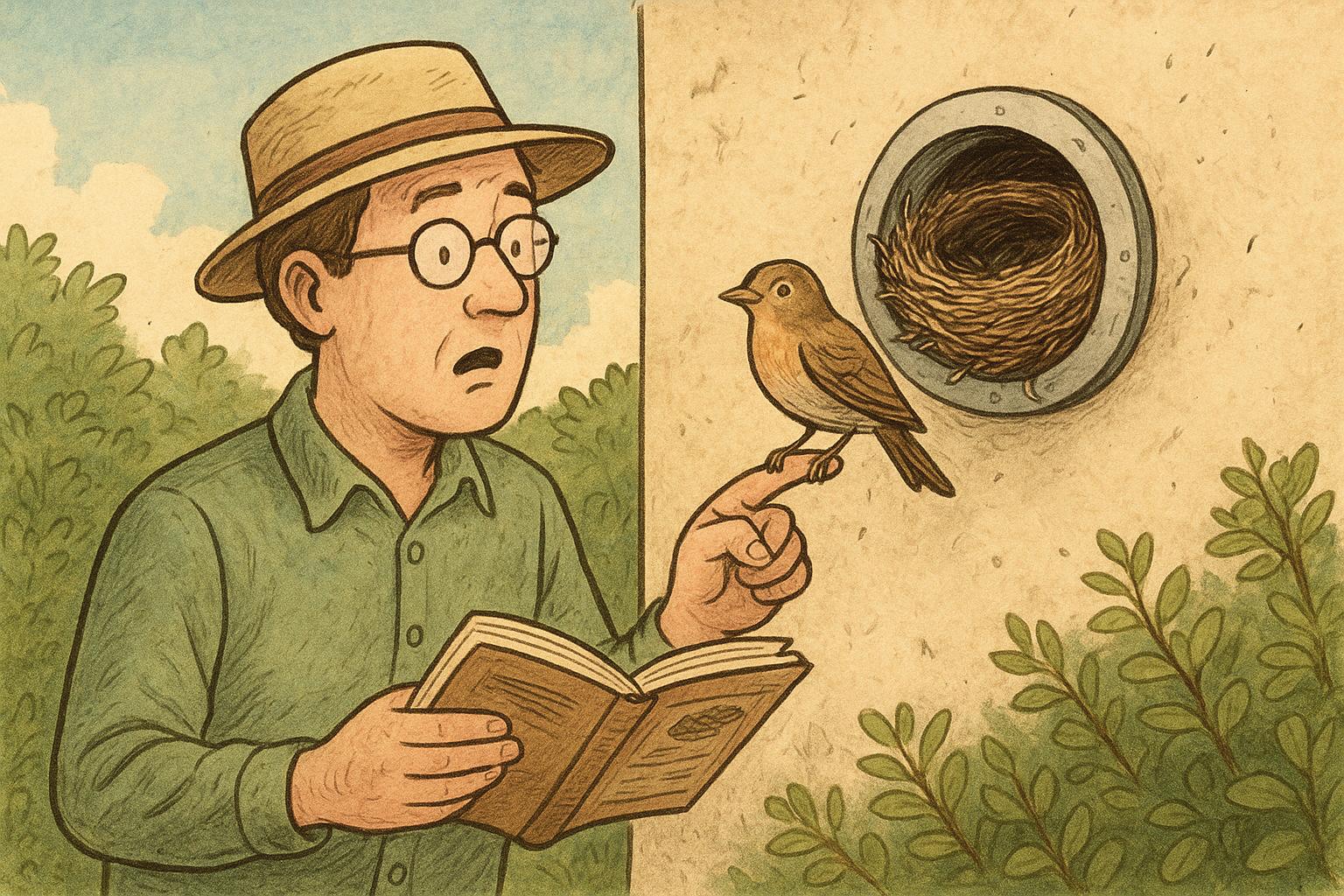
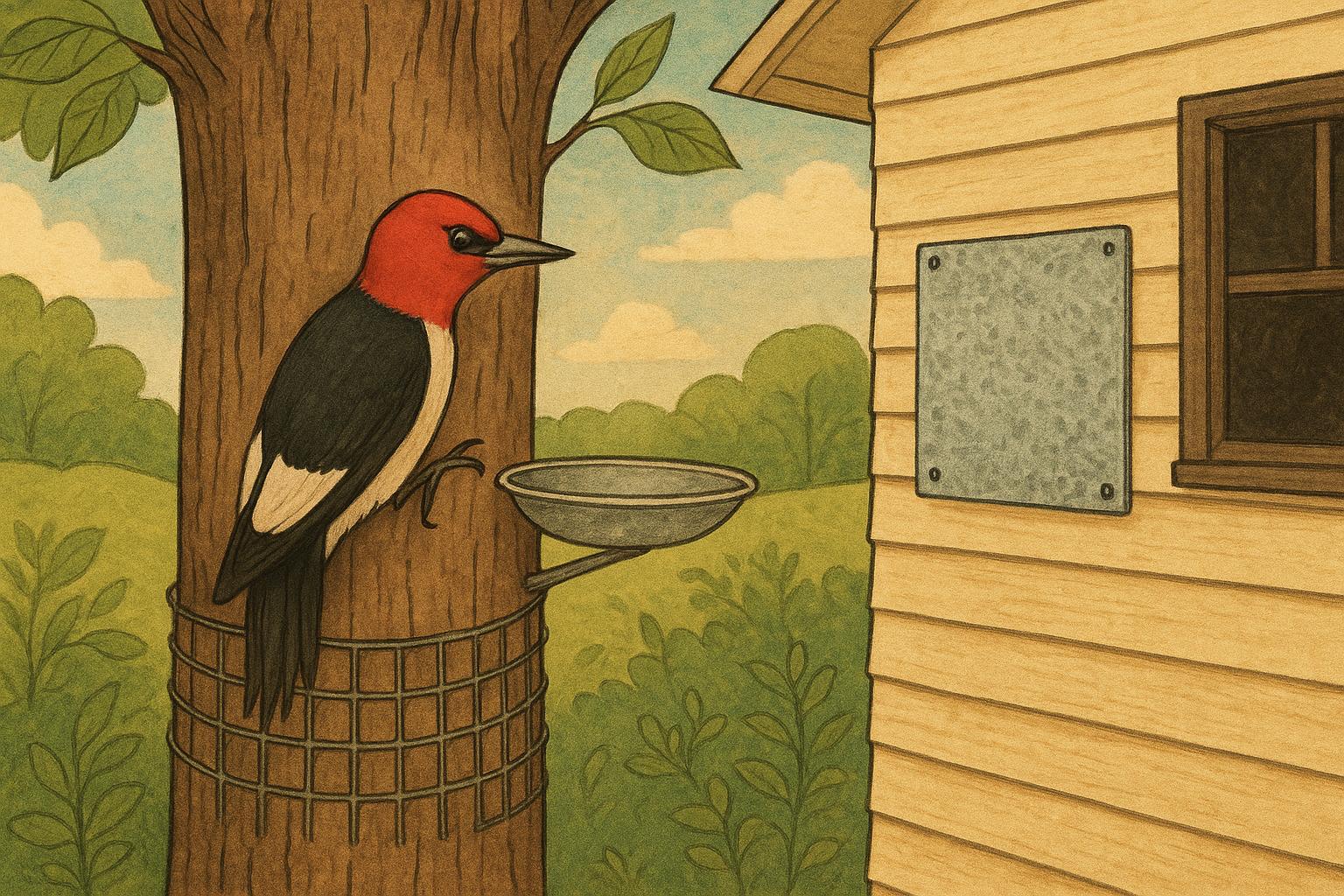
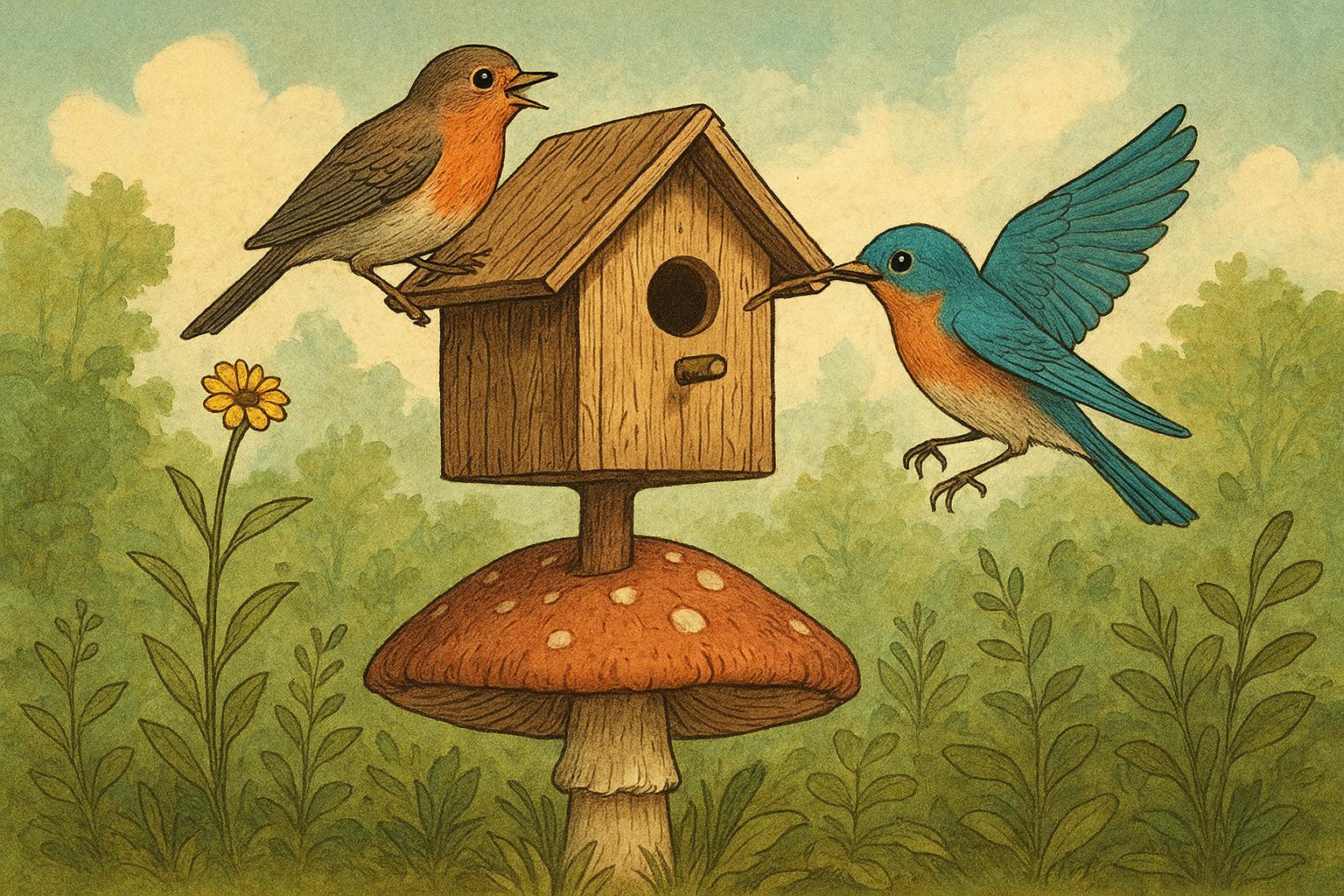
For active songbird care during nesting season, leave dead trees (snags) if safe, or incorporate deadwood piles where allowed. Nest boxes tailored to species can supplement natural cavities, but design and placement matter — they must be predator-resistant and placed at the right height and orientation.
#### Nest Box Quick Tips
– Face entrance away from prevailing winds.
– Install at appropriate height for target species.
– Use predator guards and a cleanable top or side panel.
### Keeping It Clean And Disease Free
A little cleanliness goes a long way in preventing disease. Mildew, moldy seed, and droppings can turn a bird buffet into a disease hotspot. Clean feeders every two weeks with a weak bleach solution (1 part bleach to 9 parts water), rinse thoroughly, and allow to dry. Replace perishable foods and remove old seed from trays.
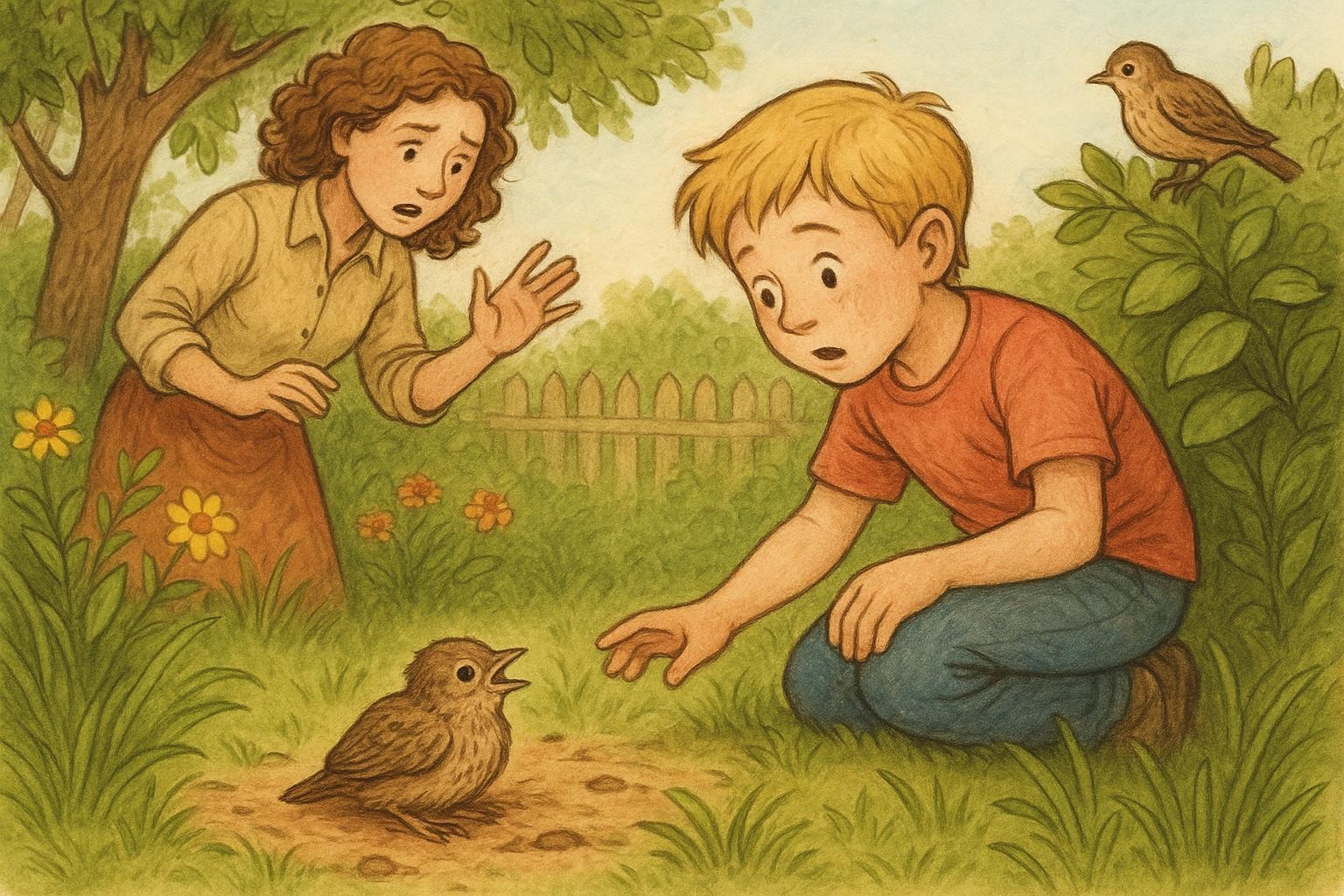
Responsible songbird care includes watching for signs of illness (fluffed feathers, lethargy, ruffled and closed eyes) and removing feeders temporarily if an outbreak appears. Contact local wildlife rehabilitators for guidance when you spot sick birds.
### Predators, Windows, And Safer Backyards
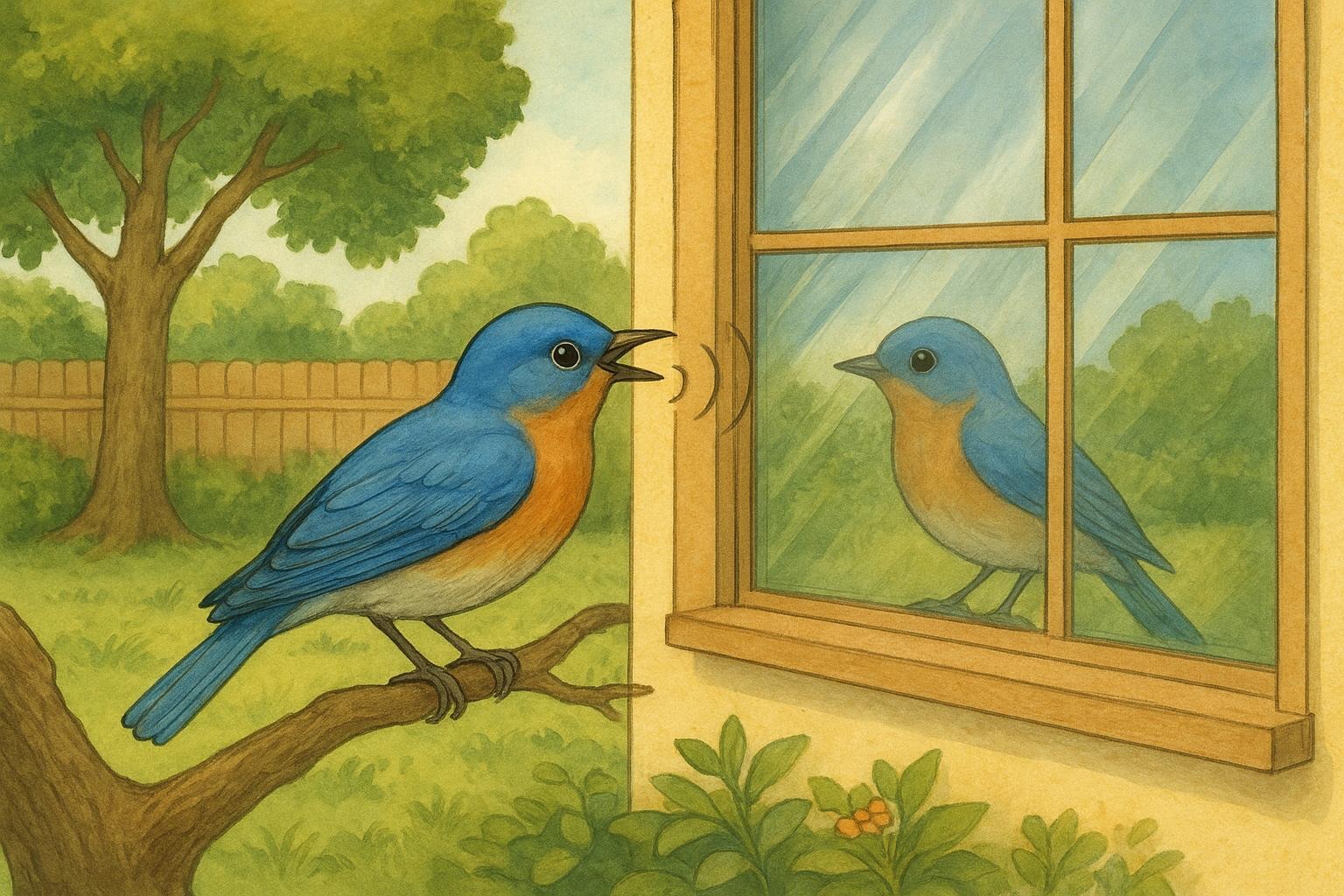
House cats, hawks, and window collisions are common threats. To reduce window strikes, position feeders either within three feet of windows (so birds can’t build up speed) or more than 30 feet away. Use decals sparingly and strategically; break up reflections with patterns spaced a few inches apart.
For cats, create “cat-free” zones with dense shrubbery and avoid placing feeders too close to low branches that cats can use as ambush points. Consider motion-activated sprinklers or installing baffles on poles to deter predators. These practical steps are essential elements of focused songbird care.
### Timing, Patience, And A Little Humor
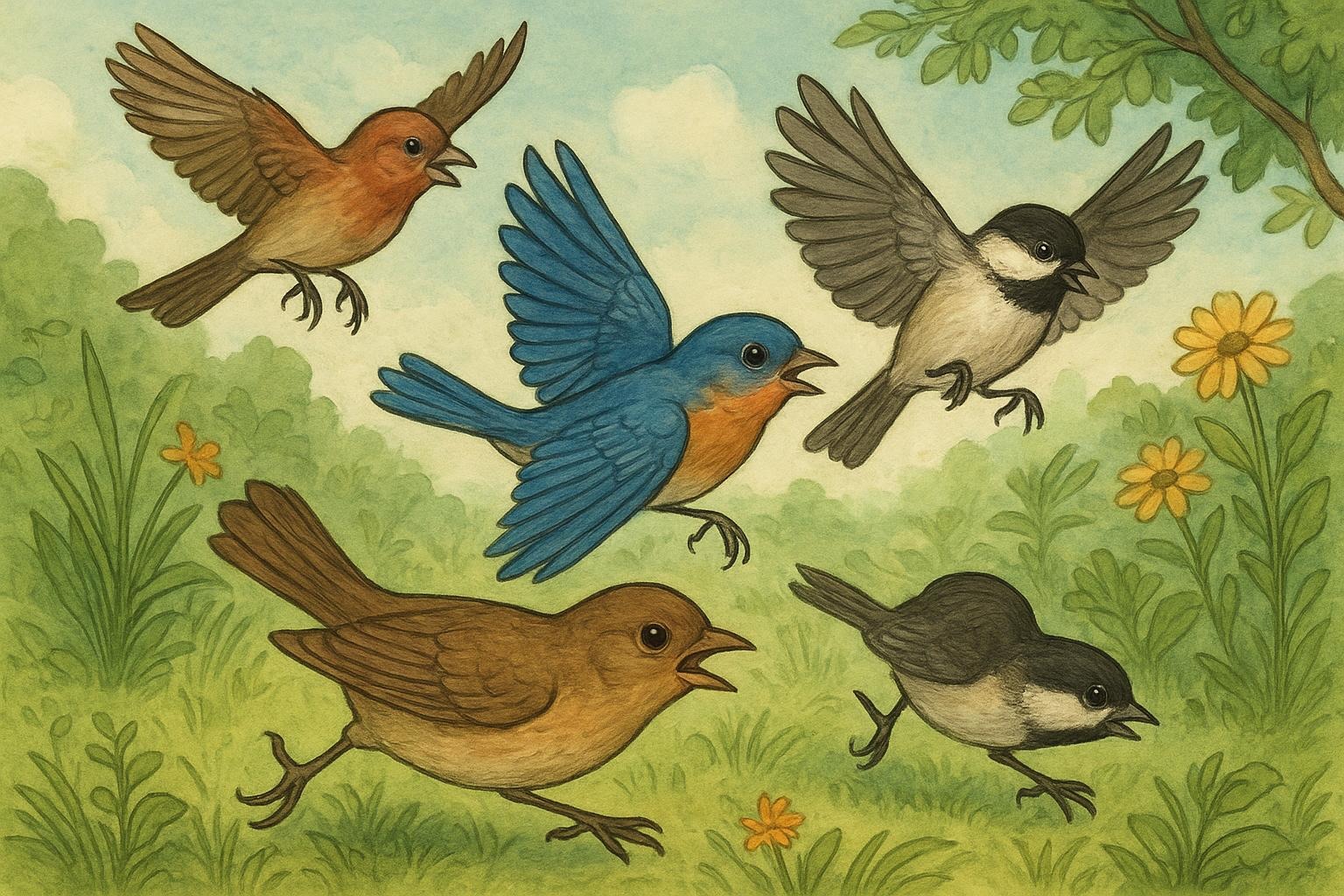
You may find that the first month shows few visitors and then — like magic — a chorus arrives. Birds are creatures of habit and discoverability; stick to routines and don’t change feeders or locations frequently. Gardening tip: if you plant a “bird buffet” in spring, you’ll likely be invaded by feathered food critics by summer. Enjoy the reviews.
### Remedy 1: DIY Suet Cakes For Energetic Songbirds
This remedy boosts available high-energy nutrition for insectivores and woodpeckers, especially in cold weather.
Ingredients / Required Materials:
– 1 cup lard or rendered beef tallow (avoid raw pork fat)
– 1 cup crunchy peanut butter (no xylitol)
– 2 cups rolled oats
– 1 cup cornmeal
– 1 cup black oil sunflower seeds
– 1/2 cup chopped peanuts (unsalted)
– Mesh suet feeder or suet mold/container
– Stove and saucepan, spoon, measuring cups
– Heatproof mold or loaf pan and parchment paper
Creation And Application (Formal Instructions):
1. Sanitation: Clean the work surface and utensils. Ensure all containers are dry and free from contaminants.
2. Melting the Fat: In a saucepan over low heat, gently melt the lard or tallow until fully liquid. Avoid overheating or boiling.
3. Incorporating Peanut Butter: Stir in the peanut butter until homogenous with the fat. Maintain a low heat to prevent separation and burning.
4. Adding Dry Ingredients: Remove the saucepan from heat. Quickly stir in the rolled oats, cornmeal, sunflower seeds, and chopped peanuts until thoroughly combined.
5. Molding: Line a loaf pan or suitable mold with parchment paper. Pour the mixture into the mold, tamp gently to remove air pockets.
6. Cooling: Allow the mold to cool to room temperature, then refrigerate for 2–3 hours until fully set.
7. Serving: Cut into blocks sized to fit your suet feeder or use a suet ball maker. Place in a clean suet feeder and hang in a sheltered location away from direct midday sun.
8. Maintenance: Replace suet blocks every 7–14 days in warm weather to prevent rancidity. Clean feeder surfaces weekly and wash hands after handling.
This suet formula is high in fat and protein and should be offered as a supplement, not a replacement for natural foraging opportunities.
### Remedy 2: Nesting Material Station For Breeding Season
Providing safe, clean nesting material encourages parents to build and reinforces successful breeding.
Materials Needed:
– Clean cotton yarn strips or natural fibers (no synthetic rope, no wool blended with chemicals)
– Untreated pet hair (from brushed cats/dogs) — optional and used sparingly
– Small, ventilated dispenser (e.g., a half-log with slots, a suet cage, or wrapped mesh)
– Hanging hardware and placement pole or hook
– Gloves for handling
Creation And Application (Formal Instructions):
1. Material Preparation: Cut cotton yarn into 4–6 inch strips. If using pet hair, ensure it is free from flea treatments and other chemicals. Reject materials that are long enough to tangle around chicks’ legs.
2. Assembly of Dispenser: Place materials loosely in the dispenser or suspend small bundles where birds can easily extract strands. Ensure open, breathable storage to prevent mold.
3. Placement: Mount the station 10–20 feet from likely nesting sites and 6–8 feet above ground. Avoid direct sunlight and ground-level locations where predators can reach.
4. Monitoring And Maintenance: Refill materials as they are used. Replace materials that become wet or soiled promptly. Remove the station after the breeding season to avoid encouraging dependence.
5. Safety Considerations: Regularly inspect for strings or fibers that could pose entanglement risks. Use only short, natural fibers and avoid floss, ribbon, or synthetic cord.
By offering carefully selected and monitored materials, you support birds in constructing safe nests without introducing hazards.
### Attracting Diversity: Planting For Insects And Fruit
To sustain songbird populations beyond seed feeding, plan your planting for insects (larvae and caterpillars) and seasonal fruit. Native oaks, willows, and cherries support abundant insect life. Berry-producing shrubs like elderberry and serviceberry provide fall and winter foods.
#### Small Habitat Design Tips
– Layer plantings: canopy, understory, shrubs, and groundcover.
– Avoid broad-spectrum insecticides; they eliminate the birds’ primary food source.
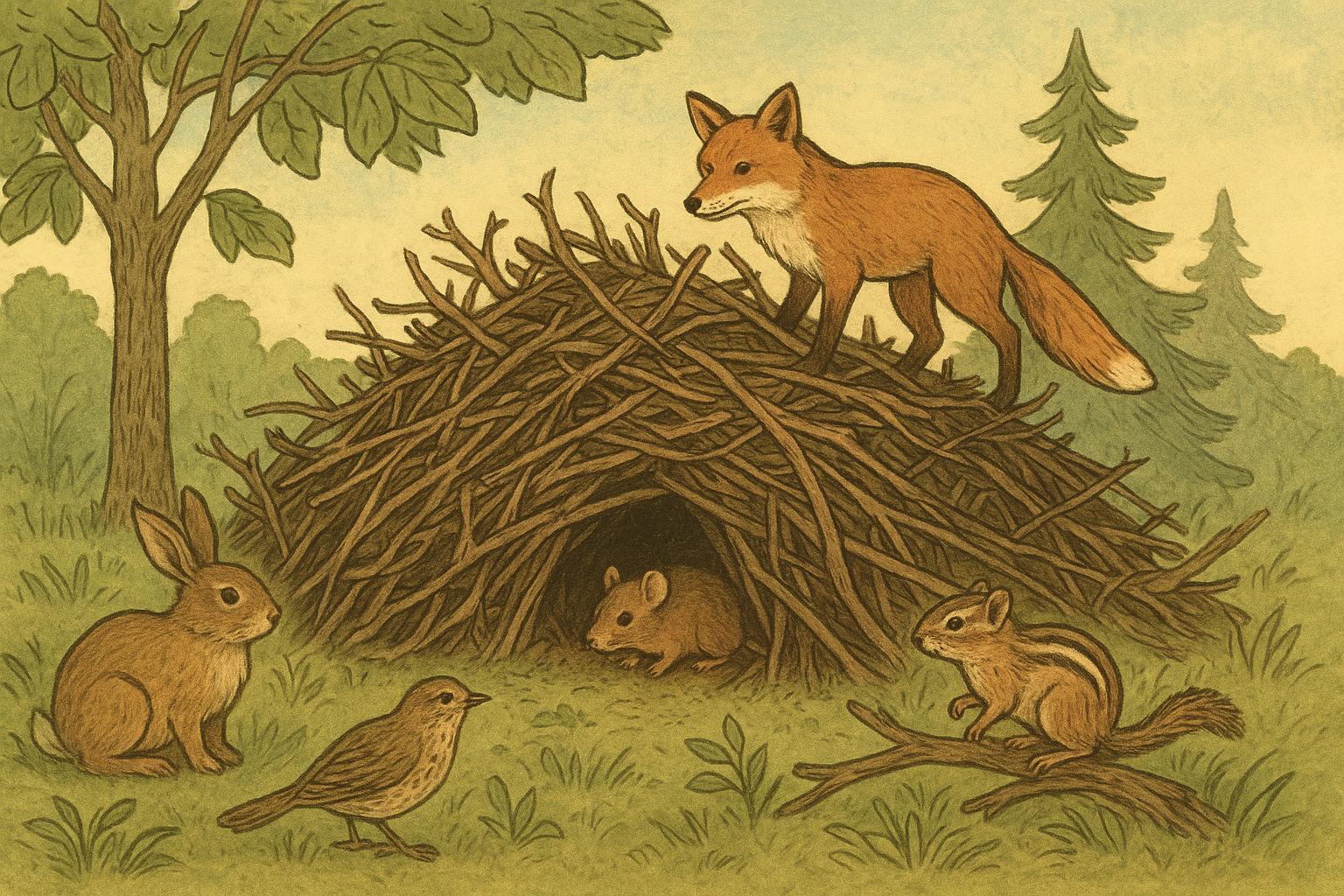
– Provide brush piles and leave leaf litter to support insects and foraging behavior.
Songbird care is part science, part patience, and a generous measure of delight. With the right feeders, water, shelter, and a couple of DIY remedies, your backyard will become a thriving venue for winged performers. Watch closely, keep things clean and safe, and be ready to share the stage with some chirpy neighbors.









Leave a Reply