You thought your yard was asleep by 10 p.m.? Think again. When dusk thickens into night, a whole cast of creaky, trilling, yipping, and croaking performers flip the porch lights and start their shift. Those “night calls” can be eerie, soothing, musical, or downright unsettling—sometimes all in one hour. If you enjoy the soundtrack, great. If you’d rather sleep than interpret avian Morse code, read on: this article unpacks who’s talking, why they’re calling, and how you can manage the chorus humanely.
## Night Calls Unleashed Nocturnal Voices Shake Your Yard
### Who’s Making Those Night Calls
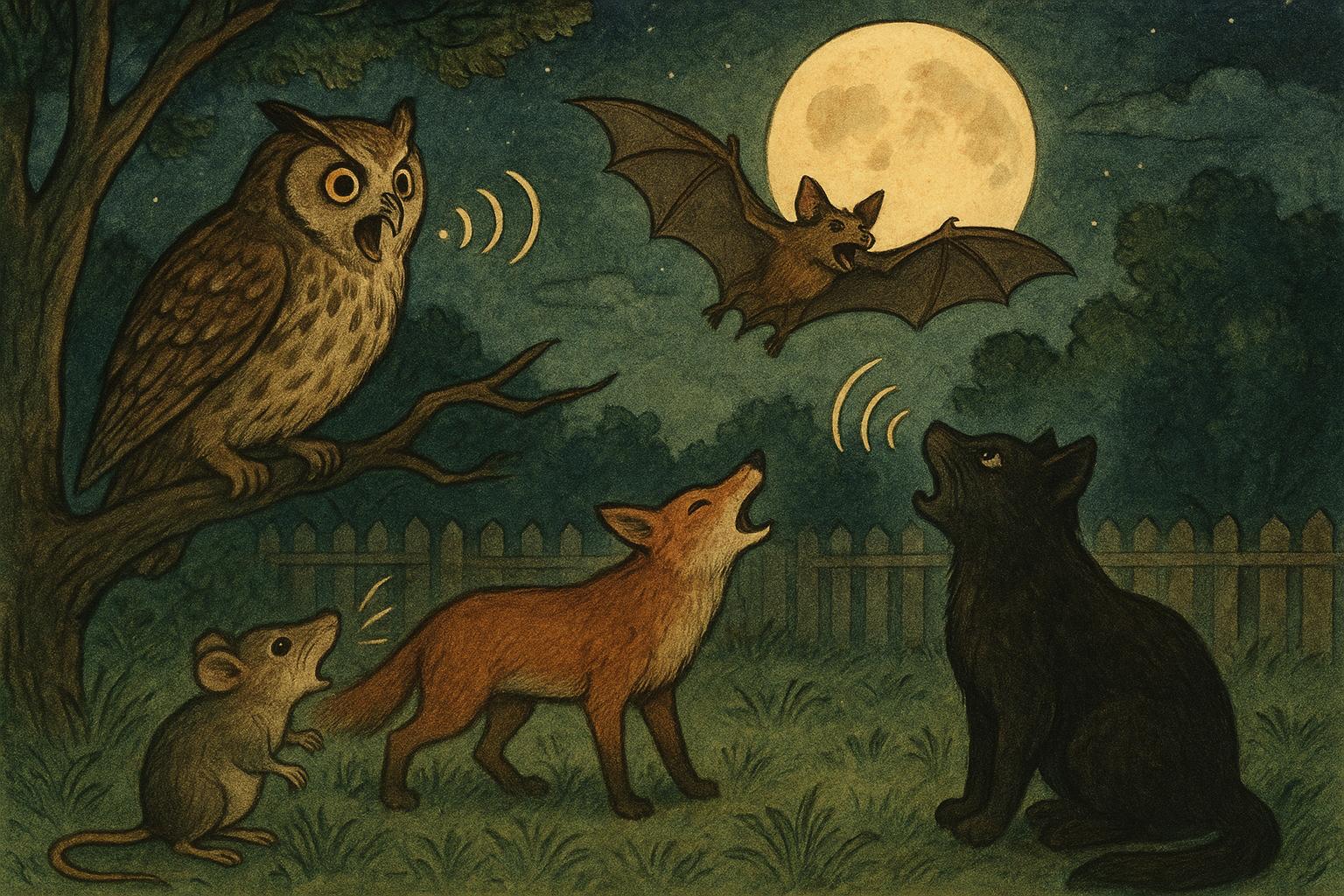
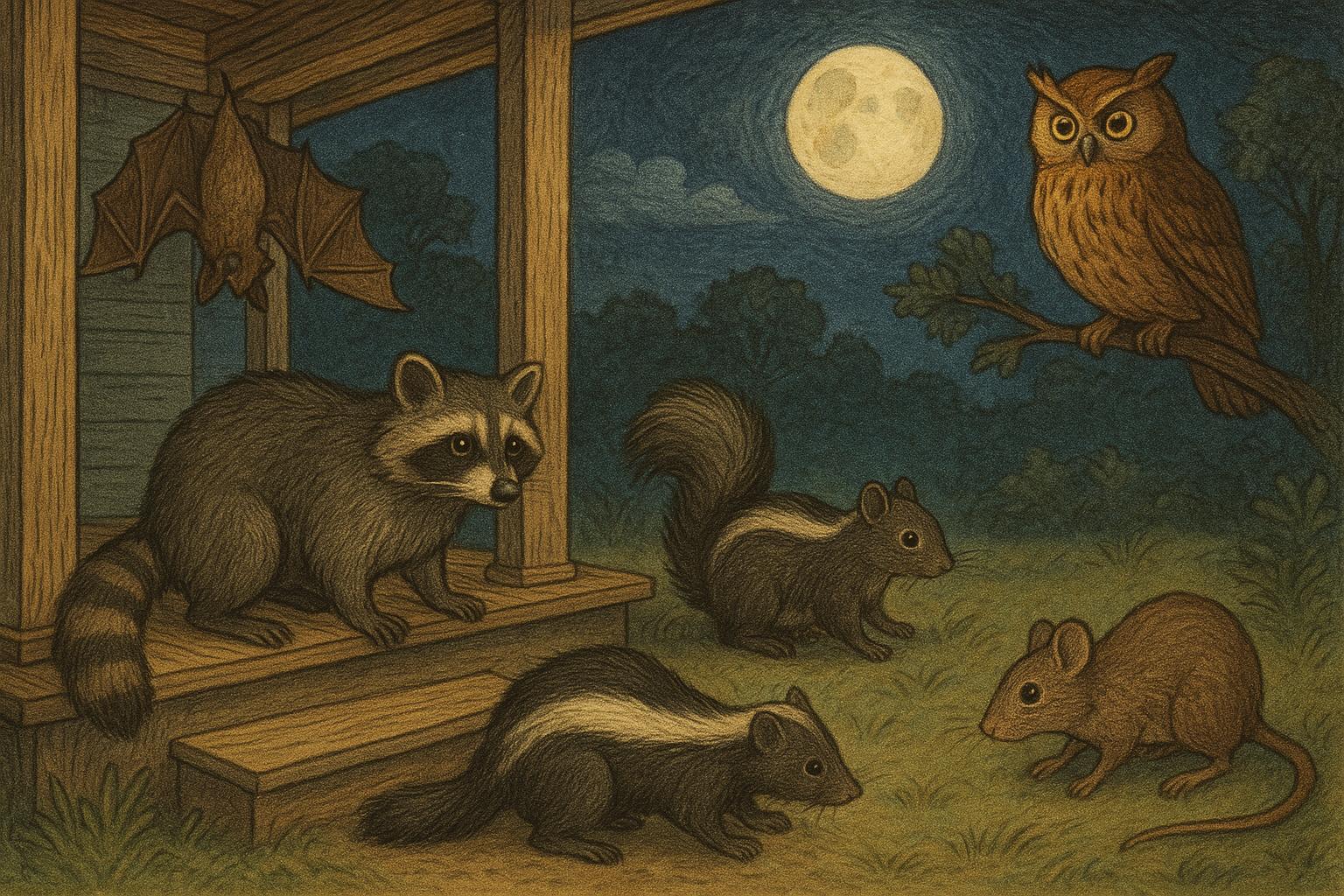
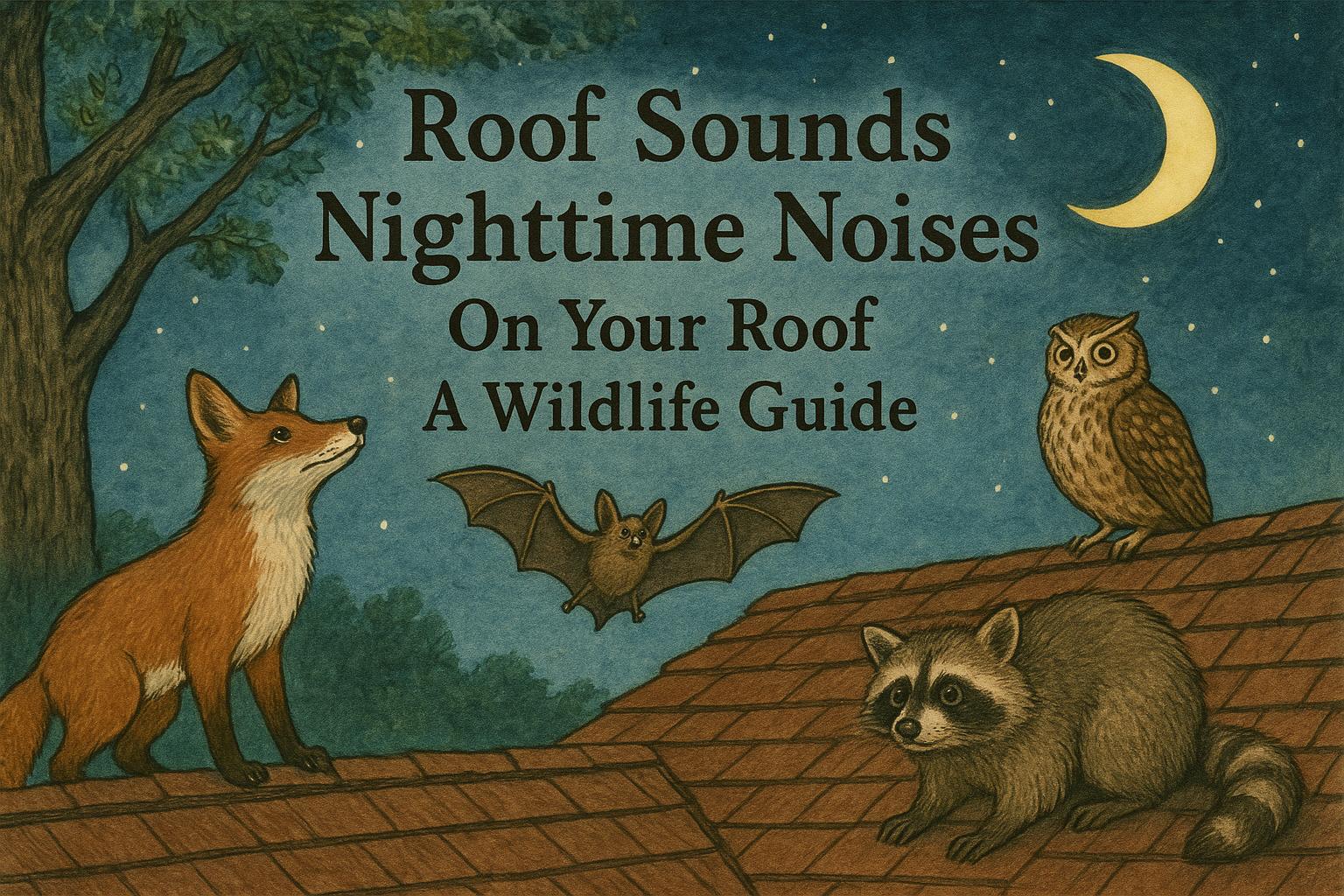
The roster of nocturnal vocalists is broader than you might guess: owls, foxes, coyotes, raccoons, frogs, katydids, and even some migratory songbirds. Each species delivers messages for different reasons—territory, courtship, alarm, or hunger. That means the same full-throated yelp could be romance from one animal and a warning lamp from another. Once you can match sound to source, the mystery becomes less spooky and more useful.
#### Owls: The Classic Night Call
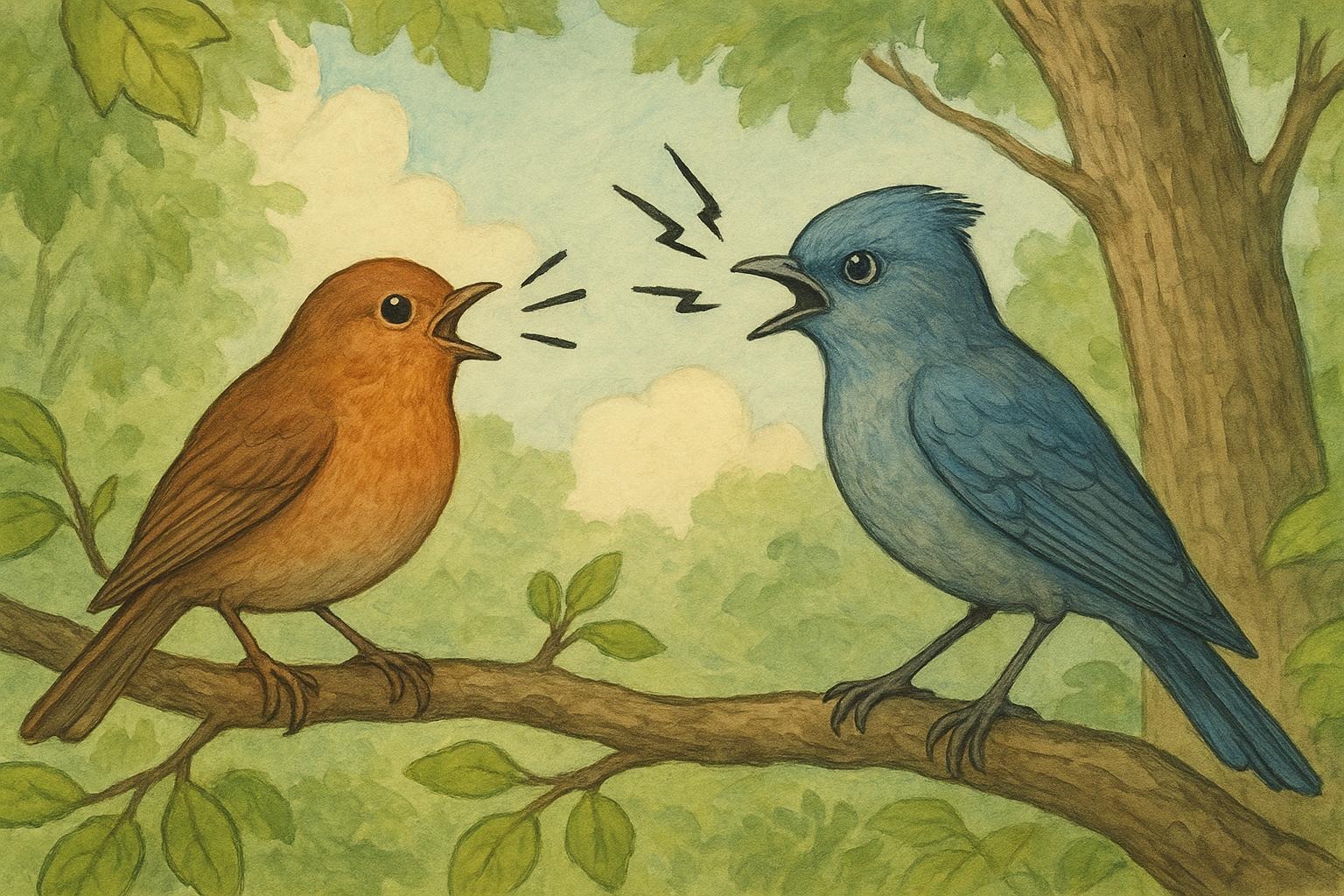
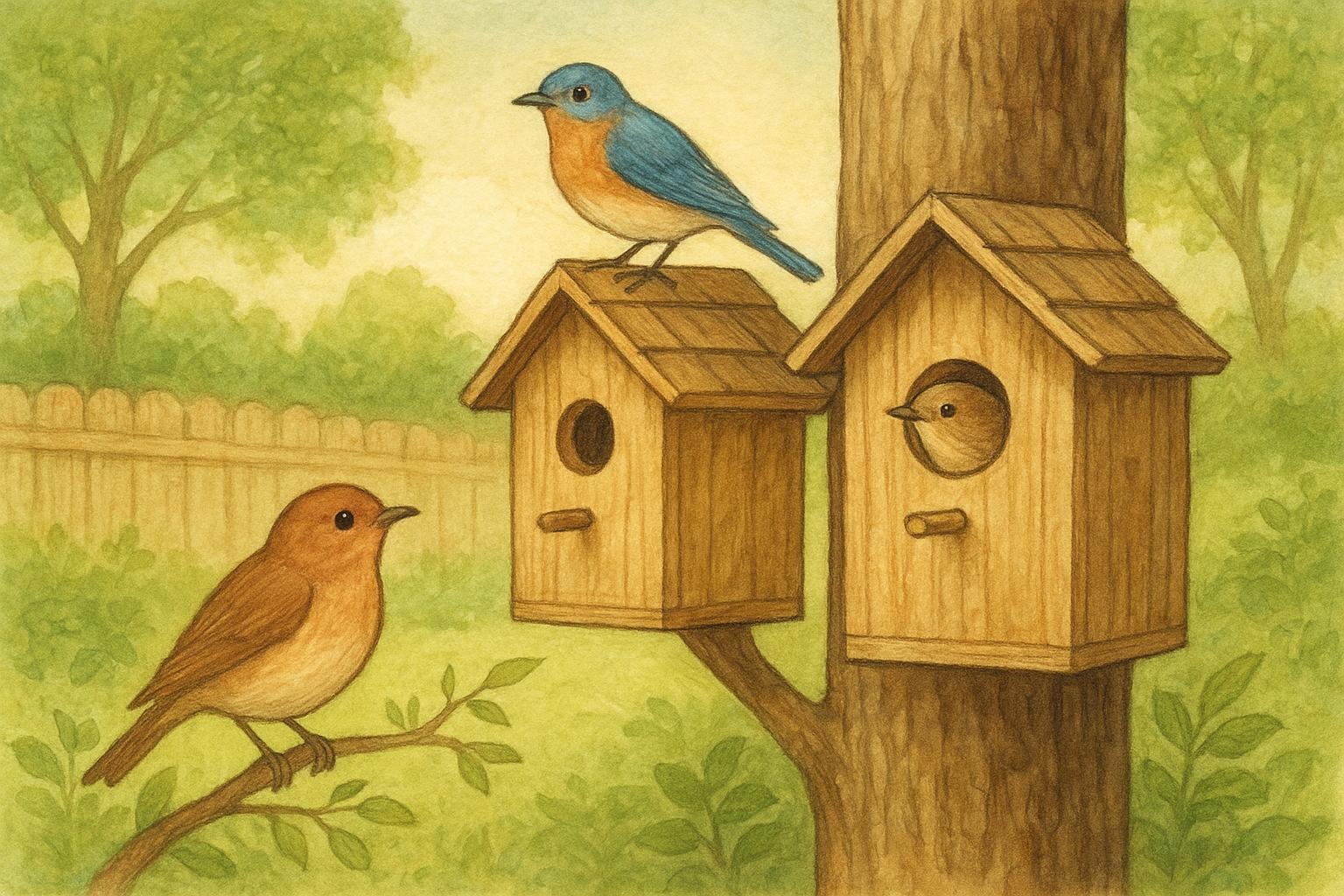
Owls are perhaps the most iconic source of night calls. The low, rolling hoot of a barred owl is different from the whinnying of a great horned or the high-pitched trills of a saw-whet. Most owls communicate about territory and mates. If you’re hearing regular hoots from the same tree, you likely have a resident pair.
#### Coyotes And Foxes: The Vocal Neighborhood Watch
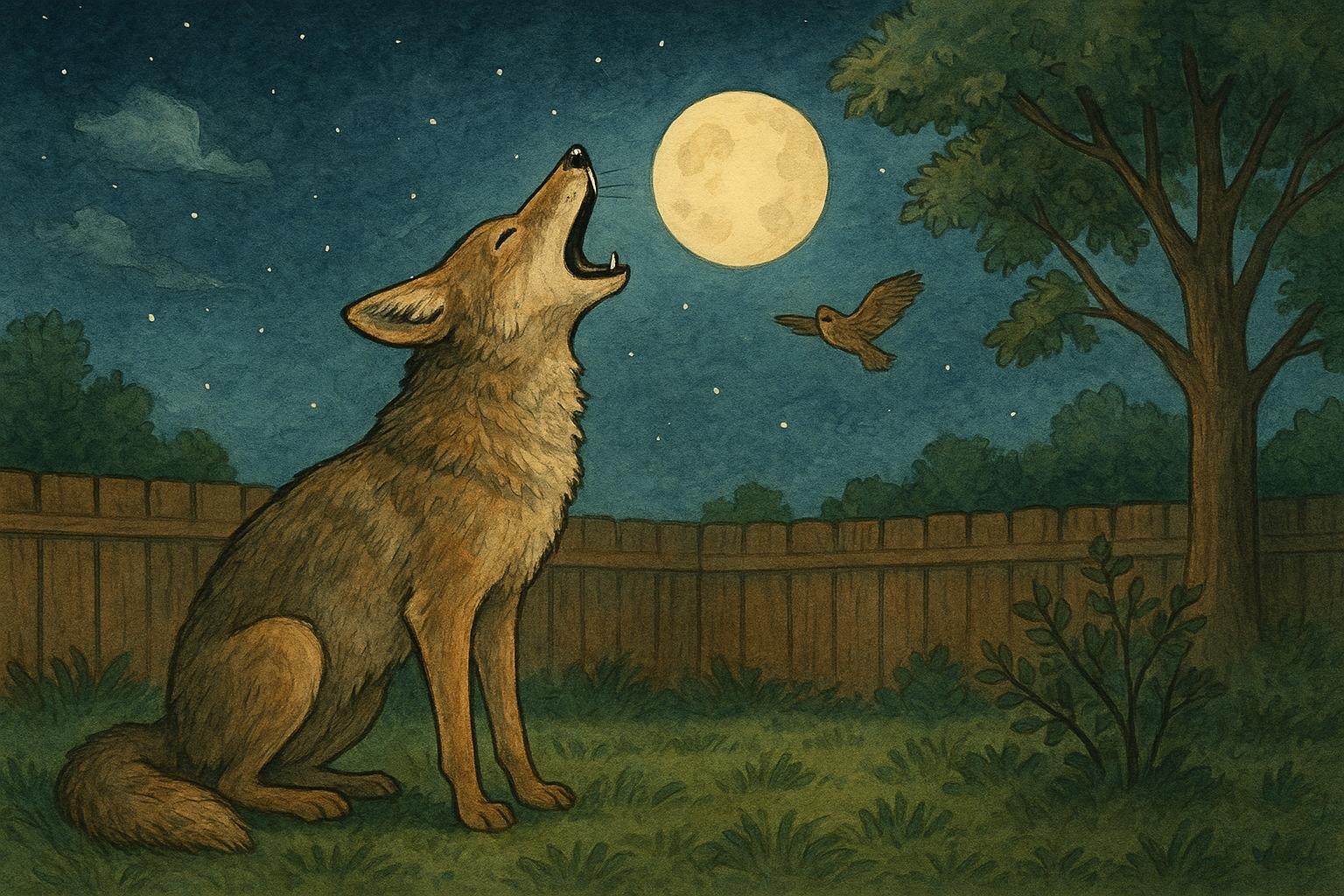
Coyote yips, howls, and barks are social calls—used to coordinate family groups or announce presence. Red foxes can produce eerie screams that sound distressing but are often mating calls. Their chorus is not typically aggressive toward people, but it can be loud and frequent, especially in suburban edges where food and cover are available.
#### Amphibians And Insects: Small Voices, Big Presence
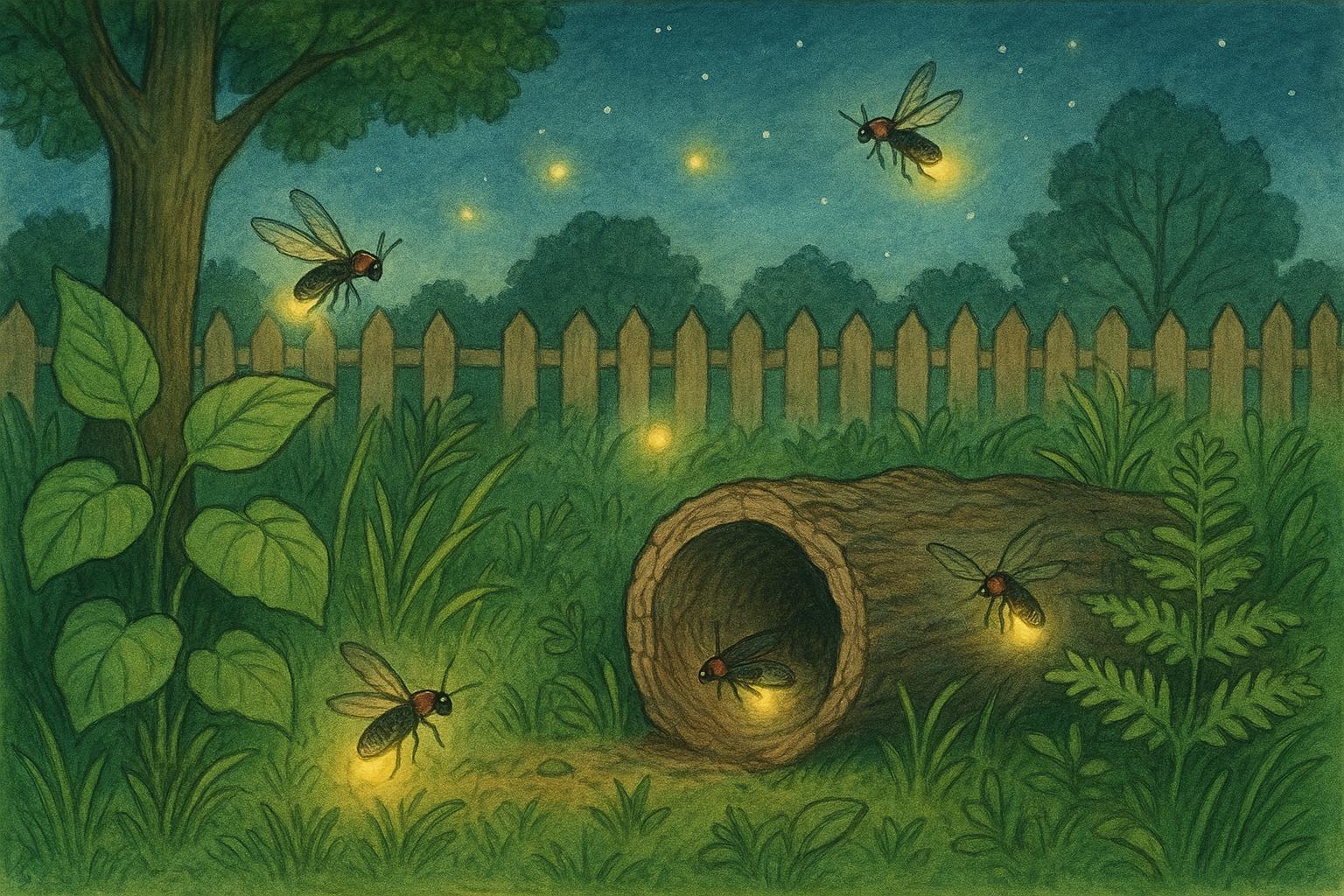
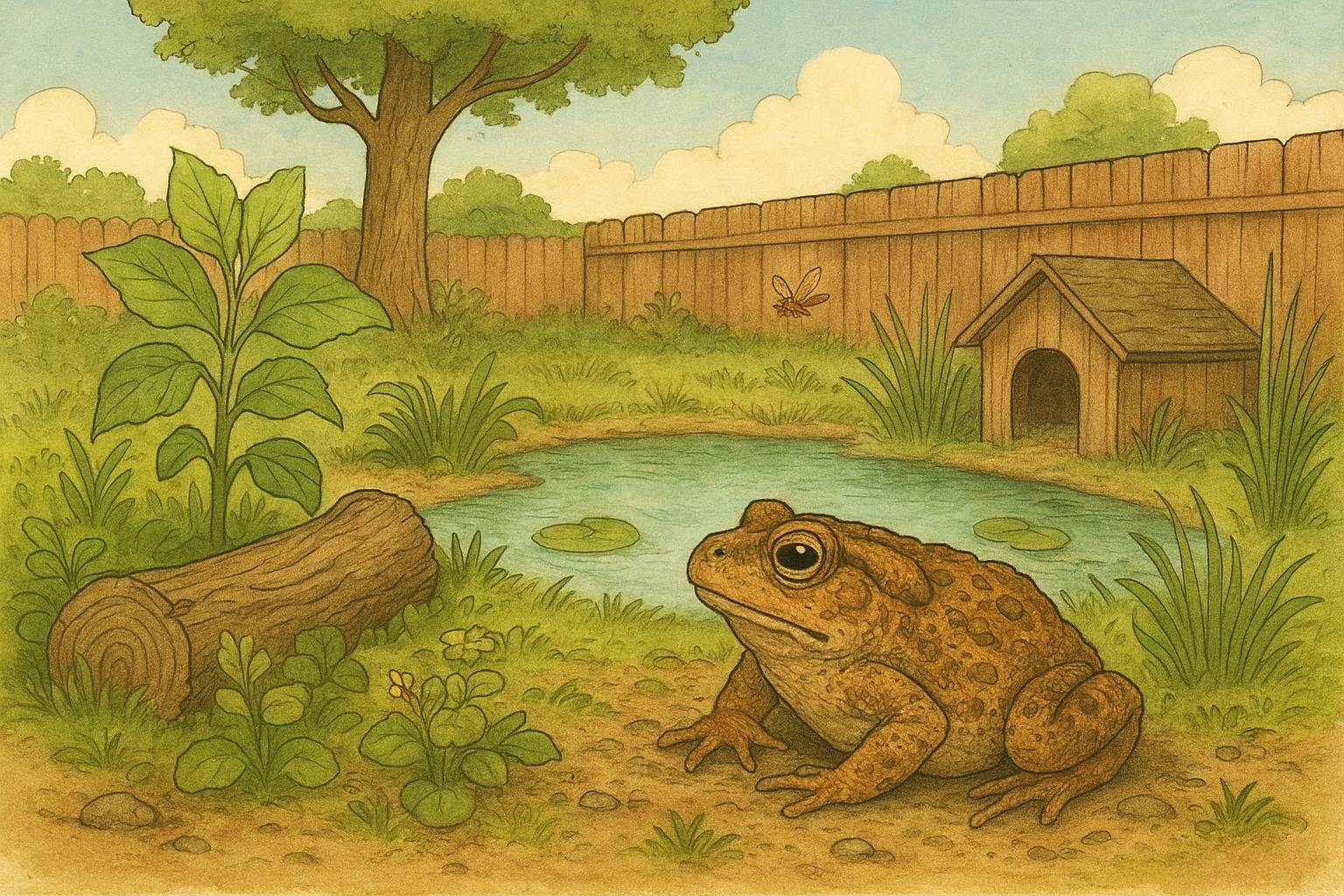
Frogs, toads, and katydids contribute the steady background of many nightscapes. Their calls signal breeding readiness and help maintain local biodiversity. If your yard has a pond or even a damp low spot, expect nightly performances in the warmer months.
### Why Night Calls Increase Near Homes
Night calls spike around human habitations for simple reasons: food, water, shelter, and fewer daytime predators. Birds and mammals adapt to human schedules; some predators now take advantage of artificial lighting and food sources. Landscaping choices—dense shrubs, bird feeders, unattended pet food—create mini-habitats that make your yard a five-star nocturnal hotel.
#### Common Attractants That Amplify Night Calls
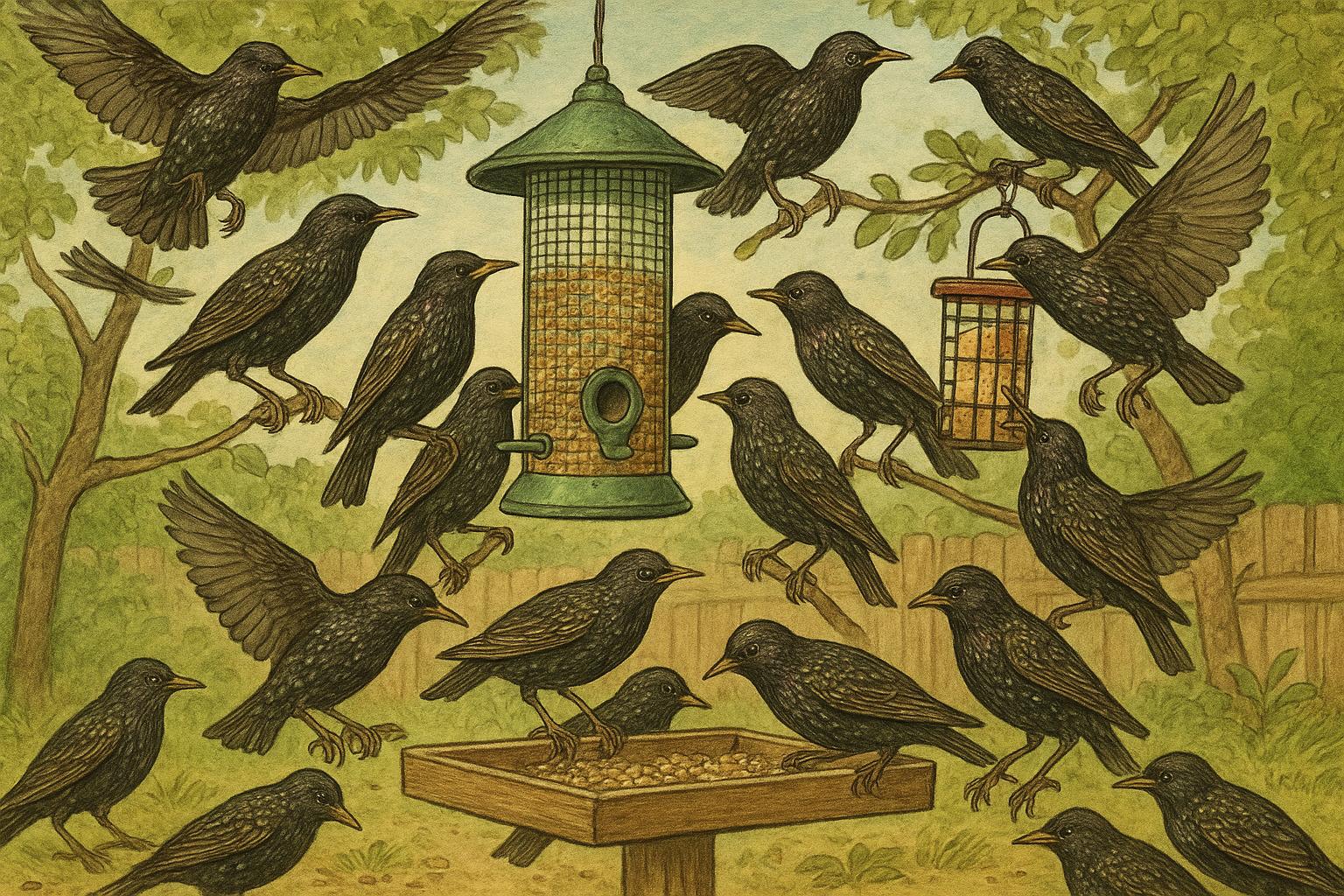
– Bird feeders that spill seed create small mammal populations (mice, voles) which in turn attract predators.
– Standing water for birds or irrigation runoff draws amphibians and insects.
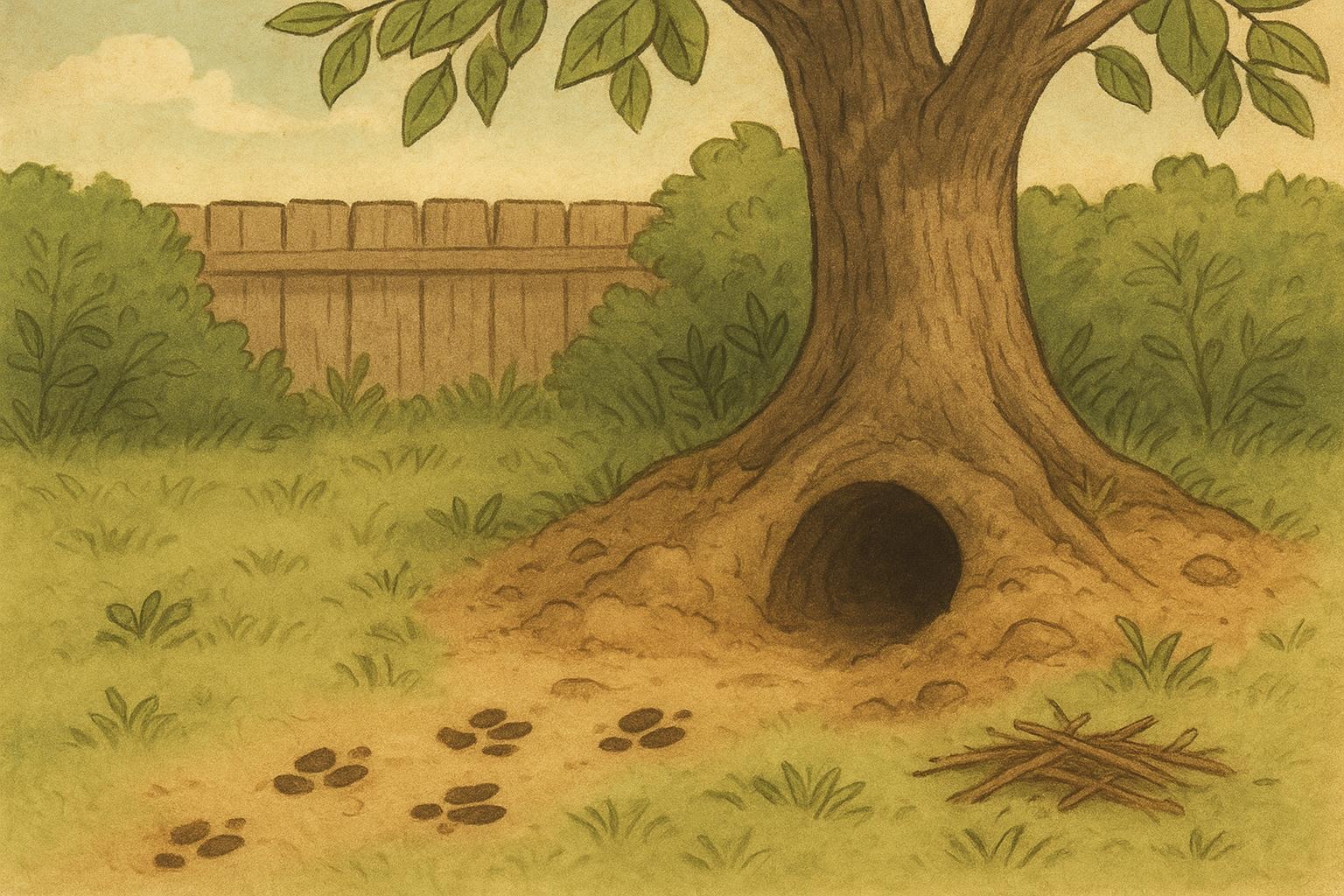
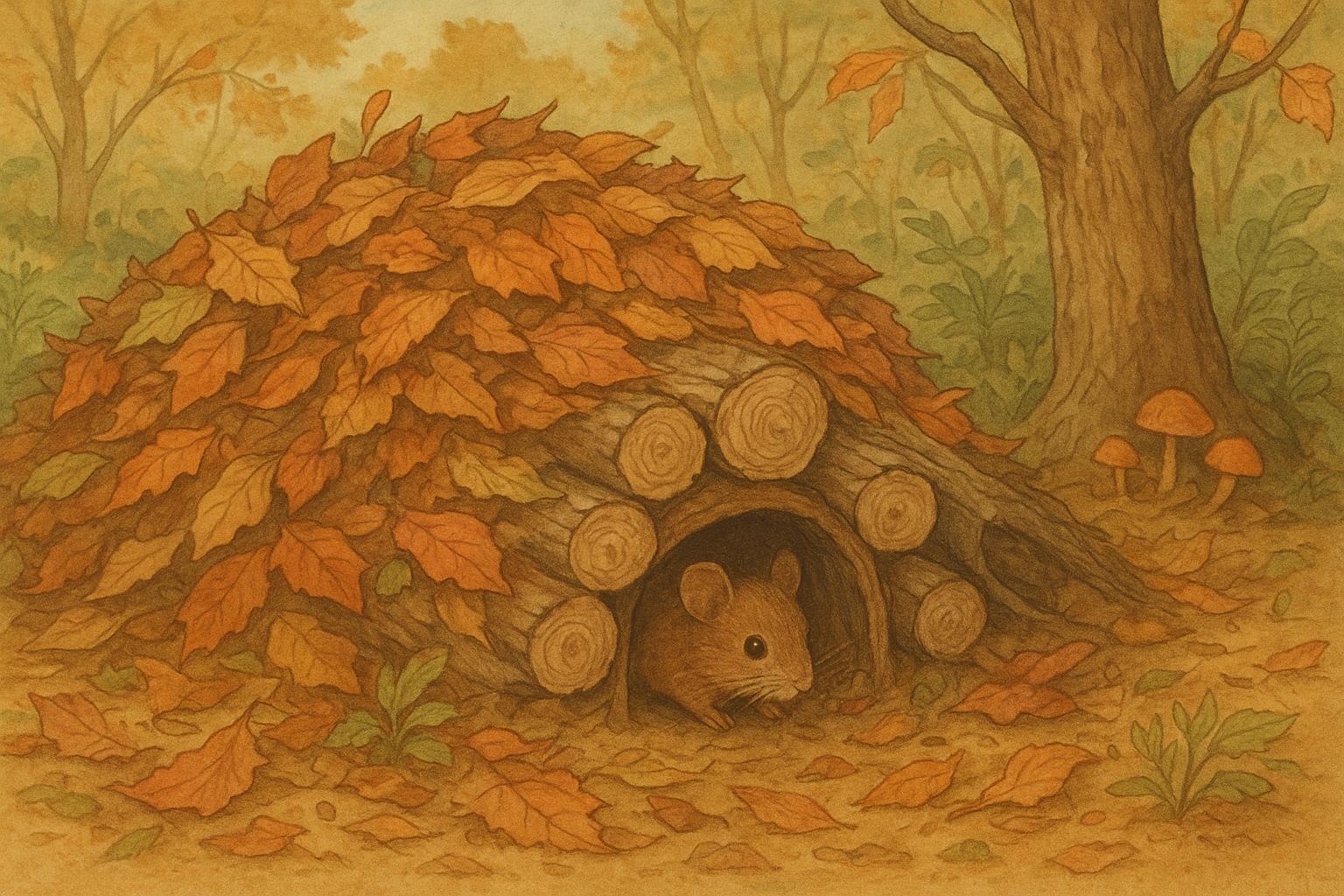
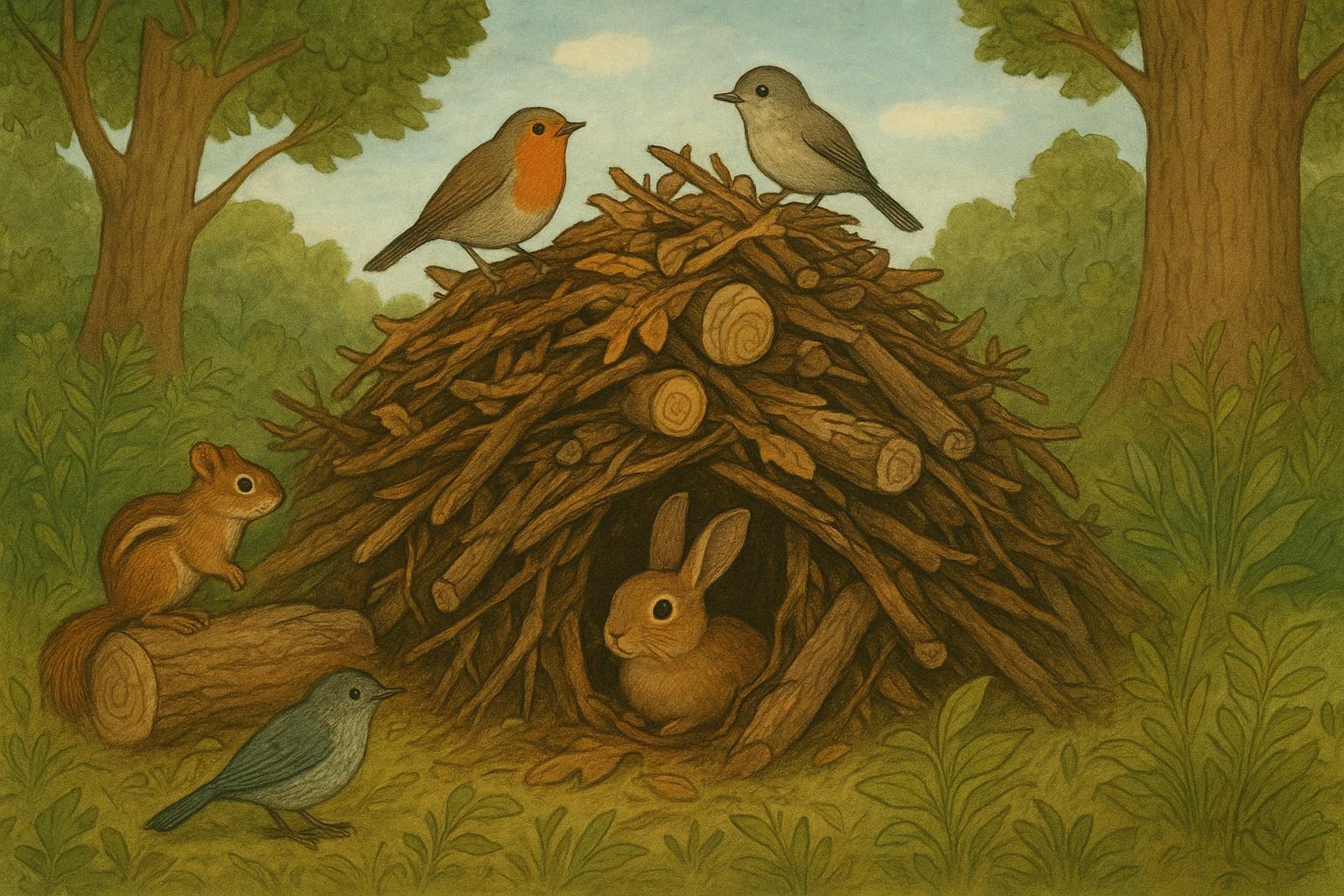
– Dense groundcover and brush provide nesting and denning spots for raccoons and rabbits.
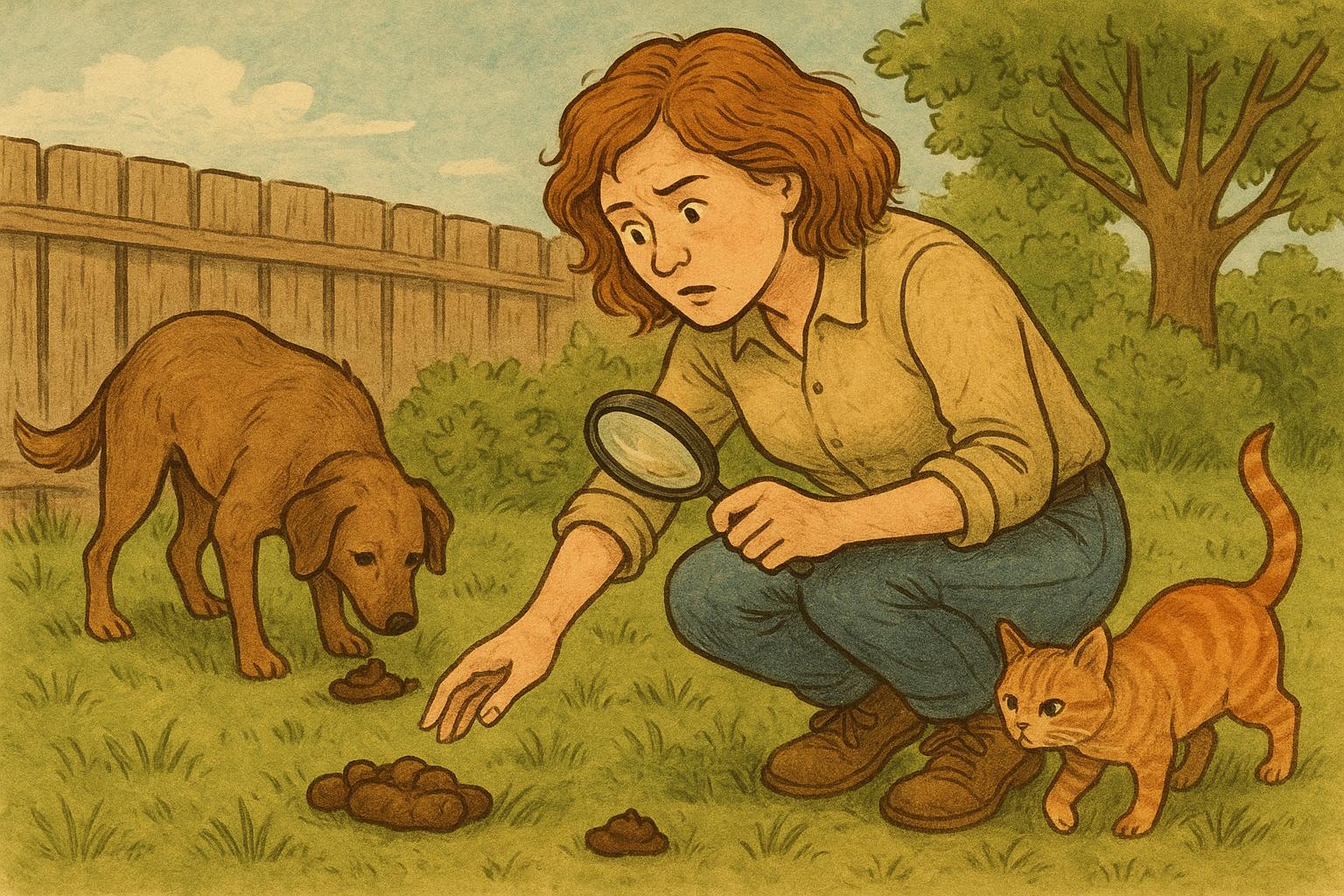
– Outdoor pet food left overnight becomes a magnet for opportunists.
## 1. Humanely Redirecting Night Calls: A Practical Remedy
This remedy focuses on reducing attractants and altering the yard environment so nocturnal species naturally move on without harm. The following materials and steps are designed for residential yards; adapt quantities to suit your property size.
Materials/Required Items:
– Sturdy garbage cans with locking lids
– Metal or ceramic pet food bowls (avoid plastic)
– Motion-activated lights (LED preferred) and/or motion-activated sprinkler system
– Native shrub and groundcover plant list (consult local extension)
– Bird feeder baffles and weight-sensitive feeders (optional)
– Pond maintenance tools (net, pump, cover) if you have standing water
– Gloves and hand pruners for vegetation management
Step-By-Step Creation And Application:
1. Secure Food Sources: Store garbage in locking cans. Remove pet food bowls after dusk. Use metal or ceramic bowls if pets eat outside—plastic can be chewed and left out of the equation invites wildlife.
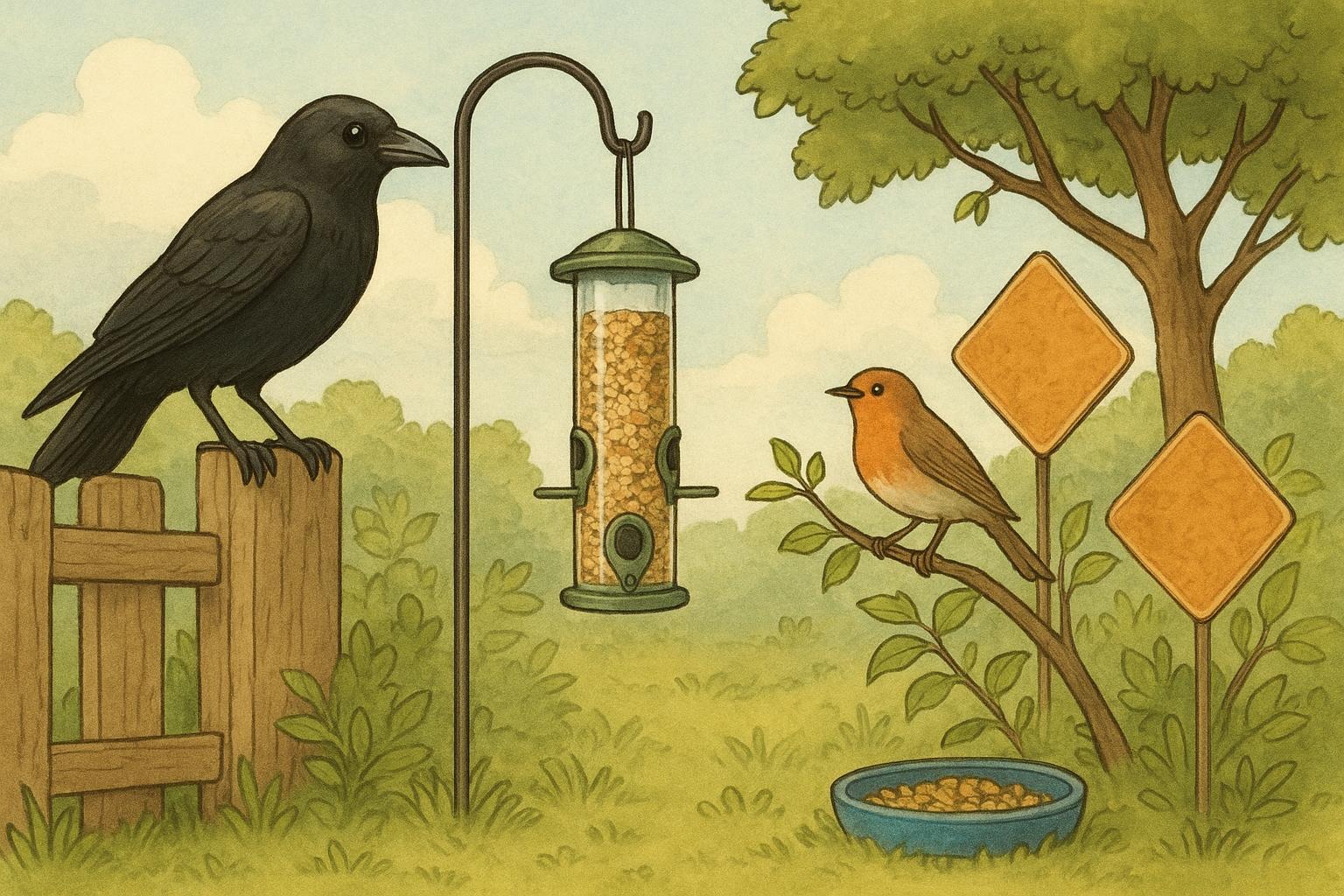
2. Modify Bird Feeding Practices: Move feeders closer to windows for birdwatching but farther from dense shrub cover. Install baffles to keep squirrels and larger animals from monopolizing the supply. Consider daytime-only feeding to reduce nocturnal spillage.
3. Manage Water: If you have a decorative pond, maintain circulation with a pump and consider a gentle cover or barrier to limit easy access for raccoons. Fix leaking hoses or low spots where water pools after rain.
4. Light And Motion Deterrents: Install motion-activated lights at strategic access points (near sheds, along fences). These shouldn’t be left on all night; they’re a behavioral deterrent, not a constant fixture.
5. Trim And Tidy Vegetation: Prune dense groundcover and trim lower branches to reduce sheltered corridors. Replace non-native evergreen thickets with native shrubs that are less conducive to denning, while still supporting daytime wildlife.
6. Install Motion-Activated Sprinklers: Where practical, these can be effective at discouraging larger mammals without harm. Position them to avoid startling pets and to minimize water usage.
7. Monitor And Adjust: Keep a log of nights when calls decline and when they spike. Adaptive management helps you refine which measures are working for your unique yard.
When applied consistently, these steps reduce attractants, making your yard less appealing for frequent nocturnal gatherings while preserving habitat value for less problematic wildlife.
## 2. Managing Night Calls With Habitat Changes And Sound Masking
This second approach is more about strategic habitat design and, where appropriate, using benign sound-masking techniques. It’s intended for folks who want a long-term change rather than quick fixes.
Materials/Required Items:
– Native plant species tailored to local climate (saplings, plugs)
– Mulch and soil amendments
– Landscaping fabric and hardware for planting
– Low-volume white-noise machines (for porch sleepers) or outdoor soundscaping devices
– Professional arborist contact (optional, for tree cavity management)
– Permits or local wildlife guidelines (check local regulations before altering den sites)
Step-By-Step Creation And Application:
1. Plan With Native Plants: Replace dense, non-native hedges with native shrubs that offer seasonal interest but are less likely to shelter nocturnal denning. Native species support diurnal pollinators while subtly discouraging long-term nocturnal use.
2. Create Buffer Zones: Design a border of low, tidy plantings between your lawn and wilder areas. Predators and denning animals prefer deep cover; a tidy buffer reduces travel routes and entry points to the immediate yard.
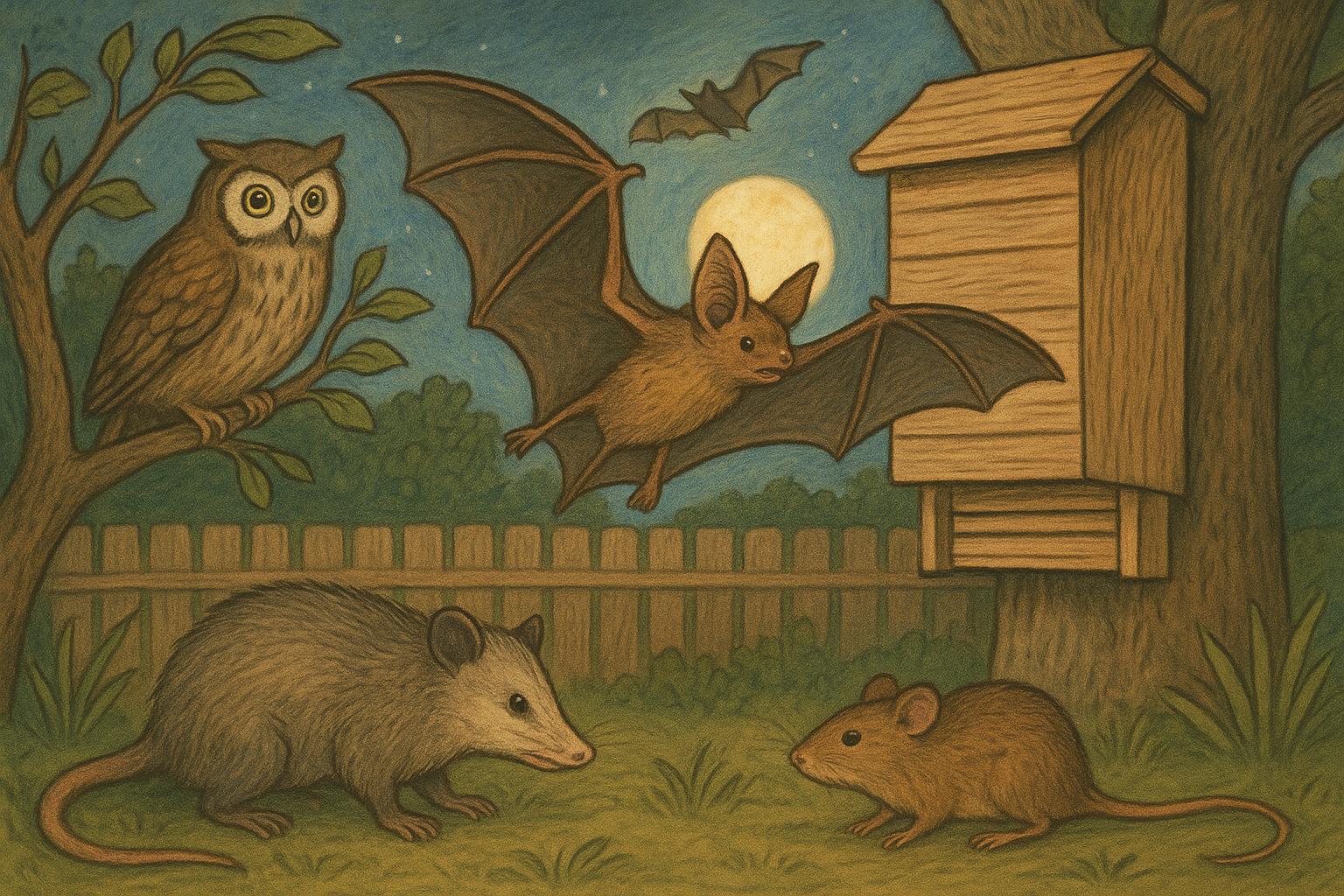
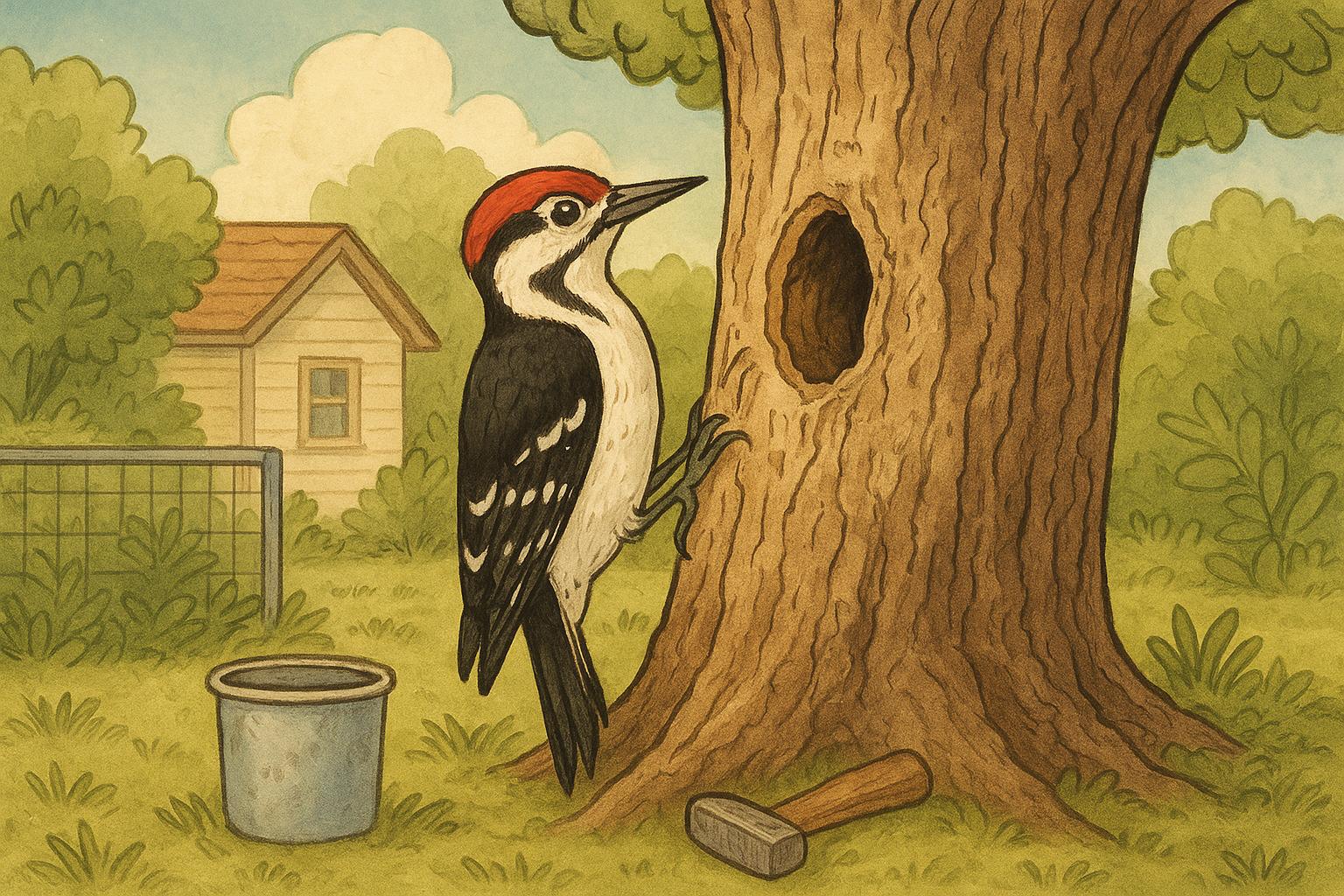
3. Manage Tree Cavities Responsibly: If an owl or bat uses a tree cavity, consult a wildlife professional before making alterations. Some species are protected and play beneficial roles in pest control.
4. Introduce Sound Management Indoors: For people disturbed by night calls, low-volume white noise or a fan can be effective. Outdoors, subtle water features with continuous gentle flow create a masking sound that’s pleasant to humans and unobtrusive to wildlife.
5. Apply Gradual Change: Habitat shifts are most effective when implemented over seasons. Sudden clearings can displace animals unpredictably; phased planting and trimming minimize unintended consequences.
6. Check Legal And Ethical Considerations: Some nocturnal species are protected; avoid chasing them, sealing off active dens, or using repellents that cause harm.
### When To Call Professionals
If you’re dealing with persistent noisy neighbors—like consistent raccoon or bat roosts, or a den of coyotes near children or pets—contact local animal control or a wildlife rehabilitator for guidance. Avoid attempting removal yourself; many species are protected by law, and inexperienced handling can cause harm to both humans and animals.
### Quick Tips To Identify Night Calls Fast
– Record with a smartphone: A short clip can help you ask experts or post in local wildlife groups for ID.
– Note timing: Courtship sounds peak in spring; territorial calls occur year-round.
– Map activity: If calls seem to move around, you’re likely dealing with itinerant species (foxes, coyotes) versus stationary residents (owls, frogs).
A little curiosity goes a long way. Translating the occasional nocturnal aria into actionable choices helps you coexist with wildlife while reclaiming your nights when necessary—without turning your yard into a wildlife-free wasteland.



























Leave a Reply