
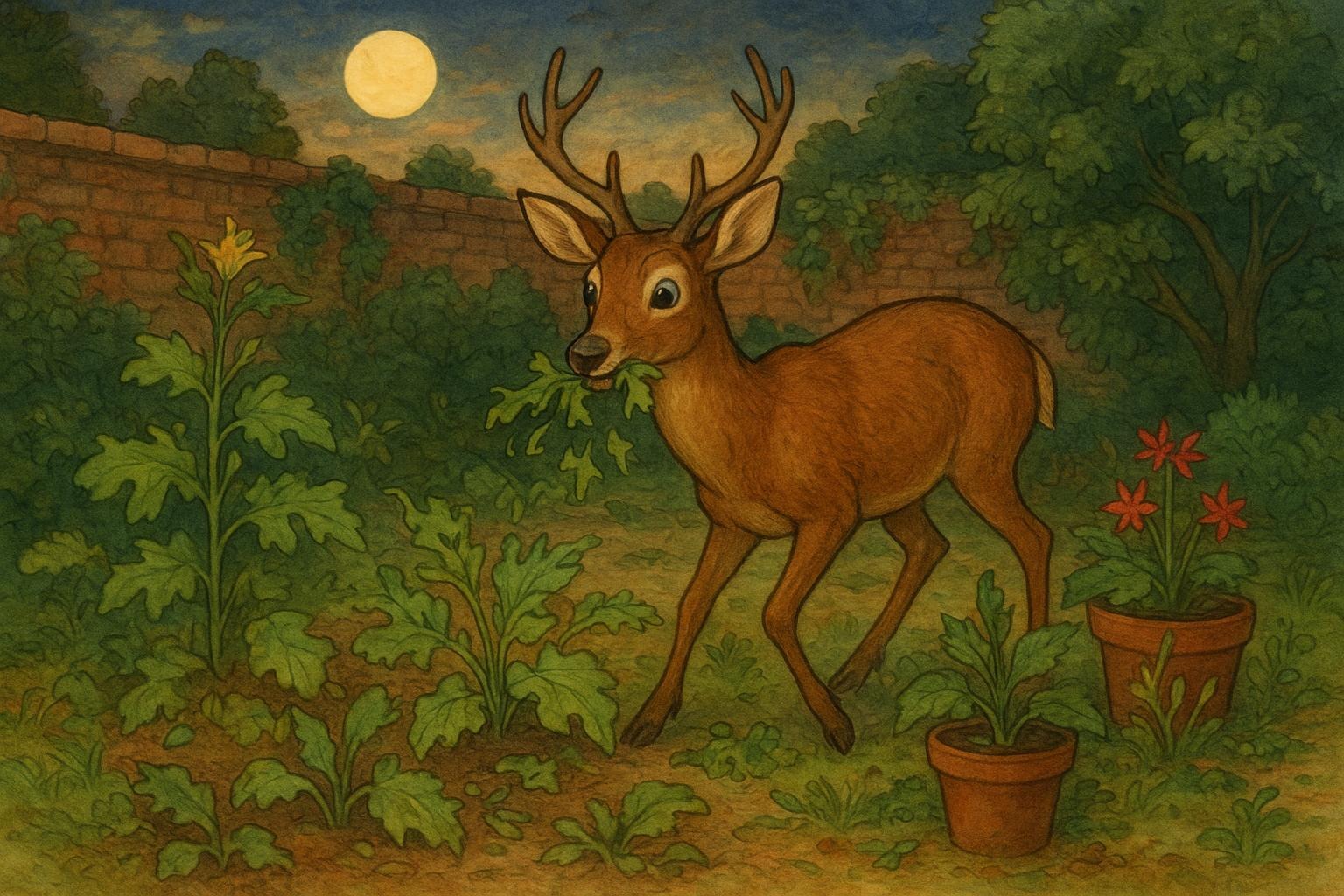
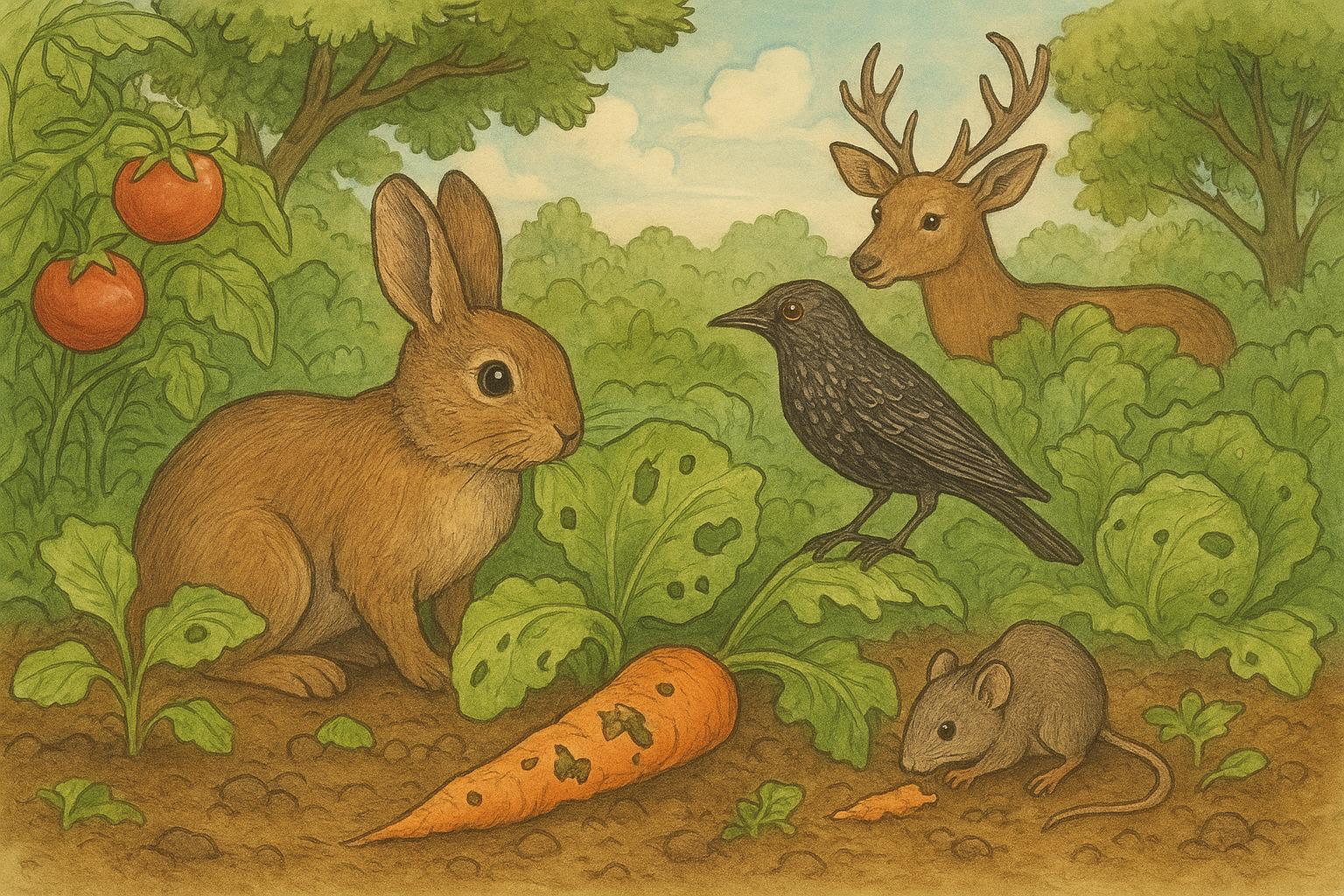
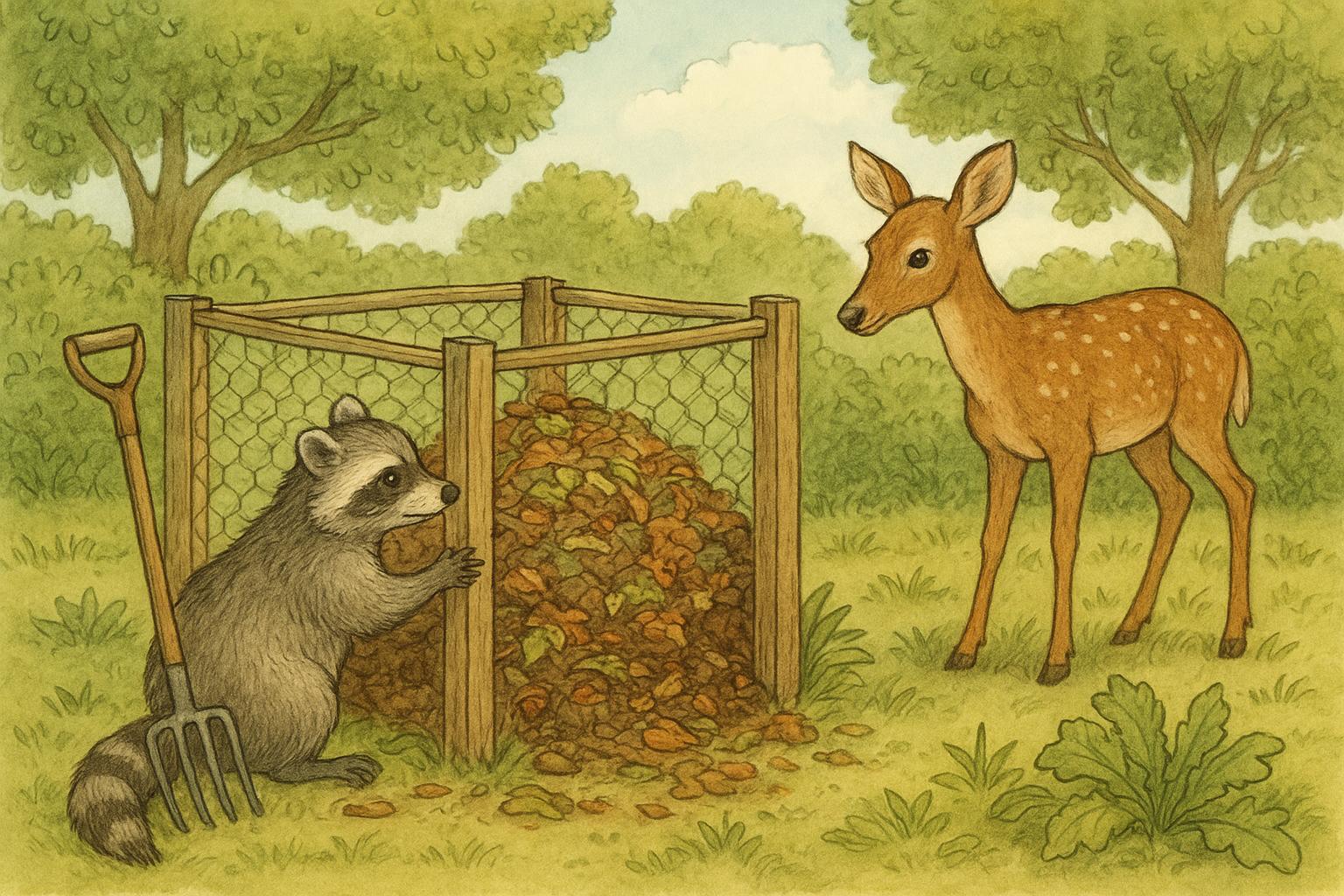
You stumble out with your coffee, still half-asleep, and there it is: a circle of torn leaves and a few stalks that look like they lost a wrestling match. If your evening included a quiet stroll through the yard, you might already know what happened. The mischief-maker? Graceful, silent, and very hungry — classic deer in garden behavior. Don’t worry; this article will walk you through what to look for, why it happens, and practical remedies so the next morning’s coffee is not accompanied by horticultural heartbreak.
## Signs You Have Deer In Garden Tonight
Deer leave a pretty distinct calling card. They don’t tiptoe like a cat; they are messy eaters and thorough grazers. Spotting these signs early helps you act fast — because once deer discover a dependable snack, they’ll come back nightly.
### Chew Marks And Ragged Leaves
Leaves and stems are torn off cleanly, often at 45-degree angles. If the damage is above ground level — frequently nibbed buds or the tops of shrubs — deer are the likely culprit.
### Trampled Paths And Droppings
Look for narrow, beaten trails through your beds and a scattering of small, oblong droppings. Deer move in predictable paths from cover to feeding sites.
### Missing Seed Heads And Bark Stripping
Tall perennials and young trees are at risk. Deer will strip bark from saplings in winter and pull entire seed heads right off coneflowers and sunflowers.
## Why Deer In Garden Scenes Happen
Understanding the why helps you design a smarter defense. Deer are browsers — they prefer shoots, buds, and tender growth. Your carefully chosen hostas and prize roses are basically a five-star buffet in their eyes.
### Seasonal Drivers
In spring and summer, new growth is irresistible. In leaner months, they’ll resort to bark and woody twigs. Landscaping that offers both cover and food makes your yard especially inviting.
### Habitats And Neighborhood Factors
If your property borders woods, hedgerows, or large green spaces, you’re in their commute zone. Nighttime lighting, water features, and easily accessible shelter all increase the odds that deer find your garden a comfy stop.
## 1. Fence Installation To Keep Deer Out
Materials:
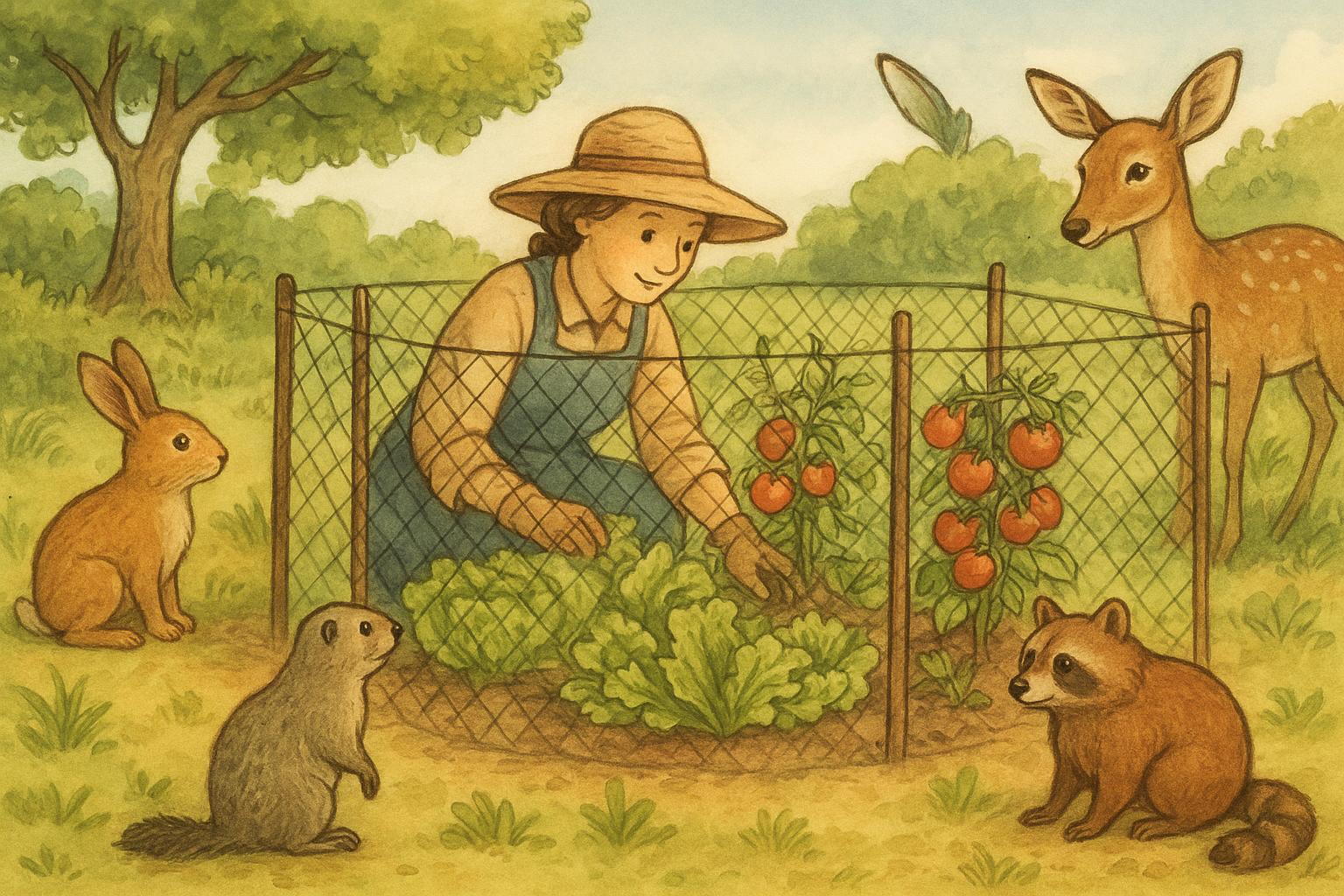
– Heavy-gauge welded-wire fence or deer netting (minimum 8 feet recommended)
– Metal or wooden posts (spaced 6–8 feet apart)
– Post driver or auger
– Tension wire and fence staples (if using welded wire)
– Gate with secure latch
Formal Instructions:
1. Site Assessment: Map the perimeter to be fenced. Identify low spots and areas where deer can jump from higher ground. A fence height of 8 feet is standard; if a full 8-foot fence is unfeasible, a double-fence technique (two parallel fences 3–4 feet apart) can confuse deer and reduce jumping.
2. Post Installation: Set posts into the ground at 6–8 foot intervals. For permanent fences, set posts in concrete footings to prevent leaning. Use a post auger or driver for efficiency.
3. Secure Fencing Material: Attach the welded-wire or deer netting to the posts using tension wire and staples. Ensure the bottom is flush with the ground or anchored to prevent deer from pushing underneath.
4. Gate Installation: Mount a gate at an access point with a latch that resists raccoon interference. The gate height must match the fence to avoid creating a weak spot.
5. Inspection And Maintenance: Check tension and anchoring monthly, especially after storms. Repair any sagging or breaches immediately to prevent deer from testing the weak spot.
## 2. Deer Repellent Systems And Homemade Sprays
Materials:
– Commercial deer repellent (protein-based or scent-based)
– Or: castor oil, mild dish soap, water, garlic powder (for homemade spray)
– Spray pump and protective gloves
– Weather-resistant label for homemade mixture
Formal Instructions:
1. Selecting A Product: Choose a repellent labeled for deer and follow EPA and manufacturer guidance. Protein-based repellents work by making plants taste bad; scent-based repellents play on deer’s sensitive noses. Evaluate location and safety (children and pets) when choosing a formula.
2. Homemade Spray Recipe: Combine 2 tablespoons of castor oil, 1 tablespoon of mild dish soap, 1 tablespoon of garlic powder, and 1 quart of water. Mix thoroughly in a pump sprayer and label clearly.
3. Application Procedure: Spray evenly over plant foliage, focusing on tender tips and new growth. For commercial products, adhere to dilution and reapplication intervals stated on the label. For the homemade spray, reapply after heavy rain or every 7–10 days during peak browsing seasons.
4. Safety And Efficacy Monitoring: Wear gloves and avoid spraying edible plants that will be harvested shortly. Keep records of application dates and plant condition to evaluate effectiveness over time.
## 3. Habitat Modification And Strategic Planting
Materials:
– Deer-resistant plant list for your hardiness zone
– Mulch, native shrubs, and thorny barrier plants (e.g., berberis)
– Landscape fabric and tools for rearranging beds
Formal Instructions:
1. Audit Your Garden: Identify high-value plants that suffer most from browsing. Note locations that offer cover or easy access for deer.
2. Replace And Rearrange: Integrate deer-resistant species such as lavender, boxwood, and ornamental grasses in perimeter beds. Use thorny or aromatic shrubs as natural barriers near openings.
3. Create Physical Barriers: Maintain clear sightlines between your lawn and adjacent cover (trim lower branches, thin dense hedges) to reduce hiding spots. Install low thorny hedges at choke points to increase the effort required for deer to reach prized plants.
4. Mulch And Soil Considerations: Use coarse mulch near base of vulnerable plants; deer are less likely to push through rough footing. Amend soil to favor plant choices that are unattractive to deer, where possible.
5. Regular Monitoring: Reassess the garden layout each season. Habitat modification is cumulative; persistence and incremental changes reduce deer pressure over multiple seasons.
### Nighttime Deterrents And Low-Cost Tactics
Motion-activated lights, ultrasonic devices, or sprinklers can deter deer temporarily by creating unexpected stimuli. These tools are most effective as part of a broader integrated strategy. Rotate devices periodically to prevent habituation.
### When Repellents And Fencing Aren’t Enough
If deer in garden problems persist despite your efforts, consider consulting local wildlife services or extension agents. They can offer region-specific insights, legal considerations, and, in some cases, assistance with population management or permit-guided solutions.
## Practical Plant Choices To Minimize Loss
Planting is prevention: choose species known to be less palatable to deer. Aromatic herbs, many native grasses, and plants with coarse textures or strong scents are often bypassed. While nothing is deer-proof if they’re hungry enough, a thoughtful palette lowers the odds of nightly raids.
If you prefer hands-on defenses tonight, start with a temporary spray and motion deterrent while you plan a fence or landscape changes. Quick action can buy you the time to implement longer-term, more reliable measures.
Act tonight if you must — a little deterrence and a good plan can turn that deer in garden frenzy into a one-time cameo rather than a recurring nightly buffet.












Leave a Reply