## Skunk Digging: Why They Target Your Lawn
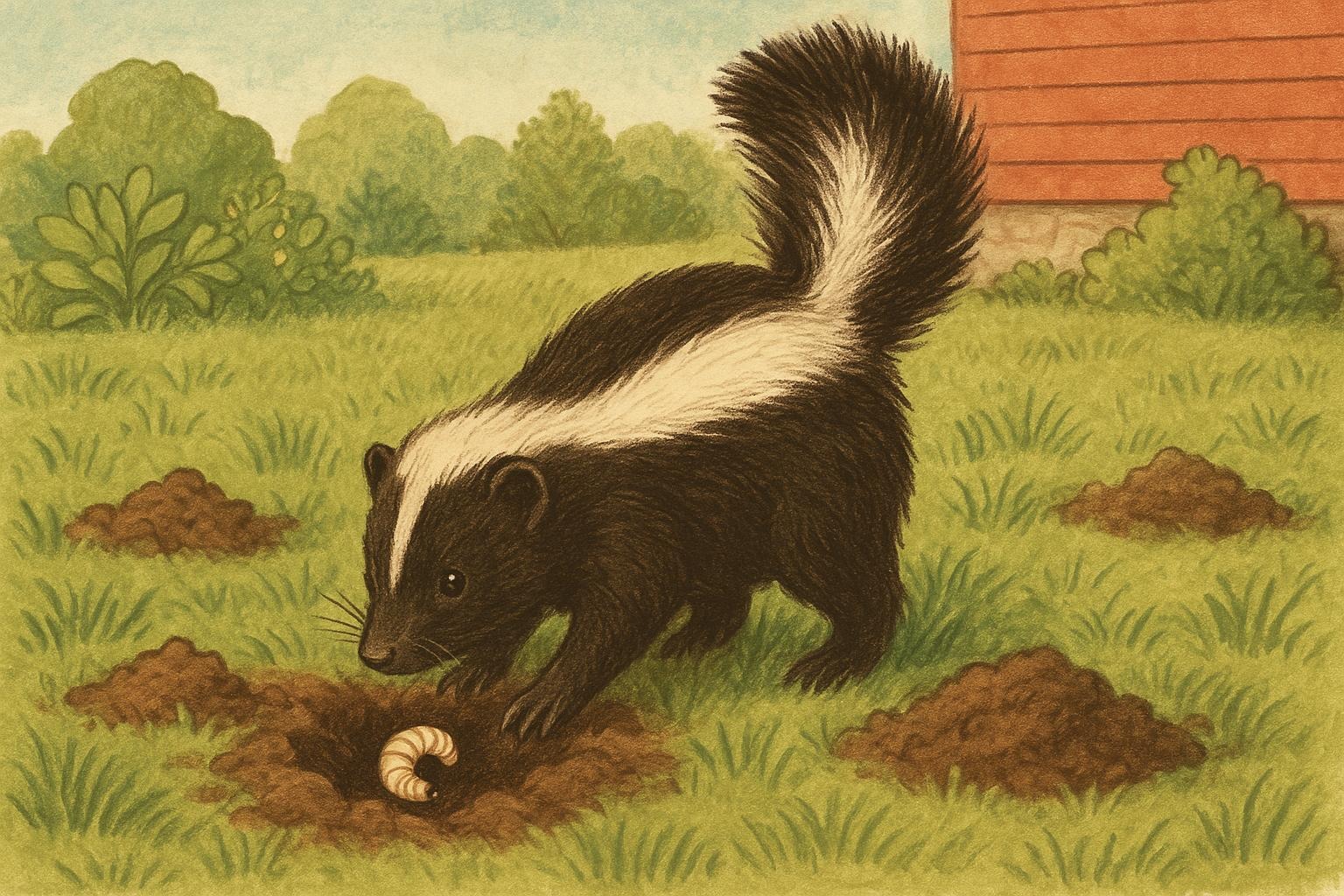
If you’ve woken up to neat little crescent-shaped holes and soil scattered like confetti, you’re not alone — and you’re not being haunted. Skunks are nocturnal foragers, and one of the main reasons they visit suburban lawns is grub-rich soil. When you find evidence of skunk digging, it’s usually because something tasty is hiding just under the grass.
### The Skunk’s Diet And Grubs
Skunks are opportunistic omnivores. In spring, summer and early fall, they switch from berries and small prey to protein-packed insect larvae: grubs. These plump, C-shaped beetle larvae live in turf and make lawns an all-you-can-eat buffet. A single skunk can flip through dozens of square feet of turf in one night if grubs are abundant.
### How To Identify Skunk Damage Versus Other Animals
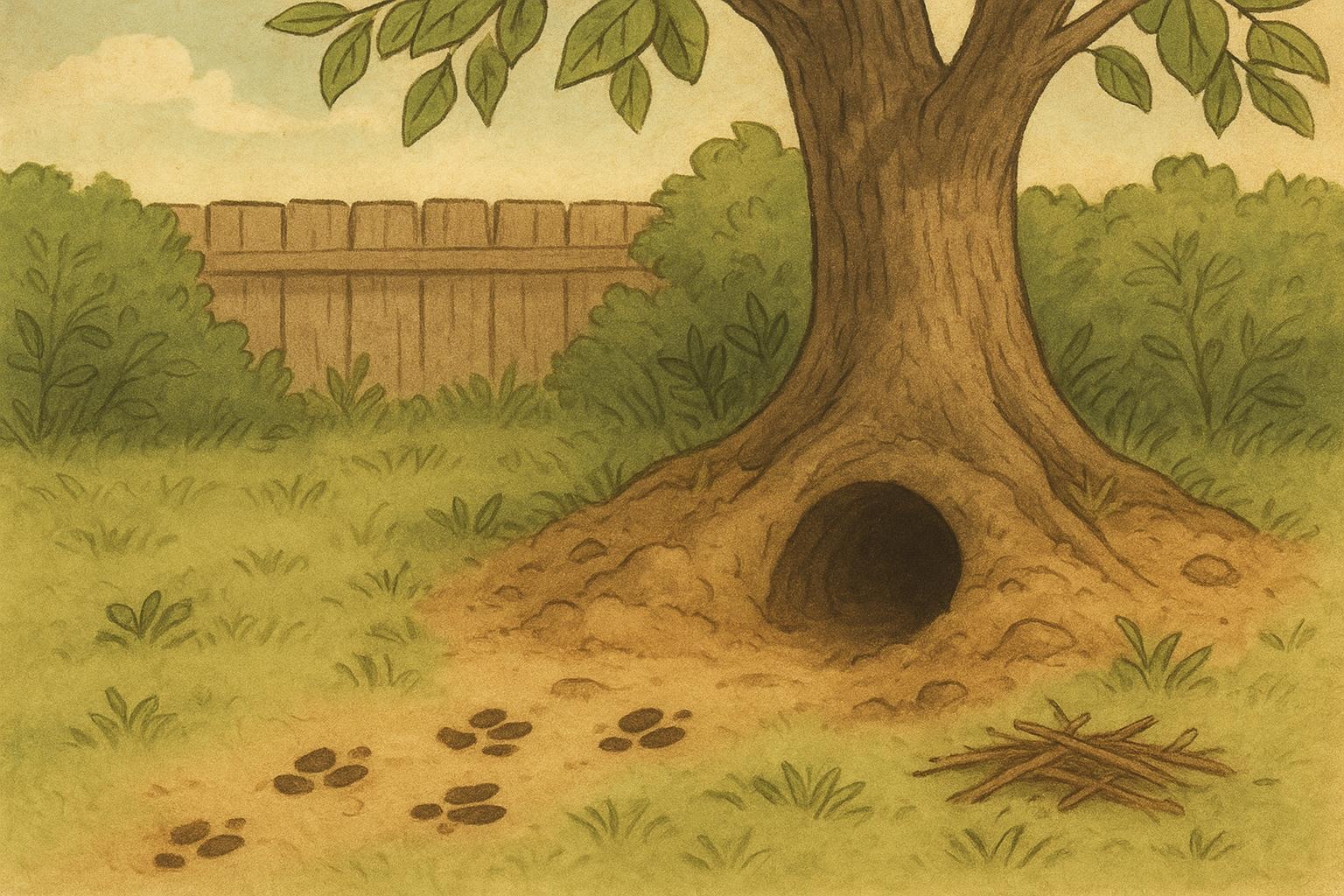
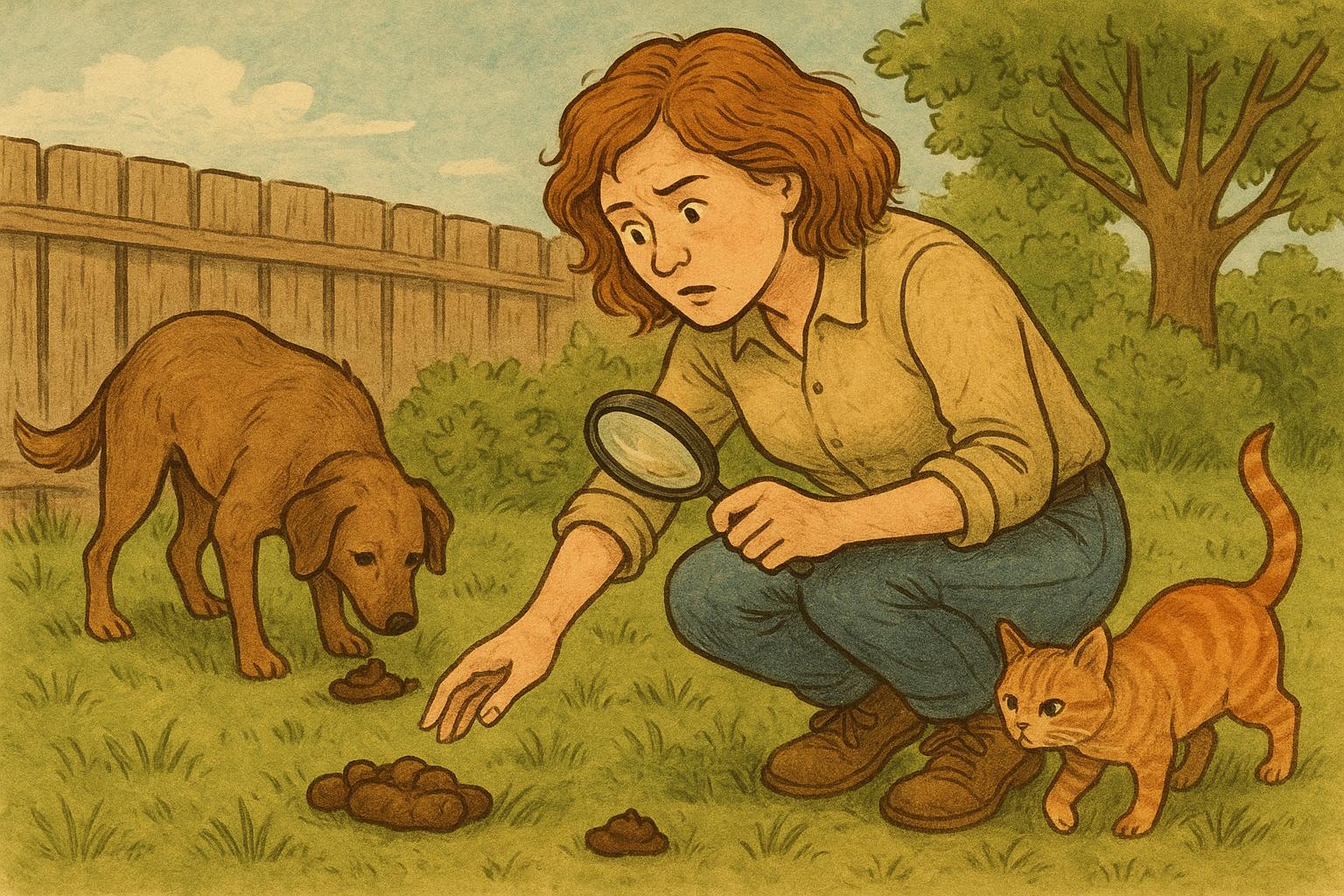
A skunk’s digging pattern is fairly distinctive: shallow, crescent or half-moon shaped holes about 2–4 inches across and several inches deep, often in a chain or scattered across lush patches. Raccoons and opossums pull up sod more aggressively, and skunk tracks — five toes in a long, narrow pattern — may be visible in softer soil. When diagnosing night-time turf damage, the presence of strong, musky scent can also be a clue, although it’s not always obvious.
## 3 Remedies To Stop Skunk Digging (And Materials + Steps For Each)
When you tackle skunk digging, you’re being practical: remove what attracts them, make the lawn less inviting, and repair the damage. Below are three remedies that work together: biological grub control, habitat modification and exclusion/repellents. Each includes materials and step-by-step instructions.
### 1. Biological Grub Control (Reduce The Food Source)
This is the most effective long-term approach: reduce grub numbers so skunks move on.
#### Materials/Ingredients
– Beneficial nematodes (Heterorhabditis bacteriophora) or milky spore powder (for certain grub species)
– Hose and sprayer (for nematode application)
– Water source
– Lawn spreader or hand seeder (optional for milky spore)
– Soil thermometer (optional; nematodes prefer soil temps 50–85°F)
#### Step-By-Step Application
1. Purchase nematodes from a reputable supplier; check species compatibility with local grubs. If using milky spore, ensure the grub species in your area responds to it (milky spore is species-specific).
2. Time application: apply nematodes in late summer or early fall when grubs are active near the surface. For milky spore, spring or fall applications work depending on product instructions.
3. Prepare soil: mow the lawn short, water the area lightly the day before to moisten the soil to a few inches deep.
4. Mix nematodes in water according to label directions and keep them in the shade; avoid letting them sit in direct sunlight or hot water.
5. Apply evenly with a sprayer or hose-end applicator, covering problem zones thoroughly. For milky spore, use a spreader or mix according to package instructions and apply as granular powder.
6. Water in gently after application to move nematodes into the soil and activate milky spore spores.
7. Reapply as directed by the product: nematodes may require multiple treatments over seasons; milky spore may take a couple of years to establish but can be long-lasting once set.
### 2. Habitat Modification And Lawn Care Practices
Make your lawn less hospitable to grubs and skunks through cultural practices. This is prevention by design.
#### Materials/Ingredients
– Lawn mower
– Rake and garden tools
– High-quality turf seed or sod patches
– Soil test kit (optional)
– Organic compost or slow-release fertilizer
– Garden hose and sprinkler or irrigation system
#### Step-By-Step Application
1. Test and optimize soil: perform a soil test to check pH and nutrient status. Grubs thrive in overly lush, waterlogged lawns; aim for balanced fertility.
2. Improve drainage: aerate compacted areas and top-dress with compost to enhance drainage and root health.
3. Mow at recommended height: taller grass (around 3 inches for many turf types) encourages deeper roots and more resilient turf, reducing grub susceptibility.
4. Water deeply and infrequently: water to encourage deep roots rather than daily shallow watering, which favors grub activity close to the surface.
5. Reseed bare patches promptly: healthy, dense turf is less likely to become grub hotspots and looks less inviting to skunks searching for easy meals.
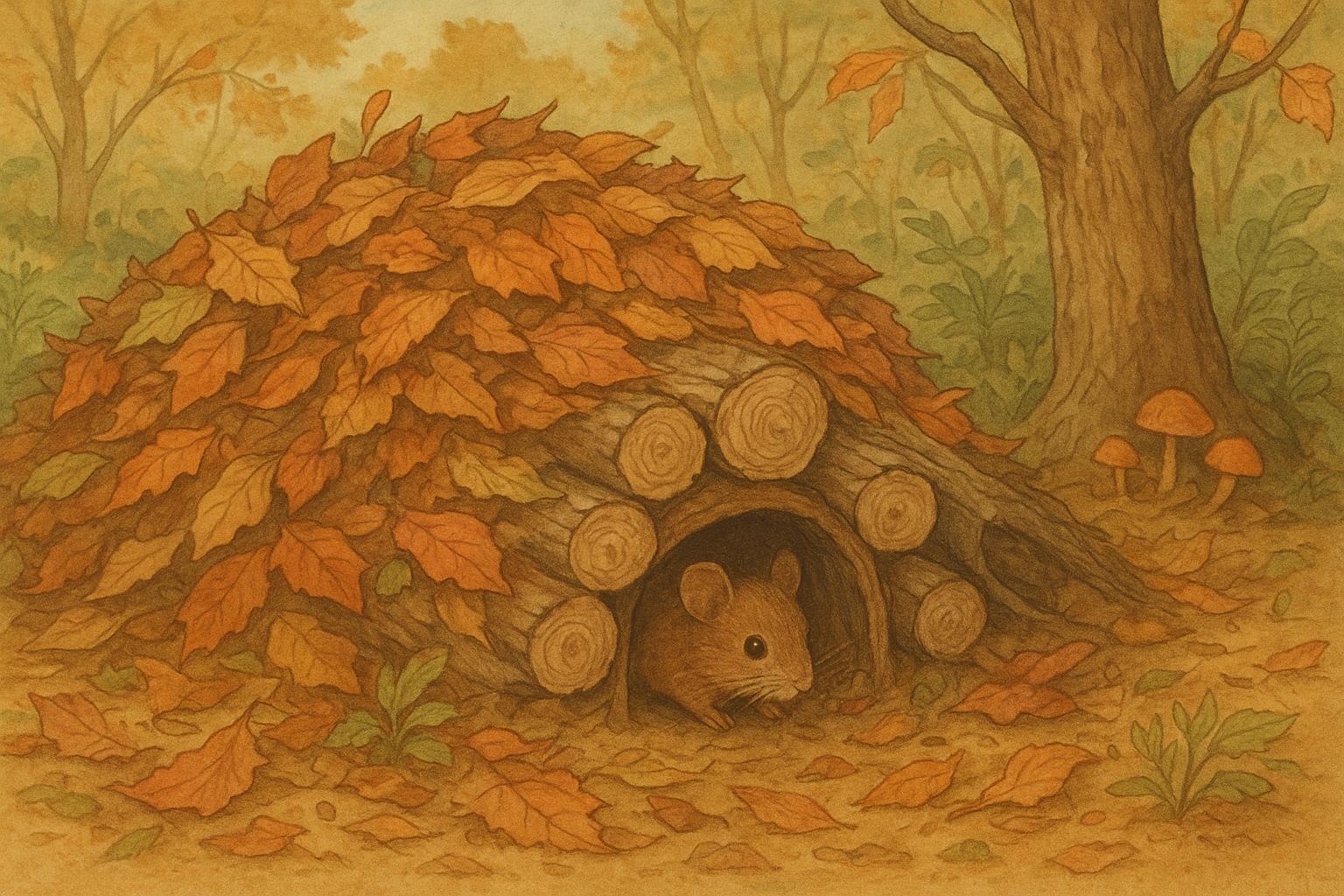
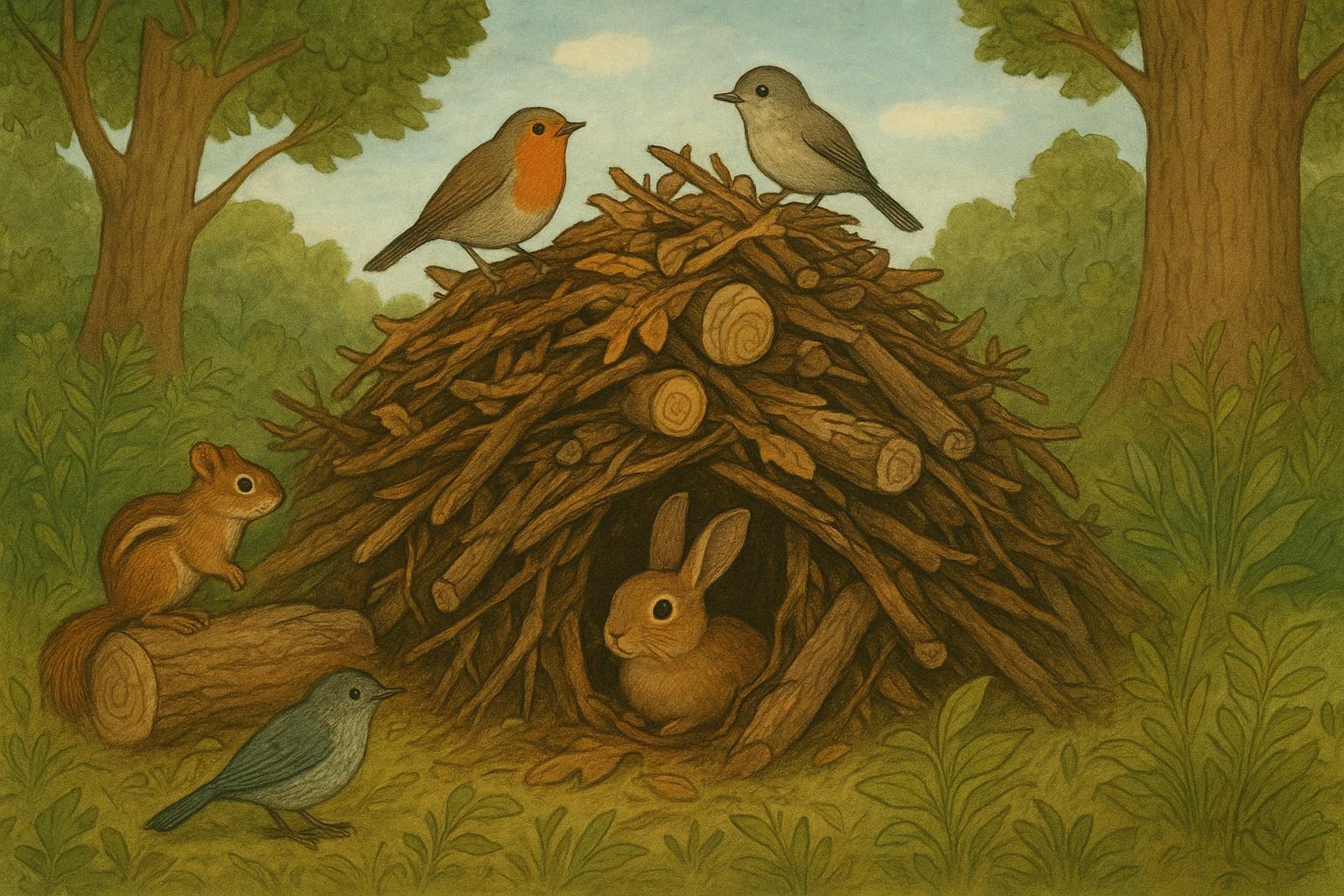
6. Reduce night-time attractants: pick up fallen fruit, secure compost bins, and close off easy shelter spots like wood piles.
### 3. Exclusion And Repellents (Immediate Deterrence)
When grub treatments take hold, or for quick action, exclusion and repellents help prevent skunk digging on a nightly basis.
#### Materials/Ingredients
– Hardware cloth or welded wire mesh (1/4 to 1/2 inch gauge)
– Garden staples or landscape pins
– Motion-activated lights or sprinklers
– Commercial animal repellents labeled for skunks (ammonium soap-based or predator urine)
– Plastic or wooden stakes and netting for temporary barriers
#### Step-By-Step Application
1. Physical exclusion: for small high-value areas (vegetable beds, newly seeded turf), install a buried edge of hardware cloth. Dig a shallow trench, place mesh so at least 6–8 inches is buried vertically, and backfill to prevent skunks from burrowing underneath.
2. Use motion-activated deterrents: install lights or sprinklers that trigger at night. Skunks are shy and will usually leave if startled.
3. Apply repellents: follow label directions for any commercial repellent. Reapply after rain or irrigation. Rotate products if performance wanes.
4. Temporary barriers: stake netting lightly over freshly seeded patches to prevent skunk access while grass establishes.
5. Combine strategies: exclusion plus habitat modification plus grub control yields the best outcomes.
## How To Repair A Lawn After Skunk Digging
Repairing the cosmetic and structural damage is straightforward but requires good technique so repairs blend in and roots re-establish.
### Assessing The Damage
Skunk holes are shallow, so most turf can be repaired without removing large areas. If turf is torn or roots damaged, patching is necessary.
### Materials/Ingredients
– Topsoil or compost-amended soil
– Turf seed matched to your lawn type or small sod pieces
– Lawn roller or tamping tool (optional)
– Straw mulch or seed blanket
– Watering equipment
### Step-By-Step Lawn Repair
1. Clean up: remove loose soil and debris, and level the hole with your foot or a tamper so the area is slightly compacted but not rock-hard.
2. Add a thin layer of topsoil or compost to restore grade and give seed good contact with soil.
3. Seed or sod: spread seed at recommended rates; for sod, cut patches to fit and press firmly into place so roots contact the soil.
4. Mulch lightly with straw or use a seed blanket to retain moisture and reduce predation of seed by birds.
5. Water gently and frequently at first, then transition to deeper infrequent watering as seedlings establish.
6. Monitor for renewed digging: if skunks return, double-check your grub treatment and deterrent measures.
### When To Call A Professional
If the skunk activity is persistent and widespread, or if you’re uncomfortable handling repellents or exclusion fencing, a licensed wildlife control professional or lawn care specialist can evaluate the underlying cause and apply targeted remedies. Professionals can also safely relocate a sick or denning skunk if local laws allow.
## Additional Practical Tips And A Few Friendly Notes
– Nighttime inspections with a flashlight can help you identify fresh activity patterns and prioritize treatment zones.
– Avoid lethal approaches: skunks are beneficial for controlling insects and rodents and many areas protect wildlife; plus, a startled skunk is famously memorable.
– Persistence pays: combining grub reduction with habitat changes and exclusion is the reliable path to stopping skunk digging for good.
If you’ve been watching the moonlight garden show and hoping for fewer muddy crescents, these steps will get your lawn back in shape and make your yard less appealing to nocturnal snackers.































Leave a Reply