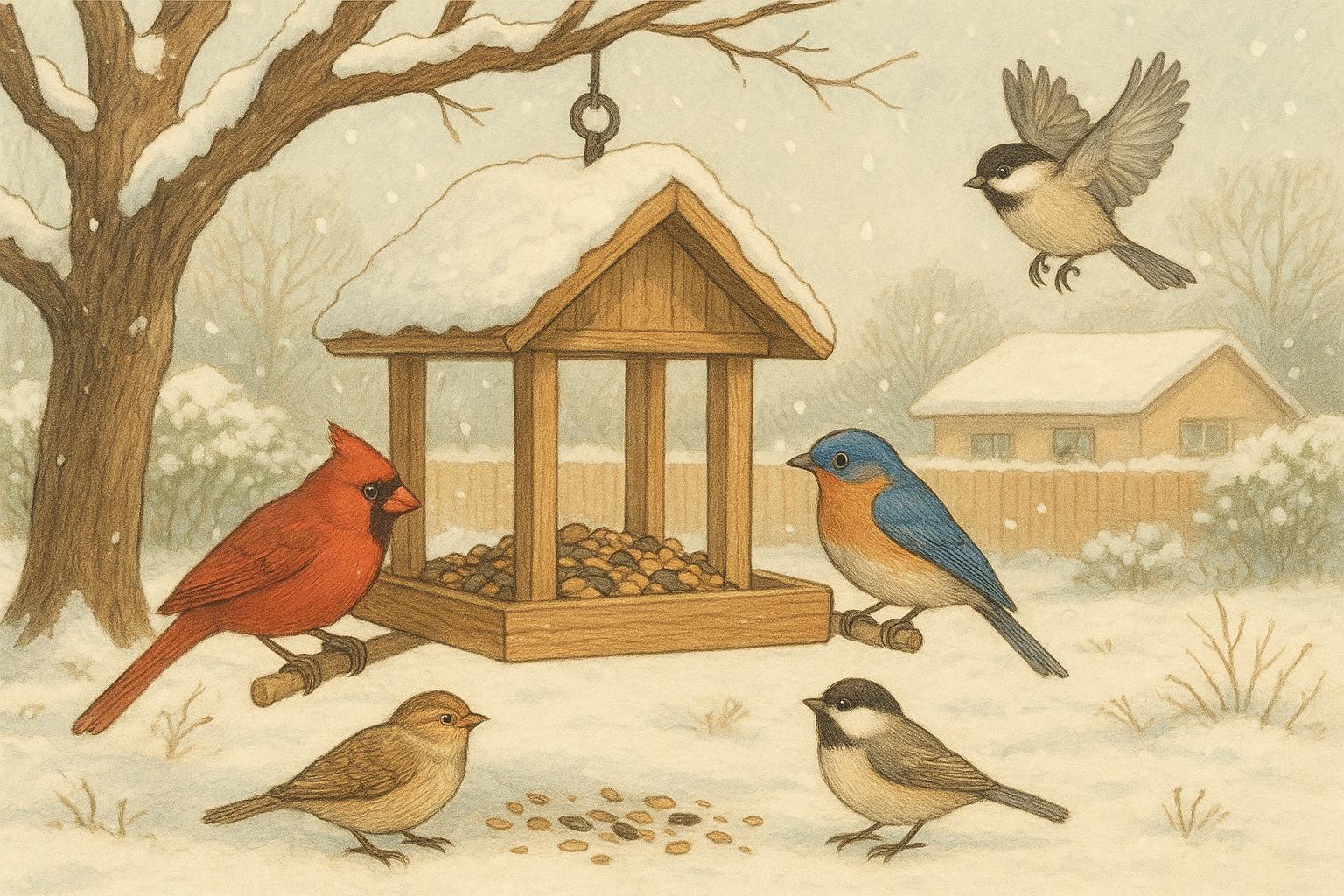
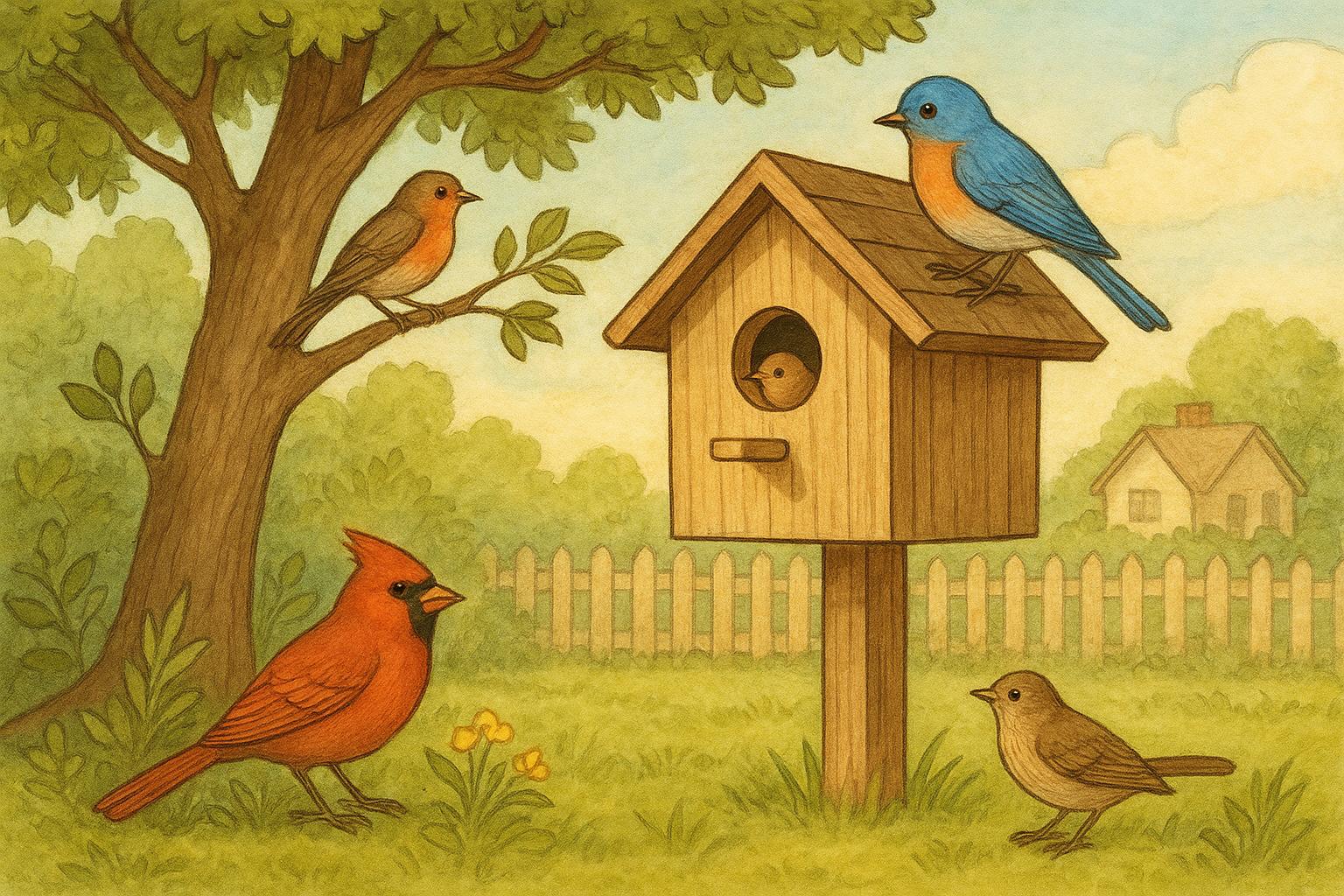
Spring Into Your Sweater Weather Mindset: crisp air, a mug of something warm, and a front-row seat to backyard birds working the banquet. Winter can be a lean season for wild birds, but a little thoughtful hospitality pays off in feathered visitors, chipper song, and the odd acrobatic spectacle on your feeder. Below are friendly, practical tips—plus one formal, detailed remedy—to make your winter seed feeding routine both effective and wildlife-friendly.
## Winter Seed Feeding Secrets For Cozy Backyard Feeders
Seed feeding is part art, part science, and mostly a way to keep your backyard lively when insects are scarce. Think of it as putting out the cold-weather equivalent of comfort food. But comfort for birds doesn’t have to mean messy, wasteful piles of anything that happens to be in the garage. With a few tweaks to what you offer, how you offer it, and where you put it, you’ll attract more species and help local populations through the tough months.
### Why Seed Feeding Matters In Winter
Birds burn energy fast, especially small songbirds facing wind and night-time temperatures well below freezing. Reliable food sources help them maintain fat reserves and survive long, cold nights. Supplementary feeding also concentrates birds in manageable areas where you can enjoy them and keep an eye on health and disease issues. Responsible seed feeding means improving survival odds without encouraging habituation to humans or dependency that could backfire in extreme situations.
### What To Feed: Nutritional Priorities
Not all seeds are created equal. The nutritional value and the bird species attracted will depend on your choices. High-fat, high-calorie options help small birds maintain body heat; protein is important for overall health; and variety keeps more species visiting.
– Black oil sunflower is a top choice for many backyard birds.
– Peanuts (shelled, unsalted) and suet bring crucial fats for cold snaps.
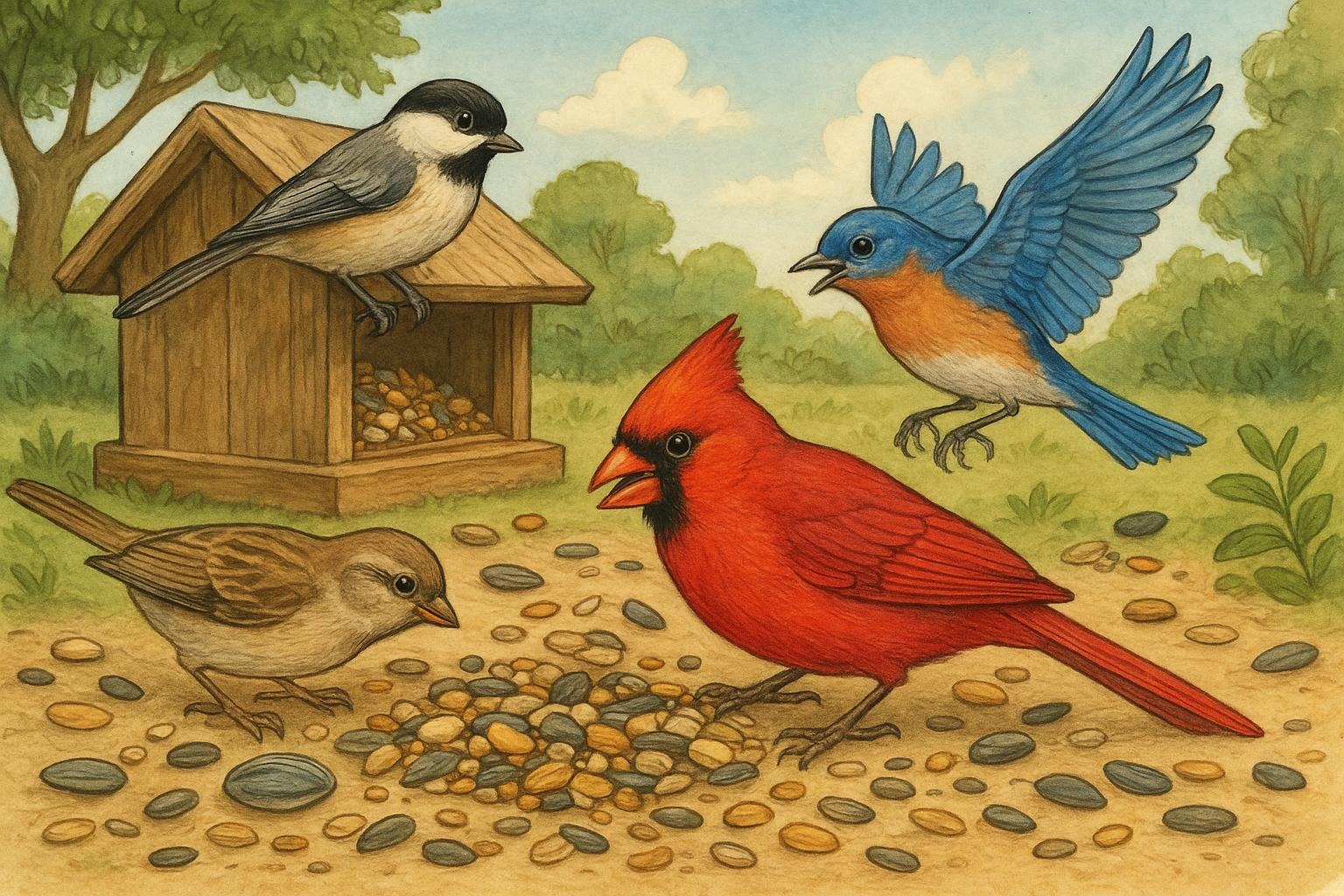
– Nyjer (thistle) draws finches; millet attracts sparrows and juncos.
Avoid mixes with lots of filler like red millet shells and excessive cracked corn unless you want to feed pigeons and house sparrows more than you want to. Moderation and quality matter—spend a little extra for seeds that birds actually eat.
### Seed Feeding Equipment And Placement
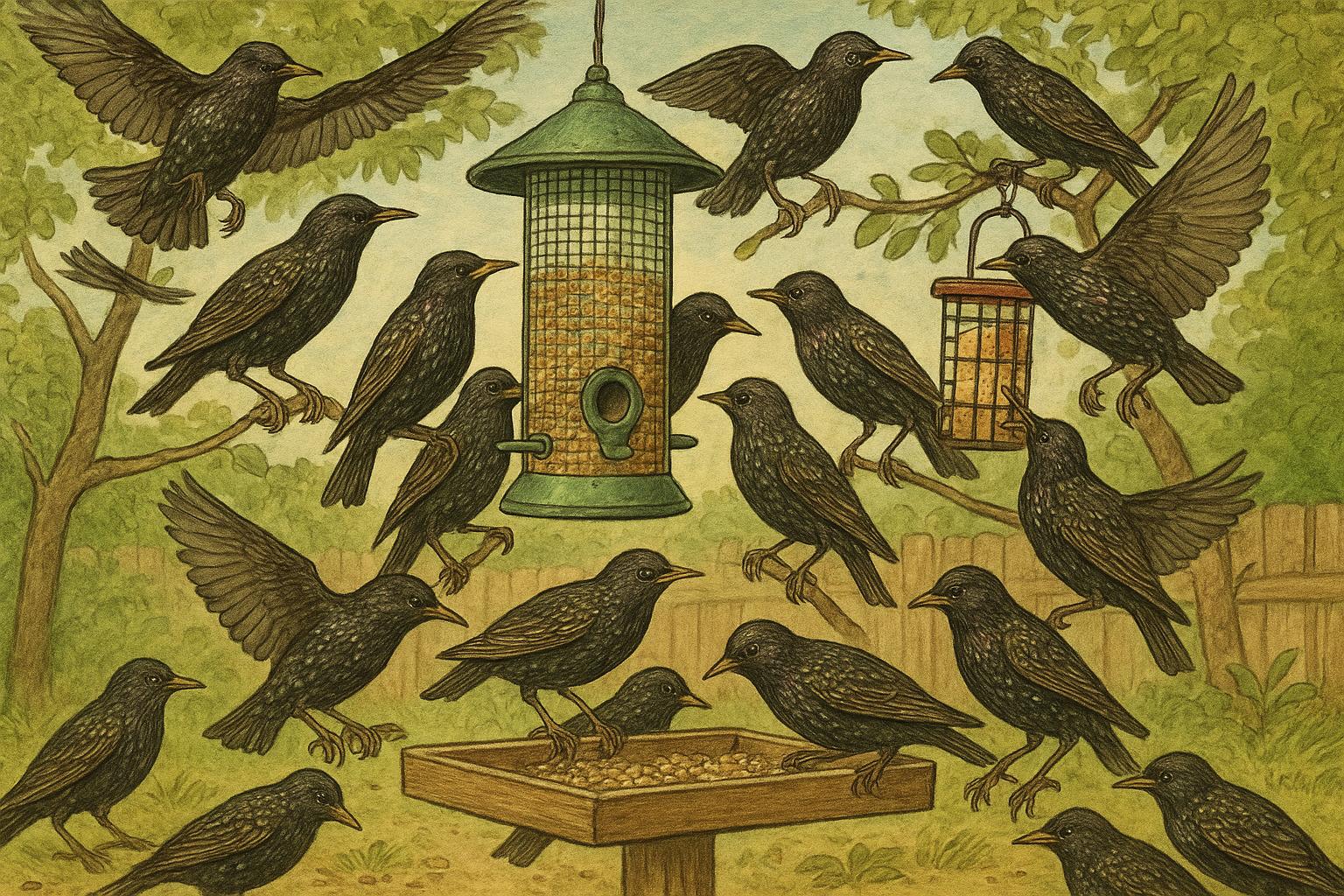
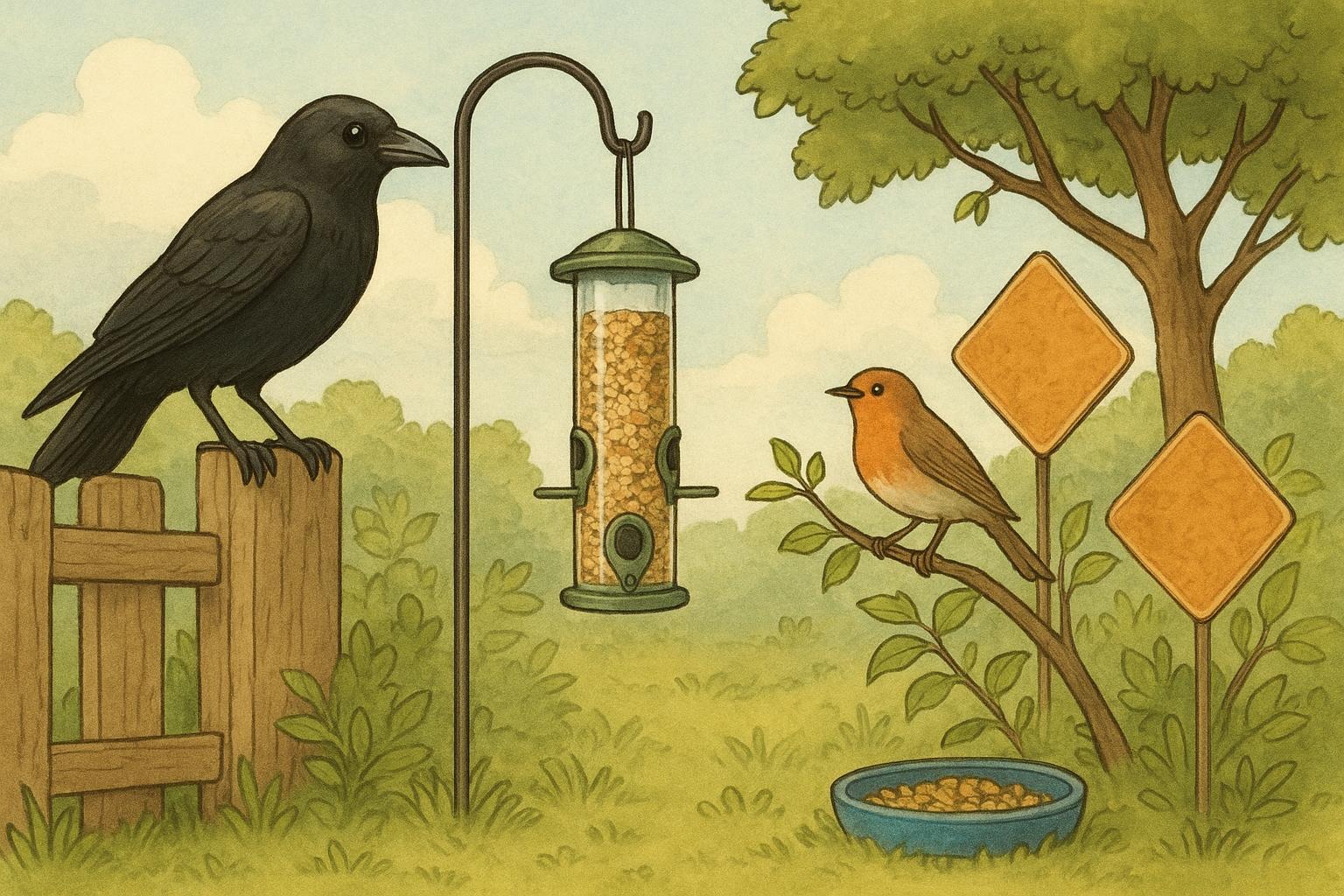
Feeder type and placement are as important as the seed. Tube feeders with small ports are great for sunflower and mixed seed; mesh socks work well for nyjer; platform feeders accommodate larger birds but can encourage squirrels. Hang feeders near shrubs or trees to give birds quick cover from predators, but not so close that predators can ambush them from nearby branches. Rotate feeders’ positions occasionally to reduce buildup of droppings and disease risk.
#### Feeder Hygiene And Maintenance
Clean feeders at least every two weeks in winter, more often if you notice clumping, mold, or sick birds. Use a diluted bleach solution (1 part bleach to 9 parts water), rinse thoroughly, and air dry. Replace wet or clumped seed immediately—moldy seeds can be deadly.
### Timing And Amounts: How Much Is Too Much?
Less is more when it comes to long-term feeding. Provide enough to keep birds energized through the day but avoid overflowing trays that invite waste and pests. Refill feeders daily during cold snaps when birds depend on them, and scale back during milder stretches. Observing your feeders will give you the best sense of consumption patterns.
## A Practical Remedy: DIY Winter Seed Mix And Feeder Setup
When I say “remedy,” I mean a deliberate, evidence-based approach to improve winter survival for visiting birds. The following DIY seed mix and setup is designed to maximize energy density, minimize waste, and reduce disease transmission. The instructions are formal and prescriptive to ensure replicable, safe results.
Ingredients / Required Materials
1. High-Quality Black Oil Sunflower Seeds — 60% by volume.
2. Shelled, Unsalted Peanuts (halved or whole for larger birds) — 15% by volume.
3. Nyjer (thistle) Seeds — 10% by volume.
4. White Proso Millet — 10% by volume.
5. Cracked Corn — 5% by volume (optional; use sparingly).
6. Airtight Storage Containers or Heavy-Duty Food-Grade Buckets with Lids.
7. Clean Funnel and Measuring Cups.
8. Mesh Nyjer Sock Feeder, Tube Feeder, and Platform Feeder (one of each recommended).
9. Gloves and Cleaning Brushes.
10. Bleach or Poultry-Safe Disinfectant.
Step-By-Step Creation And Application
1. Preparation: Clean your storage containers and all feeding equipment with warm, soapy water. Rinse thoroughly and air dry. Inspect seeds for signs of mold or infestation; discard any suspect materials.
2. Measure Mix Ratios: Using measuring cups, combine 60% black oil sunflower, 15% shelled peanuts, 10% nyjer, 10% white proso millet, and 5% cracked corn. Ensure accurate proportions to maintain nutritional balance and reduce waste. (Example: For a 10 lb batch, use 6 lbs sunflower, 1.5 lbs peanuts, 1 lb nyjer, 1 lb millet, 0.5 lb cracked corn.)
3. Blend Gently: Pour measured components into a clean bucket and stir gently with a clean scoop to avoid crushing delicate seeds like nyjer.
4. Store Properly: Transfer blend into airtight containers and label with date. Store in a cool, dry place to prevent rancidity, insect infestation, and mold. Rotate stock so older mixes are used first.
5. Feeder Deployment: Fill tube feeders with primarily sunflower mix; use mesh socks for nyjer to favor finches. Scatter small amounts of millet on a platform or the ground for ground-feeding species like juncos.
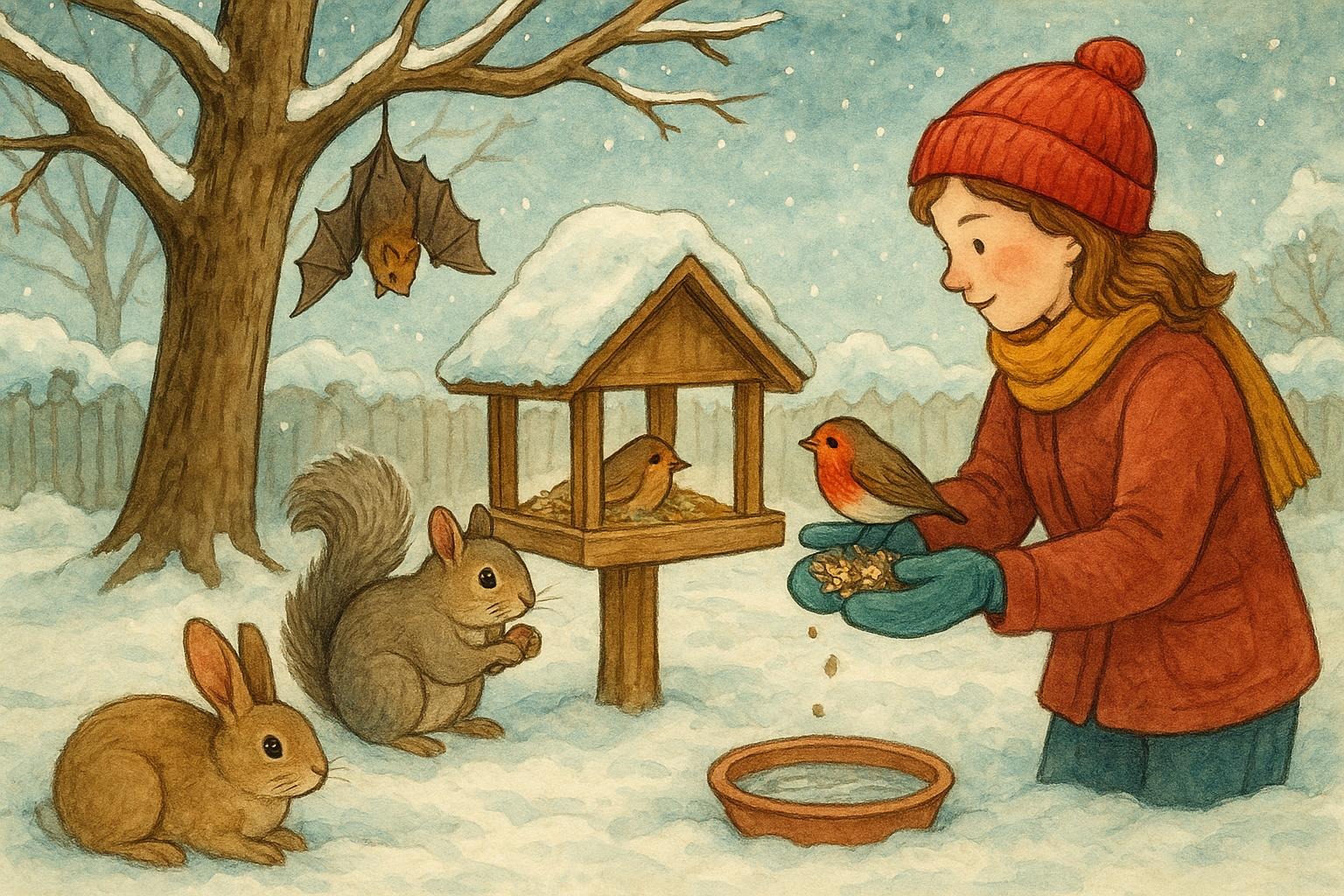
6. Daily Application Practices: During extended cold periods, ensure feeders are kept filled each morning and topped up late afternoon if heavily used. Remove any wet or moldy seed immediately. Keep water sources from freezing or provide heated water if possible, as hydration matters as much as calories.
7. Cleaning Protocol: Clean feeders at minimum every two weeks with the bleach solution (1:9 ratio). For heavy use or visible contamination, clean weekly. Rinse thoroughly and dry before refilling.
8. Monitoring And Adjustment: Record which seeds are consumed fastest and adjust the mix accordingly. If you notice a dominance of non-target pest species (rats, large pigeons), reduce cracked corn and use squirrel-resistant feeders.
This remedy balances high-energy foods with variety to attract a broad suite of winter visitors while emphasizing sanitation and storage practices that reduce disease and waste.
### Feeder Types, Placement, And Safety
Choose feeders suited to the seeds and birds you want to attract. Tube feeders limit access to smaller species; platform feeders welcome jays and doves. Hang feeders 4–6 feet off the ground for most birds, and keep them 10–12 feet from cover that could hide predators. If you have cats, place feeders where birds have multiple escape routes and good visibility.
#### Rodent And Pest Management
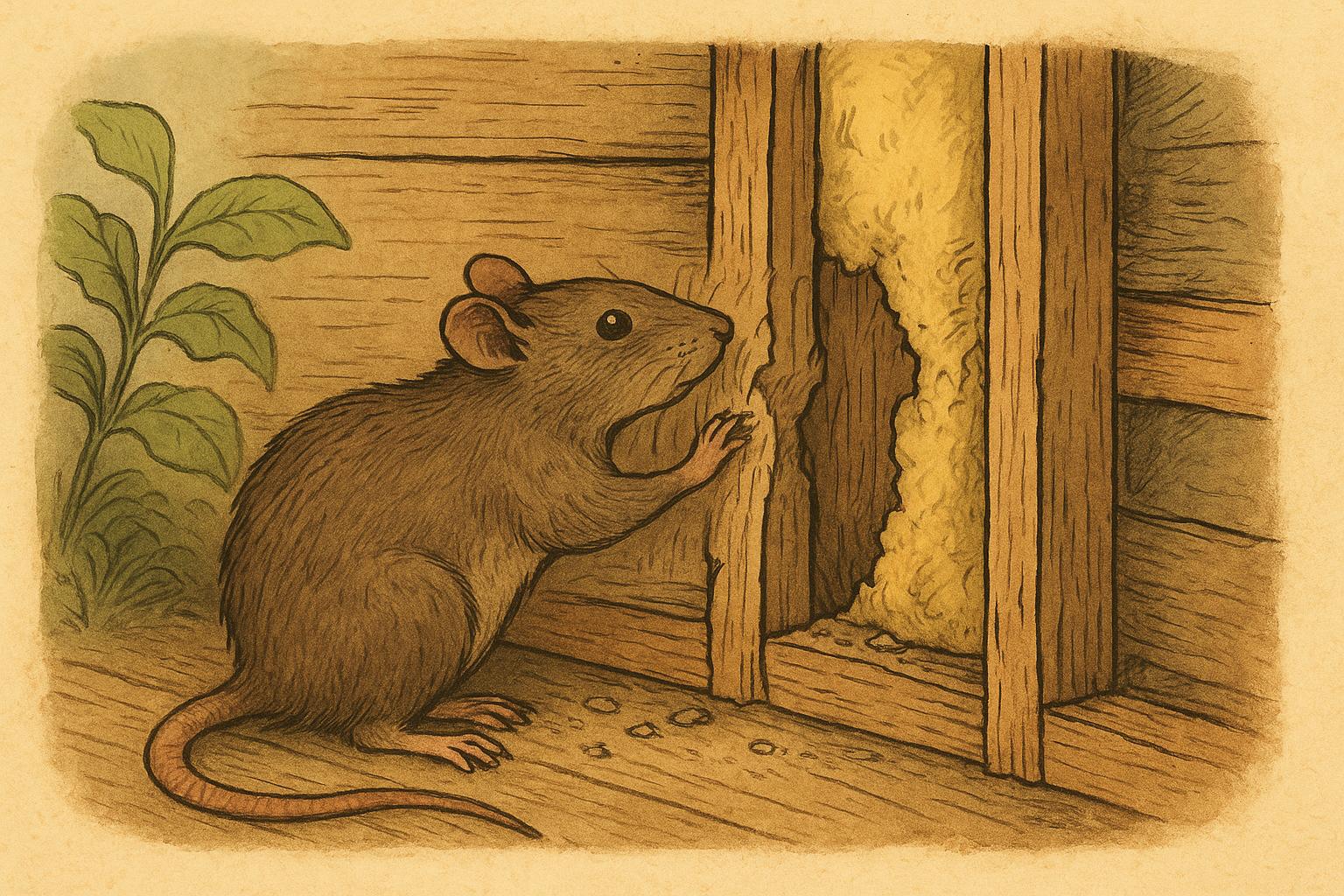
Seed accumulation under feeders attracts rodents. Use trays without bulk dumping, install baffles to deter climbing pests, and clean up spilled seed promptly. Avoid feeding at ground level if rodent populations are high. Securely store seed inside; open sacks in daylight and reseal containers at night.
### Avoiding Common Mistakes
Overlooking feeder cleanliness, using low-quality mixes, and leaving wet seed in feeders are common pitfalls. Regular inspection, rotating feeder locations, and adjusting seed types to bird preferences reduce waste. Also be mindful of local ordinances and neighbor concerns—birds can be delightful, but concentrated feeding can create tension if not managed considerately.
### Weather, Migration, And Seed Feeding Adjustments
Late winter can be tricky: sudden thaws followed by freezes mean birds need consistent supply. If you live in an area with migratory species, seed feeding can influence stopover behavior—providing reliable resources during migration windows is helpful, but try to maintain consistent availability when birds rely on feeders. When temperatures rise, reduce feeding gradually to avoid dependency but continue to offer water and patchy resources that support returning insects and native plants.
### Enjoying The Winter Show
Seed feeding in winter rewards patience. Bring binoculars, a notebook, and perhaps a thermos. Note diversity changes week to week—this is a great citizen-science opportunity. Keep your sense of wonder: the backyard is both theater and refuge, and a well-managed feeding program is a gentle, practical way to share the season with feathered neighbors.
(If you’d like, I can tailor a seed mix to your specific region and list local bird species likely to visit. Just tell me your ZIP code or general area.)






Leave a Reply