
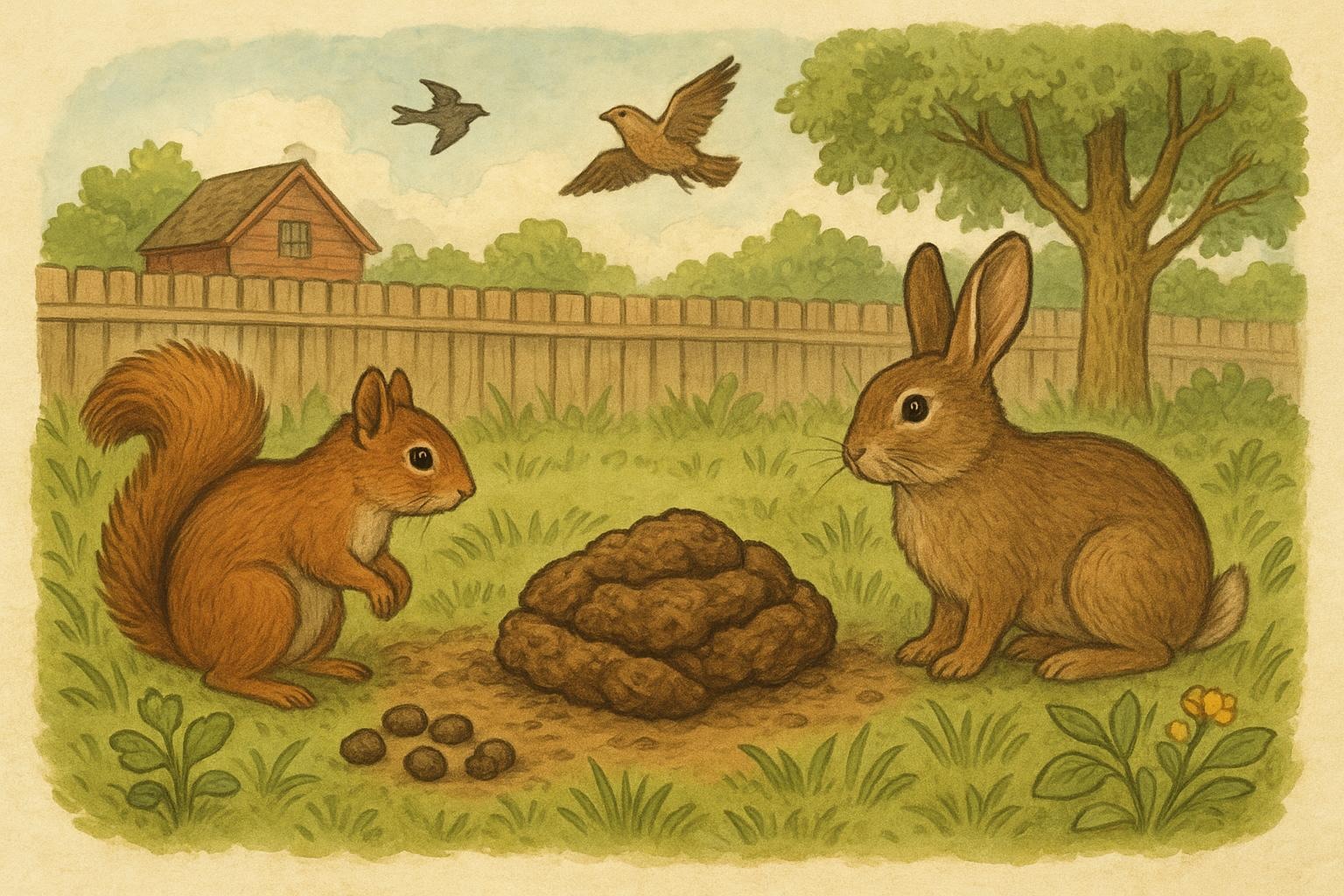
If you’ve ever surprised a raccoon mid-dinner in your compost bin, or wondered whether those little dark pellets near the shed belong to rabbits or rodents, learning scat identification is like getting a backstage pass to backyard wildlife. It helps you understand who’s visiting, whether they’re passing through, nesting nearby, or repeatedly raiding your bird feeders. And yes, identifying scat can be oddly satisfying—like solving a tiny, slightly smelly mystery.
## Scat Identification: Quick Reference For Backyard Mammals
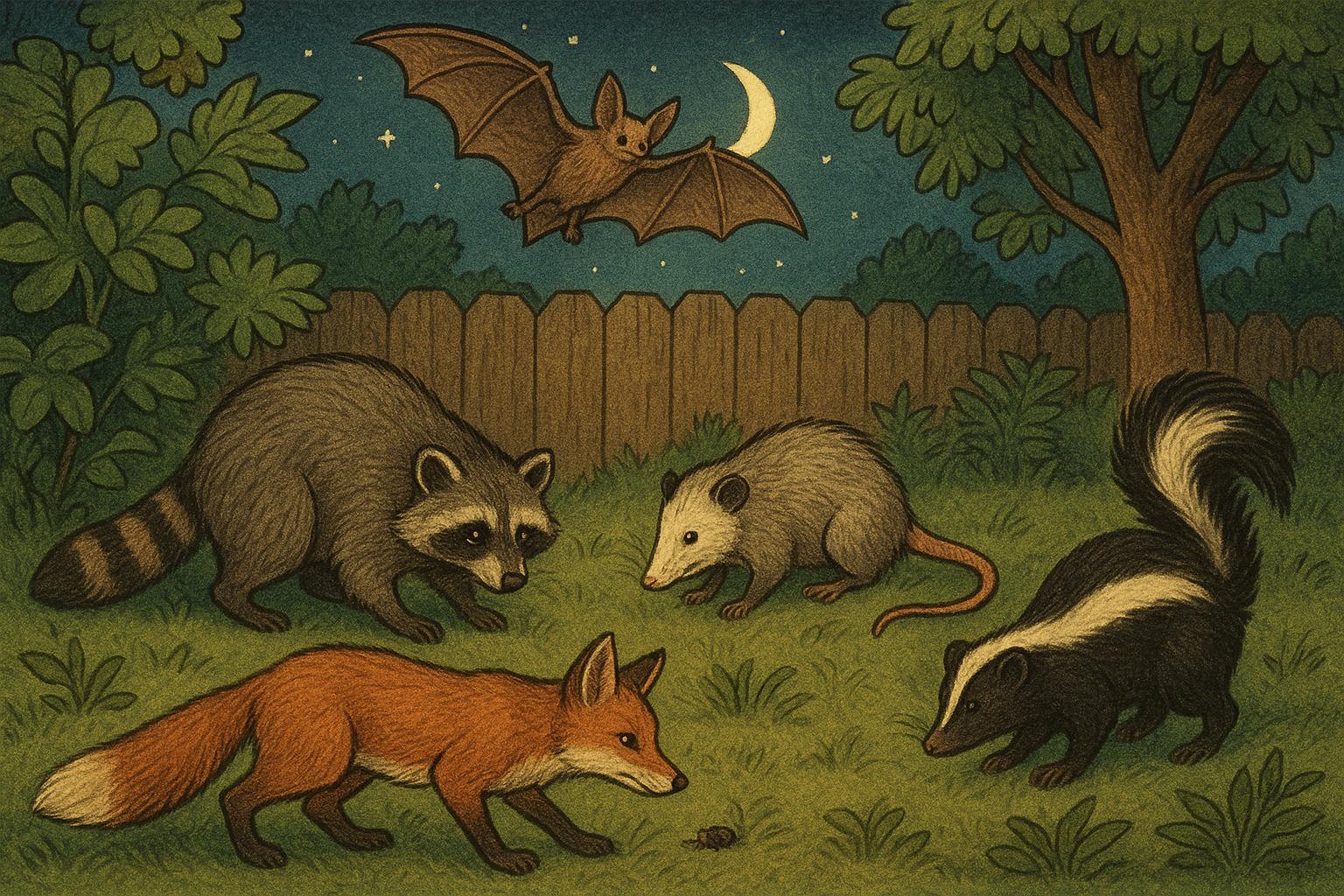
Scat identification starts with looking at the basics: size, shape, content, and placement. These features are the keys to narrowing down possibilities from deer and rabbits to foxes and raccoons. Below are the typical backyard suspects and the quick clues each species leaves behind.
### Raccoon
– Size & Shape: 1–3 inches, tubular with tapered ends, often segmented.
– Contents: Seed coats, berries, insect parts, bits of garbage, and hair.
– Clues: Found on flat surfaces—logs, decks, trash cans. Often left in conspicuous places (a raccoon’s calling card).
### Fox
– Size & Shape: 1–2 inches thick, 2–3 inches long, tapered ends, sometimes twisted.
– Contents: Fur, bones, berries.
– Clues: Often left in trails or at the edge of yards; fox scat can be twisted or contain scraps of small prey.
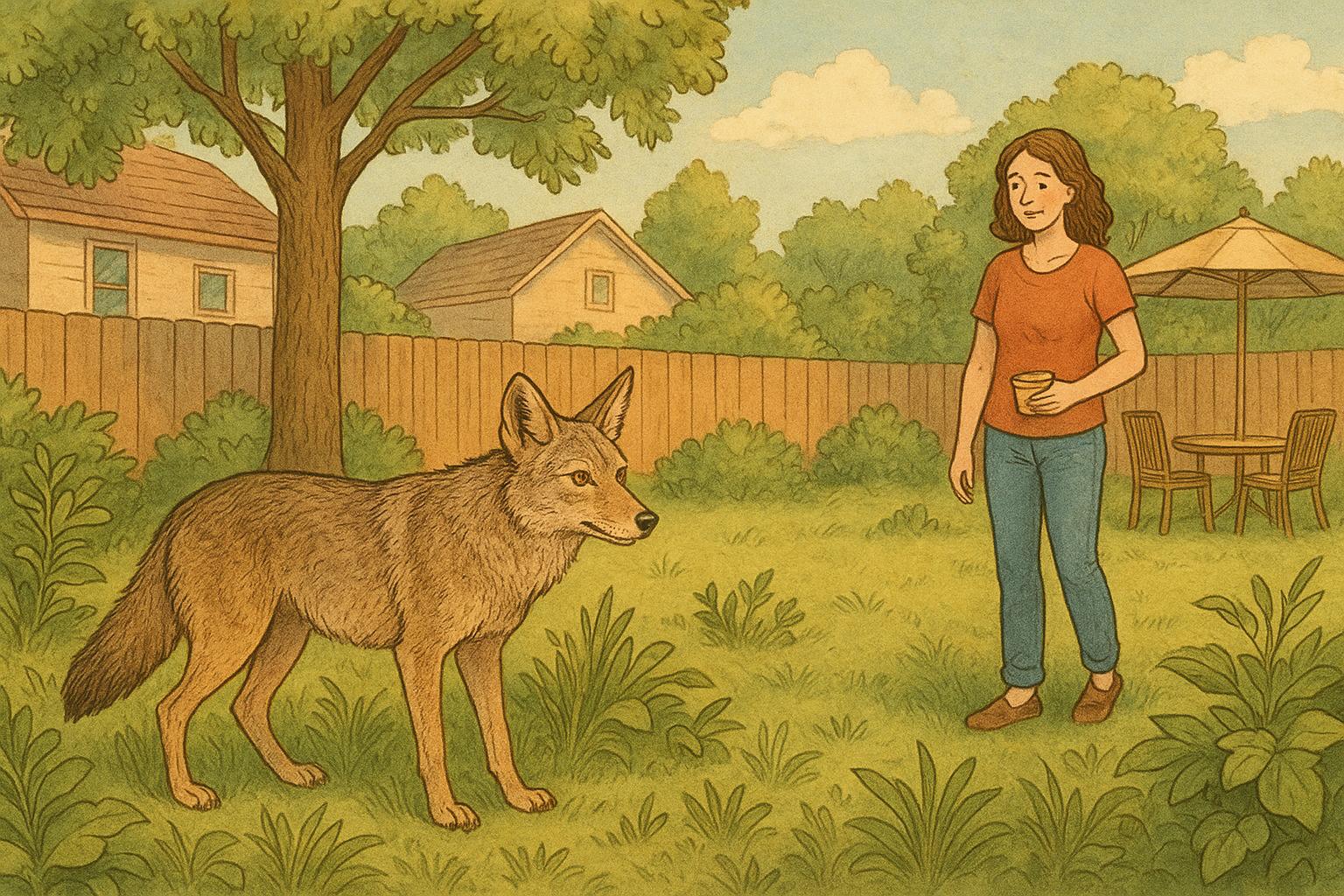
### Coyote
– Size & Shape: 1–2 inches thick, 3–6 inches long; similar to small dog scat.
– Contents: Fur, bones, fruit, and seeds.
– Clues: Placed along travel routes and on elevated objects (rocks, logs) to scent-mark.
### Skunk
– Size & Shape: Small, tubular, sometimes loose.
– Contents: Insect parts, small fruits.
– Clues: Usually near burrows or under porches.
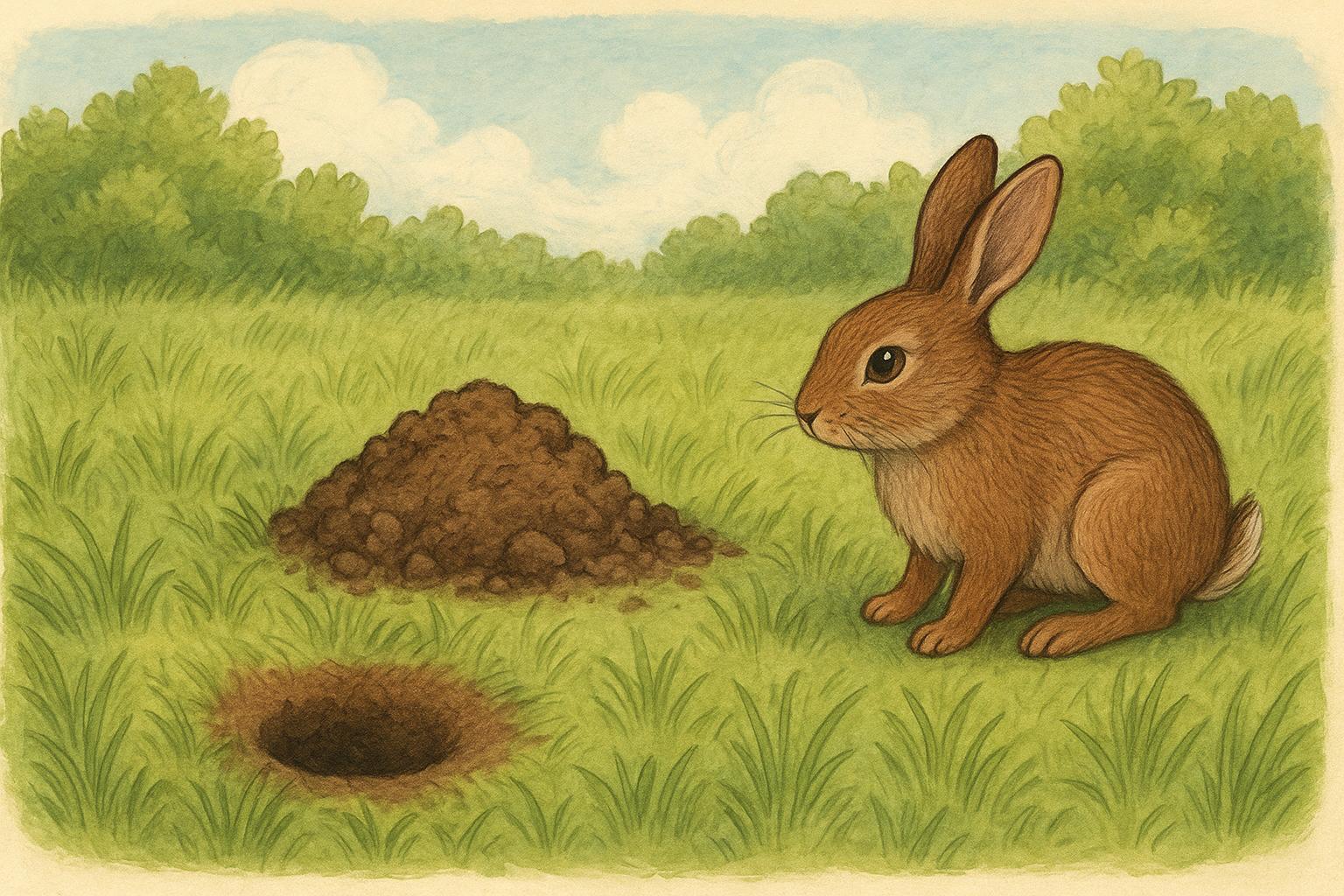
### Rabbit
– Size & Shape: Small, round pellets, like little marbles.
– Contents: Plant matter only.
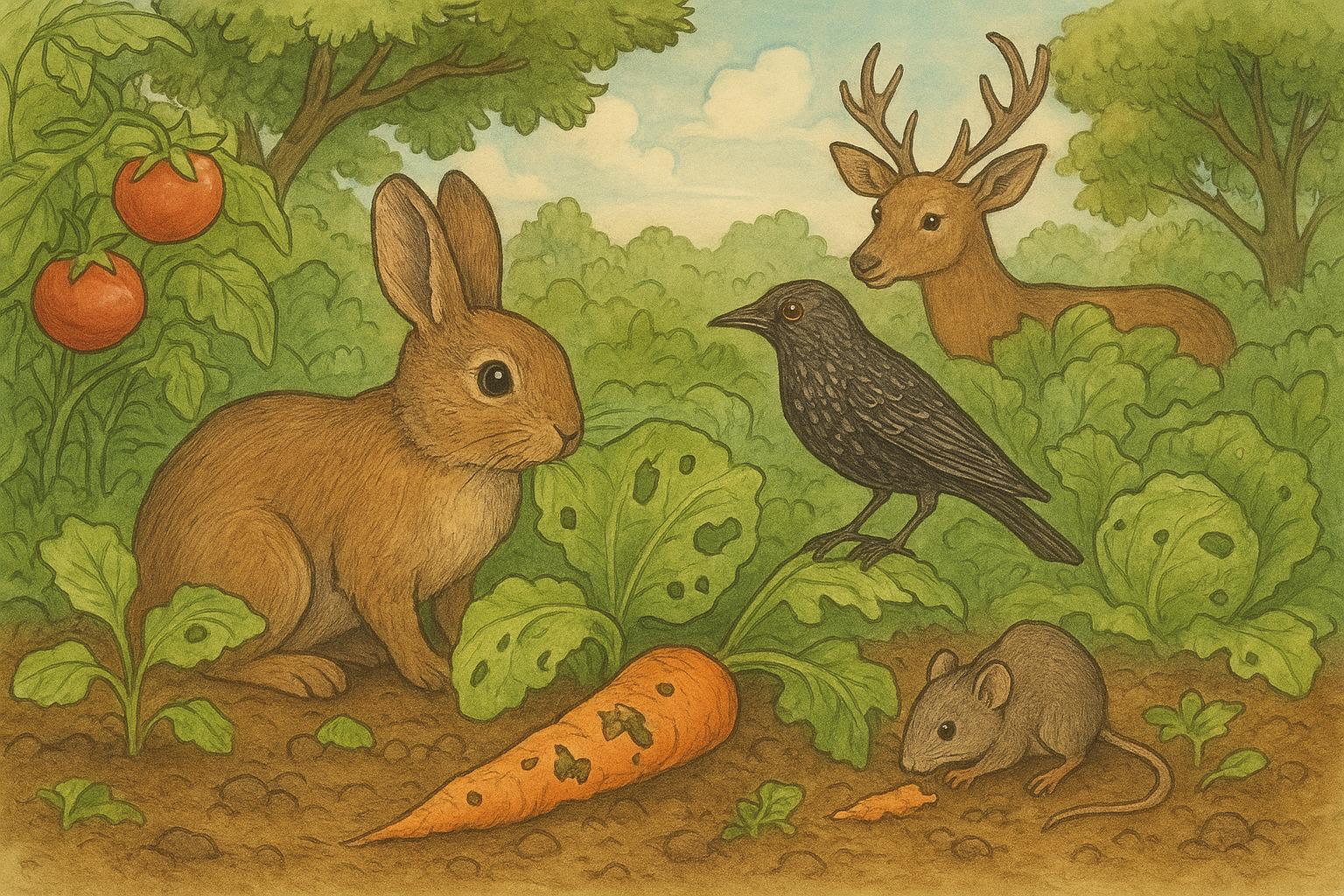
– Clues: Often in clusters where rabbits rest or feed—gardens and under shrubs.
### Deer
– Size & Shape: Larger football-shaped pellets or piles of pellets.
– Contents: Plant matter.
– Clues: Found in browse areas and trails through yards.
### Rodent (Mouse, Rat)
– Size & Shape: Tiny, rice-grain sized for mice; larger for rats and voles.
– Contents: Plant seeds, bits of food.
– Clues: Near stored food, along baseboards, or along fence lines.
## How To Read The Details
Scat identification improves when you add context. Look for:
– Location: Is it on a trail, up on a rock, or scattered under a feeder?
– Contents: Seeds and berry skins suggest omnivores; hair and bone point to carnivores; uniform pellets usually mean herbivores.
– Freshness & Scent: Fresh scat is moist and darker; older scat is dry and lighter. A strong musky odor can indicate canids or mustelids.
– Associated Signs: Tracks, scratches, burrows, or den materials nearby help confirm the species.
### Photographing And Measuring Scat
Photograph scat with a scale (coin, ruler) next to it for size reference. Take at least two angles—one overhead and one from the side. Note the date, time, and weather. These details are gold when comparing to field guides or asking experts.
#### Safety And Handling
Never touch scat with bare hands. Use gloves or a plastic bag and a stick for collection. If you must move it for a photo, do so gently—sampling for labs requires fresh material in sterile containers. Wash hands thoroughly afterward. Scat can carry pathogens (think leptospirosis, salmonella), so treat it with respect, not romance.
## When Scat Identification Tells You A Problem Exists
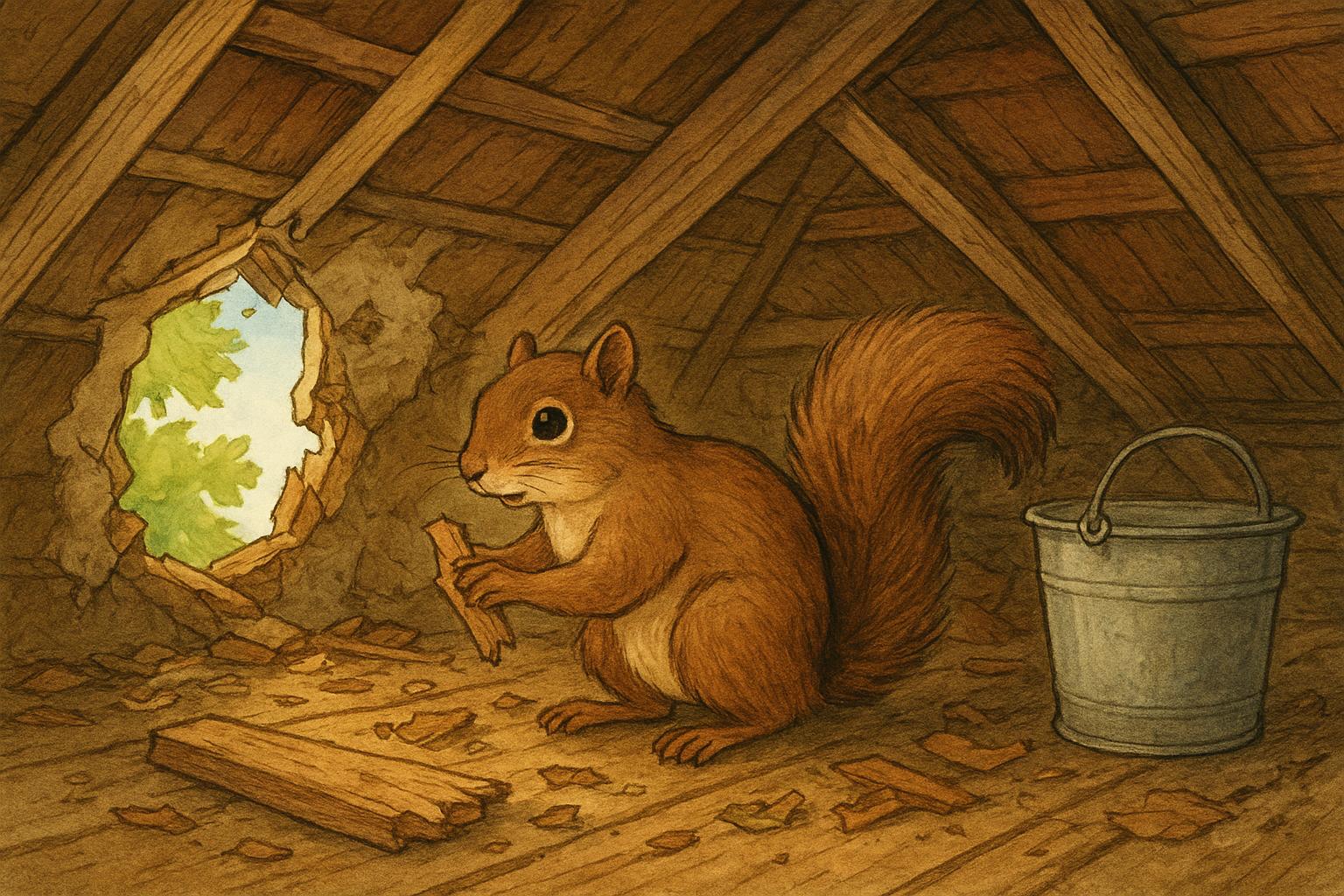
Scat alone doesn’t always mean a problem, but repeated deposits in the same area, fresh scat inside sheds or attics, or scat that contains pet food bits suggests persistent visitors with potential for damage or disease transmission. If scat is inside structures, assume animals are denning or nesting nearby, and consider exclusion measures.
### Maintaining Records For Seasonal Patterns
Keep a log or take photos across weeks. Noting changes in frequency, size, or content helps determine whether you’re seeing transient animals following food resources or established residents. This can guide humane and effective responses.
## 2 Remedies To Humanely Deter Mammals
Below are two remedies you can apply depending on the species indicated by your scat identification. Remedy 1 is a homemade repellent spray for general-purpose deterrence; Remedy 2 is a structural/habitat approach for exclusion and long-term prevention. Instructions are formal and procedural here—follow them carefully.
### 1. Remedy 1: Homemade Repellent Spray (For Raccoons, Foxes, Coyotes)
Materials/Ingredients:
– 1 gallon of water
– 1/4 cup white vinegar
– 1/4 cup chili pepper flakes or 2 tablespoons cayenne pepper
– 1/4 cup ammonia (household, not scented)
– 2 tablespoons liquid dish soap (to help adhesion)
– Spray bottle (1-gallon garden sprayer recommended)
– Gloves and eye protection
Creation And Application:
1. Put on gloves and eye protection. Work outdoors or in a well-ventilated area.
2. Heat (do not boil) a small portion of the water and steep chili flakes for 10–15 minutes to extract oils. Strain to remove solids. If using powdered cayenne, skip heating.
3. In the sprayer, combine the remaining water, vinegar, chili infusion or powder, ammonia, and liquid dish soap. Mix gently to avoid splashing.
4. Test-spray a small, inconspicuous area of any plants or surfaces to ensure no damage occurs.
5. Apply around the perimeter of the yard, near garden edges, compost bins, and under decks—areas indicated by scat identification as frequenting spots. Reapply after rain or every 7–10 days.
6. Store solution in a labeled container away from pets and children. Do not spray directly on edible plants; avoid high winds to reduce drift.
Safety Notes: Ammonia and chili can irritate eyes and mucous membranes; do not apply where it will contact pets’ food or sleeping areas. This repellent is a short-term deterrent; combine with habitat modification for lasting results.
### 2. Remedy 2: Habitat Modification And Exclusion (For Denning Or Repeated Visits)
Materials/Required Tools:
– Heavy-gauge wire mesh (1/4–1/2 inch hardware cloth)
– Staple gun or fencing staples
– Shovel and post-hole digger (if needed)
– Motion-activated lights or sprinklers
– Elevated bird-feeder baffles or squirrel-proof feeders
– Trash cans with tight-fitting lids and bungee straps
Creation And Application:
1. Identify access points using scat identification, tracks, and inspection. Look for burrows, gaps under sheds, or holes under fences.
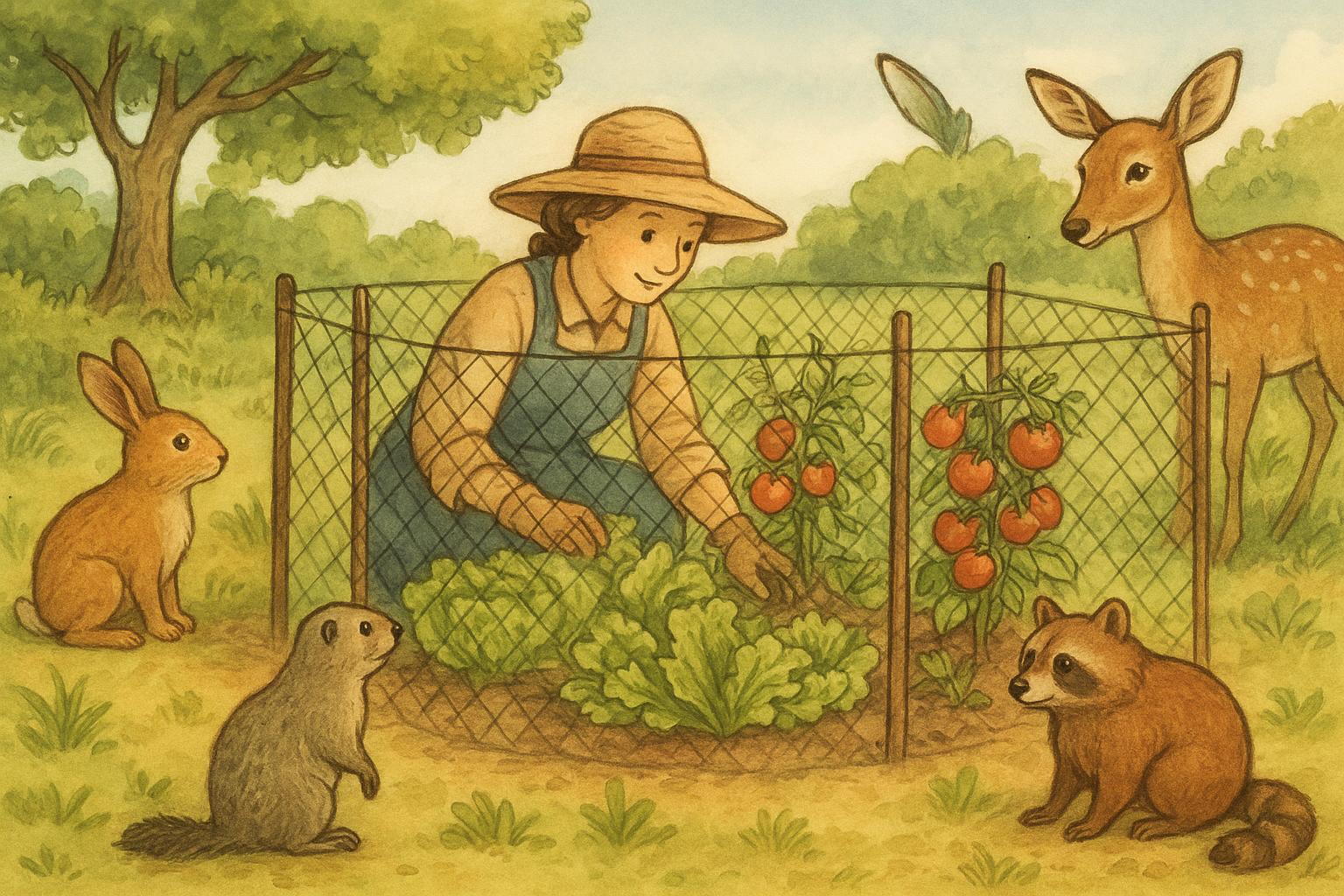
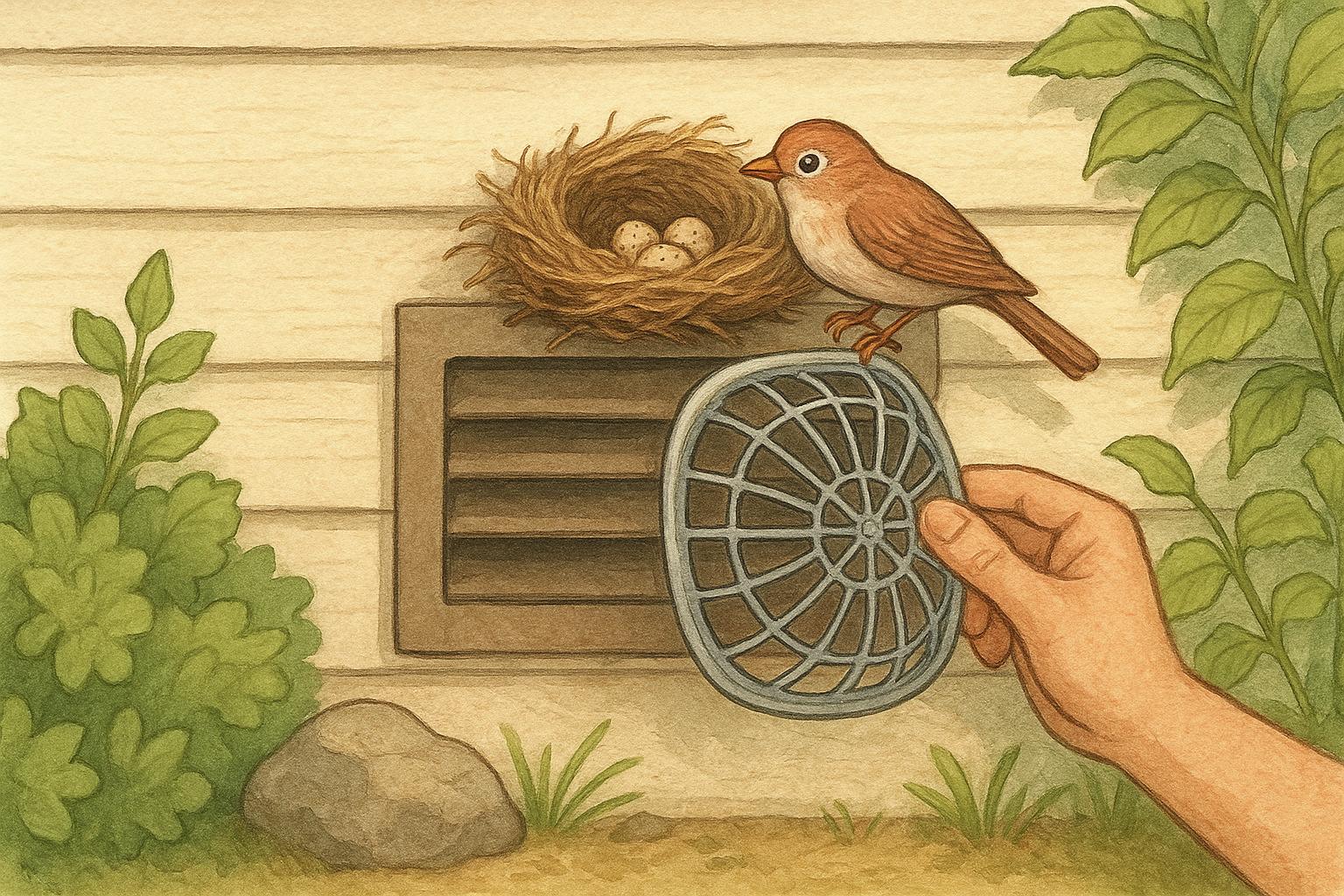
2. Install hardware cloth around foundation vents, under decks, and along fence bases. Bury the bottom edge 6–12 inches deep and bend outward (L-foot) for added resistance against digging.
3. Seal gaps in sheds and crawlspaces with hardware cloth and sturdy fasteners. Replace damaged vent screens with metal ones.
4. Use motion-activated lights or sprinklers in areas with frequent nocturnal activity to create an uncomfortable environment for mammals while being harmless.
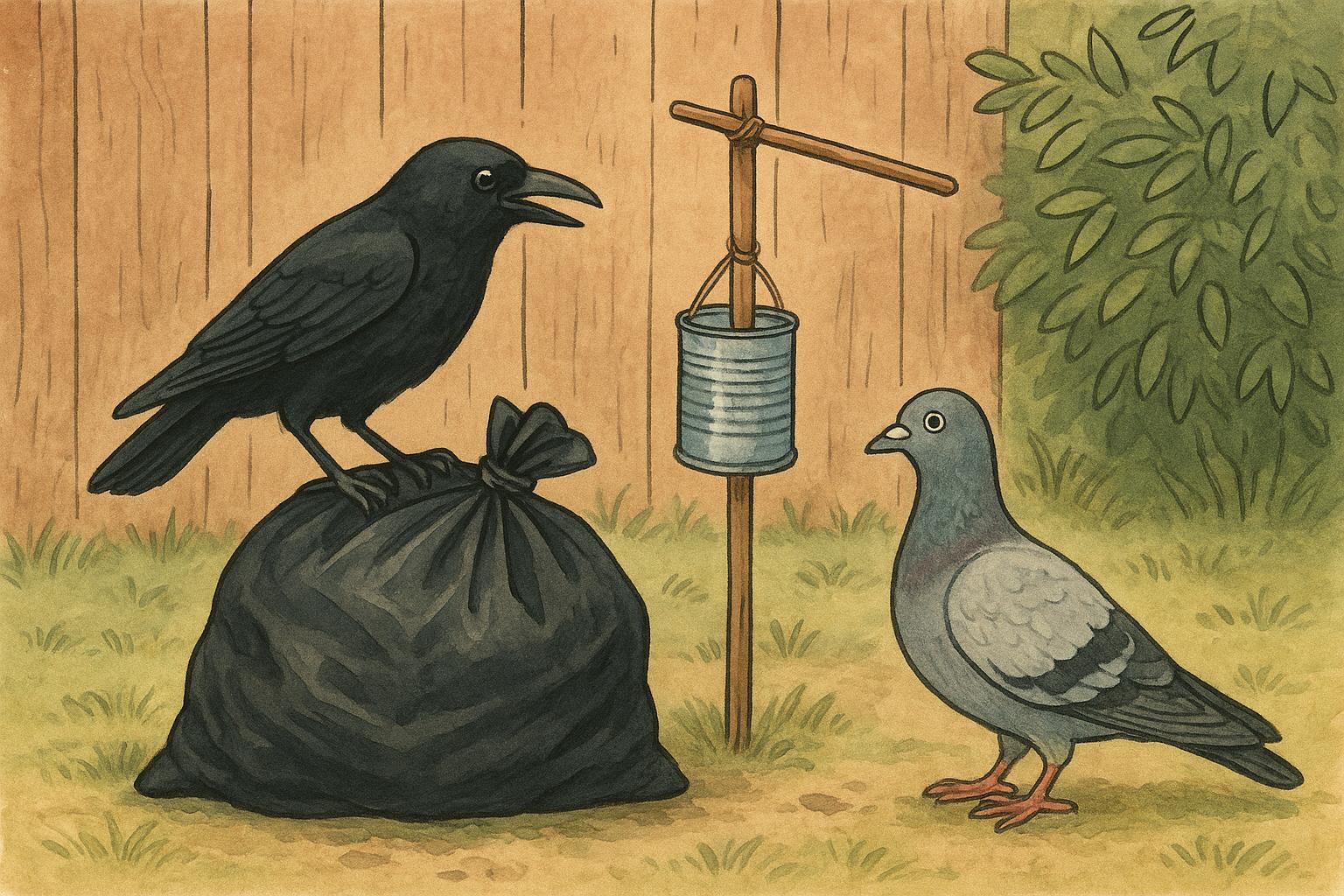
5. Modify feeding options: Keep bird seed off the ground, use seed trays, and remove fallen fruit. Store pet food and compost in secured containers; rotate compost heaps and avoid adding meat scraps.
6. Regularly inspect and repair fence lines, using buried mesh if small mammals are a problem. For larger animals, increase fence height or add an electric strand if local regulations allow.
7. Monitor progress. After modifications, use scat identification and observation for several weeks to confirm reduction in activity.
Professional Assistance: If animals are denning in walls, attics, or if you encounter a potentially dangerous species, contact a licensed wildlife control professional. They can provide legal, humane removal and exclusion services.
## Interpreting Unusual Scat
Occasionally you’ll find scat that doesn’t match field guides—mixed contents, odd sizes, or multiple species at one site. That’s where record-keeping and local wildlife groups help. Post clear, properly scaled photos online or contact your local extension office. Scat identification is generally reliable when combined with other signs, but asking for expert input reduces misidentification.
### Legal And Ethical Notes
Many backyard mammals are protected by local regulations; trapping and relocation are often restricted or discouraged. Before attempting lethal or invasive control, check local laws. Non-lethal strategies focused on exclusion and deterrence are typically safer for people, pets, and wildlife.
#### When Scat Identification Suggests Disease Risk
If scat contains blood, has an abnormal appearance, or if animals behave unusually (daytime activity by normally nocturnal species, visible neurologic signs), minimize contact and notify local animal health authorities. Professionals handle suspected rabies or other zoonotic threats.
Keep your curiosity alive but your hands gloved. Scat identification gives you practical, non-intrusive clues to what shares your yard—and armed with the right observations and humane remedies, you can coexist with less conflict and fewer midnight surprises.









Leave a Reply