

You step outside, the backyard is quiet, and the snow looks pristine—until you spot them: a trail of little mysteries snaking across the lawn. Welcome to tonight’s episode of “Who Was Here?” — where the guest list is pawed, hoofed, or feathered. If you found unexpected impressions in the white stuff, read on. We’ll decode those shapes, explain what they mean about local wildlife behavior, and offer a couple of practical, humane remedies to keep nocturnal visitors where you want them (or at least off the patio).
## Animal Tracks In Your Yard: What To Know Tonight
Finding animal tracks in the snow can be equal parts thrilling and puzzling. Cold weather preserves prints incredibly well, so a set of fresh marks can tell a detailed story: who visited, when they passed, how fast they were moving, and sometimes what they were doing (foraging, bounding, or just passing through). If you’ve ever wanted to play detective in your own yard, snow is nature’s notepad.
A few key concepts help you read those tracks quickly. Track shape + stride length + gait = likely animal. Soft tissue like pads and toes press deeper; claws show up when animals dig in or because they have them. Look for tail drags, scat, or disturbances in nearby vegetation. Those small clues turn a random pattern of holes into a narrative: a raccoon searching a trash can, a rabbit zigzagging under a shrub, or a fox padding along a fence line. Keep your eyes low and your curiosity high when examining animal tracks—this is where backyard natural history gets fun.
## Surprising Prints And What They Mean
Not every print is obvious. Small round pads with distinct claw marks mean something different from elongated two-toe impressions. Below are common backyard visitors you might be seeing in the snow.
### How To Read The Patterns
First, check the size. Measure the length and width of a typical print (use a ruler or a stick). Note the stride—the distance between successive prints of the same foot. Observe whether prints appear in a straight line, a staggered pattern, or pairs. Animals that hop (rabbits, squirrels) often leave two or four prints clustered together, while walking mammals (deer, raccoon) leave a sequence that can tell you which foot leads. Finally, note the presence of claws and the overall shape of the pad.
If you’re documenting tracks for later identification, take a photo with a ruler or coin for scale, and photograph both close-up and from a distance to capture stride.
### Tracks Of Common Backyard Visitors
– Deer: Two teardrop-shaped impressions, sometimes quite large; stride long when trotting. Deer are often cautious but will cross yards to reach browse or bedding areas.
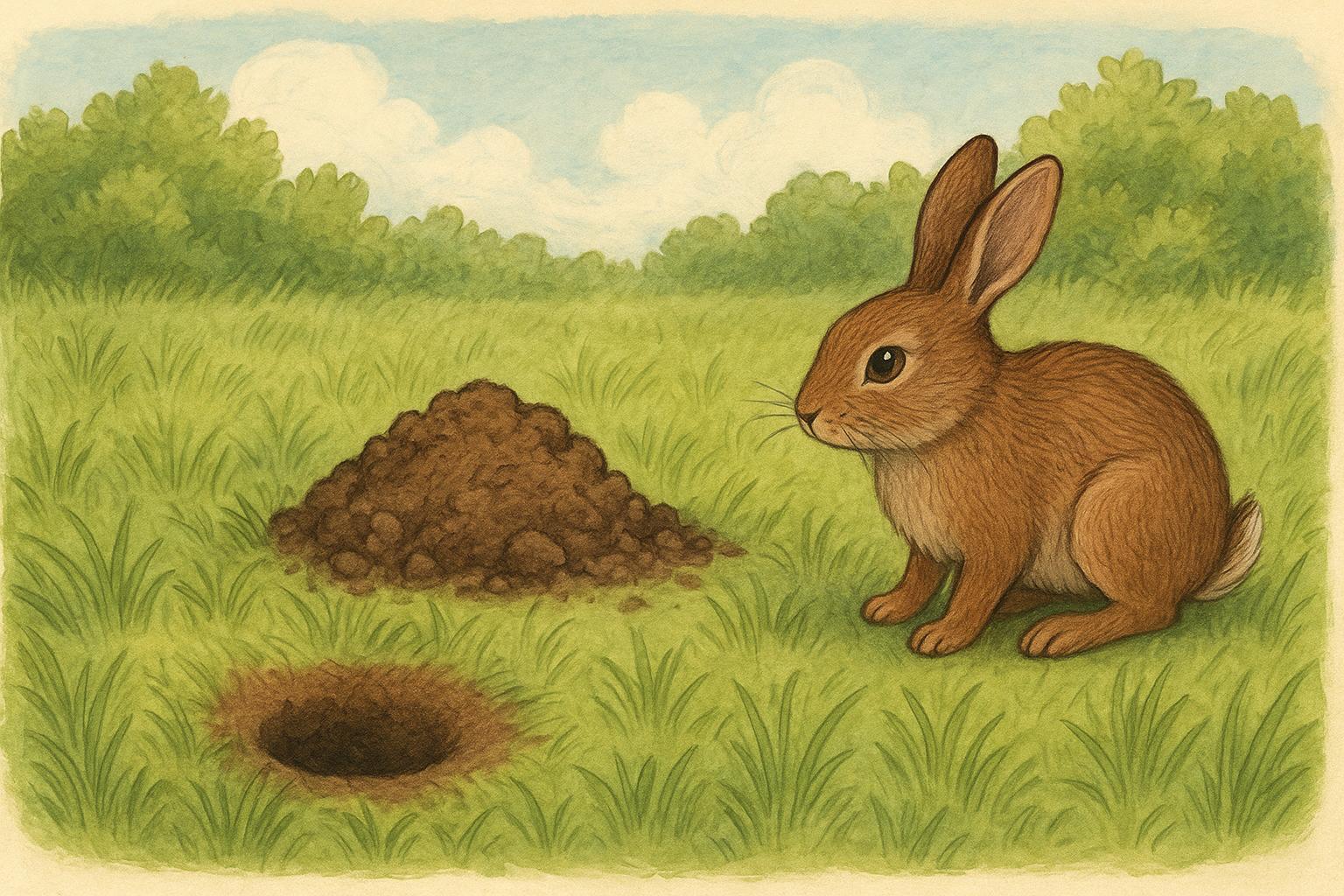
– Rabbit: Two larger hind prints with two smaller front prints ahead or to the side, showing a hopping gait. Look for chewed bark or nibbled shrubs nearby.
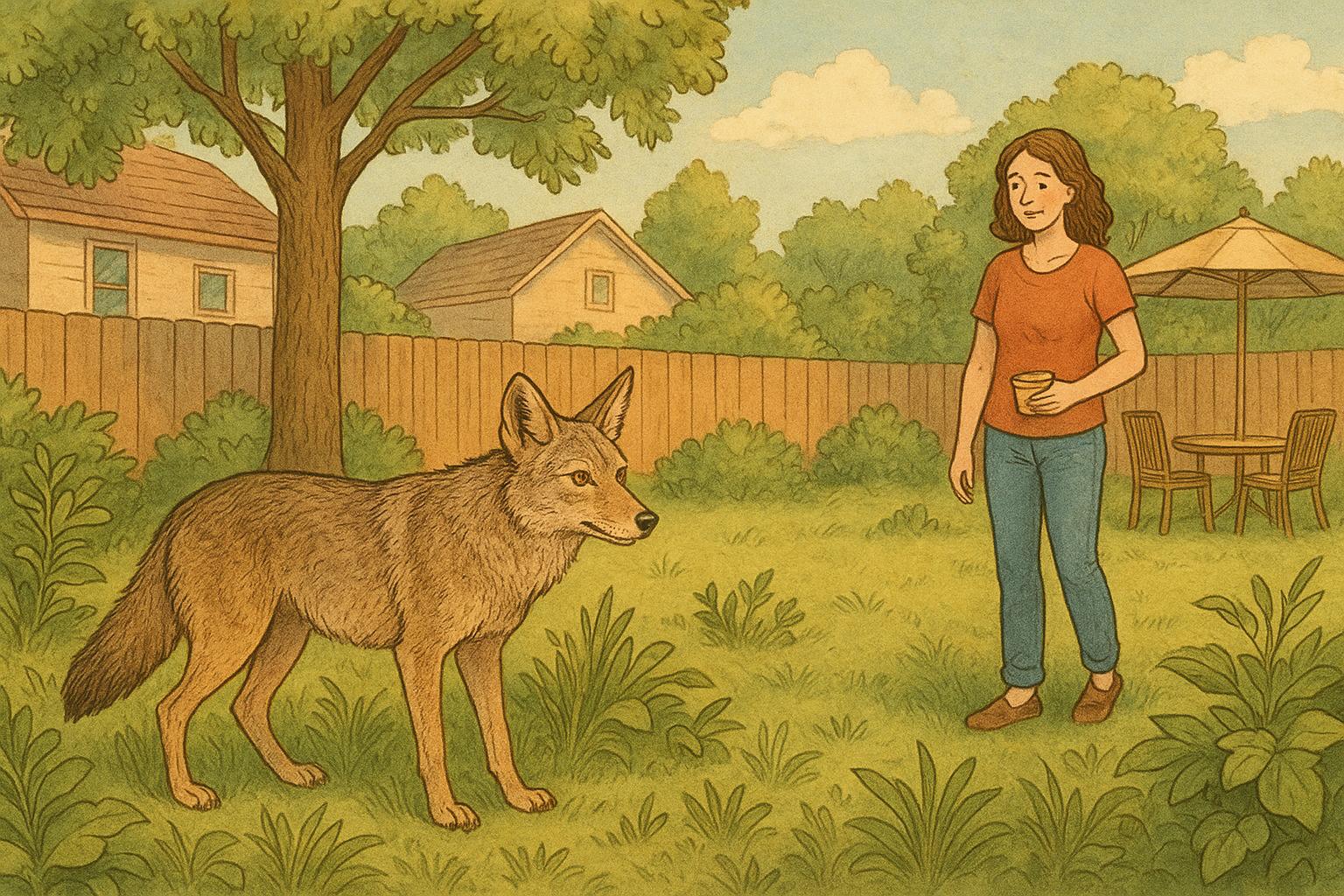
– Fox/Coyote: Oval pads with four toes and often visible claw marks. Fox prints are more compact; coyote prints are larger. Track lines may be straight as they trot purposefully.
– Raccoon: Hand-like prints with five long digits; you might also see tail drag or prints near structures where they forage (trash cans, eaves).
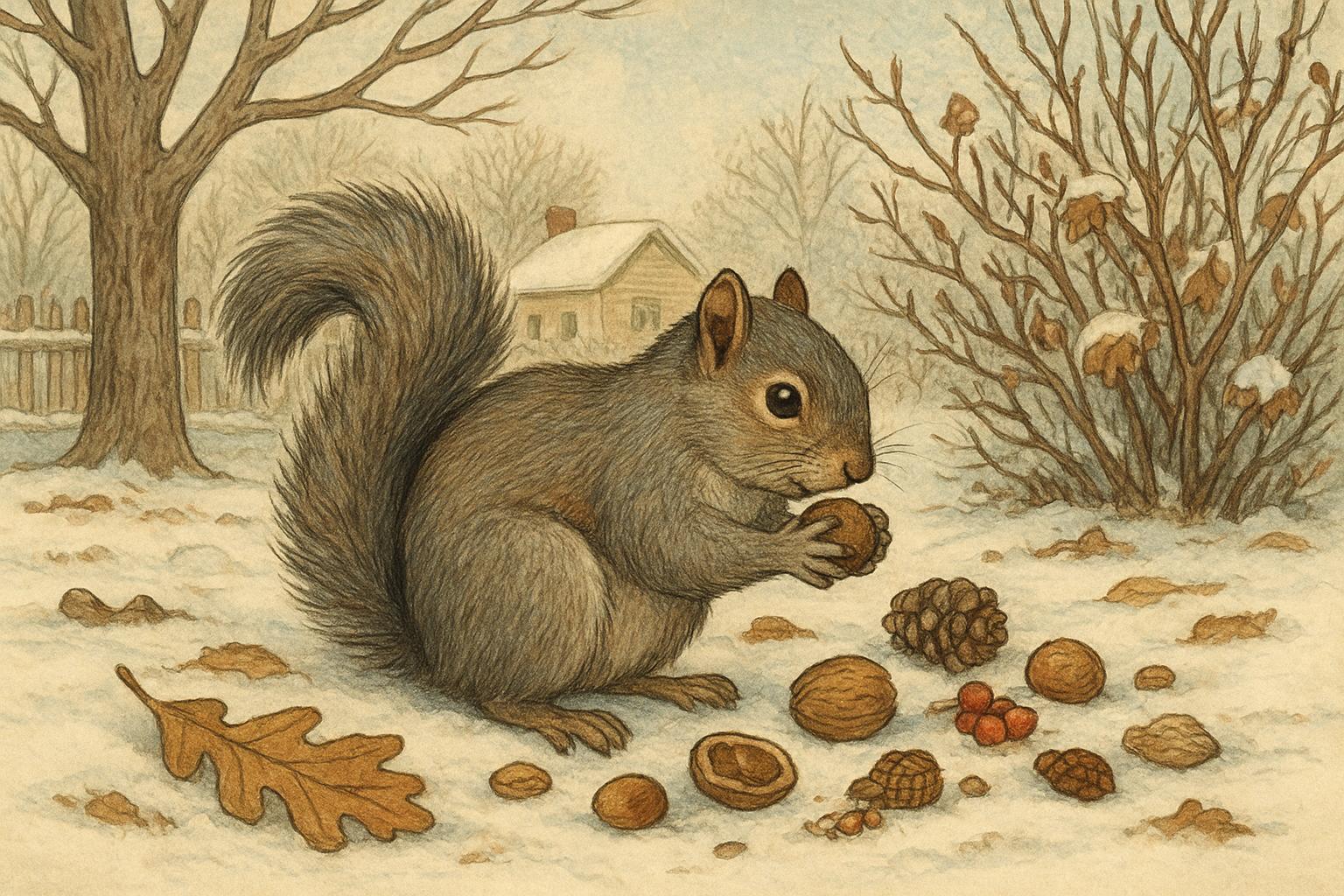
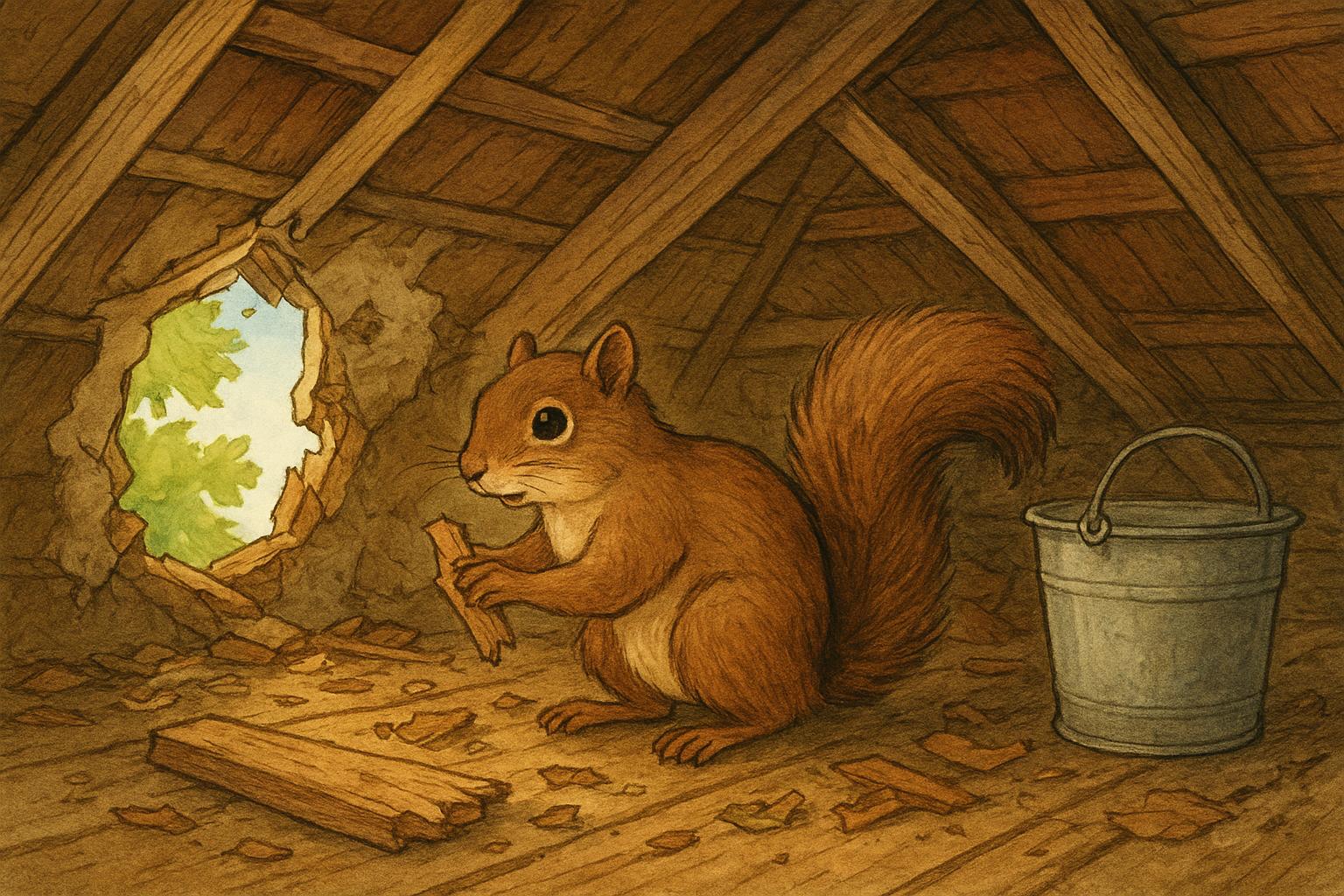
– Squirrel: Small prints with four toes in front and five in back, often showing a bounding pattern and tail marks.
– Domestic Dogs/Cats: Dogs leave four-toed prints with visible claw marks; cats have rounded pads with retractable claws not usually visible unless they’re scrabbling.
– Birds: Two-toed tracks often in straight lines; turkey tracks are large and three-toed. Bird trails can connect feeding spots or lead to perches.
– Small Mustelids (weasel, mink): Tiny prints in bounding patterns with tail drags; their movements are energetic and sinuous.
## Quick Field Tips For Preserving And Photographing Tracks
If you want to study the tracks more, minimize disturbance. Walk around, not through, the print area to avoid contaminating the pattern. Take photos quickly; drifting snow and melt will erase details. If you plan to cast a track for a lasting record, use plaster of Paris cautiously and only in places where it won’t damage vegetation or create hazards for wildlife or pets.
Keep a small notebook on your porch or in your pocket and jot down the date, time, weather conditions, and any nearby human attractants (bird feeders, pet food, accessible garbage). Those contextual notes are as important as the visual evidence.
## 2 Humane Remedies To Reduce Tracks In High-Traffic Areas
If those nightly visitors are leaving unwanted prints in a particular area—mudrooms, vegetable patches, or a cherished patio—here are two humane, practical remedies. These methods aim to deter rather than harm. The instructions below are presented formally and precisely to ensure safe, effective application.
### Remedy 1: Motion-Activated Light And Barrier System
Purpose: To discourage nocturnal animals from frequenting specific zones by combining lighting, motion alerts, and physical deterrents.
Materials/Required Items:
– Motion-activated LED floodlight(s) suitable for outdoor use
– Solar or battery-powered motion sensors if wiring is impractical
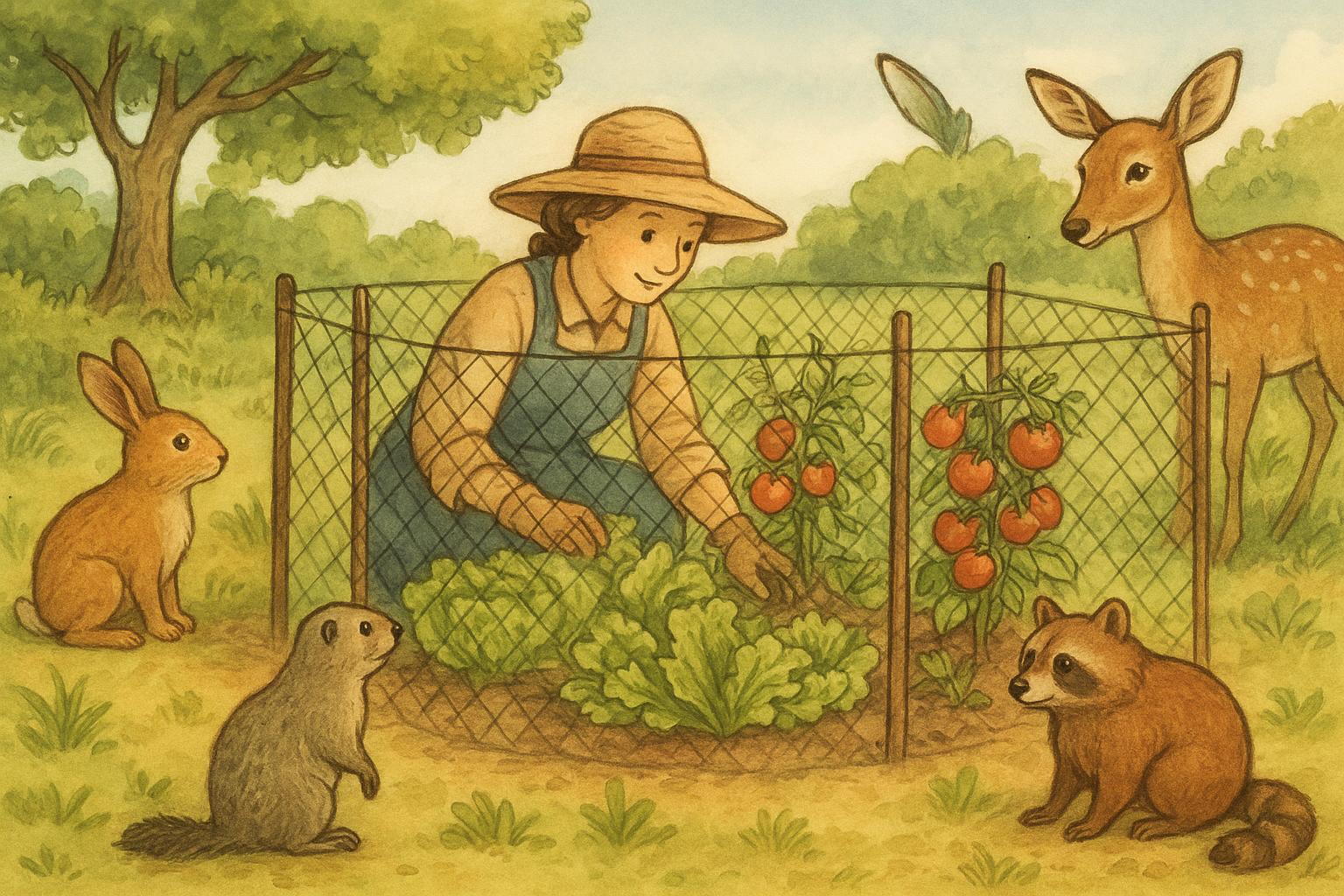
– Low-profile ornamental fencing or garden edging (1–2 feet high)
– Zip ties or clamps for securing barriers
– Optional: motion-activated sprinkler for open lawn areas
Step-by-Step Creation And Application:
1. Assess the Area: Identify the primary entry points animals use by following the animal tracks to find repeated paths.
2. Install Motion Sensors: Mount motion sensors or motion-activated lights 6–8 feet above the ground, angled toward the entry path. Ensure sensors have an unobstructed field of view.
3. Configure Light Settings: Set lights to activate at dawn-to-dusk preferences appropriate for your yard and ensure sensitivity is adjusted to avoid false triggers from blowing branches.
4. Place Physical Barriers: Install low garden edging or decorative fencing along the identified path. Secure with stakes and zip ties as needed. The barrier need not be tall; it should break visual continuity and create a slight obstacle that animals will avoid.
5. Optional Sprinkler Integration: In open lawns where drainage allows, add a motion-activated sprinkler; the unexpected burst of water is an effective, humane deterrent for many mammals.
6. Monitor And Adjust: Observe activity for one week. If animals adapt, reposition sensors and vary lighting patterns or barrier placement. Document changes in frequency using a small log to measure effectiveness.
7. Maintenance: Replace batteries seasonally, check fixtures after storms, and clear snow away from sensors to maintain functionality.
Effectiveness: Combining light with a physical disruption of travel paths reduces repeated incursions. The approach respects wildlife while protecting high-use human areas.
### Remedy 2: Natural Scent Repellent And Garden Management
Purpose: Use non-toxic, natural odors and habitat modification to make target areas less attractive to mammals, particularly foragers like raccoons and deer.
Ingredients/Materials:
– Peppermint essential oil (100% pure)
– Crushed red pepper flakes (optional for added deterrence)
– Castile soap (unscented)
– Water
– Spray bottles (1-liter capacity)
– Gloves and eye protection
– Mulch or coarse gravel for ground covering
– Secure, wildlife-proof containers for compost and garbage
Step-by-Step Creation And Application:
1. Prepare the Base Spray: In a 1-liter spray bottle, mix 3–4 drops of peppermint essential oil with a squirt (1–2 tsp) of Castile soap, then fill the bottle with water. Shake vigorously until emulsified. The soap helps the oil disperse and cling to surfaces.
2. Add Optional Heat: For areas with persistent foragers, stir in 1 tablespoon of crushed red pepper flakes for an additional airborne irritant. Note: Avoid applying pepper near areas where children or pets play, and wear gloves during handling.
3. Test and Apply: Test the spray on a small, inconspicuous garden area to ensure plants are not harmed. If safe, lightly mist perimeter shrubs, fence bases, and potential entry points every 3–5 days or after rain.
4. Manage Attractants: Remove accessible food sources—store compost and garbage in sealed bins, bring pet food indoors at night, and clean up fallen fruit promptly.
5. Alter Habitat: Replace bare soil in high-traffic narrow paths with coarse gravel or mulch. This change both reduces comfort for nocturnal walkers and makes tracks less attractive as travel lanes.
6. Reapply Regularly: Natural repellents dissipate; reapply on a schedule and after precipitation. Maintain records for at least two weeks to evaluate changes.
7. Legal And Ethical Considerations: Do not use toxic chemicals or substances banned in your locality. Ensure repellents are safe around pets and children, and check that applications do not violate local wildlife protections.
Effectiveness: Natural scent barriers are best used in combination with habitat modification. They discourage casual browsing and exploratory visits but are less effective against highly motivated animals seeking shelter or food.
#### When To Call Professionals
If wildlife activity includes signs of denning under structures, repeated damage to property, or animals exhibiting abnormal behavior (e.g., disorientation, aggression, inability to flee), contact local wildlife control or animal services. Professionals can assess risks, apply licensed deterrents, and, if necessary, arrange humane relocation under local regulations. Document recent animal tracks and any unusual signs to aid the assessment.
#### Legal And Ethical Notes
Many species are protected by state or local law. Do not trap, relocate, or harm wildlife without consulting authorities. The remedies described are designed to be non-lethal and to reduce attractants rather than eliminate natural wildlife presence in your neighborhood.
There you go—tonight’s trail of snowy puzzles can become a backyard game of sleuthing rather than a midnight nuisance. Keep a small camera, a notebook, and patience handy; the habits revealed by animal tracks offer an ongoing lesson in neighborhood wildlife behavior, and with a few modest adjustments you can coexist without turning your yard into a free-for-all buffet.










Leave a Reply