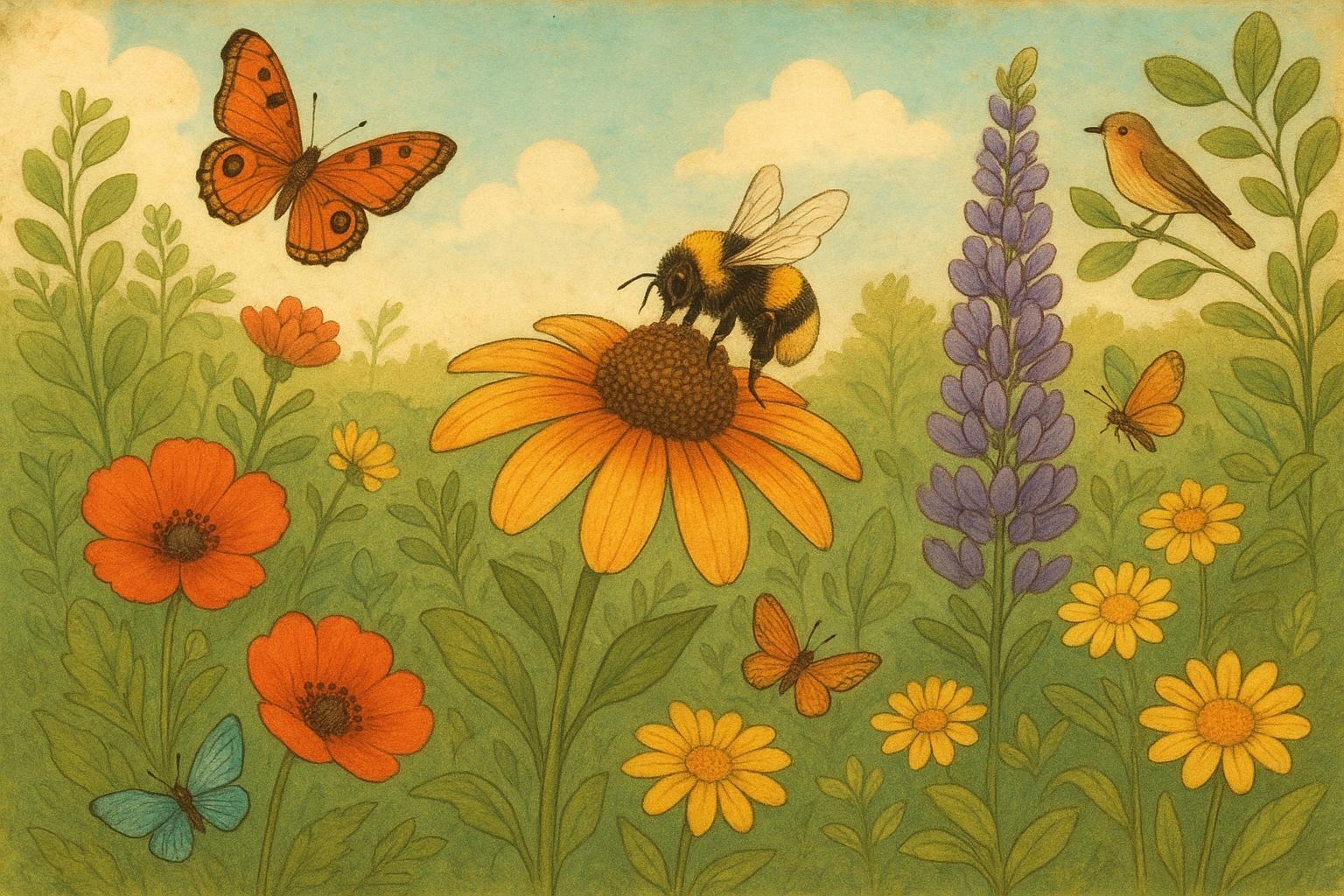
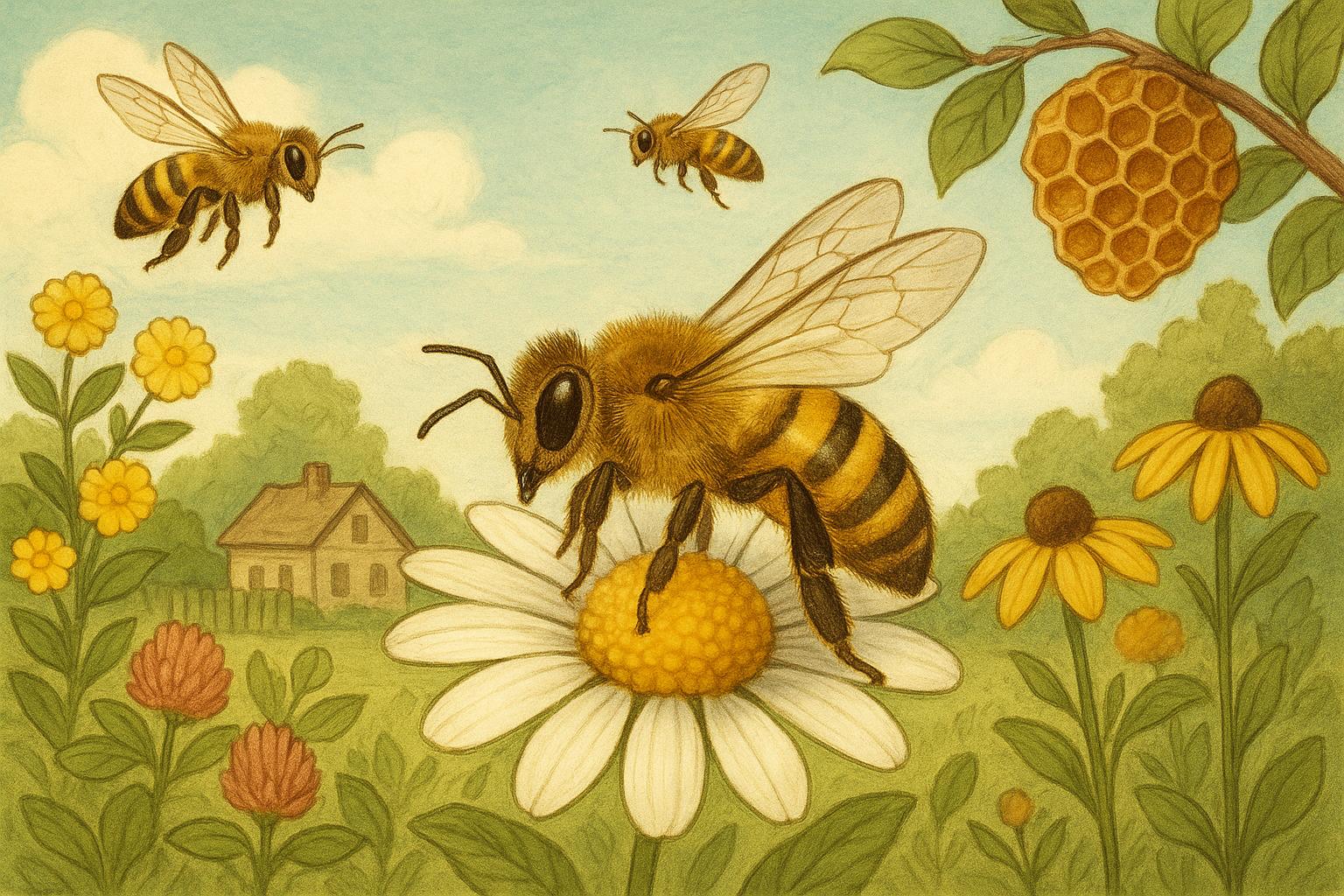
Summer is when the garden turns into a buzzing, fluttering, and delightful neighborhood block party — provided you set out invitations. Those invitations are the flowers, water, and shelter that attract garden pollinators: bees, butterflies, moths, hoverflies, beetles, and even some birds and bats. They don’t just make things look pretty; they keep fruit and vegetable yields healthy and support the whole backyard ecosystem.
Want more of that gentle chaos? Good. Here’s a relaxed, friendly guide with practical fixes and a couple of hands-on remedies to make your yard a summer magnet for wildlife. I’ll keep the banter light, but when it’s time to build things, I’ll be precise and formal so your new pollinator guests get top-grade accommodations.
## Boosting Garden Pollinators For Summer Wildlife In Gardens
Garden pollinators respond to three basic things: food, water, and shelter. If a space delivers those consistently through the warm months, wildlife will show up. Think of it as running a small B&B for bees and butterflies — except the guests chip in by pollinating your tomatoes and berry bushes.
### Plant For Continuous Bloom
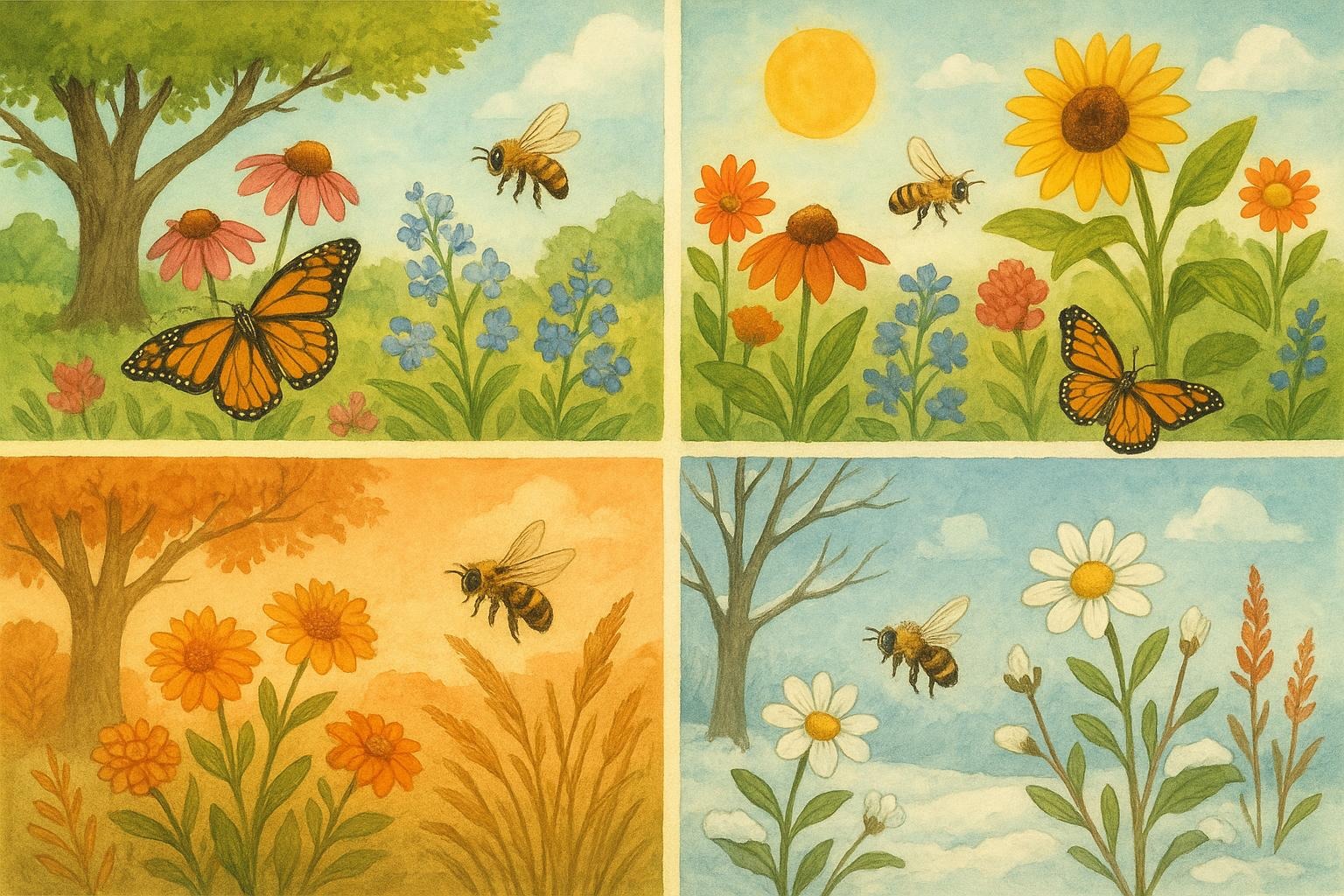
A staggered bloom schedule provides nectar and pollen from spring through fall. Include early bulbs and late-season asters so pollinators have steady resources. Native perennials are particularly valuable because the local pollinator community has evolved with them.
– Early Season: Crocus, fruit tree blossoms, native willows
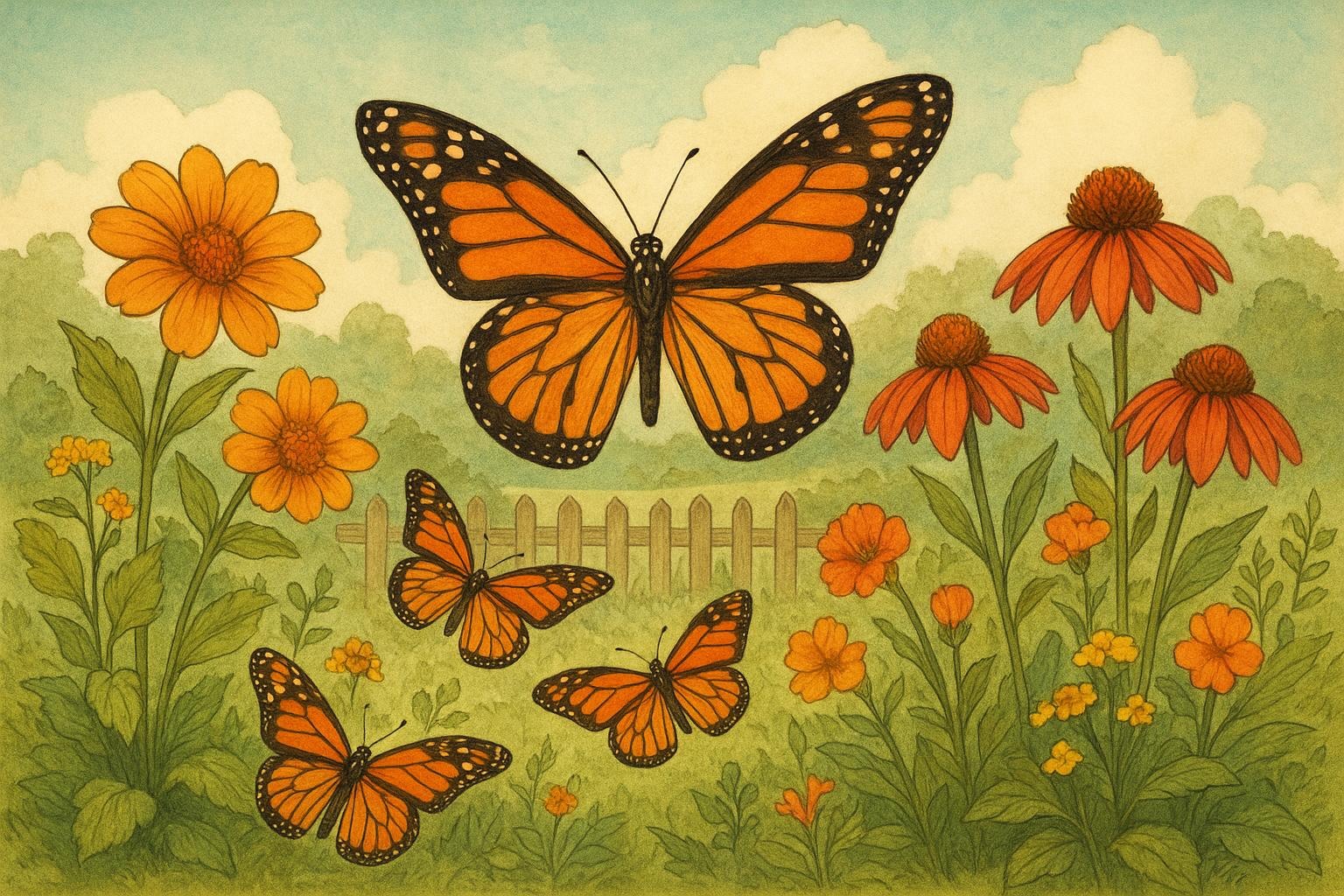
– Mid Season: Coneflowers (Echinacea), salvias, lavender
– Late Season: Asters, goldenrod, late salvias
### Favor Native Plants Over Exotics
Native plants tend to support a higher diversity and abundance of native pollinators. They provide the exact shapes, scents, and seasonal timing pollinators expect. Replace a few lawn edges or a non-native hedge with native shrubs or perennial beds to increase beneficial visits dramatically.
#### Create Layers Of Habitat
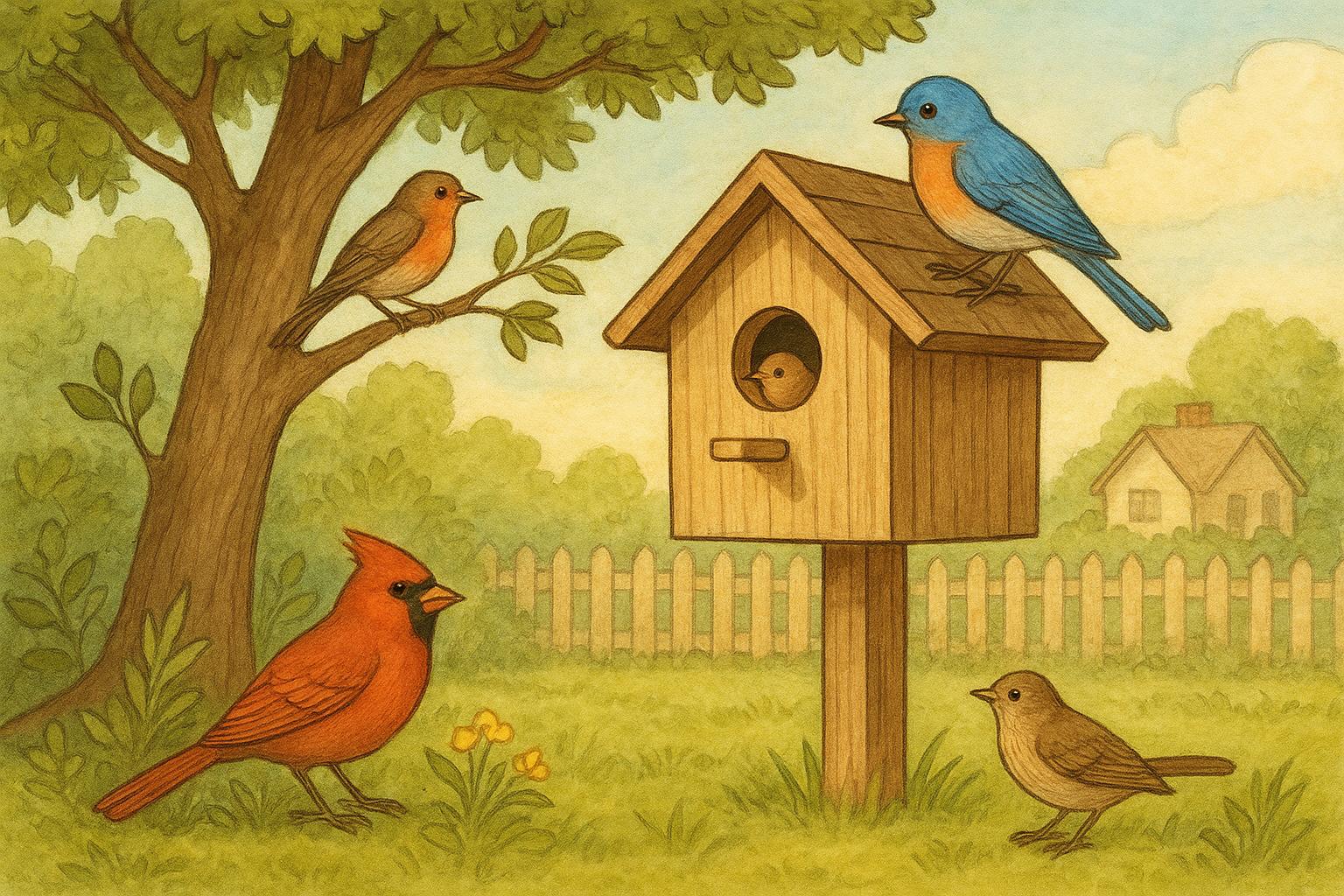
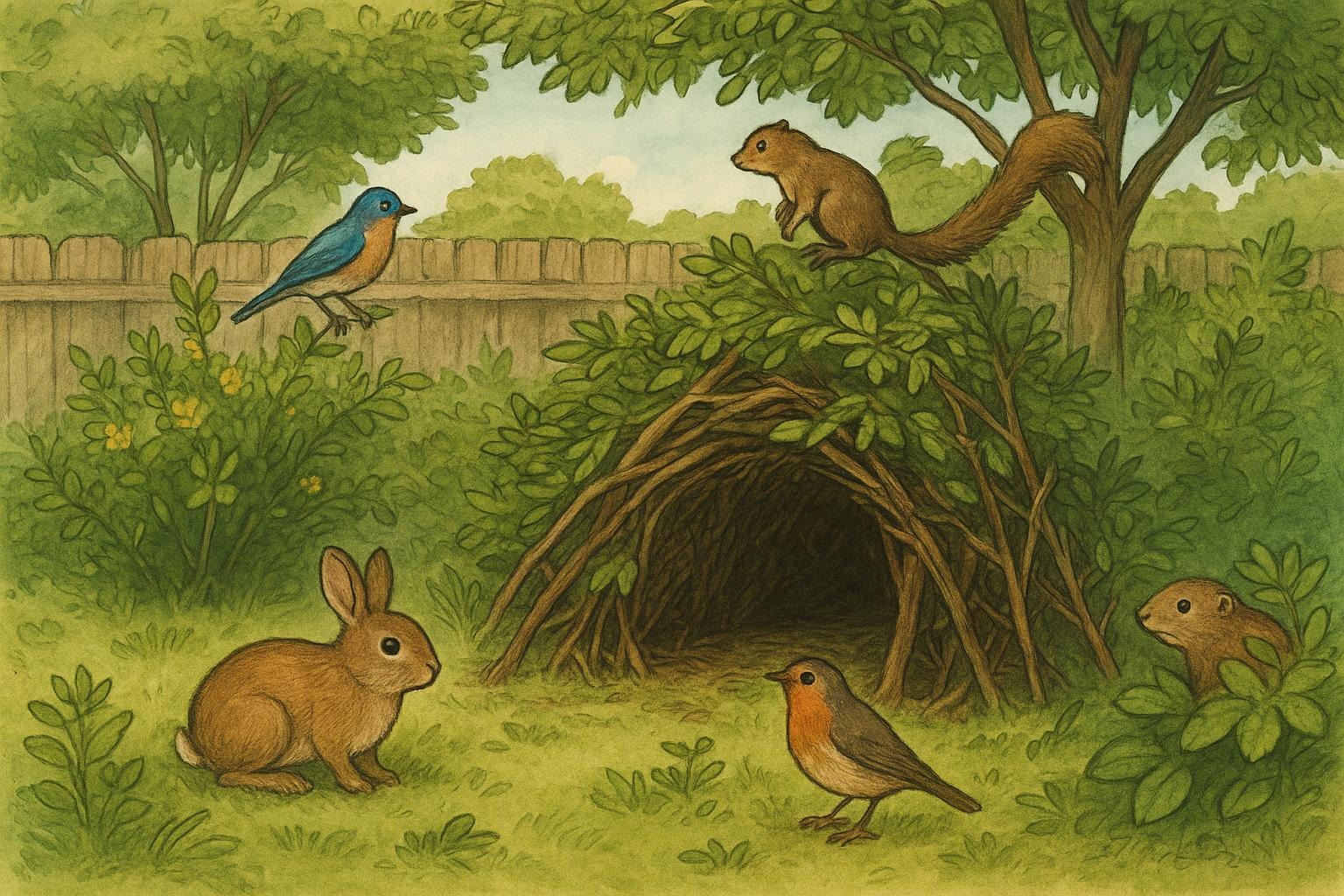
Pollinators don’t just need flowers. They need ground-level nesting spots, twiggy areas, and small trees or shrubs for shelter. A layered garden — groundcover, herbaceous plants, shrubs, and small trees — mimics natural edges and supports a wider range of species.
## Practical Management For Healthy Visits
Maintaining a pollinator-friendly garden is more about habits than heroic projects. Regular, pollinator-focused upkeep prevents a lot of problems without much fuss.
### Avoid Broad-Spectrum Pesticides
When you use broad-spectrum insecticides you remove both pests and beneficial insects. If a pest problem shows up, consider mechanical controls (hand-picking, water spray), biological controls (beneficial nematodes, insectary plants that attract predators), or targeted, least-toxic treatments. Spot-treat rather than blanket-spraying.
### Water And Microclimate
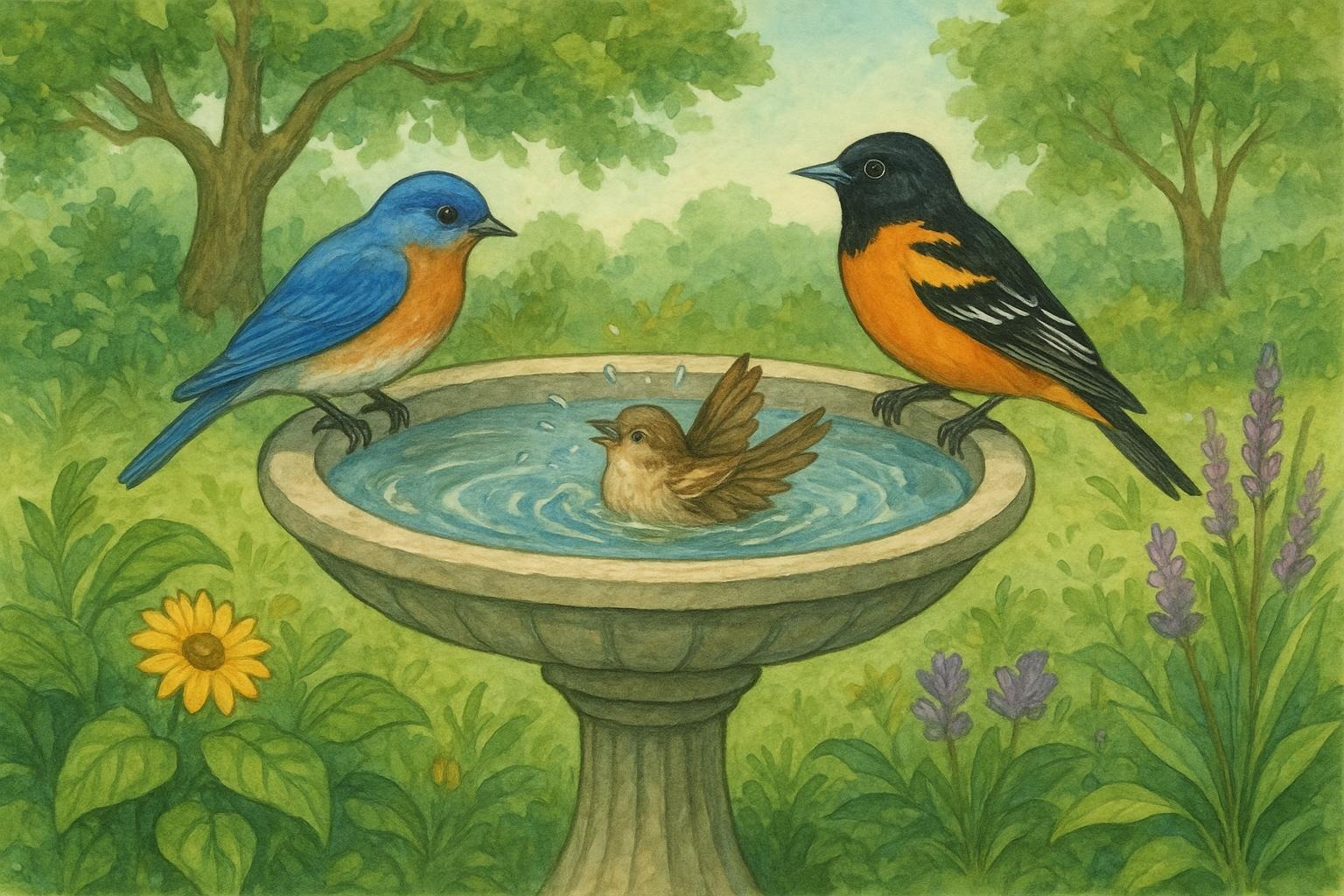
Shallow water dishes, damp sand patches, or a birdbath with stones allow thirsty insects to drink safely. Pollinators are most active on warm, calm, sunny days; creating a few sunny refuges with flat stones helps butterflies warm up and feed.
#### Leave Some Wild Areas
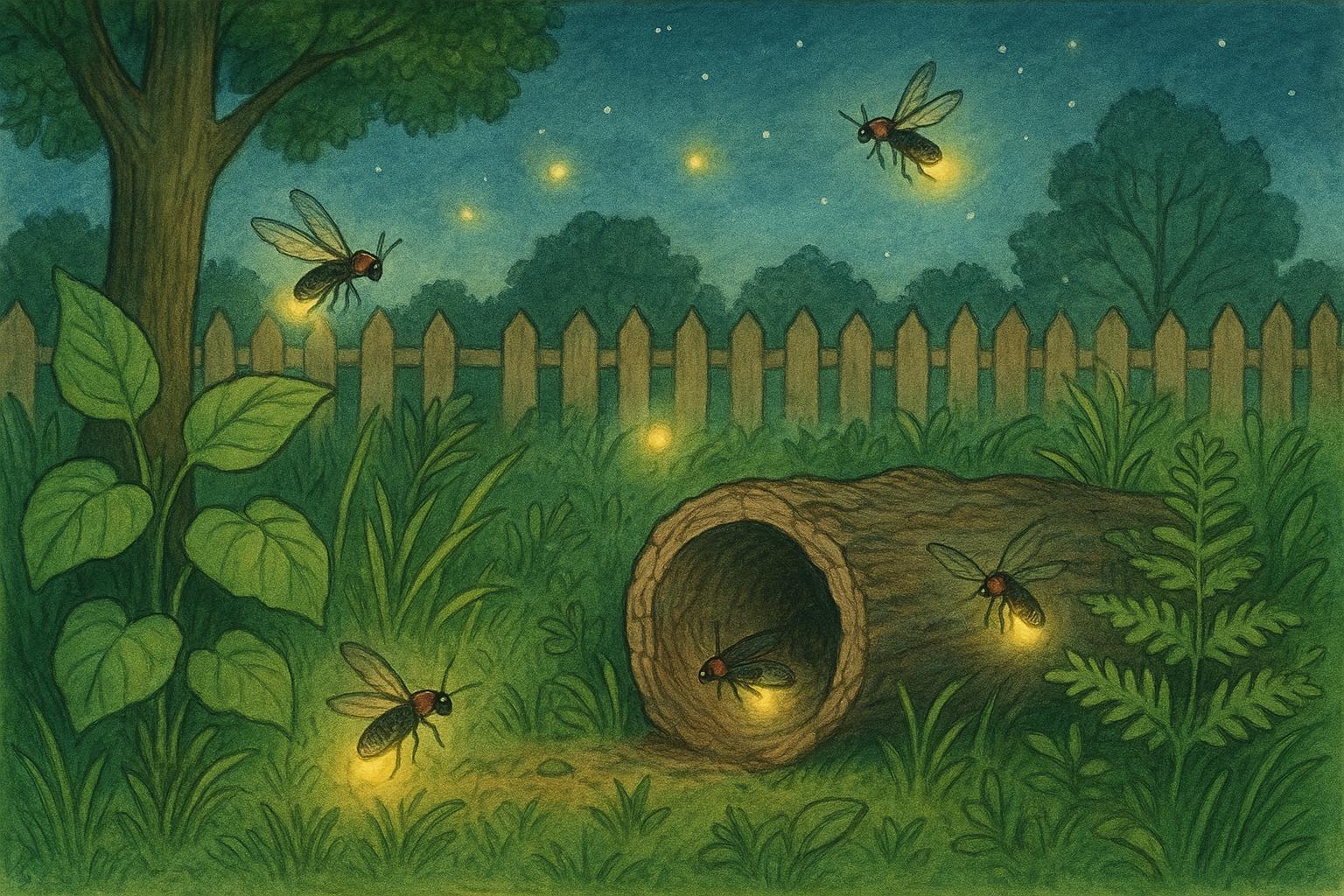
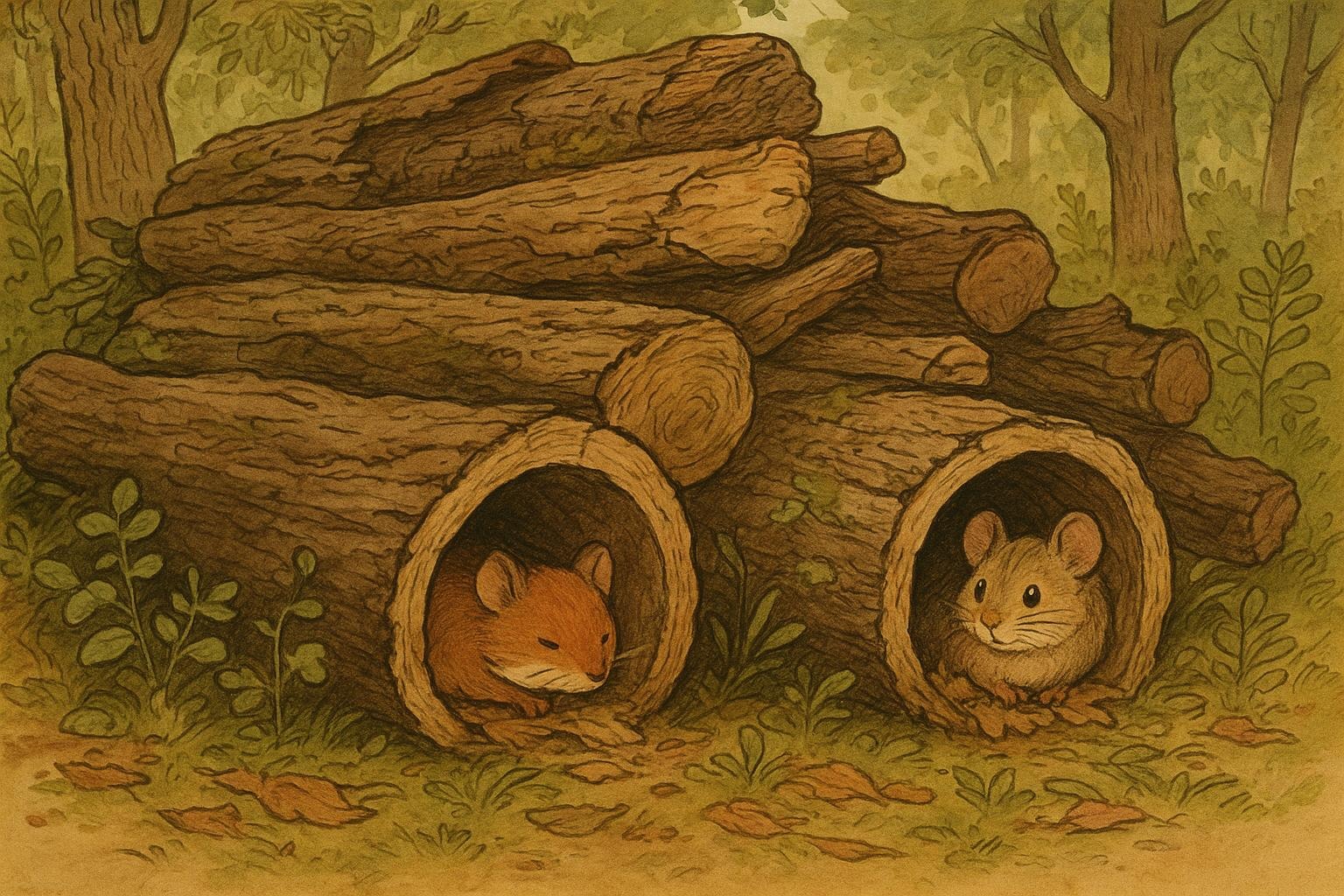
A tidy garden looks nice but can be poor for pollinators. Leave a small patch of unmown meadow or a pile of dead wood in a secluded corner for nesting bees and beetles. These “messy” corners are conservation gold.
## Remedy 1: Build A Pollinator Water Station
When the temperature climbs, clean, accessible water is a limiting resource. This remedy is straightforward and highly effective.
Materials:
– Shallow basin or wide saucer (at least 8–10 inches across)
– Smooth stones or pebbles (various sizes)
– Fresh water
– Optional: small aquatic plants or floating cork piece for perch
Steps:
1. Choose Location: Place the basin in a sunny spot with partial shade during hottest hours. Ensure it’s visible to pollinators but sheltered from strong winds.
2. Prepare Basin: Clean the basin to remove residues. Place a layer of larger stones to create stable perches and add finer pebbles on top.
3. Add Water: Fill until the rocks protrude slightly — pollinators need surfaces to land on without drowning. Water level should be shallow, about 0.5–1 inch above the top of the stones.
4. Maintain: Replace water every 48–72 hours, or sooner if it becomes cloudy. Insect visitors can accumulate debris; rinsing the stones weekly prevents algae buildup.
5. Seasonal Adjustment: In very hot weather, refill daily. In late fall, clean and store or empty to prevent freezing damage.
This structure provides safe landing points and drinking access for a range of species, from honeybees to syrphid flies. Monitor and keep the station clean to avoid disease transmission between visitors.
## Remedy 2: Create A Native Flower Border
A dedicated native flower border provides continuous nectar and pollen and attracts site-faithful pollinators. This is a larger project but scales well and delivers long-term benefits.
Materials:
– Native seed mix or potted native perennials (choose local provenance)
– Compost or well-rotted manure
– Mulch (leaf mulch or shredded bark)
– Soil test kit (optional but recommended)
– Gardening tools (spade, rake, hose/drip irrigation)
– Landscape fabric or cardboard (optional for initial weed suppression)
Steps:
1. Site Selection: Choose a sunny to partly sunny border with good drainage. Pollinator borders perform best with at least 6–8 hours of sun daily for many species.
2. Soil Preparation: Test soil pH and fertility. Amend with compost to improve structure. Avoid high-nitrogen fertilizers, which favor lush leaves over flowers.
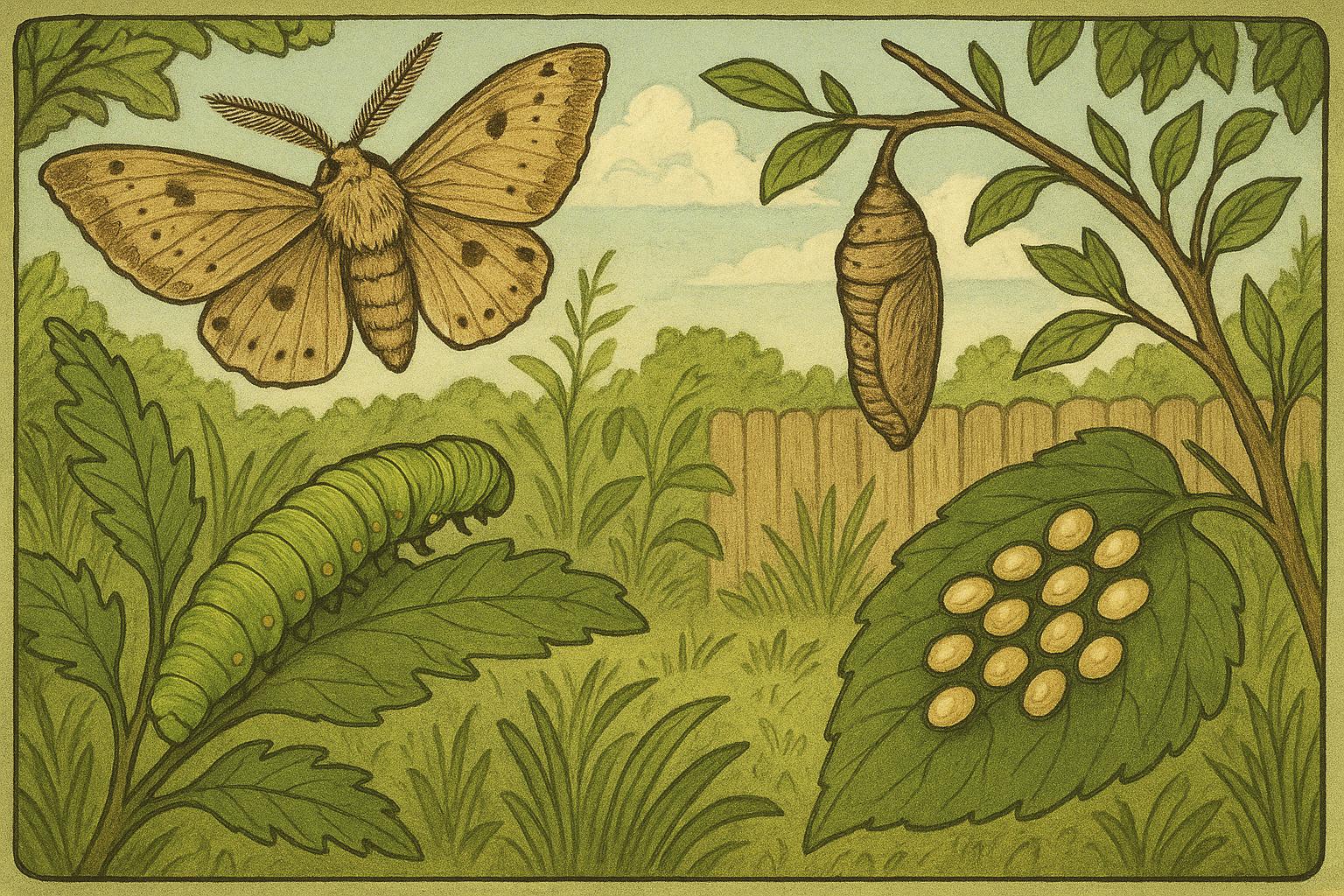
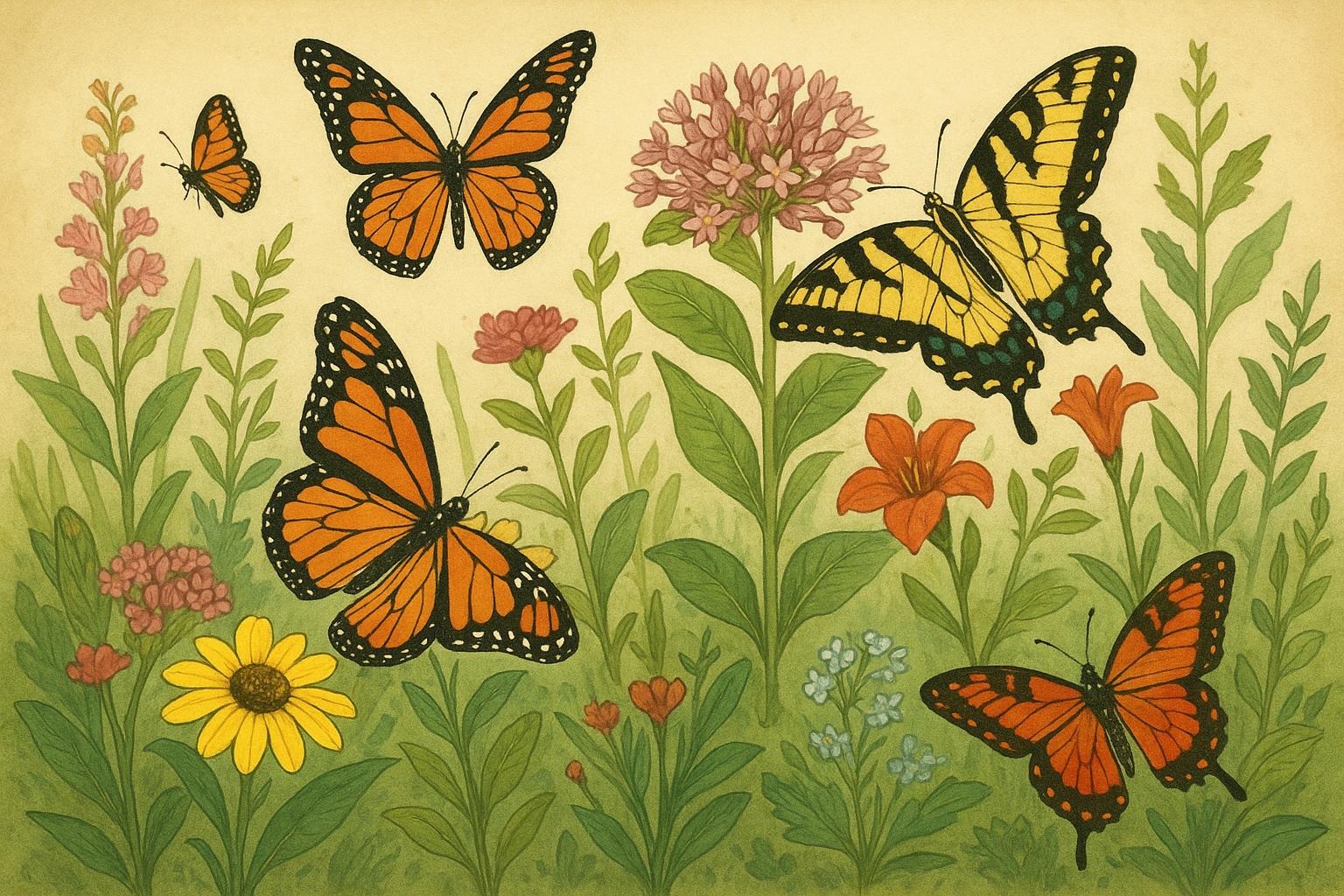
3. Layout: Design for staggered bloom times and varied heights. Place taller plants at the back and intersperse mid and low growers. Include host plants for caterpillars (e.g., milkweeds for monarchs).
4. Planting: If using seeds, sow according to packet recommendations (surface sowing for tiny seeds). Firm soil gently and keep consistently moist until germination. For transplants, dig holes twice the root ball size, set plants at the same depth, and water deeply.
5. Mulch and Water: Apply a thin layer of mulch to suppress weeds while allowing seedlings to emerge. Water regularly during establishment (first growing season).
6. Maintenance: Cut back a portion of the bed in late fall but leave some seedheads and stems over winter for shelter unless disease or pest issues require removal. Avoid total tidiness — many pollinators overwinter in hollow stems and leaf litter.
This formalized approach increases floral resources, supports caterpillar host plants, and provides structural diversity.
### Supplementary Tactics That Work Well
– Plant in clumps rather than single specimens; big patches are more visible and efficient for foraging pollinators.
– Provide nesting substrates: bare patches of soil for ground-nesting bees and bundles of hollow stems for mason bees.
– Use low-tox traps and monitoring for invasive pests rather than widespread chemical use.
#### Monitoring And Citizen Science
Record what arrives. A quick weekly checklist of visitors (butterflies, bumblebees, solitary bees, hoverflies) helps you track success and calls attention to gaps in resources. If you’re feeling nerdy, submit sightings to local citizen science platforms — your data actually helps conservation.
## Design Tips For Small Spaces
Even balcony gardeners can help. Use window boxes of native annuals, hang shallow saucers for water, and plant vertical green walls with nectar-rich vines. Container plantings with native perennials like coreopsis or penstemon provide concentrated rewards in small areas.
### Seasonal Considerations
Prepare for heat by placing water stations in partial shade and mulching beds to retain moisture. Plan for late-season flowers to feed migratory pollinators or those building fat reserves for diapause.
Garden pollinators respond to intention and structure. With a few focused changes, even modest yards become critical summer habitat that supports wildlife and rewards you with better fruit set, fascinating visitors, and the pleasant hum of a healthy ecosystem.


Leave a Reply