
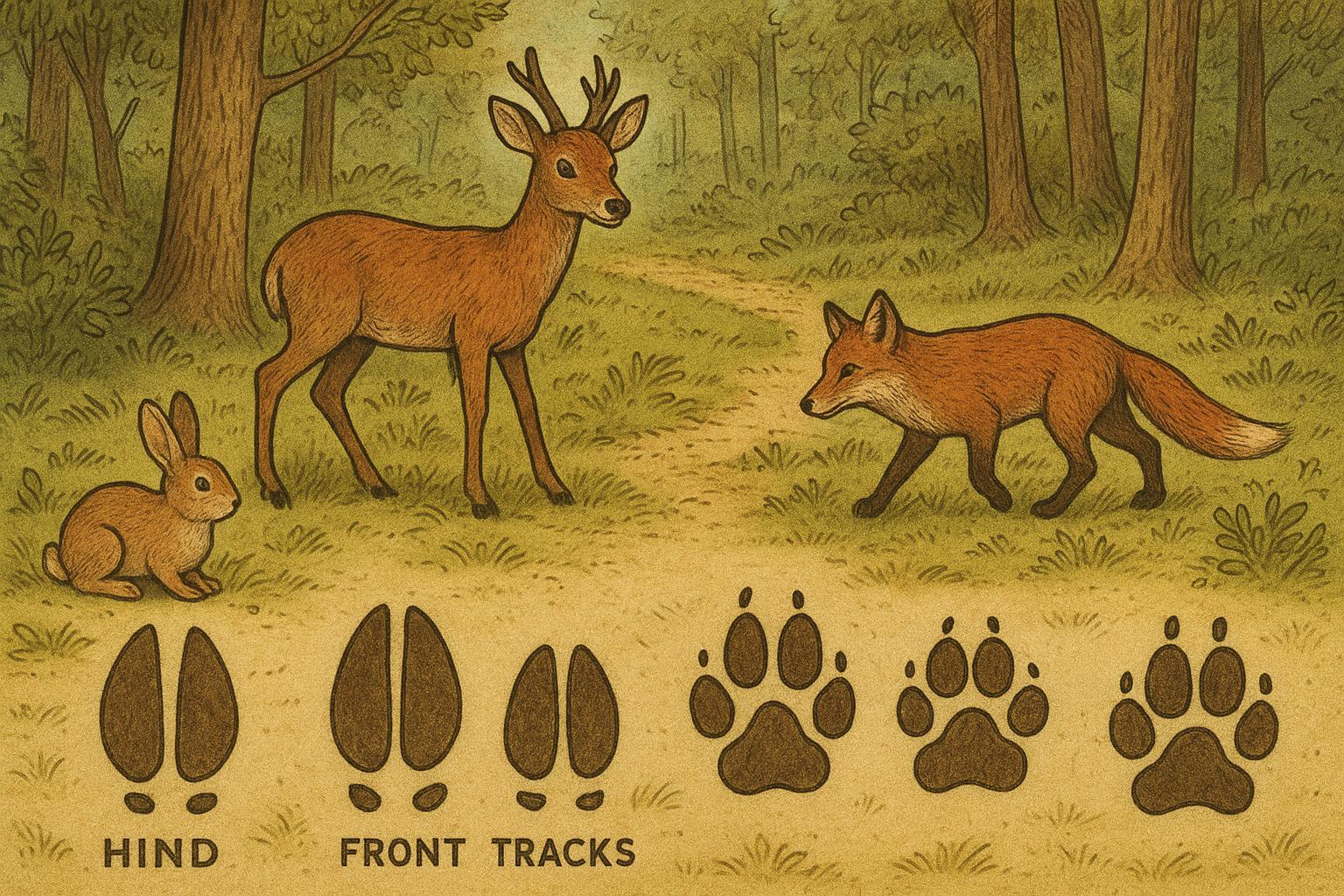
If you’ve ever walked through your yard after a rain and felt like a detective, you’re in good company. Tracks tell stories — who visited, how they moved, and sometimes what they were up to (probably hunting for snacks). Below are friendly, practical ways to read front and back footprints, with clear tips for telling hind tracks from front ones.
## Hind Tracks And Front And Back Tracks Identification Guide
Animals leave a variety of footprints, but two consistent distinctions will help you interpret most prints quickly: front vs. hind shape and gait patterns. Noticing whether a print is a forefoot or a hind foot is the first step toward understanding behavior — whether the critter was sprinting, hopping, or casually pad-walking under your porch light.
### Why Front And Hind Differ
Front feet (forefeet) and hind feet (rear feet) serve different purposes. Front feet often act as brakes and support, so they tend to be broader and sometimes have more splayed toes. Hind feet are usually for propulsion — longer and more elongated on many species — which is why hind tracks often look stretched compared to the rounder front prints.
### Basic Rules Of Thumb For Identifying Hind Tracks
– Hind tracks are more elongated than front tracks for most mammals that walk on pads.
– Hind toes are often more in-line and closer together; front toes can splay outward to increase grip.
– Claw marks: Dogs and coyotes generally show claws in both front and hind prints, but cats often retract claws — so absence of claw marks suggests felines.
– Proportion: If one print is clearly longer than the other in a paired set (same step), the longer one is frequently the hind track.
### Measuring For Identification
Measure length and width of the print and the stride. For quick field work:
– Length to width ratio helps: hind tracks frequently have a length greater than width.
– Track placement: In many walkers (like deer), hind tracks land in or slightly ahead of the front track impression when cantering.
– Gait patterns: Rabbits display a distinctive bounding pattern where the larger hind tracks land ahead of the smaller front tracks.
#### Tools To Make Measurements Accurate
– Tape measure or folding rule
– Ruler with millimeter markings
– Camera with scale (place a coin or a ruler next to the print)
– Notebook to record measurements and context
### Common Species: How Their Hind Tracks Look
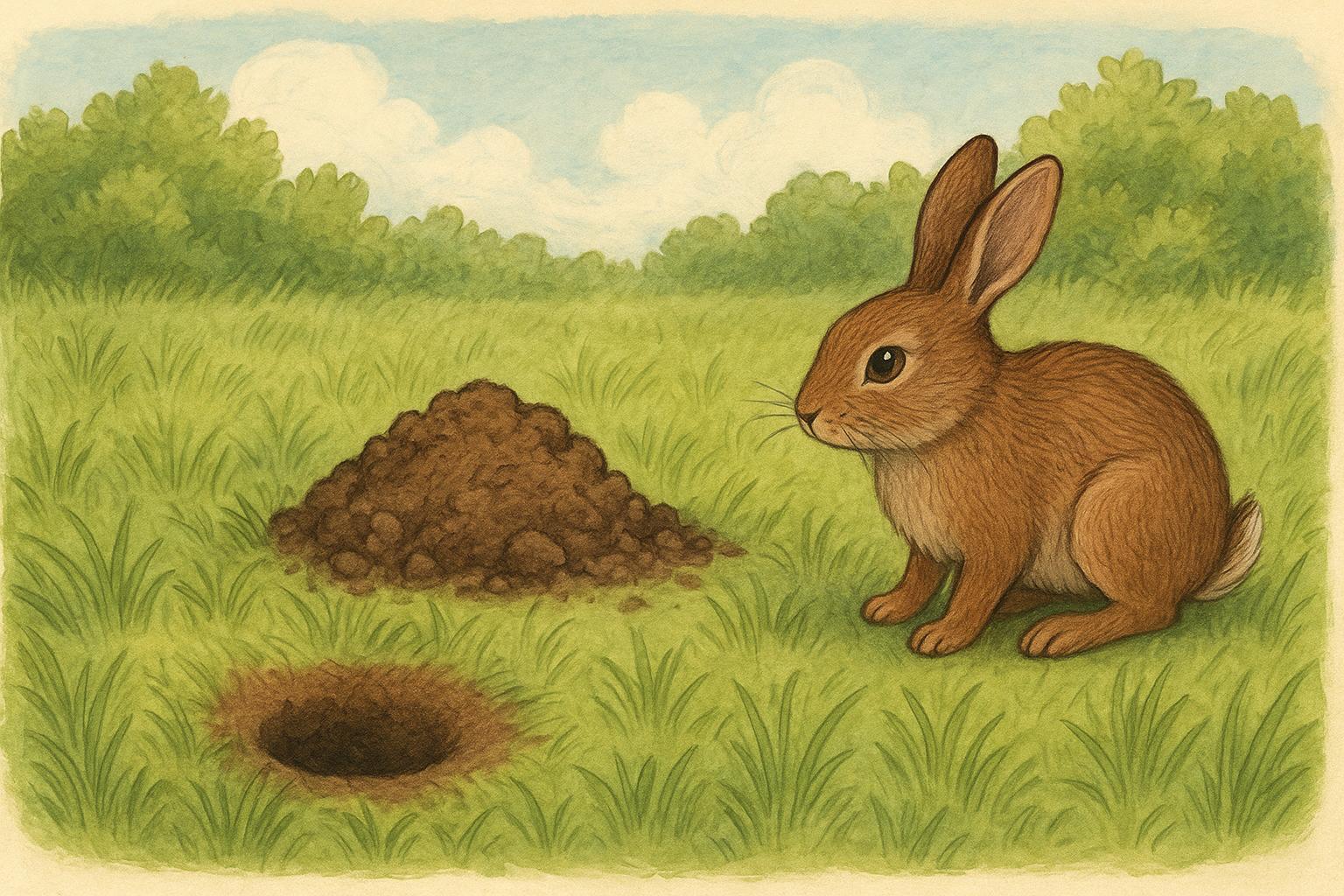
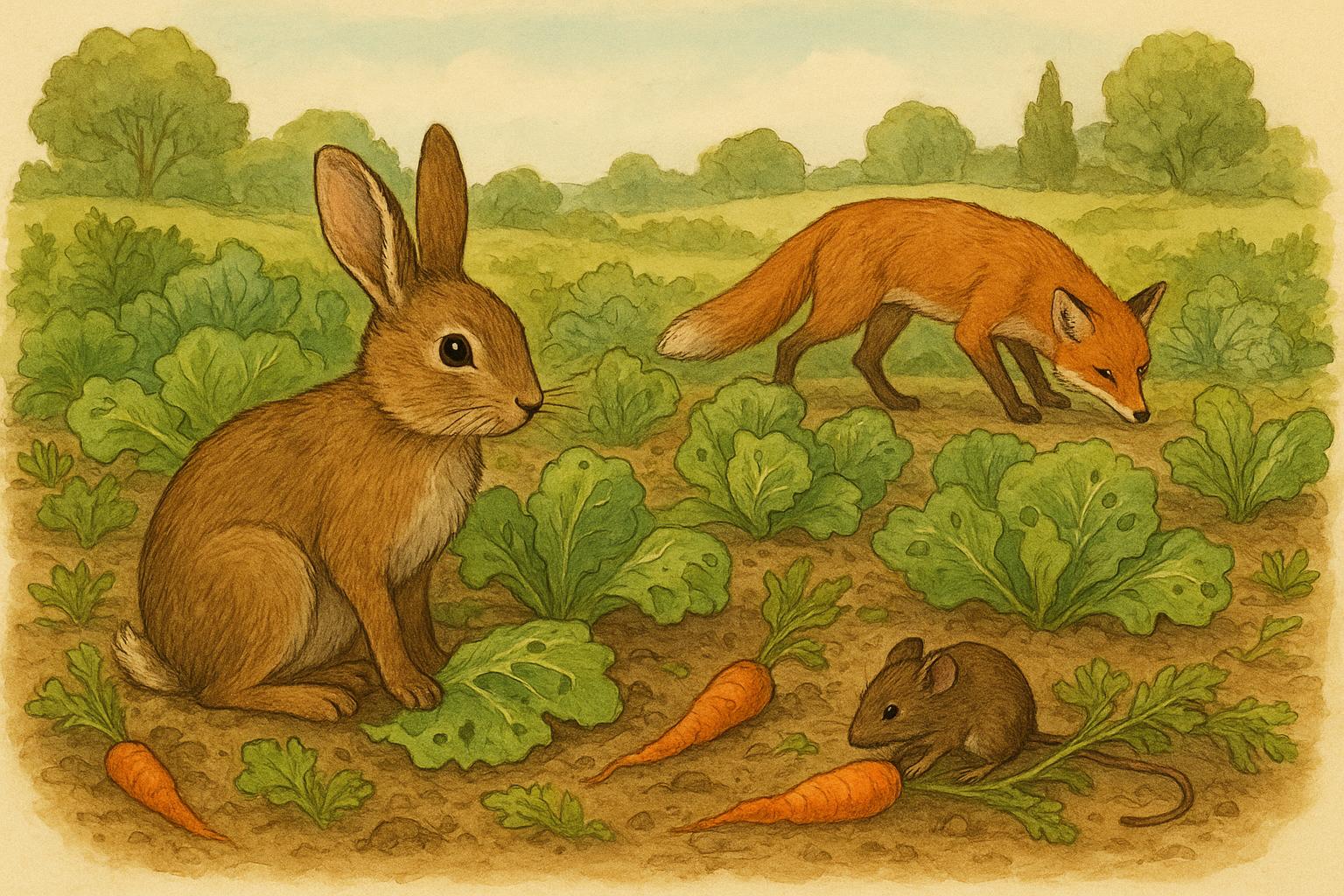
Rabbits: The hind tracks are long and narrow, often twice the length of the tiny front tracks. In a bound, hind tracks typically land ahead of front tracks — think of a footprint domino effect.
Deer: Hoof prints show two teardrop-shaped halves. The hind and front are similar but the hind print can appear slightly longer and deeper when bounding or running.
Squirrels: Hind tracks are longer and more oblong; front prints are smaller and rounded. Look for tail drags and the alternating pattern up trees.
Raccoons: Front prints look somewhat like tiny human hands; hind tracks are similar but often longer and show a more elongated sole impression.
Canids (dogs, coyotes, foxes): Hind tracks are more tapered and compact than the front, which can appear wider due to weight distribution.
Felines (bobcat, mountain lion): Hind tracks are nearly as large as front tracks and show a more rounded toe arrangement; claws are usually not visible.
### Reading Gait To Confirm Hind Versus Front
Tracks alone can be ambiguous. Combine shape with gait:
– Walk: In slow walking, front and hind prints appear one after another in a neat line.
– Bound: Rabbits and some rodents leave paired hind prints ahead of the front prints.
– Gallop: In fast running, hind prints land ahead of front prints as the animal stretches.
### Signs Around The Print That Help Identification
Look for scuff marks, tail drags, or impressions from belly contacts — these contextual clues often make it obvious which print belongs where. Substrate matters: sand shows more detail than frozen ground, and mud preserves claw marks well.
## Remedy 1: Creating A Yard-Friendly Deterrent For Unwanted Visitors
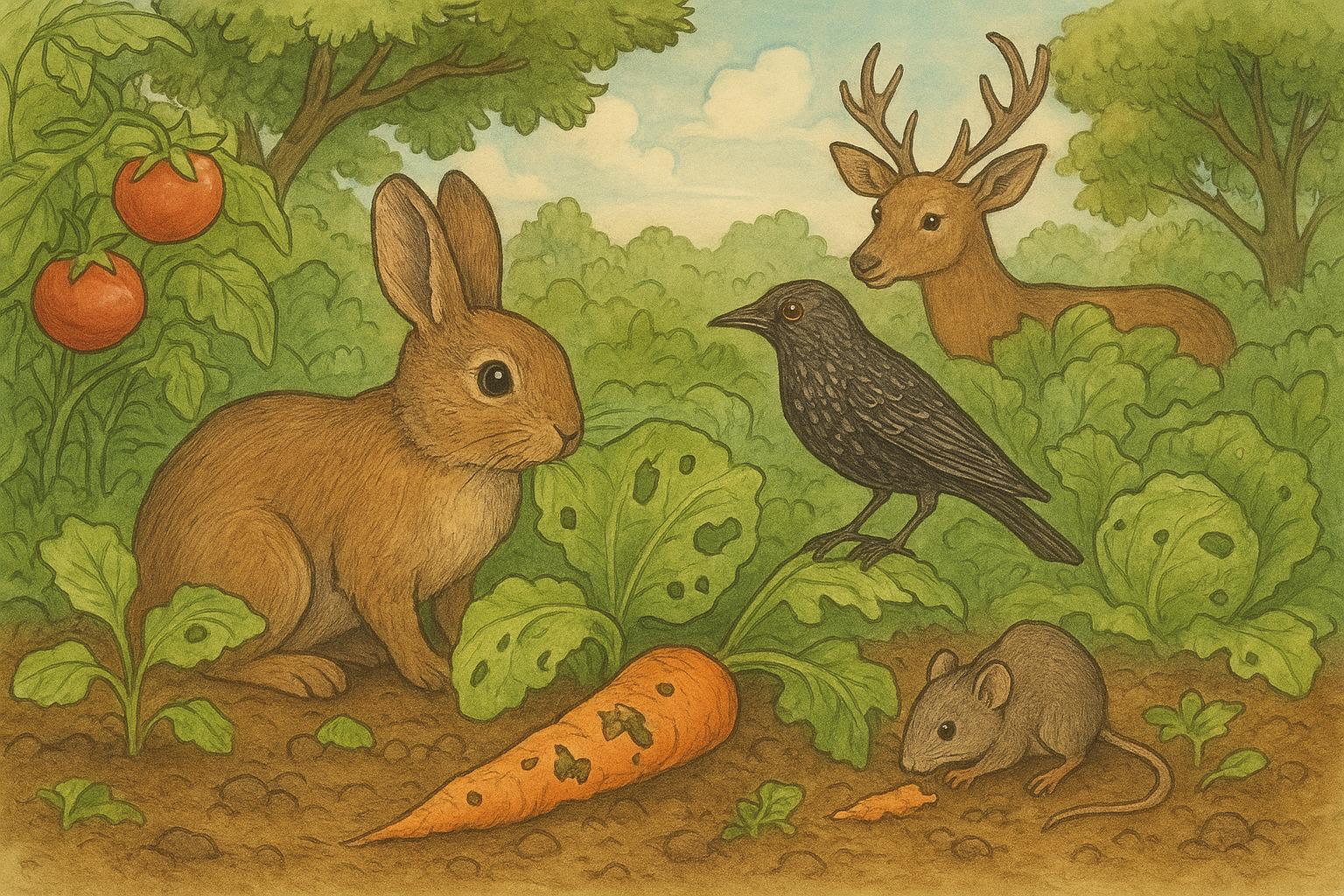
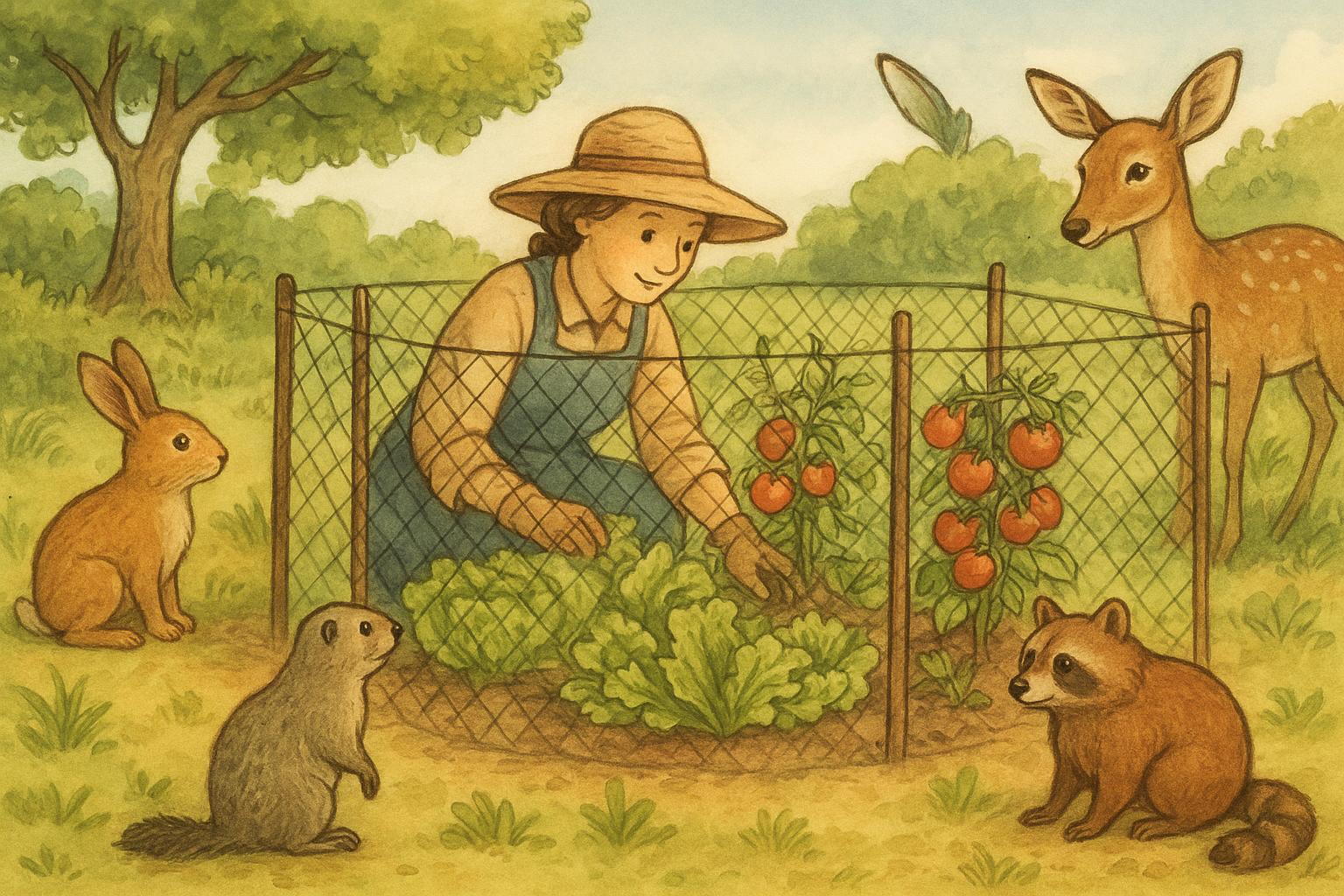
When hind tracks repeatedly lead to raised garden beds or under your shed, it’s time for a humane deterrent. Below is a formal, step-by-step remedy for discouraging frequent visitors like deer or rabbits without harming wildlife.
Ingredients / Required Materials:
– Motion-activated sprinkler or ultrasonic deterrent (choose one)
– Human hair or used coffee grounds (optional scent deterrent)
– Sturdy garden stakes and string (to create a low, visible barrier)
– Mulch or gravel to change substrate scent/texture
– Reflective tape or wind chimes (for occasional visual/auditory deterrence)
Creation And Application Steps:
1. Site Assessment: Identify the most frequent entry points by following the hind tracks to their origin. Note the time of day when prints are freshest.
2. Install Motion-Activated Device: Position the motion-activated sprinkler to cover the entry path without soaking desirable plants. Ensure it has access to water and is angled to startle but not injure.
3. Add Visual/Auditory Deterrents: Attach reflective tape or lightweight wind chimes along a low string run on stakes across the entry corridor. This creates a barrier that animals will associate with disturbance.
4. Apply Scent Deterrents: Sprinkle used coffee grounds or place small clumps of human hair (in breathable bags) at the perimeter. These introduce unfamiliar human scent; replace weekly or after rain.
5. Alter Substrate: Lay down coarse mulch or gravel on the path; many animals dislike the unstable footing and will choose a softer route.
6. Monitor And Adjust: Check daily for new hind tracks. If prints persist, change deterrents’ positions every 7–10 days to prevent habituation.
Notes: Use humane options first. Motion-activated sprinklers are effective for many species and are eco-friendly. Keep deterrents maintained and avoid toxic chemicals.
## Remedy 2: Making A Track Cast To Preserve Hind Tracks For Study
If you want a permanent record of a clear hind track, making a plaster cast is a reliable method. This is a scientific, controlled process to preserve prints for later comparison.
Ingredients / Required Materials:
– Plaster of Paris (about 2–3 pounds depending on print size)
– Water
– Mixing bucket and stir stick
– Cardboard or shallow frame (to contain plaster)
– Fine mesh or screen (to protect print while pouring)
– Measuring cup and scale (for accurate mixture)
– Gloves and protective eyewear
Creation And Application Steps:
1. Select a Good Print: Choose a well-defined hind track in firm but not rock-hard substrate. Clear away debris gently with a soft brush.
2. Prepare a Frame: Place a cardboard ring around the track, pressed slightly into the ground to form a dam that prevents plaster runoff.
3. Mix Plaster: Combine plaster and water per manufacturer instructions — typically 2 parts plaster to 1 part water by volume. Mix to a smooth, lump-free consistency.
4. Pour Carefully: Hold the mesh about an inch above the print and pour the plaster slowly through it. The mesh disperses flow and prevents air pockets.
5. Allow To Set: Let the plaster harden undisturbed for at least 30–45 minutes or until it’s cool to the touch and firm.
6. Remove And Label: Gently lift the cast, rinse off loose soil, and label the underside with date, location, species hypothesis, and measurement data.
7. Store Properly: Keep casted prints in a dry place. Photograph the cast with a scale for digital records.
Safety Notes: Use gloves and eyewear when handling plaster. Avoid inhaling dust. Plaster sets exothermically; don’t enclose hands in deep, large casts.
### Quick Field Tip: Photograph Before You Disturb
Always photograph hind tracks with a scale (ruler or coin) and note compass direction before you alter the area. Photos greatly enhance later comparison with casts or field guides.
### When To Call A Professional
If hind tracks indicate larger wildlife (cougar, bear) frequenting residential areas, contact local wildlife authorities. They can assess risks and advise or act in accordance with local regulations. Professional intervention is the right, legal step for potentially dangerous or protected species.
### Helpful Etiquette For Track Keeping
Respect privacy and property — if prints cross neighbors’ yards, let them know if you plan to take casts or set deterrents. Also, avoid chasing animals to obtain perfect prints; patience yields better, ethical results.
Now you’ve got the basics: how to spot the difference between front and hind tracks, how to preserve a standout hind track, and humane, practical steps to discourage repeat visitors. If you want illustrated comparisons (rabbit vs. squirrel vs. raccoon hind tracks) or a printable measurement chart, tell me which species you see most and I’ll tailor one for your yard.




Leave a Reply