
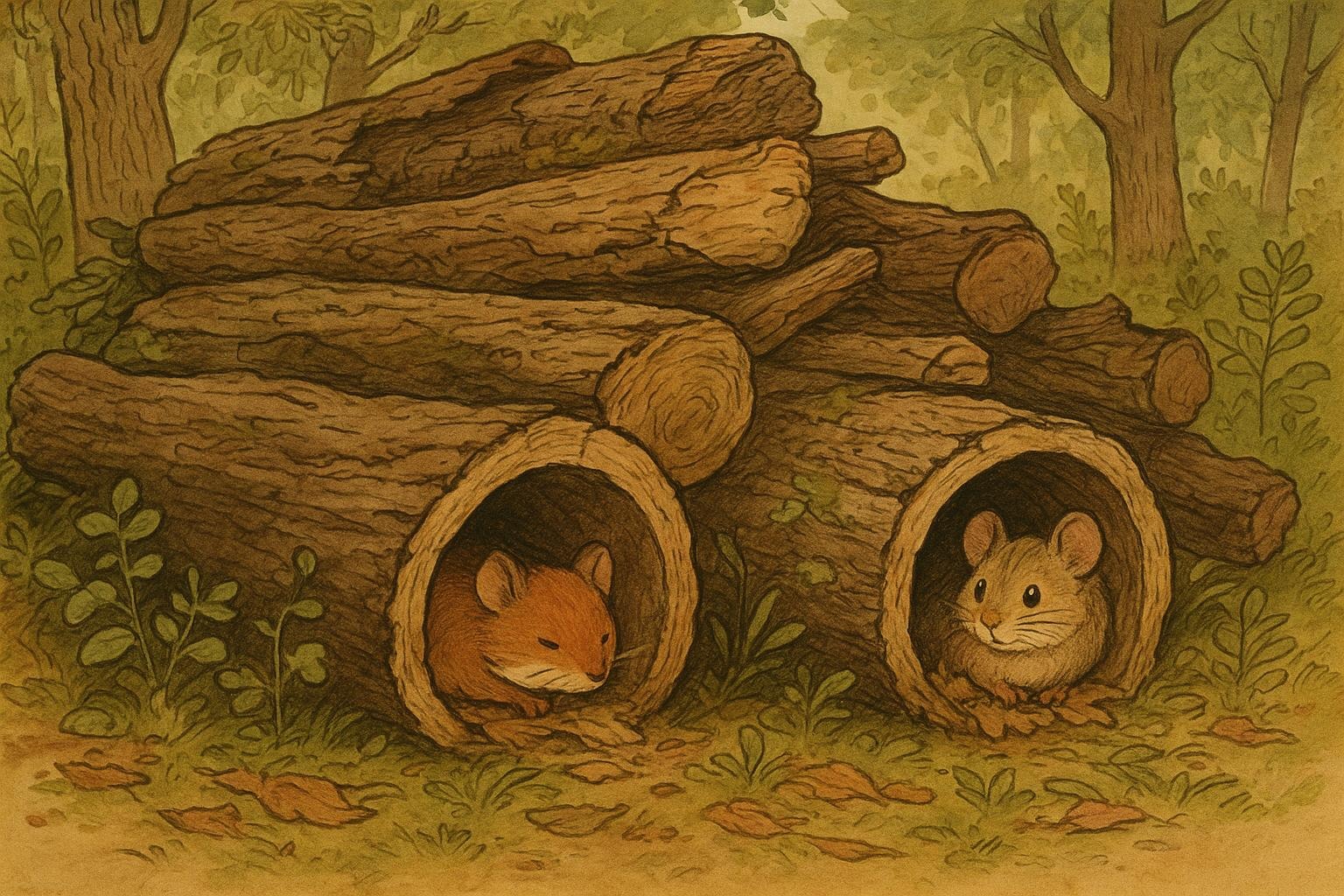
Dead wood in the yard never got the popularity contest it deserved. While neighbors may nag about a “messy” pile, a stack of slumping trunks and rotting branches is really a miniature apartment complex for backyard wildlife. These quiet, crumbly places support critters you want around — from soil-making fungi to nocturnal salamanders — and they slow stormwater runoff, hold soil in place, and feed life back into the garden over time. Think of it as nature’s gentle recycling program, with a door that says “vacancy.”
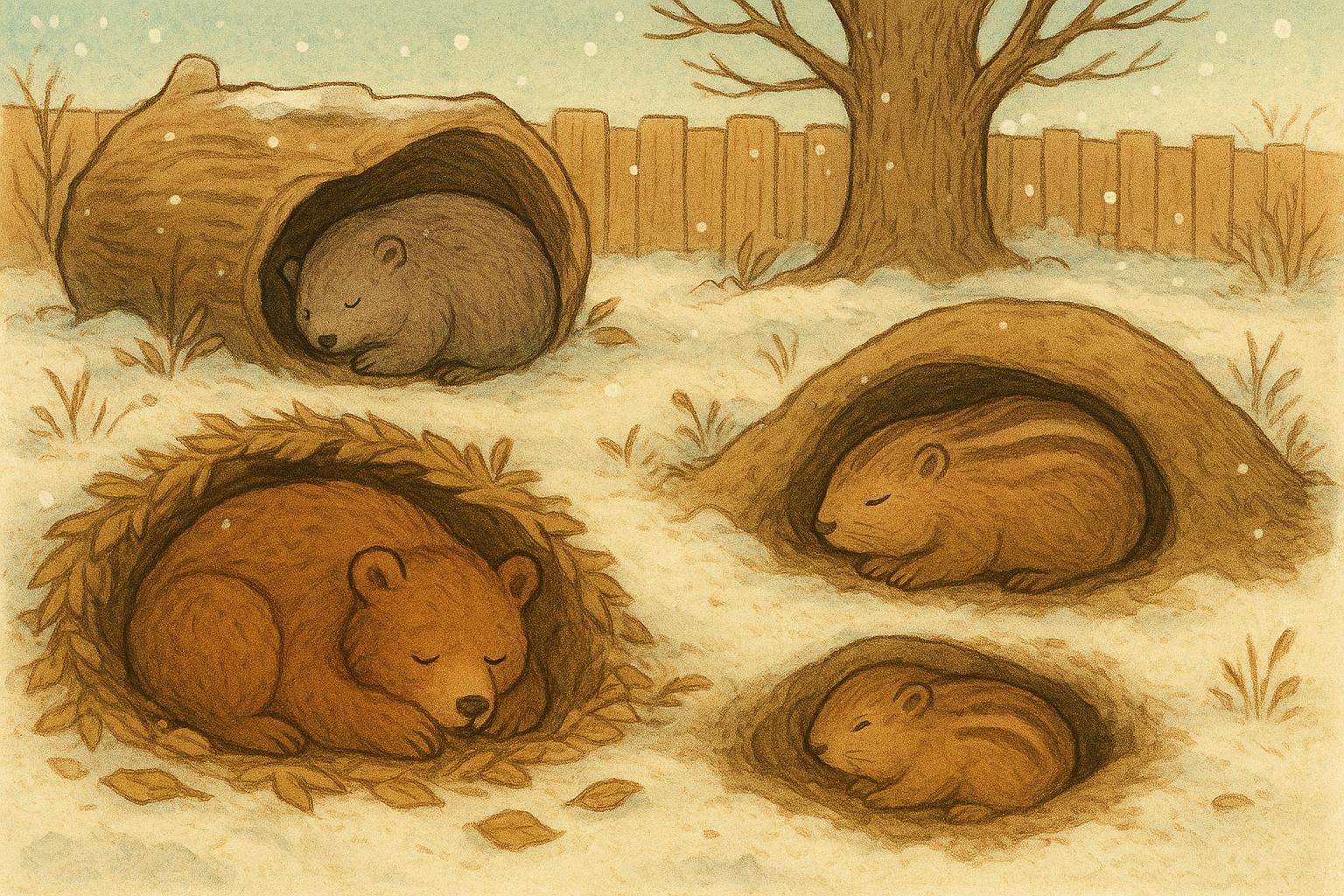
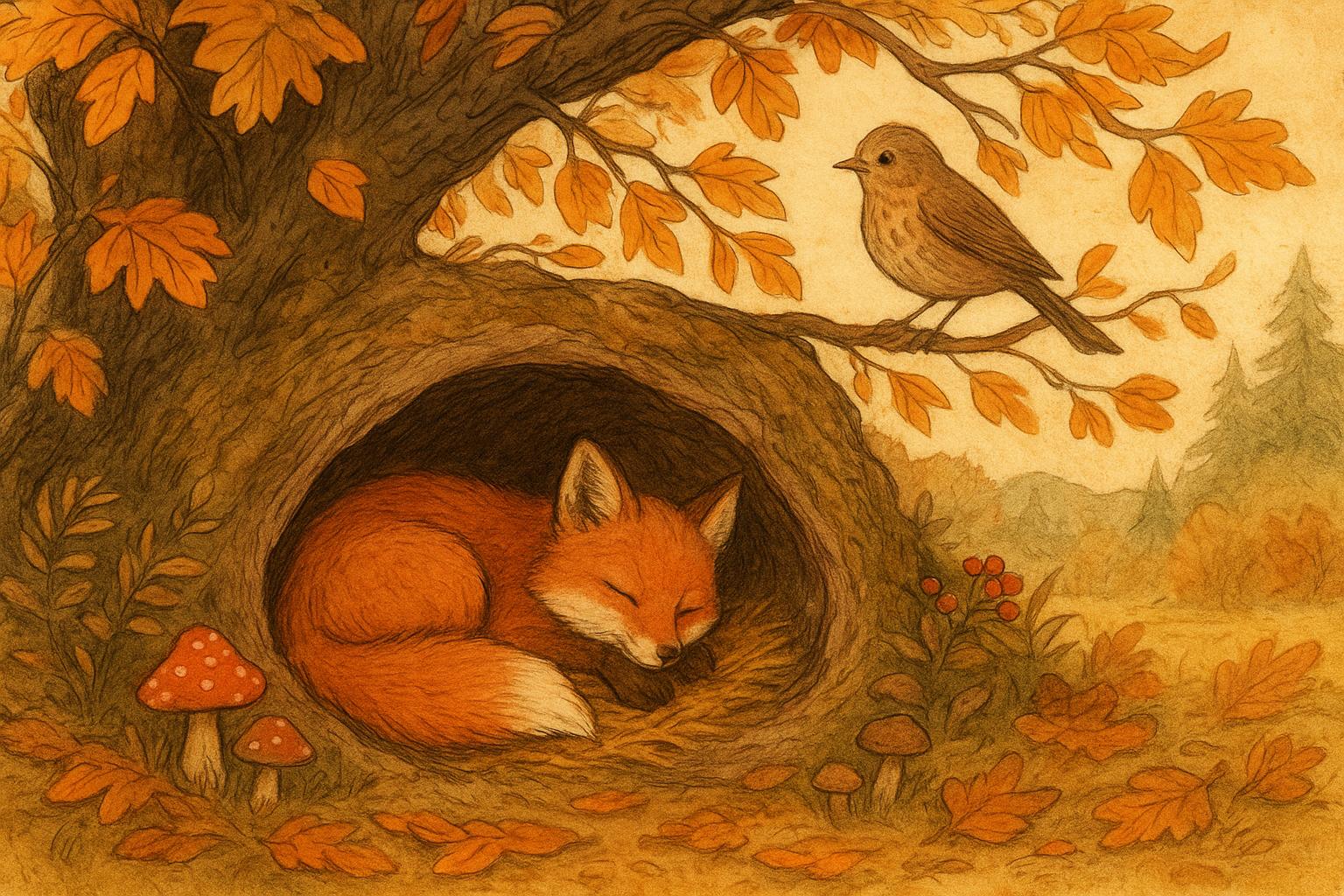
Leave a few naturally fallen or cut pieces alone and watch how the scene changes. Within weeks the wood softens, fungi lace the surface, and the first tenants arrive. In winter, a decomposing log can be the difference between hardship and survival for small mammals and invertebrates. And yes, it looks perfectly respectable from a distance — up close it’s a flourishing ecosystem that’s doing heavy lifting for your landscape.
## Dead Logs Create Cozy Shelters
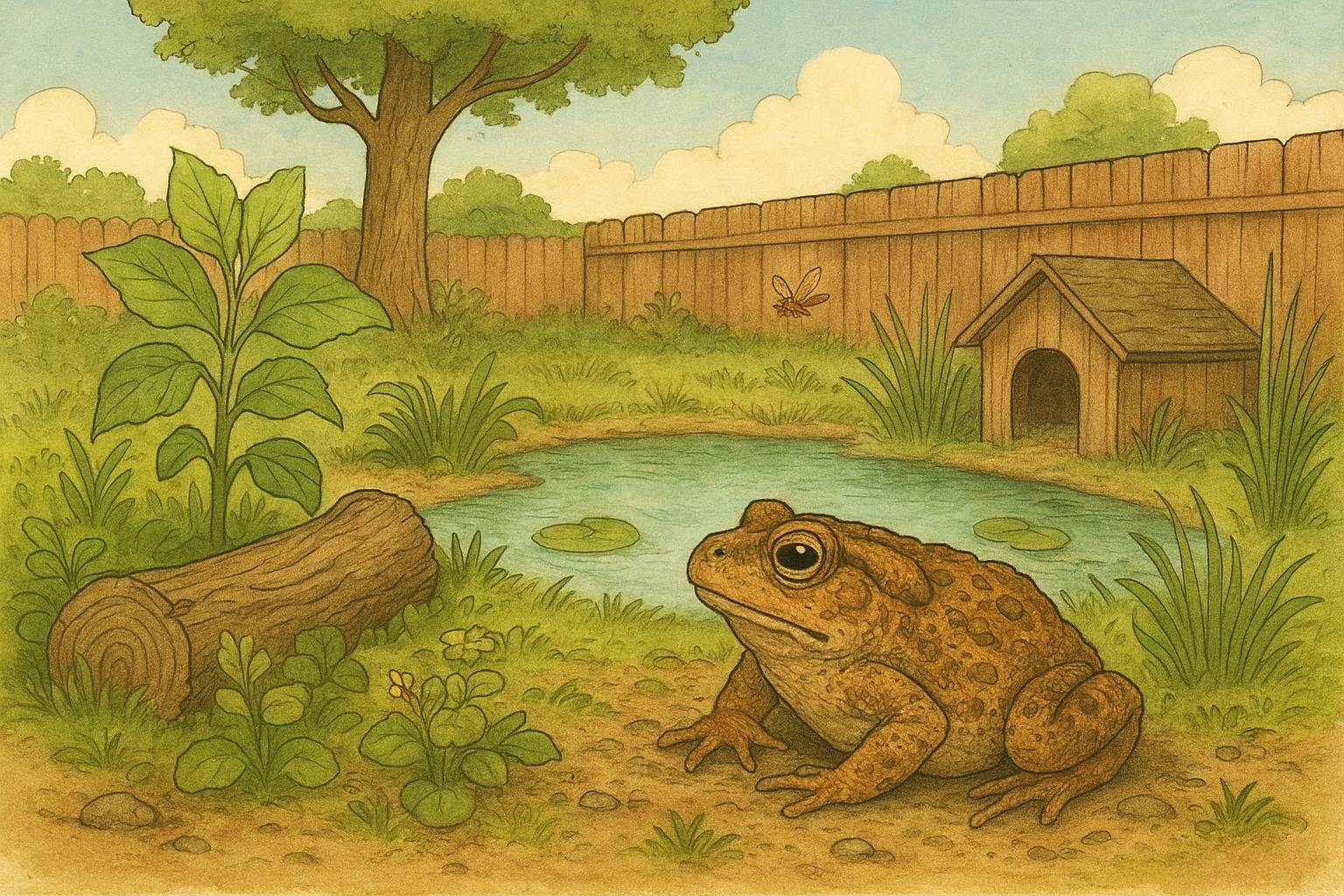
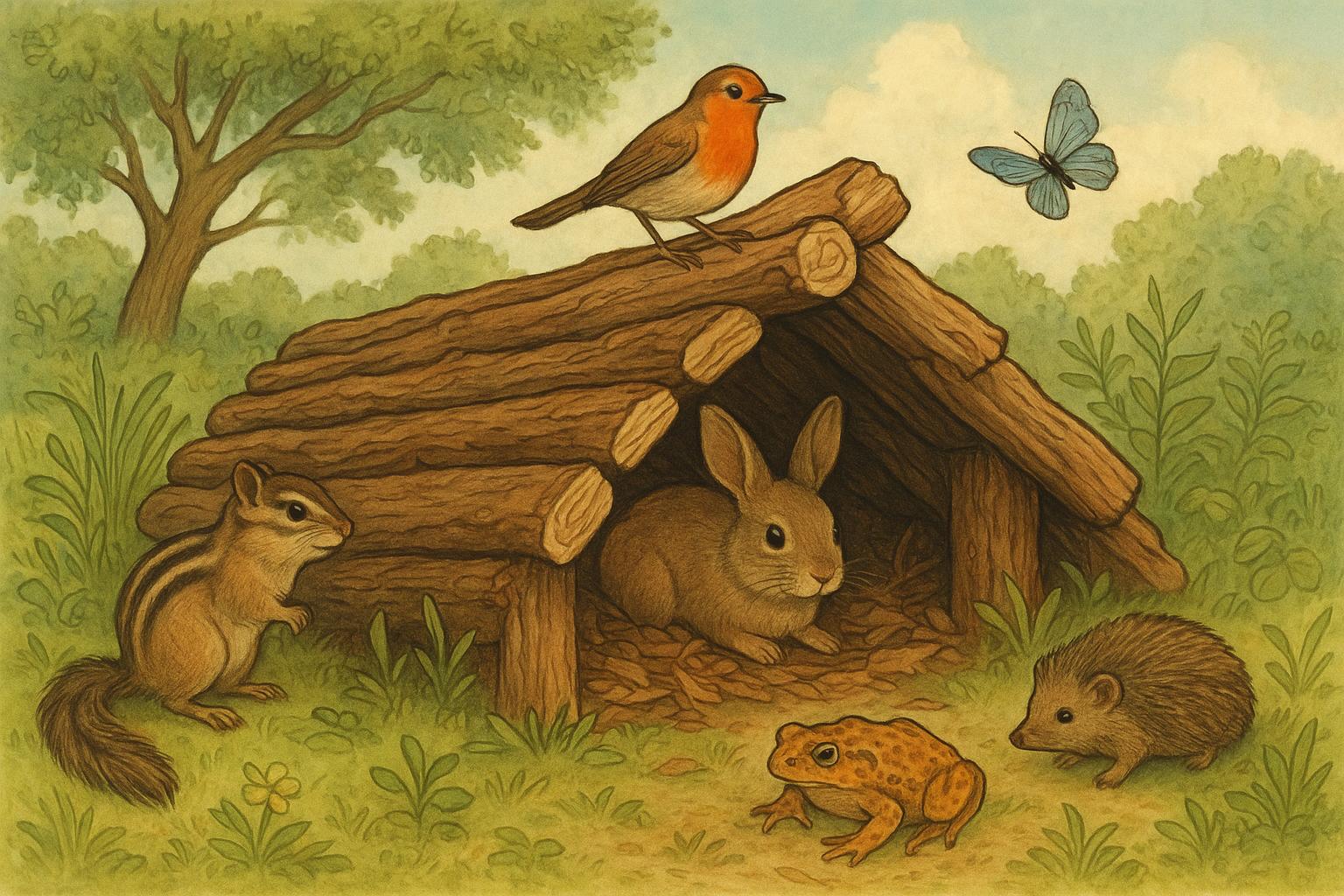
Dead logs are more than scenery; they’re structural habitat. A single log can host dozens of species across its life as it decays — beetles bore channels, centipedes and millipedes munch through softened fibers, fungi break down cellulose, and predators like shrews follow the food. Amphibians such as salamanders and frogs use the cool, damp microclimate under and around decomposing wood to avoid drying out. Even songbirds forage along log crevices for grubs and spiders.
A log pile acts like a layered condo: the top offers basking spots and sun-warmed refuge, while the lower levels stay humid, insulated, and dark. This vertical diversity increases the number of niches available, so more species can coexist in a small footprint. If you want to encourage wildlife, a few thoughtfully placed dead logs are one of the easiest, lowest-effort strategies you can adopt.
### Who Uses Dead Logs And Why
Different creatures exploit different stages of decay. Freshly fallen timber attracts wood-boring beetles and their predators. As wood softens, decomposers take over — fungi and bacteria that release nutrients back into the soil. The holes and tunnels left by insects become microhabitats for spiders, small reptiles, and solitary bees. For ground-nesting birds, scattered logs provide both cover and a steady buffet.
Many beneficial species you want nearby — predatory beetles, ground spiders, and amphibians — rely on the steady, sheltered conditions dead logs provide. Removing every bit of woody debris can unintentionally reduce biodiversity and create pest imbalances.
### Where To Place Log Piles For Best Effect
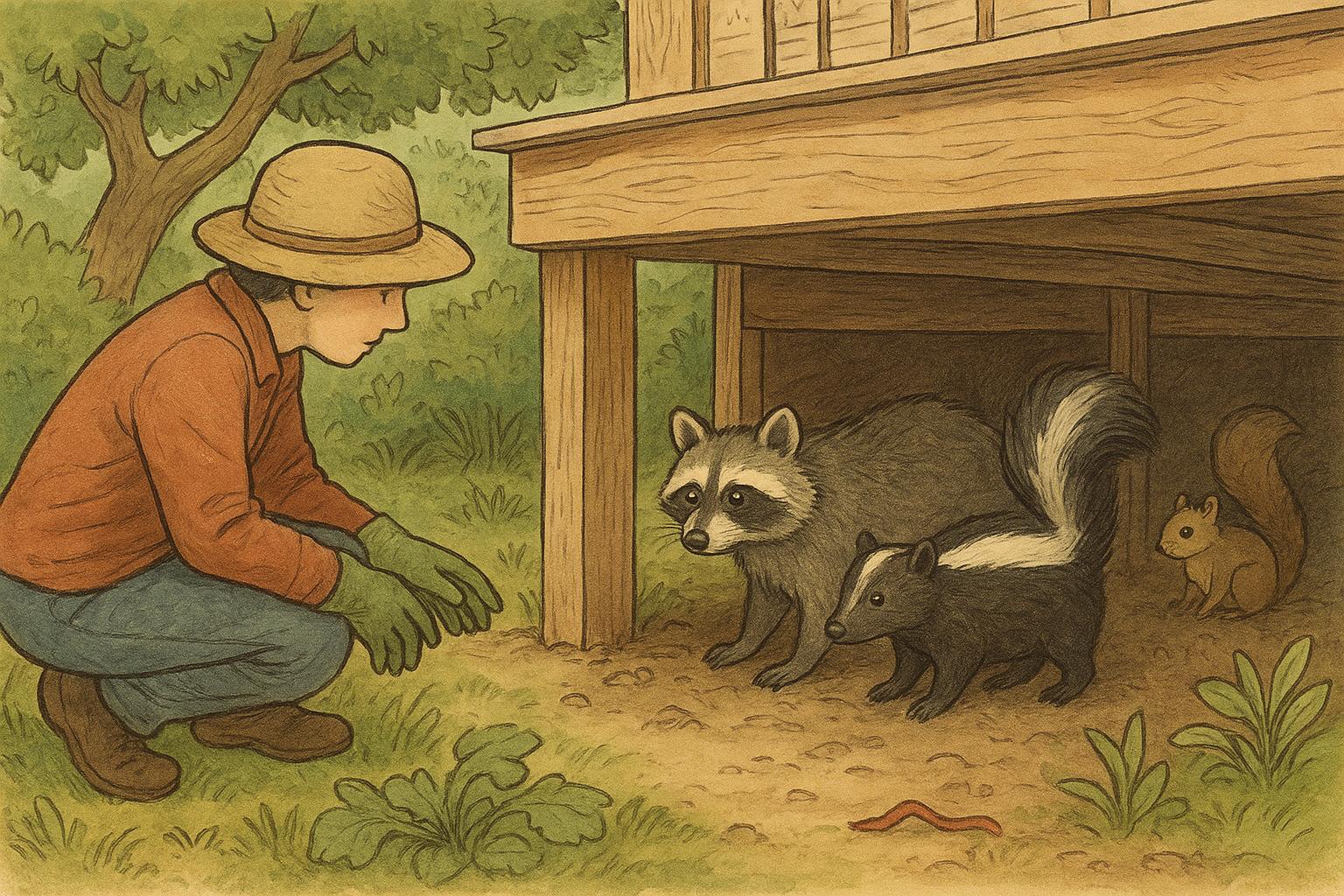
Location matters. Put log piles near native plantings, moist shady spots, or along hedgerows where wildlife already travels. Avoid piling wood directly against the house or on wooden decks to discourage accidental pest movement or moisture damage to structures. If you’re worried about attracting the wrong sorts of critters, properly sited log shelters reduce that risk while maximizing ecological benefit.
## Remedy: Building A Log Pile Ground Cover
When introducing or managing dead logs for habitat, follow a careful, structured approach to balance wildlife benefits with safety and property considerations. The following remedy outlines how to create a durable, wildlife-friendly log pile ground cover that minimizes pest transfer and fire hazard.
#### Materials And Tools Required
– A selection of dead logs and branches (varied diameters; at least some with bark intact)
– Hardwood rounds or stumps (optional; for structural base)
– Pine straw, leaf litter, or wood chips (for soft cover)
– Coarse gravel or reclaimed brick (for raised drainage beds, optional)
– Work gloves, pruning saw or chainsaw (for cutting to size)
– Loppers and folding saw for smaller pieces
– Measuring tape and marker
– Wheelbarrow or tarp for transport
– Shovel and rake
– Safety glasses, ear protection, and sturdy boots
Step-By-Step Creation And Application
1. Site Selection: Choose a location at least 10–15 feet from structures and in a partly shaded area to maintain humidity. Ensure the site is away from high-traffic lawn zones.
2. Prepare The Base: Clear competing grass or non-native groundcover. If drainage is a concern, lay a 2–3 inch layer of coarse gravel or brick to raise the pile slightly and prevent waterlogging against larger timbers.
3. Lay The Foundation: Place the largest logs parallel to each other, spaced slightly apart. Use hardwood rounds or stumps as base supports if available; this improves air circulation and slows complete saturation.
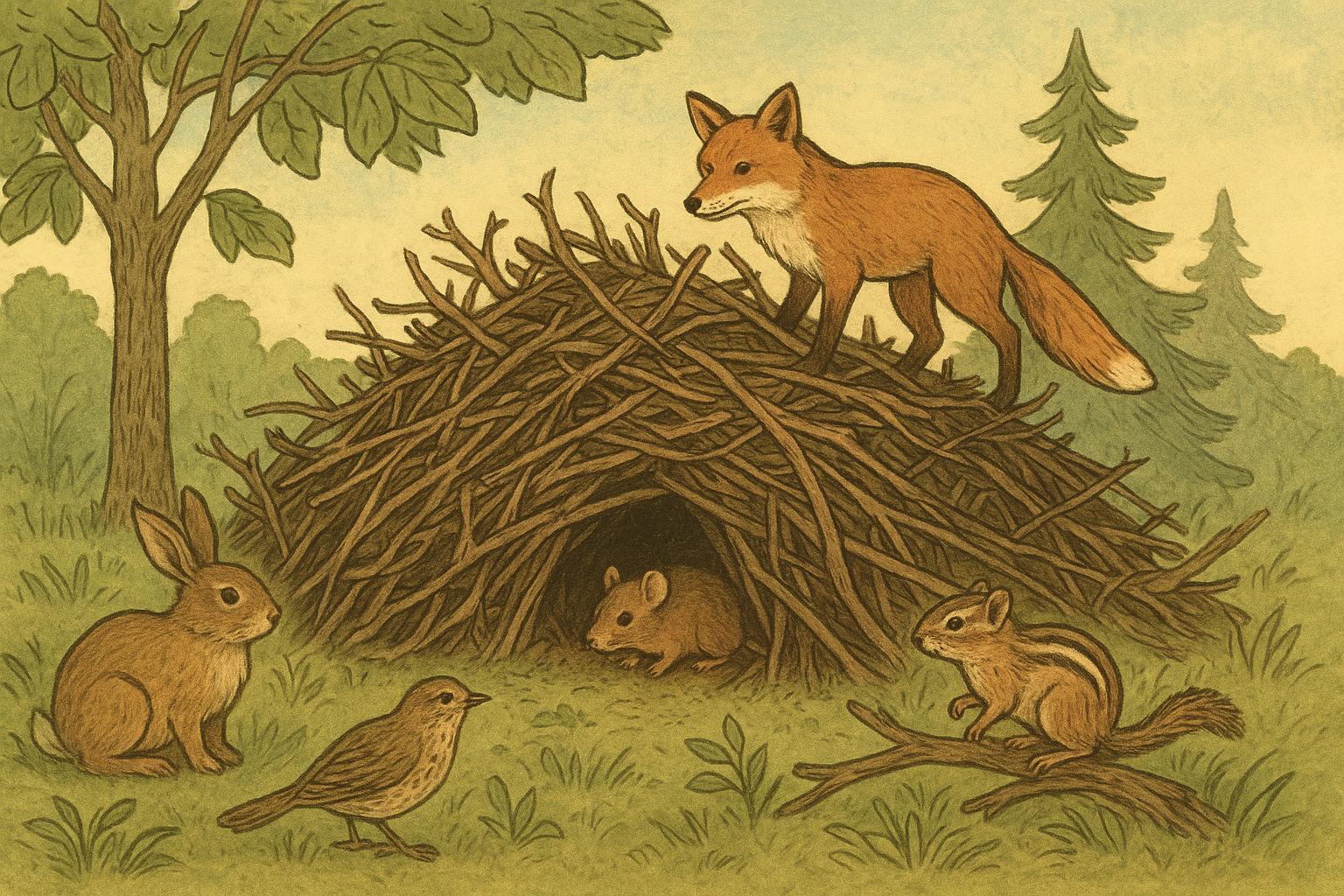
4. Build Layers: Stack additional logs perpendicular to the base layer, creating a crisscross structure for stability and cavities. Vary diameters and orientations to form tunnels and pockets.
5. Add Fine Material: Tuck branches, small sticks, and leaf litter into crevices. Cover exposed upper surfaces with a light layer of leaf litter or pine straw to help retain moisture without creating a dense, unreadable mass.
6. Secure The Pile: Ensure the pile is stable; larger pieces should lock into place. Do not nail or chemically bind logs — natural settling is preferred.
7. Edge And Integrate: Plant native understory species or place stones around the pile to anchor it visually and encourage wildlife corridors. Keep a clear area on the side closest to your house for inspection and access.
8. Monitor And Maintain: Inspect twice a year for structural stability, unwanted pests (see monitoring section below), and fire fuel accumulation. Remove any direct contact with buildings or wooden fences as needed.
When creating a log pile ground cover, consider the balance between encouraging biodiversity and maintaining property safety. Properly constructed piles reduce pest transfer and fire risk while providing the shelter wildlife rely upon.
### Placement, Maintenance And Safety
Formal guidelines for maintenance help avoid common pitfalls:
– Separation From Structures: Maintain a buffer zone of at least 10–15 feet from homes and wooden outbuildings. This separation reduces the likelihood of termites, carpenter ants, or rodents using log piles as stepping stones into structures.
– Fire Safety: In fire-prone areas, situate log piles away from ignition sources and follow local defensible-space rules. Keep piles compact and low rather than stacked into a tall bonfire risk.
– Pest Monitoring: Regularly check logs for large infestations of wood-boring insects close to property. If you discover an aggressive infestation that threatens structural wood, consult a licensed pest professional. Do not treat wildlife piles with broad-spectrum insecticides; they disrupt beneficial species.
– Seasonal Attention: In dry seasons, maintain a moisture-retaining cover (leaf litter) to keep the microclimate viable for amphibians. In wet seasons, ensure the pile isn’t creating standing water that could attract mosquitoes.
– Rotational Renewal: Over the course of several years, move and refresh piles to different locations if you have concerns about localized pest buildup. This practice mimics natural forest dynamics and spreads habitat benefits across the yard.
### Monitoring For Unwanted Guests
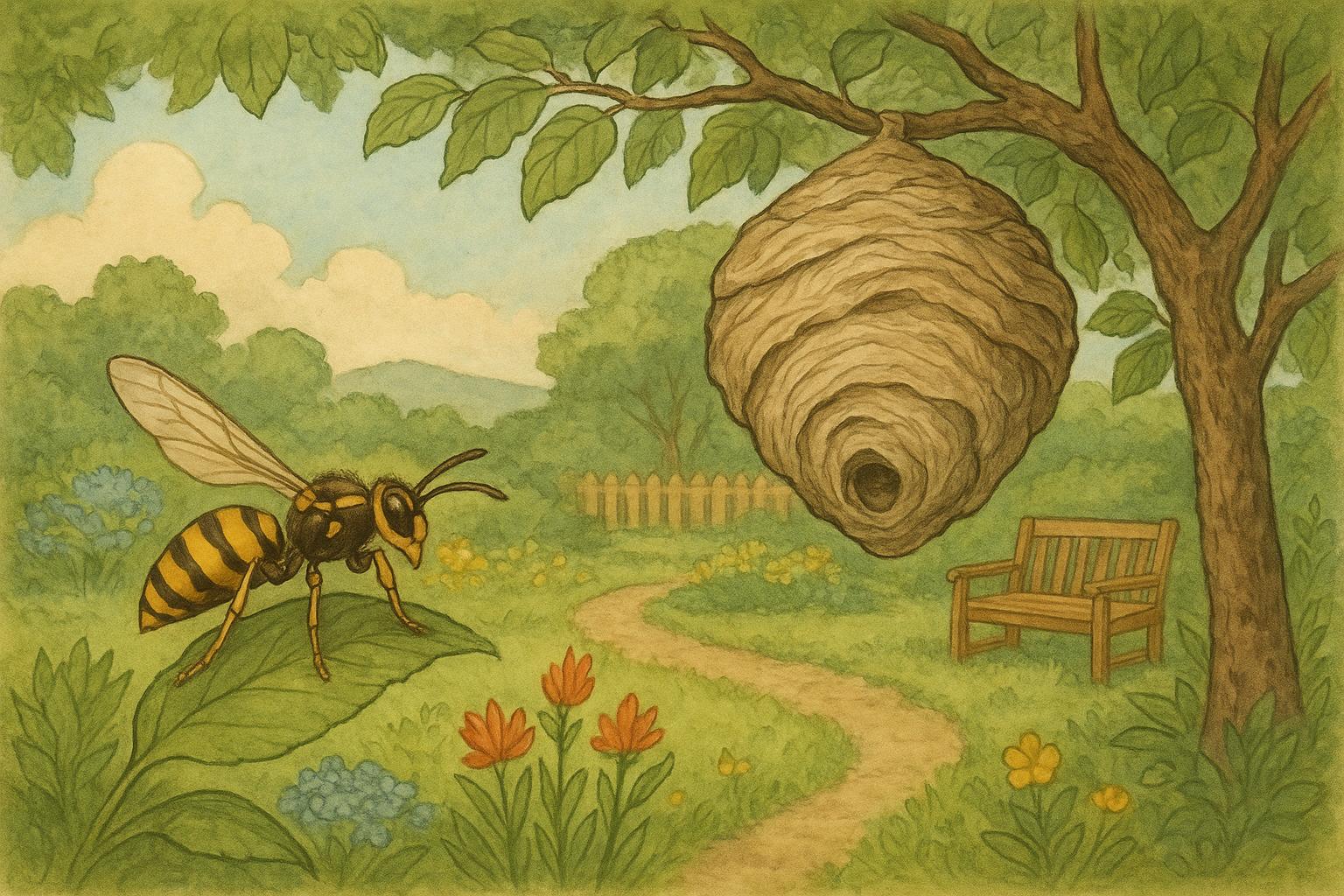
It’s reasonable to be wary of rodents or stinging insects. Regular inspection and smart placement largely prevent problems. If you notice increased rodent activity that’s affecting pets or people, remove plausible food sources like birdseed and secure compost; trapping and exclusion by a professional may be required. For wasp nests, employ licensed pest control if nests are in high-traffic areas. Otherwise, many stinging insects also provide pollination and pest control services and can be tolerated when the pile is sited away from frequent human use.
#### Encouraging Specific Beneficial Species
To attract salamanders, keep piles in shaded, damp areas and add flat stones or boards nearby for extra retreats. For solitary native bees, include some dry, small-diameter hollow stems and avoid heavy mulches that bury nesting sites. Birds will appreciate low shrubs near piles to perch and hunt along the wood surface.
### What Not To Do
Avoid sealing, painting, or chemically treating logs meant for wildlife habitat. These substances can poison organisms and prevent natural decay processes. Don’t place treated construction lumber in habitat piles. Also, resist the urge to over-manage: a little mess is precisely the point.
Keep enjoying the slow, satisfying benefits. A log pile may look like a lazy backyard decision, but it’s one of the most effective ways to invite complexity and resilience into your garden ecosystem. You’ll get a front-row seat to quiet dramas — beetle booms, fungal coronations, and the occasional salamander cameo — all while supporting soil health and biodiversity.


























Leave a Reply