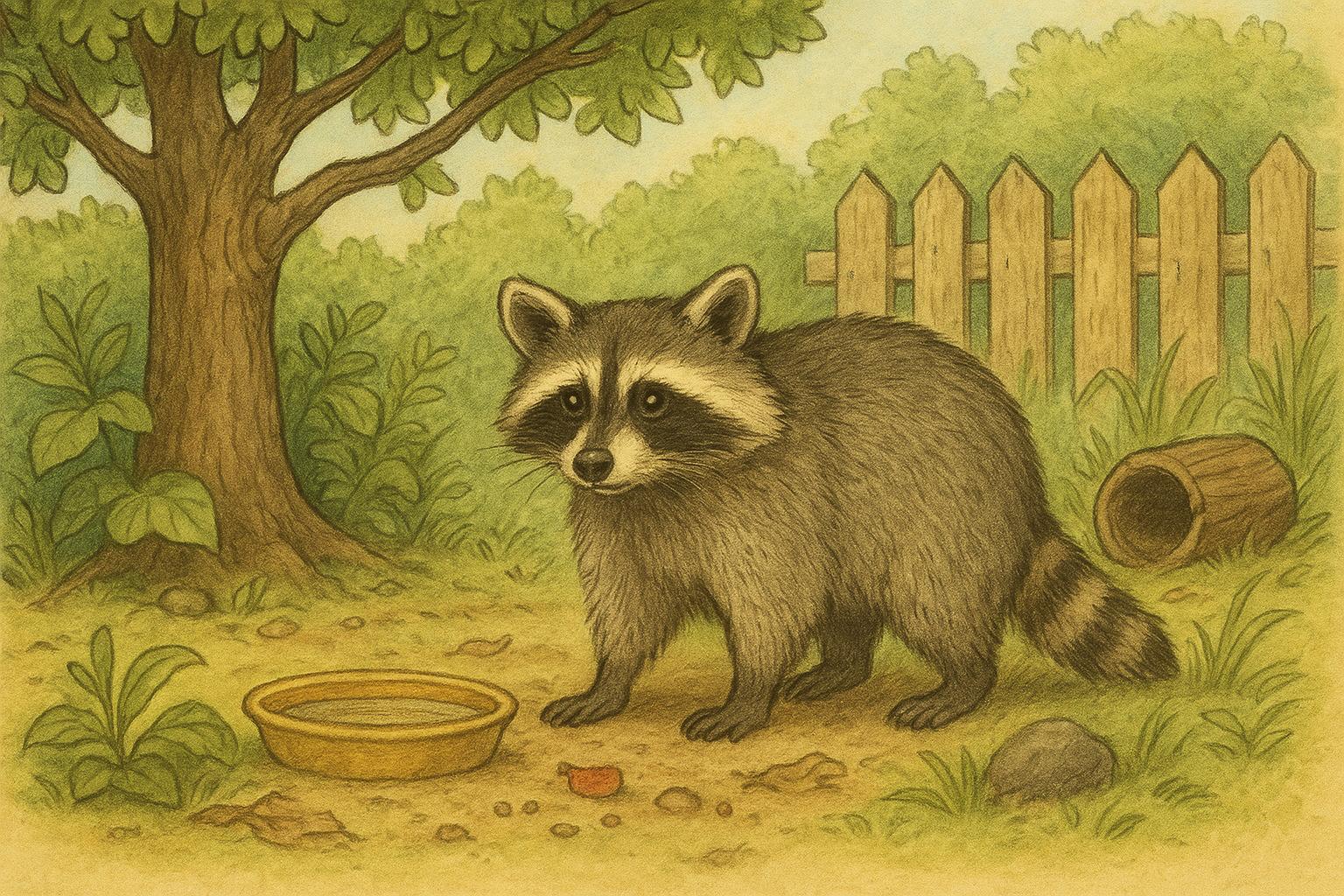
You probably noticed the masked midnight visitor that’s been turning your yard into a buffet and a racetrack. These clever, adaptable mammals are as comfortable rifling through a compost bin as they are nesting under a porch. This guide will help you understand their habits, where they roam, and—when necessary—how to humanely keep them from making your backyard their five-star hotel.
## Raccoon Habits And Range
Raccoon behavior is a mix of curiosity, opportunism, and a surprising amount of ingenuity. They’re omnivores, meaning their diet is famously flexible: fruits, nuts, insects, small vertebrates, eggs, pet food, and the occasional neighborhood pizza slice are all fair game. Because food availability largely determines how and where they move, a yard with accessible garbage or an open bird feeder becomes an attractive waypoint or even a permanent stop.
### Daily Activity And Diet
Most raccoon activity happens at night. They’re primarily nocturnal, though you might catch the occasional daytime stroll if food is scarce or if a nursing mother is moving kits. Their diet varies seasonally: early spring and summer favor insects and small animals; fall shifts toward calorie-rich fruits and nuts to build fat stores for colder months.
#### Foraging Techniques
Raccoons are adept problem-solvers. They use their sensitive front paws to feel for food in water, under leaves, and around human containers. That dexterity makes them especially skilled at opening latches, slipping into unsecured trash containers, and tipping over poorly anchored feeders.
### Home Range And Movement Patterns
A raccoon’s home range depends on habitat quality and population density. In suburban areas with plentiful food, ranges may be as small as a few city blocks. In wilder settings, an individual might roam several hundred acres. Females usually establish smaller, more fixed ranges during the breeding and denning season, while males may wander farther in search of mates.
#### Denning Preferences
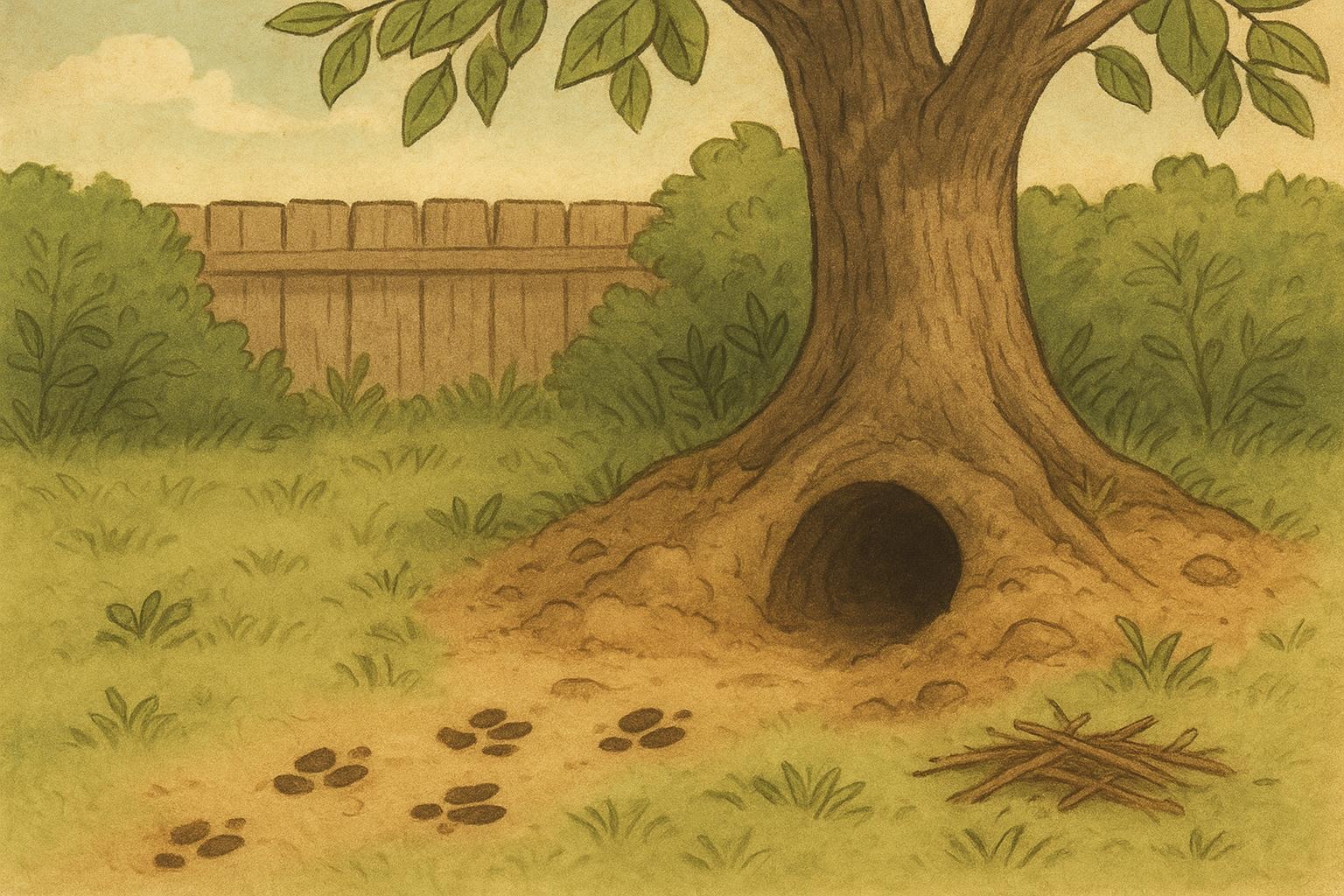
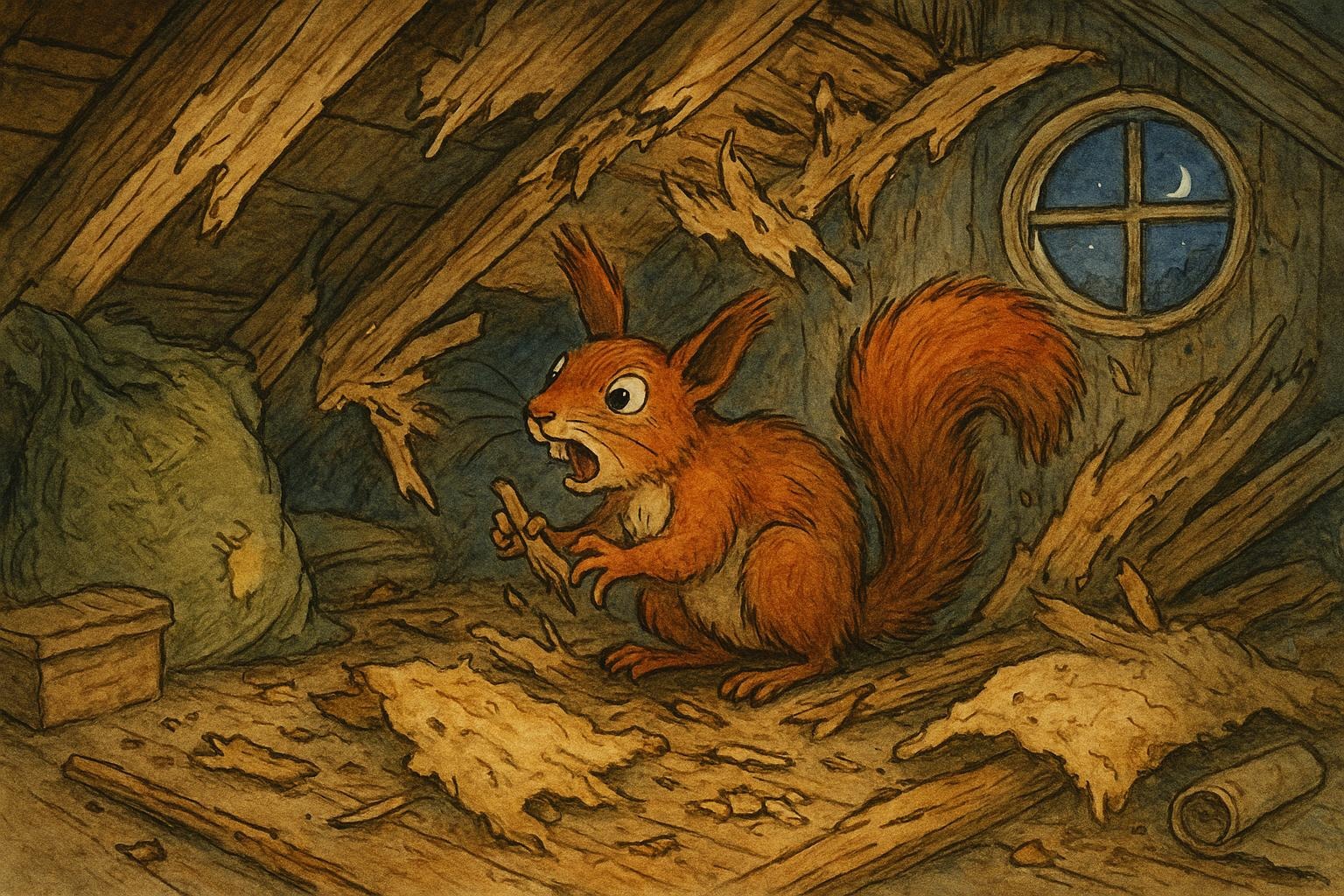
They nest in tree hollows, rock crevices, abandoned buildings, and attics. A safe, dry cavity near food and water is ideal. If your attic or shed offers that combination, you might unintentionally become a landlord.
## Signs Of Raccoon Presence In Your Yard
Spotting raccoon signs early helps prevent conflicts. Look for:
– Scratches or climbing marks on siding and gutters.
– Scattered garbage and chewed-into pet food bags.
– Tracks: five-toed prints that can look almost human-sized for larger adults.
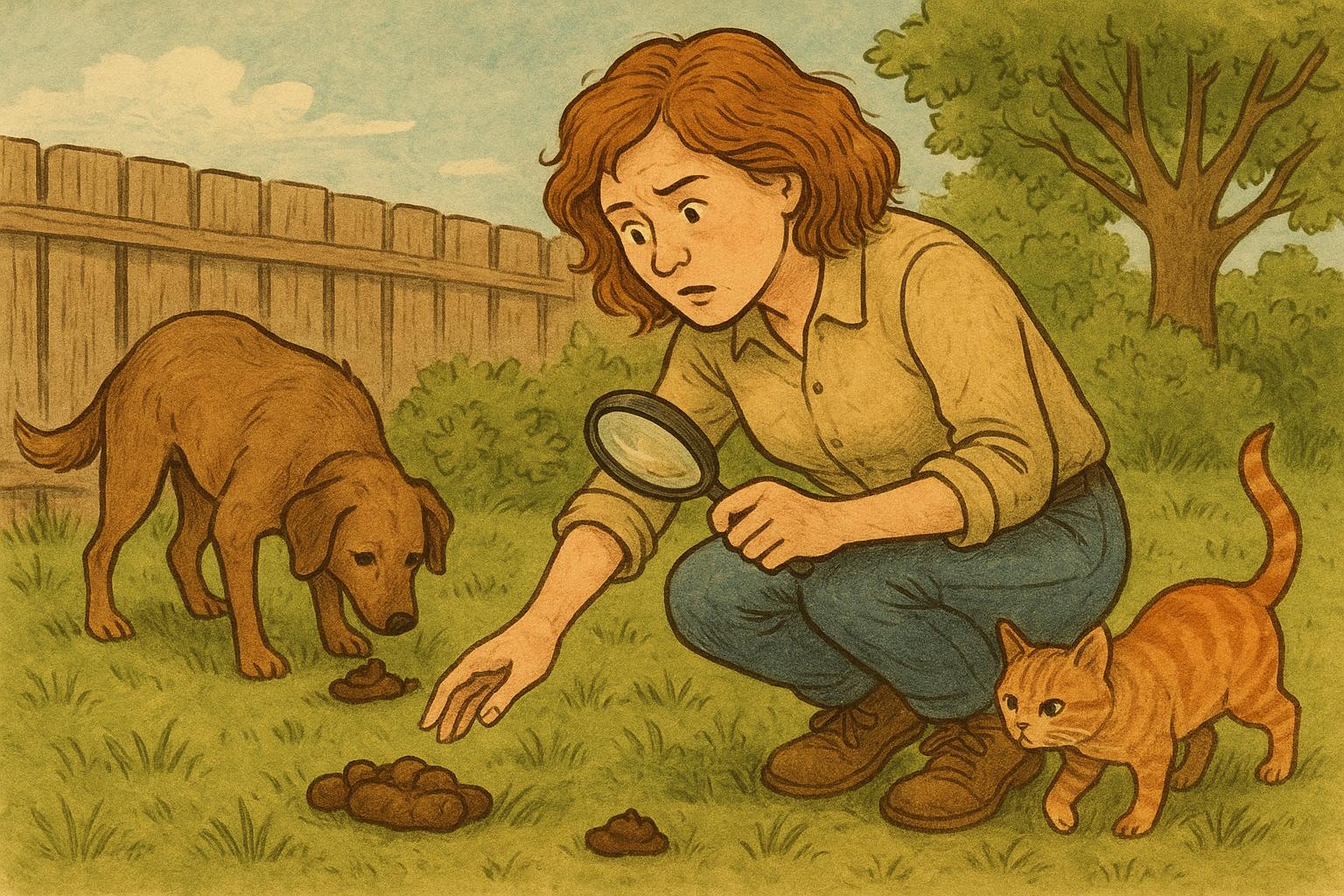
– Droppings near feeding spots or under den entrances; these resemble segmented, tubular scat and may contain insect parts, seeds, or fur.
### Vocalizations And Other Clues
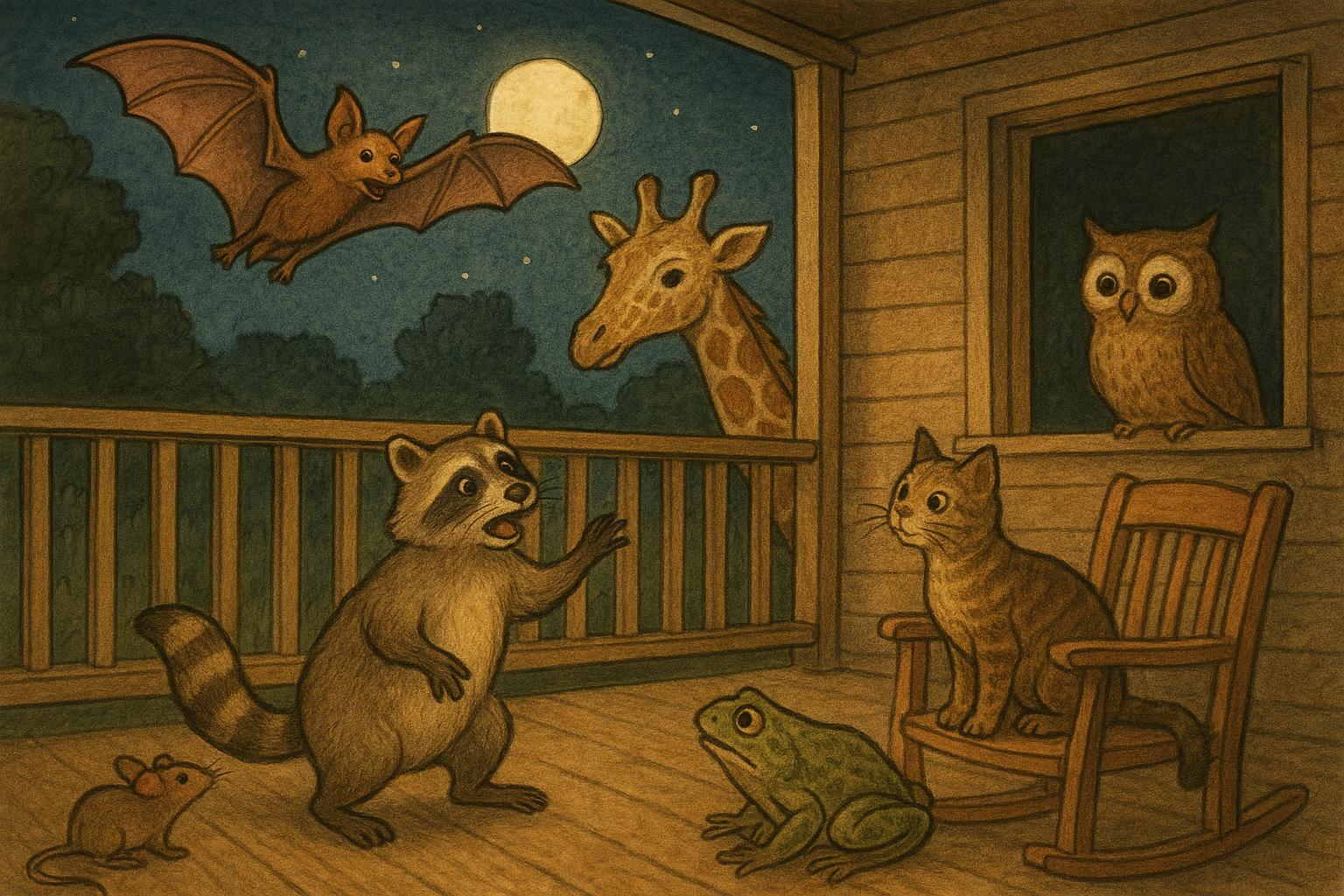
Raccoons make a variety of sounds—chitters, hisses, growls, and a distinctive purring when nursing. Kits are especially noisy at the den. If you hear frequent nighttime commotion from a roofline, investigate safely during daylight hours.
## 1. Remedy: Secure Trash And Remove Food Attractants
Materials:
– Heavy-duty trash cans with locking lids or bungee cords
– Motion-activated lights or sprinklers (optional)
– Sturdy bird feeders or raccoon-proof feeder designs
– Sealable containers for pet food
Step-By-Step Application:
1. Store trash cans in a locked garage or shed where possible. If left curbside, use a bungee cord or weight to secure the lid.
2. Transfer pet food to metal or thick plastic containers with snap-tight lids; avoid leaving food outside overnight.
3. Replace conventional bird feeders with designs that limit raccoon access, or take feeders down in late afternoon to reduce nocturnal scenes.
4. Clean grills, remove fallen fruit, and rake compost piles promptly; raccoons are guided more by scent than sight.
5. If desired, install motion-activated lights or sprinklers aimed at problem areas to create an unpredictable environment for nocturnal foragers.
## 2. Remedy: Exclude Attic, Shed, And Den Sites
Materials:
– Heavy-gauge plywood or metal flashing
– One-way wildlife exclusion door (available from wildlife suppliers)
– Caulk or expanding foam (for small gaps)
– Ladder and basic hand tools (screwdriver, drill)
– Work gloves and eye protection
Step-By-Step Application:
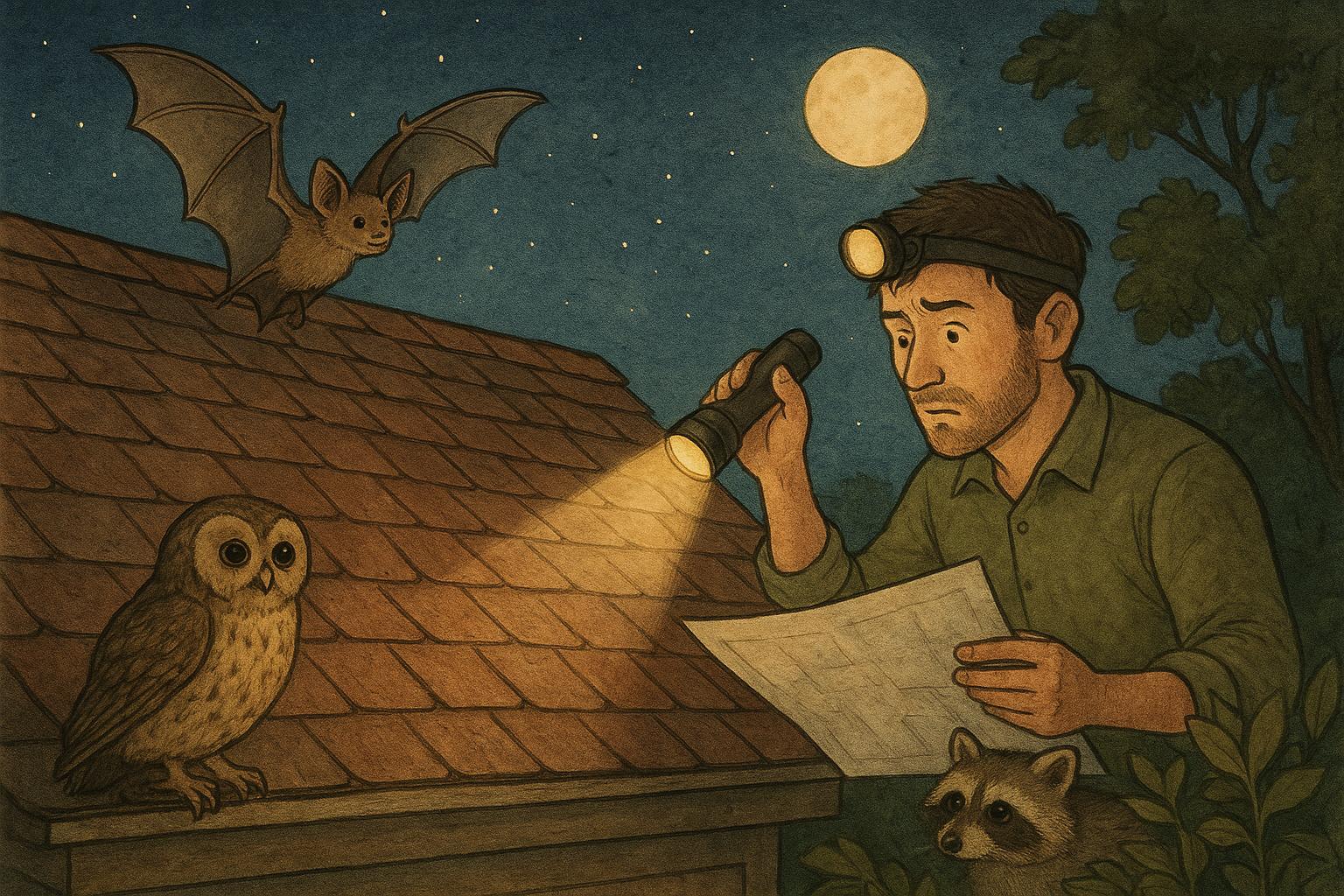
1. Inspect your roofline, soffits, vents, and foundation for entry points. Note any holes, loose shingles, or damaged vents.
2. If you find a suspected active den with kits inside, do not seal immediately. Determine if young are present; if so, contact local wildlife authorities or a licensed wildlife rehabilitator for guidance on timing to prevent separation from mothers.
3. Install a one-way exclusion door at the main entry after confirming no young are inside. This allows adults to leave but prevents reentry.
4. Once you’re confident the den is vacant (typically several days after the last exit), permanently repair the opening with metal flashing or heavy-gauge plywood and seal smaller gaps with caulk or foam.
5. Reinforce vulnerable areas like vents and chimney openings with wire mesh or professionally installed covers to prevent future access.
## 3. Remedy: Humane Deterrents And Habitat Modification
Materials:
– Thick-gauge hardware cloth (1/2″ or smaller mesh)
– Outdoor-grade zip ties or stainless-steel screws and washers
– Commercial bright lights or solar motion lights
– Scent deterrents (coyote urine or commercially prepared repellents) — used with caution and per label
– Professional-grade ultrasonic devices (optional; efficacy varies)
Step-By-Step Application:
1. Remove or reduce available shelter: stack woodpiles neatly off the ground, seal gaps beneath decks with hardware cloth, and store lawn equipment in locked sheds.
2. Install hardware cloth around garden beds and under porches. Bury the bottom edge 6–12 inches into soil to prevent digging underneath.
3. Position motion-activated lights near known travel corridors and potential den entrance points. Keep activation patterns unpredictable by varying the lighting strategy if problems persist.
4. Apply scent-based repellents sparingly and according to label directions; avoid widespread use near food prep areas. Rotate products occasionally to prevent habituation.
5. If using ultrasonic devices, follow manufacturer placement instructions and monitor effectiveness; combine with physical exclusion for best results.
## Living With Raccoons Safely
Raccoons can carry diseases like rabies and roundworm (Baylisascaris procyonis). Never handle a raccoon—alive or dead—without professional training and proper personal protective equipment. If you observe unusual daytime behavior, disorientation, or aggressiveness, contact animal control immediately. For non-emergency concerns like attic removal, seek a licensed wildlife control professional who uses humane methods.
### When To Call A Professional
If you find a den with young, recurring entries despite exclusion efforts, or raccoons inside structures, professional assistance is appropriate. A licensed wildlife control operator can perform safe, legal exclusions and advise on local regulations, which vary by region.
## Raccoon Respect: Coexistence Tips
– Make your yard less inviting: trim branches away from roofs, secure compost bins, and be mindful of outdoor feeding habits.
– Use scent and light deterrents as a supplement—not a substitute—for physical exclusion and food removal.
– Educate neighbors: one unsecured trash can begets a neighborhood problem. Encourage community action to reduce attractants.
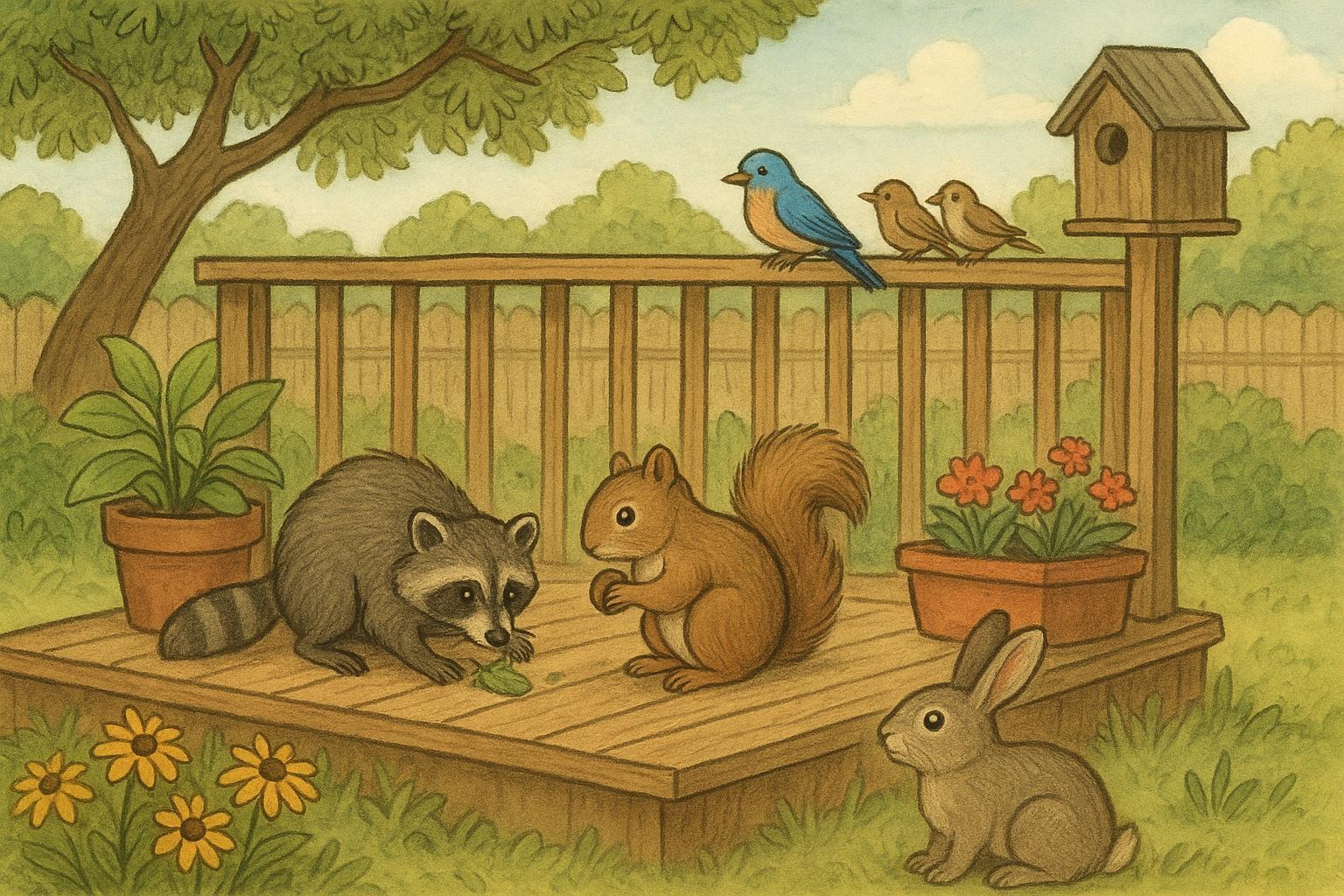
Wildlife in your backyard is a chance to observe nature close up, but when clever critters like raccoons start treating your property like a self-serve restaurant, it’s time to push back with humane, practical measures. With a few modifications, most conflicts can be resolved without harm to the animals—or your sanity.


































Leave a Reply