
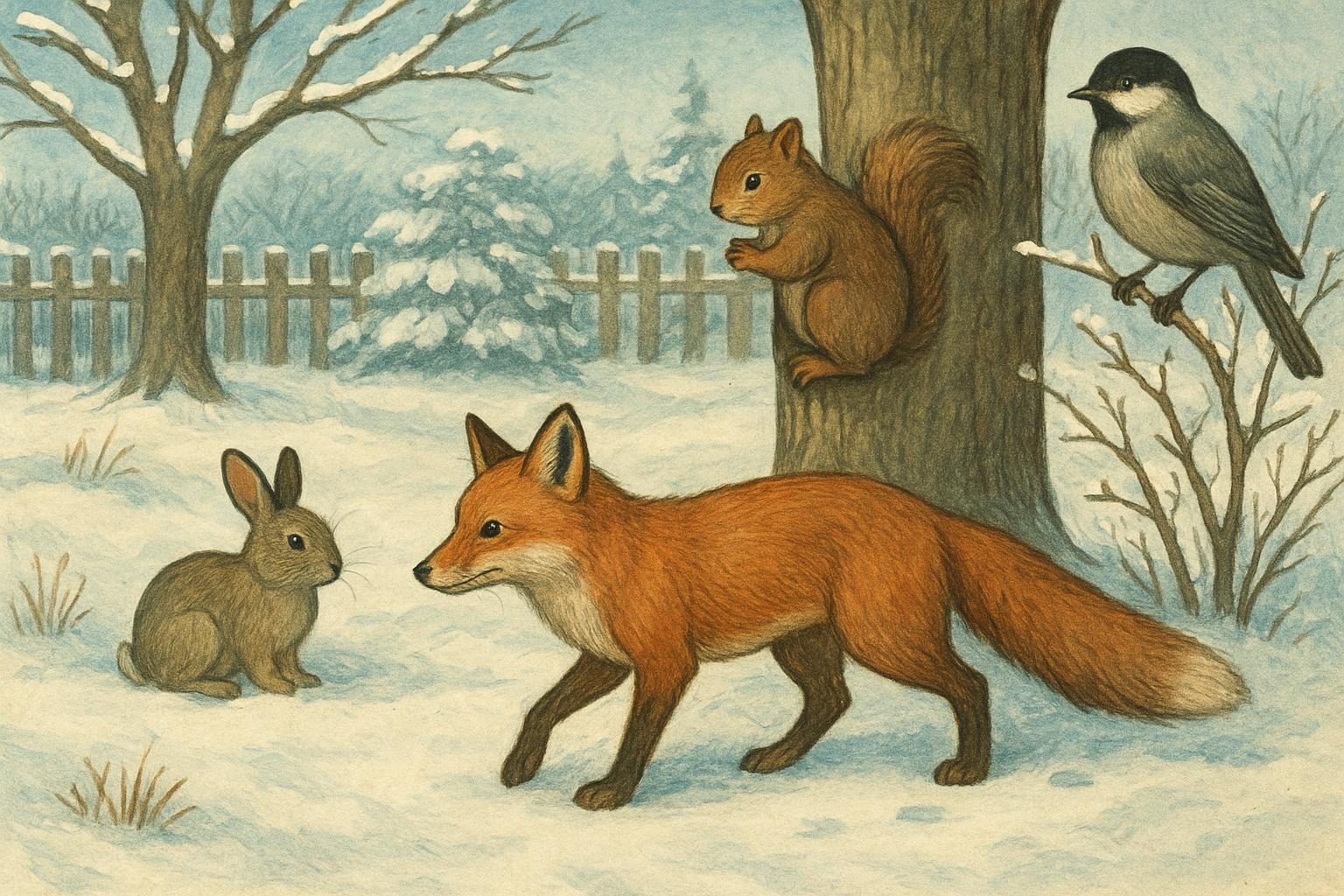
If you think winter drives every creature into a deep sleep, think again. Your backyard can be a surprisingly lively place, full of chirps, scrambles, and the occasional noisy debate over who claimed the best suet. Winter animals are often more visible in the cold months because food is scarce and movement leaves tracks in the snow. Stick around — you might start to enjoy the winter wildlife show, even if you’re bundled up in three layers and swearing at frozen water bottles.
## Winter Animals You’ll See In Your Backyard
### Common Backyard Species
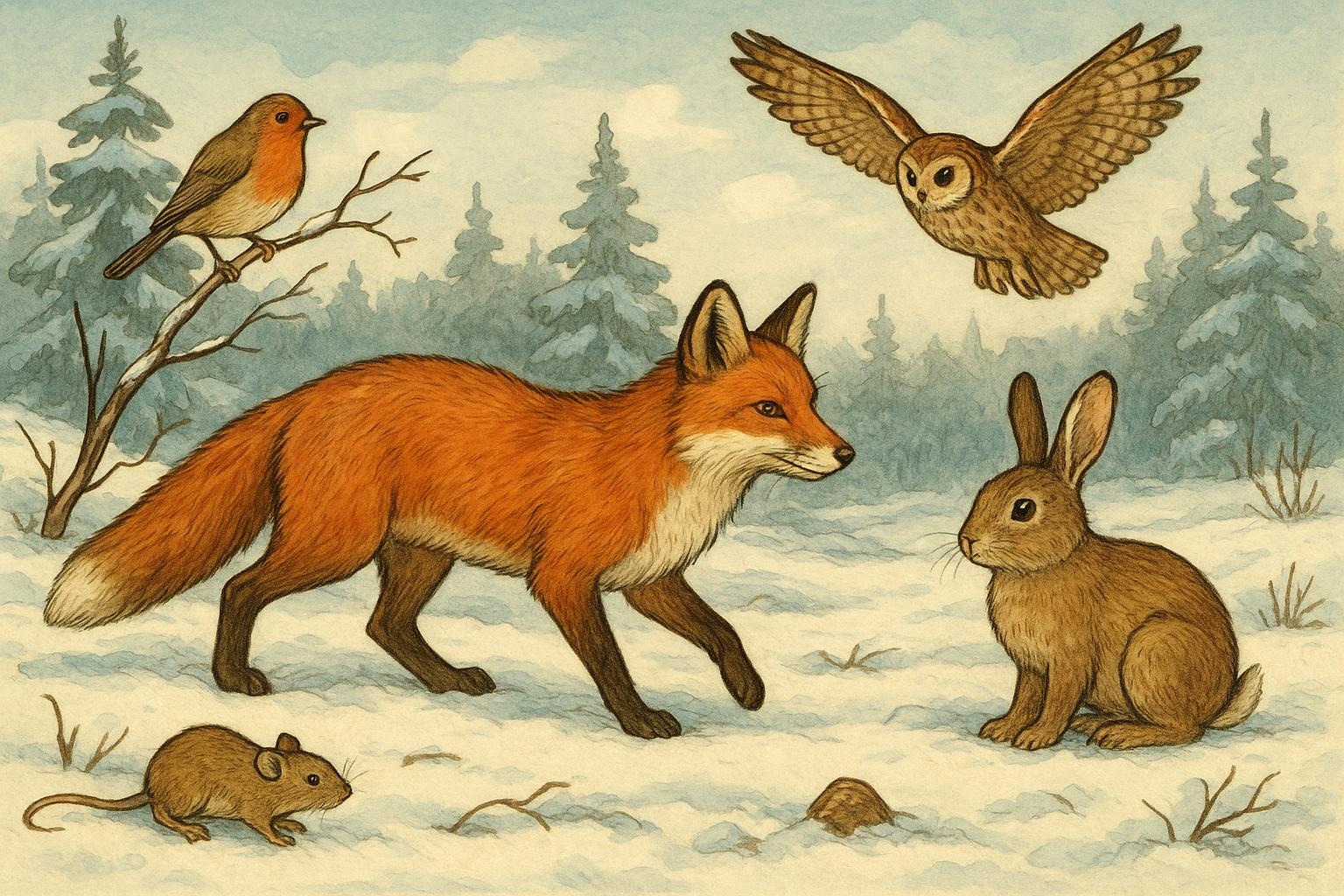
Most backyards host a predictable cast of characters when temps drop. Look for:
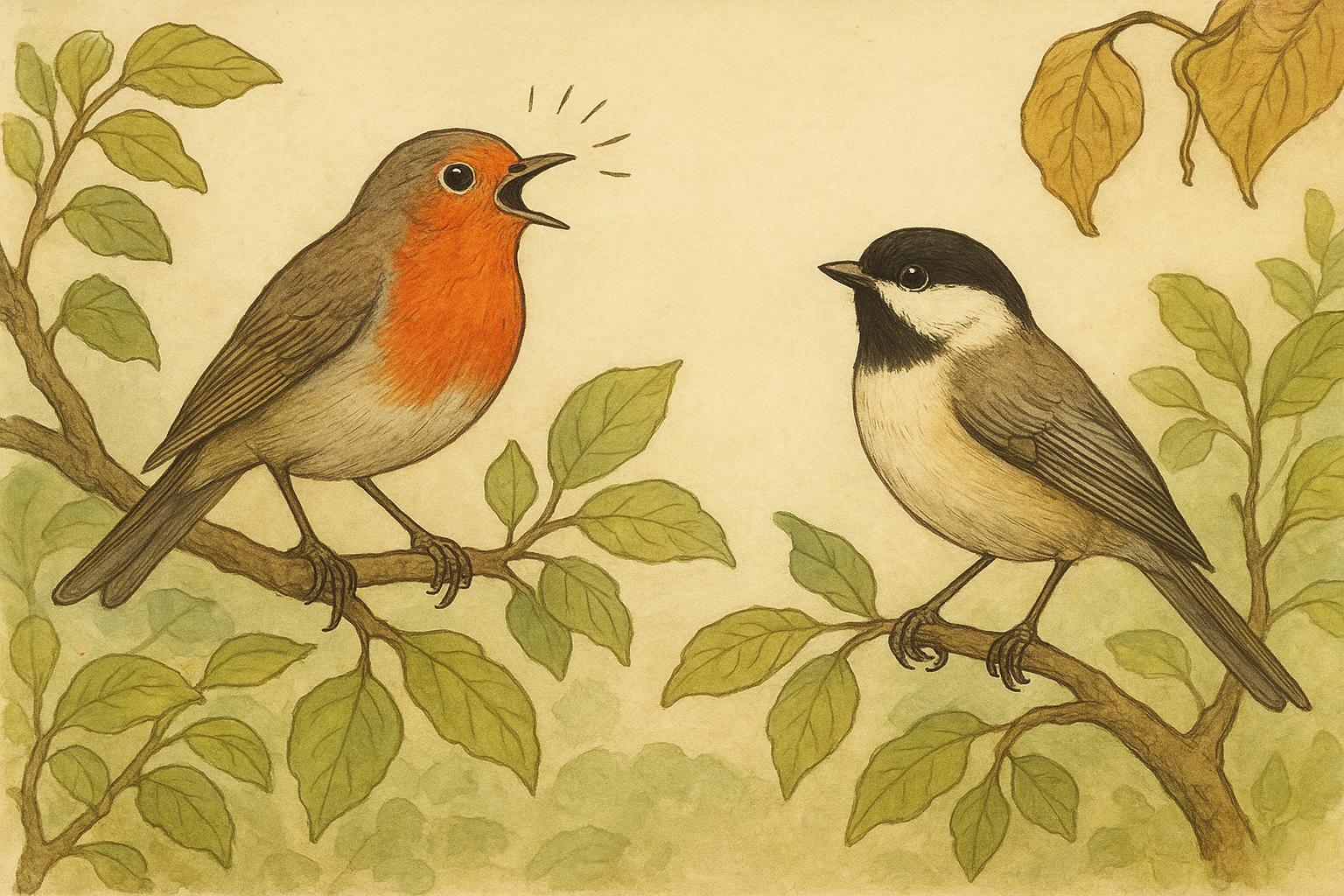
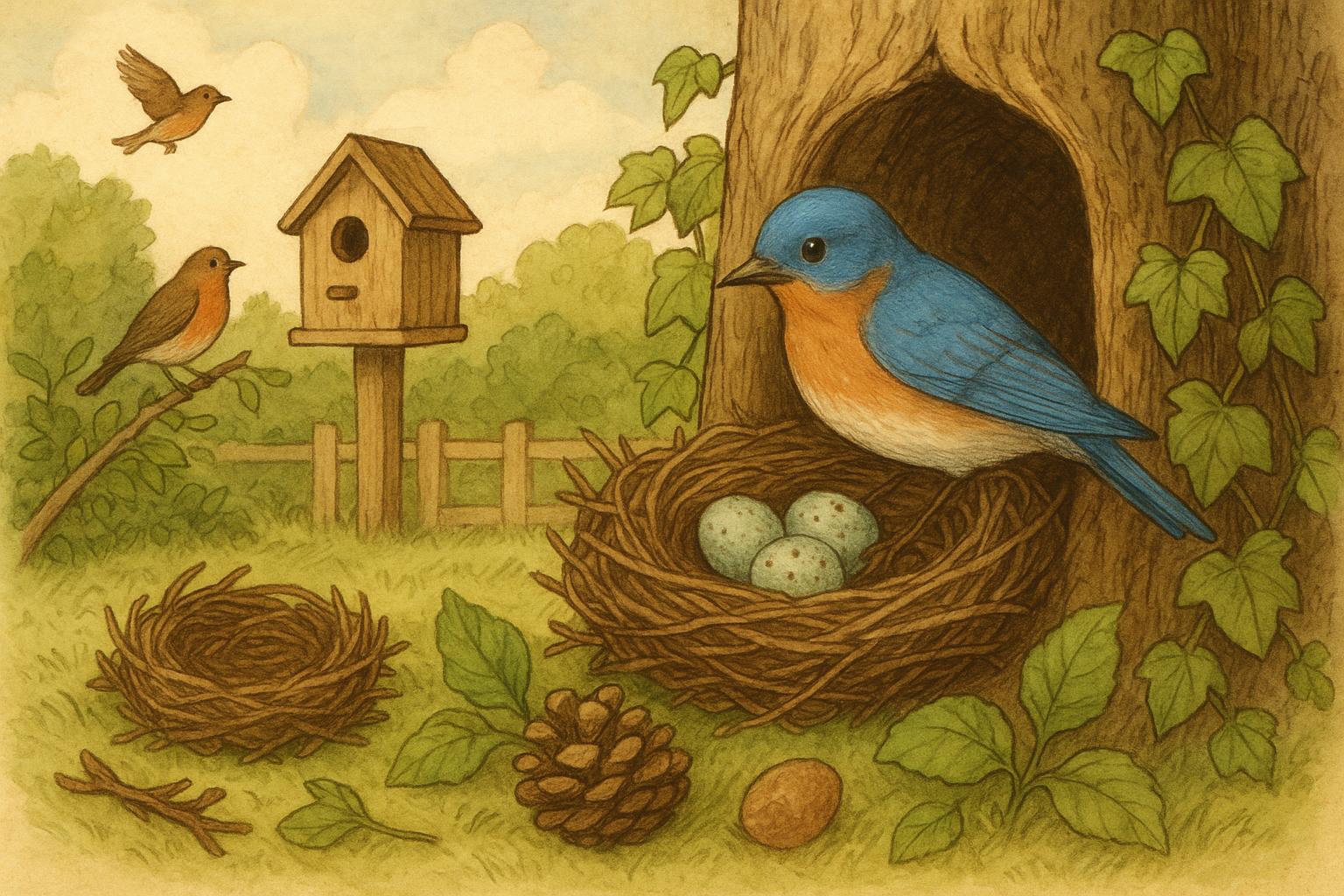
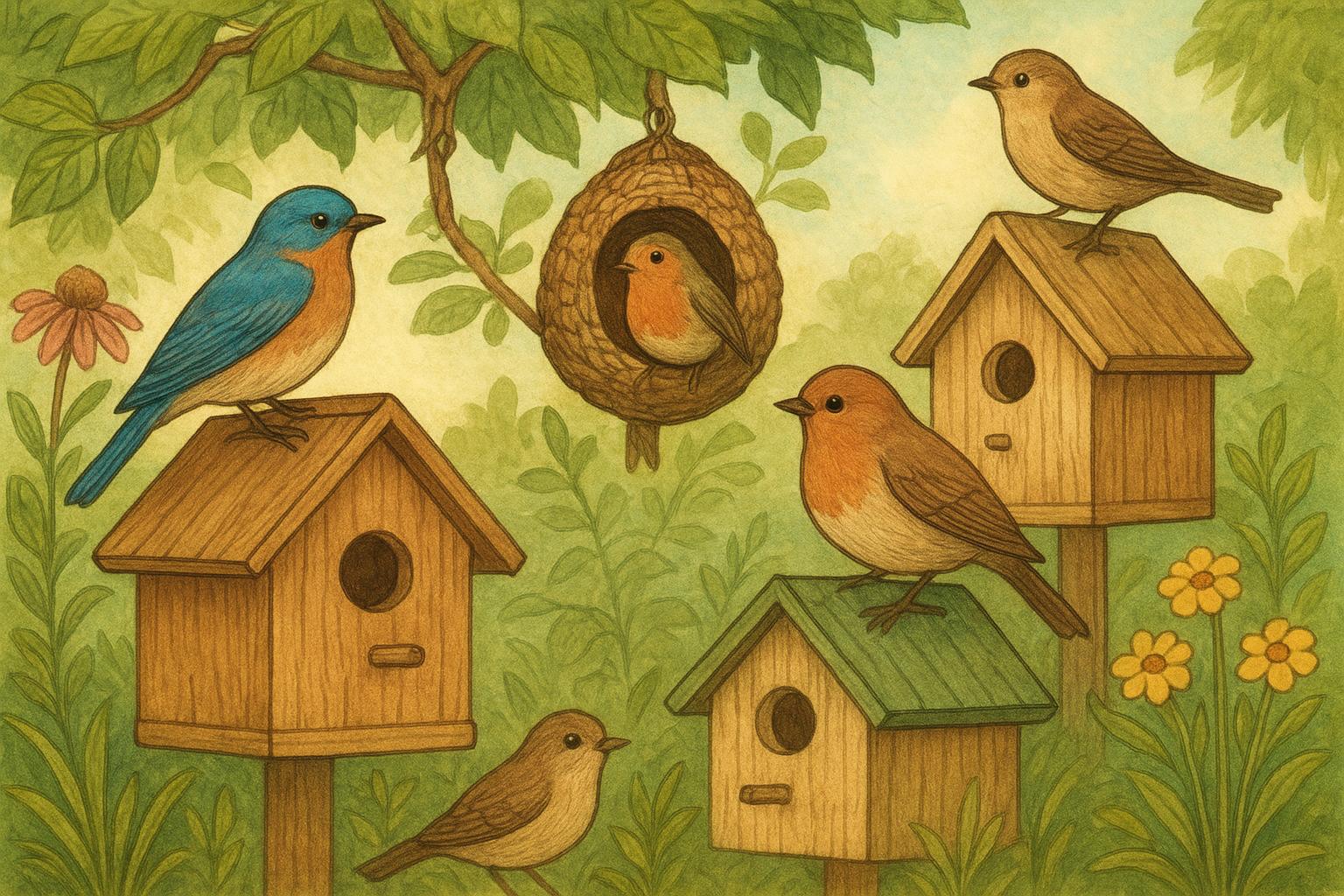
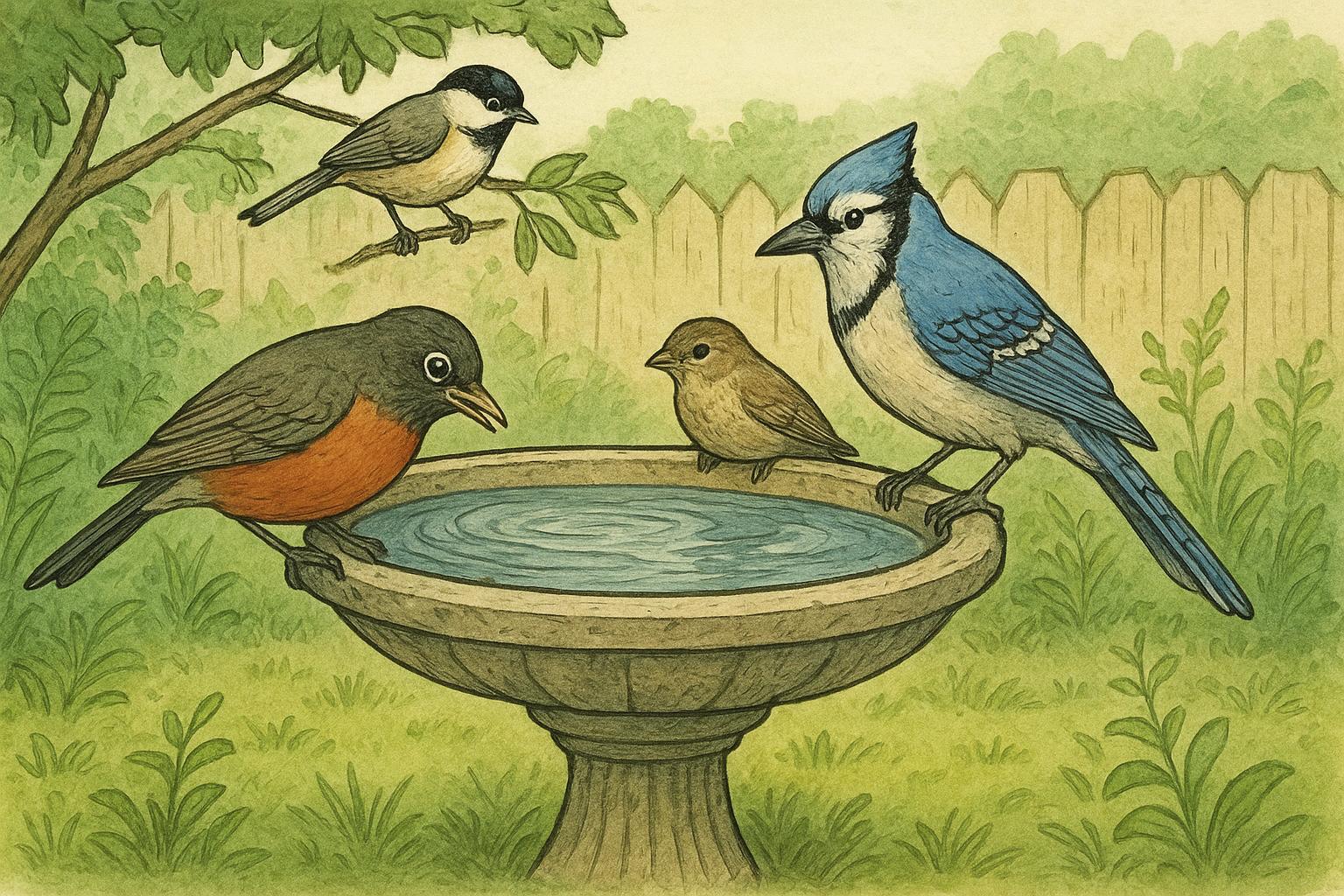
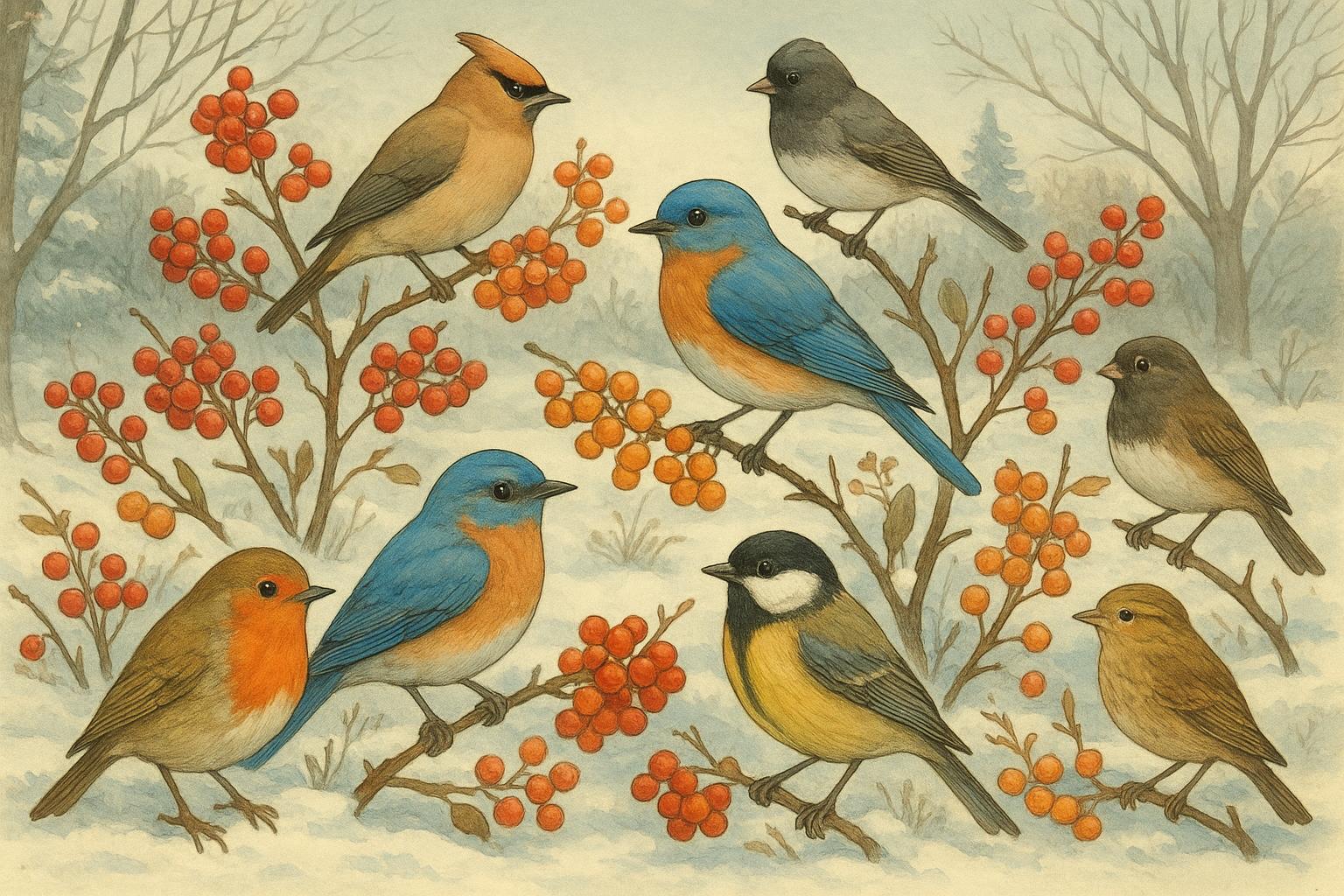
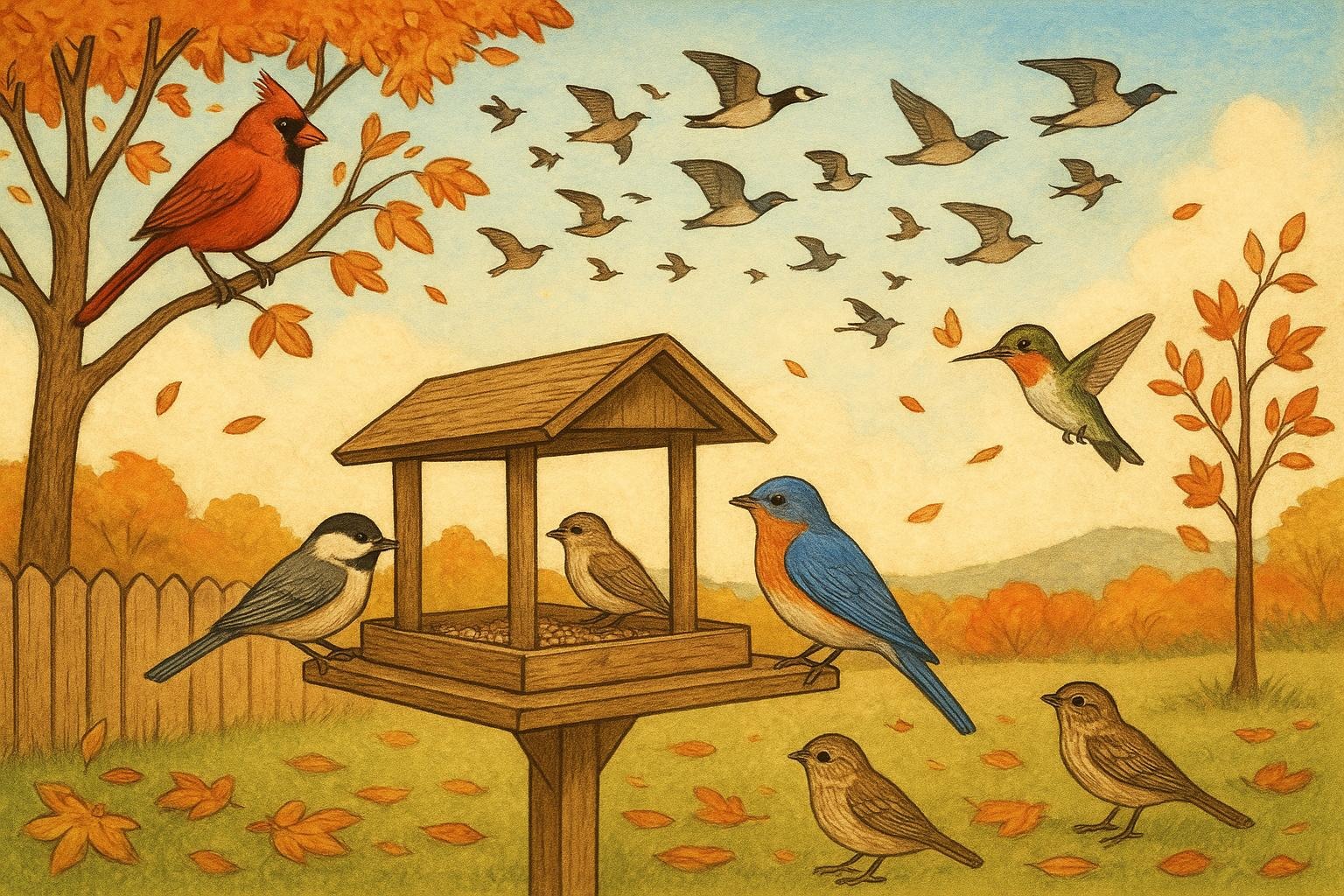
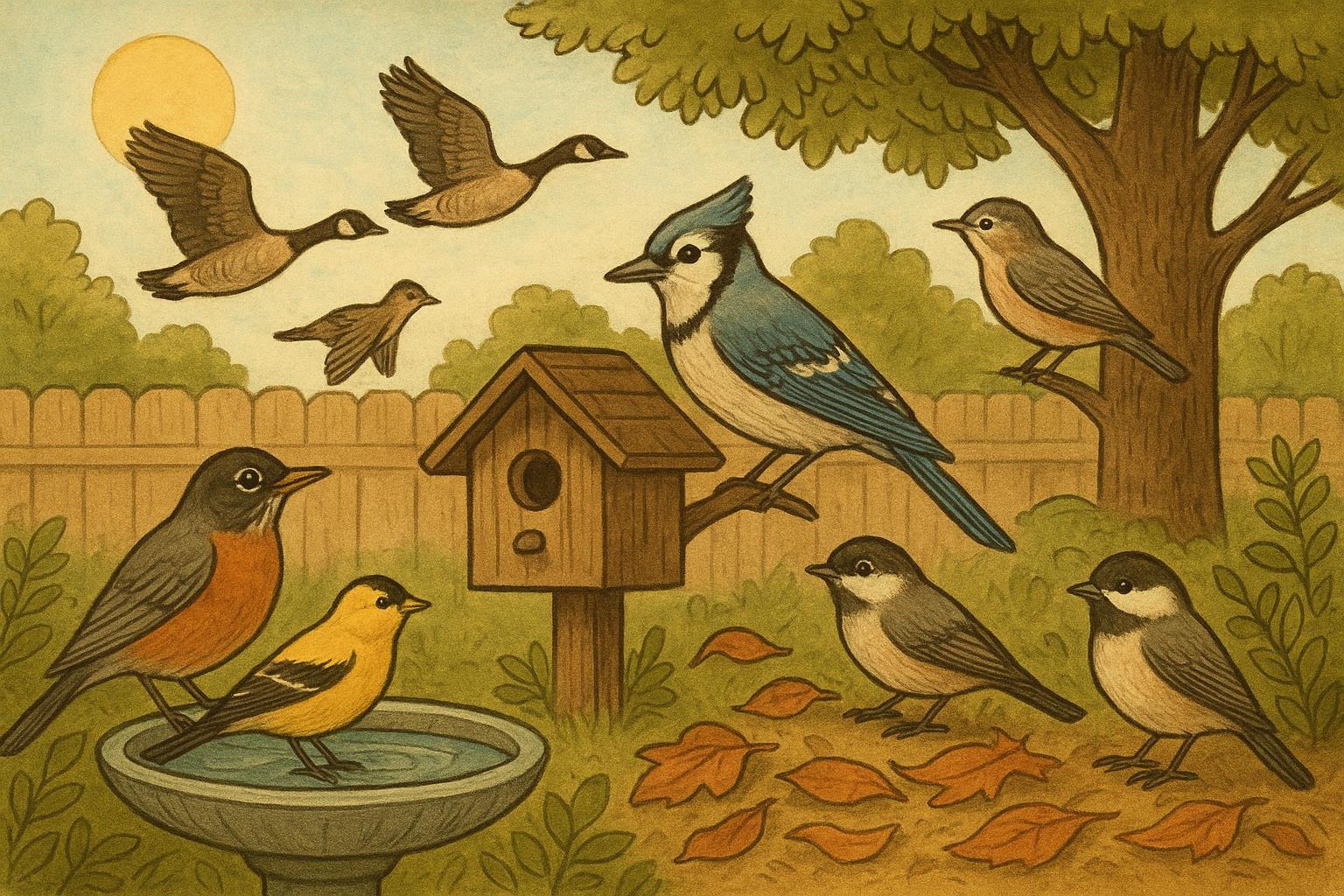
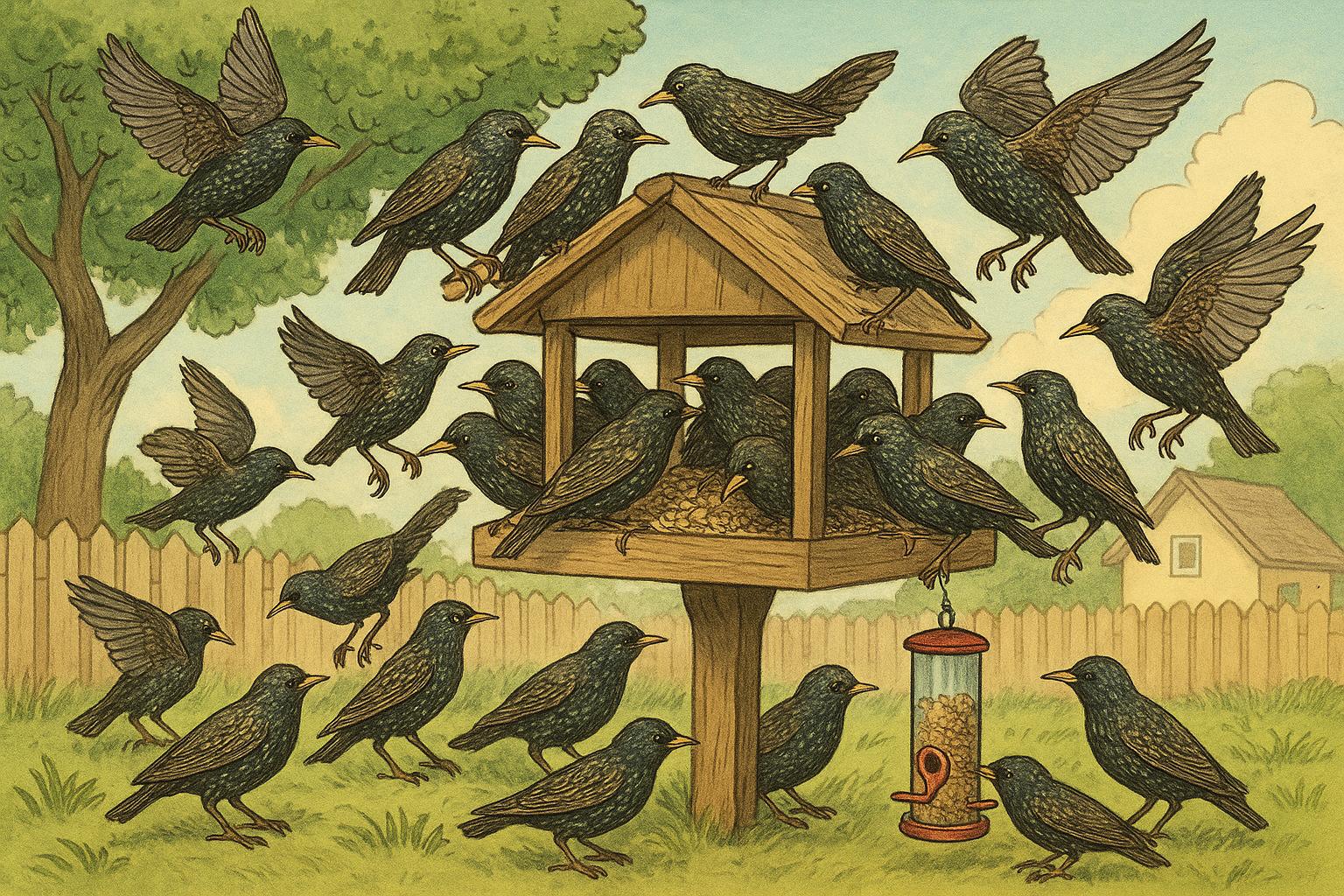
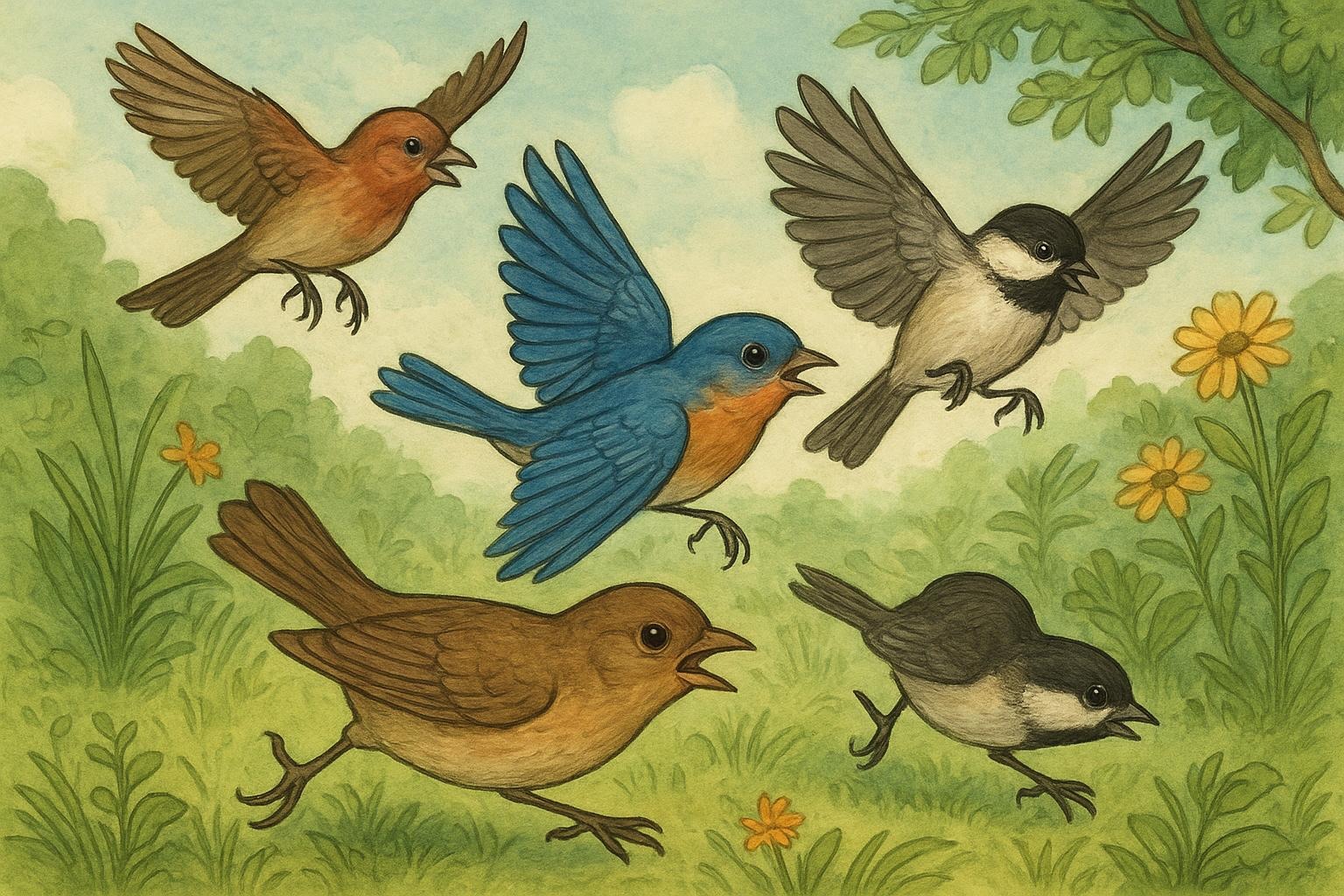
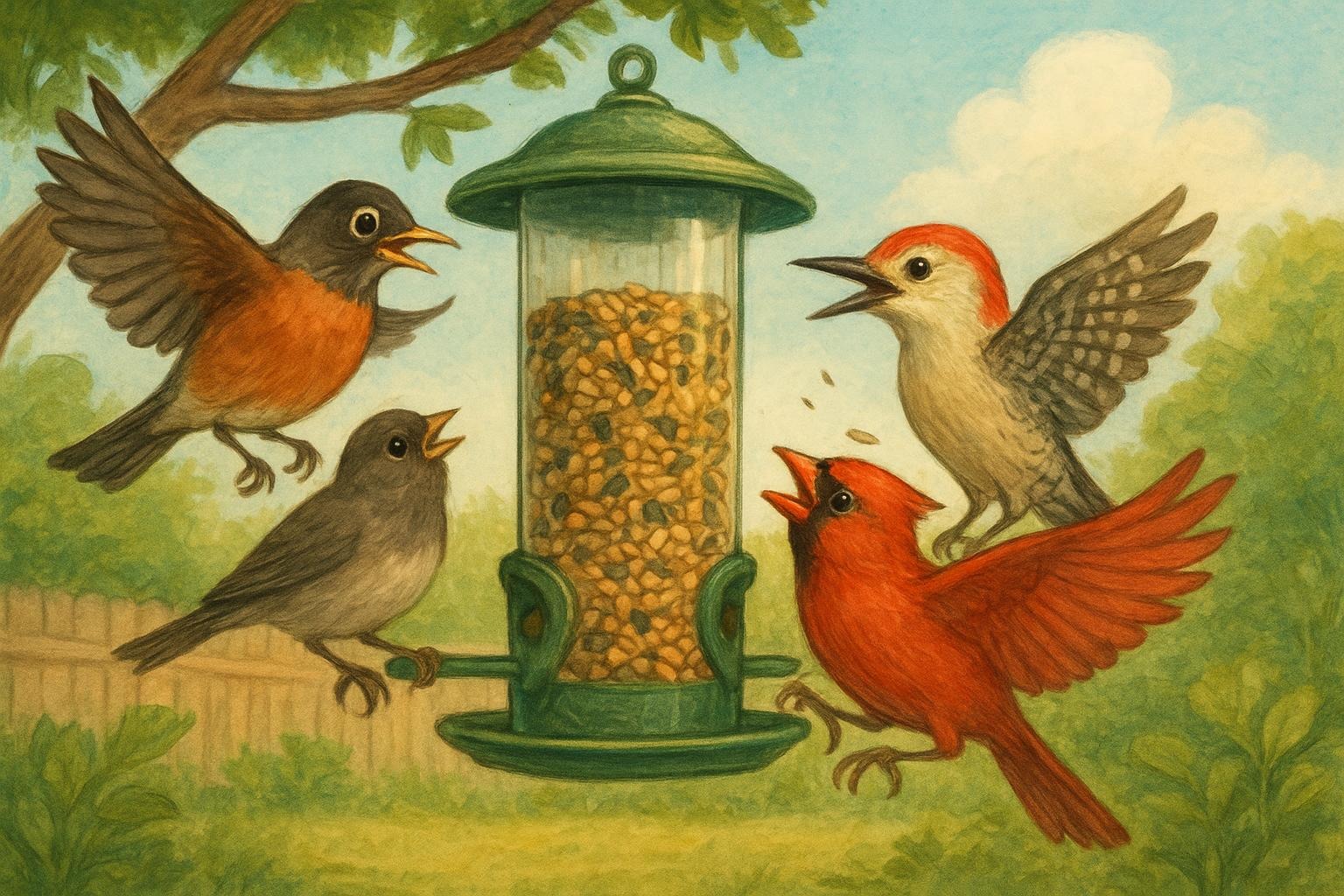
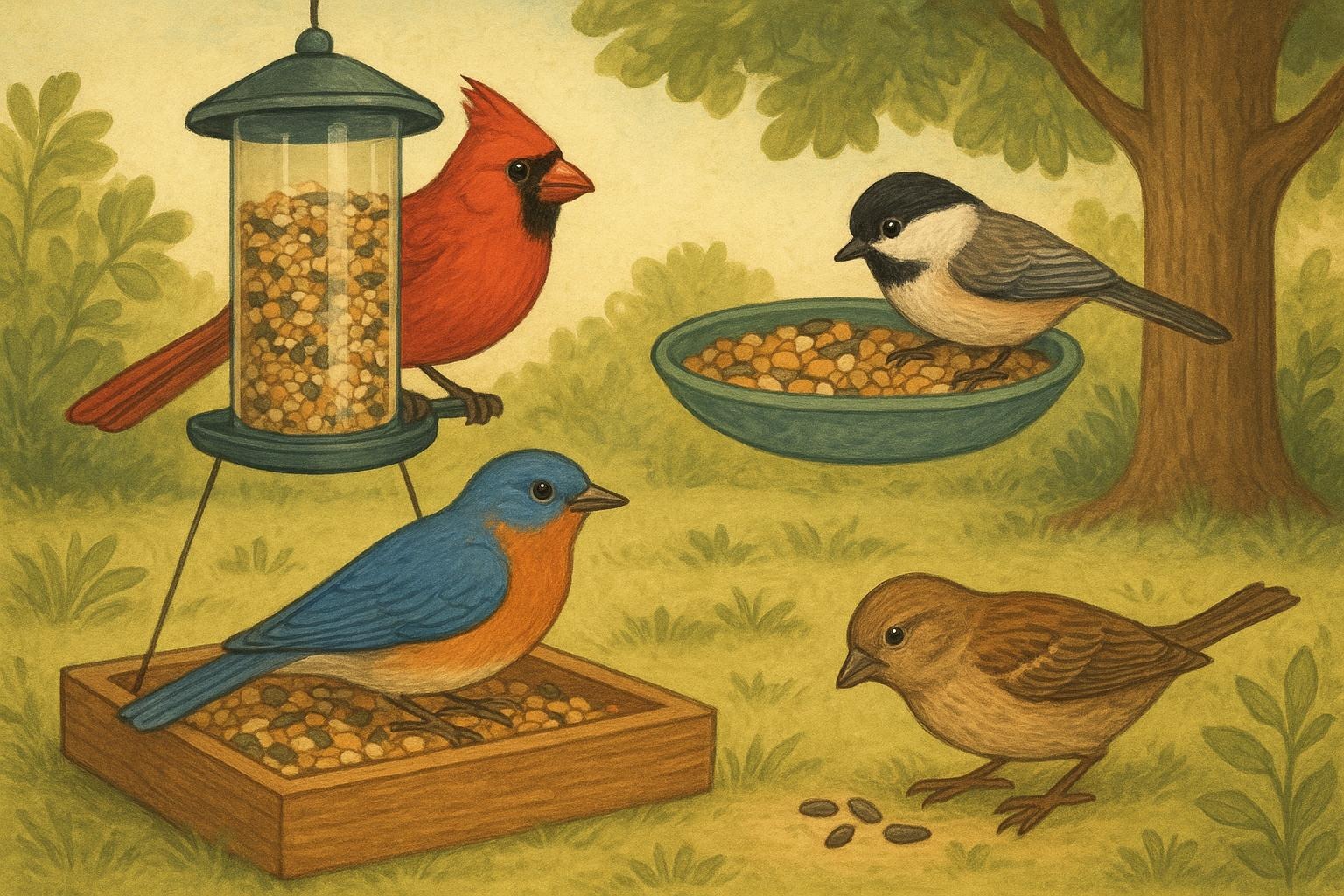
– Birds: Chickadees, nuthatches, cardinals, and jays are all common. They’re hardy and have clever ways to fluff up and stay warm.
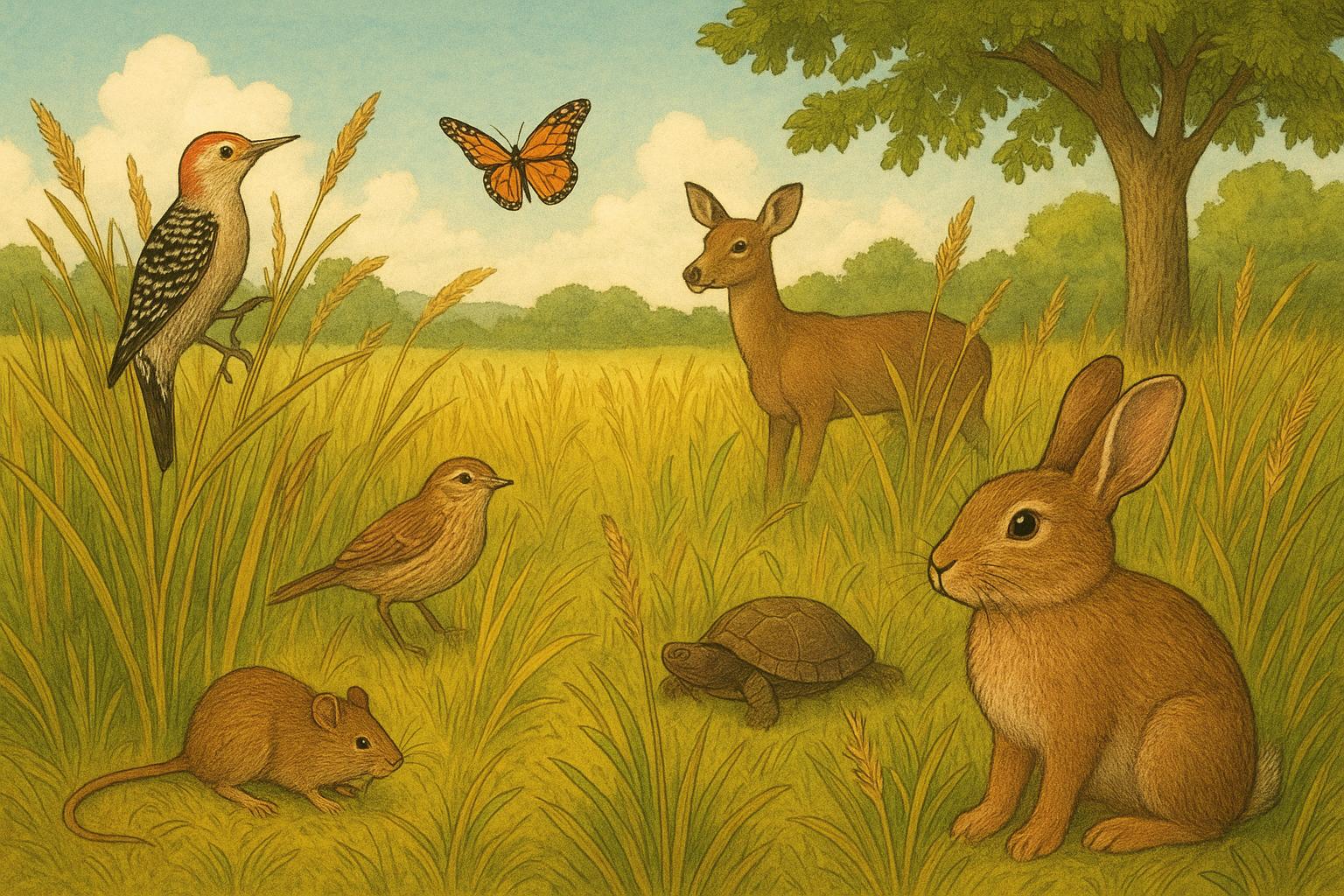
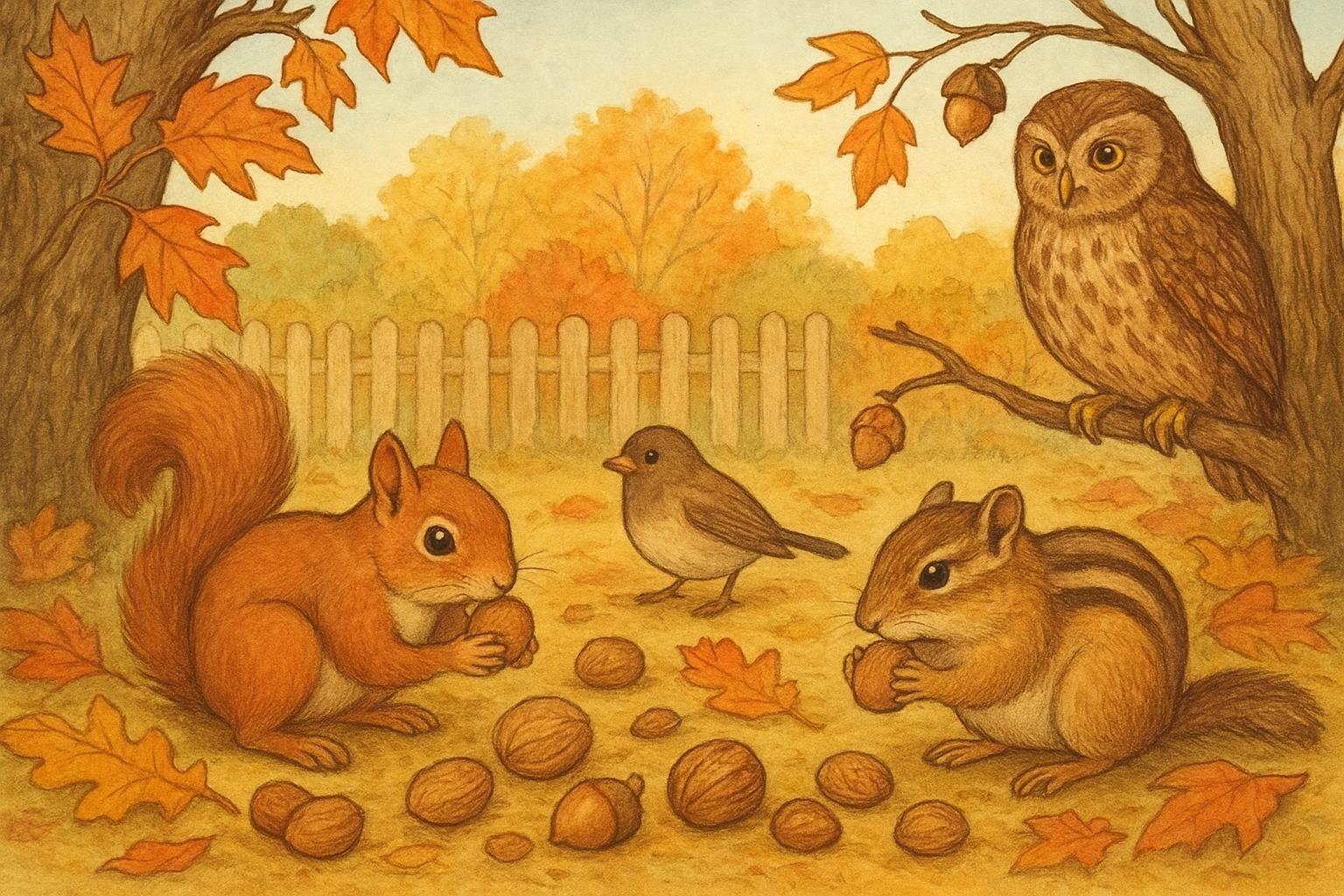
– Squirrels: Both tree and ground squirrels (in some regions) remain active, foraging stored food and raiding feeders.
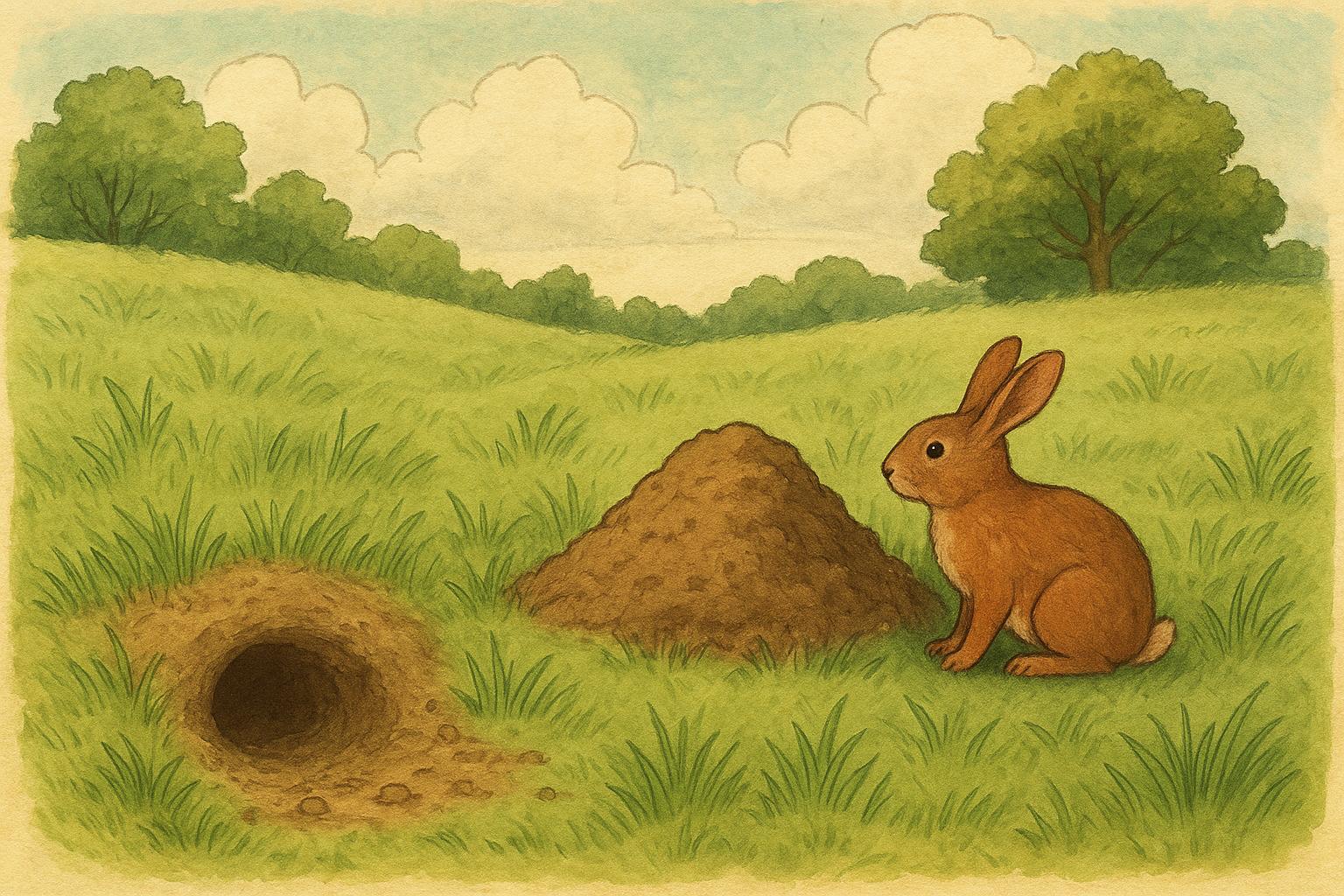
– Rabbits: Cottontails and snowshoe hares keep nibbling twigs and bark when greens aren’t available.
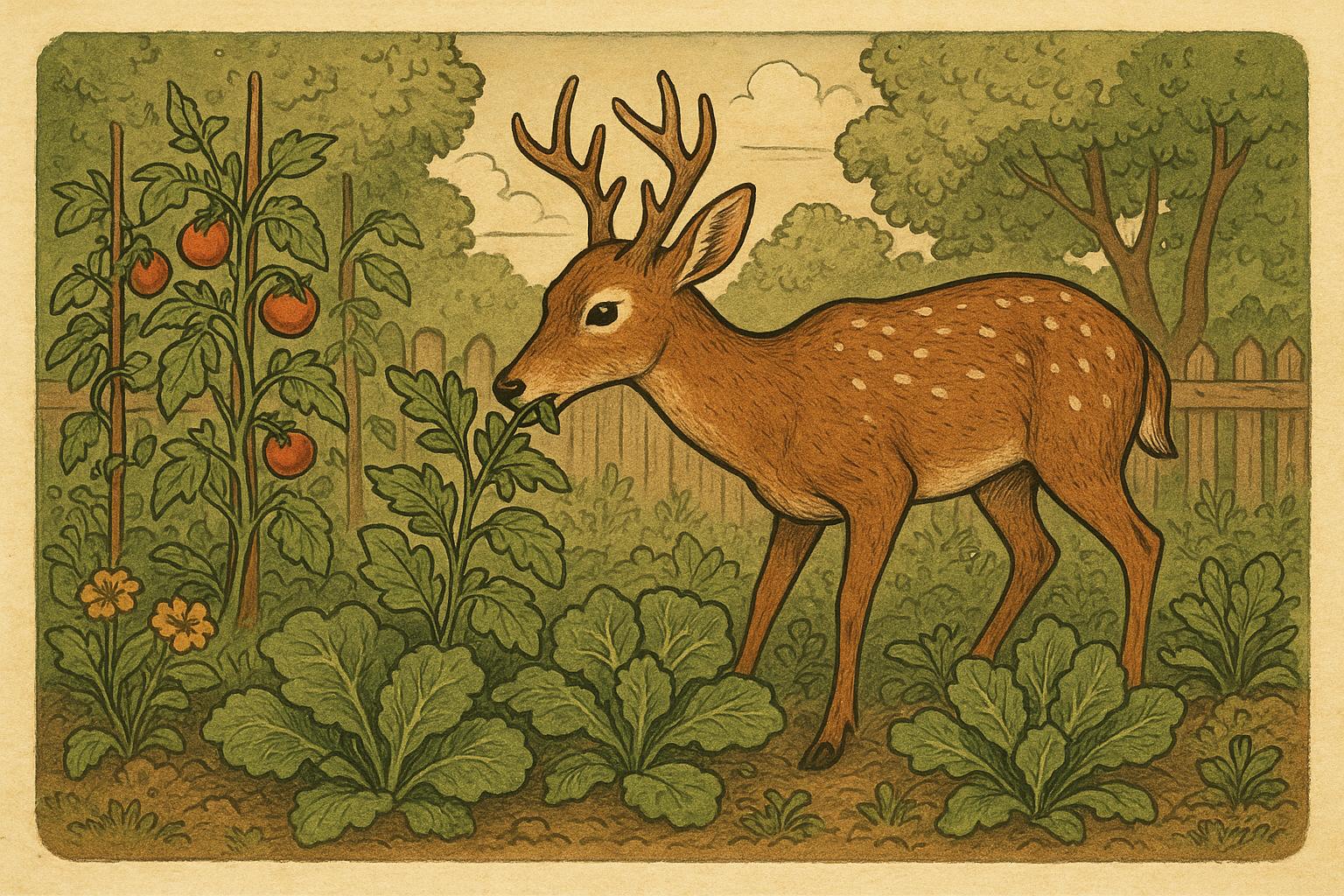
– Deer: In suburban and rural yards, deer browse on shrubs and any remaining foliage.
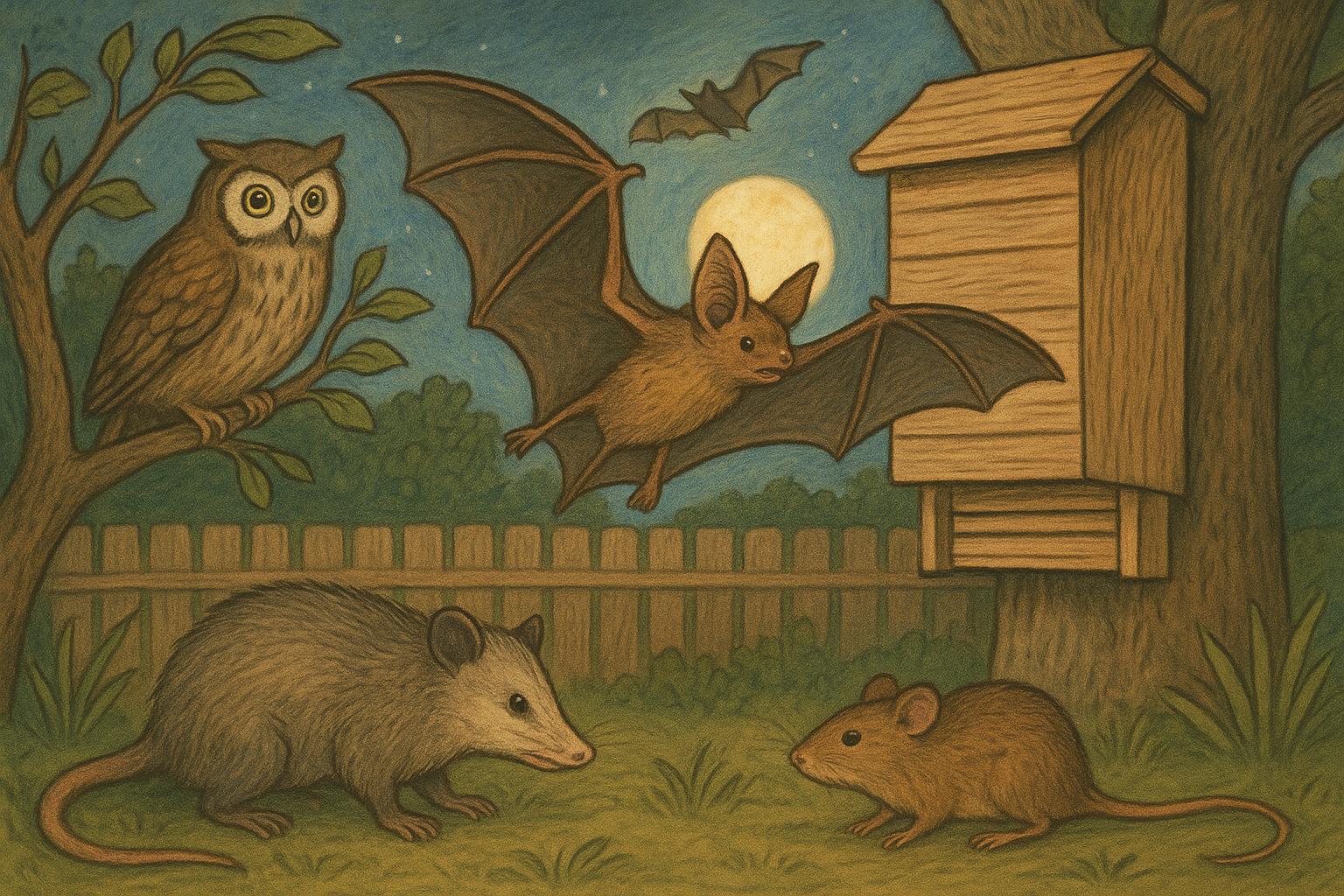
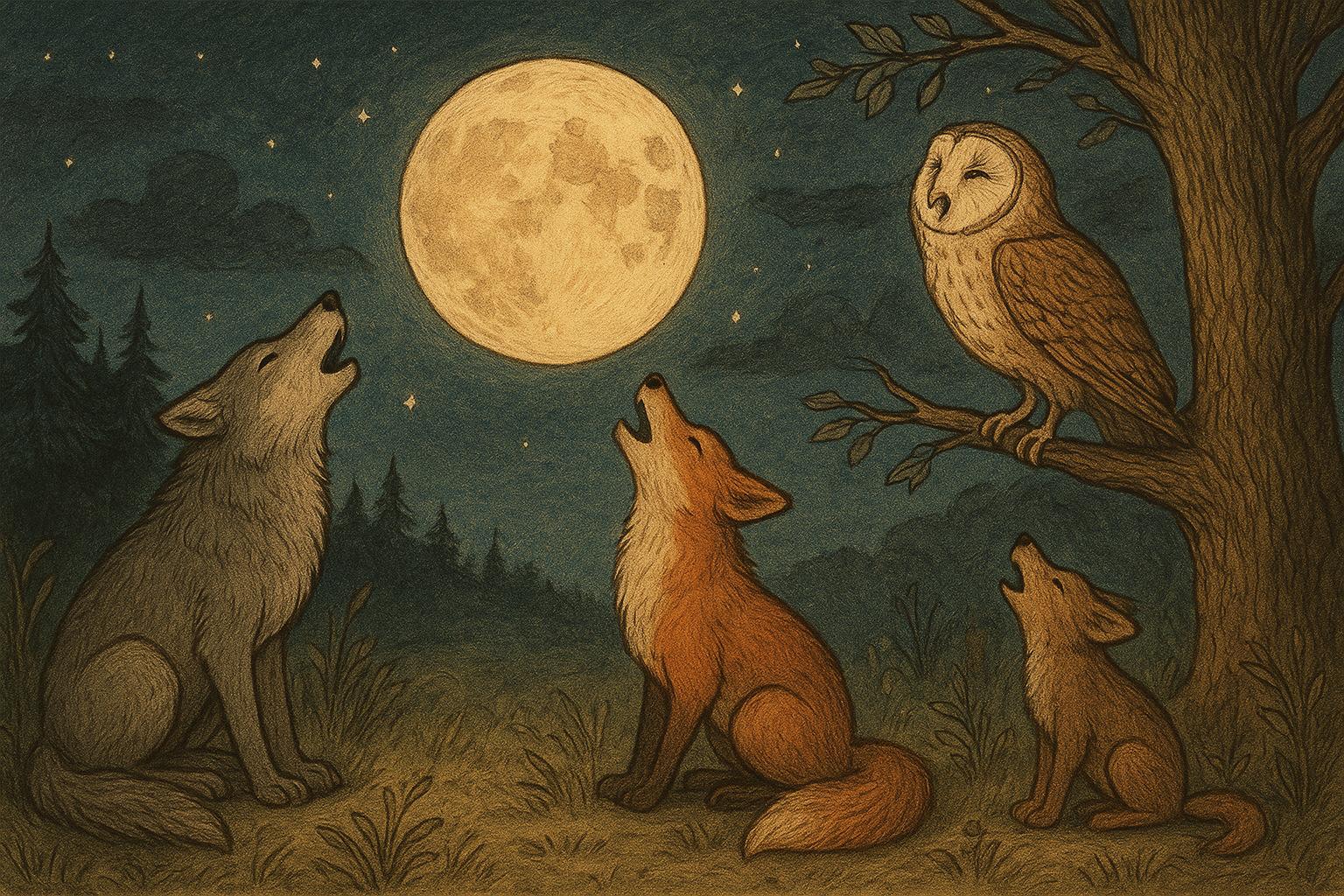
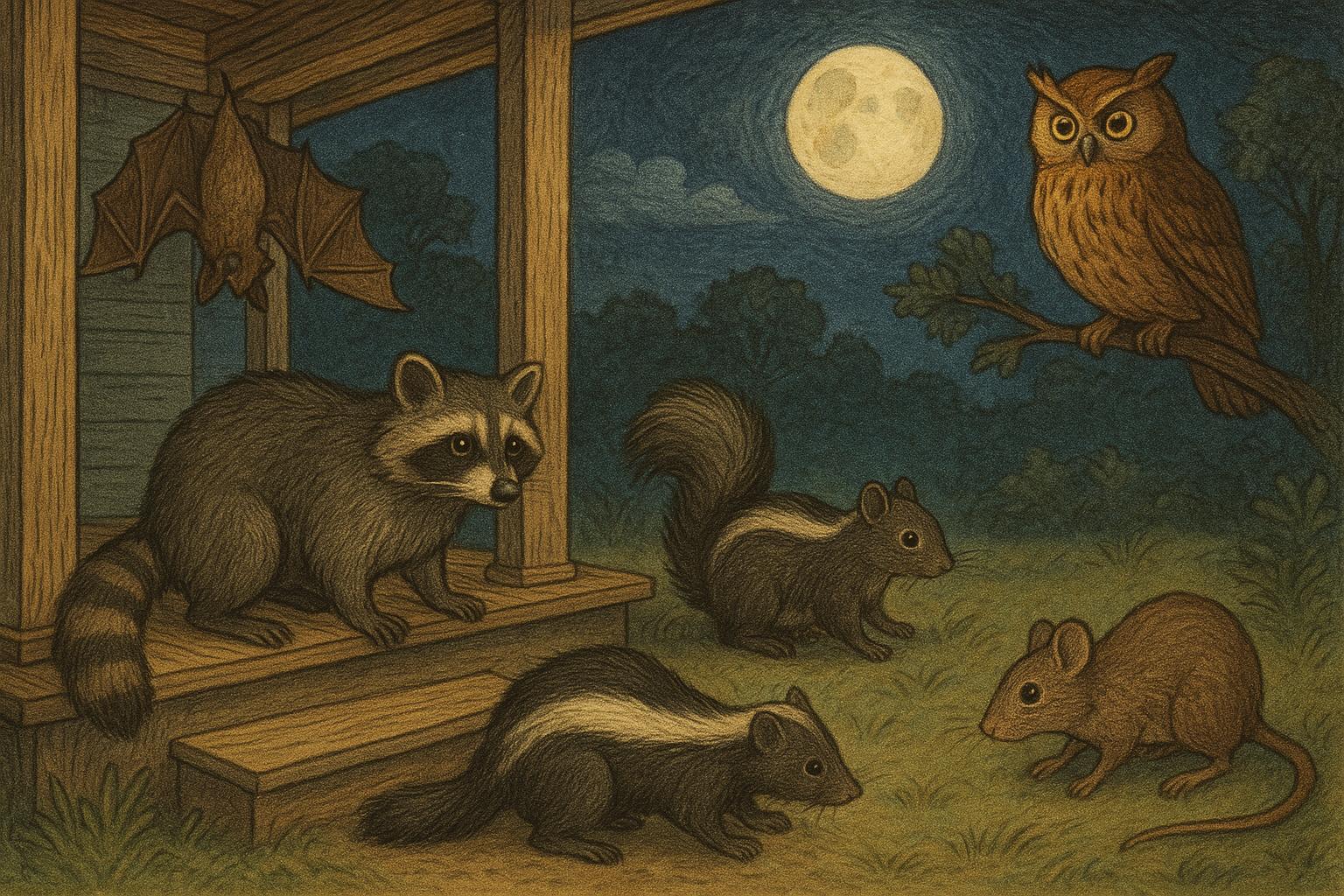
– Small predators and omnivores: Raccoons, foxes, and opossums may still be seen at night foraging.
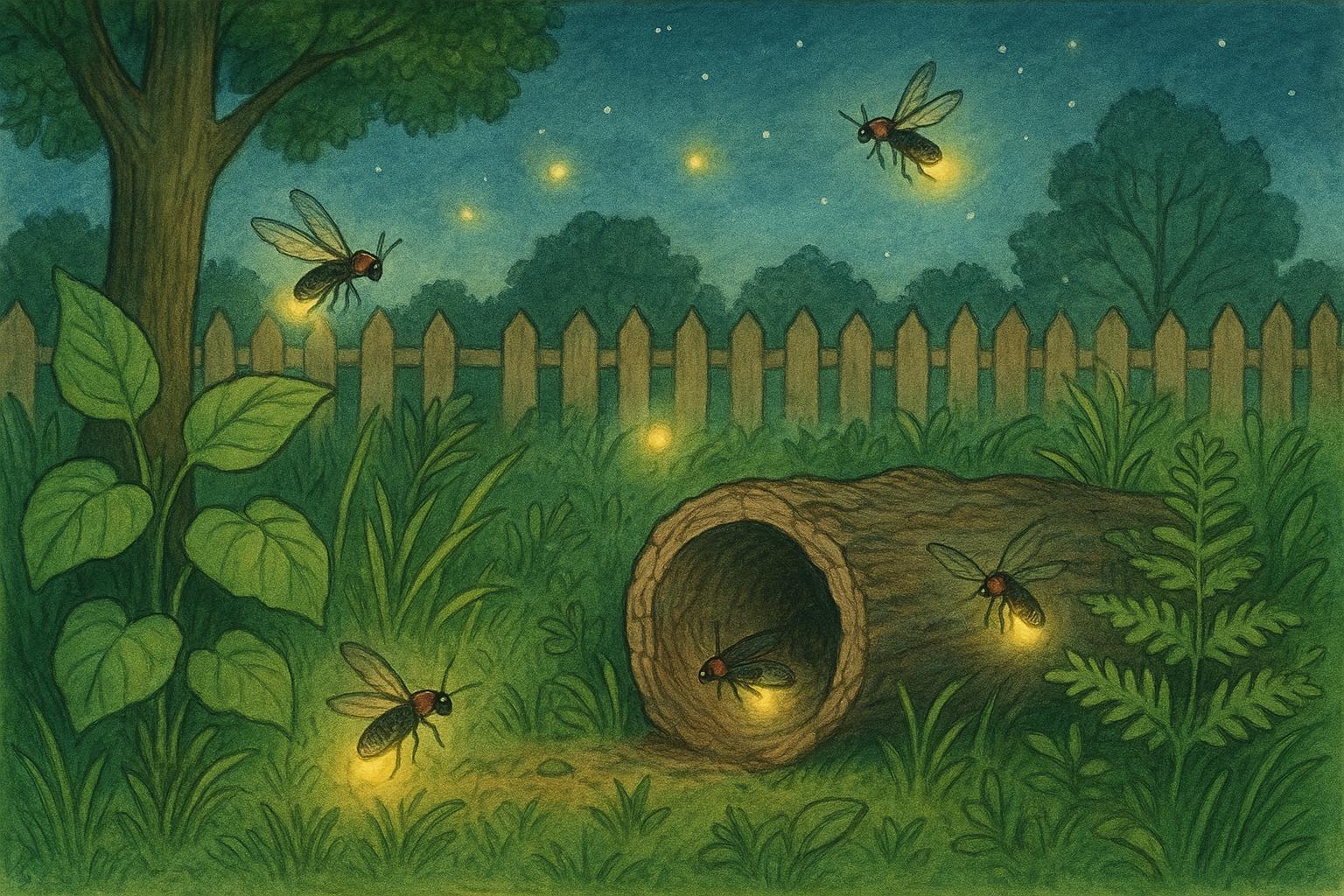
– Insects: Some insects overwinter as larvae or adults; even in cold months you’ll find a few hardy species around leaf litter and logs.
Winter animals have evolved strategies to maintain energy and stay warm. Many birds fluff their feathers, mammals grow thicker coats, and some species increase their fat reserves. You’ll see more activity in the warmest parts of the day — typically midday — and right after winter storms when new windrows of seeds and insects are revealed.
## Why Some Animals Stay Active
### Energetics And Survival Strategies
Not every creature can or wants to hunker down. Hibernation is a risky long-term strategy because it requires stored fat and very specific conditions. For many smaller species, staying active and finding microhabitats with steady food and shelter is a better bet. Also, evolutionary trade-offs mean some species are built to cope with cold rather than avoid it. The result? A backyard that, from the perspective of a chickadee, is a bustling winter hotel.
### How Weather And Landscape Affect Activity
Snow depth, wind, and temperature swings have big effects. A sheltered yard with evergreen cover and layered shrubs will support more wildlife than an exposed, wind-scoured lawn. Your yard’s plant diversity matters — native seedheads, fruit-bearing shrubs, and standing dead stems are often winter lifelines for birds and insects.
## How To Help Active Winter Animals
### Friendly Habitat Enhancements
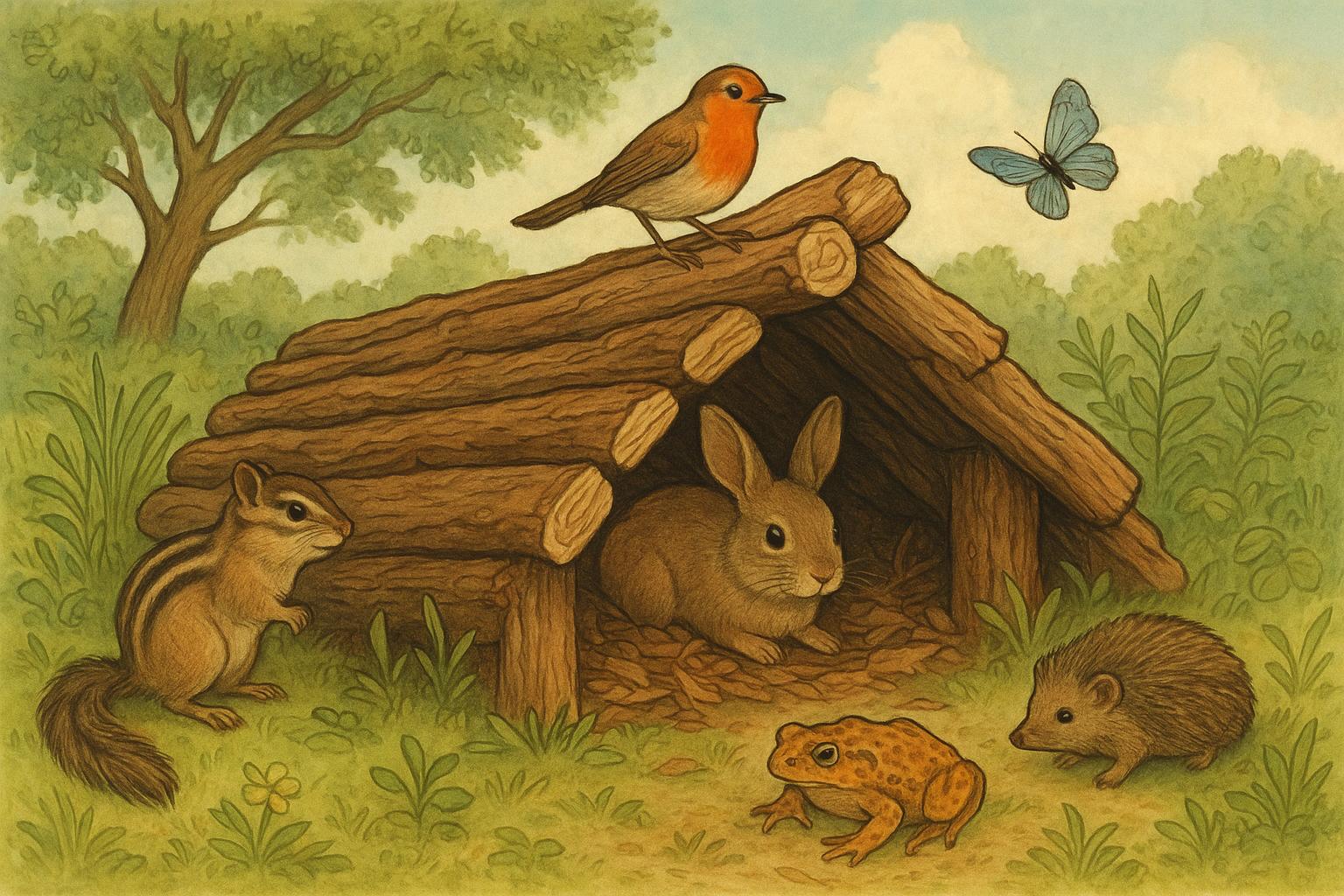
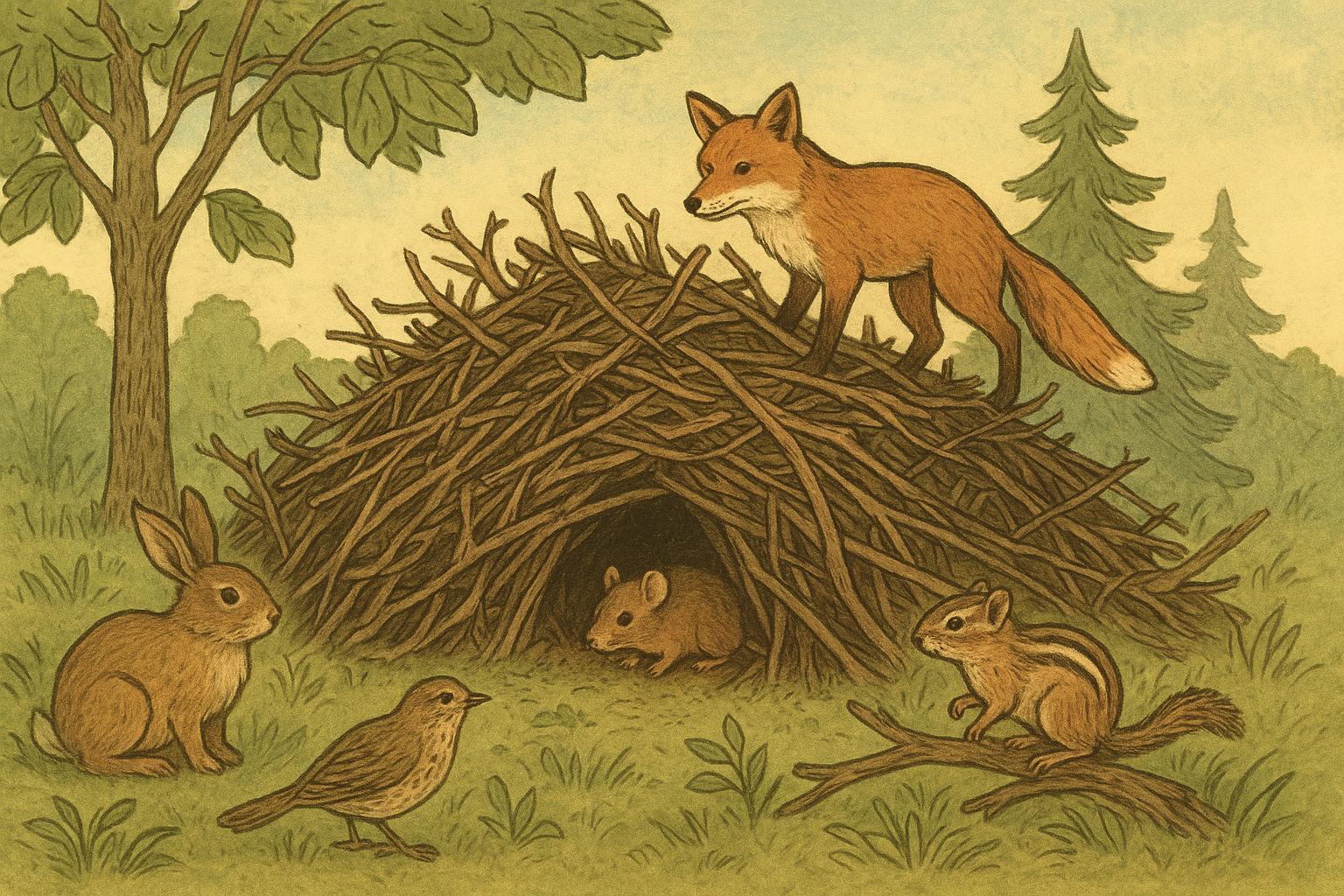
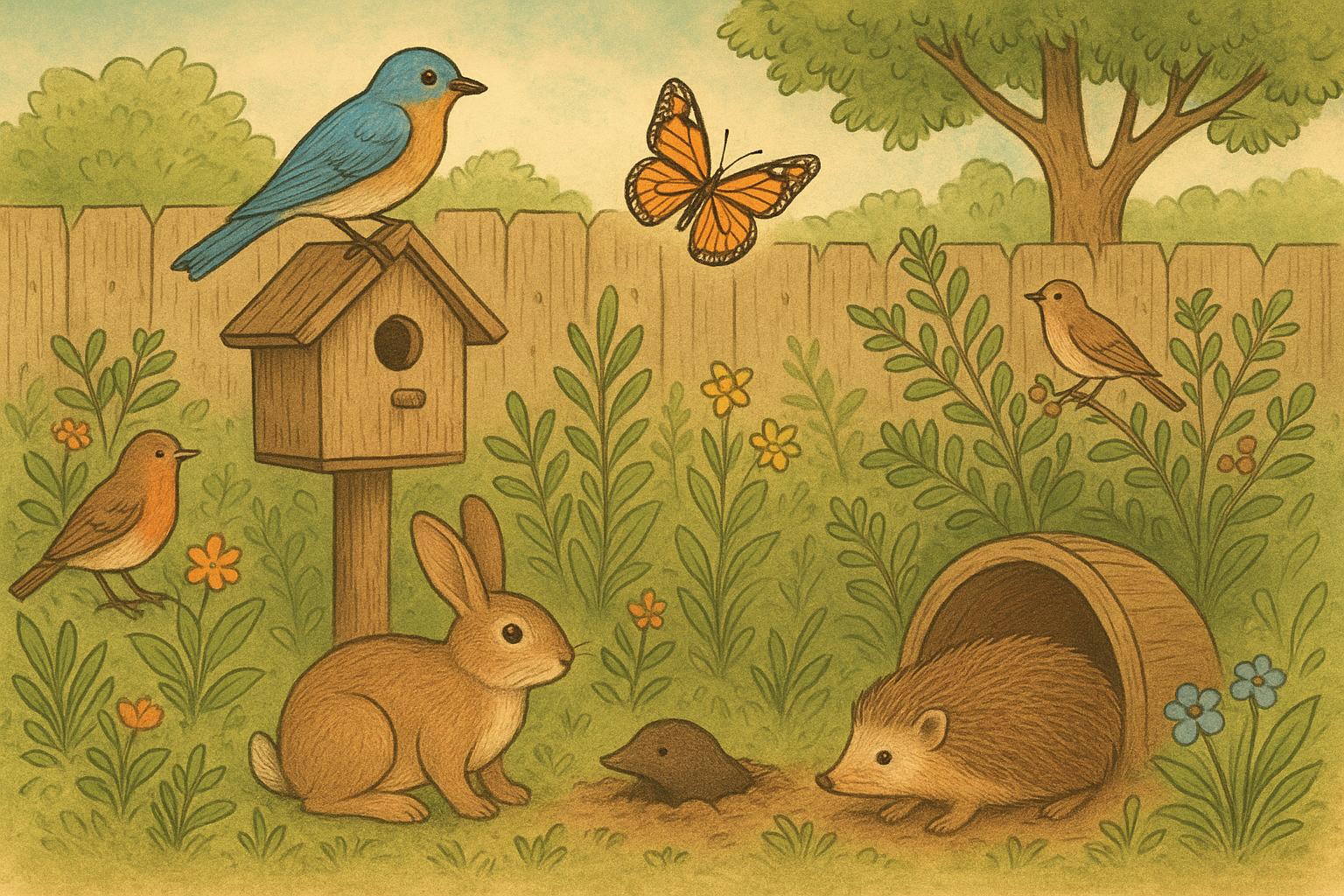
You don’t need a degree in ecology to make your yard more welcoming. Simple measures like leaving seedheads, avoiding excessive winter clean-ups, and maintaining a few brush piles can dramatically increase the number of winter animals that visit. A few practical steps:
– Keep one or two areas of leaf litter and dead stems for insects and ground-foraging birds.
– Maintain a variety of feeders and rotating food types to support different species.
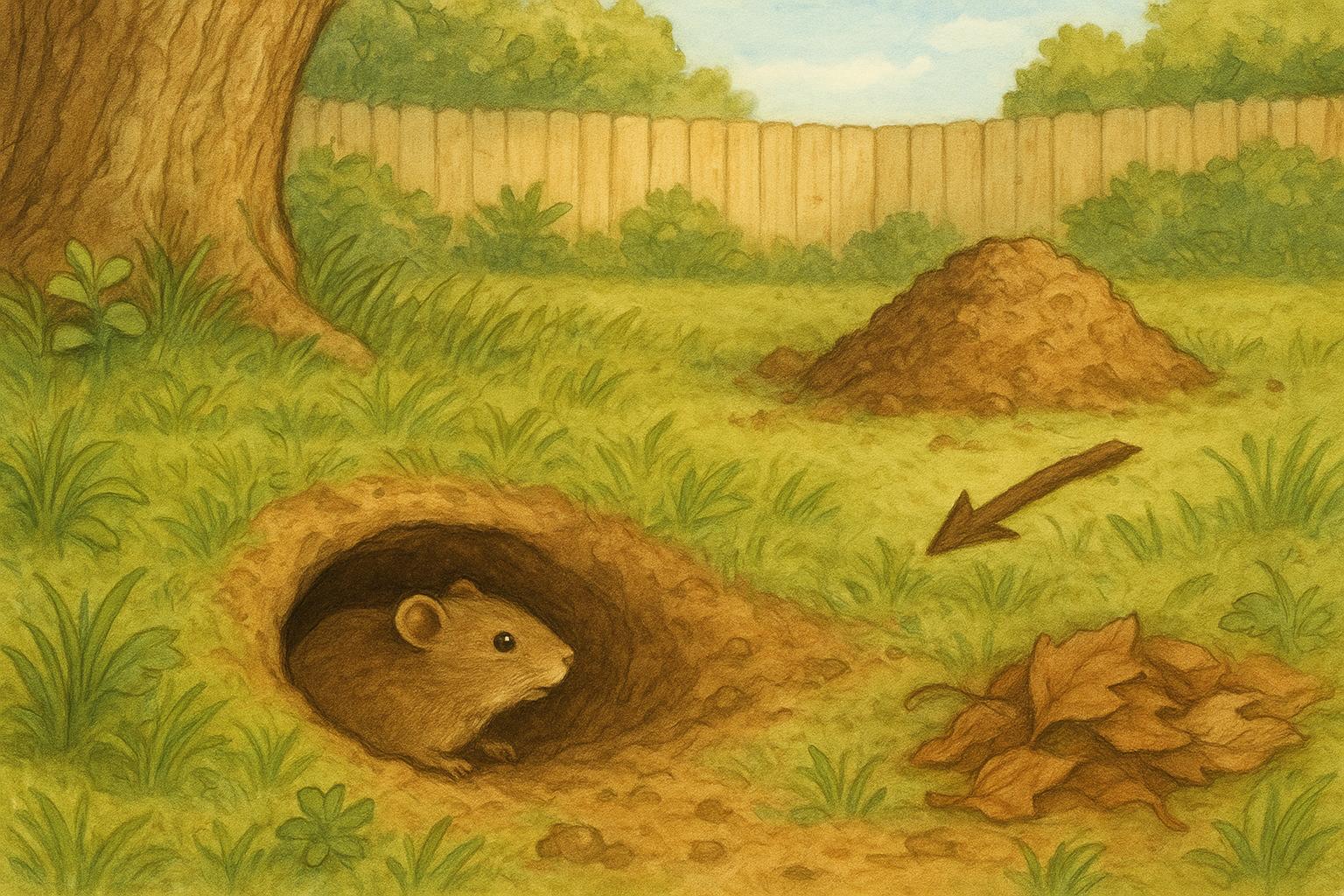
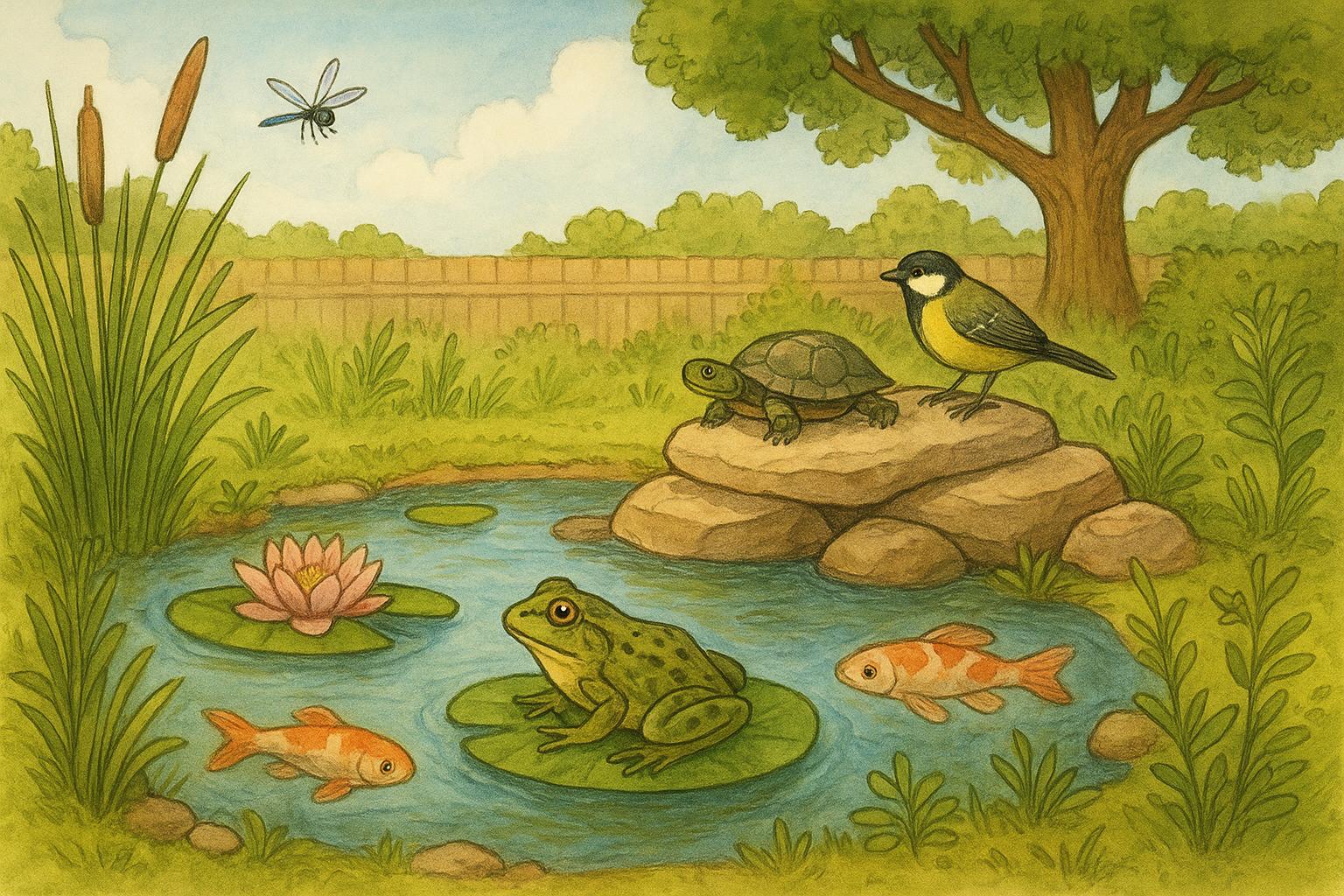
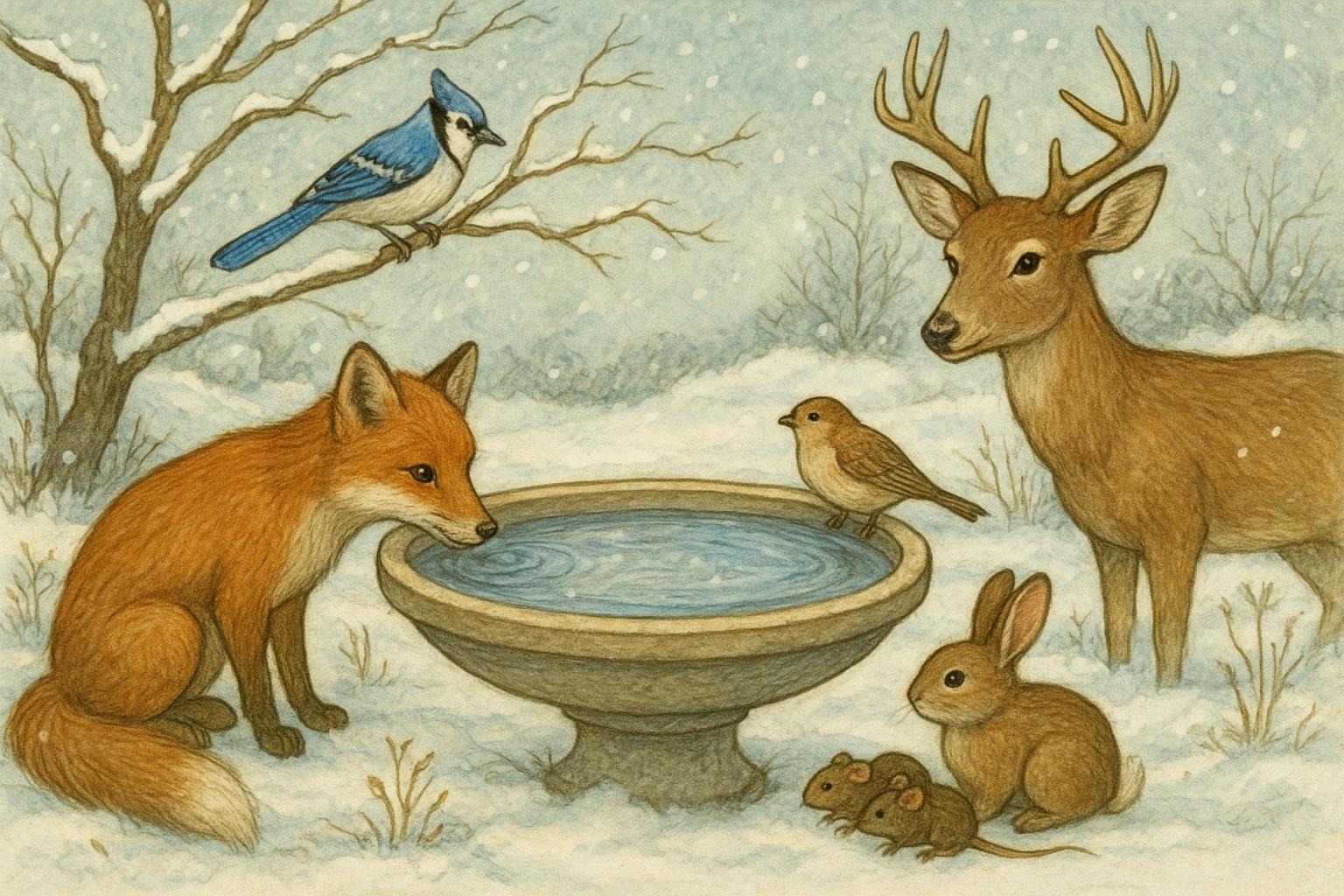
– Provide water and a safe, sheltered spot for small mammals.
### 1. Provide Food
Feeding wildlife in winter can be beneficial, but it needs to be done thoughtfully to avoid dependency or disease spread. Clean feeders regularly, offer a diversity of food types, and remove food when temperatures rise and natural sources return.
#### 1. Homemade Suet Cakes (Remedy 1)
Ingredients / Required Materials:
– 2 cups rendered beef fat (or unsalted lard as alternative)
– 2 cups rolled oats
– 1 cup cornmeal or fine whole-grain meal
– 1 cup unsalted peanut butter (use unsweetened, no xylitol)
– 1 cup mixed seeds (sunflower hearts, millet; avoid salted varieties)
– Optional: dried fruit bits (raisins or cranberries, in small amount)
– Molds (small loaf pans or silicone molds)
– Sturdy twine or mesh suet cages for hanging
Step-By-Step Creation and Application:
1. Sanitize work area and utensils. Suet can spoil if contaminated.
2. Gently melt the rendered fat in a double boiler or low heat until liquid. Avoid overheating.
3. Remove from heat and stir in peanut butter until well combined.
4. Mix in oats, cornmeal, seeds, and dried fruit until evenly distributed.
5. Pour mixture into molds and press firmly to remove air pockets.
6. Allow suet to cool and harden at room temperature, then refrigerate for several hours.
7. Cut into appropriate-sized blocks. For hanging, wrap blocks with twine or place in suet cages.
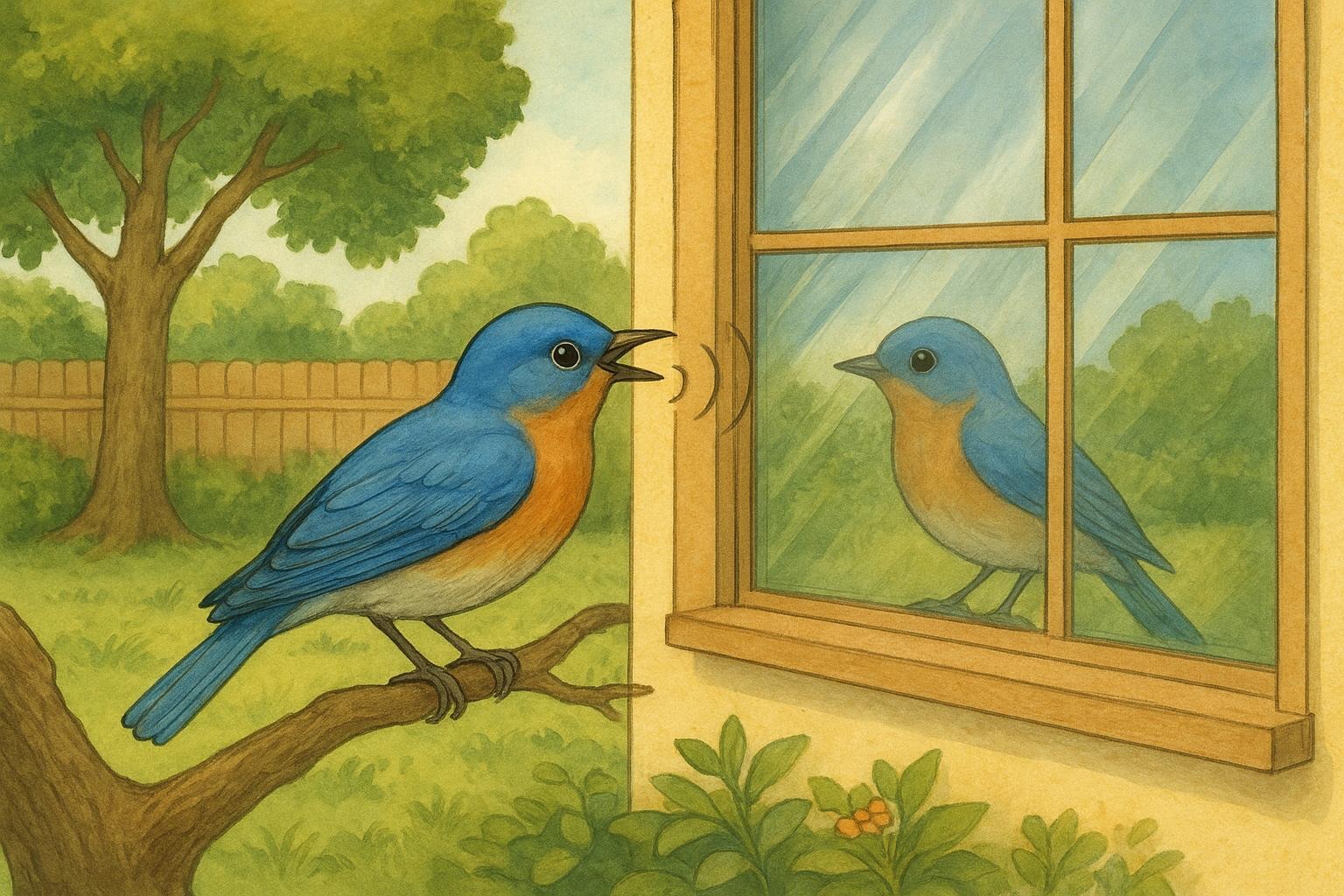
8. Hang suet feeders in sheltered locations 4–6 feet off the ground and away from windows to reduce collision risk.
9. Monitor feeders daily; remove moldy or rancid suet immediately and clean feeder with hot, soapy water.
Note: Use peanut products cautiously if local wildlife like squirrels dominate feeders. Consider squirrel-resistant cages or strategic placement.
#### 2. Heated Water Source (Remedy 2)
Ingredients / Required Materials:
– Heated birdbath or thermostatically controlled de-icer unit rated for outdoor wildlife use
– Sturdy basin (if using de-icer) made of metal or heavy-duty plastic
– GFCI-protected electrical outlet or weatherproof extension cord
– Small stones or a shallow ramp for safe access by birds
Step-By-Step Creation and Application:
1. Select a safe location for the water source, sheltered from prevailing winds and visible to birds.
2. Install the birdbath or basin securely on a stand at a comfortable bird-access height (2–3 feet is common).
3. Fit the de-icer unit into the basin following the manufacturer’s instructions. Ensure unit is fully submerged if required and that cords are routed safely to prevent tripping hazards.
4. Connect the de-icer to a GFCI-protected outlet. Test the unit to confirm it maintains an ice-free surface.
5. Place a few flat stones or a shallow ramp in the basin to provide perches and easy exit for birds.
6. Clean and refill the basin every few days, scraping algae or debris as needed. Replace water if it becomes dirty.
7. Monitor for safety hazards — never use improvised heating elements that aren’t designed for outdoor wildlife use.
These remedies help meet critical winter needs—energy-rich food and reliable water—and are most effective when paired with good feeder hygiene and habitat cover.
### Minimizing Risks While Helping
When feeding or providing water, disease transmission and predator attraction are real concerns. Keep feeders spaced, clean them weekly with a 10% bleach solution (rinse thoroughly), and rotate food types to prevent mold buildup. Place feeders near cover so small birds can escape predators quickly, but not so close that predators can hide and ambush.
## Watching And Learning
### Signs To Look For
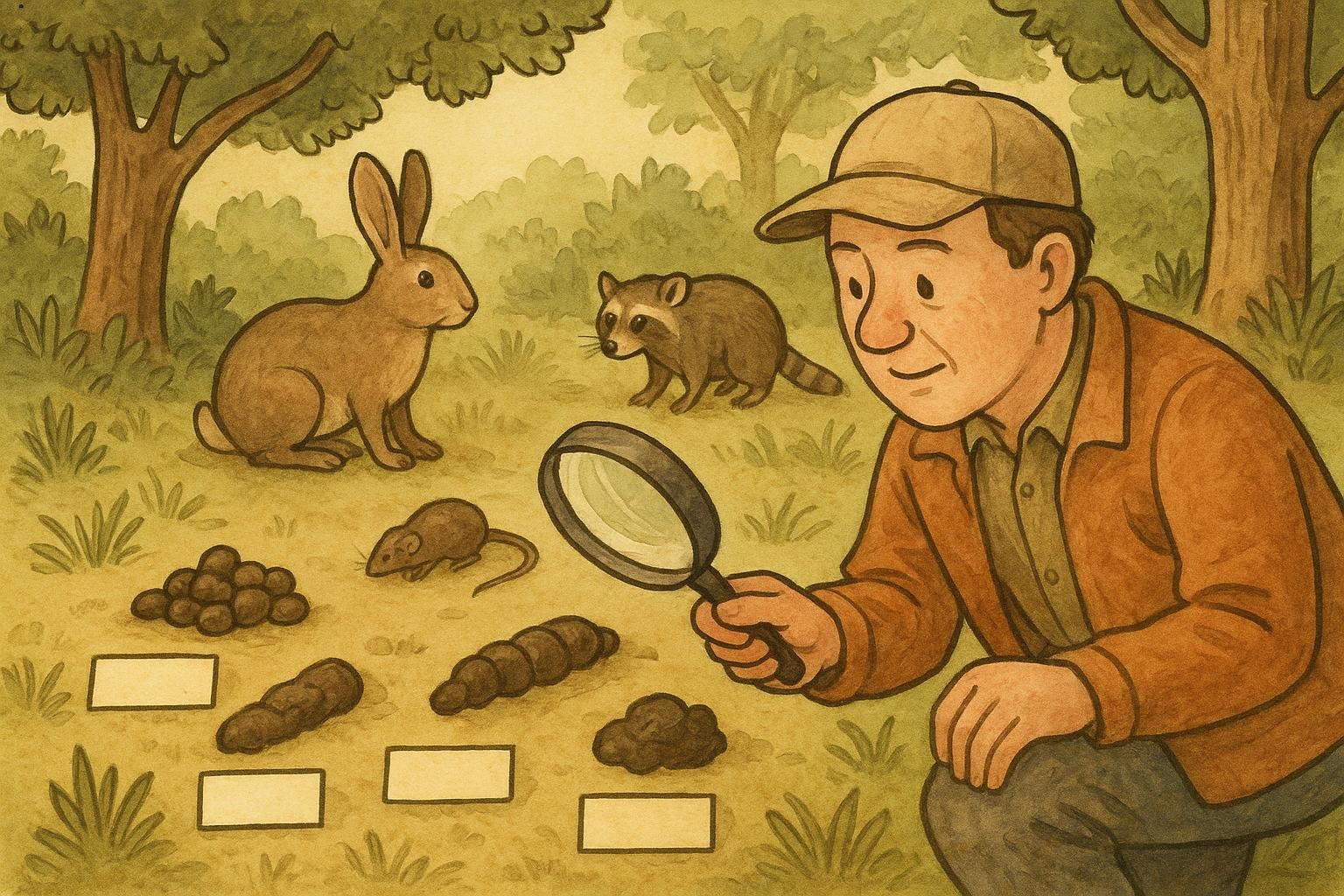
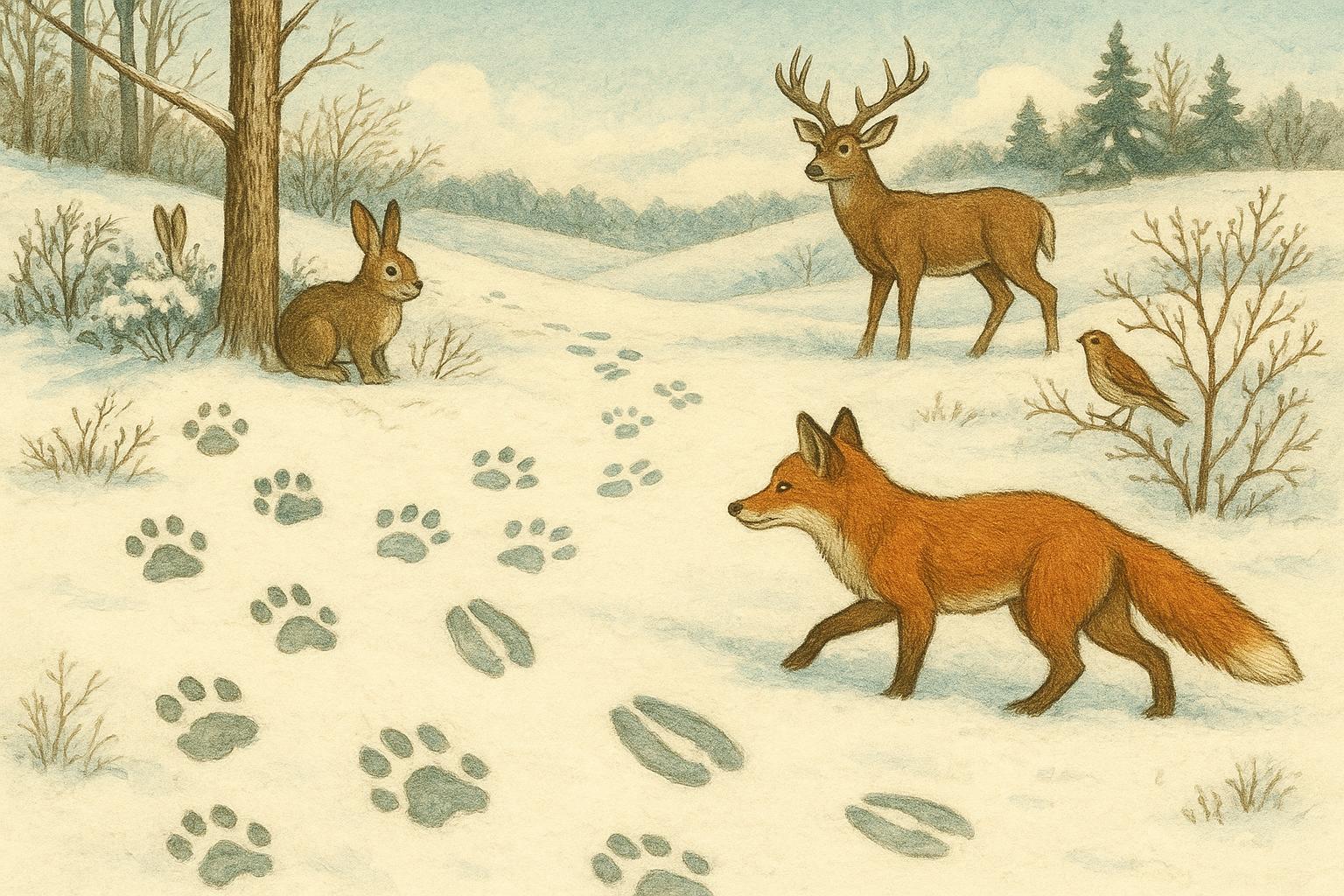
Tracks in snow, scat, clipped twigs, stripped bark, and feather tufts are subtle clues that your yard is more than a quiet white field. At dawn and dusk you’ll see the most movement from mammals, whereas midday is often prime bird-watching time. Keep a small notebook or phone app to record sightings and changes — it’s a fun way to learn seasonal patterns.
### Ethical Viewing
Observe at a distance, avoid disturbing nests or dens, and never attempt to handle wildlife unless it’s clearly injured and you have proper training or are contacting a licensed rehabilitator. Feeding should supplement natural sources, not replace them.
## Backyard Planting For Year-Round Support
### Plants That Help In Winter
Evergreens, native berry-producing shrubs (like holly or winterberry), and seed-producing perennials (echinacea seedheads, native grasses) provide shelter and food. Leave some fallen fruit and seedheads standing through winter; they look unkempt, yes, but they’re banquet tables for winter animals.
Enjoy the slower rhythms of winter and the company of persistent creatures that do not read the calendar. If you set out a suet cake or keep a small stream of unfrozen water flowing, you’ll soon be privy to a surprisingly lively ecosystem right outside your back door — and probably a new cast of feathered regulars demanding breakfast.



Leave a Reply