
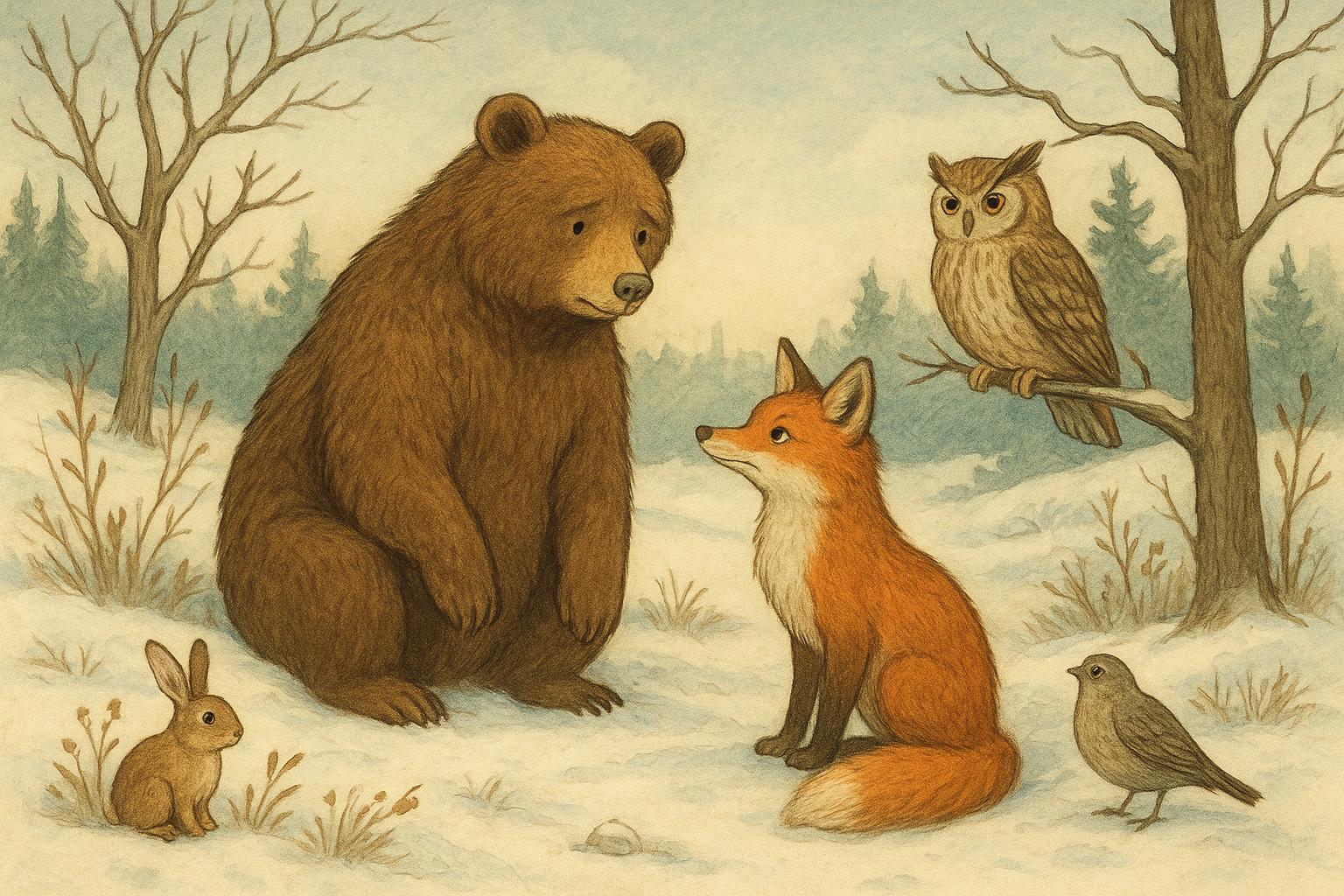
I know the sinking feeling: you set up the trail cam, stocked the feeder, and imagined nightly visits from a charismatic moose (or at least a dignified raccoon). Instead you get a quiet garden, a few hesitant tracks, and the occasional look from a very polite squirrel. Winter has a way of making even the most dedicated backyard naturalist feel like their data pipeline has ghosted them — and yes, that includes your hopes for abundant winter wildlife recordings.
## Cannot Comply With Your Winter Wildlife Insights This Season
Why are your observations falling short? It’s not you; it’s ecology, weather, and sometimes technology conspiring to be uncooperative. First, animals change behavior in the cold: many species reduce movement to conserve energy, switch diets, or retreat to sheltered microhabitats that don’t intersect with your field of view. Second, intermittent extremes — sudden thaws, crusted snow, ice storms — reroute travel lanes and food sources. Third, human factors like increased residential lighting, late-season yard work, or altered feeding schedules can mess with activity windows. All of this means the raw hits you expect for winter wildlife studies can drop, sometimes dramatically.
### Why Patterns Shift More Than You Expect
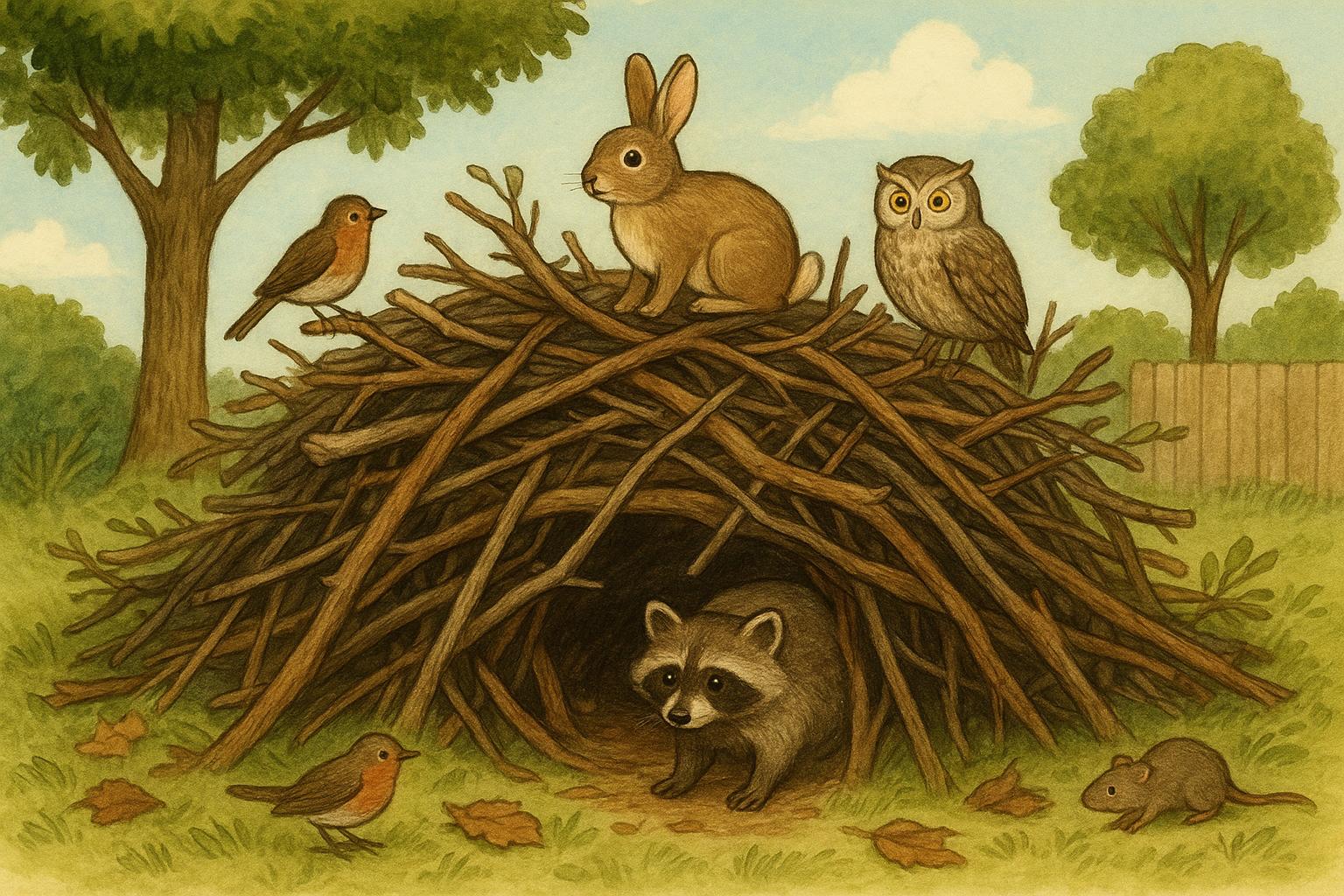
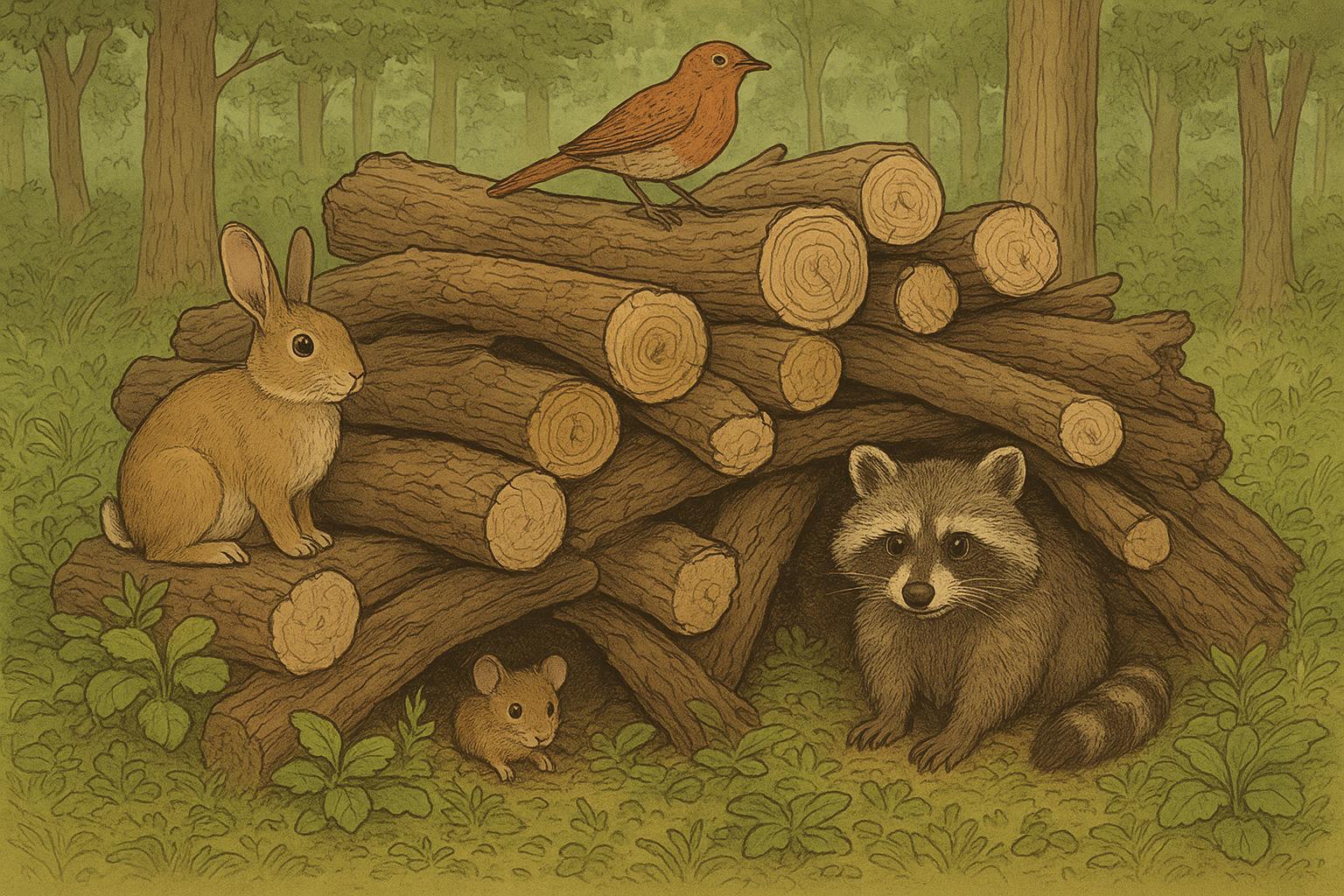
One thing people often miss is phenological mismatch — when environmental cues (like temperature) and biological needs (like breeding or migration) fall out of sync. For example, a mild autumn can leave food stores depleted before a cold snap hits, pushing animals into emergency foraging that doesn’t align with your camera’s schedule. Another common issue is microhabitat preference: even a small pile of brush or a hidden drainpipe can become the kingdom for small mammals, while the open feeders stay unused. Technology also plays a role: batteries die faster in cold temperatures, and motion sensors can be less sensitive when animals move slowly.
### Sensors, Batteries, And The Cold Truth
Cold weather reduces battery voltage and sensor responsiveness. If you’re relying on standard alkaline batteries in a trail cam, expect runtimes to plummet. Condensation can fog lenses when temperatures swing. Even software settings optimized for summer (short trigger delays, narrow detection angles) might miss the low, slow winter visitors. In short: if your equipment and expectations are tuned for spring, you’ll miss a lot of winter wildlife nuance.
### Behavioral Shifts To Watch For
– Torpor and Reduced Activity: Some species enter short torpor bouts, lowering body temperature and movement to save energy. That reduces detections.
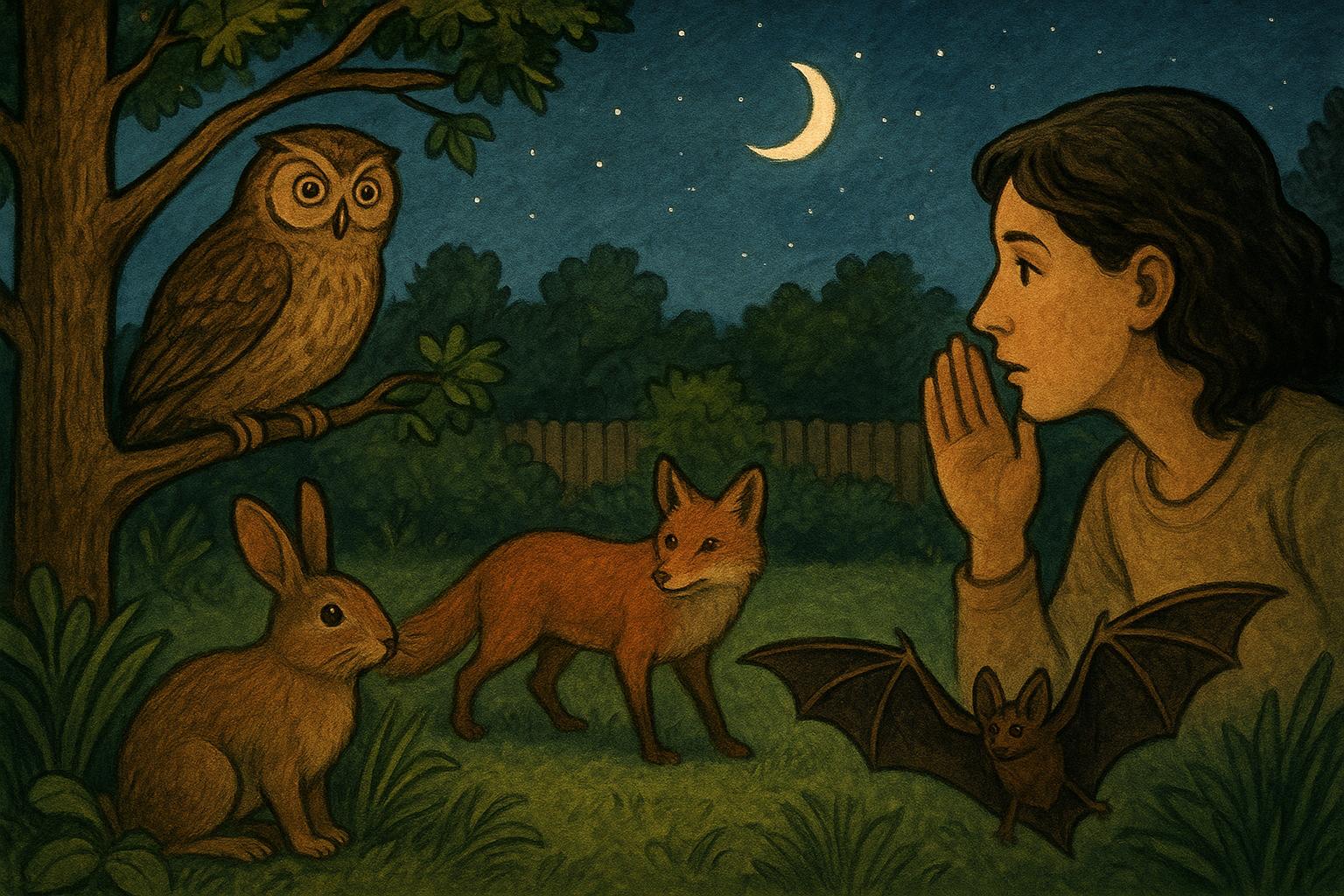
– Crepuscular Movement Windows: Dawn and dusk windows can shift; some animals become more strictly nocturnal on bitter nights.
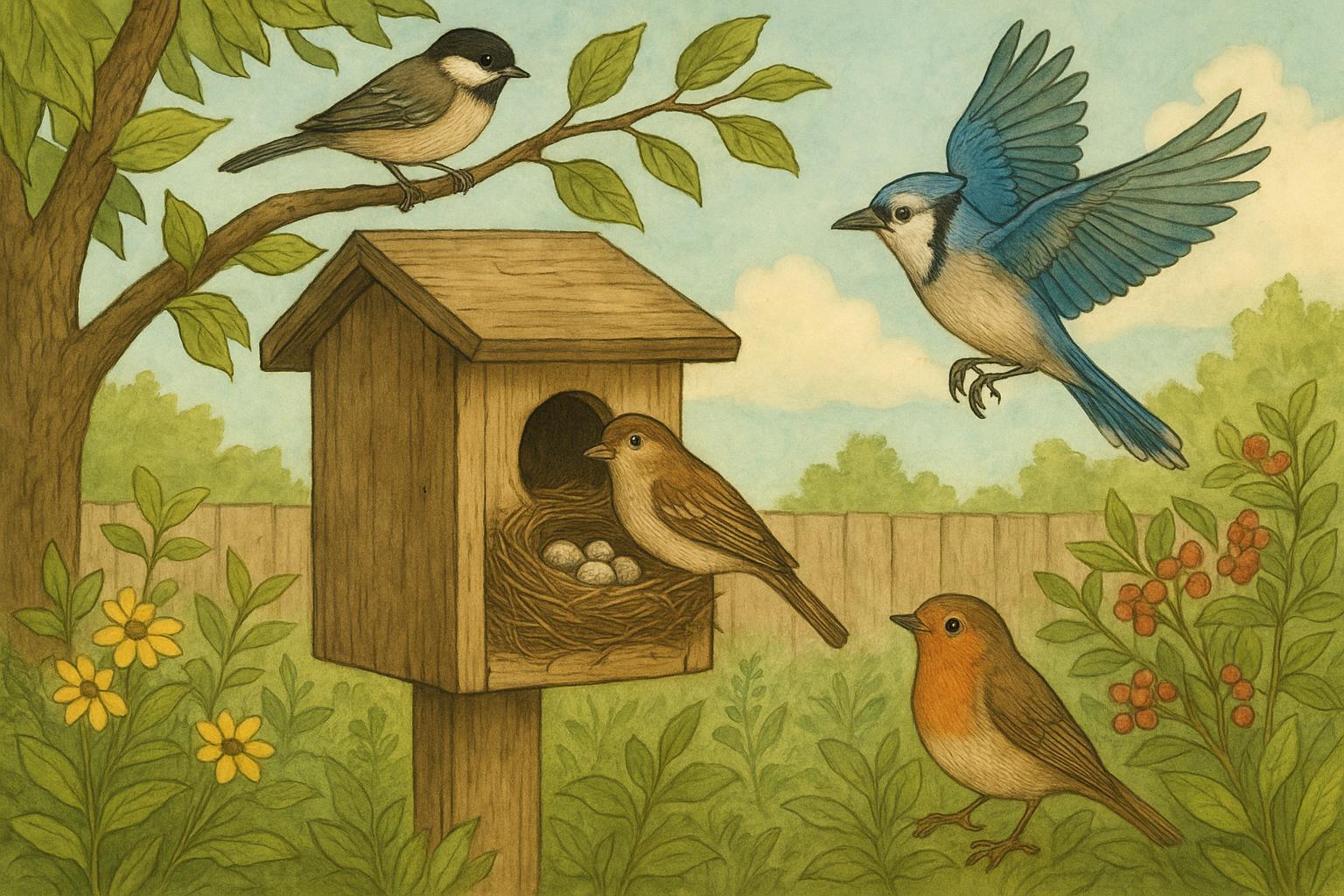
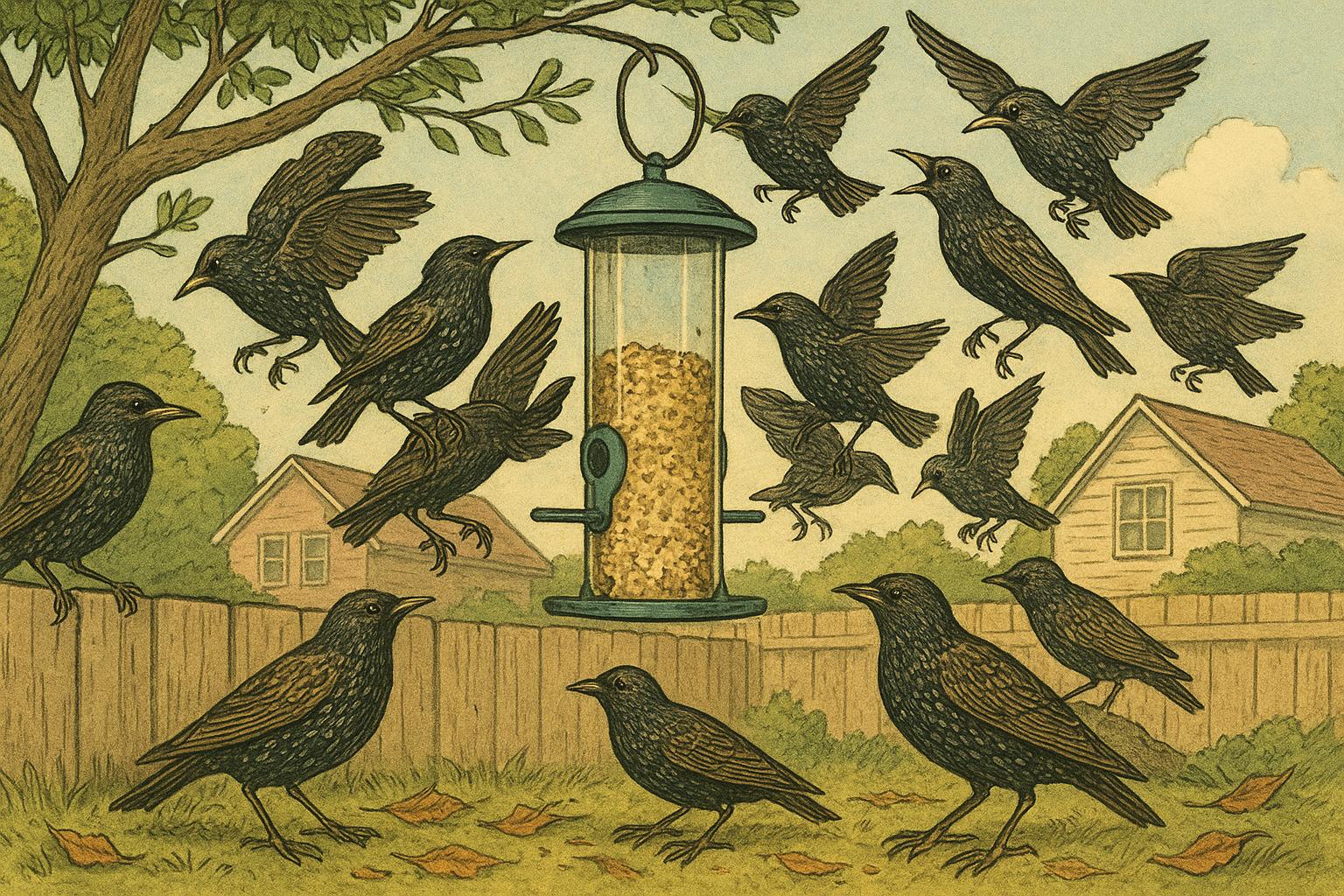
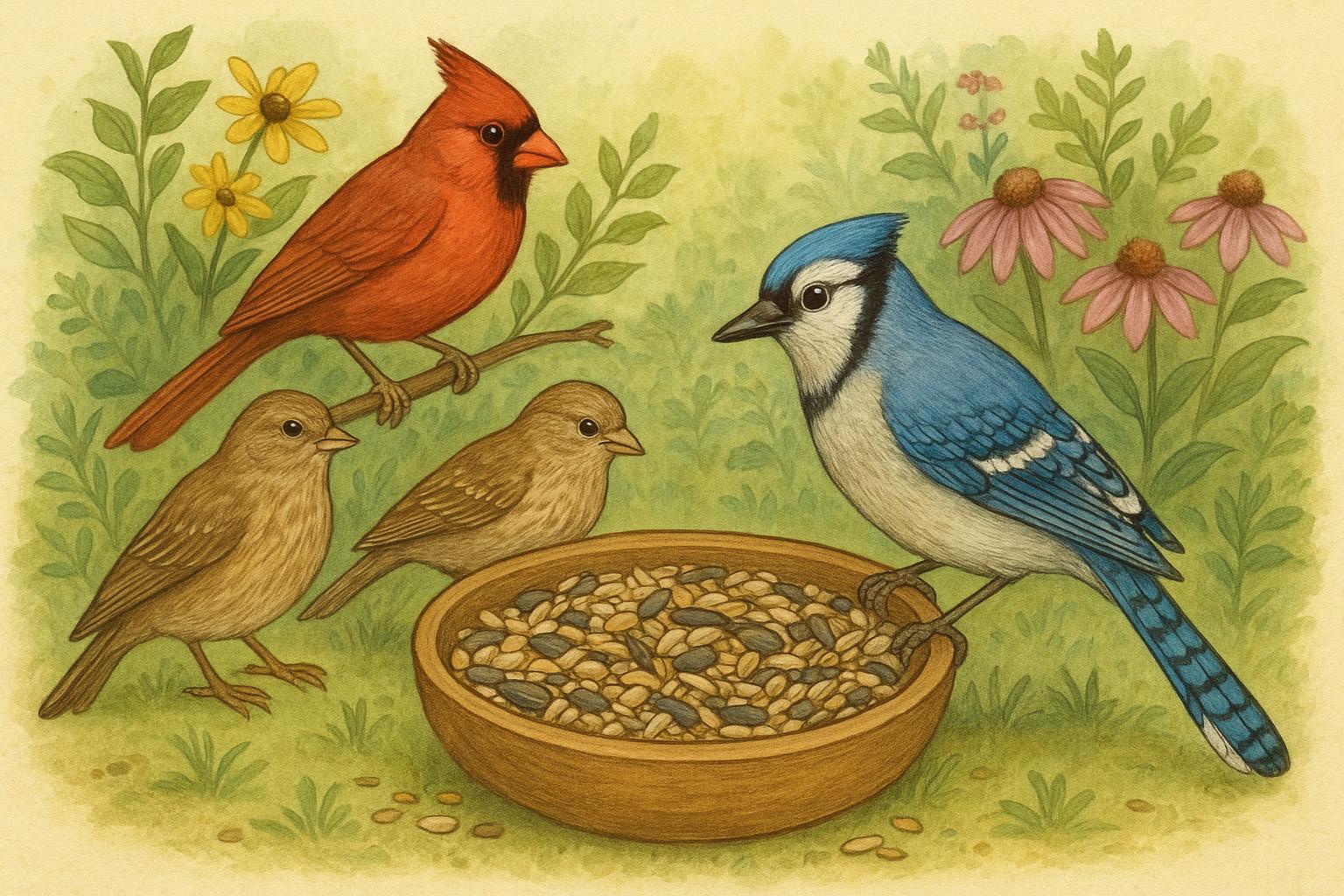
– Diet Swapping: Birds that usually take sunflower seeds may switch to suet or fat-rich insects hidden under bark, meaning your feeder choice matters.
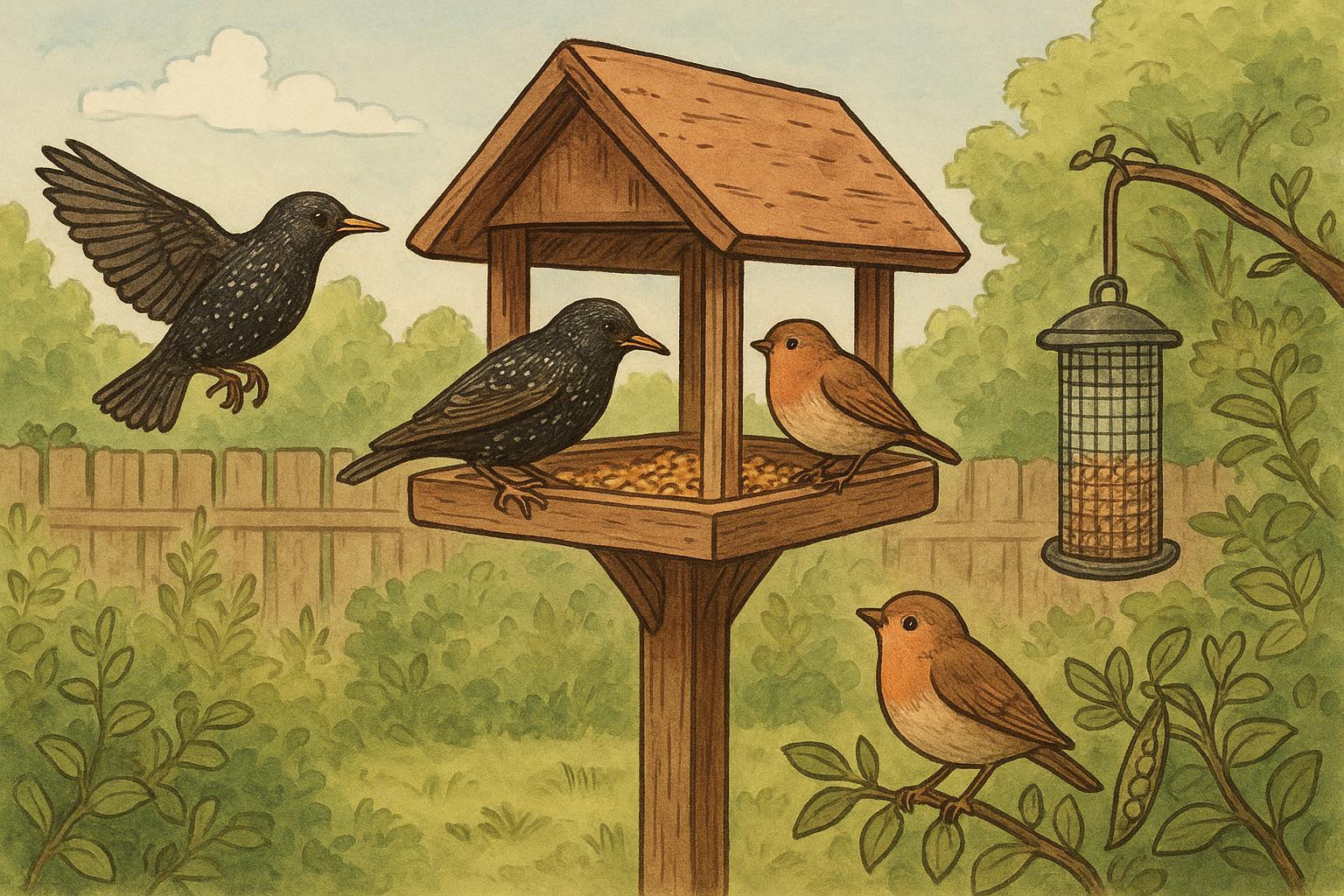
## 1. Build A Wildlife-Friendly Feeding Station
Ingredients / Required Materials:
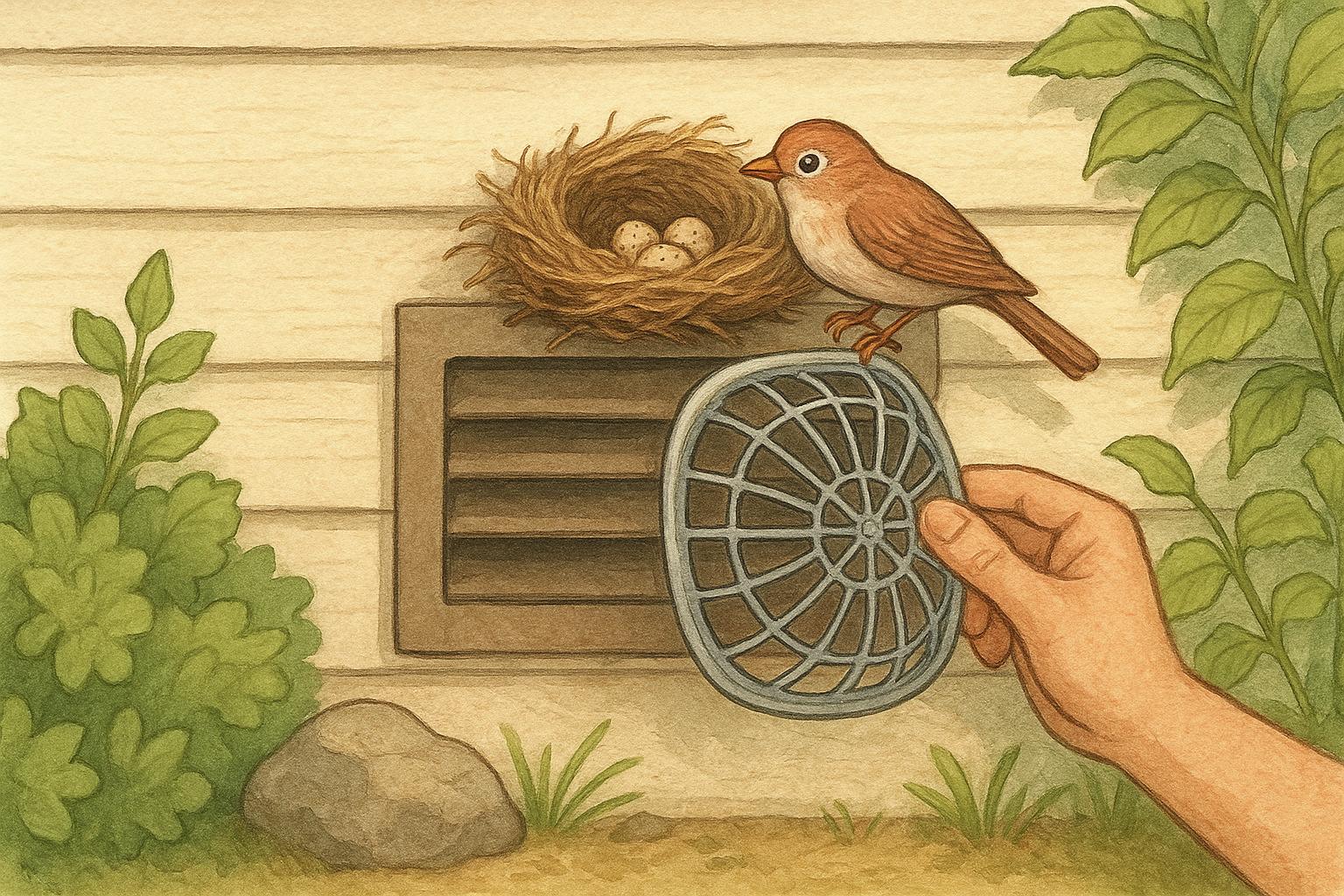
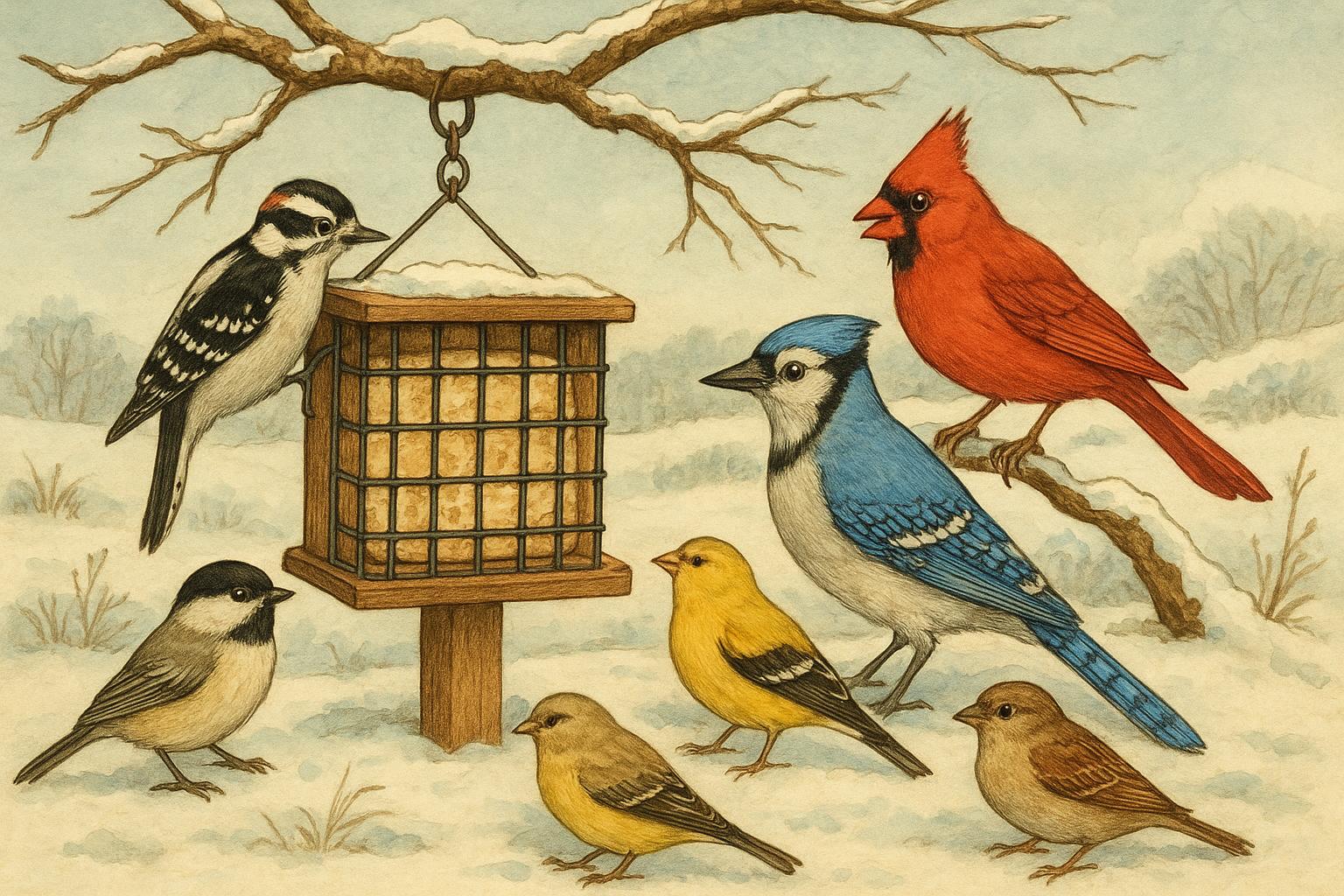
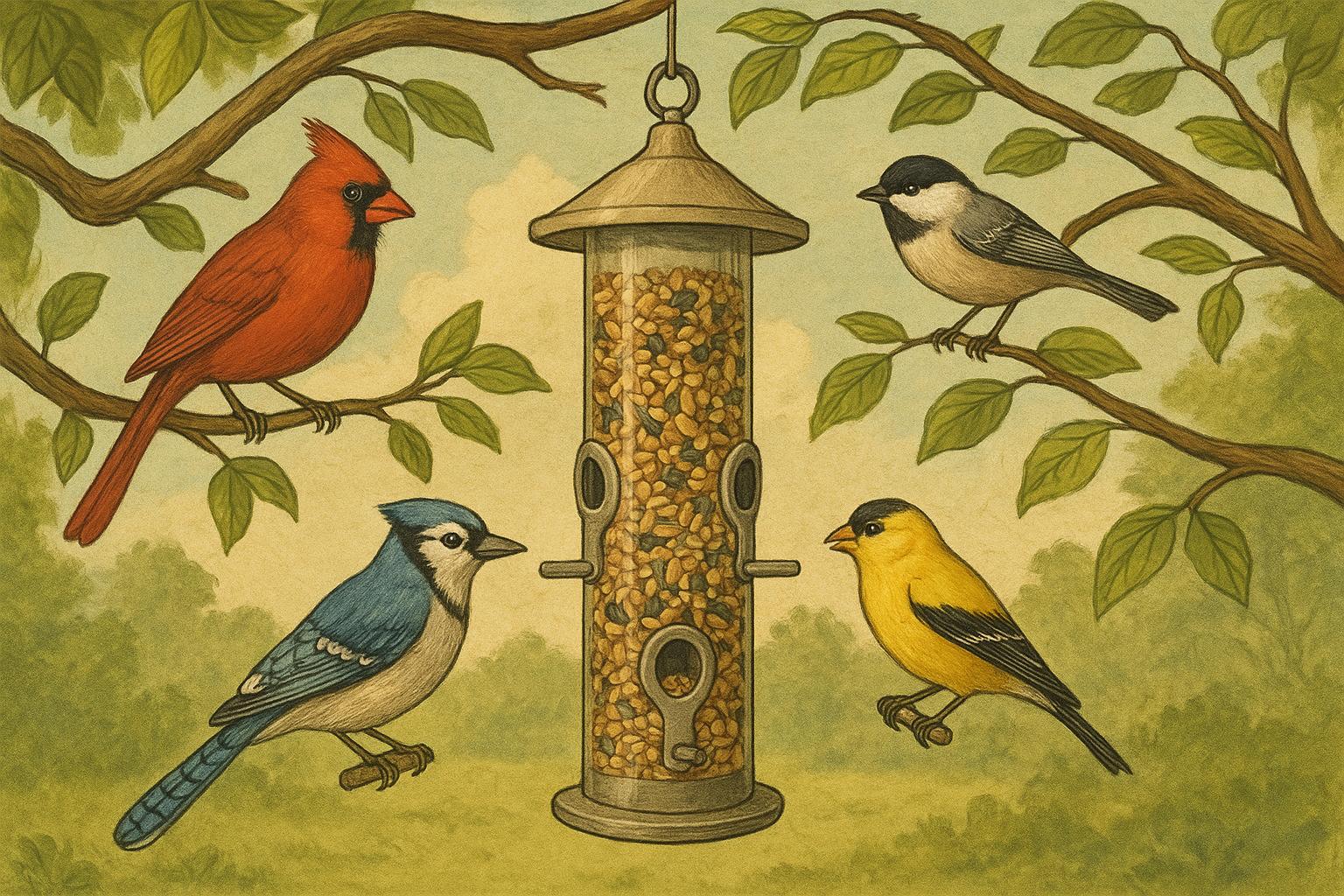
1. Heavy-duty suet cage (or a squirrel-proof bird feeder)
2. High-energy suet cakes or suet dough (no additives harmful to birds)
3. Mixed seeds (sunflower hearts, nyjer for finches)
4. Sturdy mounting post or pole with predator baffle
5. Weatherproof tray or small platform beneath the feeder
6. Gloves, ladder, basic hand tools, and a camera or observational notebook
Step-By-Step Creation And Application:
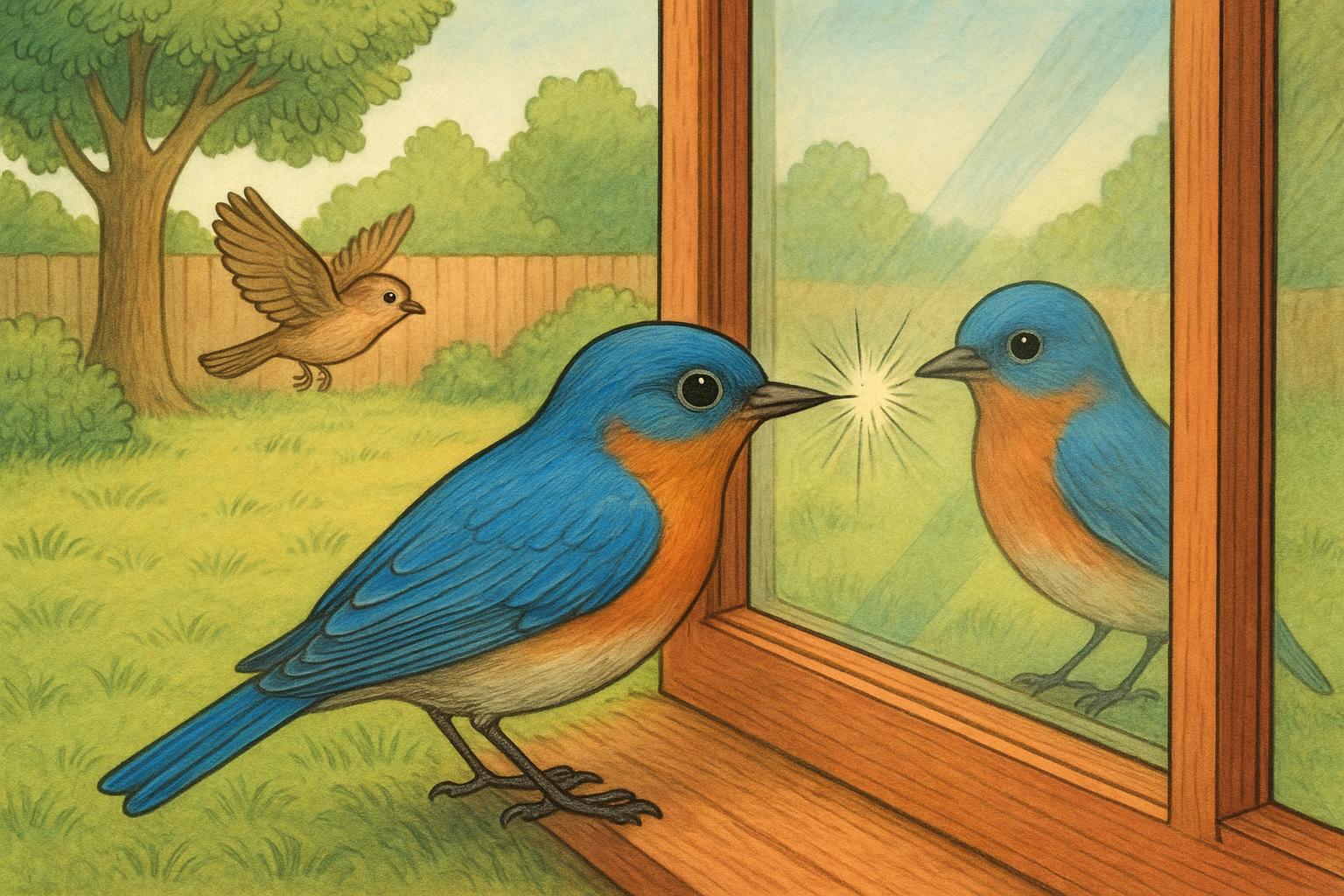
1. Select Location: Choose a semi-sheltered spot near natural cover (shrubs, hedges) but within sight lines from your observation post. Avoid placing feeders too close to windows (collisions) or where food will attract non-target pests into human-use areas.
2. Install Mounting Post: Secure a post 4–6 feet from cover, adding a predator baffle at mid-height to deter squirrels and raccoons from overwhelming the station.
3. Fit The Feeder: Attach the suet cage and seed feeder so they’re stable in wind but accessible to birds. Ensure the feeder opening height is appropriate for expected species (lower for jays and woodpeckers, higher for some songbirds).
4. Fill With Appropriate Feed: Use high-energy suet and mixed seeds to provide calorie-rich options. Rotate offerings weekly to prevent mold and discourage reliance on a single food type.
5. Monitor And Maintain: Inspect twice weekly in deep cold for ice buildup and mold. Replace feed at first sign of spoilage. Record visitor species, numbers, and times each visit occurs to refine placement and offerings.
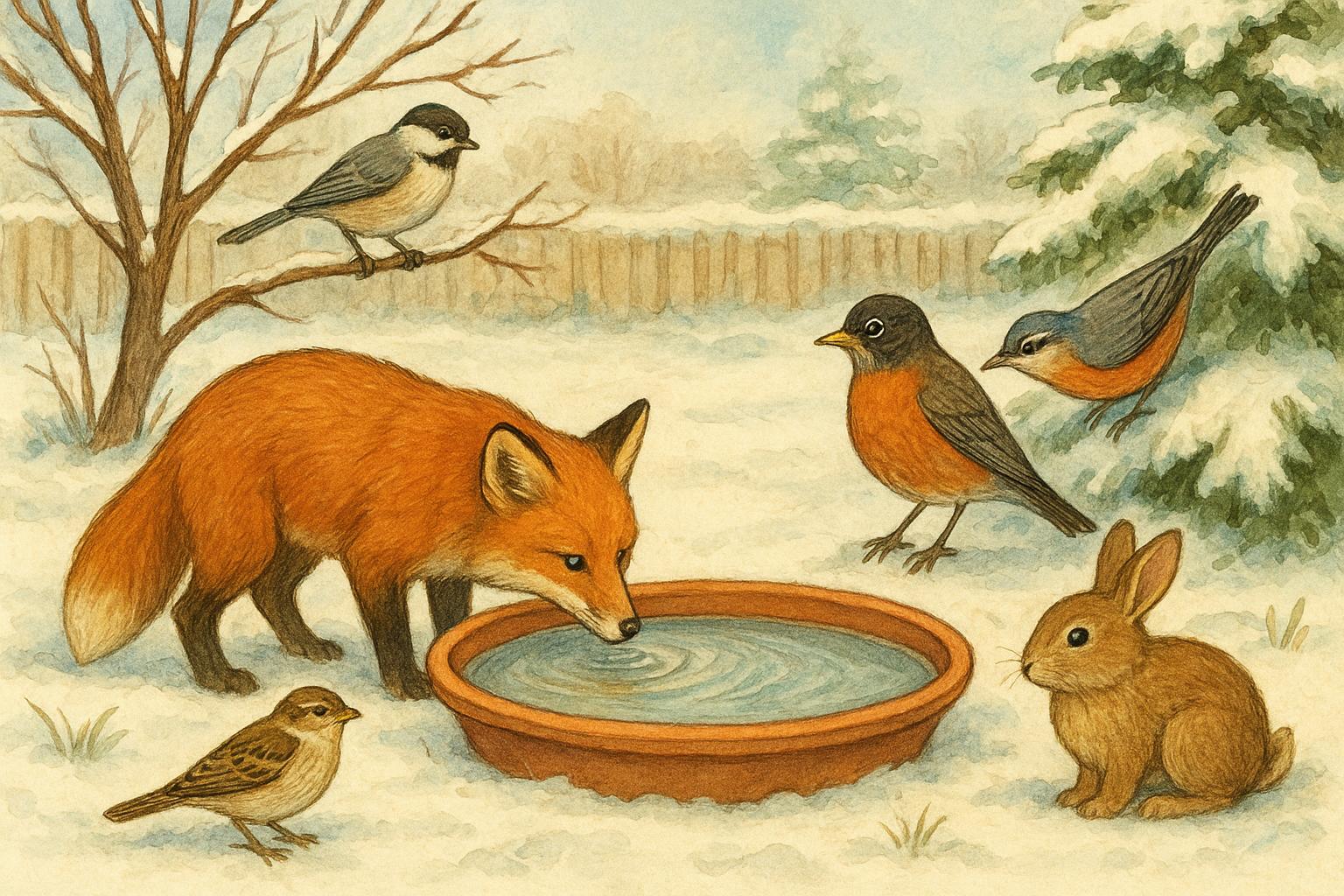
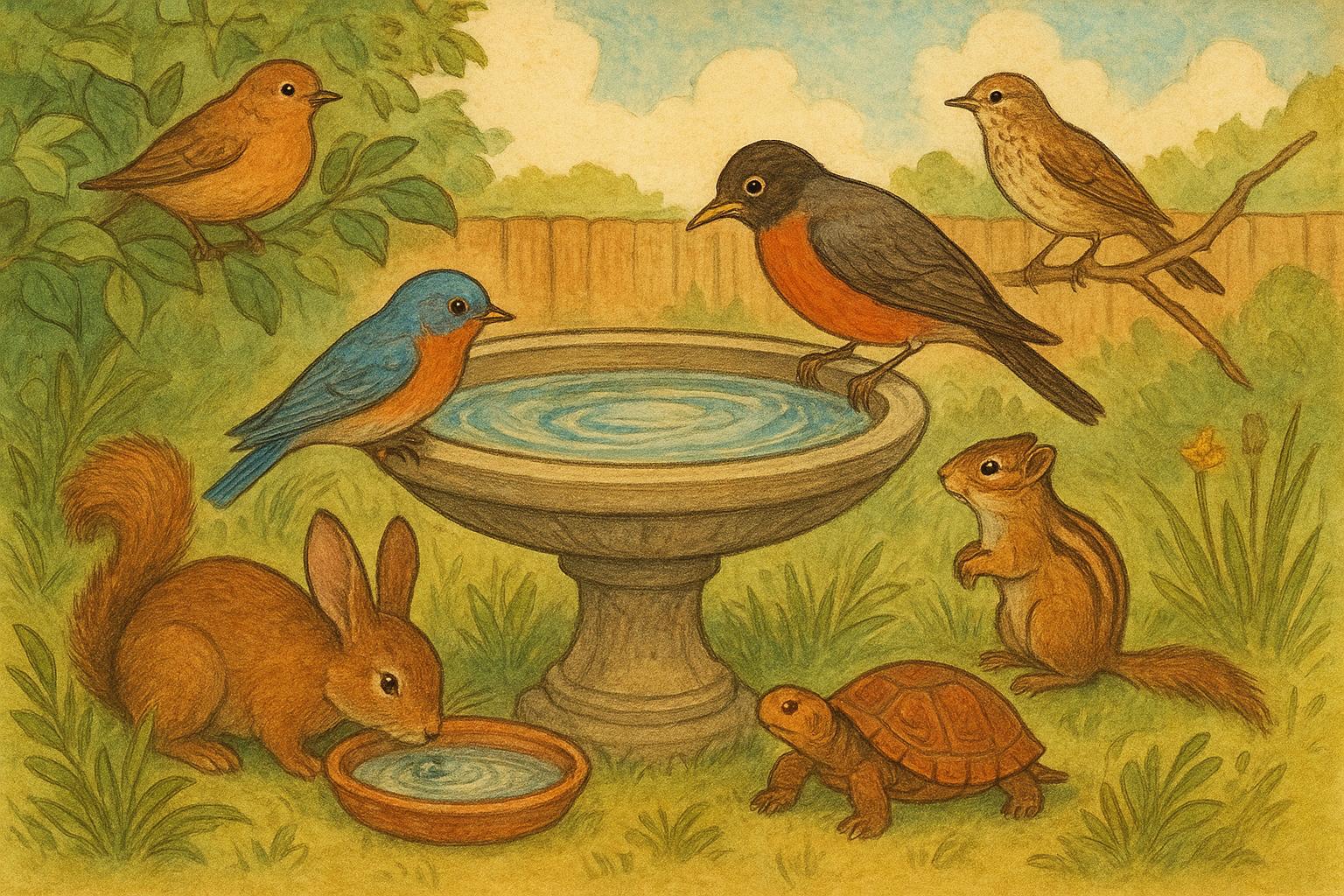
6. Adjust Based On Observations: If you see feeder avoidance, try moving the station slightly (2–5 meters), altering the type of food, or adding a small heated water source nearby to increase activity.
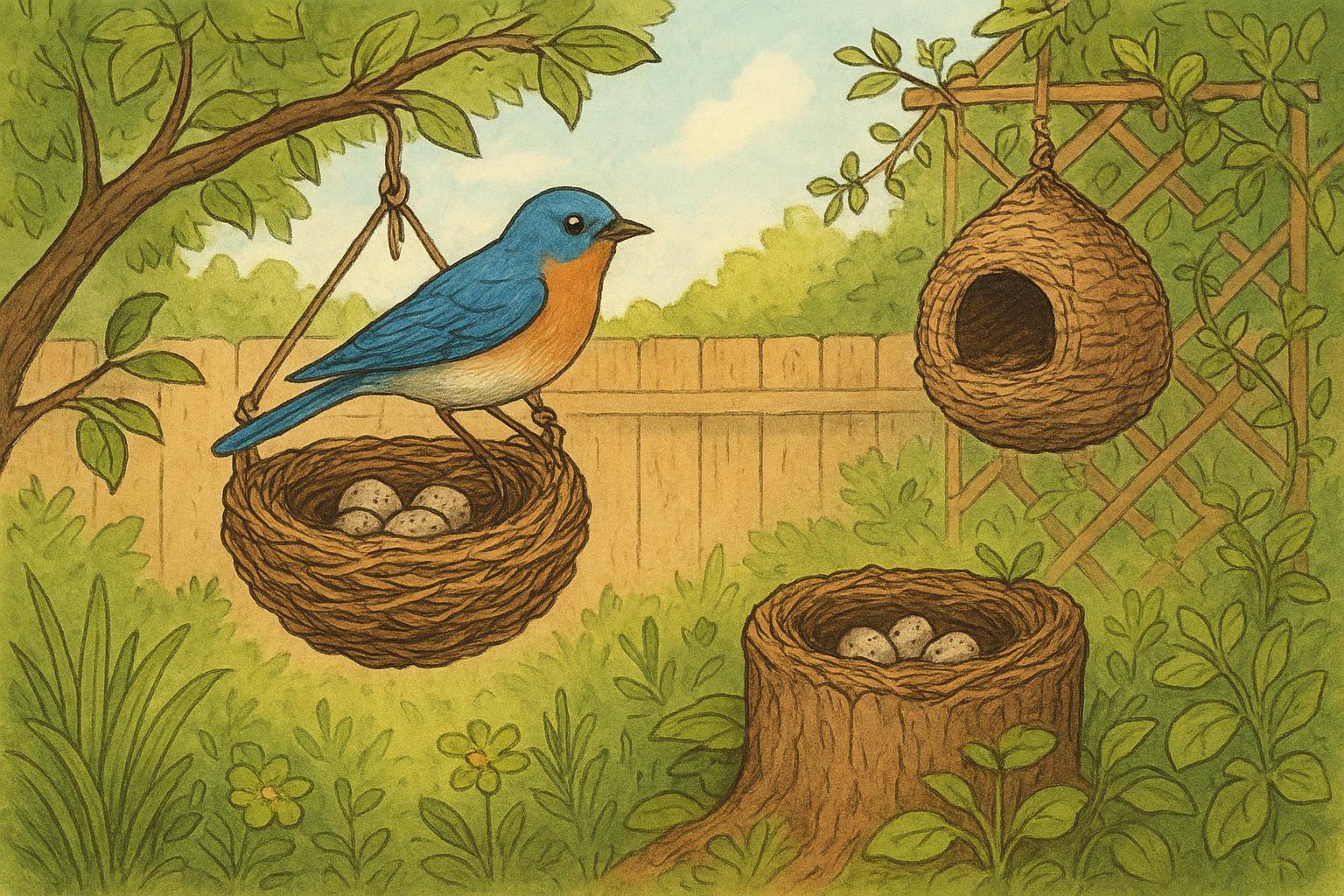
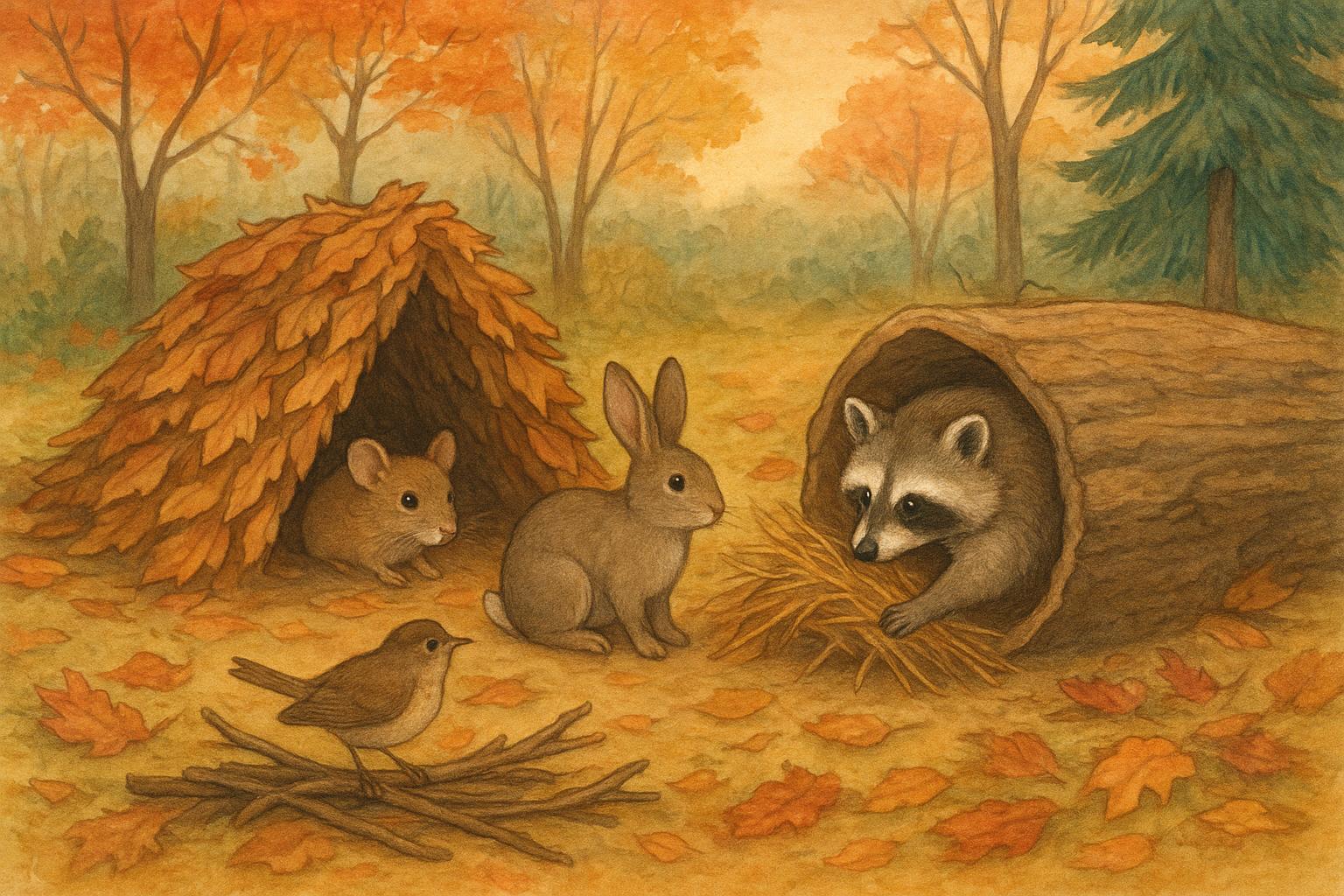
## 2. Create Thermal Shelters For Small Mammals
Ingredients / Required Materials:
1. Untreated wood planks or a pre-made wildlife nesting box (sized for mice, voles, or small hedgehogs where legal)
2. Straw (not hay), dry leaves, or shredded newspaper for bedding
3. Heavy-duty landscape fabric or plywood for roofing
4. Gravel or small stones for drainage
5. Work gloves, screws/nails, and basic tools
Step-By-Step Creation And Application:
1. Design For Species: Determine target occupant size. Boxes for small rodents can be compact (10 x 6 x 6 inches) with a single small entrance; for larger mammals, scale accordingly. Ensure the entrance faces away from prevailing winds.
2. Prepare Site Drainage: Select a slightly raised, well-drained spot. Lay a thin layer of gravel to prevent moisture wicking into the box.
3. Construct The Shelter: Build sturdy walls and a sloped roof to shed snow and rain. Include ventilation gaps near the top, and make the roof removable for yearly cleaning.
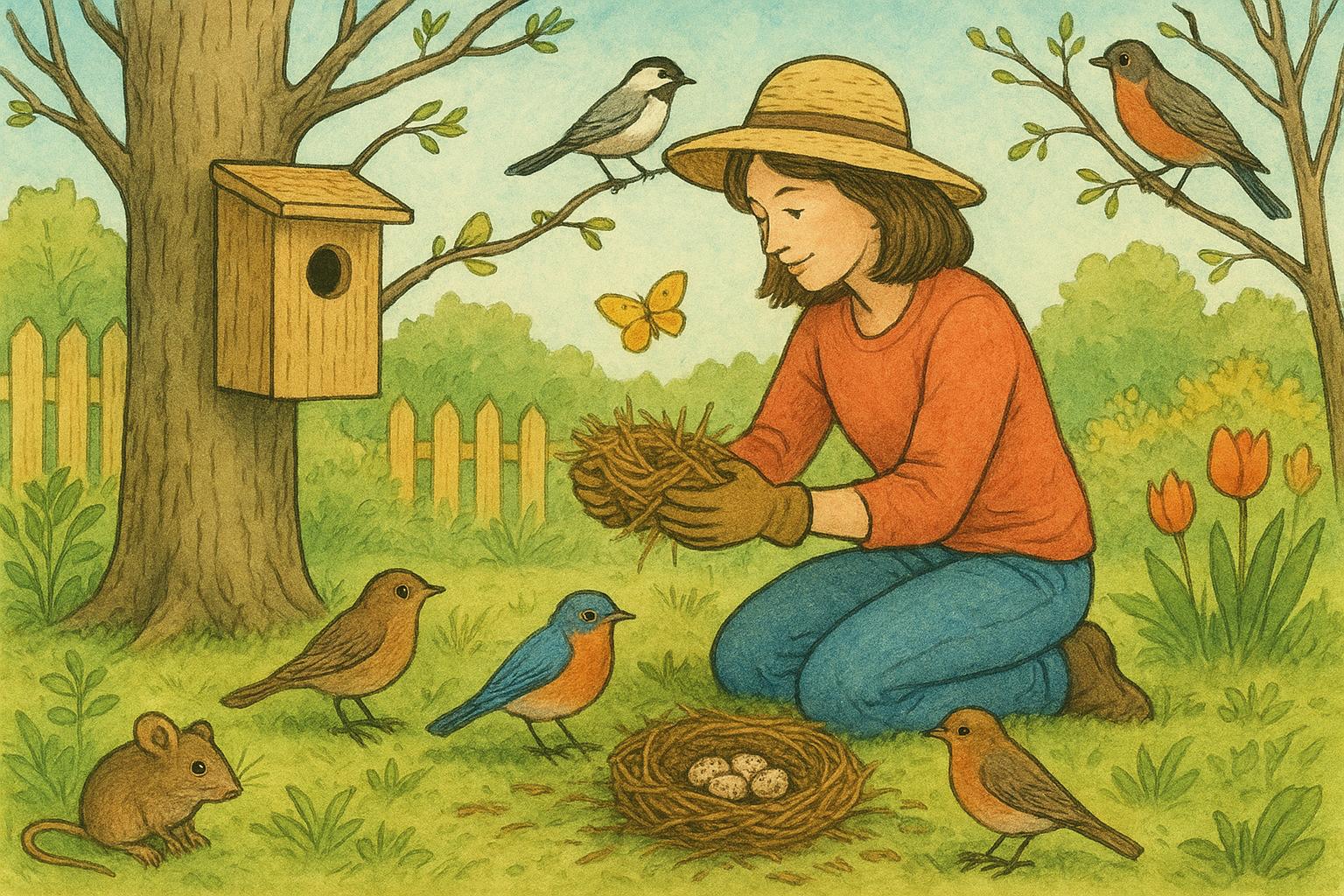
4. Insulate Internally: Line the box with straw or dry leaves; avoid synthetic insulation that traps moisture or rodents into human spaces. Do not pack too tightly — the animals will rearrange bedding.
5. Place And Camouflage: Sit the shelter near brush piles, hedges, or stacked logs. Cover the roof lightly with leaf litter or a natural camo mat to blend with surroundings and reduce temperature swings.
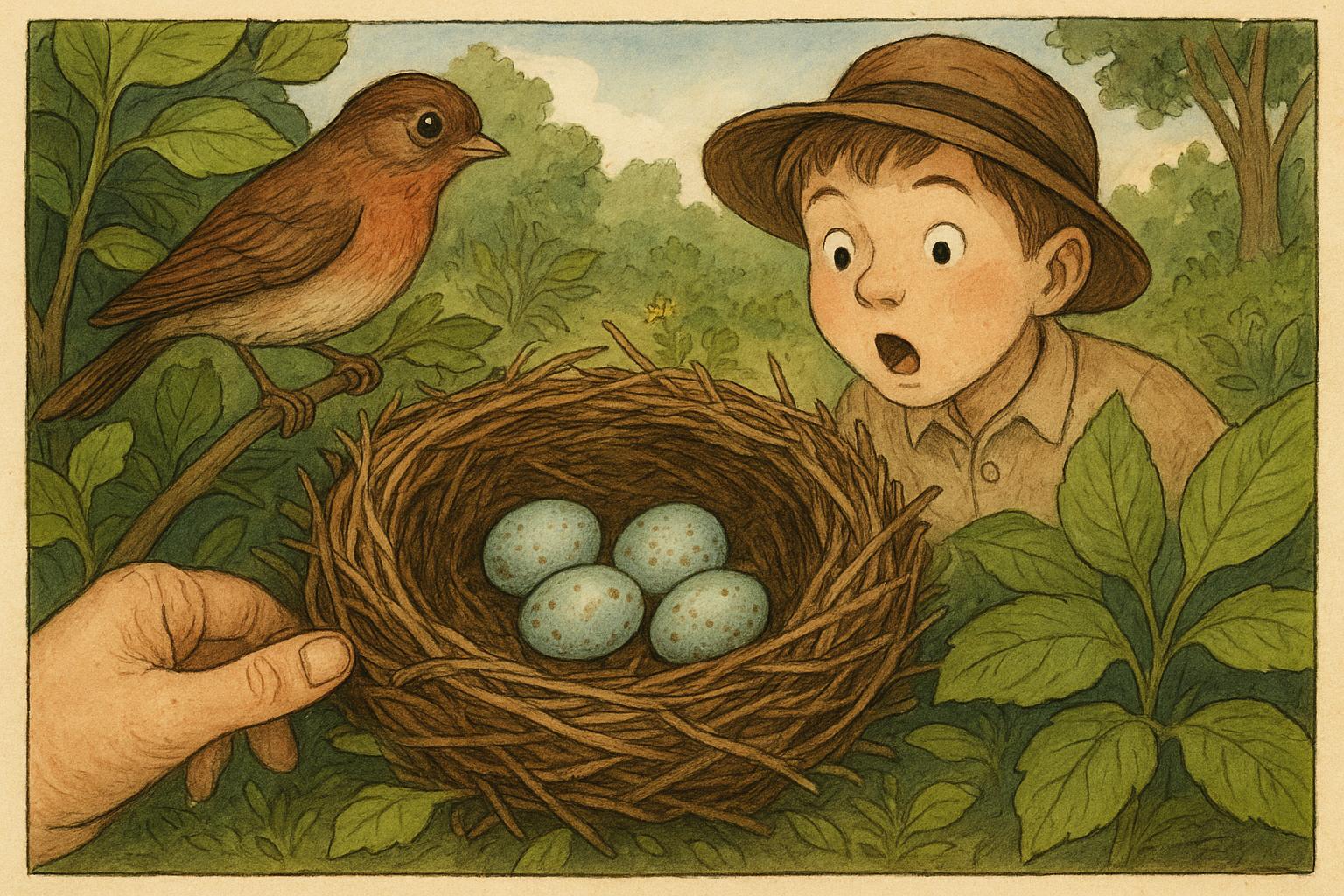
6. Monitor With Care: Check occupancy from a distance to avoid disturbance. If you must inspect, do so during mild daytime temperatures and with gloves to reduce scent transfer and disease risk.
### When Feeding And Shelters Need Rules
Feeding and sheltering wildlife is a kindness, but it comes with responsibility. Overfeeding or using inappropriate foods can harm animals or concentrate disease. Shelters can unintentionally house predators if placed in exposed locations. Local regulations sometimes govern feeding of certain species, so check ordinances before extensive interventions. Maintain hygiene, replace bedding seasonally, and avoid habituating protected species to human spaces.
### Low-Impact Observation Techniques
If your aim is insights rather than intervention, consider passive methods: time-lapse cameras on higher sensitivity for slow movement, thermal scopes for cold nights, and track-scoring (measuring and photographing prints against a scale). Placing non-scented snow tracking sand or fine sawdust in likely travel lanes for a short window can reveal species that otherwise slip by unseen.
#### Camera Settings For Slower Winters
– Use low trigger thresholds and longer exposure windows to capture slow-moving mammals.
– Increase capture intervals for time-lapse modes to sample extended periods without draining batteries.
– Use lithium batteries in cold weather for better retention, and hard-wire cameras where feasible for continuous power.
#### Ethical Considerations And Safety
Never offer foods that are toxic (e.g., bread, salted scraps) and avoid creating large, concentrated food sources that attract predators or cause unnatural aggregations. During disease outbreaks like avian flu or distemper, follow guidance from local wildlife authorities about temporarily suspending feeding.
### Reading The Small Signs
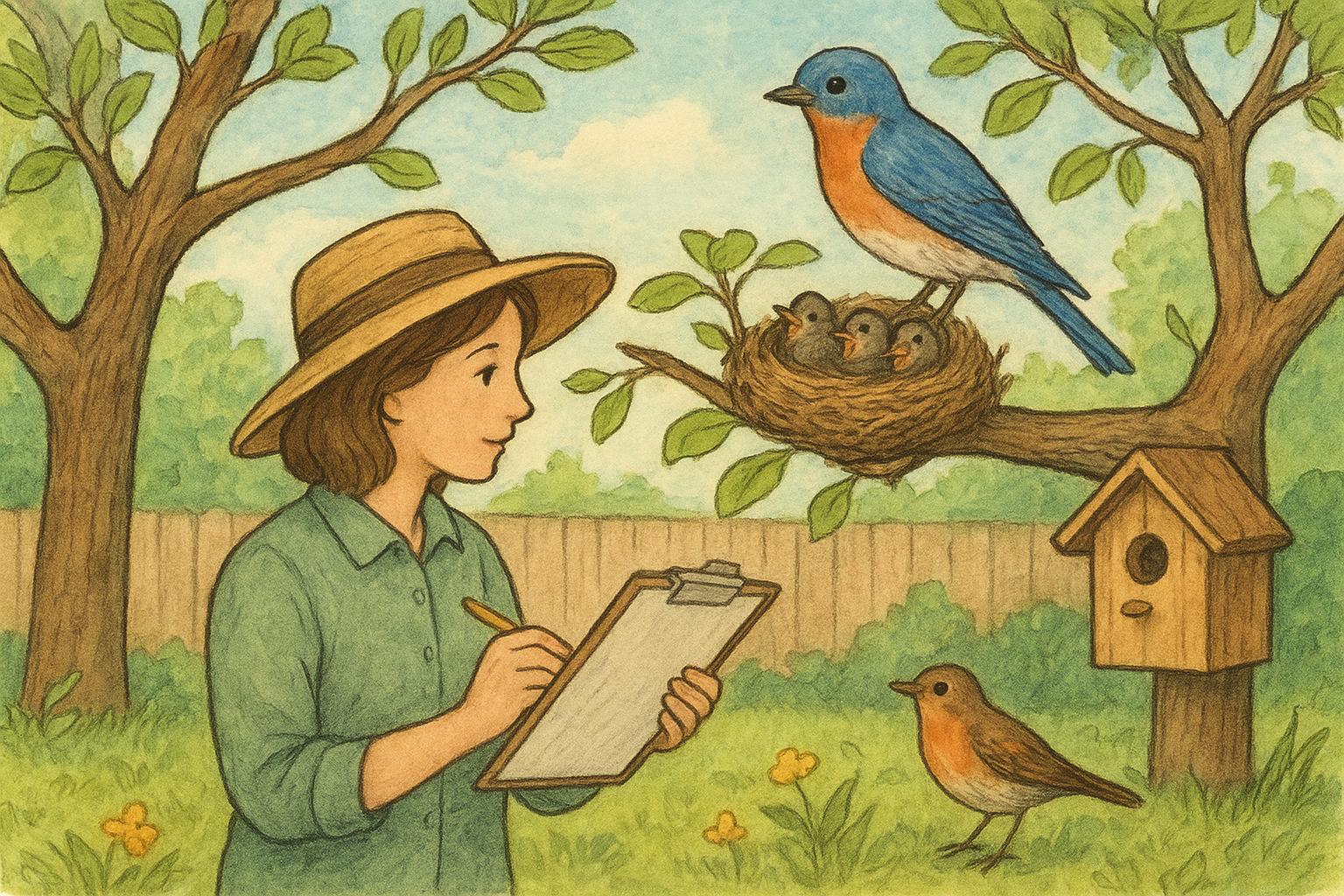
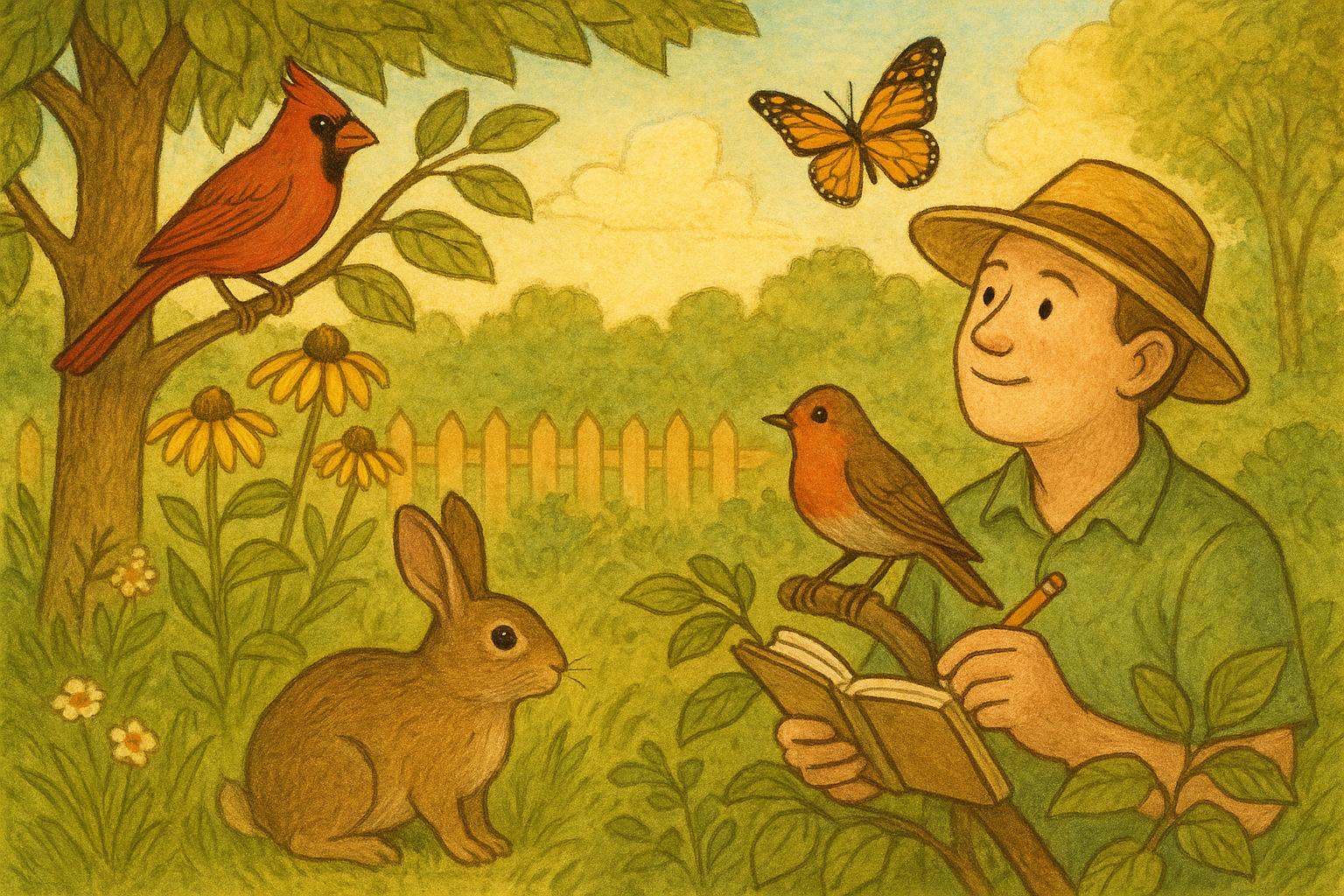
A scuffed patch of snow, a fresh scrape against a tree, or the sudden quiet at a known roost can tell you more than a single camera frame. Keep a simple field notebook: date, temperature range, snow depth, and a quick sketch or photo of tracks. Over seasons, these small notes reveal shifts that a statistical sample of frames might miss.
### When To Call In Professional Help
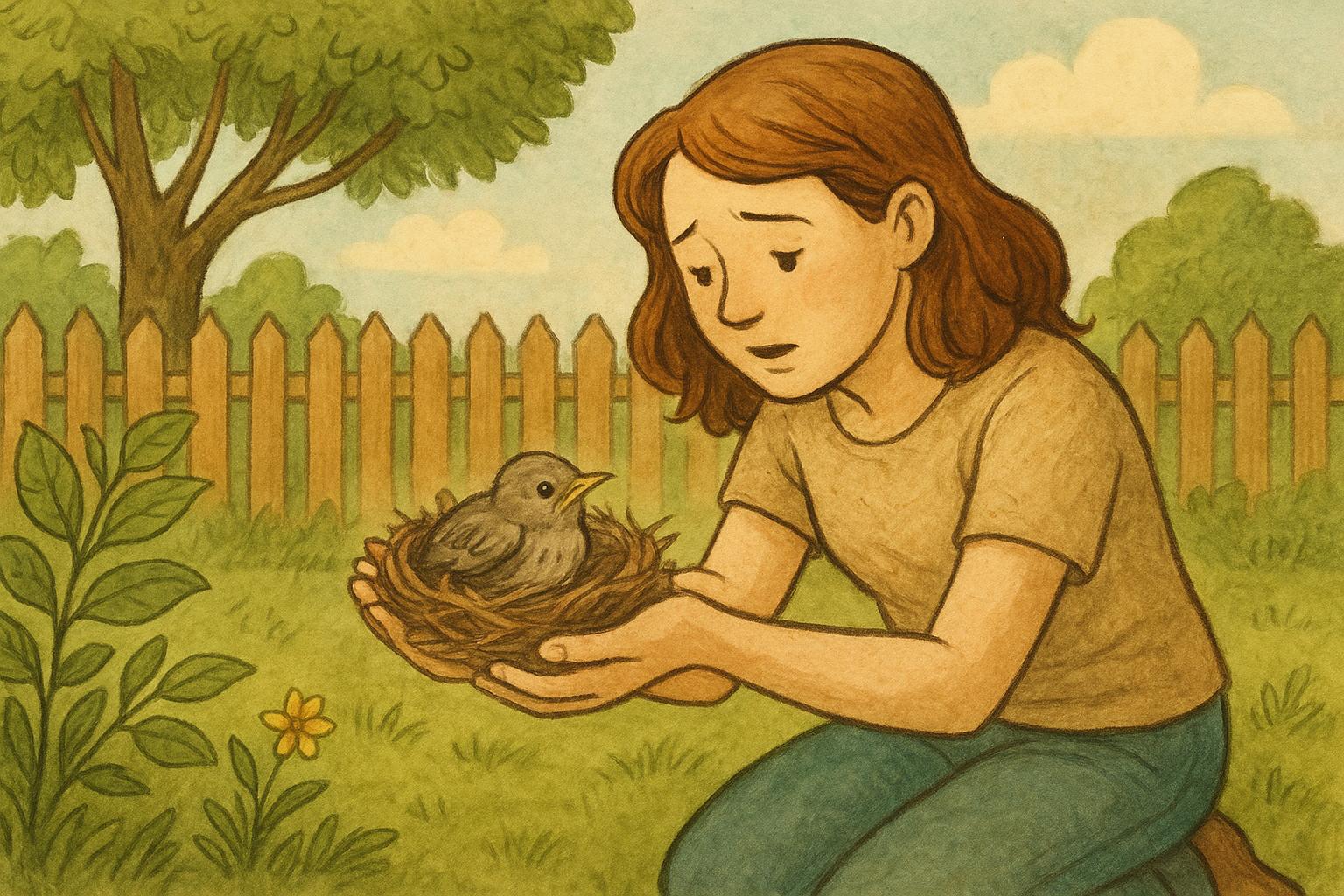
If you encounter injured wildlife, a large number of sick birds at feeders, or wildlife behaving unusually (diurnal predators, tame animals approaching humans), contact local wildlife rehabilitators or your state wildlife agency. They can advise on disease, avian mortality events, and legal constraints.
Winter can be stingy with visible life, but it’s abundant if you know where and how to look. Adjusting expectations, upgrading a few pieces of gear, and applying targeted remedies — built and applied correctly — will dramatically improve your ability to collect meaningful winter wildlife data and, more importantly, to enjoy the subtle thrill of observing life persisting where you might least expect it.

Leave a Reply