
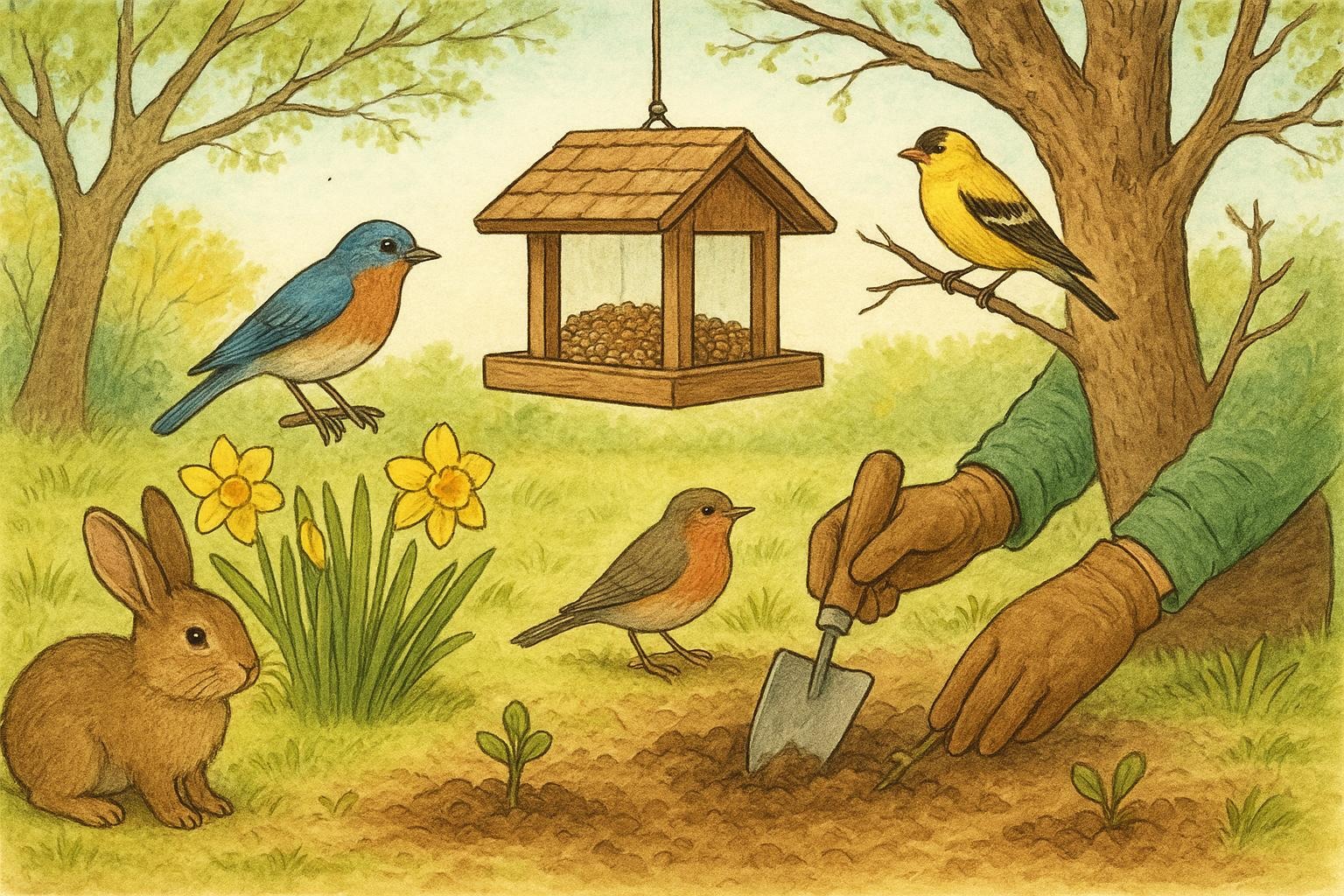
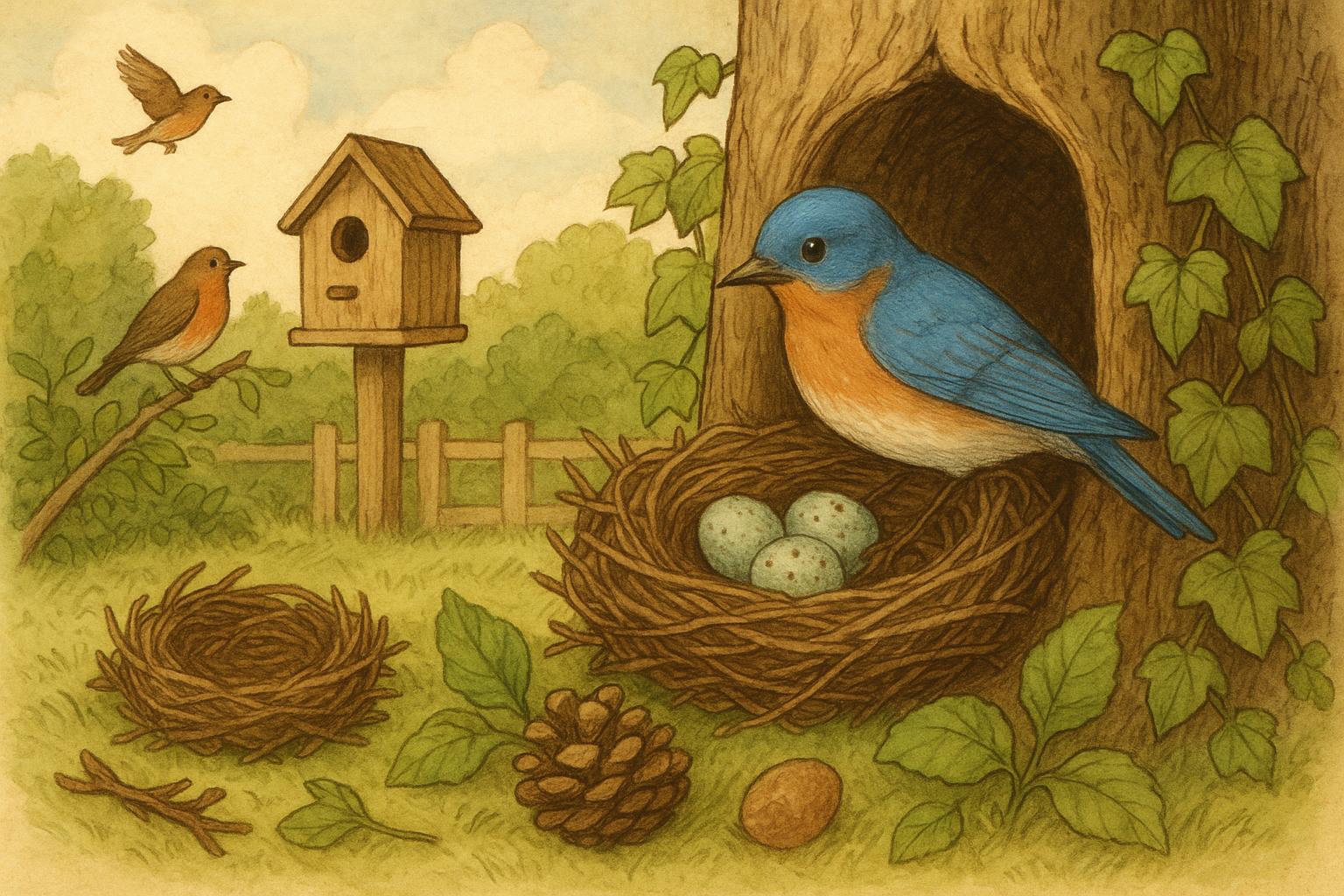
Spring is the season when yards wake up, mud becomes a badge of honor, and our feathered neighbors start checking for real estate listings. If you’d like to turn your patch of green into a welcoming stop on the avian highway, a little planning goes a long way. Think of this as gentle yard therapy for both you and wildlife — with a practical bird feeder plan sewn into the mix.
## Spring Yard Prep For Wildlife With A Bird Feeder Plan
Creating habitat that supports birds, pollinators, and small mammals doesn’t require a landscape overhaul. With thoughtful planting, safe water sources, and a reliable bird feeder strategy, your yard can become an oasis. This section walks through assessment, selection, placement, and two practical remedies: a DIY feeder and a cleaning protocol. Read on for friendly advice and a couple of do-it-yourself projects to keep wildlife happy and healthy.
### Assessing Your Yard For Wildlife
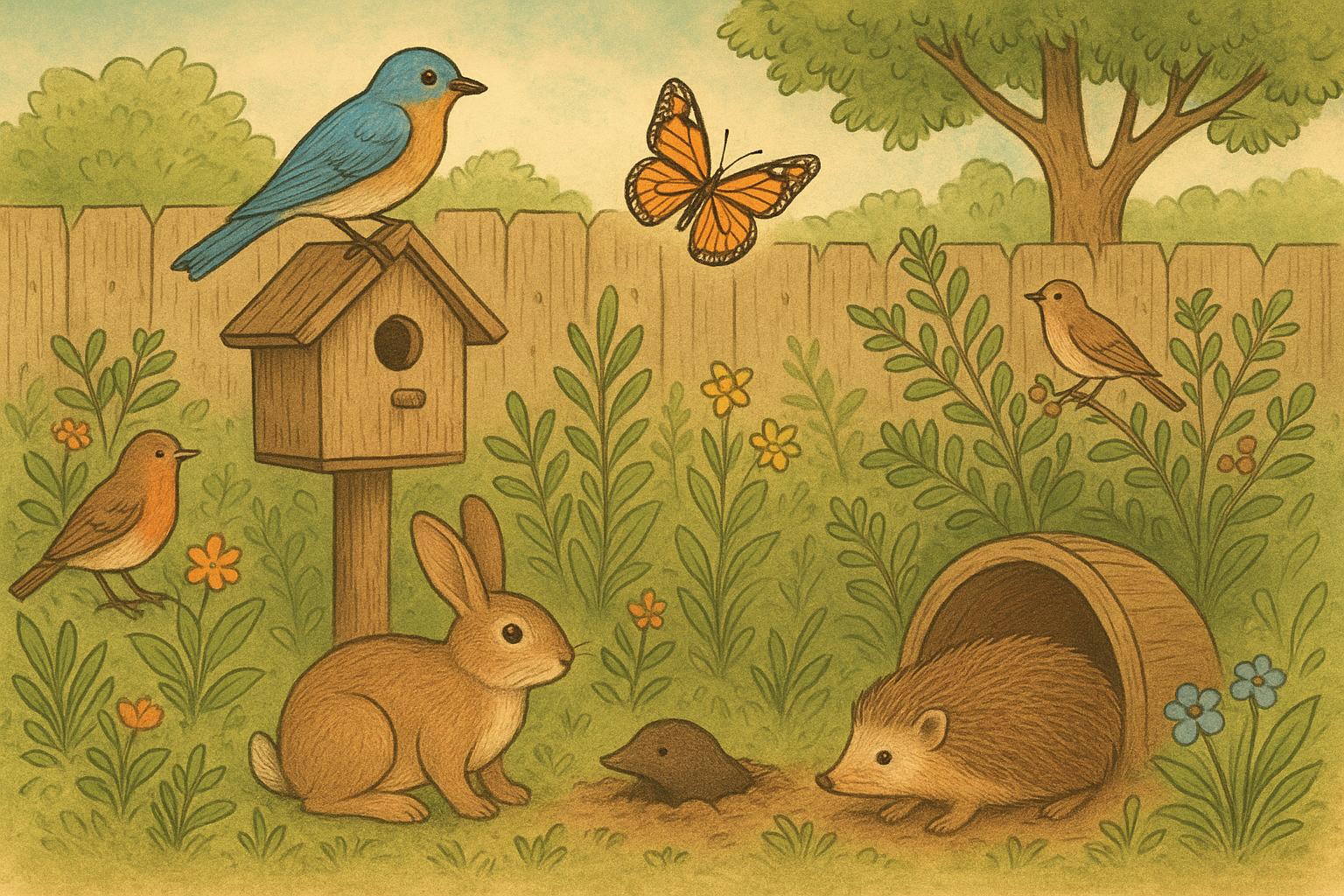
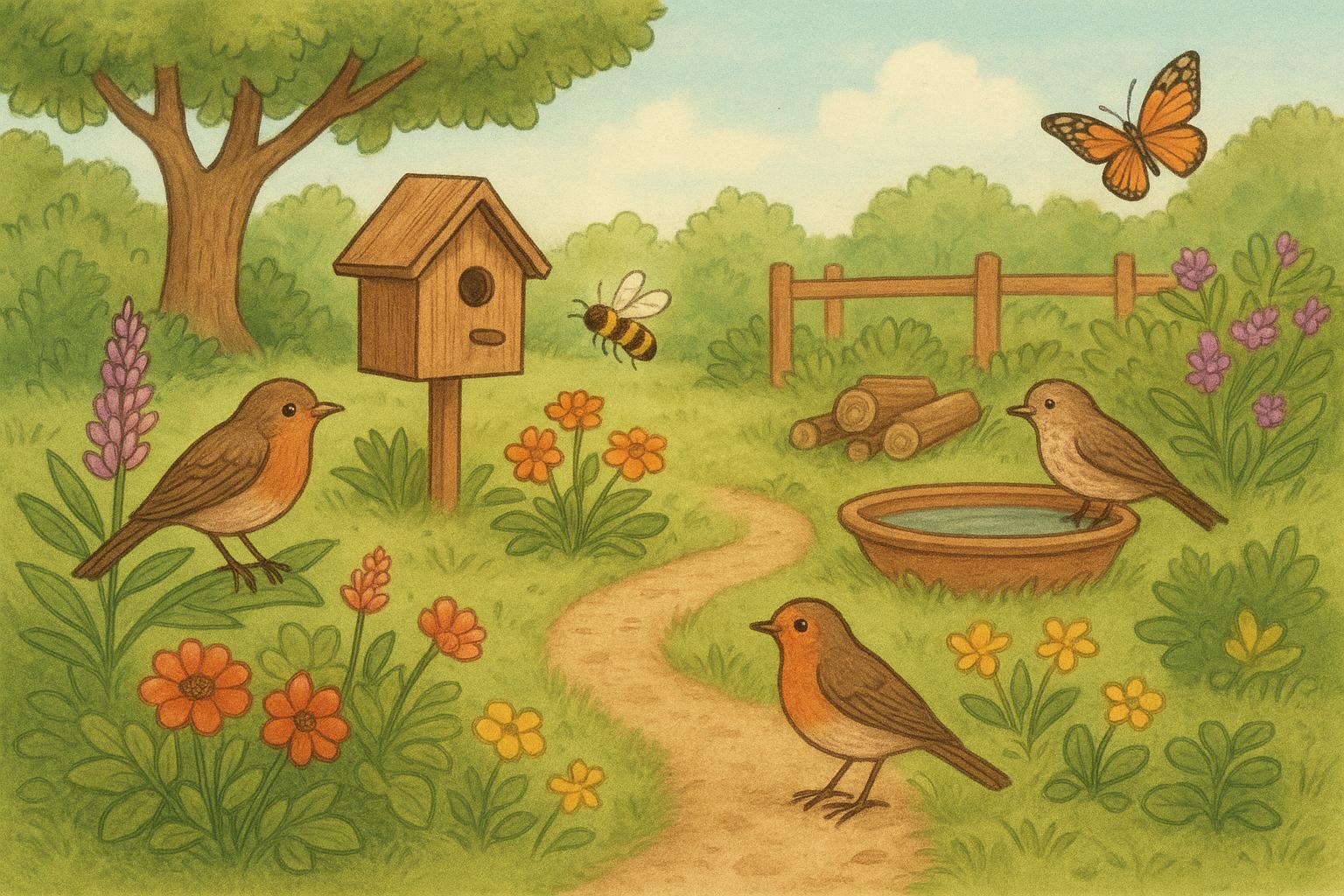
Start by taking a slow lap around your yard. Look for places that offer food, water, shelter, and safe nesting or resting spots. Native plants are the backbone of wildlife-friendly yards because they host the insects and seeds birds rely on. Note shade patterns, wind exposure, and any predation risks like easy cat access or low perches for hawks.
Try not to overthink it—wild creatures like complexity. A mix of heights (ground cover, shrubs, small trees) creates microhabitats and invites a greater variety of species. You don’t need a forest; a layered suburban yard does the job.
### Choosing The Right Bird Feeder And Food
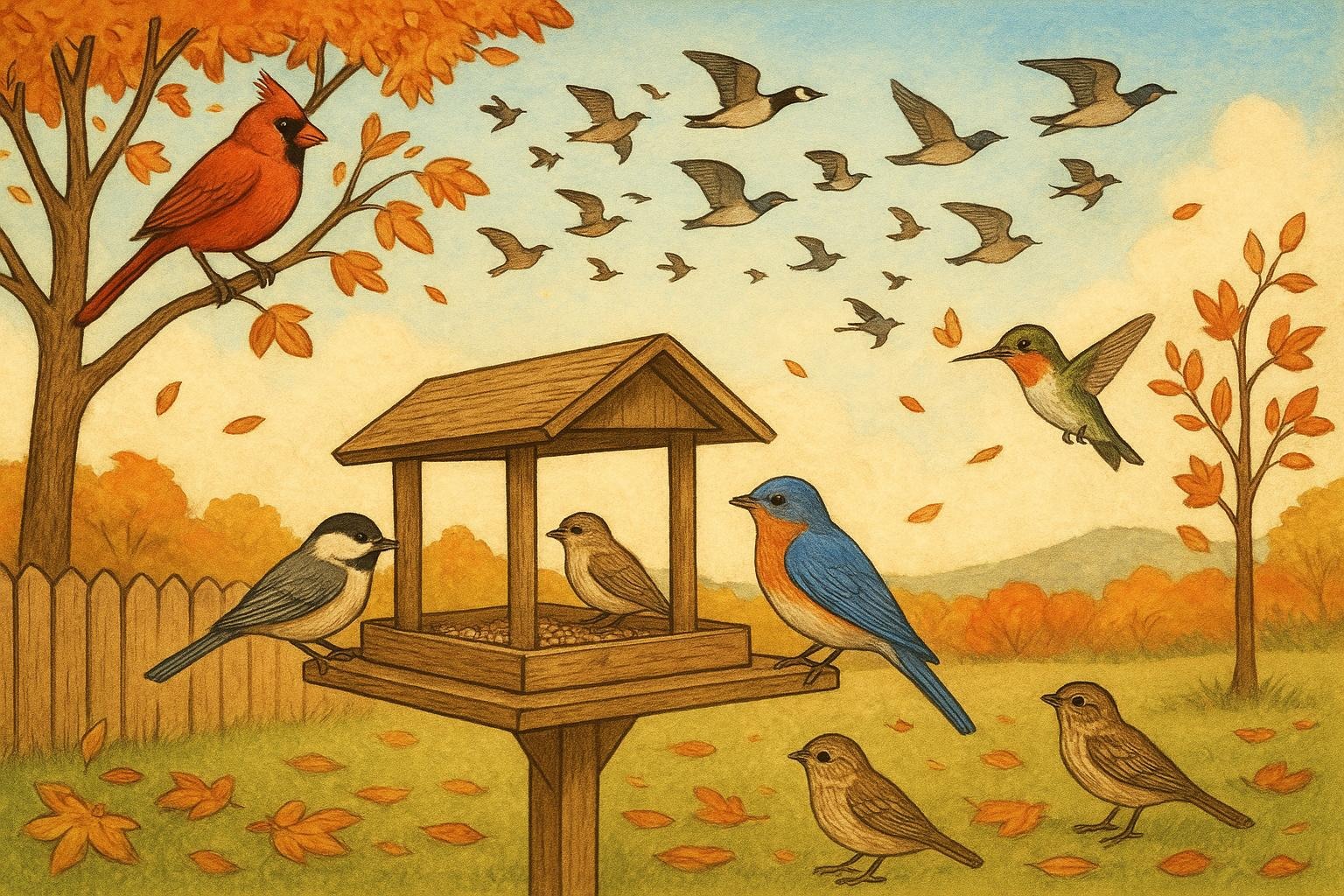
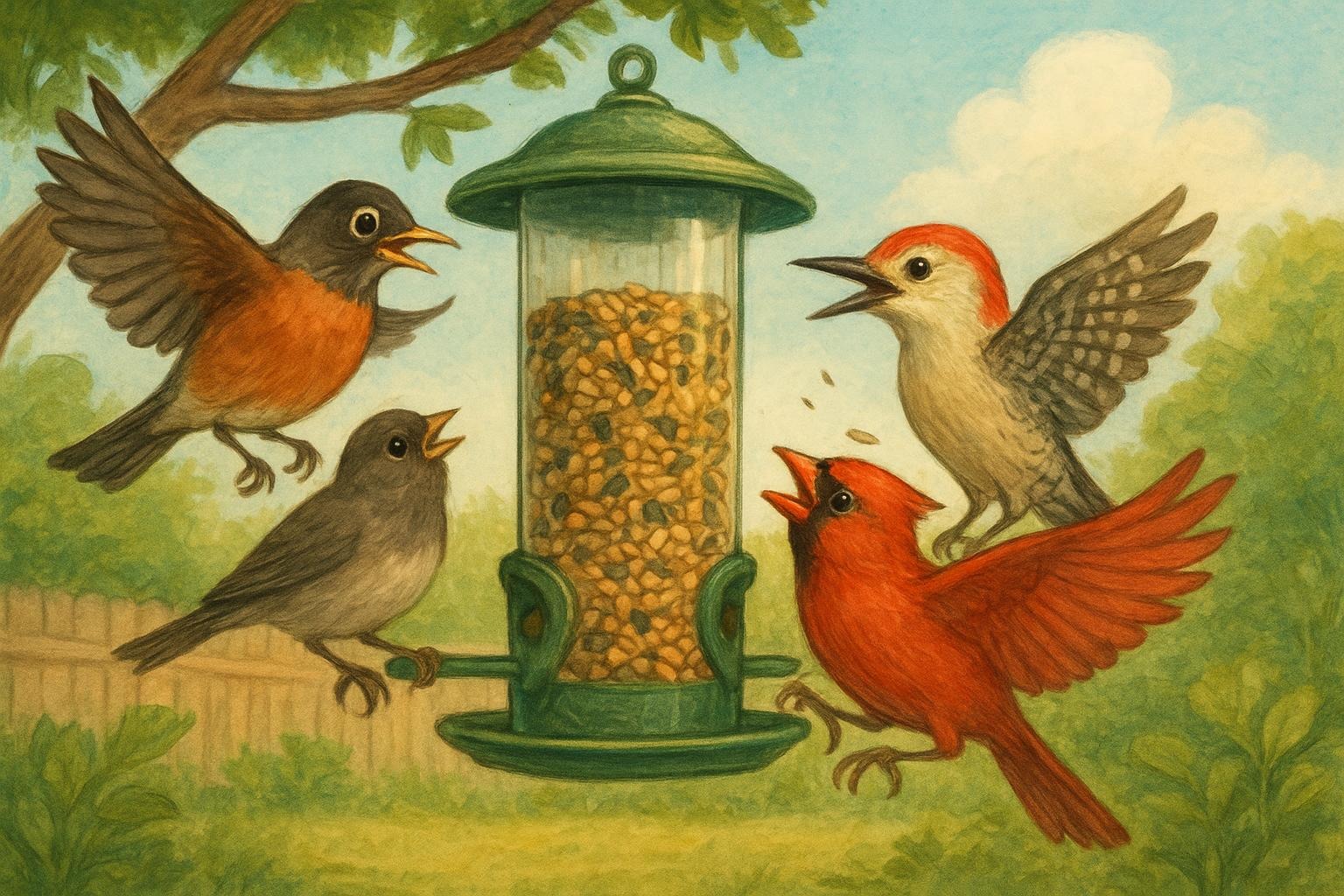
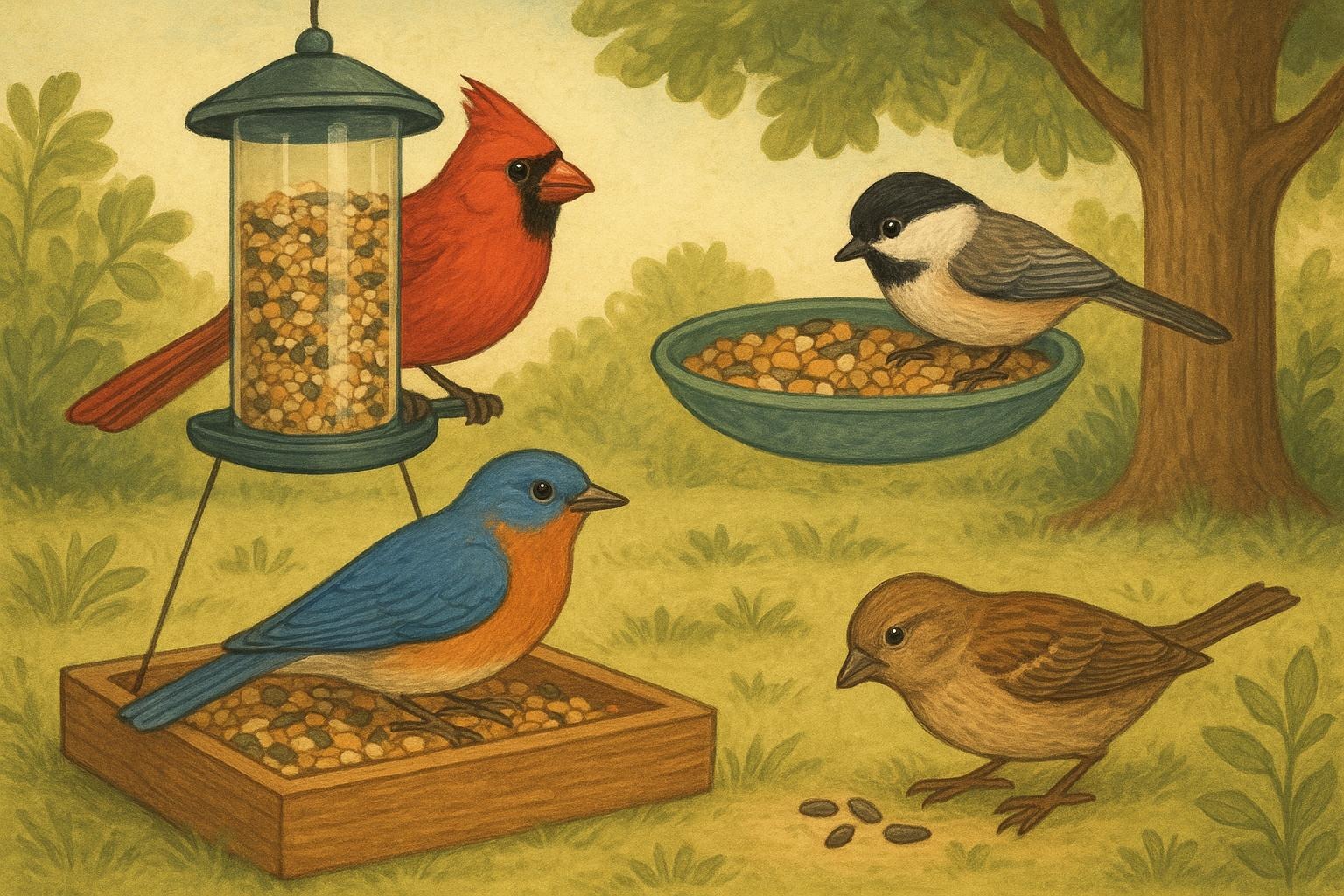
Choosing a bird feeder depends on which species you hope to attract. Tube feeders are great for finches and chickadees, platform feeders welcome ground-feeders like juncos, and hopper feeders are squirrel-attracting crowd favorites for cardinals and titmice. Use seed mixes appropriate for your local birds, but keep it simple: black oil sunflower seeds attract the widest range, suet is a high-energy spring favorite for insect-eating species, and nectar feeders bring hummingbirds if you’re in range.
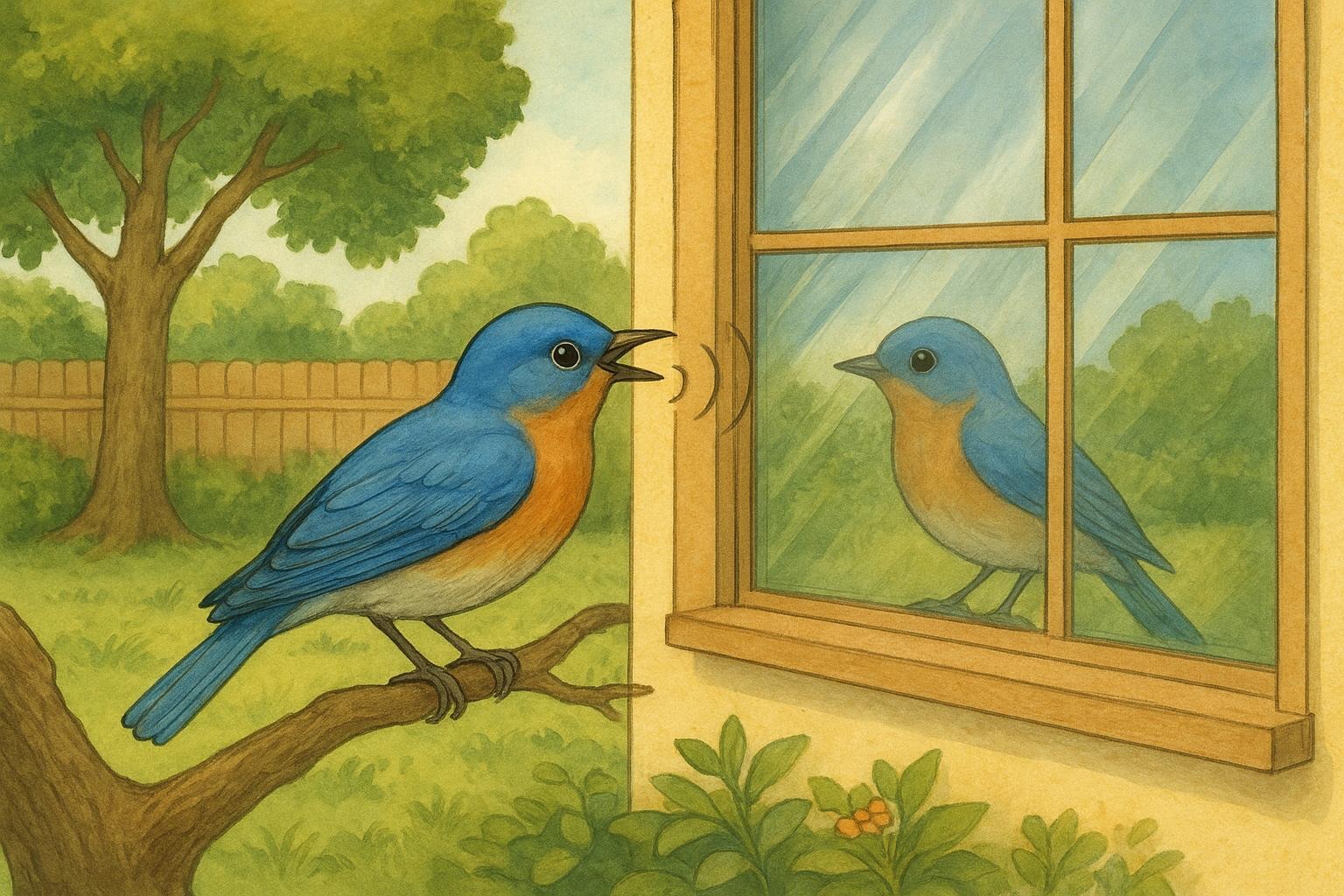
Placement matters. Position feeders within 10–30 feet of dense cover so birds can slip into safety, but far enough from windows to reduce strike risk. Alternating feeder types can increase diversity, but too many feeders too close together can stress birds — think of it like buffet layout and personal space.
#### Placement And Safety Considerations
– Place feeders 10–30 feet from windows, or use decals and angled placement to reduce collisions.
– Keep feeders 4–6 feet off the ground to deter neighborhood cats where possible, or install baffles.
– Position feeders near shrubs or trees for quick refuge but avoid dense thickets that conceal predators.
– Maintain clear sightlines for birds to see predators, and keep a tidy area underneath feeders to reduce disease spread.
### Remedy 1: Build A Simple Pinecone Suet Bird Feeder
This is a great starter project: inexpensive, effective, and adored by woodpeckers, nuthatches, and chickadees. Instructions are formal here to ensure safety and effectiveness.
Materials
– Large, open pinecone (clean and dry)
– 1 cup rendered beef suet or vegetable shortening (for a vegetarian option)
– 1/2 cup natural peanut butter (make sure it contains no xylitol; xylitol is toxic to wildlife)
– 1 cup bird seed mix (black oil sunflower preferred)
– Twine or sturdy string for hanging
– A small saucepan and bowl for mixing
– Spoon and wax paper or tray for cooling
Steps
1. Melt the suet or shortening in a small saucepan over low heat until liquefied. Remove from heat.
2. Stir in the peanut butter until fully combined, creating a smooth mixture.
3. Add the bird seed and mix thoroughly while the mix is still warm so seeds adhere.
4. Using a spoon, pack the mixture into the crevices of the pinecone. Work quickly before it cools.
5. Lay the stuffed pinecone on wax paper or a tray and allow it to cool and solidify completely (30–60 minutes in a cool room; refrigeration speeds this).
6. Tie a loop of twine securely around the top scales of the pinecone for hanging.
7. Hang the suet pinecone feeder from a branch or dedicated hook, ideally near cover but visible for enjoyment.
Application Notes
– Replace suet feeders in hot weather if they become rancid or soft. Use vegetable shortening instead of suet in warm climates to reduce melting.
– Monitor feeders for mold or spoilage and discard if contaminated.
– Place feeders at a safe height to reduce access by domestic pets.
### Remedy 2: Clean And Sanitize Feeders Safely
Regular cleaning is critical to reduce disease transmission. This remedy is procedural and formal to ensure efficacy.
Materials
– Rubber gloves
– Scrub brush dedicated to feeder cleaning
– Mild dish soap
– Household bleach (unscented)
– Clean water for rinsing
– Towel or drying rack
Steps
1. Remove leftover seed and debris from the feeder. Dispose of old seed away from feeding areas.
2. Soak the feeder in warm, soapy water for 10–15 minutes to loosen grime.
3. Scrub all surfaces with a brush, paying attention to corners and perches.
4. Prepare a sanitizing solution of 1 part bleach to 9 parts water (10% solution).
5. Submerge the feeder in the bleach solution for at least 10 minutes to disinfect.
6. Rinse thoroughly with clean water until no bleach odor remains.
7. Air dry completely on a towel or drying rack before refilling to prevent mold growth.
Application Notes
– Clean feeders every 2–4 weeks in normal conditions; increase frequency if you see heavy use, droppings, or bird illness signs.
– Wear gloves and avoid breathing bleach fumes; work outdoors or in a well-ventilated area.
– For plastic feeders sensitive to bleach, use a vinegar solution (1 part white vinegar to 4 parts water) but note that vinegar is less powerful than bleach.
#### Seasonal Planting To Complement Feeders
Planting native bushes and perennials offers natural food and shelter, and can reduce dependency on feeders over time. Consider shrubs that produce berries in spring and early summer, and native flowering plants for insects that fledglings will need.
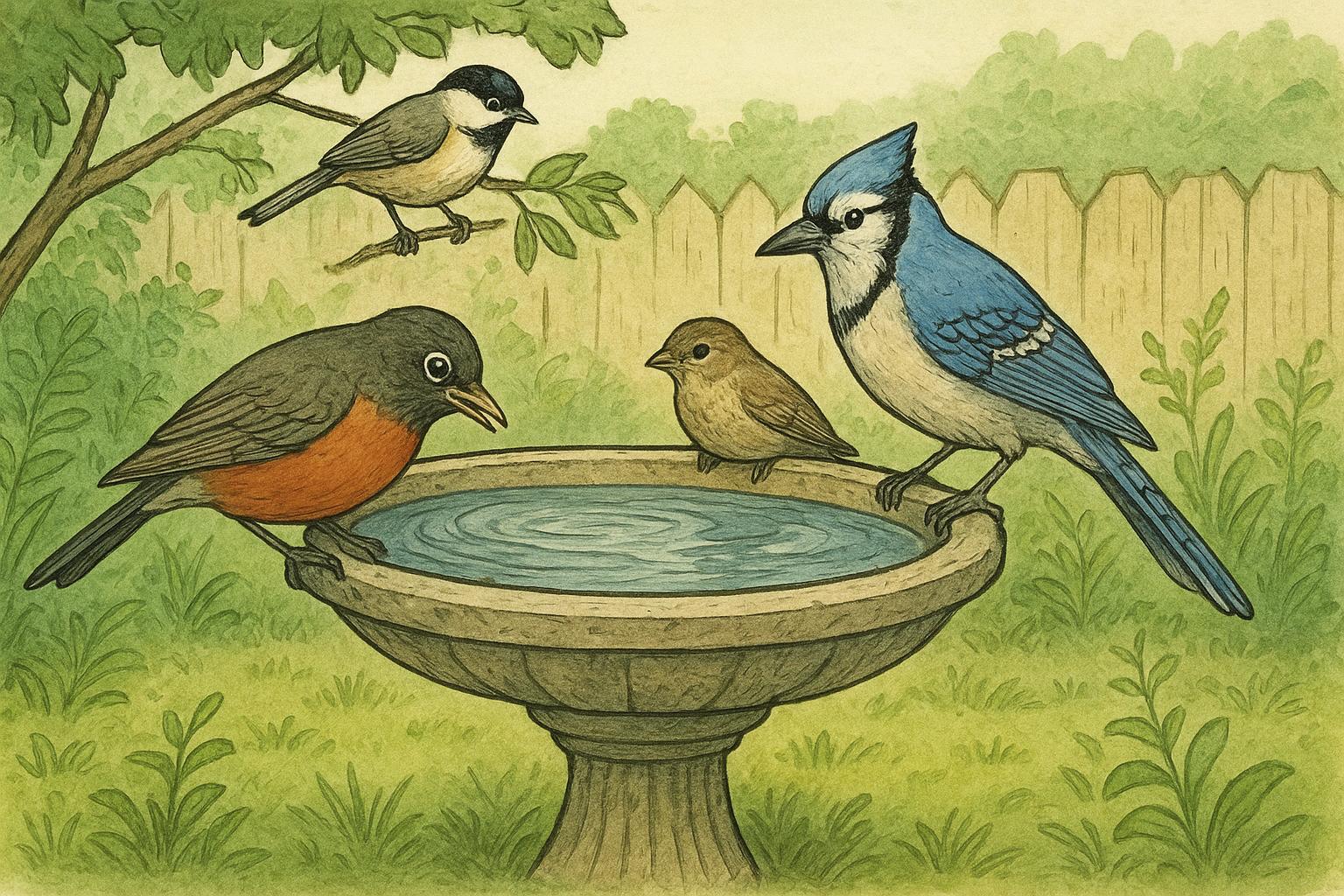
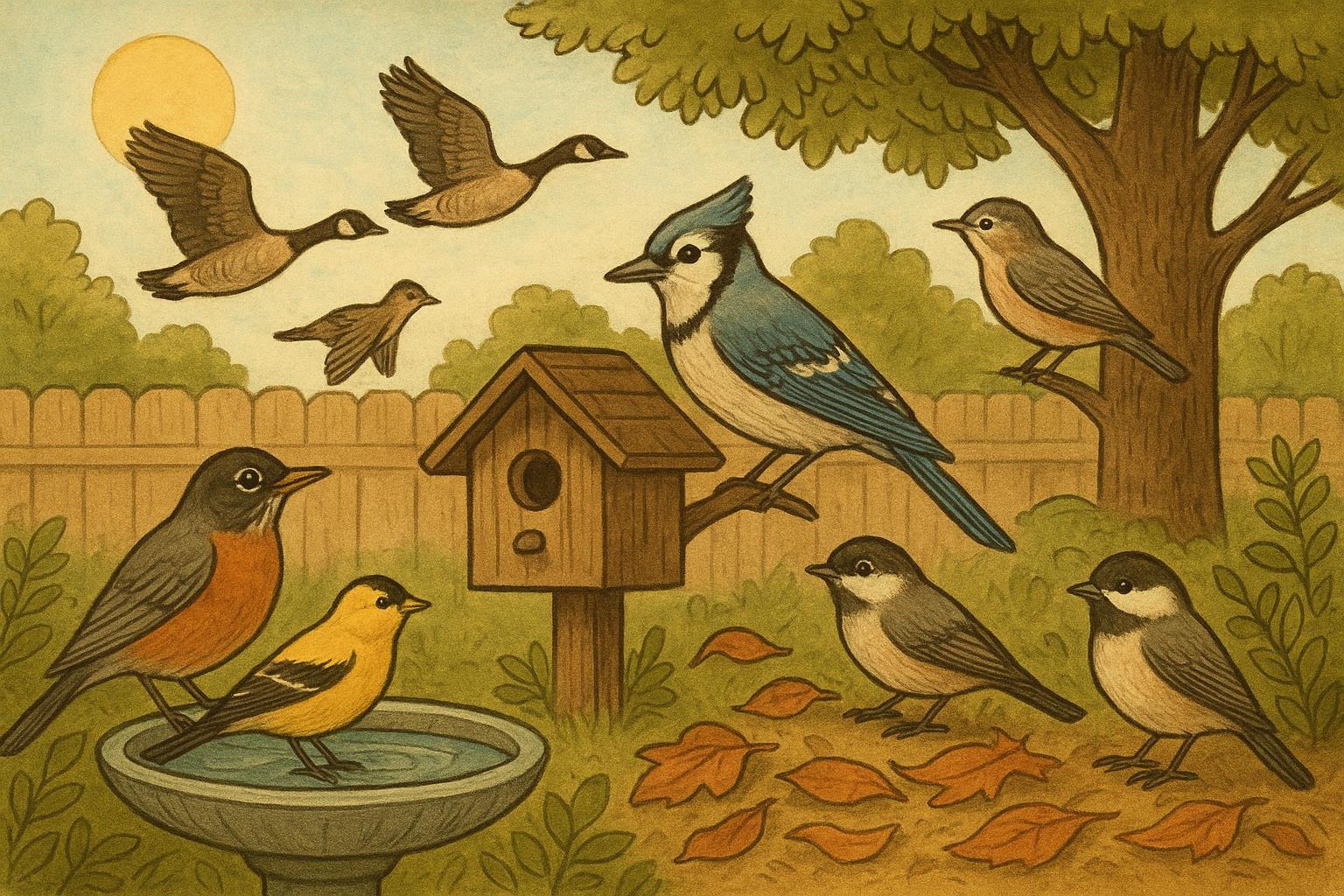
Include a small water feature like a shallow birdbath with a dripper — birds love moving water, and it helps with hygiene at the bathing site. Clean water often and keep an eye on freezing conditions; a heated bath in late winter/early spring is a delightful feature.
## Attracting Diverse Species Without Attracting Pests
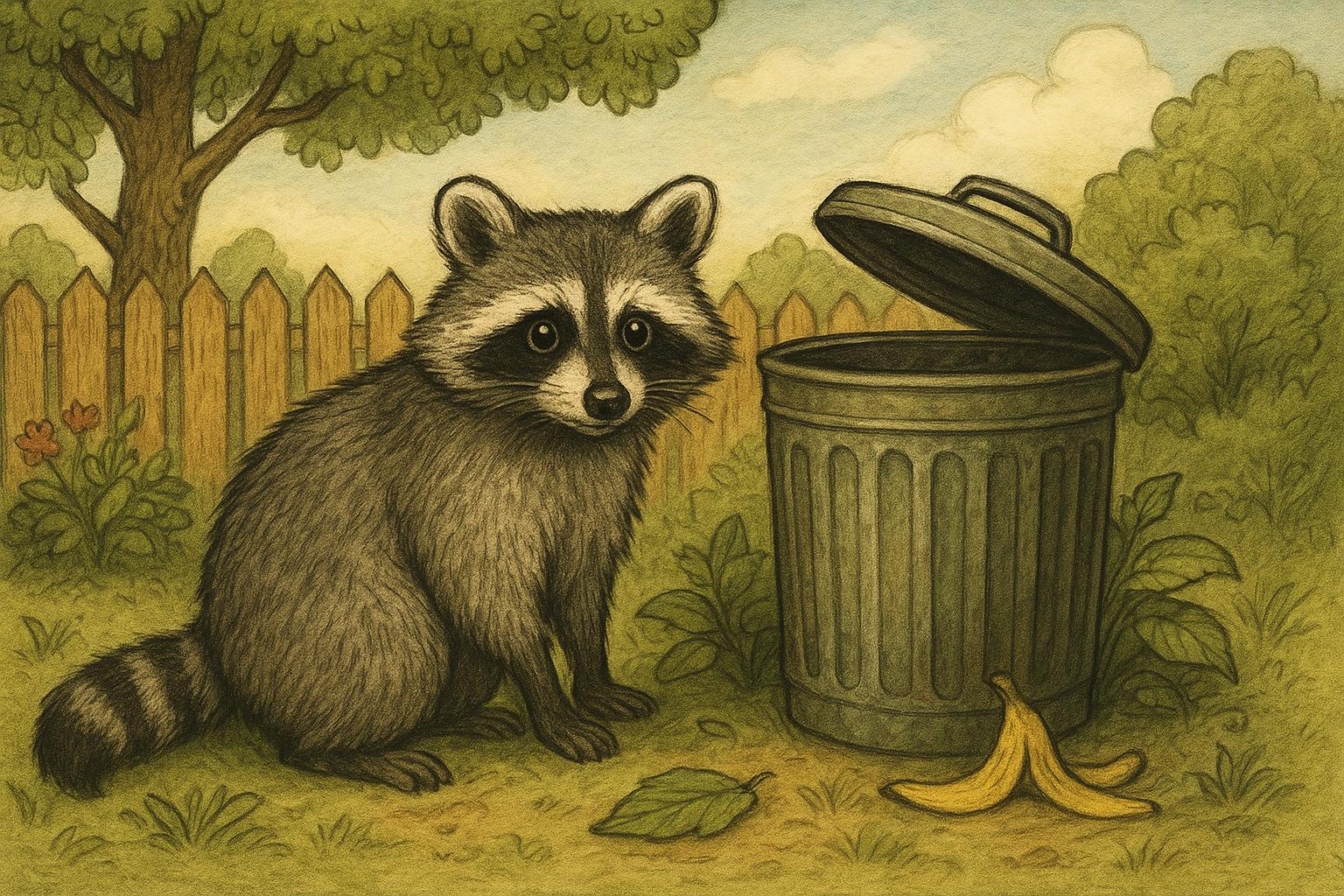
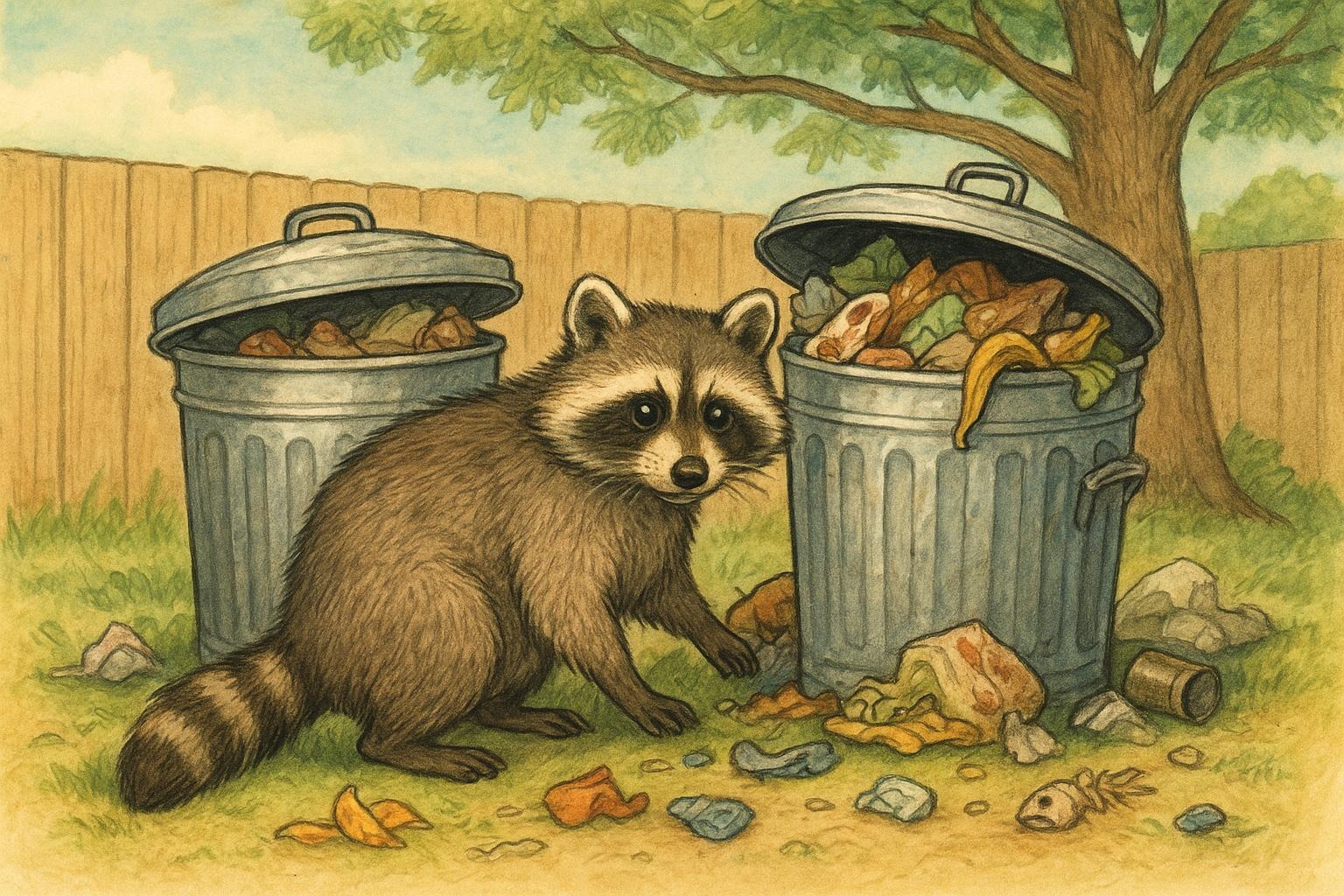
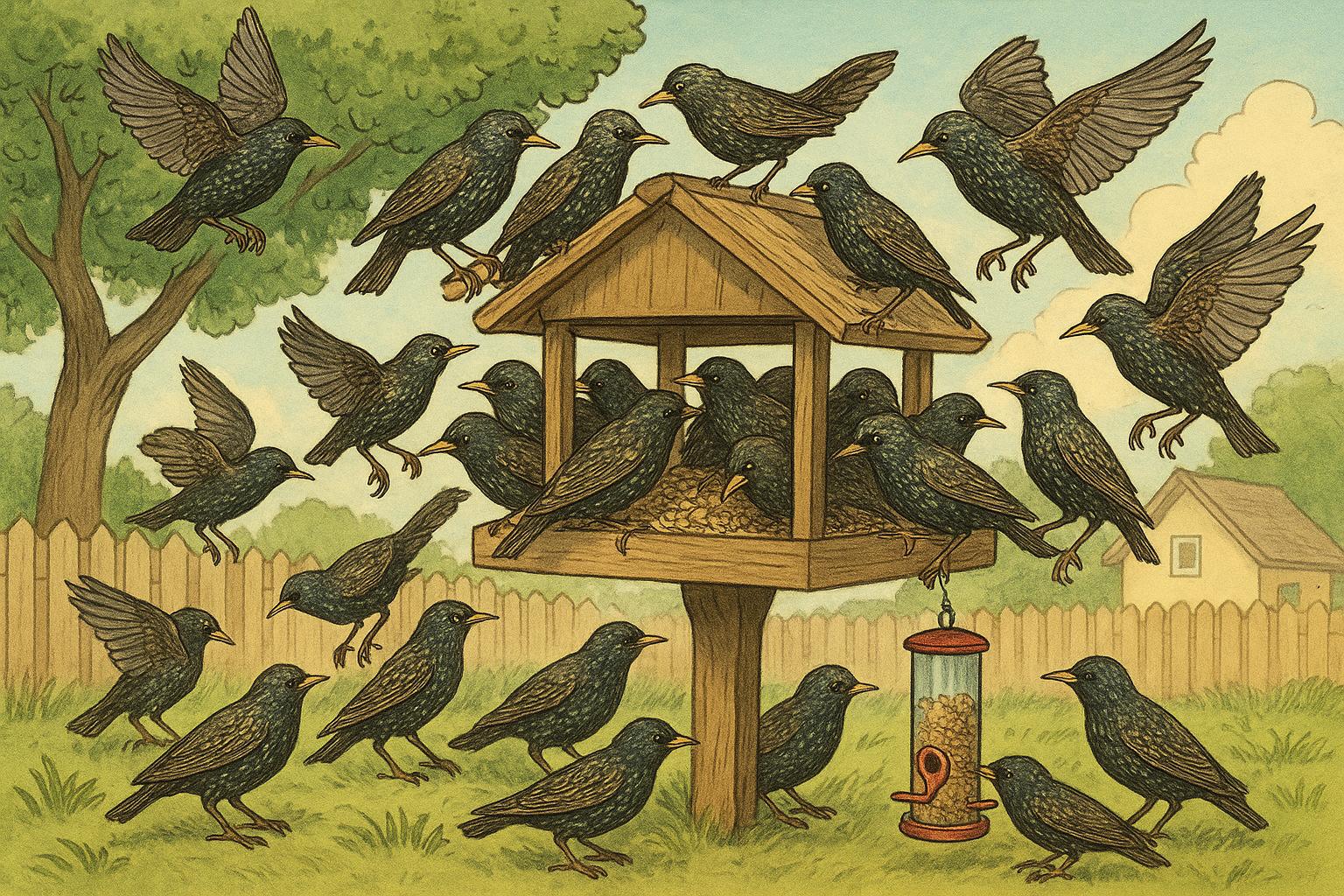
A thoughtful feeder plan avoids turning your yard into a neighborhood buffet for raccoons and invasive pigeons. Use these tactics to keep the guest list curated.
– Offer foods that target desired species (e.g., nyjer for finches, suet for woodpeckers).
– Use squirrel-proof feeders or baffles to limit access by larger mammals.
– Place feeders over gravel or hard surfaces that are uncomfortable for rodents, and pick up spilled seed daily.
– Avoid corn and mixes that contain a lot of filler; they attract fewer desirable birds and more nuisance species.
### Monitoring And Recording Visitors
Keeping a simple log of who visits helps you understand what works and what doesn’t. Note date, time, species, and behavior. This can inform seasonal adjustments in food, feeder placement, and planting.
Citizen-science platforms like eBird benefit from backyard observations and can help track migration timing in your area. Recording also adds to the quiet joy of watching a yard evolve with the seasons.
#### Small Touches That Make You And The Birds Happier
A bench in the shade, binoculars stashed near a window, or a camera pointed at a feeder can amplify your enjoyment. Don’t forget that patience is part of the plan; it takes a few weeks for birds to discover new resources and even longer for plantings to mature.
Aim for incremental improvements: one feeder placed thoughtfully, a couple of native shrubs, and a regular cleaning routine will make your yard a springtime hotspot. And if a cardinal gives you the side-eye for breaking a peanut in public, chalk it up to appreciation and move on to the next seed.







Leave a Reply