
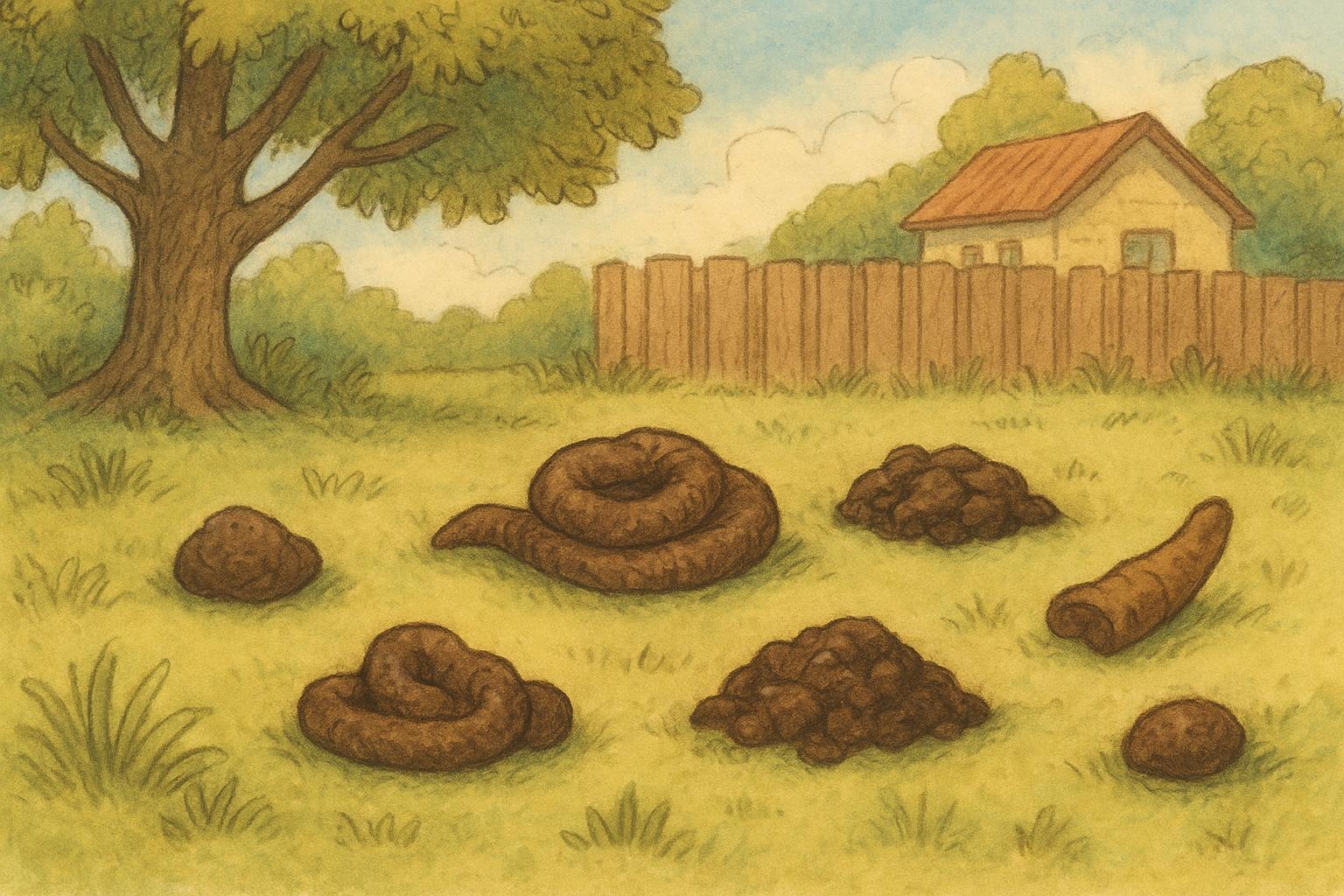
Finding a mysterious deposit in the yard can be a bit like getting a surprise postcard from someone you didn’t invite. A little gross, a little intriguing, and worth figuring out. This guide will help you distinguish between wildlife feces and pet waste, identify likely culprits, and—when needed—clean up and prevent future visits with safe, practical remedies.
## Wildlife Feces: How To Tell If It’s Scat Or Pet Waste
A quick heads-up: “wildlife feces” is a catch-all term I’ll use throughout to mean droppings produced by animals that don’t live in the house as a pet. The easiest way to start is by comparing the droppings you find to what your pets normally produce. If it’s not your dog or cat, odds are it’s wildlife. But there are helpful clues beyond the obvious.
### Size, Shape, And Texture Clues
Different animals leave markedly different signatures.
#### Small Round Or Pellet-Like
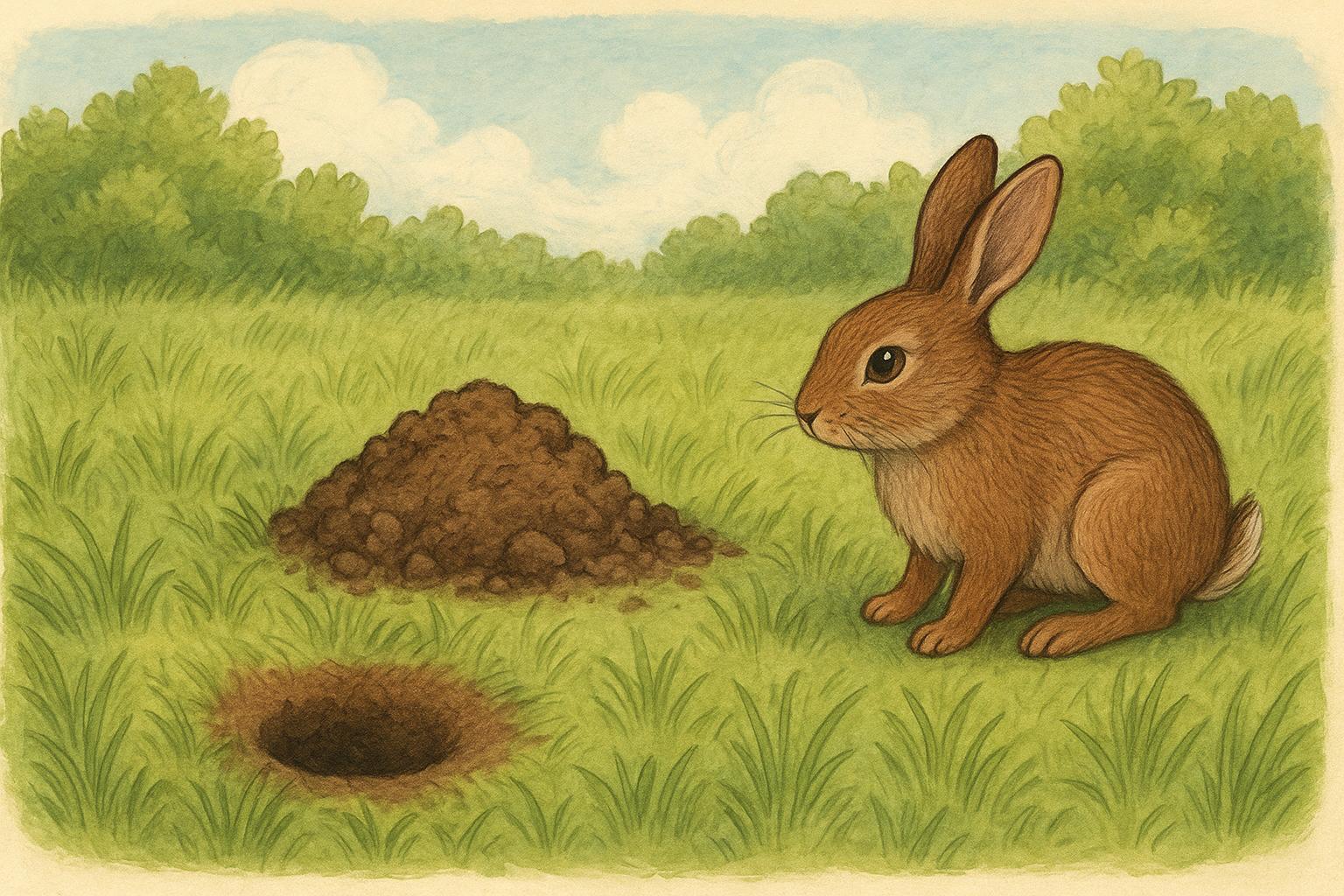
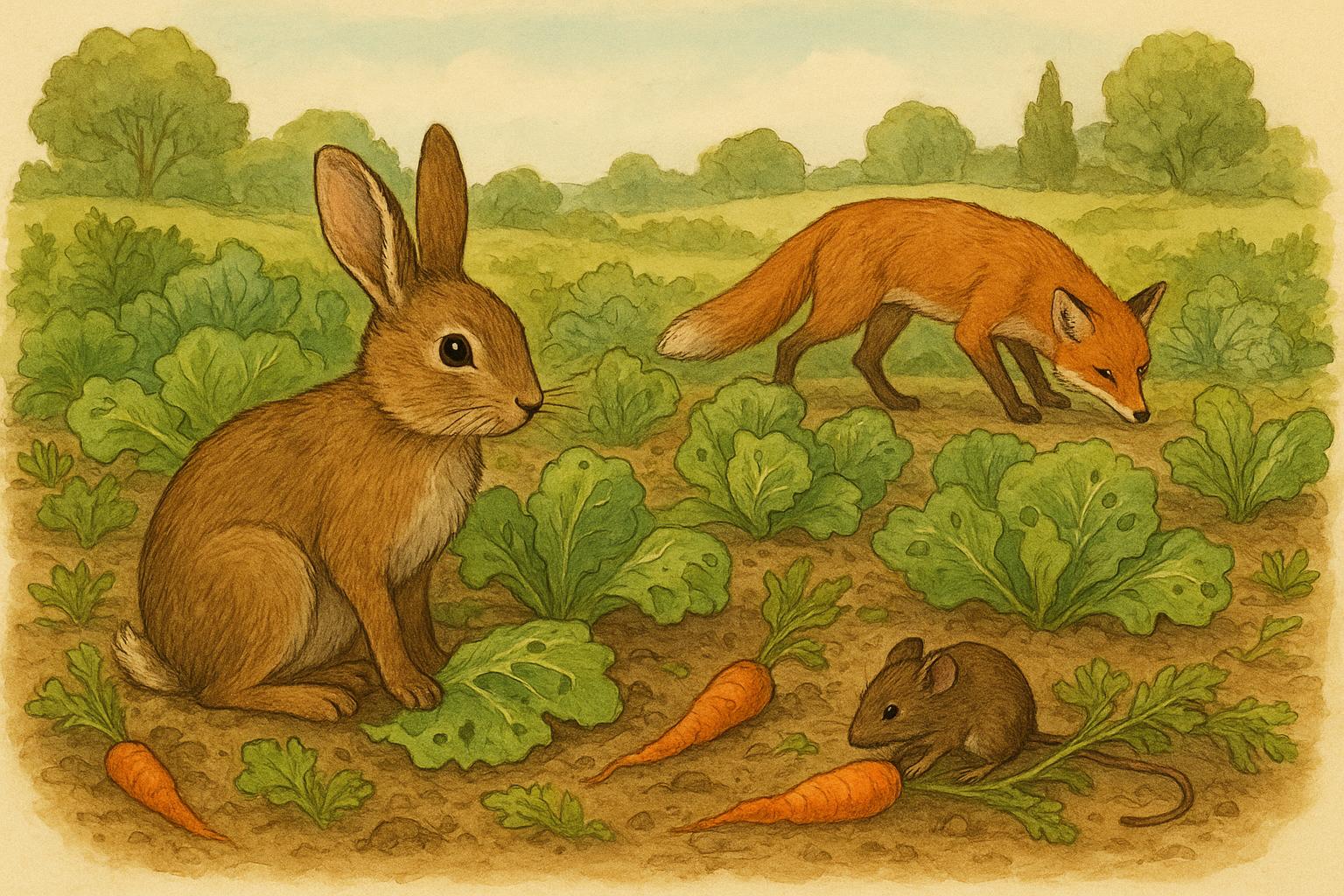
Rabbits, rodents (mice, rats, voles), and some birds leave small round pellets. Rabbit droppings are smooth, uniform, and about the size of peas. Rodent droppings tend to be smaller and can be tapered.
#### Tubular With Tapered Ends
Foxes, coyotes, raccoons, and domestic dogs commonly leave tubular scat. Dog feces are often uniform and soft if the dog is well fed, while fox and coyote scat may contain fur, bones, feathers, or fruit remnants. Raccoons sometimes produce segmented droppings and may leave scat near water or on elevated surfaces.
#### Long, Twisted, Or Messy
Deer produce cylindrical, fibrous pellets or larger tubular droppings depending on diet. Bears create large, noodle-like masses often with fruit seeds. Opossums produce smallish, tapered droppings that can look messy.
#### Color And Contents
The diet shows up in the droppings: seeds, berries, insect parts, bones, fur, or undigested pet food. Bright orange or red bits likely indicate berries. Presence of rodent fur or bones suggests a carnivore. These content clues can distinguish wildlife feces from pet waste that’s often more uniform and predictable.
### Contextual Clues: Where And When You Find It
Time and place matter.
#### Location
Pet waste is usually near paths, gates, or places your pet frequents. Wildlife feces often appear along edges, in dense vegetation, on compost piles, or near gardens and bird feeders. Raccoons may leave scat on elevated surfaces like low tree branches or walls.
#### Timing
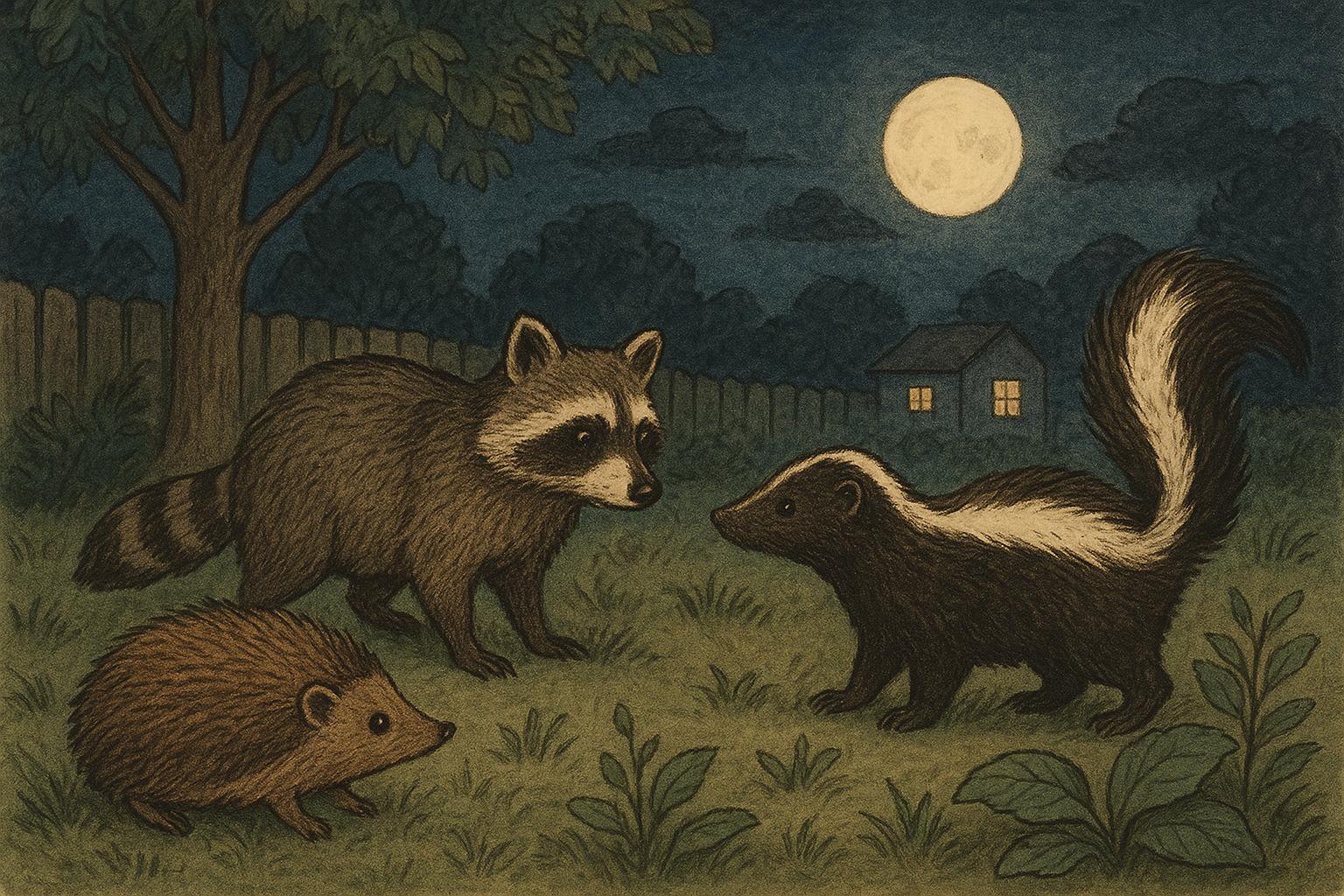
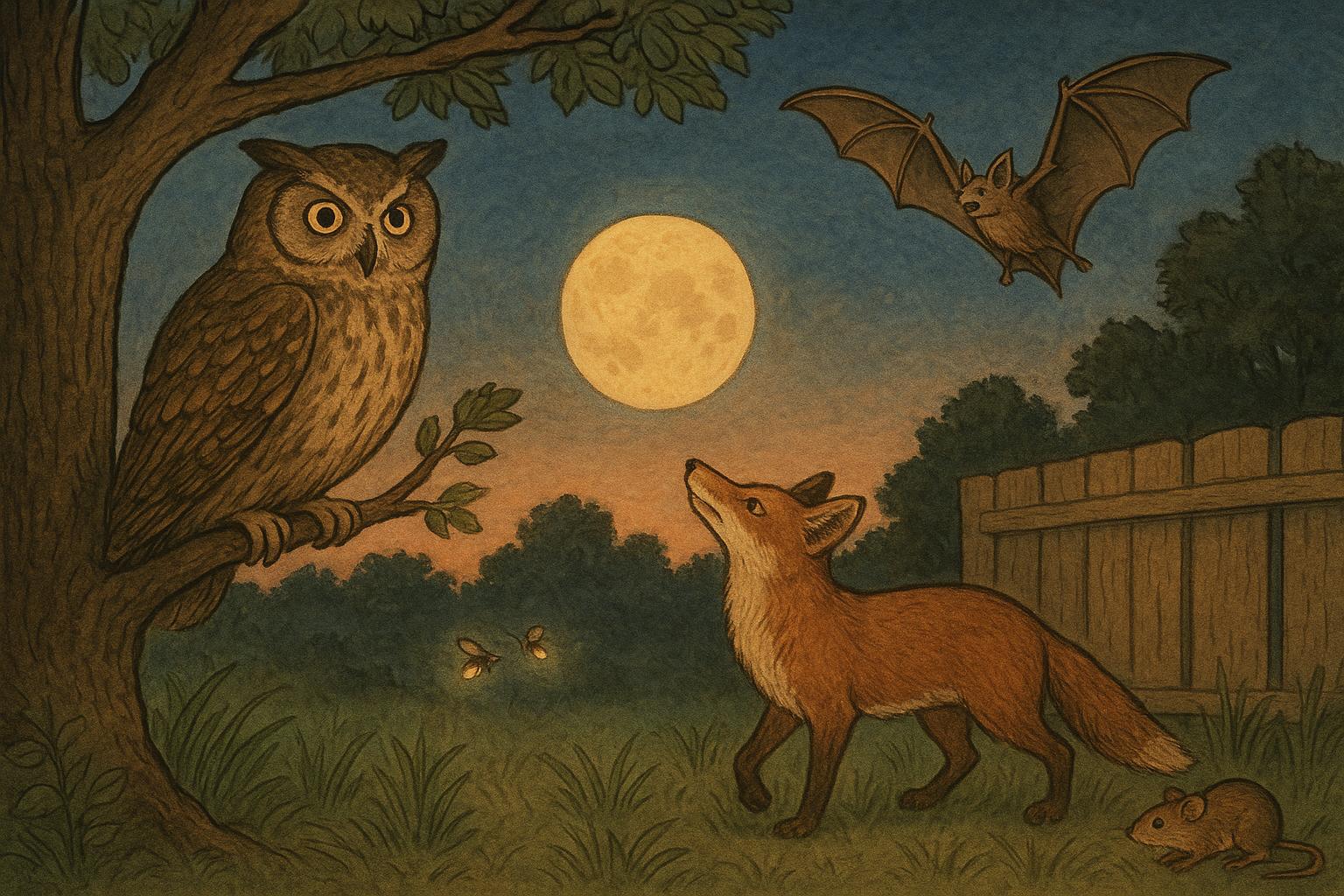
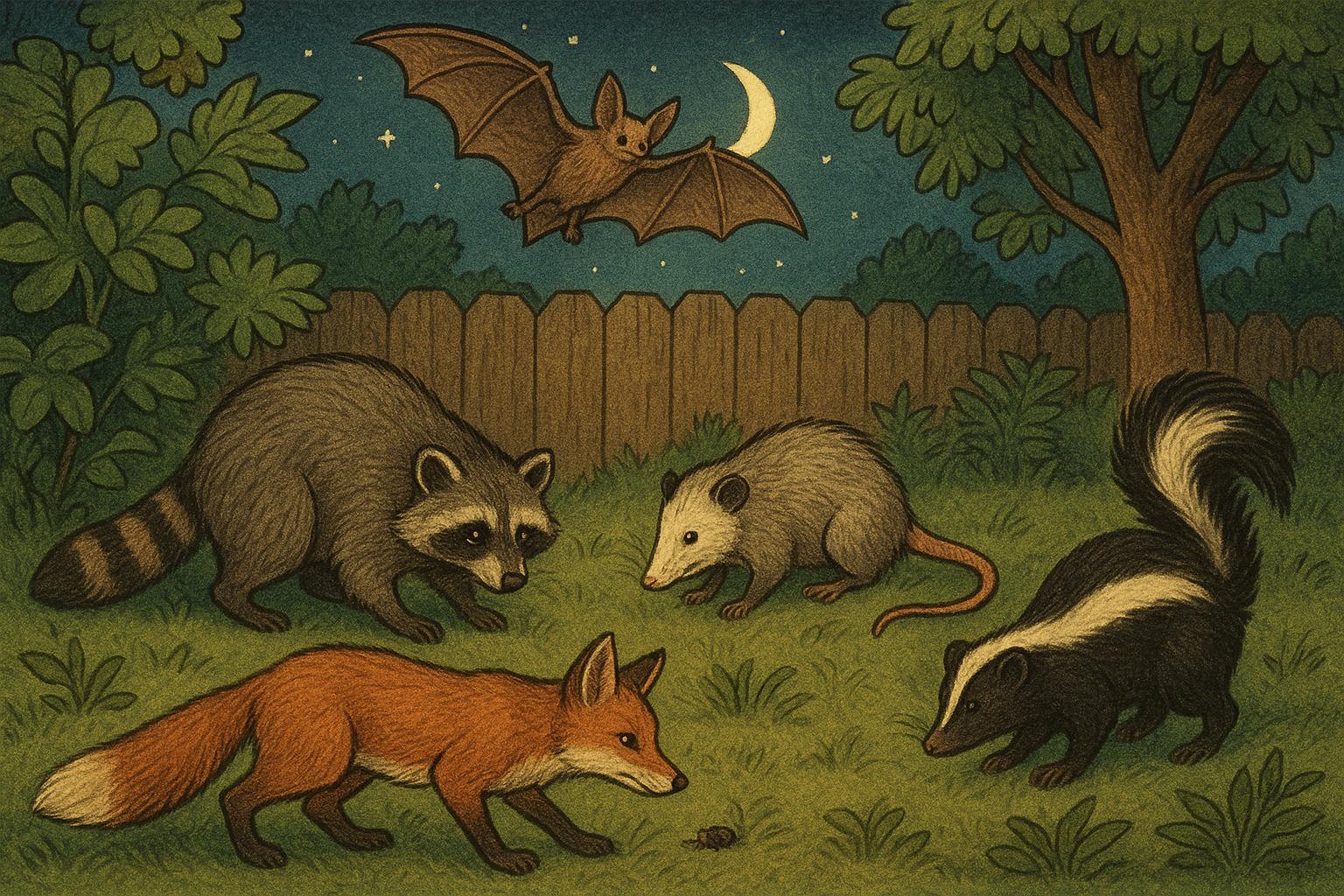
Nighttime visitors (raccoons, foxes, opossums) leave fresh scat in the morning. If you see droppings only in the early hours, wildlife is a likely suspect.
### Risk Factors And Health Notes
Because wildlife feces can carry parasites and pathogens (like roundworm, salmonella, or leptospira), it’s wise to treat any unknown dropping as potentially hazardous. Keep kids and pets away until you identify and safely remove it.
## Recognizing Common Yard Culprits
A few species are responsible for most backyard deposits. Knowing their signatures can save you a lot of guesswork.
### Raccoon
Raccoon scat varies but often includes undigested food, insect parts, and seed material. They may leave droppings in a conspicuous “latrine” spot they reuse.
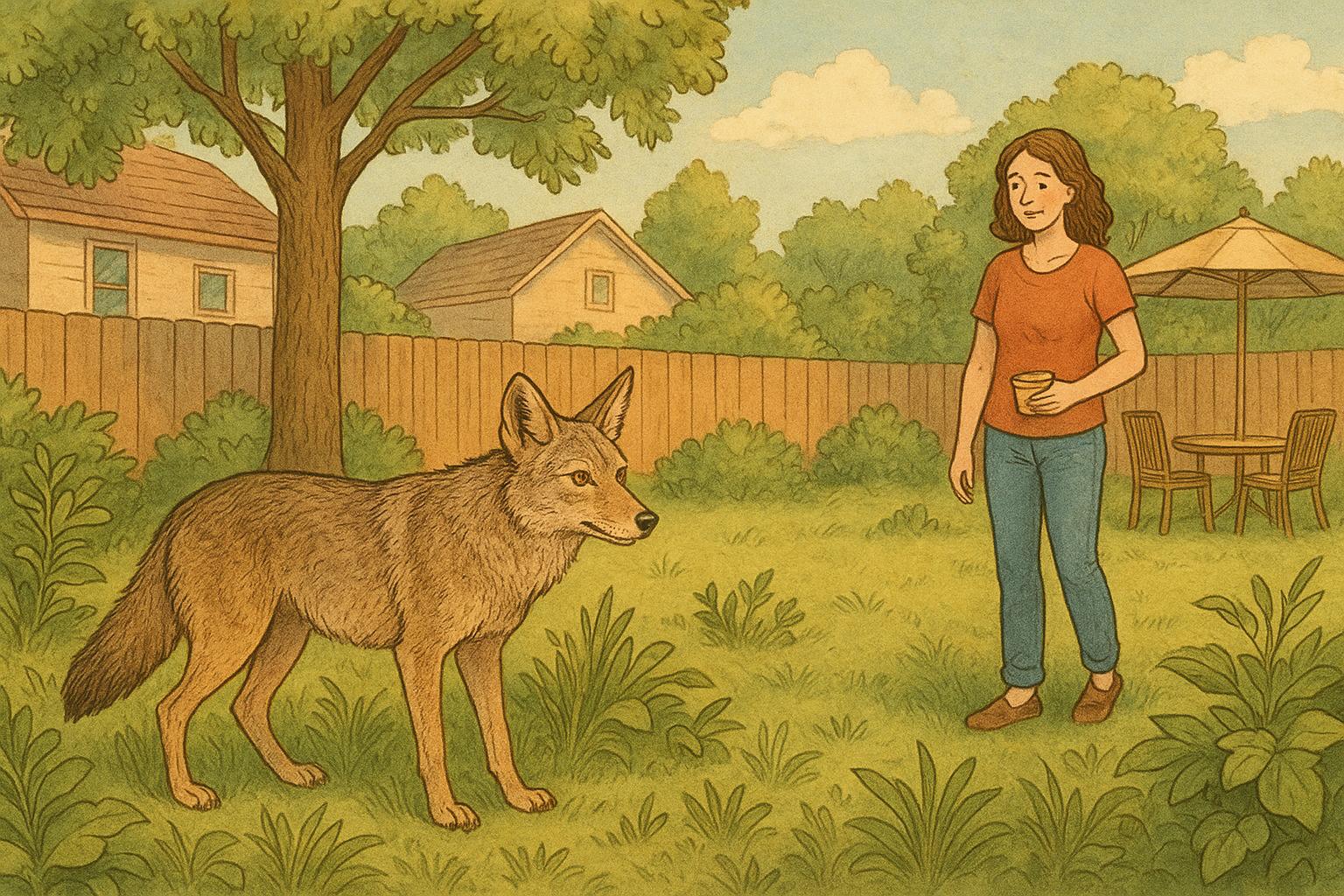
### Fox And Coyote
These canids leave tubular scat, sometimes twisted, often with fur or bone fragments from prey. Urban foxes may also leave droppings containing human food waste if they scavenge.
### Deer
Deer pellet groups are common in grassy or brushy areas. Smaller pellets often indicate a smaller deer or a doe.
### Rodents And Rabbits
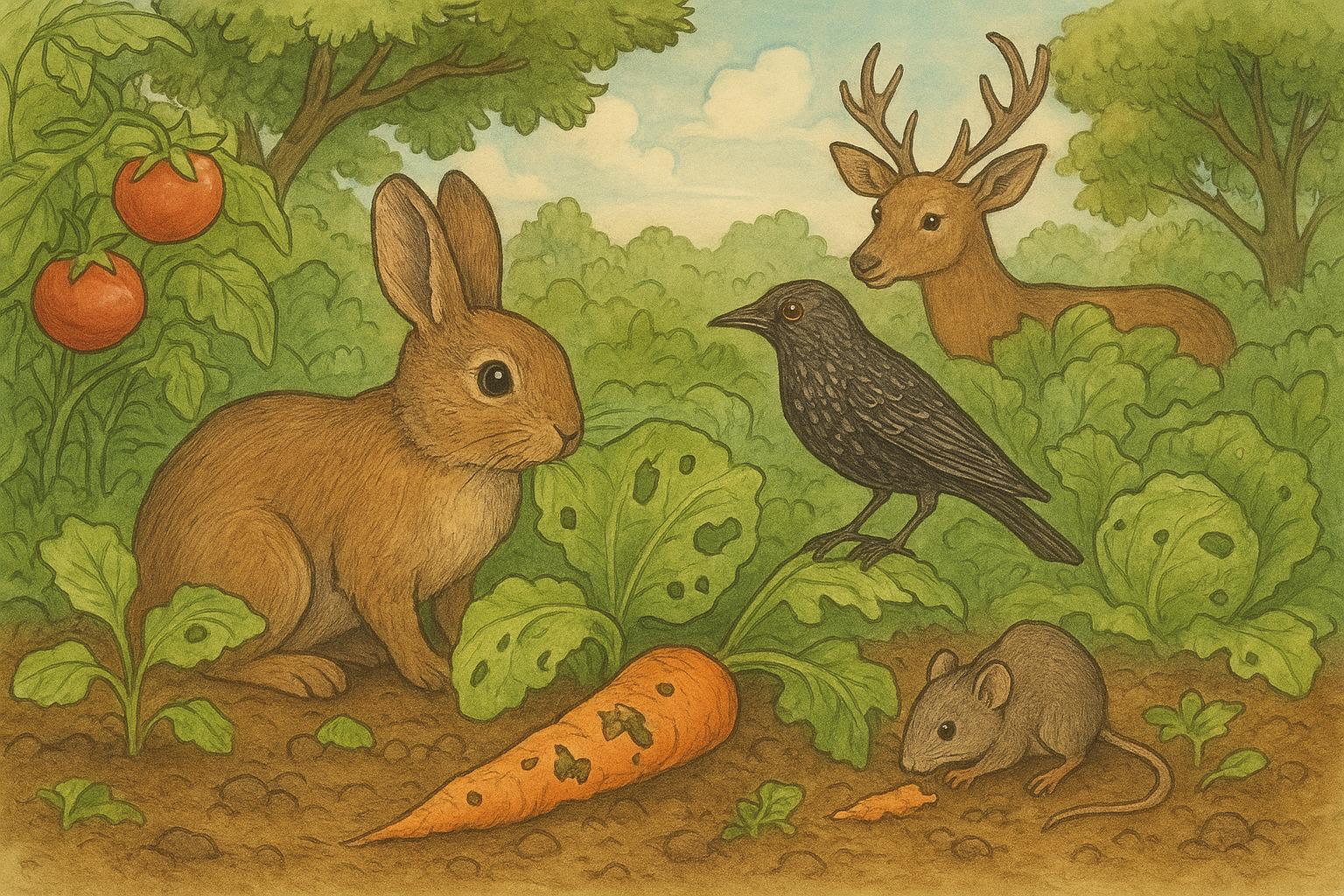
Pellet-like droppings around garden beds usually point to rodents or rabbits. Rabbits tend to leave neat piles; rodents scatter.
### Birds And Bats
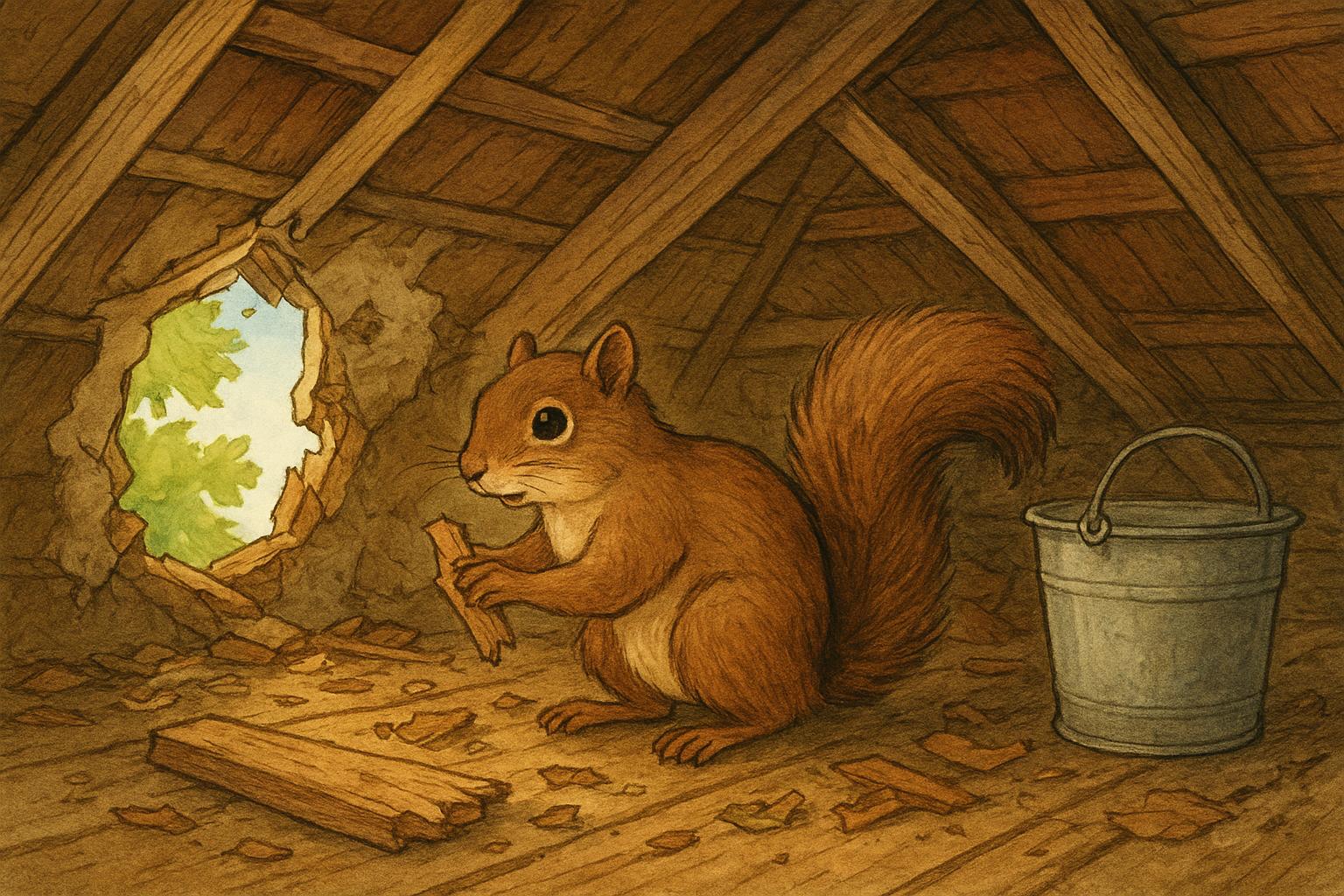
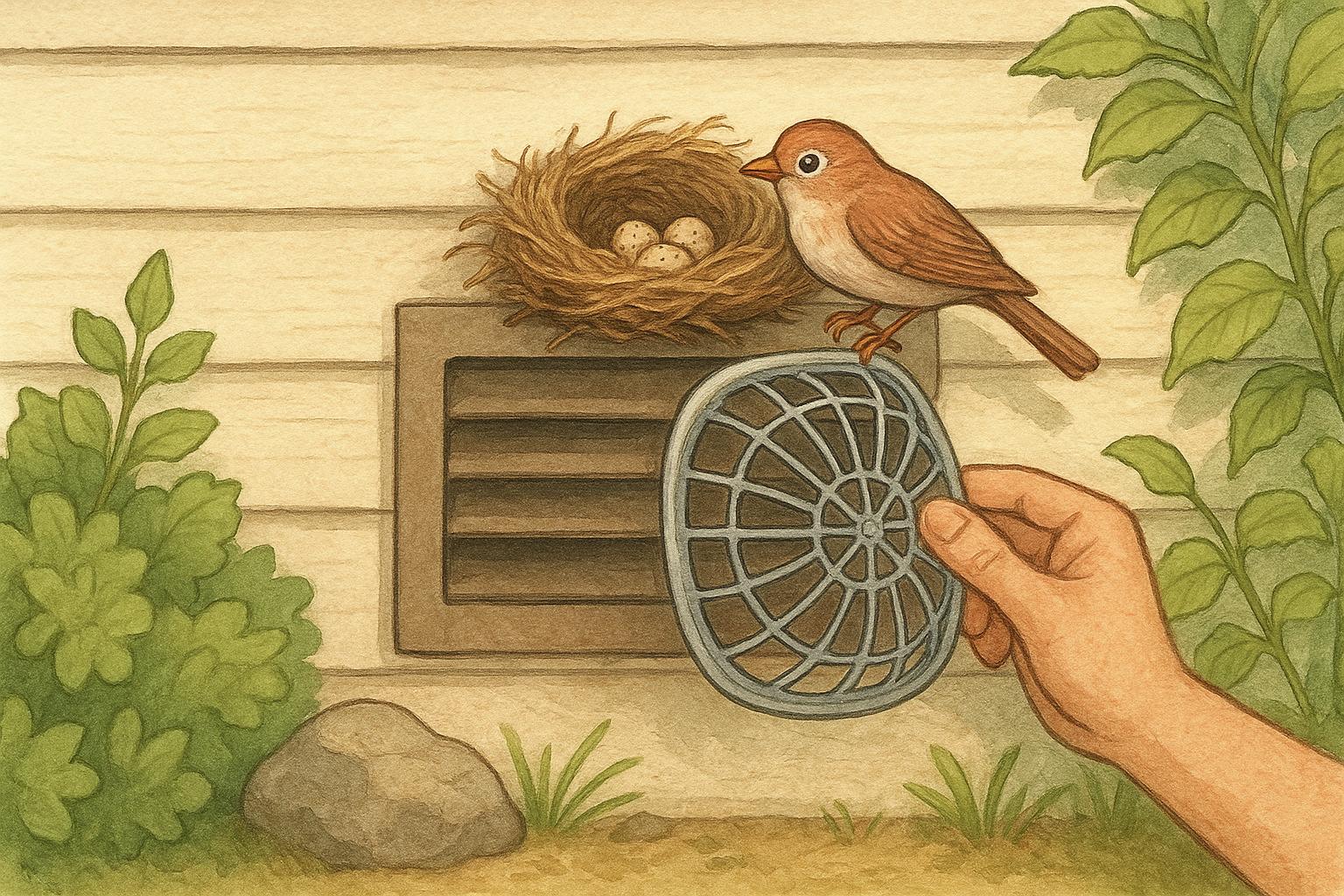
Bird droppings are more liquid and splattery; bat droppings (guano) are crumbly and granular, often found near attics or under eaves.
## 1. Removal And Sanitation (Remedy)
When the goal is safe removal and disinfection, follow a methodical approach. This remedy reduces health risk and discourages repeat behavior.
Ingredients / Required Materials:
– Disposable gloves (nitrile or heavy-duty rubber)
– Stiff scoop, shovel, or disposable scooping tool
– Plastic bags (double-bagging recommended)
– Household bleach OR a commercial disinfectant registered for use on outdoor surfaces
– Water and spray bottle or garden sprayer
– Paper towels or disposable rags
– Optional: face mask (surgical or N95) if concerned about aerosols
Step-By-Step Creation And Application:
1. Put on gloves and, if desired, a face mask. Avoid direct skin contact with droppings.
2. Use the scoop or shovel to pick up the feces. Place it directly into a plastic bag. For small amounts on porous soil, remove the top layer of soil if possible.
3. Seal the bag and place it in a second bag before disposing of it in the trash. Do not compost wildlife feces.
4. For hard surfaces (patios, sidewalks), prepare a disinfectant solution: 1 part household bleach to 9 parts water. Apply with a spray bottle or garden sprayer.
5. Saturate the contaminated area and allow the disinfectant to sit for at least 10 minutes to inactivate pathogens.
6. Wipe the area with disposable paper towels and dispose of them in a sealed bag.
7. For soil or mulch that’s heavily contaminated, remove and replace the material. Afterwards, wash hands thoroughly even if you wore gloves.
Safety Notes: Never use bleach on plants or grass. Avoid creating aerosols (do not vacuum or brush dried feces). If you suspect rabies or bat guano inside structures, consult local health or wildlife authorities.
## 2. Humane Deterrents And Behavior Changes (Remedy)
Reducing attractants is the most effective long-term method to stop wildlife from leaving droppings in the yard.
Ingredients / Required Materials:
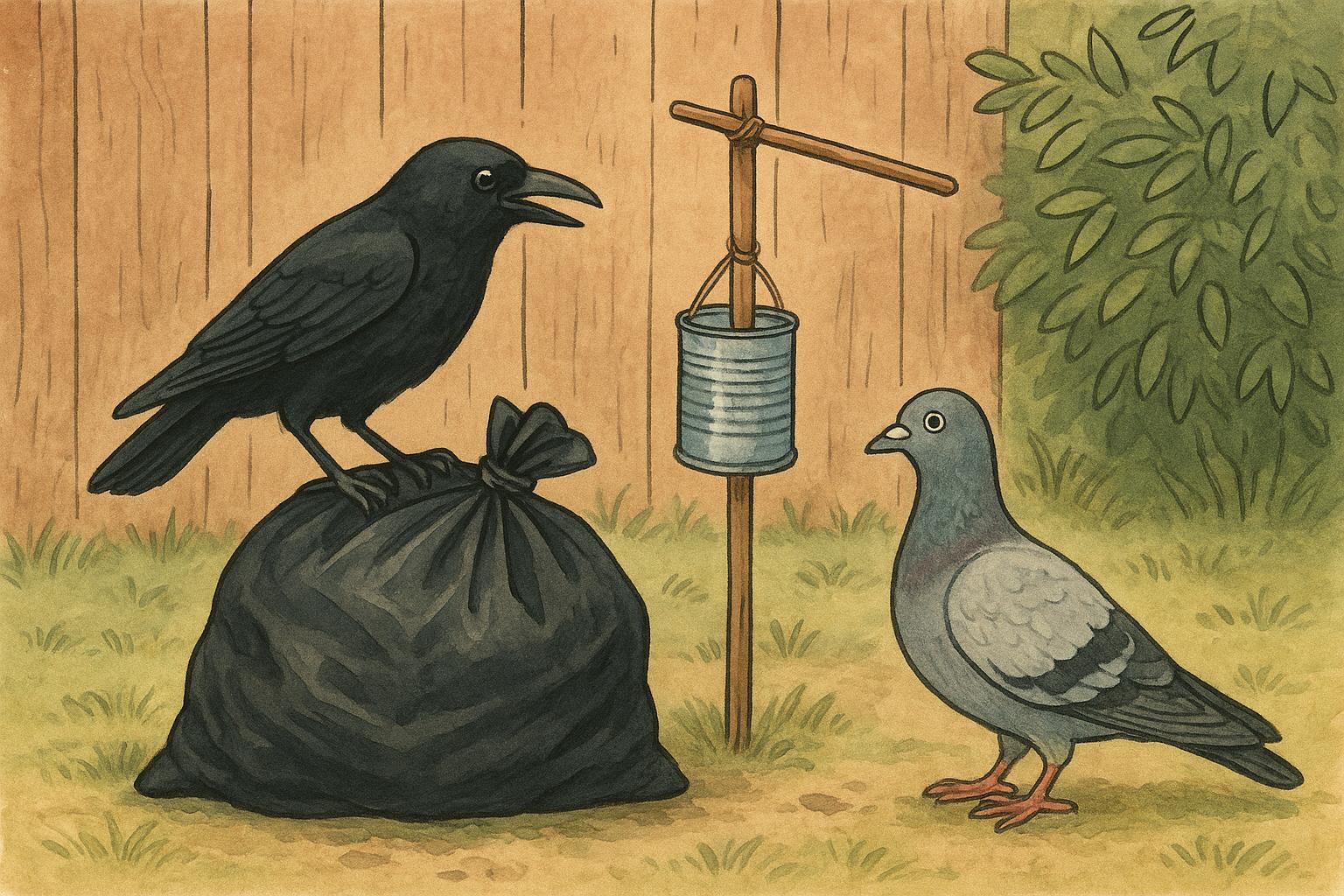
– Secure trash cans with tight-fitting lids, or bungee cords to secure lids
– Pet-proof compost bins or designated indoor composting container
– Motion-activated lights or sprinklers
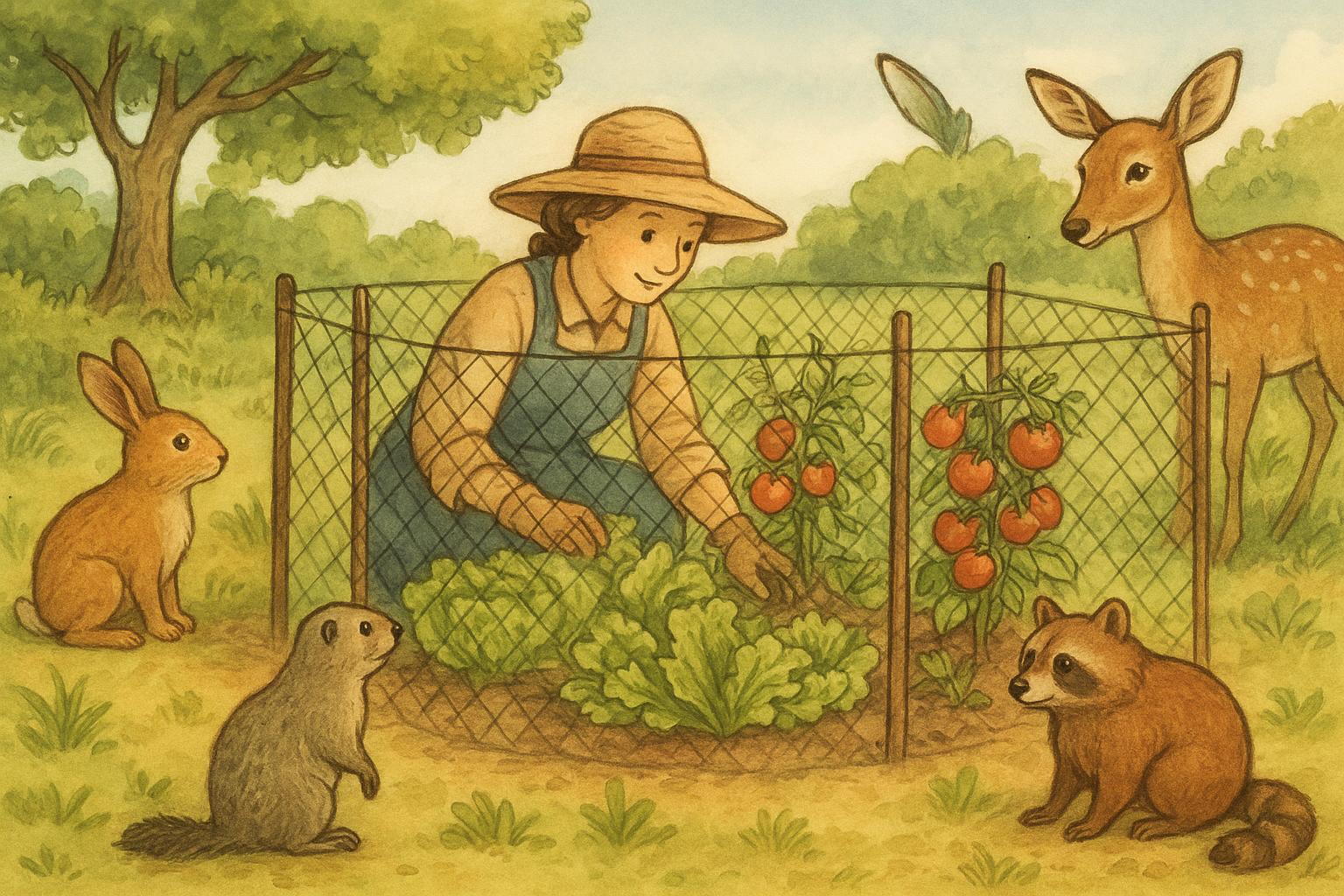
– Mesh or wire to protect vegetable gardens
– Bird feeder management tools (tray guards, weight-sensitive feeders)
– Optional: commercial animal repellents labeled for your target species
Step-By-Step Creation And Application:
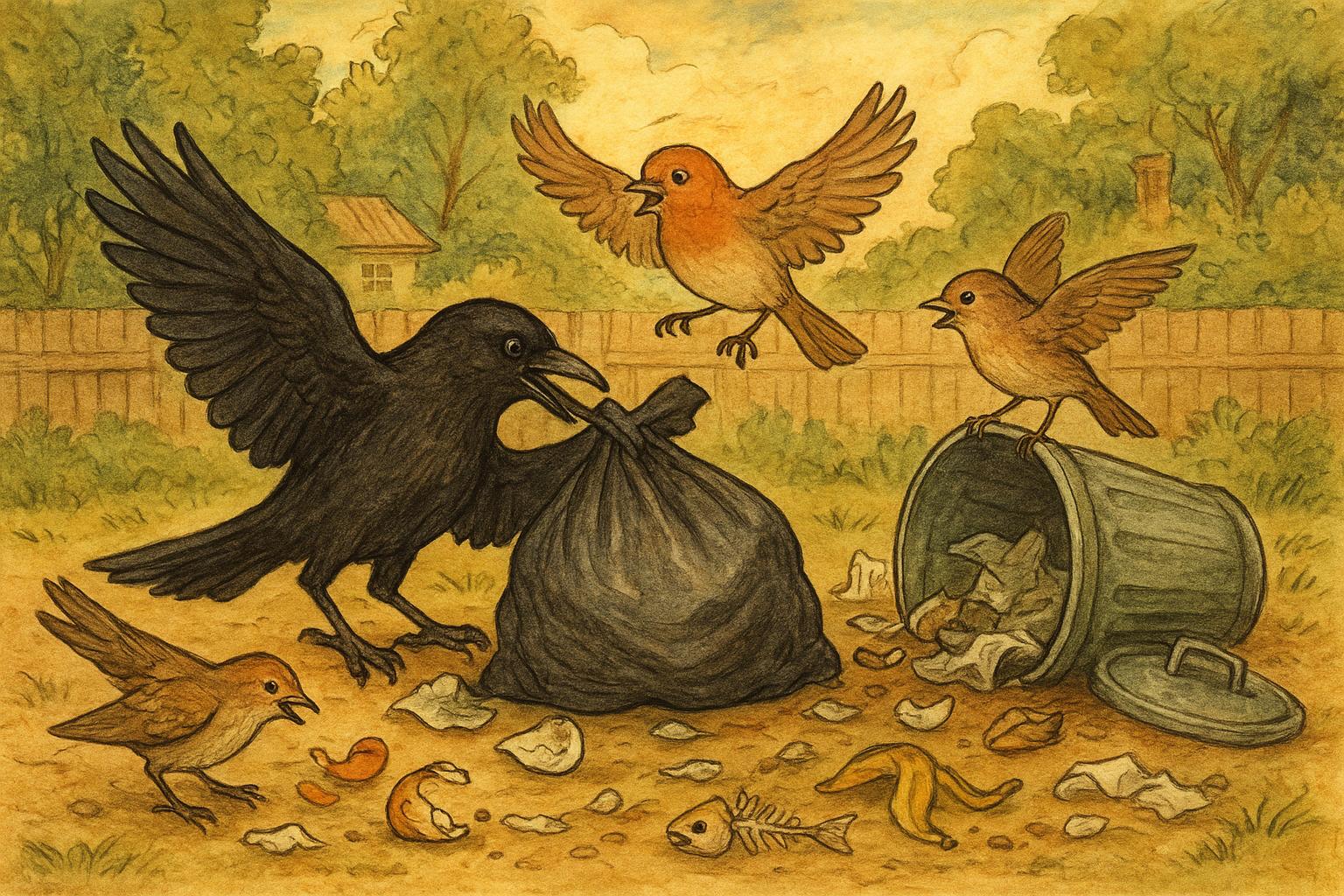
1. Identify attractants: bird seed, pet food, accessible trash, fruit on the ground, and open compost.
2. Secure trash: place food waste in containers with latching lids. If necessary, use bungee cords or straps to keep lids closed at night.
3. Remove pet food from outdoor exposure. Feed pets indoors or pick up bowls promptly after feeding.
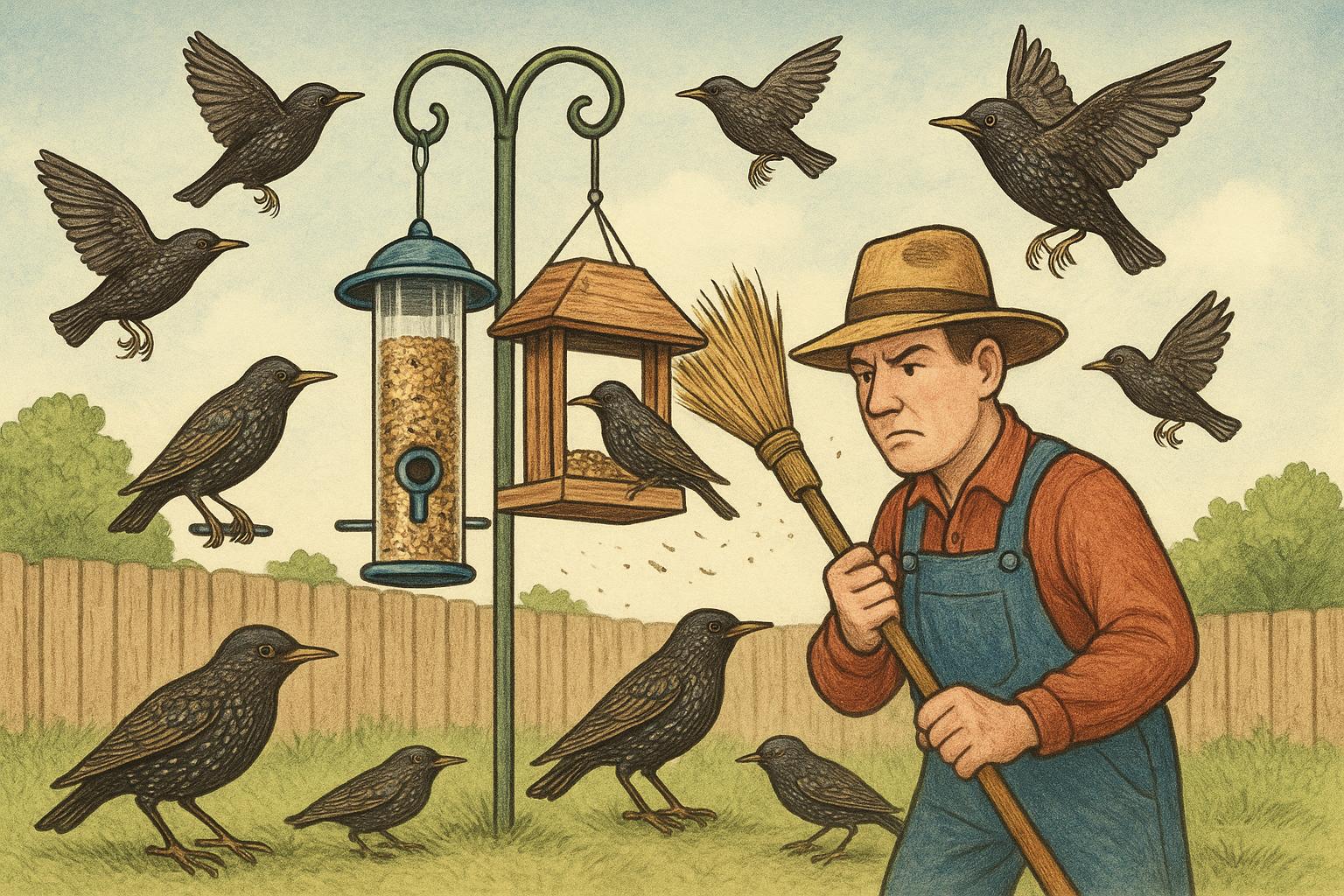
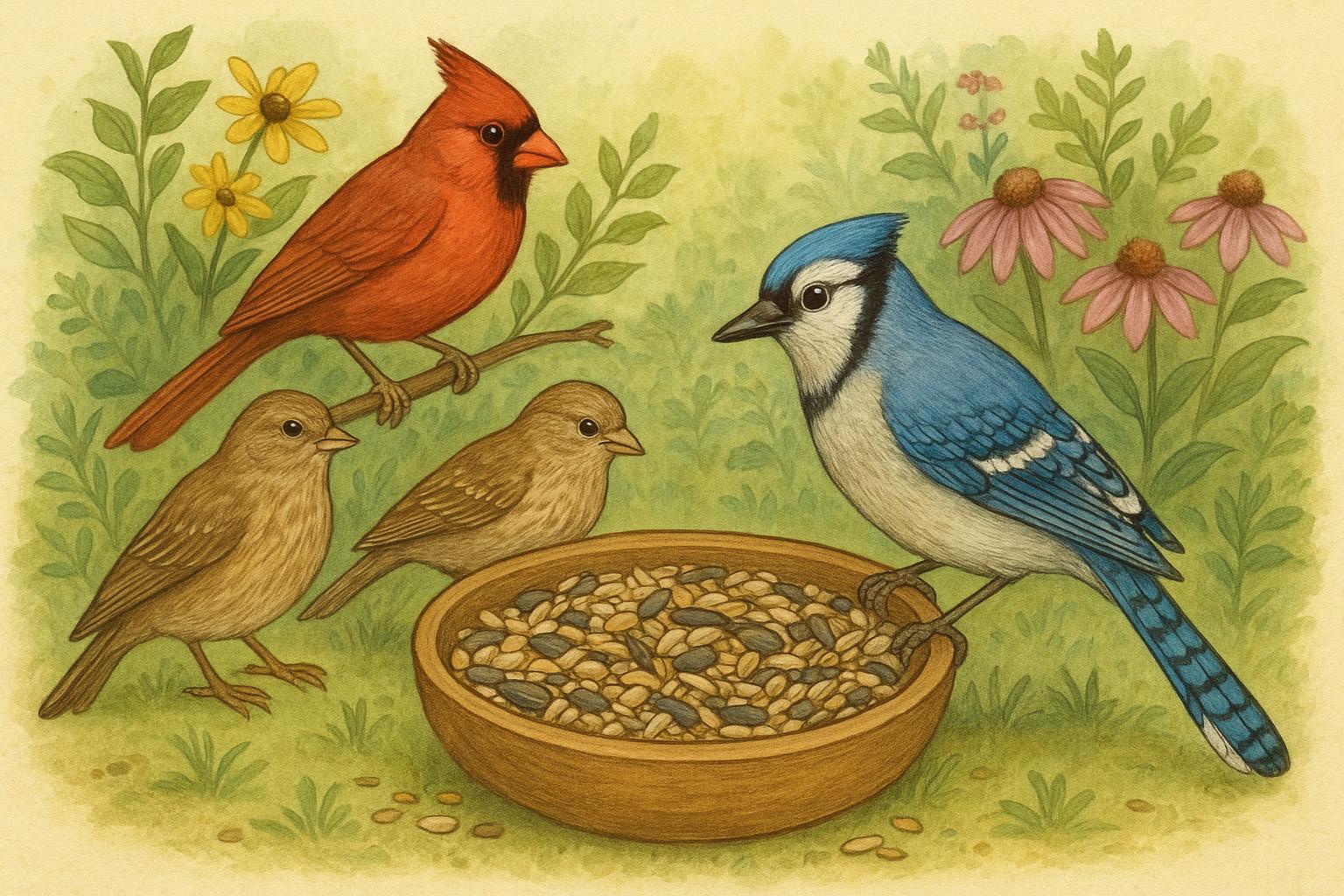
4. Manage bird feeders: use tray guards or choose feeders that close under heavier weight to deter raccoons and squirrels. Clean up spilled seed regularly.
5. Install motion-activated lighting or sprinklers near common entry points to startle nocturnal visitors without harm.
6. Use temporary mesh around garden beds to prevent root crops or berries from being raided. Stake fencing 2–3 feet high for small mammals; taller for deer.
7. If using commercial repellents, follow label instructions exactly. Rotate repellents seasonally, and reapply after rain as directed.
Formal Note: To be legally compliant and effective, choose repellents approved for your region and target species. Overreliance on chemicals without habitat modification results in limited success.
## 3. Barriers And Habitat Modification (Remedy)
Sometimes physical changes to the landscape are required to prevent recurring visits.
Ingredients / Required Materials:
– Fencing materials (posts, wire mesh, zip ties)
– Hardware cloth (for burrow repair)
– Native thorny or dense shrub plantings (optional; consult local plant lists)
– Mulch or rock borders to alter preferred pathways
– Basic tools: post driver, wire cutters, shovel
Step-By-Step Creation And Application:
1. Map where wildlife enters and moves through your yard by observing trails, footprints, and scat locations.
2. Install fencing appropriate to the species: 6–8 foot fencing for deer; 3–4 foot mesh to exclude rabbits. Ensure fence bottoms are secured to prevent burrowing.
3. For digging species, sink hardware cloth at least 12 inches into the ground at fence bases, or use buried mesh skirts.
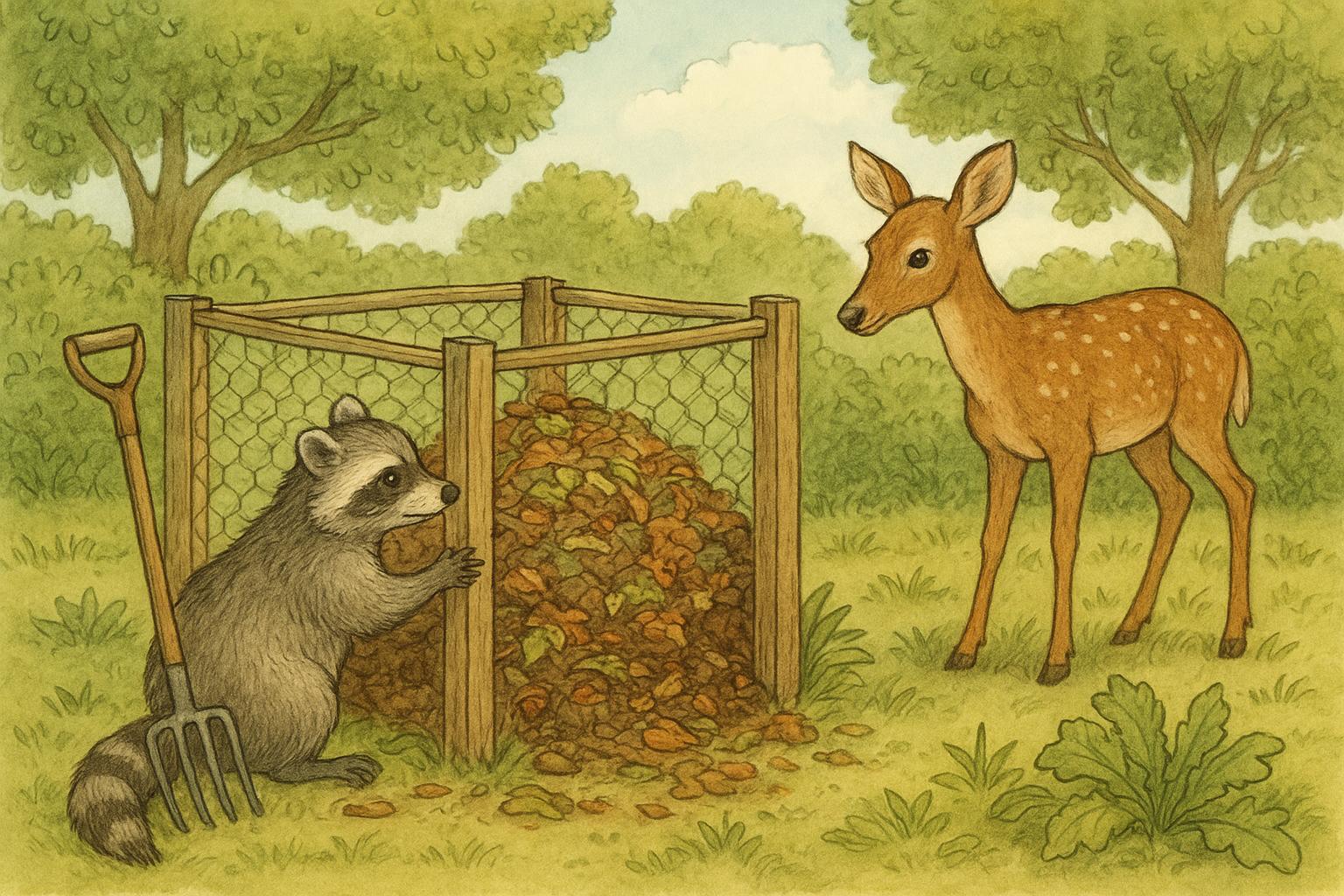
4. Replace open compost piles with enclosed bins that lock and prevent wildlife access.
5. Use native, thorny, or dense shrubs along property lines to create a natural barrier that is both aesthetic and deterrent.
6. Alter pathways by creating rock borders or using motion-sensitive deterrents at pinch points to break habitual routes.
Formal Note: When installing barriers, check local regulations for fence heights and wildlife protections. Maintain humane standards—do not create entrapment situations.
### When To Call A Professional
If droppings are abundant, inside structures, or you suspect a den or nesting site, contact a wildlife removal professional or local animal control. Professionals can safely identify species, remove animals if necessary, and advise on legal, humane solutions.
Because wildlife feces can carry disease and attract predators, taking identification and sanitation seriously keeps your yard healthy and your family safer. If you suspect wildlife feces from a specific species that is protected or poses special risks (bats, large predators), defer to experts rather than DIY in risky situations.



Leave a Reply