
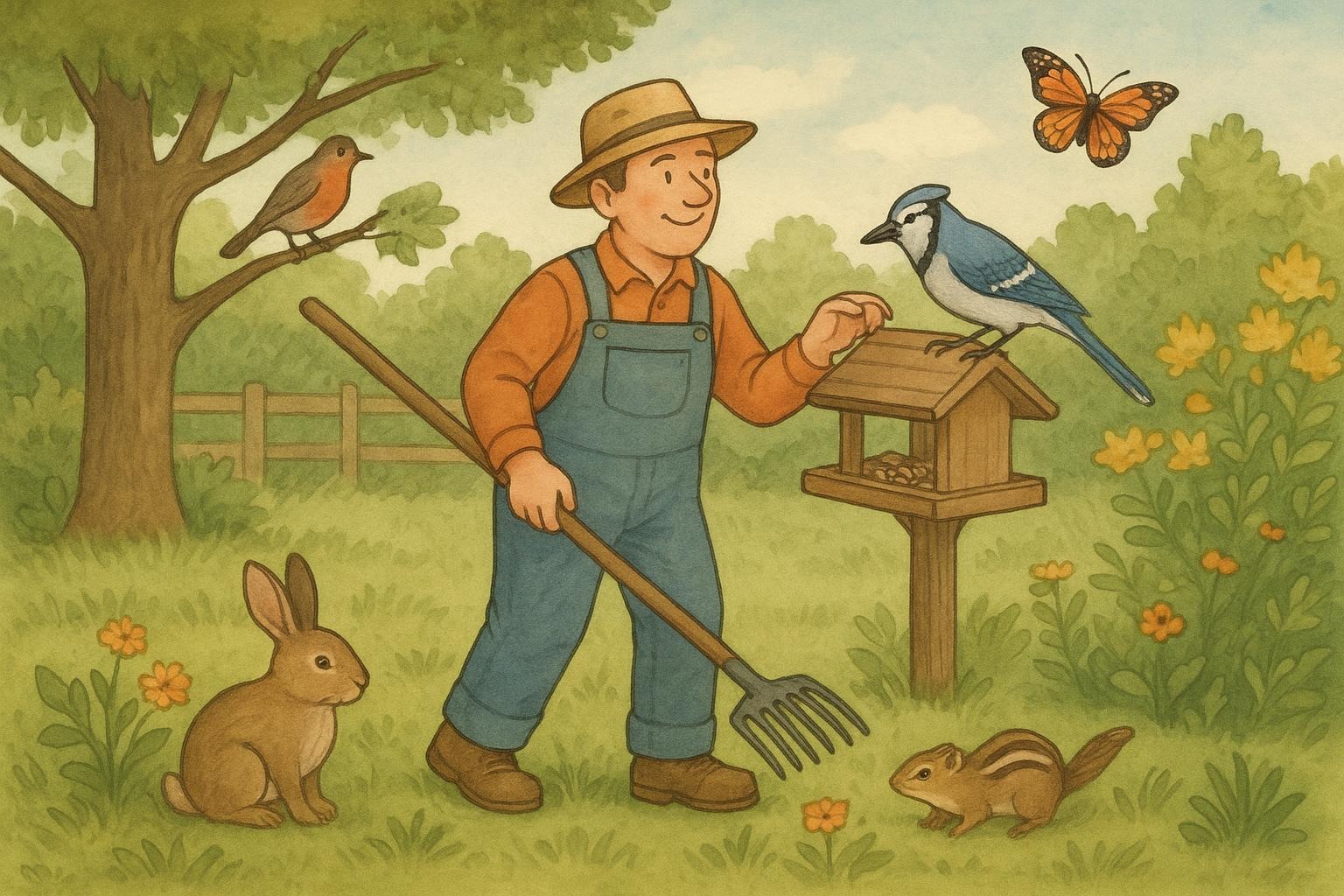
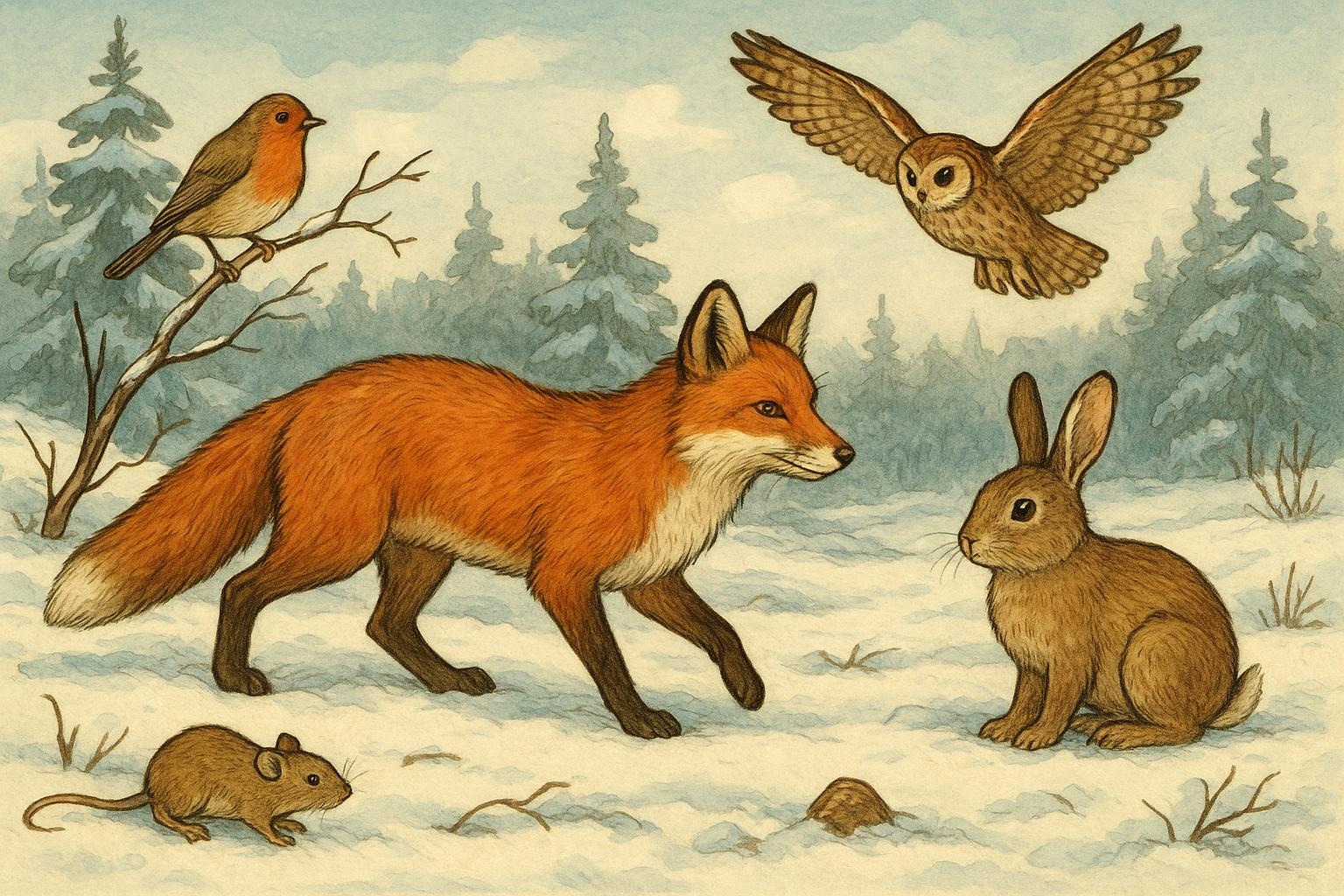
You don’t need to be an expert to have a yard that welcomes birds, pollinators, and the occasional curious fox. What you do need is a plan that respects both wildlife needs and the fact that you probably still like your patio furniture. This article walks through how to balance good habitat design with realistic maintenance so your yard can be both lively and livable. Expect practical tips, a touch of backyard philosophy, and two formal remedies to implement.
## Balancing Wildlife Maintenance: Practical Approaches
What does balancing wildlife maintenance look like in practice? It’s the art of providing food, water, shelter, and safe passage for animals while keeping human concerns—safety, appearance, and usability—under control. Strike that balance and your yard becomes a functioning ecosystem instead of a battleground of chewed tomatoes and midnight raccoon raids.
### Habitat Design That Works For Everyone
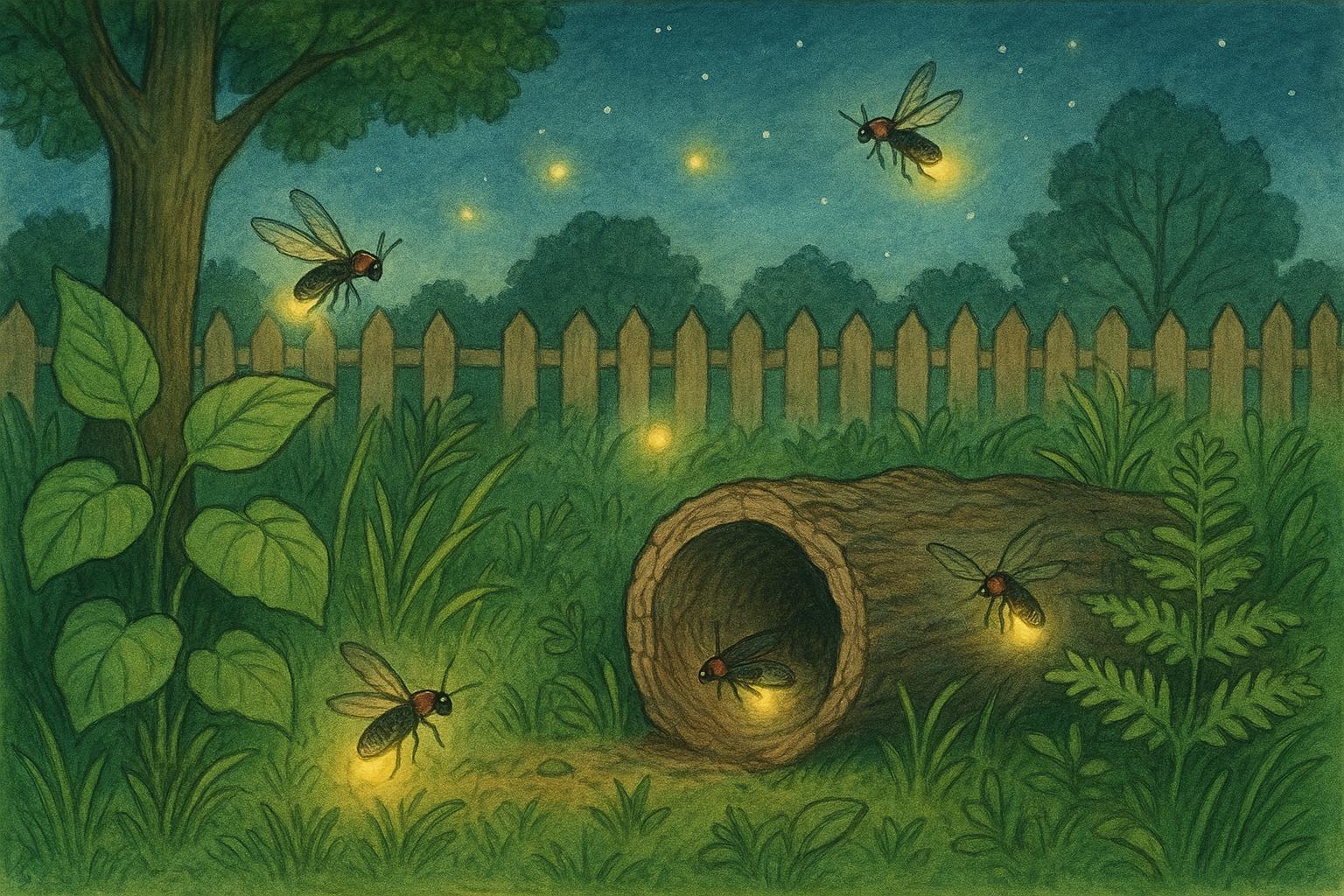
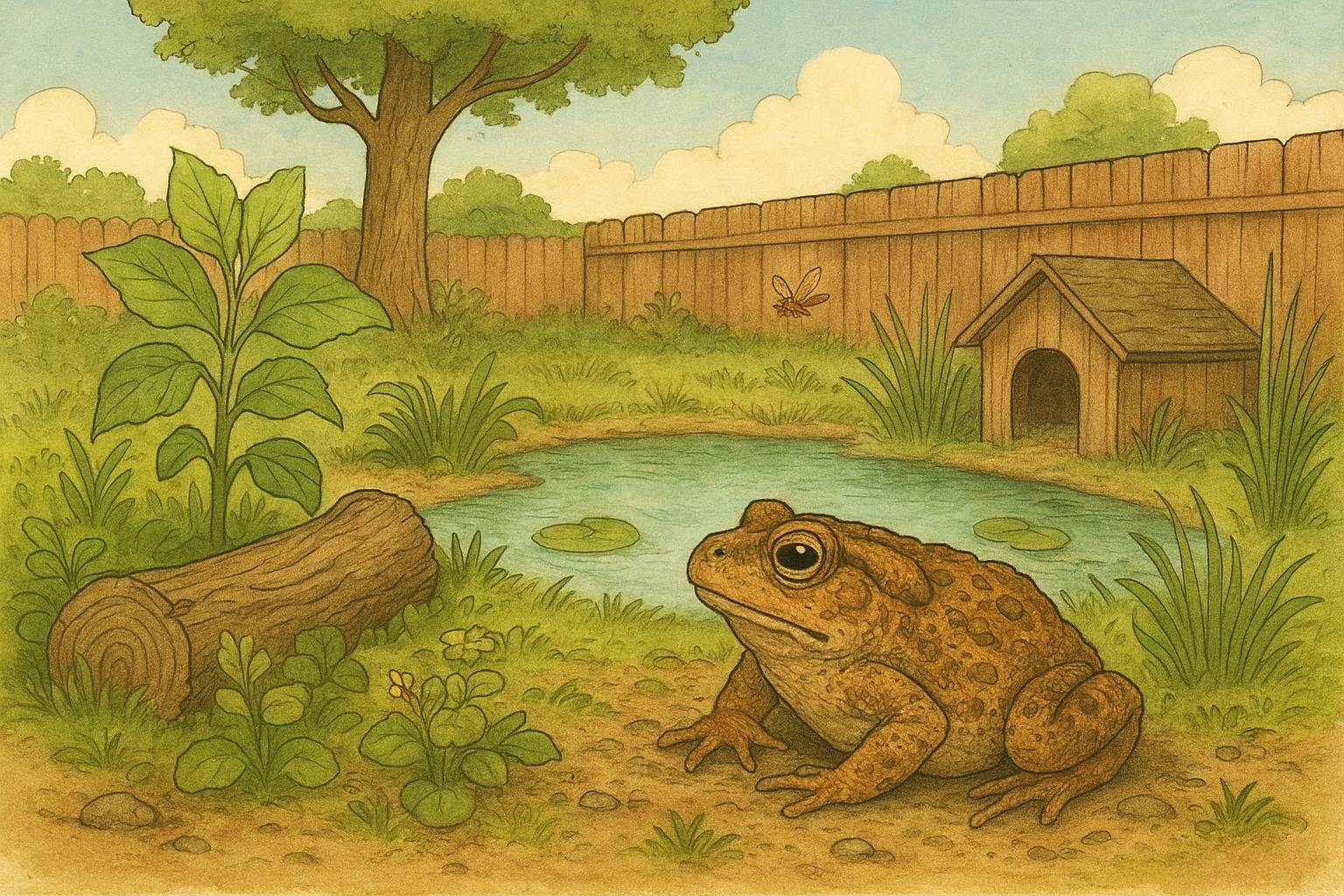
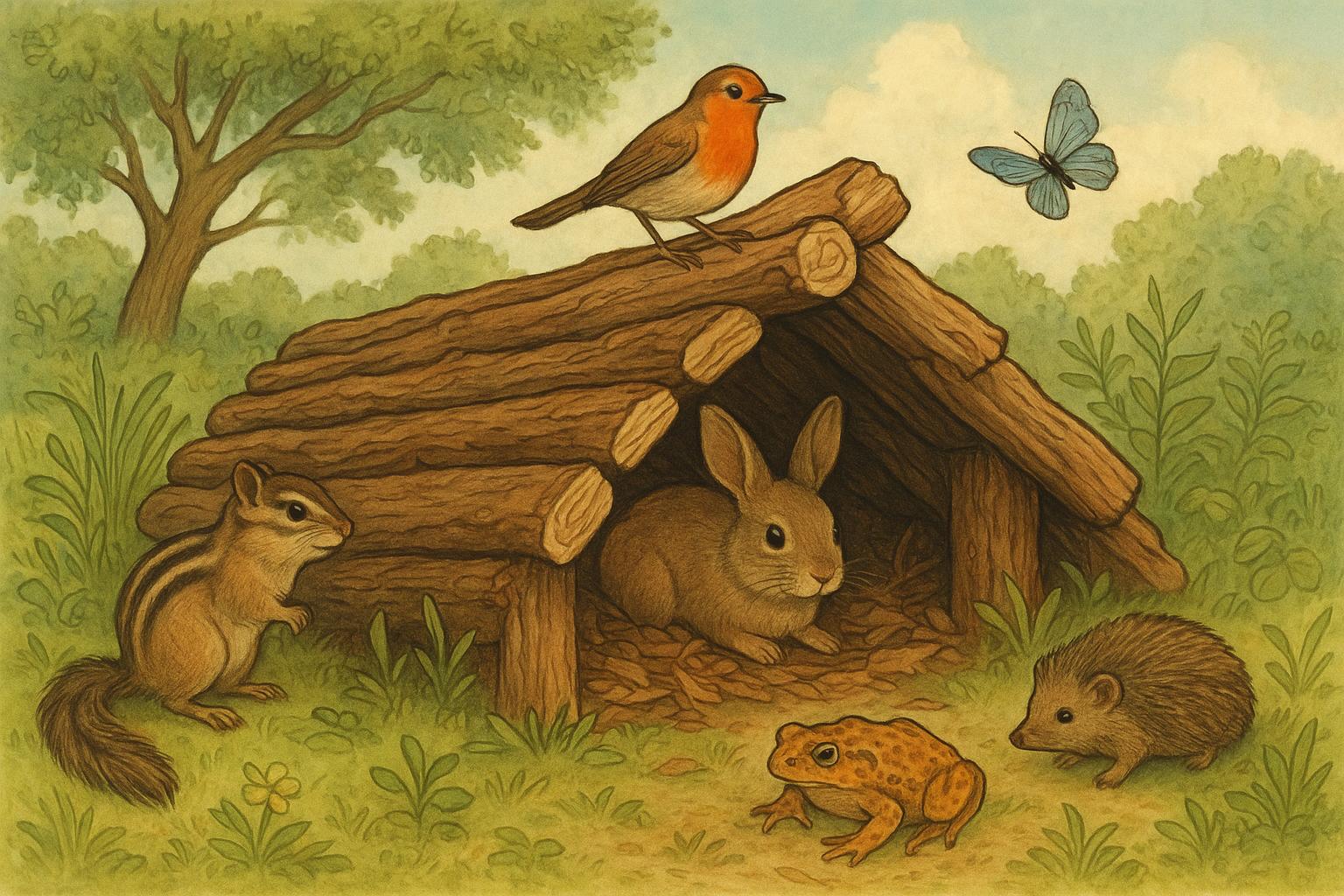
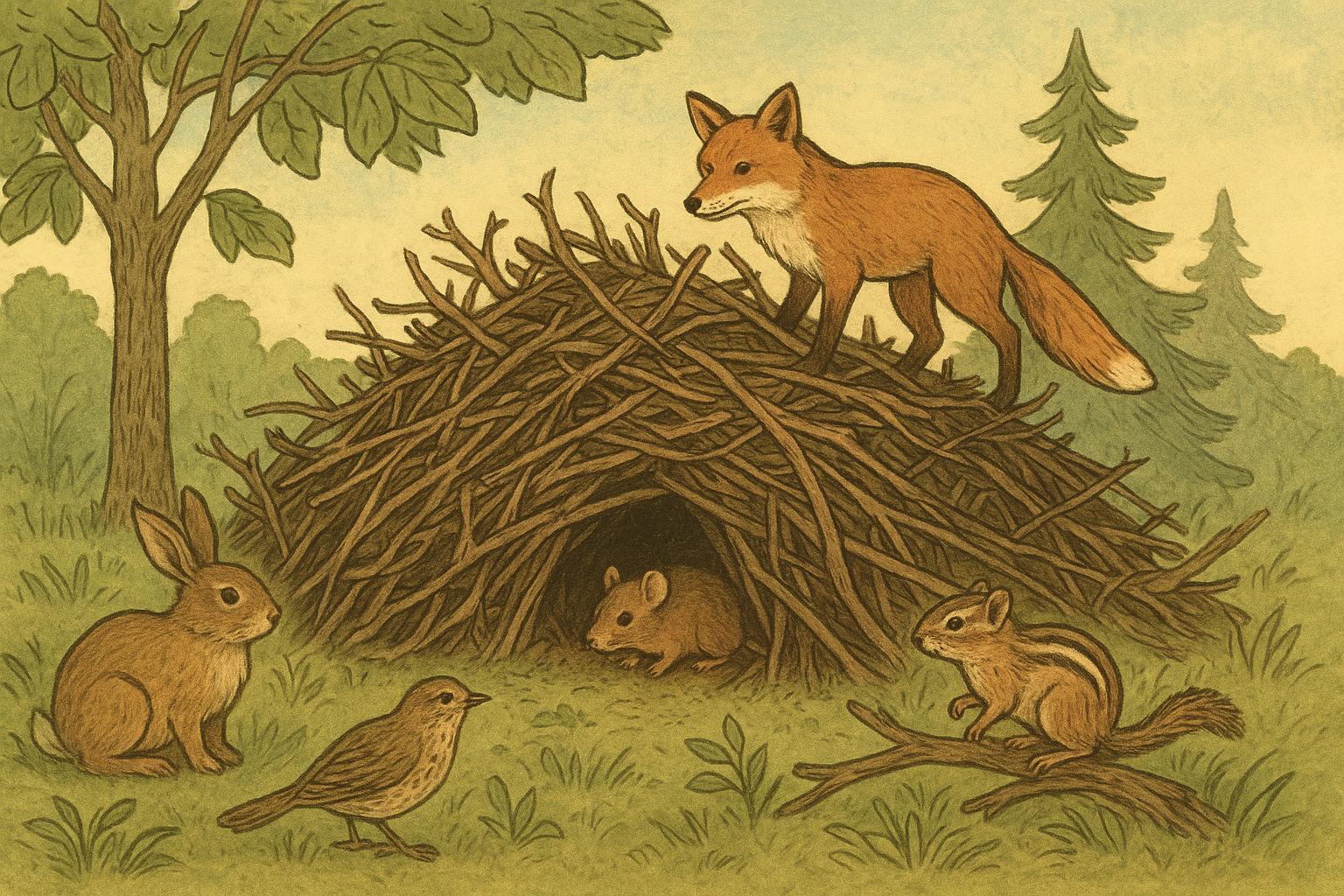
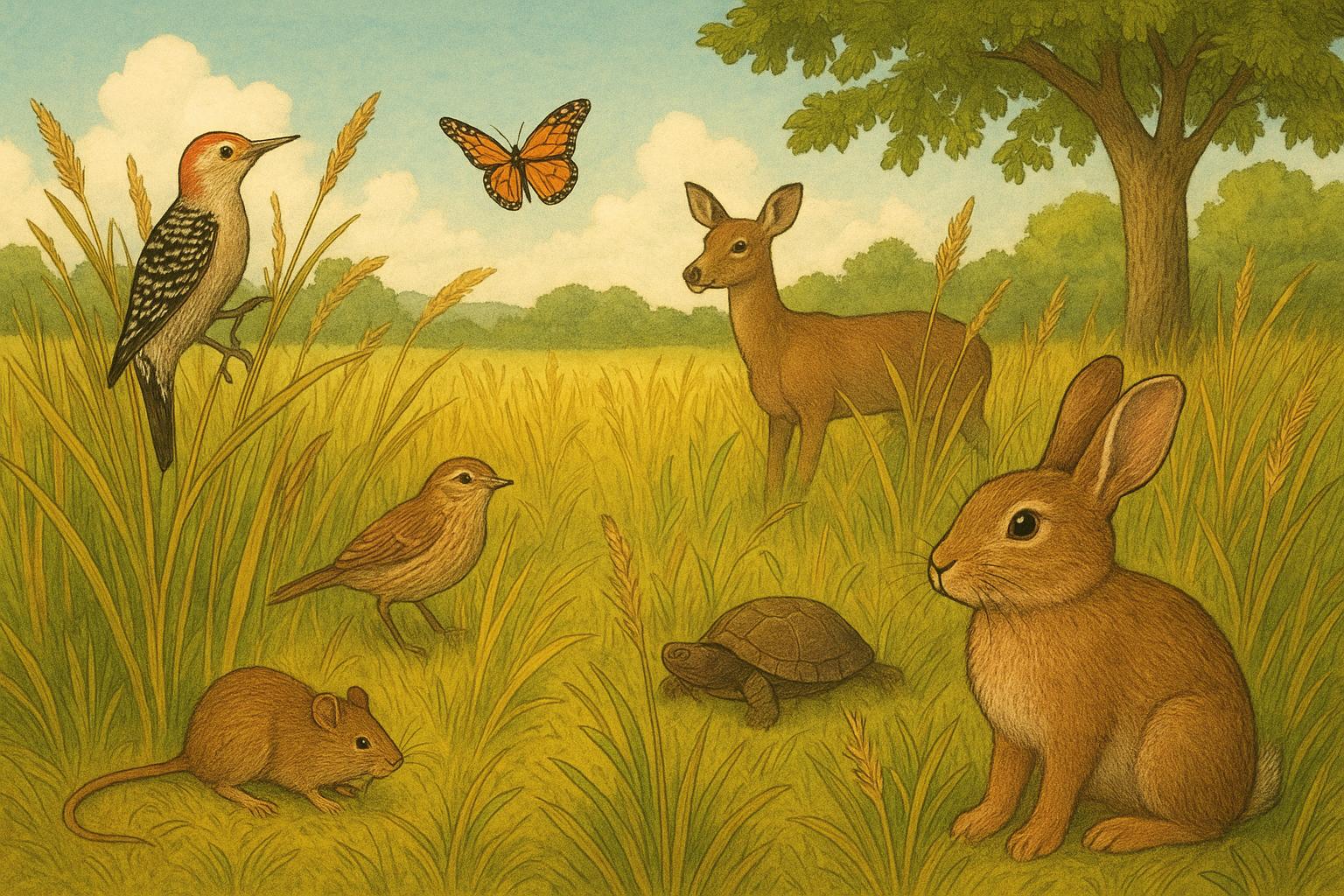
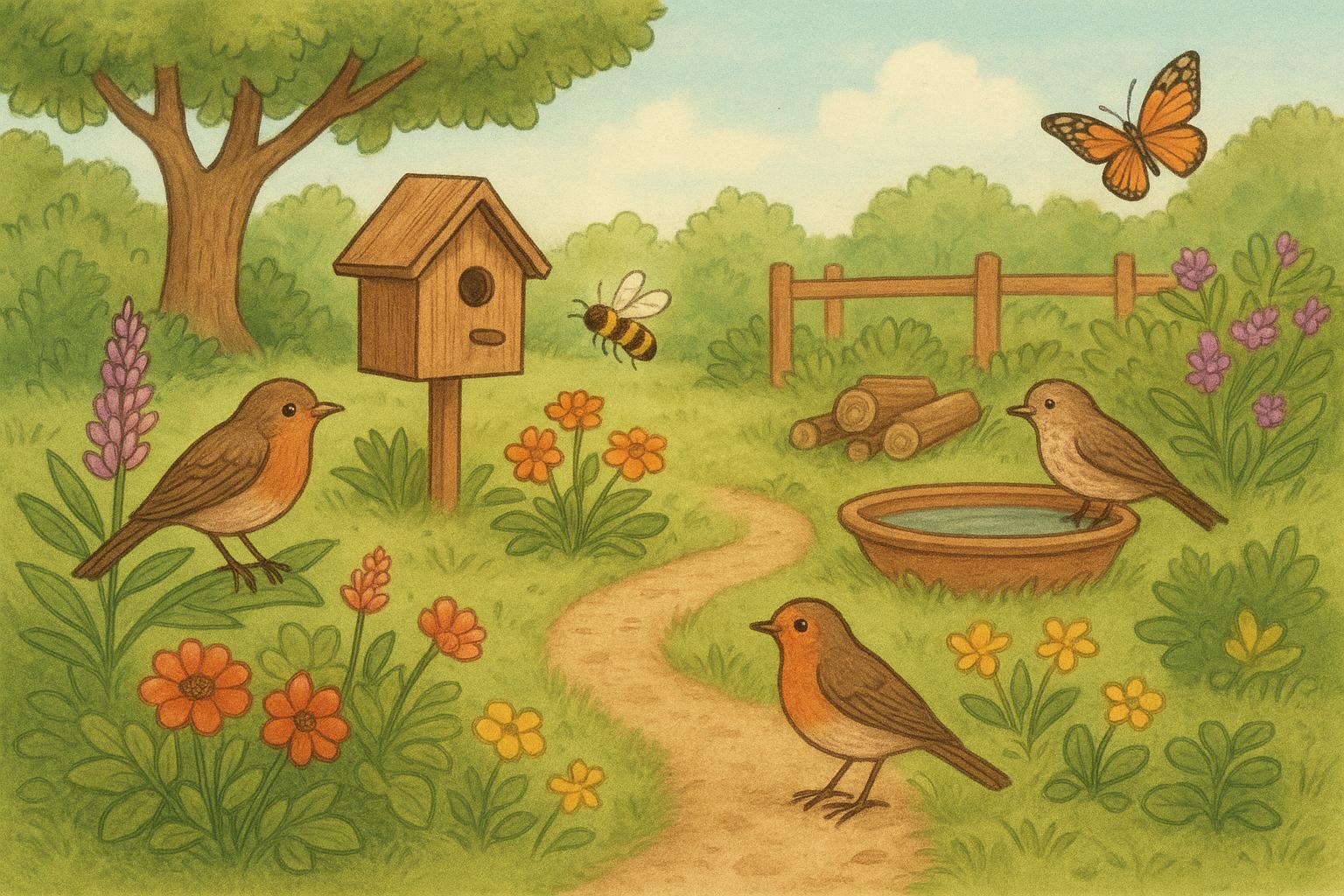
Designing the landscape is the foundation. Instead of short, uniform lawns, think layers: groundcover, shrubs, and trees. Native plants are the heavy hitters here; they co-evolved with local insects and birds and usually need less water and fertilizer. Keep a mix of evergreen and deciduous species for year-round interest and cover. A small brush pile or a log left to decay in one corner is an inexpensive shelter that benefits amphibians, pollinators, and small mammals.
#### Plant Selection And Arrangement
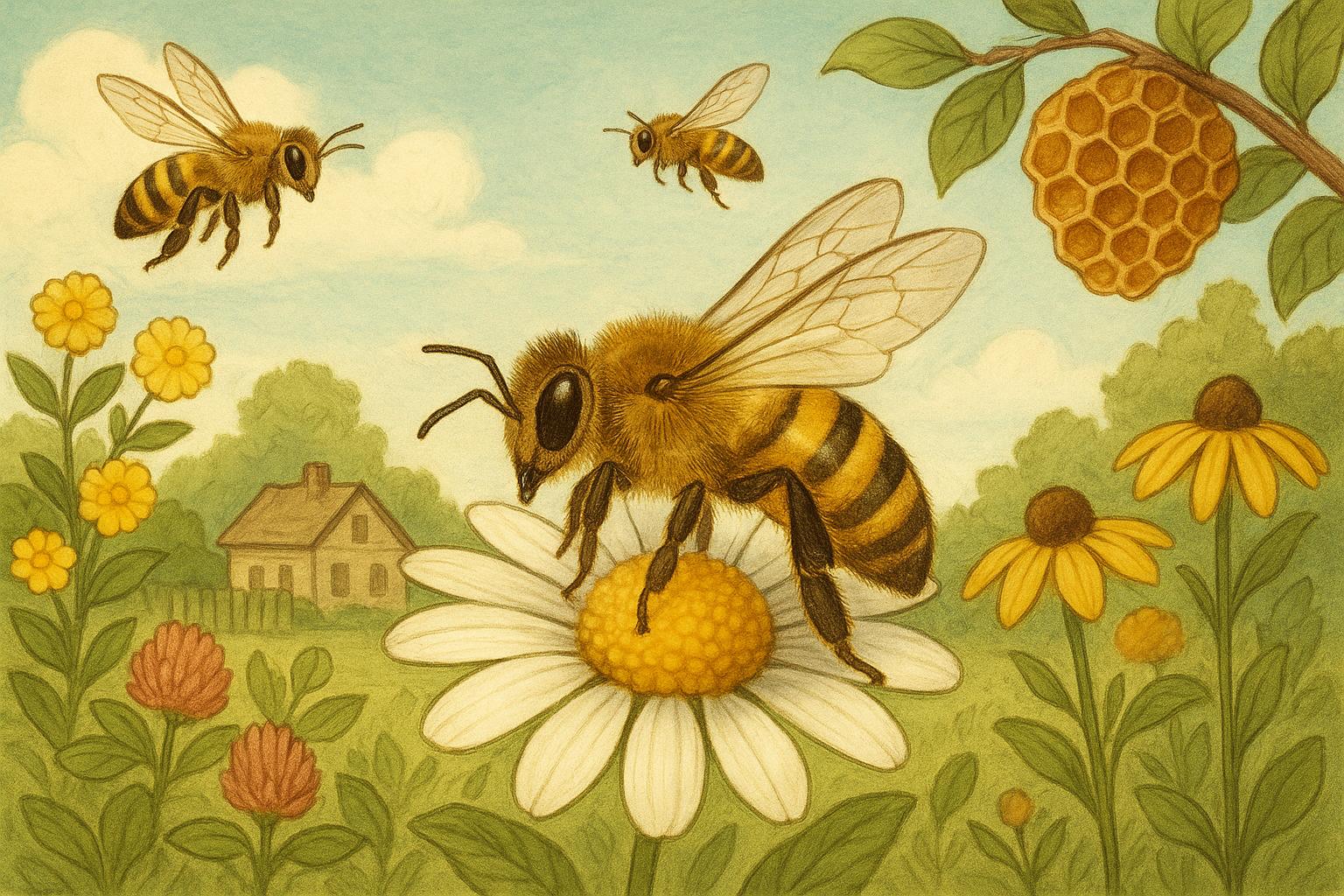
Choose plants that bloom at staggered times to offer continuous nectar and seed sources. Group plantings so pollinators can easily forage without flying across a manicured expanse. If space is limited, container gardens with native perennials still provide resources for bees and butterflies.
### Food: Intentional Feeding Without Dependency
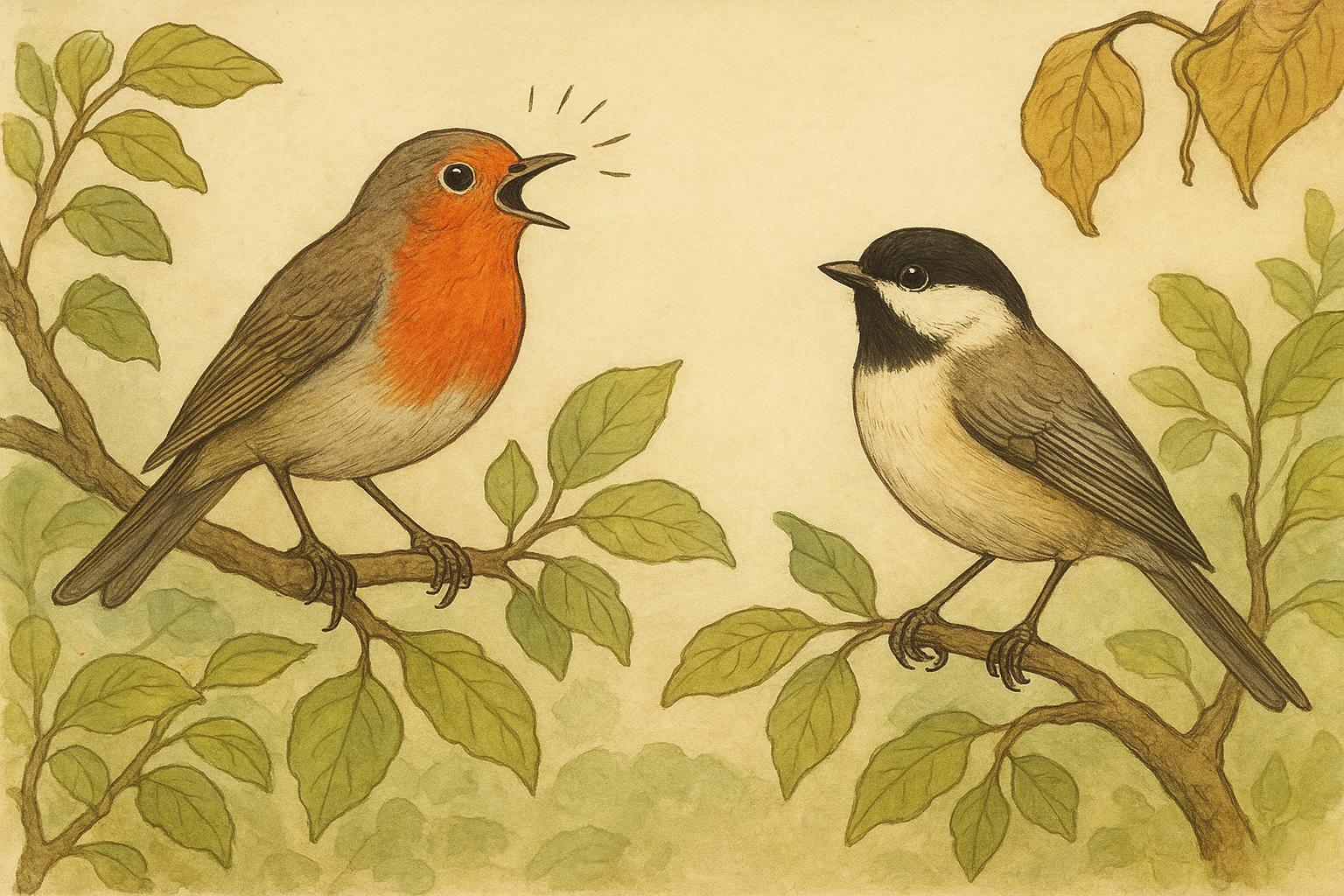
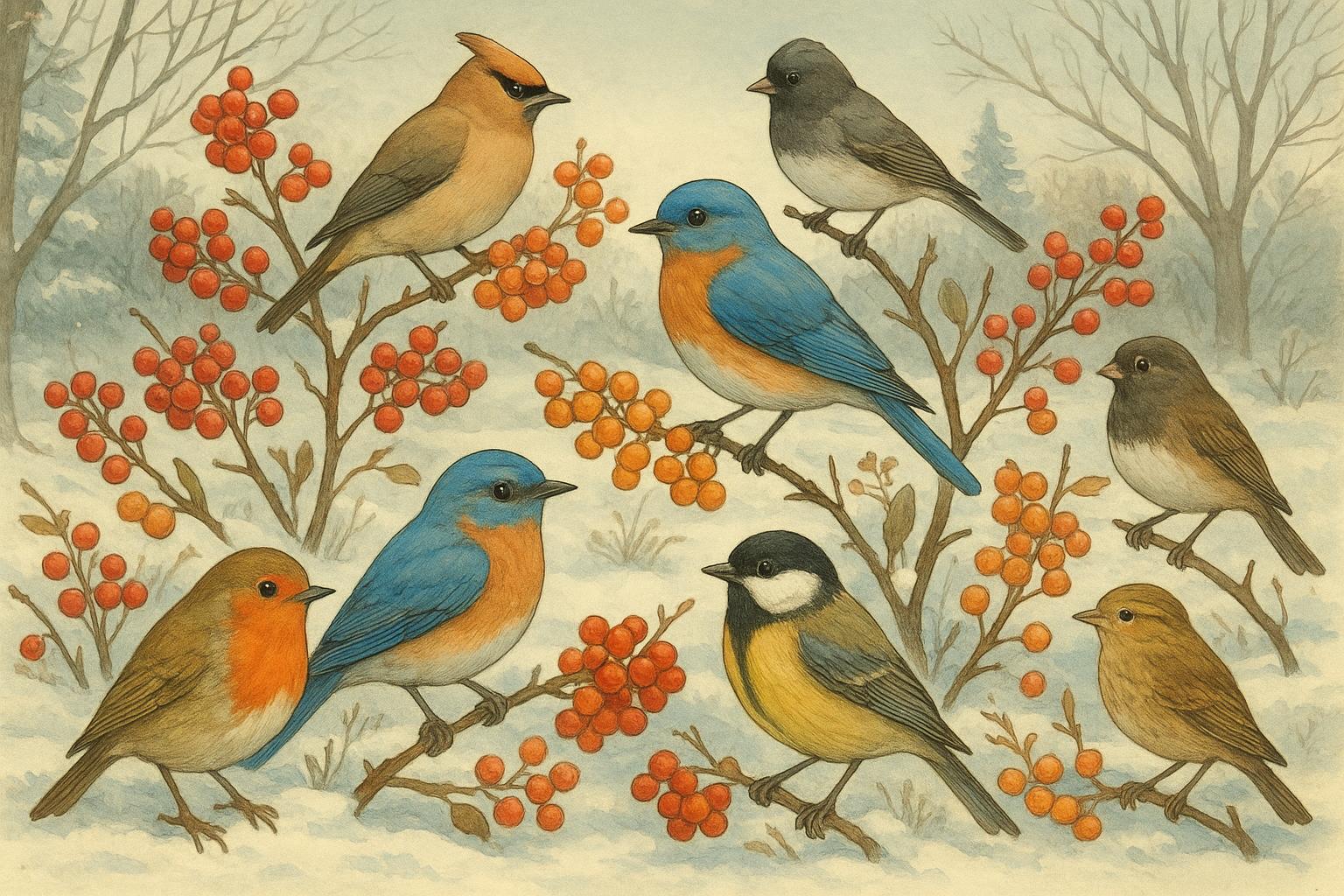
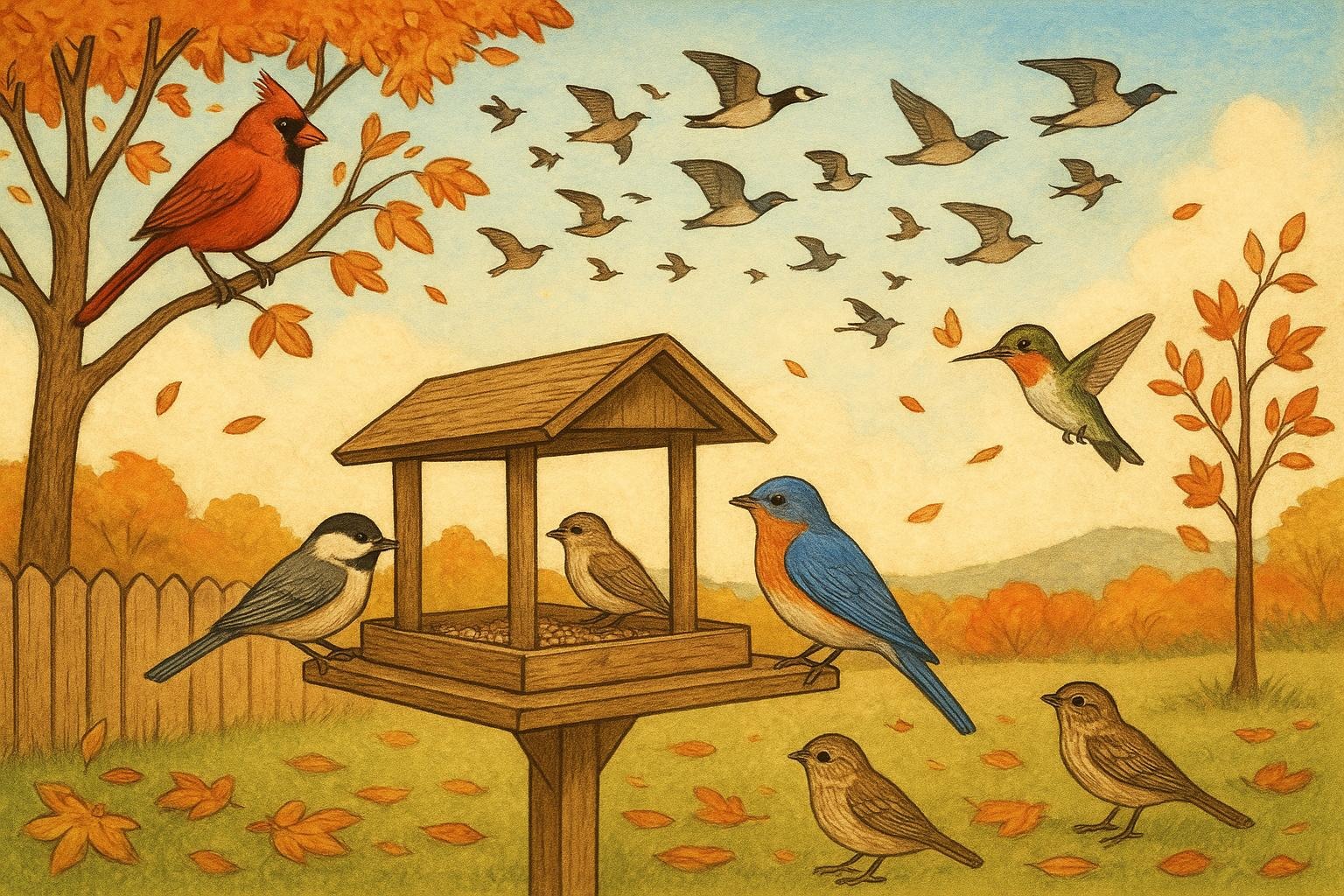
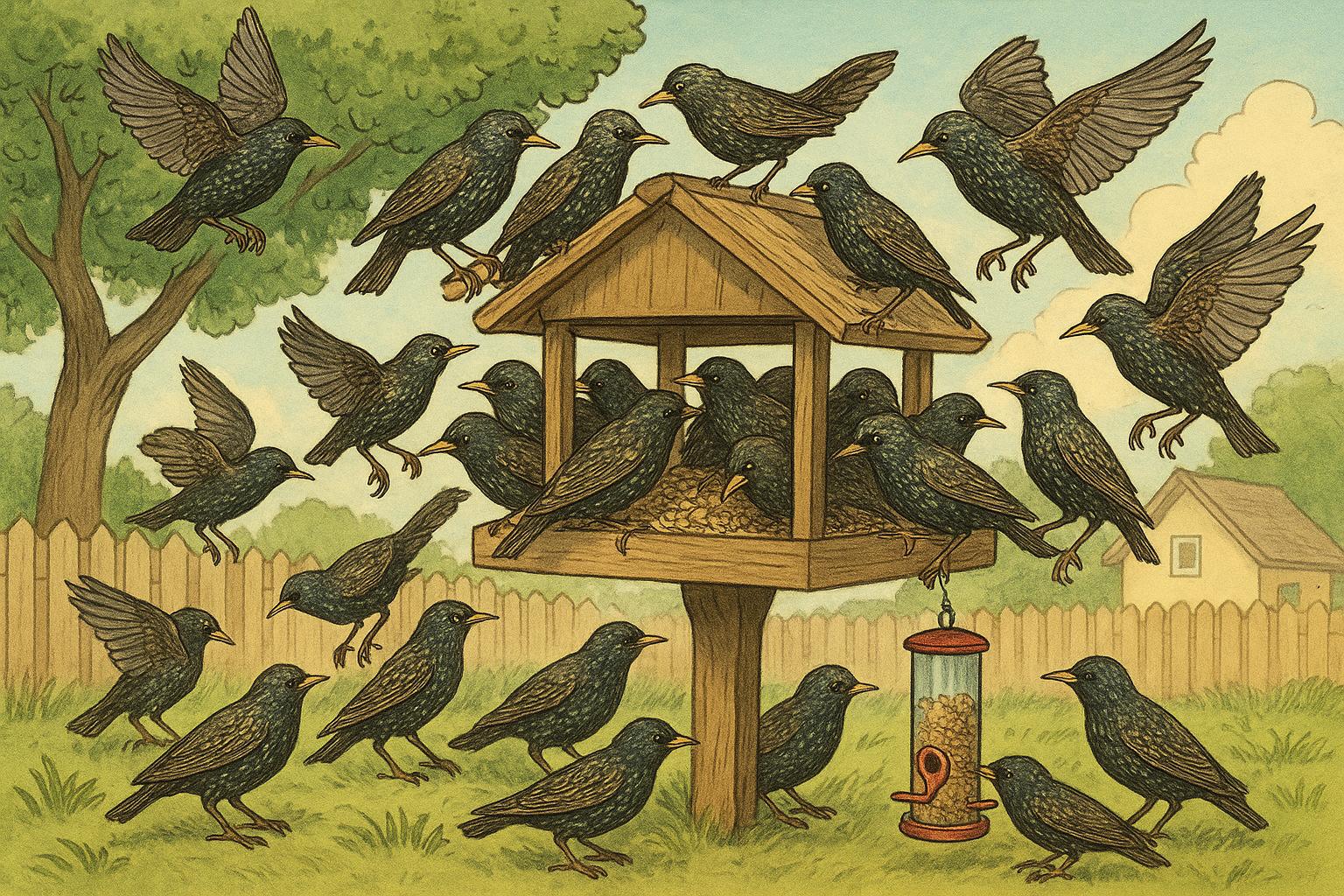
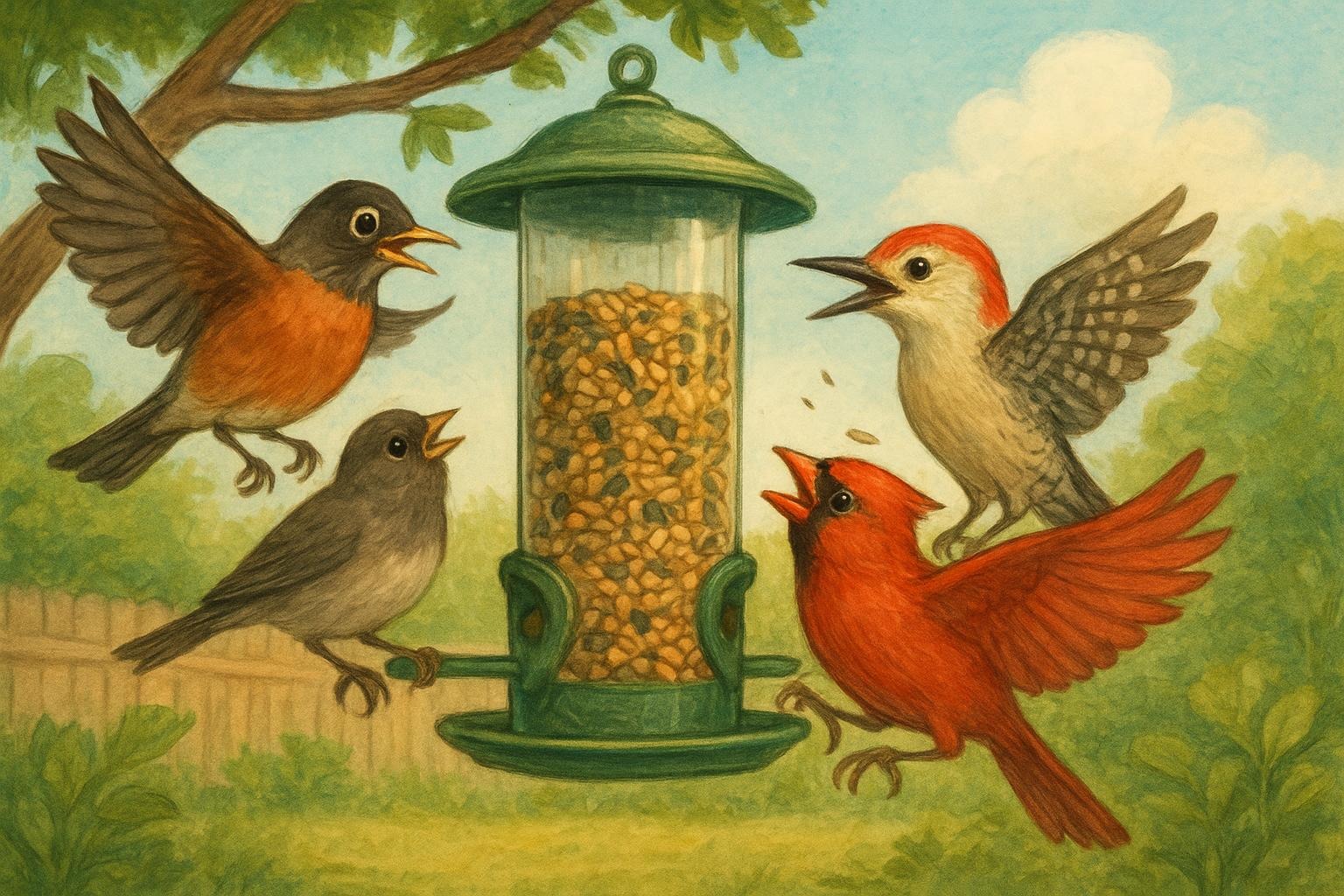
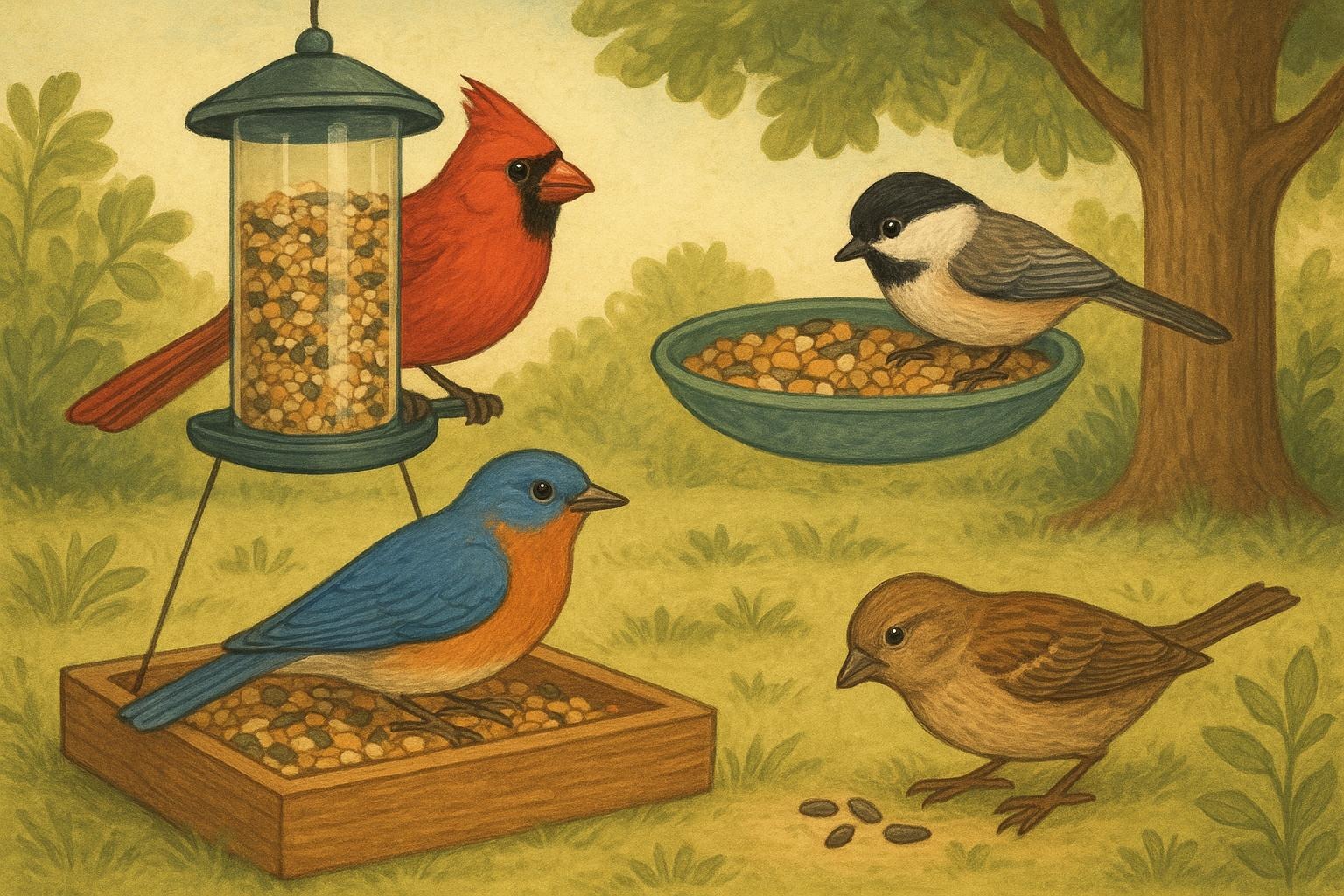
Bird feeders and planted berry shrubs are lovely, but they can create dependency or concentrated disease risk if not managed. Use feeders as supplements rather than primary food sources. Clean feeders regularly and rotate seed types seasonally to mimic natural availability. Fruit-bearing shrubs and seed-producing native grasses provide long-term, low-maintenance food that supports the full life cycles of many species.
#### Seasonal Food Management
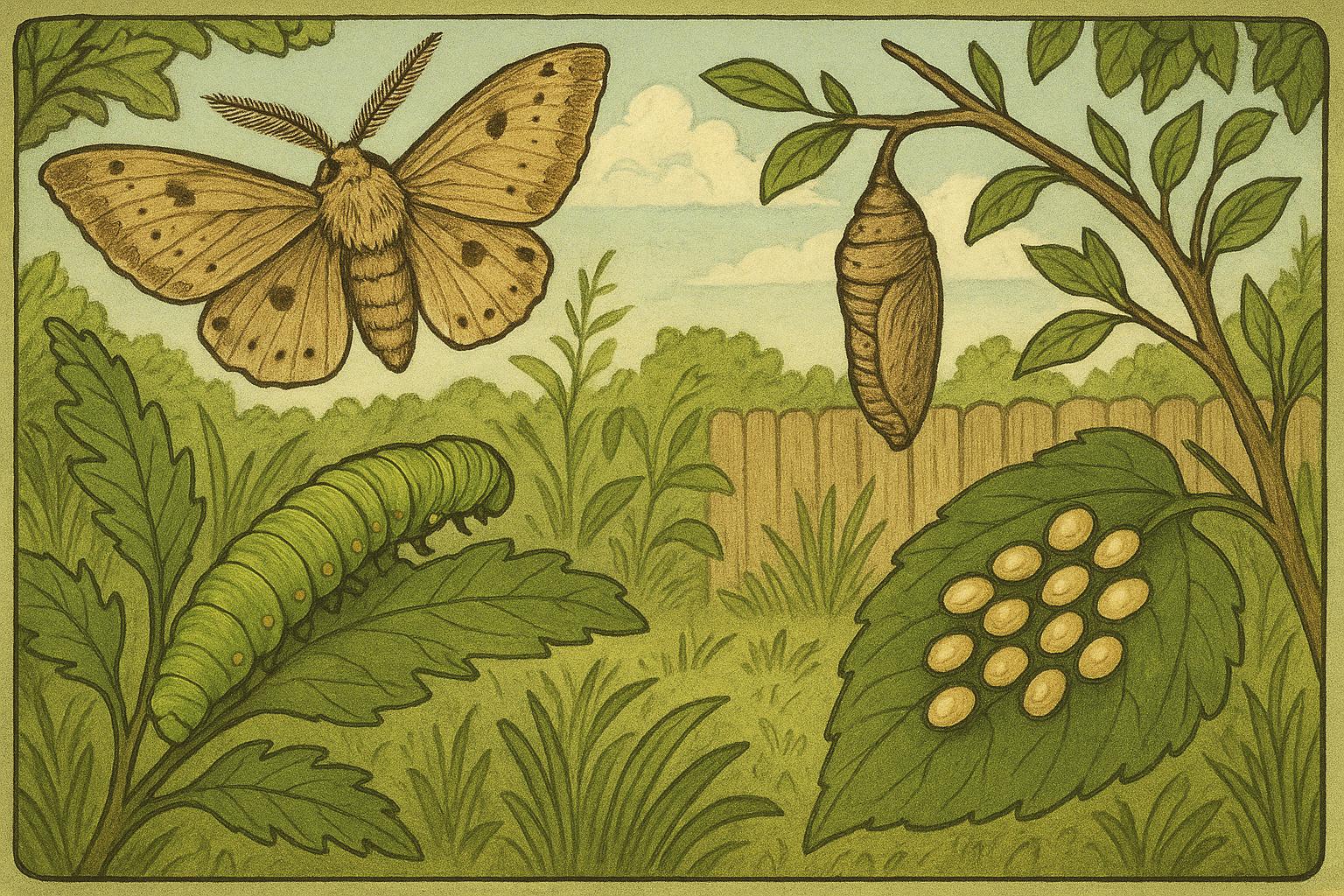
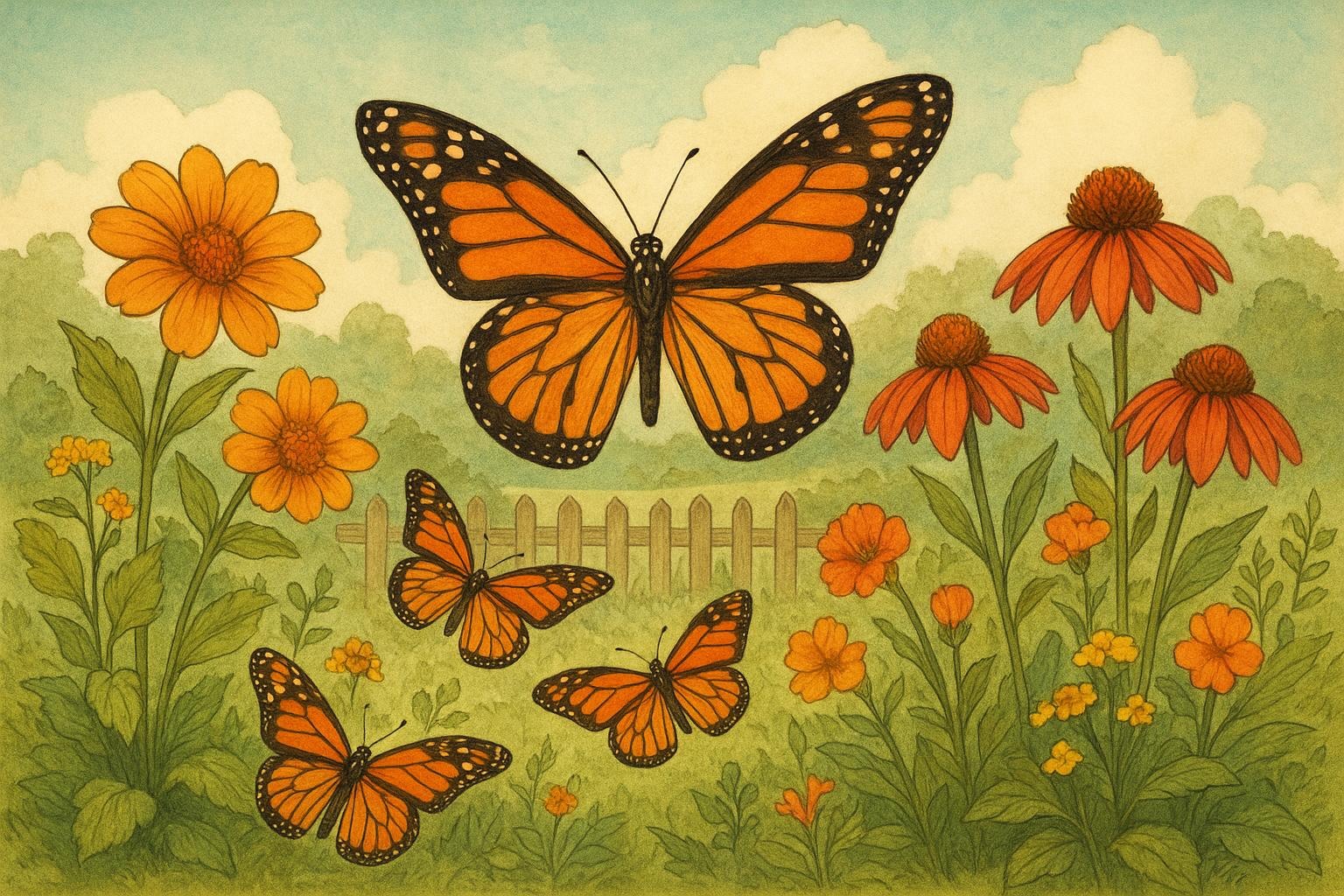
In spring and summer, prioritize nectar and caterpillar-host plants (like milkweed for monarchs). In fall and winter, let some seed heads remain standing for birds. Mow less often in some areas to allow seed heads to mature.
### Water: Accessible And Safe Sources
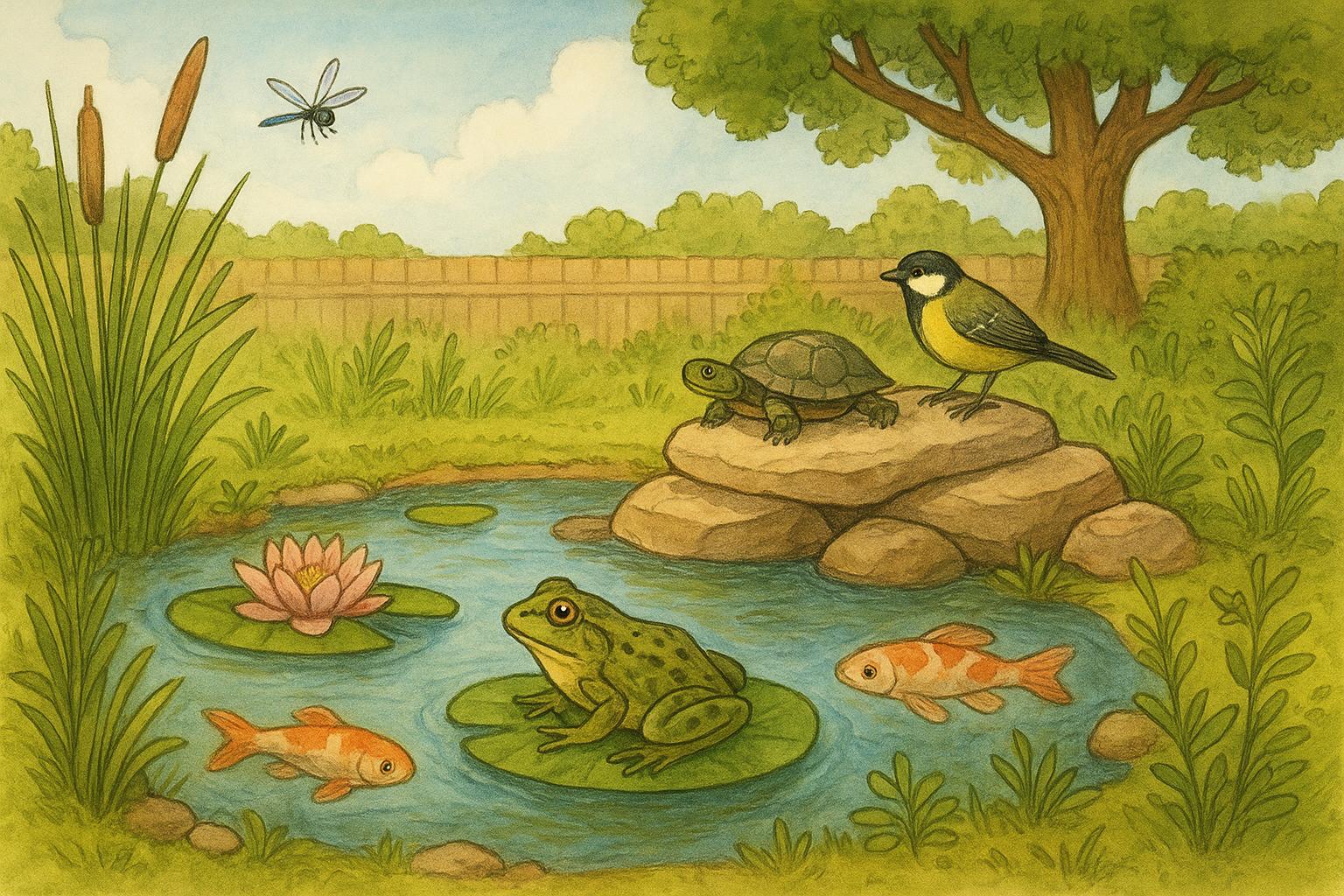
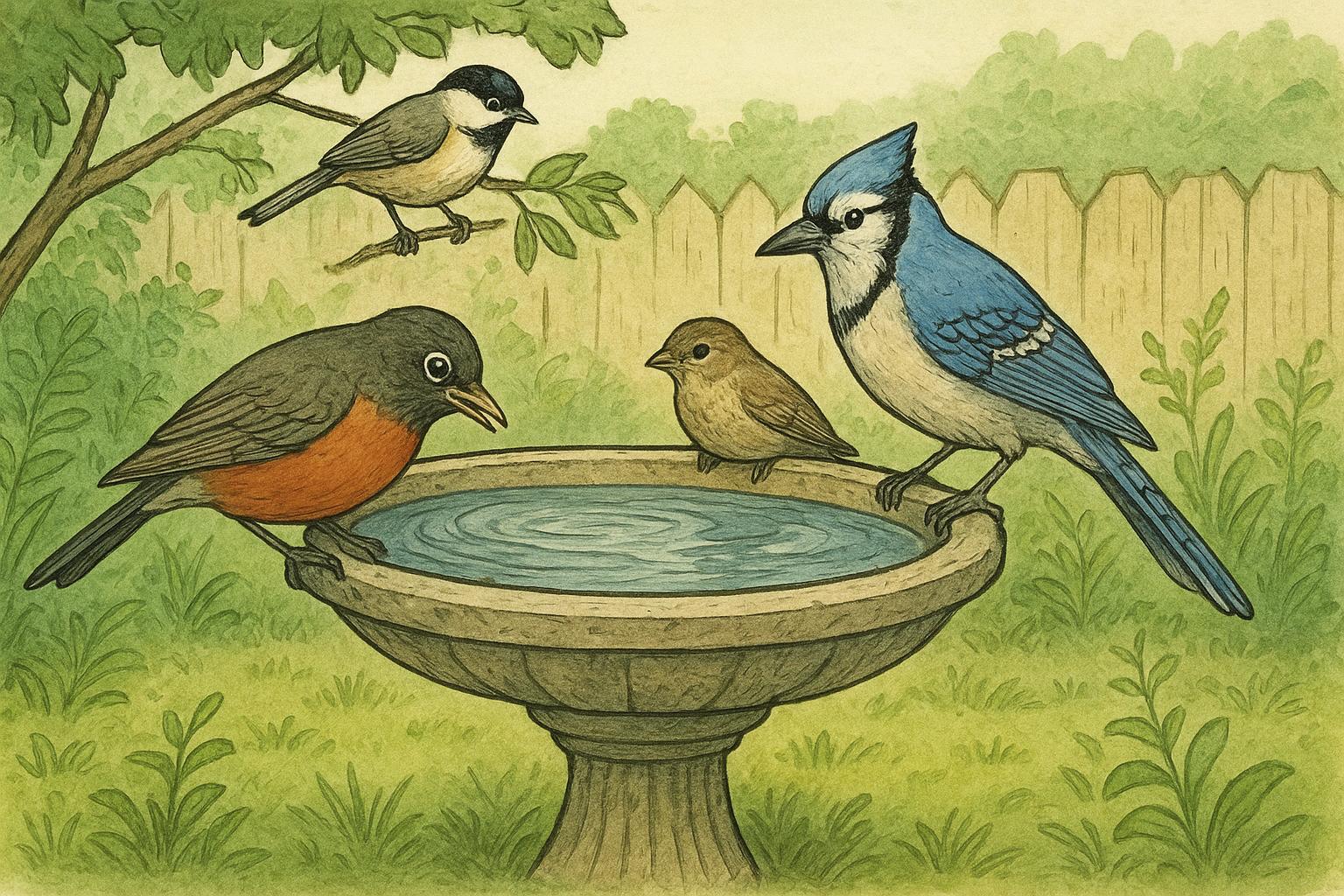
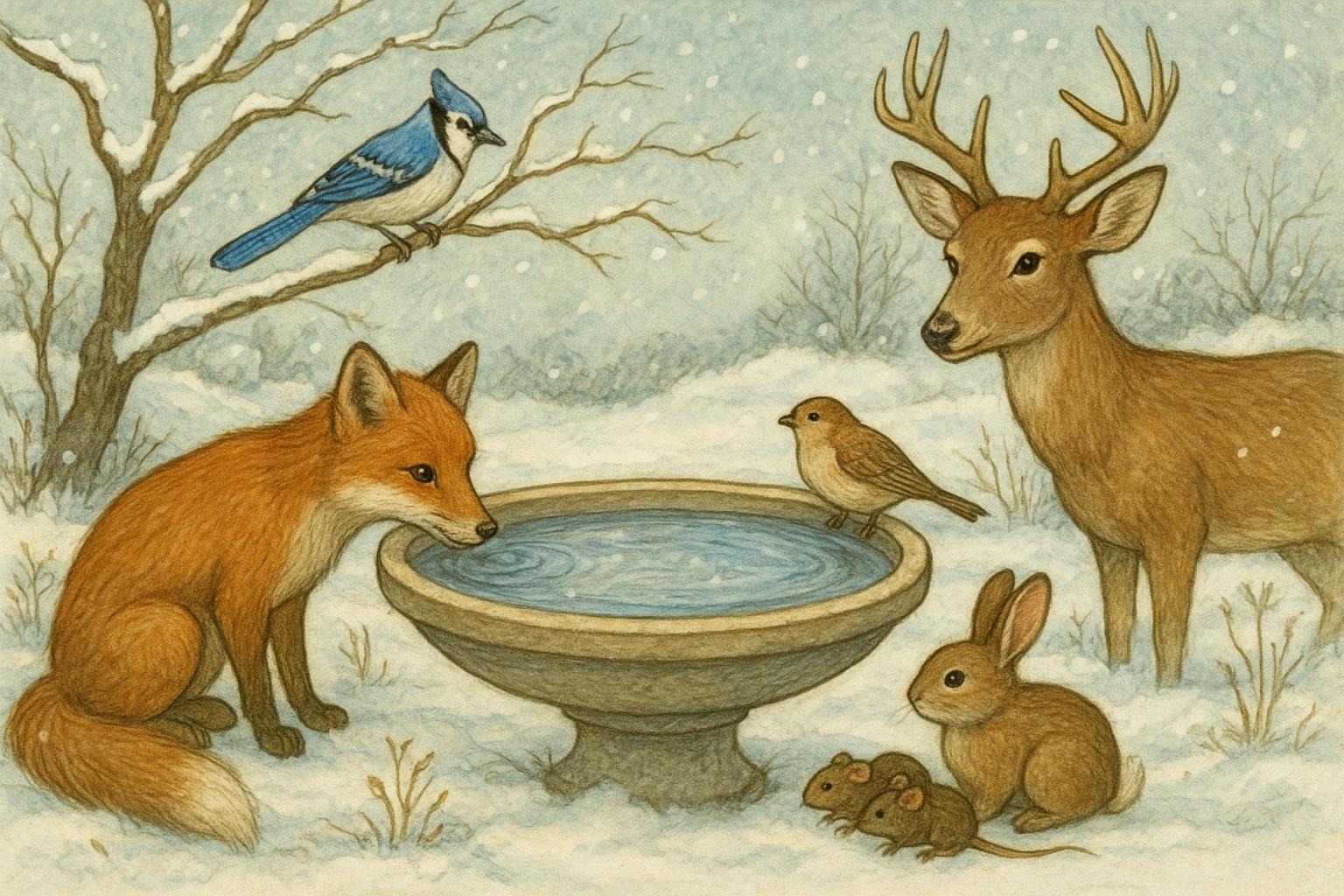
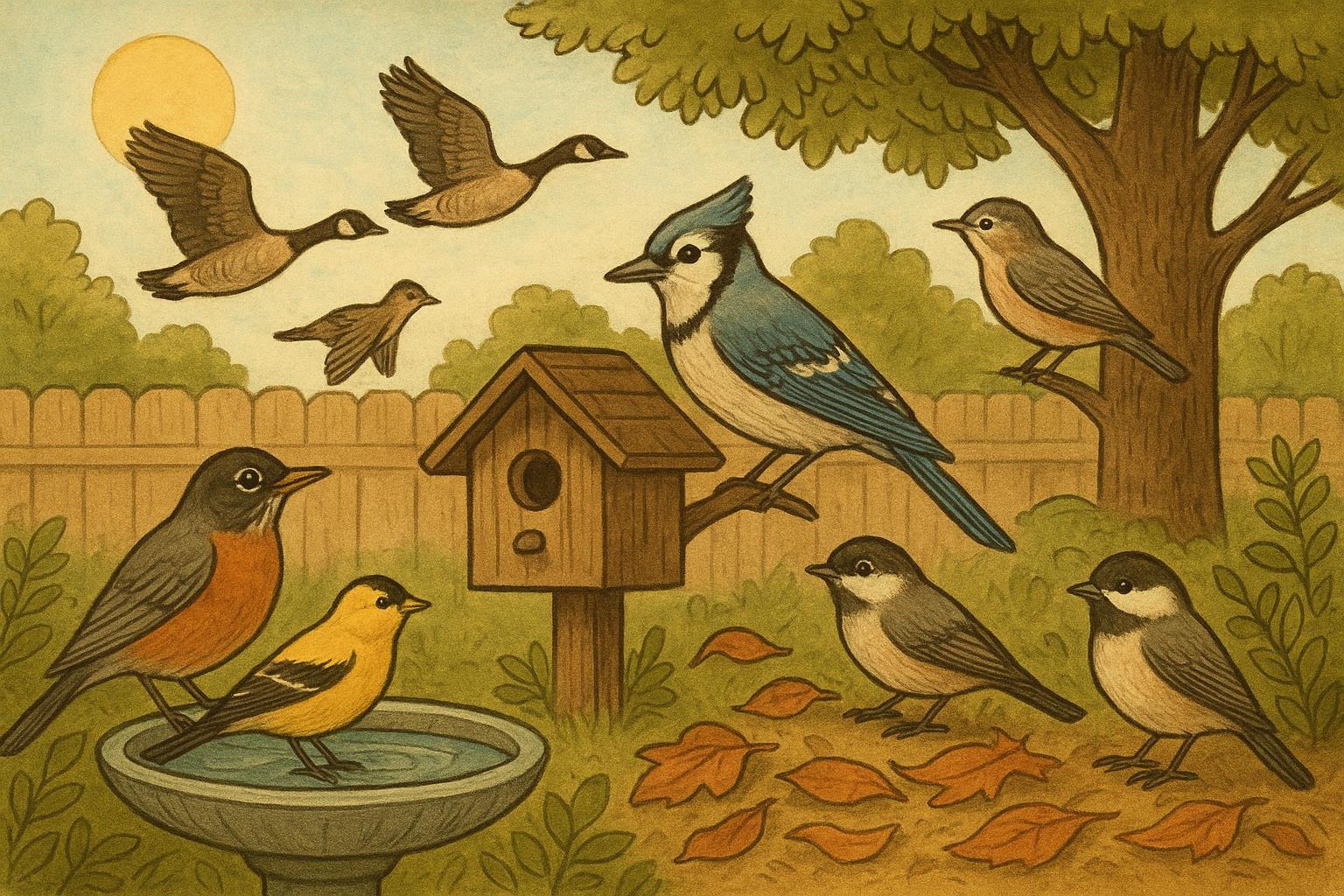
Wildlife needs clean water for drinking and bathing. A shallow birdbath with textured surfaces for perching and varying depths works well. For small mammals and amphibians, a gently sloped pond edge or a shallow basin is safer than steep-sided containers that can trap animals. Move water features away from heavy human traffic to reduce stress on wildlife.
#### Maintenance Practices For Water Features
Regularly empty and scrub small baths to prevent mosquito breeding and algae buildup, but leave larger, well-circulated water features with naturalized edges and aquatic plants that support a balanced micro-ecosystem.
### Shelter And Nesting Sites
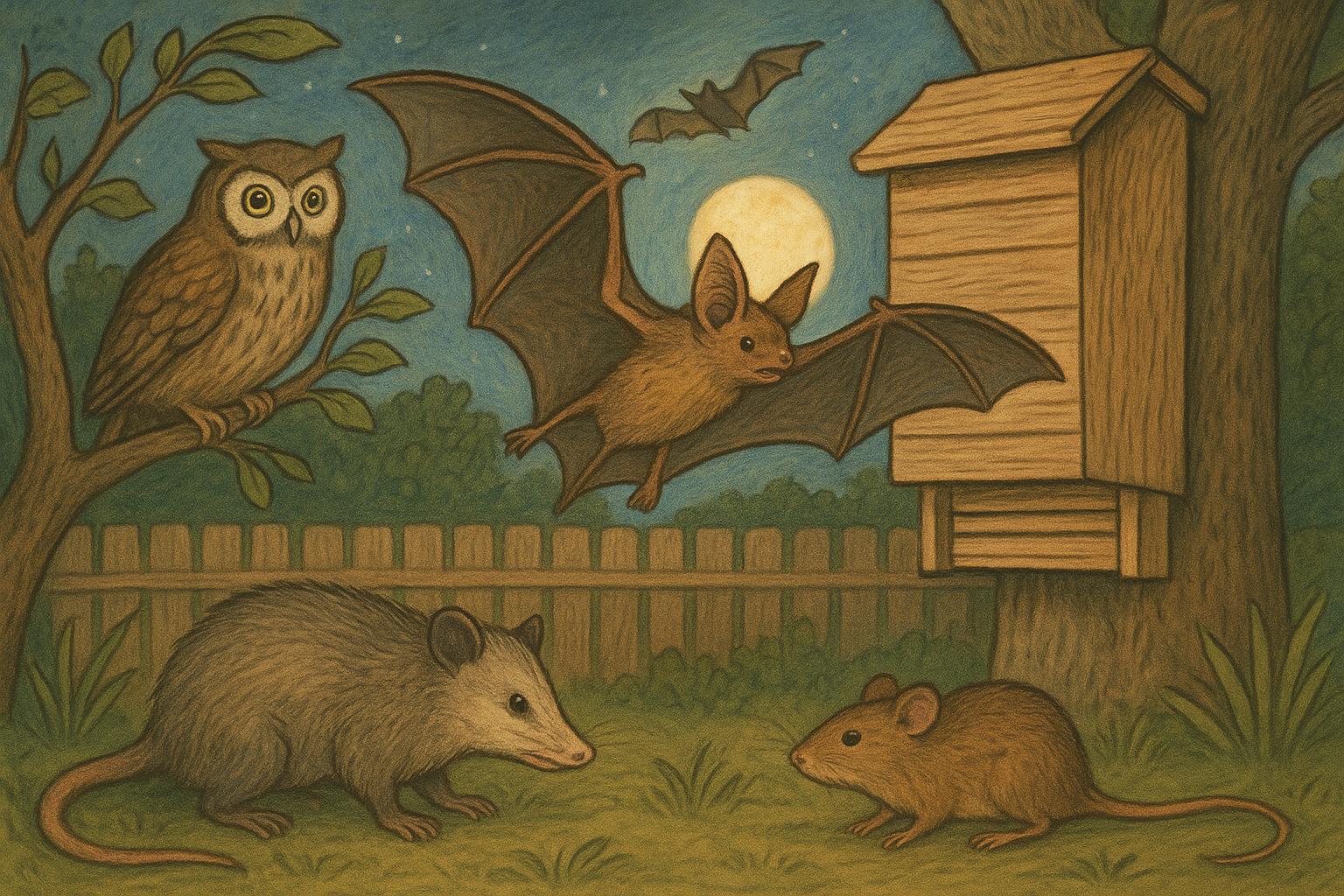
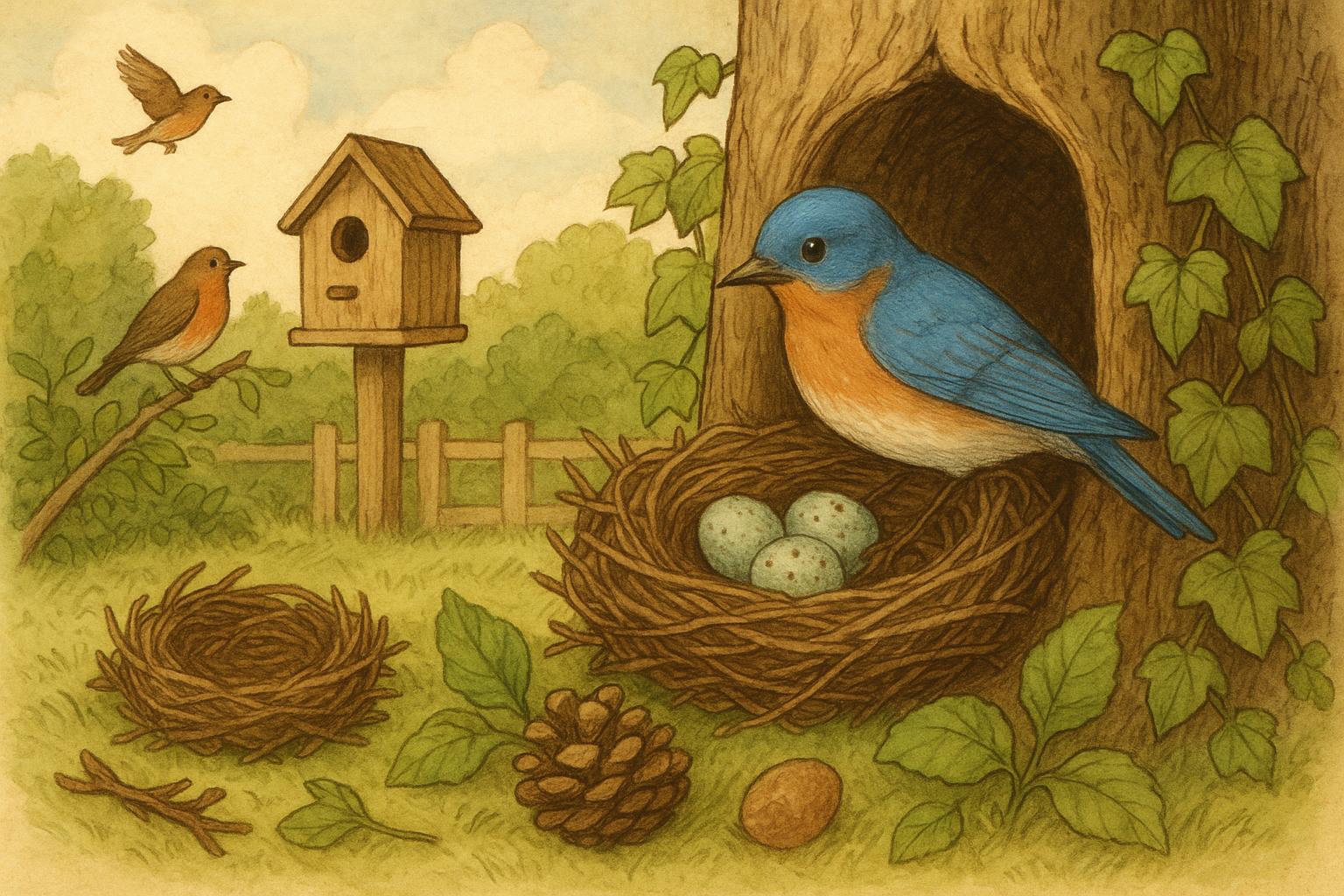
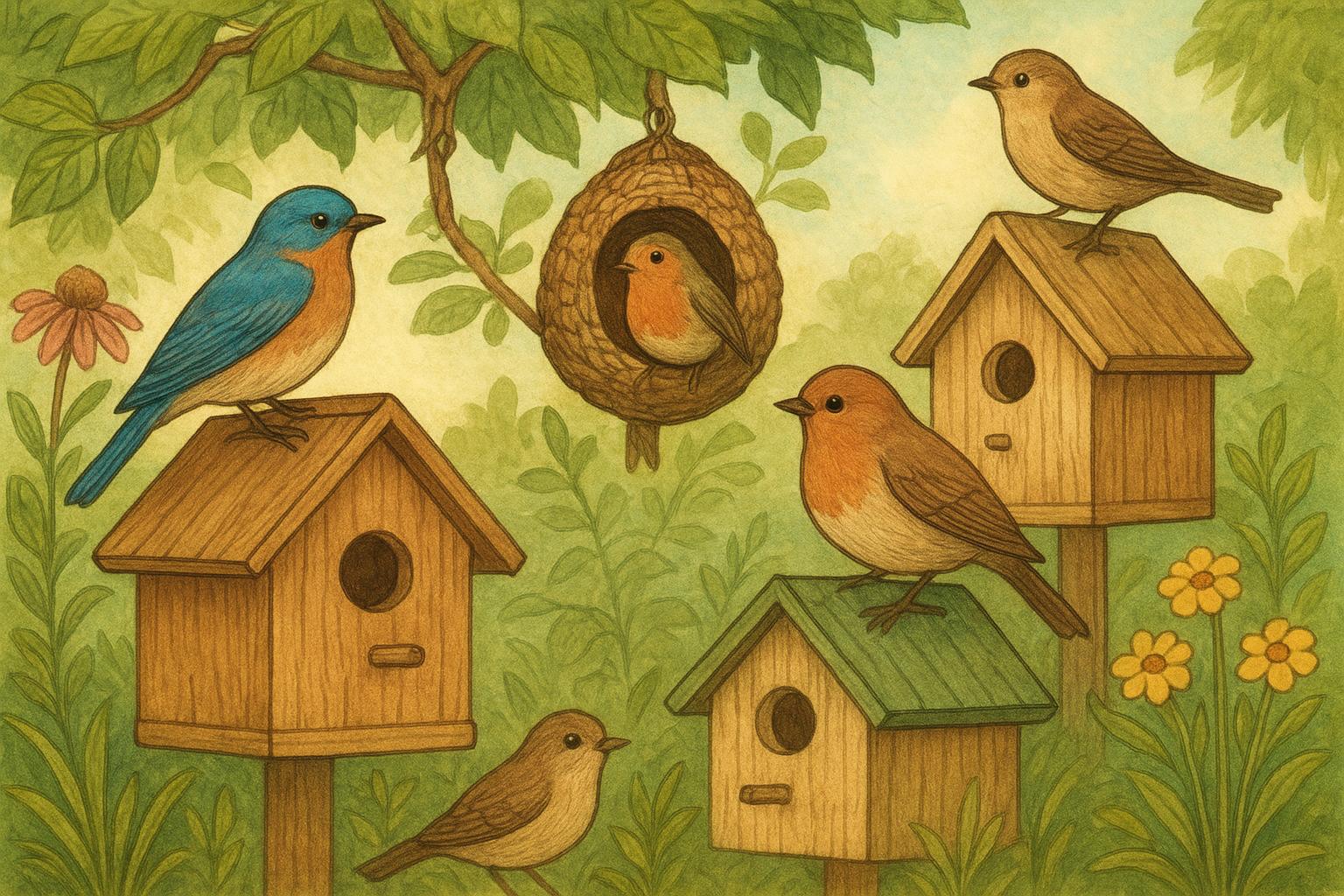
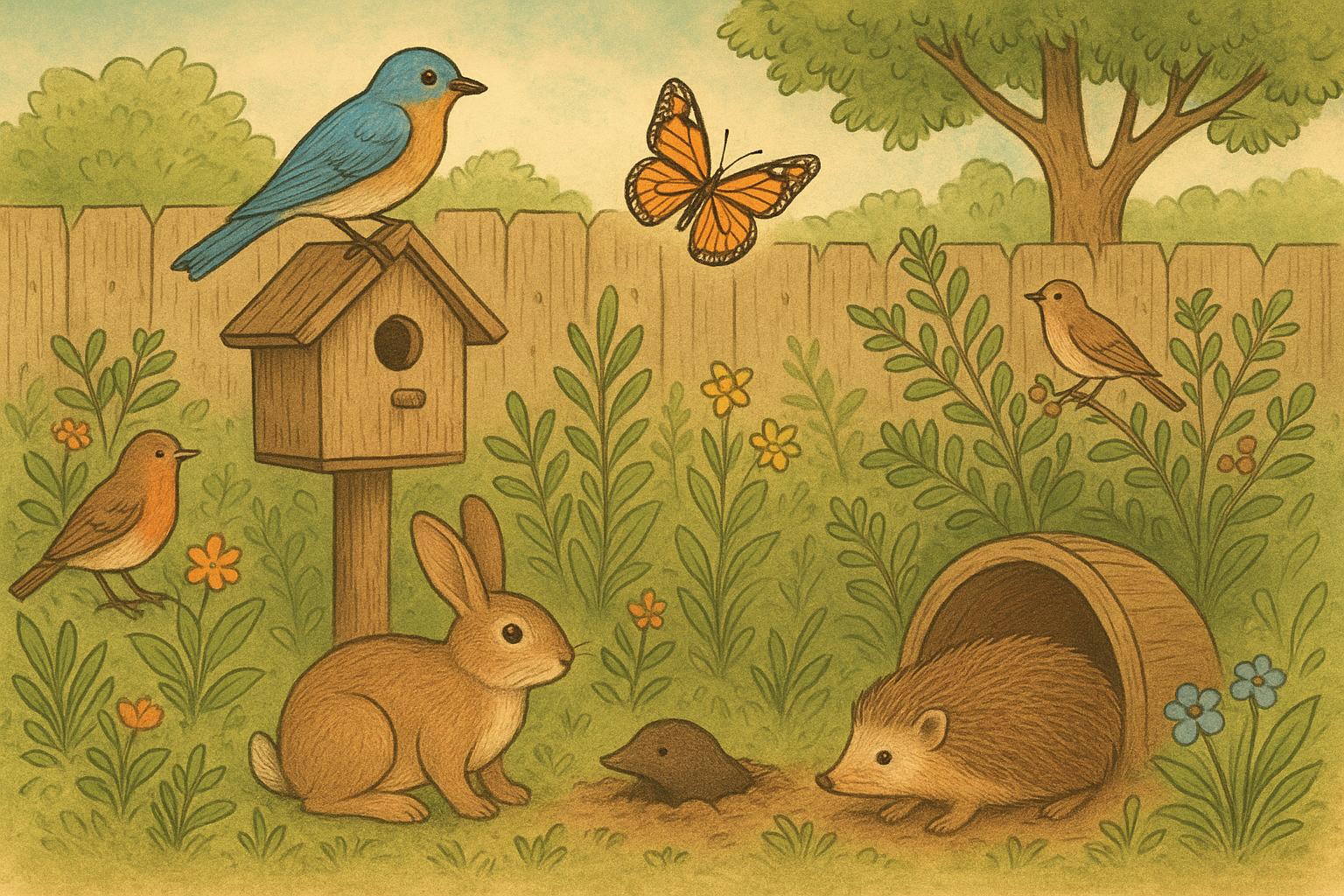
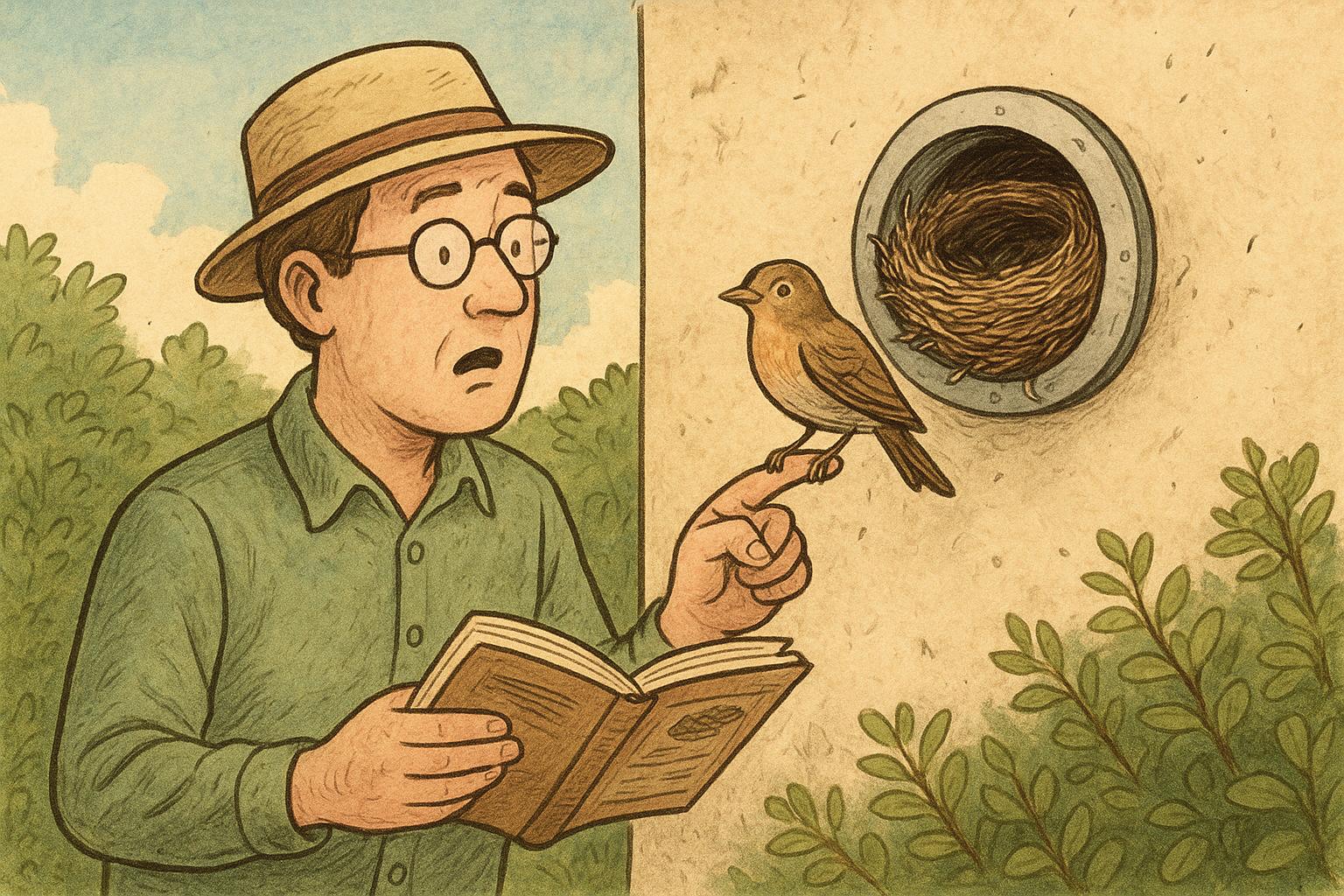
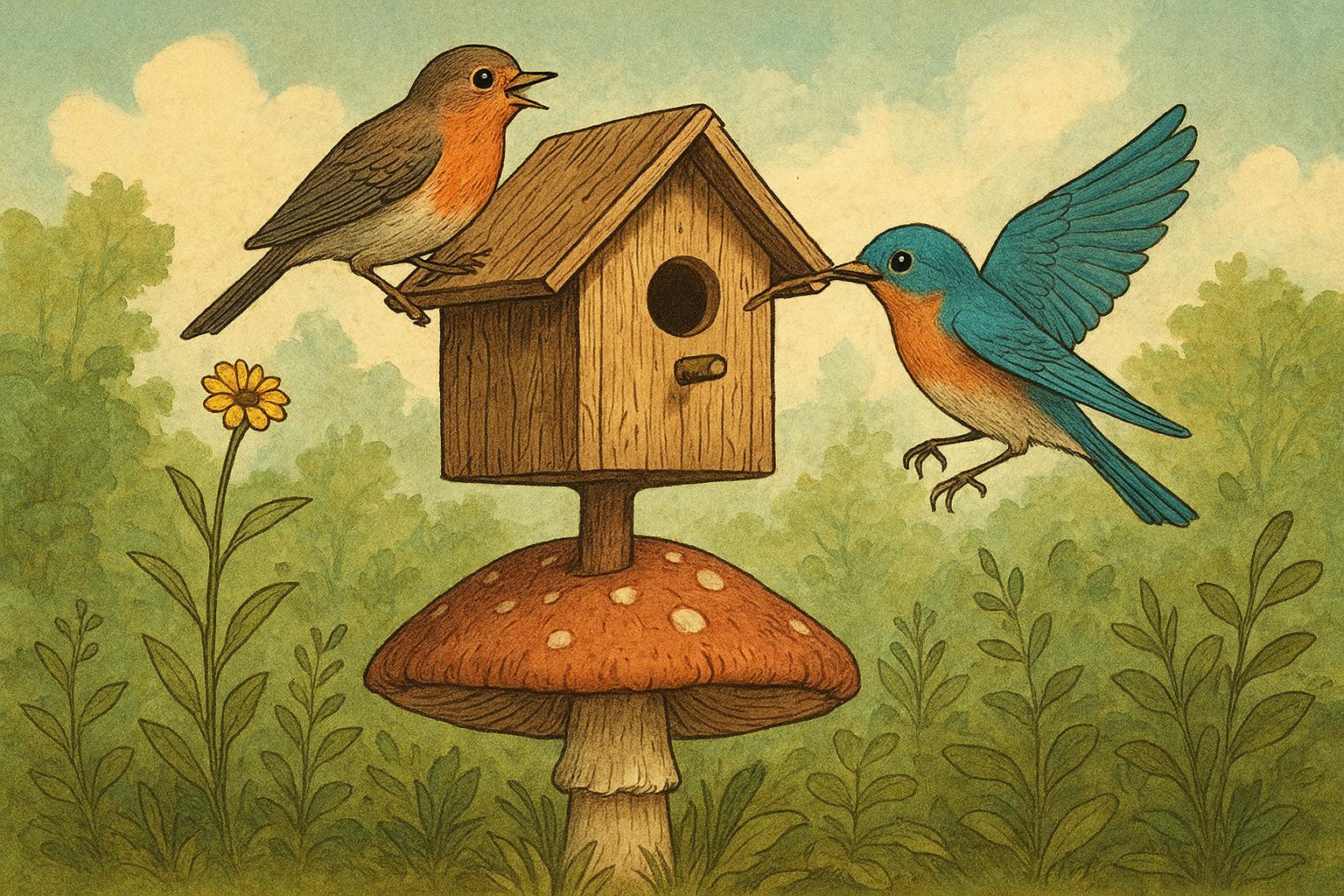
Natural cavities, brush piles, and dense shrubs are invaluable. Install a variety of nest boxes for different species, ensuring proper placement (height, orientation) and predator guards where needed. Avoid plastic nesting cups and replace rattier boxes as they degrade.
#### Safety From Predators And Pets
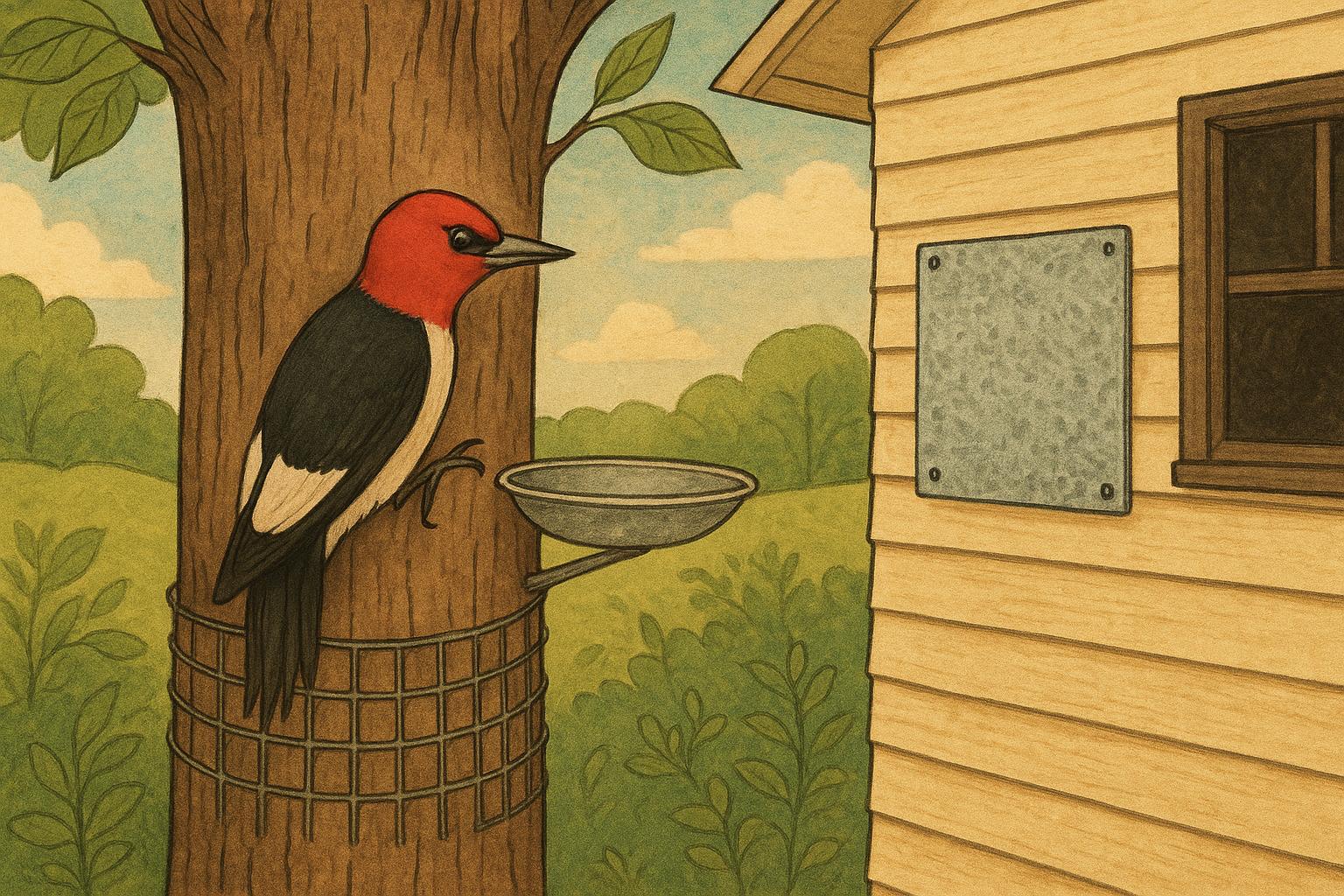
One of the trickiest parts of balancing wildlife maintenance is managing free-roaming pets. Cats, in particular, are efficient hunters. Encourage indoor living for cats or use supervised outdoor time and catios. For dogs, fenced areas or training reduce impacts. Predator-proof feeders and baffles on poles help birds feed without being ambushed.
### Human-Wildlife Conflict: Prevention And Response
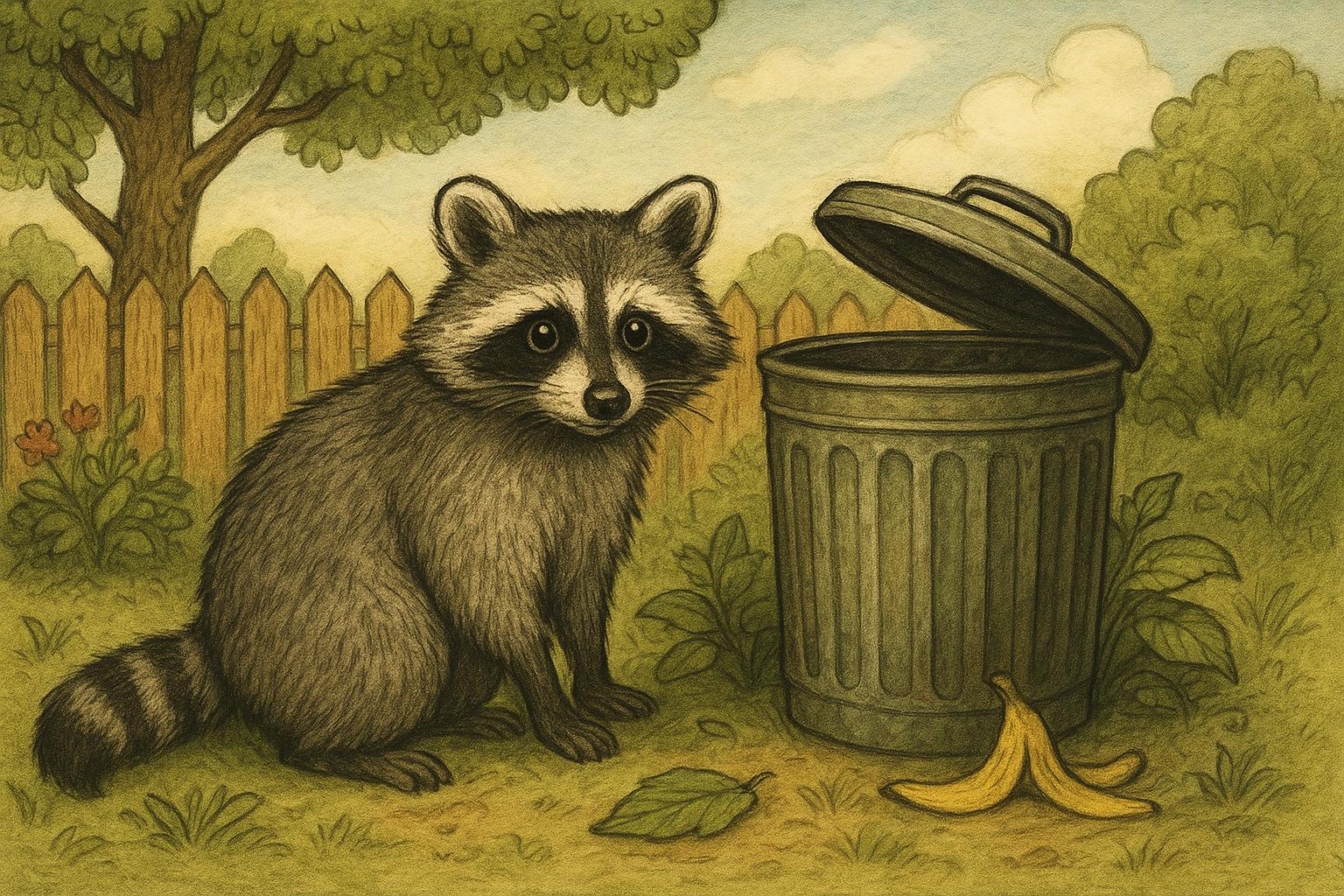
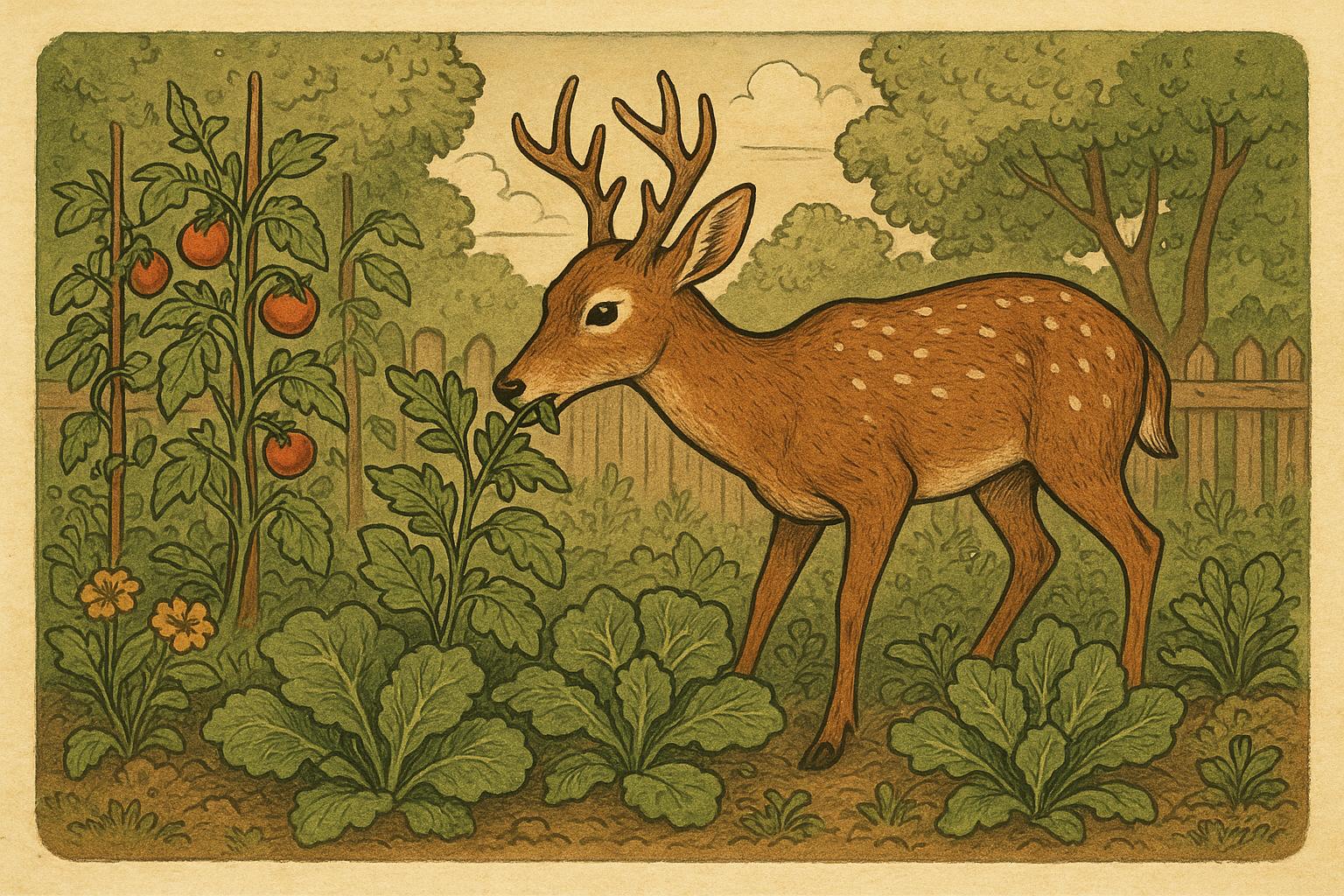
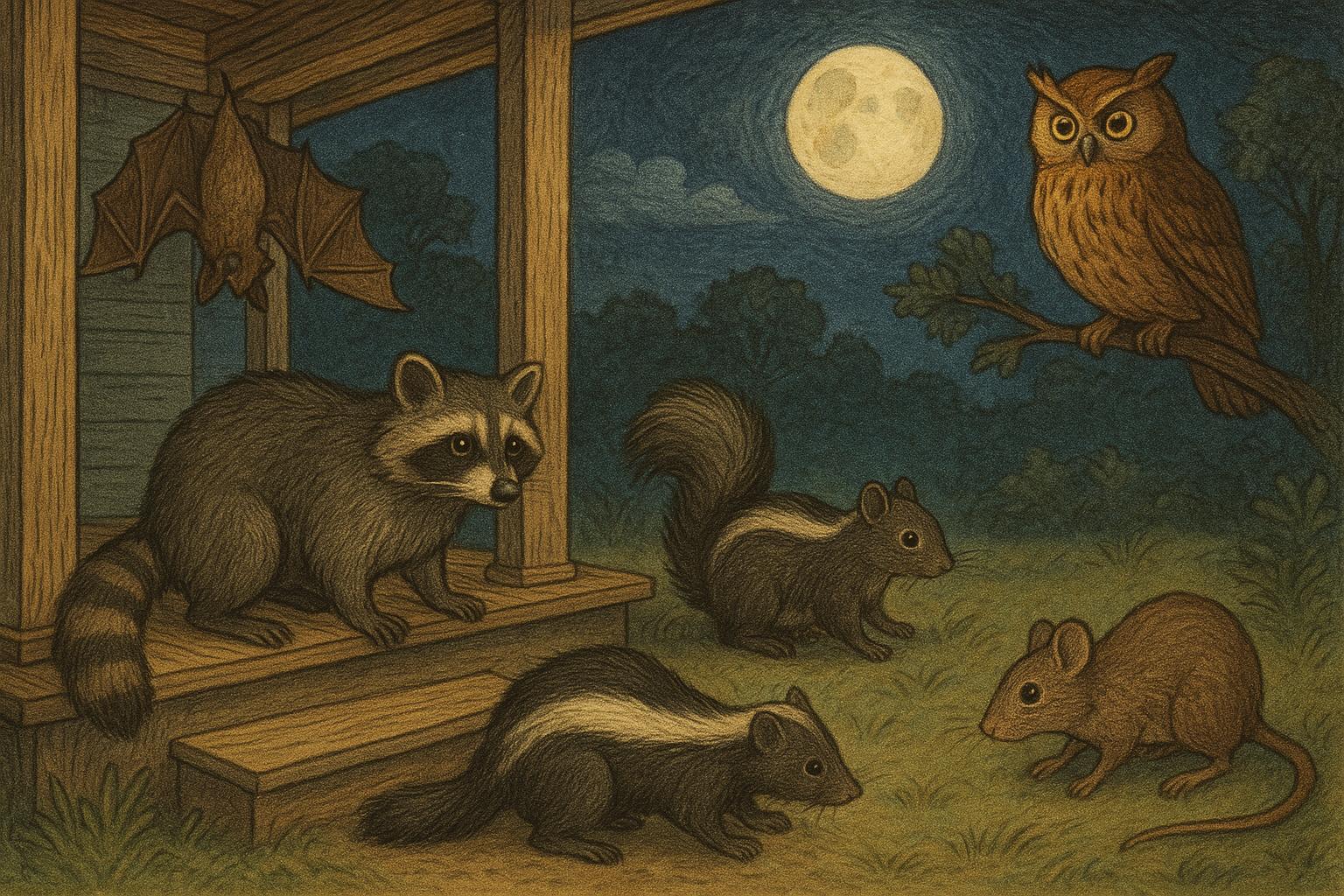
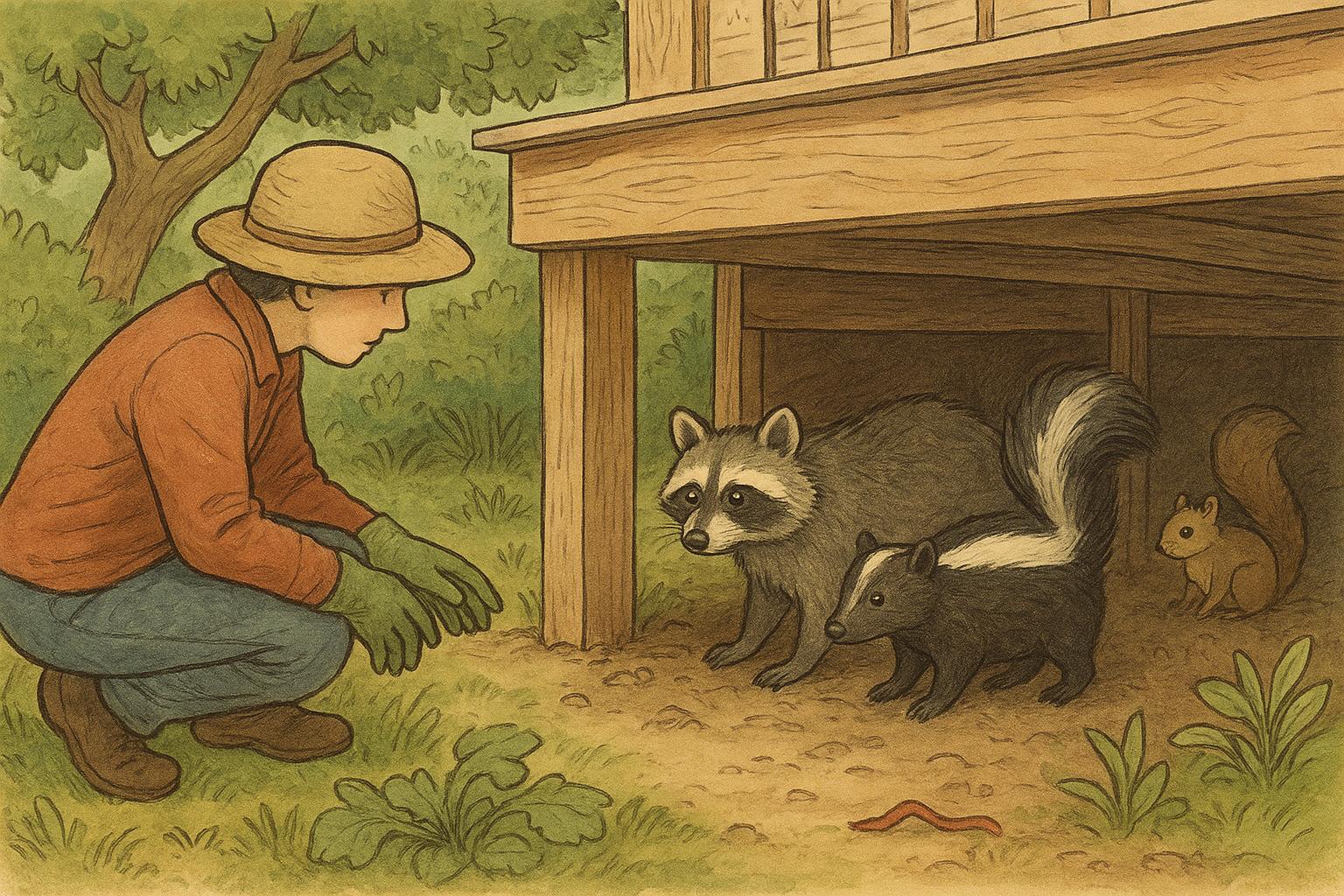
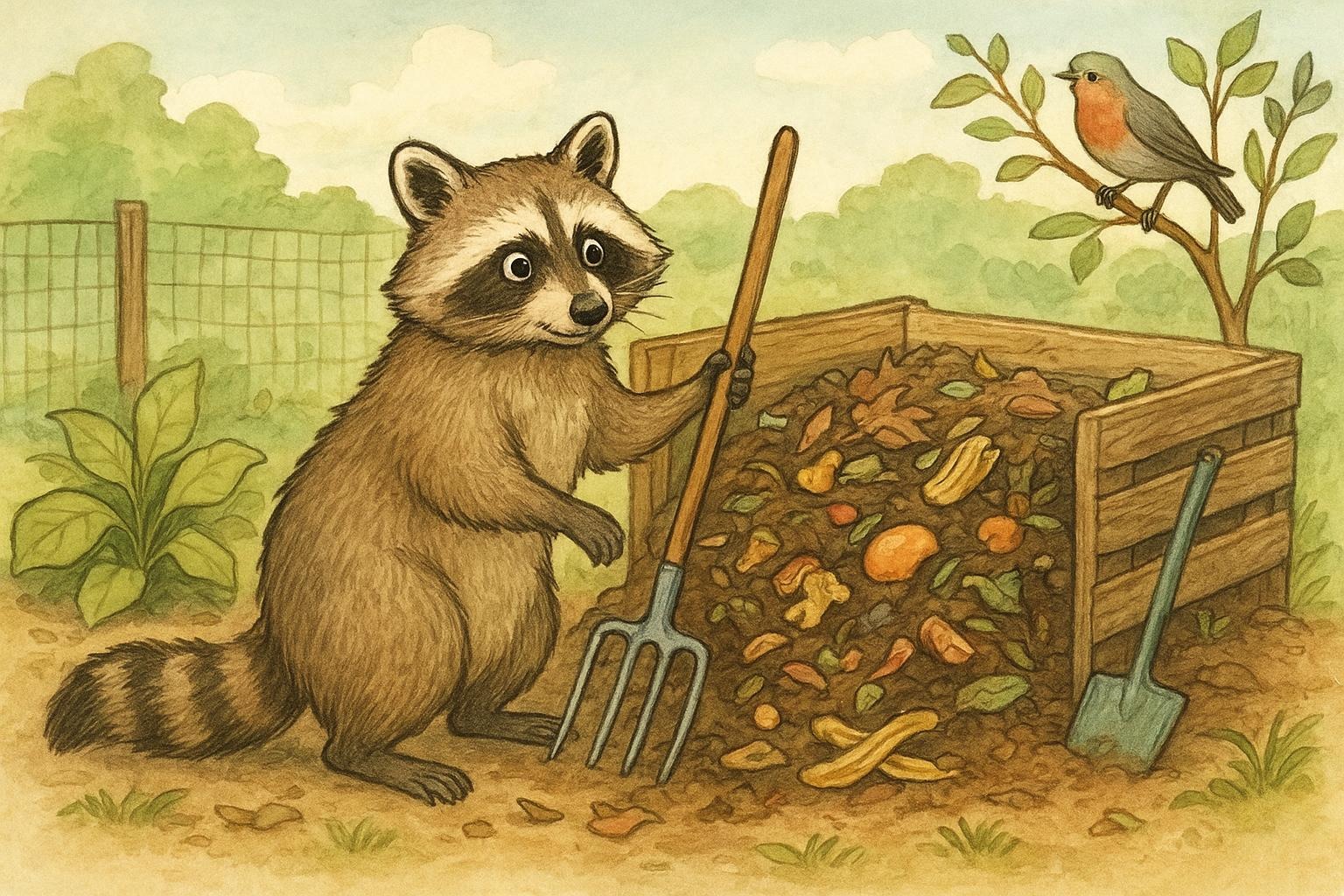
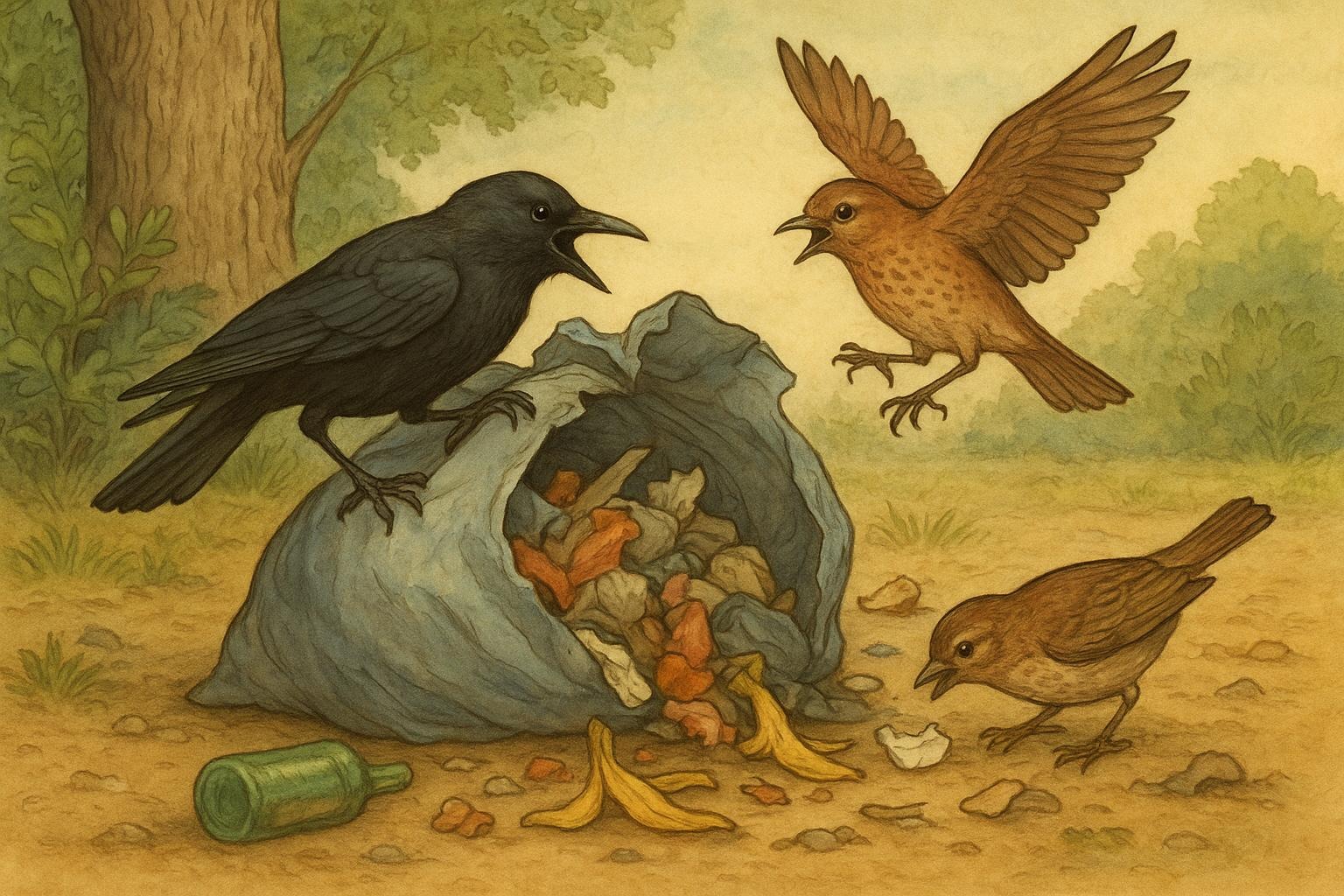
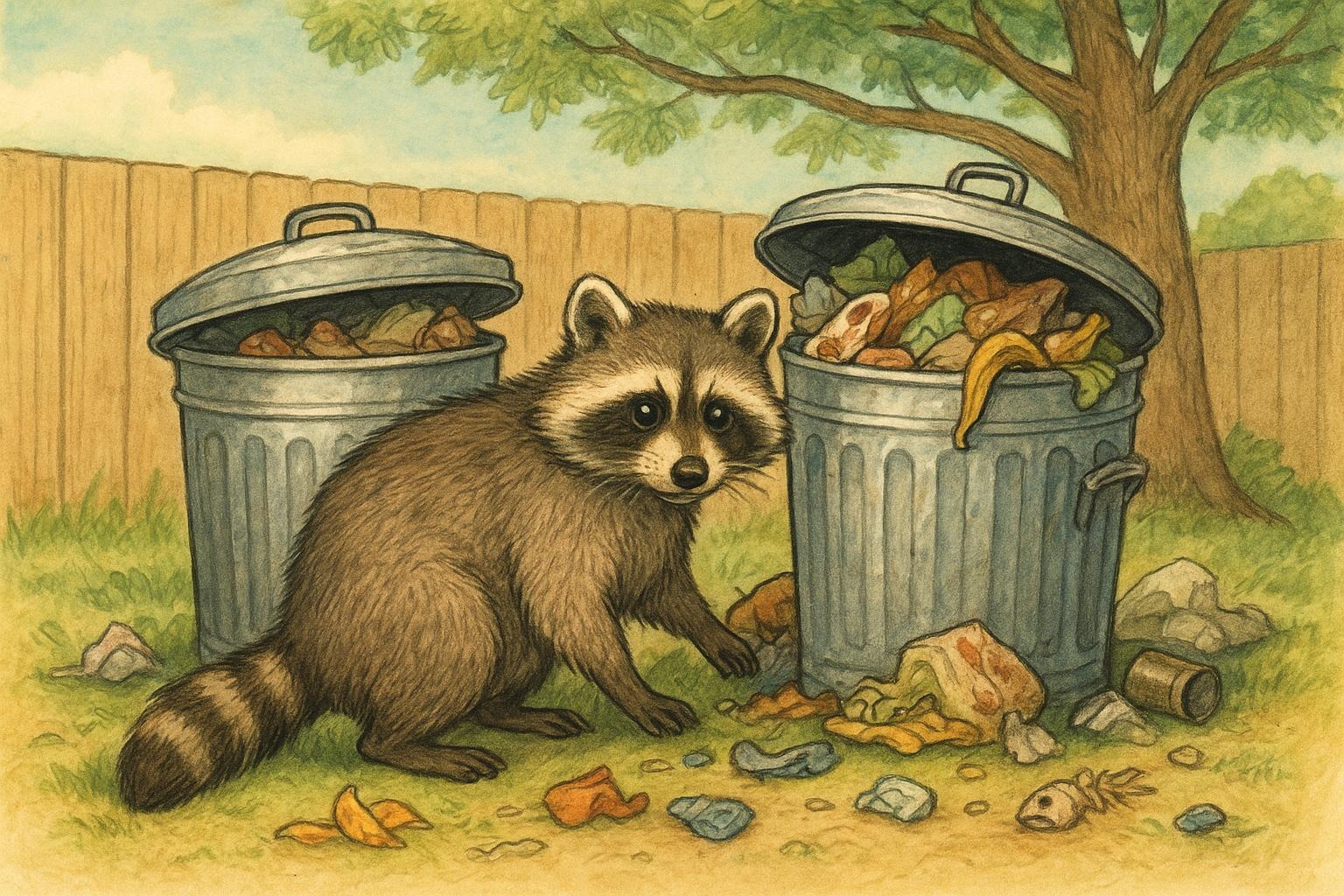
Conflicts—deer eating saplings, raccoons tipping over bins—are inevitable. Rather than trying to eliminate wildlife entirely, plan to reduce attractants and protect vulnerable resources. Use motion-activated lights or sprinklers for repeat nocturnal visitors; secure compost and trash; use fencing or repellents designed for the target species. Document patterns: knowing when and how a problem occurs is half the solution.
## Remedy 1: Creating A Small Wildlife Water Station
(Prepare To Be Practical And Precise)
Materials:
– A shallow basin or ceramic birdbath (6–8 inches deep)
– Flat stones or broken terracotta pieces
– Aquarium-safe water pump (optional, for circulation)
– Gravel or sand for base
– Native aquatic or marginal plants (pickerelweed, water iris optional)
– Brush or small branches for nearby perching
Steps:
1. Select Location: Choose a level spot visible from the house but sheltered from strong winds and direct sun for most of the day. Avoid placing it directly under feeders to prevent seed-soiled water.
2. Prepare Base: Clear the area of debris and level the ground. Lay gravel or compacted sand to create stable support and good drainage under the basin.
3. Install Basin: Place the birdbath or basin on the prepared base. If using a pump, center it and run the power cable safely along the ground toward your outlet, using outdoor-rated cords and GFCI protection.
4. Create Gradations: Add flat stones or terracotta pieces inside the basin to create varied depths and perches. Ensure a portion is shallow (1–2 inches) for small birds and amphibians.
5. Add Plants (Optional): Place marginal plants around the edge for cover and to aid water quality. Keep plantings modest to maintain visibility and ease of cleaning.
6. Fill And Test: Fill with fresh water. If using a pump, turn it on and test flow; adjust to create gentle movement (strong currents stress small birds).
7. Ongoing Maintenance: Change water weekly or more often in hot weather. Clean the basin monthly by scrubbing and rinsing to remove algae and biofilm. In winter, use a floating de-icer if the feature is in use year-round.
Notes On Safety: Keep the water station shallow with gradual slopes. If you notice other unintended visitors (skunks, raccoons), shift the station closer to human activity during their peak hours, or remove overnight until patterns change.
## Remedy 2: Creating A No-Mow Pollinator Strip
(This Is A Step-By-Step Habitat Upgrade For Busy People)
Materials:
– Native wildflower seed mix appropriate to your region
– Soil knife or spade
– Mulch or straw (weed-free)
– Stakes and string (for layout)
– Optional: native grass plugs for structure
Steps:
1. Choose Location And Size: Identify a sunny strip along a fence line, driveway, or lawn edge; 3–6 feet wide is a good start. Mark boundaries with stakes and string.
2. Prepare The Soil: Remove existing turf or weeds by cutting sod thinly with a soil knife or spade and removing it. If soil is compacted, loosen the top 2–3 inches. Remove large stones and roots.
3. Amend If Necessary: Test soil drainage. For heavy clay, incorporate compost to improve structure. Native plants usually need minimal amendment; excessive fertility favors weeds.
4. Sow Seeds: Broadcast the native wildflower seed mix evenly according to package rates. Lightly rake to ensure seed-to-soil contact. For plugs, plant at recommended spacing.
5. Mulch Lightly: Apply a thin layer of straw or mulch to reduce erosion and preserve moisture, but don’t bury seeds deeply.
6. Watering Schedule: Water gently daily for the first two weeks (or until seedlings are established), then taper to twice weekly for a month. After establishment, rely on seasonal rainfall.
7. Maintenance Regime: Year One—mow or cut back at the end of the season to 6–12 inches to encourage perennials and remove annual weeds. Year Two and onward—mow just once a year in late winter/early spring or perform a light cut in late fall after seeds have dropped.
Troubleshooting (####)
– If weeds dominate, spot-treat by hand-weeding or smothering patches with cardboard and mulch for a season.
– If plants fail to establish, check watering, seed viability, and sunlight. Many native mixes require full sun; move location if shady.
### Monitoring And Adaptive Care
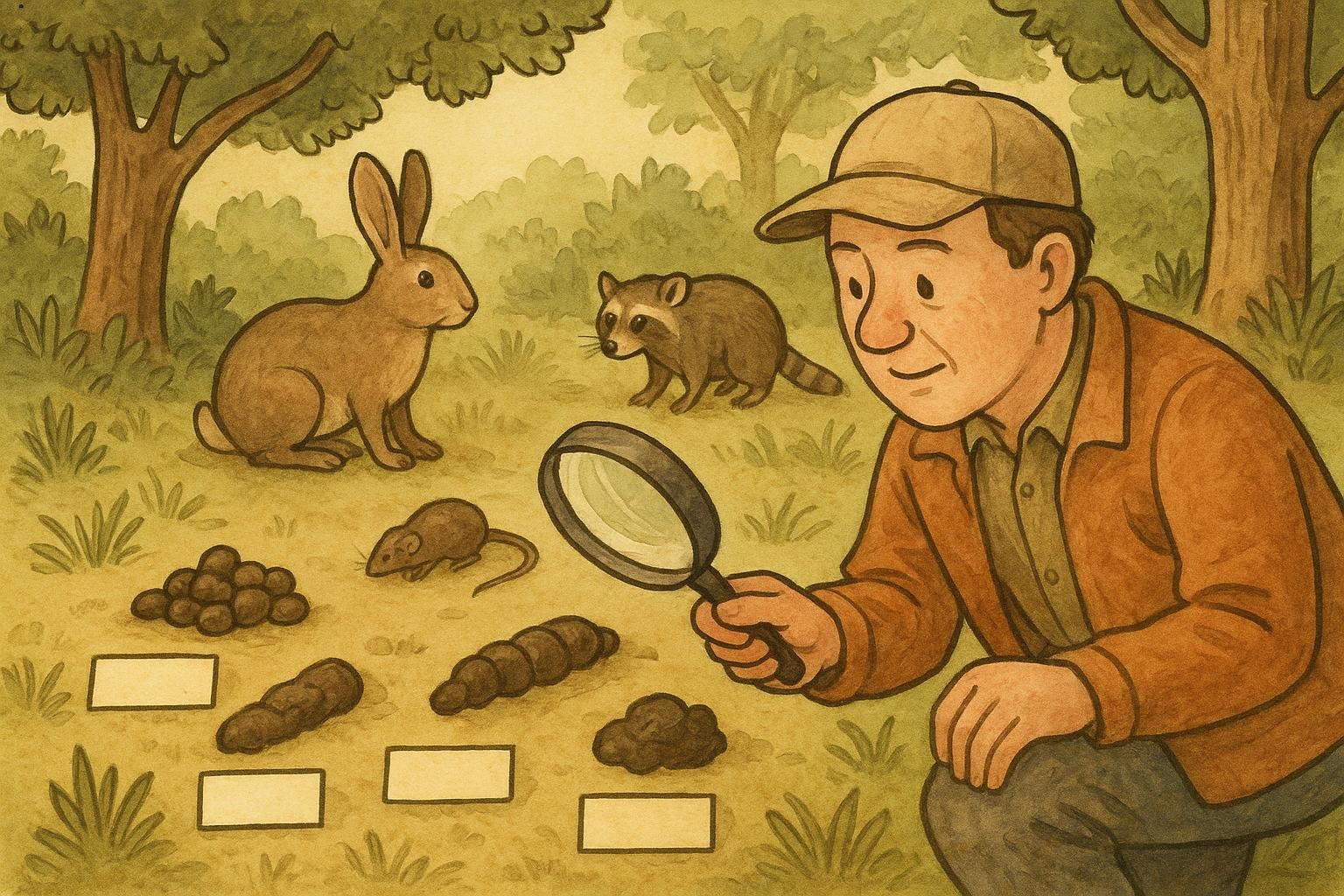
Balancing wildlife maintenance is an ongoing process. Keep a small log—what species you see, where conflict crops up, and what worked or didn’t. Adjust plantings, feeder placements, and maintenance rhythms seasonally. This adaptive approach reduces surprises and builds a resilient yard.
### Small-Scale Policies You Can Adopt
Adopt a few household policies that make life easier for both people and wildlife: limit pesticide use, keep compost bins secure, and establish quiet zones during breeding seasons. These are simple behavioral changes that multiply the benefits of your physical habitat improvements.
A yard that supports wildlife doesn’t have to look wild at every turn—it just has to be thoughtfully arranged, responsibly maintained, and occasionally a little bit messy in the right places.




Leave a Reply