
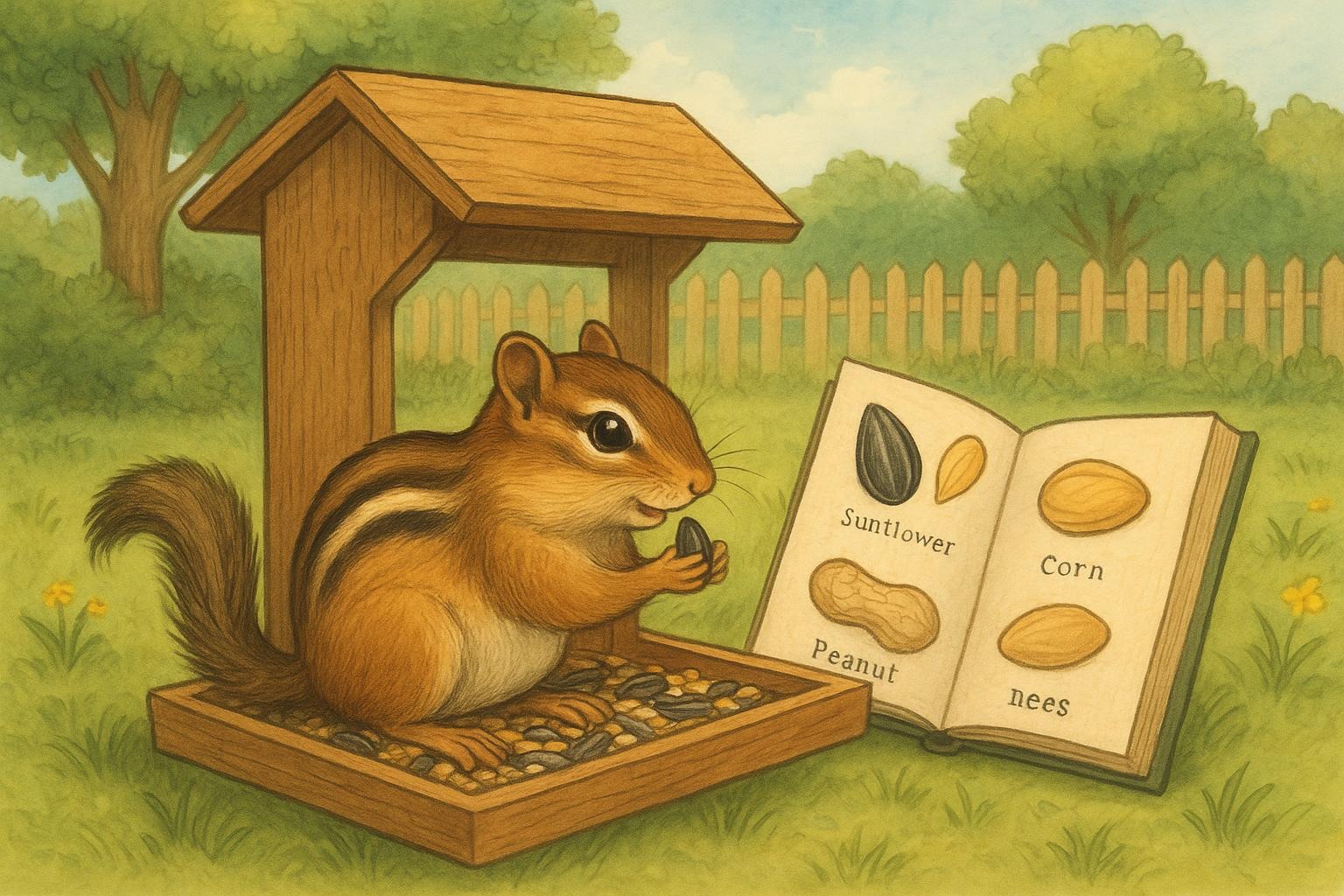
Hello there — pull up a chair, grab your binoculars, and get ready to turn your yard into a miniature aviary. This guide is for folks who like watching birds, feeding them well, and occasionally interrogating a particularly bold robin about its life choices. Expect practical tips, seed science, a dash of humor, and one formal remedy for keeping greedy squirrels at bay.
## Platform Feeder Finds A Playful Backyard Seed Guide
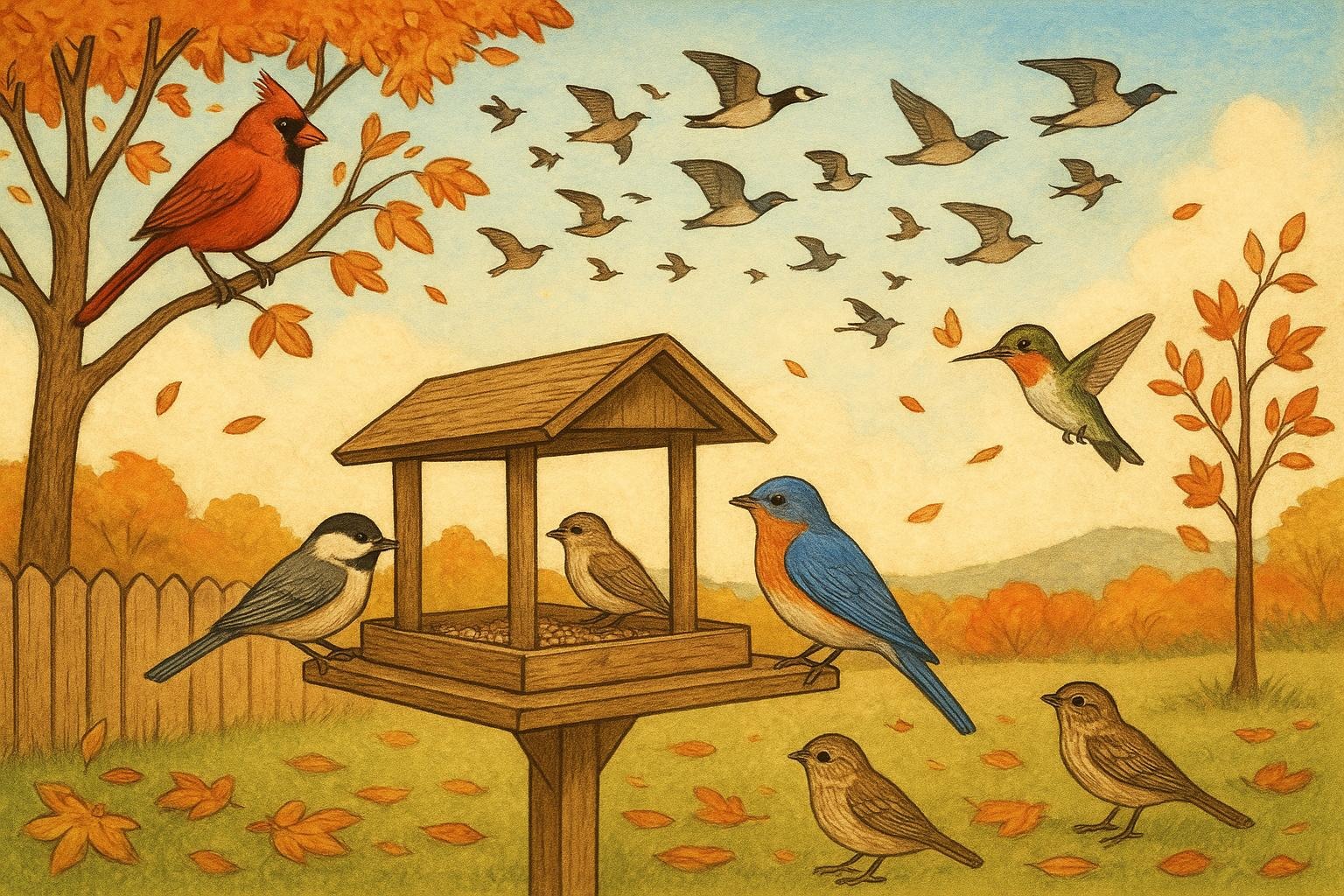
A platform feeder is one of the friendliest, most versatile ways to invite backyard birds in for a snack. Unlike tube feeders or hanging suet cages, a platform gives birds room to hop, shuffle, and display their best outfits while they eat. It’s a stage, a buffet, and sometimes a bickering ground for finches and jays — all in one.
### Why Gardeners And Birders Love Platform Feeders
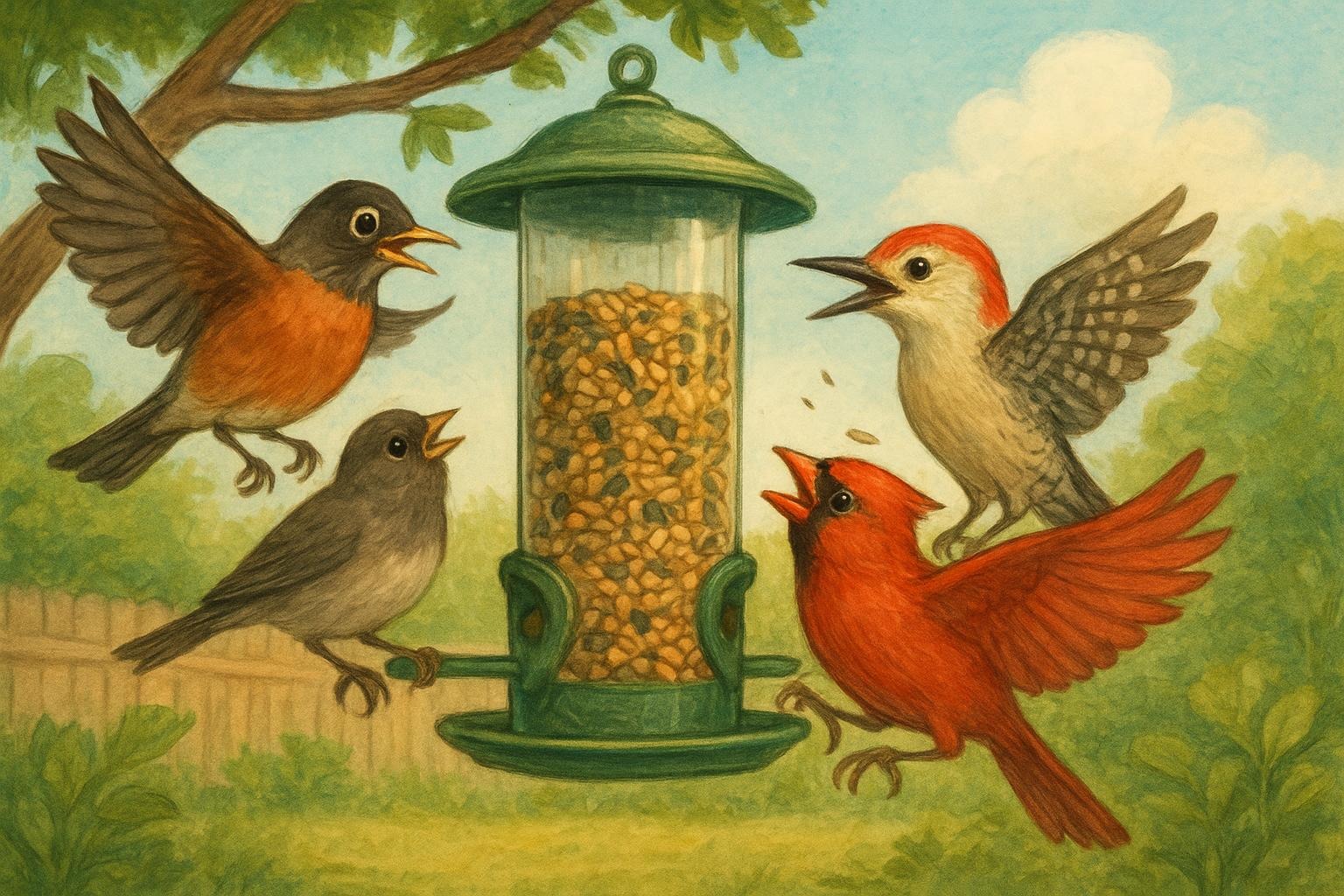
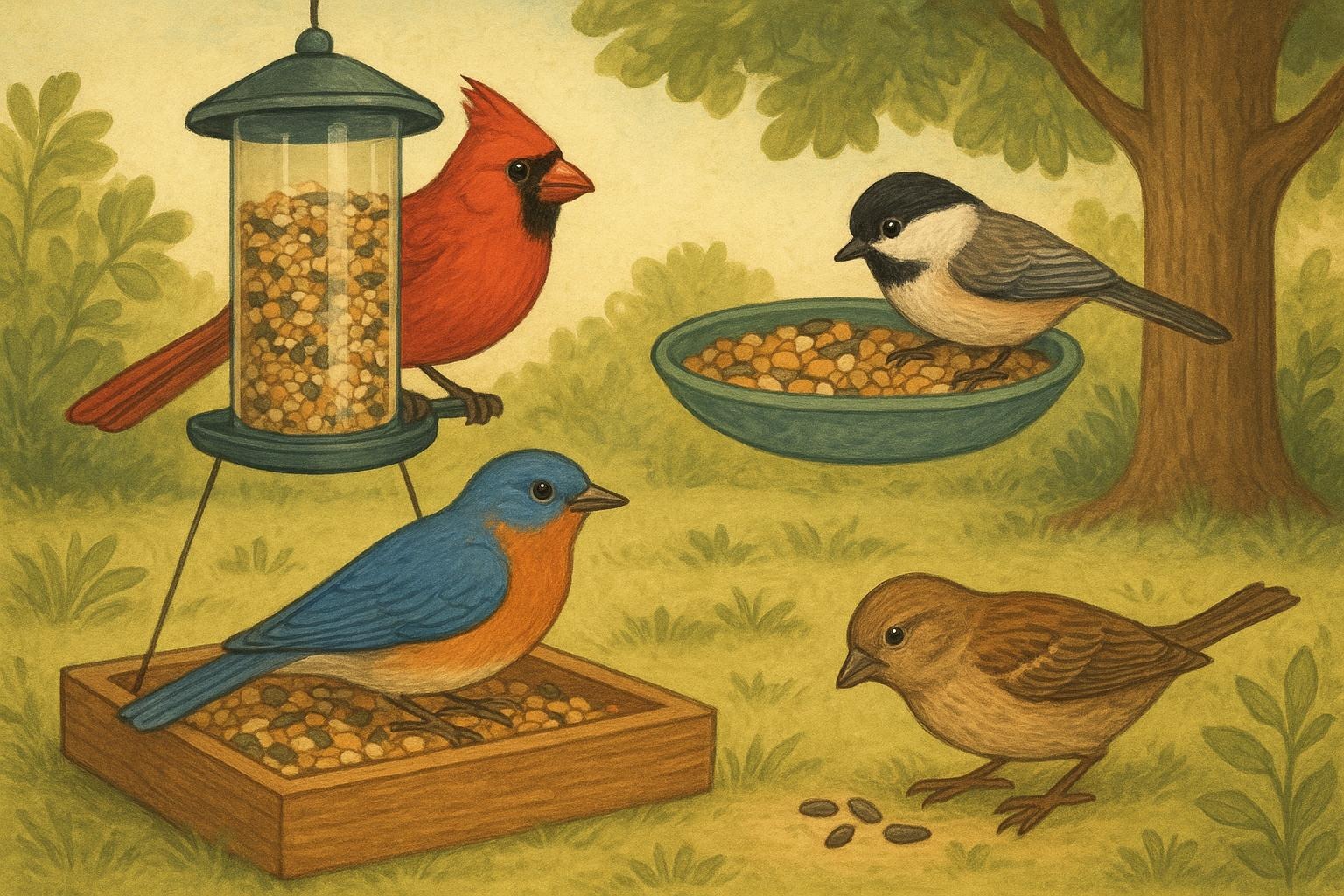
Platform feeders are accessible to a wide variety of species: jays, doves, juncos, sparrows, cardinals, and ground-feeding birds that won’t use enclosed feeders. The openness of a platform feeder also makes it easier to offer mixed seed blends, fresh fruit, and even mealworms. Their simplicity is their charm; they’re easy to clean, simple to fill, and often inexpensive.
### Common Challenges With Open Feeding
– Predation Risk: Because birds are exposed while feeding, placement matters for safety.
– Weather: Seeds can get soggy in rain; cover or drainage is important.
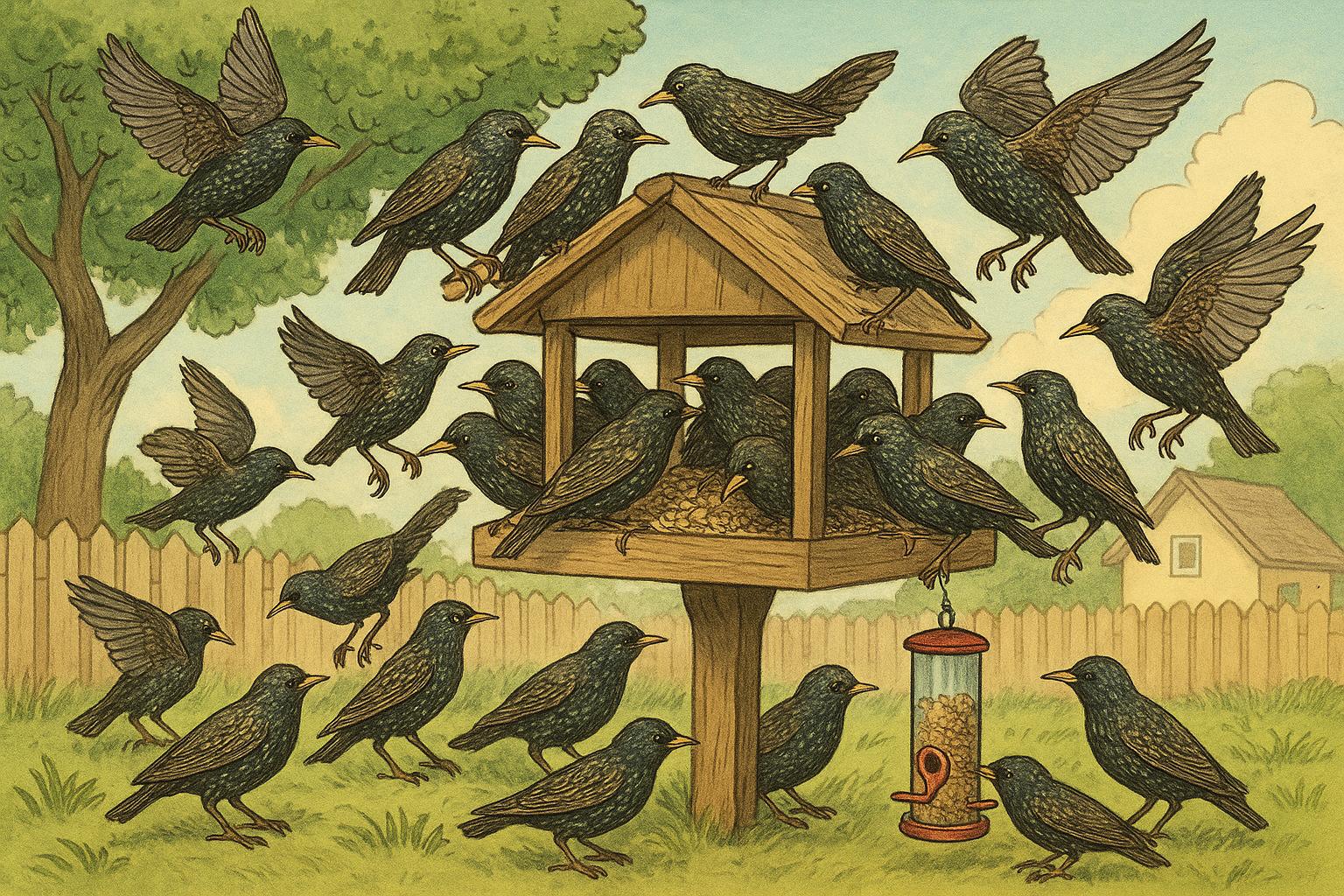
– Pests: Squirrels and pigeons may monopolize the spread if you don’t take steps to deter them.
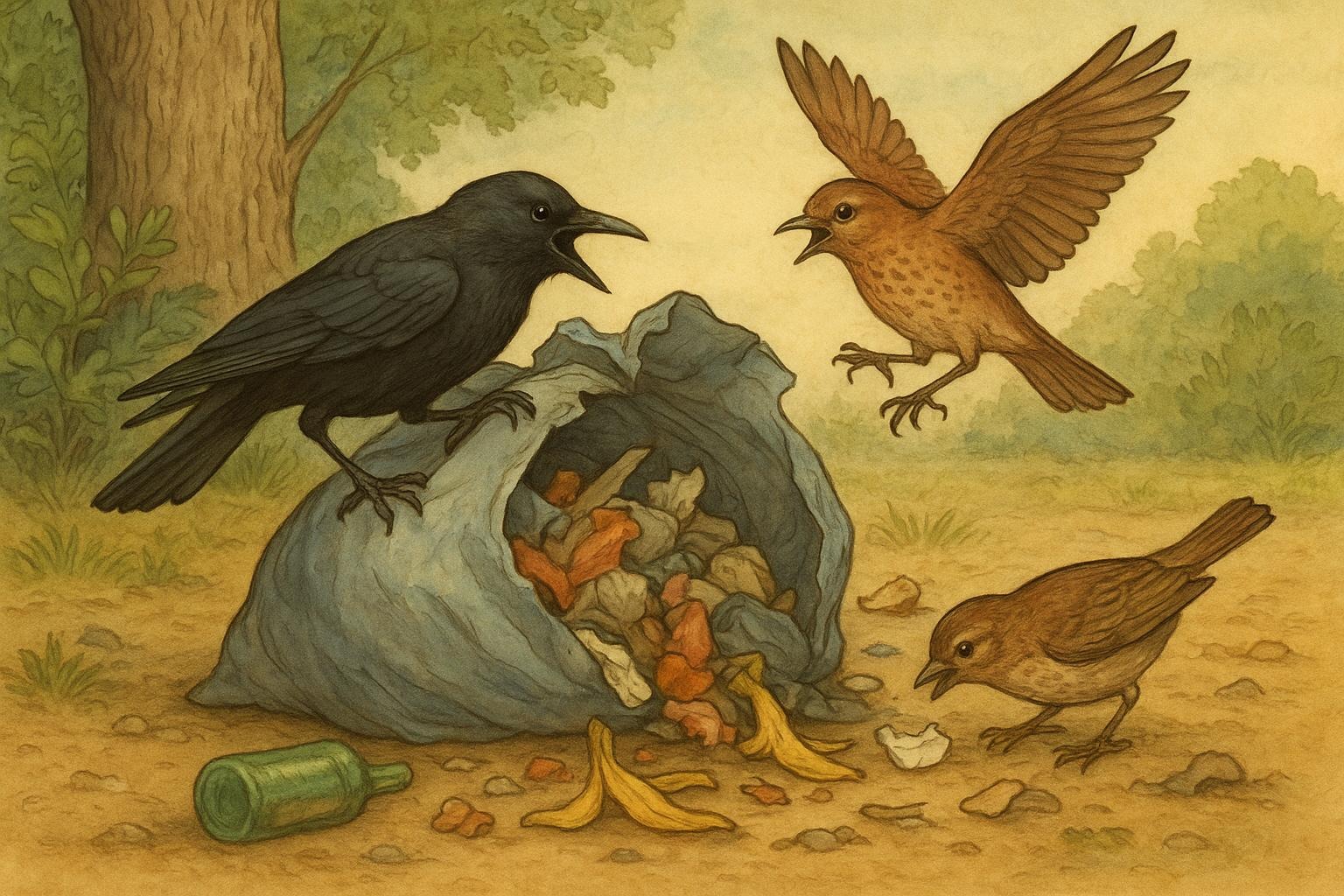
– Seed Waste: Some seed types attract more scatter than others, creating a mess beneath the feeder.
#### Placement Tips For Safety And Comfort
Place your platform feeder within sight of nearby cover — shrubs, low trees, or brush piles — but at a safe distance from branches that predators can use as launching pads. A common guideline: place feeders 10–15 feet away from jumping-off points and about 4–6 feet above the ground so ground predators have a harder time, but birds still feel comfortable.
#### Weatherproofing And Drainage
Choose platforms with small drainage holes or add a slight slope so water doesn’t pool. A simple tarp or transparent cover can be erected above the platform to shield seed from rain while keeping visibility high for the birds.
### What Seeds Do Which Birds Prefer?
Knowing what to put in your platform feeder helps tailor your backyard guest list.
– Black-Oil Sunflower: Universally loved; great energy and thin shells make them easy for small birds.
– Millet: A favorite of sparrows, juncos, and towhees; works well for ground-feeding species.
– Safflower: Cardinals and some titmice enjoy it; squirrels find it less appealing.
– Peanuts (shelled or halves): Excellent for jays and woodpeckers, but are calorie bombs and attract larger birds.
– Mixed Seed: Convenient but can encourage waste if the mix contains many fillers.
Be mindful: platform feeders are often used for mixed offerings. Offer foods that match the birds you want to attract and avoid high-sunflower-only piles if you live in an area prone to messy scatter or pest attraction.
## 1. Squirrel-Resistant Platform Feeder Setup
When it comes to remedies, clarity and precision matter. Below is a formal, actionable plan to reduce squirrel domination of a platform feeder while maintaining accessibility for birds.
Materials Required:
– Sturdy platform feeder (metal or durable wood, at least 12–18 inches wide)
– Metal baffle (cone or dome style) sized for pole mount
– Galvanized steel pole, minimum 6–8 feet in length
– Small mesh guard (hardware cloth, 1/2-inch openings), optional
– Safflower seed or squirrel-resistant seed blend
– Cable ties, screws, or brackets for secure attachment
– Optional: weight-activated perch deterrent (commercial devices available)
Step-by-Step Installation And Application:
1. Select Location: Identify a feeding spot 10–15 feet from trees or structures that squirrels can jump from. Choose ground that permits stable installation of the pole.
2. Install Pole: Secure the galvanized steel pole into the ground according to manufacturer specifications, ensuring vertical alignment and stability. The top of the pole should be 6–8 feet above ground.
3. Attach Baffle: Slide the metal baffle onto the pole, positioning it several inches below where the platform will mount. Ensure the baffle cannot be easily lifted or bypassed; use screws or brackets if necessary.
4. Mount Platform: Secure the platform feeder on top of the pole with appropriate fasteners. Confirm it is level to prevent seed spillage and that the platform cannot rotate freely.
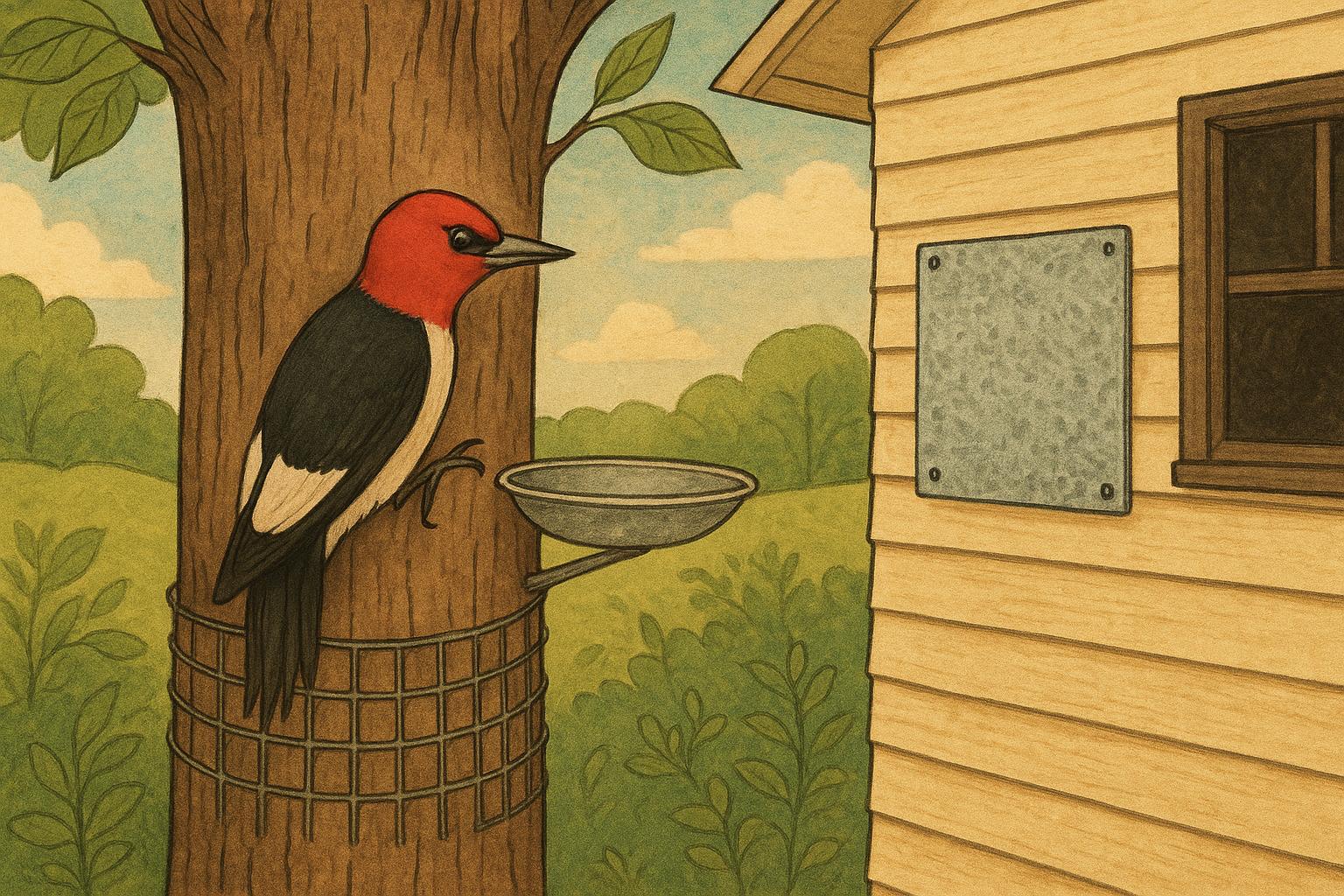
5. Add Mesh Guard (Optional): For additional deterrence, attach a small mesh guard around the underside of the platform to prevent squirrels from reaching up into crevices.
6. Choose Seed: Load the platform with safflower or a blend labeled as “squirrel-resistant.” These choices are less attractive to squirrels but favored by cardinals and many songbirds.
7. Test And Adjust: Observe the setup for a week. If squirrels are still reaching the platform, either raise the baffle higher on the pole or extend the distance from launching points. For persistent issues, consider adding a weight-activated perch deterrent following manufacturer instructions.
8. Maintenance: Clean the platform and inspect all hardware monthly. Replace corroded components and ensure the baffle remains firmly fixed.
This method reduces squirrel access by preventing direct climbs and leaps, while preserving full, safe access for target avian species. It’s important to implement the components precisely — gaps or loose baffles negate the effect.
### Seed Mix Recipes For Different Bird Families
Here are three practical blends you can prepare to encourage different groups of birds. Mix ingredients gently and store in a dry container.
Cardinal And Titmouse Blend:
– 50% Black-Oil Sunflower
– 30% Safflower
– 20% Peanuts (halves)
Ground-Feeder Blend:
– 60% Millet
– 20% Cracked Corn
– 20% Black-Oil Sunflower
General Songbird Blend:
– 40% Black-Oil Sunflower
– 30% White Proso Millet
– 20% Safflower
– 10% Nyjer (for finches; scatter in a small dish if needed)
### Feeding Etiquette: How Much And How Often
Platform feeders tend to encourage scatter. A focused approach helps keep your yard tidy and birds healthy. Offer small quantities and refresh once daily in the morning. In winter when natural food is scarce, you can increase the amount but avoid overfilling; mold can form quickly in wet, cold conditions.
#### Cleaning And Disease Prevention
Clean the platform feeder thoroughly every two weeks — more often during wet weather or if you notice clumped seed. Remove old seed, scrub with a solution of one part white vinegar to nine parts water (or mild bleach: one part bleach to nine parts water), rinse well and dry completely before refilling. Clean feeding helps prevent salmonellosis and other avian diseases.
### Watching Behavior And Adjusting Seeds
Spend some time with a notebook or smartphone camera. Which species arrive? Which seeds disappear fastest? Adjust your blends based on observed preferences. A little patience pays off: your yard’s resident flock will tell you exactly what they like if you listen.
#### Seasonal Considerations
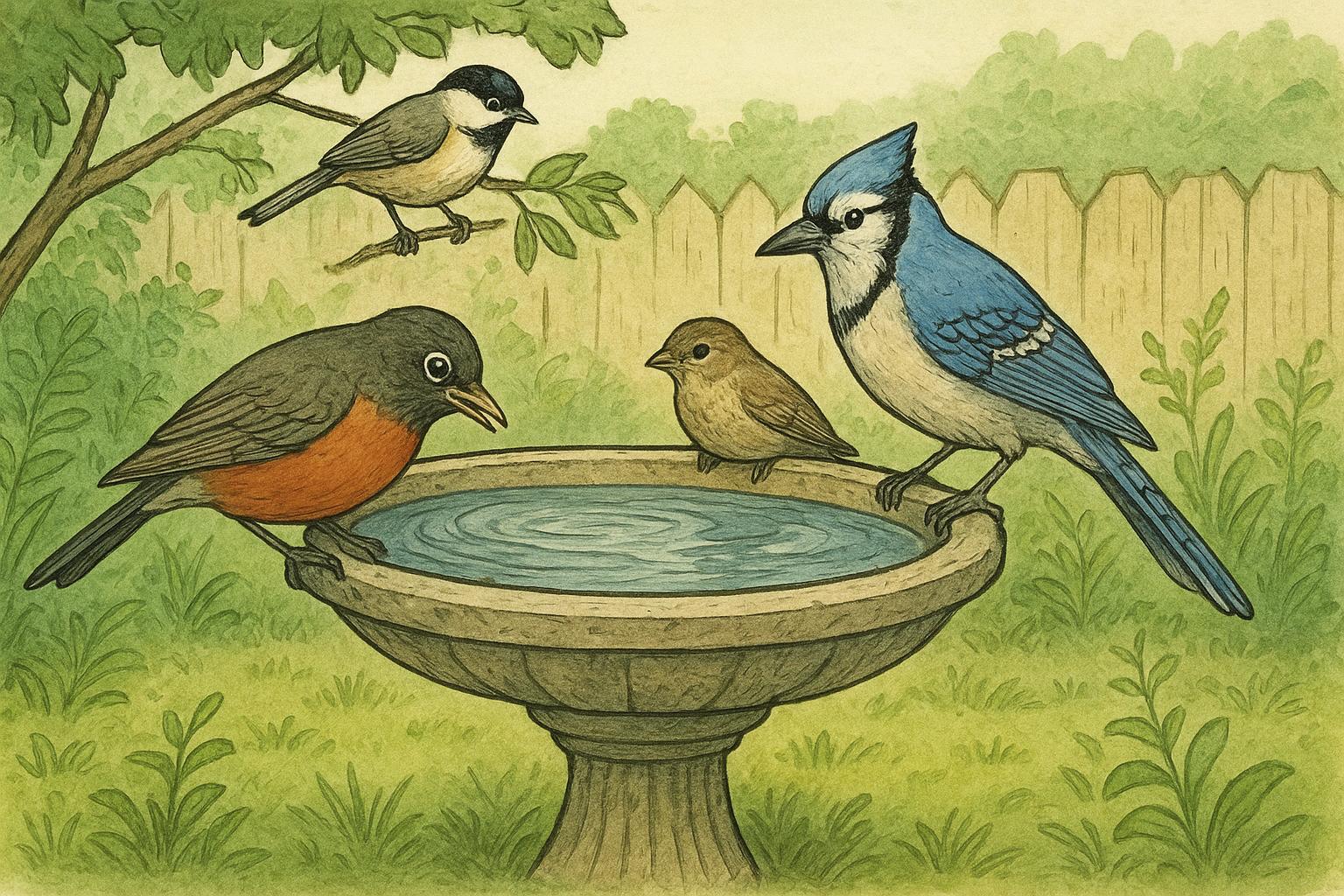
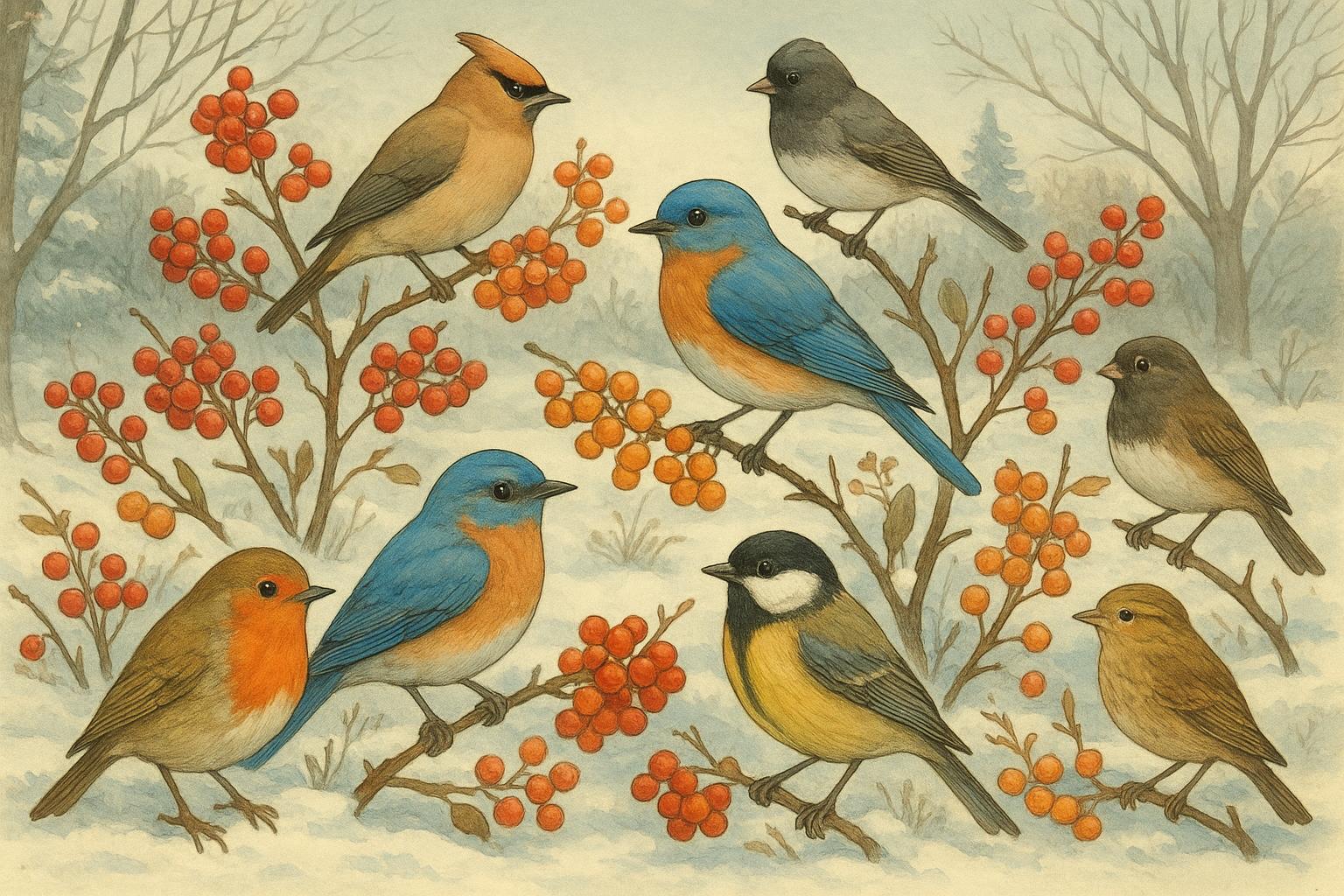
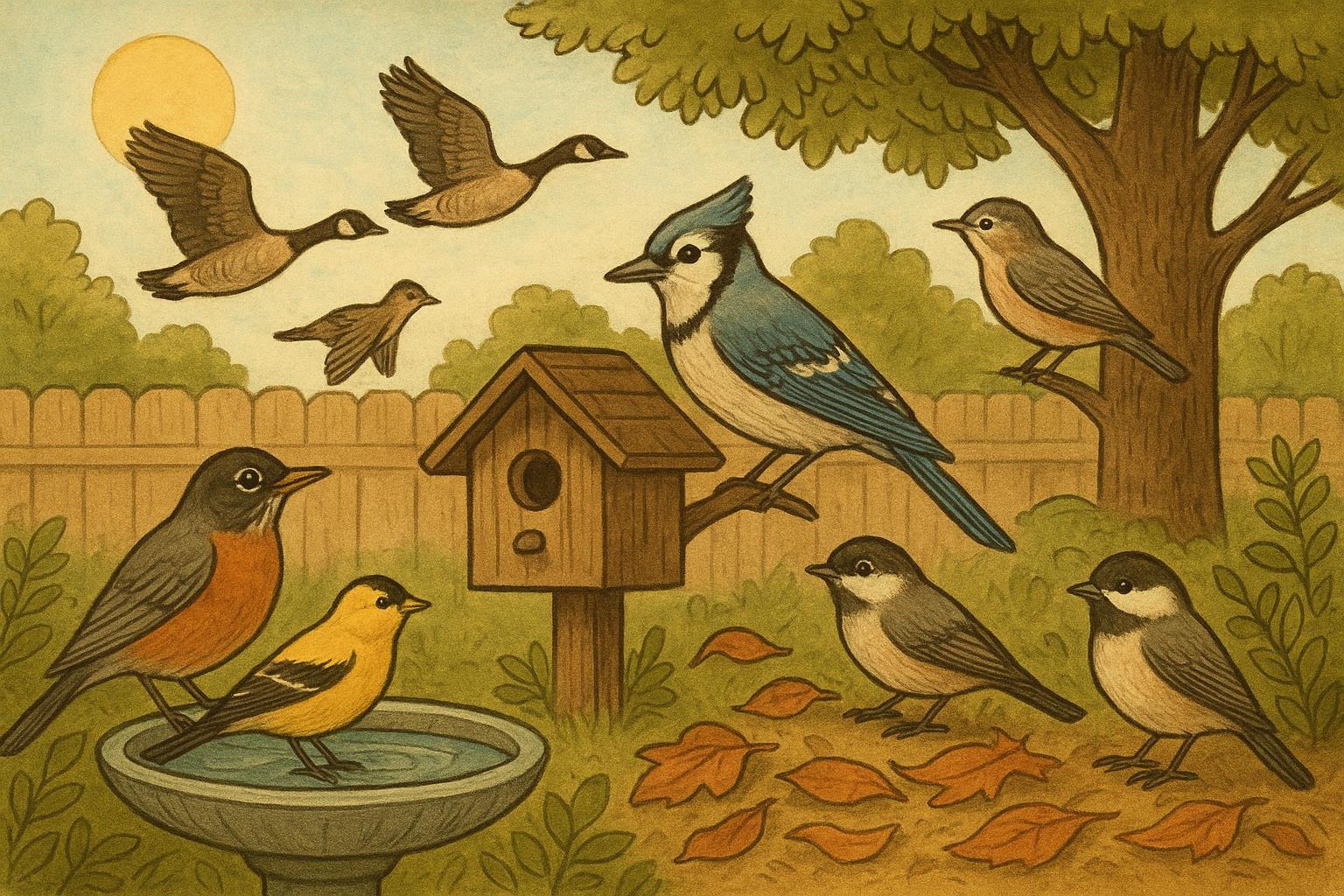
In spring and summer, supplement seed with fresh fruit, mealworms, and water sources for bathing. In fall and winter, offer higher-fat foods like sunflower chips and peanuts to help birds maintain energy. Rotate offerings gradually so birds don’t get a sudden shock to their dining routine.
### Creating A Bird-Friendly Backyard Beyond The Feeder
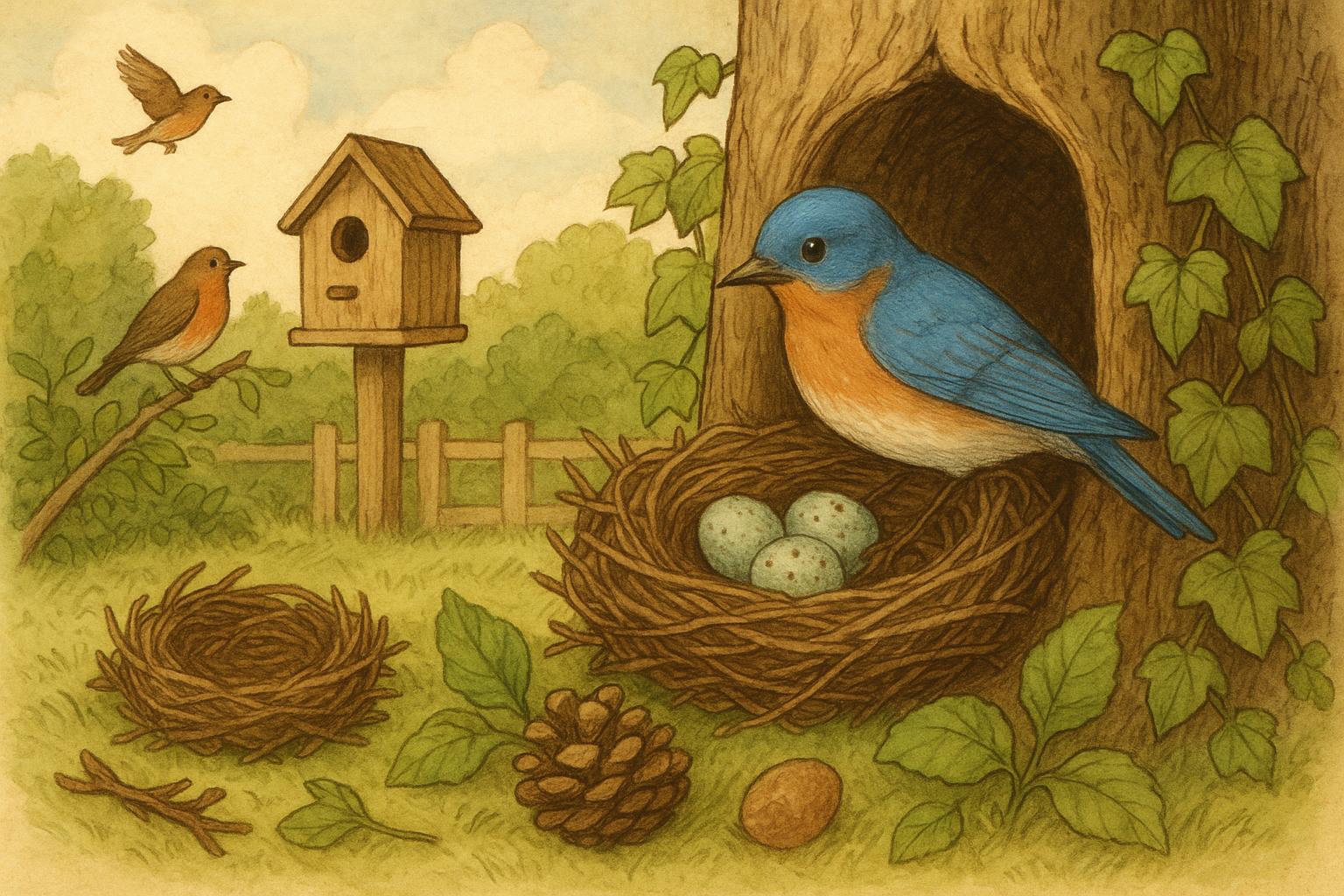
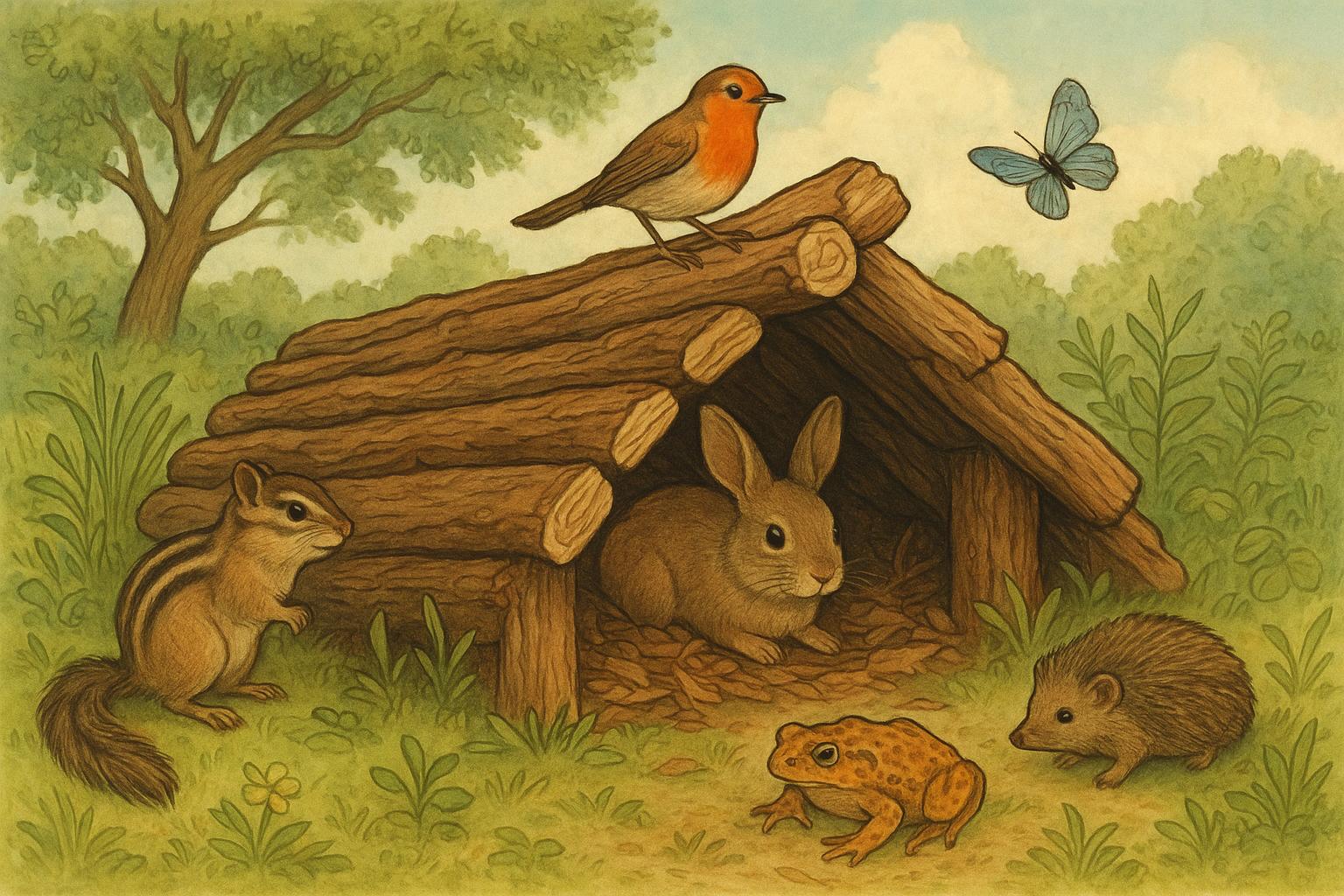
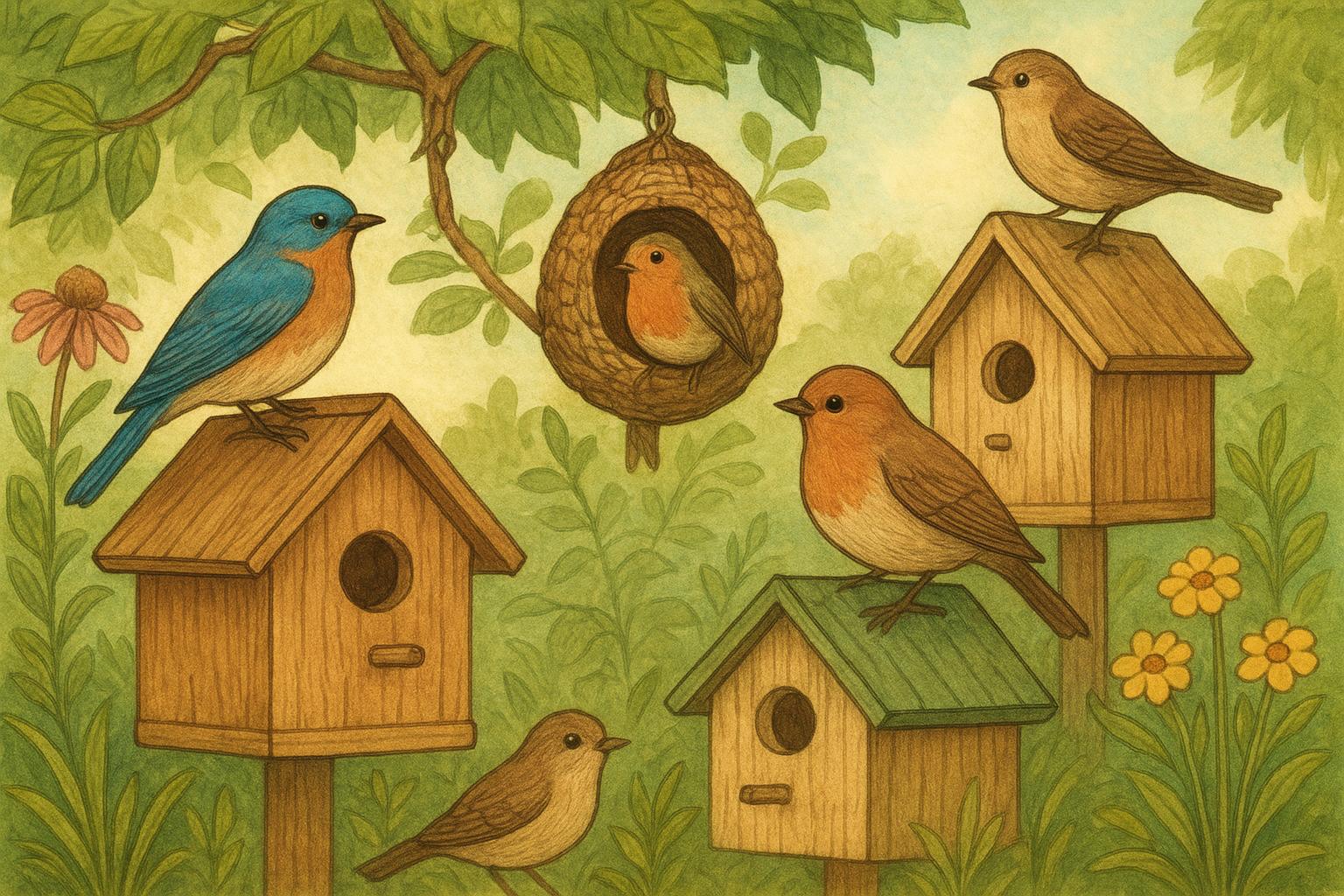
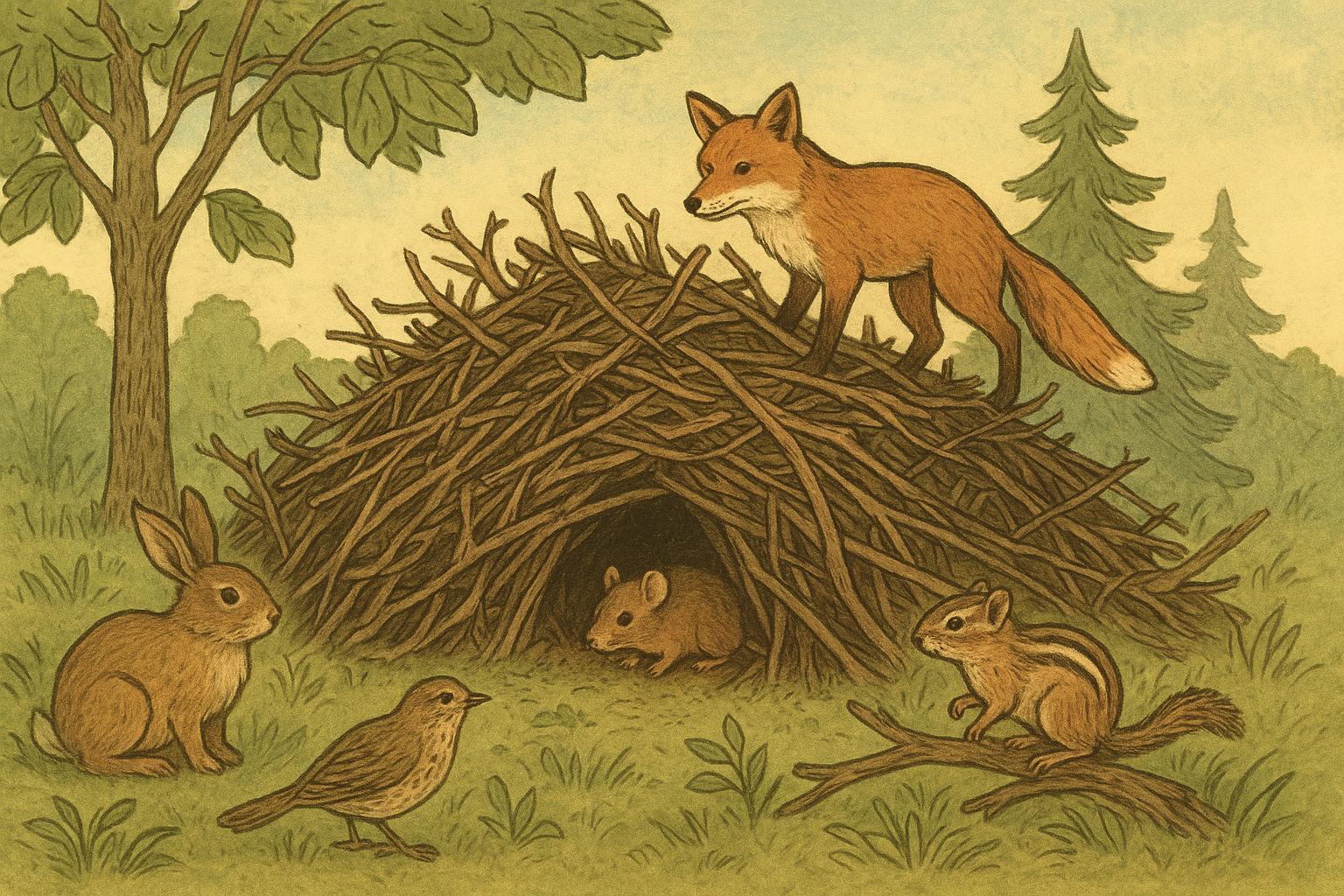
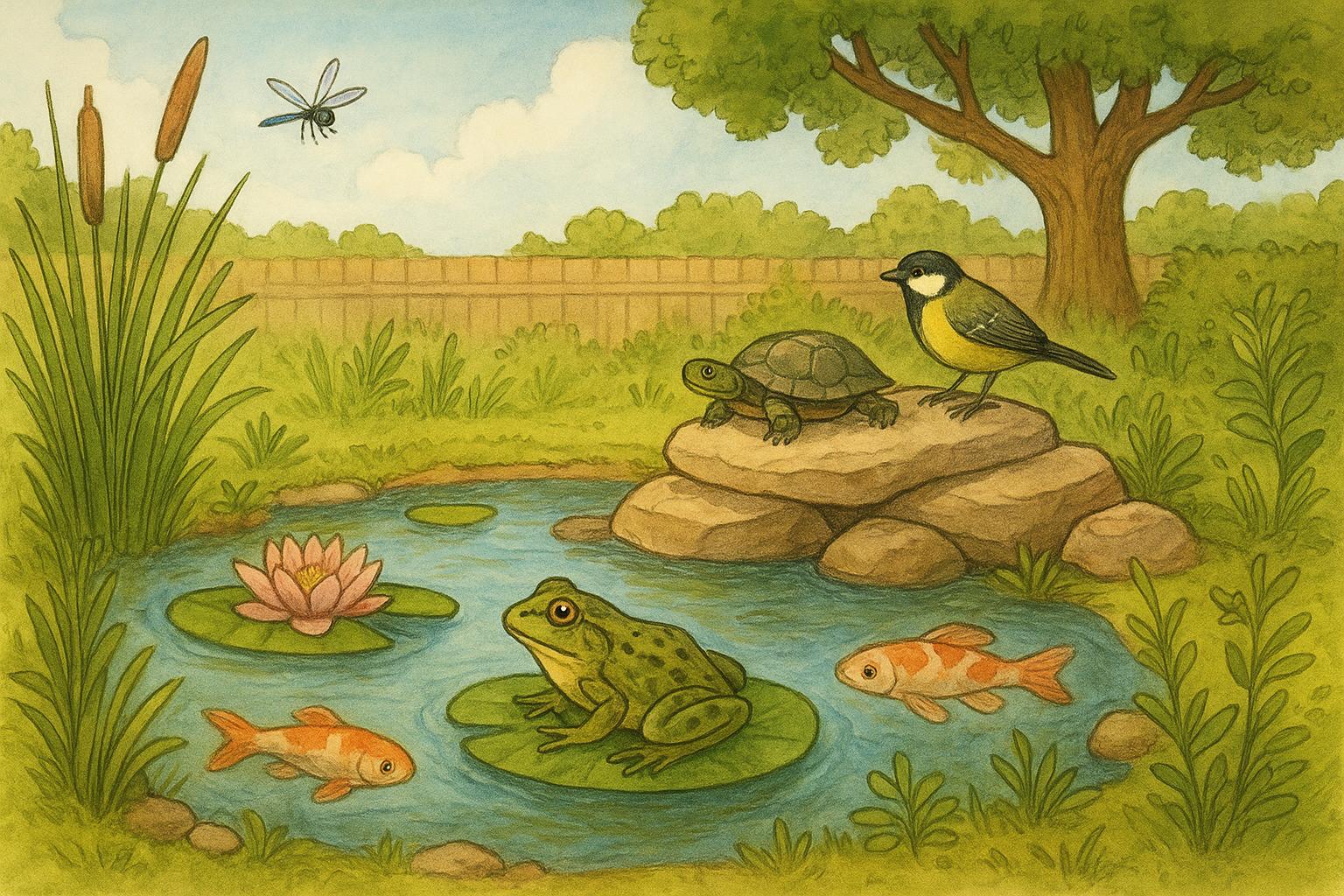
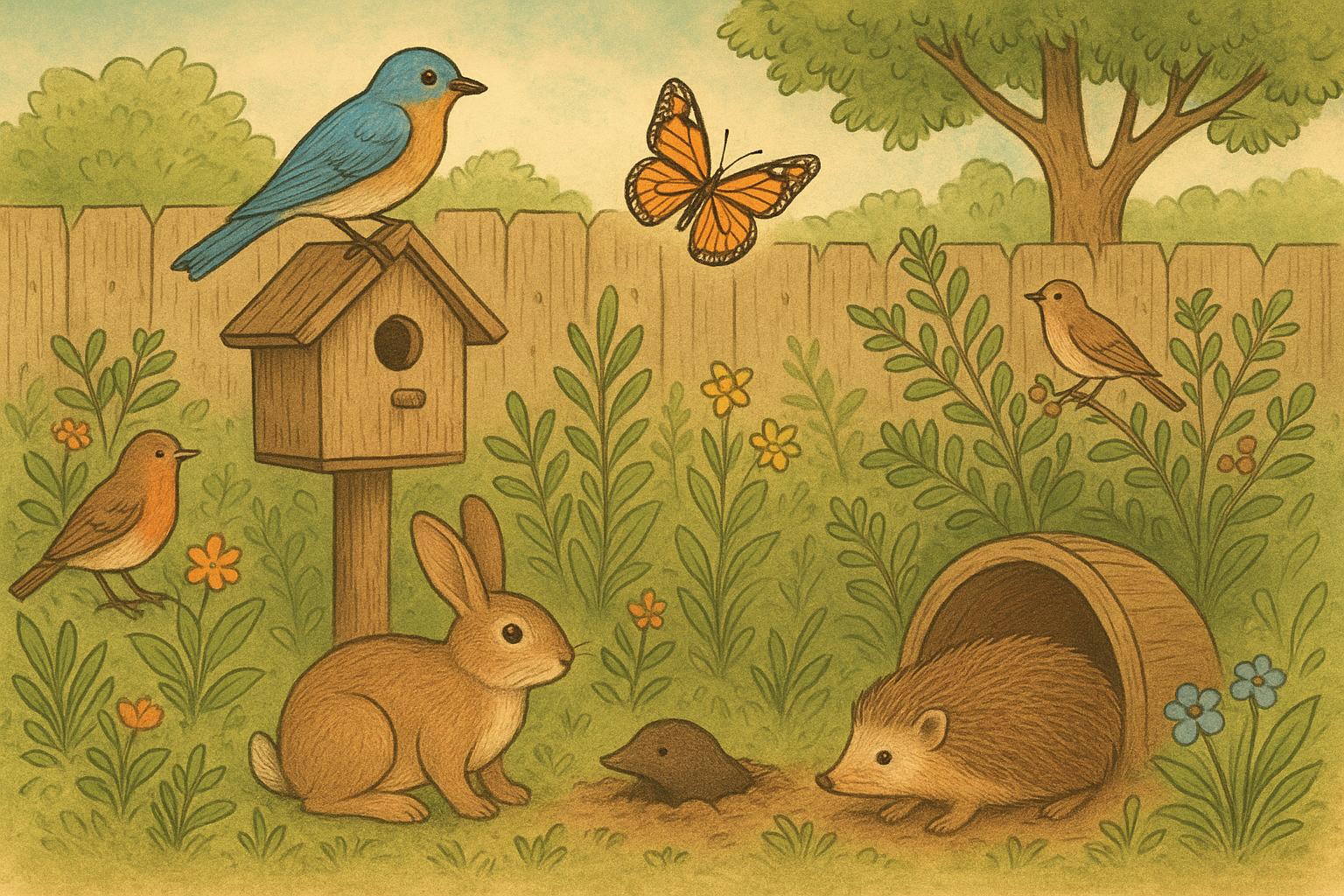
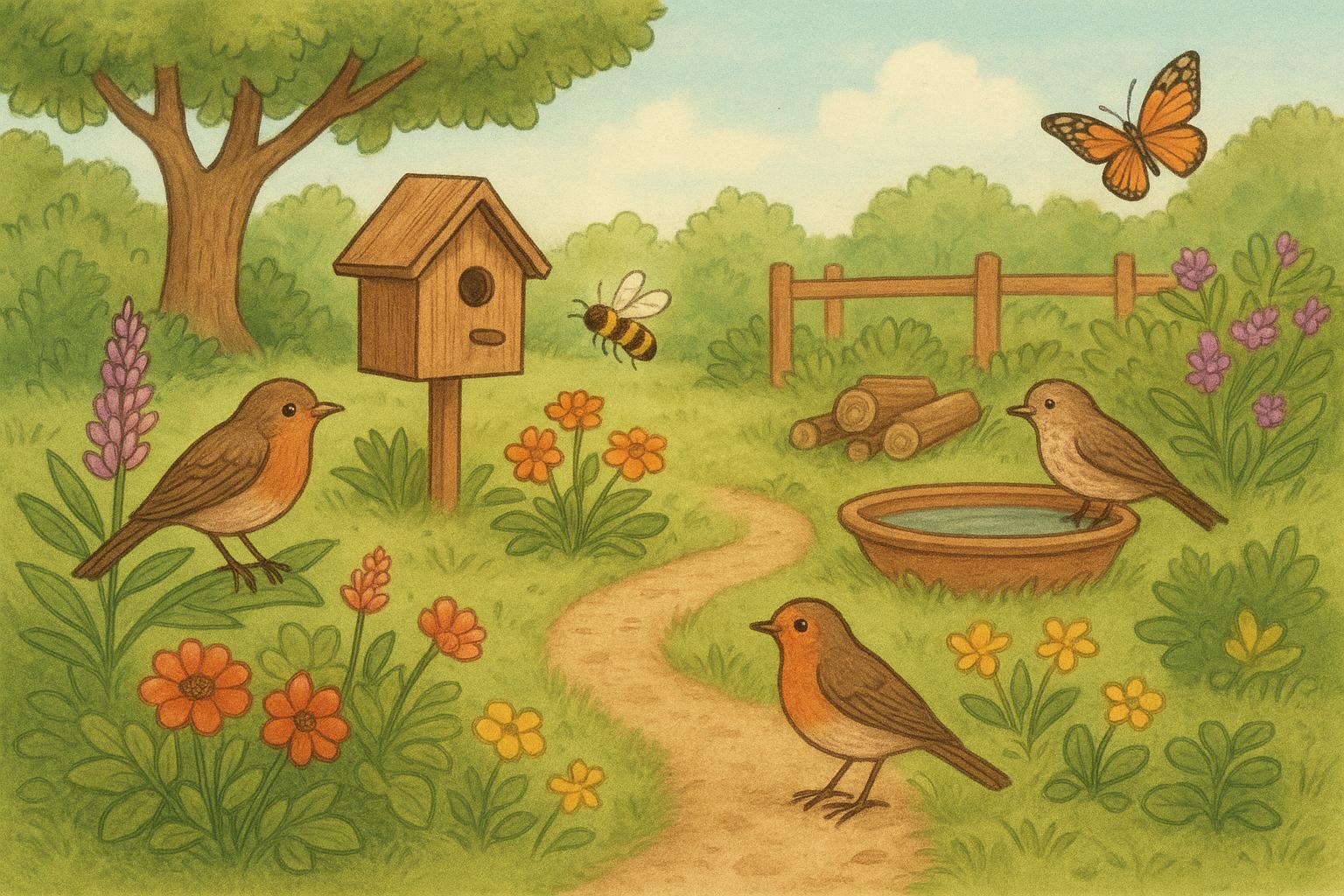
Think of the feeder as one element in a richer habitat. Native plants for shelter and insects, a clean water source, and safe nesting sites increase bird diversity and resilience. Consider planting berry-producing shrubs and keeping a brush pile in a corner for cover — birds appreciate the buffet, but they love the hotel, too.
If you want, I can provide a printable shopping list for the materials and seed mixes mentioned, or a seasonal calendar for feeding and cleaning. Just say the word — I’ll put on my imaginary binoculars and get to work.


Leave a Reply