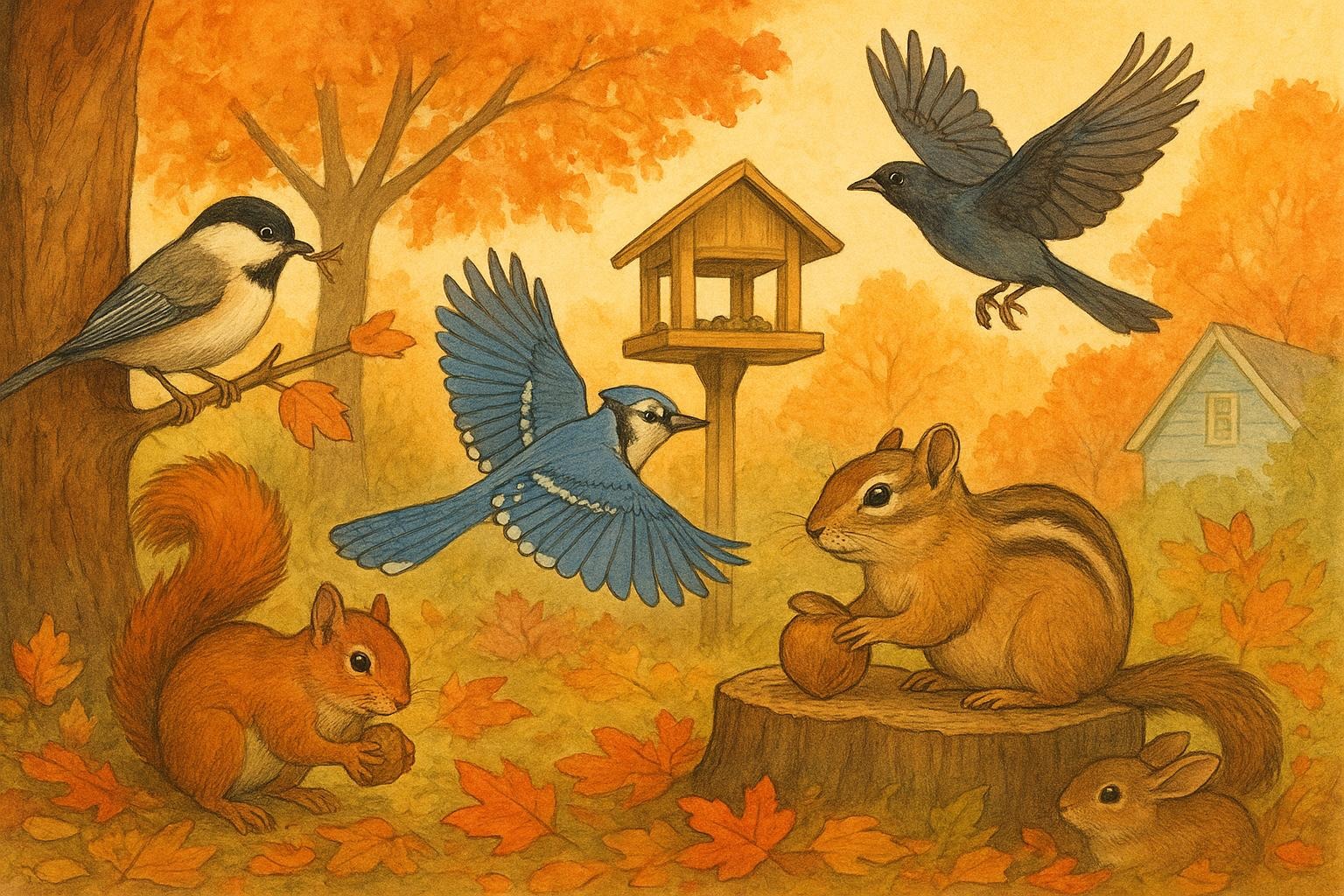
You’ll want your binoculars, a mug, and perhaps a fuzzy hat for those crisp mornings — the backyard is about to get busy.
The days shorten, the air sharpens, and the sky stages a flowing highway of feathers. If you’ve ever wondered how to be the best possible pit stop for birds, butterflies, and other seasonal travelers, you’re in the right place. This guide is part friendly neighbor, part practical manual, and absolutely ready to help you prep your patch of earth for the seasonal rush.
## Autumn Migration Habitat Basics
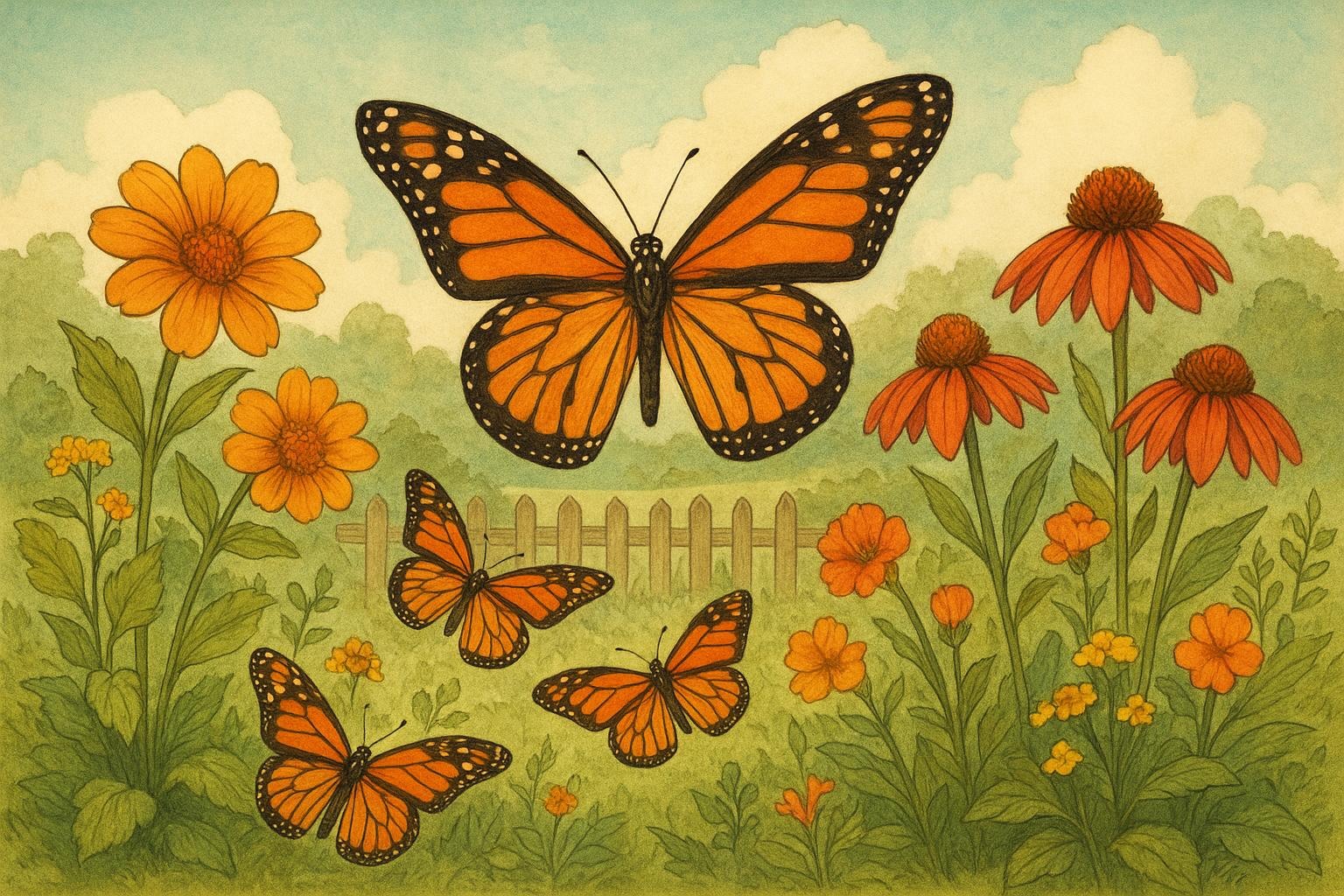
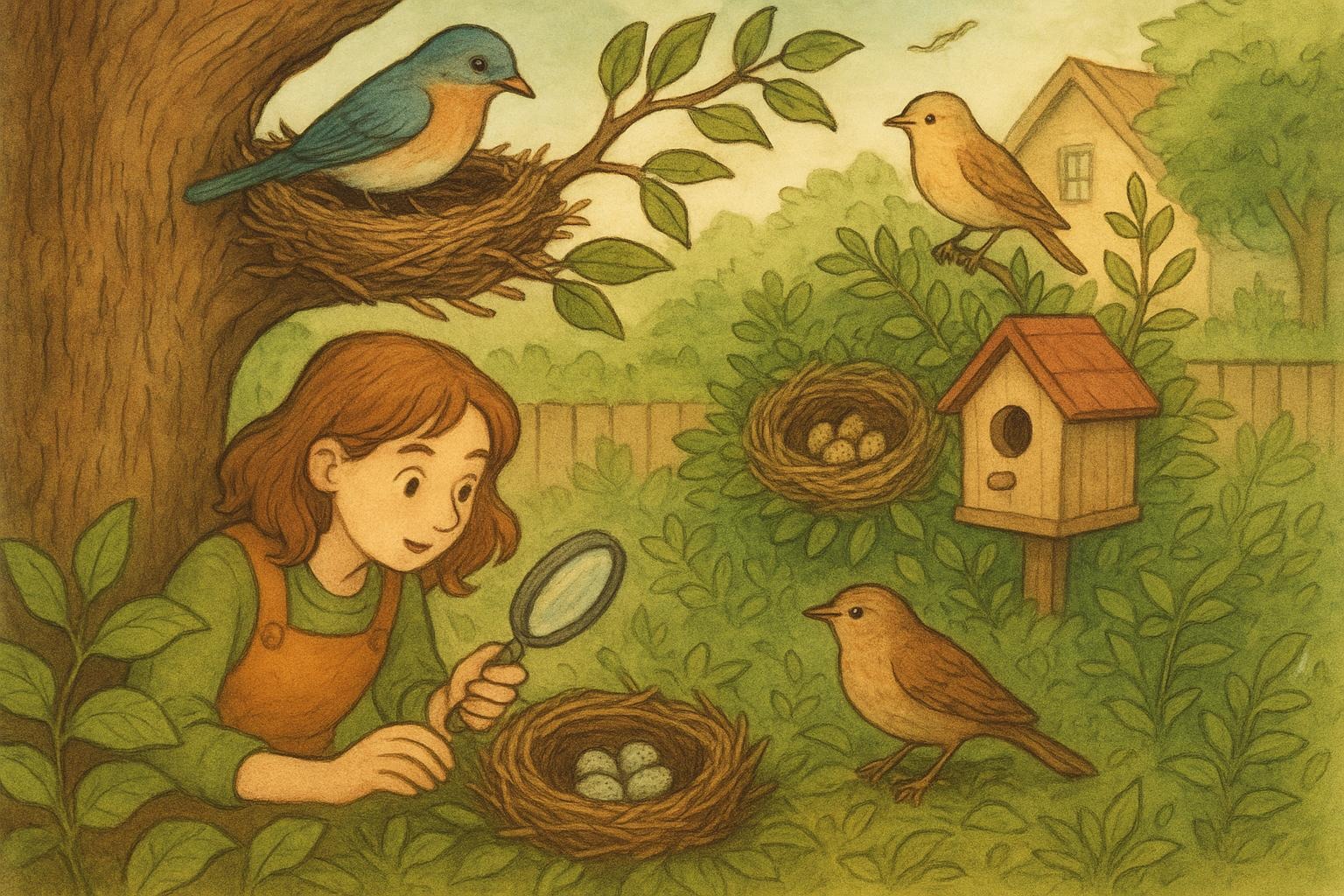
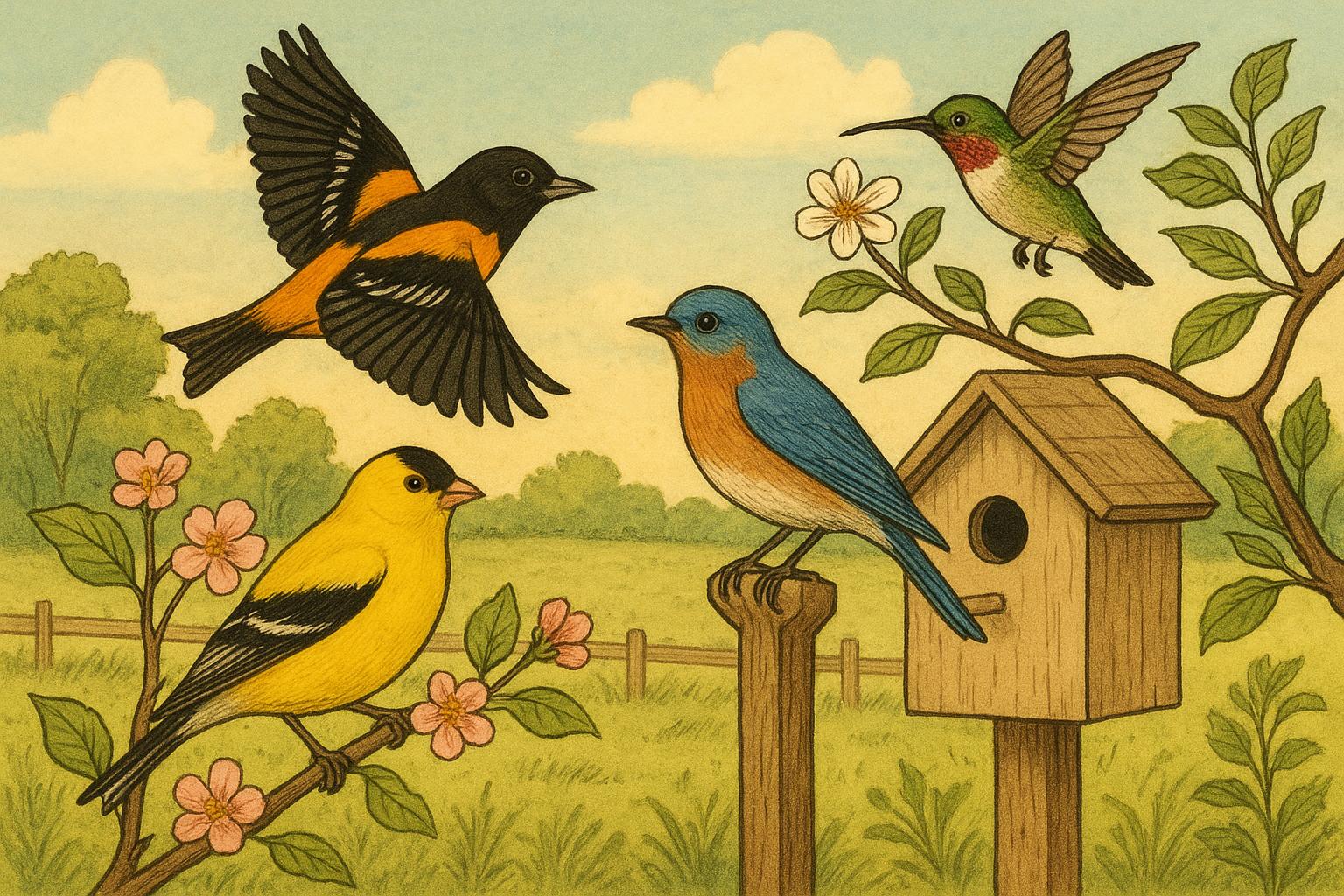
Autumn migration brings an astonishing mix of species through neighborhoods, parks, and gardens. The phrase autumn migration is not just a romantic concept; it describes a series of predictable movements driven by daylight, temperature, and food availability. Expect increased visits from warblers, thrushes, sparrows, raptors, monarch butterflies, and even some nocturnal migrants drawn by porch lights.
What your backyard can offer matters. Small changes in structure, food availability, and safety can turn a fleeting stopover into a crucial refueling station. Think of your yard as a tiny, well-stocked service plaza on a long interstate — except with more song and fewer restrooms.
### Seasonal Behavior To Watch
During autumn migration you’ll notice:
– Flocks forming and breaking, often in the morning and late afternoon.
– Sudden quiet as birds weigh their options before continuing south.
– Increased insect activity in warm spells, which in turn draws insectivores.
– Raptors riding thermal currents — excellent viewing from a safe distance.
### Timing And Weather Patterns
Autumn migration often runs from late August through November in many temperate regions, but local peaks vary. Cooler fronts and tailwinds tend to trigger mass departures, while low-pressure systems can slow migrations and create opportunities for longer stopovers in your yard.
## Autumn Migration-Friendly Planting And Structure
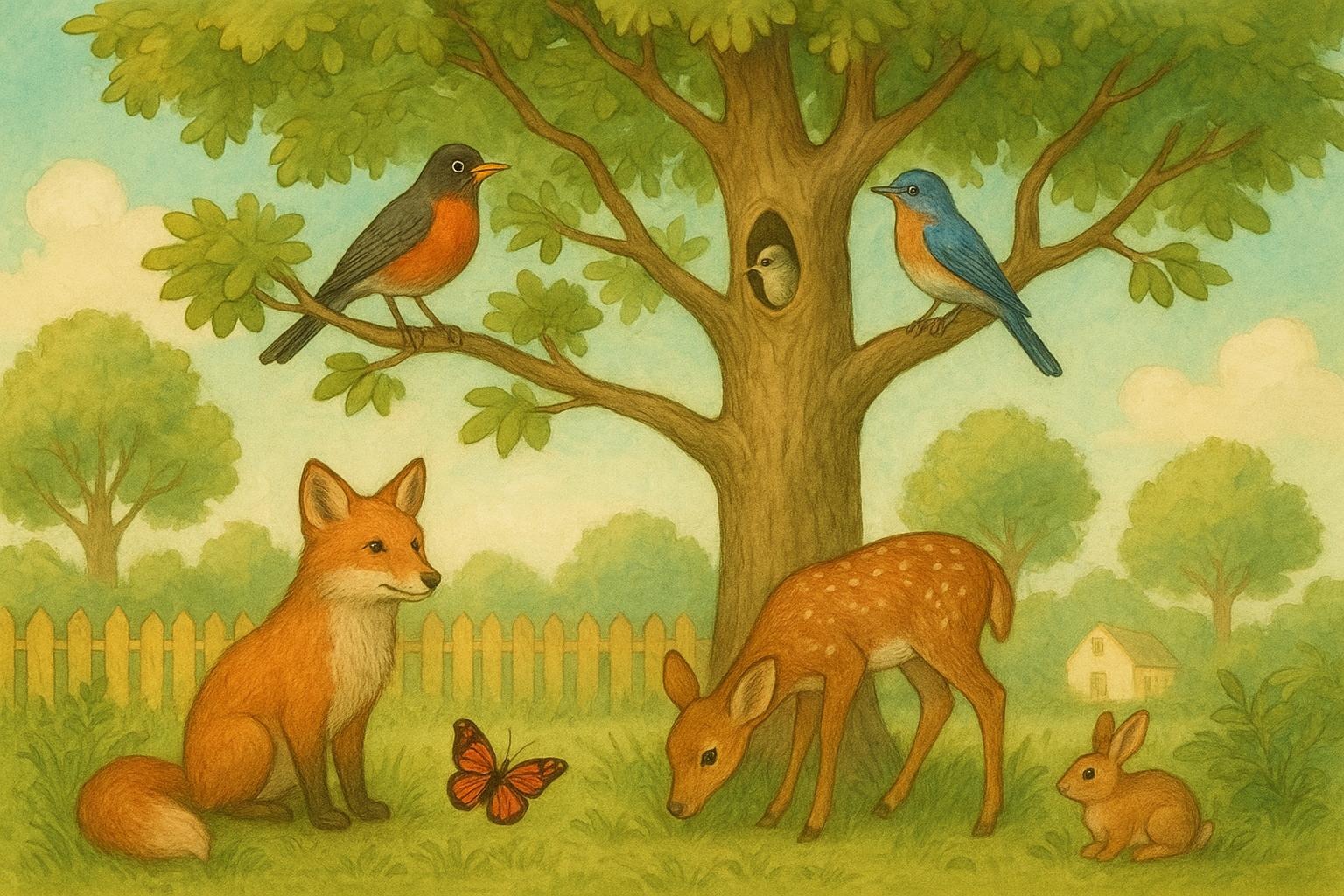
A deliberate planting plan supports migrants without dramatically altering an established landscape. Native shrubs and fruiting trees give natural shelter, perches, and food. Focus on layered vegetation: grasses and perennials at the base, shrubs mid-height, and trees higher up. This vertical variety mimics the complexity migrants look for when resting.
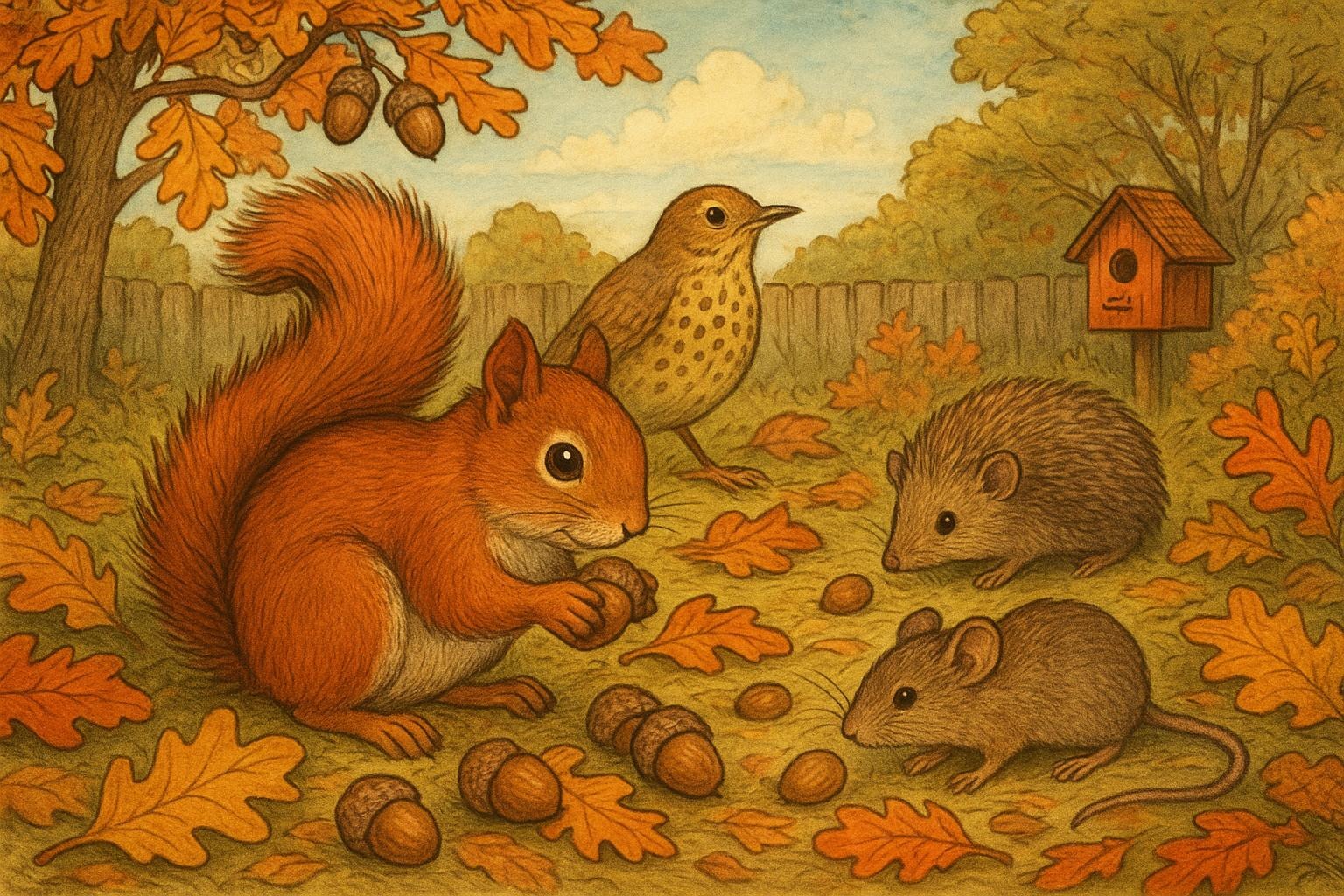
Incorporate late-season nectar and berry sources. Native elders, serviceberries, sumacs, and goldenrods are excellent. Leave seed heads and leaf litter; they harbor insects and seeds eaten by many migrants.
### Lighting And Window Safety
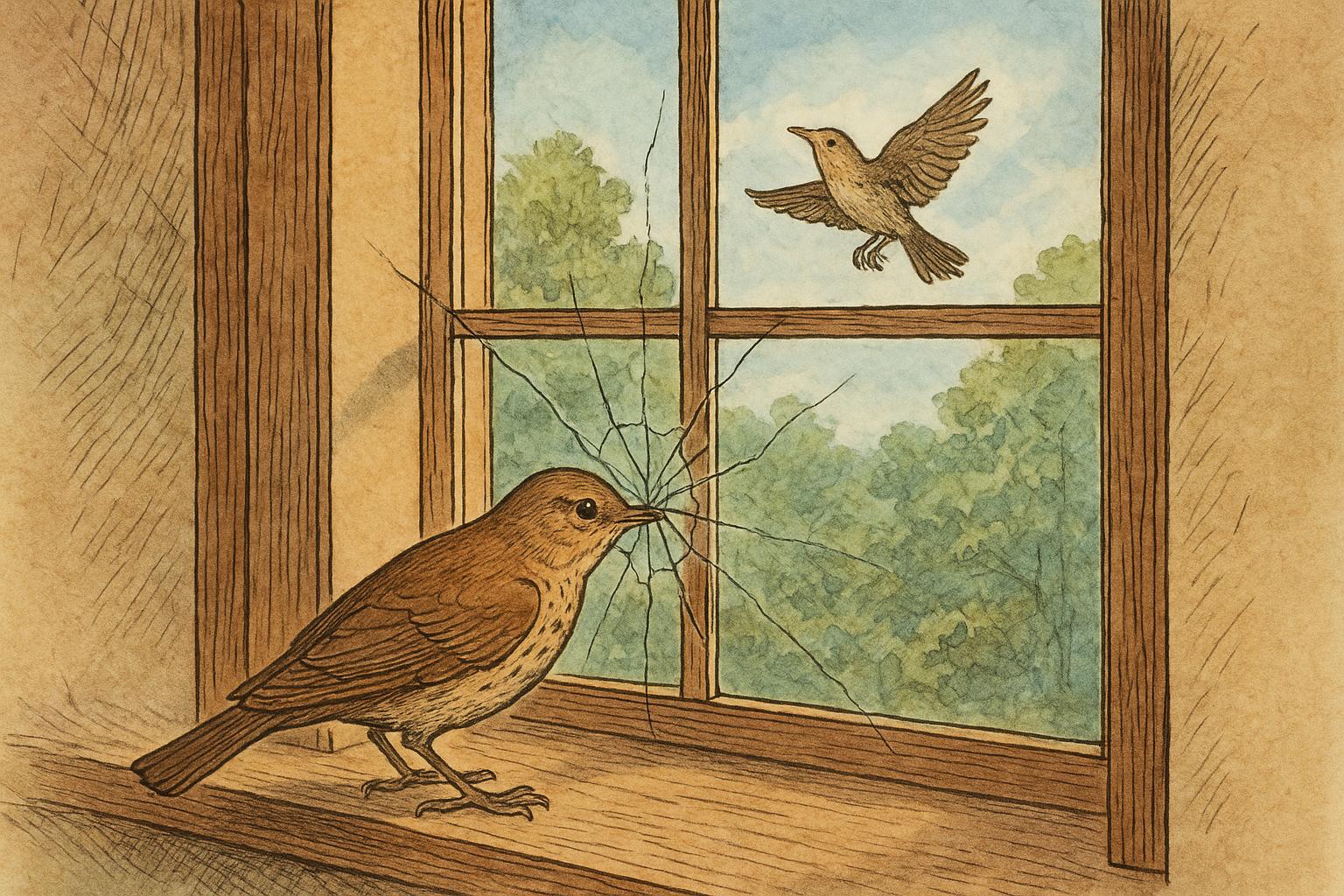
Keep outdoor lighting to a minimum during peak migration nights. Many nocturnal migrants are disoriented by bright lights. If a light is necessary, use shielded, amber-hued fixtures aimed downward. Close blinds and consider collision-reducing decals for large windows during migration peaks.
#### Keep Cats Indoors
An important and often emotional ask: keep cats indoors or confined. Free-roaming cats are a major source of mortality for migrating birds. If you must allow outdoor time, supervise or use enclosed “catios.”
## Remedy 1: Build A Migration Water Station
Formal Remedy Description:
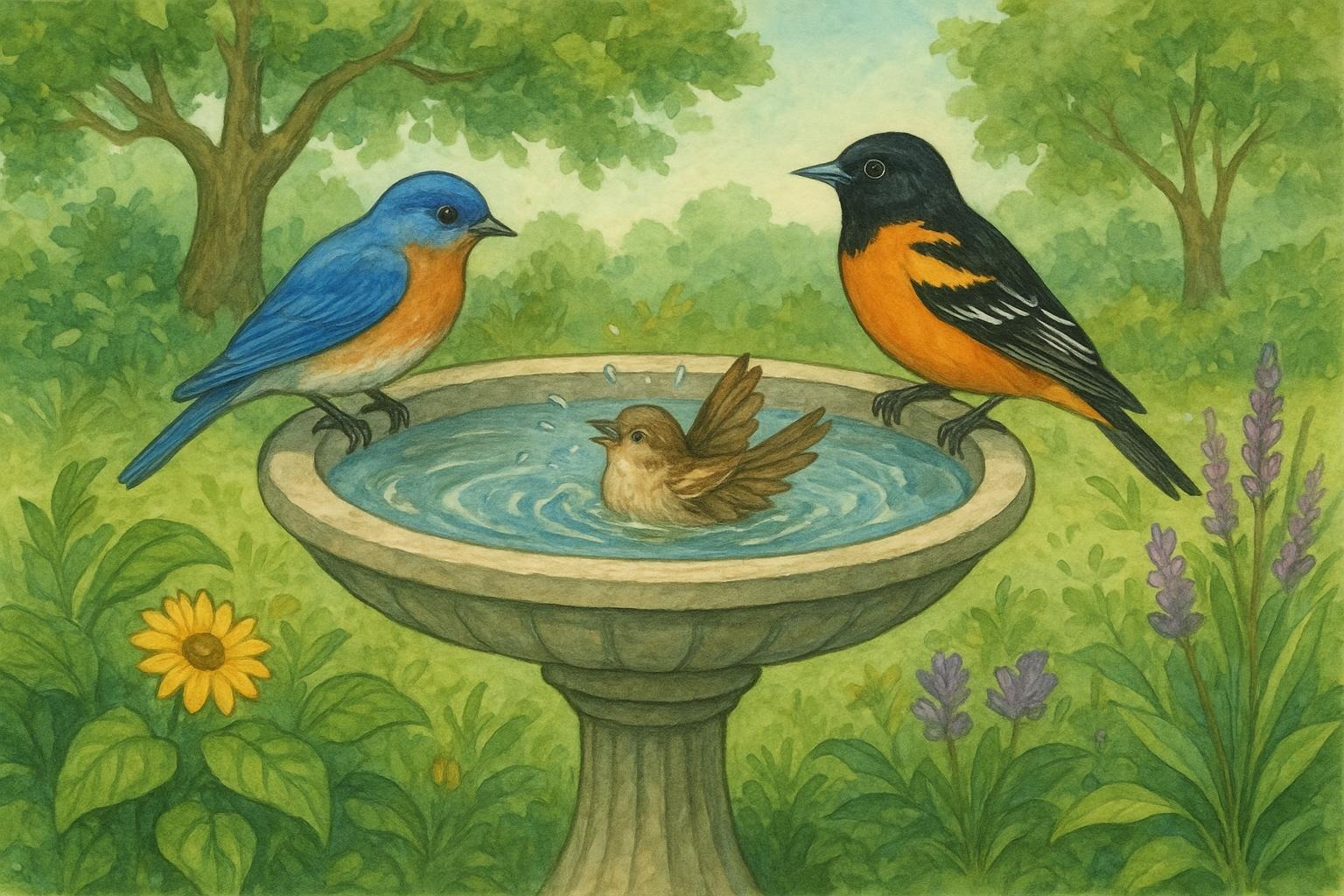
A reliable water source is essential for migratory birds and butterflies that need to drink and bathe before continuing long flights. This remedy outlines materials, construction, placement, and maintenance steps to provide a safe, sanitary water feature that supports autumn migration visitors.
Materials Required:
– Shallow basin or birdbath (depth 0.5–2 inches for small birds)
– Sturdy pedestal or low stand
– Small pump (optional) for a gentle bubbler
– River stones or textured substrate (for perching)
– Clean water source
– Brush and mild bleach or vinegar for cleaning
– Thermometer (optional, to monitor freezing in cold zones)
Creation And Application Steps:
1. Select Location: Place the basin within sightlines of shrubs or low trees to provide quick escape cover, but maintain clear flight paths for approach and departure.
2. Prepare Basin: Wash the basin with mild soap and rinse thoroughly. For new installations, scrub away dust and residues that might harm wildlife.
3. Add Textured Perches: Arrange river stones or add a textured surface so birds can safely grip and smaller species can stand without slipping.
4. Install Pump (If Using): Fit a small pump to create a gentle bubbler. Moving water attracts more species and discourages stagnant algal growth.
5. Fill And Settle: Fill the bath with fresh water. Aim for shallow depth near edges and slightly deeper mid-center, not exceeding 2 inches for small songbirds.
6. Monitor Daily: Check water levels daily during hot or dry spells. Replace water every 2–3 days or when soiled. Clean the basin weekly with a diluted vinegar solution (1:9 vinegar to water) or mild bleach solution (1:9 bleach to water), rinsing thoroughly afterward.
7. Winter Considerations: In colder climates, use a thermostat-controlled de-icer or bring the water feature indoors when freezing persists to avoid creating hazards.
Compliance Notes:
Ensure the station is stable and not easily tipped by larger birds. Avoid additives or soaps; natural, clean water is best. The formal adherence to hygiene reduces disease transmission risks among concentrated stopovers during autumn migration.
## Remedy 2: Create Shelter And Stopover Planting
Formal Remedy Description:
Establishing dense, native shelter zones and strategic plantings converts transient yards into restorative stopovers. This remedy prescribes plant selections, layout, seasonal maintenance, and predator management for an effective, low-maintenance habitat that benefits migrating wildlife throughout the autumn migration period.
Materials Required:
– Native shrub and tree saplings (e.g., elder, dogwood, serviceberry)
– Native perennial plugs or seeds (e.g., asters, goldenrods)
– Mulch (shredded leaves or wood chips)
– Soil amendment (compost)
– Hand tools (spade, pruners)
– Protective tree guards or temporary fencing (optional)
– Watering equipment for establishment
Creation And Application Steps:
1. Site Assessment: Map sun exposure, prevailing winds, and drainage. Identify where a shelterbelt or shrub patch would best block wind while providing cover.
2. Choose Plants: Select local-native species known for late-season fruit or nectar. Coordinate species for staggered fruiting to maximize resource availability through autumn migration.
3. Prepare Soil: Amend planting areas with compost to improve structure and moisture retention. Minimize soil disturbance beyond planting holes.
4. Planting Layout: Arrange plants to create layers: taller trees to the rear, mid-height shrubs for shelter, and perennials in the foreground. Space according to mature sizes to avoid future overcrowding.
5. Mulch And Water: Apply a 2–3 inch layer of mulch, keeping it off stems, to conserve moisture. Water regularly during the first two growing seasons to ensure establishment.
6. Pruning And Maintenance: Perform minimal, targeted pruning outside peak migration times. Retain dead stems and seed heads through autumn unless they harbor invasive species.
7. Predator Management: Maintain visibility to reduce ambush opportunities for predators, and keep pet cats indoors (see previous section). Use temporary netting to protect very young saplings from herbivores if necessary.
Application Considerations:
This remedy is habitat-level and therefore cumulative: small pockets of planting throughout a neighborhood create corridor effects. Coordination with neighbors multiplies benefits during the autumn migration surge.
### Observation And Data Logging Tips
Keep a simple migration log: date, species, numbers, and weather conditions. Even a sheet on the kitchen counter or a note app works. These notes help you fine-tune plant choices and water provisioning year over year. Consider contributing observations to community science projects to help broader autumn migration research.
#### Hosting With Respect
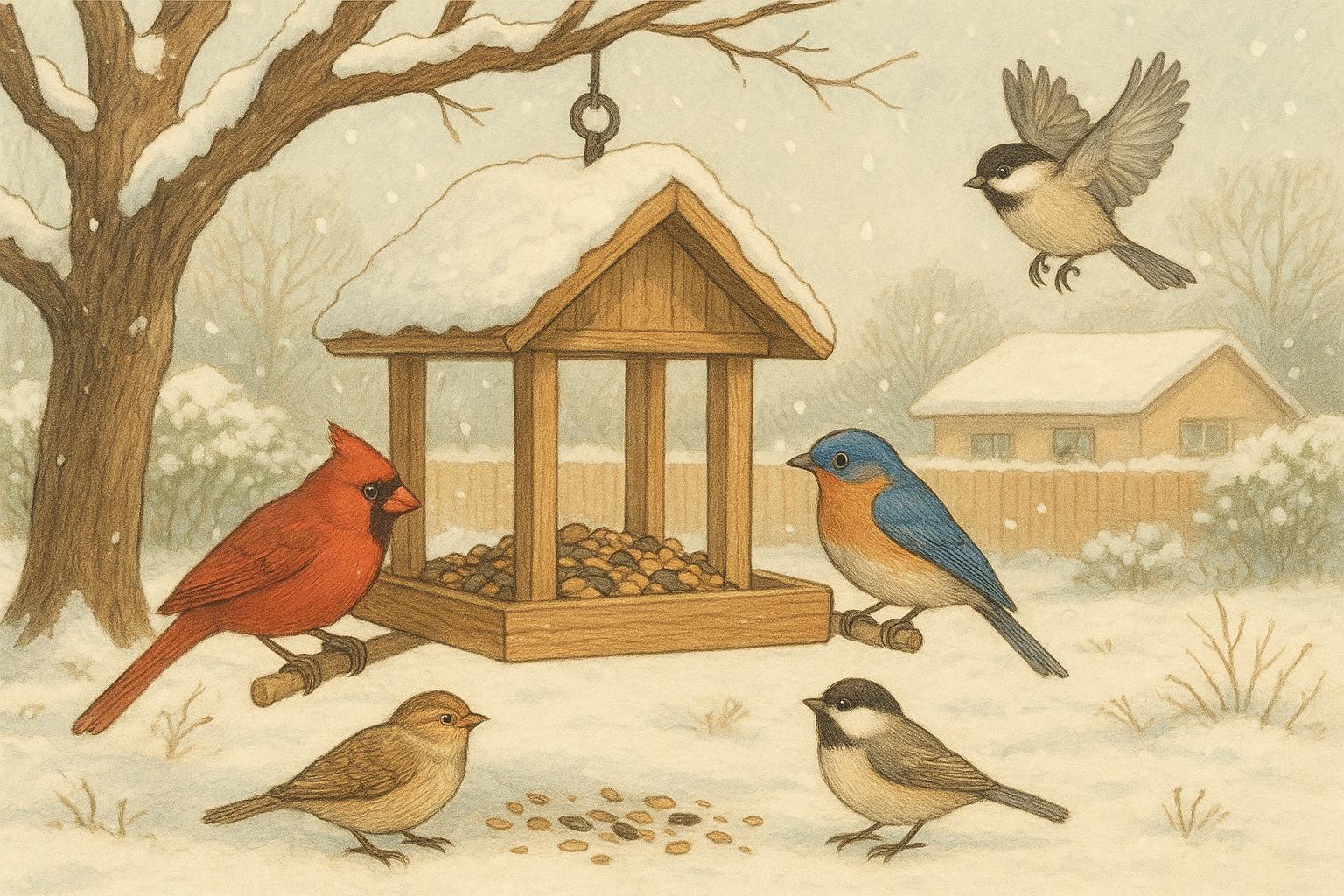
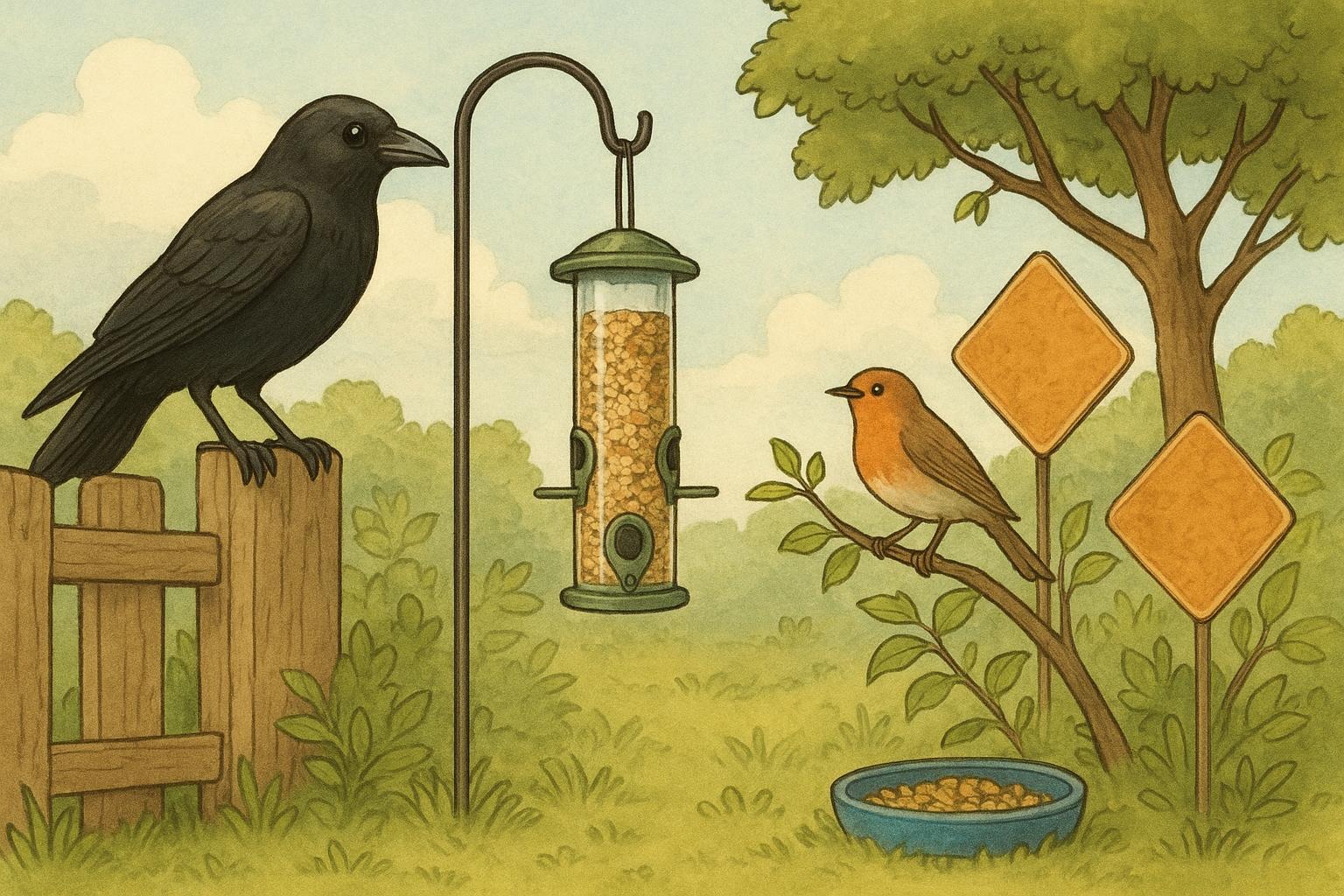
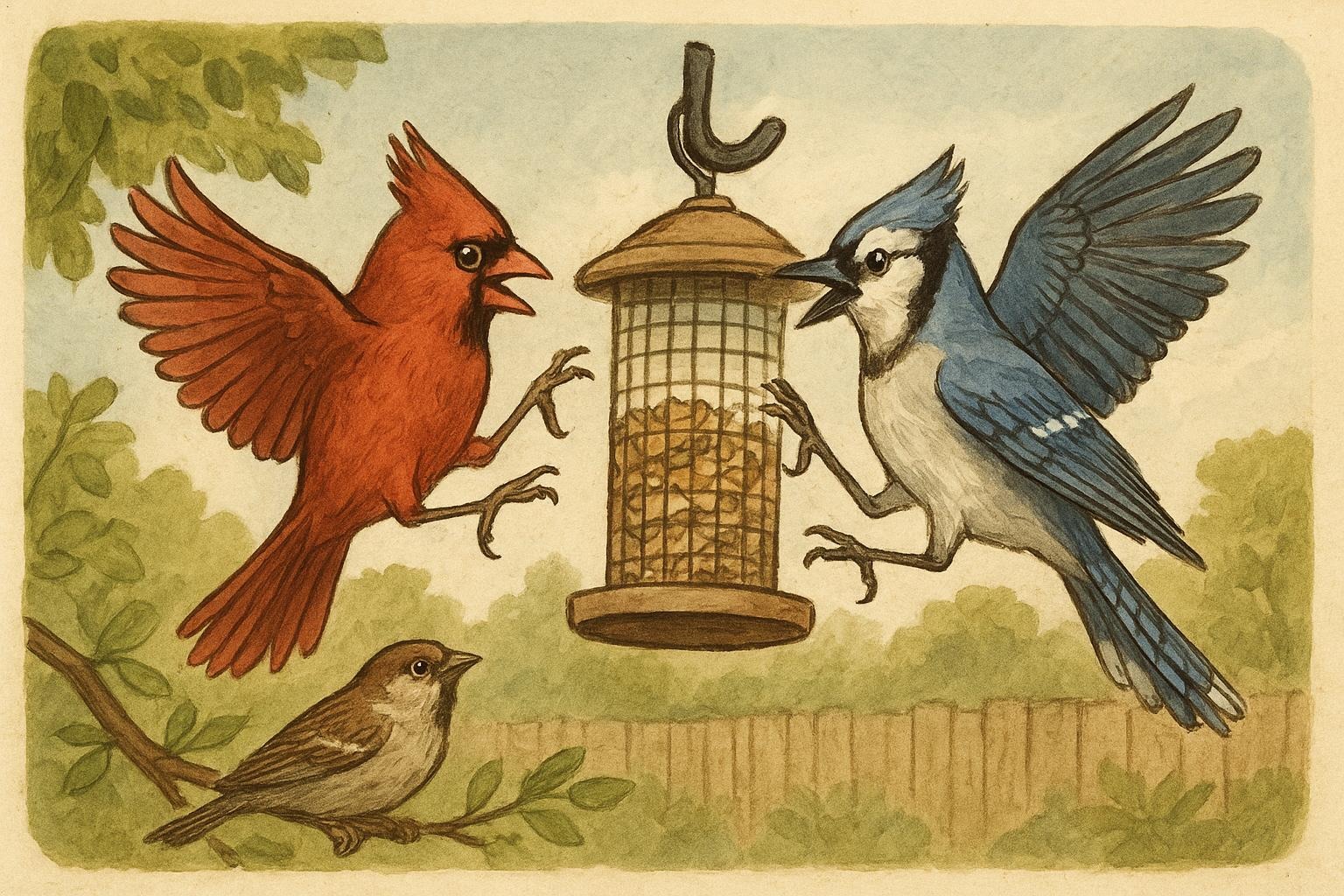
Feed responsibly: offer native or unsalted peanuts and minimal suet blocks during cooler mornings if appropriate for your region, but avoid overfeeding in ways that create dependency. Clean feeders and water stations routinely to prevent disease.
## Watching Without Worry
A backyard set up for autumn migration doesn’t need to be perfect — it needs to be thought-out. Even modest adjustments like turning off lights at night, keeping cats indoors, and placing a shallow water source near cover can create meaningful help for traveling wildlife. Expect some trial and error; the migrants will tell you what’s working, usually in very melodious ways.
If you’d like, I can lay out a seasonal planting calendar tailored to your USDA or local hardiness zone, or sketch a simple yard plan that integrates the remedies above.














Leave a Reply