
## Acorns: Autumn’s Hidden Harvest
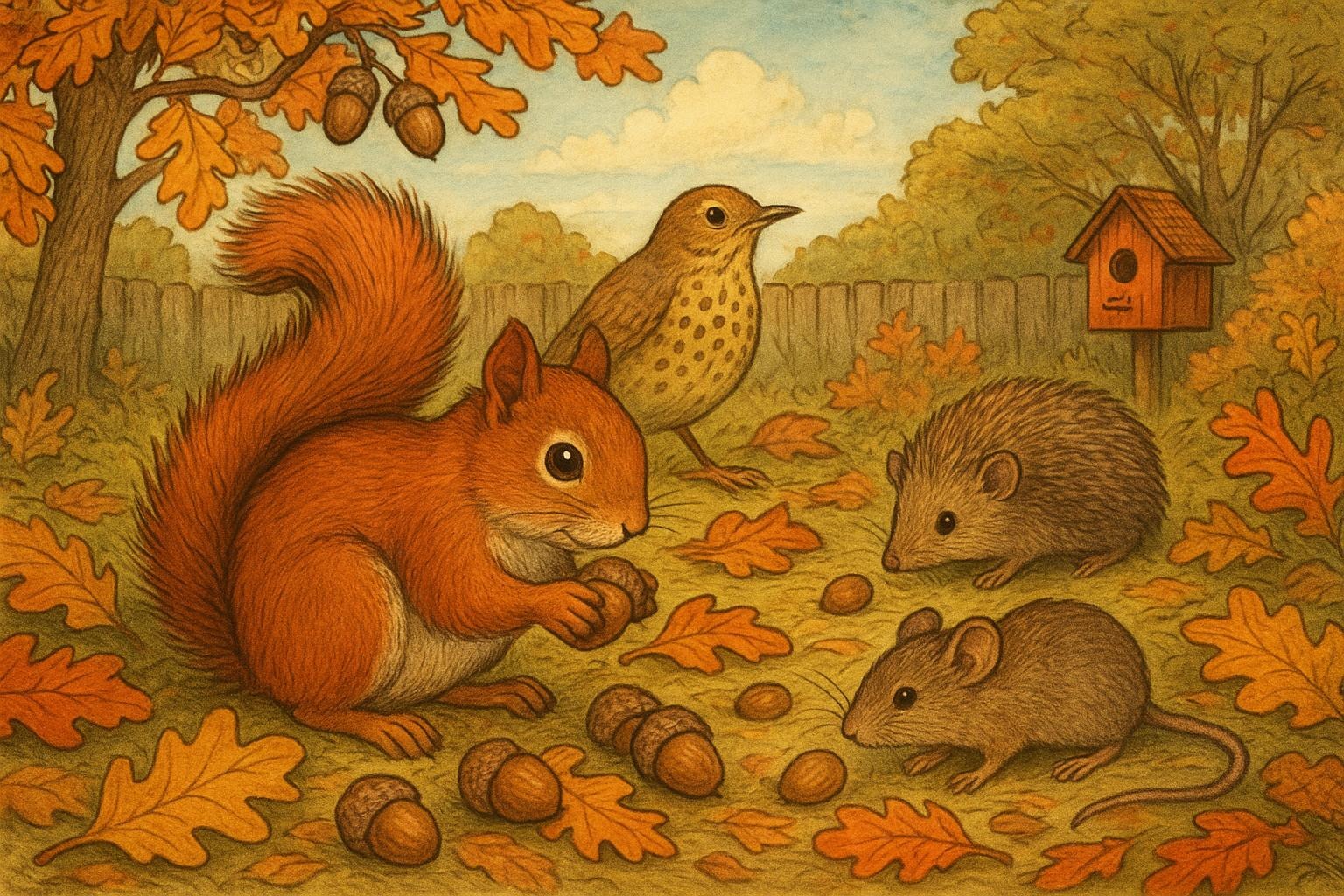
Autumn in the backyard means crunchy leaves, cooler mornings, and a steady rain of acorns from overhead. If you’ve ever stood under an oak and watched tiny armored lanterns thud onto the grass, you’ve witnessed one of nature’s great neighborhood giveaways. For wildlife, acorns are more than a snack—they’re a seasonal currency that fuels migration, breeding, and survival through lean winter months.
### Why Acorns Matter To Backyard Wildlife
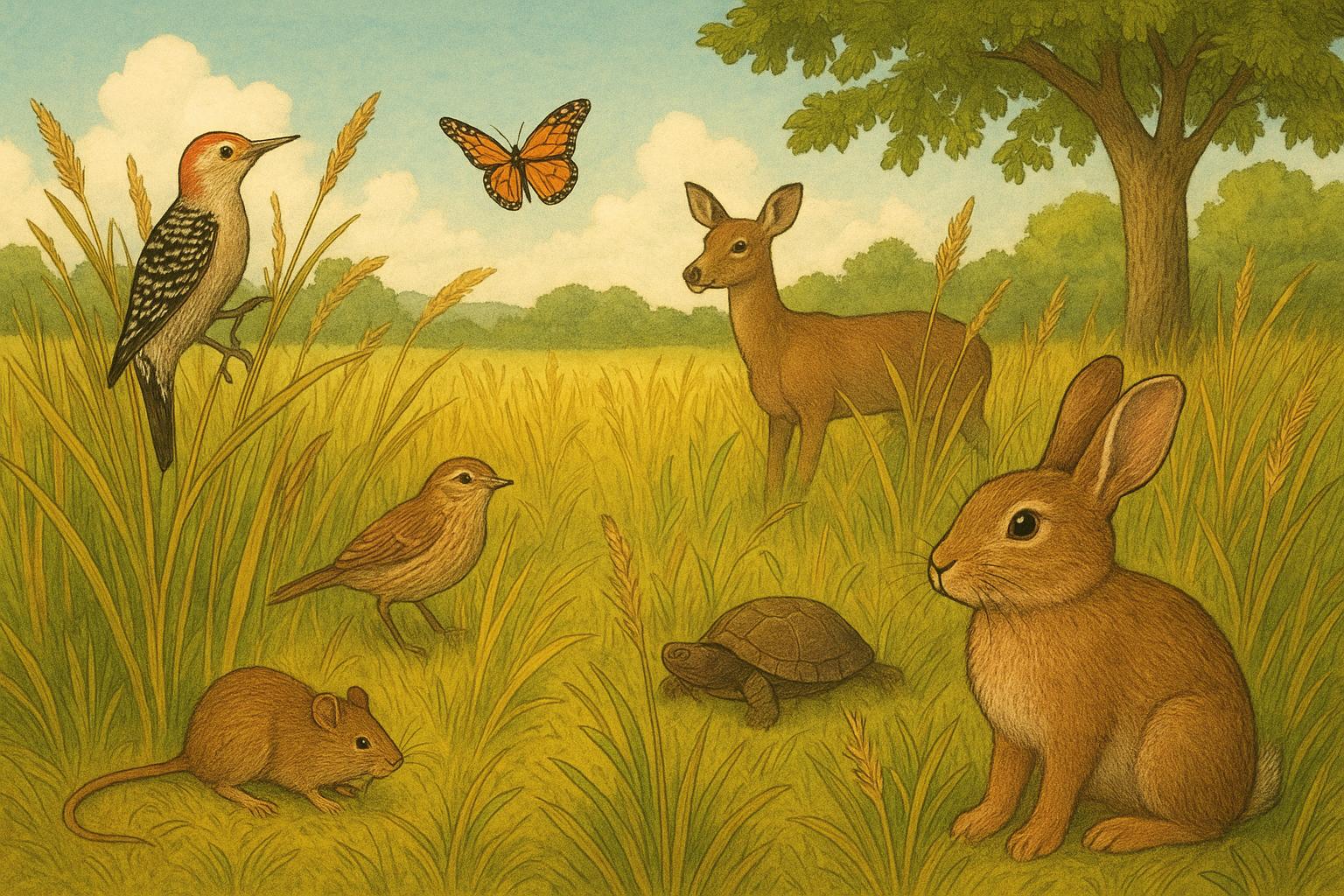
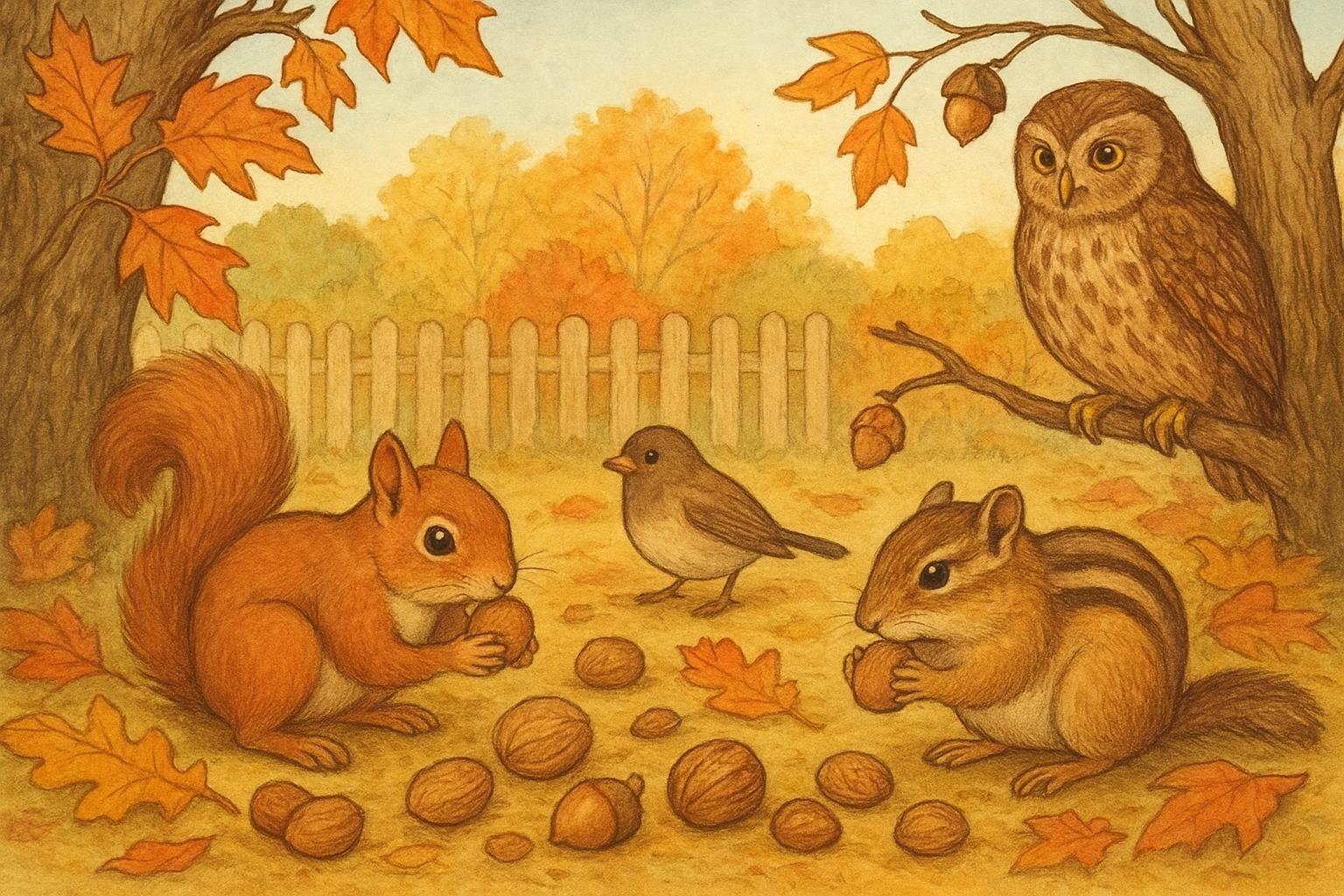
Acorns are calorie-dense, starchy nuts loaded with fats and carbohydrates—exactly what birds and mammals need to build fat stores for cold weather. Deer, squirrels, chipmunks, blue jays, woodpeckers, turkeys, and even some rodents all rely heavily on acorns during autumn. The abundance or scarcity of this single food source can ripple through a local ecosystem, affecting nest success, population numbers, and predator-prey dynamics.
#### Timing And Variation In Acorn Production
Oak species differ in when and how heavily they crop. White oaks tend to produce acorns that germinate quickly, while red oaks may hold for a season. Mast years—when oaks produce a particularly large crop—happen irregularly and can create feast-or-famine cycles. Observing your trees across several seasons will give you a feel for local mast timing, which helps you plan feeding stations, wildlife cameras, or citizen science notes.
### Who Eats Acorns In Your Yard
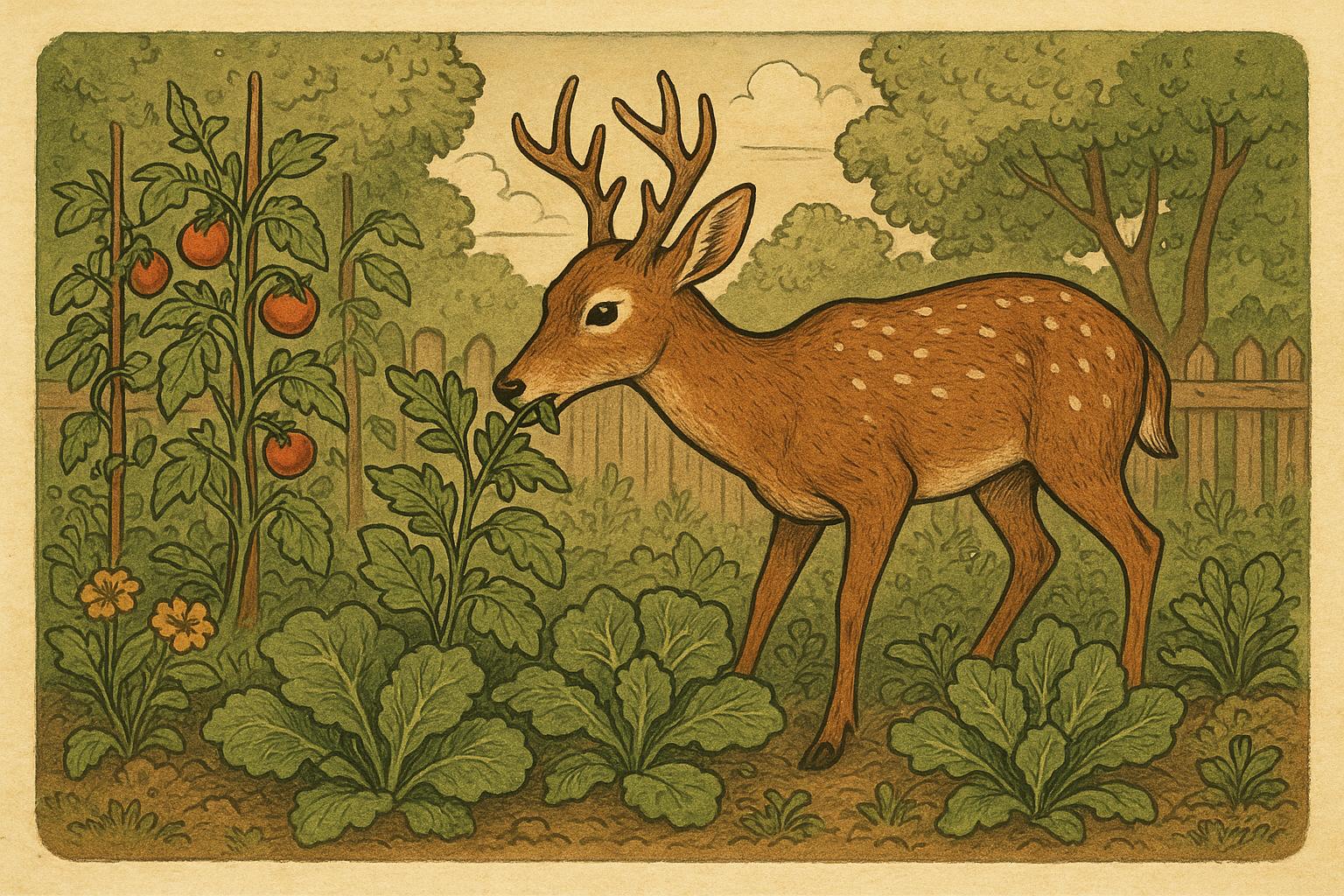
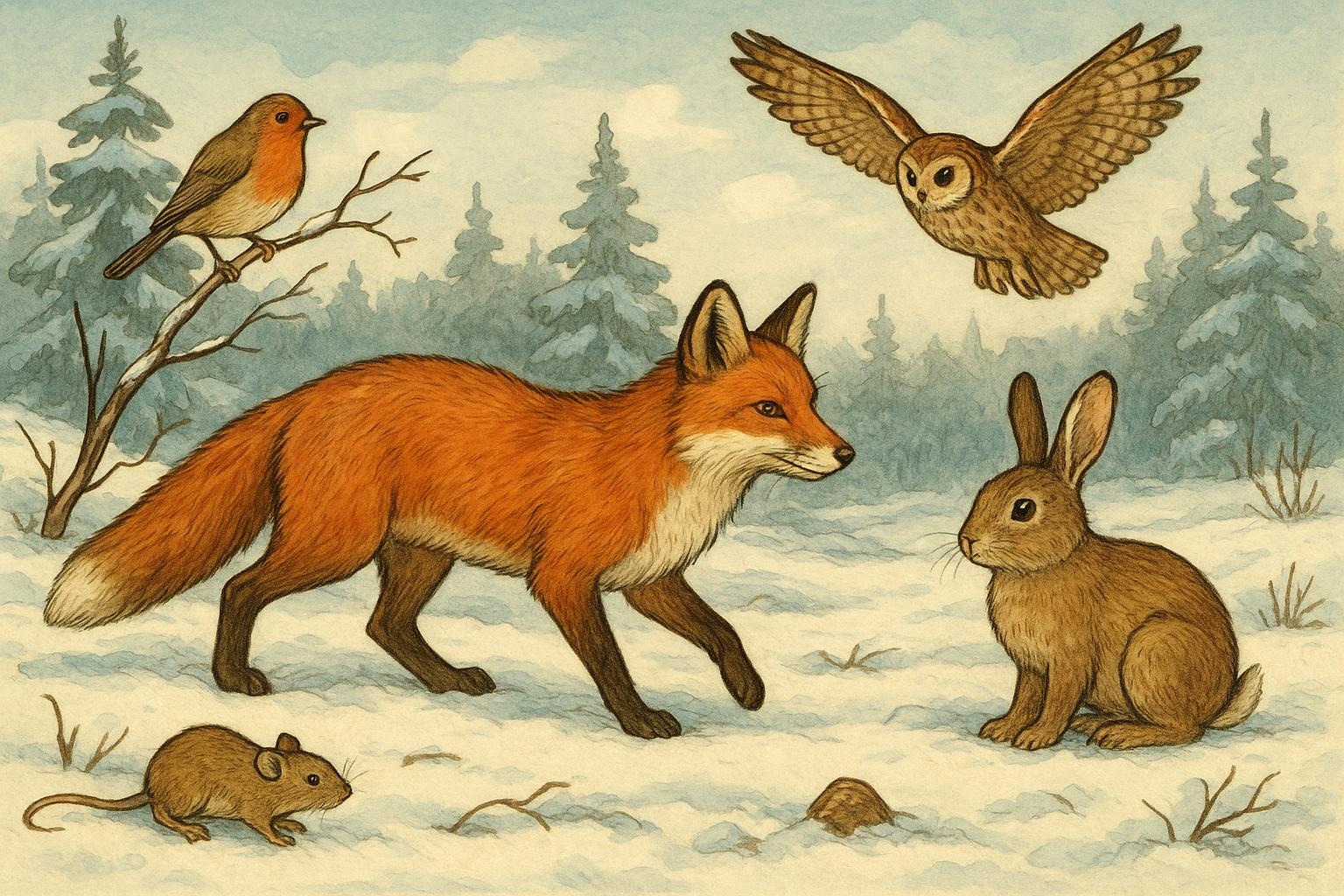
The list is long and delightful: squirrels and chipmunks are obvious patrons, but so are many birds (jays and woodpeckers are excellent at cracking and caching), white-tailed deer browse the fallen crop, and even small carnivores like foxes and coyotes benefit indirectly as the herbivore population bulks up. Some insects and fungi will colonize fallen acorns too, turning them into an underground banquet that benefits ground-foraging species.
#### Watching For Signs Of Foraging
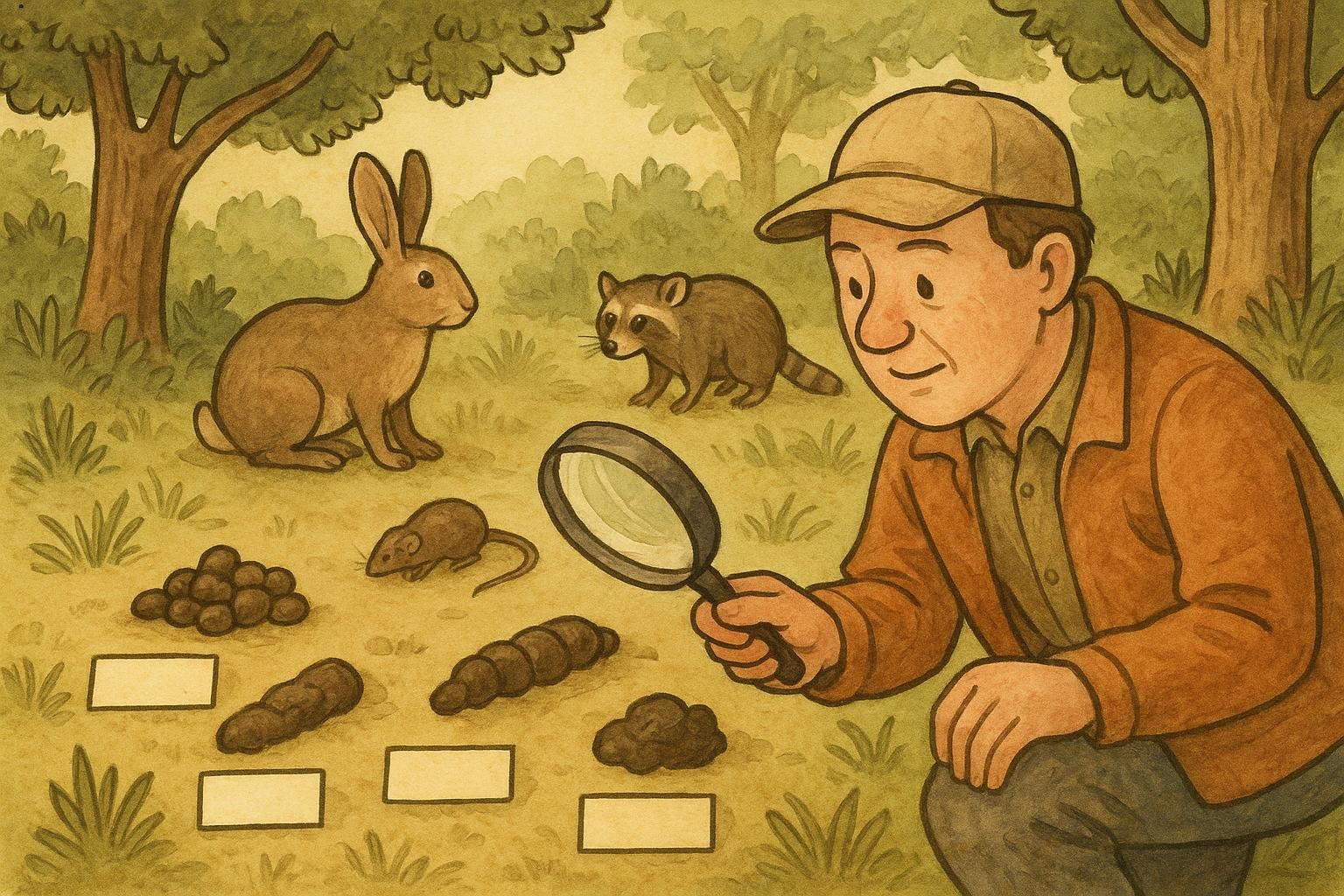
Look for stashed piles, partially eaten caps, shell fragments, and holes chewed through acorn casings. Squirrels often strip the cap and nibble around the base; jays might carry whole acorns away and disappear into nearby trees. If you set up a low camera or just sit quietly with a thermos, you’ll be surprised how quickly backyard life reveals itself in acorn season.
### Responsible Foraging And Habitat Help
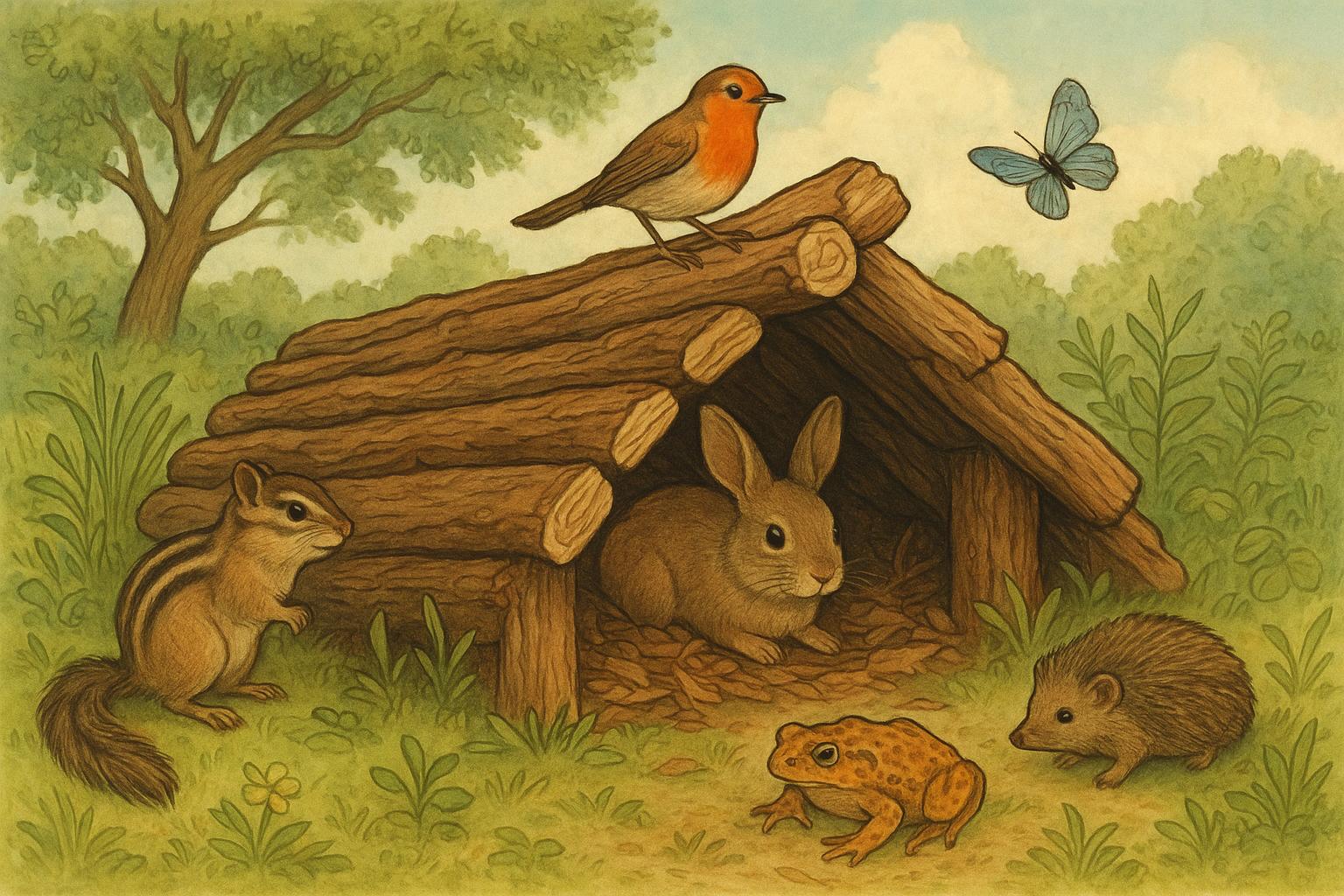
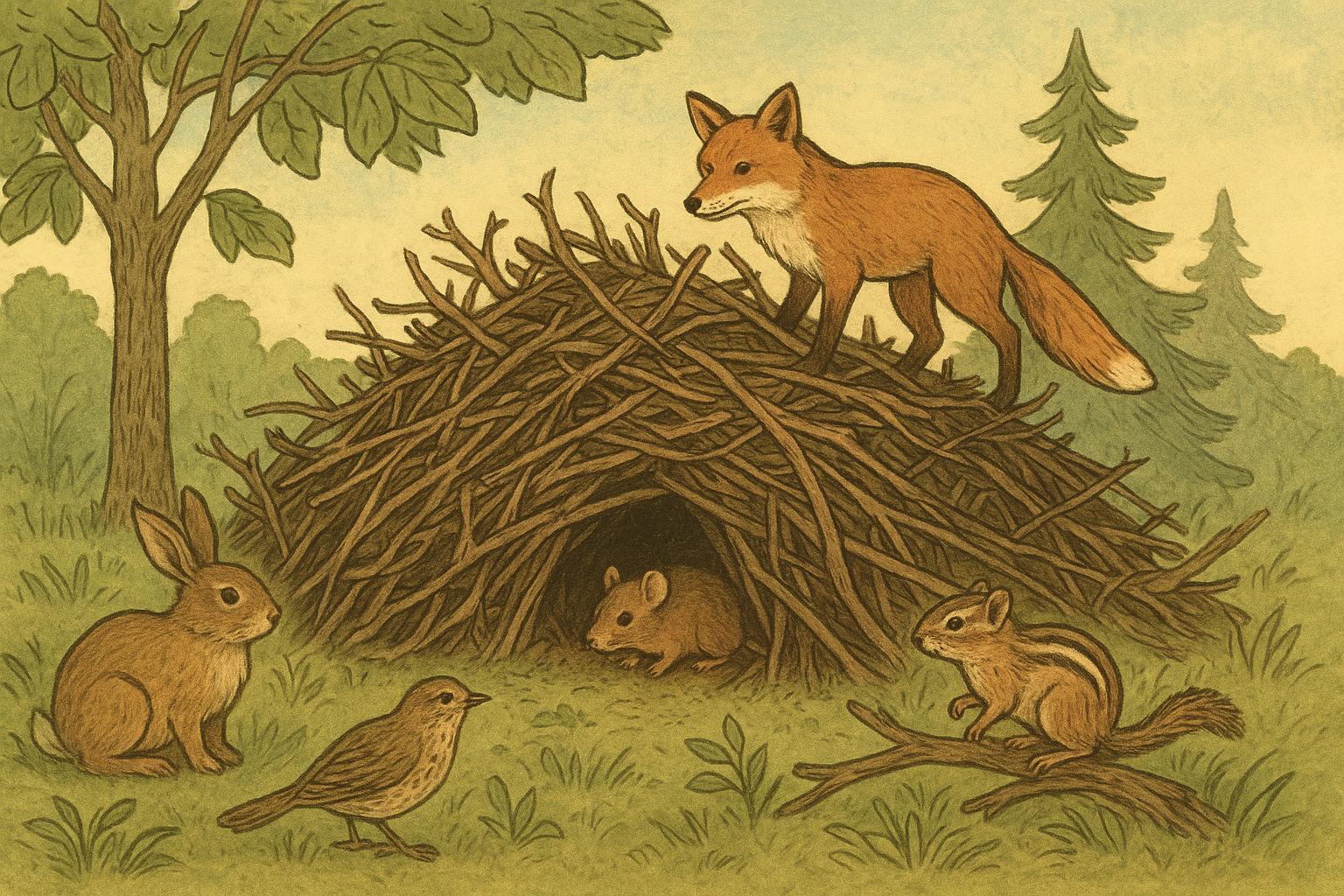
If you gather fallen acorns—either to enjoy, to craft, or to feed wildlife—do so thoughtfully. Removing every acorn from beneath a tree deprives animals and potential seedlings. Instead, designate small collection zones and leave plenty for the ecosystem. If you want to encourage wildlife, create microhabitats: leave some leaf litter, maintain brush piles for cover, and provide water. Acorns plus shelter equal a backyard that supports a variety of species.
#### Safety And Disease Notes
Inspect acorns before offering them to animals you care for. Moldy, waterlogged, or shriveled nuts can carry fungi or toxins that may harm wildlife. Also be aware that in some regions, large acorn crops can correlate with increased rodent populations and, in turn, ticks—so keep pet areas tidy and practice tick prevention when spending time outdoors.
## How To Build An Acorn Feeder For Birds And Small Mammals
Creating a dedicated spot for acorn foraging can concentrate wildlife viewing, reduce lawn mess, and support creatures that cache and eat nuts. Below is a straightforward, durable feeder design that welcomes corvids, squirrels, and other foragers without encouraging nuisance behavior.
Materials:
– One untreated 5–10 gallon wooden crate or shallow hardwood box (vented)
– Hardware cloth (1/4″ mesh), cut to fit bottom
– Galvanized screws and small L-brackets
– Two sturdy bungee cords or a short length of natural-fiber rope
– Drill with bits for wood and screws
– Optional: a small roof piece (scrap cedar) to keep acorns dry
Required Tools And Safety:
– Work gloves
– Eye protection when drilling
– Household screwdriver or drill
Construction And Placement Steps (Formal Instruction):
1. Prepare The Box: Line the bottom of the wooden box with hardware cloth to allow moisture to drain while preventing small acorns from falling through. Secure the cloth with screws and washers at the corners and midpoints.
2. Add Roof (Optional): If you have a small roof piece, attach it to one side of the box using L-brackets so it overhangs slightly and shelters contents from rain. Ensure the roof permits airflow to reduce mold.
3. Fasten Suspension Points: Drill two opposing holes near the top on each long side of the box. Run bungee cords or natural-fiber rope through these holes to create a hanging system. If you prefer a pole mount, install a bracket on the underside and secure to a stout post away from fences to deter easy squirrel runs if you wish to control which animals access it.
4. Mount The Feeder: Place the feeder in a quiet part of the yard—ideally under a tree but far enough from structures that predators cannot easily stage ambushes. Mount at a height of 3–6 feet to be accessible to birds and small mammals while keeping raccoon access moderate.
5. Stock The Feeder: Use clean, unrotted acorns. Do not crush or treat them; wildlife prefer whole acorns. Refill regularly, checking for signs of spoilage and discarding any moldy nuts.
6. Monitor And Maintain: Inspect the feeder weekly for sanitation and structural soundness. Clean out accumulated debris and replace the hardware cloth if it shows corrosion.
Application Notes:
– Avoid placing the feeder right next to bird feeders with seed; mixing food types can attract larger numbers of squirrels and rats.
– If you wish to deter larger mammals like deer, position the feeder at a height or location that discourages their browsing.
– Rotate placement seasonally to prevent overuse of one ground patch and to disperse nutrient input from leftovers.
### Leaching Acorns For Human Use (Optional Foragers)
Some backyard foragers like to use acorns for flour. This is more involved than bird feeding because many acorns contain tannins that taste bitter and can be irritating. If you plan to process acorns for human consumption, follow established leaching methods and test a small batch first.
#### Materials For Leaching
– Dry, mature acorns (shelled)
– Large pot or container
– Cold water
– Fine mesh sieve or cheesecloth
– Oven or dehydrator for drying
– Blender or coffee grinder for flour
Step-By-Step Leaching (Formal Instruction):
1. Shell The Acorns: Remove caps and shells; discard any with holes or rot.
2. Crush Or Chop: Break the nuts into smaller pieces to increase surface area.
3. Cold Leaching Method: Place crushed acorns in cold water and soak, changing the water several times a day until the water no longer turns brown—this may take multiple days. Alternatively, continuous running water leaching (in a mesh bag under a slow stream) speeds the process.
4. Dry Thoroughly: Once tannins are removed, drain and dry acorns in an oven at low heat or a dehydrator until completely dry.
5. Grind And Sift: Process into meal or flour and sift to your desired texture.
6. Test For Bitterness: Taste a tiny pinch before full use; if any astringency remains, repeat leaching.
Note: This is a brief overview; consult detailed foraging guides for safety and recipes if you plan to cook with acorn flour.
### Backyard Foraging Etiquette And Legal Notes
Foraged acorns can be a community resource. If you’re collecting from public lands, check local rules—some parks limit removal of natural materials. When harvesting on private or shared property, ask neighbors and share information about how your efforts support local wildlife. Avoid removing acorns from beneath trees used by people for nut crops (property lines matter), and never use pesticides or chemicals on acorn piles you intend to feed to wildlife.
#### Simple Habitat Enhancements That Complement Acorns
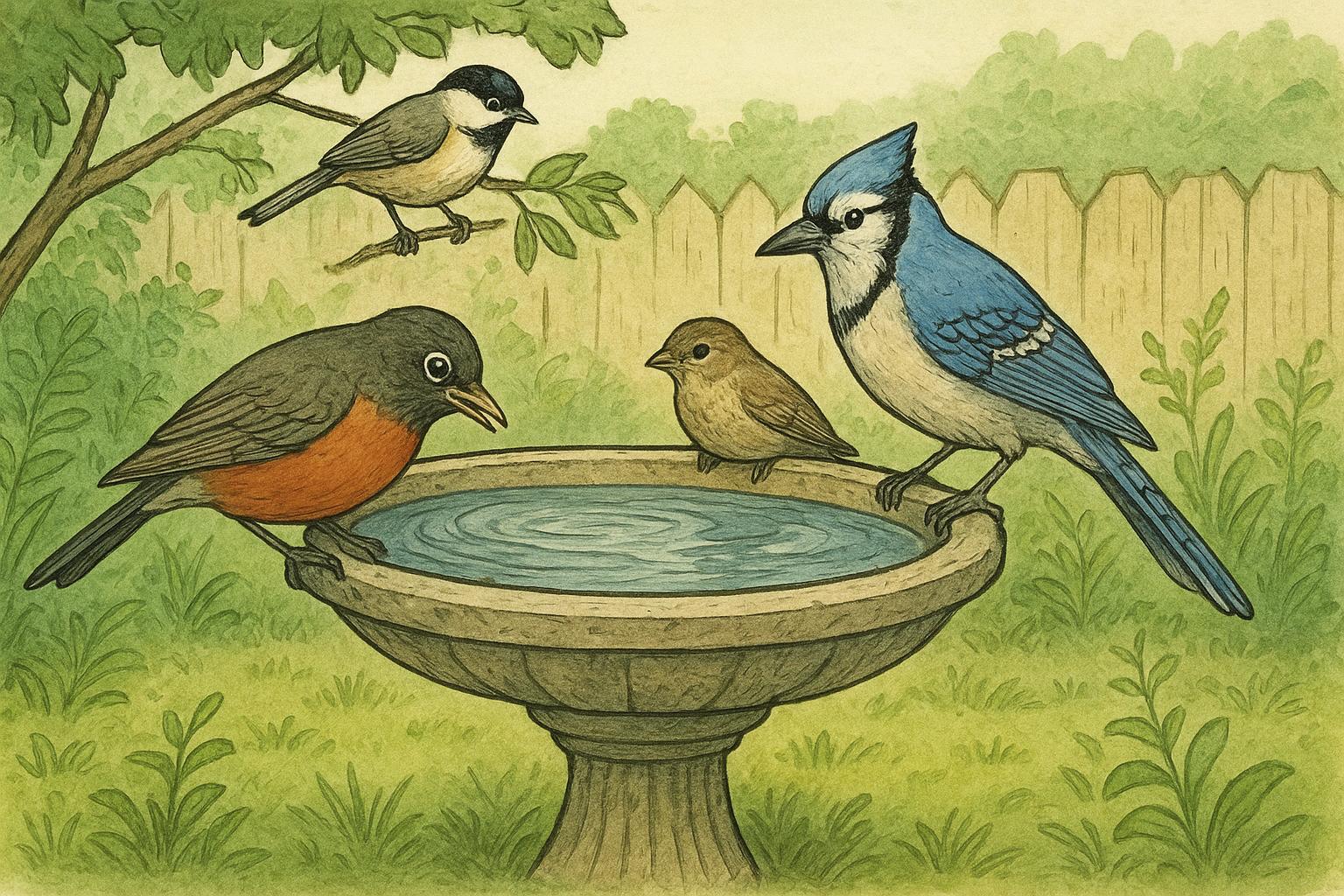
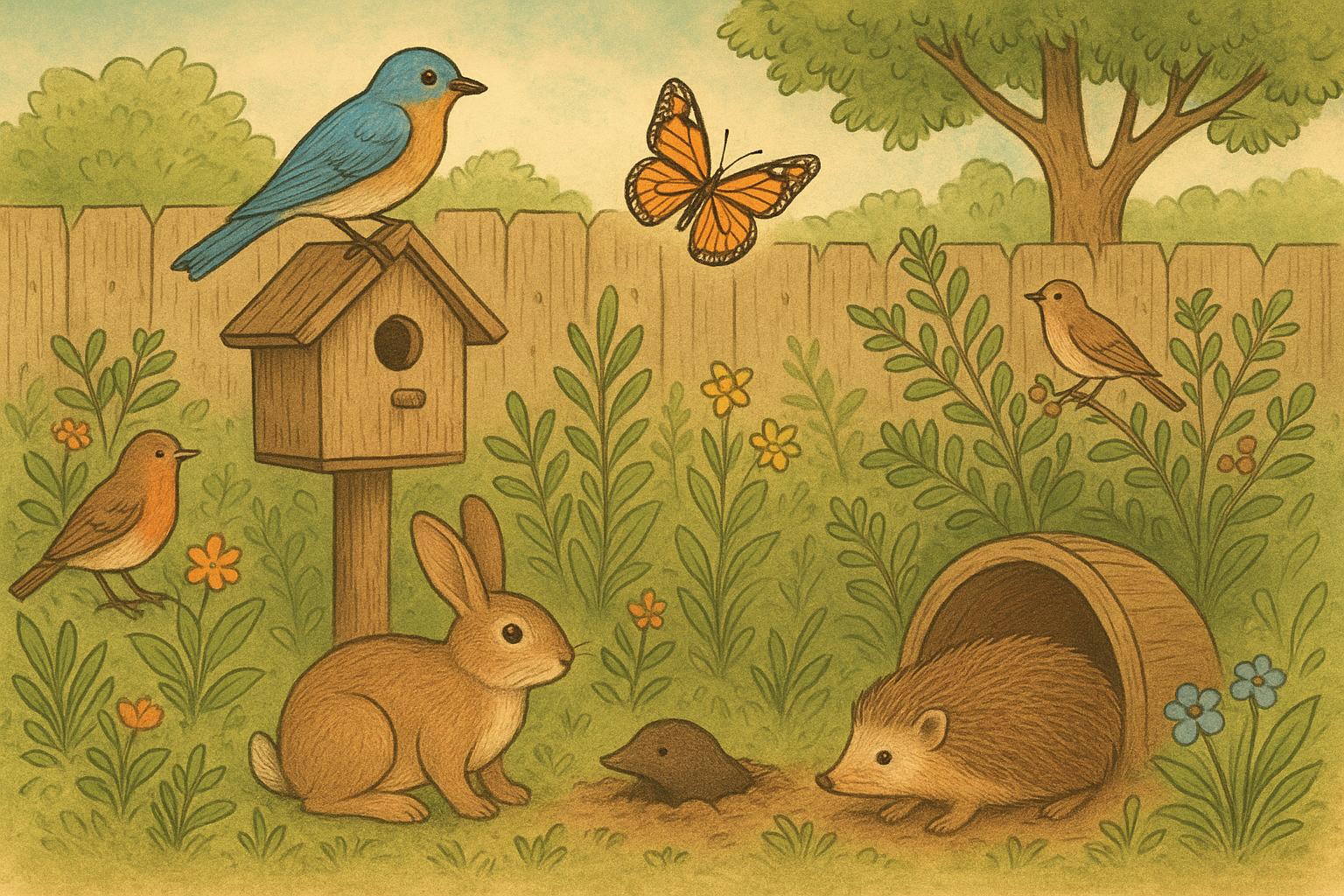
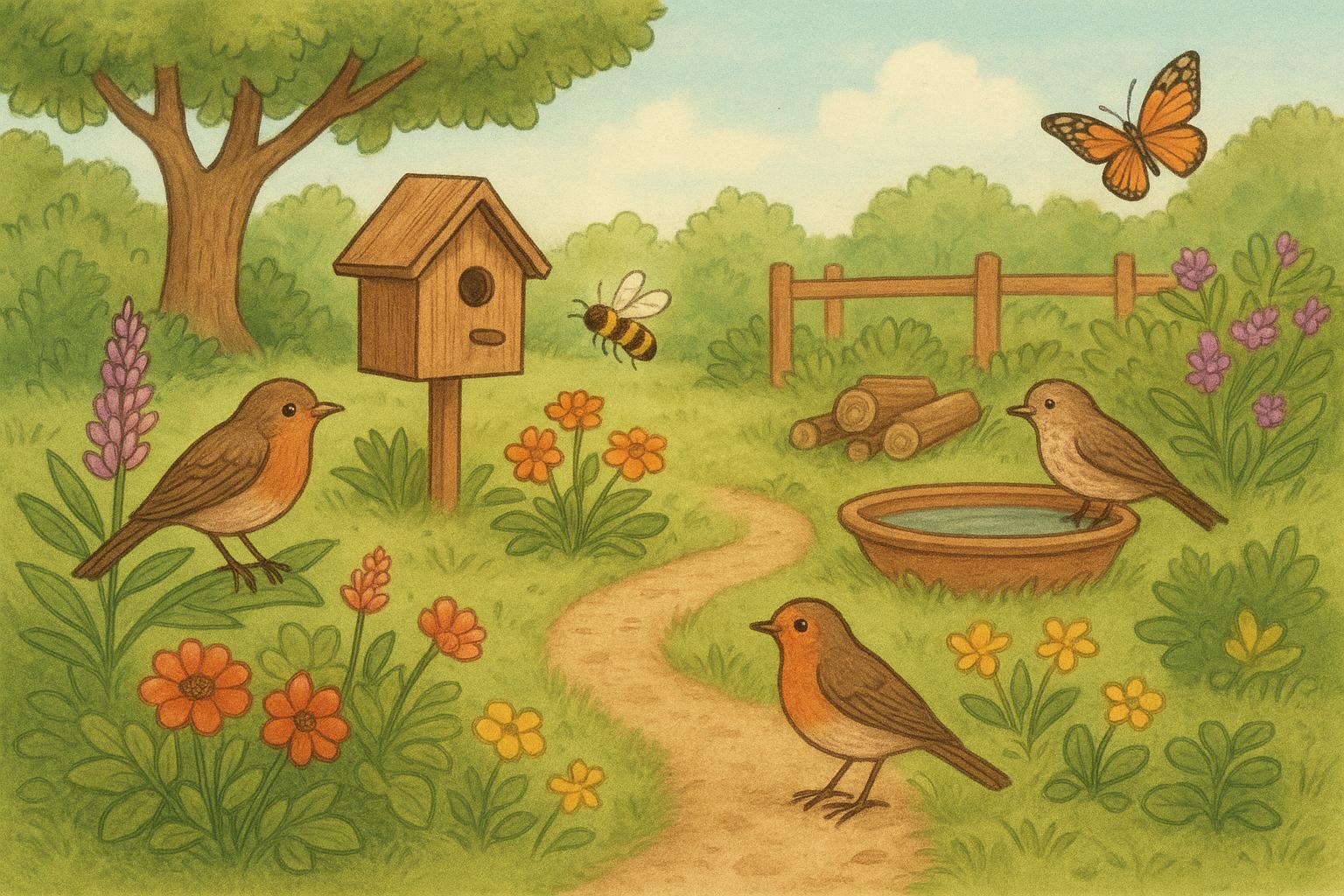
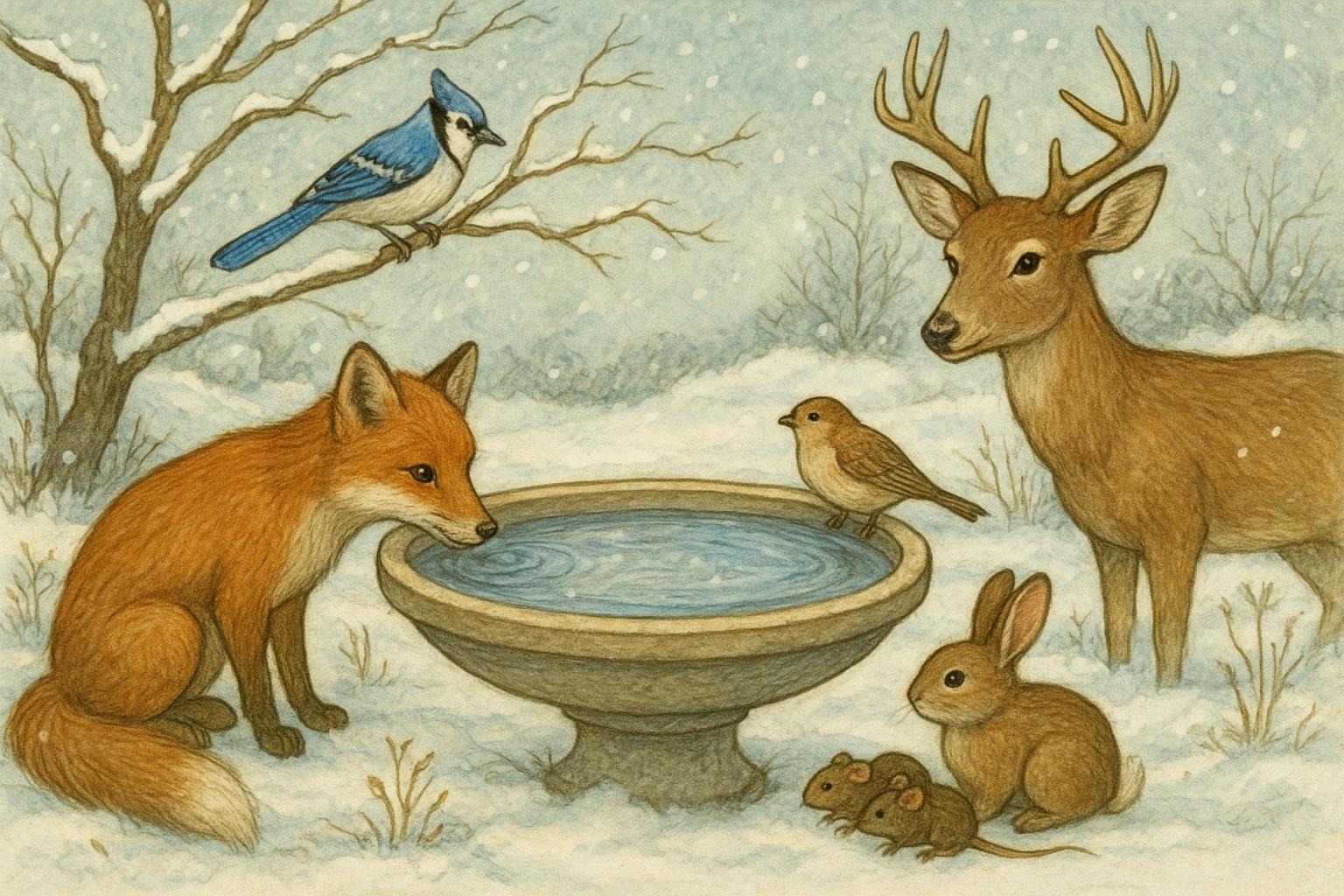
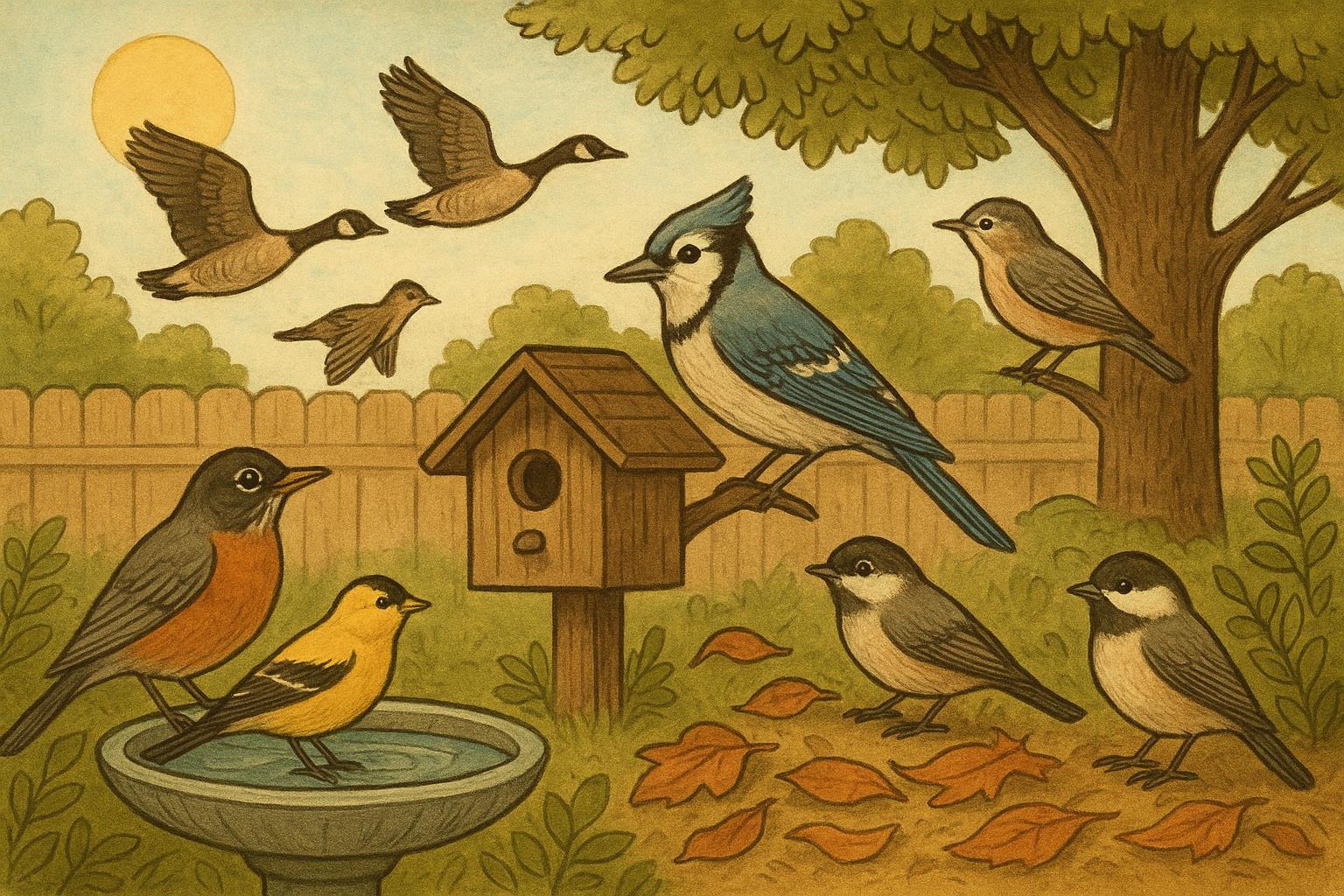
A few small projects will amplify the benefit of acorns in your backyard: install a shallow water dish or birdbath, leave small deadwood piles for insects (which provide protein for birds), and plant native understory shrubs for shelter. Little changes create layered habitat that makes your yard more than a buffet—it’s a safe, functional refuge.
### Watching The Seasonal Story
One of the best parts of an acorn-rich autumn is the chance to watch ecological drama unfold on your property. Keep a notebook or phone log of which species show up, how long they stay, and how acorn availability changes behavior. Over years, you’ll see patterns—a mast year that brings flocks of jays, a lean year that sends squirrels scrounging to your feeder—and you’ll be more informed about how to help.
If you’d like, I can help you design species-specific feeders, create a simple monitoring sheet for tracking acorn use, or suggest native plant companions to broaden your backyard’s forage network.







Leave a Reply