
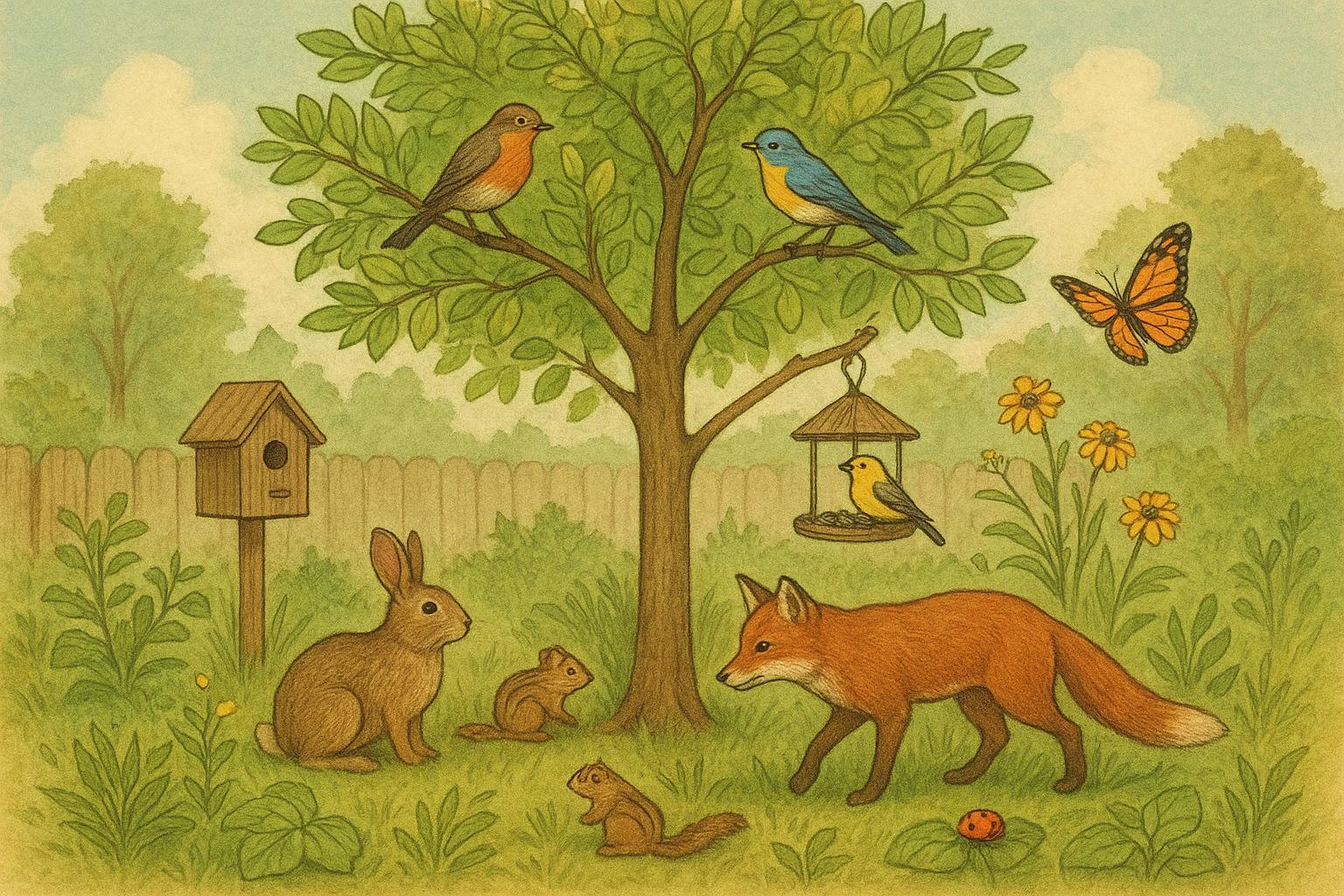
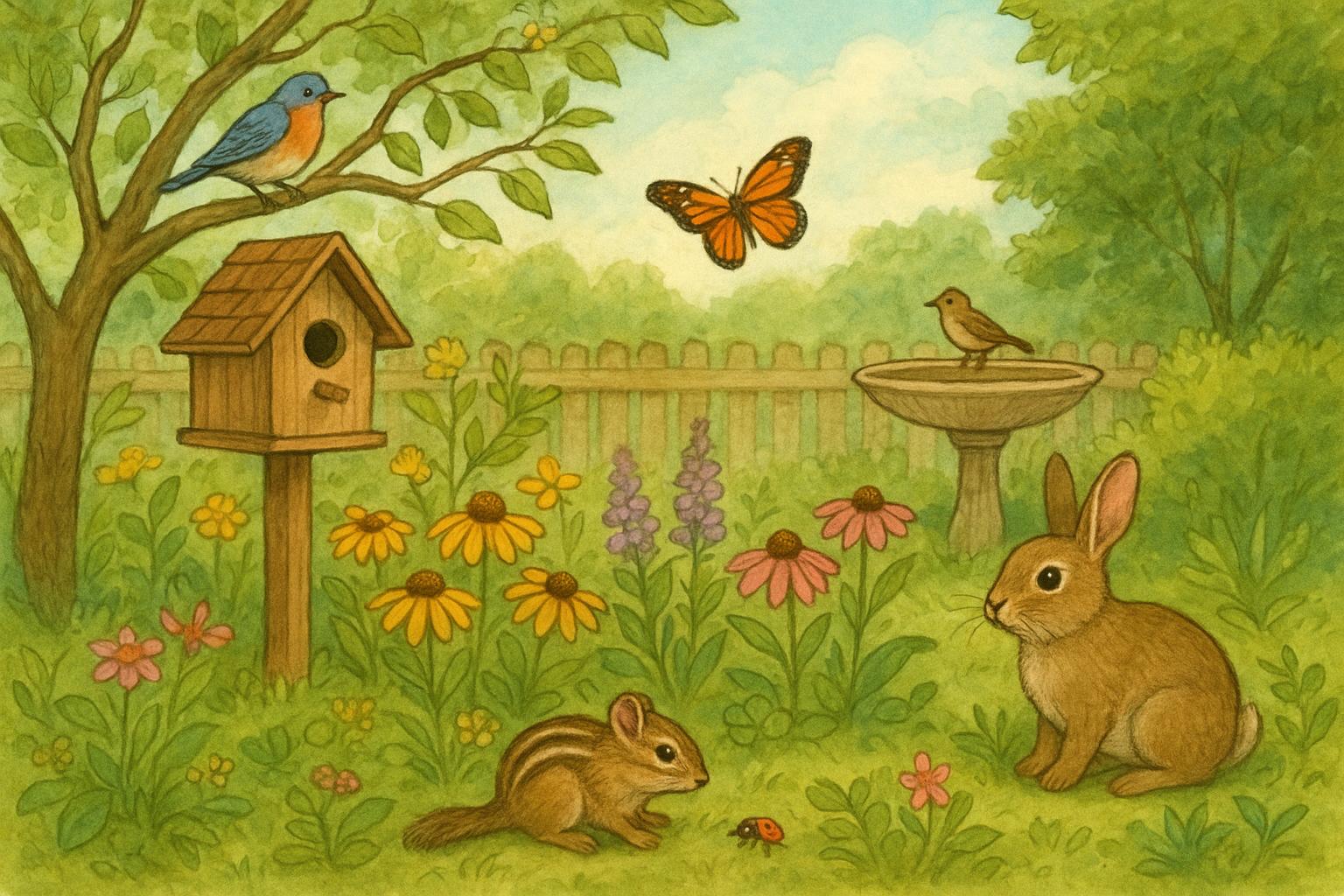
Welcome to a little tour of your yard’s future neighborhood association — where trees have front porches, birds hold HOA meetings, and even the insects RSVP. If you’re aiming to make your backyard a welcoming, functioning habitat, focusing on wildlife trees will pay dividends in biodiversity, seasonal interest, and low-maintenance joy. Below are practical design ideas, planting priorities, and two formal remedies to help you create and maintain tree-centered wildlife habitat.
## Wildlife Trees: Foundations Of Backyard Habitat
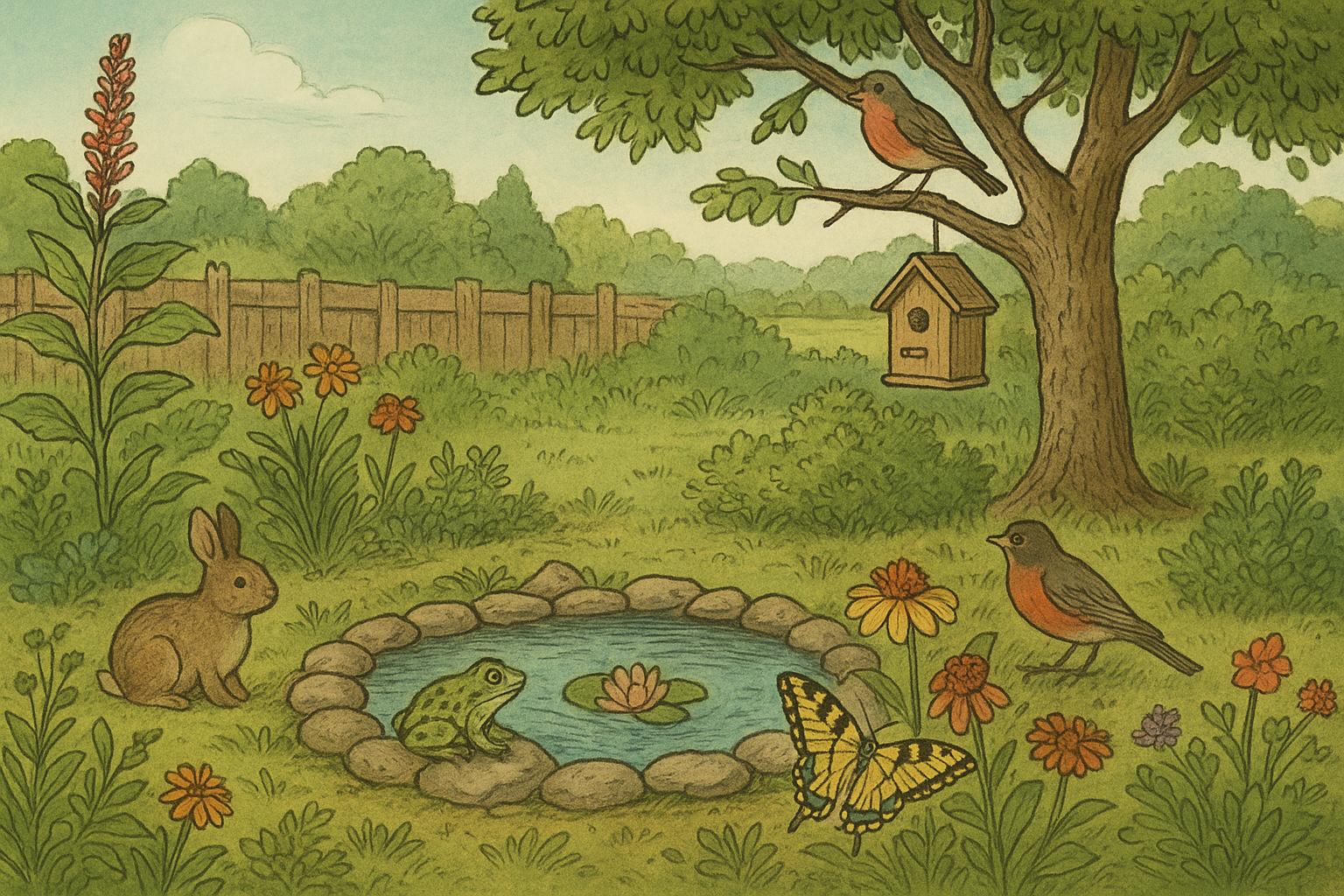
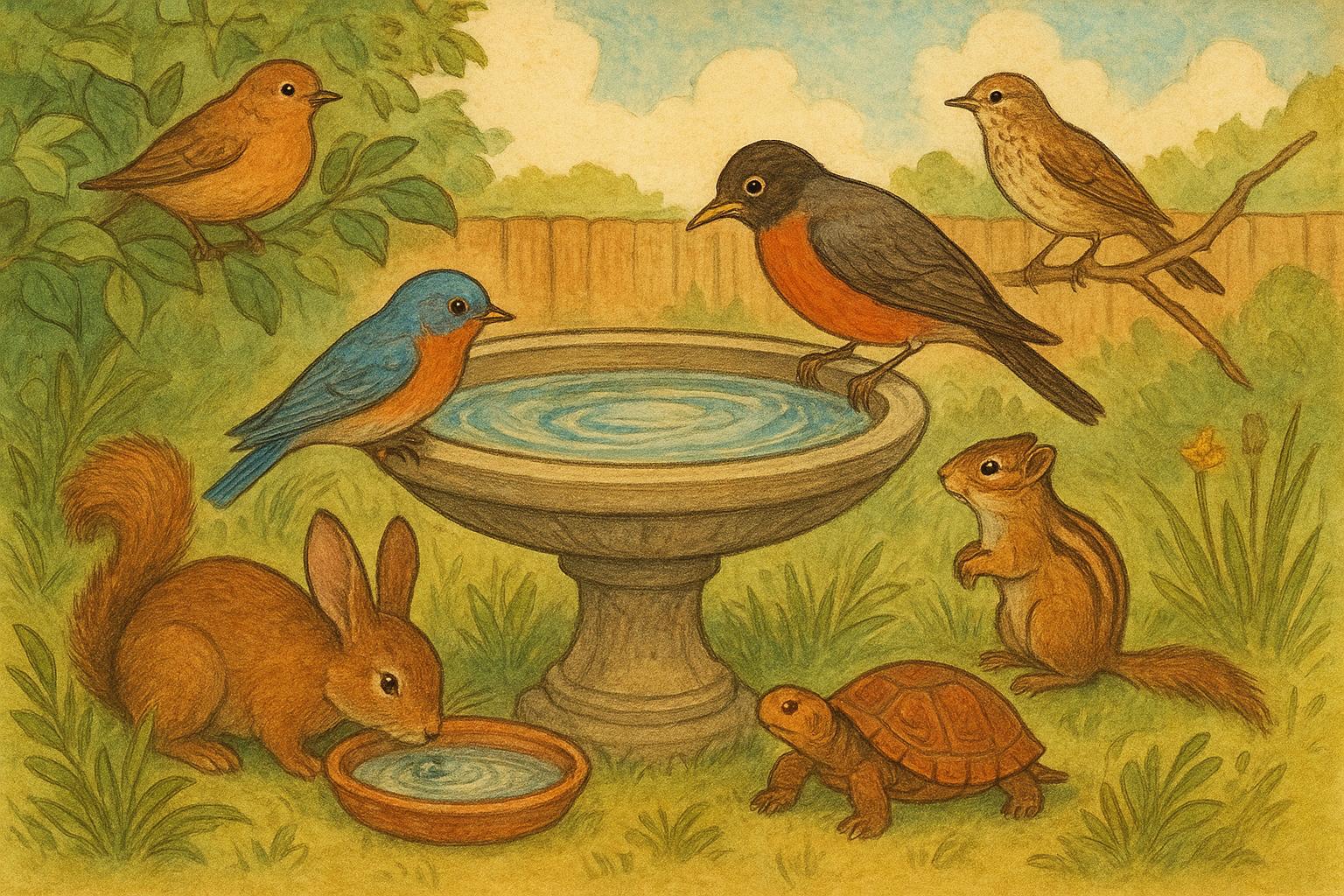
Think of wildlife trees as more than just scenery. They’re food pantries, apartments, nurseries, and protective green umbrellas. Planting native species establishes ecological connections: insects feed birds; birds distribute seeds; mammals find shelter. Even a single well-placed tree can shift your yard from an aesthetic space into an ecological hotspot.
### Why Trees Matter For Wildlife
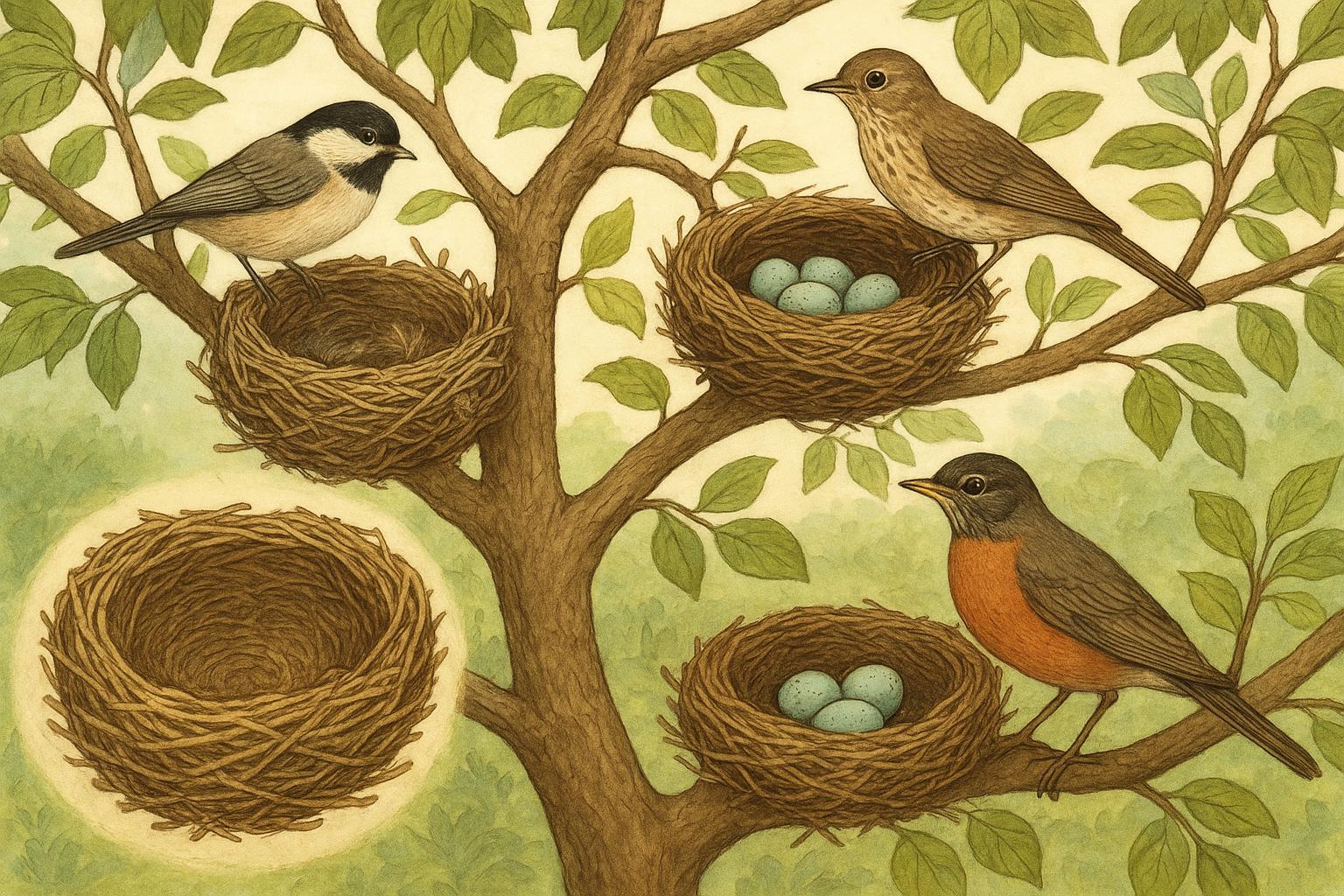
Native trees support local food webs in ways ornamental exotics usually can’t. A modest oak supports hundreds of caterpillar species, which in turn support nesting birds. Columnar evergreens provide year-round cover; fruiting trees offer seasonal snacks; dead snags host cavity-nesters and decomposers. When you choose trees with wildlife in mind, you’re creating resilience and continuity for local populations.
### Design Principles For A Lively Backyard
Start with these simple principles:
– Prefer native over exotic species for local support.
– Include a mix of canopy, understory, and shrub layers.
– Prioritize fruiting, nut-bearing, and nectar-producing species across seasons.
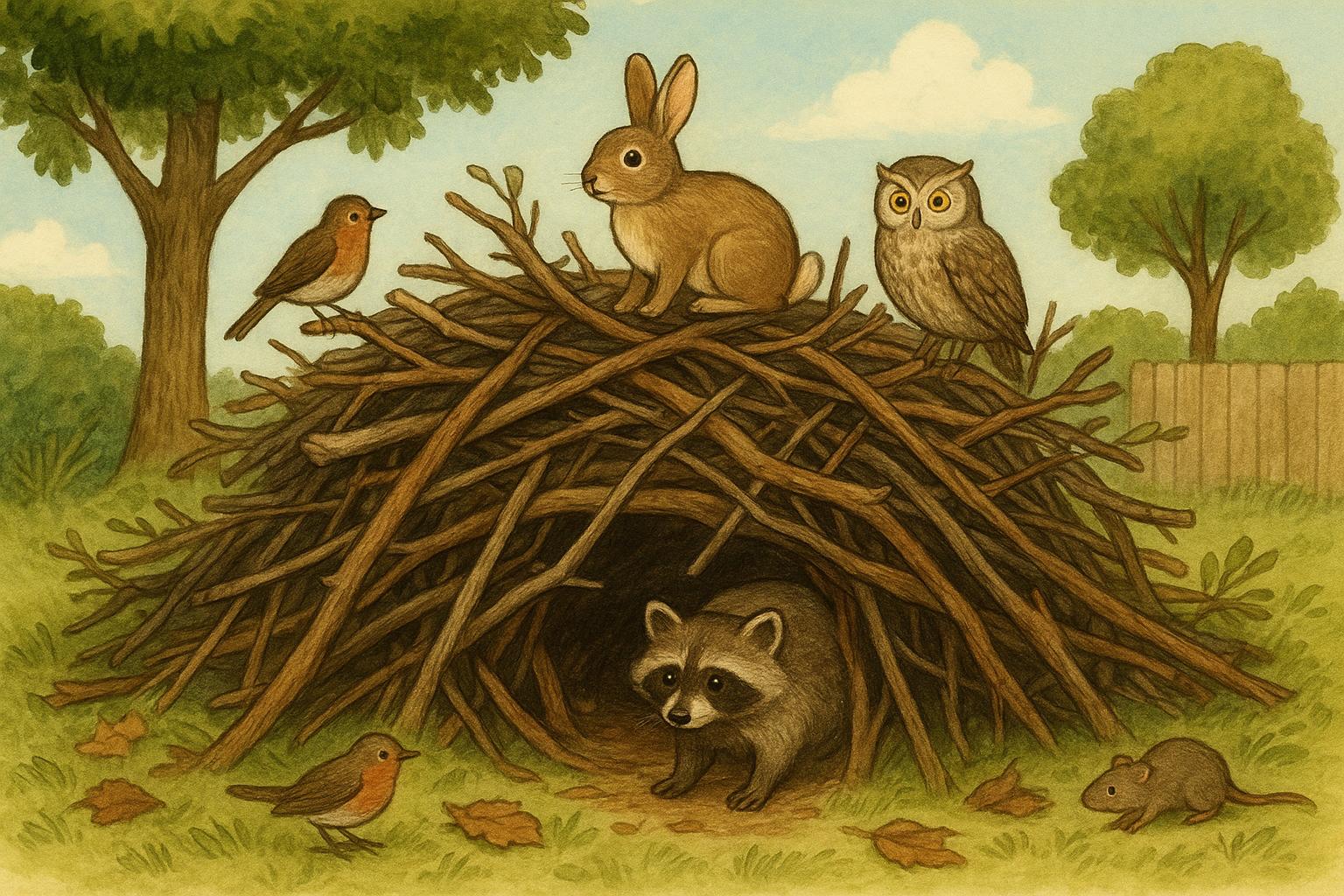
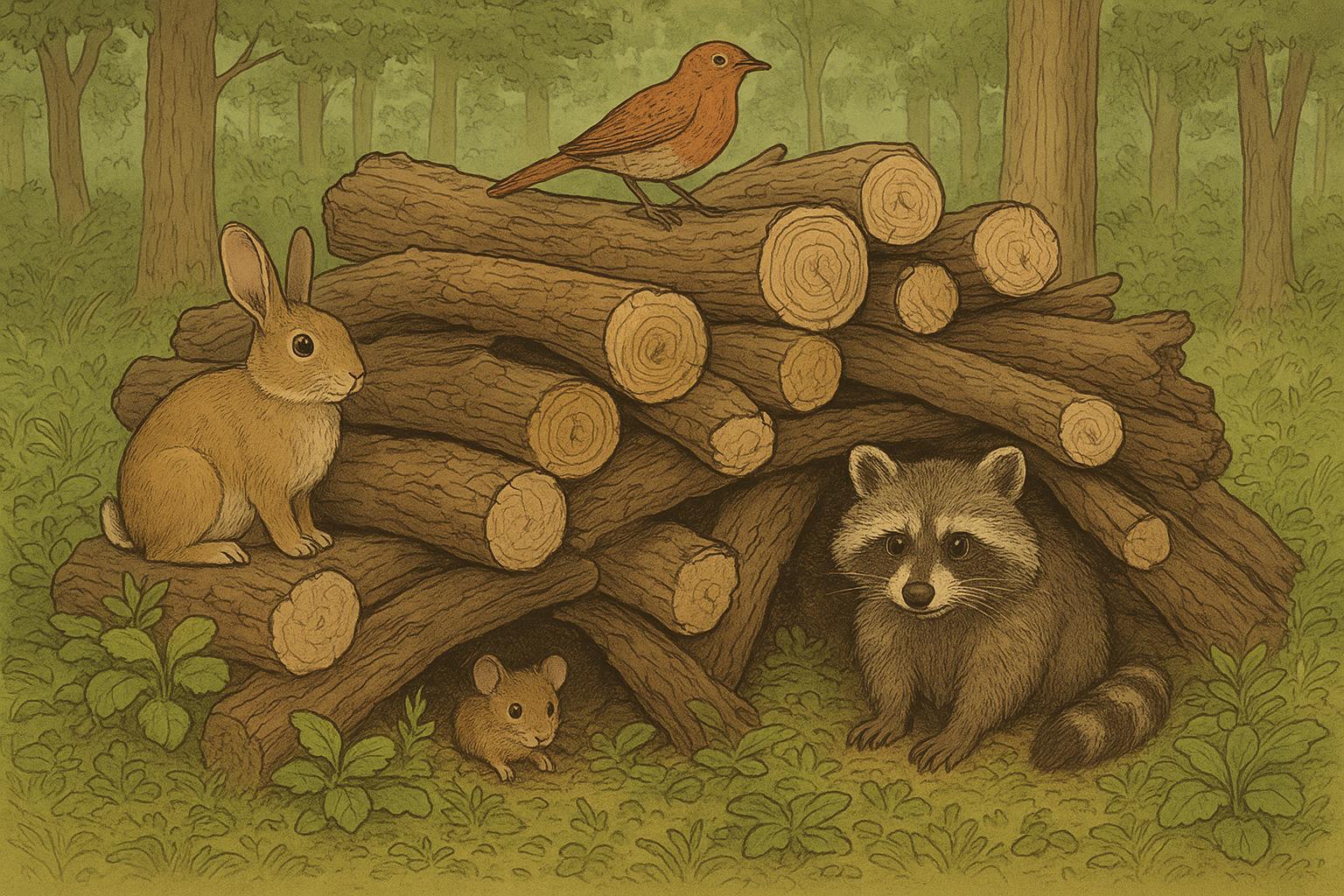
– Avoid over-tidying: standing dead wood and leaf litter are important habitat features.
#### Watering And Mulch Tips
Young trees require consistent moisture for the first two to three years. Apply a 2–4 inch mulch ring (keep mulch away from the trunk) to conserve moisture and suppress weeds. Mulch also encourages soil organisms that contribute to tree health and, by extension, the wildlife the trees support.
## Choosing Species That Work For Your Yard
Climate, soil, sunlight, and space determine what you should plant. Look up local native lists from your state or regional native plant society. Aim for at least three different species to provide staggered bloom and fruit times. Remember that a small yard can still host effective wildlife trees; choose dwarf or native understory species if space is tight.
### Placement And Layering Strategy
Place larger species where they won’t eventually interfere with structures, but keep some close enough to act as stepping-stones for wildlife moving through your landscape. Layering — canopy trees above, understory trees and shrubs below — increases habitat niches and visual interest. Use native shrubs beneath trees to create denser cover for ground-nesting birds and small mammals.
## Maintenance Practices That Support Wildlife
A few thoughtful maintenance tweaks make trees more hospitable:
– Practice selective pruning to maintain structural health without removing all deadwood.
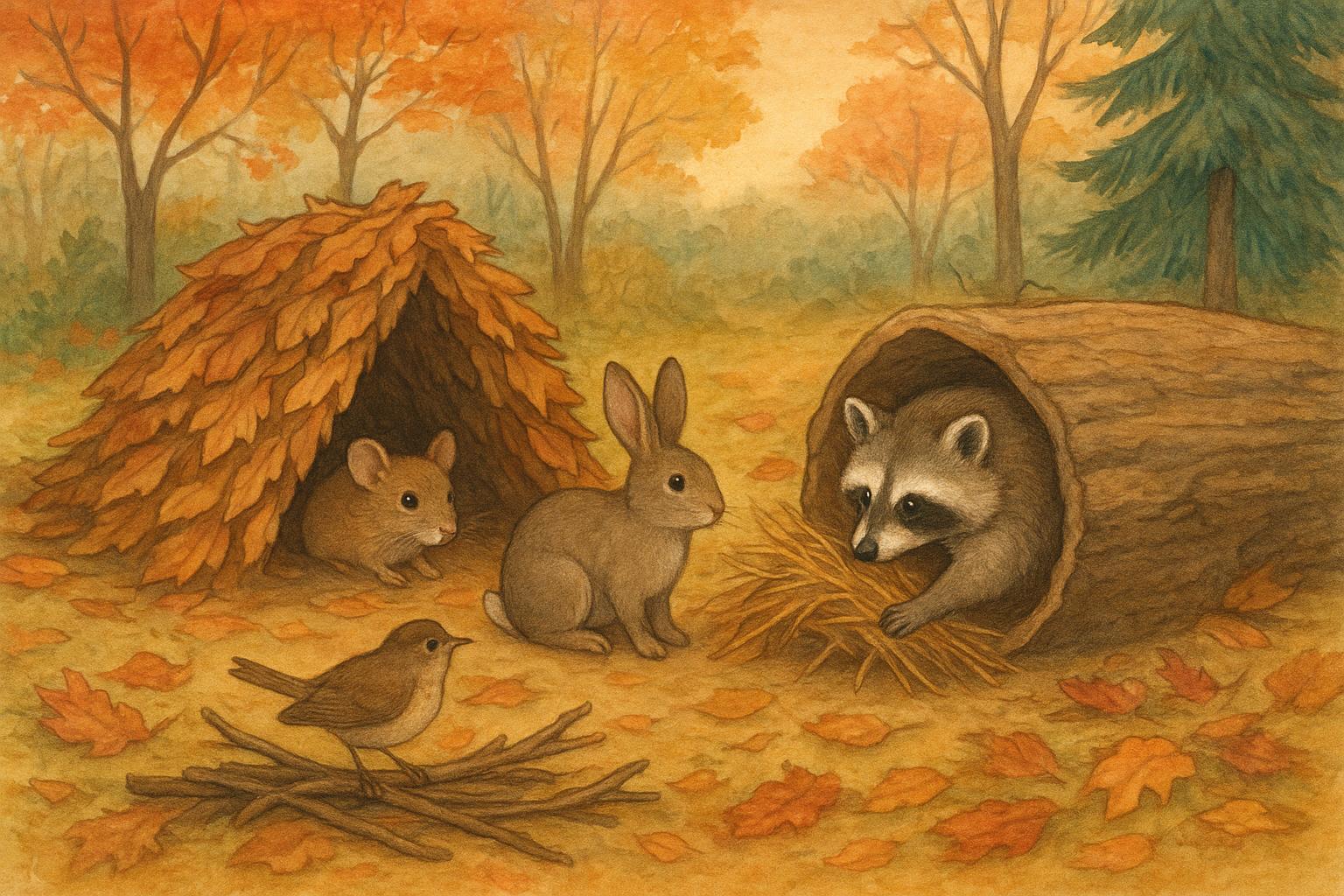
– Delay fall cleanup of leaves and fallen twigs to provide winter habitat for invertebrates.
– Minimize pesticide use; many are lethal to pollinators and beneficial predators.
### Monitoring And Adaptive Care
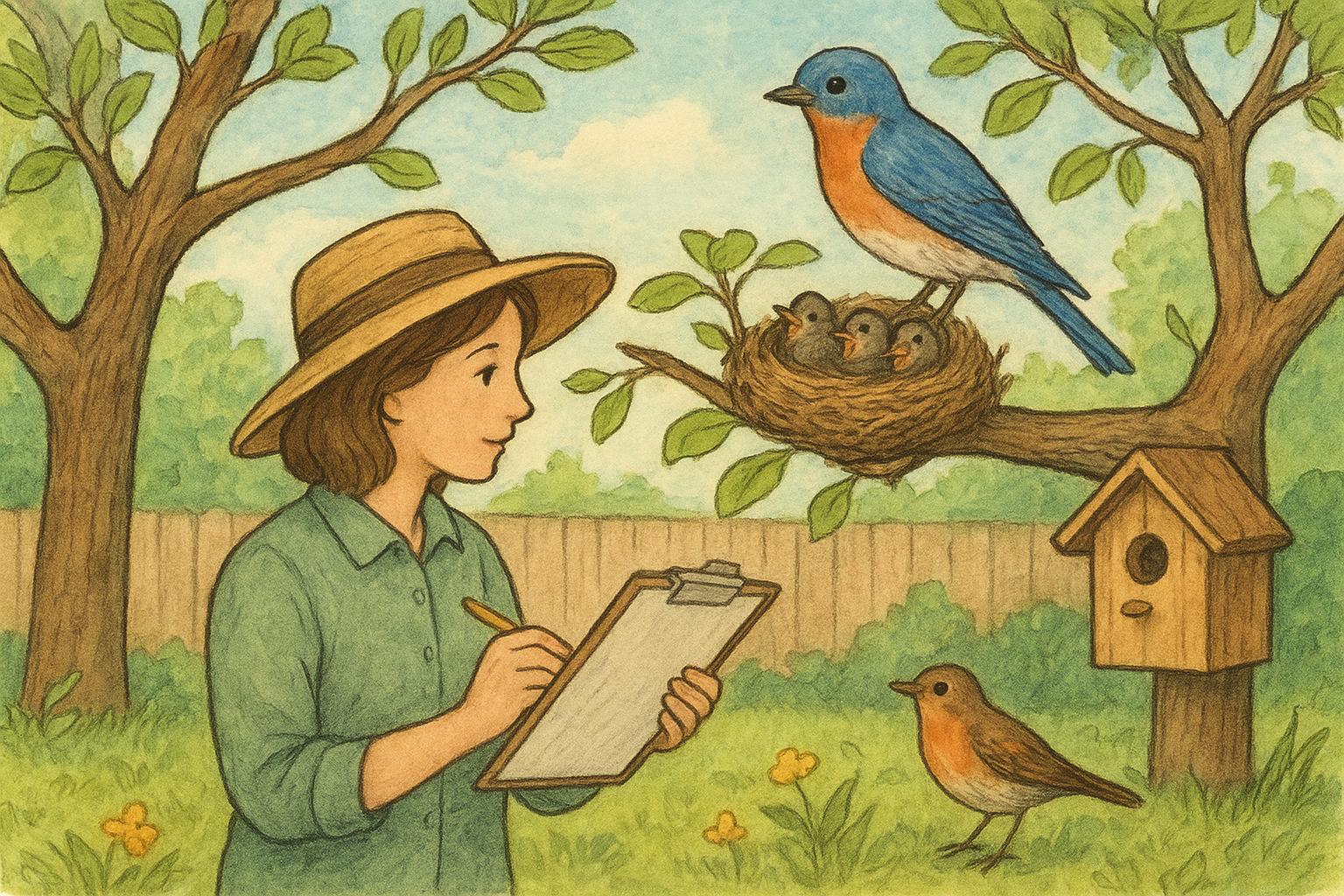
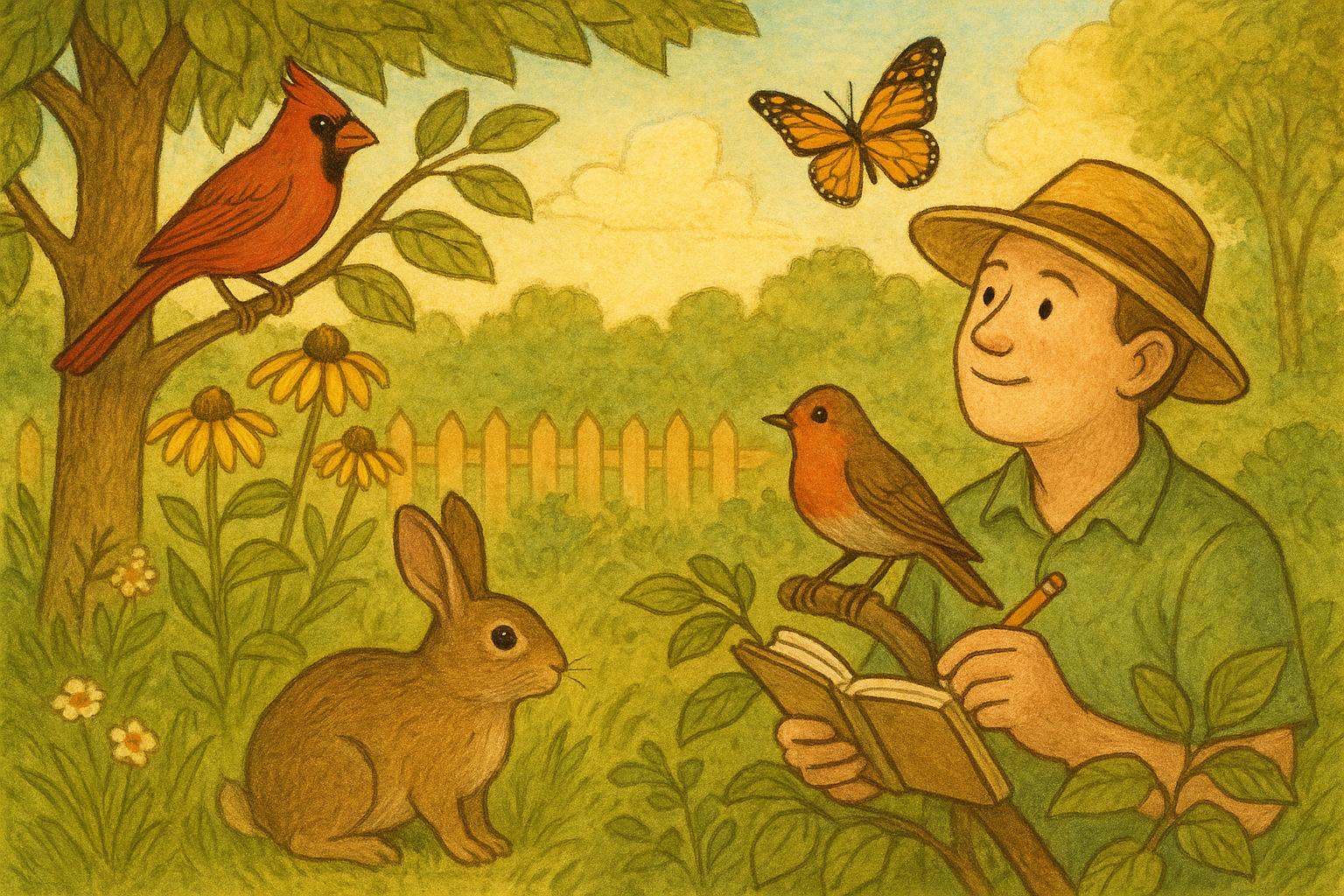
Check trees annually for signs of stress, pests, or structural issues. Replace failing trees with native species rather than removing and paving over the spot. Observational monitoring (noting what species use which trees and when) helps you refine species choices and placement for maximum benefit.
## Remedy 1: Create A Wildlife Tree Guild
Materials/Ingredients:
– One selected native canopy or understory tree (1–2 gallon or balled-and-burlapped size, species chosen for local suitability)
– Two to three native shrubs (for understory)
– A selection of native groundcovers or herbaceous plants (for soil stability and insect food)
– Organic mulch (wood chips or shredded bark)
– Slow-release native-friendly fertilizer (if soil tests indicate deficiency)
– Shovel, gloves, watering can or hose
Procedure (Formal, Step-By-Step):
1. Site Selection: Identify a planting location that meets the tree’s sunlight, soil drainage, and spacing requirements. Verify underground utility lines prior to digging.
2. Soil Preparation: Loosen soil in the planting area to a depth of 12–18 inches and amend only if a soil test shows nutrient imbalance or compaction. Avoid over-amending; native plants often prefer local soils.
3. Planting the Tree: Dig a hole 2–3 times wider than the root ball and no deeper than the root flare. Place the tree so the root flare is at or slightly above grade. Backfill with native soil, firming gently to remove air pockets.
4. Establishing Understory: Plant shrubs and groundcovers in the guild around the tree at recommended spacing, positioning shrubs on the leeward side if wind protection is needed.
5. Mulching: Apply a 2–4 inch mulch layer in a donut shape, keeping mulch 3–4 inches from the trunk to prevent rot and pest issues.
6. Watering Protocol: Water thoroughly after planting. For the first season, provide deep watering once or twice weekly depending on rainfall; reduce frequency in years two and three as roots establish.
7. Ongoing Management: Monitor for pests and disease, prune only for structure and health, and refrain from chemically-intensive treatments. Document wildlife usage to gauge success.
## Remedy 2: Install A Nest Cavity Or Create A Snag
Materials/Ingredients:
– For nest box: species-appropriate nest box (dimensions and entrance hole size depend on target species), galvanised screws or mounting strap, predator guard (optional)
– For snag creation: chainsaw or arborist service (professional recommended), personal protective equipment, permits if required
– Ladder, level, and installation hardware
– Local wildlife & arboriculture guidelines (for legal and safety compliance)
Procedure (Formal, Step-By-Step):
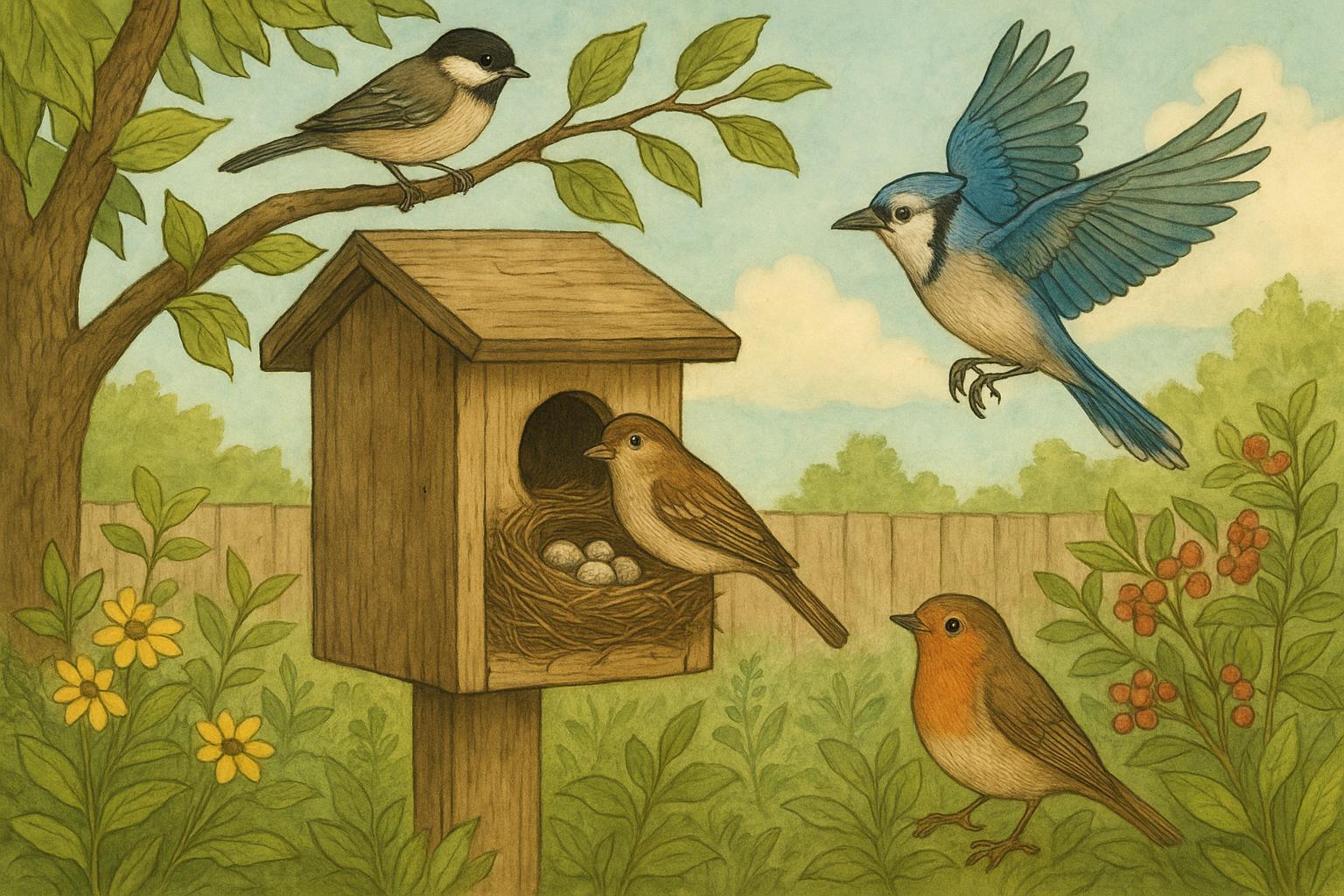
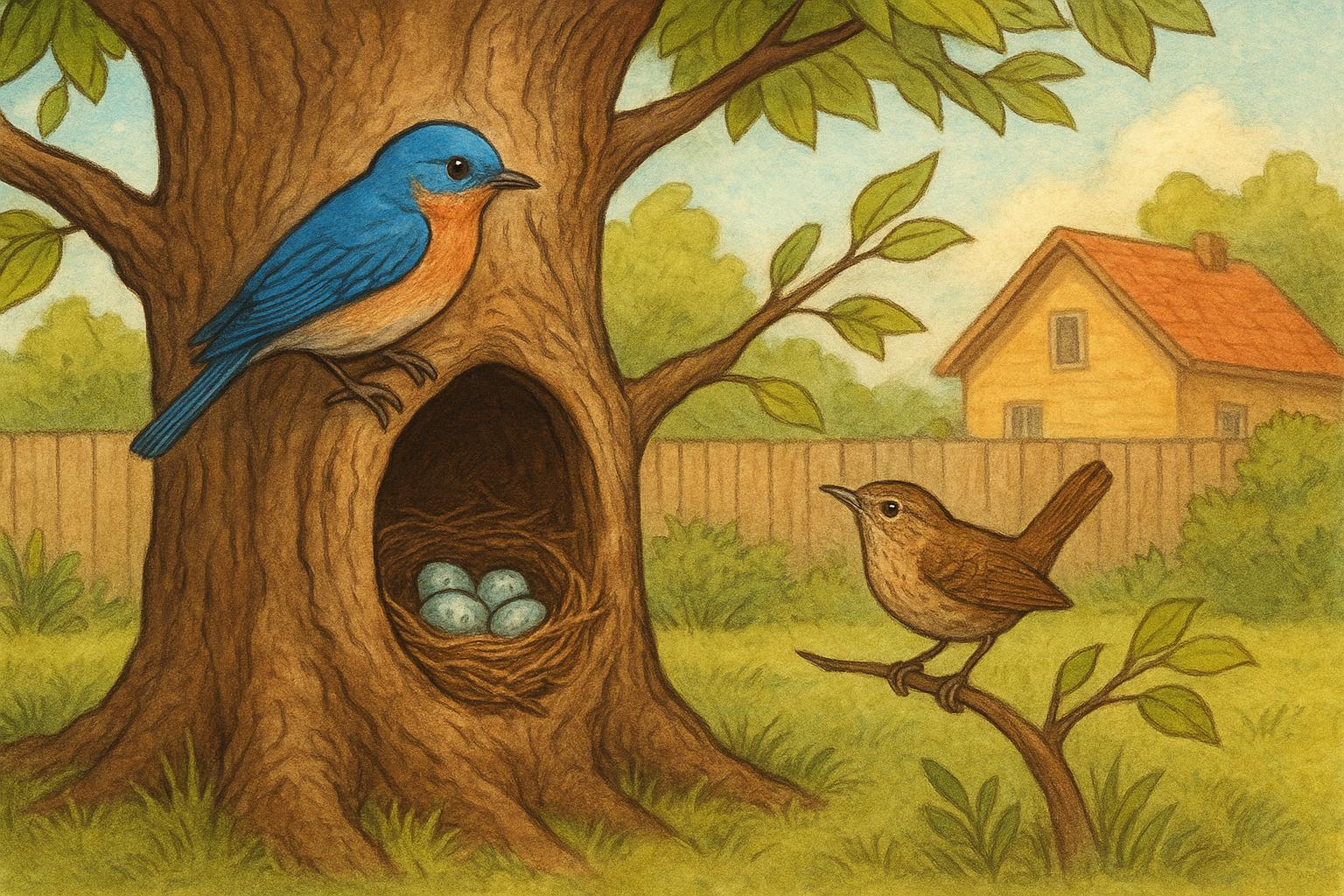
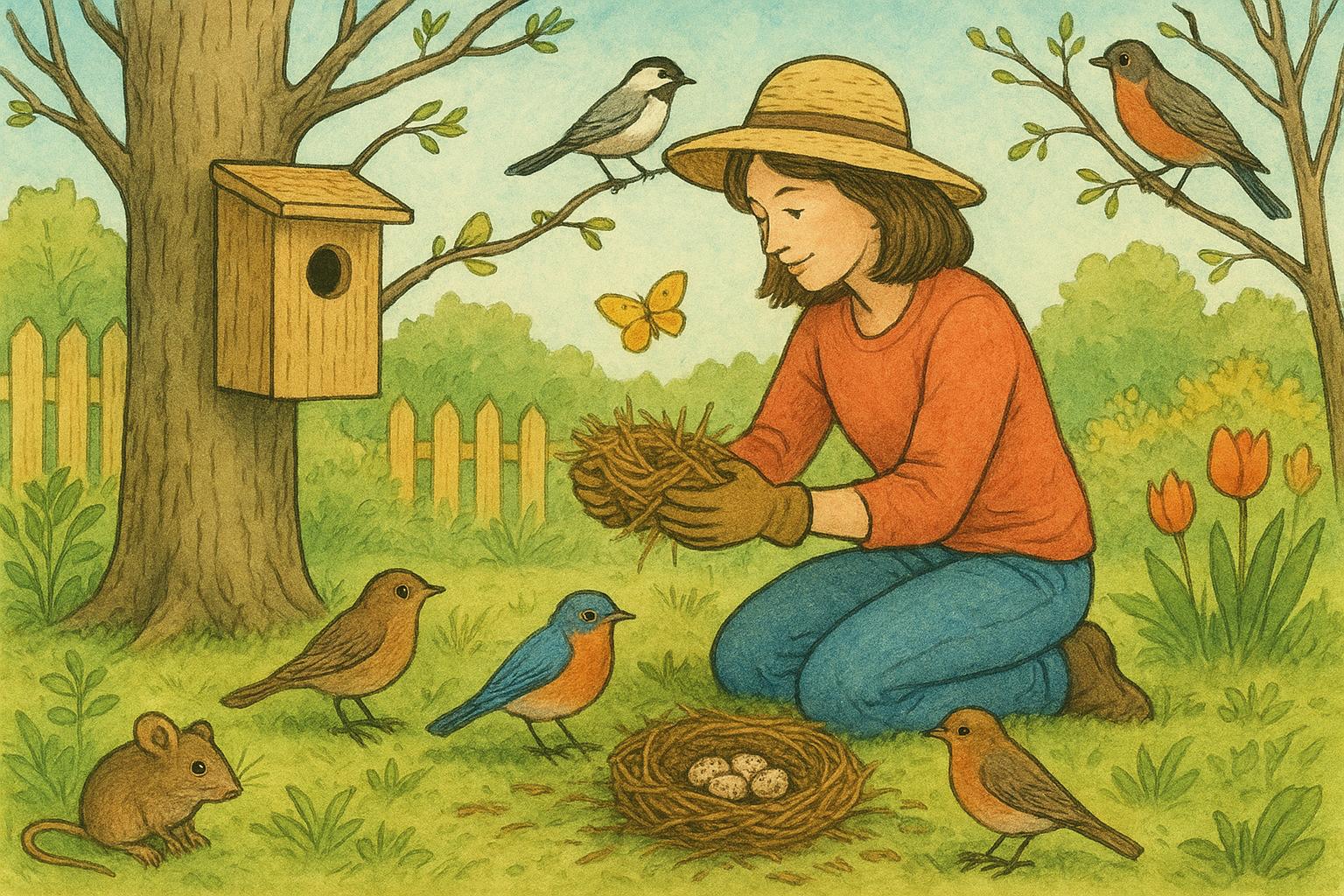
1. Species Targeting: Determine local cavity-nesting species (e.g., chickadees, native ducks, certain owls) and select nest box designs or snag creation methods appropriate to those species.
2. Placement Guidelines: Mount nest boxes at recommended heights and orientations (often facing away from prevailing winds). Place boxes on trees or poles at least 10–15 feet from major human activity; ensure boxes are secure and stable.
3. Construction/Installation: For nest boxes, use untreated wood and follow dimension specifications precisely. Affix boxes using straps or screws inserted into the tree with minimal damage. Include a predator guard where raccoons or cats are present.
4. Snag Creation (Professional Recommended): If creating a snag to provide natural cavities and perches, use a certified arborist to safely remove lower branches and leave a standing dead trunk where structurally safe to do so. Ensure compliance with local codes and utility clearance.
5. Inspection And Maintenance: Inspect nest boxes annually outside nesting season. Clean and repair as needed to prevent disease and maintain longevity. Do not disturb active nests; observe legal protections for migratory birds.
6. Monitoring: Record occupancy and species. Data will inform future placements and demonstrate habitat value.
### Legal And Safety Notes For Remedy 2
Always consult local regulations before installing structures or modifying trees. Some jurisdictions require permits to alter large trees or create snags, and many birds receive legal protection. For any operation involving chainsaws or elevated work, hire licensed professionals to mitigate risk.
## Enhancing Connectivity And Seasonal Resources
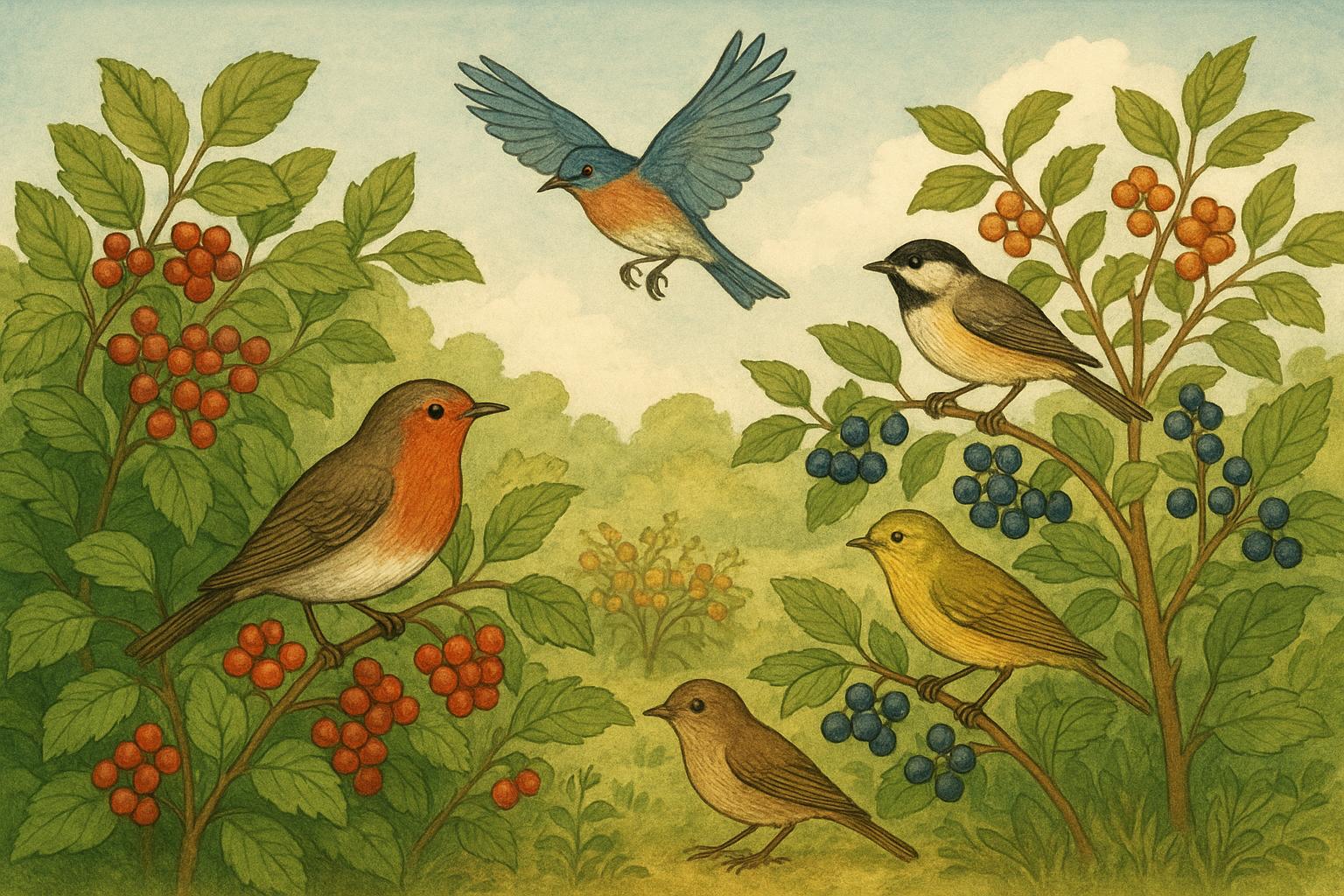
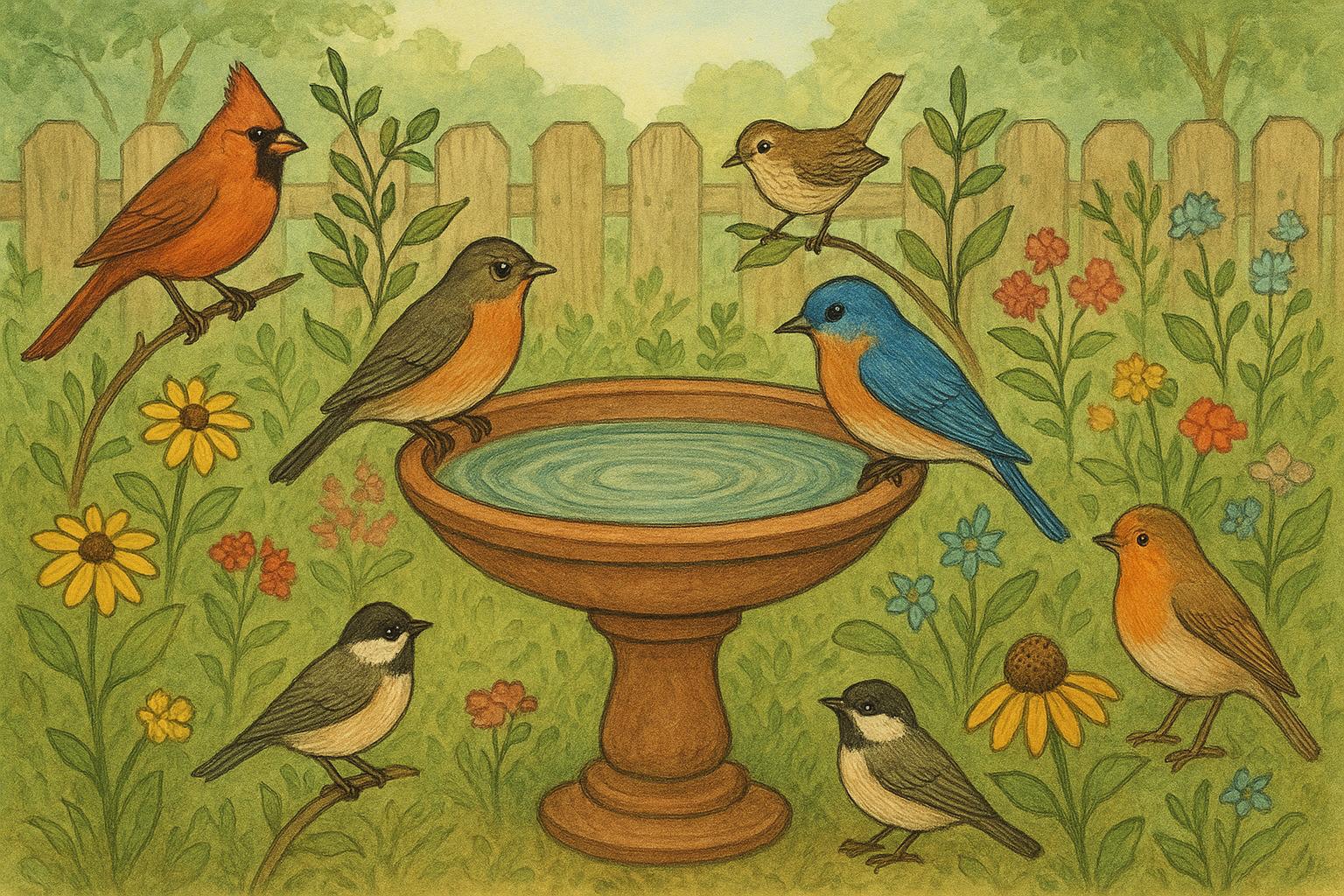
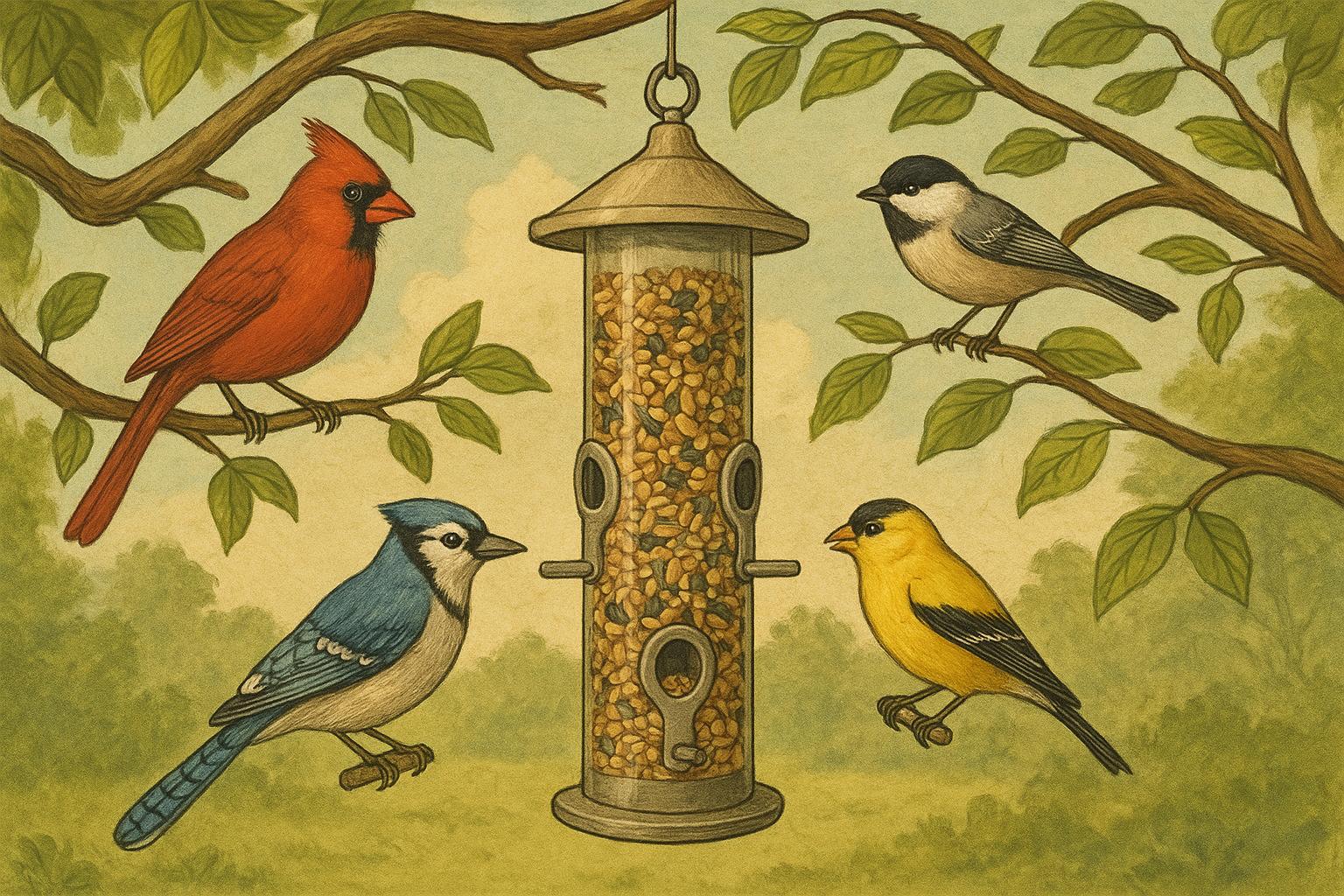
Create corridors by lining fence rows or property edges with a sequence of trees and shrubs so wildlife can move safely. Plant species that fruit at different times to extend food availability across seasons. Even small additions — a native shrub near a bird feeder, a berry-producing understory tree — can increase use by migrating and resident species.
### Encouraging Pollinators And Beneficial Insects
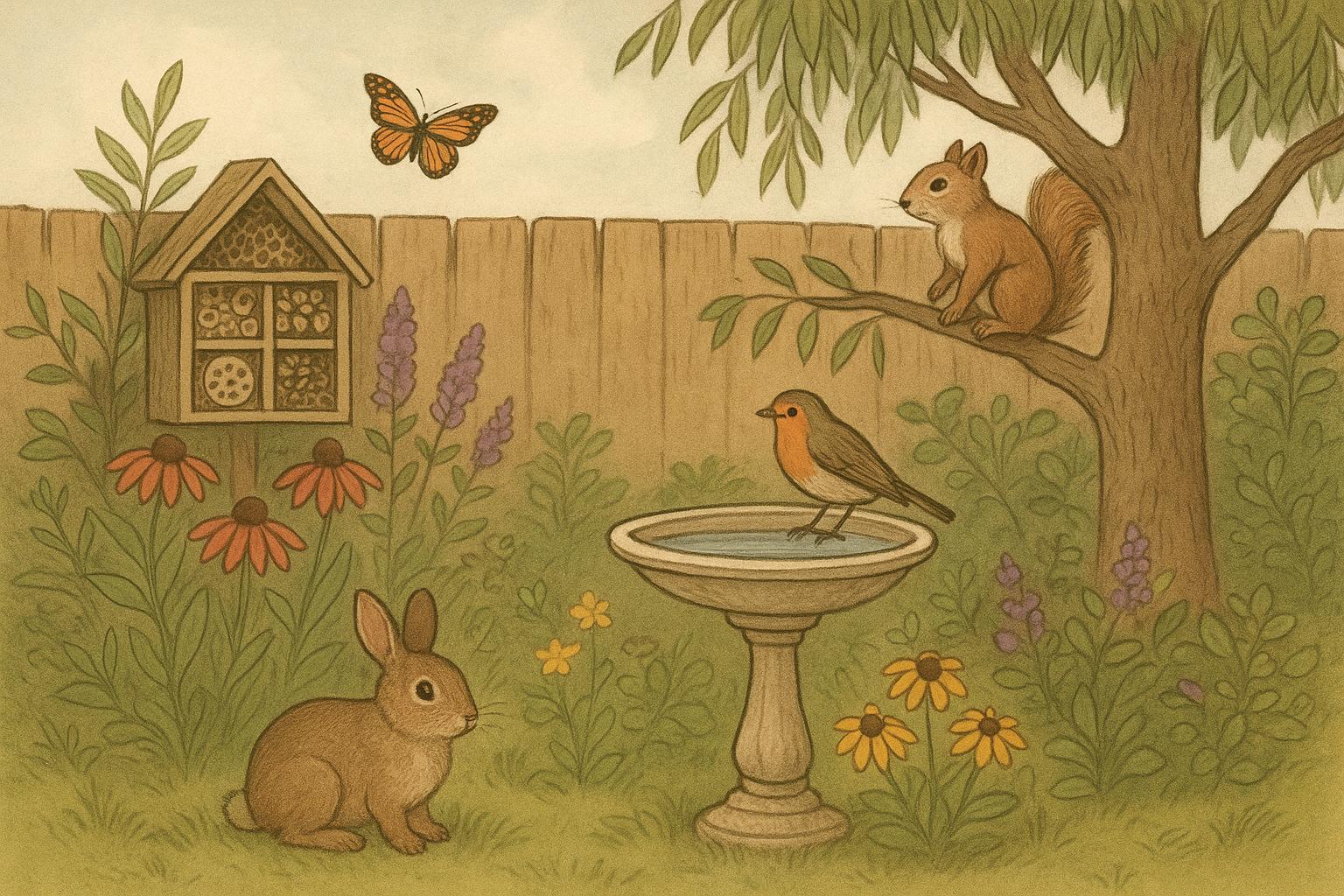
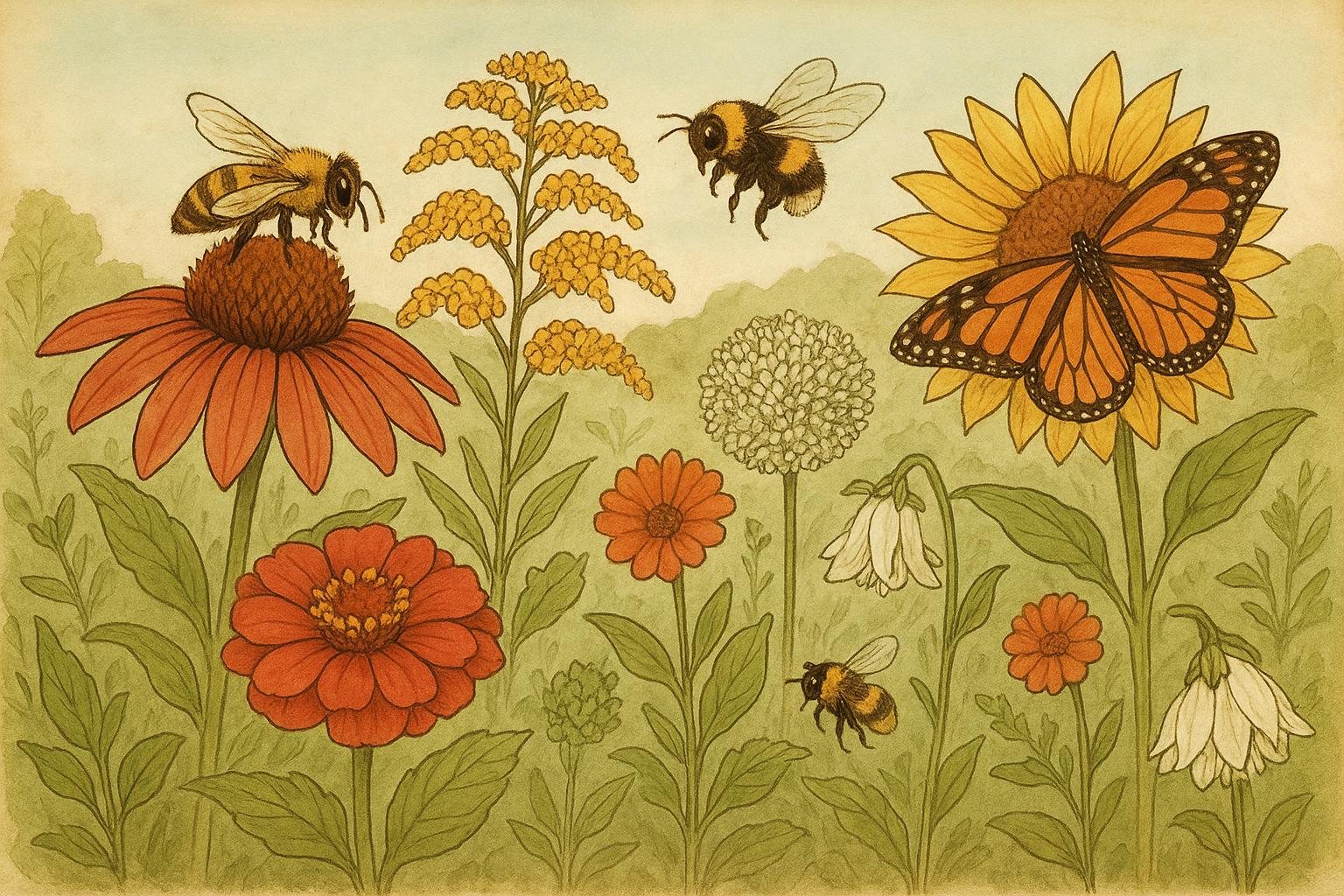
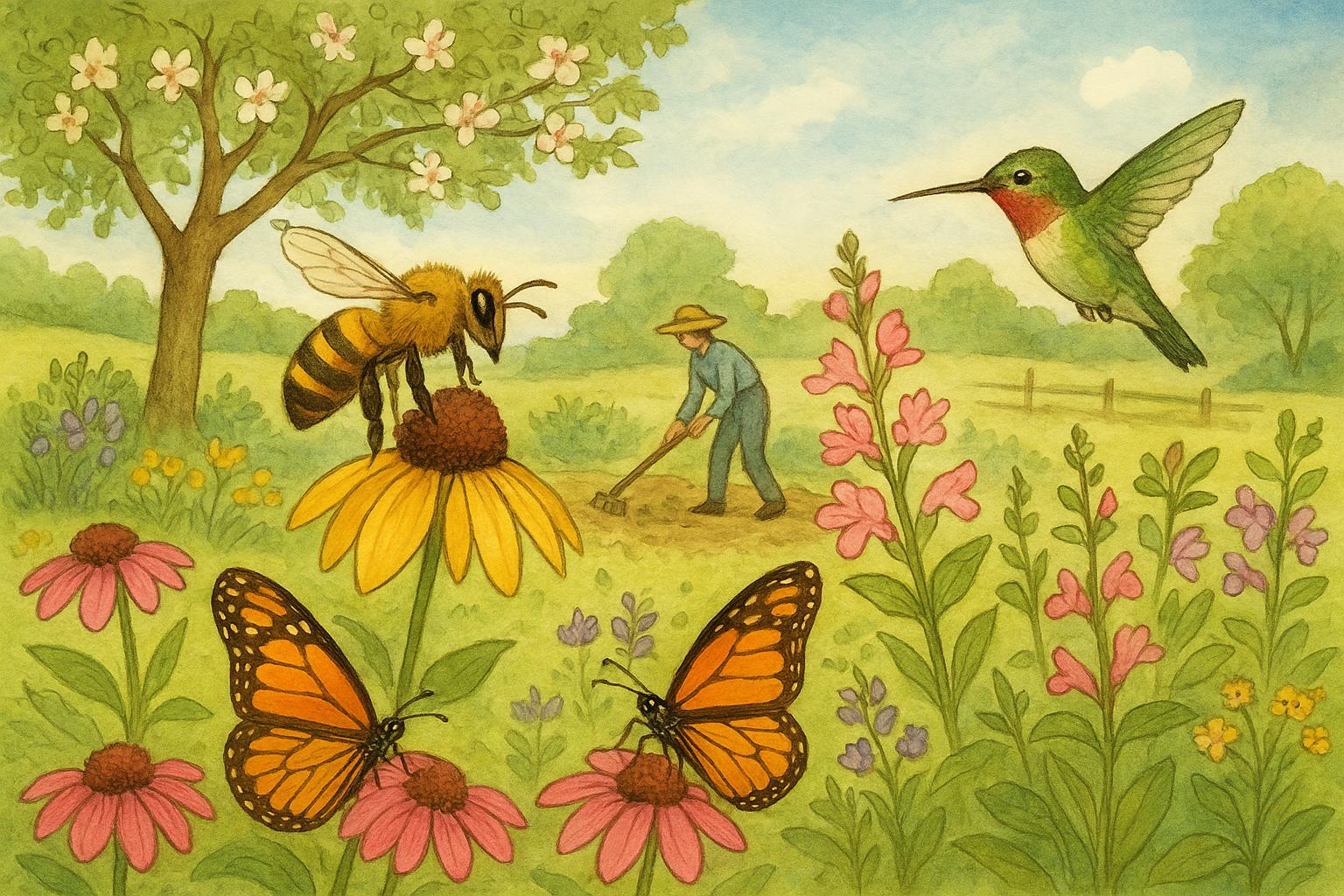
Integrate flowering understory species to attract pollinators and beneficial predatory insects. Avoid systemic insecticides; instead, use integrated pest management. Allow some native insect populations to persist — they are a critical food source for birds and small mammals relying on your wildlife trees.
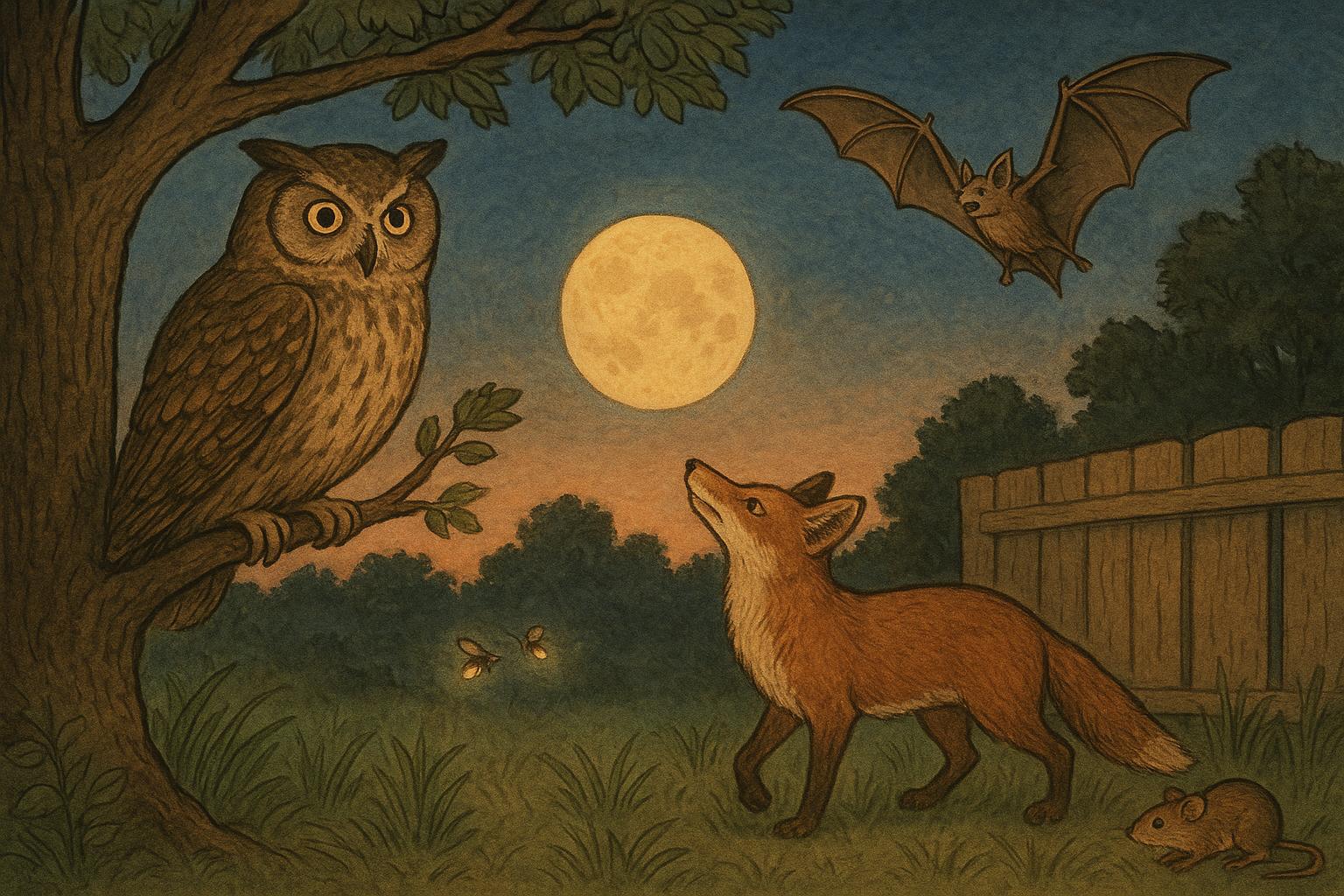
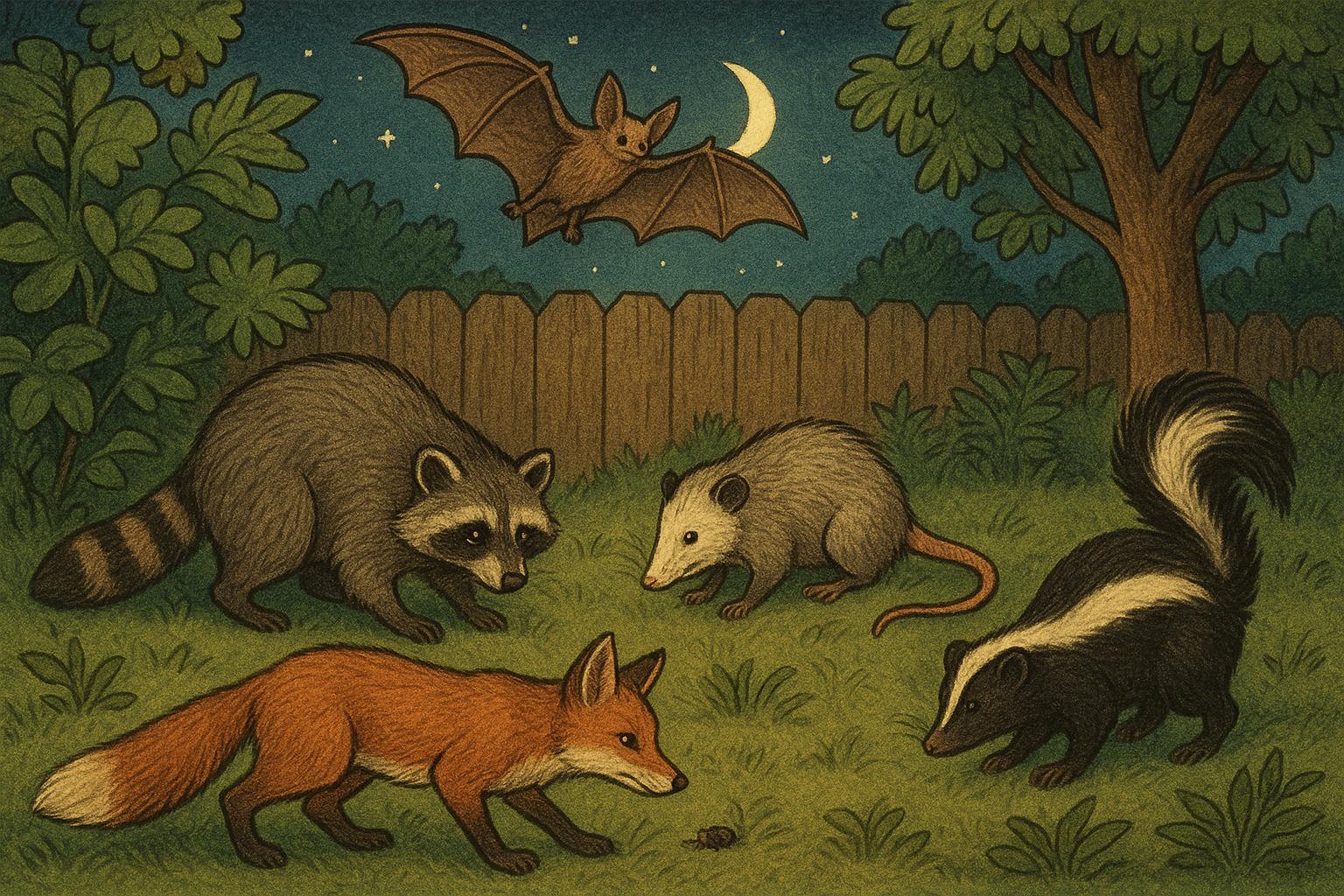
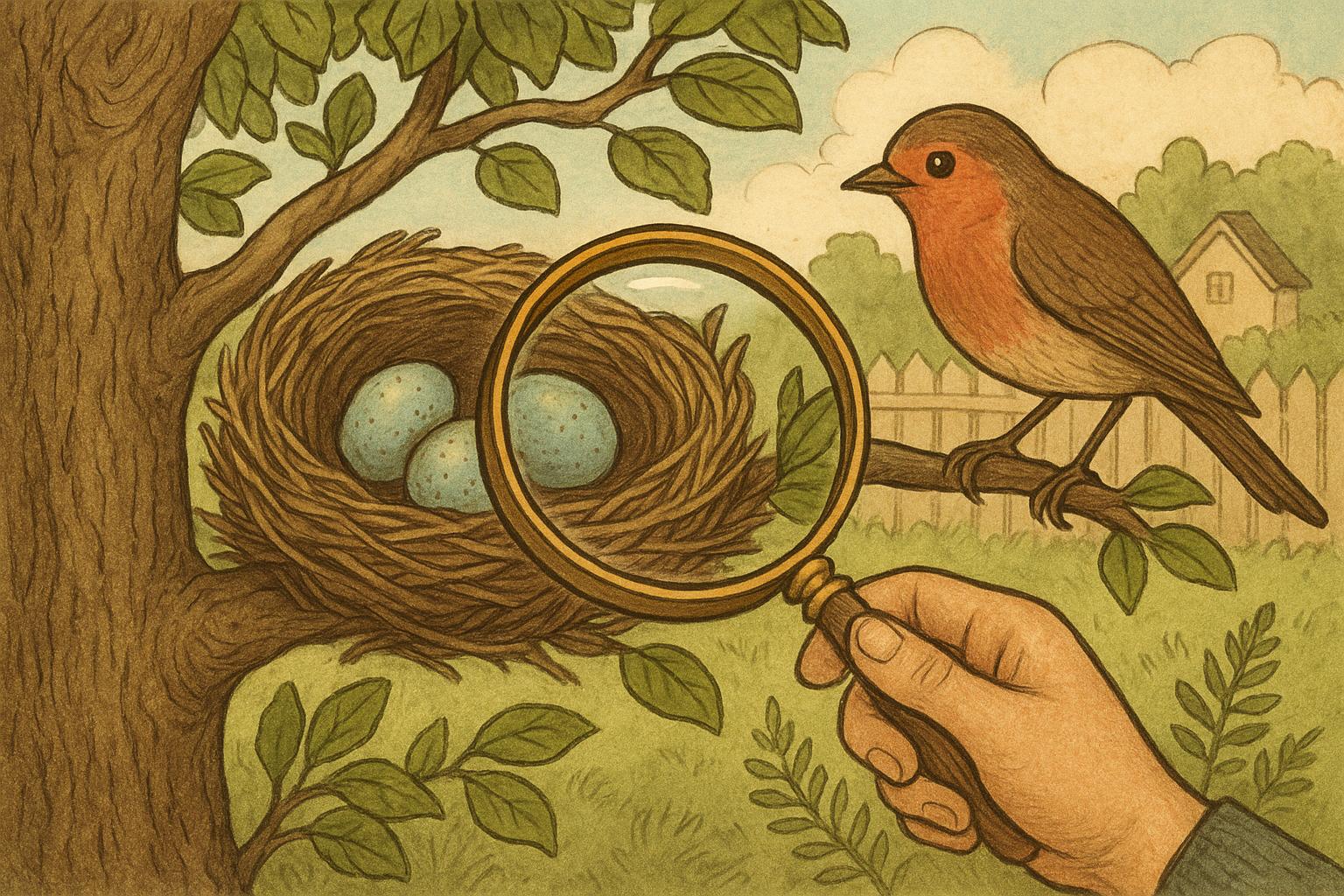
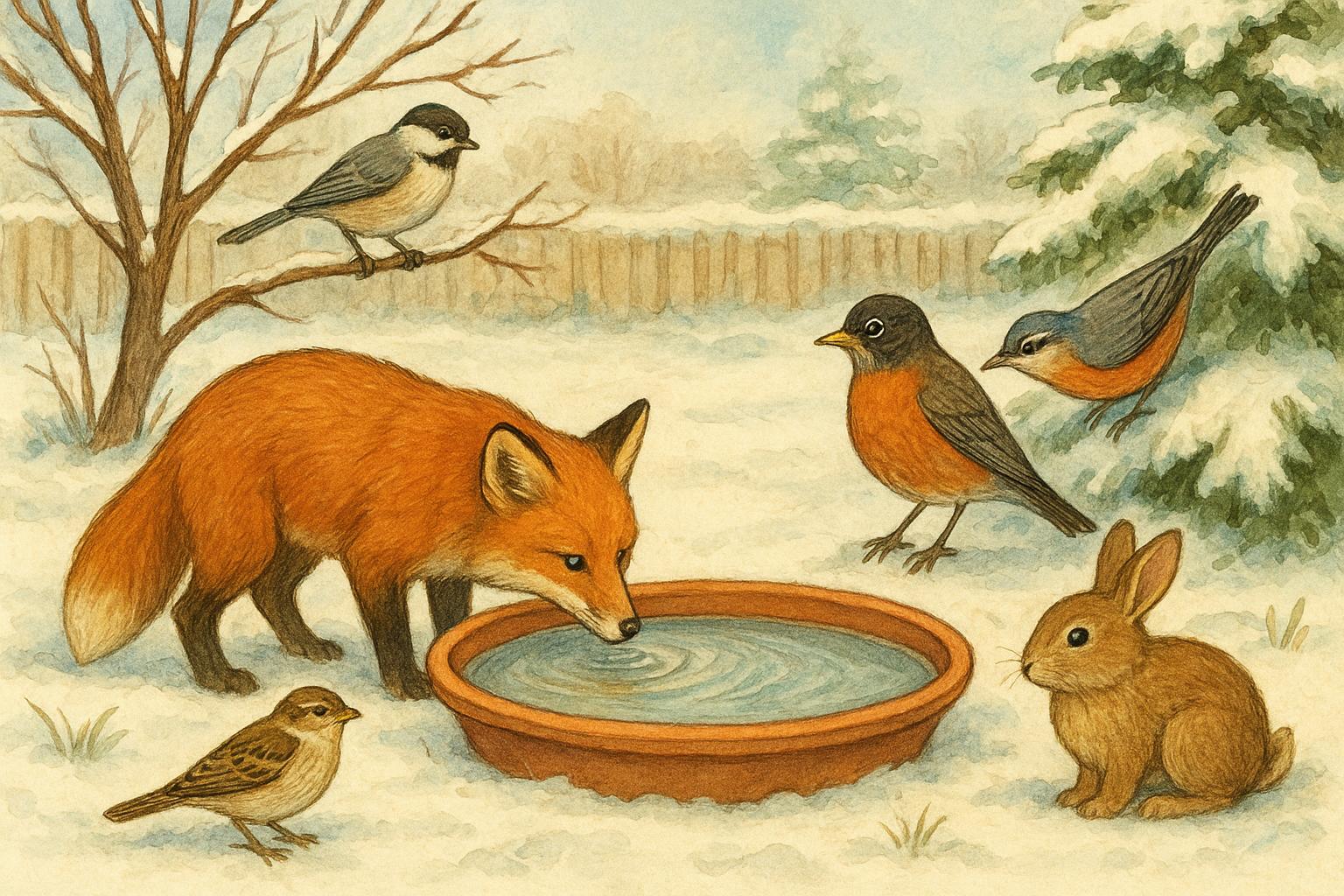
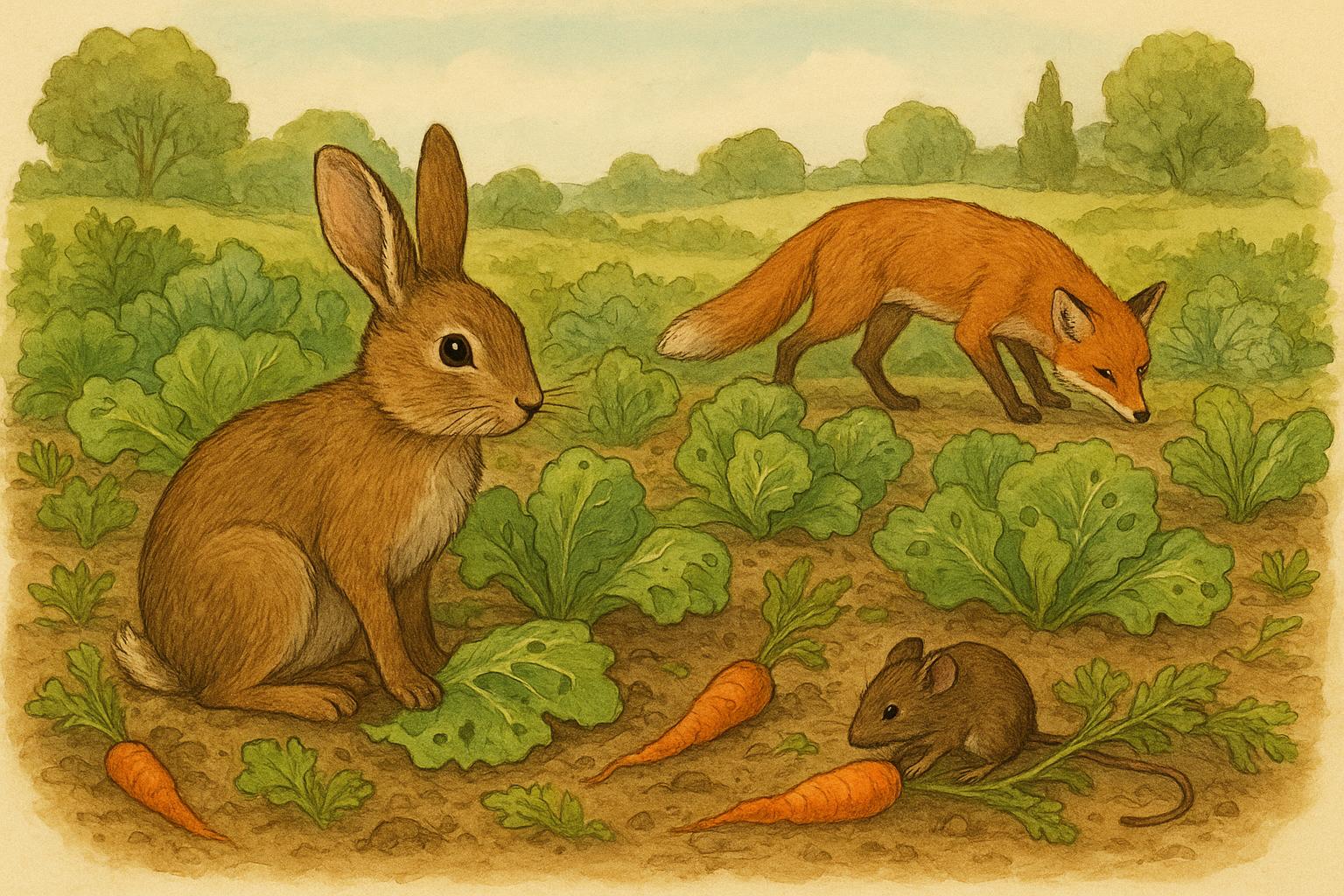
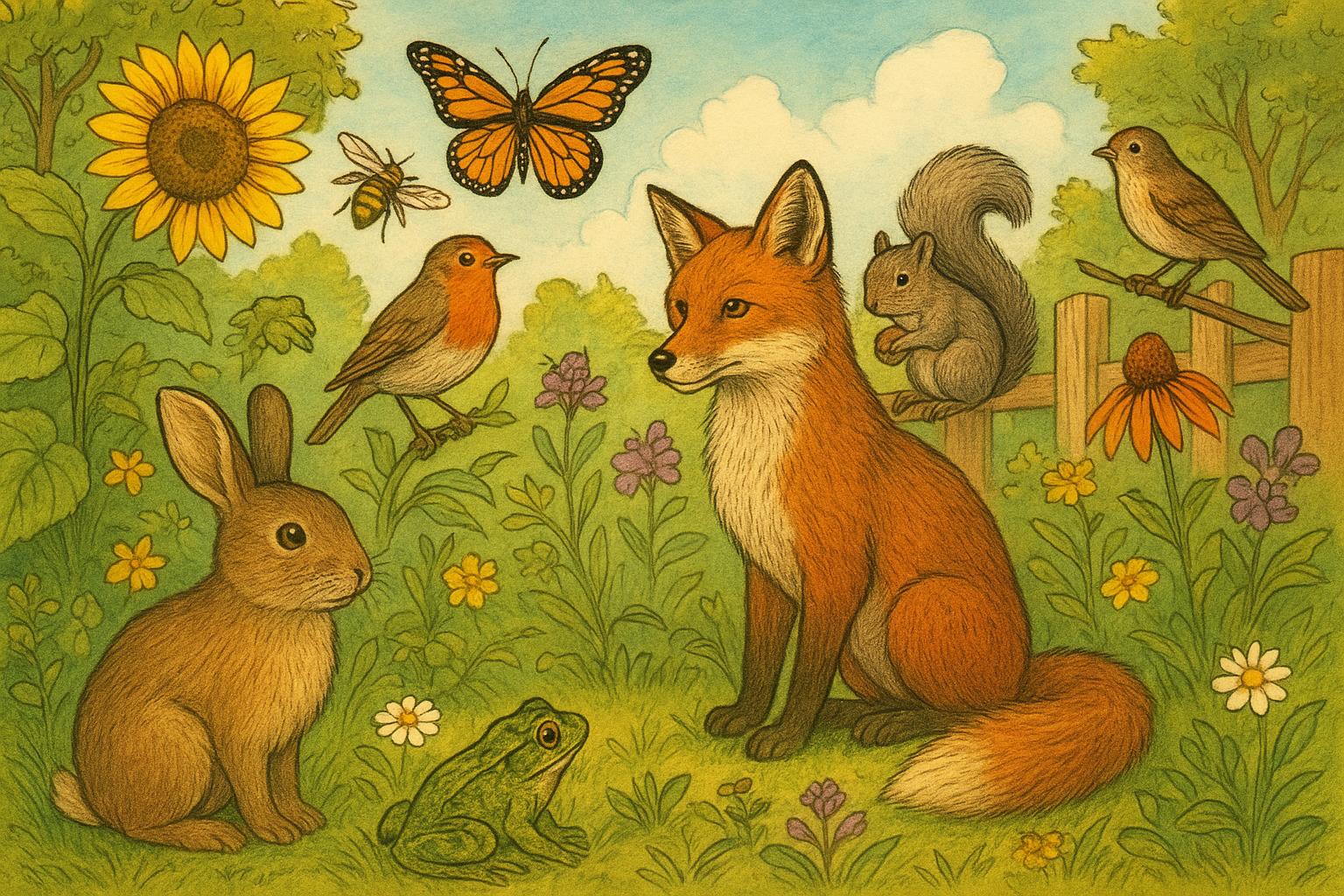
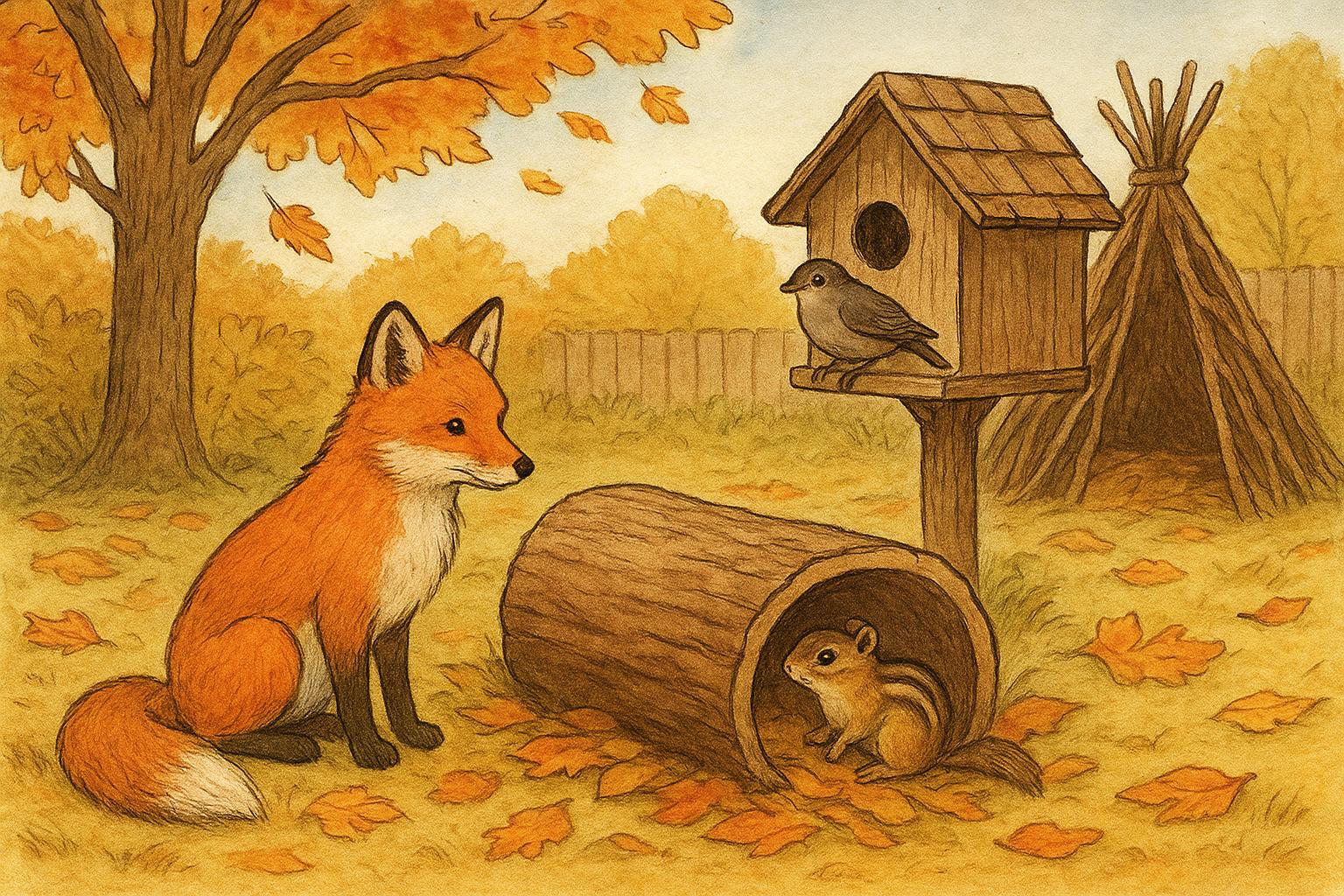
Celebrate the small wins: a robin nesting, an increased buzz of bees, or the quiet lope of a visiting fox. The slow work of planting and stewarding wildlife trees pays back in seasons of color, song, and the satisfying knowledge that your backyard is humming with life.


Leave a Reply