
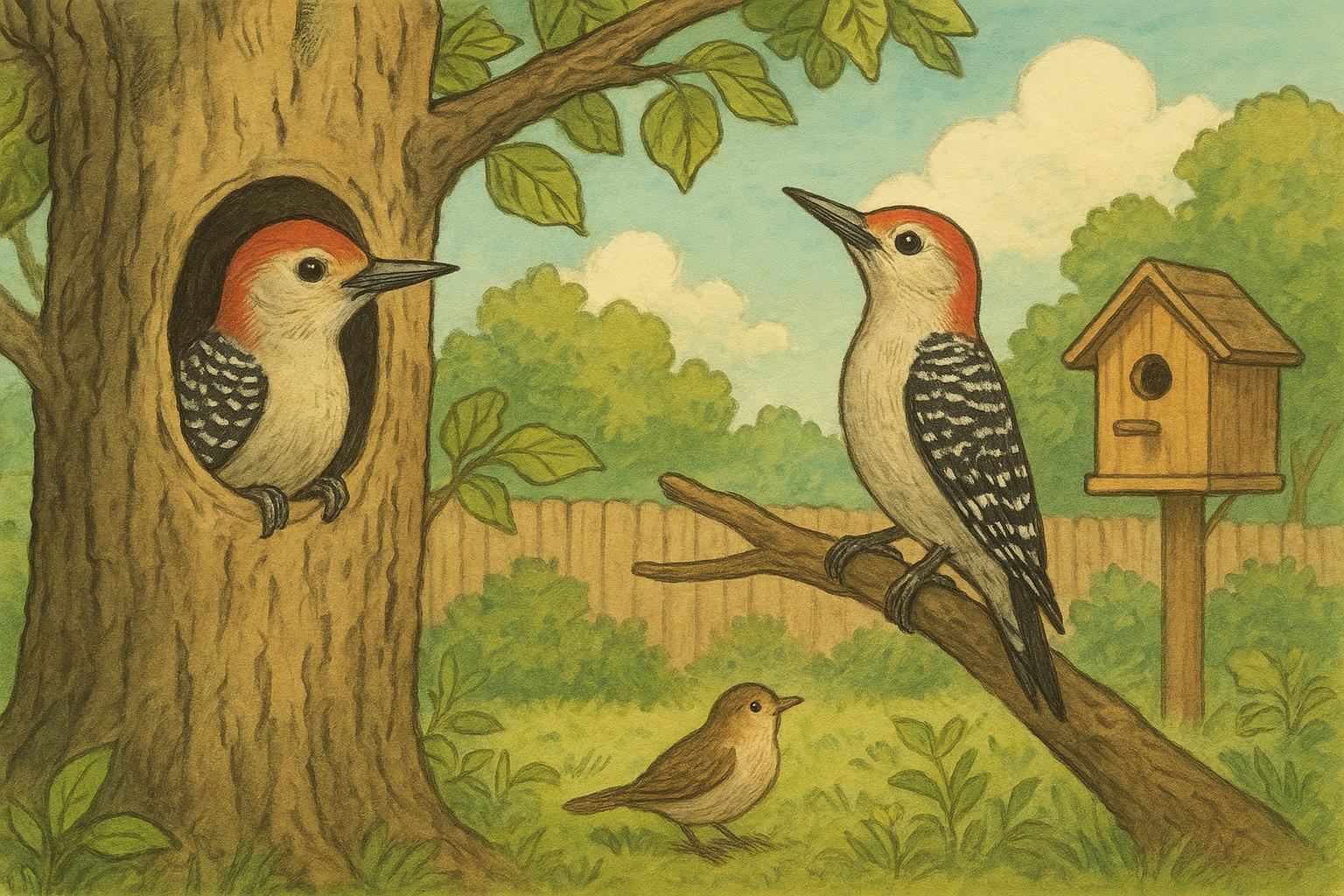
## Backyard Woodpeckers: Who They Are
If you’ve ever heard a persistent, rhythmic rat-a-tat come from a nearby tree, chances are you’ve got some backyard woodpeckers in residence. These birds are charismatic, industrious, and often misunderstood. They’re not just noisy—many species are important insect predators and cavity creators, making them a keystone presence in suburban and rural yards alike.
### Signs, Sounds And Behaviors
Woodpeckers announce themselves in two main ways: drumming and calling. Drumming is the rapid pecking against resonant surfaces—trees, dead limbs, or occasionally gutters—that males often use to mark territory and attract mates. Vocal calls vary by species but are usually sharp notes or short whistles.
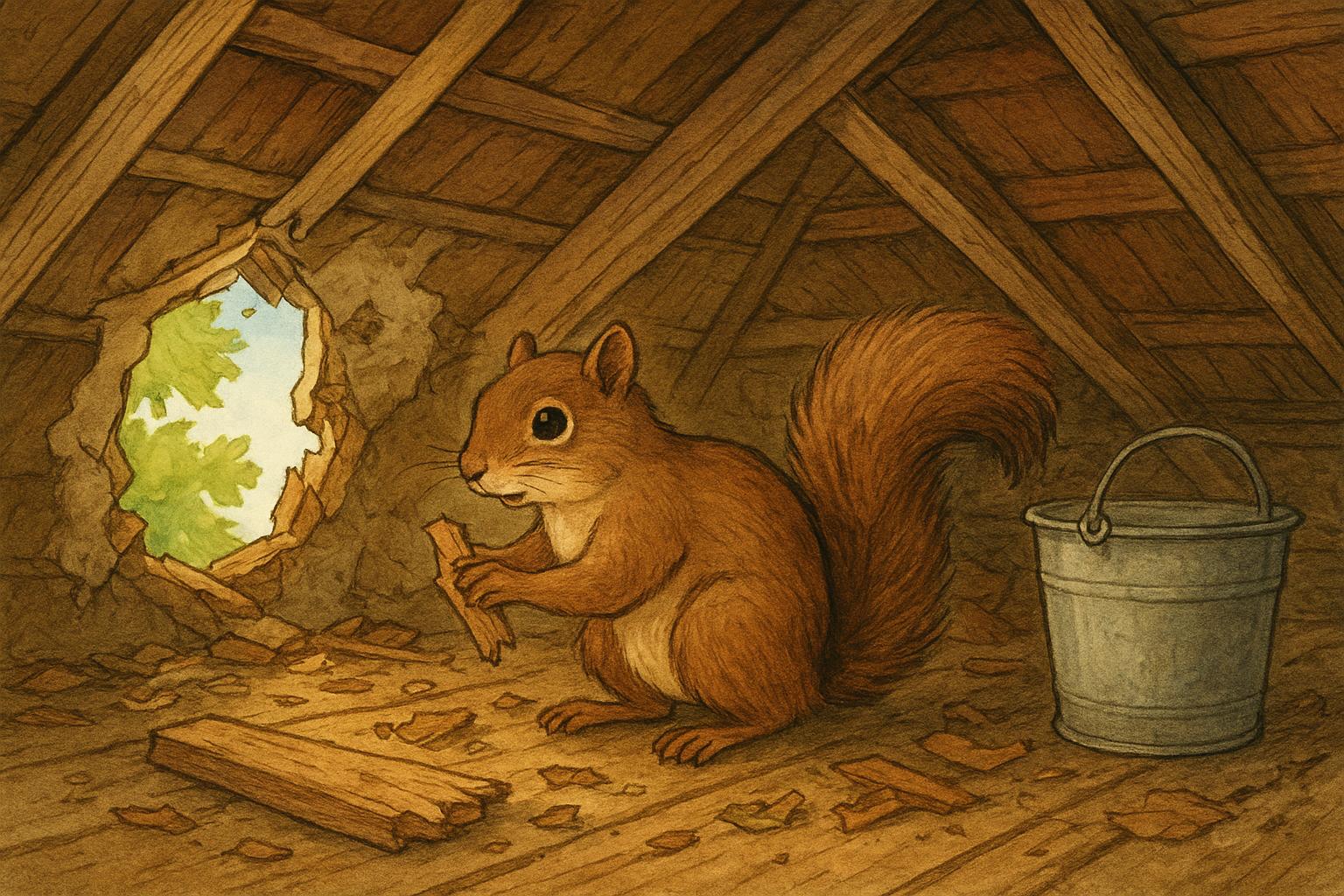
Look for physical signs too: rectangular holes pecked into bark, small piles of wood chips at the base of a trunk, and chipped seed or suet feeders. Unlike squirrels who chew for food, woodpeckers chip to access larvae, excavate nest cavities, or communicate.
### Common Species You Might See
Depending on your region you may host one or several species, from the downy and hairy woodpeckers to the comical acorn-storage antics of the acorn woodpecker, to the charismatic pileated woodpecker that leaves larger, dramatic excavations. Each species has subtle differences in bill size, climbing style, and preferred food, so a field guide or a backyard identification app can be handy.
## Creating A Welcoming Habitat For Backyard Woodpeckers
If you want to attract backyard woodpeckers—or simply live peaceably with the ones you have—understanding their needs is the first step. Woodpeckers are primarily after food, shelter, and suitable nesting sites. Meeting those needs makes your yard a friendly stop on their seasonal circuit.
### Food And Feeding Considerations
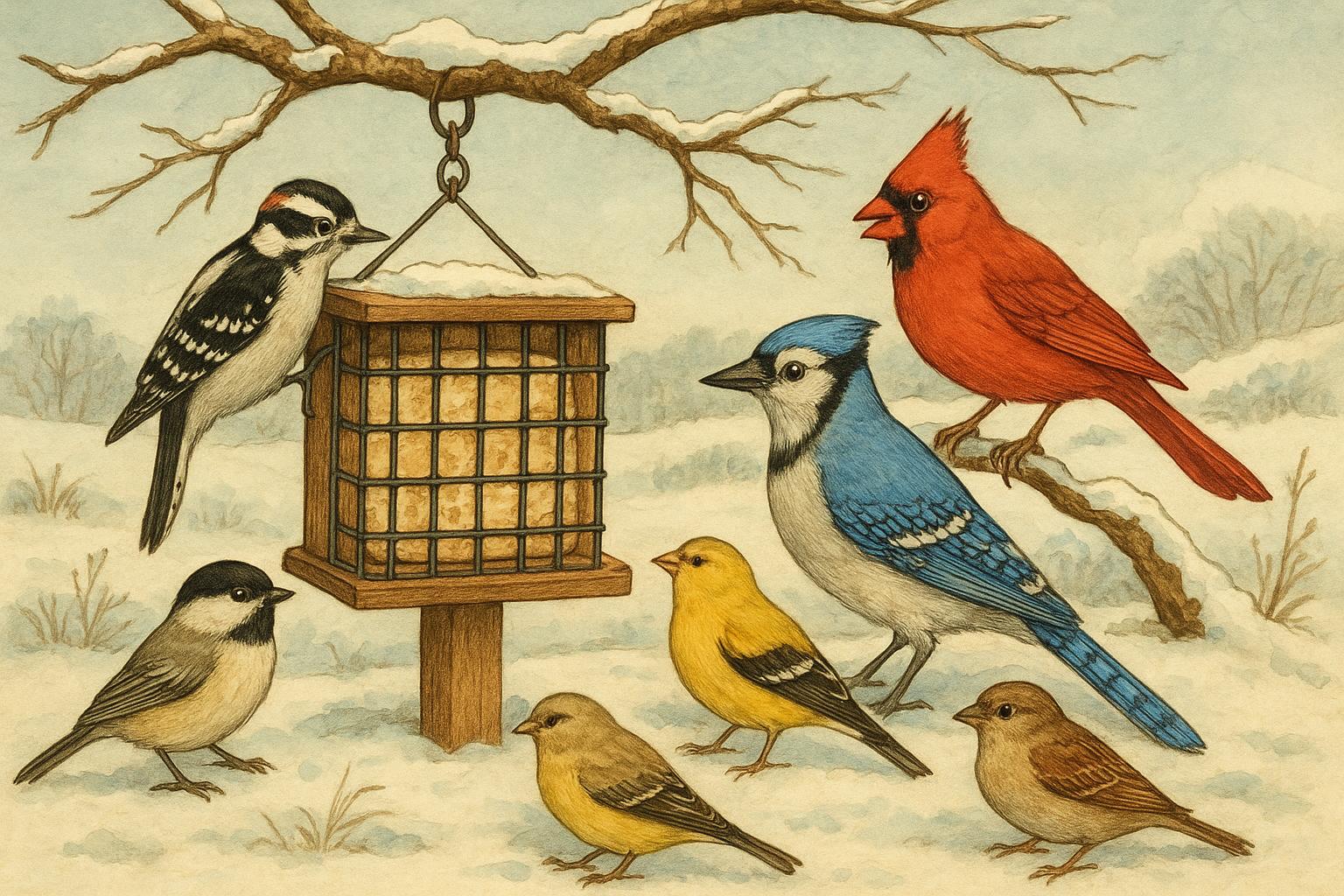
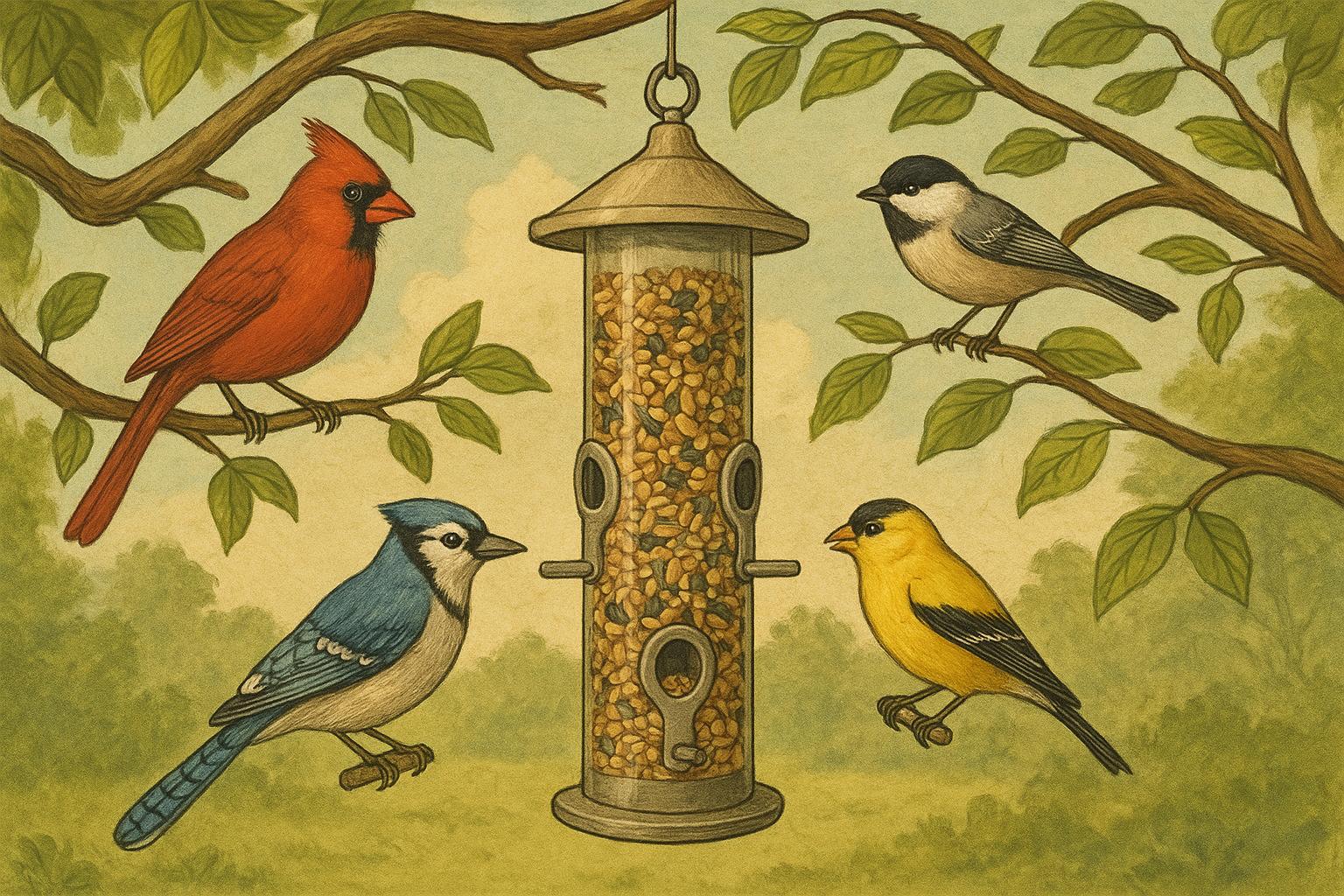
Woodpeckers eat a mix of insects, sap, nuts, and seeds. Suet feeders are a favorite, especially in colder months when insects are scarce. Peanuts and suet cakes attract a range of species, while fruiting trees and native plants that support insect life will draw them naturally.
Be mindful of feeder placement. Mount feeders on a tree trunk or pole near cover, so birds can fly to safety if a hawk appears. Clean feeders regularly to prevent disease. Avoid over-reliance on a single food source; a mix of natural and supplemental foods promotes healthier, sustainable visits.
### Nesting And Roosting
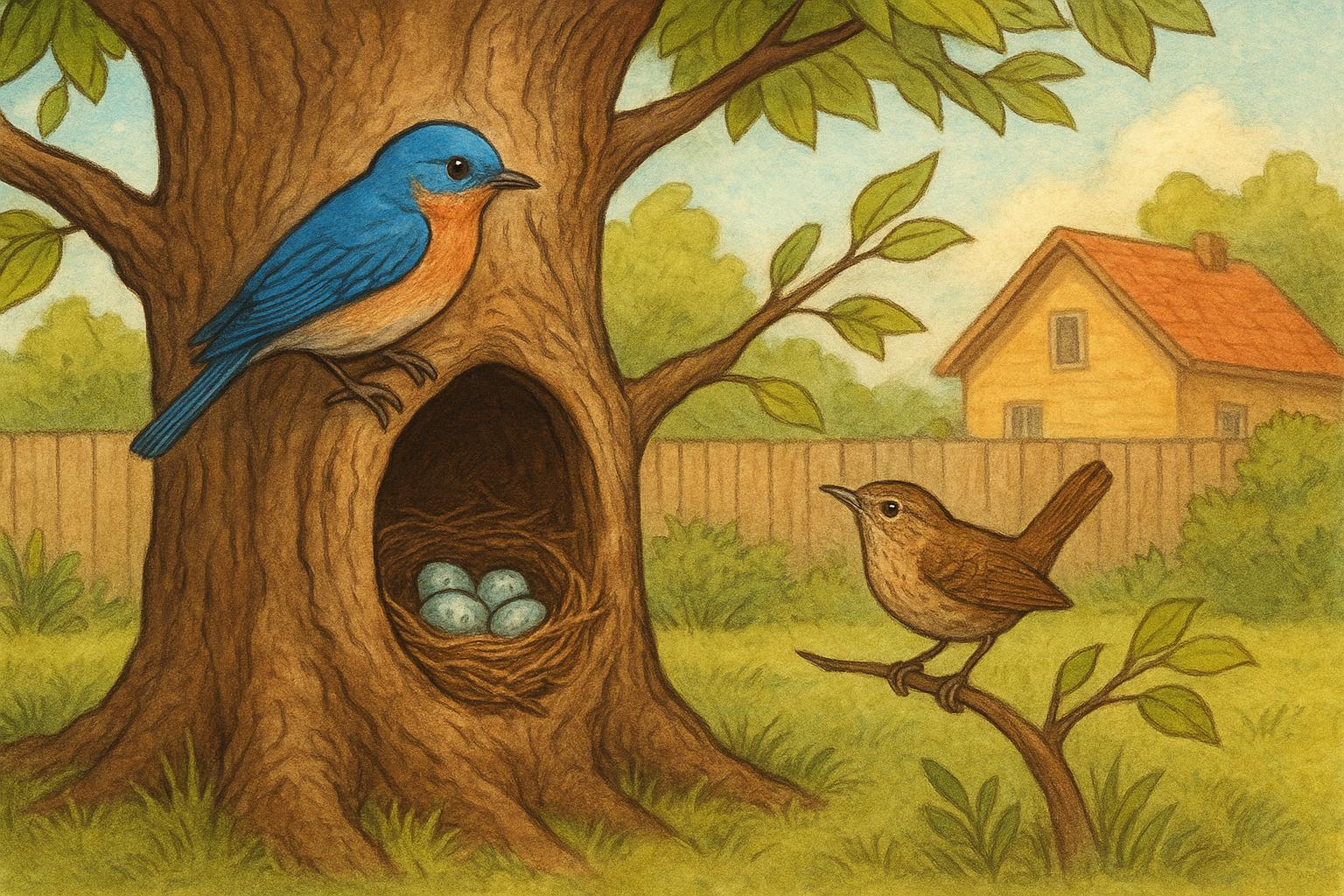
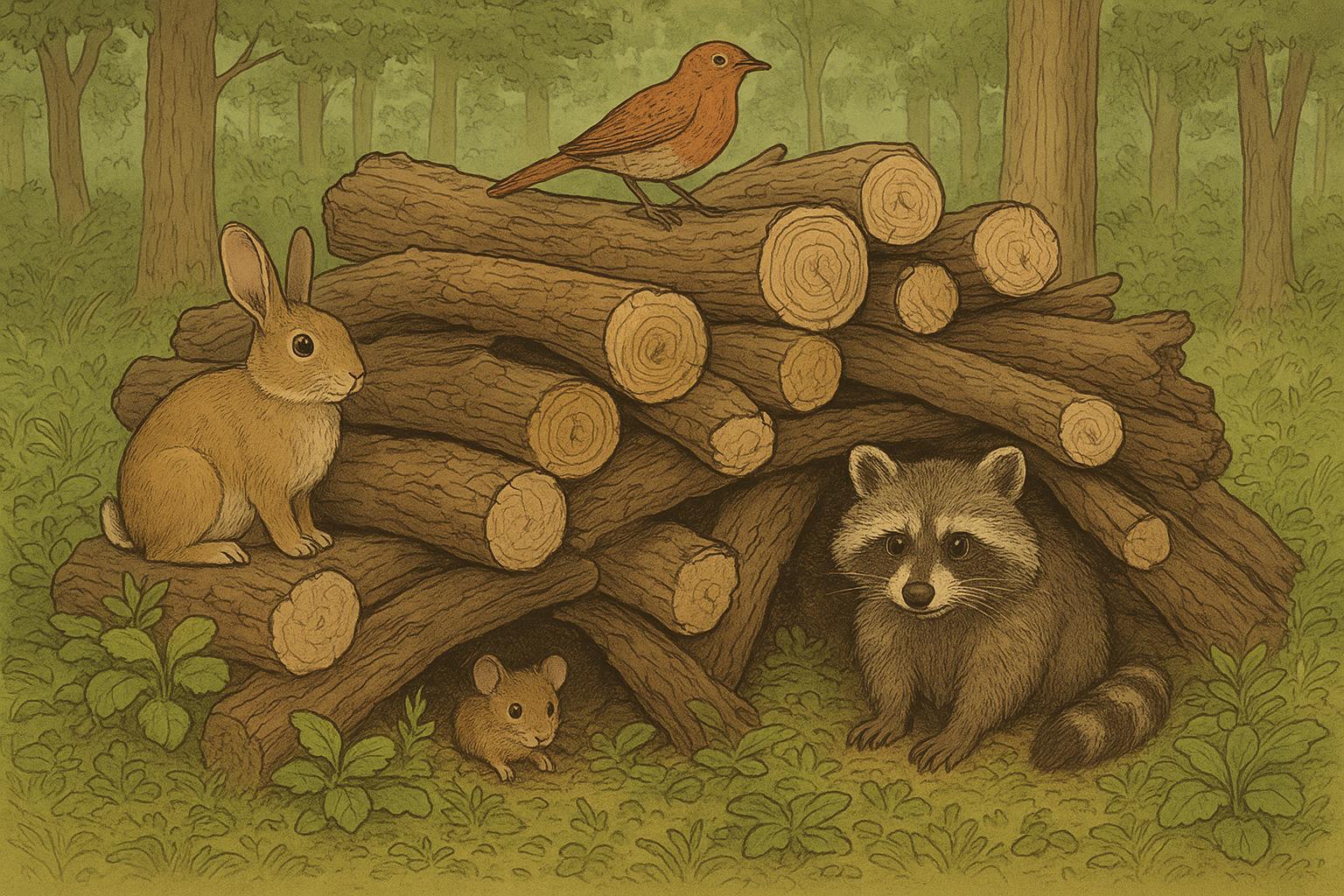
Many woodpeckers excavate nest cavities in dead or decaying trees—so-called snags. If your yard has snags that aren’t hazardous, consider leaving them standing. For neighbors or municipalities requiring removal, salvage large sections for habitat piles or place replacement logs in a safe location to encourage insect populations.
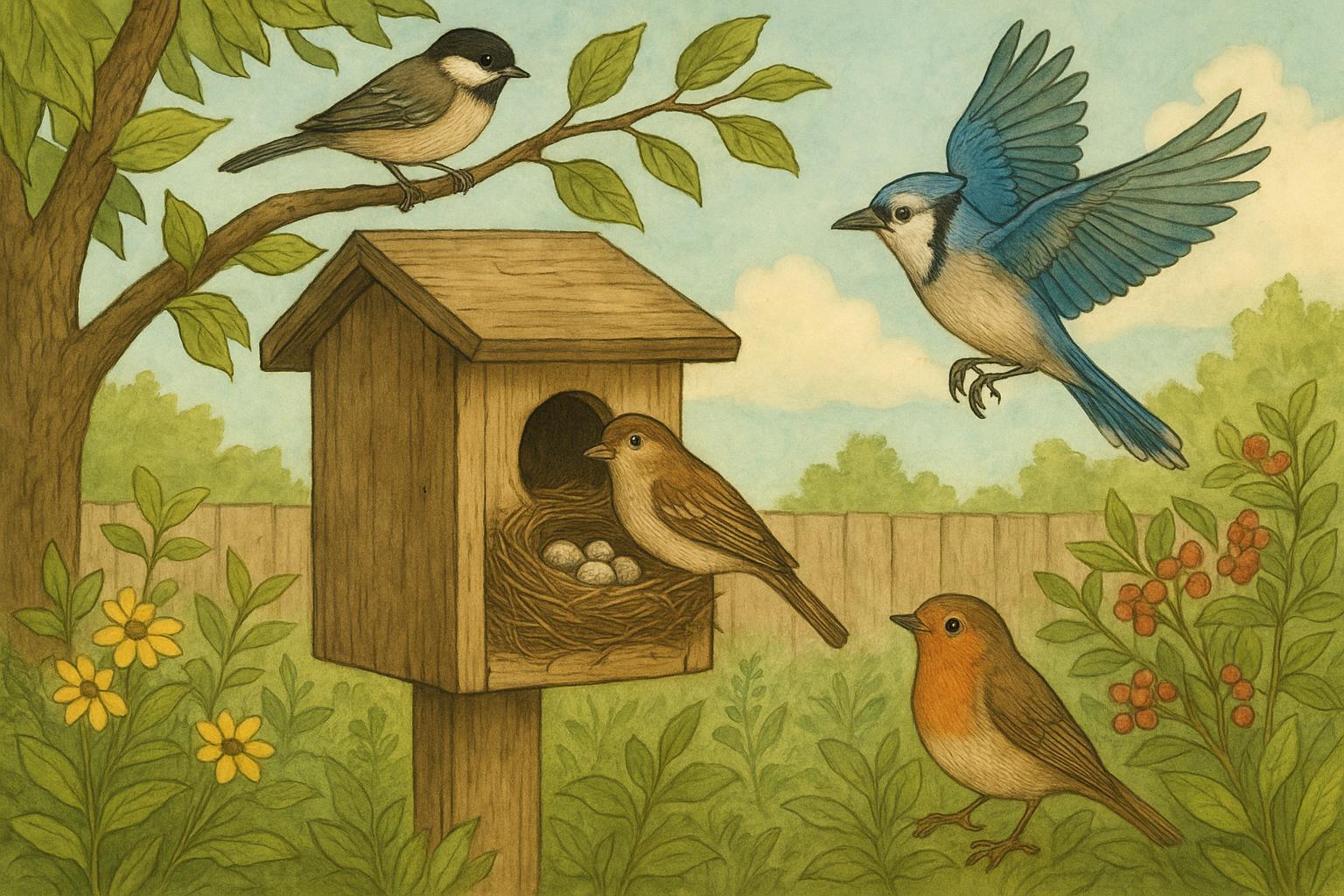
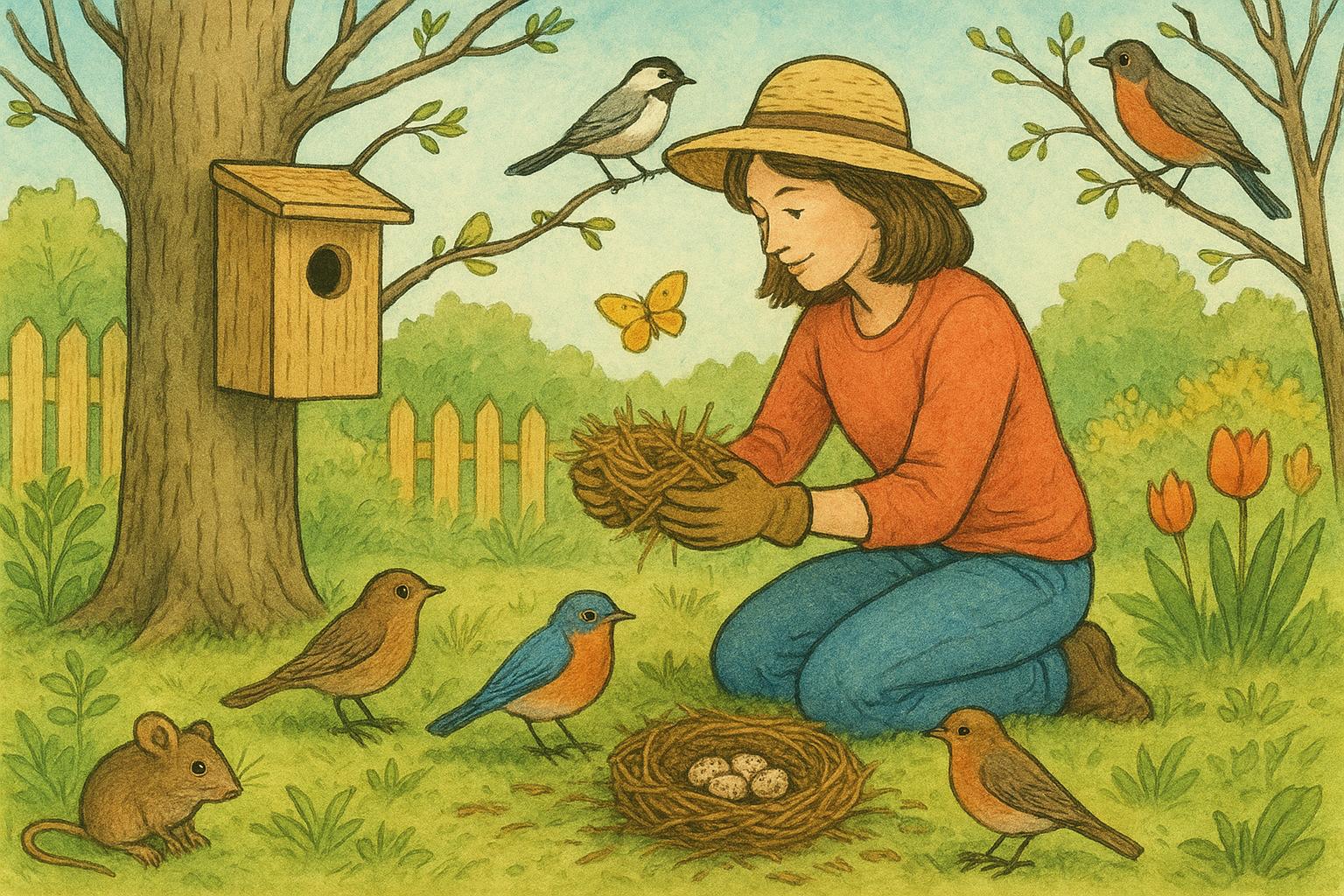
Nest boxes can help some species, but they must be appropriately sized and mounted. Cavity nesters prefer a certain hole size and depth; a one-size-fits-all box won’t do. Timing matters too—install boxes before the breeding season and monitor them from a distance.
#### Creating Natural Shelter
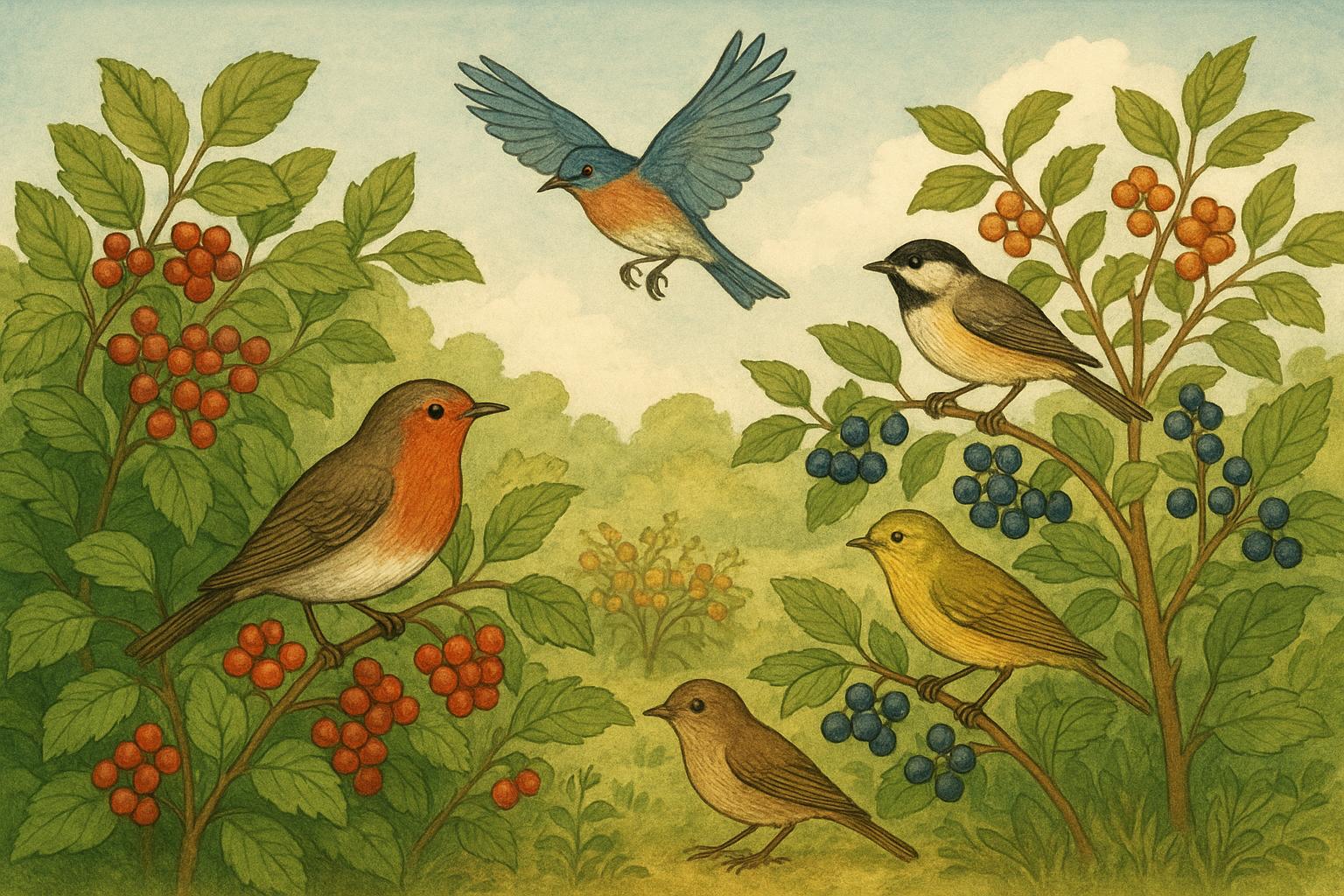
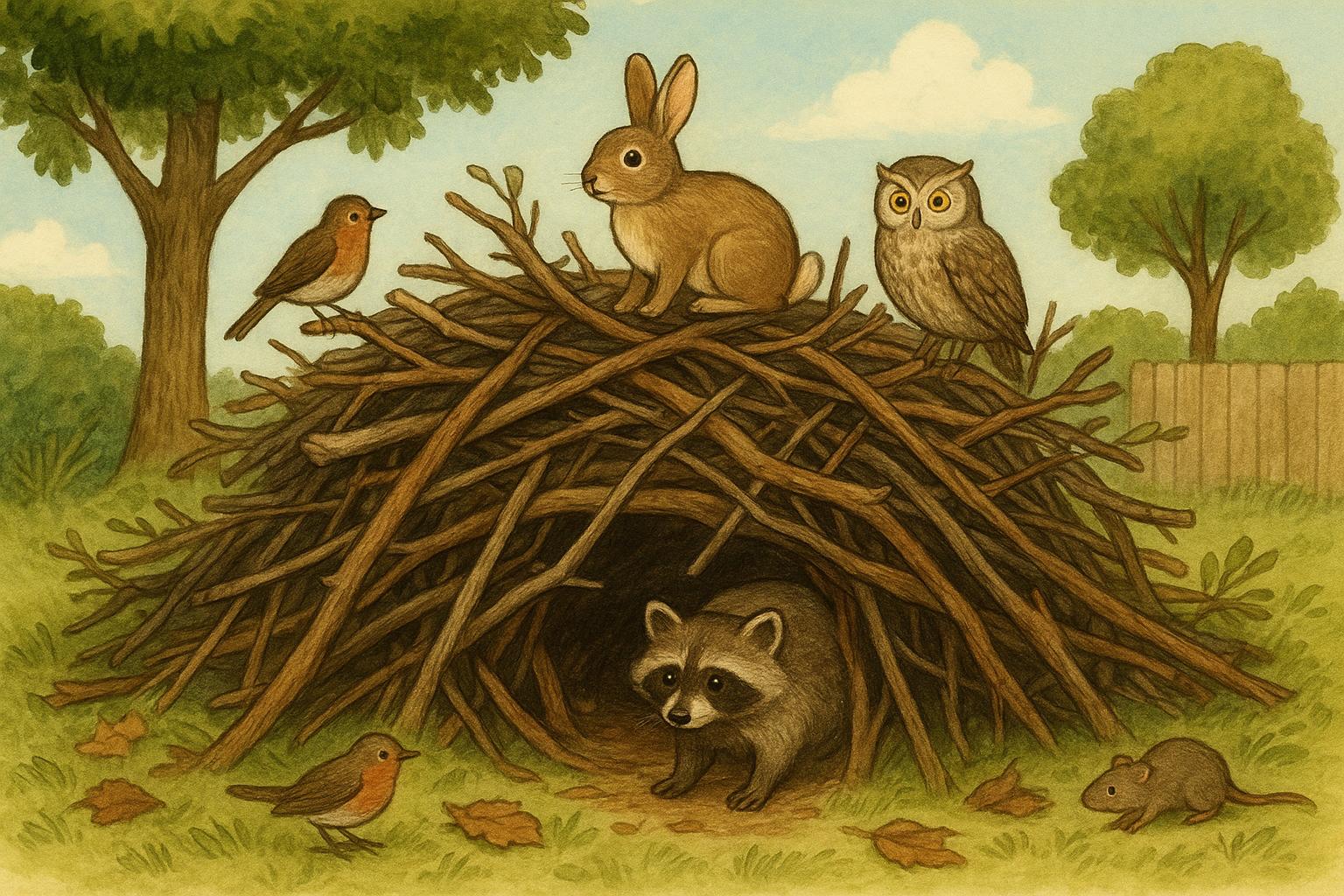
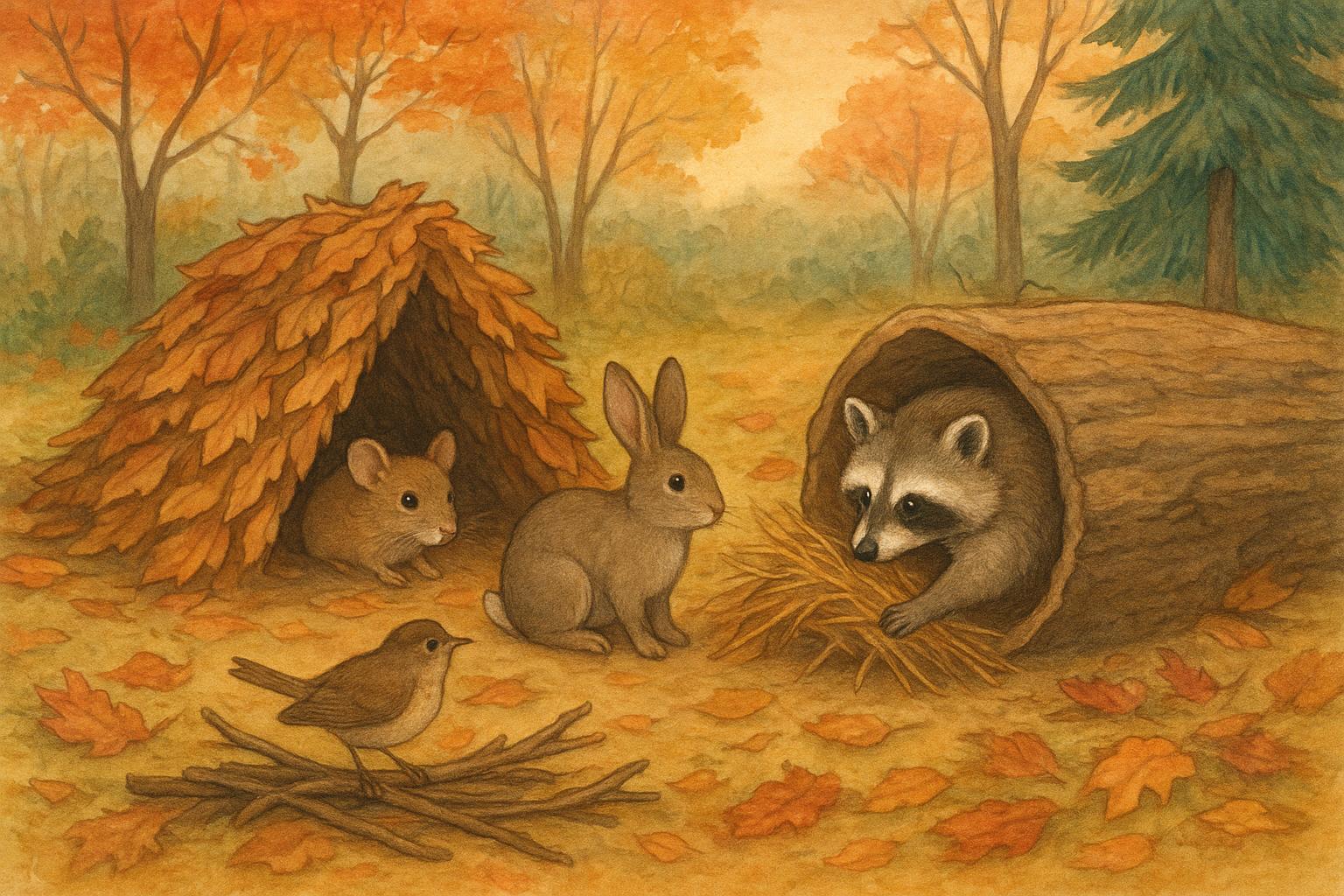
Plant native shrubs and leave layered structure—trees, understory shrubs, and ground cover—so birds have staging areas and protection. Dead branches and logs left in place not only provide food sources (insects) but also potential future nesting sites.
## Remedy 1: Nonlethal Deterrent For Problem Pecking
If backyard woodpeckers begin damaging siding or causing excessive noise, humane mitigation methods exist. Below are formally described materials and steps for a nonlethal deterrent approach that minimizes harm while redirecting the birds to acceptable targets.
#### Materials Required
– Durable external-grade bird netting (mesh size 3/4″ or less)
– Wooden battens or PVC strips for securing netting
– Stainless steel screws and washers
– Measuring tape, ladder, and safety gloves
– Optional: visual deterrent items (reflective tape, windsocks)
Steps For Installation and Application
1. Assess the Area: Identify the exact sections of siding or fascia being targeted. Note nearby perches or trees that allow birds access and determine the minimum area needing protection.
2. Measure and Cut: Measure dimensions and cut netting to overlap the repair area by at least 12 inches on all sides. Use battens to create a secure frame if the surface is uneven.
3. Mount Netting: Secure the netting with battens at the top and bottom, fastening with stainless steel screws and washers to distribute tension. Keep netting taut and at least 4-6 inches off the surface so birds encounter the barrier before reaching exposed material.
4. Add Visual Deterrents (Optional): Attach small strips of reflective tape near the deterrent area to increase initial aversion. Do not rely solely on reflections; combine methods for best results.
5. Monitor and Adjust: Check the system weekly for sagging, wear, or bird entanglement risk. Tighten or replace netting as necessary. Remove once the birds have ceased damaging behavior or if nesting on the structure is definitively concluded.
6. Compliance and Ethics: Ensure local wildlife regulations allow deterrent installation. Avoid materials that could injure birds; the goal is exclusion rather than harm.
This method is effective when applied promptly and maintained properly. It discourages persistent drumming on man-made surfaces and encourages woodpeckers to use natural substrates instead.
## Remedy 2: Build A Habitat Box To Attract Backyard Woodpeckers
For those who’d rather invite woodpeckers than deter them, constructing a species-appropriate nest box provides secure nesting opportunities and helps support local populations. The following instructions are formal and prescriptive to maximize occupancy success.
#### Materials Required
– 1″ thick cedar or pine boards (avoids treated lumber)
– Galvanized or stainless steel screws
– Hole saw or spade bit sized to species (e.g., 1.5″–2.5″ for many small woodpeckers)
– Hinges and latch for clean-out access
– Exterior-grade waterproof glue and sealant
– Mounting hardware or metal pole with predator guard
Step-By-Step Construction And Installation
1. Determine Species Target: Choose dimensions and entrance hole size appropriate to the local species. For example, downy woodpeckers require smaller entrance holes than larger species like flickers.
2. Cut Boards To Size: Construct a box approximately 9–10 inches deep, 6–7 inches wide, and 12–18 inches high, adjusting for target species. Ensure the back panel is slightly longer to facilitate mounting and drainage holes at the base.
3. Assemble With Thoughtful Ventilation: Use exterior glue and screws to assemble sides, leaving a hinged front or side panel for cleaning. Drill small ventilation holes near the top and drainage holes in the bottom.
4. Create The Entrance: Using the appropriate-sized hole saw, cut the entrance hole centered near the top third of the front panel. Smooth edges but avoid sanding too much, as a rough edge aids birds entering.
5. Finish And Mount: Apply a light, non-toxic exterior sealant to prolong box life. Mount the box 12–20 feet high on a tree or pole, facing away from prevailing winds and direct sun. Install a predator guard and ensure the box is at a slight downward pitch to shed water.
6. Monitor Responsibly: Inspect annually outside the nesting season. Do not attempt to handle or remove nestlings; consult local wildlife authorities if intervention seems necessary.
Installed properly, a nest box can increase the occupancy of cavity-nesting species and provide natural pest control by increasing insect predation in your yard.
### Coexistence Tips And Practical Etiquette
Living with backyard woodpeckers is largely a matter of acceptance and slight accommodations. If birds are drumming on metal gutters, consider temporarily covering the area or installing a decoy feeding station on a nearby tree to redirect their attention. When a woodpecker chooses a tree on your property for nesting, avoid heavy pruning during the breeding season and keep pets and loud activities away from the nesting area.
If a woodpecker damages your home and you seek professional help, choose wildlife control specialists who use humane exclusion and habitat modification rather than lethal methods. Local wildlife rehabilitators and birding organizations can also offer region-specific advice.
### Observational Enrichment
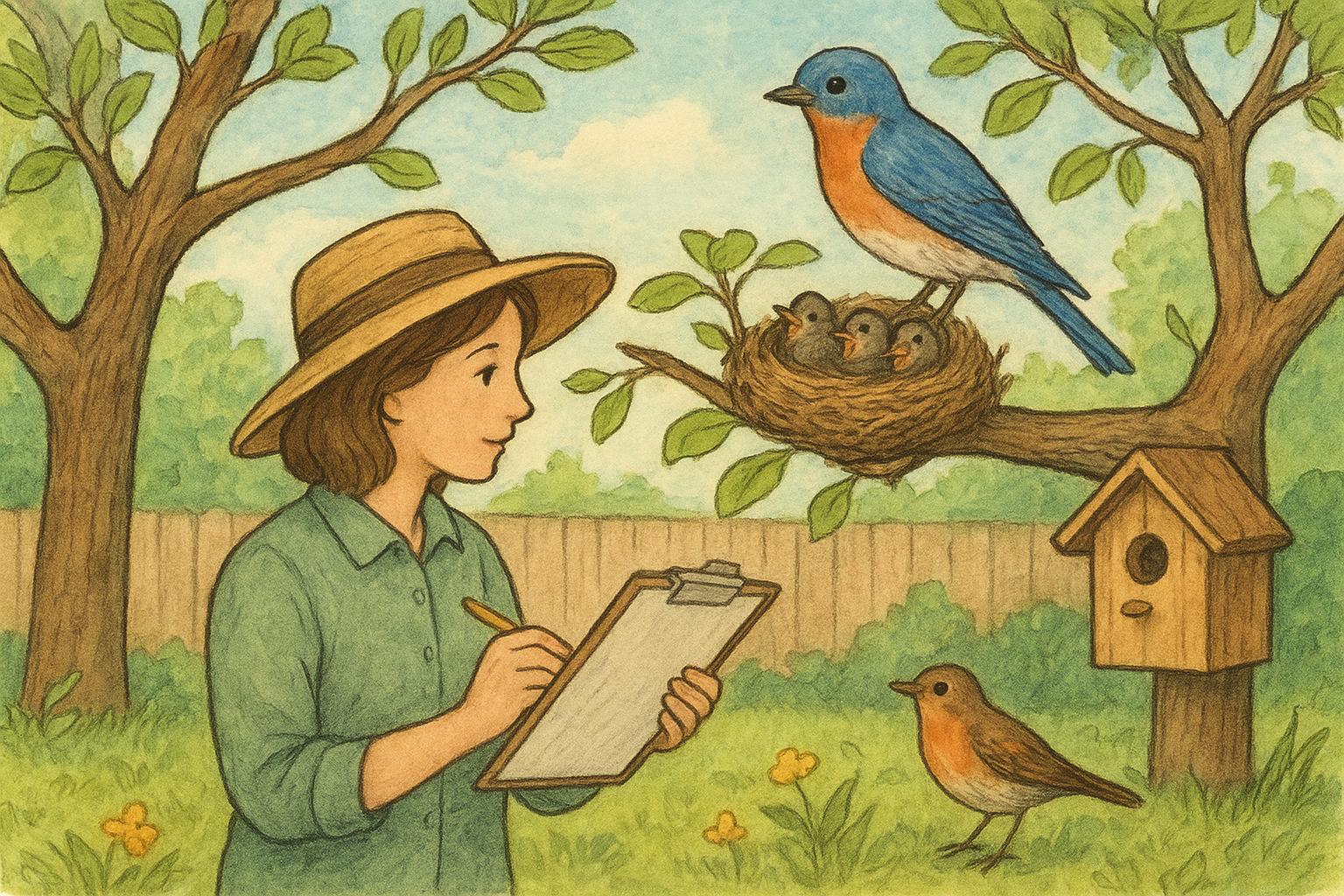
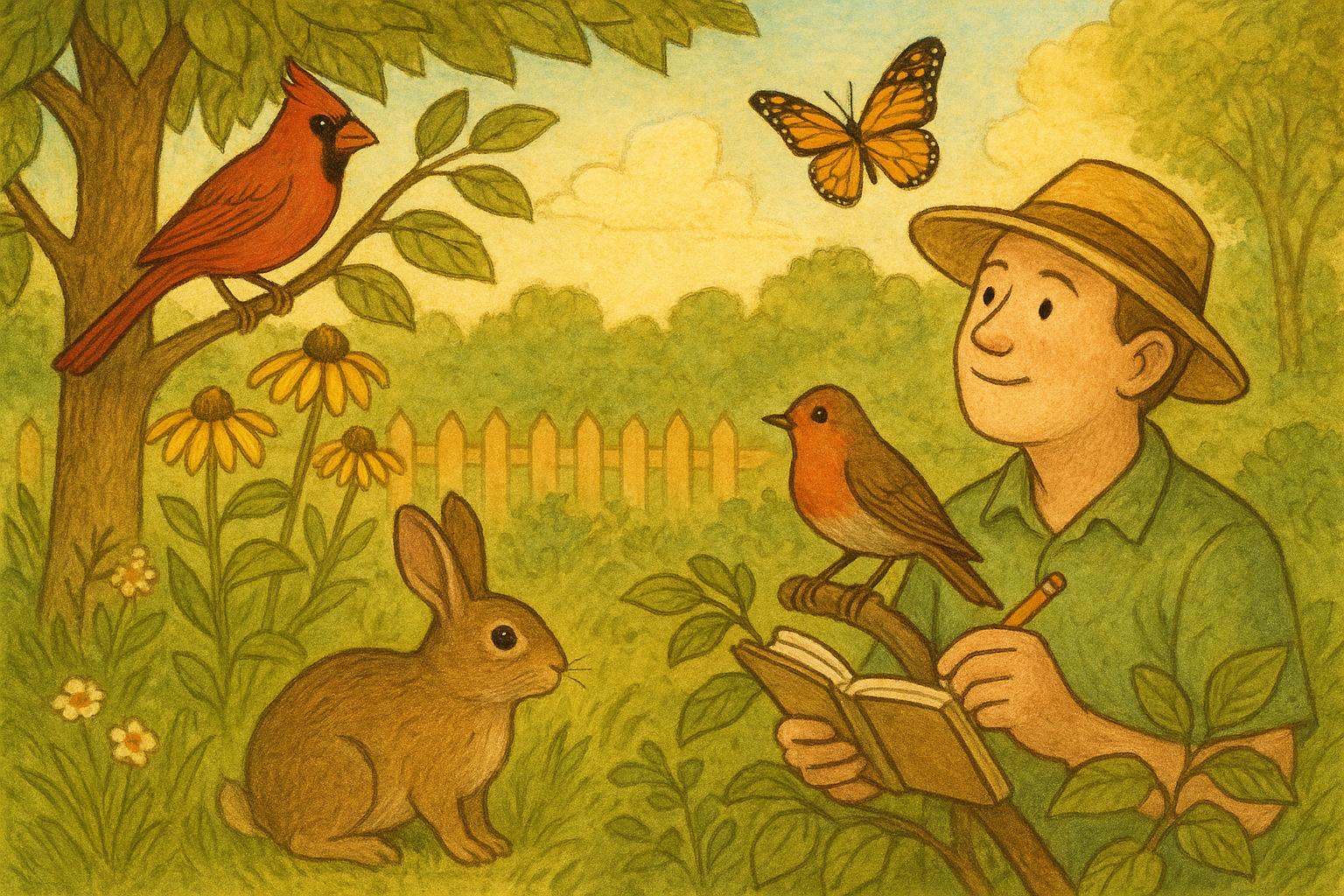
Watching backyard woodpeckers can be a daily delight. Keep a simple field notebook of species, dates, and behaviors. Over time you’ll detect patterns—when particular species peak in numbers, which trees they prefer, and how weather affects drumming intensity. A pair of binoculars and a camera with a zoom lens turn your yard into a small-scale research station and entertainment source.
Enjoy the carpentry show, keep your sense of humor intact when your porch gets a new set of wood chips, and remember that a little habitat stewardship goes a long way toward supporting these industrious birds in your neighborhood.




Leave a Reply