
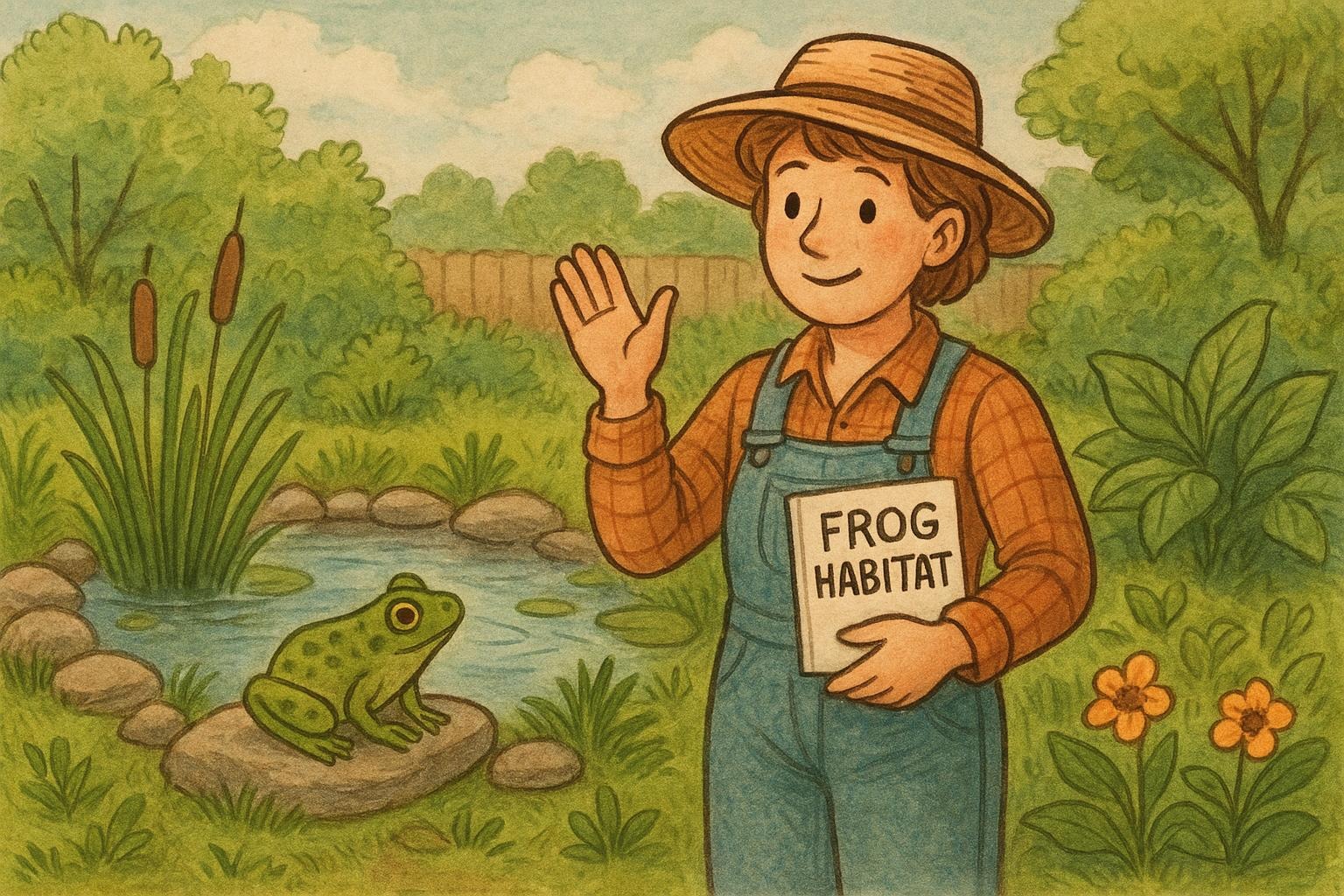
Hey there — pull up a chair, put on your muddy boots (metaphorically or not), and let’s chat about frogs. I get a lot of messages that boil down to, “Can you pick the perfect frog for my yard?” and the honest answer is: I can’t pick a frog any more than I can pick the weather. But I can absolutely help you design a yard that frogs actually want to move into.
## Sorry I Can’t Pick Frog Habitat For Your Backyard Guide
### Why I Can’t Literally Pick Your Frog For You
Nature doesn’t do remote control. Frogs choose homes based on microclimates, food availability, predators, and a personality that—yes—varies by species. Even neighboring yards can attract very different amphibian communities because of tiny differences in shade, moisture, or the presence of a big nasty cat. What I can do is lay out what makes a good frog habitat and give practical steps so your yard becomes irresistible to them.
### What Frogs Are Looking For
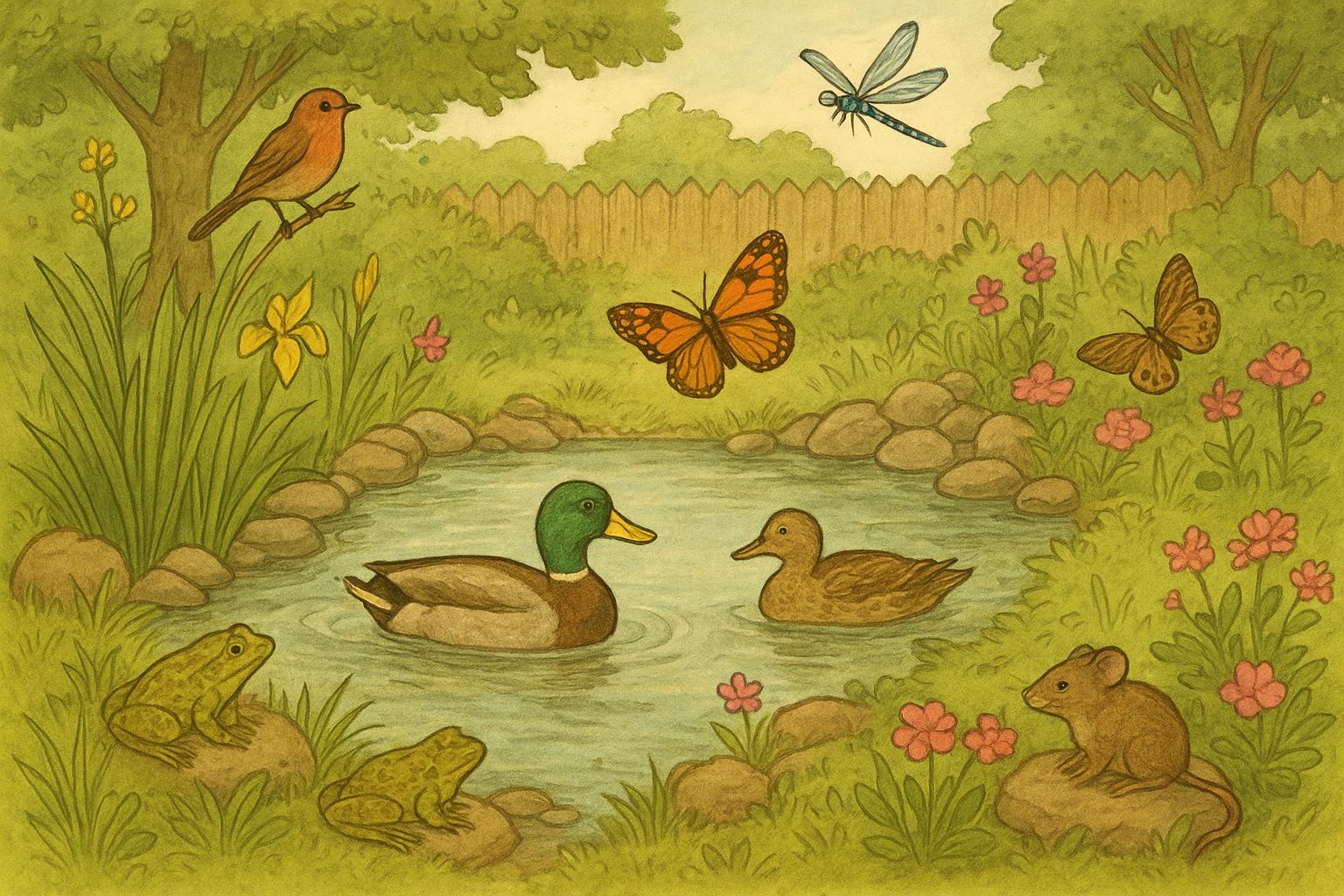
Frogs need three big things: moist shelter, breeding water, and food. Think of those as: a cozy bed, a community pool, and an all-you-can-eat insect buffet. Different species will have slight twists on that formula: tree frogs want vertical vegetation and perches; toads like shallow burrows and drier edges; pond frogs prefer open water with plant life. Designing a frog-friendly space means layering features so several species can coexist.
#### Moist Shelter And Microclimates
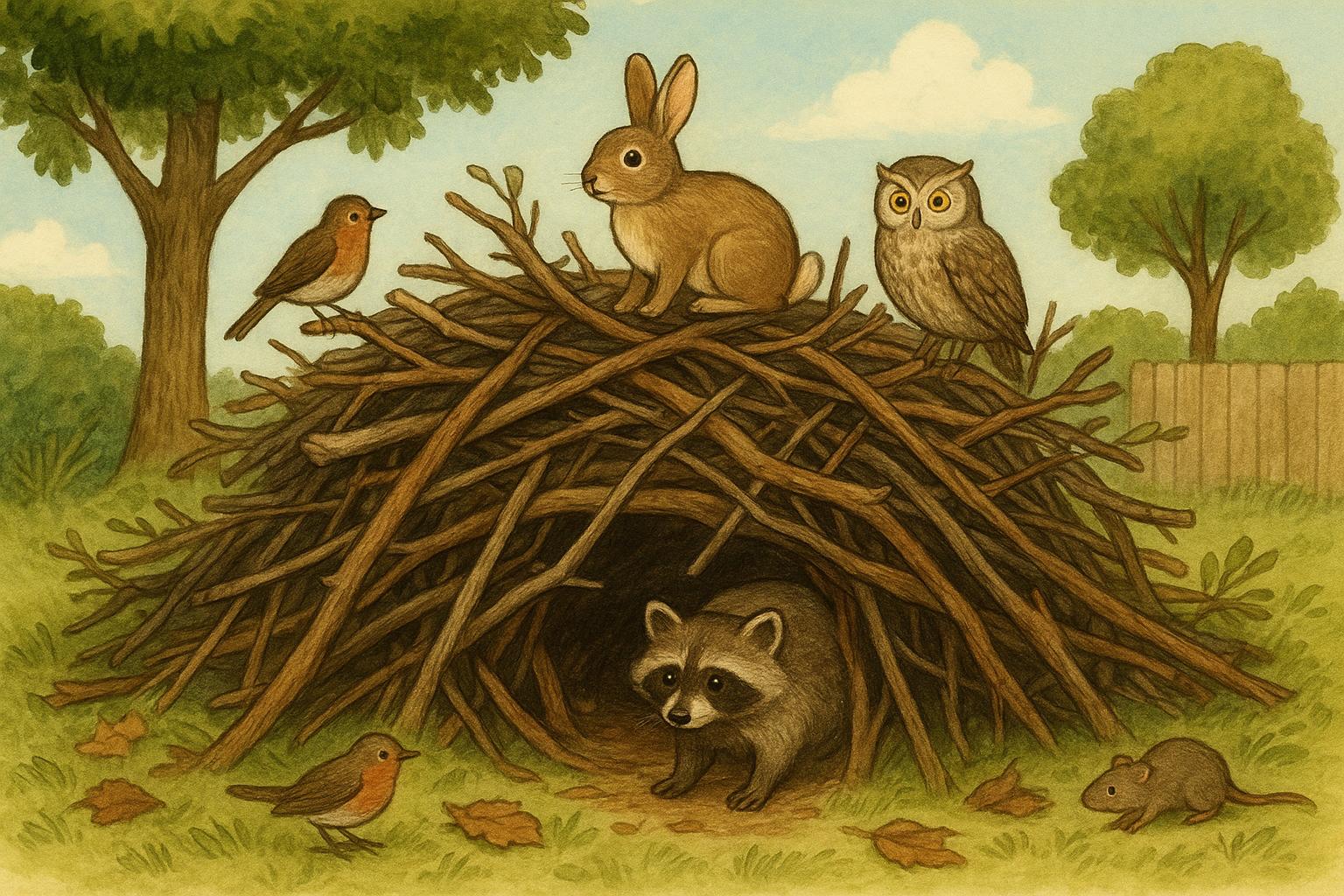
Frogs are amphibians, which means they lose water easily through their skin. A frog habitat must have shaded, humid spots: dense groundcover, rock piles, and logs that retain moisture. Even a simple stack of flat stones can create cool crevices where frogs hide by day and hunt by night.
#### Breeding Water Versus Mosquito Pools
Not all water is equal. Frogs need relatively stable water for their eggs and tadpoles—puddles that dry too fast or water that’s highly polluted won’t do. A small pond with shallow edges, submerged and emergent plants, and some depth variation will support breeding without turning into a mosquito factory if designed correctly.
#### Food And Foraging Zones
A healthy insect population supports frogs. Native plants, compost heaps, and minimal pesticide use create an environment rich in beetles, moths, flies, and other frog snacks. Night-blooming flowers and low-wattage outdoor lights can help insects thrive while also making your yard more interesting after dark.
## Frog Habitat Placement And Legalities
### Check Local Species And Regulations
Before building a pond or moving logs, look up local amphibian species and regulations. Some frogs are protected, and disturbing breeding sites can be illegal. Your local wildlife agency or extension service can tell you which species are native and what seasonal restrictions might apply.
### Choose The Right Spot In Your Yard
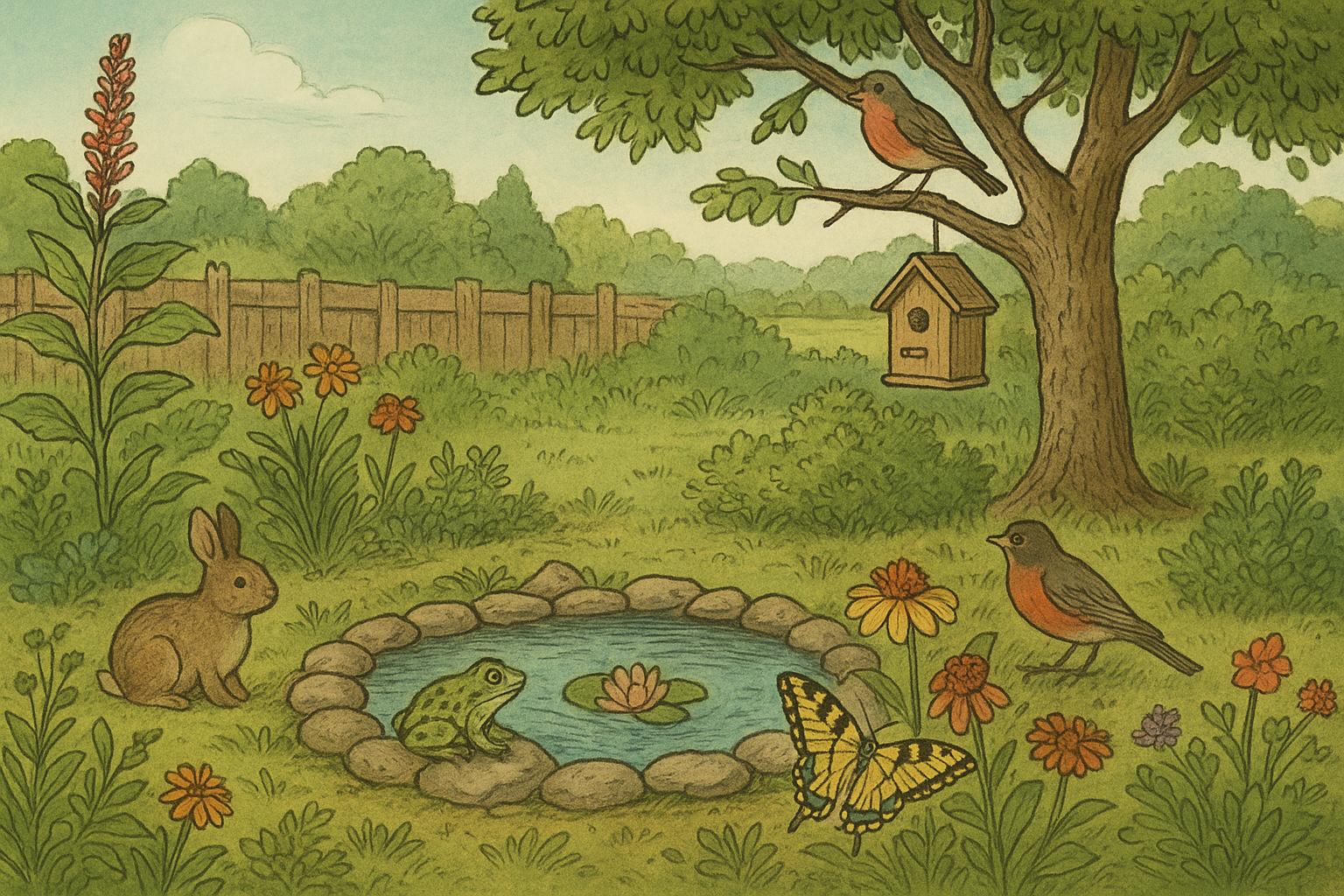
Place water where it won’t be directly exposed to full sun all day—partial shade is ideal. Situate shelter near the water but also add dry refuges further away; this creates a gradient of habitat. Avoid placing new water features under trees shedding lots of leaves, unless you plan regular maintenance.
### Predator Considerations
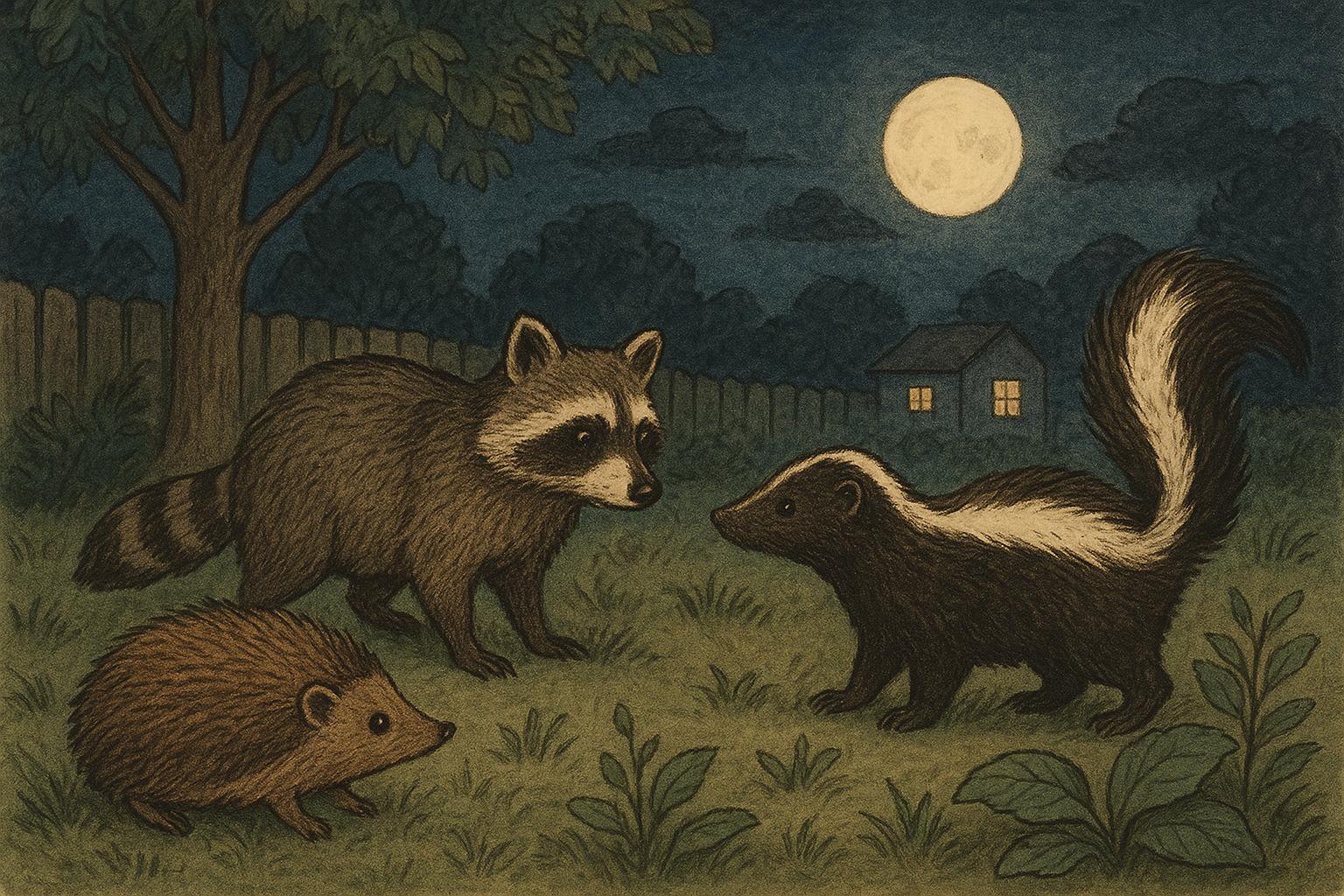
Cats and raccoons love what frogs love. Provide hiding spots that are small and low-to-ground, where a frog can wedge itself. For larger ponds, consider gentle slopes and shoreline planting that give frogs quick escape routes.
## 1. Build A Small Pond (Remedy 1)
When I say “remedy,” I mean a practical fix: a well-designed pond is the single most effective way to encourage frogs. Below is a formal, informative set of materials and steps.
#### Materials Required
– Pond liner (flexible EPDM or pre-formed pond shell)
– Underlay fabric or sand for cushioning
– Shovel and rake
– Rocks and gravel for edging and shallow shelves
– Native aquatic plants (emergent, marginal, and submerged species)
– A few flat stones for basking and hiding
– Optional: small solar aerator or fountain (low flow)
– Gloves and safety eyewear
#### Step-By-Step Construction And Maintenance
1. Site Selection: Select a partially shaded spot away from heavy tree leaf fall and underground utilities. Check for level and drainage.
2. Mark And Excavate: Outline the desired pond shape with a rope. Excavate to form a variety of depths: shallow shelves (2–6 inches) for marginal plants and deeper areas (12–24 inches) for tadpole refuge.
3. Prepare The Hole: Remove sharp stones and roots. Add a thin layer of sand or underlay fabric to cushion the liner.
4. Fit Liner And Shape: Lay the pond liner, ensuring it overlaps the edges. Smooth wrinkles and shape shelves using rocks and gravel. For pre-formed shells, ensure they sit level.
5. Add Rocks And Shelves: Place flat stones on shelves for frogs to hop out and hide. Use larger rocks to secure the liner at the edges but avoid sealing completely—leave gaps for plantings.
6. Plant Native Aquatic Vegetation: Use a mix of submerged oxygenators, marginal plants, and emergent plants to provide cover and feeding surfaces. Avoid aggressive exotics.
7. Fill Gradually And Balance: Fill with dechlorinated water or allow tap water to sit 24–48 hours before use. Test for pH; many native frogs tolerate a range but avoid extremes.
8. Optional Aeration: Add a low-flow solar aerator if the pond is deep and stagnant, especially in warm climates. Avoid high circulation that would wash away eggs.
9. Ongoing Care: Remove excessive algae mechanically, thin invasive plants annually, and do not use chemical algicides or mosquito dunks with harmful active ingredients. Monitor for predators and winter conditions.
## 2. Create Shelter And Forage Areas (Remedy 2)
Shelter is as important as water. This second formal remedy describes what to add and how.
#### Required Materials
– Native shrubs and groundcover plants
– Logs, flat rocks, and a pile of leaves or brush
– Coarse mulch (untreated wood chips)
– Shallow clay pots or upturned boards for dry refuges
– Optional: small sections of fencing to protect critical spots from pets
#### Construction And Application Steps
1. Design A Gradient: Plan zones from wet to dry—shelf planting near the pond transitioning to shrubbery and then to dry refuges.
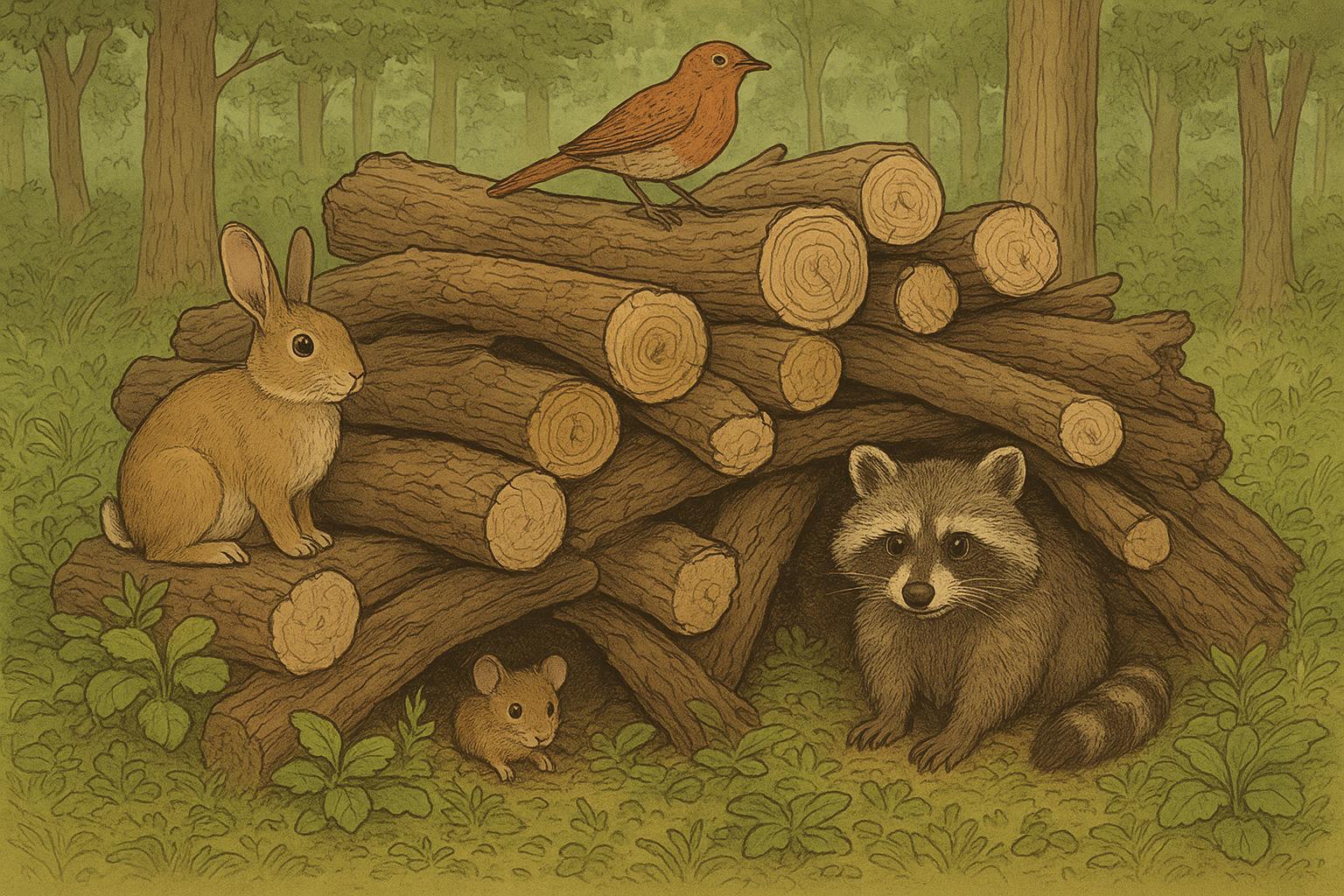
2. Place Natural Cover: Lay logs on their sides to create crevices. Stack flat stones to form cool, humid gaps. Arrange an upturned pot partly buried to create a toad-safe hideout.
3. Plant Natives: Install native shrubs and groundcovers that retain humidity and attract insects. Avoid dense manicured lawns right up to the pond—leave rougher edges.
4. Create Leaf Litter Piles: Set aside a corner for a natural leaf pile. Frogs and their prey use these for shelter; they also support soil health.
5. Protect From Pets: Erect small, low barriers around the most important spots, and train pets to stay away with positive reinforcement and accessible play areas elsewhere.
6. Maintenance: Replace logs every few years as they decompose, replenish leaf litter seasonally, and limit pesticide use. Monitor plantings for invasive tendencies.
### Water Quality And Mosquito Management
Good news: correctly managed water features do not inevitably become mosquito magnets. Predatory insects, dragonfly nymphs, and fish (if present) eat mosquito larvae. If mosquitoes are a concern, introduce native predatory insects by planting emergent vegetation, or use Bacillus thuringiensis israelensis (Bti) products targeted specifically at mosquito larvae—applied according to label instructions—to avoid harming non-target species.
### Common Mistakes To Avoid
– Putting a pond in full sun where water overheats.
– Using concrete or treated wood that can leach chemicals.
– Over-filtering or installing pumps that create strong currents—frogs prefer calm edges.
– Immediate introduction of non-native fish species that can eat eggs and tadpoles.
– Excessive fertilizer runoff into the pond, which causes algal blooms.
### How Long Until Frogs Move In?
If you build a thoughtful frog habitat, you might see frogs the first spring, especially if there are nearby populations. Sometimes it takes a season or several as plants establish and insect populations build. Be patient; colonization is a natural process, and when it happens, it’s quietly delightful.
### A Few Quick Etiquette Notes For Frog Hosts
– Keep lights low at night; bright lights can deter nocturnal insects and disorient amphibians.
– Avoid pesticides and herbicides entirely—these chemicals are among the top threats to frogs.
– If you find a tadpole or frog in distress, consult local wildlife rehabbers before attempting home remedies; some apparent “rescues” do more harm than good.
All right, that’s the practical stuff done. If you want, I can sketch a simple pond layout tailored to your yard dimensions or help you pick native plants for your area. Otherwise, go set out a nice, damp rock and listen after sunset—you may hear your yard’s new tenants before you see them.



Leave a Reply